17 Nostalgic Cruise Photos from the Golden Age
There’s something magical about flipping through old cruise photographs from the 1950s and 60s. The formal dinner attire, the elaborate deck parties, the sense that taking a cruise was still an extraordinary adventure rather than a floating mall experience.
These images capture a time when ocean travel retained its romance and mystery, when passengers dressed for dinner and the journey itself mattered as much as the destination.
The golden age of cruising existed in that sweet spot after air travel became reliable but before it became affordable for everyone. Ships were still the primary way to cross oceans, and cruise lines treated their vessels like floating palaces designed to impress.
Every detail mattered, from the grand staircases to the way staff presented afternoon tea.
Formal Dining Rooms with White Gloves
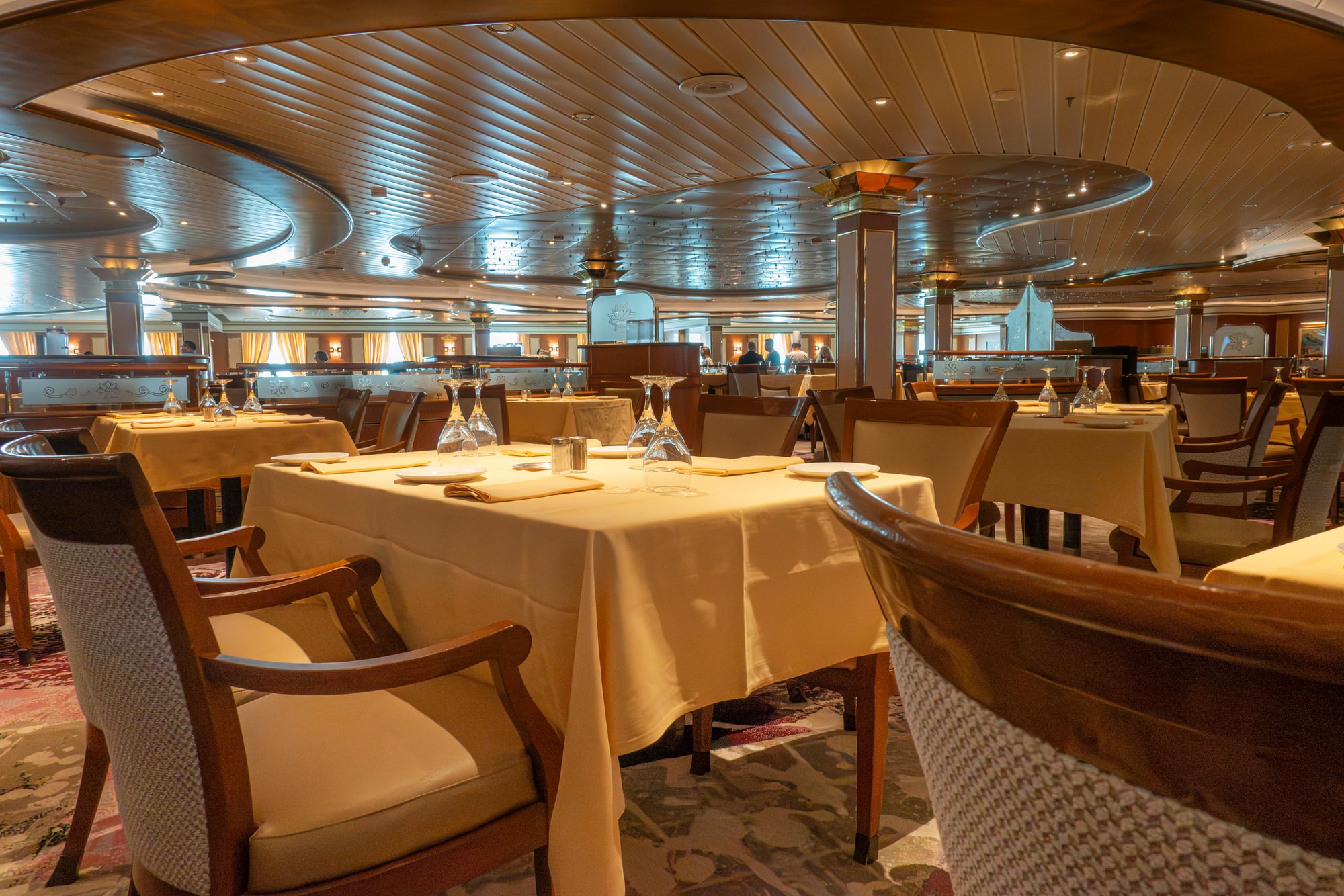
Dinner wasn’t just a meal. It was theater.
The dining rooms gleamed with crystal chandeliers and starched white tablecloths that stretched as far as you could see.
Captain’s Welcome Cocktail Party
These photos feel like stepping into a black-and-white movie where everyone knew their role perfectly. The captain stands in his pressed uniform, surrounded by passengers who’ve spent an hour getting ready for what amounts to a thirty-minute reception, and somehow that effort feels exactly right rather than excessive.
You can practically hear the clink of martini glasses and the gentle hum of conversation that never quite rises to actual laughter—the kind of restrained social pleasure that belonged to an era when people still believed appearances mattered more than comfort.
The women wear evening gloves that go past their elbows. The men’s bow ties are hand-tied, not the clip-on versions that would arrive later.
And the captain himself becomes a kind of celebrity figure, someone passengers genuinely wanted to meet rather than someone they’d avoid in the hallway.
Pool Deck Glamour Shots
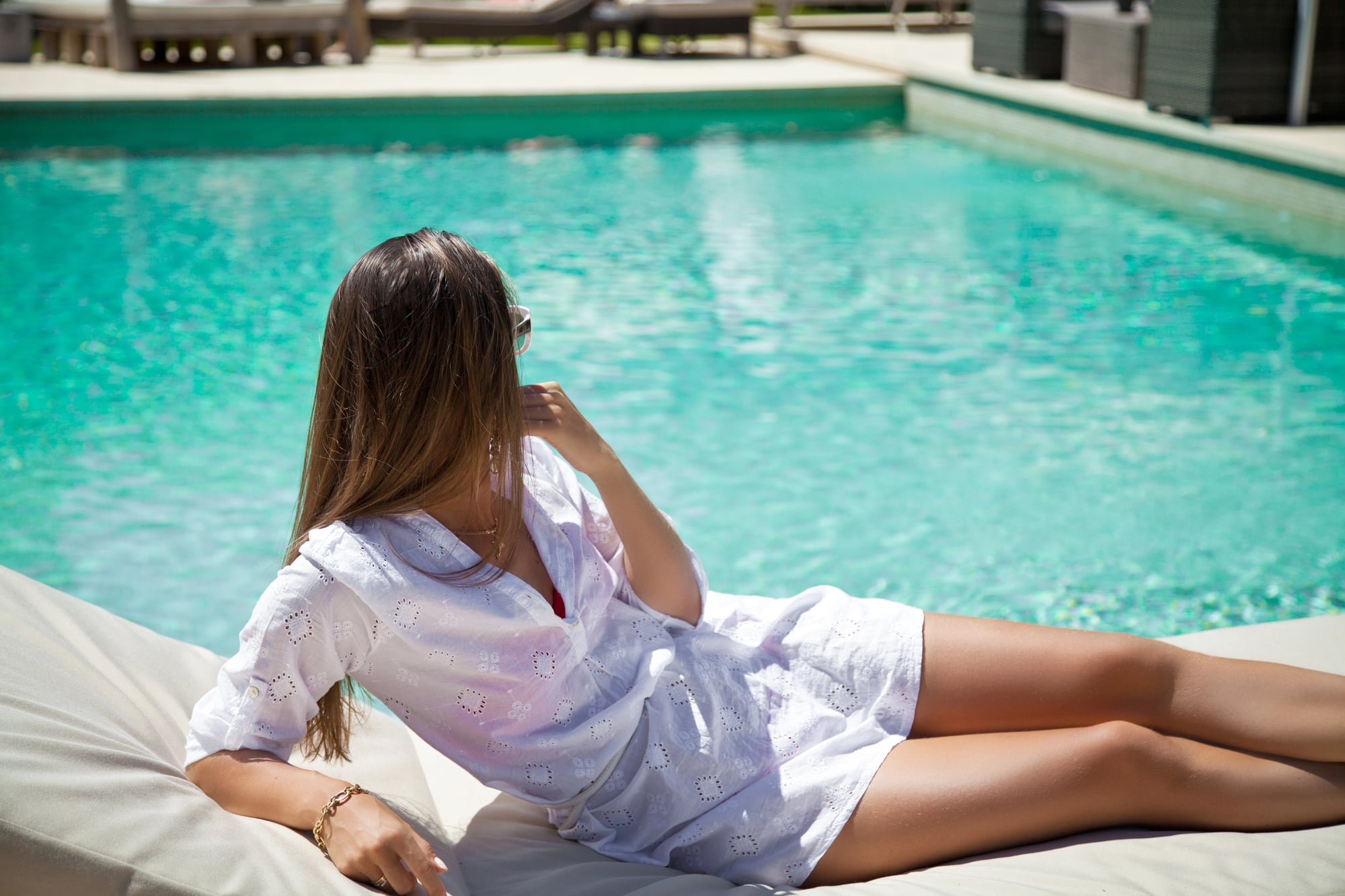
The poolside scenes from this era had rules. No one actually swam much.
The pool served as a backdrop for socializing, reading, and showing off carefully coordinated resort wear.
Women posed in one-piece suits with modest cuts and matching cover-ups. Men wore proper swim trunks—never shorts that doubled as swimwear.
Everyone looked like they’d stepped out of a magazine spread, which wasn’t accidental. Taking a cruise meant performing a version of yourself that was slightly more polished than real life.
Grand Staircase Arrivals
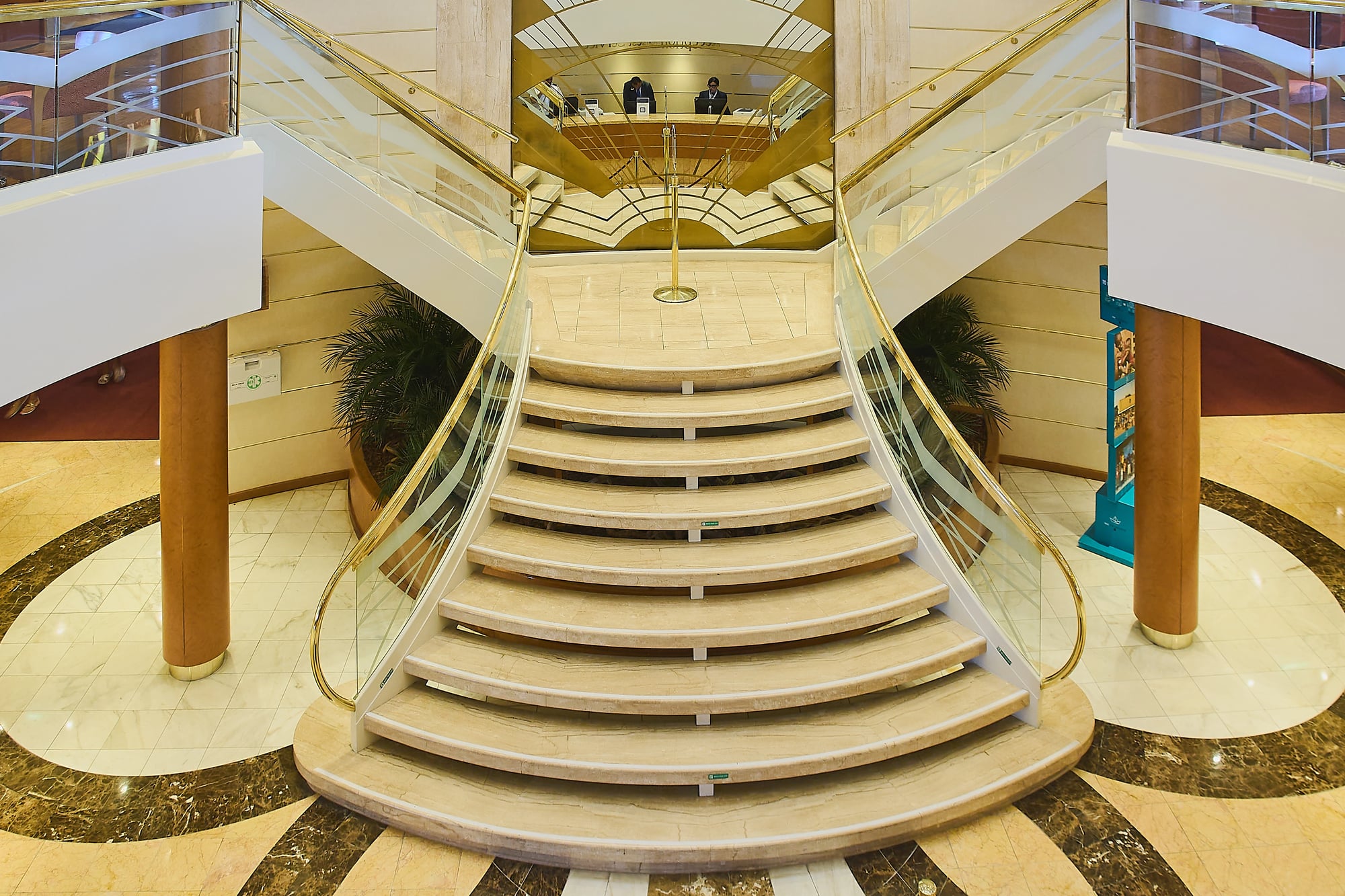
The grand staircase photographs tell you everything about what cruising used to represent. These sweeping, carpeted staircases weren’t just functional—they were stages designed for passengers to make an entrance, and the photographs prove people understood the assignment perfectly.
Couples descend arm-in-arm in evening wear, the woman’s gown trailing just enough to suggest elegance without risking a tumble, while other passengers gather at the bottom like an appreciative audience waiting for the next act to begin.
The staircases themselves were architectural statements: curved banisters that gleamed under chandelier light, wide enough for two people to walk side by side without crowding, steep enough to create drama but shallow enough that no one would arrive at the bottom out of breath (which would have been mortifying). And the photographs capture that delicate balance between spontaneity and staging—these moments look natural, but everyone involved clearly understood they were participating in something that deserved to be remembered.
Engine Room Tours
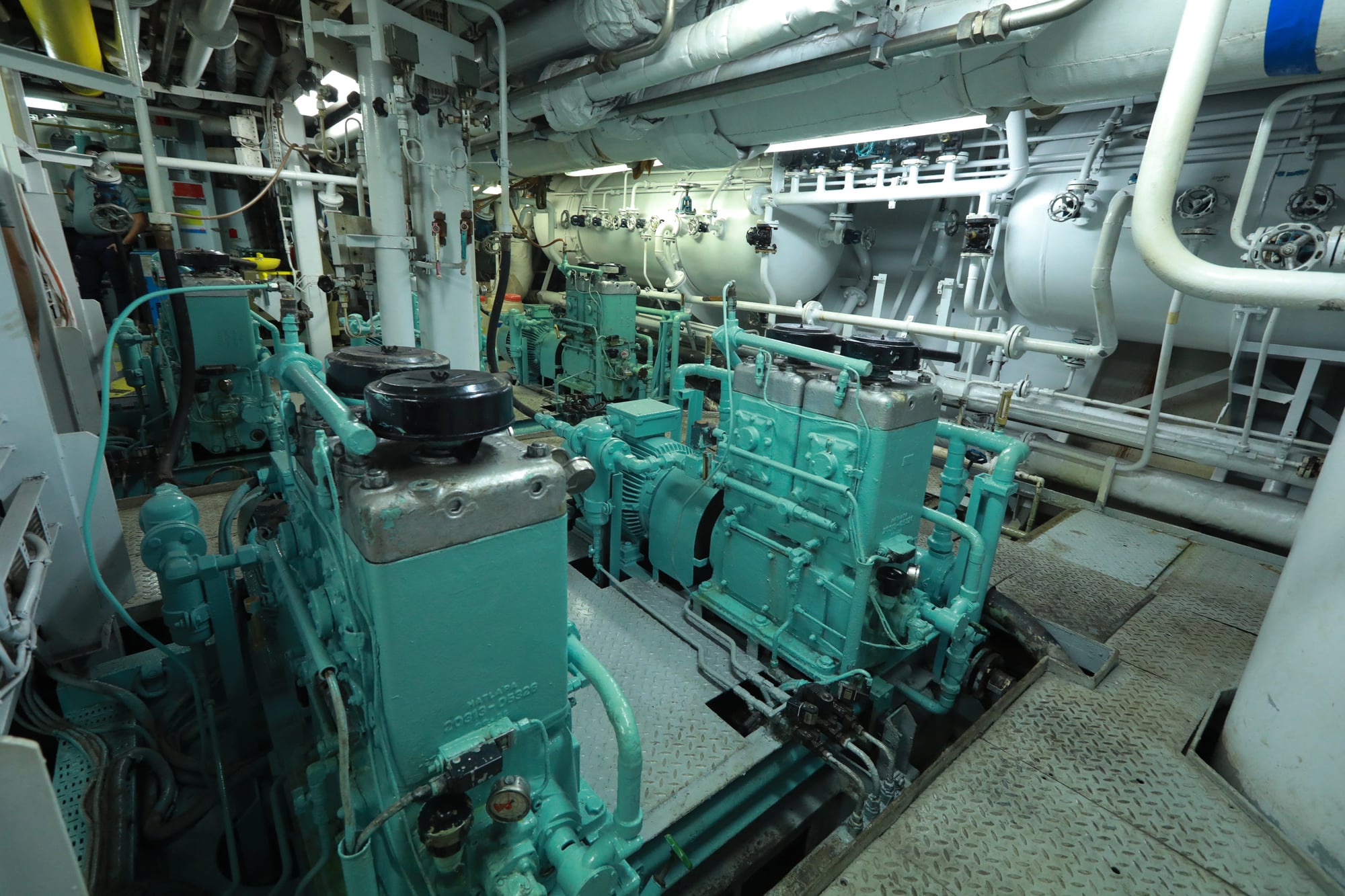
Engine room tours were serious business back then. Passengers dressed up to see the machinery.
The photos show groups in their day clothes—men in pressed slacks and button-downs, women in dresses and sensible heels—standing next to massive engines that actually meant something.
These weren’t token tours designed to kill time between shuffleboard and the buffet. The engines represented genuine maritime engineering, and passengers seemed to understand they were witnessing something impressive rather than just checking an activity off their cruise schedule.
Afternoon Tea Service
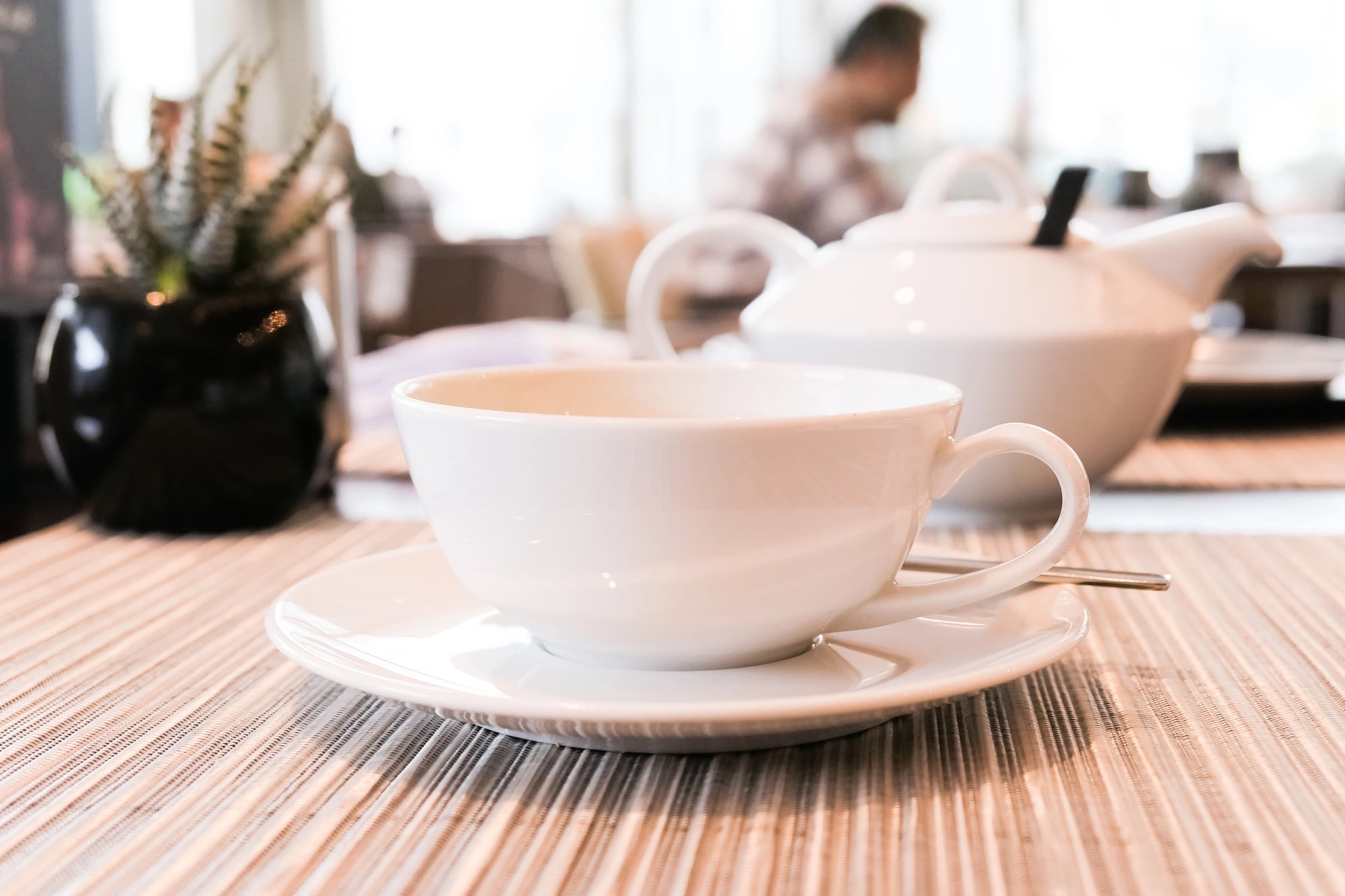
There’s a particular quality to the afternoon tea photographs that feels like watching people practice a ritual they genuinely believed in rather than performing one for social media. The tables are set with proper china—not the heavy ceramic that could survive rough seas, but actual delicate pieces that required careful handling—and the passengers sit with the kind of upright posture that suggests they’ve been doing this their entire lives, not learning it for vacation.
The staff moves through these scenes like dancers who know their choreography perfectly: pouring from silver services, arranging pastries on tiered stands, refilling cups before they’re empty. And the passengers receive this attention with the kind of gracious expectation that belonged to an era when service was still considered an art form rather than an inconvenience.
The lighting in these photographs always seems golden, probably because afternoon tea happened during that perfect hour when the sun slanted through the ship’s large windows just right. Everything looks warm and civilized and unhurried—the exact opposite of grabbing coffee on the run.
Deck Games and Entertainment
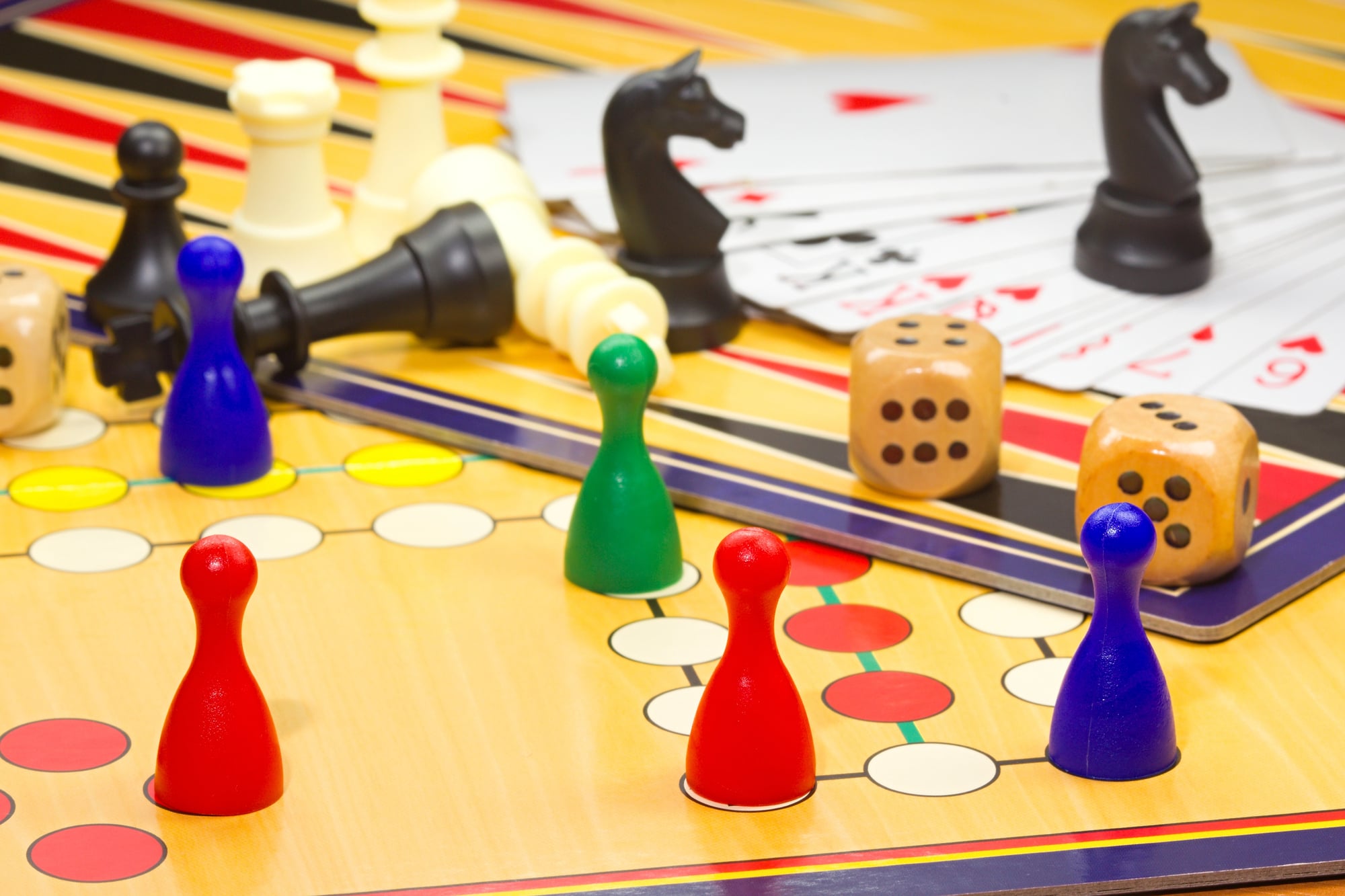
Shuffleboard was an art form. The photos prove it.
Passengers took their games seriously, wearing proper shoes and keeping score on actual scorecards.
The entertainment was live and required skill. No karaoke machines or DJ setups—just musicians who could play real instruments and passengers who knew how to waltz properly.
The deck games had rules everyone understood, and winning actually meant something to people.
Shore Excursion Groups
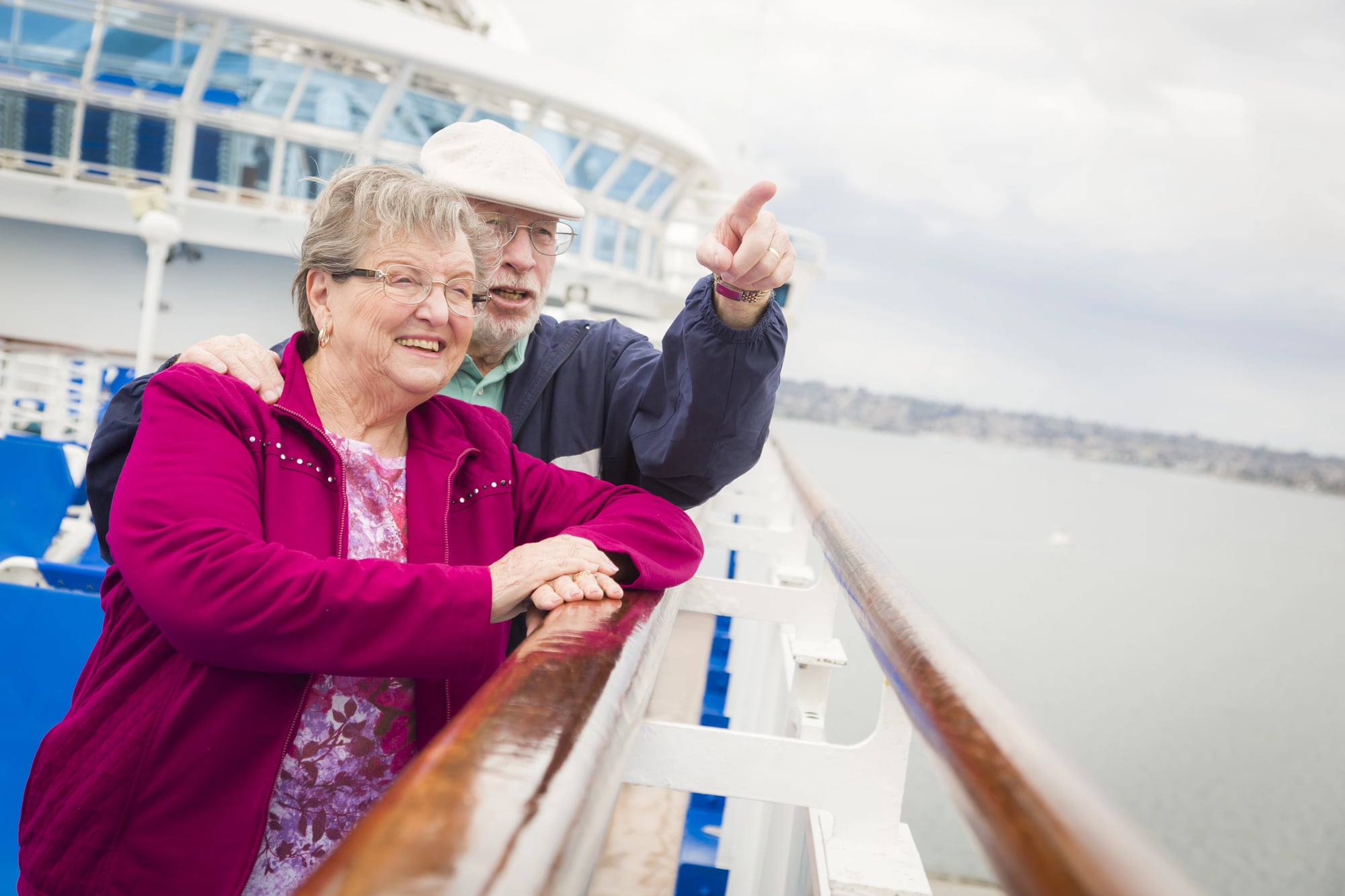
The shore excursion photographs capture something that feels almost archaeological now: the sight of tourists who dressed up to visit places rather than dressing down for them. Groups of cruise passengers pose in front of ancient ruins and famous landmarks wearing the same careful attention to appearance they brought to dinner, as if the act of traveling somewhere significant required showing proper respect through clothing choices.
These weren’t casual sightseeing trips—they were cultural expeditions that people prepared for weeks in advance, reading guidebooks and packing specific outfits for specific destinations.
The women wear coordinated ensembles with comfortable but elegant shoes, the men have cameras slung over pressed shirts, and everyone looks like they understand they’re representing not just themselves but their ship, their country, and their social class.
The tour guides in these photographs often wear uniforms or formal clothing too, treating their role as cultural ambassadors seriously rather than just pointing out photo opportunities and herding people back to the bus.
Cabin Interiors with Personal Touches
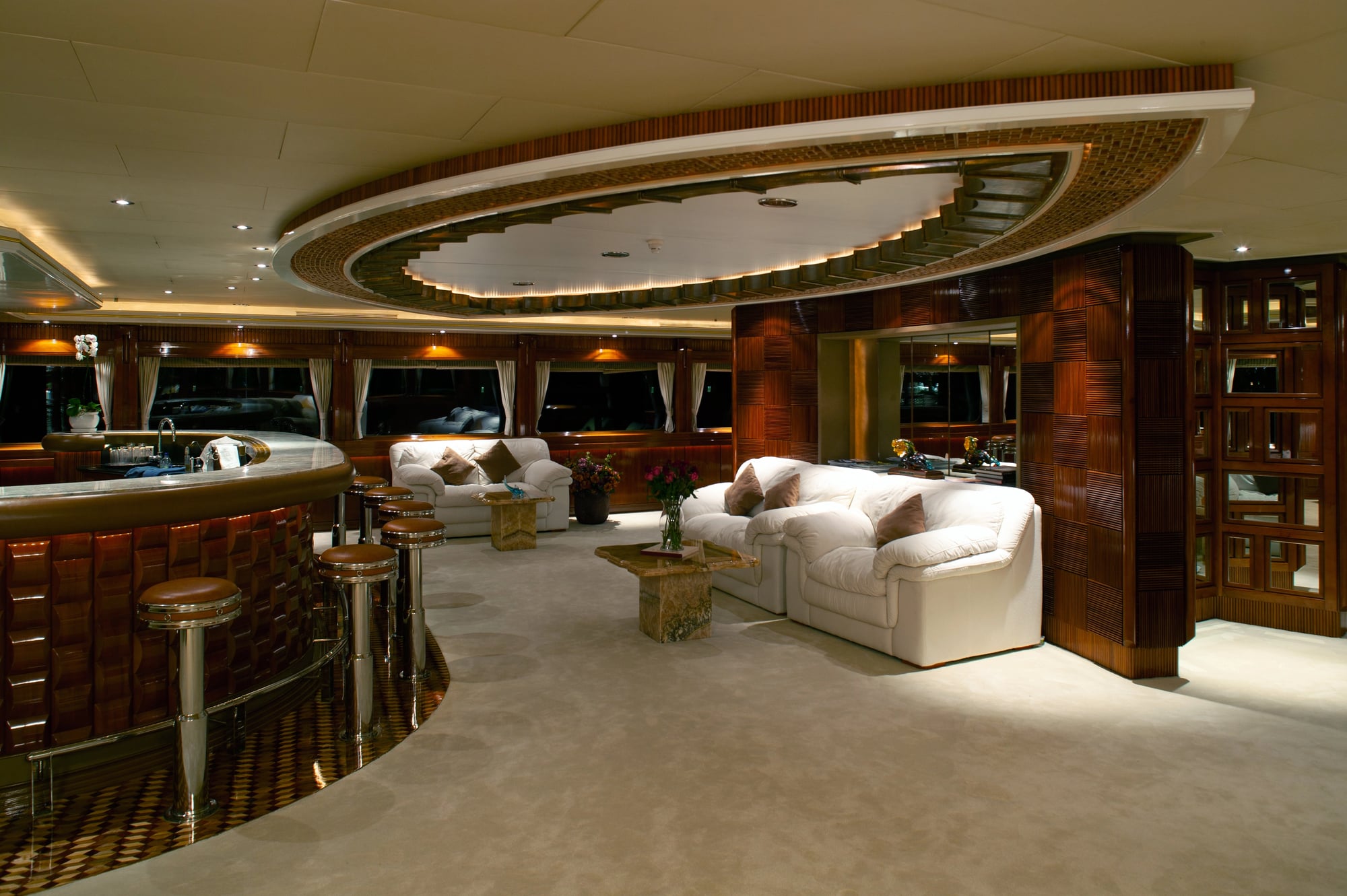
First-class cabins weren’t hotel rooms. They were temporary homes.
The photographs show spaces where passengers unpacked completely, arranging personal items and making the space their own for the duration of the voyage.
The furniture was real wood, not laminate. The bedding was cotton and linen, not synthetic blends designed for easy laundering.
Everything about these cabins suggested permanence rather than turnover, which made sense when crossing the Atlantic took a week instead of a day.
Evening Entertainment in the Grand Ballroom
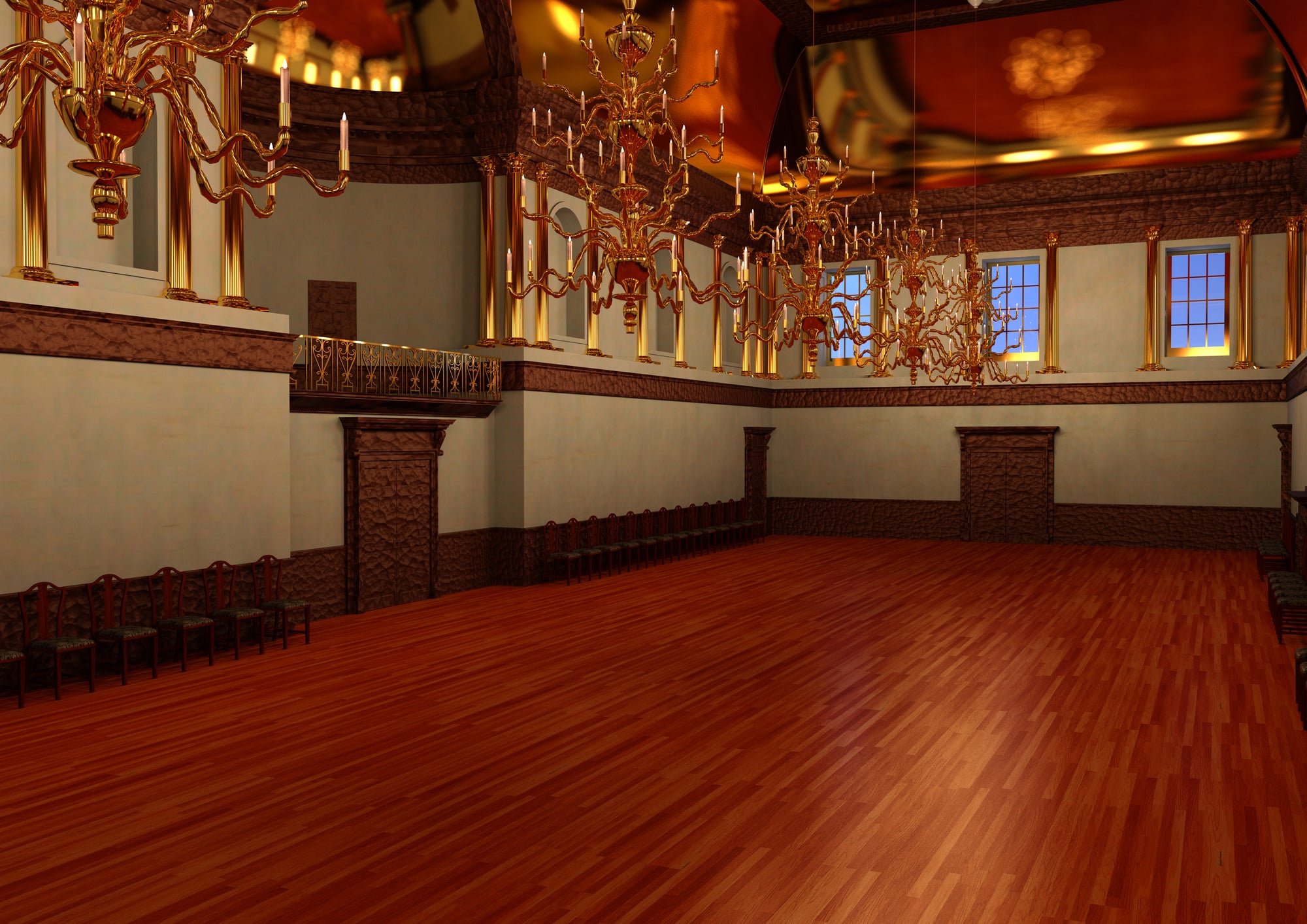
The grand ballroom photographs reveal a truth about entertainment that feels almost quaint now: people used to gather to watch performers rather than expecting to be the performers themselves. The stages were designed for professional entertainers—singers who could project without microphones, dancers who’d trained for years, musicians who could read music and improvise when the ship’s movement threw off their timing.
The audiences in these photographs sit at proper tables rather than crowded around a bar, and their attention focuses entirely on the stage rather than dividing between the show and their phones (which didn’t exist yet, obviously, but the focused attention still feels remarkable). Women wear evening gowns to watch a show, men wear tuxedos, and everyone seems to understand that entertainment is something you dress up for and pay attention to rather than something that happens in the background while you socialize.
The ballrooms themselves were architectural achievements: sprung dance floors, acoustics designed for live performance, lighting systems that could create atmosphere without overwhelming the performers. These were spaces built for elegance rather than efficiency.
Staff in Crisp Uniforms
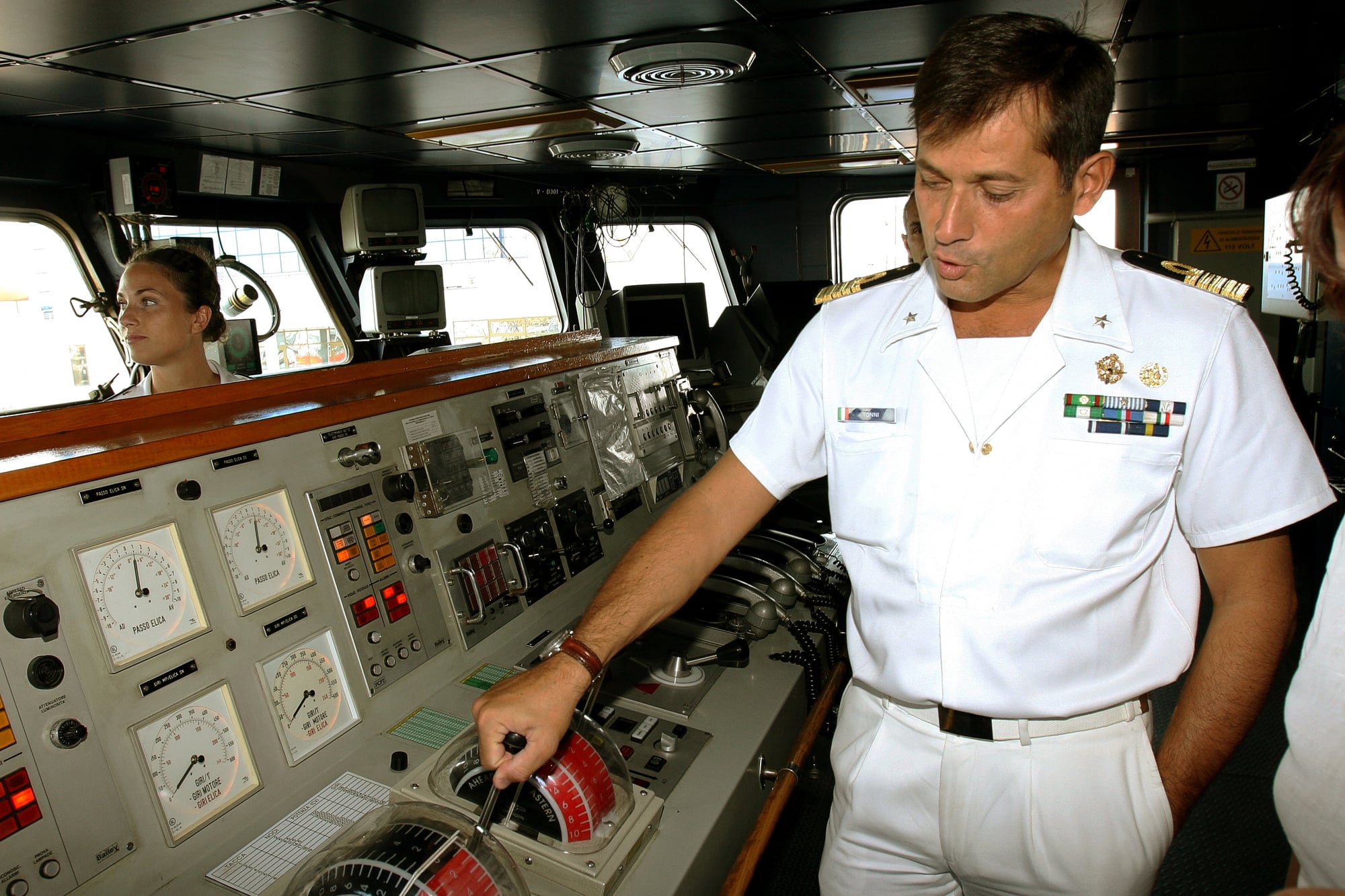
The staff photographs tell their own story about what cruise lines used to value. Every crew member looks like they stepped out of a maritime academy: uniforms pressed to perfection, shoes polished to a mirror shine, posture that suggests military training or at least military-level standards for personal presentation.
These weren’t seasonal employees picking up extra money—they were career maritime professionals who understood that their appearance reflected on the entire operation.
The dining room staff wore formal attire that rivaled the passengers’, the deck crew maintained uniforms that stayed clean despite working outdoors, and the officers looked like they could command respect in any port around the world.
Departure Day Celebrations
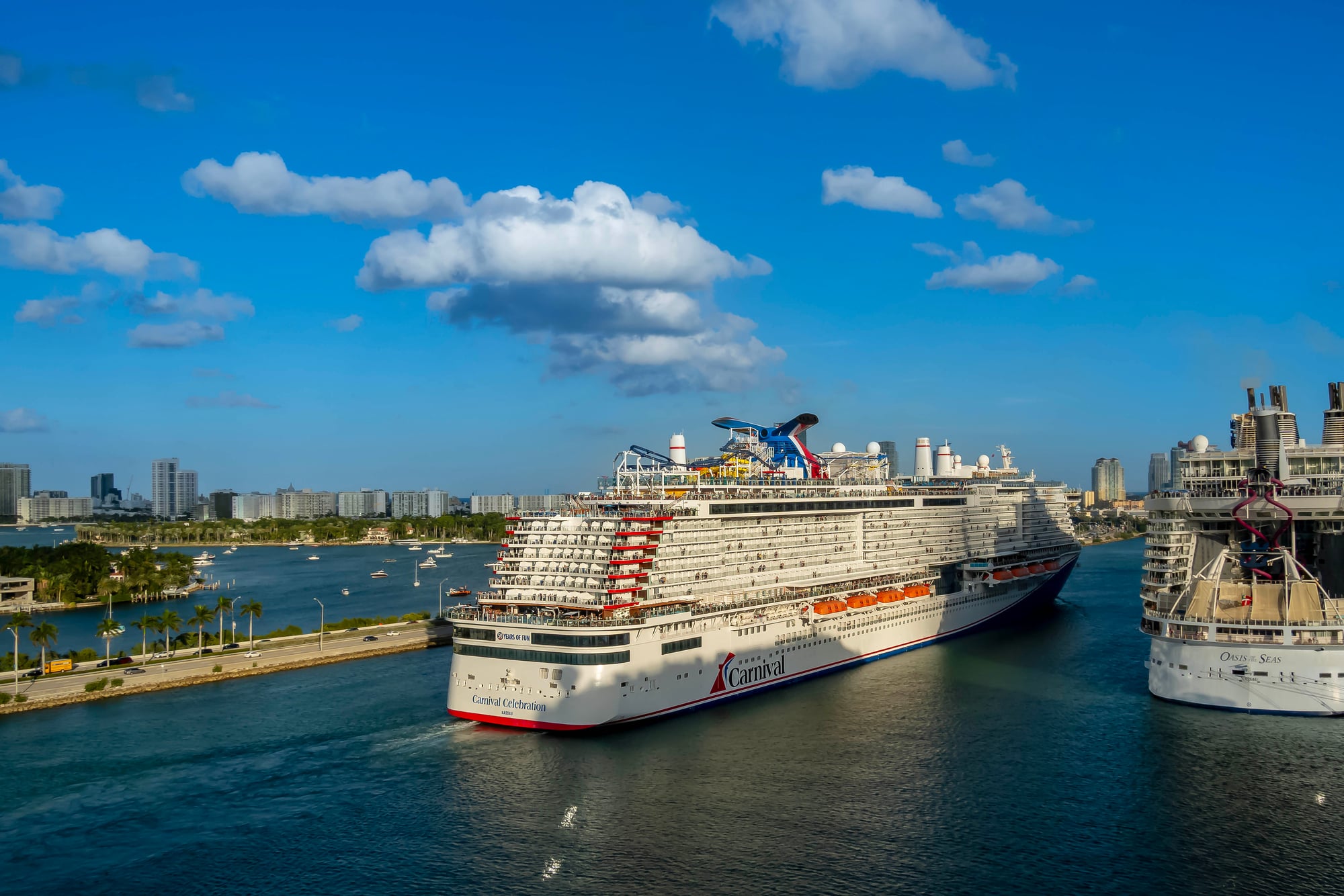
Departure day had ceremony. The photos show crowds gathered on deck, streamers flying, bands playing actual send-off music.
Passengers and their shore-bound friends understood they were participating in a ritual that mattered.
The streamers weren’t decoration—they were connection, physical links between ship and shore that would break as the vessel moved away.
People cried real tears at these departures because leaving meant something when communication would be limited and return uncertain.
Dress-Up Theme Nights
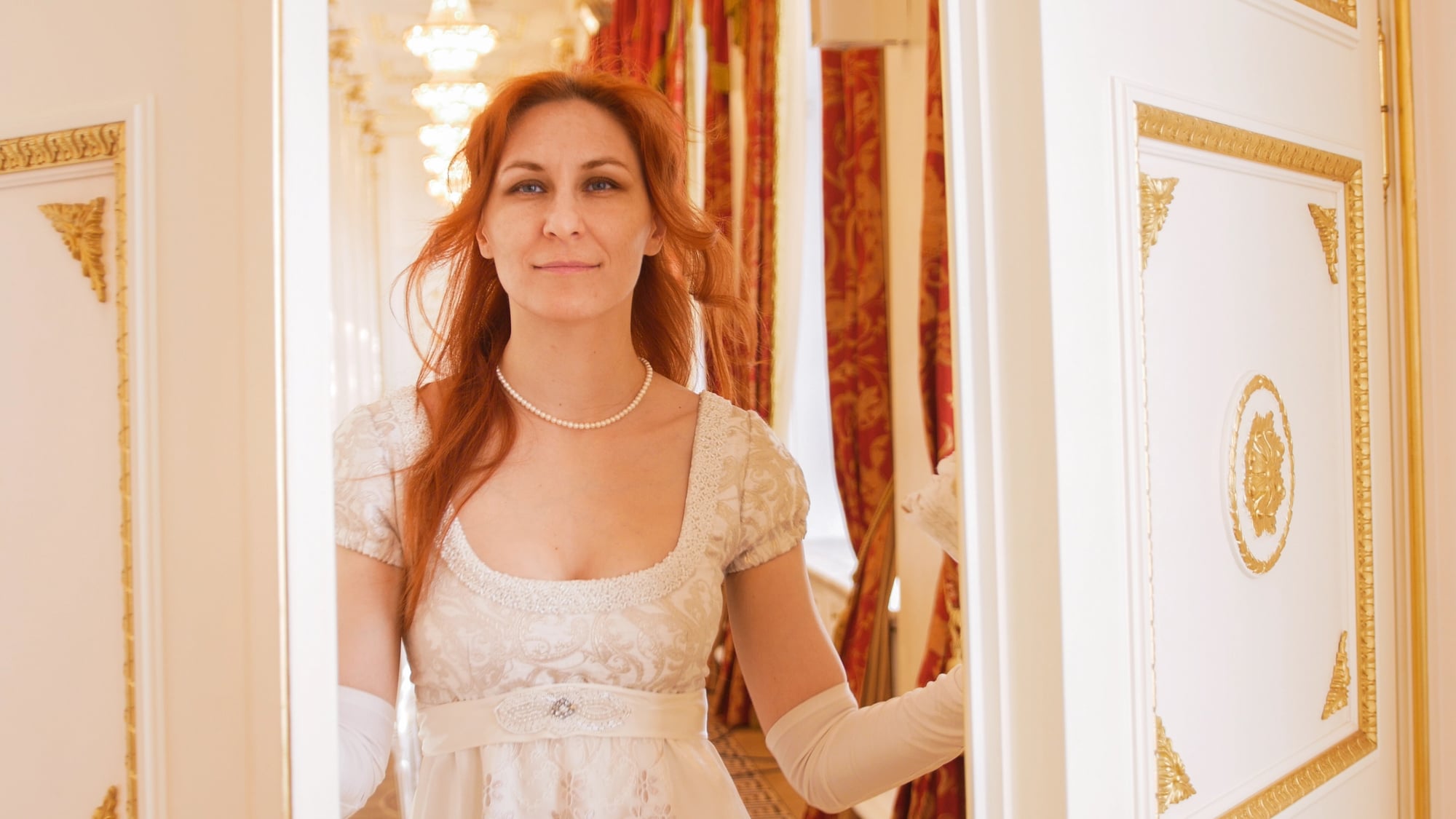
Theme nights required commitment. The photographs prove that passengers took these events seriously, creating elaborate costumes and transforming themselves completely for a single evening.
No half-hearted participation or store-bought accessories—these were people who understood that theme nights were opportunities to become someone else entirely, if only for a few hours.
The costume parties show incredible creativity and attention to detail: historically accurate period pieces, elaborate masks for masquerade events, themed decorations that passengers brought from home or created from ship materials.
Everyone seems to be competing not for prizes but for the sheer pleasure of doing something exceptionally well.
And the ship itself participated in these transformations, with dining rooms redecorated to match themes, special menus created for the occasion, and staff who entered into the spirit of the evening rather than just tolerating passenger enthusiasm.
Young Families Dressed for Dinner
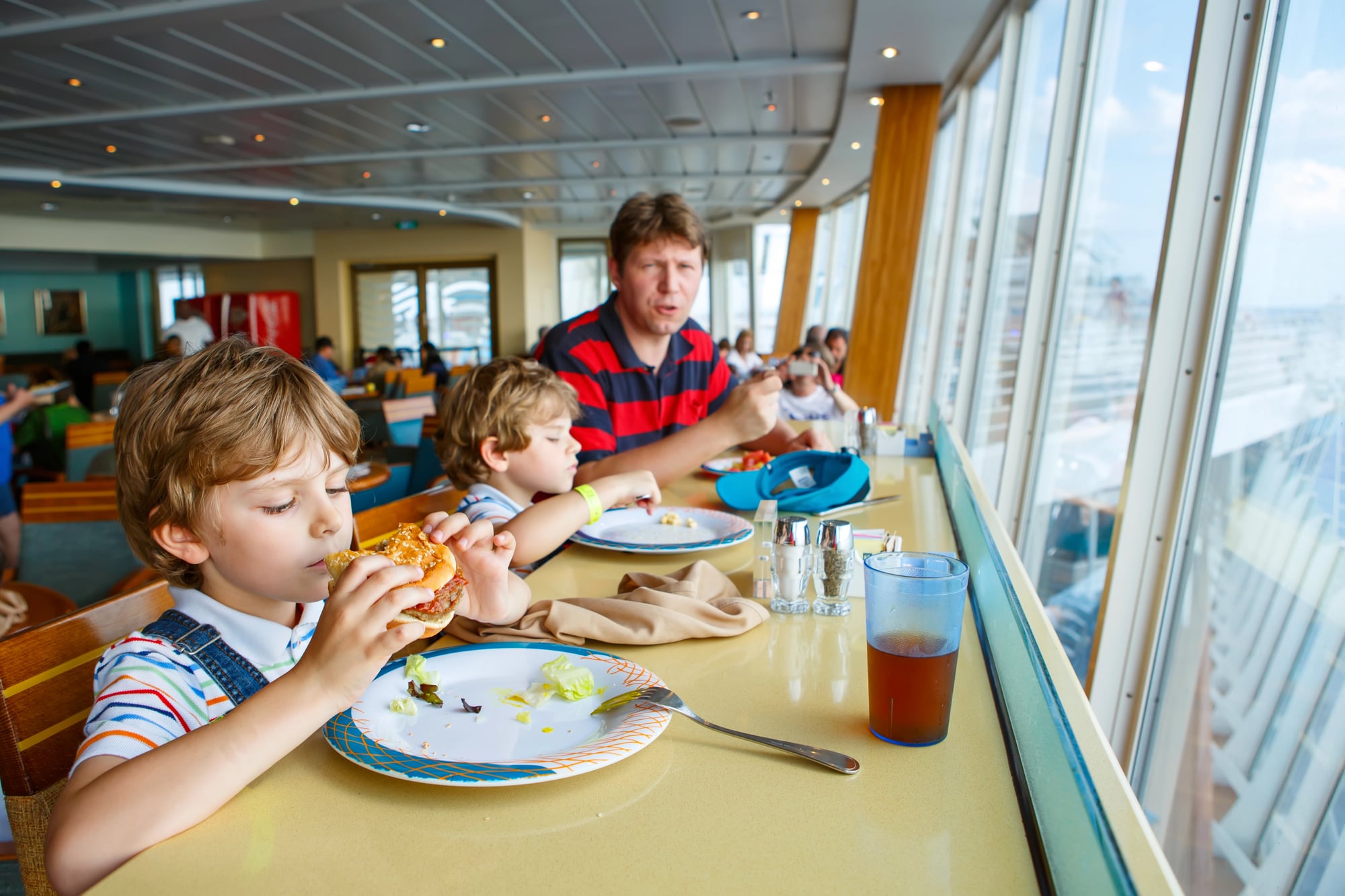
Children in these photographs look like miniature adults: boys in proper suits with ties they haven’t loosened, girls in dresses with crisp petticoats and patent leather shoes that still shine.
The families pose together with the kind of formal composition that suggests hired photographers rather than casual snapshots, but their expressions show genuine pleasure rather than forced smiles.
These families understood that cruising was a special occasion that required special behavior from everyone, including the children.
No casual dining, no running around in swimwear all day, no treating the ship like an oversized playground. Children were expected to rise to the occasion, and the photographs suggest they generally managed it successfully.
Navigation Bridge Tours
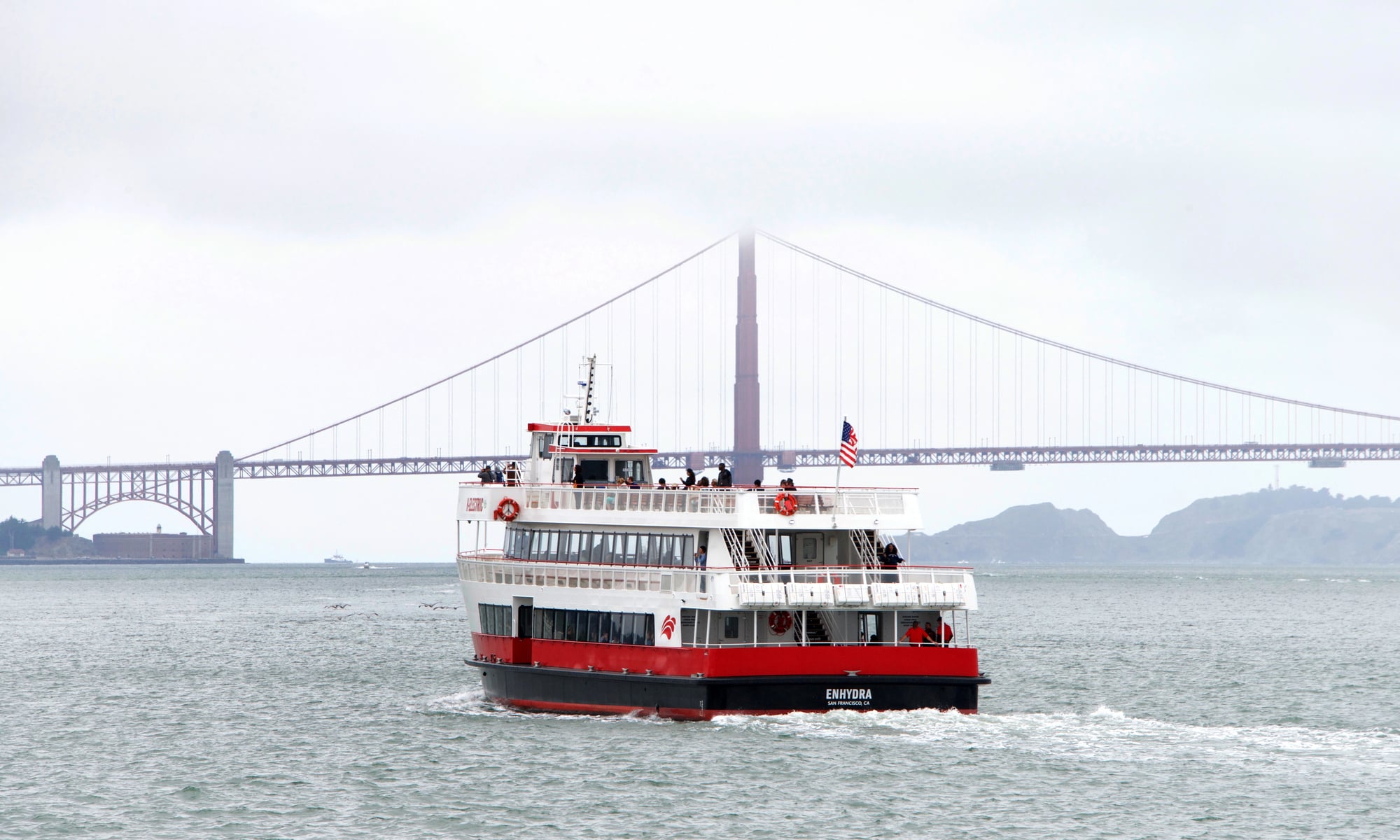
Bridge tours were exclusive privileges. The photographs show small groups of passengers standing respectfully behind the ship’s officers, everyone understanding they were witnessing something genuinely impressive rather than just killing time between activities.
The navigation equipment was serious business—real instruments that required skill to operate, not computerized systems that did the thinking for you.
Passengers seemed genuinely fascinated by the complexity of ocean navigation, and the officers took pride in explaining their work to people who approached it with appropriate respect.
Final Night Farewell Dinners
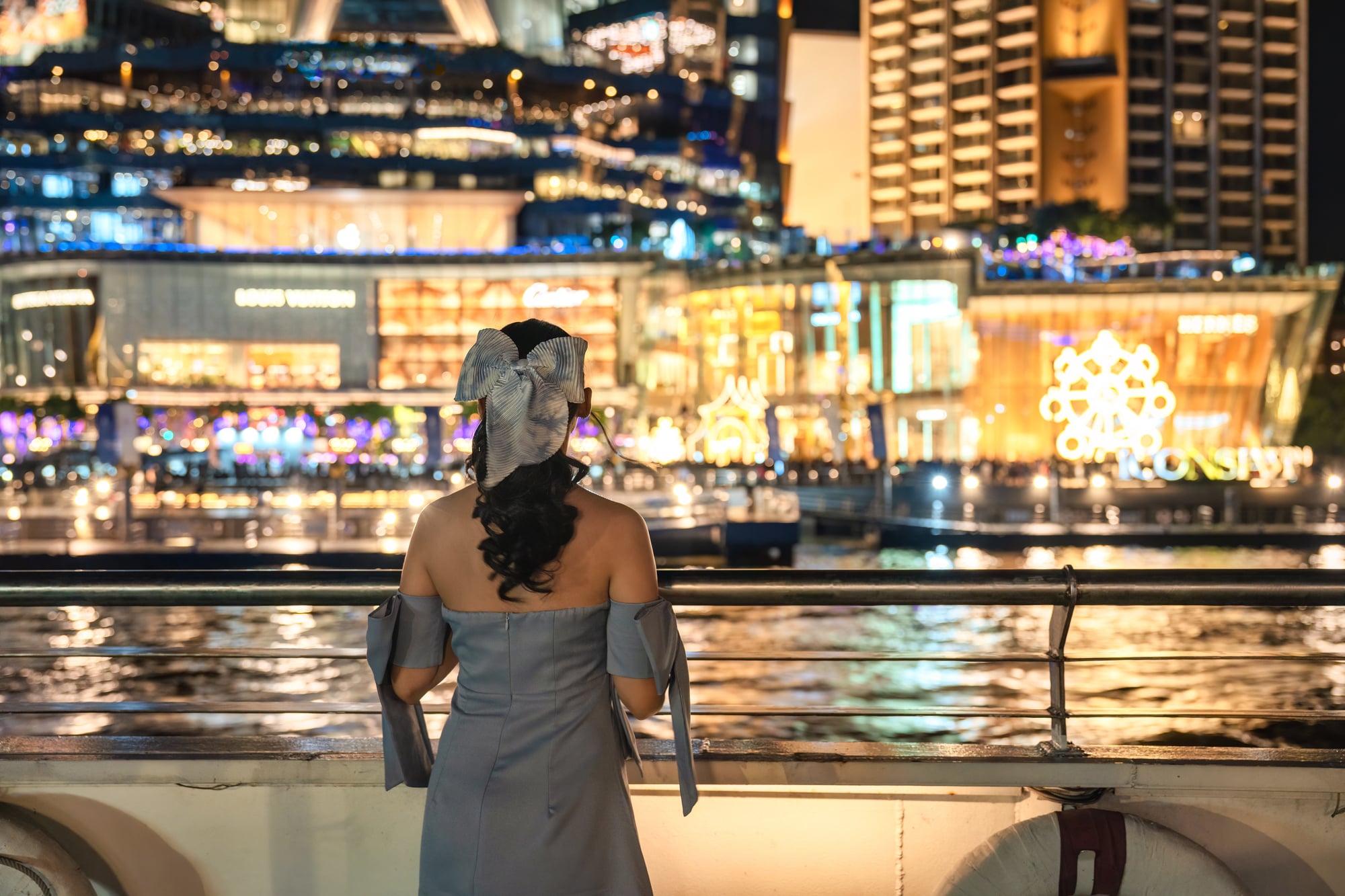
The final night dinner photographs capture something that feels almost melancholy: the recognition that an extraordinary experience is ending and everyone involved knows it won’t be quite the same again. The tables are set with extra care, passengers wear their finest evening clothes one last time, and the staff provides service that acknowledges the significance of the moment rather than rushing everyone through their meal.
These weren’t just dinners—they were ceremonies marking the end of a temporary community that had formed over the course of the voyage.
People exchange addresses, make promises to stay in touch, and pose for photographs that will become the lasting evidence of friendships formed in international waters.
The captain makes his final appearance, thanking passengers who respond with genuine appreciation rather than polite applause. Everyone seems to understand that they’ve participated in something that belonged to a particular moment in history, when ocean travel still retained its magic and mystery.
Formal Group Photos on the Promenade Deck
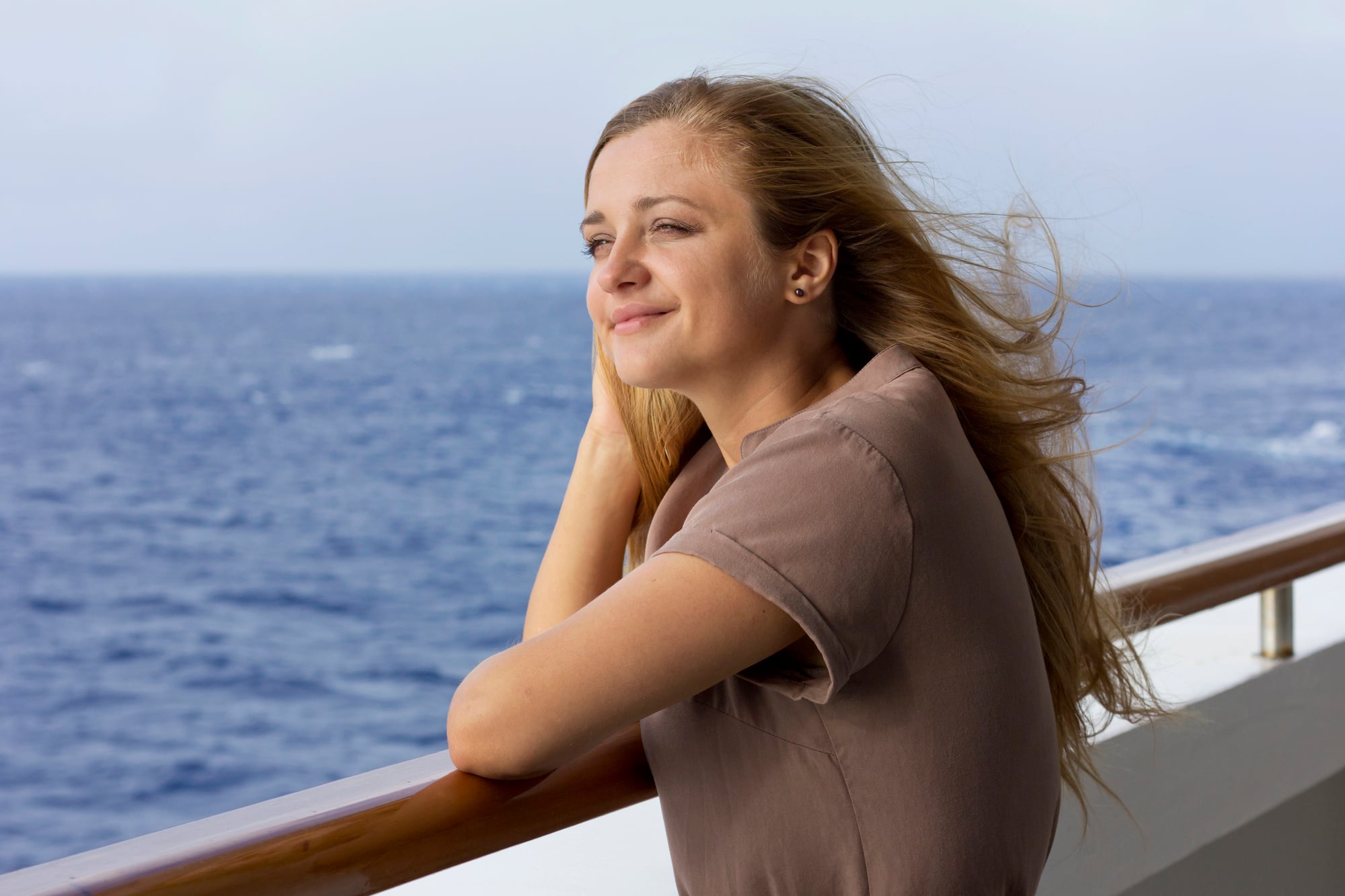
Group photographs from the promenade deck show passengers arranged with the precision of a military formation, but the care in their arrangement reveals something touching about how people wanted to be remembered. These weren’t casual vacation snapshots—they were formal portraits meant to commemorate an experience that everyone involved understood was special enough to deserve professional documentation.
The promenade decks provided perfect backdrops: endless ocean views, elegant ship architecture, natural lighting that made everyone look their best.
Passengers dressed specifically for these photographs, coordinating outfits and making sure children looked presentable, because they knew these images would become family treasures that lasted for generations.
When Ships Were Floating Cities
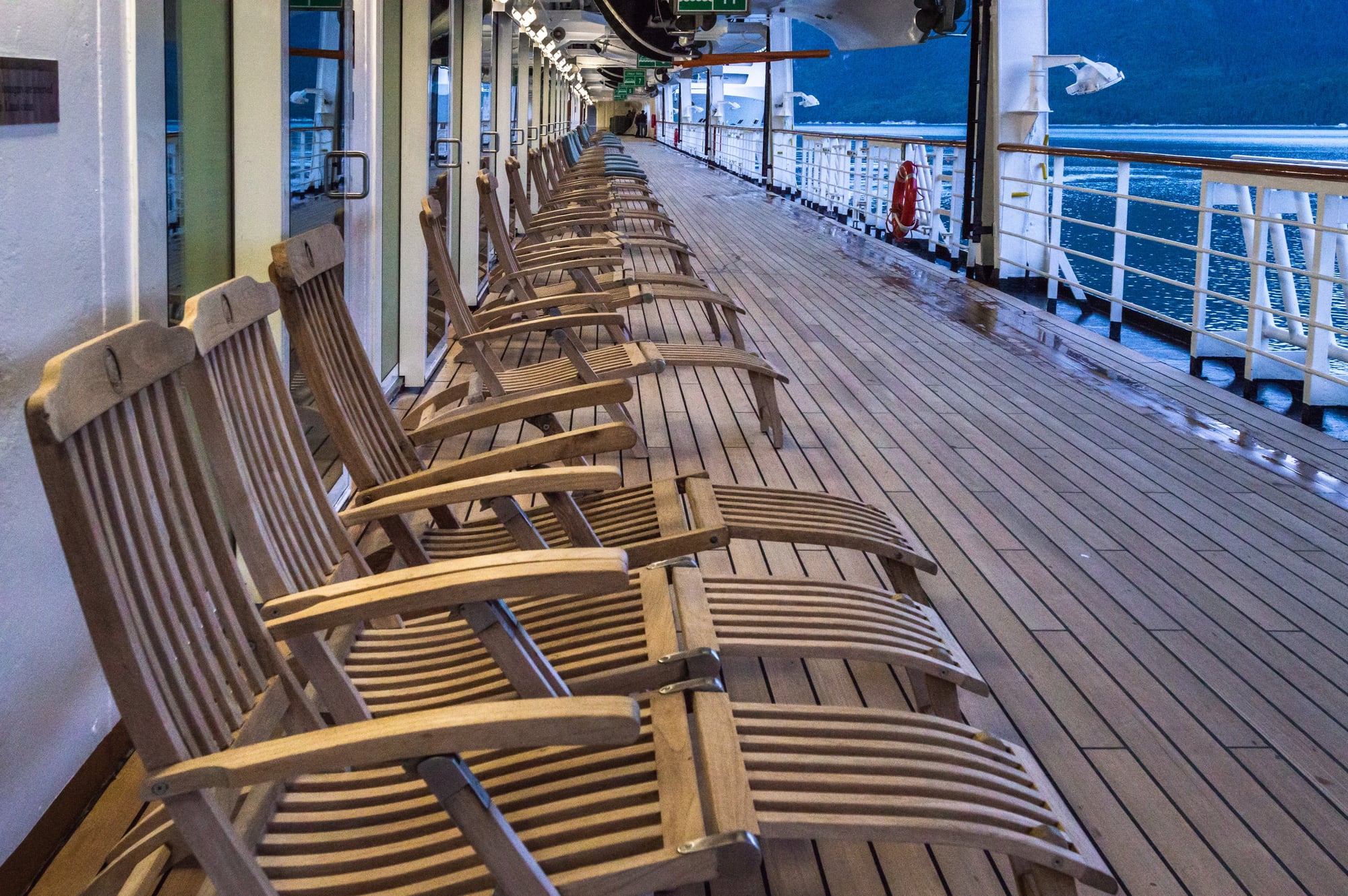
These photographs document more than vacation memories—they capture a way of traveling that required passengers to become slightly better versions of themselves for the duration of the voyage. The golden age of cruising demanded participation in a shared fantasy where elegance mattered more than efficiency, where the journey justified itself rather than serving merely as transportation to somewhere else.
Looking through these images now feels like archaeological discovery, uncovering evidence of a time when people believed that how you presented yourself to the world mattered as much as where you were going.
The passengers in these photographs understood they were temporary citizens of floating cities that operated by different rules than life on land—rules that elevated the ordinary into something worth dressing up for, worth remembering, worth preserving in carefully composed photographs that still make modern viewers wish they could step back in time and experience that particular kind of magic for themselves.
More from Go2Tutors!

- The Romanov Crown Jewels and Their Tragic Fate
- 13 Historical Mysteries That Science Still Can’t Solve
- Famous Hoaxes That Fooled the World for Years
- 15 Child Stars with Tragic Adult Lives
- 16 Famous Jewelry Pieces in History
Like Go2Tutors’s content? Follow us on MSN.