18 Unexplained Activity Reported at Loch Ness Lake
Scotland’s most famous lake holds secrets beneath its dark waters that continue to baffle investigators, tourists, and locals alike. For decades, Loch Ness has drawn attention not just for its legendary monster, but for a series of documented incidents that resist easy explanation.
Witnesses from around the world have reported phenomena that challenge conventional understanding, leaving researchers with more questions than answers. These accounts span generations, each adding another layer to the mystery that surrounds this ancient body of water.
From sonar readings that detect massive moving objects to photographs that capture unexplained shapes, the evidence continues to accumulate without providing definitive conclusions.
The Surgeon’s Photograph Incident
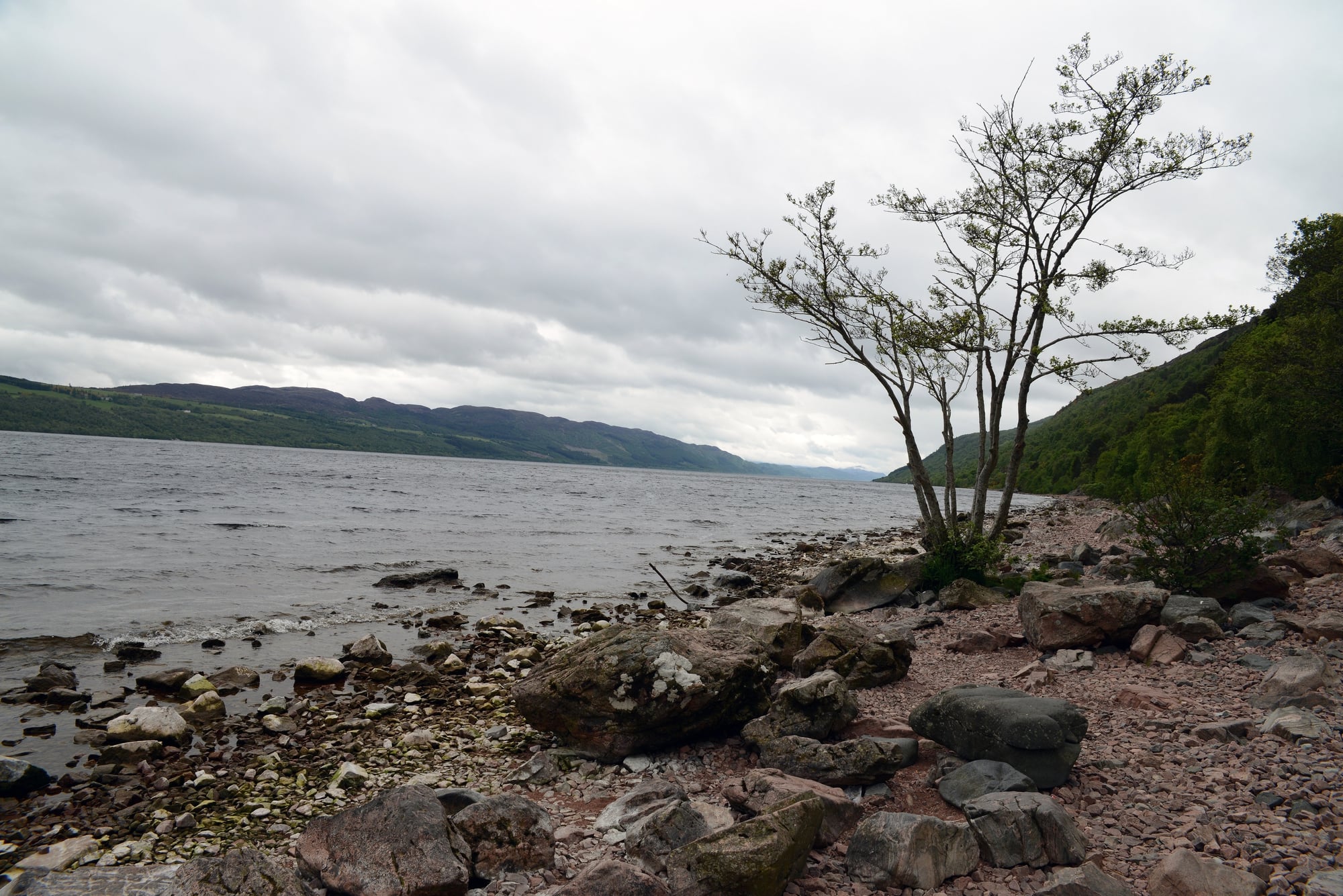
Robert Kenneth Wilson’s 1934 photograph remains the most famous piece of Loch Ness evidence. The image shows what appears to be a long neck emerging from the water’s surface.
Decades later, it was revealed as a hoax involving a toy submarine and modeling clay. But the deception itself raises questions about what Wilson might have actually seen that inspired the elaborate fake.
Sonar Contact at 200 Feet
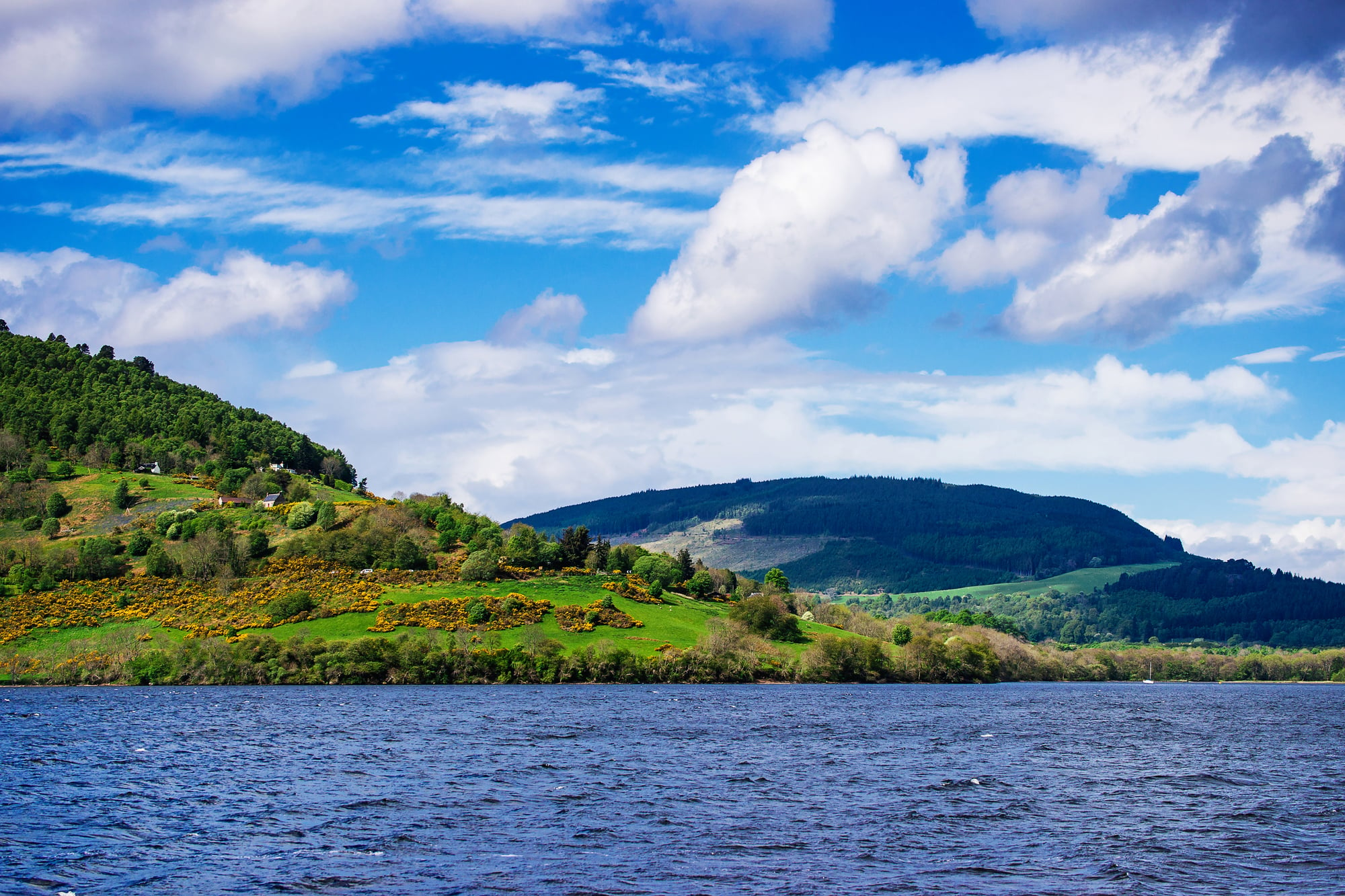
In 1987, Operation Deepscan deployed multiple boats across the loch’s width using advanced sonar equipment. The expedition detected three large, moving contacts at significant depth that couldn’t be explained by known fish species or underwater debris.
The objects measured approximately 15 to 20 feet in length and moved in patterns inconsistent with natural lake currents.
The Dinsdale Film Evidence
Tim Dinsdale captured 16mm film footage in 1960 showing a wake pattern moving across the loch’s surface with no visible boat creating it. The Royal Air Force’s Joint Air Reconnaissance Intelligence Centre analyzed the film and concluded it showed “probably an animate object.”
The wake suggested something large moving just below the surface at considerable speed.
Underwater Photography Discoveries
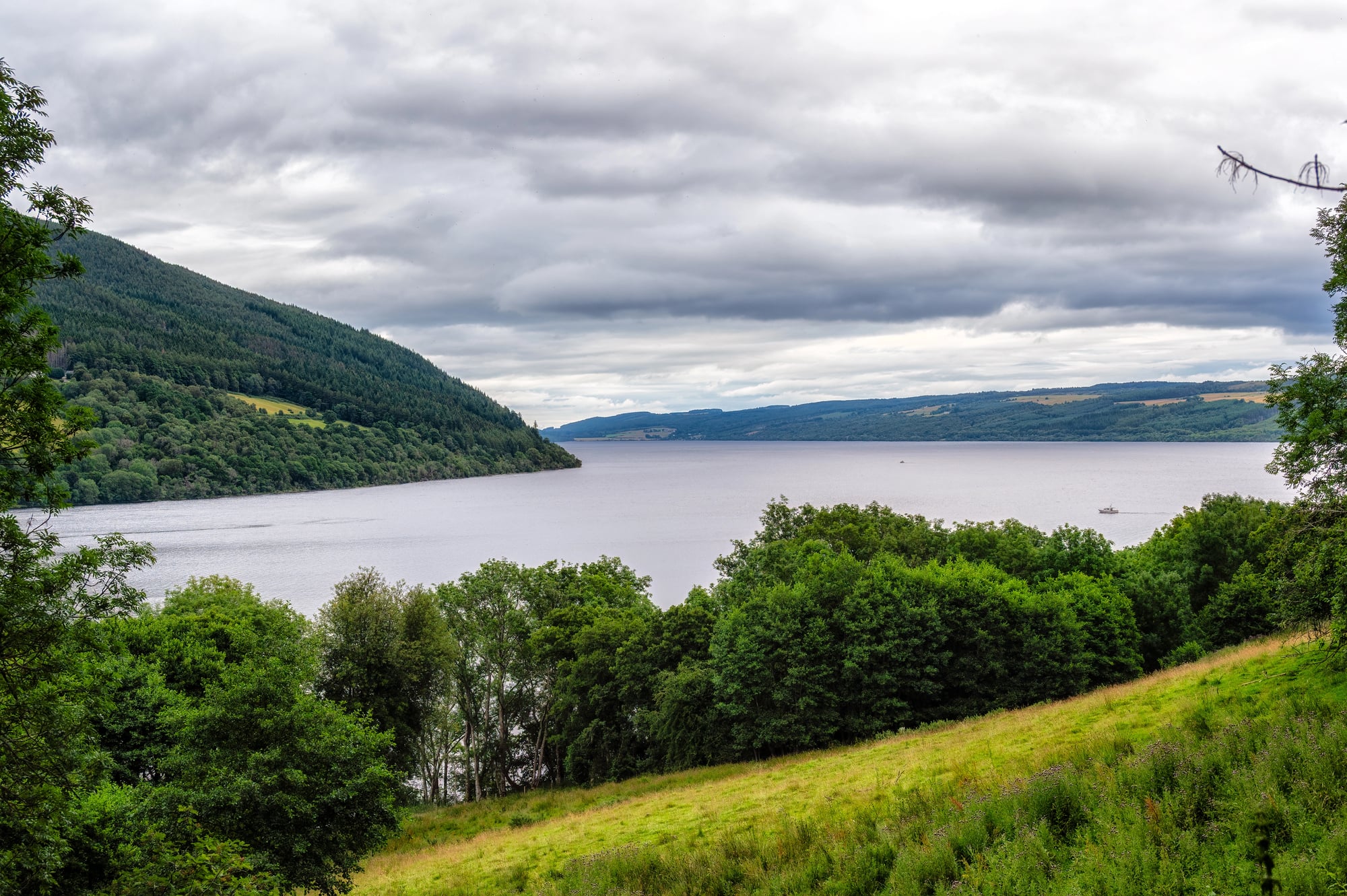
The 1975 Academy of Applied Science expedition produced underwater photographs using triggered cameras suspended in the loch’s depths. One image appears to show a diamond-shaped flipper attached to a larger body (though the water’s murkiness makes definitive identification impossible), while another captured what looks like a long-necked creature in profile.
Critics argue the images show debris or shadows, but computer enhancement has failed to resolve the debate conclusively.
So here’s where things get genuinely strange: the photographs weren’t taken randomly. The cameras were triggered by sonar contacts — meaning something large enough to register on detection equipment was moving past these suspended cameras in the depths of the loch.
And the timing isn’t coincidental either (the sonar hits correspond exactly to when these controversial images were captured), which suggests that whatever triggered the cameras was substantial enough to show up on multiple detection systems simultaneously. But then again, that raises more questions than it answers.
The Gargoyle Head Sighting
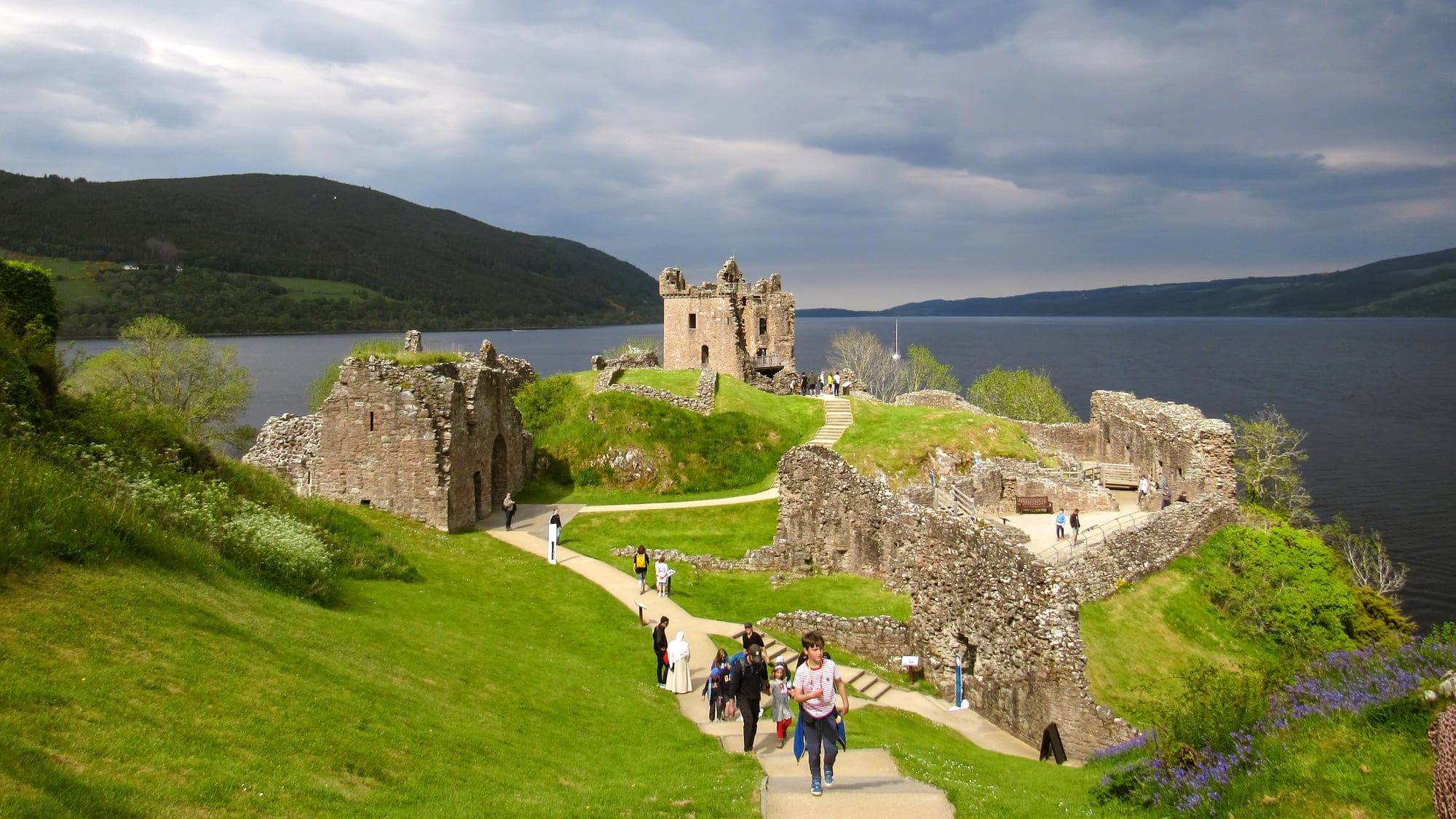
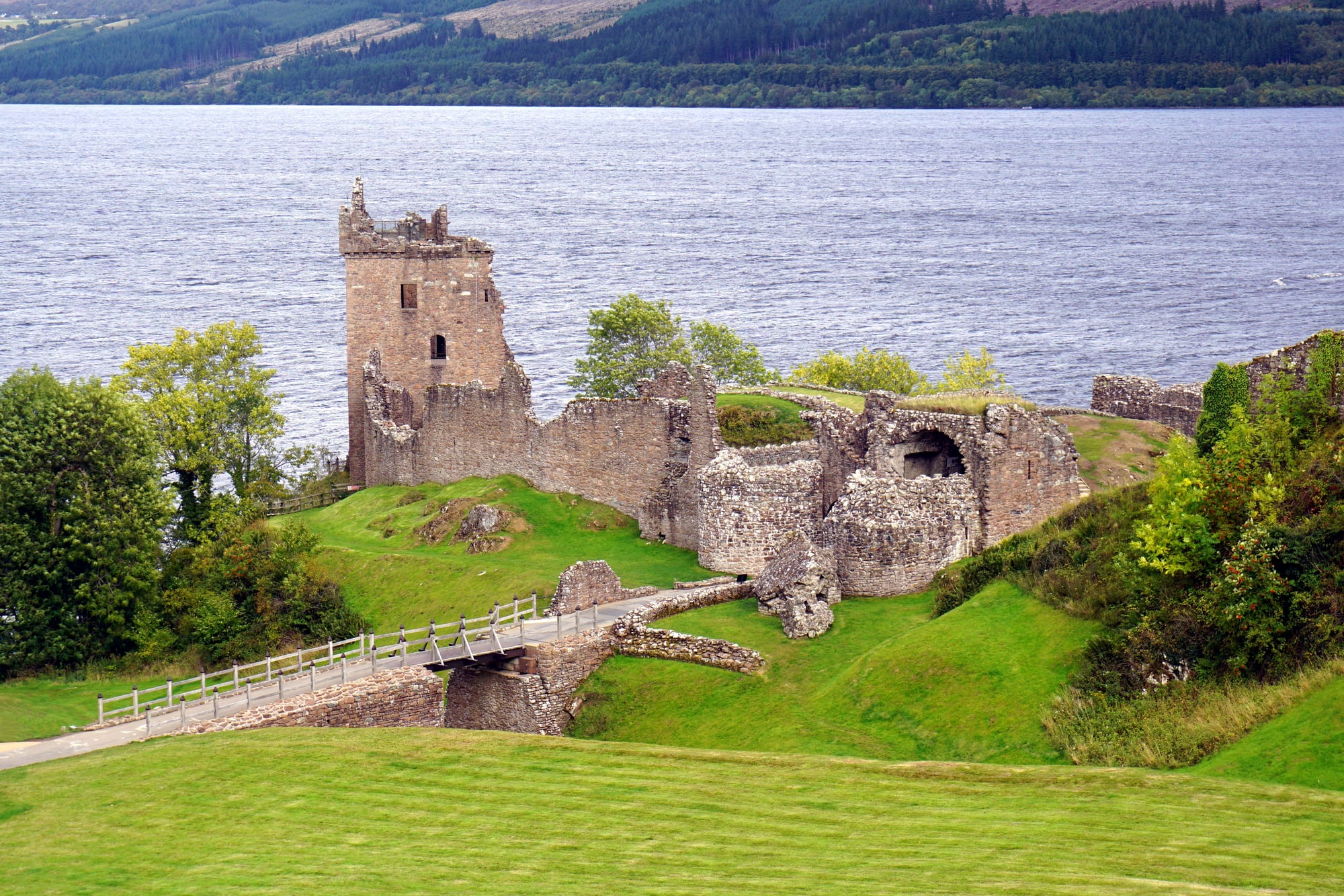
In 1977, Anthony Shiels photographed what became known as the “Gargoyle Head” — a serpentine neck and head breaking the water’s surface near Urquhart Castle. The image shows remarkable detail in the creature’s features, including what appears to be an eye and defined facial structure.
Skeptics point to the timing of the photograph, taken during a media expedition, but image analysis has never definitively proven manipulation.
Holmes Video Recording
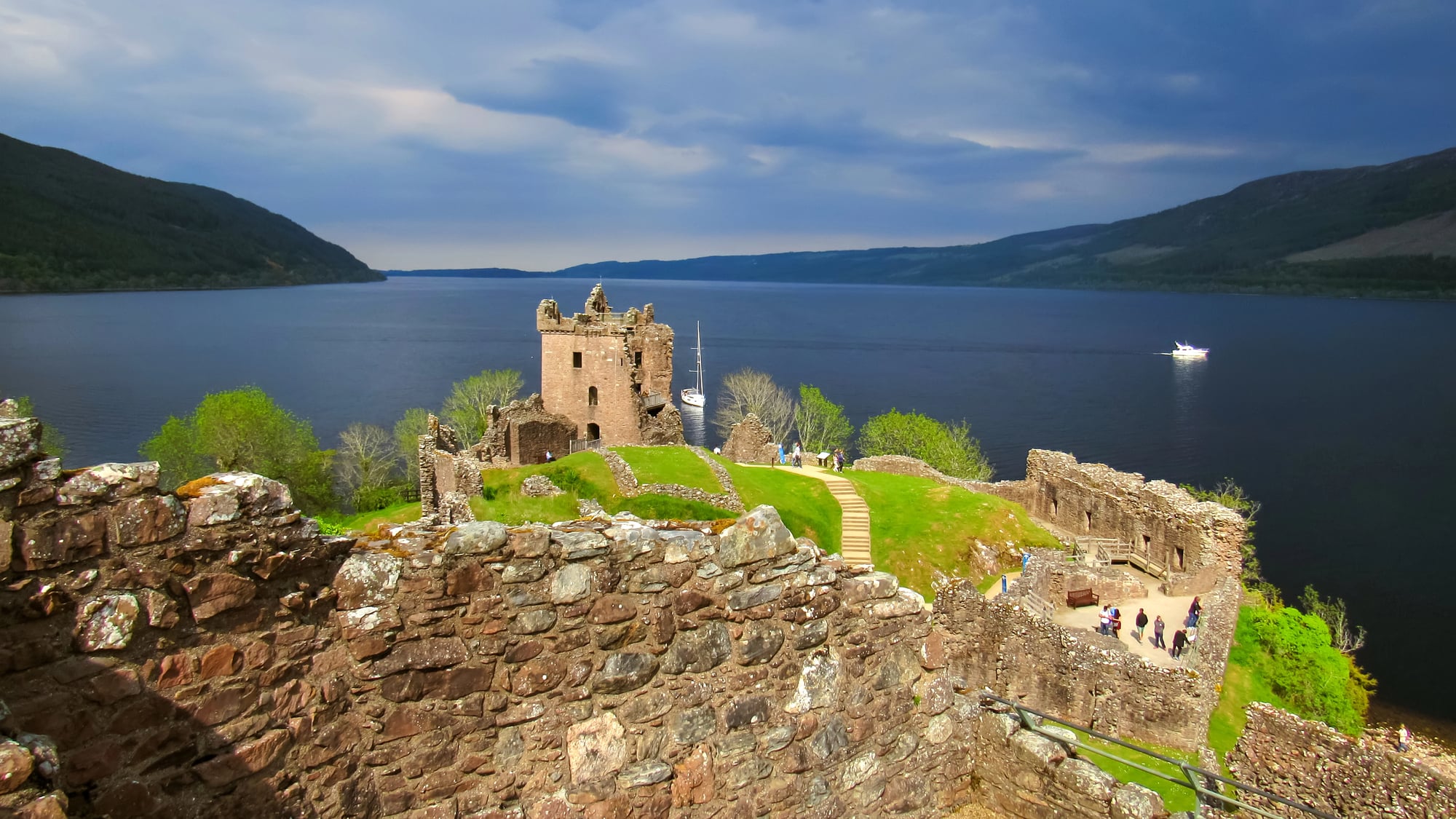
Gordon Holmes captured digital video in 2007 showing a dark object moving rapidly through the loch’s waters. The footage runs for several minutes and shows the object maintaining consistent speed while creating a distinctive wake pattern.
Marine biologists who examined the recording couldn’t identify any known aquatic animal that would create such movement characteristics in freshwater.
Multiple Witness Mass Sighting
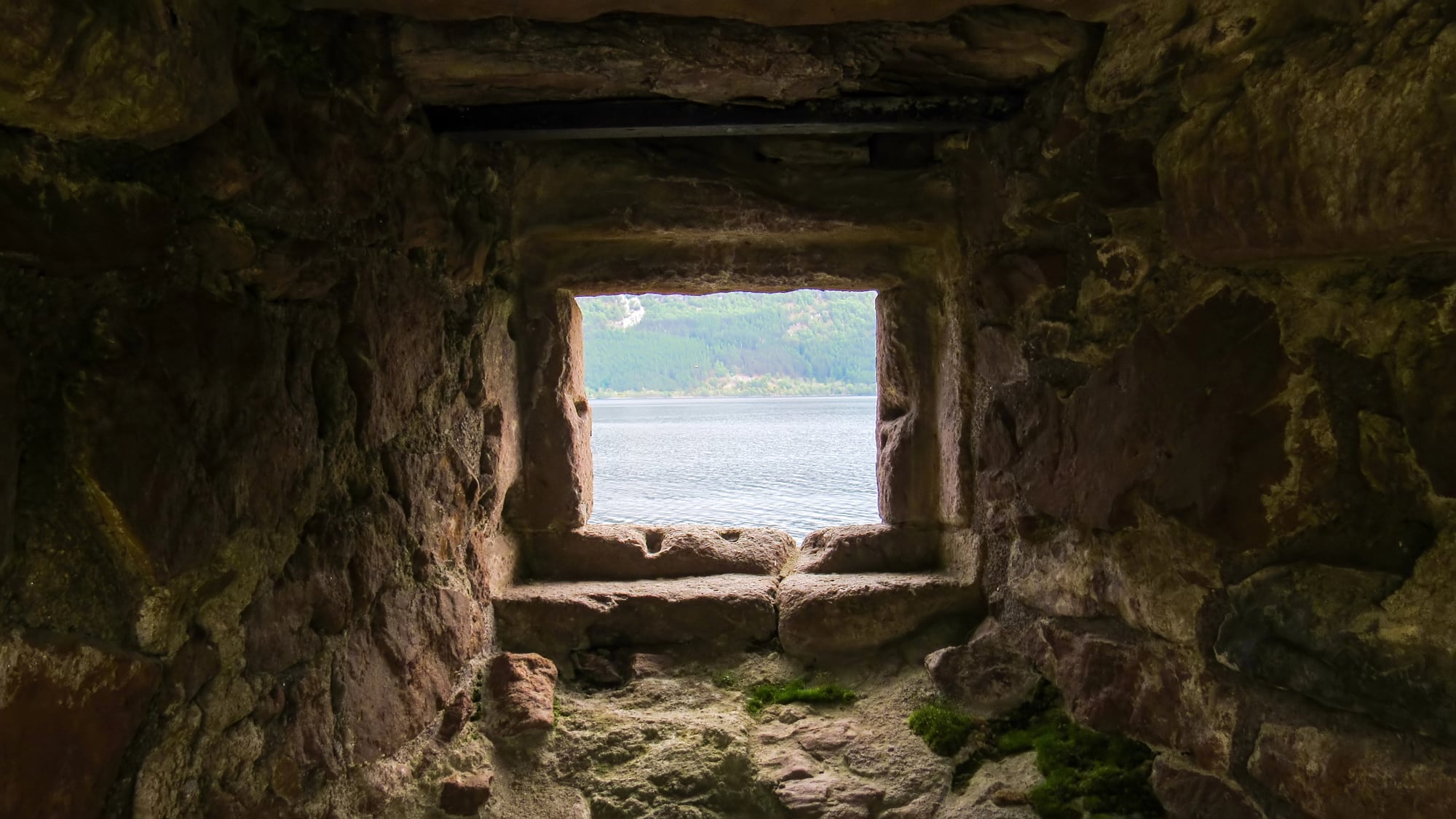
Weather behaves strangely around certain mysteries, as if the atmosphere itself knows something’s not quite right. On a perfectly calm morning in 1934, dozens of tourists at Urquhart Castle simultaneously witnessed a large disturbance in the water approximately 200 yards offshore.
The witnesses described a creature with multiple humps breaking the surface in sequence, creating waves that reached the shoreline despite the absence of wind or boat traffic.
The remarkable aspect wasn’t just the number of people who saw it — though that mattered — but how their descriptions aligned despite being scattered across different vantage points. Independent accounts mentioned the same distinctive movement pattern, the same approximate size, and the same duration of the sighting.
Collective hallucination seems unlikely when the details match so precisely.
Hydrophone Audio Anomalies
Sound travels differently underwater than most people realize, and experienced marine acoustics researchers know exactly what various underwater noises should sound like. The problem is that Loch Ness produces audio recordings that don’t match any known sources.
Hydrophones placed throughout the loch have captured low-frequency calls and movement sounds that don’t correspond to typical fish activity or geological processes.
The most unsettling recordings feature what sounds like biological communication — rhythmic patterns that suggest intentional signaling rather than random noise. Fish don’t generally produce sounds at these frequencies in freshwater environments.
The MacLeod Clan Incident
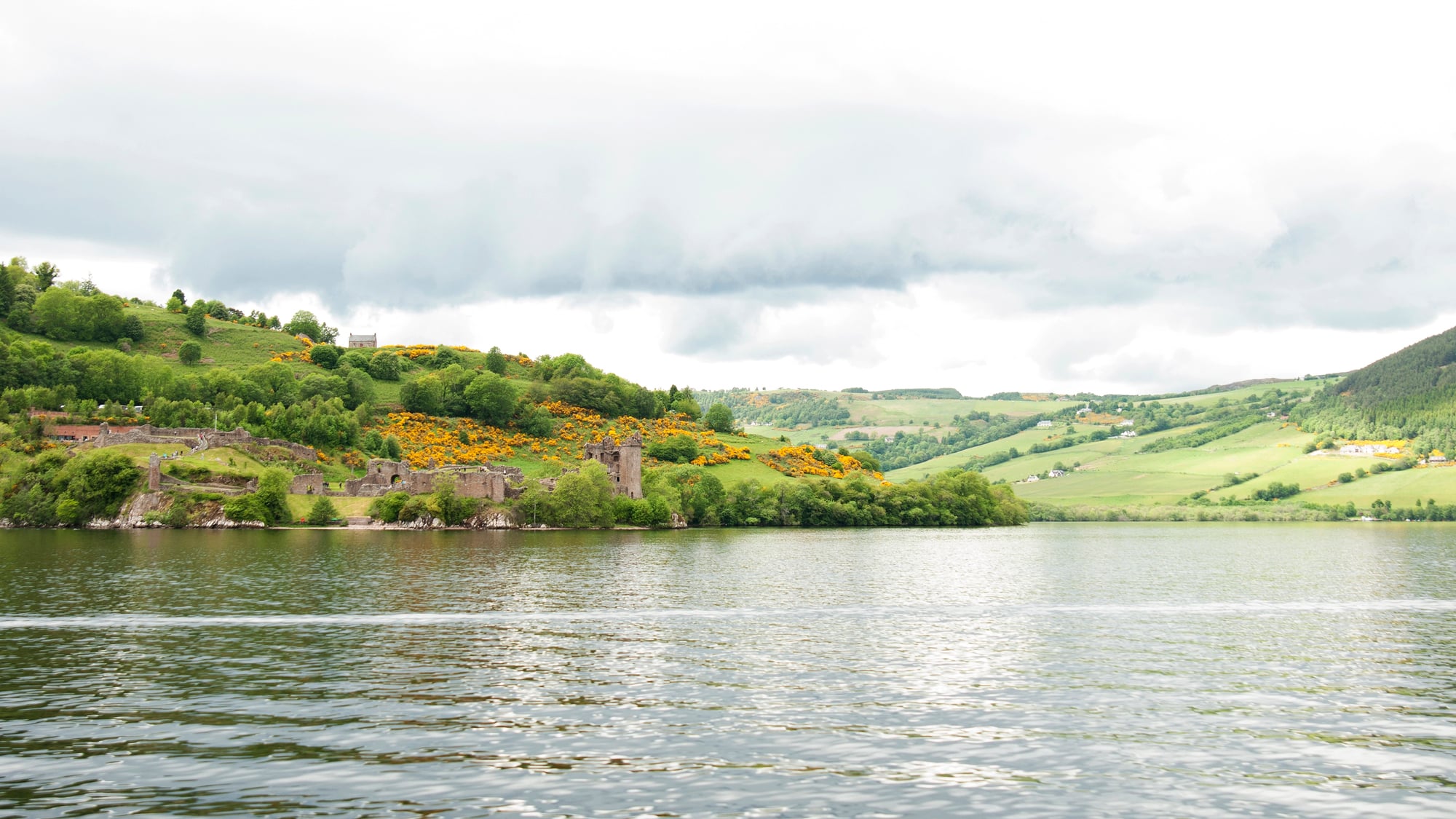
In 1520, clan records document an attack on members of the MacLeod family by a creature emerging from Loch Ness. The historical account describes a beast with “a great fin upon its back” that overturned boats and attacked livestock along the shoreline.
While modern skepticism might dismiss such accounts as folklore, the specificity of the clan’s written records suggests they documented an actual event.
Thermal Imaging Detection

Modern thermal cameras detect heat signatures underwater. Large living creatures generate detectable thermal patterns.
Several expeditions have recorded thermal anomalies in Loch Ness that suggest massive warm-blooded animals moving at depths where no known species should exist.
The thermal signatures appear and disappear over periods of several minutes, indicating movement rather than stationary heat sources. The size of these thermal anomalies would correspond to creatures much larger than any fish species known to inhabit Scottish freshwater.
The Rines Expedition Findings
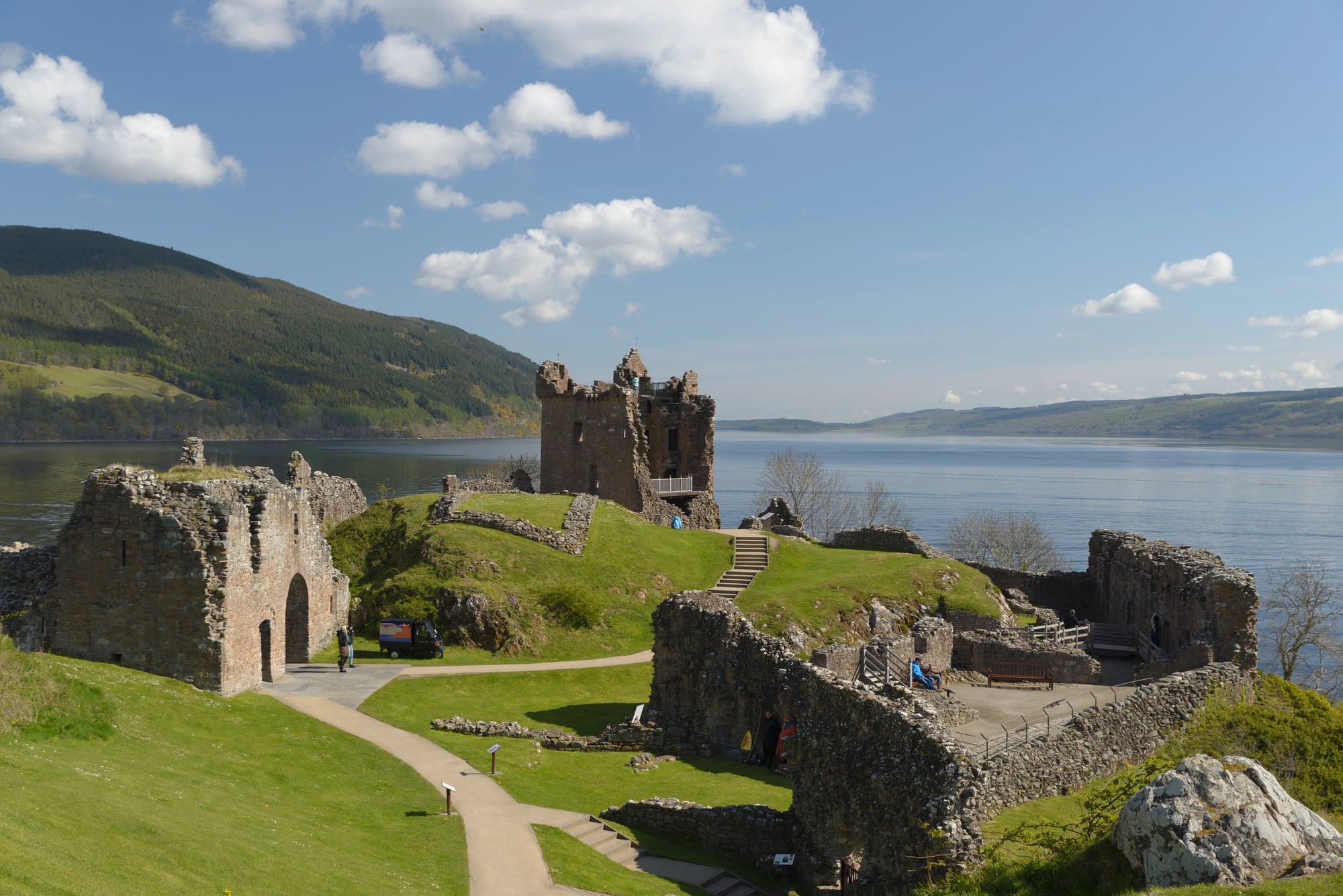
It’s almost as if the loch deliberately reveals just enough to keep people guessing while withholding the evidence that would settle the matter entirely. Robert Rines led multiple scientific expeditions to Loch Ness throughout the 1970s and 1980s, deploying sophisticated underwater camera systems triggered by sonar contacts.
His team documented several instances where large objects appeared on sonar simultaneously with photographic captures of unidentified forms in the water.
The correlation between sonar detection and photographic evidence created a compelling case that something substantial was moving through the loch’s depths. Yet the images themselves remained tantalizingly unclear — detailed enough to suggest biological features, but murky enough to prevent definitive identification.
The pattern felt almost deliberate, as though whatever inhabited the loch understood exactly how much evidence to provide without fully revealing itself.
Bank-to-Bank Wake Formation
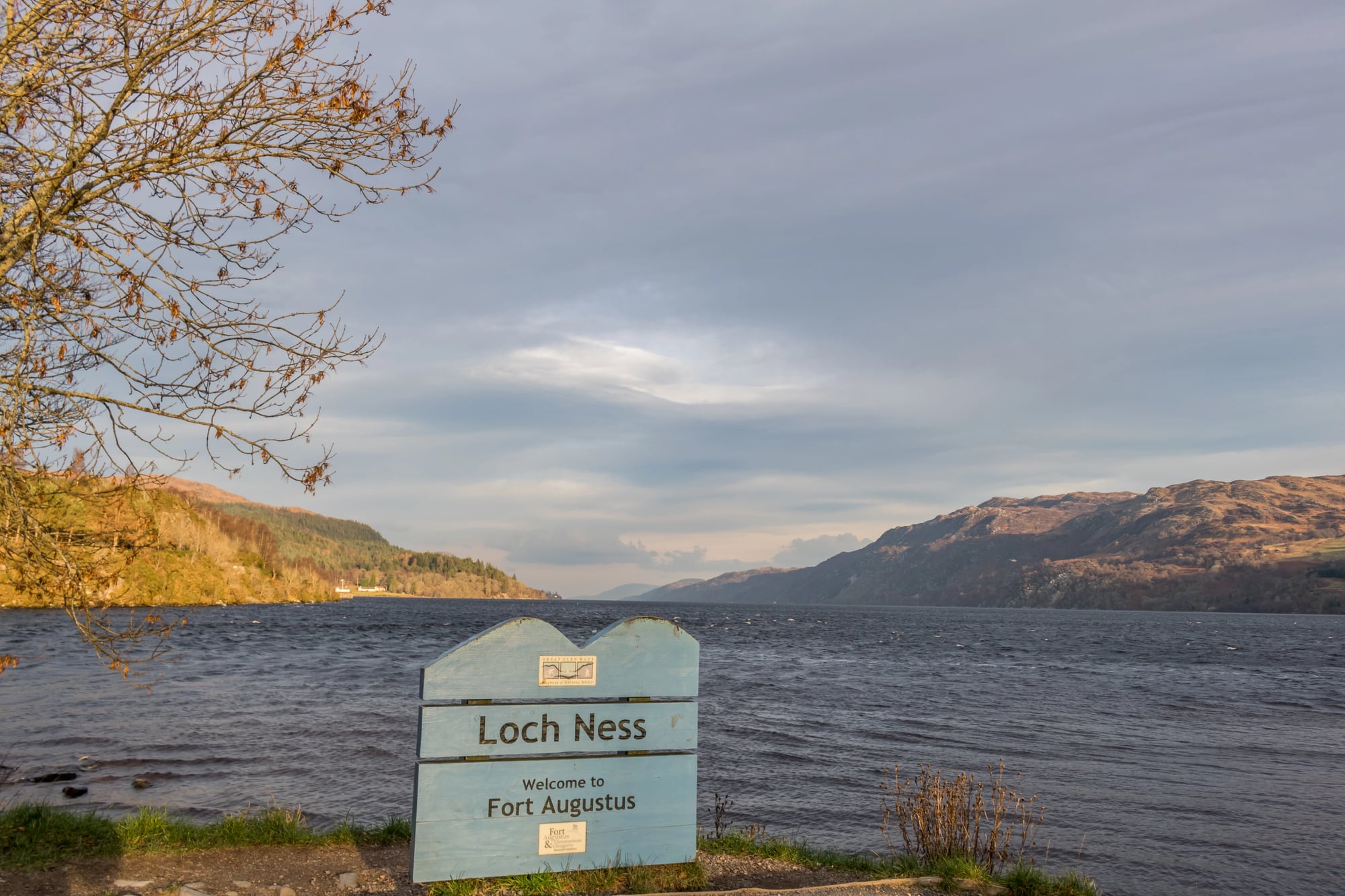
Witnesses have reported wake patterns that extend completely across the loch’s width, suggesting an underwater disturbance of enormous proportions. These wakes occur during calm weather conditions and create wave action that reaches both shorelines simultaneously.
The physics of such wake formation would require an object of substantial size moving at considerable depth.
The Greta Finlay Account
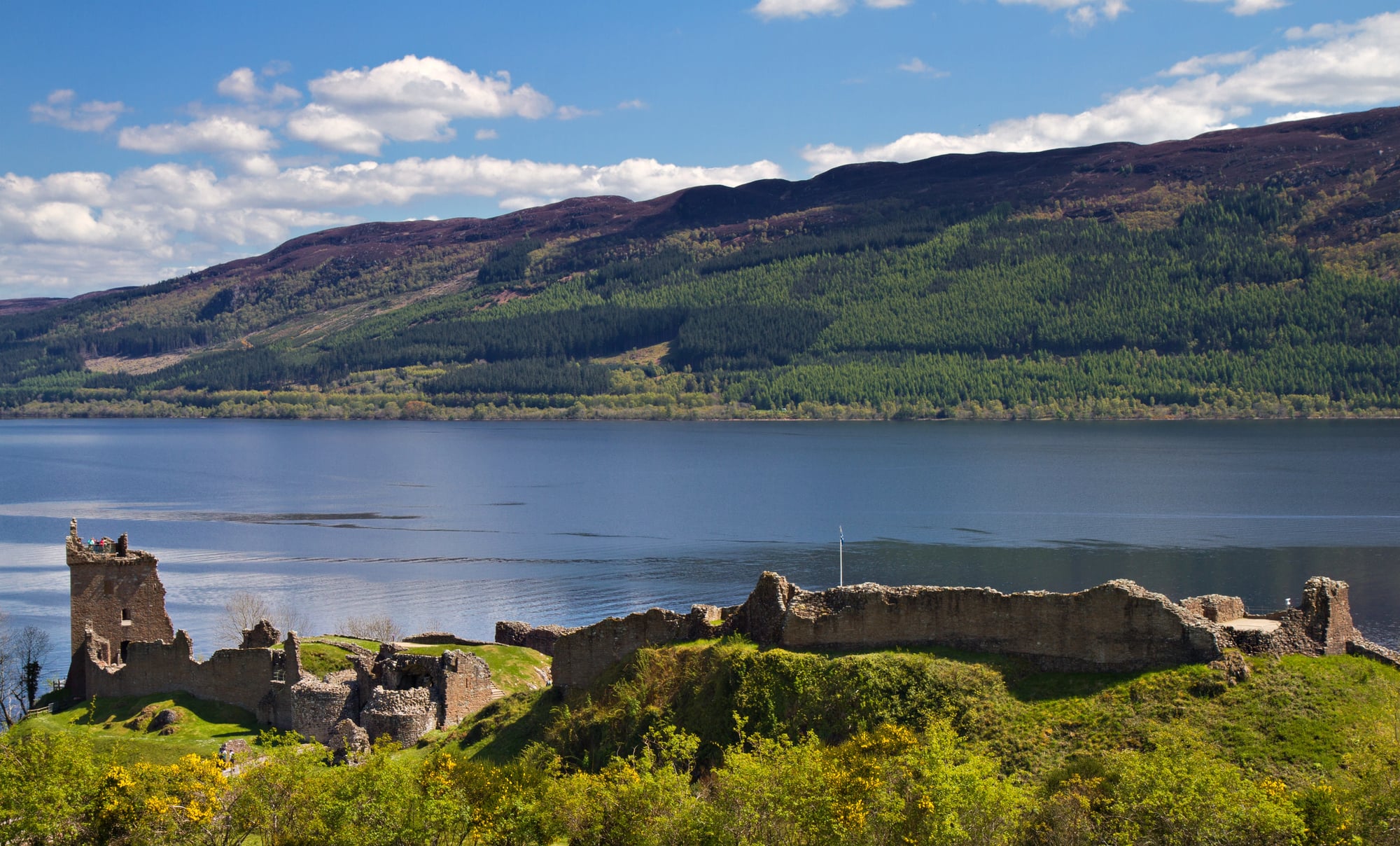
In 1952, Greta Finlay and her friend observed a creature with a snake-like head and neck swimming approximately 50 yards from their boat. Finlay’s account included specific details about the creature’s skin texture, which she described as dark and smooth, and its method of locomotion, which involved undulating movements rather than typical swimming motions.
Seismic Activity Correlation
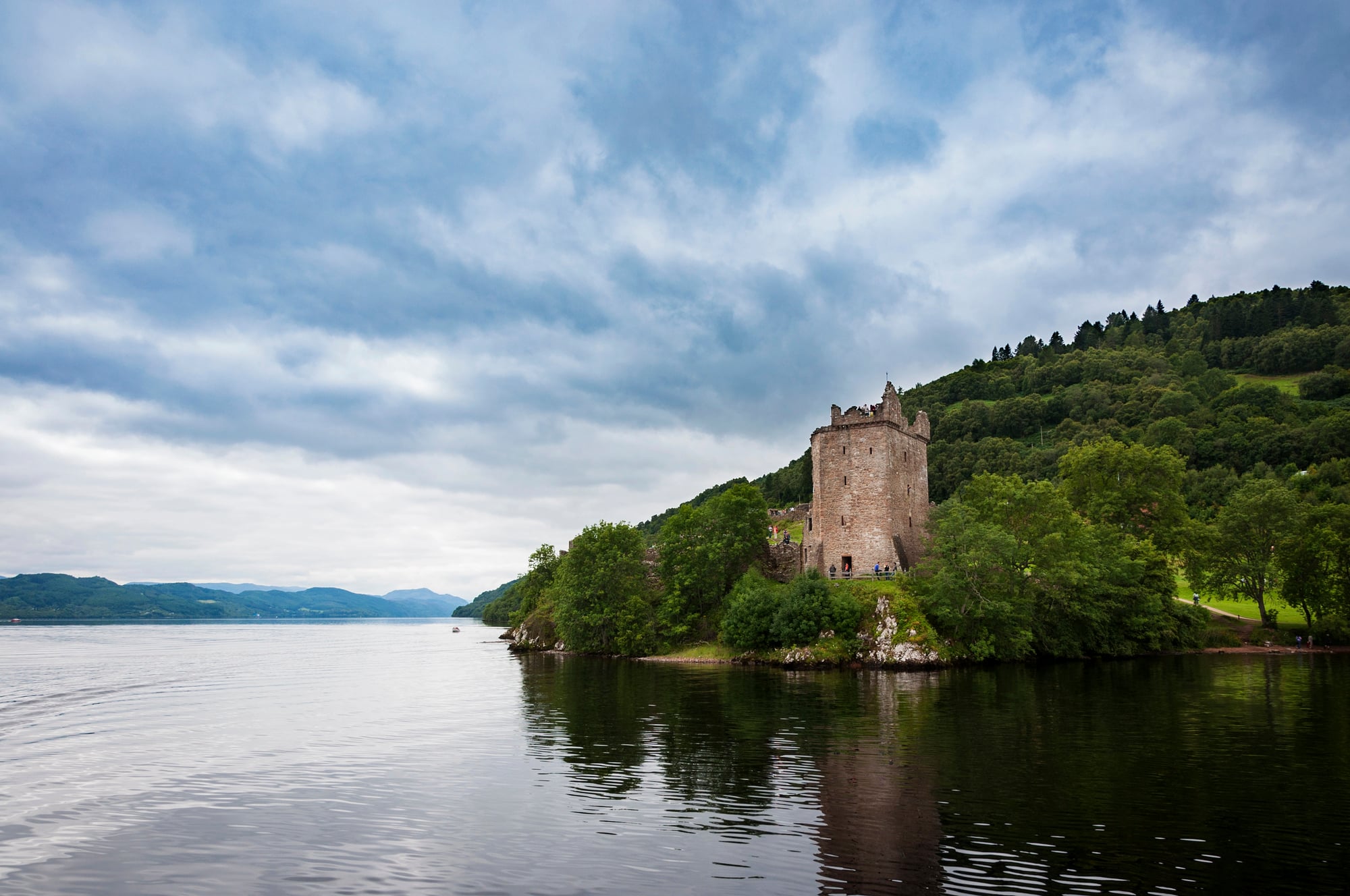
Unexplained sightings at Loch Ness often coincide with minor seismic activity in the Great Glen fault system. Geological surveys have detected underground water movements that correspond with reported surface disturbances.
Some researchers theorize that underground cave systems might provide habitat for large aquatic animals, with seismic shifts occasionally forcing them to the surface.
The Webster Sonar Incident
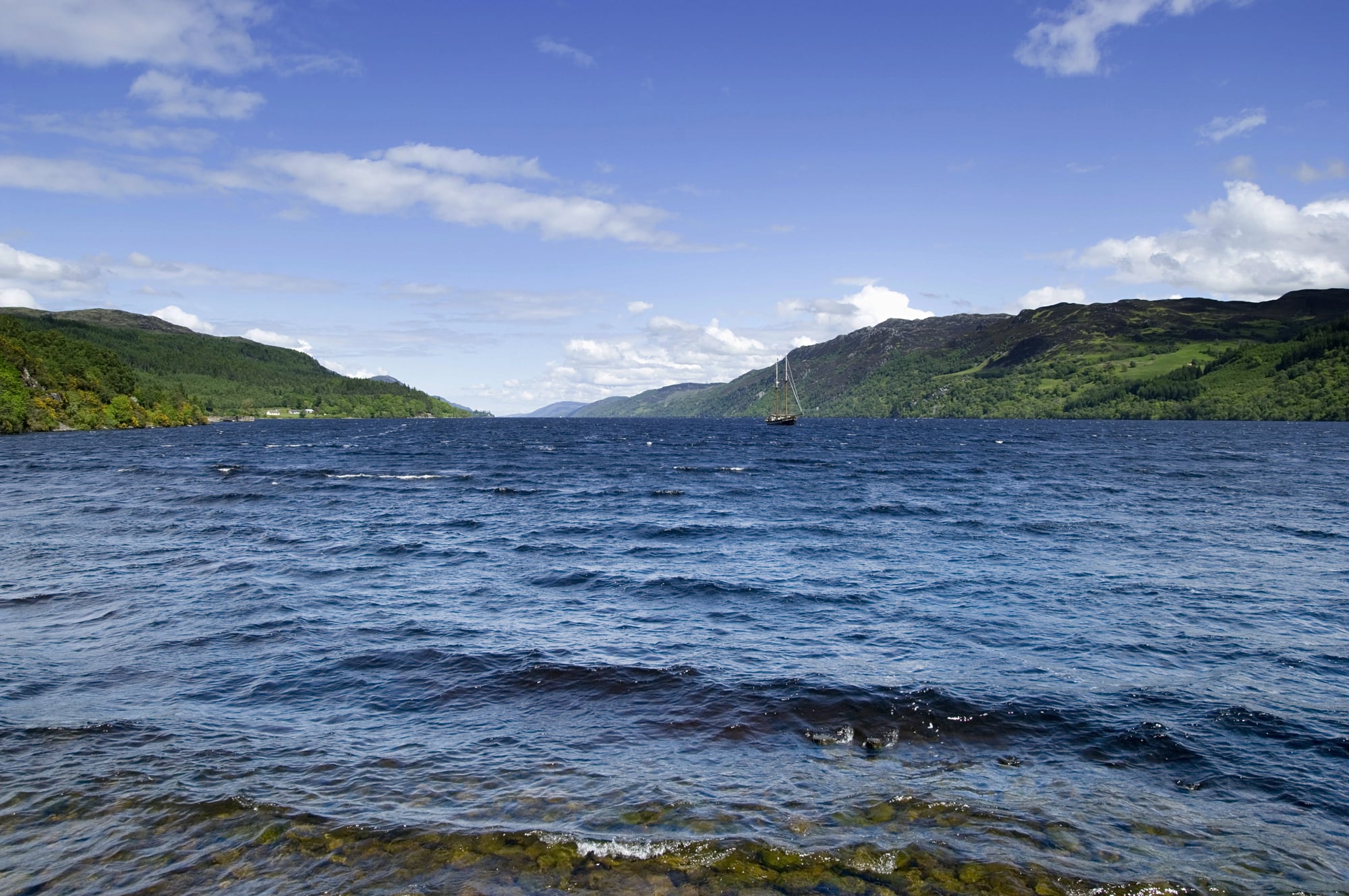
Advanced sonar operates on principles that don’t leave much room for interpretation — objects either reflect sound waves or they don’t, and the size calculations are fairly straightforward. In 2003, marine biologist Gerald Webster’s sonar equipment detected multiple large objects moving in formation at a depth of 180 feet.
The objects maintained consistent spacing and moved at identical speeds, suggesting coordinated behavior rather than random debris movement.
The sonar contacts lasted for nearly twenty minutes, during which the objects traveled approximately half a mile before disappearing into deeper water. No known fish species in Loch Ness exhibits such coordinated group behavior at those depths.
Photographic Light Anomalies
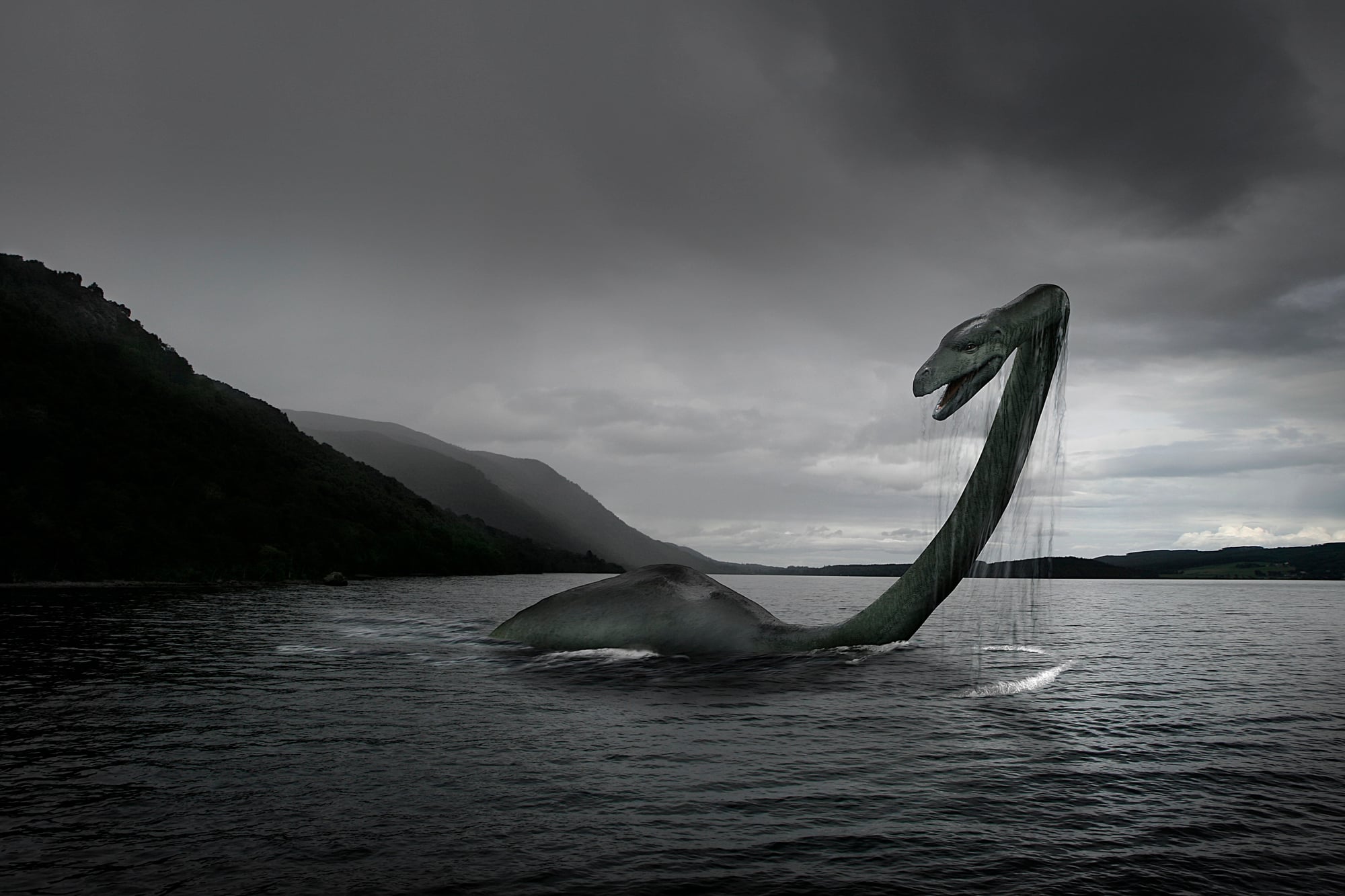
Multiple photographers have captured images at Loch Ness showing unexplained light phenomena both above and below the water’s surface. These lights appear as bright, moving orbs that don’t correspond to reflections from the sun or artificial light sources.
The consistency of these light anomalies across different cameras and time periods suggests a recurring phenomenon rather than equipment malfunction.
The Cary Expedition Documentation
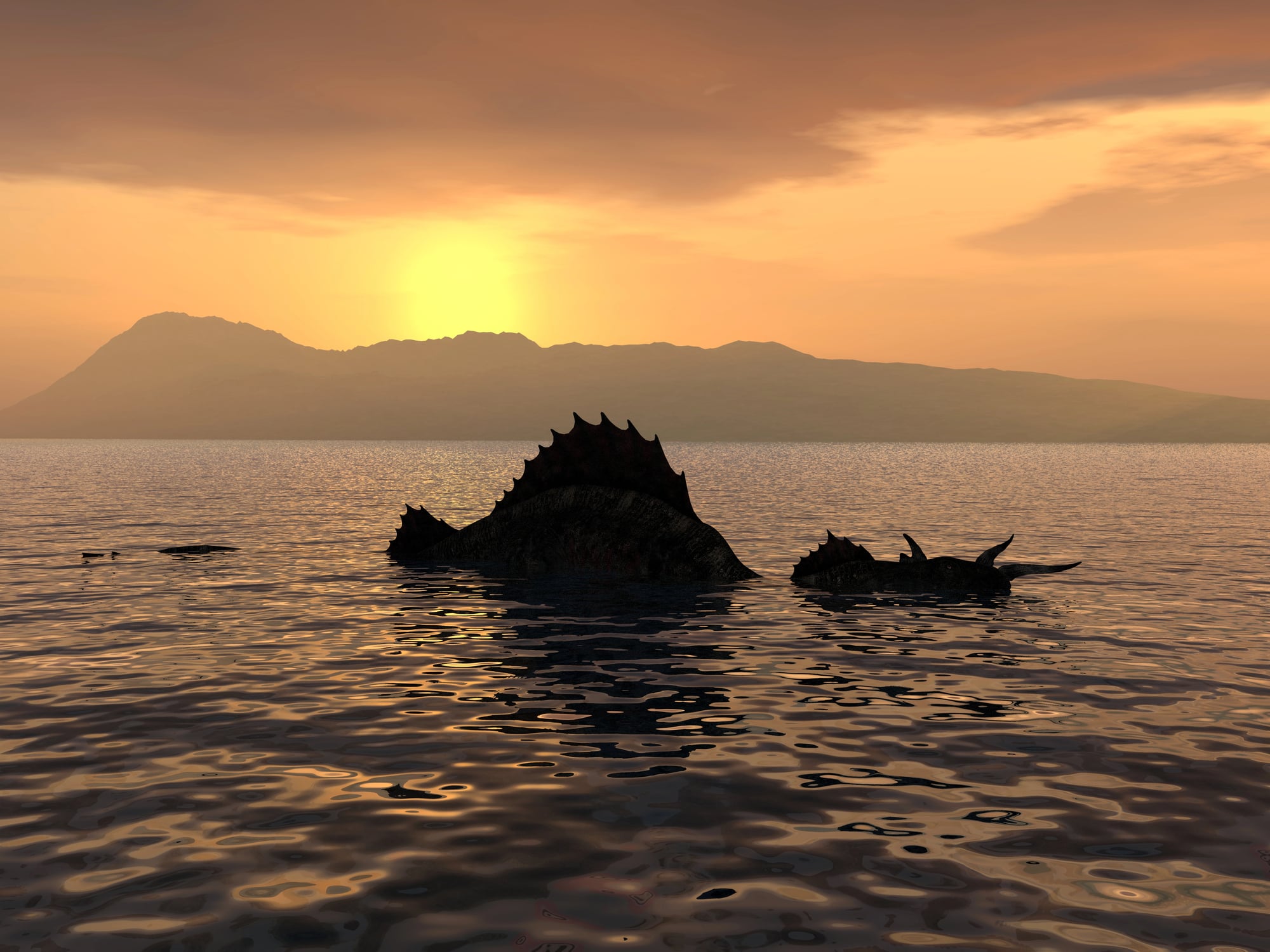
Frank Cary’s 1960 expedition produced detailed documentation of multiple unexplained incidents over a three-week period. The team recorded sonar contacts, photographed unusual wake patterns, and documented water temperature fluctuations that coincided with reported sightings.
The comprehensive nature of Cary’s documentation provides one of the most thorough scientific examinations of unexplained Loch Ness phenomena.
Contemporary Digital Evidence
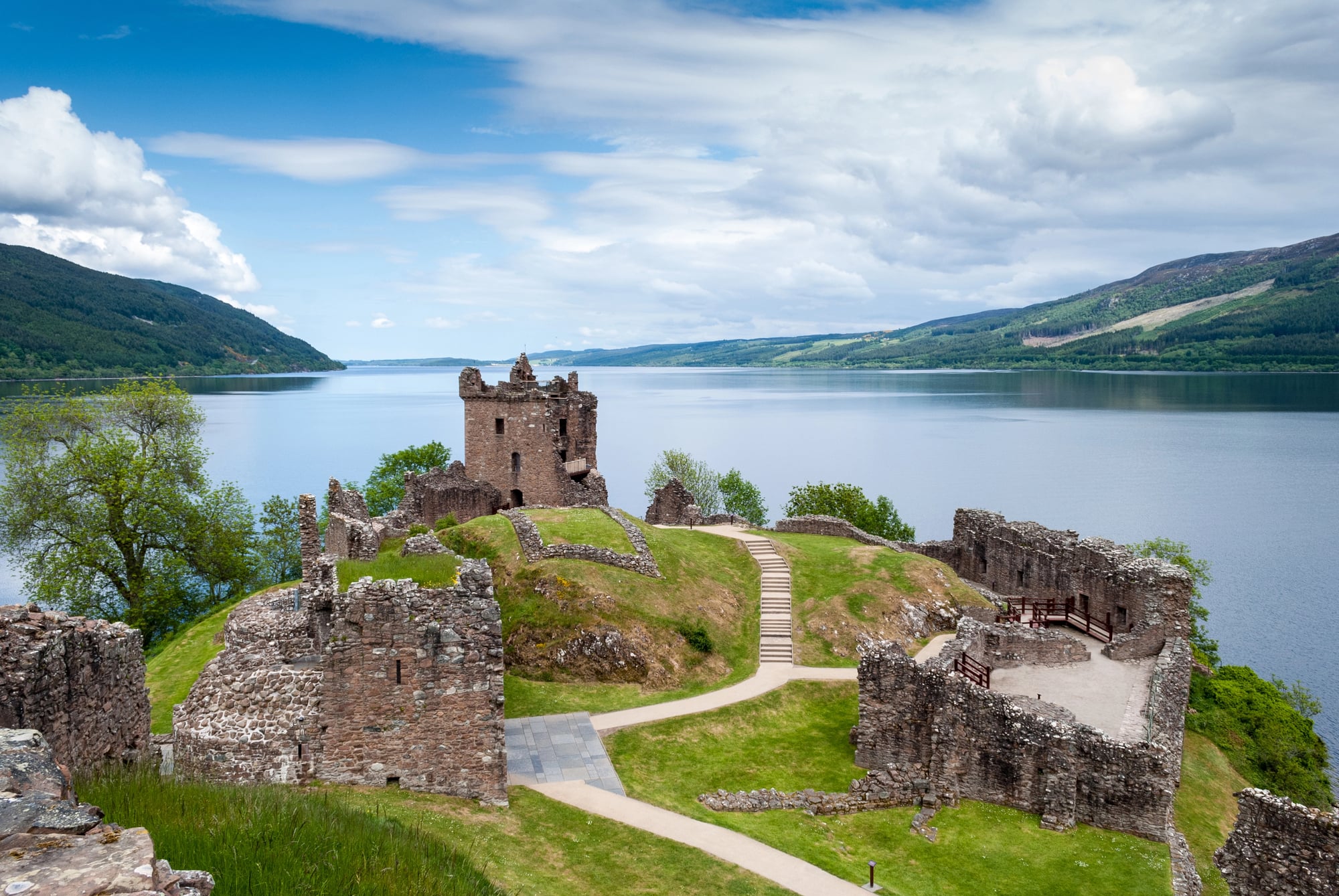
Recent smartphone footage and digital photography have added new dimensions to Loch Ness documentation. High-resolution images captured by tourists show details that weren’t visible in older film photography, including what appears to be textured skin patterns and anatomical features consistent with large aquatic reptiles.
The ubiquity of digital cameras has also increased the frequency of documented incidents.
Beyond the Surface
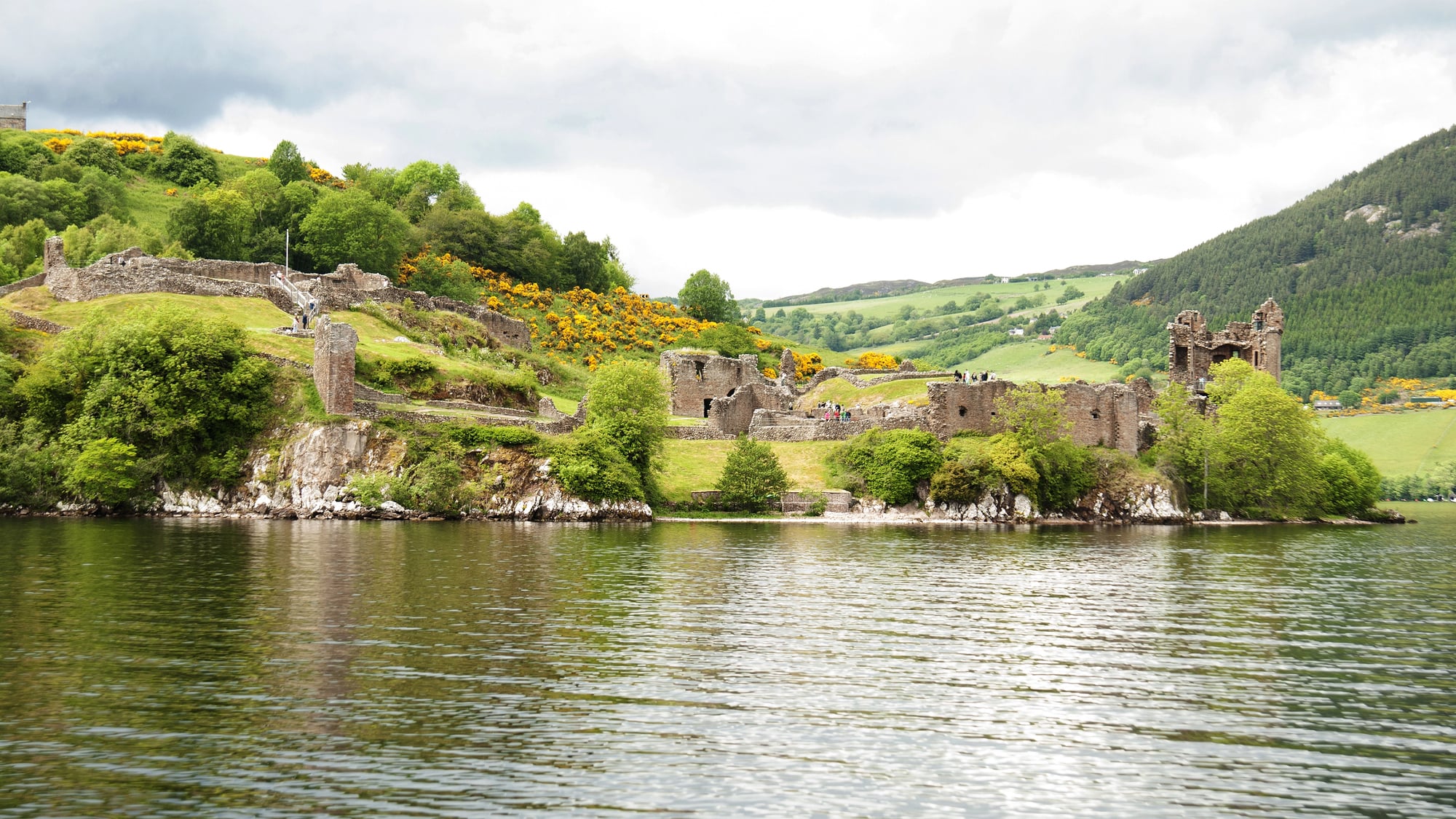
The accumulation of evidence at Loch Ness creates a puzzle that becomes more complex rather than clearer with each new piece. Hoaxes explain some incidents, natural phenomena account for others, yet a core of unexplained activity remains that resists conventional explanation.
The lake continues to produce encounters that challenge our understanding of what might inhabit its ancient depths, ensuring that the mystery endures for future generations to investigate.
More from Go2Tutors!

- The Romanov Crown Jewels and Their Tragic Fate
- 13 Historical Mysteries That Science Still Can’t Solve
- Famous Hoaxes That Fooled the World for Years
- 15 Child Stars with Tragic Adult Lives
- 16 Famous Jewelry Pieces in History
Like Go2Tutors’s content? Follow us on MSN.