16 Everyday Items That Randomly Went Viral On Social Media
The internet has a peculiar talent for turning the mundane into the magnificent. One day something sits quietly on a shelf or in a drawer, completely unremarkable, and the next day millions of people are discussing it, buying it, or recreating it.
There’s something almost magical about watching ordinary objects capture the collective imagination of social media users worldwide. These viral moments remind us that in our hyperconnected world, anything can become the next big thing — sometimes for reasons that make perfect sense, and sometimes for reasons that defy all logic.
Stanley Cup
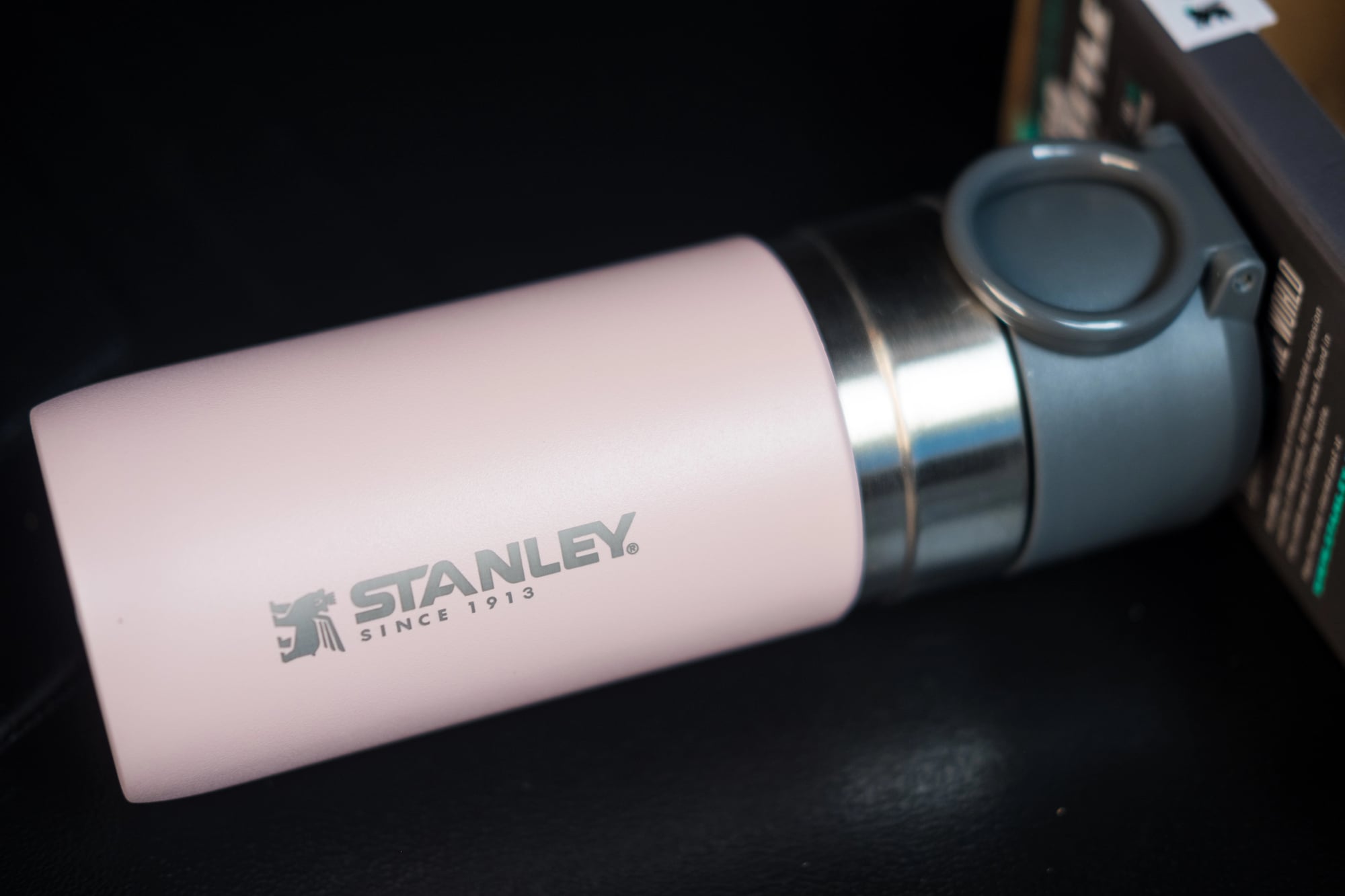
The Stanley tumbler didn’t just go viral — it became a cultural phenomenon that turned hydration into a status symbol. Target shoppers literally ran through stores to grab limited-edition colors, and people started collecting them like designer handbags.
Yeti Cooler
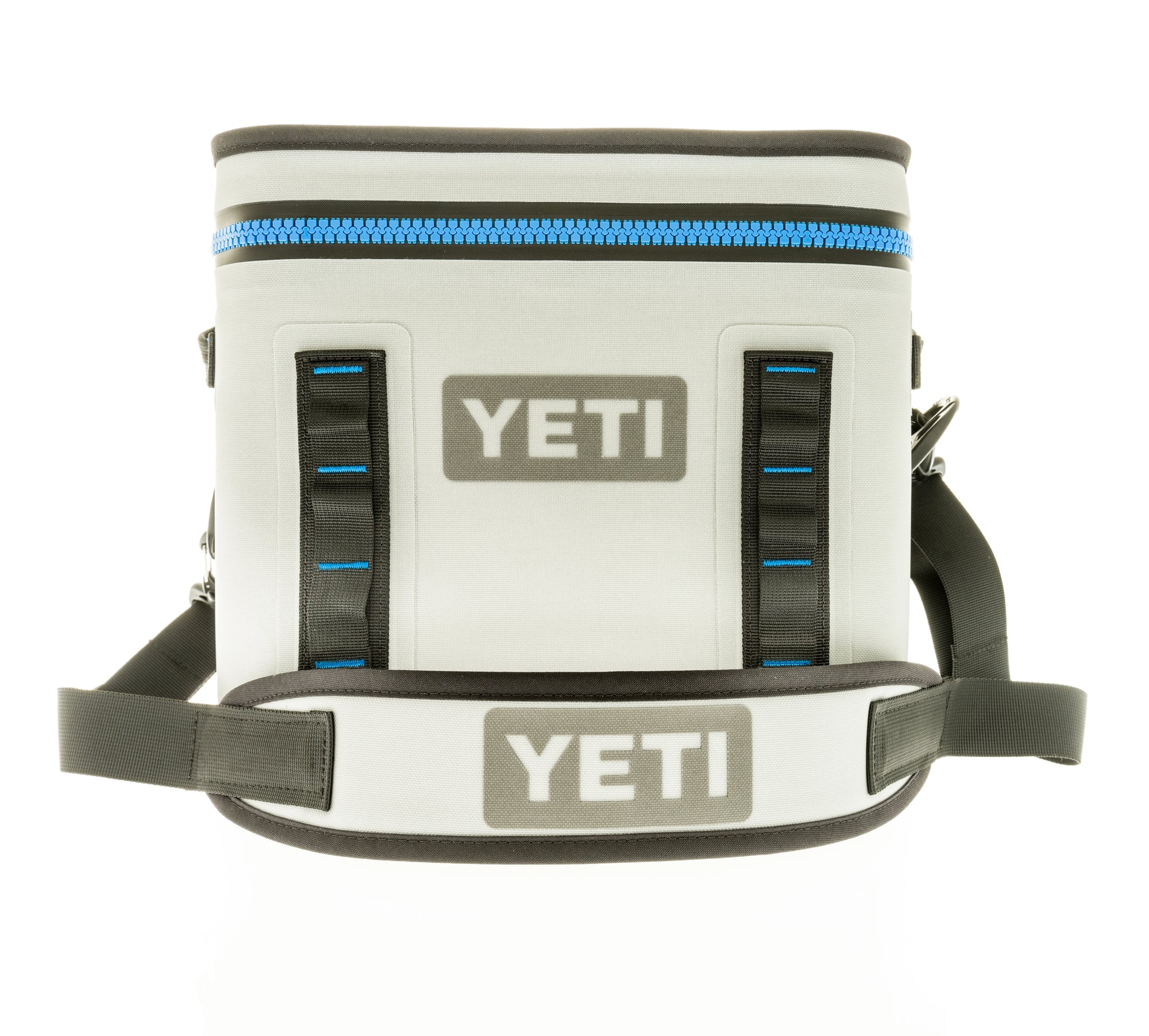
Ice retention became cool (literally). These coolers cost more than some people’s rent, but somehow that became part of the appeal.
Crocs
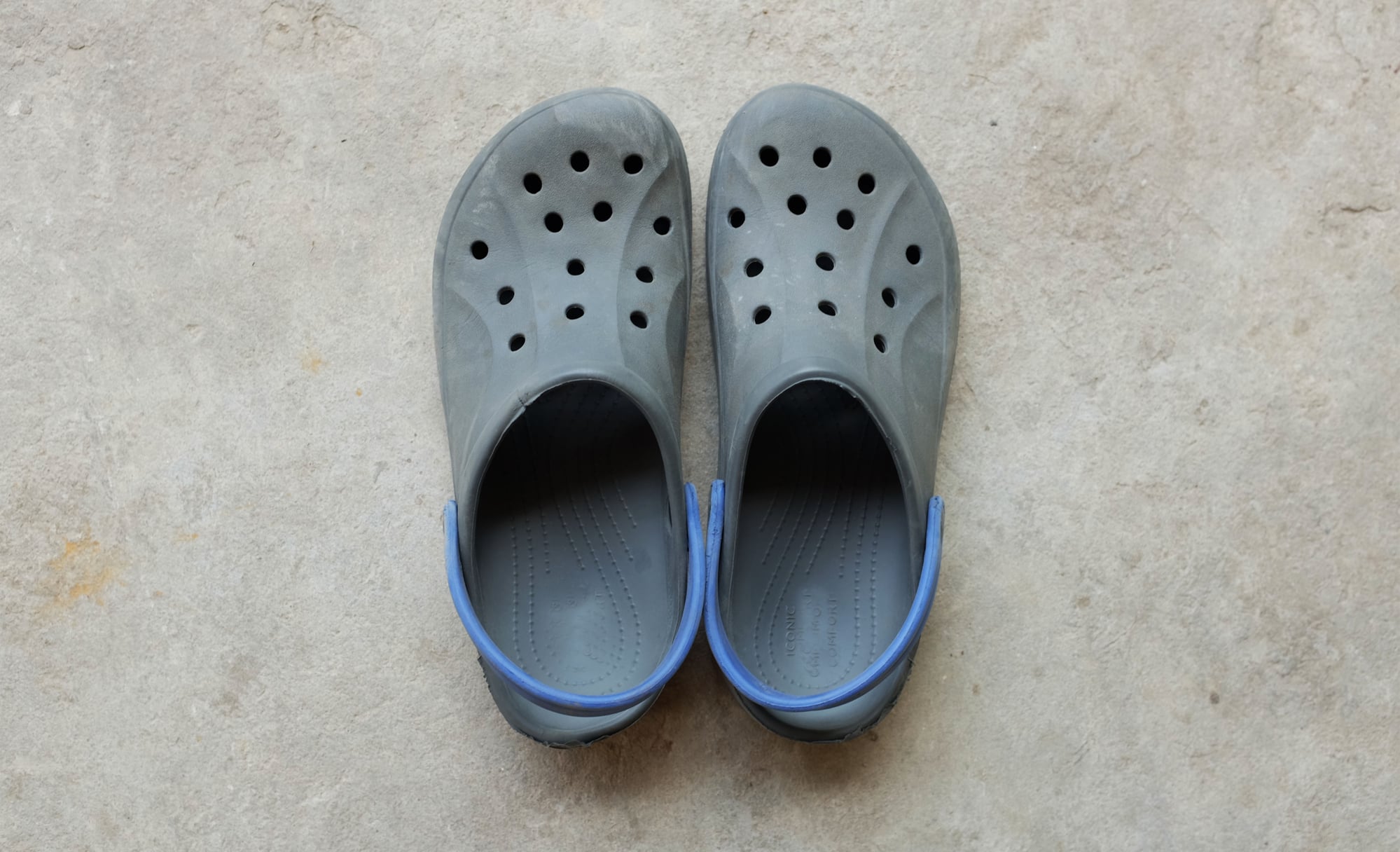
Once upon a time, Crocs were the shoes that fashion forgot — those chunky, perforated clogs that seemed designed more for hospital floors than street style (which, to be fair, they were). But social media has a way of rehabilitating the unloved, and Crocs found their second act when people started treating them like customizable canvases, loading them up with charms called Jibbitz until they resembled tiny, wearable bulletin boards.
And the comfort factor, which had always been there quietly doing its job, suddenly became something worth talking about — which is interesting, because the comfort hadn’t changed, only our willingness to admit we cared about it.
The transformation from “what are those?” to “where did you get those?” happened so gradually that you might have missed it, but once celebrities started wearing them and TikTok users started styling them with unexpected outfits, Crocs crossed some invisible line from practical to cool. So now they’re both, which feels right somehow.
Air Fryer
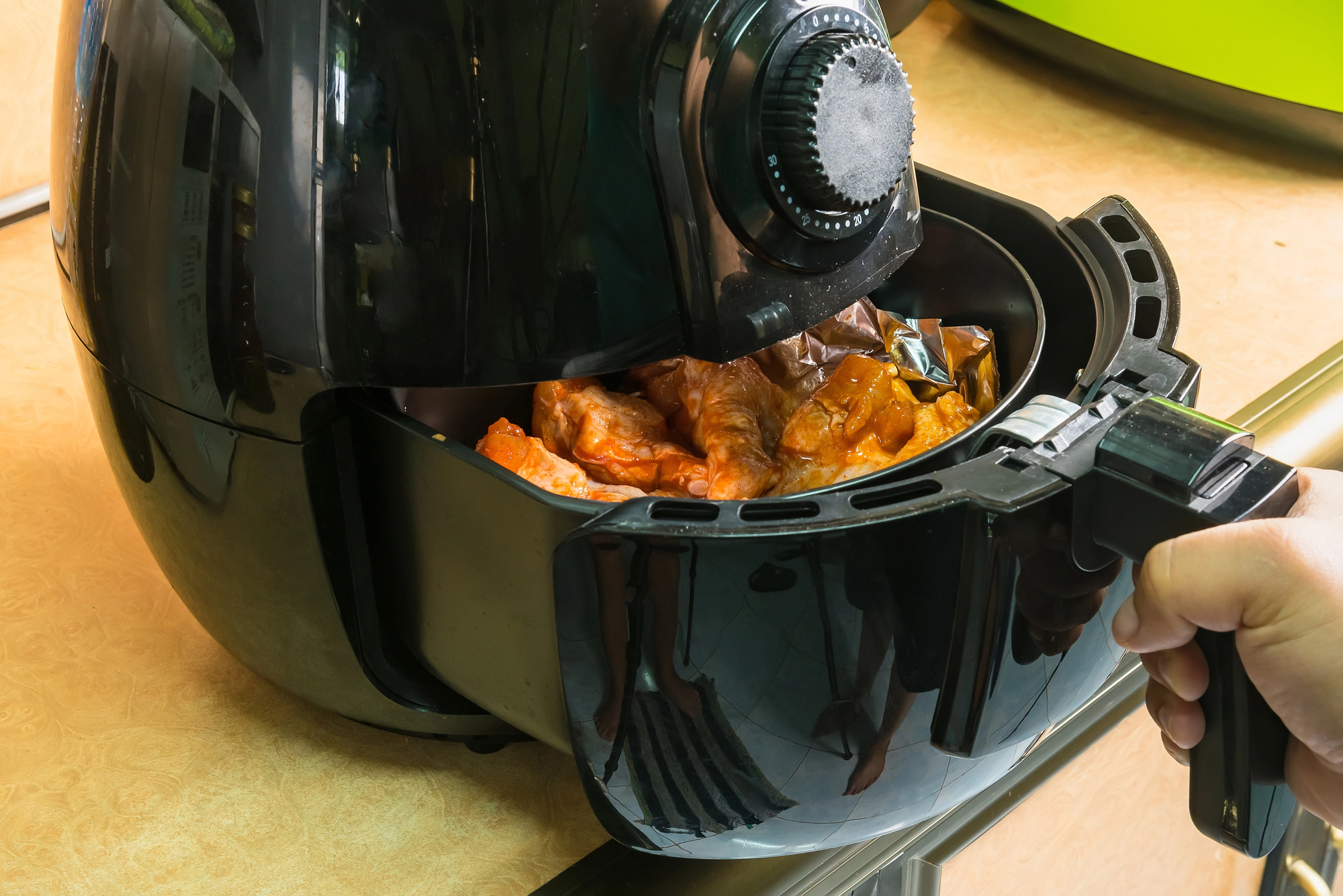
Air fryers are just small convection ovens with better marketing. The name alone did most of the work — “frying” with “air” sounds like magic, even though it’s just hot air circulation that’s been around for decades.
Every food blogger suddenly became an air fryer evangelist. The enthusiasm was infectious, if not entirely rational.
Ring Light

Content creators discovered that good lighting was half the battle for looking professional on camera. The ring light’s perfectly even illumination became the secret weapon for everyone from makeup tutorials to Zoom meetings, turning bedroom setups into broadcast-quality spaces with one simple purchase.
White Claw
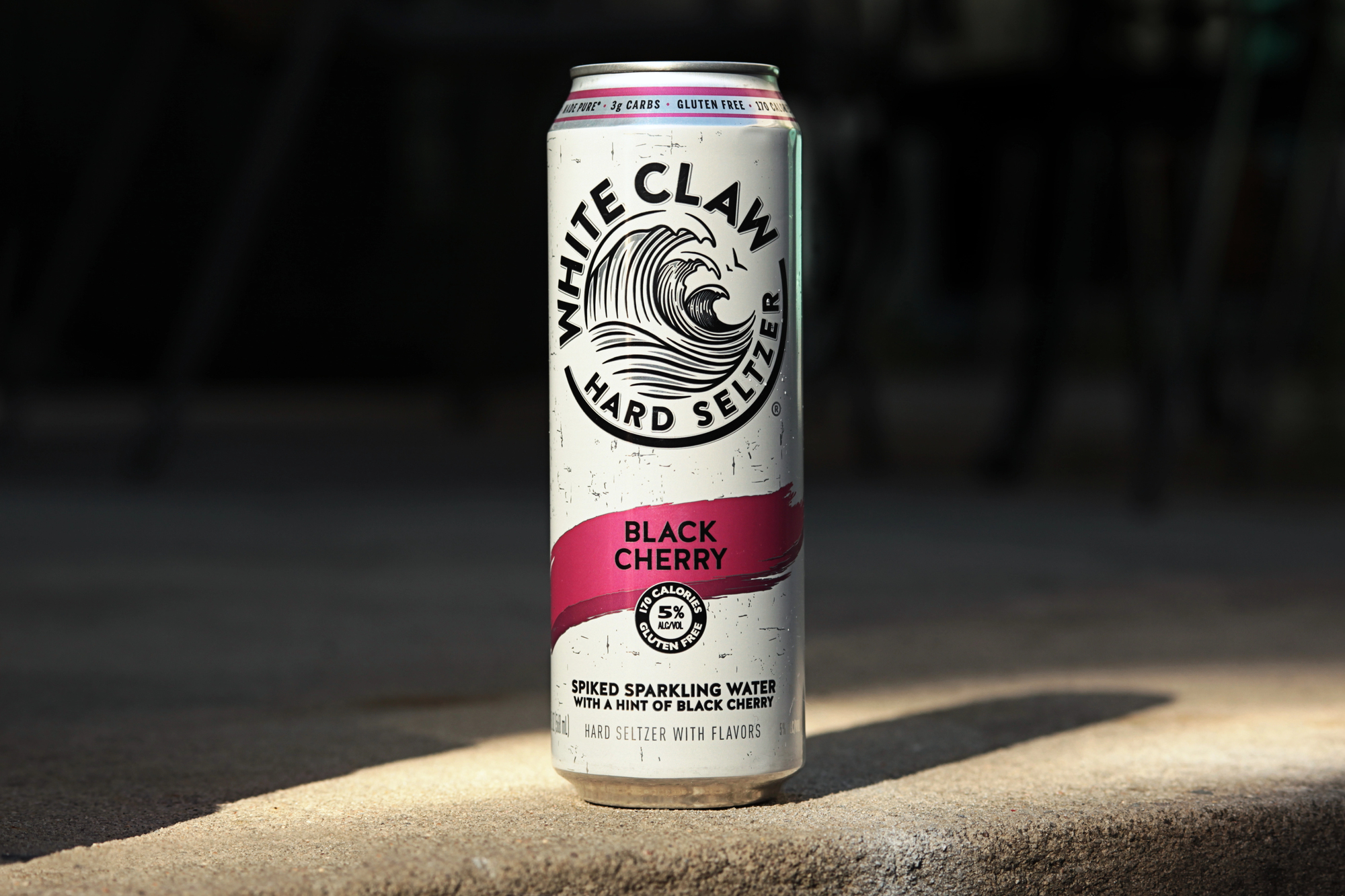
Hard seltzer existed long before White Claw, but this particular brand caught lightning in a bottle when it became the unofficial drink of summer 2019. “Ain’t no laws when you’re drinking Claws” became a battle cry for a generation that wanted to drink but also wanted to fit into their jeans.
The timing was everything — health-conscious millennials wanted alcohol that didn’t feel like a dietary disaster, and White Claw delivered with flavors that tasted like sparkling water’s fun cousin.
Instant Pot
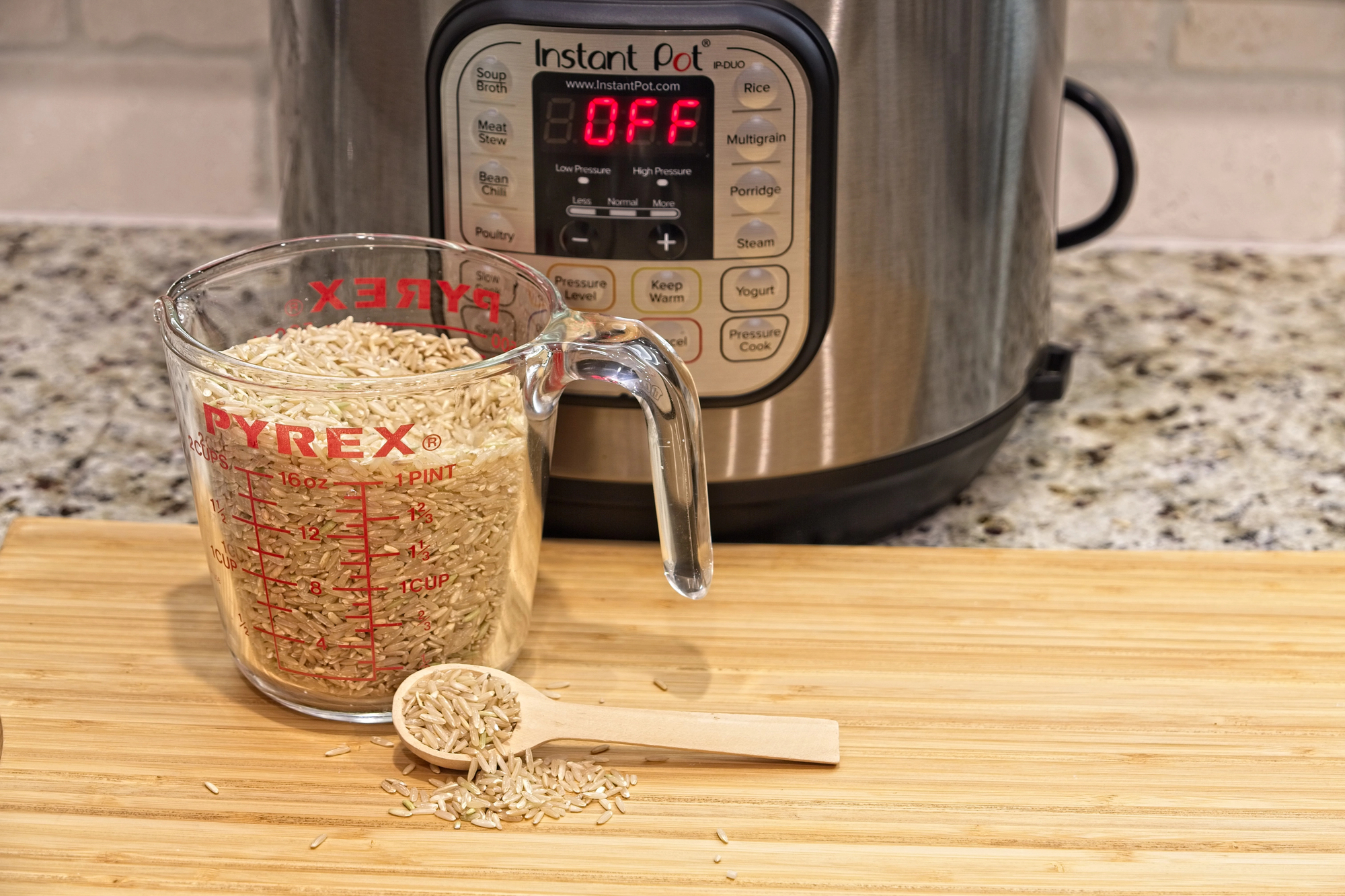
Pressure cookers had been quietly doing their job for decades, sitting in the back corners of kitchen cabinets like reliable but boring relatives you only called when you needed something done fast. Then the Instant Pot arrived with its sleek design and multi-functionality, and suddenly everyone was talking about this magical device that could replace seven kitchen appliances at once.
The transformation was less about the technology — pressure cooking hadn’t fundamentally changed — and more about presentation and timing.
Social media turned Instant Pot cooking into a kind of performance art, with time-lapse videos showing tough cuts of meat becoming tender in minutes, and busy parents sharing their weeknight dinner victories. The device became a symbol of efficiency in a time-starved world, which explains why people talked about it with the fervor usually reserved for life-changing discoveries.
AirPods
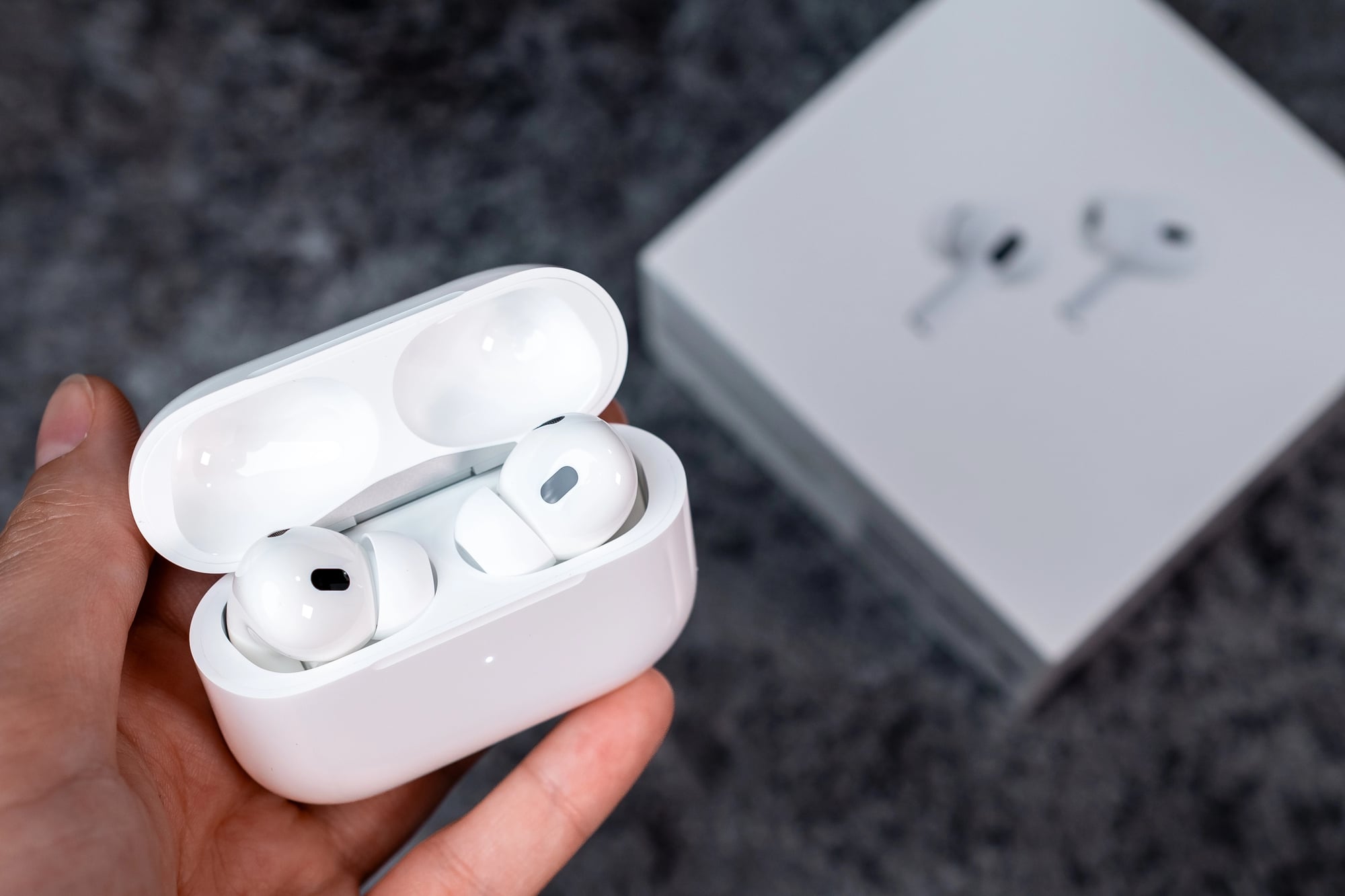
Wireless earbuds weren’t new when Apple released AirPods, but Apple made them cool. The distinctive white stems became a status symbol, and losing one became a universal shared experience that spawned countless memes.
The social media buzz wasn’t just about the technology — it was about the lifestyle they represented. AirPods meant you were busy, important, and technologically current.
Hydroflask
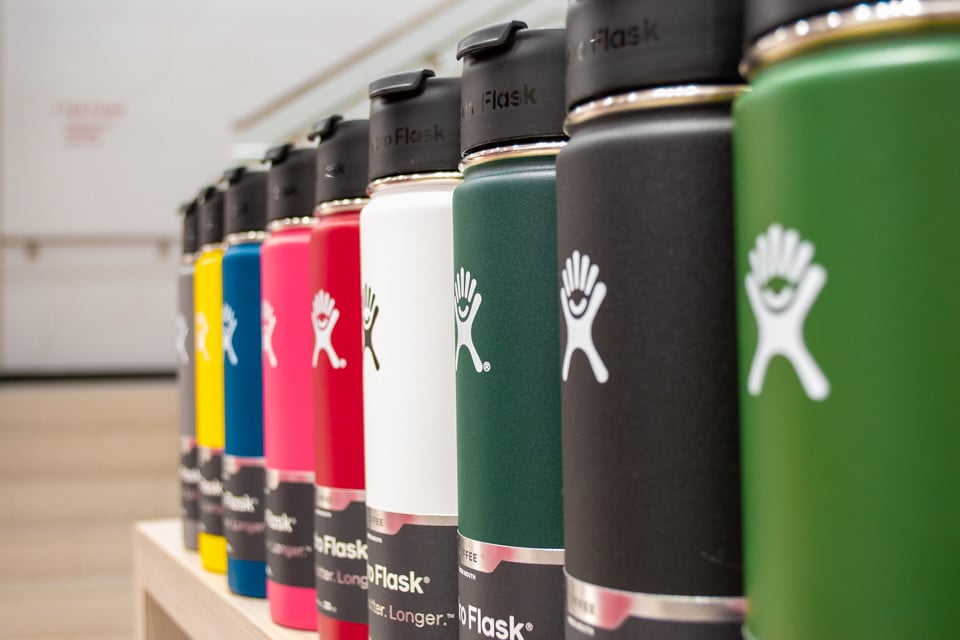
Water bottles are about as basic as products get, but Hydroflask managed to turn hydration into a lifestyle choice. The wide-mouth design was perfect for stickers, turning each bottle into a personal billboard of interests, travels, and affiliations.
VSCO girls adopted them as part of their aesthetic, and suddenly owning the right water bottle became a form of self-expression. The sound of a Hydroflask hitting the ground became instantly recognizable in high school hallways across America.
Popsocket
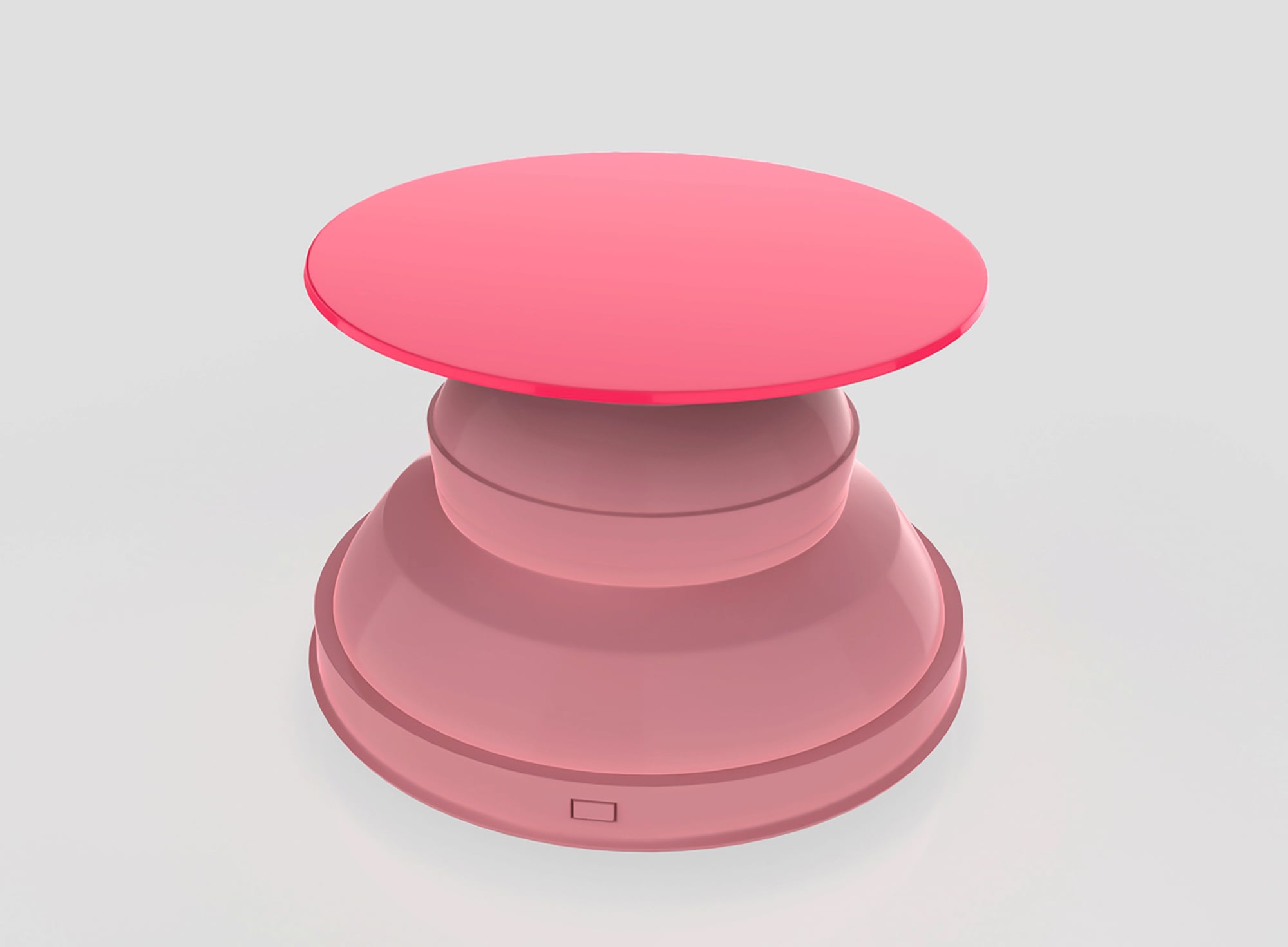
The Popsocket solved a problem most people didn’t know they had until they tried one — how to hold increasingly large phones without dropping them constantly. But beyond the practical benefits, these collapsible grips became tiny canvases for personal expression, with designs ranging from marble patterns to celebrity faces.
The viral moment came when people realized they could prop their phones up for hands-free video calls and content creation, transforming a simple accessory into an essential tool for the social media age.
The attachment people developed to their Popsockets was surprisingly strong — losing one felt like losing a part of your phone’s personality, which says something about how we’ve learned to find meaning in the smallest customizations to our daily tools.
Scrunchie
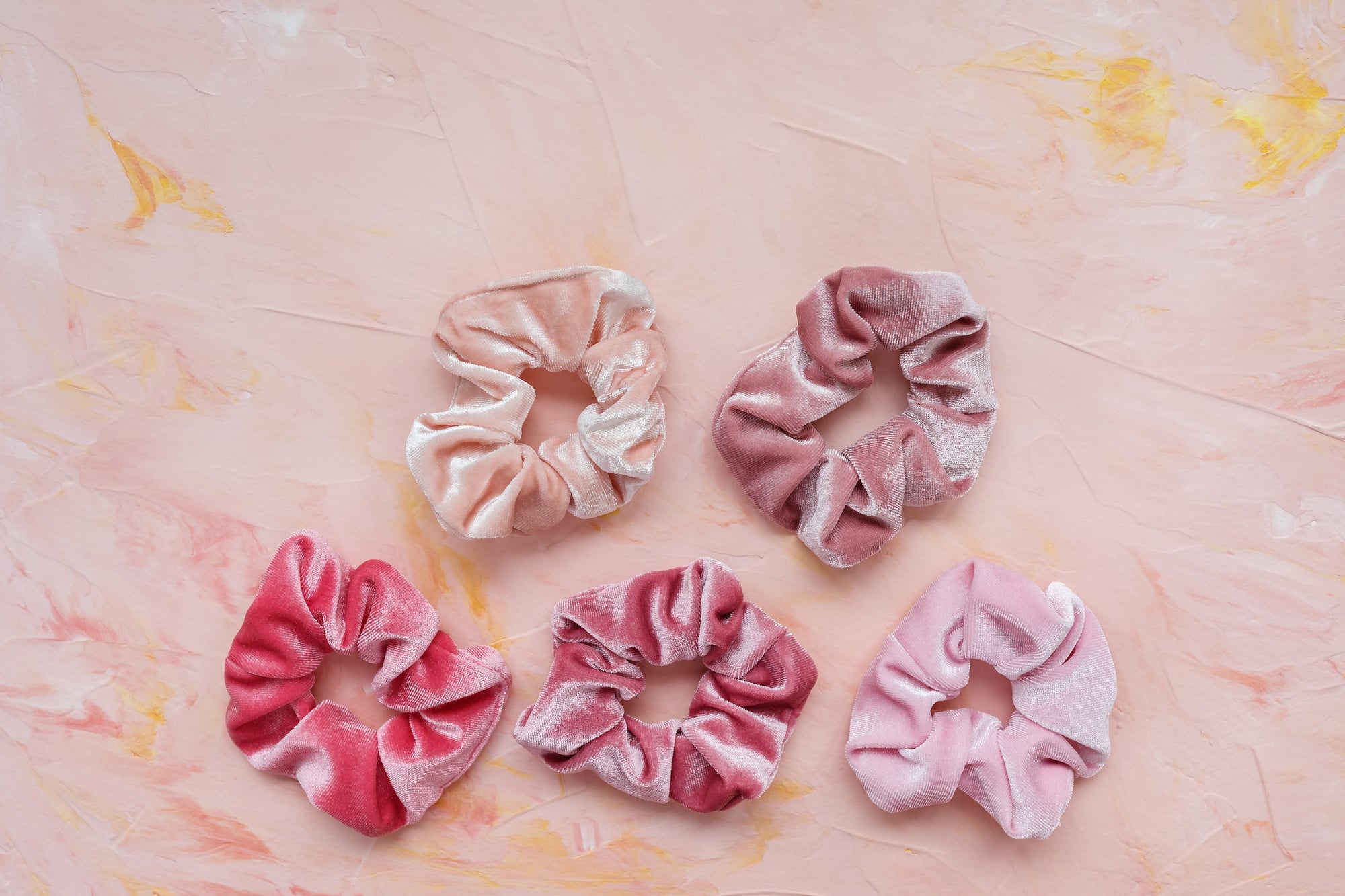
Fashion has a way of rehabilitating its past mistakes, and the scrunchie’s return proved that even the most mocked accessories can find redemption. What started as nostalgic throwback styling among influencers quickly spread as people rediscovered that scrunchies were actually gentler on hair than regular hair ties.
The practical benefits had been there all along, waiting patiently through decades of fashion exile. Sometimes the internet just reminds us why something worked in the first place.
Fanny Pack
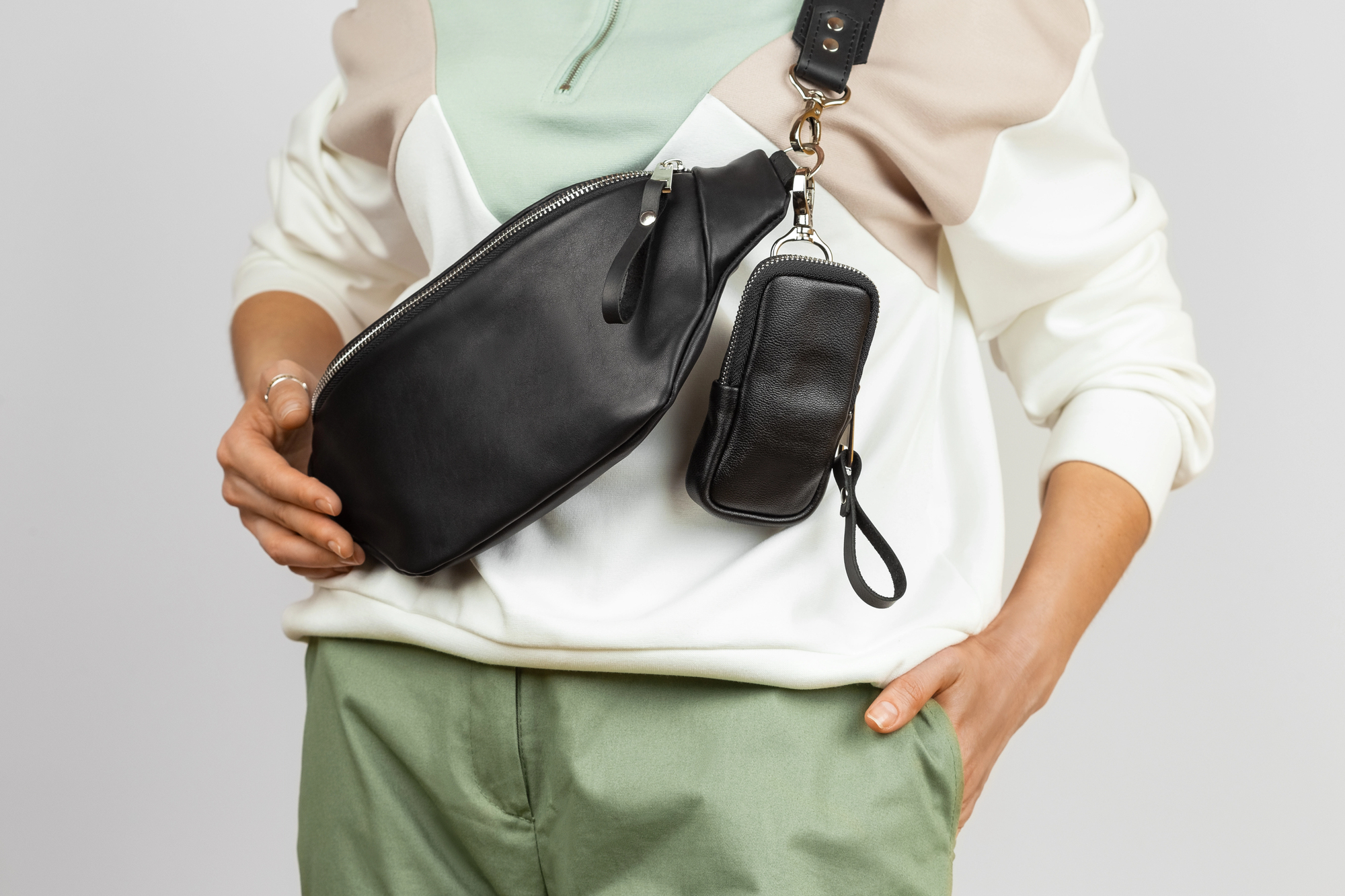
Call it a belt bag if that makes you feel better, but the fanny pack’s resurrection was one of social media’s most unlikely success stories. High fashion brands started making luxury versions, and suddenly the most utilitarian accessory of the ’90s became a statement piece.
Fidget Spinner
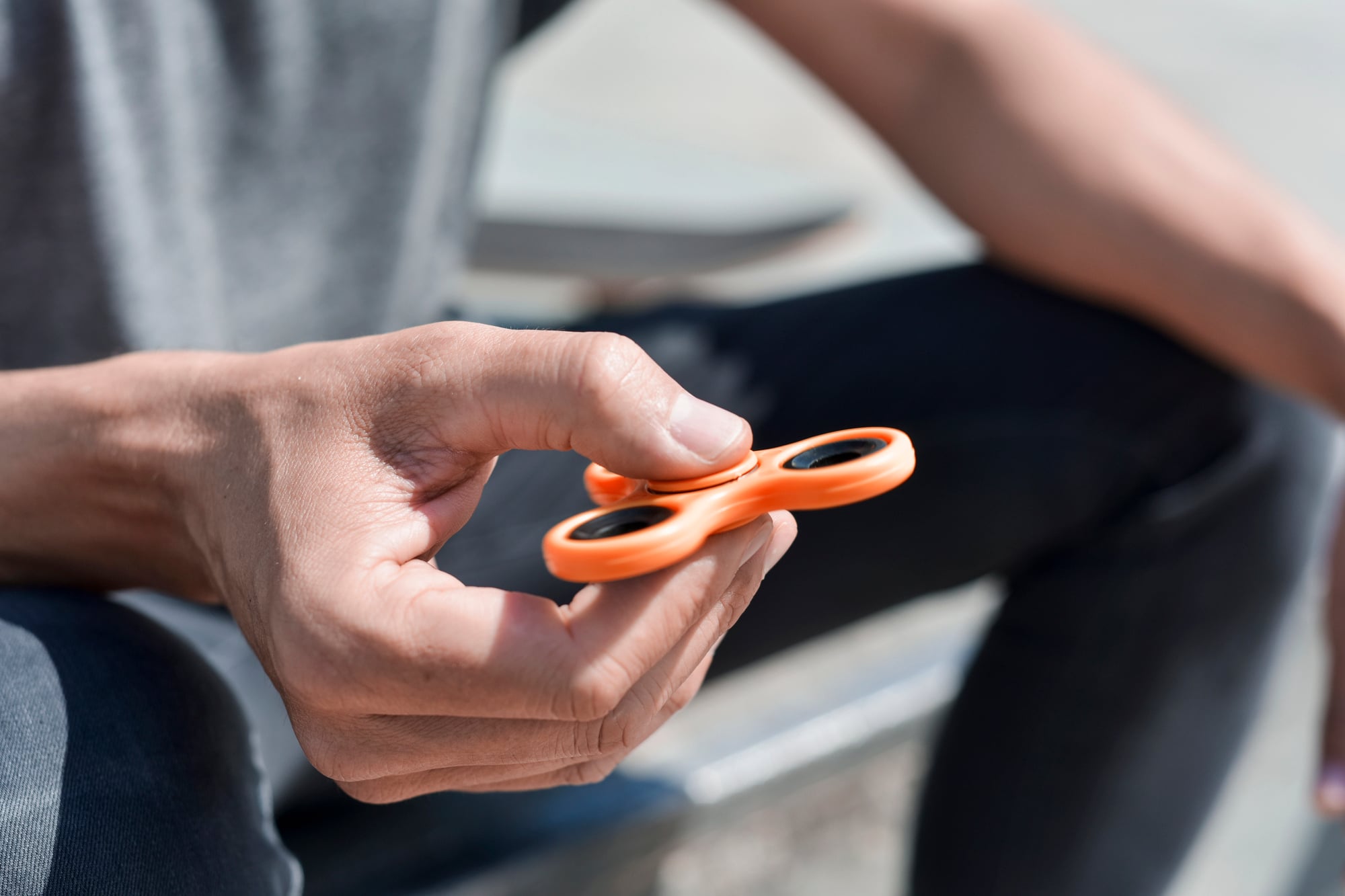
The fidget spinner phenomenon burned bright and fast, capturing attention spans ironically designed for people who couldn’t focus. For a few months, these simple spinning toys were everywhere — classrooms, offices, checkout lines at grocery stores.
The viral moment was pure internet chaos: something designed to reduce anxiety became a source of collective obsession. Then, as quickly as it had arrived, it disappeared, leaving behind millions of forgotten spinners in junk drawers across the world.
Soap Dispenser (Automatic)
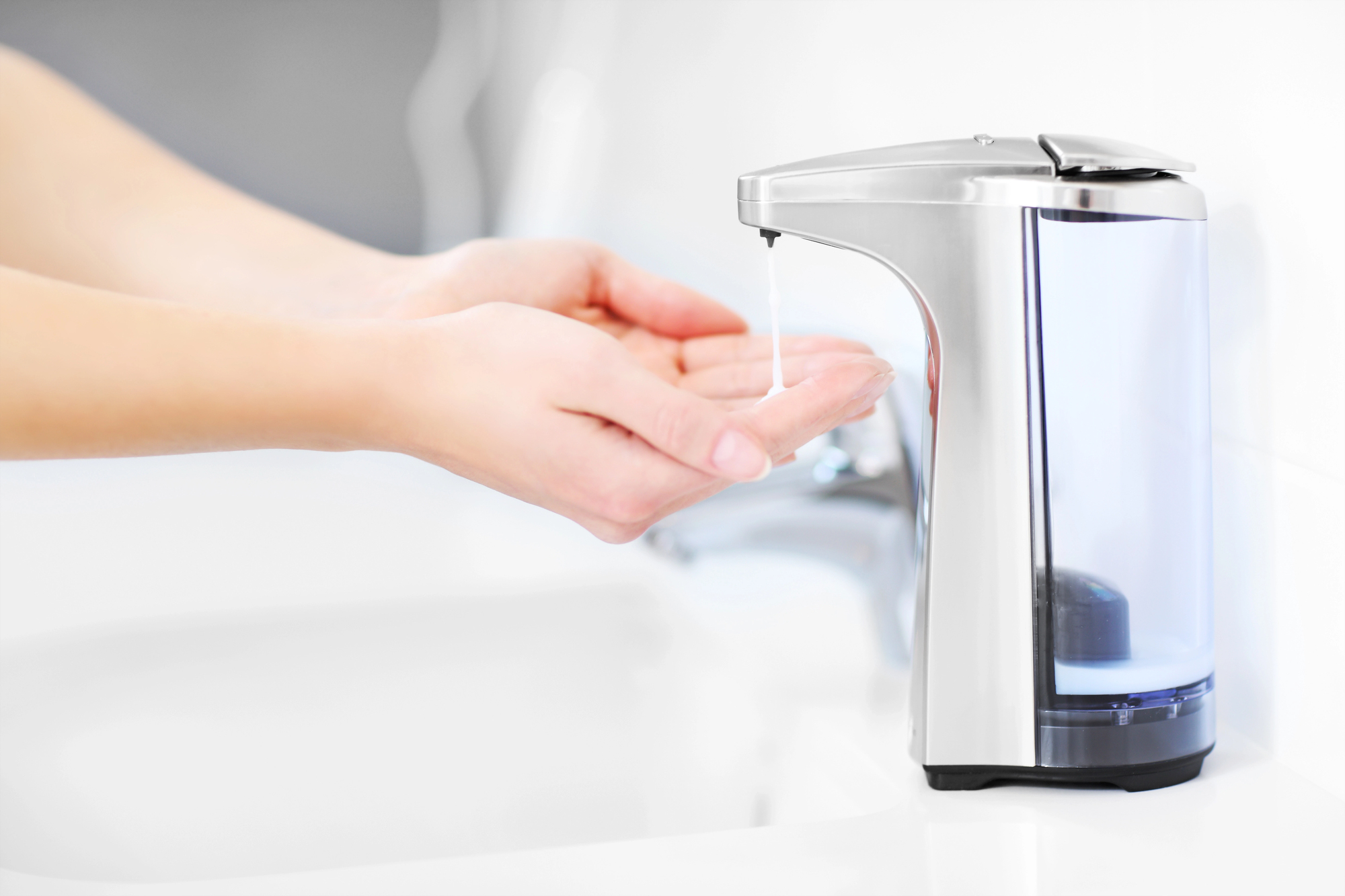
Touchless soap dispensers went from luxury hotel amenities to household necessities almost overnight when the pandemic hit. Social media amplified their appeal as people shared videos of the satisfying hands-free dispensing action.
The technology wasn’t new, but the timing was perfect. Sometimes viral moments are less about innovation and more about the world suddenly being ready for something that already existed.
Face Mask (Sheet Masks)

Self-care became social media content, and sheet masks provided the perfect visual shorthand for taking time for yourself. The slightly ridiculous appearance of wearing a paper mask became part of the appeal — it was self-care with a sense of humor about itself.
Bathroom mirror selfies with sheet masks became a whole genre of content, turning skincare routines into shareable moments. The masks themselves were often less important than what they represented: permission to pause and do something purely for yourself.
Blue Light Glasses
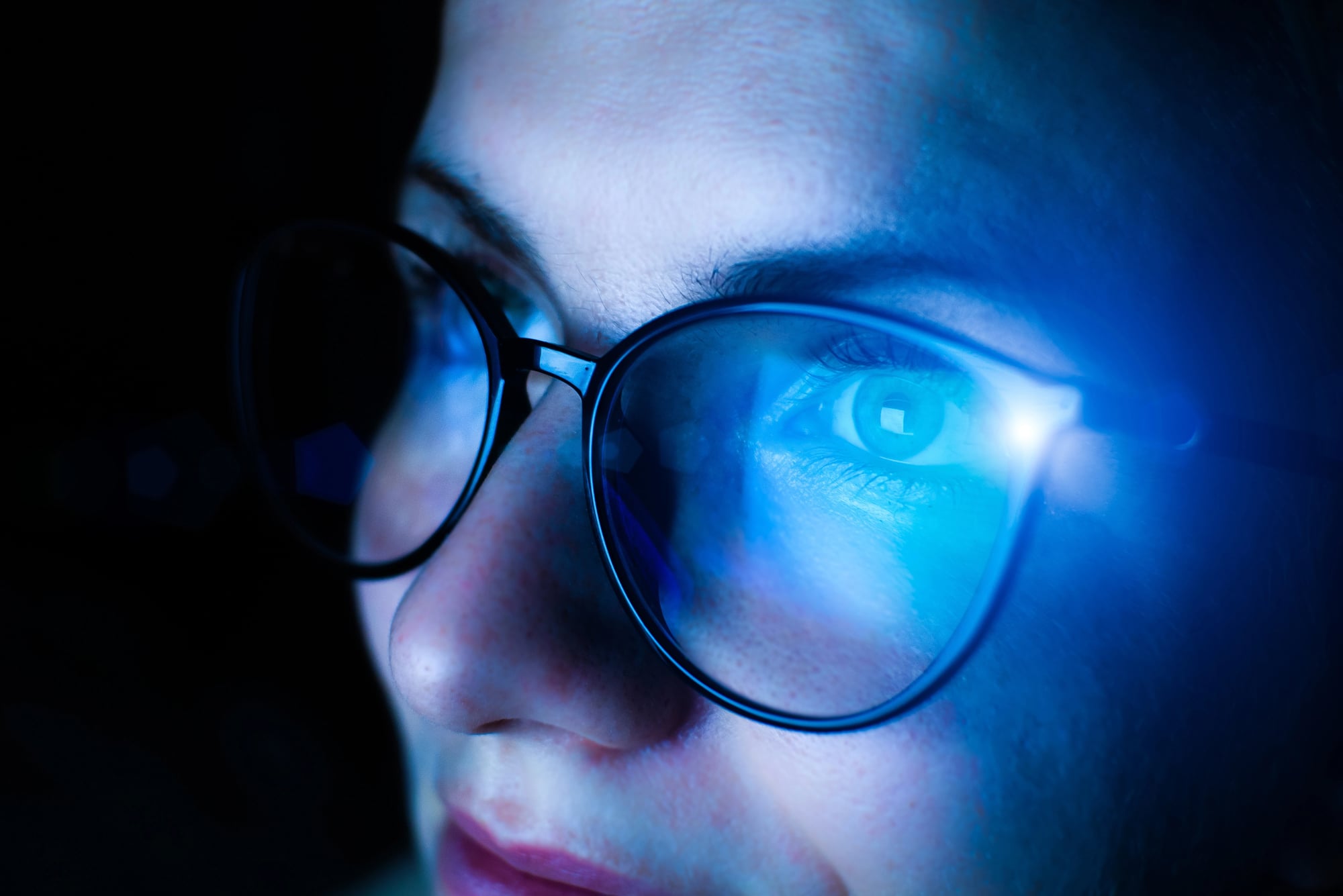
Whether blue light glasses actually work remains debatable, but their viral success was undeniable. They offered a solution to a very modern problem — too much screen time — with a simple, wearable fix that also happened to look good in video calls.
The glasses became a visual signal that you took your digital wellness seriously, which was valuable regardless of their actual effectiveness. Sometimes the most successful viral products are the ones that let people feel like they’re solving a problem, even if the problem itself is still being debated.
When The Ordinary Becomes Extraordinary
These viral moments reveal something fascinating about how we live now — the internet has democratized fame, extending it beyond people to include objects, trends, and ideas that might have remained quietly useful without ever becoming cultural phenomena. Each of these items succeeded because it arrived at precisely the right moment, when social media users were ready to embrace it, share it, and make it part of their identity.
The lesson isn’t that any product can go viral with the right push, but rather that the ordinary world around us is full of potential waiting for the right moment to be discovered, rediscovered, or simply seen in a new light.
More from Go2Tutors!

- The Romanov Crown Jewels and Their Tragic Fate
- 13 Historical Mysteries That Science Still Can’t Solve
- Famous Hoaxes That Fooled the World for Years
- 15 Child Stars with Tragic Adult Lives
- 16 Famous Jewelry Pieces in History
Like Go2Tutors’s content? Follow us on MSN.



