Vanished People Last Seen in Normal Routines
People disappear while living their most ordinary moments. Not during dangerous adventures or risky behavior, but while buying groceries, walking dogs, or heading to work.
These cases haunt investigators because they shatter the illusion that routine equals safety. When someone vanishes from their daily pattern, it leaves behind a puzzle with no clear starting point.
Dorothy Arnold

Dorothy Arnold stepped out to buy a dress in Manhattan on December 12, 1910. The wealthy socialite browsed Brentano’s bookstore, bought a box of chocolates, then walked toward Central Park.
She never made it home for dinner.
Her family hired private detectives before involving police. They found nothing.
Dorothy had complained about her restrictive upper-class life and dreamed of becoming a writer, but her manuscripts kept getting rejected. Some theorized she ran away to start fresh, but Dorothy never accessed her bank account or contacted friends.
The chocolate box was never found either.
Lars Mittank

Security cameras captured Lars Mittank’s final moments at Varna Airport in Bulgaria. The young German tourist had been vacationing normally until a fight outside a bar left him paranoid and erratic.
Lars called his mother from the airport, describing strange fears about being followed. Mid-conversation, he suddenly sprinted from the building and disappeared into a sunflower field.
His luggage remained at the airport. His phone went dead.
Despite extensive searches and viral internet attention, no trace of Lars has surfaced in over a decade.
Jennifer Kesse

Jennifer Kesse was the type of person who called when running five minutes late. The 24-year-old finance worker maintained strict routines and stayed in close contact with family.
On January 23, 2006, she vanished between her Orlando condo and her office (a drive she’d made hundreds of times, through the same familiar neighborhoods she’d navigated for years, past the same traffic lights and strip malls that had become part of her daily landscape, a route so automatic she could have driven it with her eyes closed).
But that Tuesday morning, something interrupted the pattern. Her car turned up days later, parked at another apartment complex.
Security footage showed someone walking away from Jennifer’s vehicle, but the camera angle perfectly obscured their face. The timing seemed almost deliberate.
And despite thousands of tips and ongoing family efforts, Jennifer’s case remains unsolved — a reminder that even the most predictable routines offer no real protection.
Brian Shaffer

Medical school operates on rigid schedules, and Brian Shaffer followed his to the letter. The second-year student at Ohio State had clear plans: drinks with friends, then home to study.
On March 31, 2006, security cameras recorded him entering the Ugly Tuna Saloona bar near campus.
Security cameras recorded him entering the Ugly Tuna Saloon bar near campus. The bar had limited ways out, all monitored, yet somehow he vanished completely.
Friends assumed he left through a service exit or construction area, but extensive searches found nothing. His medical school career, his relationship, his entire structured life — all abandoned without explanation.
Maura Murray
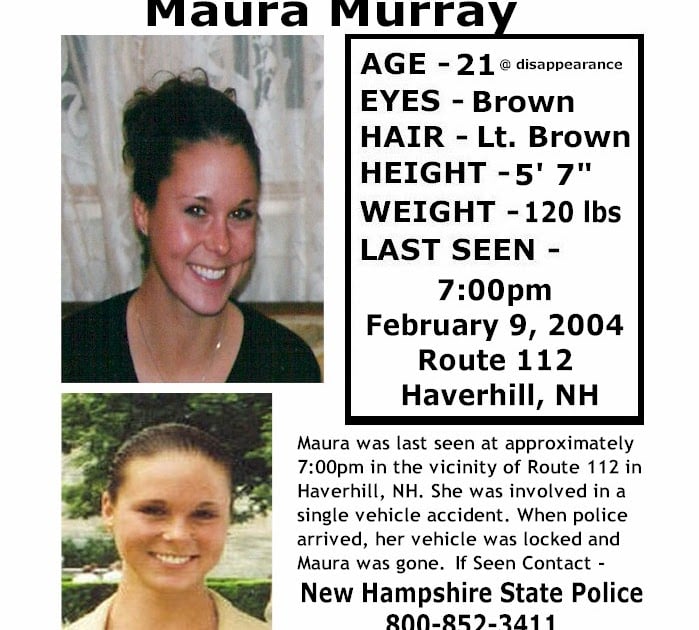
The college years demand constant motion between dorm rooms and lecture halls, parties and study sessions. Maura Murray navigated this routine at the University of Massachusetts until February 9, 2004, when she packed her car and drove toward New Hampshire’s White Mountains.
Her departure looked planned, not impulsive.
Her car crashed on Route 112 in Haverhill. A bus driver offered help, but Maura declined and said she’d called AAA.
When police arrived fifteen minutes later, they found the car but no driver. Maura’s scent trail ended at the road, suggesting she got into another vehicle.
Her case spawned documentaries and podcasts, but the basic question remains: why did a nursing student with good grades and clear goals suddenly drive into the mountains and disappear?
Ray Gricar

District attorneys don’t vanish without consequence. Ray Gricar built his career on systematic prosecution and careful documentation, but on April 15, 2005, he called in sick and drove toward the Pennsylvania mountains with his girlfriend.
They browsed antique shops in Lewisburg — a normal weekend activity for the couple. Ray suggested walking around town while she shopped.
He never returned to their meeting spot. His car was found the next day.
Months later, his laptop emerged from a river, hard drive missing. Ray had been eligible for retirement and had recently searched online for ways to destroy computer hard drives, but colleagues insisted he showed no signs of planning to disappear.
Amy Lynn Bradley

Cruise ships enforce predictable schedules, and Amy Lynn Bradley followed them during her March 1998 Caribbean vacation. The 23-year-old stayed up late dancing and socializing, then returned to her family’s cabin around dawn.
Her father saw Amy sleeping on their balcony around dawn. When the family woke up a few hours later, she was gone.
Ship searches found nothing. The vessel was in international waters, complicating jurisdiction and search efforts.
Later reports claimed Amy was spotted in various locations, possibly trafficked, but none led to concrete evidence. The case highlights how quickly someone can vanish even in the contained environment of a cruise ship.
Tara Calico

September mornings meant bicycle rides for Tara Calico. The University of New Mexico student maintained this routine religiously, cycling the same rural roads near her Belen home.
Her mother worried about cars on the isolated route, so they agreed Tara would be home by noon on September 20, 1988.
Tara never returned. Witnesses reported seeing her bike followed by a pickup truck, but police initially treated the case as a runaway situation.
Months later, a Polaroid photograph surfaced showing a young woman and boy bound in what appeared to be a van. Some believed the woman was Tara, but forensic analysis proved inconclusive.
The photo generated leads across multiple states, none definitive.
Springfield Three

Mother’s Day weekend 1992 should have been routine for Sherrill Levitt, her daughter Suzie, and Suzie’s friend Stacy McCall. The three women returned to Sherrill’s home after Suzie’s graduation party, planning to sleep in before starting their Sunday.
Friends arrived the next morning to find the house eerily normal. Purses, keys, and cars remained untouched.
The beds appeared slept in. Nothing seemed stolen or disturbed, yet all three women had vanished completely.
The case baffled investigators because it suggested either voluntary departure (unlikely for three people simultaneously) or an extremely organized abduction. Despite extensive investigation and media attention, the Springfield Three remain missing thirty years later.
Brandon Swanson

College students drive familiar routes constantly, and Brandon Swanson knew the roads between Marshall and Canby, Minnesota. The 19-year-old was heading home from a friend’s house on May 14, 2008, when his car slid into a ditch near midnight.
Brandon called his parents for help but couldn’t pinpoint his location in the darkness. They drove around searching while staying connected by phone.
Brandon said he could see lights from a town and began walking toward them. Suddenly, he exclaimed “Oh [expletive]!” and the line went dead.
His phone never reconnected. Massive searches covered the rural area, but no trace of Brandon ever surfaced.
The case puzzles investigators because his voice gave no indication of meeting another person or sensing danger.
Elisa Lam

Hotel routines provide structure for travelers, and Elisa Lam seemed to be following normal patterns during her solo trip to Los Angeles in January 2013. The Canadian student checked into the Cecil Hotel downtown and maintained contact with family.
Security footage from the hotel elevator shows Elisa’s final known moments, pressing multiple buttons and appearing to talk with someone outside the frame. Her behavior seemed erratic, possibly indicating mental distress.
Days later, guests complained about water pressure and taste. Maintenance workers found Elisa’s body in a rooftop water tank, raising questions about how she accessed the locked area and why she climbed inside.
William Tyrell

Three-year-olds follow simple routines, and William Tyrell was playing his normal games at his grandmother’s house in Kendall, Australia. On September 12, 2014, he wore his favorite Spider-Man suit while running around the yard.
William’s foster mother stepped inside briefly. When she returned, he was gone.
The rural property backed onto bushland, but intensive searches found no trace. The case became Australia’s most high-profile missing person investigation.
Numerous theories emerged, from abduction to accident, but none explained how a small child could vanish so completely in such a short timeframe.
The Weight of Ordinary Moments

These disappearances share a common thread that makes them particularly disturbing: they interrupt the mundane. There’s something unsettling about how routine activities — shopping, driving, playing — can become the final chapters in someone’s story.
The ordinariness of these last moments makes them feel simultaneously relatable and terrifying, reminding us that safety isn’t guaranteed even in our most familiar spaces.
More from Go2Tutors!

- The Romanov Crown Jewels and Their Tragic Fate
- 13 Historical Mysteries That Science Still Can’t Solve
- Famous Hoaxes That Fooled the World for Years
- 15 Child Stars with Tragic Adult Lives
- 16 Famous Jewelry Pieces in History
Like Go2Tutors’s content? Follow us on MSN.