17 Unsolved Riddles of the Mary Celeste Ship Voyage
The Mary Celeste stands as maritime history’s most confounding puzzle. Found drifting empty in 1872, this merchant brigantine has spawned countless theories but delivered precious few answers.
Her crew and passengers had vanished without explanation, leaving behind a perfectly seaworthy vessel stocked with cargo and personal belongings. What happened during those final days remains one of the sea’s most persistent mysteries, each clue raising more questions than it resolves.
The Missing Lifeboat
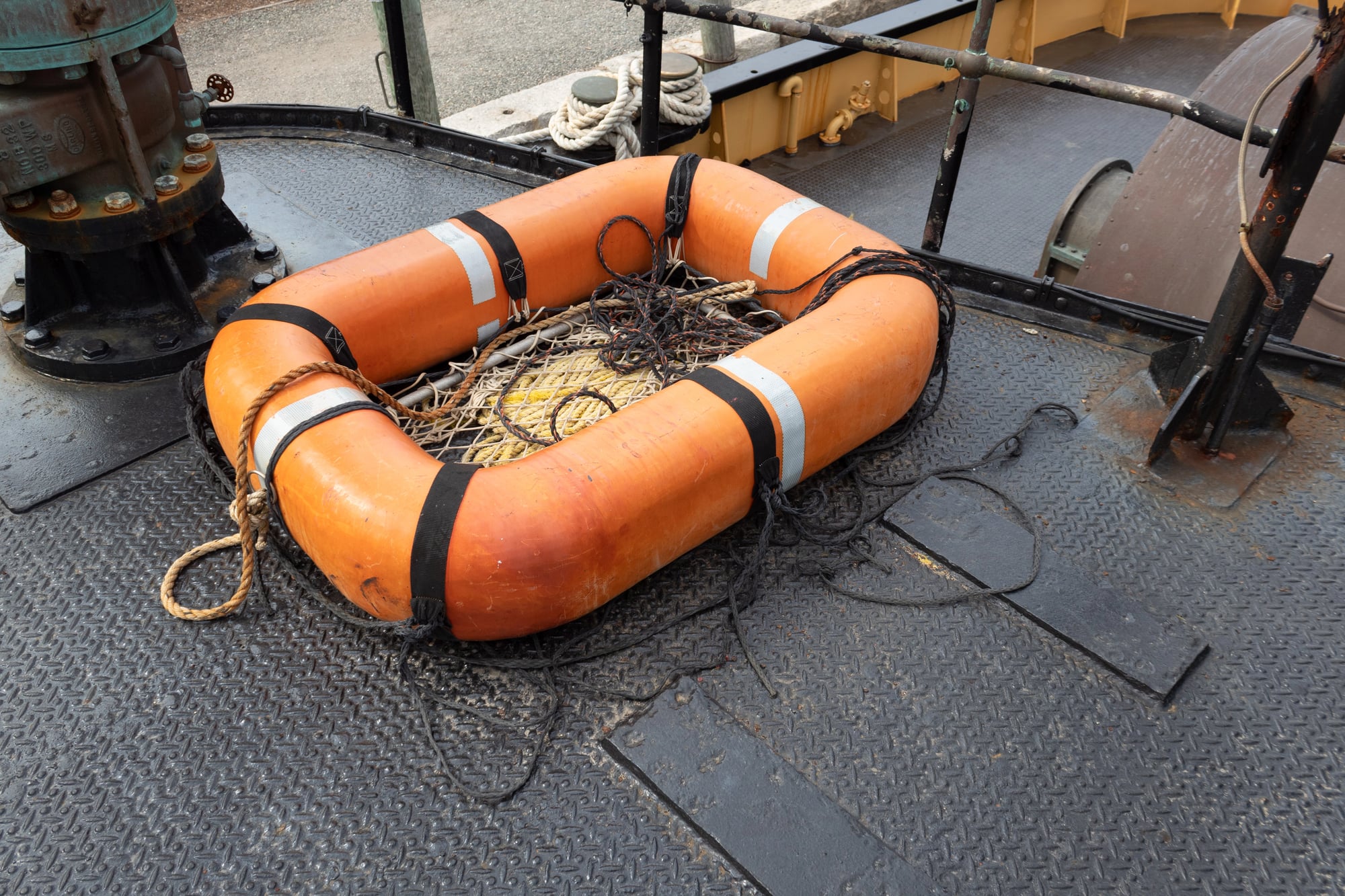
The Mary Celeste’s single lifeboat was gone. Not damaged, not destroyed — simply missing from its davits.
This suggests the crew abandoned ship deliberately rather than being swept overboard or meeting some violent end. But the boat was never found, despite extensive searches of the shipping lanes between New York and Gibraltar.
Ten people crammed into a small lifeboat should have left some trace, whether rescued by another vessel or washed ashore somewhere along the Atlantic coast.
Cargo Untouched But Mysterious

The ship carried 1,701 barrels of denatured alcohol (meant for fortifying wine in Italy), and every single barrel remained sealed and accounted for when the vessel was discovered. Pirates would have taken such valuable cargo — or at least sampled it extensively, since alcohol was liquid gold to sailors of that era.
And yet nine of the barrels were later found to be empty, though their bungs showed no signs of tampering or leakage.
So the alcohol disappeared without anyone apparently removing it, which defies both logic and the laws of physics, unless someone had discovered a method of draining barrels while leaving them apparently untouched (which seems unlikely, to say the least), or the barrels had been empty from the start and somehow made it through multiple inspections without anyone noticing.
Empty barrels among full ones would shift differently in rough seas. The crew would have known.
Captain Briggs’s Character
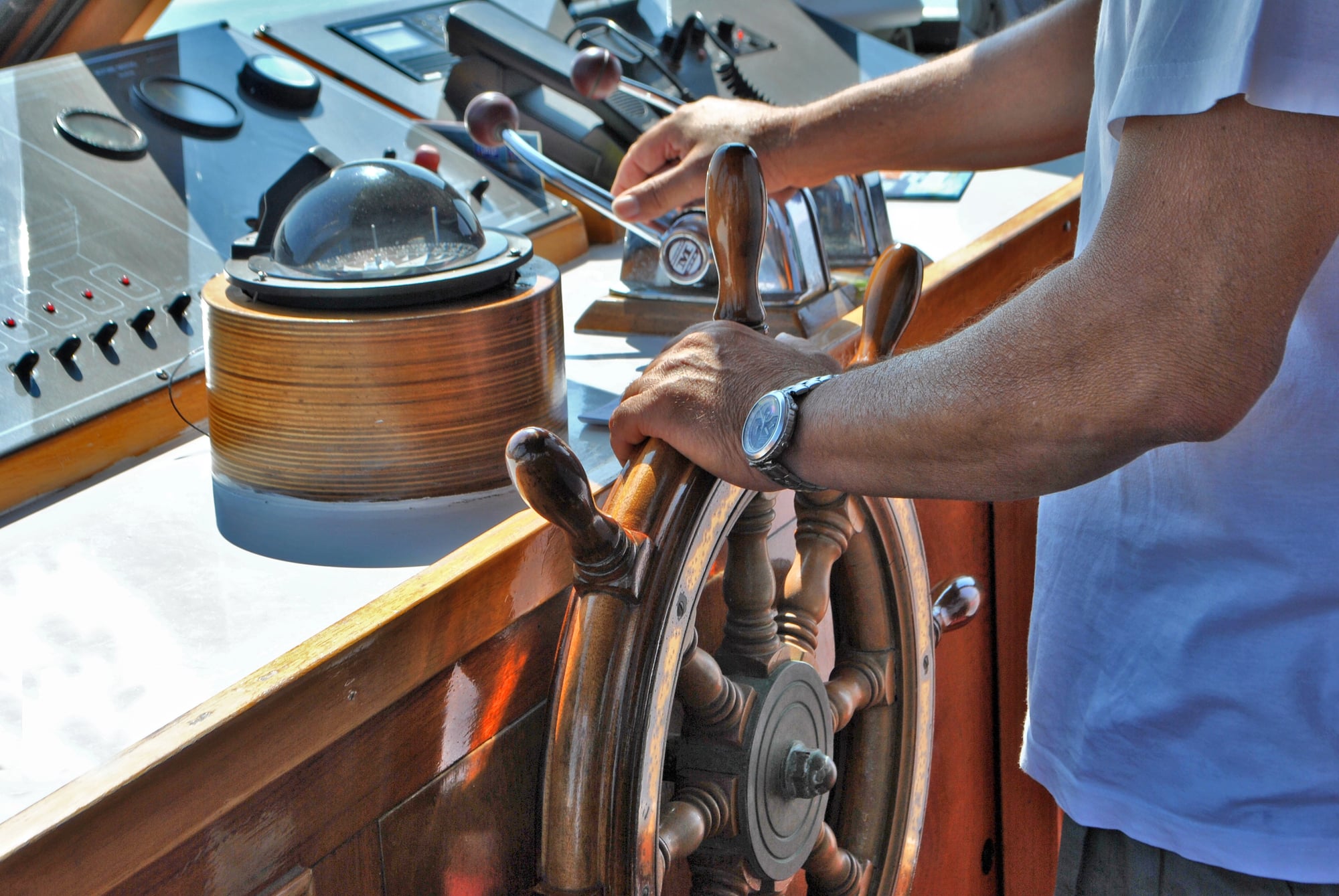
Benjamin Briggs was no reckless sailor or drunk. His reputation preceded him through every port on the Eastern seaboard — methodical, religious, devoted to his family.
This wasn’t a man who made impulsive decisions or abandoned valuable property without extreme cause. He’d brought his wife Sarah and two-year-old daughter Sophia on this voyage, suggesting confidence in both his ship and his crew.
Religious men of his background didn’t abandon ships lightly, and devoted fathers didn’t risk their children’s lives on foolish gambles.
The Unfinished Log Entry

Like a half-written letter left on a desk when someone steps out for just a moment, the ship’s log simply stops. The final entry, dated November 25th, places the Mary Celeste near the Azores with fair weather and favorable winds — nothing suggesting trouble ahead.
Captain Briggs was meticulous about record-keeping, filling entries daily without fail.
Yet ten days passed between that final log entry and the ship’s discovery, ten days of sailing that left no written trace. Ships don’t sail themselves, and captains don’t abandon their logs mid-voyage unless something forces their hand immediately.
The Untouched Personal Belongings

Everything remained exactly where it should be. Sarah Briggs’s sewing kit sat open as though she’d just set down her needle.
Sophia’s toys lay scattered in the cabin they shared with their parents. The crew’s sea chests remained locked, their contents undisturbed.
These weren’t people who packed hastily or fled in panic — their belongings suggest normal shipboard life interrupted mid-moment, as if everyone had simply stepped away briefly and never returned.
The Mysterious Compass

The Mary Celeste carried two compasses, both found pointing in different directions when the ship was discovered. One compass had been deliberately dismounted from its housing, though it showed no signs of damage or malfunction.
Experienced sailors don’t tamper with their navigation instruments without serious reason, and they certainly don’t remove compasses unless something has gone fundamentally wrong with their ability to find direction.
But what could cause two compasses to disagree so dramatically that a captain would resort to dismounting one entirely?
The Water in the Hold
The salvage crew found several feet of water sloshing around the Mary Celeste’s hold, though not nearly enough to threaten the ship’s seaworthiness — certainly not enough to justify abandoning a perfectly sound vessel. The water showed no signs of having entered through hull damage or storm violence, appearing instead to have accumulated gradually over time.
Some of it may have entered after the crew’s departure, but the patterns suggested the bilge pumps hadn’t been operated for days before the abandonment, which makes no sense for a properly managed ship.
The Deliberately Opened Hatches
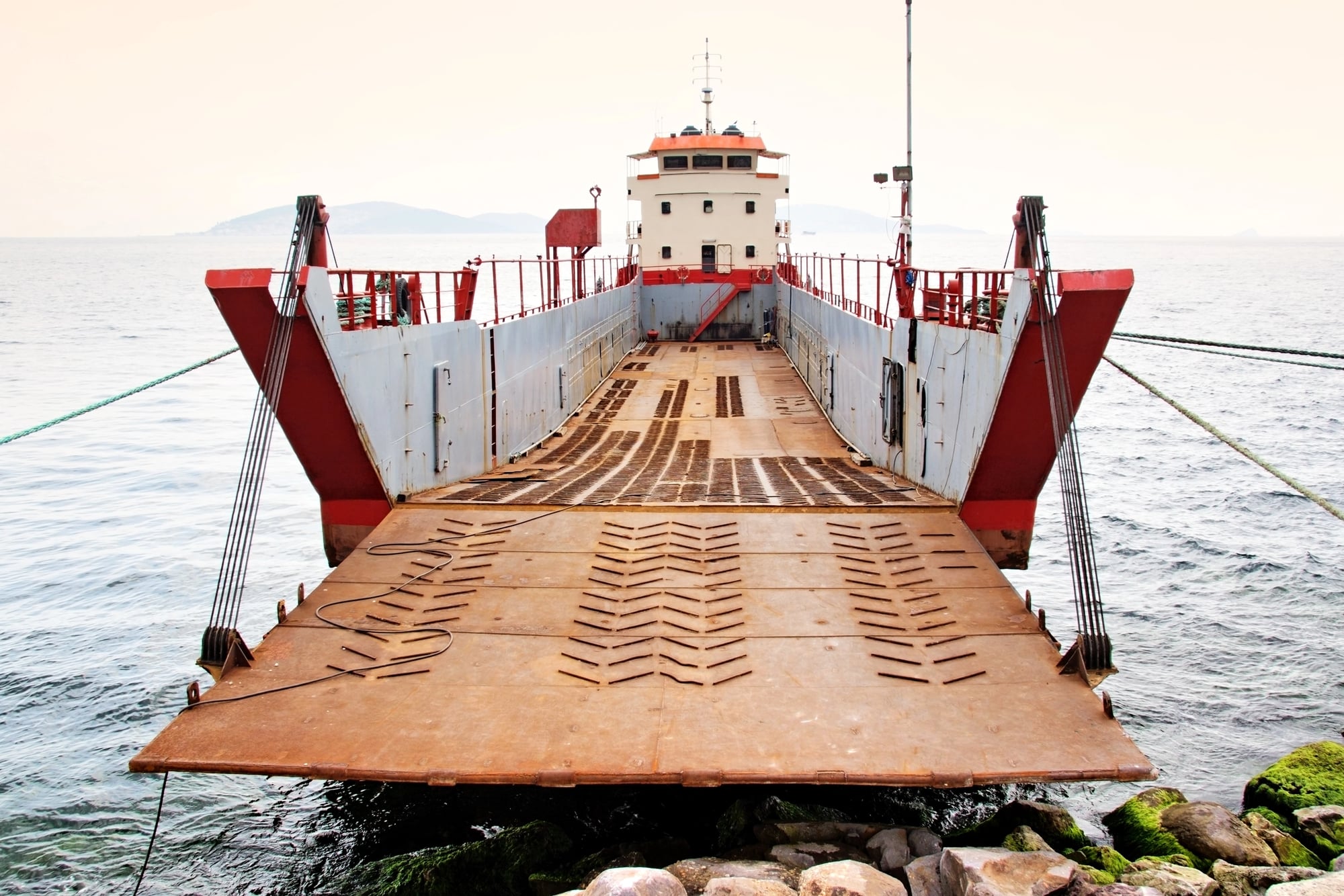
Someone had opened the fore and lazarette hatches and left them secured in the open position (this wasn’t storm damage or accident — the hatches were properly lashed open, as if to encourage ventilation below decks), but the main cargo hold remained sealed tight as a drum.
Opening hatches was routine for managing condensation and airflow, but selectively opening only certain hatches suggests the crew was addressing a specific problem in those areas while protecting the main cargo.
And yet when the ship was found, nothing in those opened compartments explained why ventilation had become so urgently necessary that the crew would risk exposing their ship to rough weather and spray.
The Missing Ship’s Papers

Every important document had vanished from the Mary Celeste. The ship’s register, navigation log, and bills of lading — papers that would prove ownership and cargo contents — were gone, though less valuable documents remained scattered throughout the captain’s cabin.
These weren’t papers that would blow overboard easily or get misplaced during routine sailing.
Someone had deliberately gathered and removed the most crucial documentation, either taking it into the lifeboat or destroying it entirely. Pirates might steal cargo but rarely bothered with paperwork, and legitimate emergencies don’t typically require destroying ship’s papers.
The Undamaged Rigging
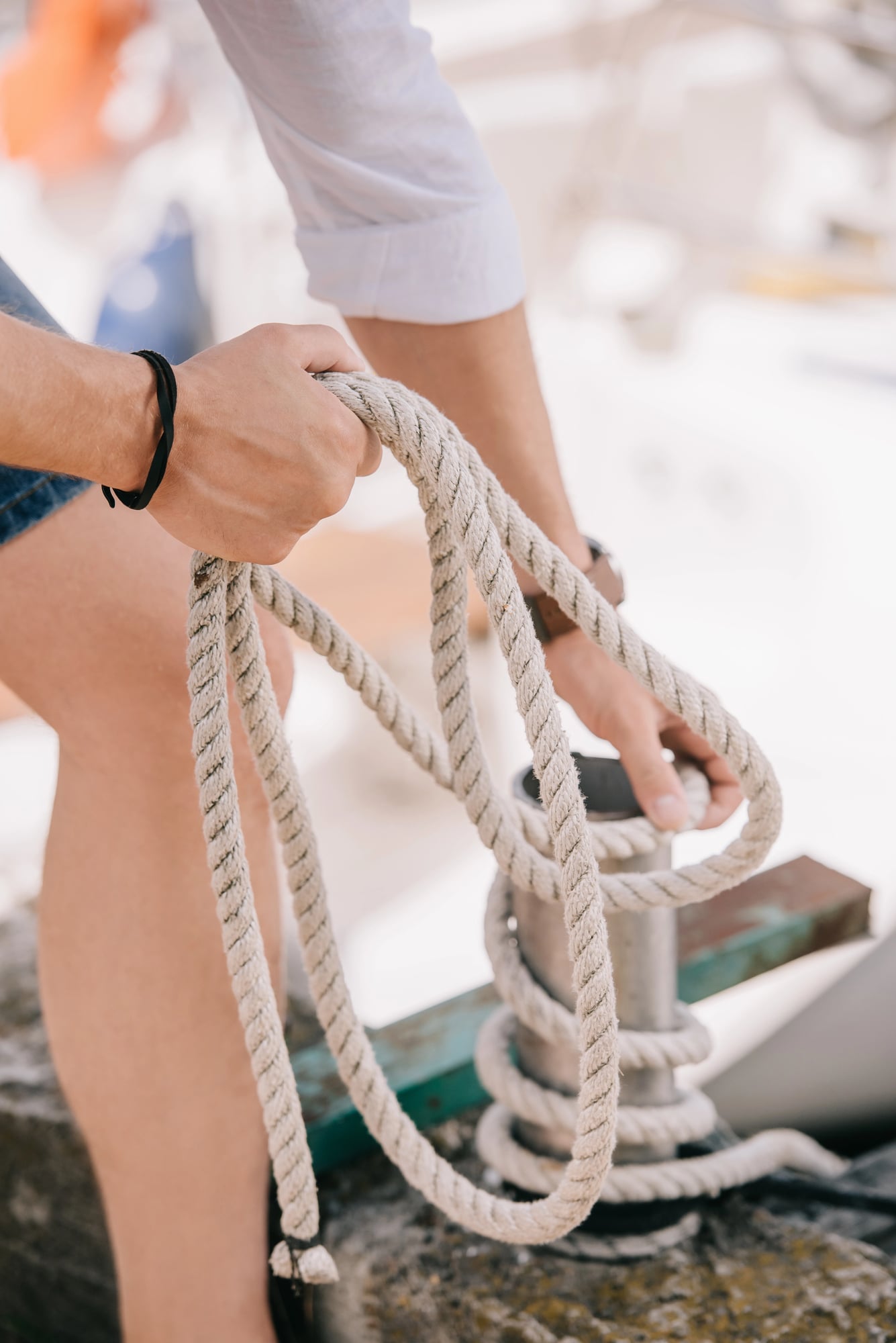
Not a single rope was cut or tangled. The Mary Celeste’s rigging remained in perfect working order, her sails properly furled and secured.
This rules out most theories involving sudden storms, waterspouts, or other violent weather phenomena that might have frightened the crew into abandoning ship.
Experienced sailors don’t flee seaworthy vessels with sound rigging unless they face something more terrifying than ordinary maritime dangers. The ship could have continued sailing indefinitely in her discovered condition.
The Timing Mystery

The Mary Celeste was found on December 4th, but her final log entry was dated November 25th — nine days unaccounted for. During those nine days, the ship had continued sailing eastward toward Gibraltar, maintaining course and speed despite having no crew aboard.
Ocean currents alone couldn’t account for such precise navigation over that distance.
Either someone remained aboard much longer than the evidence suggests, or the ship possessed an almost supernatural ability to sail itself toward its intended destination.
The Crew’s Sea Chests
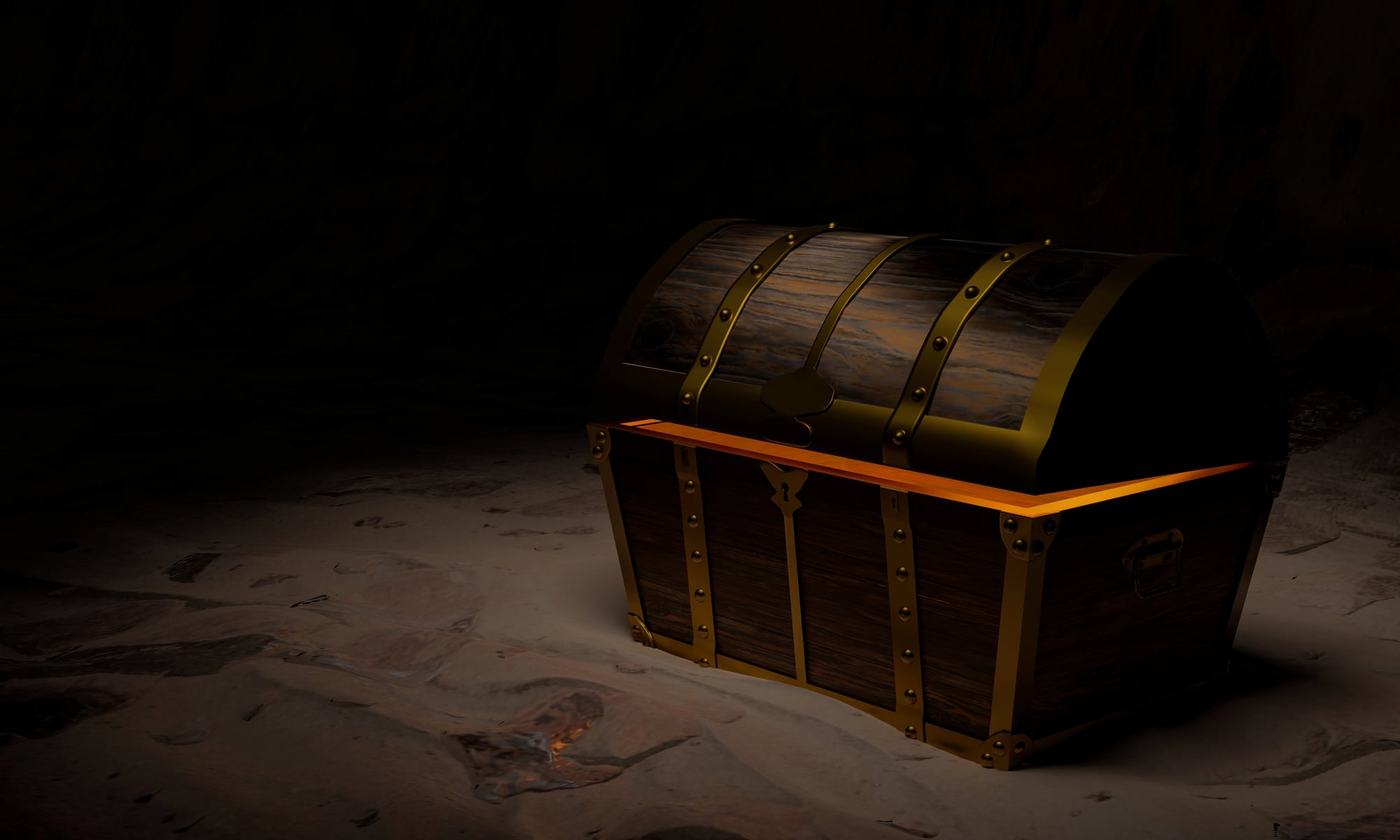
Each crew member’s personal chest remained locked and undisturbed, their few precious belongings safe inside. Sailors heading into a lifeboat would have taken their most valuable possessions — money, jewelry, letters from home, perhaps a change of clothes or extra food.
These weren’t wealthy men who could afford to abandon everything they owned.
The locked chests suggest either a hasty departure with no time for gathering belongings, or an expectation of returning to the ship soon. Neither scenario fits with permanently abandoning a vessel in mid-ocean.
The Pristine Galley
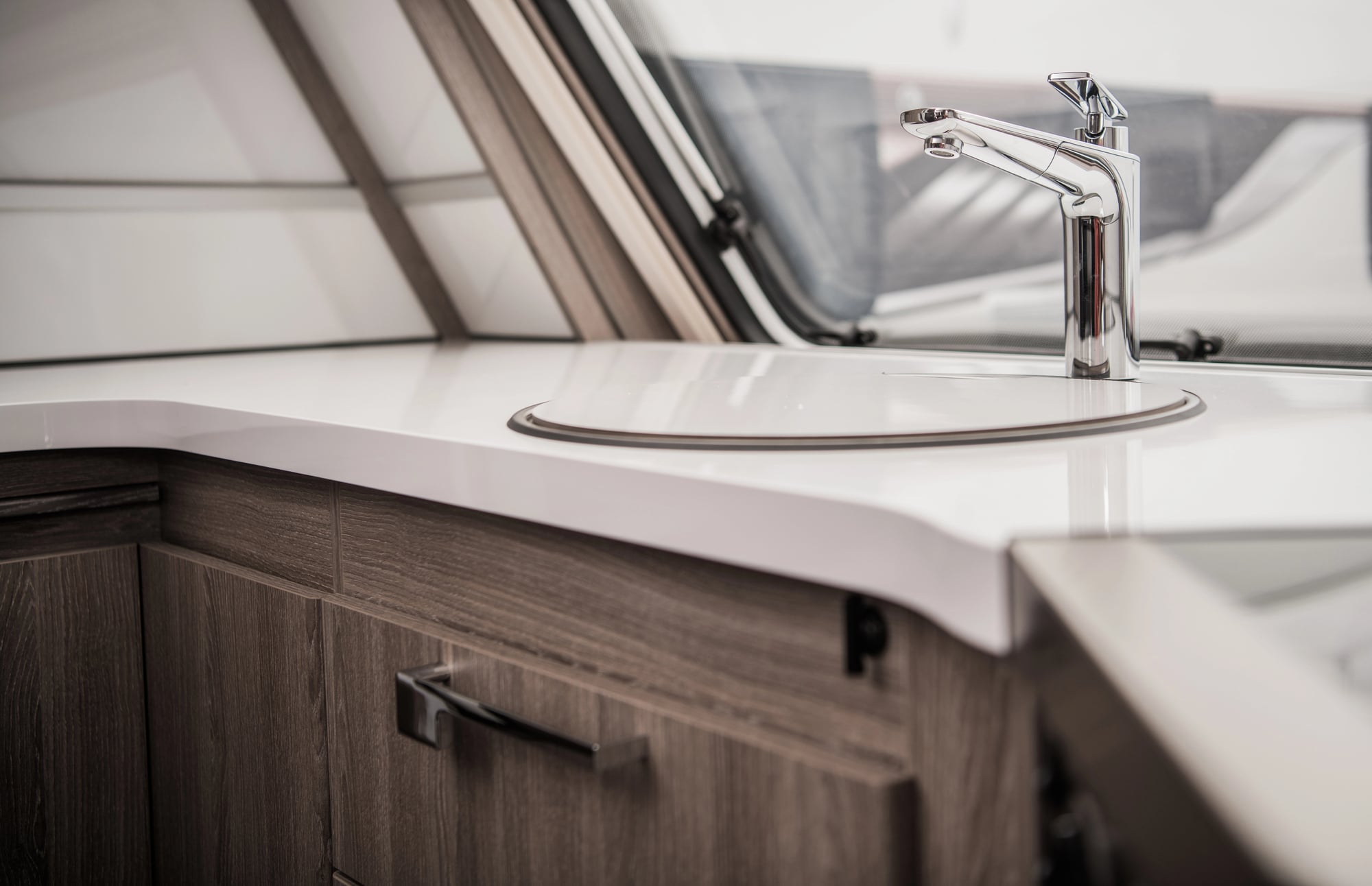
The ship’s kitchen tells its own strange story: dishes cleaned and properly stowed, cooking implements in their designated places, no signs of interrupted meal preparation or hasty departure. The galley was ship-shape, as sailors say, ready for the next meal service that would never come.
Professional cooks don’t abandon their stations mid-preparation, and hungry crews don’t leave food behind willingly.
The pristine galley suggests normal routines continued right up until the moment everyone disappeared, with no gradual buildup of crisis or disorder.
The Alcohol Vapor Theory Problems
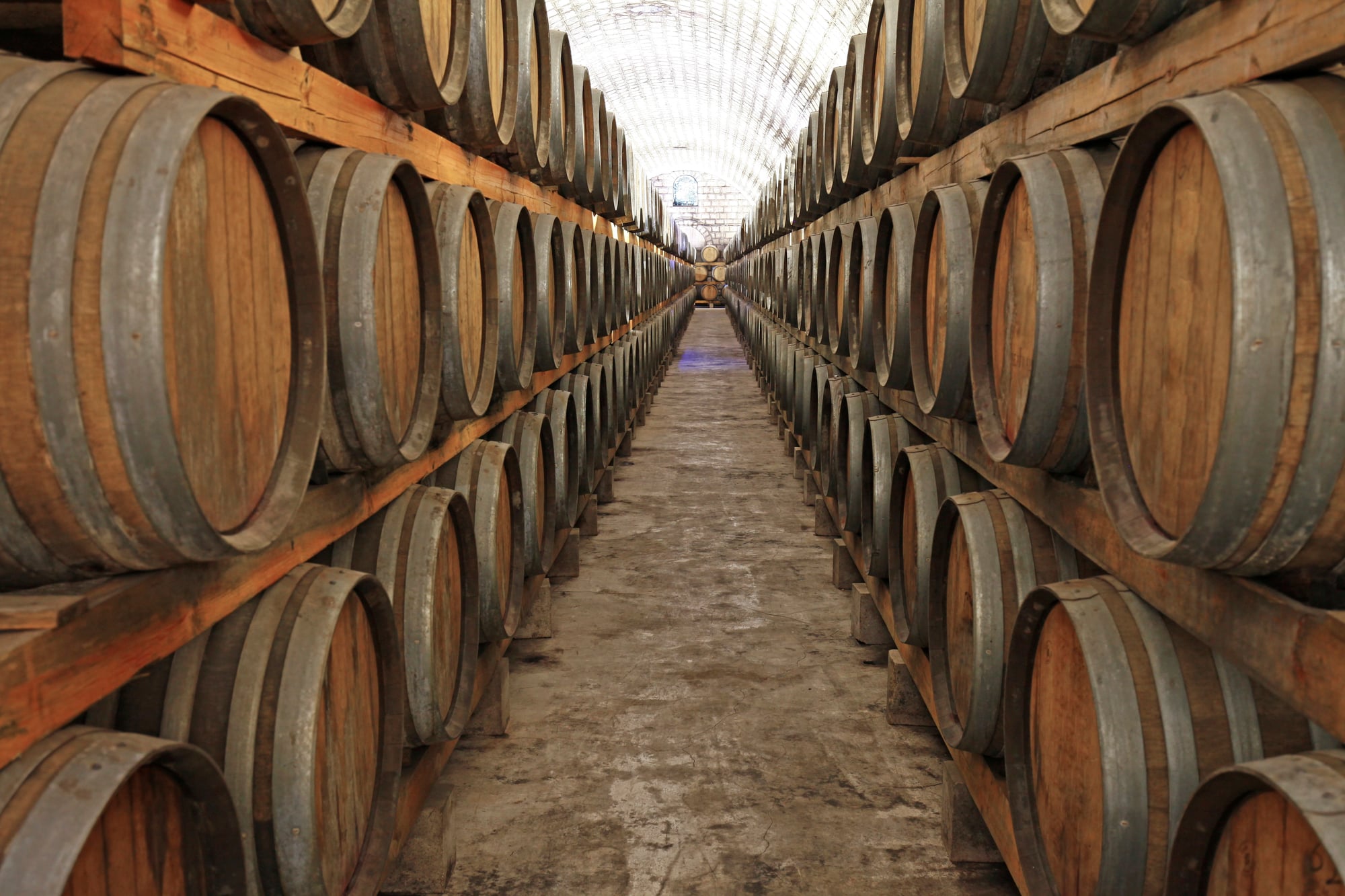
Some investigators proposed that alcohol vapors from the cargo created an explosion risk, frightening the crew into temporary evacuation. But denatured alcohol doesn’t produce vapors dangerous enough to abandon ship, and experienced sailors understood cargo behavior well enough to distinguish between actual danger and minor inconvenience.
The theory also fails to explain why the crew never returned to reclaim their valuable vessel, or why they would take the ship’s papers with them during a supposedly temporary evacuation.
Temporary evacuations don’t require destroying documentation.
The Sword Under the Captain’s Bed

A sword was found beneath Captain Briggs’s bunk, its blade stained with what appeared to be blood. But chemical analysis proved the stains were rust, not blood, and the sword showed no signs of recent use in violence.
This false clue only deepened the mystery — why would a peaceful merchant captain keep a sword under his bed, and why would investigators initially mistake rust for blood?
The sword’s presence suggests either prior violence that left no other trace, or simple paranoia about dangers that ultimately proved imaginary.
The Insurance Implications

The Mary Celeste was insured for significantly less than her actual value, making insurance fraud an unlikely motive for any deliberate disappearance. Captain Briggs owned shares in both the ship and her cargo, giving him every incentive to complete the voyage successfully rather than orchestrate some elaborate abandonment scheme.
The financial evidence points away from conspiracy and toward genuine emergency — but an emergency that left no physical trace on a ship found in perfect sailing condition.
The Pristine Navigation Equipment

Every instrument remained in perfect working order — chronometer running accurately, sextant properly secured, charts neatly folded and current. Navigation equipment represents a ship’s most valuable tools after the vessel itself, yet none had been disturbed or removed.
The crew could have sold these instruments in any port for enough money to survive for months.
Their presence aboard the abandoned Mary Celeste suggests either a departure so hasty that valuable equipment was forgotten, or an expectation of return that never materialized.
When Mystery Becomes Legend
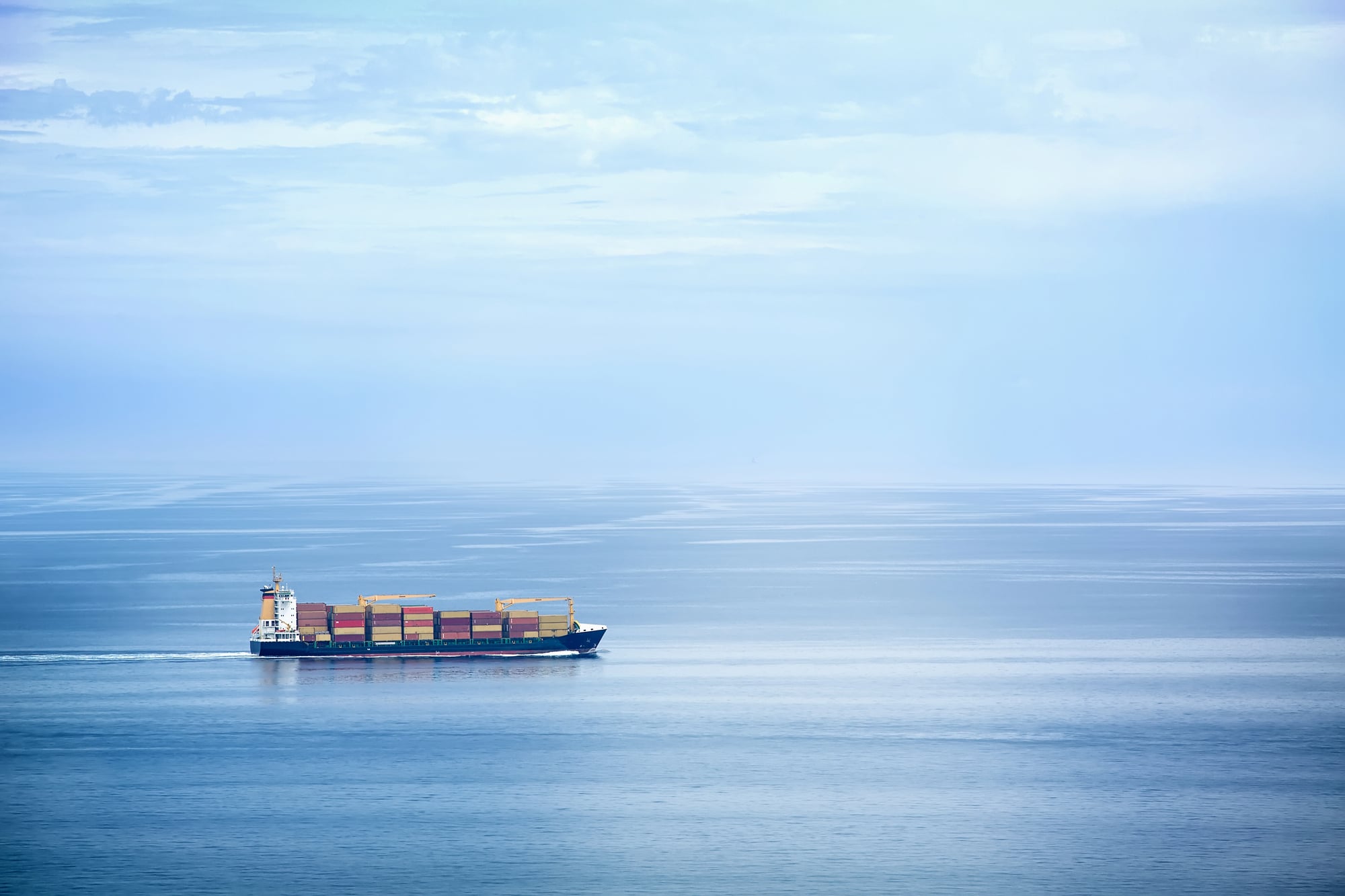
The Mary Celeste has sailed through 150 years of speculation, theories multiplying like barnacles on her hull. Each explanation seems reasonable until examined closely, then dissolves like morning fog over calm seas.
Perhaps that’s the most human response to inexplicable events — we create stories to fill the silence left by missing voices.
The ten people who vanished from that brigantine took their truth with them into whatever darkness claimed them, leaving behind only questions that echo across generations of curious minds. Some mysteries aren’t meant to be solved, only pondered, like stars too distant to ever reach but bright enough to navigate by.
More from Go2Tutors!

- The Romanov Crown Jewels and Their Tragic Fate
- 13 Historical Mysteries That Science Still Can’t Solve
- Famous Hoaxes That Fooled the World for Years
- 15 Child Stars with Tragic Adult Lives
- 16 Famous Jewelry Pieces in History
Like Go2Tutors’s content? Follow us on MSN.



