17 Public Statements That Reshaped Reputations
Sometimes a single sentence can undo years of carefully crafted public image. Other times, words spoken in desperation or honesty become the foundation for an entirely new way the world sees someone.
The most powerful statements aren’t always planned – they slip out in moments of frustration, vulnerability, or unexpected clarity, leaving their speakers to watch as public perception shifts in real time.
Oprah’s “You Get a Car” Moment

The 2004 Oprah show giveaway turned media generosity into performance art. Every audience member received a Pontiac G-6, and Oprah’s gleeful announcement became an instant cultural touchstone.
What started as a television moment evolved into something larger – proof that authentic joy, even when orchestrated, resonates differently than calculated charity.
Janet Jackson’s Super Bowl Apology
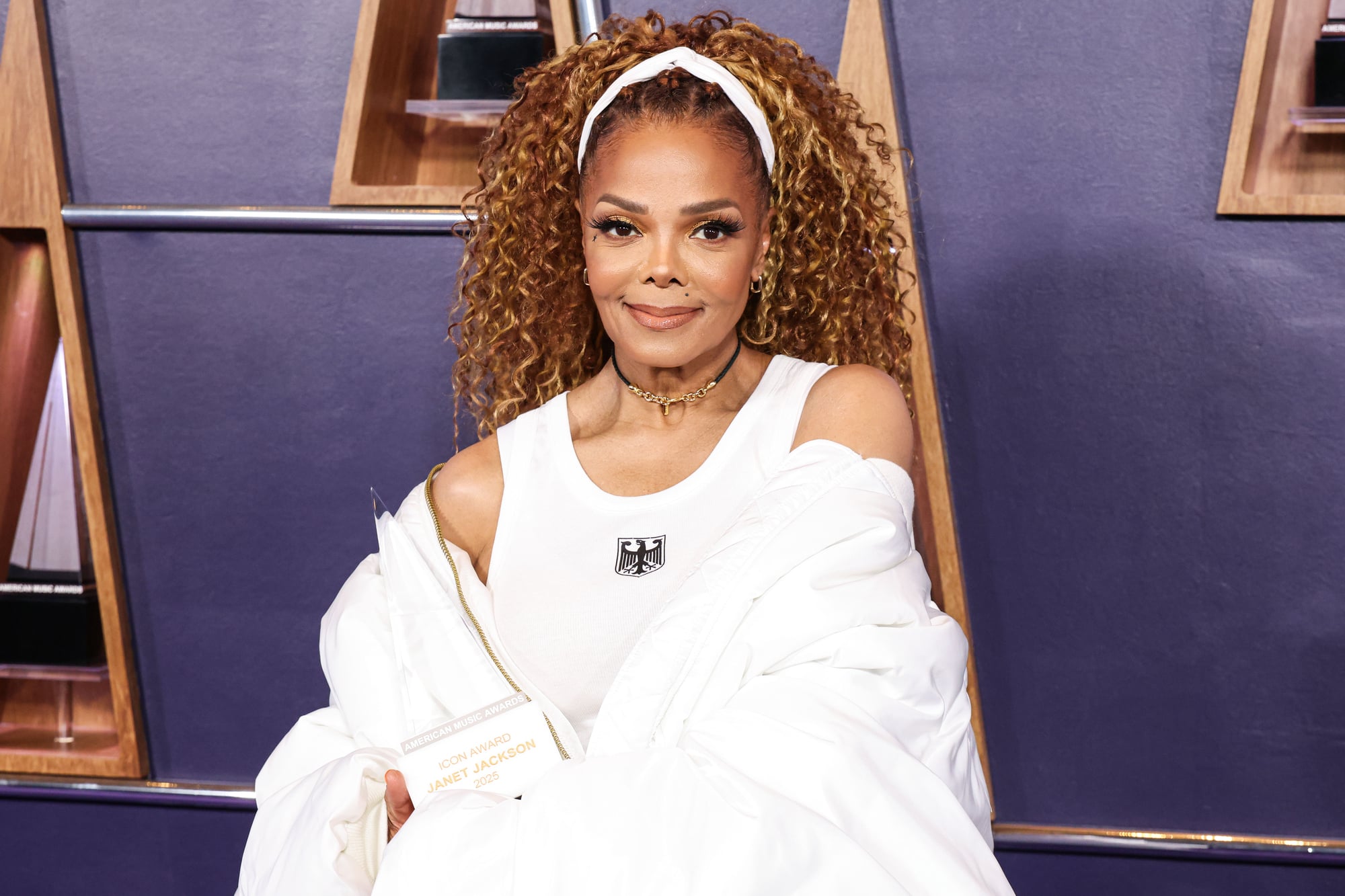
So there she was, apologizing for a “wardrobe malfunction” that lasted exactly nine-sixteenths of a second but somehow managed to reshape broadcast standards for the next two decades.
The phrase itself became cultural shorthand for corporate spin meeting genuine accident, and Jackson’s carefully worded response – calling it a “costume reveal gone wrong” – created more questions than it answered.
The apology, delivered with the kind of measured precision that only comes from legal consultation, transformed her from pop royalty into a cautionary tale about live television (which is frankly ridiculous when you consider how many actual scandals barely register anymore, but that’s America’s relationship with the human body for you).
And yet the statement itself – diplomatic, vague, and somehow both accepting responsibility while deflecting it – became the template for every celebrity crisis response that followed.
Tiger Woods Faces the Cameras

Public confession carries the weight of stone when delivered to an audience that already knows your secrets. Woods stood behind a podium in 2010, parsing his personal failures with the mechanical precision of someone reading from a script written by committee.
The words themselves mattered less than what they represented – the first time America’s most controlled athlete had been forced to explain himself without a golf club in his hands.
His measured cadence, the way he lingered on certain phrases while rushing through others, created the impression of someone carefully stepping around landmines in their own biography.
You could hear the weight of each word, not because they were profound, but because they were expensive.
Lance Armstrong’s Oprah Confession
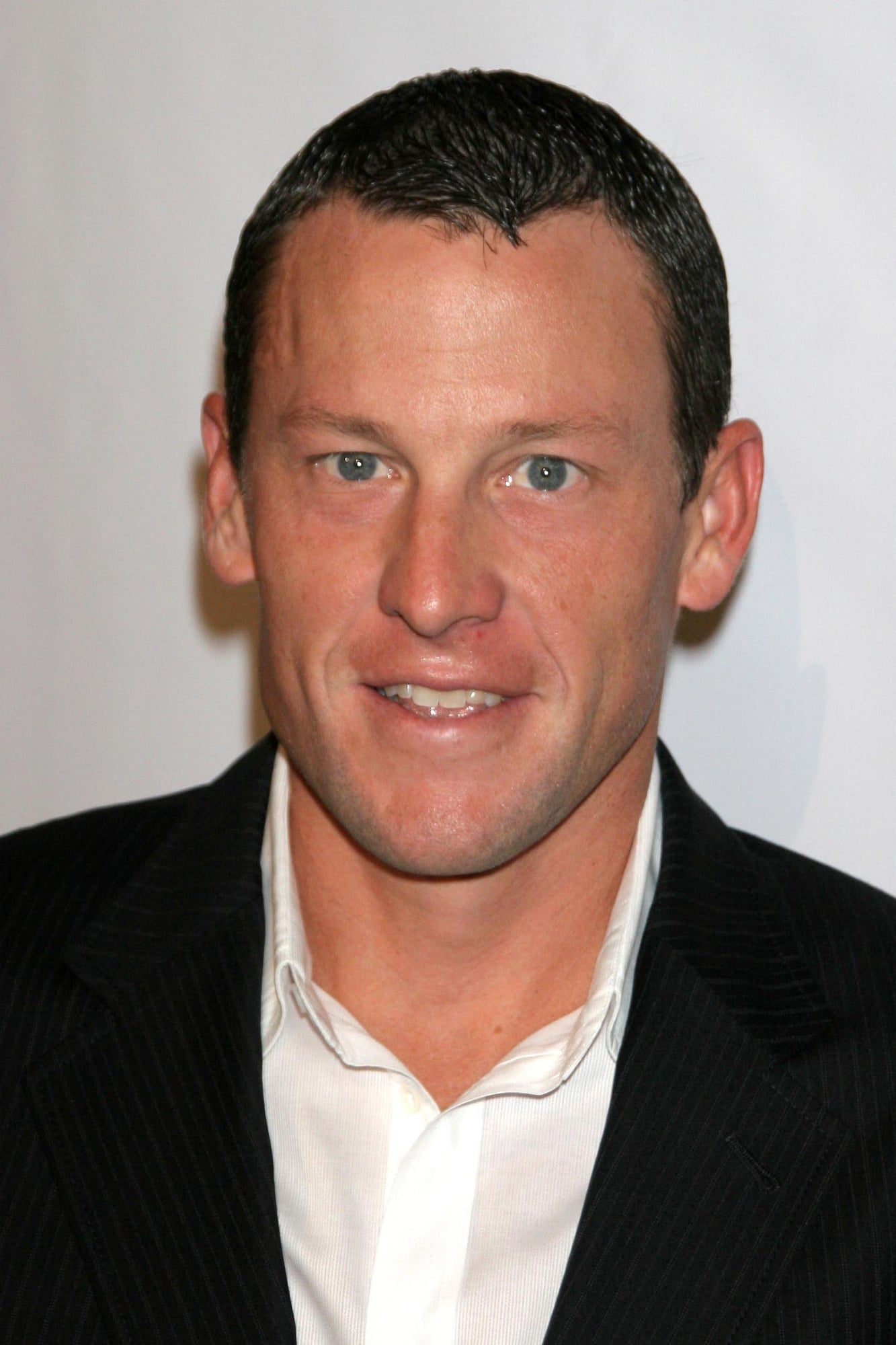
Armstrong confessed to doping during his Tour de France victories, but the admission felt hollow. Years of aggressive denials and lawsuits against accusers had already painted him as either a fighter or a bully, depending on which side you believed.
When he finally said “yes” to Oprah’s questions, the word carried no relief – just the bitter recognition that his defense had finally collapsed.
The confession revealed something uncomfortable about American heroism. People wanted to forgive him before he’d even apologized properly.
That says something about our relationship with winning that probably deserves more examination.
Kanye’s “George Bush Doesn’t Care About Black People”
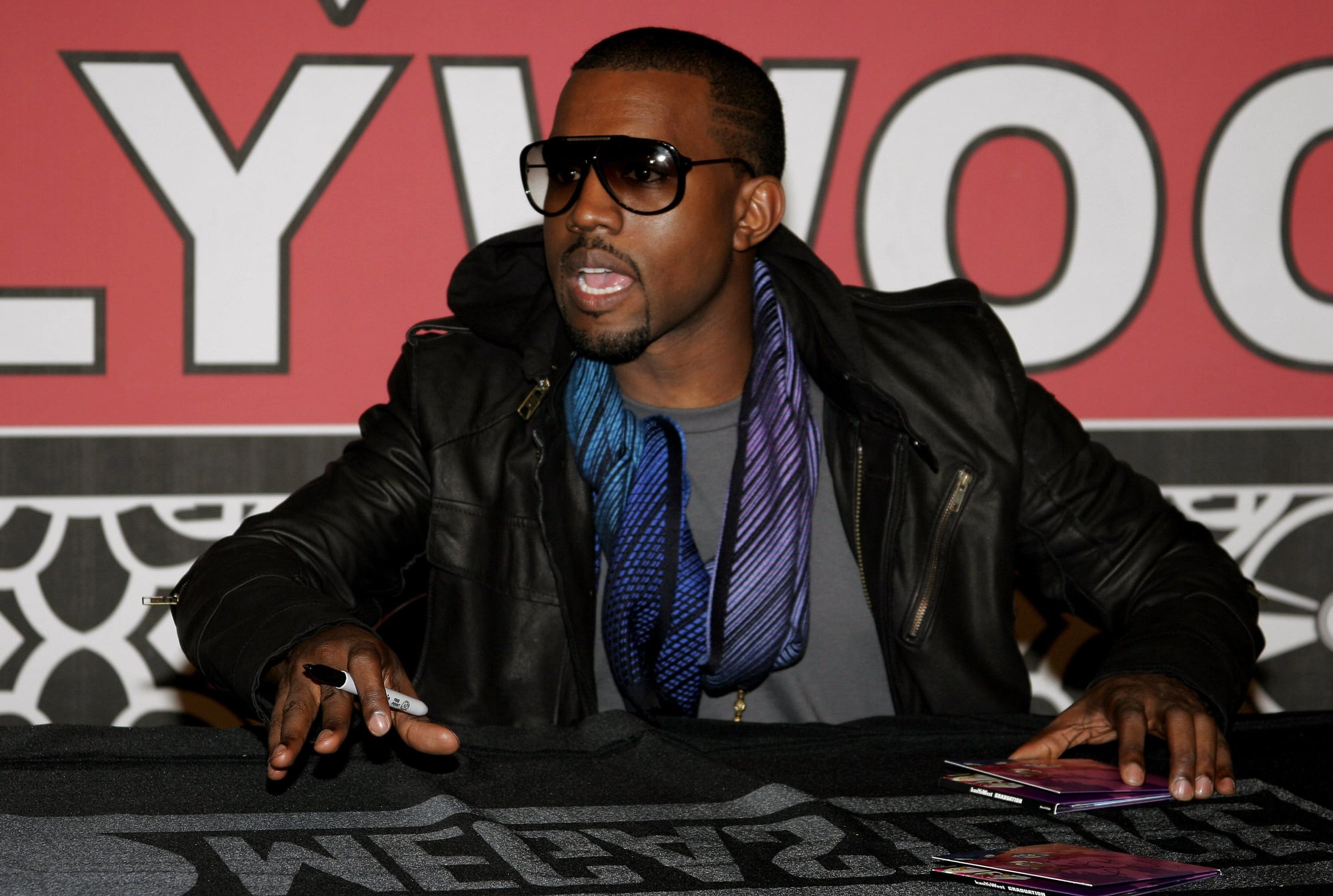
The 2005 Hurricane Katrina telethon wasn’t supposed to become a political moment, but live television has a way of exposing what people actually think rather than what they’re supposed to say.
West’s off-script comment – delivered while Mike Myers stood frozen beside him – cut through days of careful political language about federal response times and disaster preparedness.
The statement worked because it named what millions of people were already thinking but hadn’t heard anyone with a microphone say out loud.
And the silence that followed (both Myers’ stunned expression and the quick camera cut away from West) became almost as memorable as the words themselves – proof that sometimes the most important things get said in the moments when nobody’s prepared for them.
Tom Cruise’s Couch-Jumping Declaration
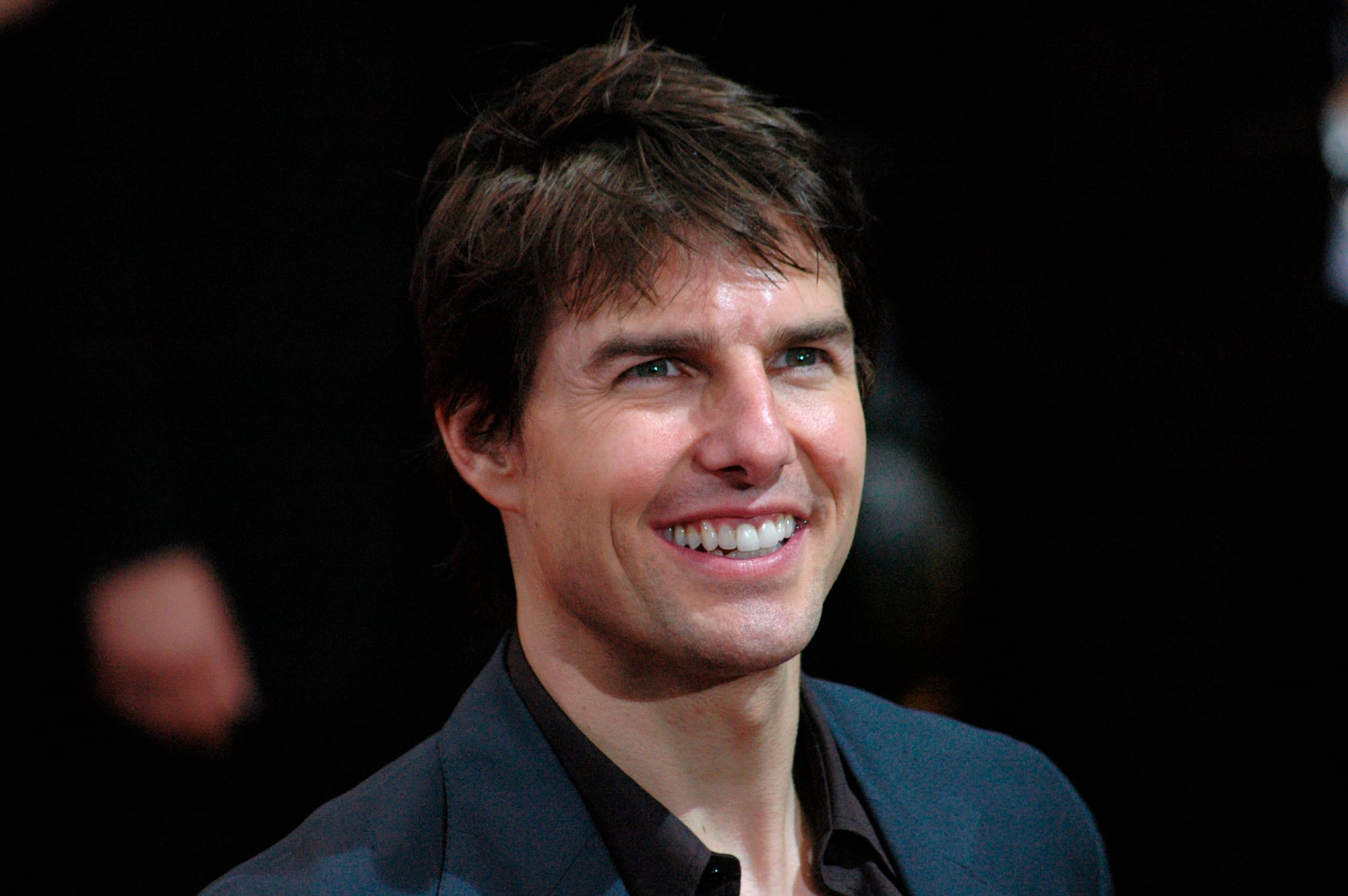
Cruise’s 2005 appearance on Oprah transformed enthusiasm into spectacle in the space of a single interview. His declaration of love for Katie Holmes, punctuated by literal leaps onto furniture, became shorthand for celebrity excess meeting genuine emotion.
The moment felt simultaneously authentic and performative – real joy expressed through the language of publicity.
What made it memorable wasn’t the words themselves, but the physicality. Cruise had built a career on controlled intensity, and watching that control dissolve into bouncing furniture felt like witnessing something unguarded.
Whether that was calculated or spontaneous became irrelevant; the image stuck.
Britney’s “Leave Me Alone”

The 2007 paparazzi encounter outside a hair salon captured something raw that polished interviews never could. Spears, umbrella in hand, demanding privacy while surrounded by photographers, delivered a moment of frustration that resonated far beyond celebrity culture.
Her words – angry, desperate, completely unfiltered – became a rallying cry for anyone who’d ever felt hunted by circumstances beyond their control.
The statement’s power came from its context. Here was someone who’d spent years being photographed, suddenly refusing to perform for the cameras.
The umbrella became a prop in her own rebellion, and the image of America’s pop princess fighting back against the machine that created her felt both tragic and necessary.
Years later, when conversations about celebrity mental health became mainstream, people pointed back to this moment as evidence of what everyone should have seen coming.
Howard Dean’s Enthusiastic Scream
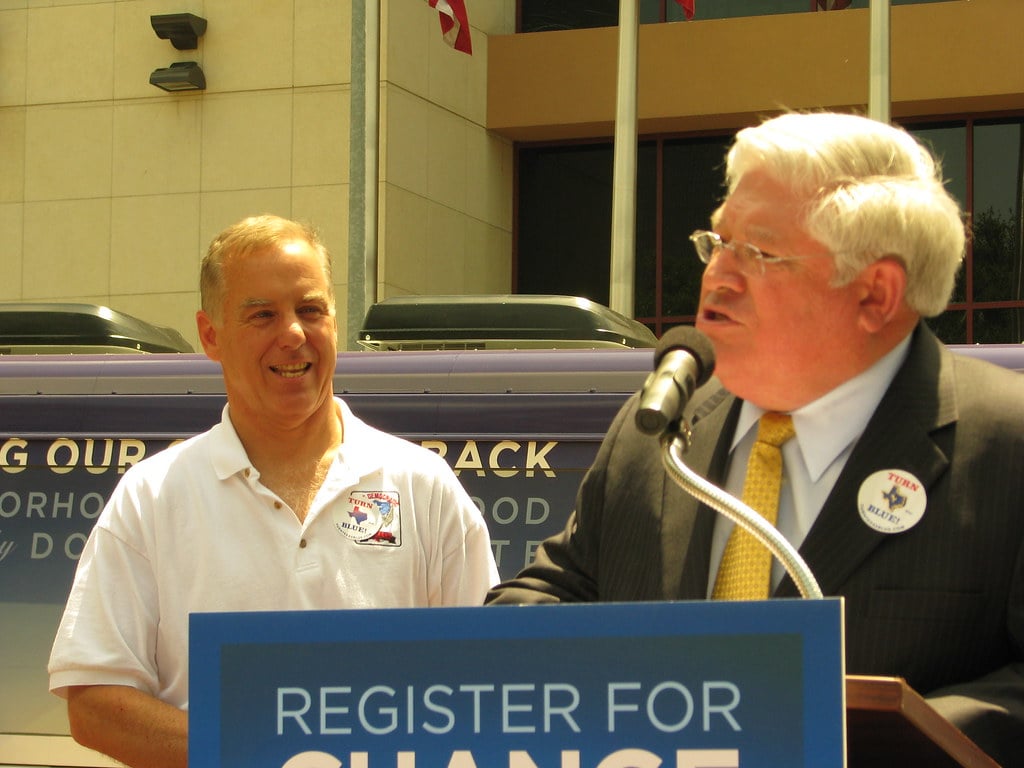
The 2004 Iowa caucus speech ended with Dean letting out a victory yell that somehow managed to derail his presidential campaign.
Political enthusiasm, when amplified through television microphones, can sound less like leadership and more like performance. The moment became a cautionary tale about authenticity versus electability.
Dean’s scream represented genuine excitement about his campaign’s prospects, but it violated an unspoken rule about how presidential candidates are supposed to behave in public.
The enthusiasm that energized his supporters became embarrassing when filtered through media coverage focused on “presidential behavior.”
Charlie Sheen’s “Winning” Interviews

Sheen’s 2011 media blitz introduced phrases like “tiger blood” and “Adonis DNA” to the cultural lexicon while simultaneously ending his television career.
The interviews felt like watching someone perform their own breakdown, mixing genuine grievance with obvious instability. His rapid-fire delivery and increasingly disconnected statements created a kind of tragic entertainment.
So the man who’d spent years playing a functional mess on television became an actual mess in real life, and somehow the real version was less believable than the character (which tells you something about how we process celebrity, though exactly what remains unclear).
His repeated use of “winning” to describe obviously destructive behavior became a meme precisely because it captured something recognizable about self-deception, and the interviews themselves – delivered with the manic energy of someone who genuinely believed his own spin – turned personal crisis into public spectacle in a way that felt both compelling and deeply uncomfortable to watch.
Sally Field’s Censored Emmy Speech
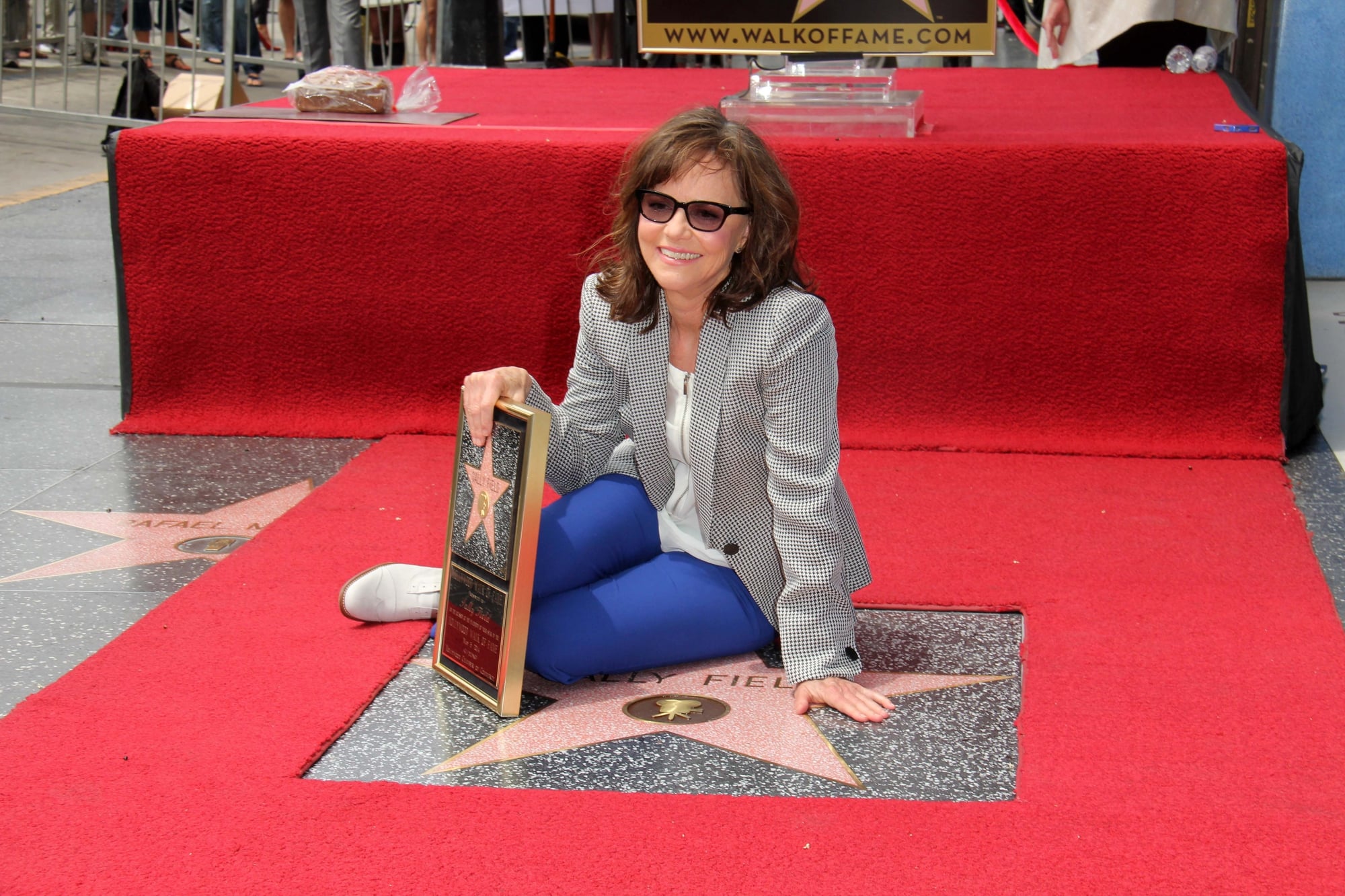
Field’s 2007 Emmy acceptance speech for “Brothers & Sisters” included an anti-war statement that network censors cut short, but not before viewers heard her say “If mothers ruled the world, there would be no wars.”
The partial censorship made her point more effectively than the complete speech would have. Cutting off someone speaking about peace created its own kind of political statement.
The moment highlighted the strange mathematics of broadcast television – where fictional violence plays uncensored, but real opinions about actual violence get silenced.
Field’s motherly frustration with both war and censorship resonated precisely because it felt unplanned and genuine.
Mel Gibson’s Apology Tour
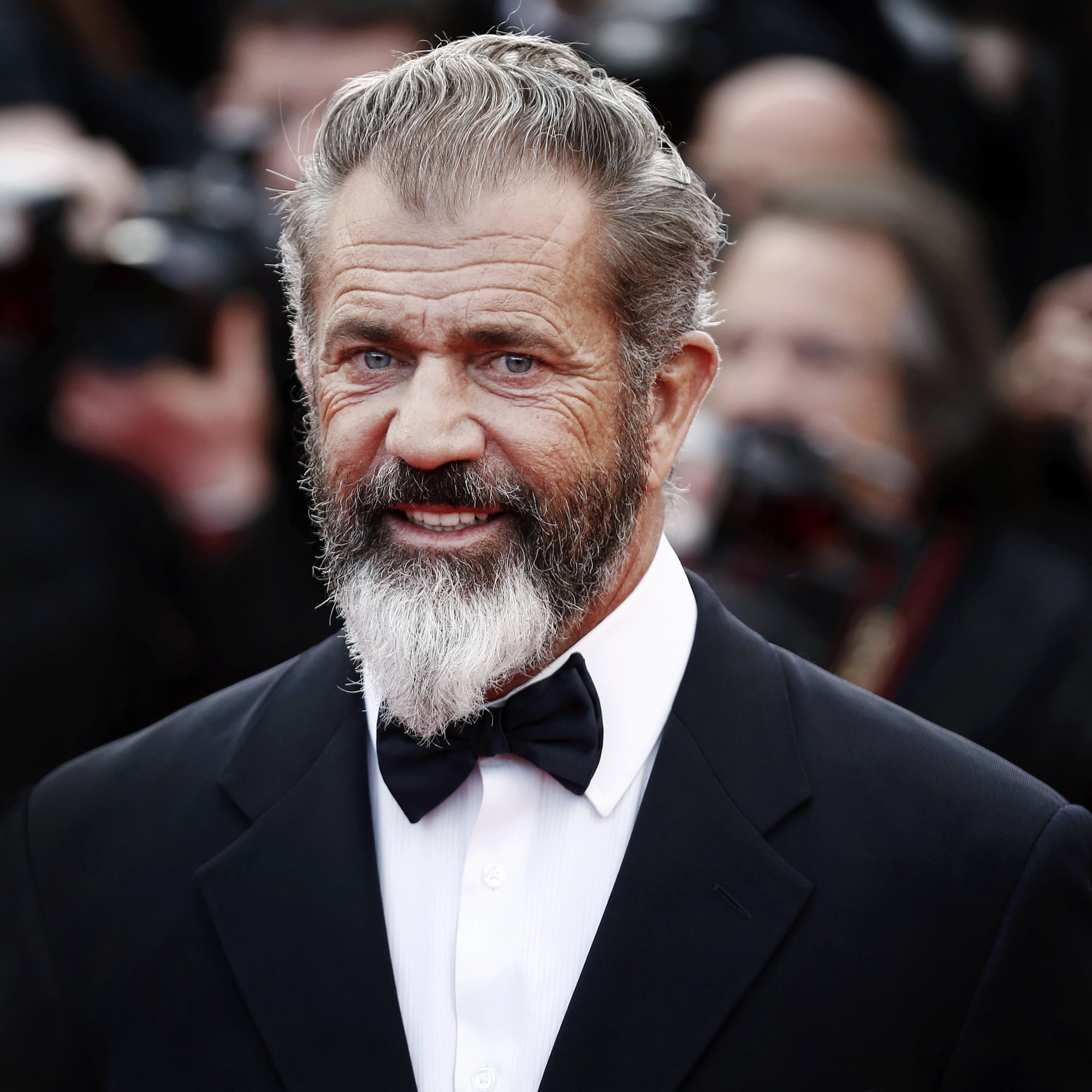
Gibson’s 2006 DUI arrest included recorded anti-Semitic statements that required extensive public contrition.
His subsequent apologies – multiple versions delivered across different media outlets – demonstrated how public redemption becomes a kind of performance art. Each statement felt more calculated than the last, creating the impression that he was workshopping his remorse.
The apologies revealed something uncomfortable about celebrity forgiveness culture. Some mistakes require such extensive explanation that the explanation becomes its own problem.
Gibson’s careful parsing of his own words, delivered with the solemn precision of someone reading from legal notes, made his remorse feel rehearsed rather than genuine.
Bill Clinton’s “I Did Not Have Relations” Denial
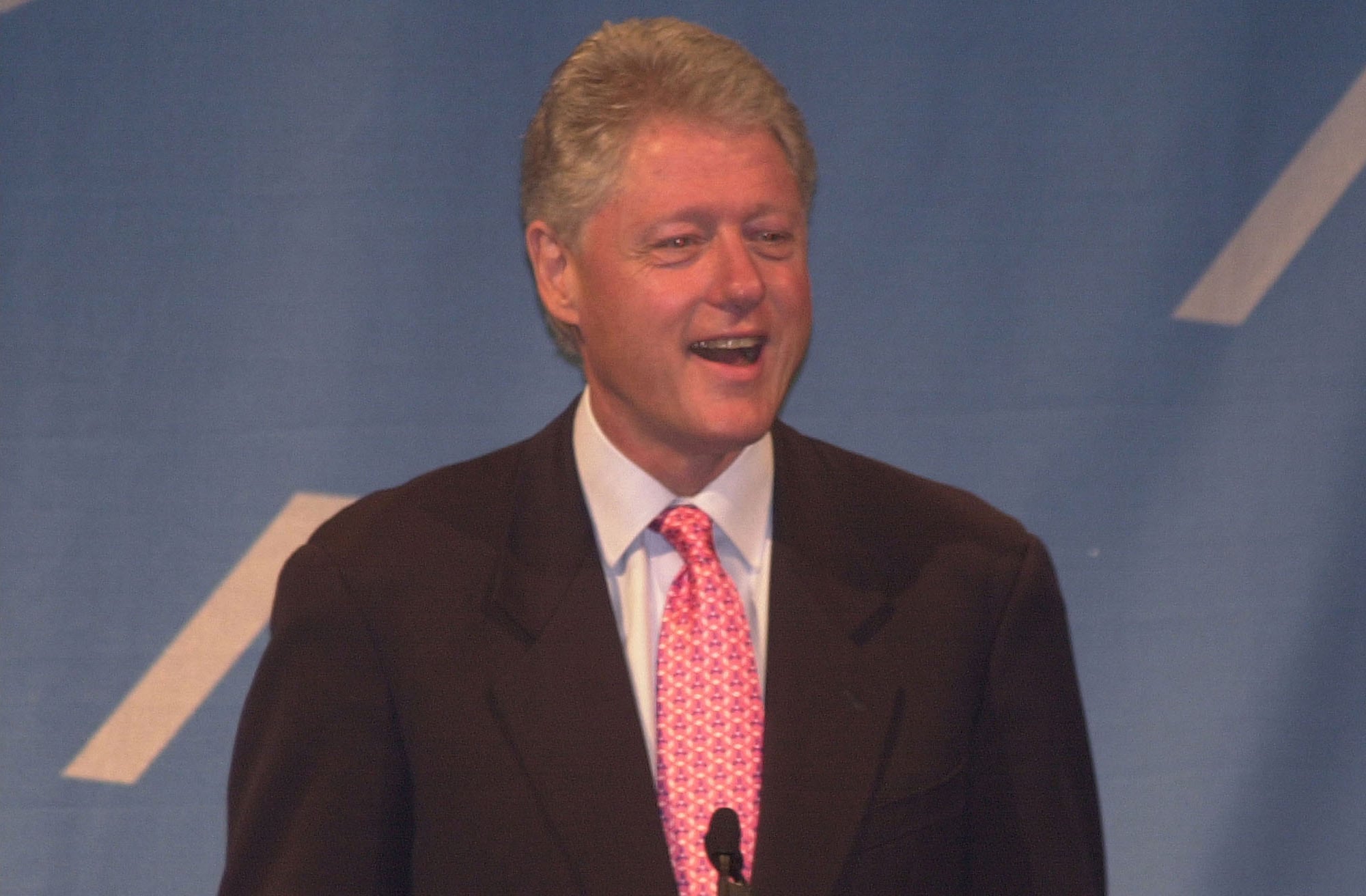
Clinton’s 1998 statement created a linguistic puzzle that dominated American political discourse for months.
The careful parsing of what constitutes “relations” turned a personal matter into a semantic debate about presidential honesty. His finger-pointing delivery and emphatic denial made the eventual truth more damaging than a straightforward admission would have been.
And the strange precision of his language – choosing words that were technically accurate while being fundamentally misleading – became a case study in political communication (not to mention proof that sometimes the coverup really is worse than the crime, though in this case both were pretty manageable until they became a constitutional crisis).
The denial’s legalistic tone, delivered with the kind of righteous indignation usually reserved for actual innocence, made his later admission feel like a betrayal of public trust rather than a clarification of private behavior.
Michael Richards’ Comedy Club Outburst
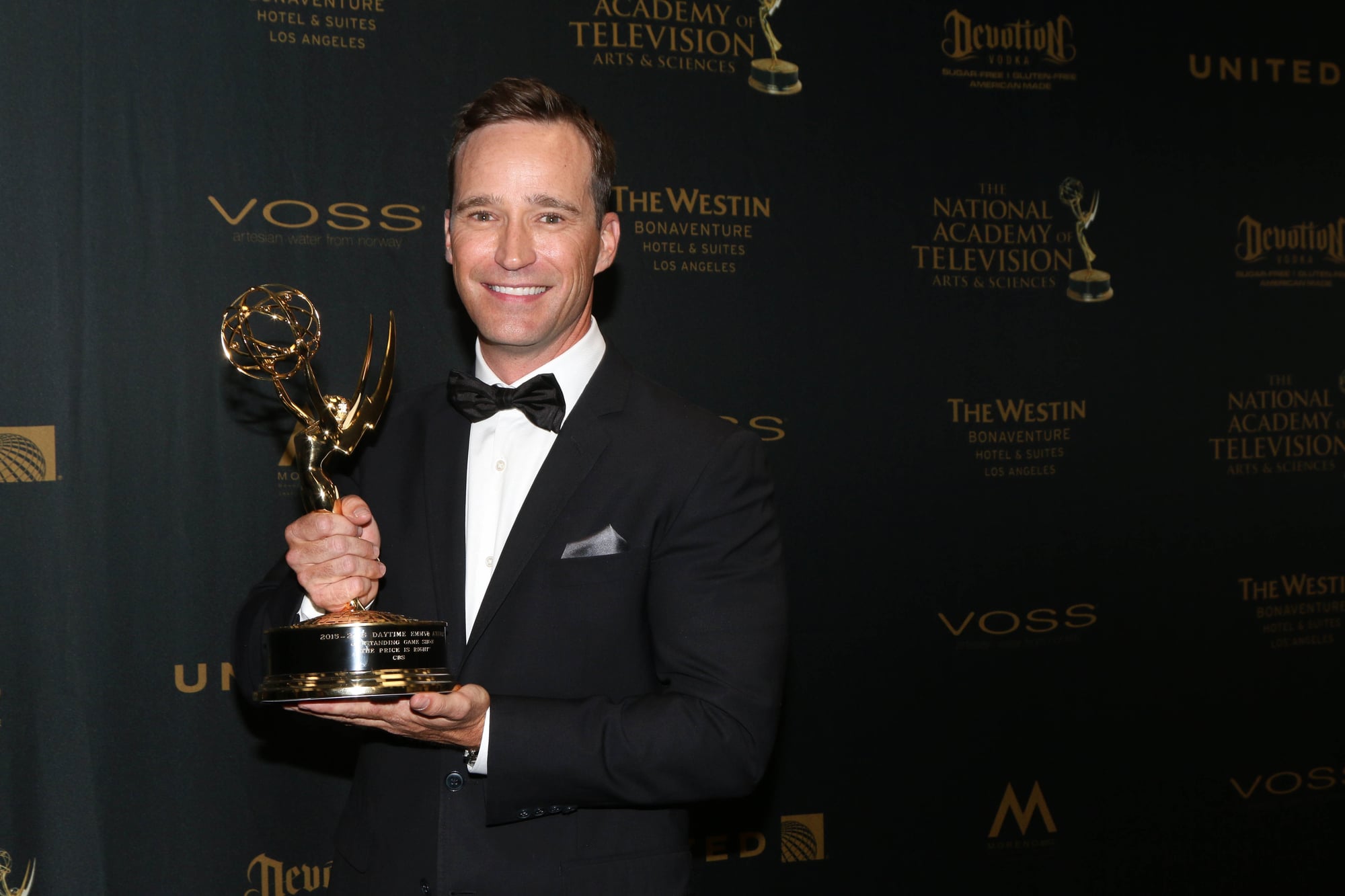
Richards’ 2006 racist rant at the Laugh Factory ended his post-Seinfeld career in real time.
The incident, caught on video and immediately distributed online, demonstrated how quickly public perception can shift when someone reveals views that contradict their public persona. His subsequent apology on David Letterman’s show felt inadequate partly because the original outburst had been so visceral and specific.
The contrast between Kramer’s lovable eccentricity and Richards’ actual anger created a cognitive disconnect that audiences couldn’t resolve.
Sometimes the gap between character and performer becomes too wide to bridge, and no amount of explanation can restore the original relationship.
Martha Stewart’s Pre-Prison Statement
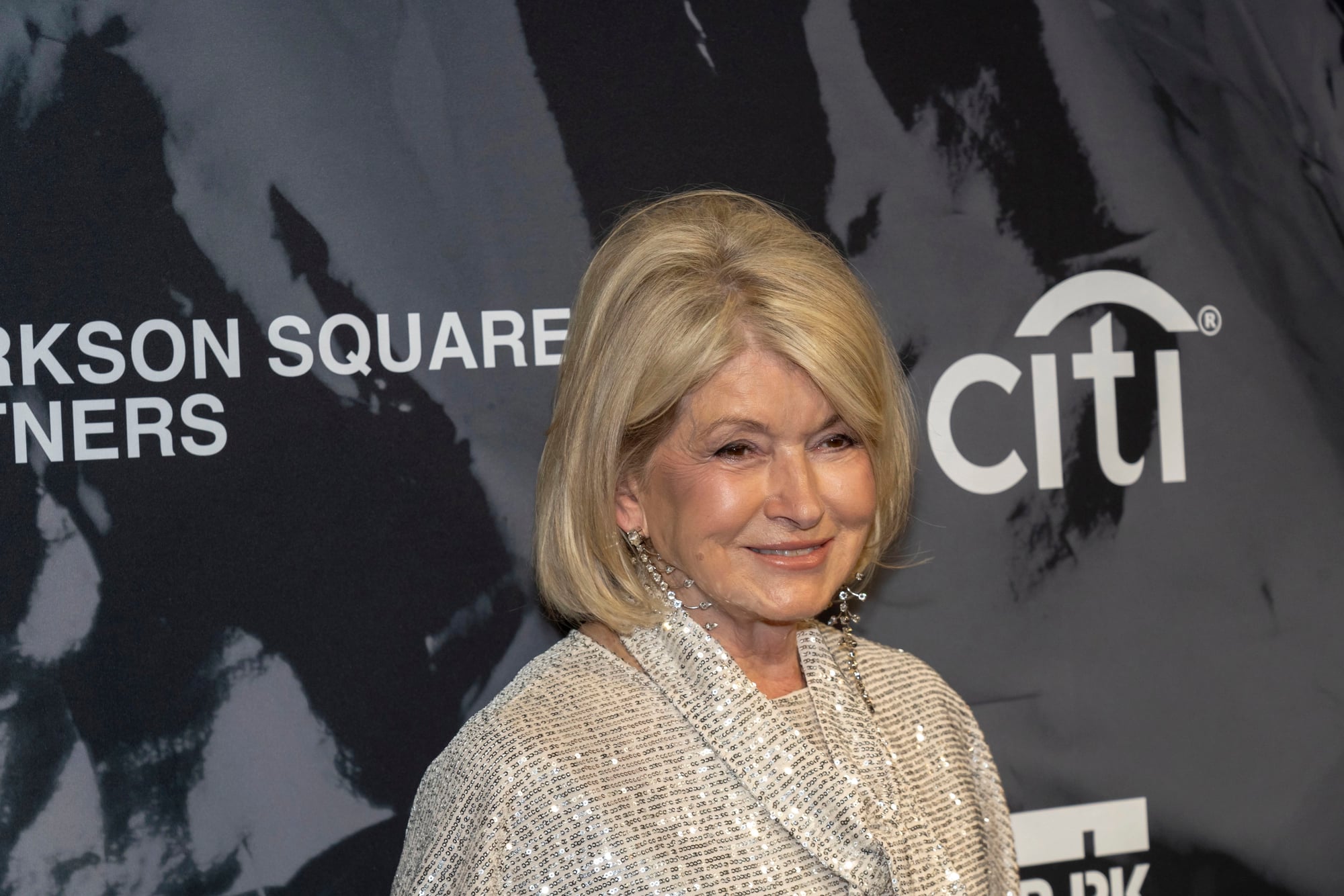
Stewart’s 2004 statement before entering federal prison for insider trading struck a defiant tone that preserved her business empire while acknowledging legal reality.
Her carefully worded message – expressing disappointment with the legal process while accepting its outcome – demonstrated how public figures can maintain dignity even in defeat.
The statement’s measured tone and business-focused language transformed a criminal conviction into a temporary setback rather than a career-ending scandal.
Stewart’s refusal to appear broken or apologetic positioned her prison term as an interruption rather than a conclusion.
Hugh Grant’s Tonight Show Appearance

Grant’s 1995 appearance on The Tonight Show, following his arrest for soliciting prostitution, began with Jay Leno asking, “What the hell were you thinking?”
Grant’s humble, self-deprecating response – acknowledging his poor judgment without elaborate justification – became a masterclass in celebrity damage control. His willingness to appear foolish rather than defensive made him more sympathetic than defiant.
The appearance demonstrated that sometimes the best crisis response is simply showing up and accepting responsibility without extensive explanation.
Grant’s obvious discomfort and genuine remorse felt more authentic than polished statements crafted by publicity teams.
Justin Timberlake’s Post-Super Bowl Response

Timberlake’s response to the 2004 Super Bowl incident with Janet Jackson focused on the “wardrobe malfunction” explanation while subtly distancing himself from responsibility.
His statements, delivered across multiple interviews, protected his career while leaving Jackson to handle most of the fallout. The disparity in consequences became its own story about gender and accountability in entertainment.
His careful language – expressing regret for the incident while avoiding blame for its cause – demonstrated how public statements can be both apologetic and self-protective.
The contrast between his continued success and Jackson’s career difficulties made his measured response feel calculated rather than sincere.
Arnold Schwarzenegger’s Admission
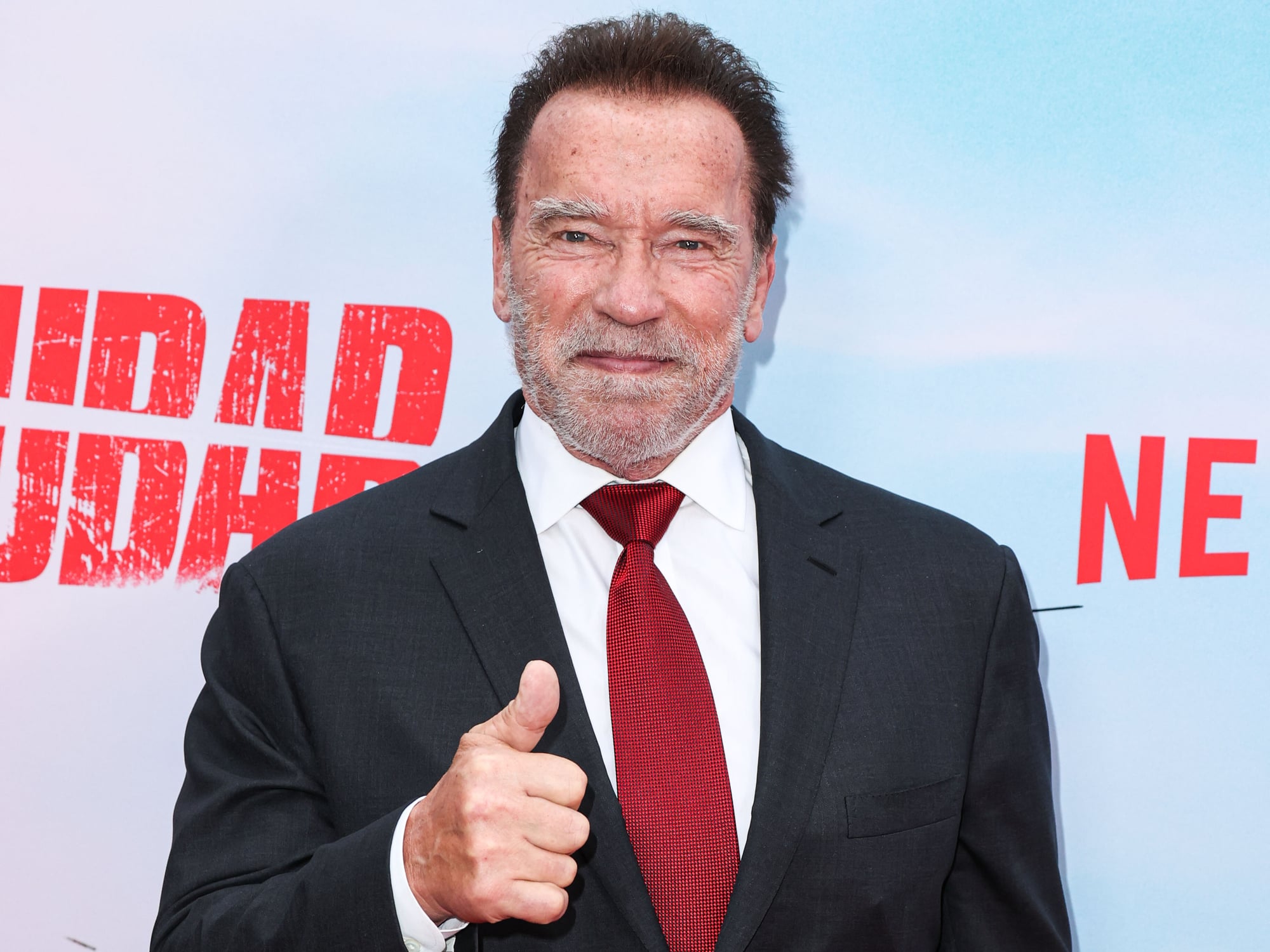
Schwarzenegger’s 2011 admission of an extramarital affair and secret child required acknowledging both personal betrayal and years of deception.
His statement, released as he left the California governor’s office, demonstrated how timing can influence public reception of personal revelations. Delivering bad news while transitioning away from public service minimized political fallout while maximizing personal cost.
The statement’s straightforward language – avoiding euphemism while expressing genuine remorse – felt more honest than typical celebrity crisis responses.
His willingness to accept full responsibility without blaming circumstances or other people made the admission feel like genuine accountability rather than damage control.
Words That Last Longer Than Intentions

Public statements operate by different rules than private conversations. They get preserved, analyzed, and replayed long after their speakers have moved on to other concerns.
The most powerful ones capture something true about their moment – whether that’s cultural anxiety, personal crisis, or simple human emotion breaking through carefully managed public personas.
The lasting impact often has less to do with what someone intended to communicate and more to do with what audiences needed to hear.
Sometimes a single sentence becomes the lens through which everything else gets interpreted, for better or worse.
More from Go2Tutors!

- The Romanov Crown Jewels and Their Tragic Fate
- 13 Historical Mysteries That Science Still Can’t Solve
- Famous Hoaxes That Fooled the World for Years
- 15 Child Stars with Tragic Adult Lives
- 16 Famous Jewelry Pieces in History
Like Go2Tutors’s content? Follow us on MSN.