Random Facts That Are Pointless Yet Addictive
There’s something deeply satisfying about useless knowledge. The kind of information that serves no practical purpose but somehow lodges itself in your brain anyway.
These random facts won’t help you pay bills or advance your career, but they’ll definitely make you pause and think “wait, really?” And once you know them, you’ll find yourself sharing them at the most unexpected moments.
Bananas Are Berries but Strawberries Aren’t
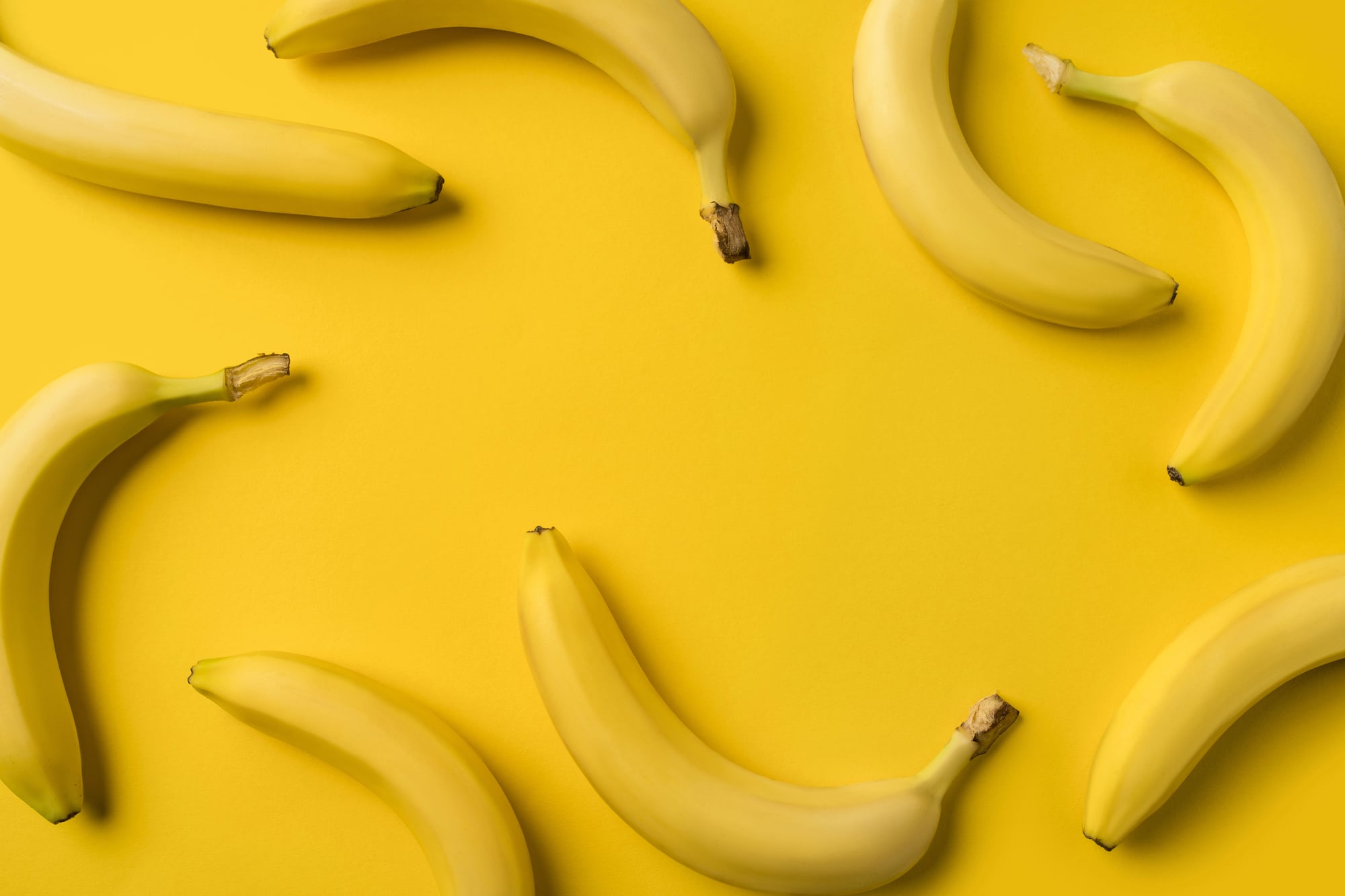
Botanically speaking, bananas qualify as berries while strawberries don’t. Berries must develop from a single flower with one ovary.
Bananas check this box perfectly. Strawberries fail because their seeds sit on the outside, which disqualifies them entirely.
Octopuses Have Three Hearts
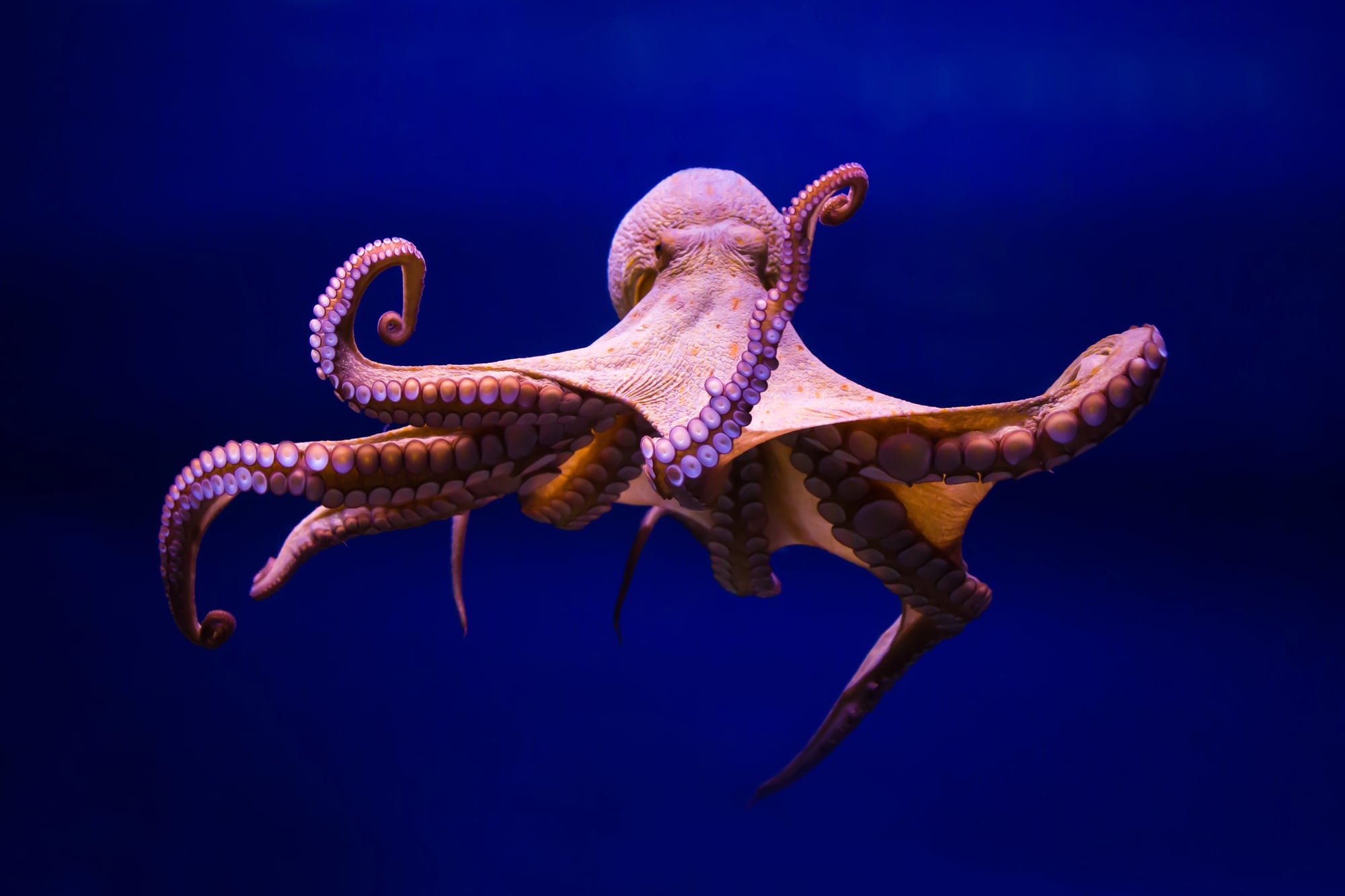
Two hearts pump blood to the gills. The third pumps blood to the rest of the body.
When an octopus swims, the main heart stops beating, which explains why they prefer crawling — swimming exhausts them quickly.
The Smell of Rain Has a Name

That distinctive scent after it rains (especially on dry earth) is called petrichor, and it happens because rain releases oils from plants that have been absorbed into rocks and soil during dry periods — the moisture lifts these compounds into the air where your nose can detect them, creating that clean, earthy smell that feels like nature hitting a reset button.
So when you step outside after a storm and breathe deeply, you’re actually smelling the earth’s version of aromatherapy. Which explains why it feels so good.
A Group of Flamingos Is Called a Flamboyance
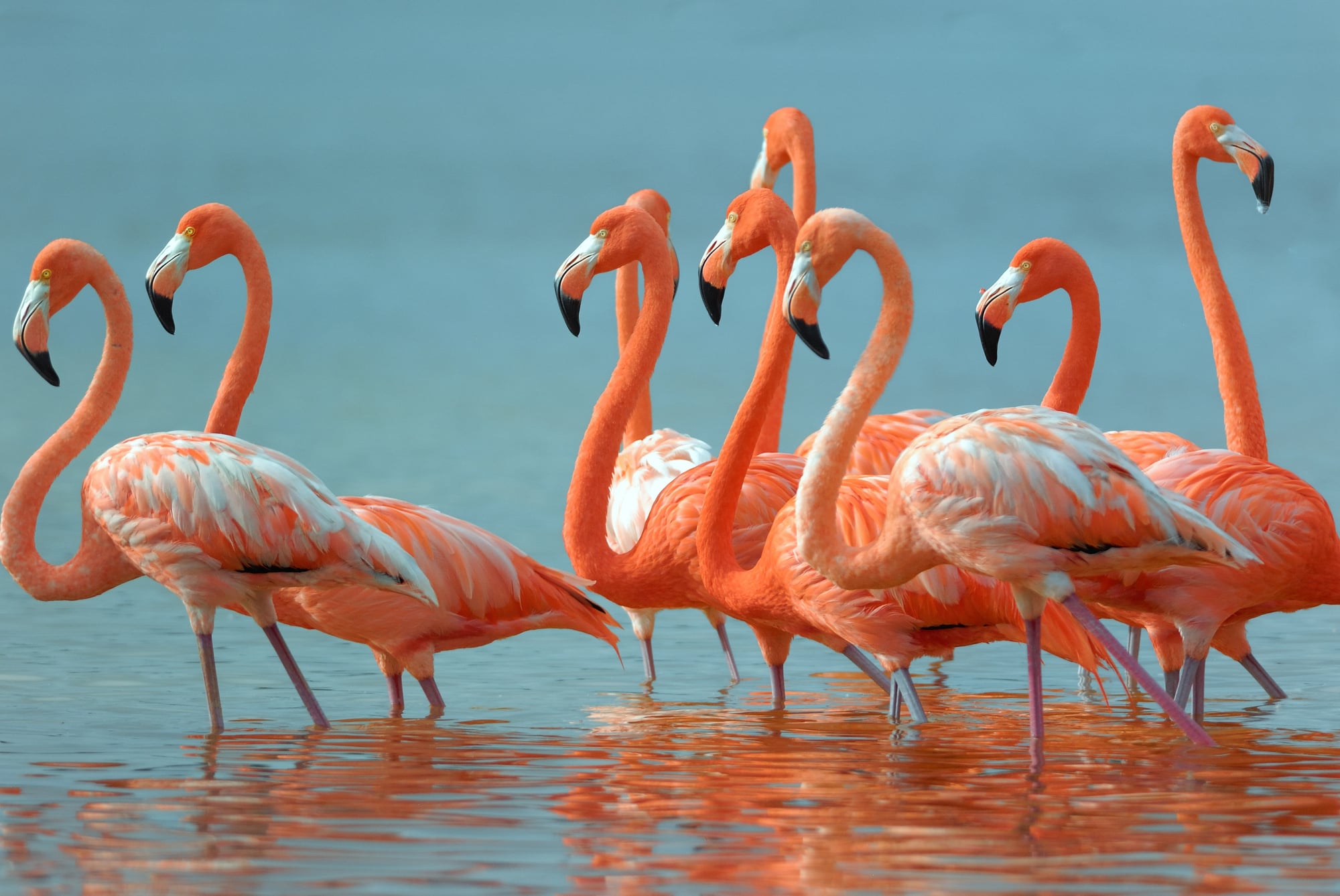
English has ridiculous names for animal groups. Flamingos get “flamboyance.”
Ravens get “unkindness.” Owls get “parliament.” Someone clearly had fun with this job.
Your Stomach Gets an Entirely New Lining Every Few Days

The hydrochloric acid in your stomach is strong enough to dissolve metal, so your body replaces the stomach lining every 3-5 days to prevent it from digesting itself.
This constant renovation project happens without you noticing, like having construction workers rebuilding your house while you sleep, except the workers are your own cells and the house is your digestive system and somehow this makes perfect sense to your body even though it sounds completely insane when you think about it for more than ten seconds.
Honey Never Spoils
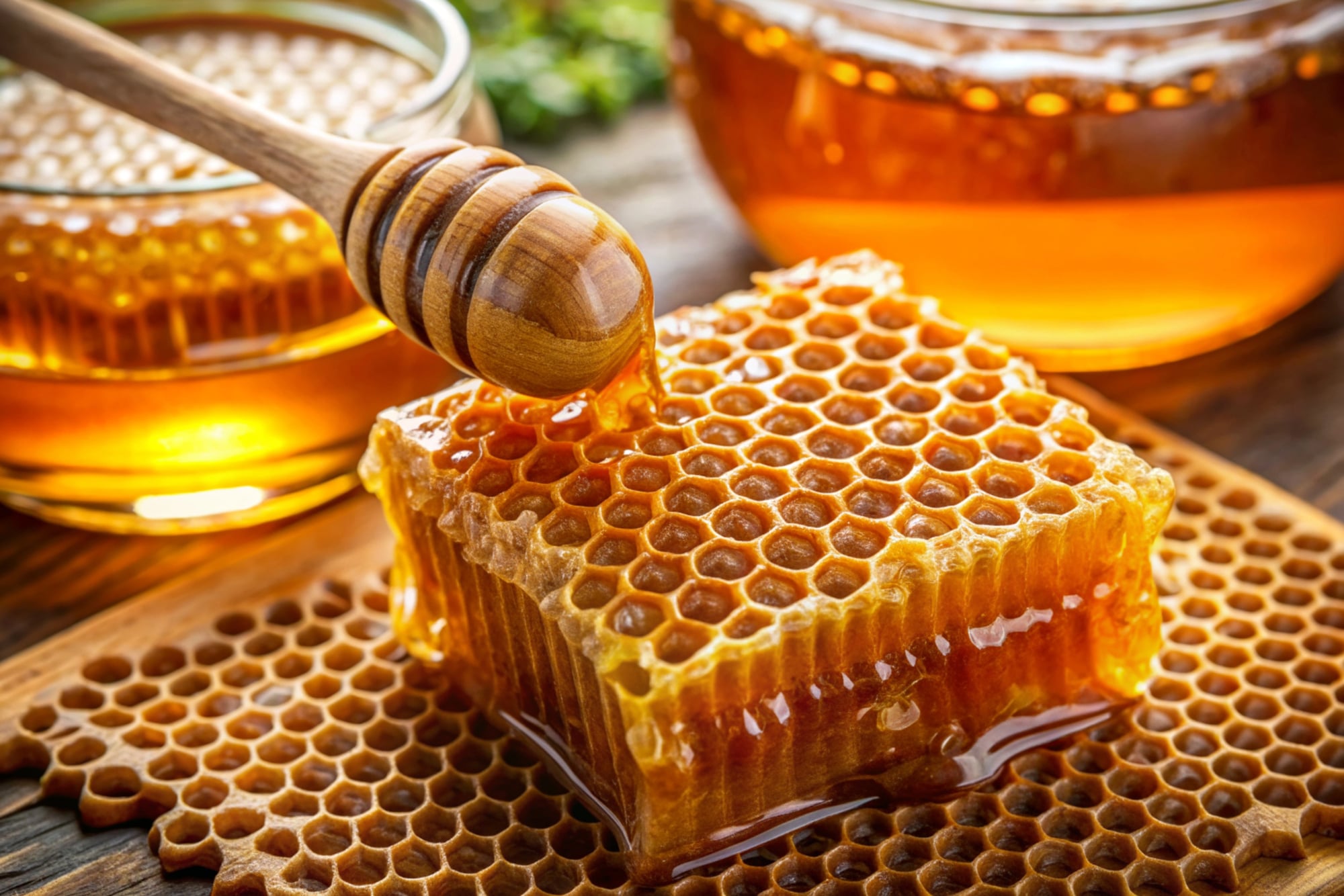
Archaeologists have found edible honey in Egyptian tombs. The low moisture content and acidic pH create an environment where bacteria can’t survive.
Honey might crystallize, but it never goes bad.
A Single Cloud Can Weigh Over a Million Pounds

Clouds look weightless floating up there, but they’re essentially water droplets suspended in air — and water is heavy.
The average cumulus cloud contains roughly 500,000 pounds of water droplets, though storm clouds can hold several times that amount, which means some storm clouds can reach over a million pounds, drifting overhead like the world’s most deceptively casual magic trick.
Wombat Droppings Are Cube-Shaped

Wombats produce cube-shaped feces. Their intestines have varying elasticity that molds the waste into neat little squares.
No other animal does this. It’s completely unnecessary and utterly fascinating.
There Are More Possible Games of Chess Than Atoms in the Observable Universe
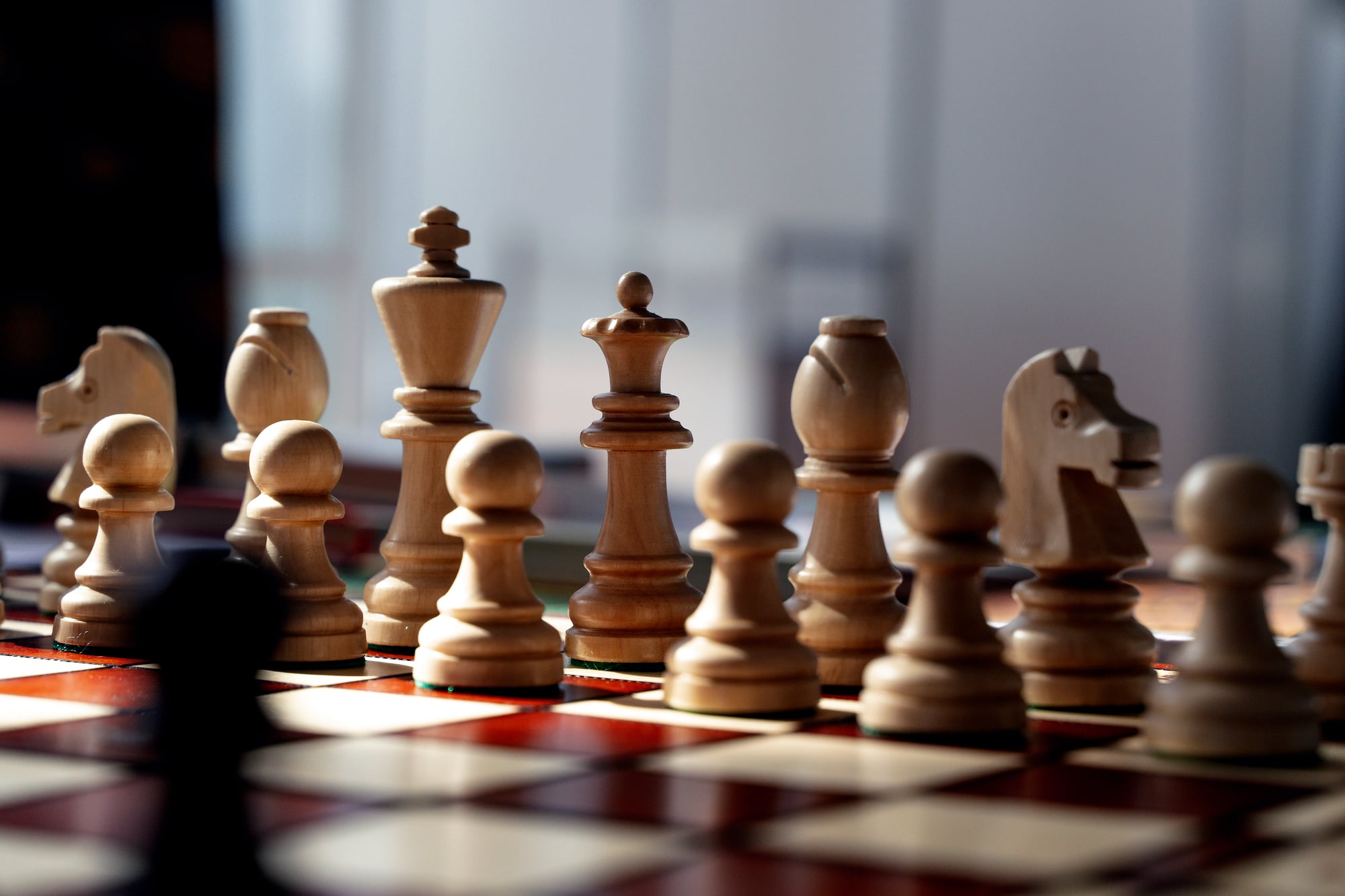
After just four moves by each player, there are over 300 billion possible positions on a chessboard, and the number grows exponentially from there — mathematicians estimate there are more potential chess games than there are atoms in the entire observable universe, which means this 64-square board contains more complexity than everything we can see in space (and yet somehow people still complain that chess is boring).
The human brain trying to comprehend this kind of infinite possibility feels like staring into the mathematical equivalent of an abyss. But with knights and pawns.
Cleopatra Lived Closer in Time to the Moon Landing Than to the Construction of the Great Pyramid

The Great Pyramid was built around 2560 BCE. Cleopatra died in 30 BCE.
The moon landing happened in 1969 CE. Do the math and it’s not even close.
Banging Your Head Against a Wall Burns 150 Calories Per Hour

Some sources claim this burns approximately 150 calories per hour, though it causes brain damage, so it’s definitely not a recommended fitness activity.
The caloric cost of physical activity varies widely depending on individual factors, but any potential energy expenditure would be vastly outweighed by the harm caused.
The Longest Recorded Flight of a Chicken Is 13 Seconds
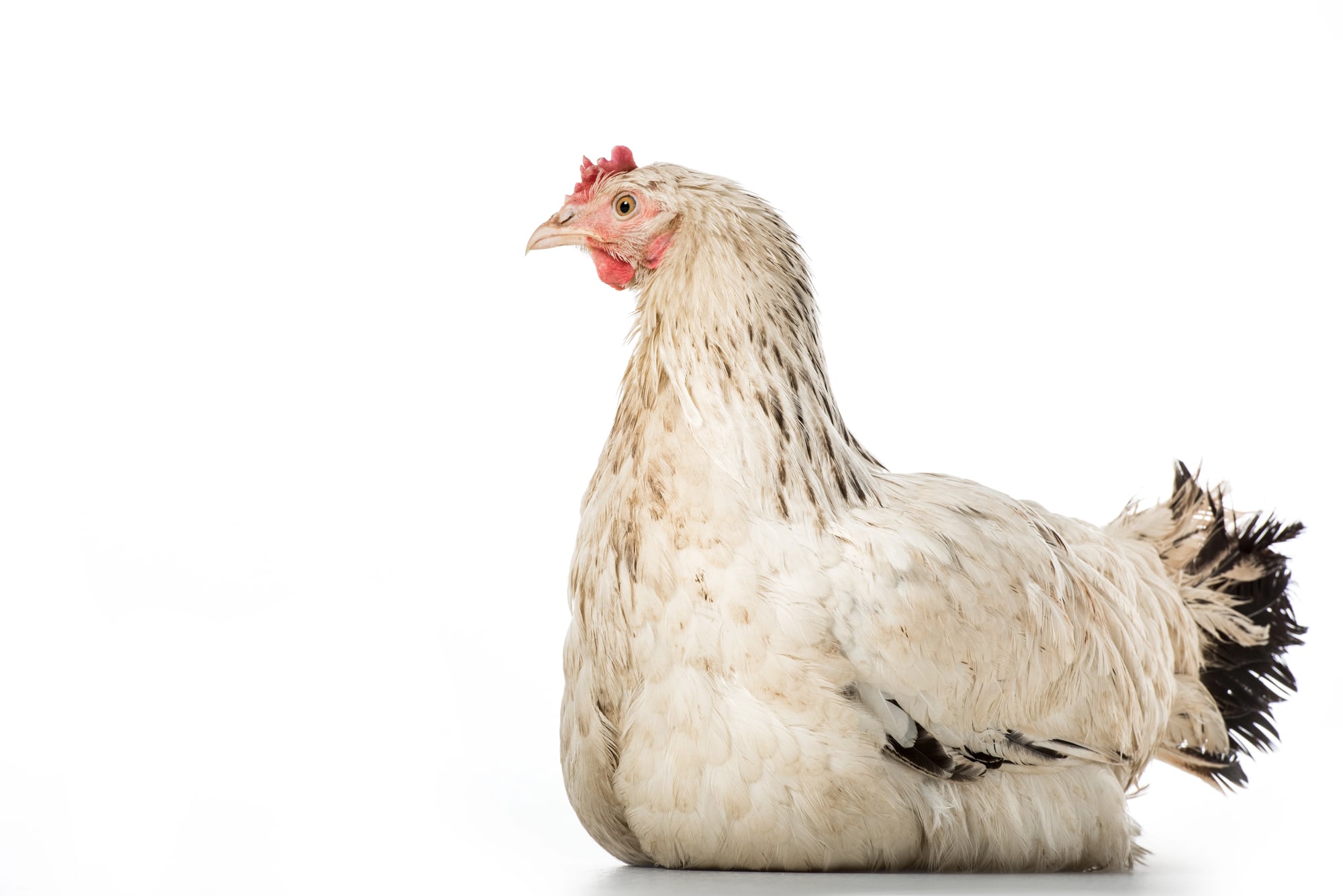
Chickens can fly, technically speaking, but they’re about as graceful as a thrown brick — their bodies are too heavy for their wings, so their version of flight looks more like controlled falling with desperate flapping, and even their most impressive aerial achievements barely qualify as leaving the ground for any meaningful amount of time.
Thirteen seconds represents the absolute peak of chicken aviation achievement. Which puts their flight skills somewhere between a paper airplane and a dropped sandwich.
There’s a Species of Jellyfish That’s Biologically Immortal
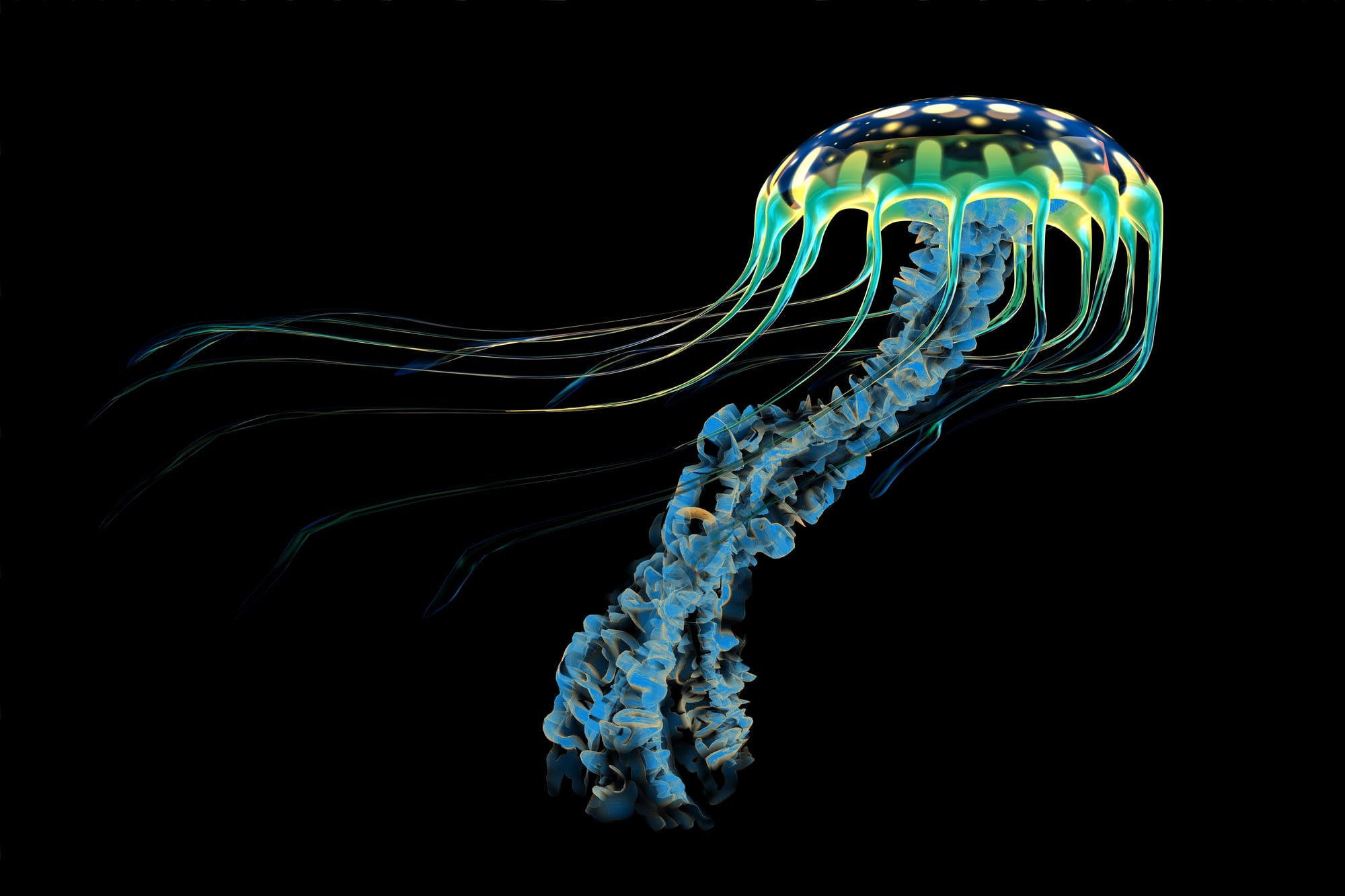
The Turritopsis dohrnii can reverse its aging process and return to its juvenile state when threatened or stressed.
It essentially resets its biological clock and starts over. Scientists are studying this process, though translating jellyfish immortality to humans remains complicated.
The Dot Over a Lowercase “I” Is Called a Tittle

Typography has specific names for everything. The tittle sits above the “i” and “j.”
There’s also the “bowl” of a “p” and the “ascender” of a “b.” Someone spent serious time naming these microscopic details, and now you know what to call them too.
The Human Brain Uses About 20% of the Body’s Total Energy
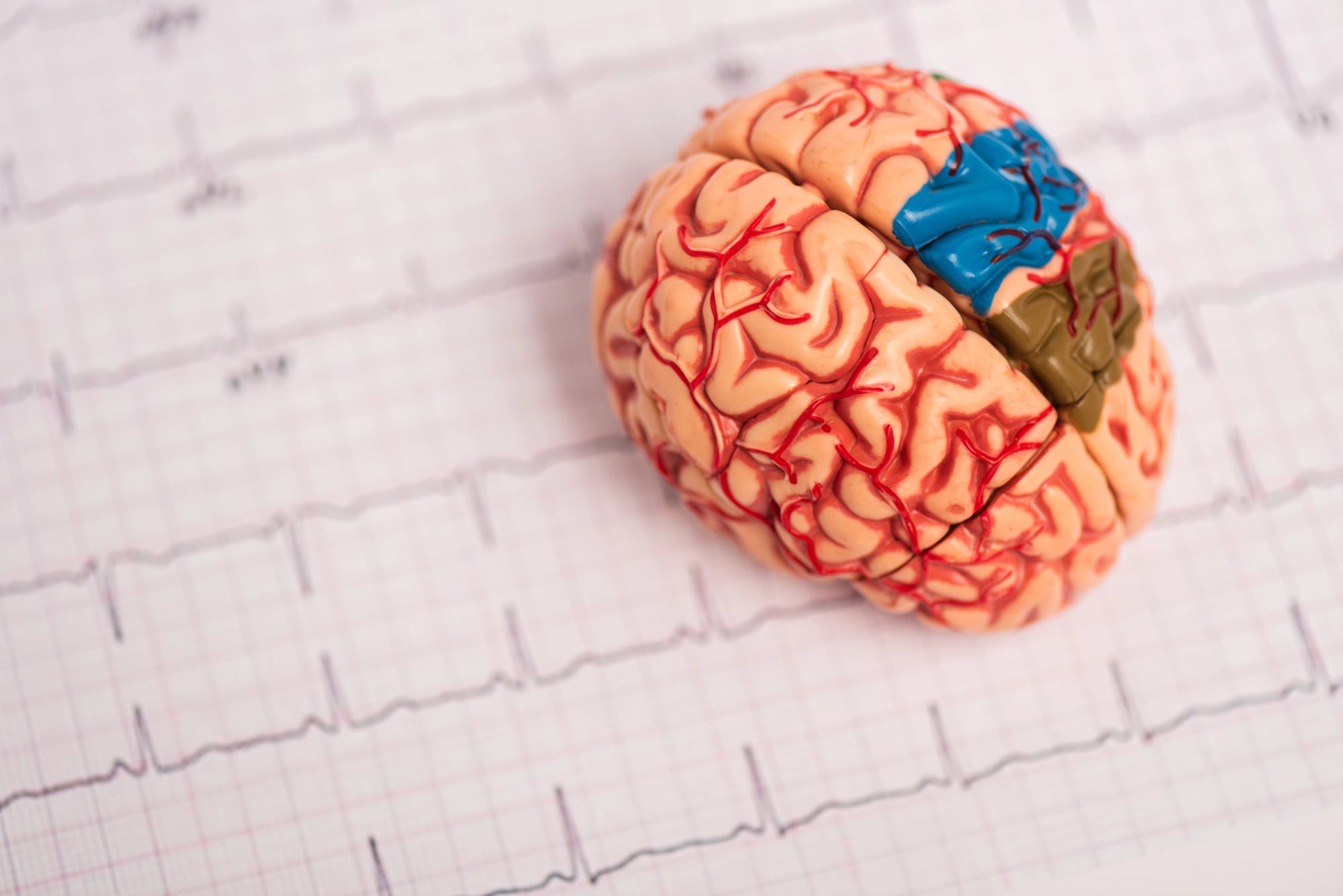
Your brain weighs roughly 3 pounds but consumes a fifth of all the energy your body produces, which means thinking literally burns calories — though unfortunately not enough to replace actual exercise, despite what anyone tells themselves while doing crossword puzzles instead of going to the gym.
This energy demand never stops either. Your brain keeps burning fuel while you sleep, processing memories and clearing out cellular waste like a night shift crew that never clocks out.
Why We Collect Pointless Knowledge

These facts serve no practical purpose, yet here you are, probably already planning to share a few with friends.
There’s something deeply human about collecting useless information — maybe it’s our way of making sense of an absurd world, or maybe we just like knowing things other people don’t. Either way, your brain now contains cube-shaped wombat droppings and immortal jellyfish, and that’s oddly comforting in its complete pointlessness.
More from Go2Tutors!

- The Romanov Crown Jewels and Their Tragic Fate
- 13 Historical Mysteries That Science Still Can’t Solve
- Famous Hoaxes That Fooled the World for Years
- 15 Child Stars with Tragic Adult Lives
- 16 Famous Jewelry Pieces in History
Like Go2Tutors’s content? Follow us on MSN.



