20 Most Historic Castles Standing Today
Castles aren’t just relics of medieval warfare or backdrops for fantasy novels.
They’re living monuments to ambition, power, and survival — structures that have outlasted empires, weathered sieges, and adapted to centuries of change.
Some became royal residences, others tourist attractions, and a few still serve official functions today.
What makes a castle truly historic isn’t just age, but the weight of what happened within its walls and how it shaped the world beyond them.
Here’s a closer look at twenty castles that have stood the test of time and remain as testaments to human ingenuity and resilience.
Windsor Castle
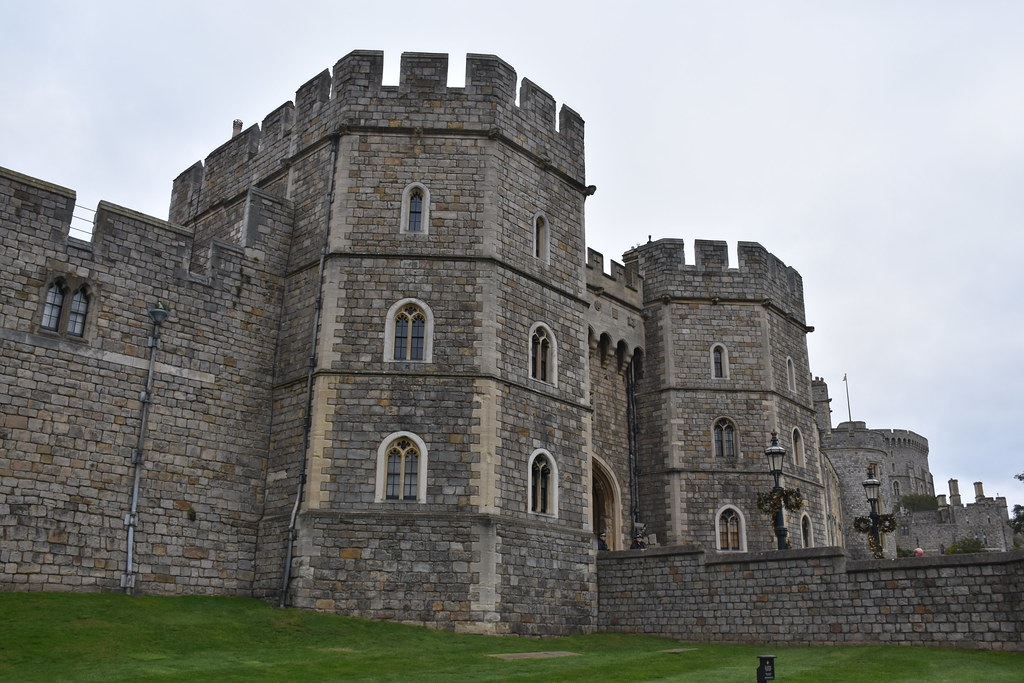
Windsor Castle holds the distinction of being the oldest continuously occupied castle in the world.
William the Conqueror established it in the 11th century, and it’s been a royal residence ever since — nearly a thousand years of unbroken use.
The castle sits on a chalk hill overlooking the Thames, about 20 miles west of London, and covers roughly 13 acres.
It’s not a museum piece, either.
The British Royal Family still uses it regularly, and it remains an official residence of the reigning monarch.
Over the centuries, Windsor has been expanded, redesigned, and rebuilt, yet it retains its core identity as both fortress and home.
Edinburgh Castle

Perched on an extinct volcanic rock in the heart of Scotland’s capital, Edinburgh Castle dominates the skyline like few other structures can.
Archaeological evidence suggests the site has been fortified since at least the Iron Age, though the castle as it stands today largely dates from the 12th century onward.
It’s witnessed countless sieges — more than any other place in Britain, some say.
The Honours of Scotland, the nation’s crown jewels, are housed here, along with the Stone of Destiny, used in the coronation of Scottish monarchs.
The castle’s strategic position made it nearly impossible to capture, and its cultural significance has only deepened over time.
Tower of London

Few castles carry as much dark history as the Tower of London. Built by William the Conqueror in 1066, it began as a symbol of Norman power over a conquered city.
Over the centuries, it morphed into a royal palace, a prison, an armory, and even a zoo.
Its most infamous role, though, was as a place of execution and imprisonment.
Anne Boleyn, Lady Jane Grey, and Sir Walter Raleigh all spent time within its walls — some never left.
Today, the Tower houses the Crown Jewels and remains one of the most visited historic sites in England, protected by the iconic Yeomen Warders.
Alhambra
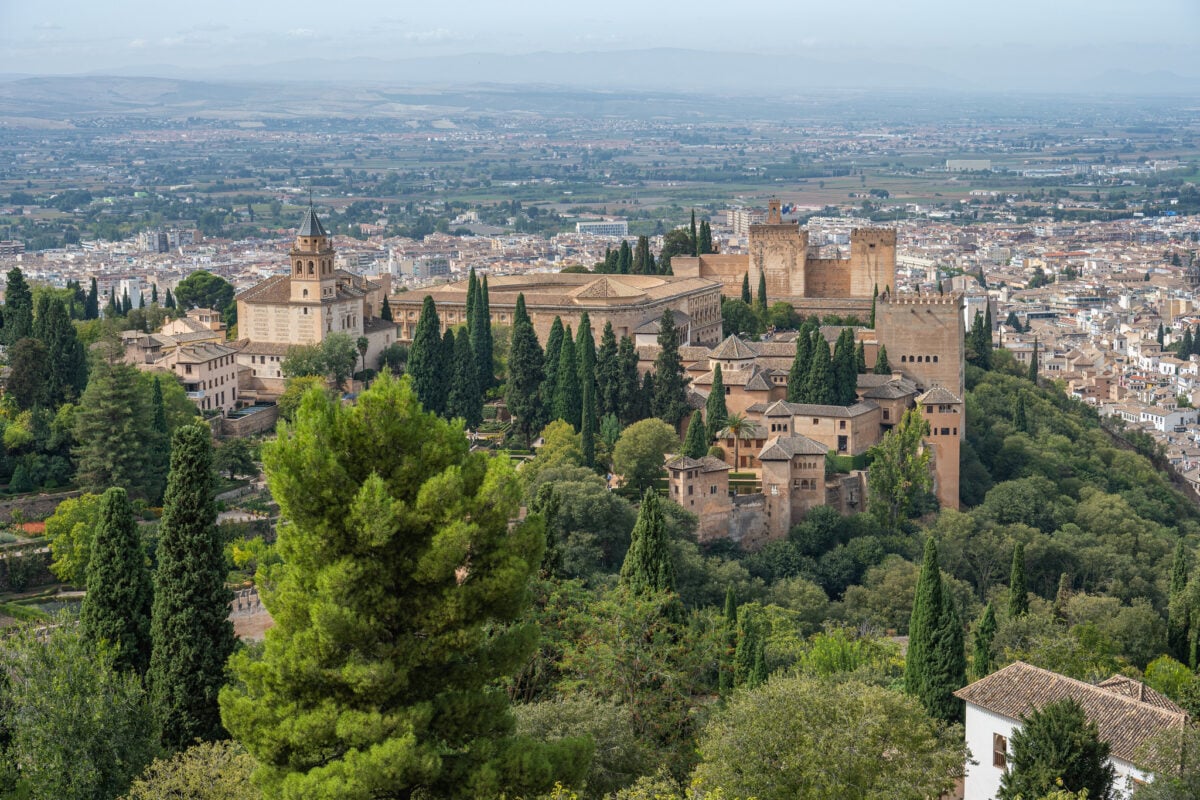
The Alhambra in Granada, Spain, is a fortress, palace, and garden rolled into one breathtaking complex.
Originally constructed as a small fortress in 889, it was rebuilt and expanded in the mid-13th century by the Nasrid emirs.
The result is one of the finest examples of Moorish architecture in Europe, filled with intricate stucco work, reflecting pools, and courtyards that blur the line between structure and nature.
After the Catholic Monarchs conquered Granada in 1492, the Alhambra became a royal court, and later, a state monument.
Its survival is something of a miracle, given that parts of it were nearly demolished in the 19th century.
Neuschwanstein Castle
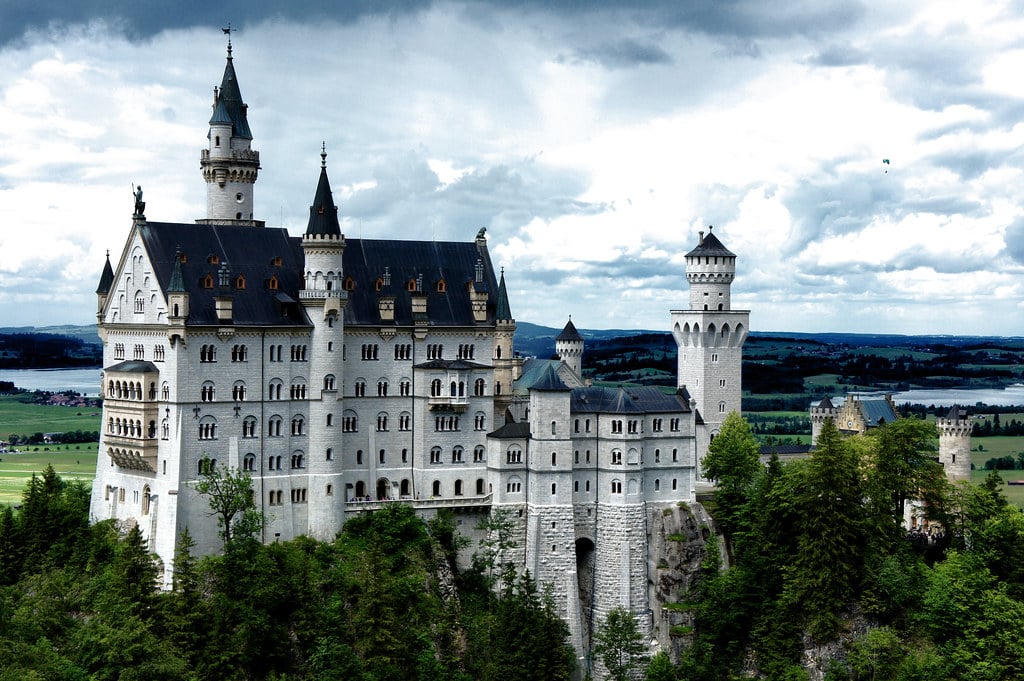
Neuschwanstein is the castle that launched a thousand fantasies — literally.
King Ludwig II of Bavaria commissioned it in 1869 as a personal retreat and homage to Richard Wagner, the composer he idolized.
Ironically, Ludwig only spent a handful of nights there before his mysterious death in 1886.
The castle’s fairy-tale silhouette, perched on a rugged hill in the Bavarian Alps, inspired Disney’s Sleeping Beauty Castle and has become shorthand for romantic medieval architecture.
Despite looking ancient, Neuschwanstein is actually a 19th-century creation built with modern techniques, including steel framework and central heating.
Prague Castle

Prague Castle isn’t just one building — it’s an entire fortified complex sprawling across 18 acres, making it one of the largest ancient castles in the world.
Founded around 880, it’s been the seat of power for Czech kings, Holy Roman emperors, and presidents of Czechoslovakia and the Czech Republic.
The architecture is a timeline in itself, spanning Romanesque, Gothic, Renaissance, and Baroque styles.
St. Vitus Cathedral, a Gothic masterpiece, dominates the skyline within the castle grounds. The castle has survived wars, fires, and political upheaval, yet it remains a functioning seat of government.
Château de Chambord

Deep in the Loire Valley, Château de Chambord rises from the French countryside like something conjured from a dream.
Francis I began construction in 1519, blending medieval fortress design with Italian Renaissance elegance.
The result is architecturally audacious — 440 rooms, 282 fireplaces, and a double-helix staircase rumored to have been designed by Leonardo da Vinci.
The château was never intended as a primary residence but as a hunting lodge and symbol of royal power.
It was abandoned during the French Revolution, nearly fell into ruin, and was only fully restored in the 20th century.
Today, it’s one of the most recognizable castles in the world.
Warwick Castle

Warwick Castle in England has been standing since 1068, when William the Conqueror ordered its construction.
Over the next several centuries, it evolved from a simple wooden motte-and-bailey into a formidable stone fortress.
The Beauchamp and Neville families, powerful medieval nobles, transformed it into a symbol of aristocratic might.
The castle played a role in the Wars of the Roses and saw numerous sieges and political intrigues.
In the 17th century, it was converted into a country house, and today it’s a major tourist attraction complete with jousting tournaments and falconry displays.
Despite the commercialization, the structure itself remains remarkably intact.
Bran Castle
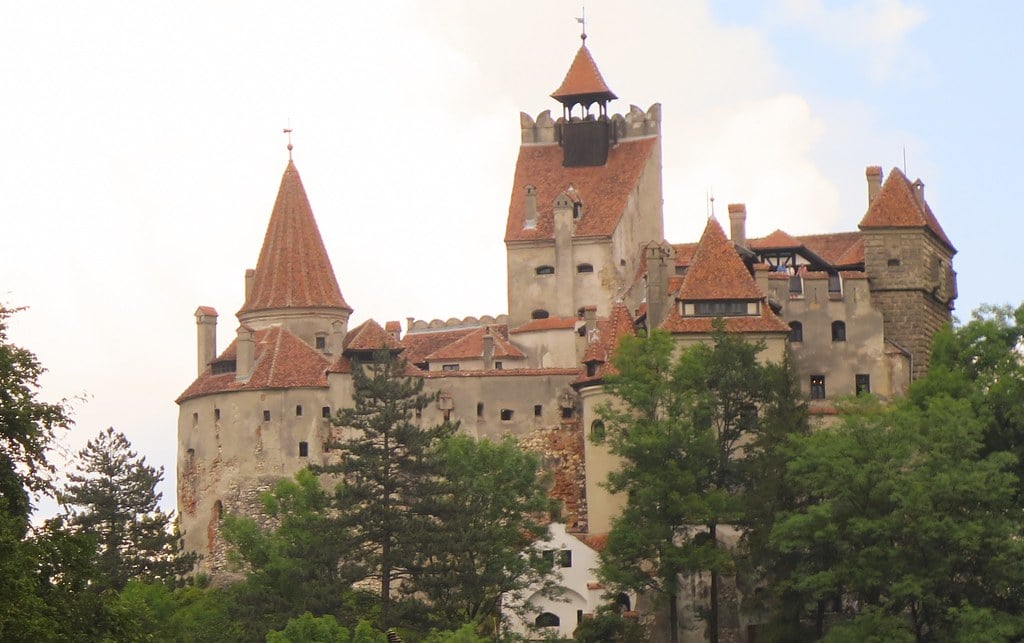
Bran Castle in Romania is often called Dracula’s Castle, though its connection to Vlad the Impaler is tenuous at best.
The castle was built in the 14th century by Saxons to defend against Ottoman invasion and sits dramatically on a cliff between Transylvania and Wallachia.
It later became a royal residence for Queen Marie of Romania, who transformed it into a beloved summer retreat in the early 20th century.
The Gothic spires, narrow staircases, and eerie atmosphere made it an easy target for Dracula tourism, but the real history is far more grounded in medieval trade routes and border defense.
Himeji Castle
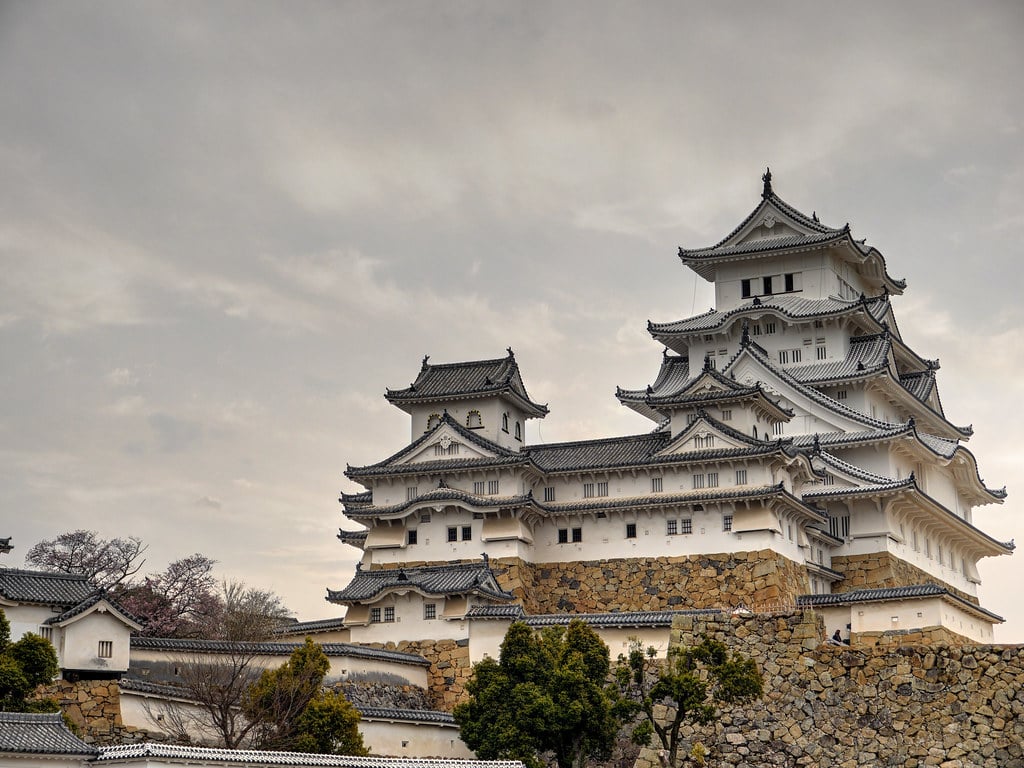
Himeji Castle in Japan is considered the finest surviving example of traditional Japanese castle architecture.
Built in the 14th century and significantly expanded in the early 17th century, it’s a sprawling complex of interlocking buildings, defensive walls, and gates designed to confuse invaders.
The main keep rises six stories and is crowned with elegant curved roofs that resemble a white heron in flight — hence its nickname, ‘White Heron Castle.’ Remarkably, Himeji survived both the bombings of World War II and the 1995 Great Hanshin earthquake.
It’s now a UNESCO World Heritage Site and a symbol of Japanese cultural preservation.
Krak des Chevaliers

Krak des Chevaliers in Syria is one of the most important Crusader castles ever built.
Originally a small Kurdish fortress, it was taken over by the Knights Hospitaller in 1142 and transformed into a massive defensive complex capable of housing 2,000 troops.
Its concentric walls, strategic position on a hilltop, and advanced fortifications made it nearly impregnable.
The castle withstood numerous sieges before finally falling to the Mamluks in 1271.
Despite centuries of conflict and the recent Syrian civil war, much of the structure remains intact, a testament to medieval military engineering.
Malbork Castle

Malbork Castle in Poland is the largest castle in the world by land area, covering over 50 acres.
It was built in the 13th century by the Teutonic Knights, a German Catholic military order, and served as their headquarters.
The red brick fortress is a masterpiece of medieval architecture, complete with a grand refectory, chapels, and defensive towers.
After the decline of the Teutonic Order, the castle passed through various rulers, including Polish kings and Prussian monarchs.
It was heavily damaged during World War II but has since been meticulously restored and is now a UNESCO World Heritage Site.
Conwy Castle

Conwy Castle in Wales was built between 1283 and 1289 by Edward I during his conquest of Wales.
It’s part of a ring of fortresses designed to suppress Welsh resistance and assert English dominance.
The castle’s eight massive towers and thick curtain walls are remarkably well-preserved, offering a clear picture of late 13th-century military architecture.
Conwy played a role in several rebellions, including Owain Glyndŵr’s uprising in the early 15th century.
The town walls, which stretch over half a mile and are still largely intact, make the entire site one of the finest medieval fortified towns in Europe.
Hohenzollern Castle
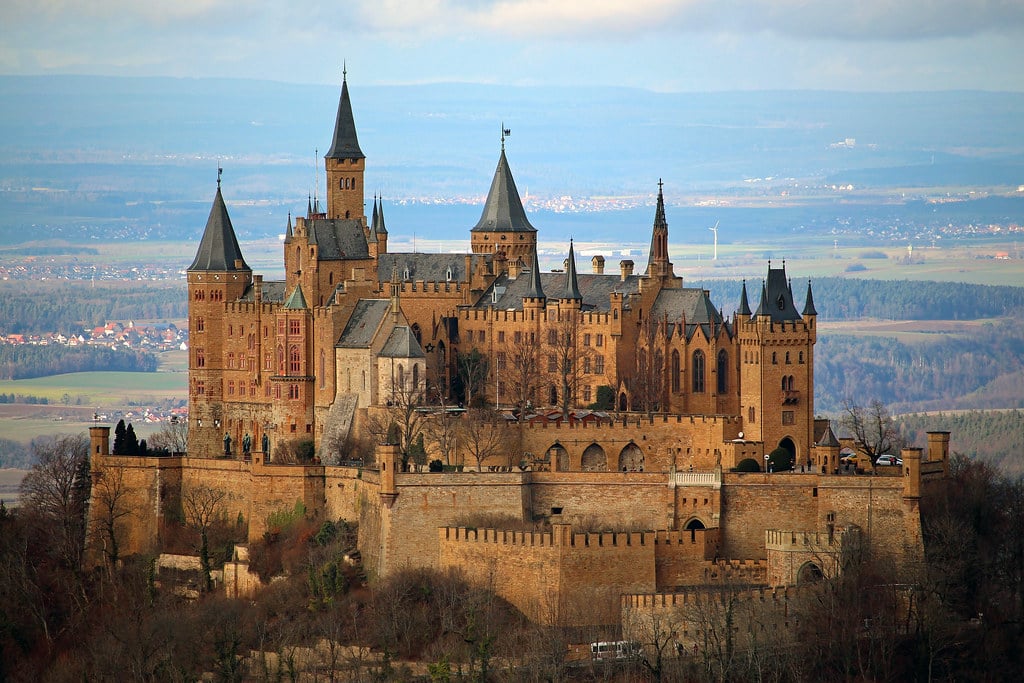
Hohenzollern Castle sits atop Mount Hohenzollern in southern Germany, the ancestral seat of the Hohenzollern family, who became Prussian kings and German emperors.
The original castle dates to the 11th century, though it was destroyed and rebuilt twice — most recently in the mid-19th century.
The current structure is a romantic reconstruction, heavily influenced by Gothic Revival aesthetics, but it retains the commanding hilltop position that made it strategically important for centuries.
The castle houses the Prussian royal crown and personal effects of Frederick the Great, making it a pilgrimage site for those interested in German imperial history.
Matsumoto Castle

Matsumoto Castle in Japan, also known as ‘Crow Castle’ for its black exterior, is one of the country’s premier historic castles.
Built in the late 16th century during Japan’s Sengoku period, it’s one of only a handful of original castles that have survived fires, earthquakes, and war.
Unlike many reconstructions, Matsumoto’s wooden interiors and steep staircases are authentic.
The castle is surrounded by a moat and set against the backdrop of the Japanese Alps, creating one of the most photographed scenes in the country.
Its design reflects a shift from military necessity to aesthetic elegance, as the keep was built during a time of relative peace.
Carcassonne
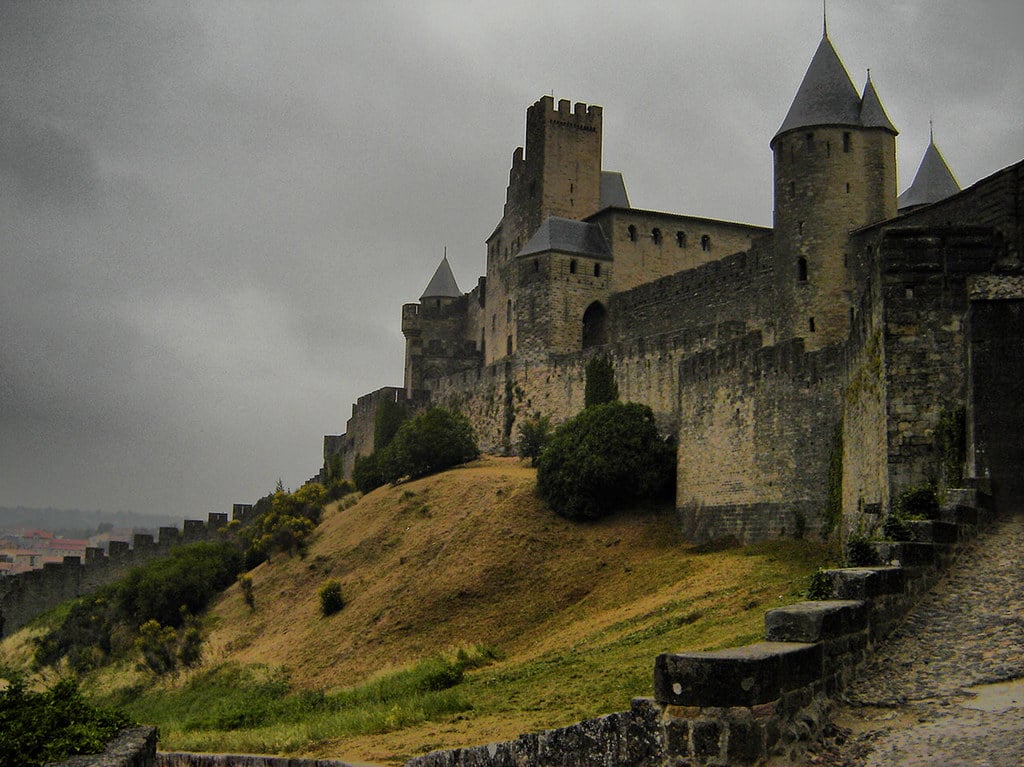
Carcassonne in southern France is less a single castle and more a fortified medieval city.
Its double-walled fortifications and 52 towers date back to Roman times, though most of what stands today was built in the 12th and 13th centuries.
The citadel was a key stronghold during the Albigensian Crusade and later served as a border fortress between France and Aragon.
By the 19th century, Carcassonne had fallen into disrepair and was nearly demolished, but architect Eugène Viollet-le-Duc led a controversial restoration that saved it.
Today, it’s a UNESCO World Heritage Site and one of the most visited landmarks in France.
Castel del Monte

Castel del Monte in southern Italy is unlike any other medieval castle.
Built by Holy Roman Emperor Frederick II in the 13th century, it’s a geometric marvel — an octagonal structure with eight octagonal towers.
There’s no moat, no drawbridge, and no clear defensive features, leading historians to debate its true purpose.
Some believe it was a hunting lodge, others a statement of imperial power, and a few suggest astronomical or symbolic significance.
The precision of its design and the use of mathematical proportions make it a masterpiece of medieval architecture, recognized today as a UNESCO World Heritage Site.
Alcázar of Segovia
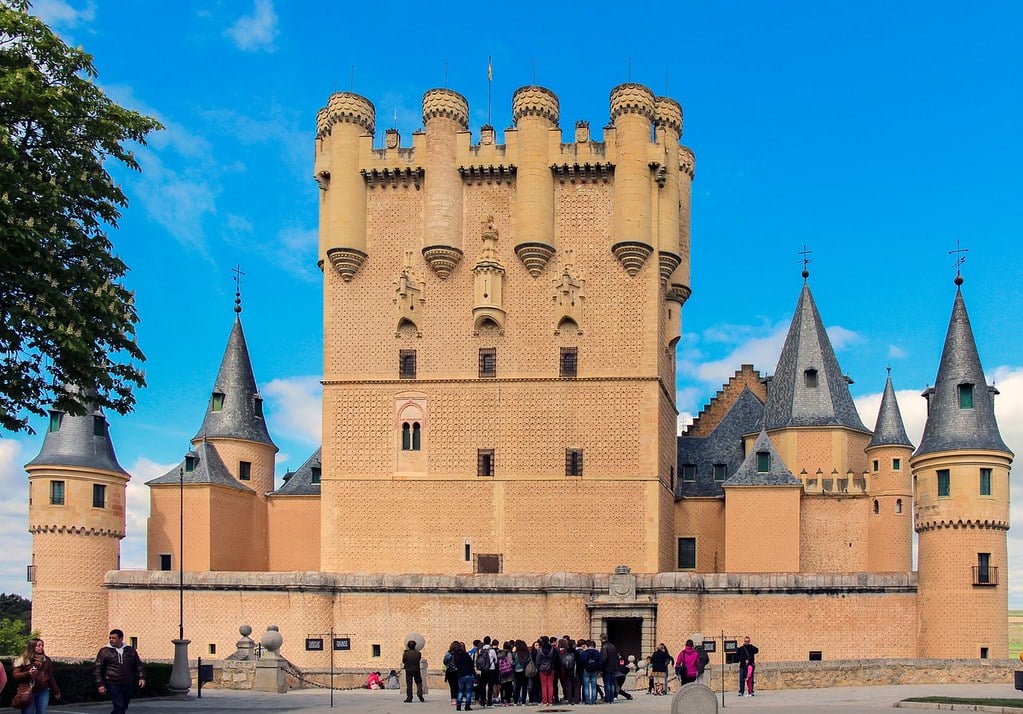
The Alcázar of Segovia in Spain rises from a rocky crag like the prow of a ship cutting through the Castilian plains.
Originally built as a Roman fort, it was expanded by the Moors and later became a favored residence of Castilian kings.
Isabella I was proclaimed Queen of Castile here in 1474, a pivotal moment in Spanish history.
The castle’s fairy-tale appearance, complete with turrets and steep slate roofs, reportedly inspired Walt Disney’s Cinderella Castle.
It also served as a royal palace, a state prison, a military academy, and even an artillery school before being restored and opened to the public.
Bodiam Castle

Bodiam Castle in East Sussex, England, is the quintessential medieval fortress — surrounded by a wide moat, with symmetrical towers and crenellated walls.
Built in 1385 by Sir Edward Dalyngrigge, it was designed both as a defense against French invasion during the Hundred Years’ War and as a statement of wealth and status.
Though it looks formidable, some historians argue it was more about appearance than function.
The castle saw little military action and eventually fell into ruin before being restored in the early 20th century.
Today, its photogenic silhouette and well-preserved exterior make it one of the most iconic castles in England.
Château de Pierrefonds

Château de Pierrefonds in northern France is a study in reinvention.
Originally built in the 14th century, it was partially demolished in the 17th century on the orders of Cardinal Richelieu.
It remained a romantic ruin until Napoleon III commissioned architect Viollet-le-Duc to restore it in the 1860s.
The result is part medieval fortress, part 19th-century fantasy — a castle rebuilt to look more medieval than the original.
Viollet-le-Duc’s work was controversial, but it created a stunning structure that’s been used as a film set for everything from historical dramas to fantasy epics.
The château remains a striking example of how the past can be reimagined.
Why They Endure

These castles have survived not just because of stone and mortar, but because they mattered.
They were seats of power, symbols of ambition, and stages for history’s turning points.
Some adapted to new purposes, others became monuments to lost grandeur, but all retained a hold on the imagination.
They remind us that structures built for war can become icons of culture, and that the past, when preserved with care, continues to speak across centuries.
In an age of rapid change, these fortresses stand as proof that some things are worth defending.
More from Go2Tutors!

- The Romanov Crown Jewels and Their Tragic Fate
- 13 Historical Mysteries That Science Still Can’t Solve
- Famous Hoaxes That Fooled the World for Years
- 15 Child Stars with Tragic Adult Lives
- 16 Famous Jewelry Pieces in History
Like Go2Tutors’s content? Follow us on MSN.



