Car Features Drivers Now Take for Granted
Remember when rolling down car windows meant actual rolling? When parking required genuine spatial awareness rather than computer assistance? The modern automobile has evolved so dramatically that features once considered luxurious or even miraculous now feel as basic as having wheels. These technologies have woven themselves so seamlessly into daily driving that their absence would feel genuinely shocking.
Yet most of these conveniences didn’t exist just a generation ago, and some were edge technology as recently as the early 2000s.
Power Steering

Power steering is invisible until it’s gone. Then you remember what driving actually used to require: genuine upper body strength and the kind of forearm workout that made parallel parking an athletic event.
Anti-Lock Braking System

Anti-lock brakes prevent wheels from locking up during hard stops. Before ABS, emergency braking was a skill that required practice and finesse.
Now the car handles the physics while drivers just press harder.
Air Conditioning
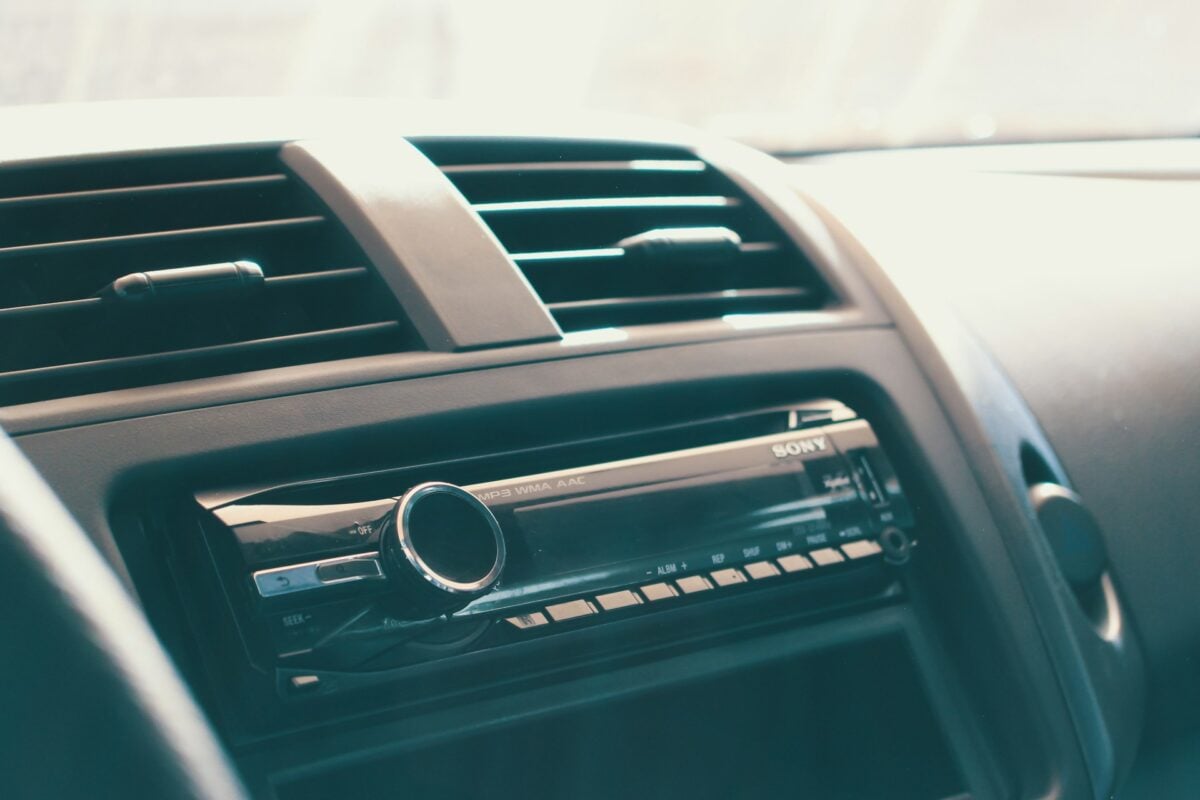
Driving without air conditioning wasn’t just uncomfortable (though anyone who’s spent August in Phoenix with the windows down can tell you about uncomfortable) — it fundamentally changed how people planned their days, their routes, even their relationships with their cars. Summer road trips meant strategic timing, frequent stops, and the kind of sweaty misery that made arriving anywhere feel like a genuine accomplishment.
And yet, for decades, this was simply what driving meant: you dressed for the weather inside your car the same way you’d dress for the weather outside it, because there wasn’t much difference. So when AC became standard, it didn’t just cool the air — it divorced the interior of your car from the exterior world in a way that seems obvious now but was genuinely revolutionary then.
Power Windows
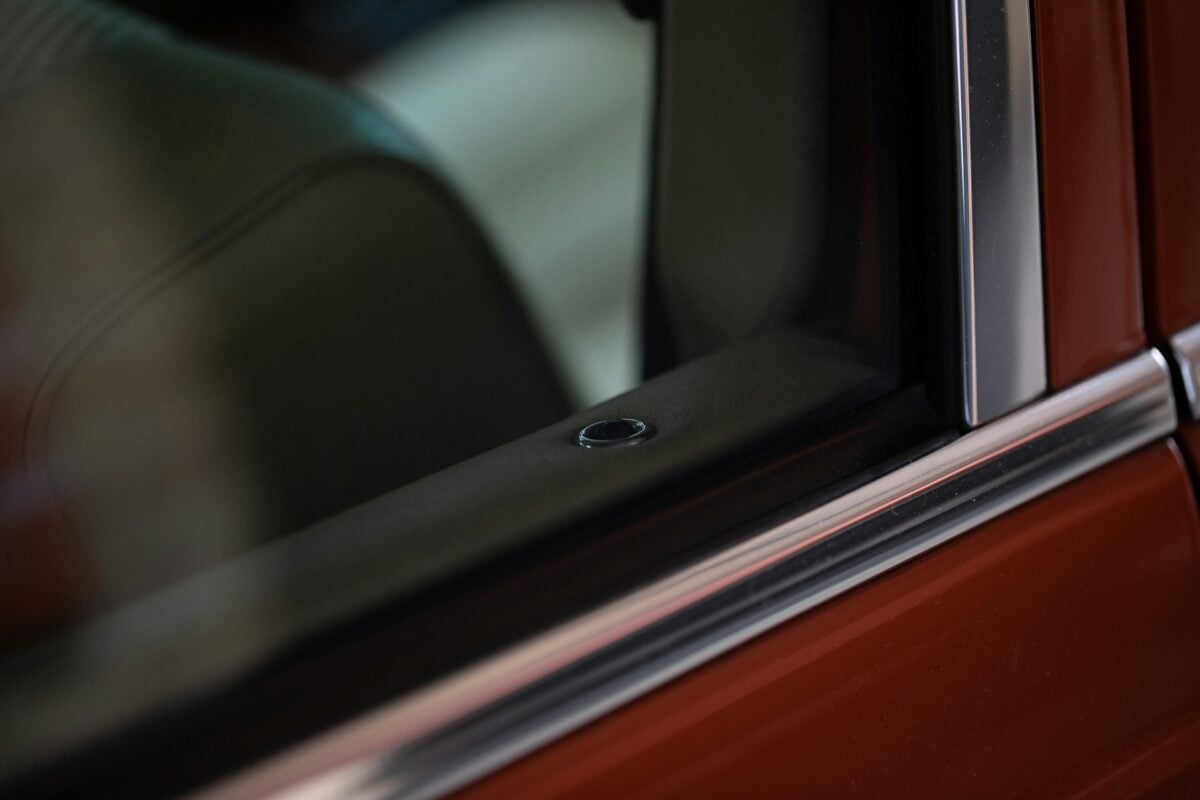
Electric windows work every time until they don’t. Then you discover how much trust modern life requires when the simplest things — getting fresh air, paying at a drive-through — suddenly become complicated.
People treat power windows like they’ve always existed, but manual windows taught patience and planning in ways that seem almost quaint now.
Central Locking

There’s something almost ritualistic about the way people approach their cars now: a single button press that secures the entire vehicle, often without conscious thought. Before central locking, securing a car meant walking around the perimeter like you were checking the foundation of a house, testing each door handle, making sure each window was properly closed.
It was a small ceremony of ownership and responsibility that happened dozens of times each week. And now that ceremony has been reduced to a brief chirp of electronics — so brief that most people lock their cars while walking away, never breaking stride, never looking back.
Cruise Control

Cruise control removes the mental effort of maintaining consistent speed. On long highway drives, it’s the difference between active concentration and letting your mind wander to other things entirely.
Highway driving used to require constant attention to the speedometer. Now it requires remembering to turn cruise control off when you exit.
Electronic Fuel Injection
Fuel injection solved a problem most current drivers never knew existed: cars that wouldn’t start reliably. Carbureted engines had personalities, quirks, and the kind of temperamental behavior that required genuine mechanical sympathy.
Modern cars start every time because computers handle fuel delivery with precision no human ever could.
Automatic Transmission
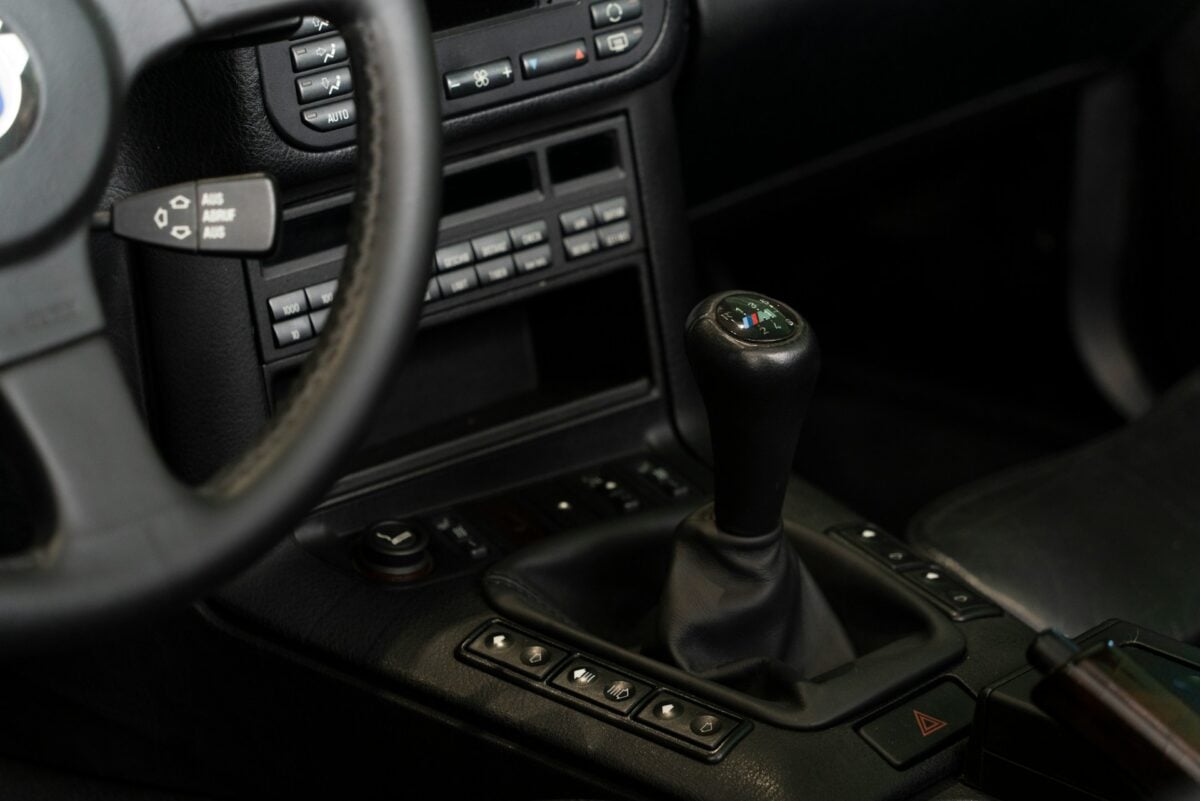
Driving stick required coordination between your hands, feet, and brain in a way that made every stoplight an opportunity to embarrass yourself, every hill start a small test of competence. Learning to drive meant learning to think about engine speed and clutch engagement and the precise moment when letting off the gas wouldn’t stall the engine (and the shame of stalling at a busy intersection was the kind of automotive humiliation that stuck with you).
But automatic transmissions didn’t just make driving easier — they made it thoughtless in a way that freed up mental space for everything else: conversations, navigation, the radio, even eating while driving, which would have been unthinkable when shifting gears demanded both hands and constant attention.
Electronic Ignition
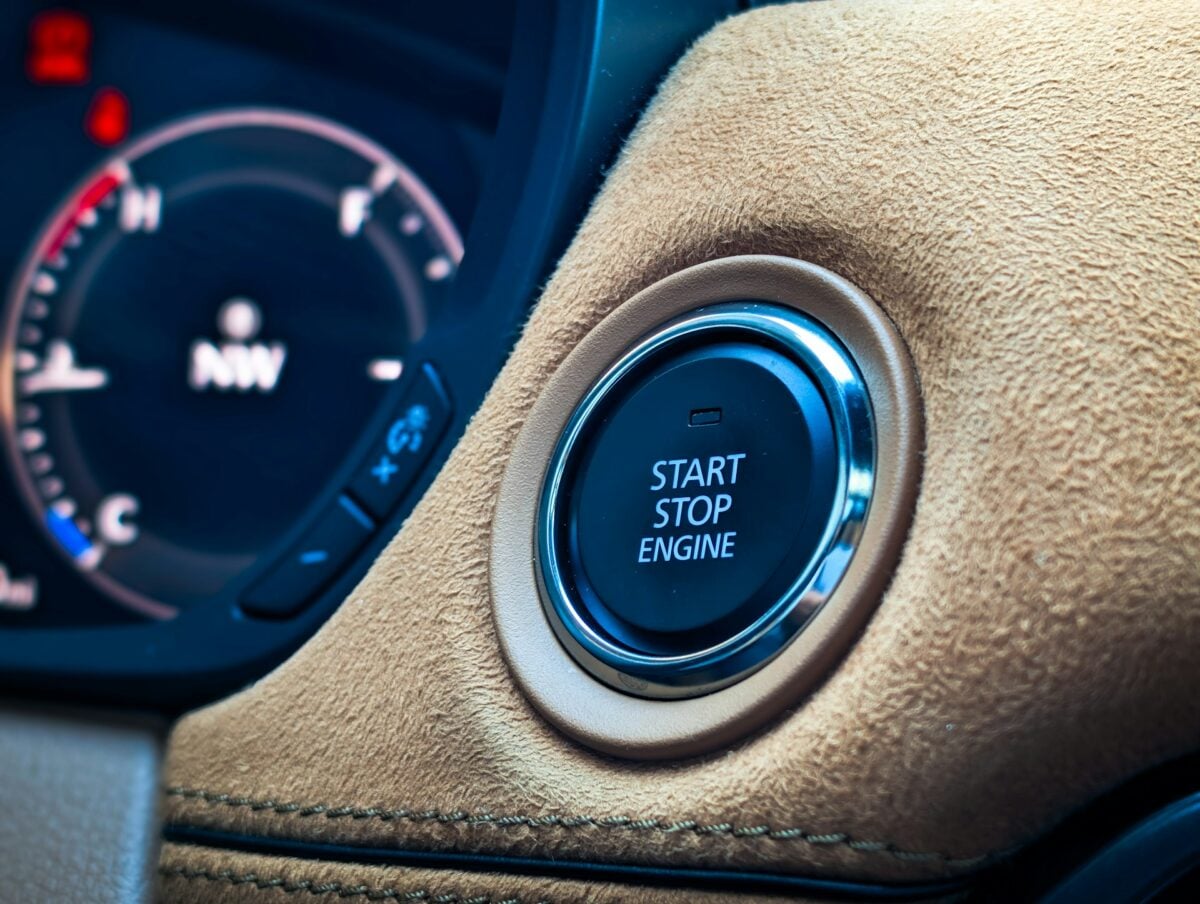
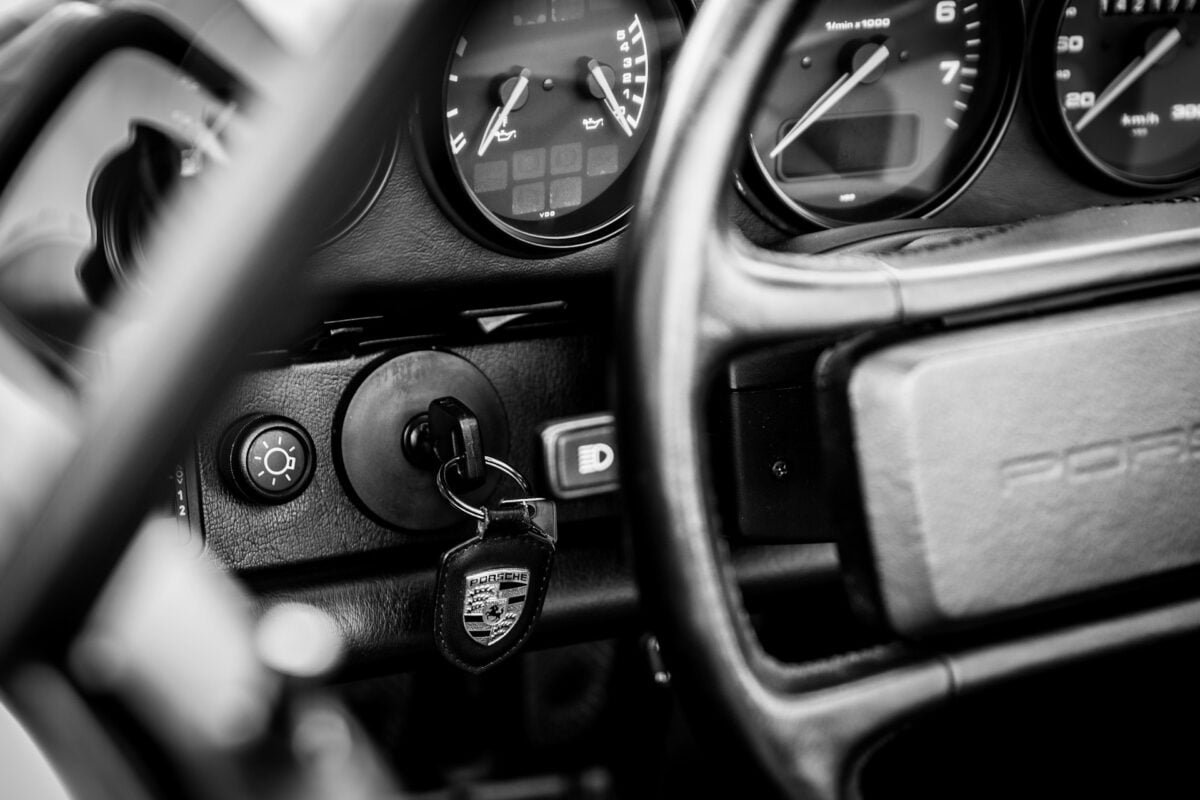
Cars start every time now. Turn the key, press the button — it just happens.
Electronic ignition eliminated the ritual of coaxing reluctant engines to life on cold mornings. Starting a car used to be a negotiation.
Now it’s a guarantee.
Radial Tires
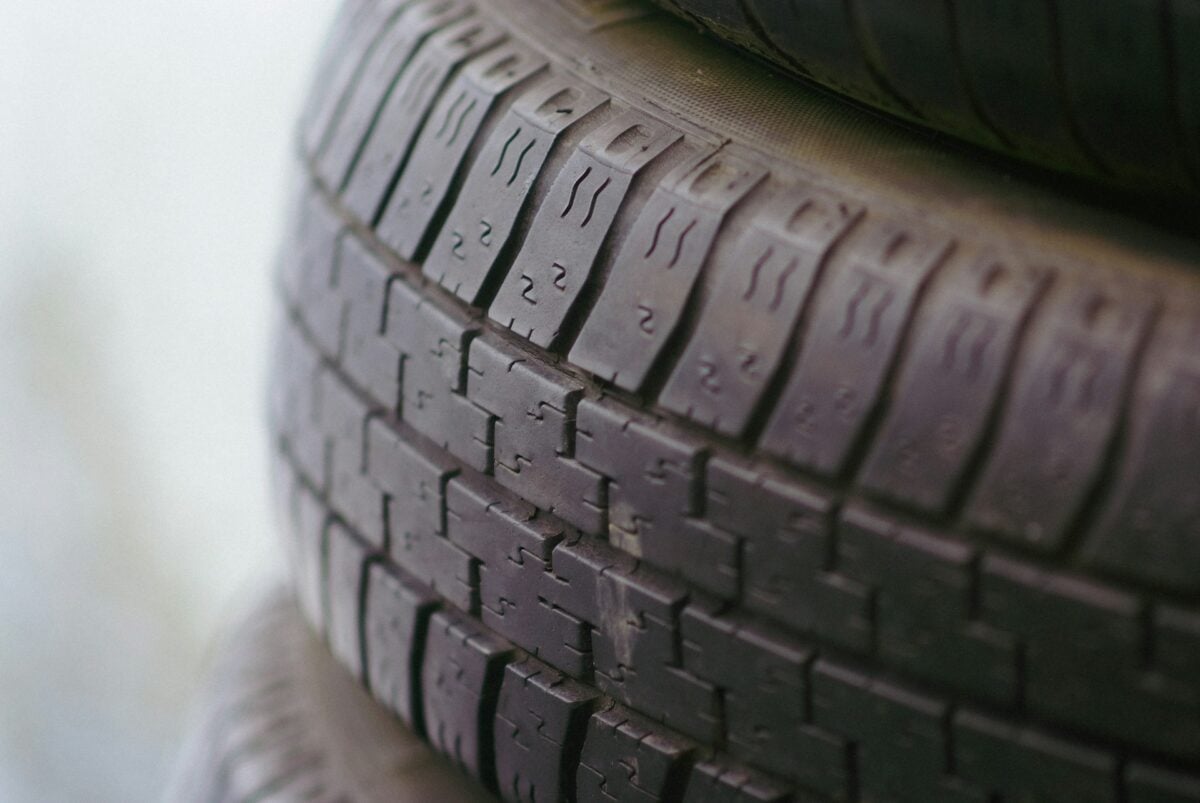
Radial tires last longer and grip better than the bias-ply tires they replaced. Most drivers have no idea what bias-ply tires even were, which says everything about how completely radial construction has won.
Power Brakes
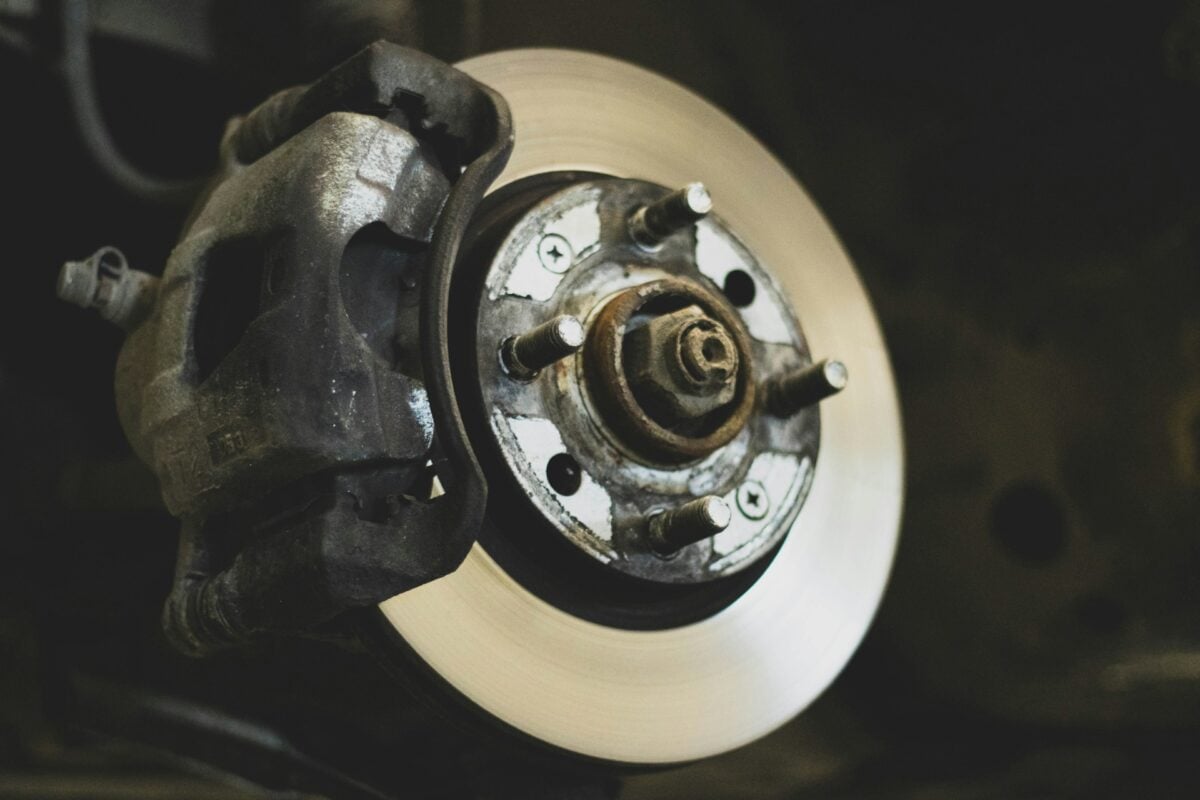
Stopping modern cars requires almost no physical effort. Power brakes make emergency stops possible for anyone, regardless of leg strength or body weight.
Before power assistance, hard braking was genuinely hard work.
Intermittent Wipers

Variable-speed wipers match the intensity of rainfall automatically. Light mist, steady drizzle, heavy downpour — the car adjusts without driver input.
Fixed-speed wipers meant choosing between too fast and too slow, never quite matching what the weather actually required.
Sealed Beam Headlights
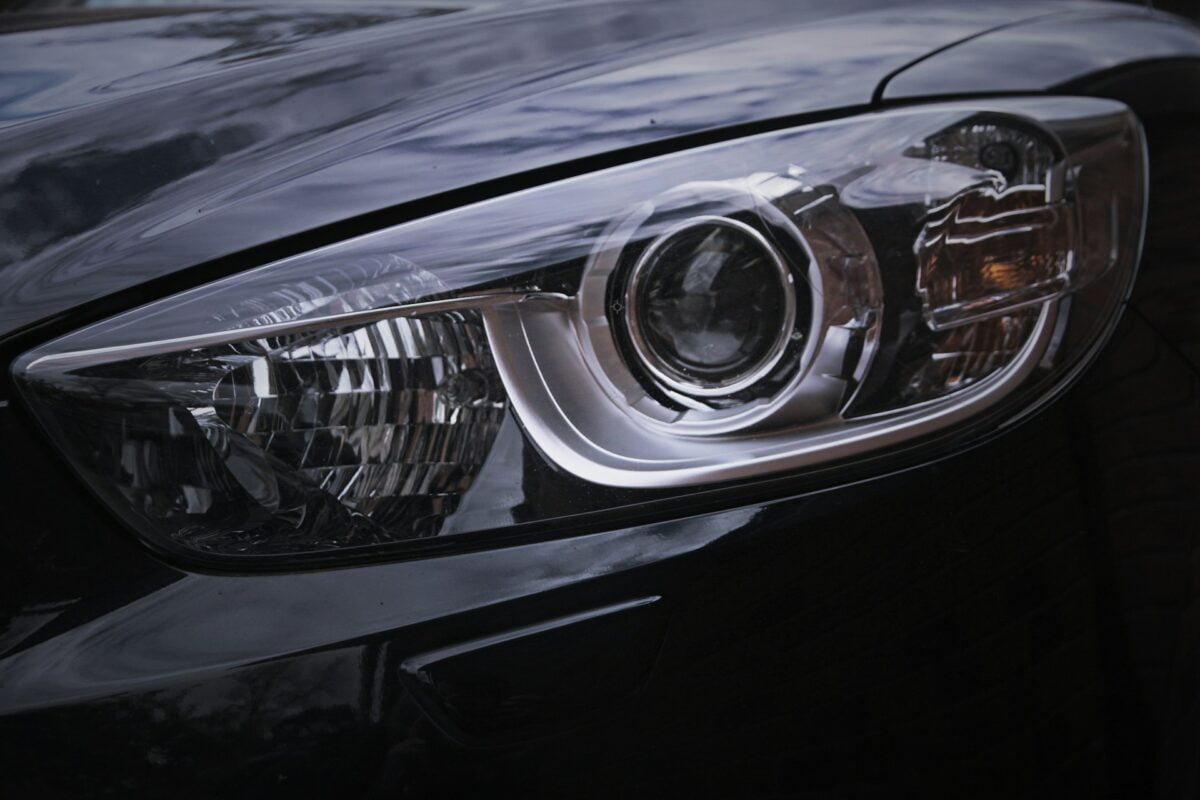
Modern headlights have evolved far beyond sealed beam technology, which was itself the standard that replaced adjustable reflector-and-bulb systems. Today’s projector headlights, LEDs, and HID systems simply work until they need replacement, eliminating the constant adjustments that earlier sealed beam designs required.
Electronic Ignition Timing
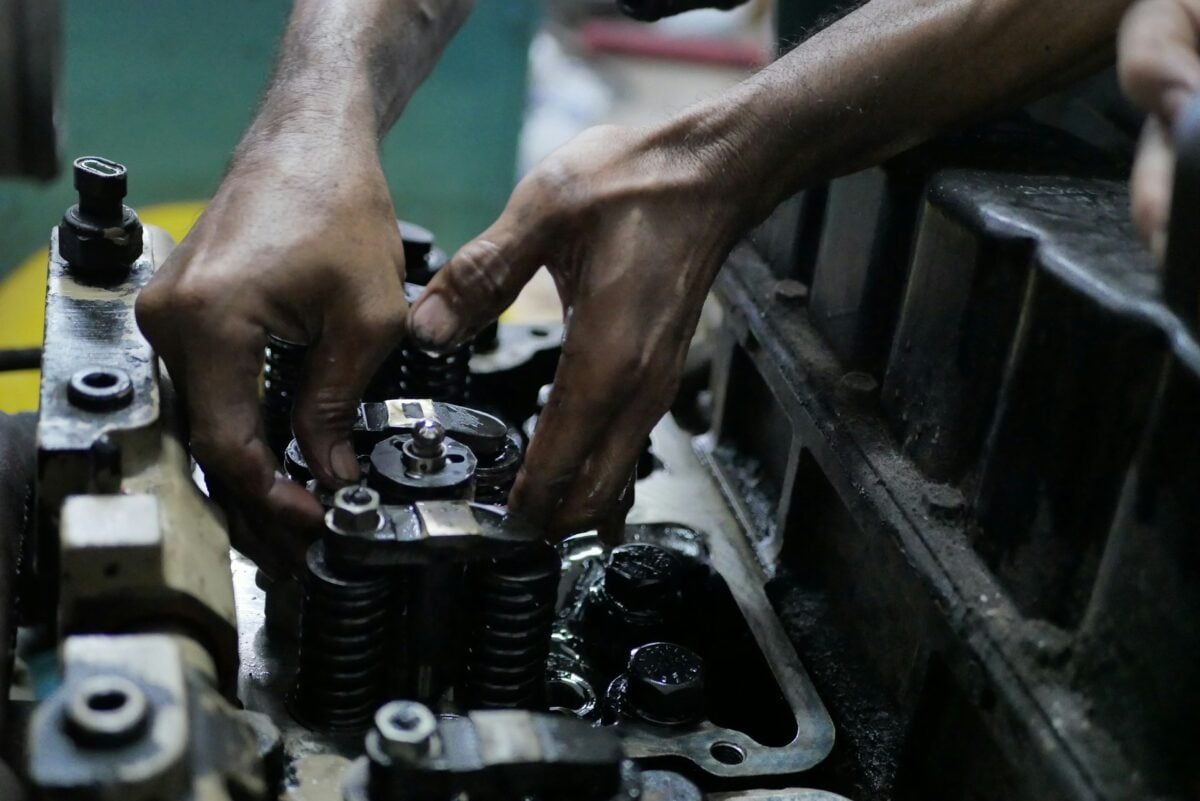
Engines run smoothly across all operating conditions because computers adjust ignition timing thousands of times per minute. Carbureted engines with mechanical timing required constant adjustment and tuning.
Perfect timing used to be the mark of a skilled mechanic. Now it’s handled by electronics that never sleep.
The New Baseline
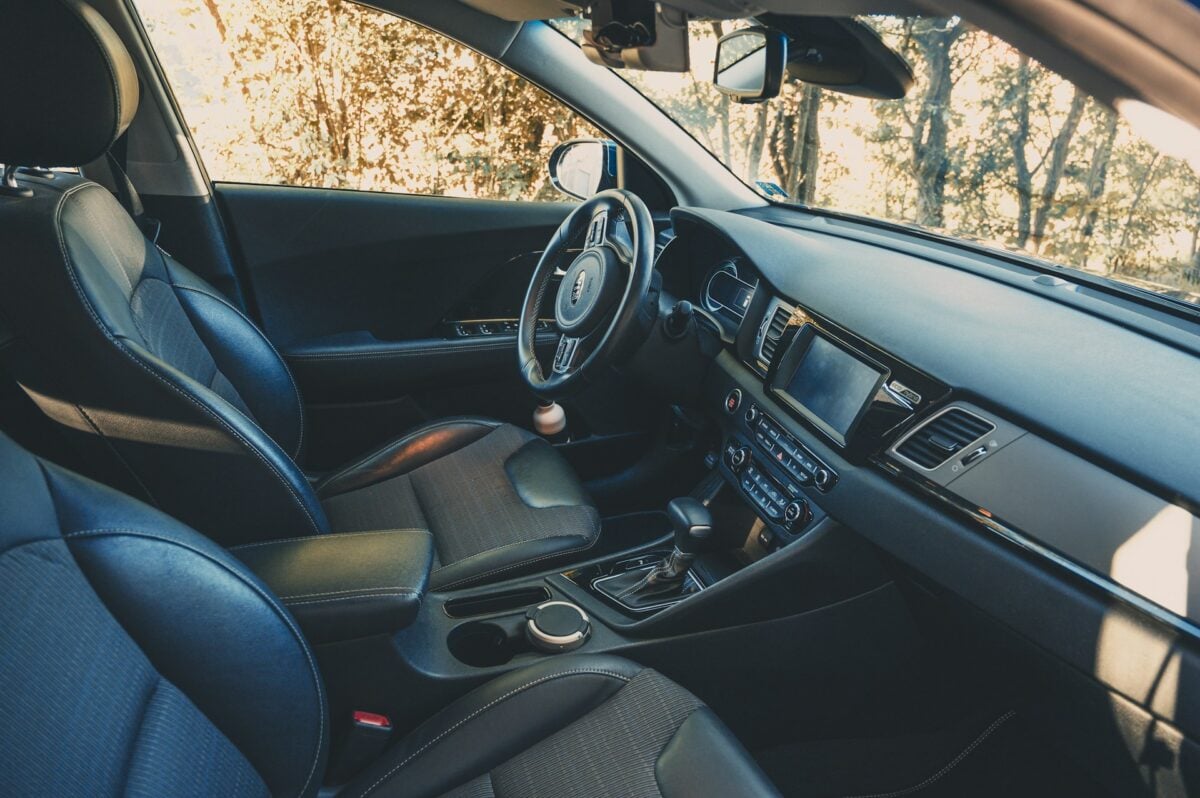
These features have become so fundamental that imagining driving without them feels like imagining life without running water or electricity. What seems remarkable is how quickly the extraordinary becomes ordinary, how innovations that once justified entire marketing campaigns now go completely unnoticed.
The modern car is a collection of solved problems that most drivers never knew existed, and perhaps that’s the highest compliment any technology can receive: to work so well that it becomes invisible.
More from Go2Tutors!

- The Romanov Crown Jewels and Their Tragic Fate
- 13 Historical Mysteries That Science Still Can’t Solve
- Famous Hoaxes That Fooled the World for Years
- 15 Child Stars with Tragic Adult Lives
- 16 Famous Jewelry Pieces in History
Like Go2Tutors’s content? Follow us on MSN.