Highest Scoring Sports Games Ever Recorded
Sports have a way of surprising everyone involved. Players, coaches, and fans show up expecting one thing and sometimes get something completely different — like a defensive battle that turns into an offensive explosion.
These games become legendary not just for the final scores, but for the moments when everyone realized they were watching something unprecedented unfold.
Georgia Tech vs. Cumberland (1916 College Football)
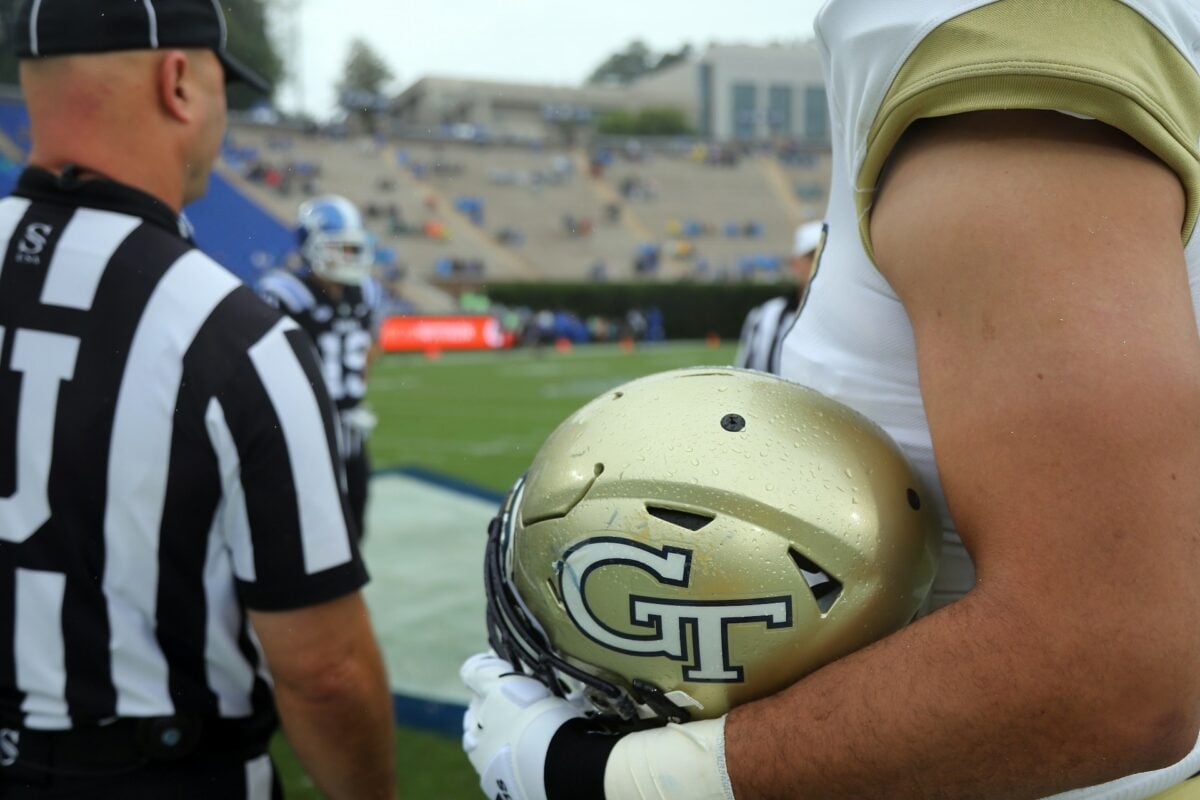
Georgia Tech demolished Cumberland 222-0 in what remains the most lopsided score in college football history. Cumberland barely had a team that day.
Their players were largely inexperienced, and Georgia Tech’s coach John Heisman (yes, that Heisman) showed no mercy whatsoever.
The game lasted the full duration despite the obvious mismatch. Georgia Tech scored on nearly every possession while Cumberland managed negative rushing yards.
Some say Heisman was settling a score over Cumberland’s baseball team beating Georgia Tech earlier that year using professional players.
Dayton Triangles vs. Columbus Panhandles (1916 NFL)
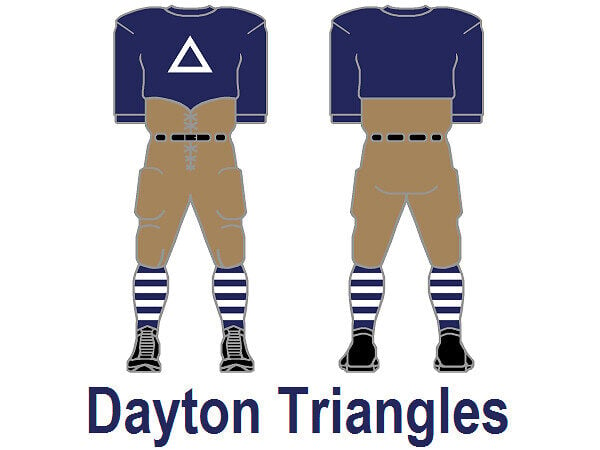
Professional football was a different animal in 1916, and the Dayton Triangles’ 56-0 victory over the Columbus Panhandles proved it (though some records suggest even higher scores were common but poorly documented in those early days). The Panhandles were a traveling team that often played with whoever showed up, which created situations where talent levels varied wildly from game to game — and this particular Sunday, they were thoroughly outmatched by a Dayton squad that had been building momentum all season.
The Triangles scored at will. And the weather was miserable, which somehow made the beatdown even more thorough.
But here’s what’s fascinating about this score: it wasn’t considered shocking at the time, because early professional football regularly produced these kinds of results when teams with vastly different resources and preparation met on the field.
Warriors vs. Knicks (1962 NBA)
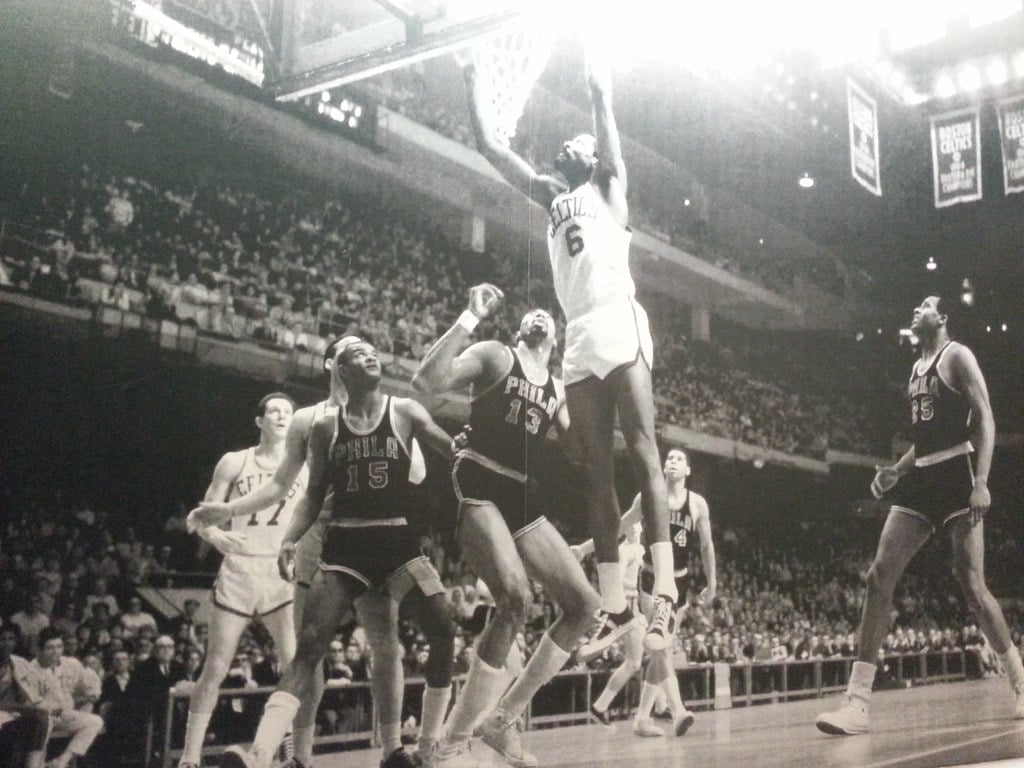
Wilt Chamberlain’s 100-point game sits inside the Warriors’ 169-147 victory over the New York Knicks. The entire game became a vehicle for Chamberlain’s historic individual performance, but the final score tells its own story about how basketball looked in 1962.
Both teams shot constantly. The pace was frantic, the defense optional.
Chamberlain’s teammates fed him relentlessly in the fourth quarter as everyone in the building realized history was within reach.
The Knicks, to their credit, kept playing hard despite being part of someone else’s legendary moment.
Chicago Cardinals vs. Rochester Jeffersons (1922 NFL)
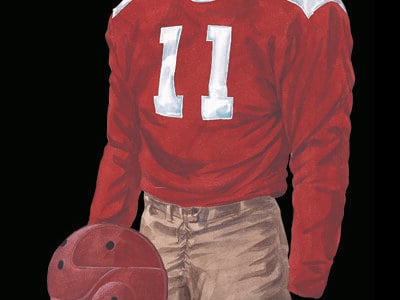
The Cardinals annihilated Rochester 60-0, though early NFL record-keeping makes some details fuzzy. What’s clear is that Rochester was overmatched from the opening snap.
The Jeffersons folded as a franchise shortly after this season, which tells you something about how competitive they were against established teams.
Early professional football was brutal this way. Teams would schedule games against clearly inferior opponents, and the results were predictably ugly.
The Cardinals took advantage of every opportunity Rochester gave them, which turned out to be most of them.
Australia vs. American Samoa (2001 FIFA World Cup Qualifier)

There’s something almost surreal about watching a soccer match where one team scores 31 goals without response, yet that’s exactly what Australia did to American Samoa in this World Cup qualifier — a sport where 2-1 is often considered a high-scoring affair suddenly produced a result that belonged more in basketball or American football. American Samoa’s team was largely composed of amateur players, some of whom were playing their first international match, while Australia arrived with professional players who understood immediately that this would be unlike any soccer match they’d ever experience.
The goals came in waves. Australia’s Archie Thompson scored 13 times, which remains a record for international soccer.
And American Samoa’s goalkeeper, who was actually a regular field player pressed into service, faced shot after shot with a kind of stoic determination that was both heartbreaking and admirable to watch.
But the strangest part wasn’t the score itself — it was how the match continued with full seriousness despite everyone knowing the outcome was settled before halftime. The referee kept meticulous track of every goal, Australian players celebrated each score as if it mattered, and American Samoa kept trying to mount attacks that never materialized.
Philadelphia Athletics vs. Cleveland Naps (1912 MLB)
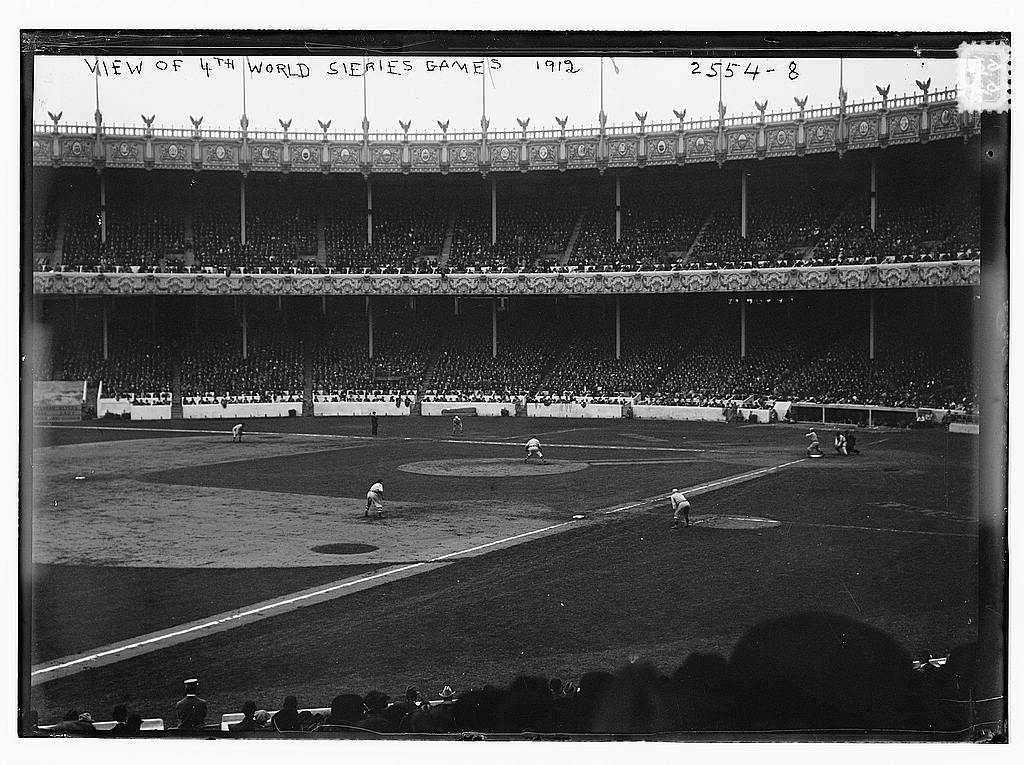
Baseball games rarely turn into complete routs, but the Athletics managed it with a 24-7 victory over Cleveland. Twenty-four runs in baseball represents a complete breakdown of pitching, fielding, and probably decision-making by the losing team.
The Athletics scored in nearly every inning. Cleveland used multiple pitchers who all got shelled.
By the late innings, both teams were essentially going through the motions of a game that had been decided hours earlier.
Chicago Bears vs. Washington Redskins (1940 NFL Championship)
ghest
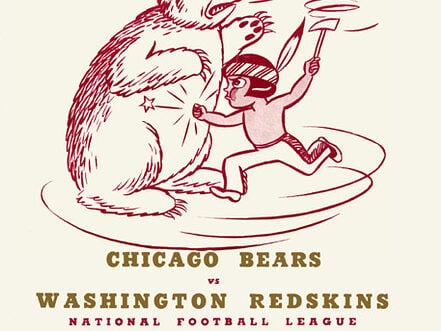
The Bears destroyed Washington 73-0 in the NFL Championship Game, which remains the most lopsided playoff victory in league history. This wasn’t some early-season mismatch between unequal teams — this was the championship game, and one team completely dominated from start to finish.
Chicago’s T-formation offense was revolutionary for its time. Washington had no answer for the Bears’ running attack or their aggressive defense.
The Bears scored touchdowns on offense, defense, and special teams while Washington managed almost nothing.
The game was so one-sided that the Bears had trouble finding footballs for extra points because they kept kicking them into the stands, and fans were keeping them as souvenirs. Chicago had to ask for some back just to finish the game properly.
Troy vs. DeVry (1992 NAIA Football)
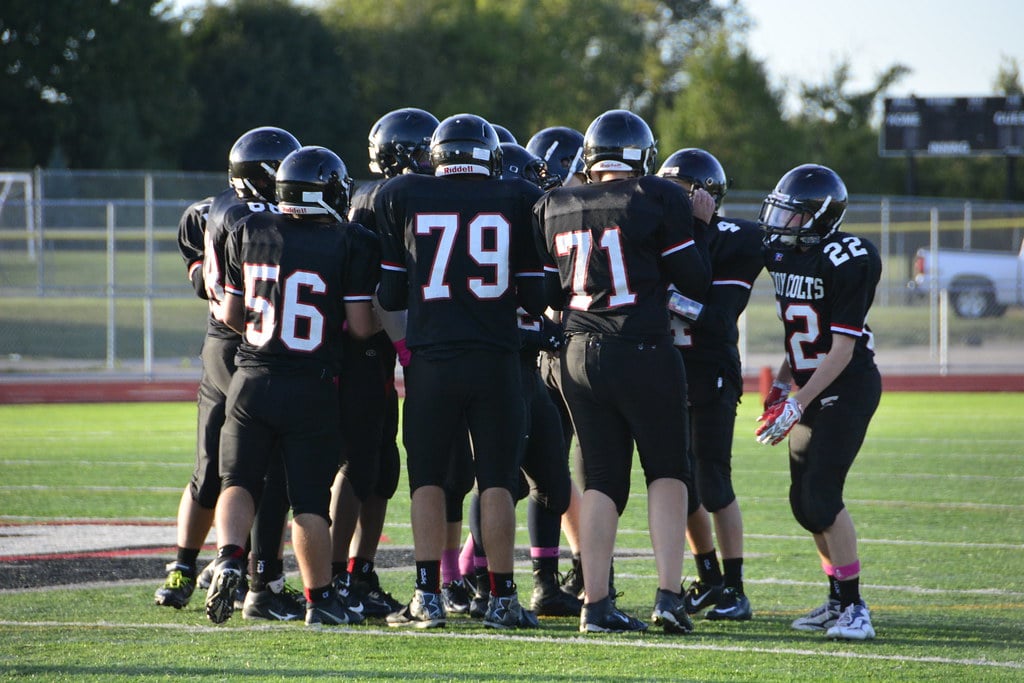
Troy demolished DeVry 79-7 in what became one of the most lopsided games in modern college football history. DeVry was transitioning between athletic programs and showed up vastly unprepared for what Troy brought that day.
The game was essentially over by halftime. Troy’s offense moved at will against DeVry’s defense, while DeVry’s offense managed almost nothing against Troy’s defensive scheme.
The final score reflected a complete mismatch in talent, preparation, and execution.
Australia vs. Tonga (2001 FIFA World Cup Qualifier)
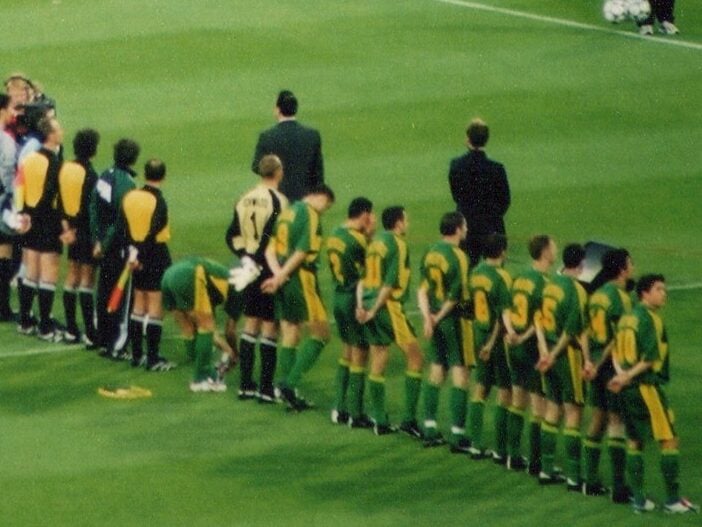
Australia’s 22-0 victory over Tonga came during the same World Cup qualifying campaign that produced their 31-0 win over American Samoa. The pattern was similar: a professional Australian squad against amateur opponents who were outclassed from the opening whistle.
Tonga managed to avoid the complete humiliation that American Samoa experienced, but only barely. Australia scored steadily throughout both halves while Tonga’s defense gradually wore down under relentless pressure.
Cumberland vs. Georgia Tech Women’s Basketball (1920s)

Women’s basketball in the 1920s operated under different rules than today’s game, but Cumberland’s reported 87-3 loss to Georgia Tech still represents an extraordinary mismatch. The exact details are difficult to verify given the era, but the score suggests one team was completely overmatched.
Early women’s basketball featured six players per side and a court divided into zones. Scores were typically lower than men’s games, which makes this particular result even more remarkable for its lopsidedness.
Portland Trail Blazers vs. Indiana Pacers (1984 NBA)

The Trail Blazers defeated Indiana 156-105 in one of the highest-scoring games of the 1980s. Both teams played at a frantic pace, but Portland’s offense was simply unstoppable that night while Indiana’s defense offered little resistance.
Clyde Drexler and Jim Paxson led Portland’s scoring attack. The Pacers kept trying to match Portland’s pace, which only led to more opportunities for the Trail Blazers to score.
The final margin reflected a complete breakdown in competitive balance.
UNLV vs. Long Beach State (1972 NCAA Basketball)

UNLV’s Running Rebels produced some of the highest-scoring games in college basketball history during their era of dominance under coach J. Tarkanian in the 1980s. One such game featured the kind of relentless fast-break offense that overwhelmed opponents and produced final scores in the 160-point range.
The system completely overwhelmed defensive schemes, with UNLV shooting extremely well while maintaining constant pressure. The final scores reflected what happens when one team’s system completely overwhelms another’s ability to respond.
Chicago vs. Philadelphia (1922 NBA)

Early professional basketball produced some wild scores, and Chicago’s victory over Philadelphia reportedly reached the 60s or 70s for the winning team. Record-keeping from this era makes exact verification difficult, but the games were known for their fast pace and high scores.
Teams played with different rules and fewer timeouts than modern basketball. Games often became track meets where the team with better conditioning would eventually pull away in the final minutes.
When Numbers Stop Mattering
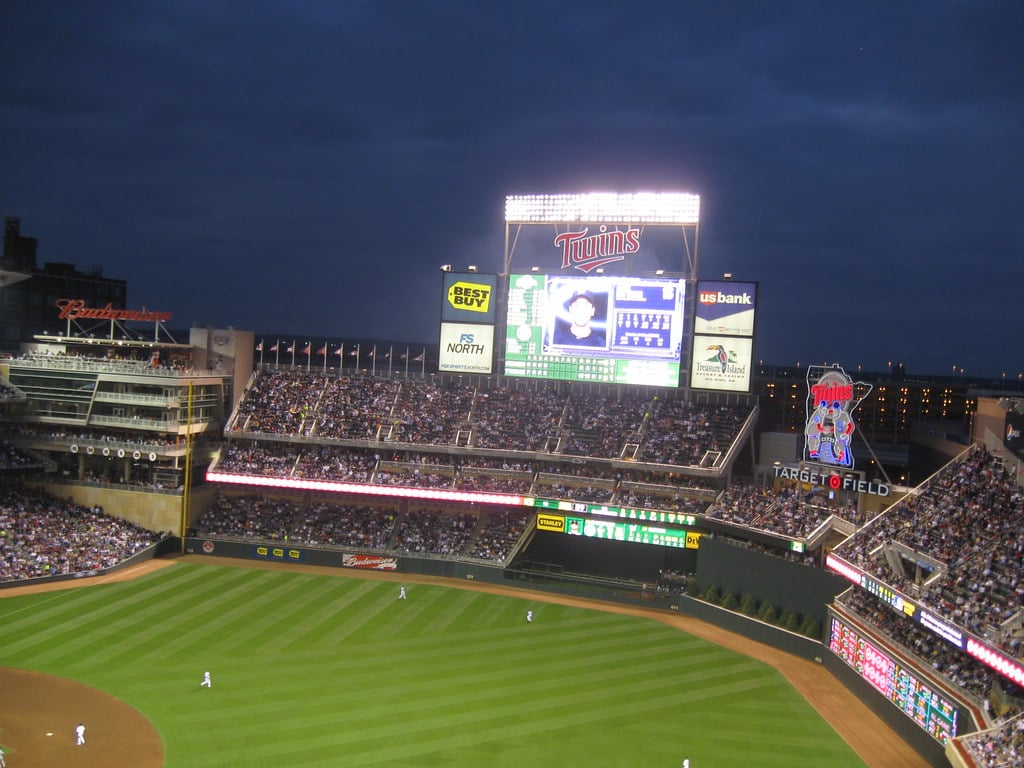
These games share something beyond their extraordinary final scores. They represent moments when sport temporarily abandoned its promise of competition and became something else entirely — exhibitions of dominance, mismatches so complete that they bordered on the surreal.
The players who participated in these games didn’t set out to make history through embarrassing their opponents, but they found themselves in situations where ordinary competitive instincts produced extraordinary results. Years later, these scores stand as reminders that sometimes the most memorable games are the ones where everything that could go wrong for one side actually did.
More from Go2Tutors!

- The Romanov Crown Jewels and Their Tragic Fate
- 13 Historical Mysteries That Science Still Can’t Solve
- Famous Hoaxes That Fooled the World for Years
- 15 Child Stars with Tragic Adult Lives
- 16 Famous Jewelry Pieces in History
Like Go2Tutors’s content? Follow us on MSN.



