Theme Park Features Most Visitors Overlook
Most people visit theme parks with tunnel vision. They sprint toward the headliner attractions, clutch their phones for Lightning Lane reservations, and leave exhausted without experiencing half of what they paid to access.
The obvious draws get all the attention while quieter features sit ignored, offering experiences that are often more memorable than the rides themselves. These overlooked elements aren’t accidents or afterthoughts — they’re carefully designed spaces and experiences that reveal the true artistry of theme park design.
Some hide in plain sight. Others require you to slow down long enough to notice them.
Interactive queue elements
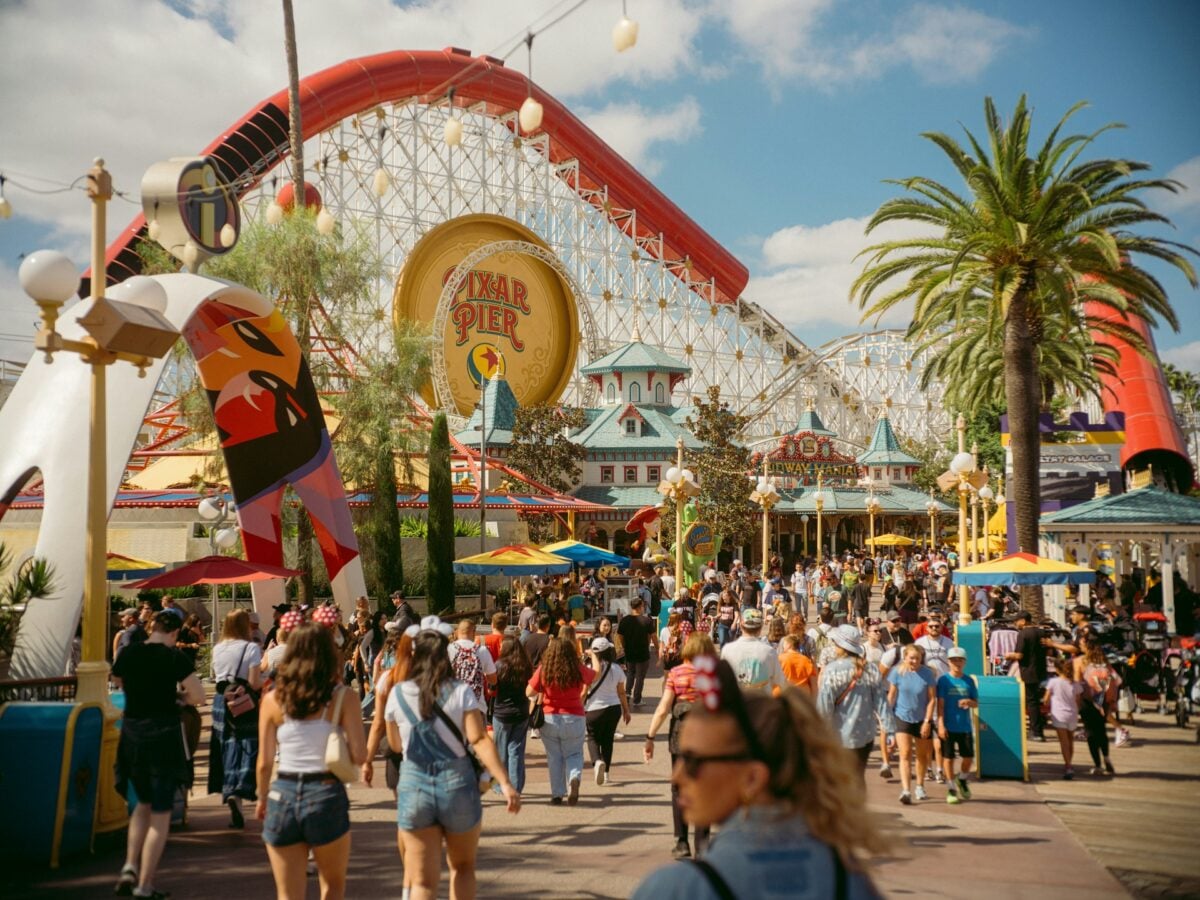
Park designers spend millions crafting elaborate queue areas that most visitors treat like cattle chutes. These spaces contain games, puzzles, and immersive details that can turn a 90-minute wait into entertainment.
Universal’s Harry Potter rides feature wand-interactive elements throughout their queues. Disney’s Indiana Jones Adventure queue includes a rope bridge, ancient puzzles, and hidden chambers.
But people stand there scrolling their phones instead. The queue for Guardians of the Galaxy at EPCOT transforms you into a Xandarian recruit with multiple pre-show experiences.
Yet visitors often rush past interactive exhibits that took years to develop.
Character dining experiences
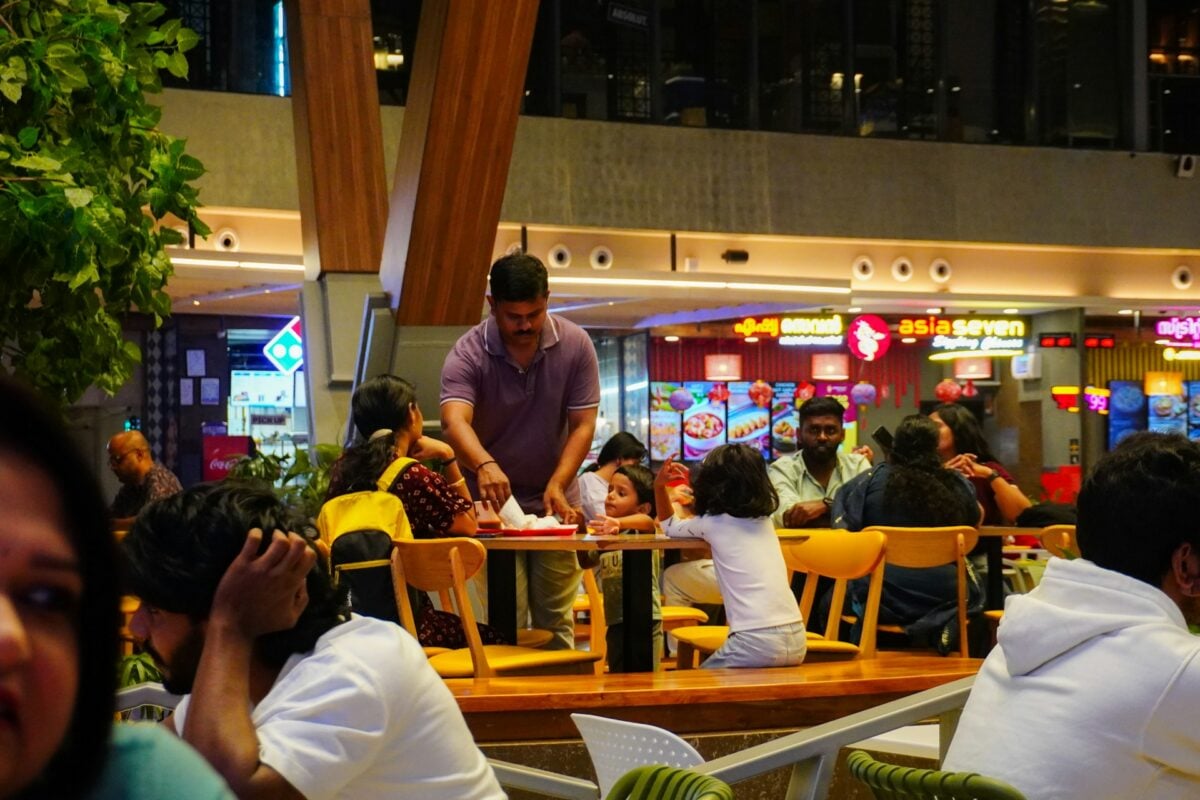
Character meals get dismissed as overpriced kid stuff, which misses their actual appeal entirely (and overlooks the fact that plenty of adults find genuine joy in meeting costumed characters, though they rarely admit it out loud). These restaurants offer the longest character interaction time available anywhere in the parks, often in air-conditioned comfort while you’re eating food you’d pay similar prices for elsewhere on property.
So when a six-foot-tall chipmunk sits at your table for five minutes making jokes and posing for photos, that’s not an interruption of your meal — that’s the entire point. And yet most families book these reservations without understanding they’ve purchased entertainment, not just food, then act surprised when Goofy shows up wanting to chat.
But here’s what makes it work: characters at these meals aren’t rushed. They’ll sign autographs, pose for multiple photos, and interact with every family member.
Try getting that kind of access during a regular park meet-and-greet where you get thirty seconds and a handler rushing you along.
Transportation systems as attractions
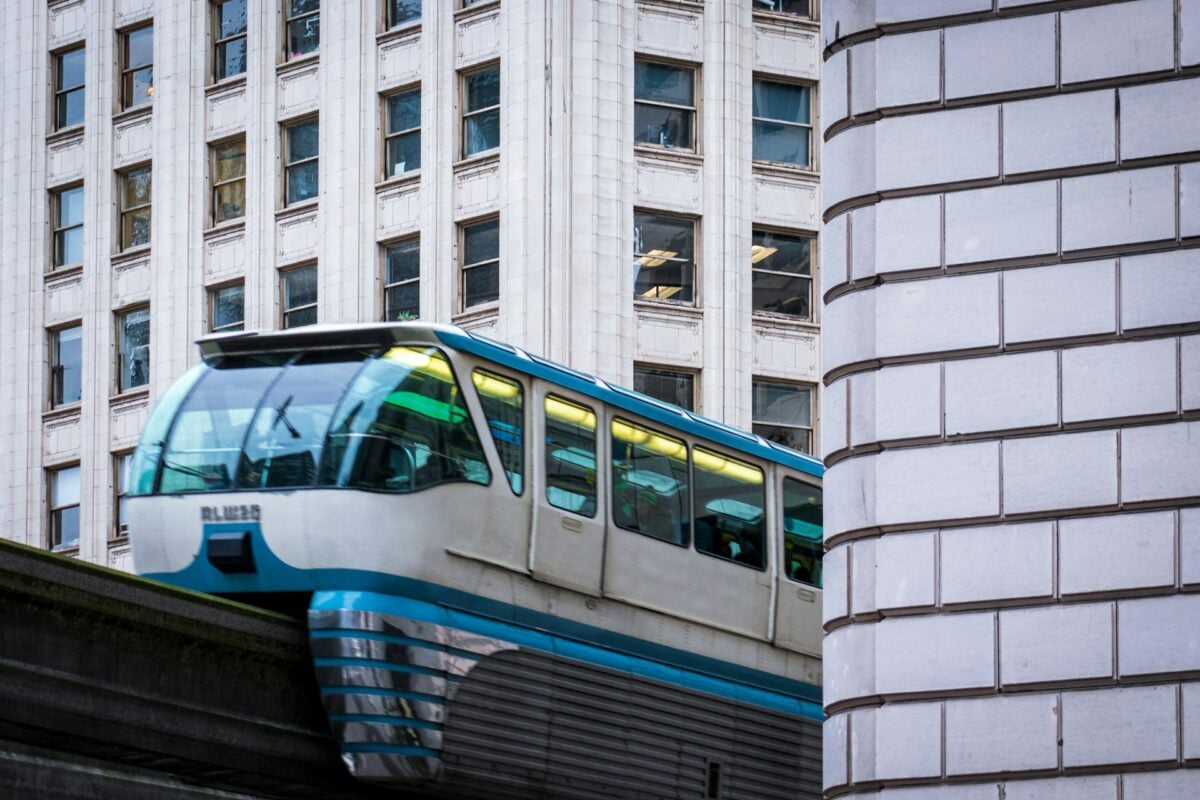
Theme park transportation often outshines the destinations. The monorail at Walt Disney World provides aerial views of resort hotels and glimpses behind attraction facades that ground-level visitors never see.
Hogwarts Express at Universal Studios isn’t just transport between parks. Different magical events occur during each direction of travel.
Most riders experience it once and check it off their list. Disney’s boats, buses, and resort transportation connect themed environments in ways that extend the storytelling beyond park gates.
The ferry to Magic Kingdom builds anticipation better than any entrance plaza ever could.
Hidden architectural details
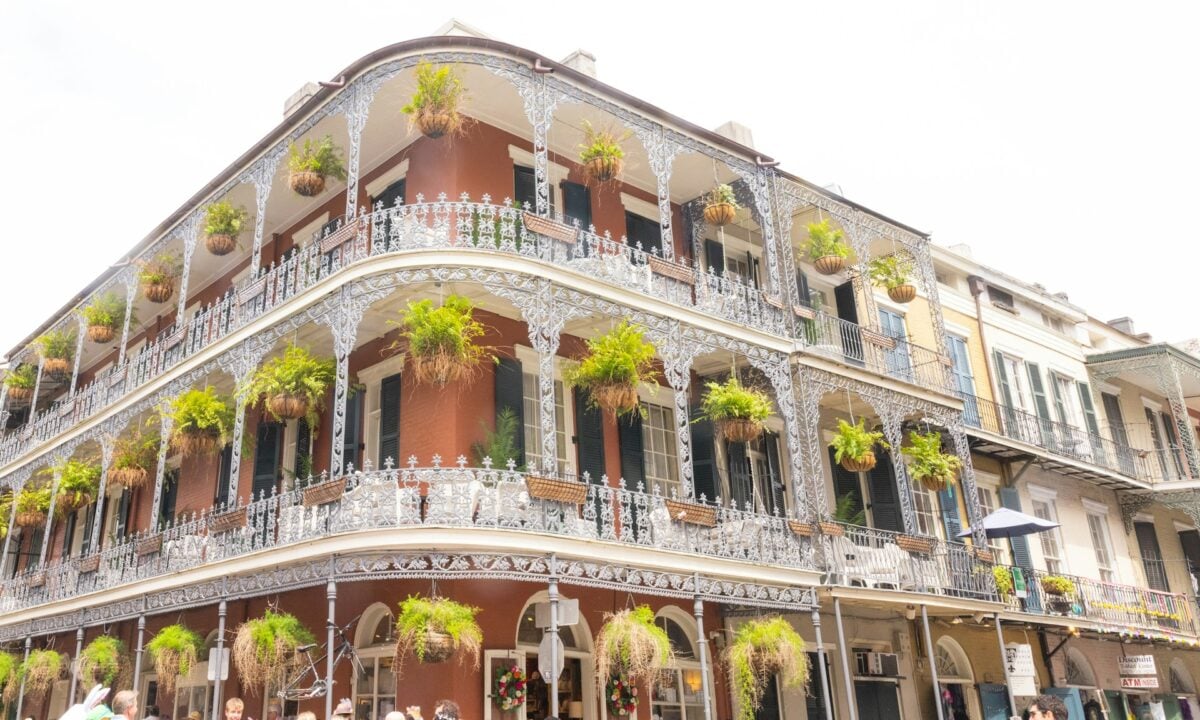
Every surface in a well-designed theme park tells a story, though most visitors never look up long enough to read it. Disney’s Imagineers embed layers of detail that reward careful observation — weathering effects that suggest decades of fictional history, architectural elements that establish time periods and locations, sight lines carefully controlled to maintain illusion even from unusual angles.
Walk through New Orleans Square at Disneyland and notice how the buildings age as you move deeper into the land (the ones closer to Main Street appear more recently constructed, while those near Pirates of the Caribbean show deliberate decay and patina). So much work went into creating that progression. Almost nobody notices.
And then there are the practical details disguised as themed elements: the ornate lamp posts that hide security cameras, the decorative panels that conceal maintenance access points, the carefully planned “random” wear patterns on walkways that guide foot traffic without guests realizing it. But people rush past it all.
Seasonal entertainment variations
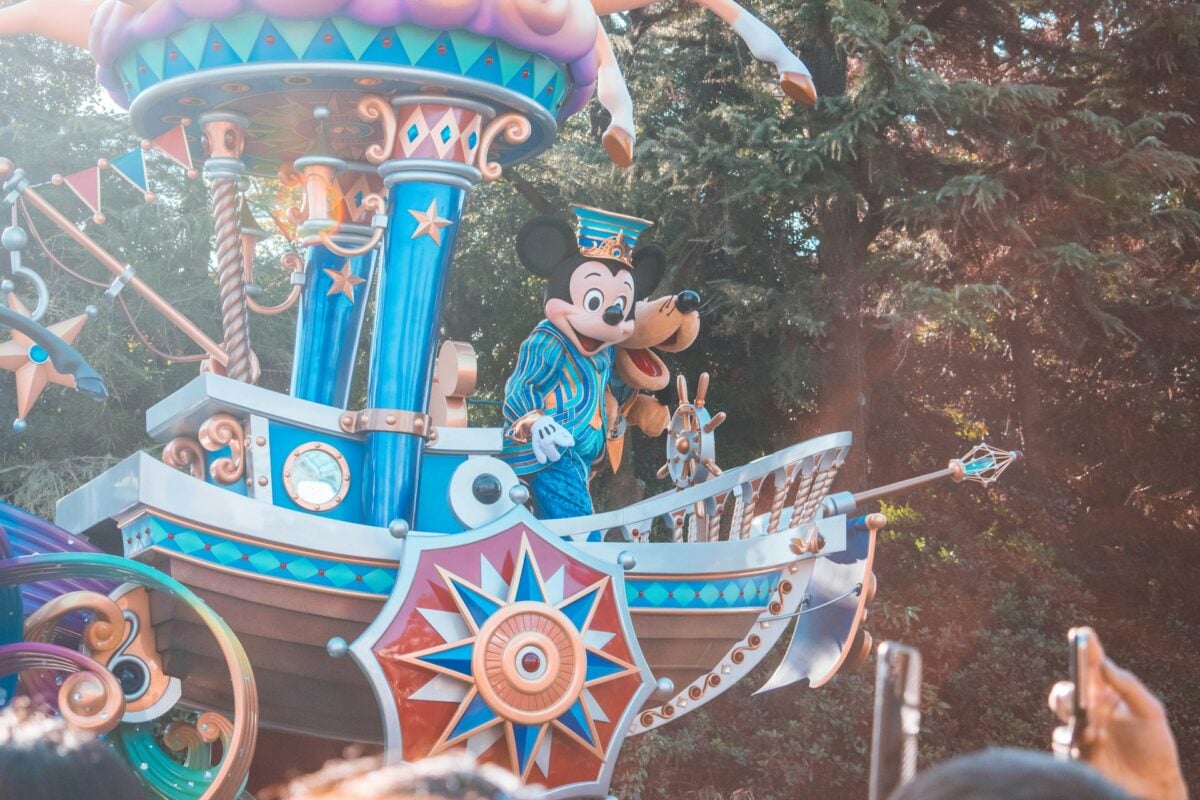
Parks program different shows, character appearances, and entertainment offerings throughout the year, yet most visitors assume they’ve seen everything a park offers after one visit. Halloween and Christmas overlays get attention, but subtler seasonal programming goes unnoticed.
Spring brings different character meet-and-greets. Summer extends operating hours and adds exclusive nighttime shows. Fall introduces unique food offerings and atmospheric entertainment.
Even daily programming varies. The same parade route might feature different characters depending on the day of the week or time of year.
Street performers rotate. Musical acts change seasonally.
Resort hotel amenities beyond lodging
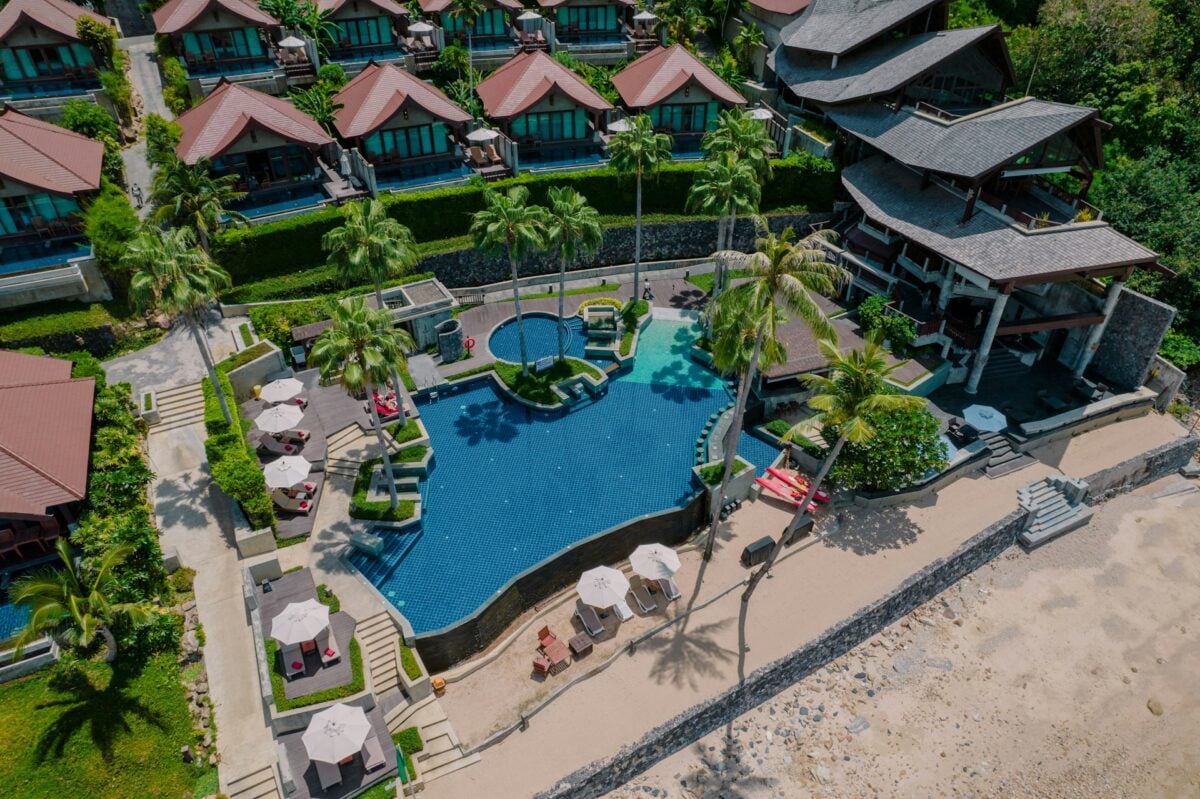
Theme park resort hotels function as extensions of the park experience, but most guests treat them purely as places to sleep. These properties contain restaurants, entertainment, recreational activities, and themed experiences that operate independently of park admission.
Disney’s Polynesian Resort features a beach with views of Magic Kingdom fireworks. Universal’s resort hotels provide early park access and priority dining reservations.
Many offer pools, arcades, and activities that could fill entire days.
Some resort amenities exceed anything available inside the actual parks. The lazy river at Disney’s Stormalong Bay spans multiple resort pools.
Universal’s CityWalk provides nighttime entertainment after parks close.
Behind-the-scenes educational programs
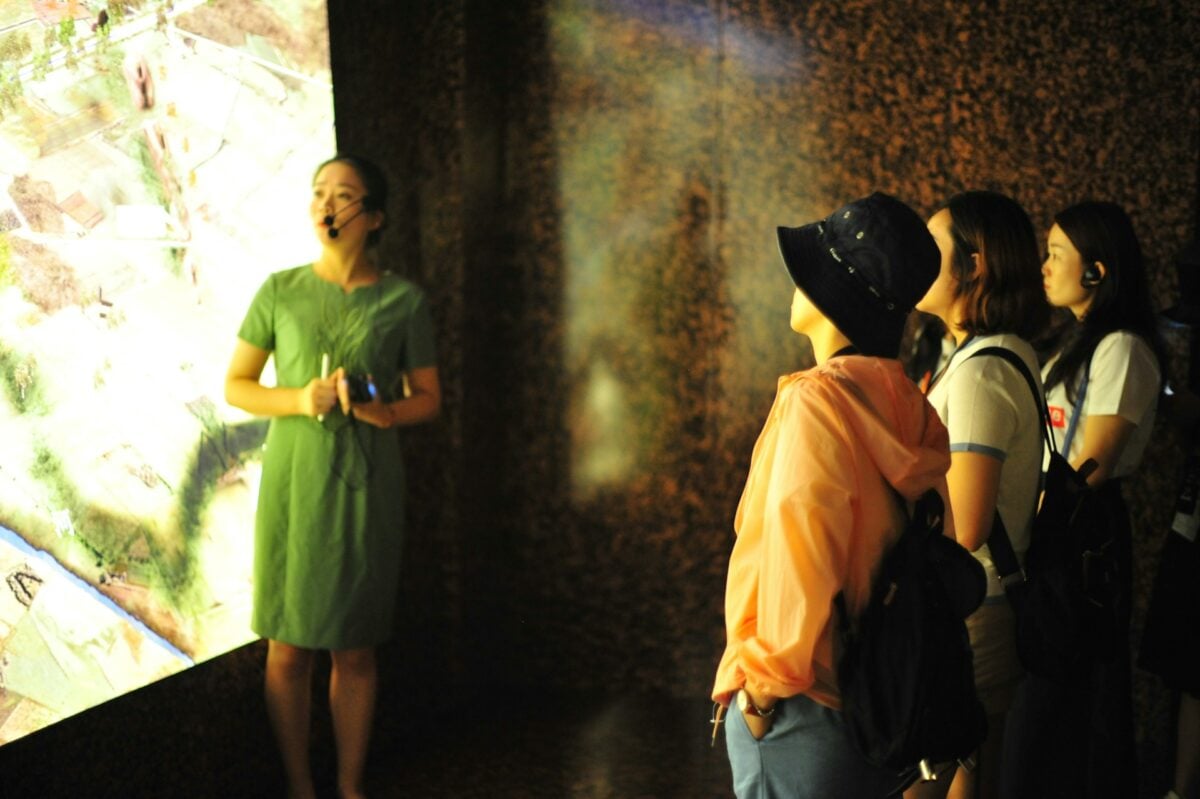
Most parks offer tours, classes, and educational experiences that reveal how the magic works. These programs provide access to restricted areas, design insights, and operational details that transform how visitors understand theme park experiences.
Disney’s Keys to the Kingdom tour takes guests into utilidor tunnels beneath Magic Kingdom. Universal offers technical tours explaining special effects and ride mechanics.
Many parks provide botanical tours, culinary classes, and design workshops. These experiences cost extra and require advance booking, which keeps them empty while people spend equivalent money on merchandise they’ll forget about.
Atmospheric audio and environmental storytelling
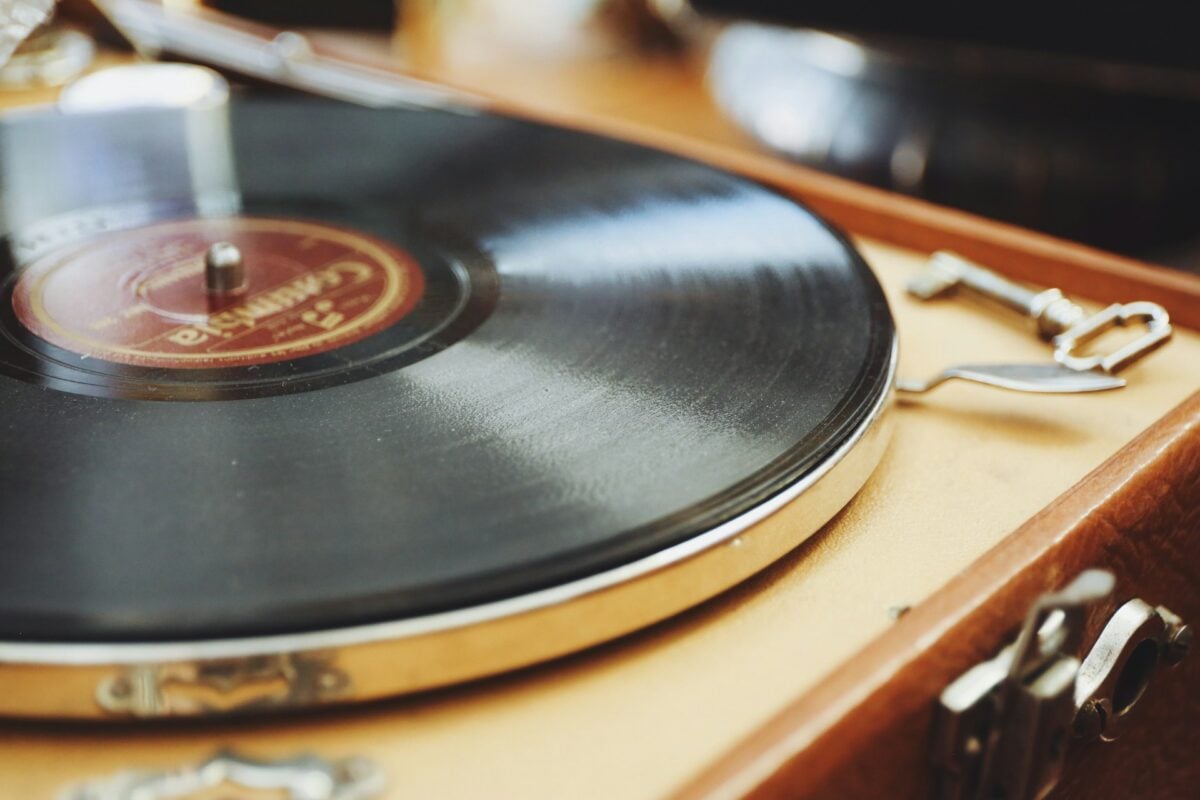
Sound design shapes theme park experiences more than any other single element, yet it operates almost entirely below conscious awareness. Each themed land broadcasts carefully curated audio loops that establish mood, suggest location, and provide subconscious cues about where you are and how you should feel about it.
Main Street USA plays period-appropriate ragtime and early jazz that grows more sophisticated as you move toward the hub (suggesting progression from small town to metropolitan sophistication). Frontierland’s ambient audio includes distant train whistles, saloon piano, and environmental sounds that place you in the American frontier without you realizing it’s happening.
But step from one land to another and notice how the audio transition occurs — not abruptly, but through carefully planned buffer zones where one soundtrack fades while another emerges. This kind of environmental storytelling requires massive technical infrastructure and artistic planning. Hardly anyone notices it consciously, which means it’s working perfectly.
Specialty food locations and seasonal menus

Theme park food gets dismissed as overpriced junk, which overlooks the reality that many parks now feature genuinely excellent dining that rivals standalone restaurants. These establishments often hide in unexpected locations or rotate menus seasonally in ways that casual visitors miss entirely.
EPCOT’s World Showcase contains actual international cuisine prepared by chefs from represented countries. Universal’s Leaky Cauldron serves British pub food that’s legitimately good, not just themed. Disney California Adventure’s wine bars offer tastings that would cost twice as much in Napa Valley.
But seasonal and limited-time offerings provide the real discoveries. Many parks rotate specialty items, unique flavors, and chef collaborations that disappear before most visitors know they existed. Food festivals, holiday menus, and anniversary celebrations bring temporary options that exceed regular park dining.
Quiet spaces and contemplative areas
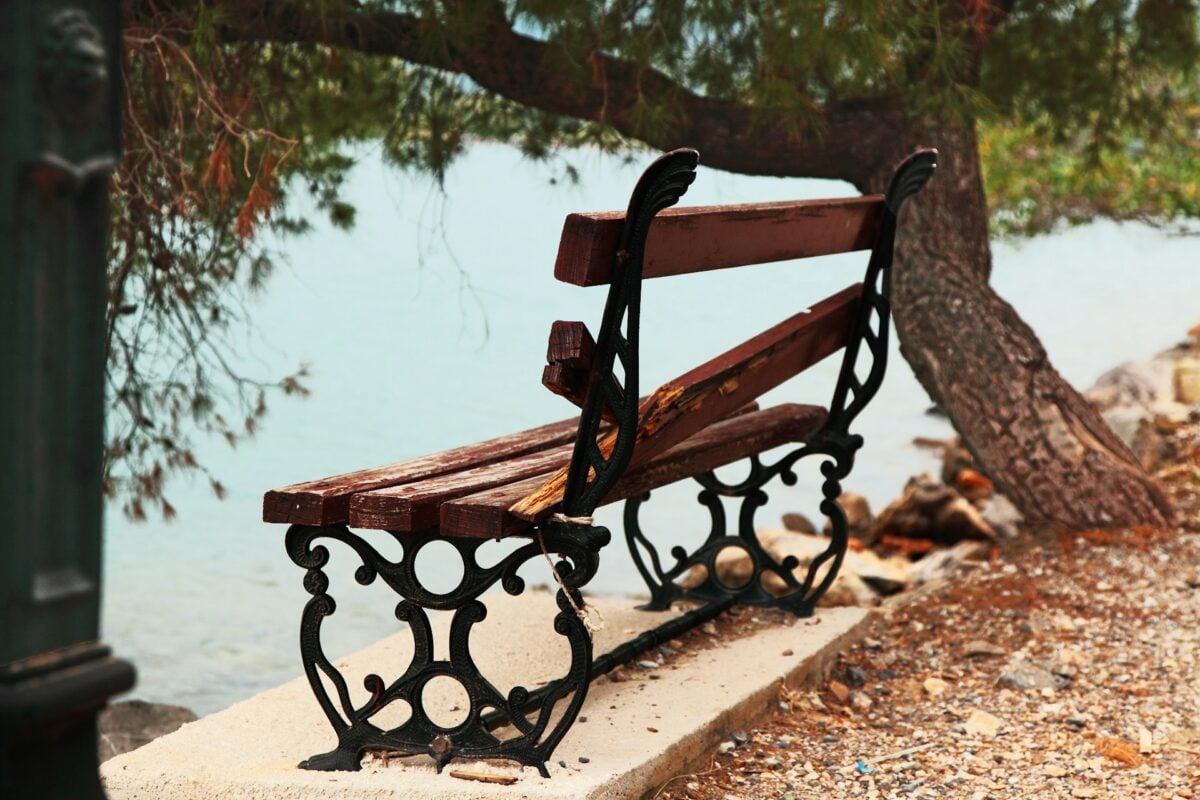
Theme parks design spaces for rest and reflection, but these areas get overlooked by visitors who equate constant stimulation with value. Every major park includes gardens, sitting areas, and contemplative spaces that provide respite from crowds and noise.
Disneyland’s Rivers of America offers steamboat rides through wilderness areas. Universal’s parks feature quiet courtyards and garden spaces between high-energy attractions. Even the most intense parks provide places to decompress.
These spaces aren’t empty or boring. They’re designed with the same attention as major attractions, just with different goals. Sometimes the most memorable park moments happen while sitting quietly watching ducks swim past artificial rocks that cost more than most people’s cars.
Weather-dependent programming and seasonal shows
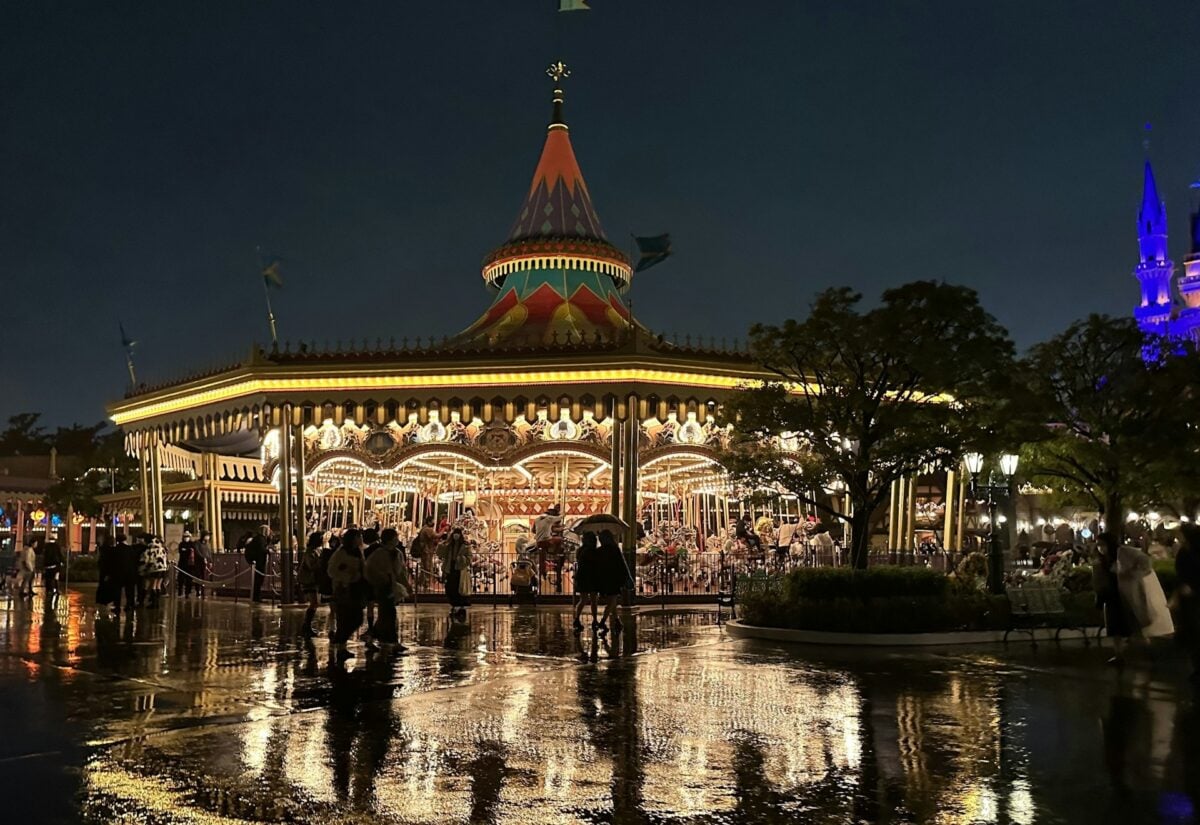
Parks adapt programming based on weather conditions and seasonal factors in ways most visitors never anticipate. Rain doesn’t shut everything down — it activates different experiences designed specifically for those conditions.
Some attractions operate differently in various weather. Outdoor shows have indoor alternatives. Character appearances shift to covered areas. Special rainy-day programming appears that sunny-weather visitors never see.
Winter brings unique opportunities at parks in colder climates. Summer heat activates cooling stations, misting systems, and indoor entertainment options. Each season reveals different aspects of the same park.
Photo opportunities and Instagram-worthy locations
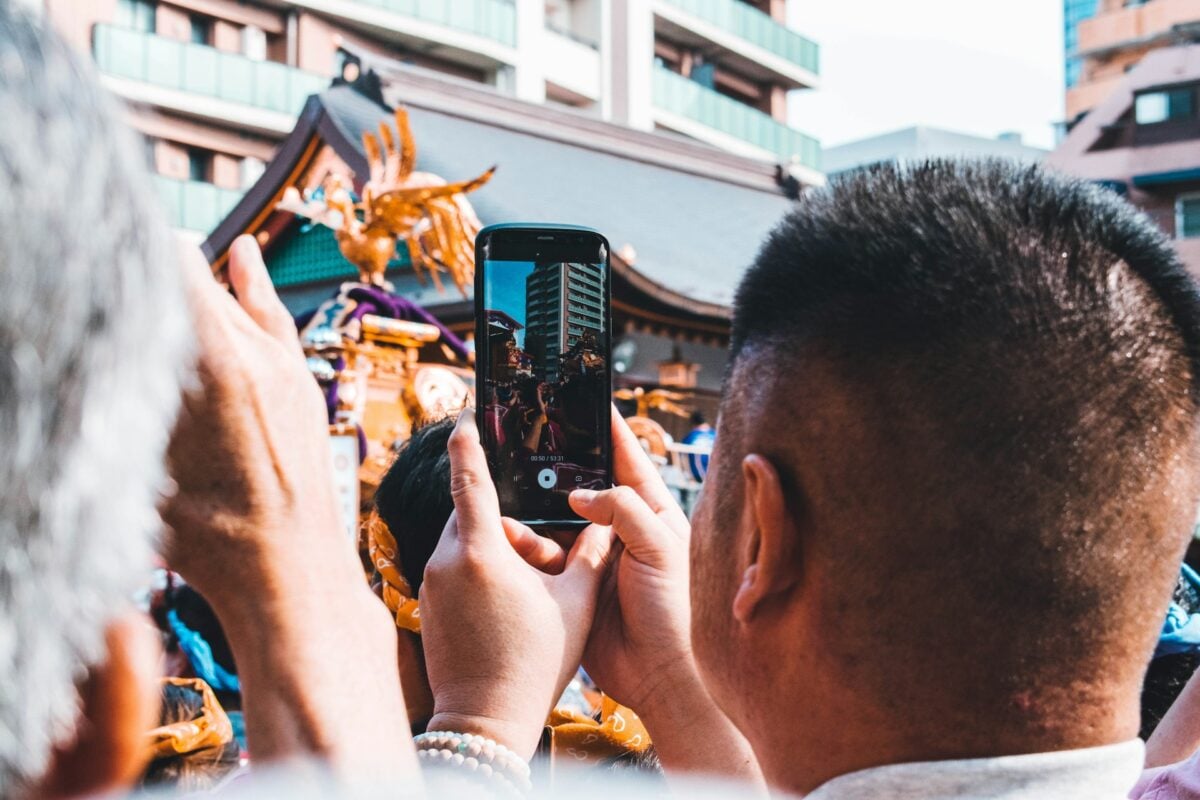
Social media has transformed how people document park visits, but the best photo locations aren’t always the obvious ones. Parks now design specific spaces with photography in mind, including lighting, backgrounds, and staging areas optimized for memorable shots.
These locations change throughout the day as lighting shifts. Golden hour reveals different photo opportunities than midday sun. Evening illumination transforms spaces that look ordinary during daylight hours.
Many parks provide PhotoPass services that access restricted photography locations and angles unavailable to regular guests. Professional photographers know optimal timing, positioning, and technical settings for each location.
Merchandise locations with exclusive items
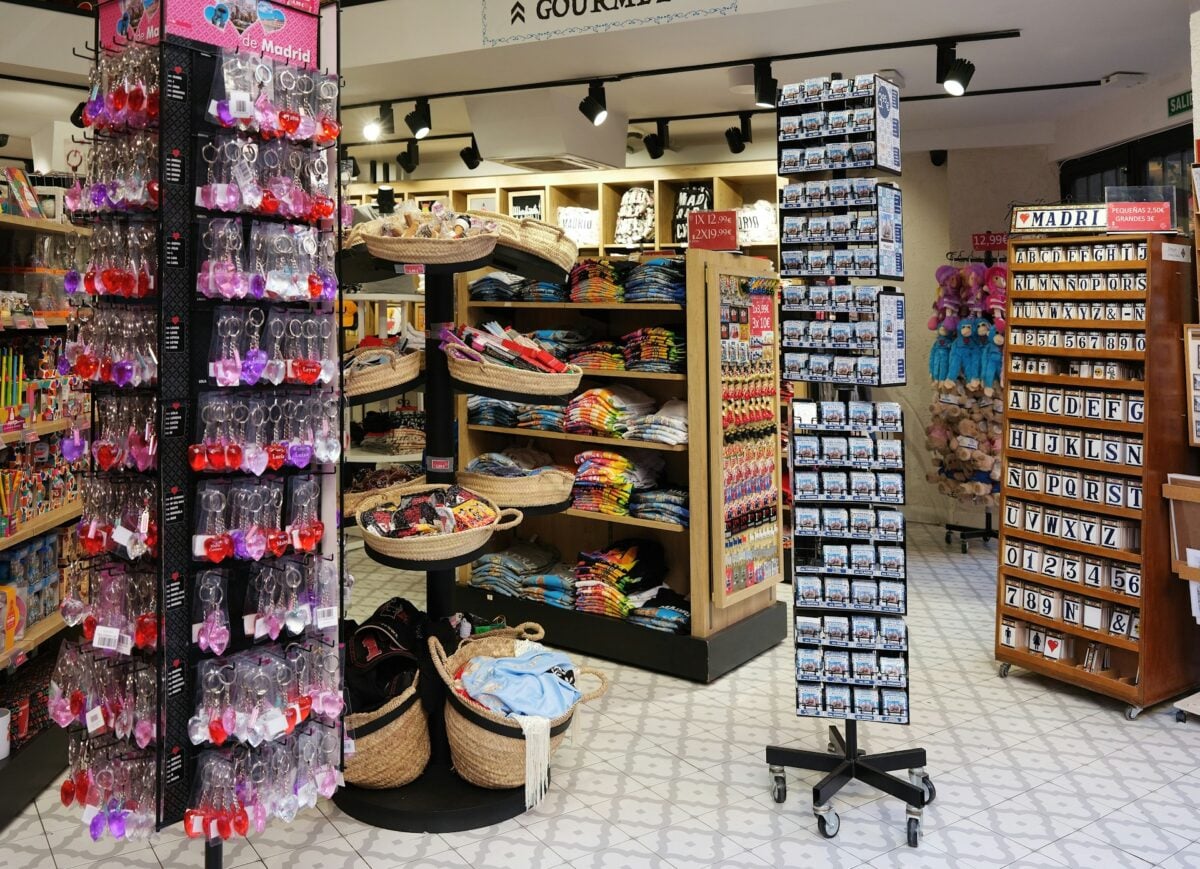
Park shopping extends far beyond generic souvenir stands, though most visitors treat all retail locations identically. Specialty shops throughout each park carry unique items, limited editions, and location-specific merchandise unavailable elsewhere.
Some stores theme their inventory to surrounding attractions or lands. Others feature artisans creating custom items on-site. Many rotate stock seasonally or carry limited quantities of premium items.
The most interesting merchandise often appears in unexpected locations. Small kiosks and corner shops sometimes stock unique items that major retail locations don’t carry. Limited-time events bring exclusive merchandise that disappears permanently once events end.
Magic happens when you slow down
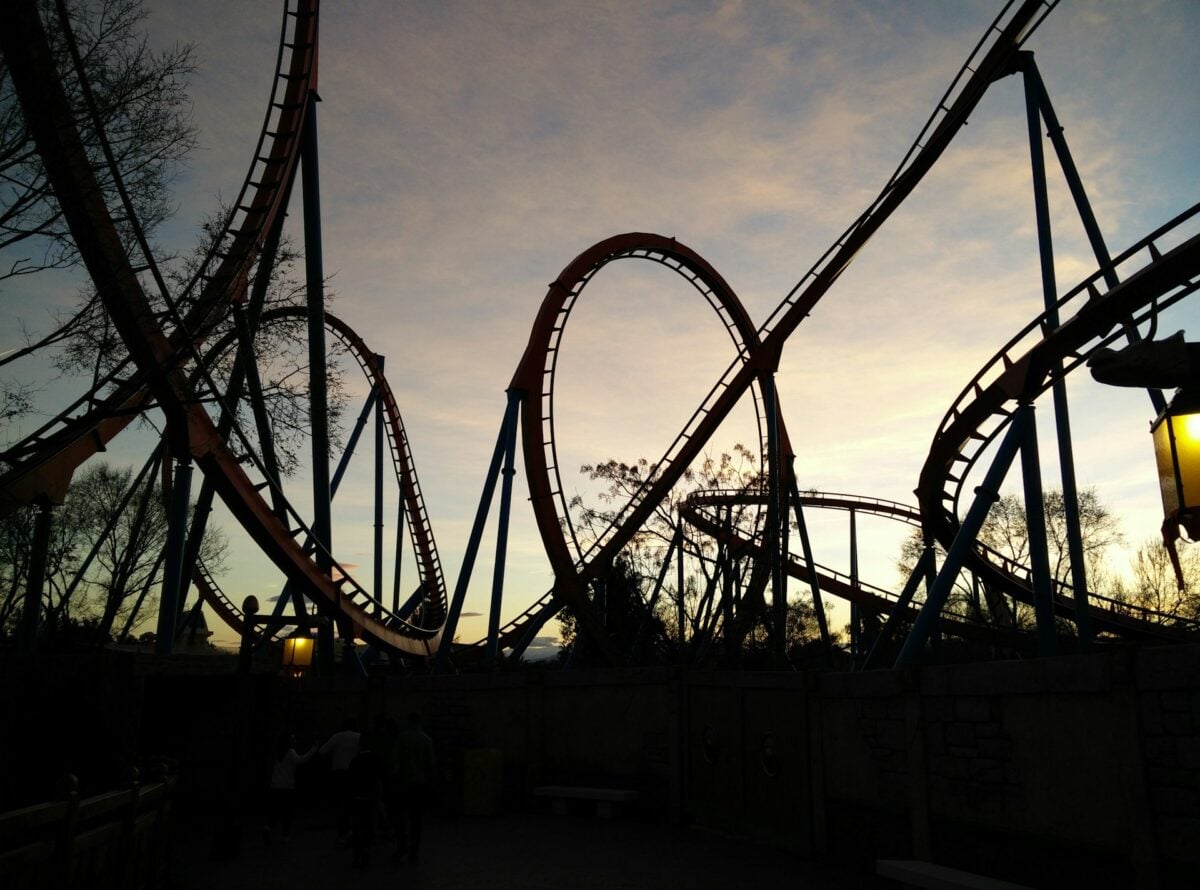
The best theme park experiences require a different approach than most visitors bring. Instead of treating parks like achievement challenges where success means experiencing everything quickly, the overlooked features reward patience, curiosity, and willingness to explore without specific goals.
These elements weren’t designed to be efficient or obvious. They exist to surprise people who take time to notice them. And that’s precisely why they’re worth seeking out.
More from Go2Tutors!

- The Romanov Crown Jewels and Their Tragic Fate
- 13 Historical Mysteries That Science Still Can’t Solve
- Famous Hoaxes That Fooled the World for Years
- 15 Child Stars with Tragic Adult Lives
- 16 Famous Jewelry Pieces in History
Like Go2Tutors’s content? Follow us on MSN.