Iconic Snacks that Were Invented by Total Accident
Some of the most beloved snacks in history were never supposed to exist. A chef’s moment of frustration, a factory worker’s mistake, a scientist’s failed experiment — these unplanned moments gave us treats that became household staples.
The best accidents in food history weren’t just happy coincidences; they were moments when someone recognized something special had just happened and decided to run with it.
Potato Chips
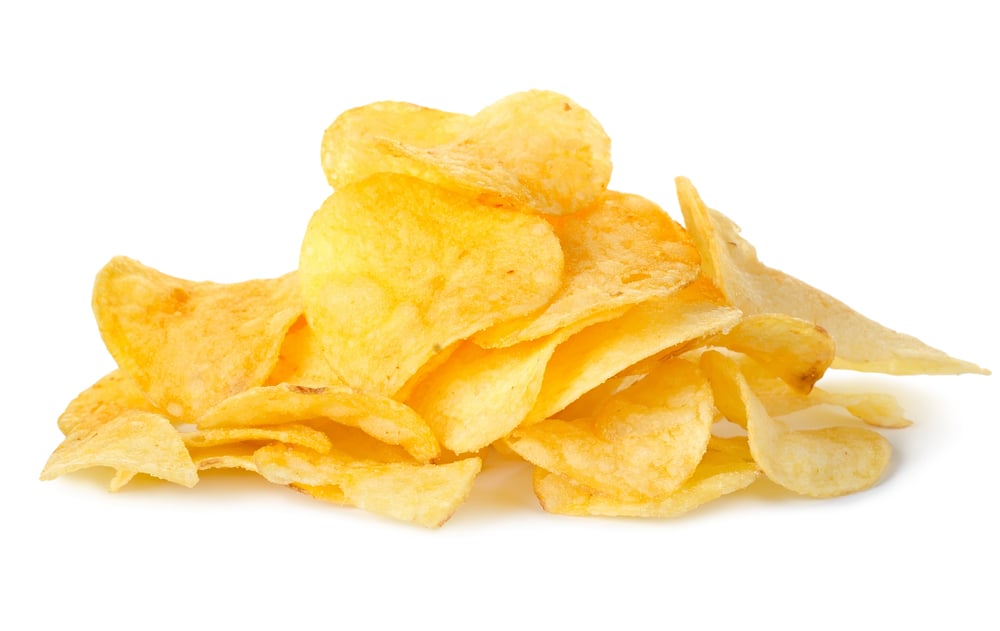
A demanding customer and a stubborn chef created the world’s most popular snack. George Crum got tired of complaints about his thick-cut potatoes.
So he sliced them paper-thin, fried them to a crisp, and loaded them with salt.
The customer loved them. Everyone else did too.
Chocolate Chip Cookies
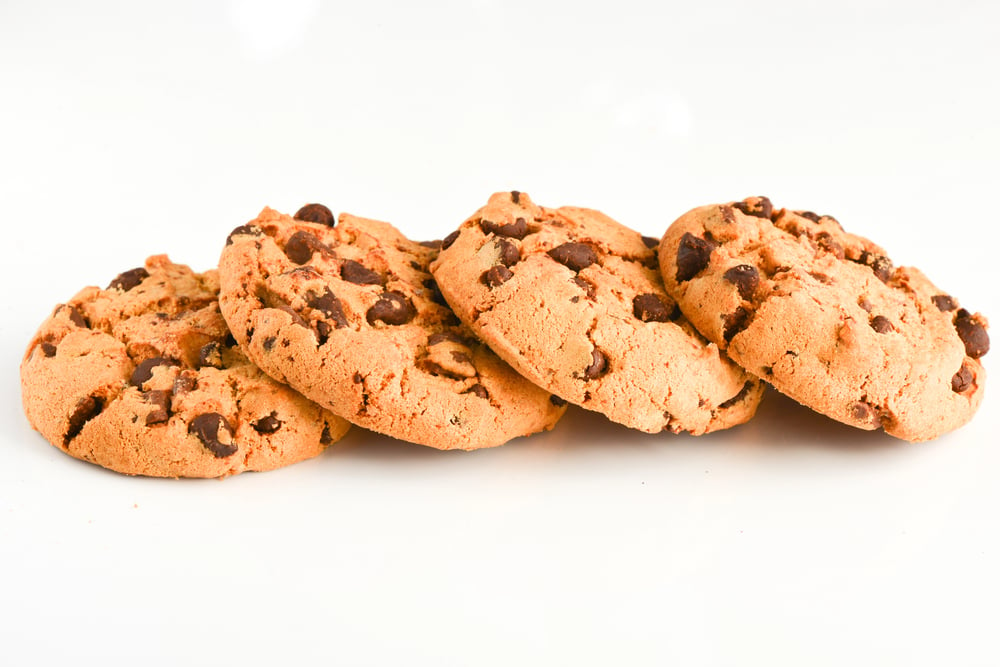
Ruth Wakefield ran the Toll House Inn and needed chocolate cookies for her guests — but when she broke up a bar of semi-sweet chocolate and mixed it into her dough (expecting it to melt evenly and create chocolate cookies), the pieces held their shape instead. And yet this stubborn refusal of chocolate to behave as expected became something far better than what she’d originally planned: a cookie that was vanilla and chocolate at once, where each bite delivered both the familiar comfort of sugar dough and these small, concentrated bursts of cocoa that seemed to arrive just when your mouth was ready for them.
The texture told the real story, though. Where a chocolate cookie would have been uniformly soft, these accidents had geography — soft valleys interrupted by firm hills of chocolate that required just slightly more effort to bite through, which meant each cookie took longer to eat, which meant the pleasure lasted longer.
But here’s the thing about accidents that work: they don’t feel accidental when you’re experiencing them. They feel inevitable, like this was always how cookies were supposed to be.
Corn Flakes

The Kellogg brothers were Seventh-day Adventists trying to create healthy, bland food for their patients. They had a strict philosophy about diet and digestion that left no room for pleasure or indulgence.
Wheat was meant to be nutritious, not enjoyable.
But when they left a batch of cooked wheat sitting out too long, it went stale. Rather than throw it away, they rolled it anyway and discovered something unexpected: it flaked instead of forming a sheet.
These flakes, when toasted, had a crunch that plain wheat never achieved.
Turns out people preferred their healthy food to have some texture. Who would have guessed.
Ice Cream Cones
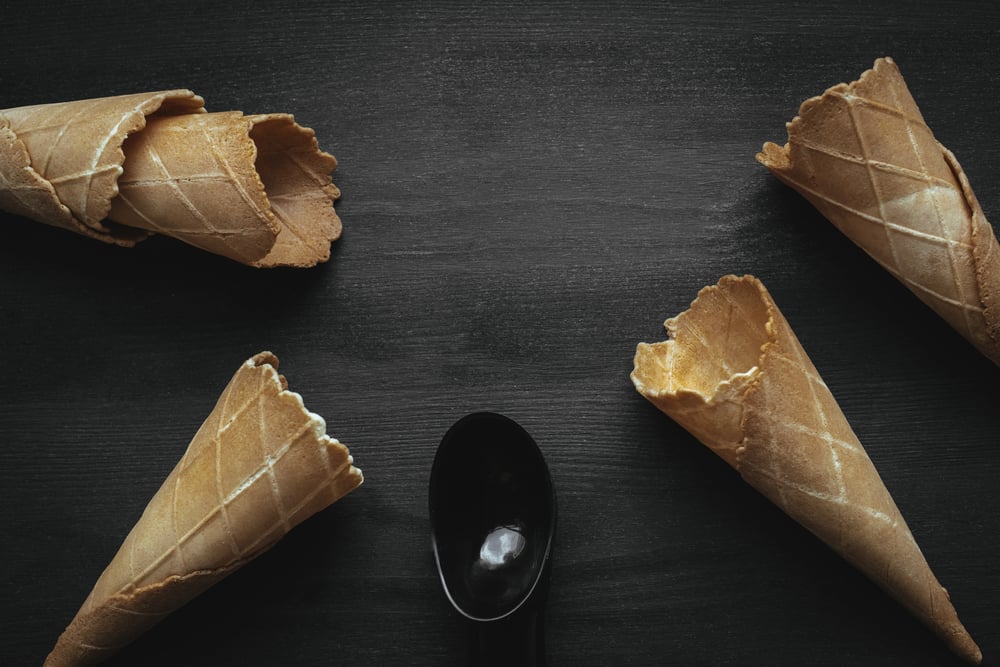
The 1904 World’s Fair in St. Louis was sweltering, and Ernest Hamwi was selling Syrian pastries called zalabia — thin, waffle-like creations that were sweet on their own but nothing spectacular. Next to him, an ice cream vendor was doing much better business until he ran out of bowls, which in that heat meant his day was essentially over since there was no practical way for customers to carry ice cream away from his stand.
So Hamwi rolled one of his pastries into a cone shape and handed it over. The combination worked not just because it solved a logistical problem, but because it created something that was better than either component alone: the cold cream made the warm pastry more interesting, while the pastry gave people something to do with their hands while they ate, turning ice cream from a sit-down treat into something portable.
And portability, it turned out, was exactly what people wanted on a day when they had an entire fair to explore.
Popsicles

Eleven-year-old Frank Epperson mixed a drink and left it on the porch. The night got cold.
The stirring stick froze inside.
He called it the “Epsicle” at first. Kids called it something better.
Slurpees
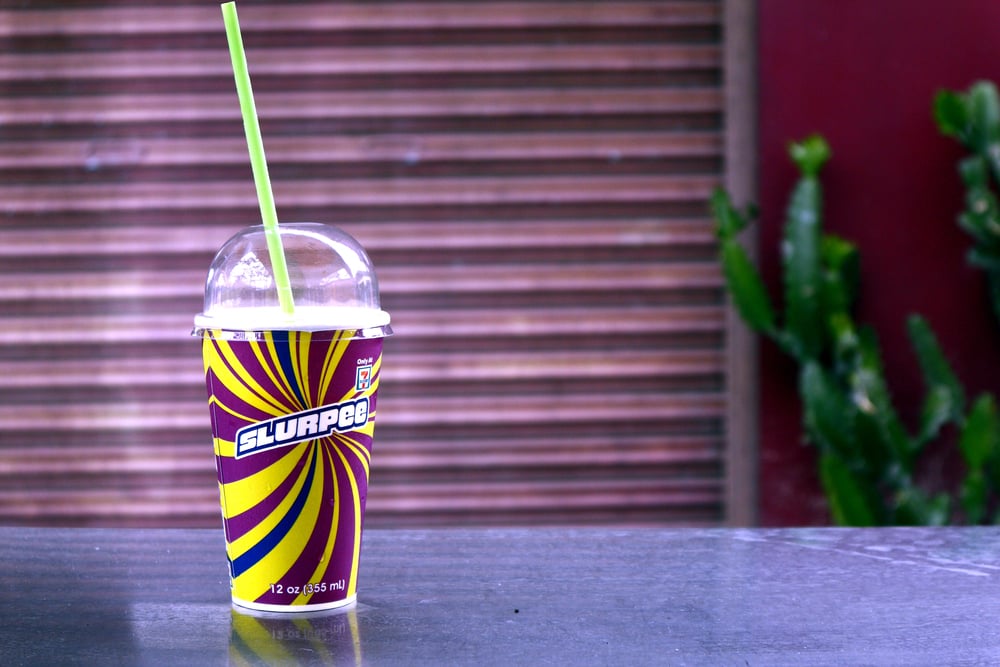
Omar Knedlik owned a Dairy Queen and had a broken soda fountain. The machine couldn’t keep drinks cold enough.
Customers started asking for the slushy, half-frozen sodas instead of properly chilled ones.
He built a machine to make them on purpose. 7-Eleven bought the idea and gave it a name that sounded like exactly what it was.
Nachos
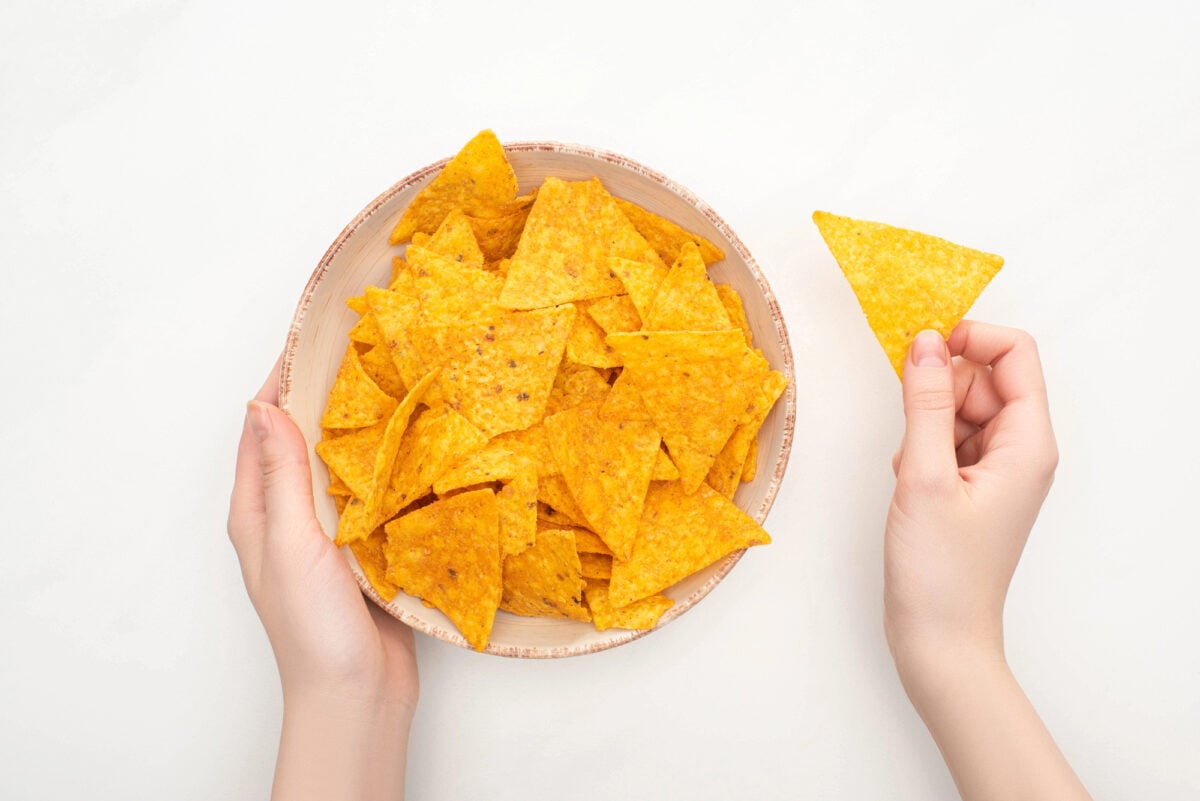
Ignacio “Nacho” Anaya ran a restaurant in Piedras Negras, just across the border from Eagle Pass, Texas, and when a group of military wives showed up after hours looking for food, he was in that particular bind that restaurant workers know well: hungry customers, a mostly empty kitchen, and the choice between saying no or figuring something out with whatever ingredients were still around.
So he grabbed what he had: tortilla chips, cheese, and jalapeños. He melted the cheese over the chips, added the peppers, and served it as an appetizer.
The women loved it enough to bring friends back for “Nacho’s especial,” and those friends brought more friends, because there’s something about the combination of crispy, melted, and spicy that activates a very specific satisfaction in your brain — the kind that makes you want to immediately tell other people about it. But the real genius was in the simplicity: three ingredients, nothing fancy, something any kitchen could make as long as it had an oven and basic Mexican staples.
Dippin’ Dots

Curt Jones was a microbiologist trying to feed cows better. He used liquid nitrogen to freeze-dry cattle feed.
The process created small, perfectly round pellets.
Then he tried it with ice cream. The nitrogen flash-froze the cream into tiny spheres before ice crystals could form.
Each dot was pure flavor without the usual ice cream texture.
People called it “ice cream of the future.” That was 1979.
Still waiting for the future to fully arrive, but the dots stuck around.
Cracker Jack
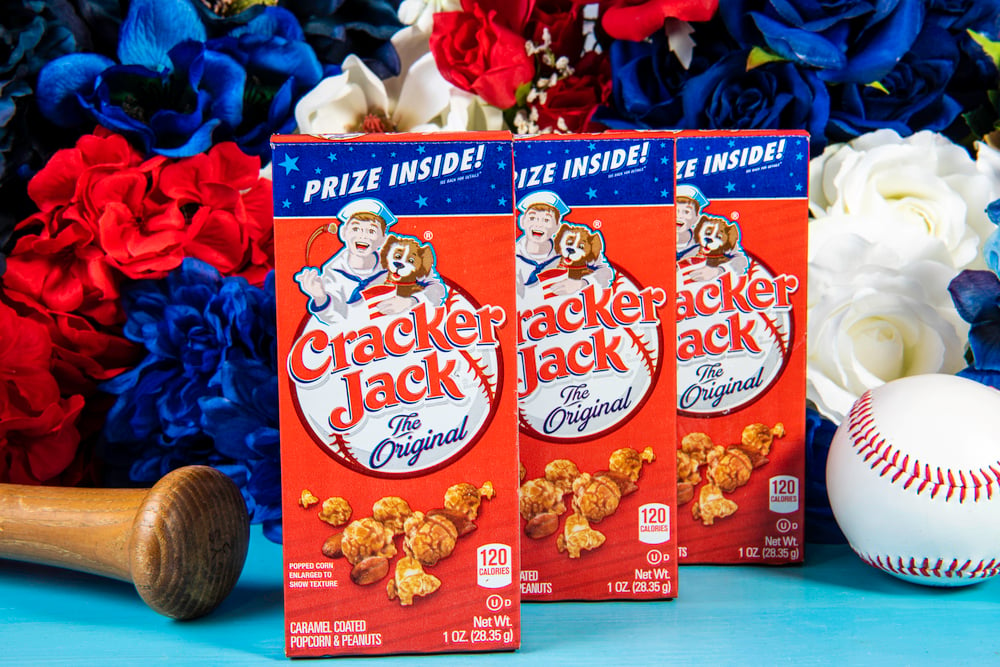
Frederick Rueckheim was selling popcorn and peanuts at the 1893 World’s Fair — standard carnival fare that everyone else was offering too, which meant he was competing mainly on location and price rather than anything particularly memorable about his product. But when he started experimenting with coating the mixture in molasses, something interesting happened: the sticky coating held the peanuts and popcorn together in small clusters, which made them easier to eat by the handful, and the sweetness balanced out the salt in a way that made people want to keep eating long after they’d satisfied their initial hunger.
The combination hit that same addictive quality that the best snack foods achieve: each bite was slightly different depending on the ratio of peanut to popcorn to coating, which meant your mouth never quite knew what to expect next, which meant you kept reaching for more to see what the next bite would bring. And when they added the prizes to the boxes later, they created something even more compelling: food that came with its own small surprise, turning a snack into an experience that engaged more than just your taste buds.
Pop Rocks
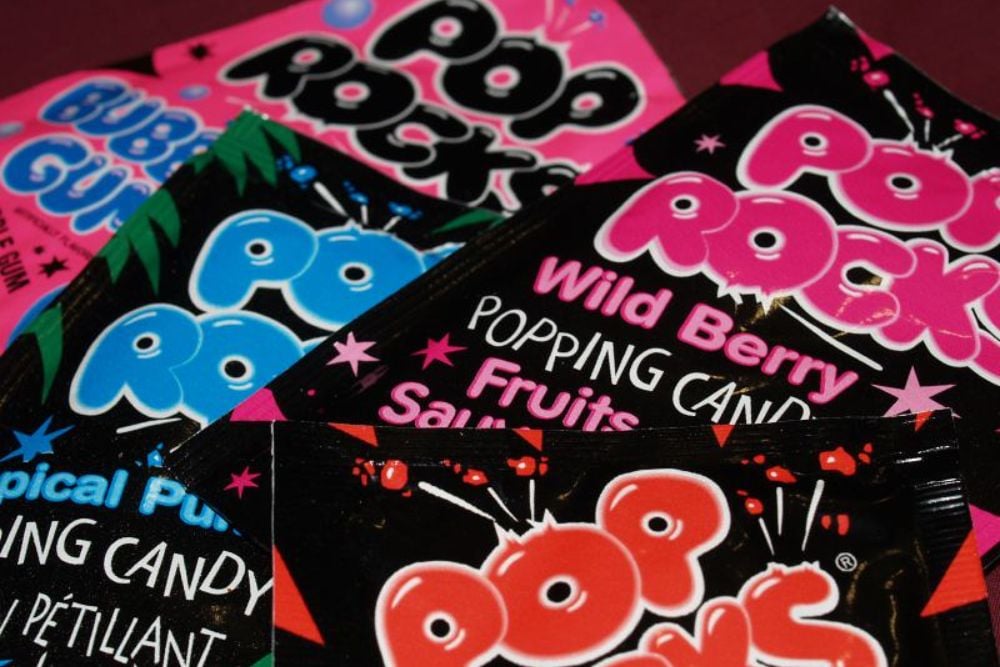
William Mitchell was trying to create instant carbonated drinks for General Foods. He was mixing sugar with carbon dioxide under high pressure, then releasing the pressure to see what happened.
What happened was the mixture trapped tiny pockets of CO2 inside sugar crystals. When saliva dissolved the crystals, the gas escaped and created small pops on your tongue.
General Foods sat on the patent for years before releasing it. They weren’t sure people would want candy that fought back.
Kettle Corn
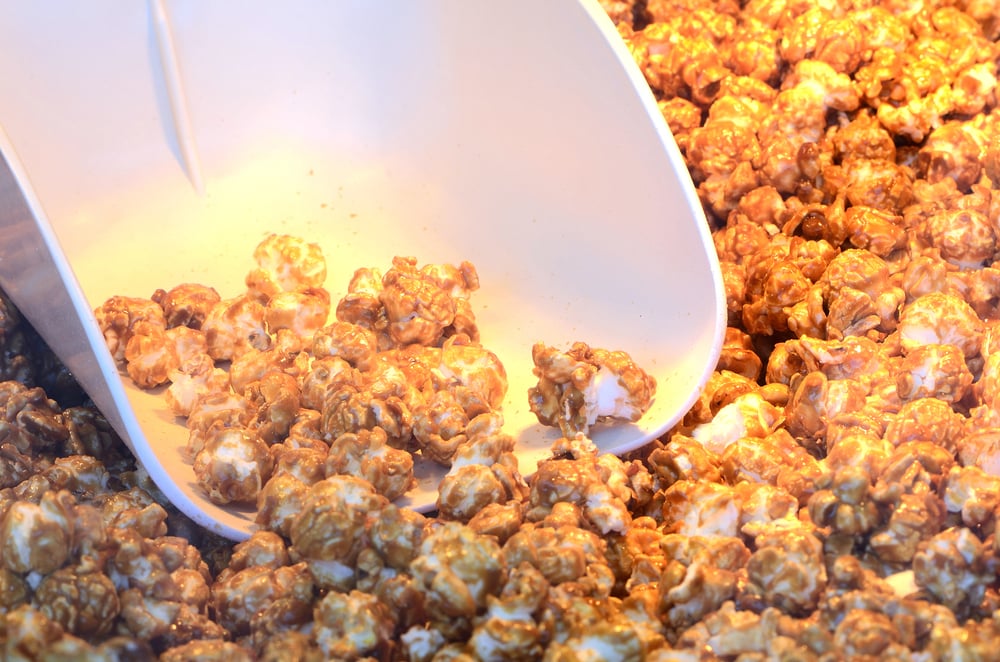
Colonial American farmers were harvesting corn and needed something to do with the kernels that weren’t perfect enough to sell or store. Popping corn over an open fire was practical, but plain popped corn gets boring quickly, so they started adding whatever they had around: a little salt, a little sugar, sometimes both at once if they were feeling indulgent.
The combination shouldn’t work as well as it does. Sweet and salty are supposed to be opposites, but when you heat sugar and salt together with oil, they create this glaze that coats each kernel in a way that makes your mouth slightly confused about what it’s tasting, which keeps your attention longer than either flavor would on its own.
And the slight burn that comes from cooking it in a big iron kettle over actual fire adds a smokiness that mass-produced versions never quite replicate, even though they try.
So what started as frontier practicality — using up imperfect corn with whatever seasonings were available — became something people now associate with state fairs and autumn festivals, which is a pretty good outcome for what was essentially 18th-century meal planning.
Fritos
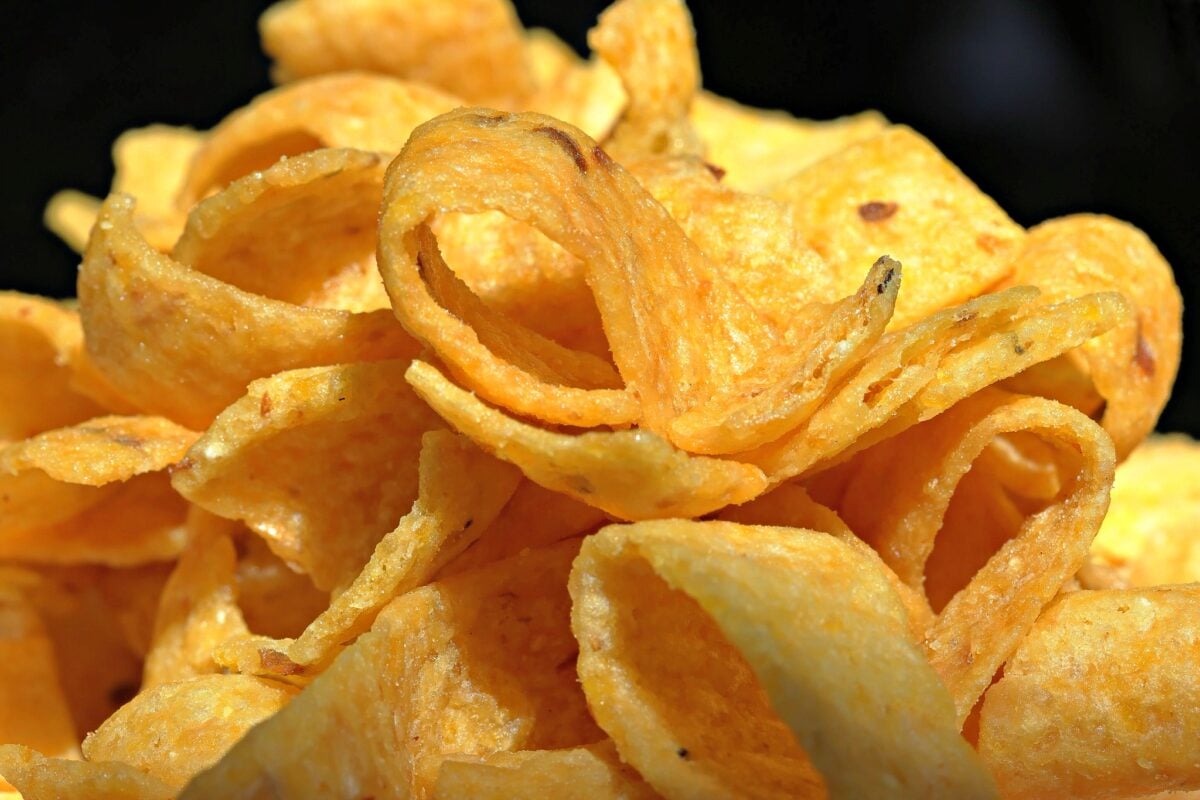
Elmer Doolin bought a corn chip recipe from a man in San Antonio for $100. The recipe was simple: masa, salt, and oil.
But the process was the thing: cutting the masa into strips and frying them until they got crispy without getting tough.
Doolin started small, making batches in his mother’s kitchen and selling them from the back of his Model T Ford. The chips had a corn taste that was more intense than tortilla chips but not as heavy as corn nuts.
They caught on because they were sturdy enough to hold dip but light enough to eat by the handful. Sometimes the best accidents are just someone paying attention to what already works and figuring out how to make it better.
Dippin’ Sticks
A pretzel factory in Pennsylvania had a batch that came out wrong. The dough didn’t form proper pretzel shapes.
Instead of throwing it away, workers broke it into small pieces and baked it anyway.
The pieces came out as small, crunchy nuggets with more surface area than regular pretzels. More surface area meant more salt could stick to each piece.
Customers liked the intense saltiness and the fact that they could eat them without having to bite through a full pretzel. Sometimes smaller is actually better.
When accidents become classics

The best food accidents share something important: someone was willing to taste the mistake instead of throwing it away. Whether it was a frustrated chef, a curious kid, or a practical factory worker, they all recognized that something unexpected might also be something good.
These weren’t just lucky breaks — they were moments when people chose curiosity over caution and ended up creating snacks that outlasted the original recipes they were trying to make in the first place.
More from Go2Tutors!

- The Romanov Crown Jewels and Their Tragic Fate
- 13 Historical Mysteries That Science Still Can’t Solve
- Famous Hoaxes That Fooled the World for Years
- 15 Child Stars with Tragic Adult Lives
- 16 Famous Jewelry Pieces in History
Like Go2Tutors’s content? Follow us on MSN.