15 Invisible Systems That Control Modern Cities
The city around you hums with invisible orchestration. While you notice the obvious players — traffic lights turning red, water flowing from taps, electricity powering your devices — countless hidden systems work behind the scenes to keep eight million people from descending into chaos.
These aren’t the dramatic, headline-grabbing failures that make the news. They’re the quiet, persistent machinery that most people never think about until something goes wrong.
Traffic Signal Coordination
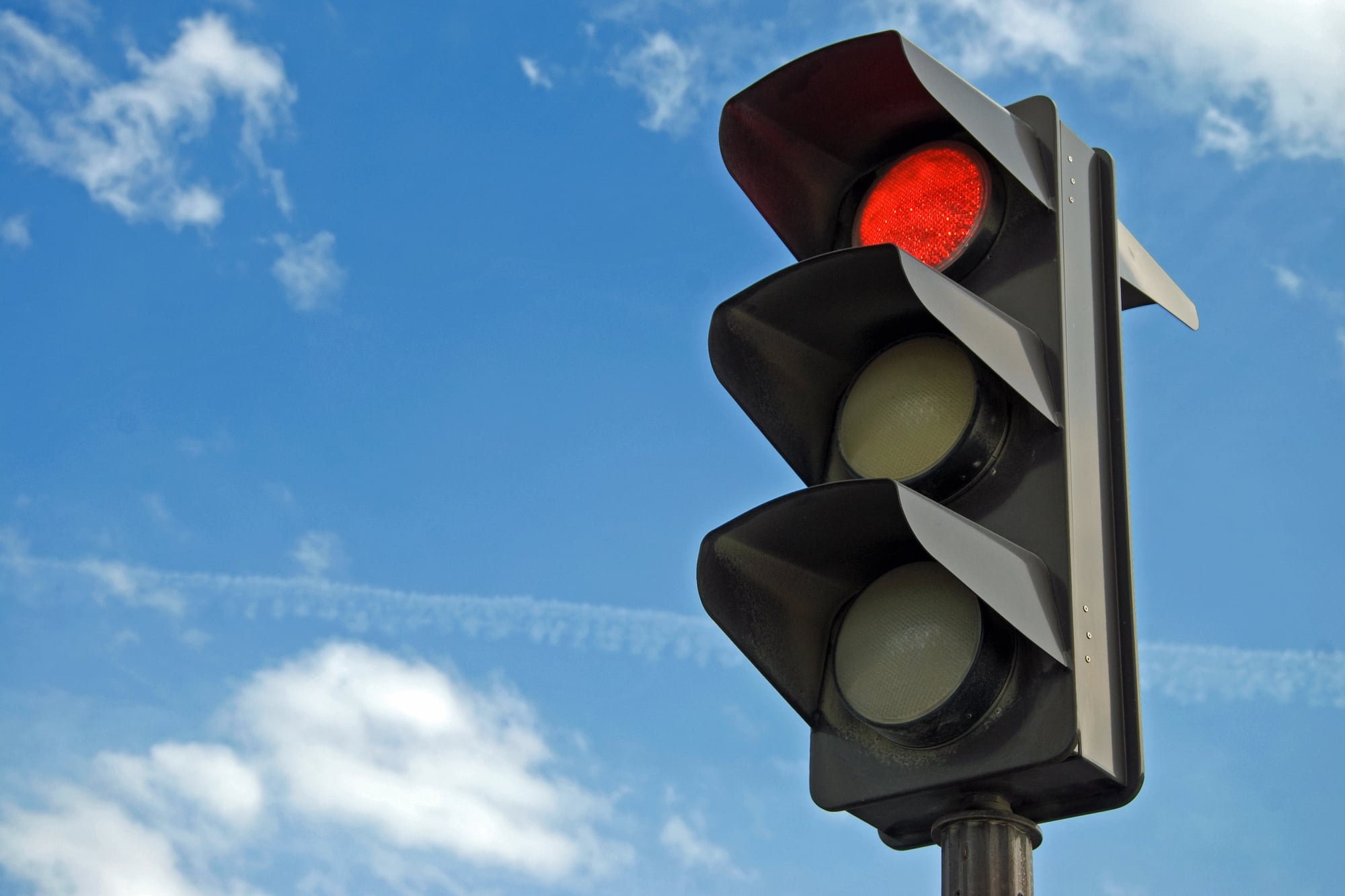
Most drivers think traffic lights operate independently. They don’t.
Behind every intersection sits a sophisticated timing system that talks to its neighbors, creating green waves that can carry you across an entire city without stopping — or trap you in a pattern of reds that feels almost personal.
The system learns your city’s rhythm. Rush hour patterns, event traffic, even weather conditions get fed into algorithms that adjust timing in real time.
Miss the coordination by thirty seconds and you’ll hit every red light for the next two miles. (Which explains why some routes feel cursed while others seem to roll out a green carpet just for you.)
And when the system works perfectly, which it does most of the time, nobody notices — because smooth traffic feels like the natural order of things rather than the result of invisible choreography happening beneath every intersection.
Emergency Services Dispatch

When you dial 911, the voice that answers already knows where you’re calling from. But that’s just the beginning of what the system sees.
Every ambulance, fire truck, and police car appears as a moving dot on a digital map that resembles air traffic control more than anything you’d expect from a city government.
The dispatcher watching that screen knows which units are closest, which are already committed to other calls, and which routes will get them to you fastest based on current traffic patterns.
The system can even trigger traffic light sequences to clear paths before the emergency vehicle arrives — creating those mysterious moments when lights turn green just as sirens approach.
Water Pressure Management

Turn on your shower on the fortieth floor and water appears instantly, defying gravity with casual efficiency.
This isn’t magic — it’s a network of pumps, sensors, and automated valves that work around the clock to maintain perfect pressure throughout a vertical city.
The system monitors water usage patterns neighborhood by neighborhood, building by building, sometimes floor by floor.
Morning shower rush in one district triggers pressure adjustments three miles away.
A broken water main downtown automatically reroutes flow through backup systems that most residents don’t know exist.
And when a heat wave hits and everyone cranks their air conditioning (which uses more water than most people realize), the system quietly redistributes resources to prevent anyone from losing pressure.
It’s so reliable that low water pressure feels like a crisis rather than the impressive engineering feat that high water pressure actually represents.
Electrical Grid Load Balancing
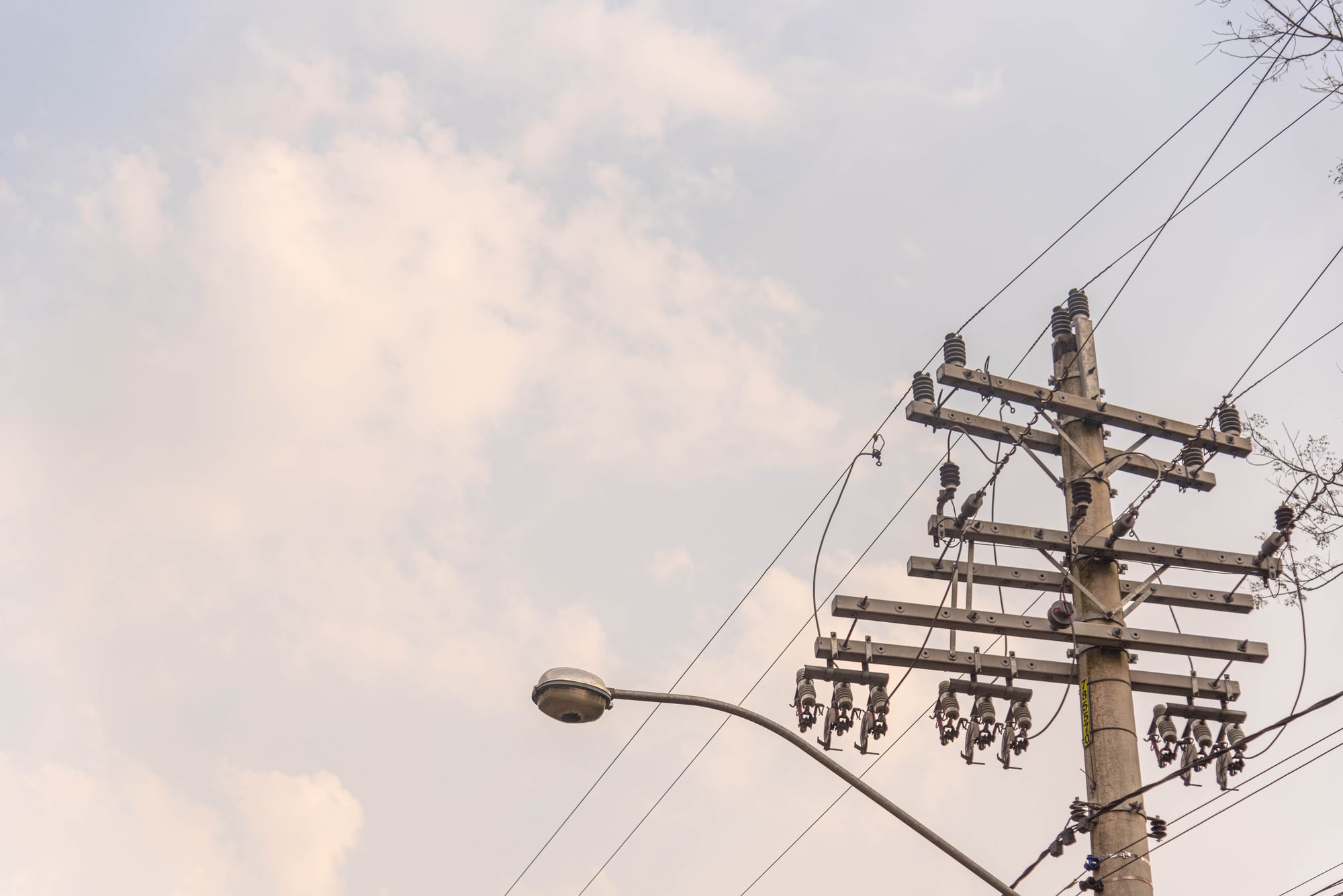
Your city’s power grid operates on a razor’s edge between supply and demand.
Too little power and neighborhoods go dark. Too much and equipment fries.
The system managing this balance updates its decisions every few seconds, buying and selling electricity from neighboring regions faster than stock traders move money.
The grid knows when you’re about to flip a switch before you do.
Evening patterns are so predictable that power plants start ramping up production thirty minutes before prime time television begins.
Air conditioning load gets forecasted based on weather reports, and backup systems activate automatically when demand spikes beyond normal parameters.
And somewhere in a control room that looks like NASA mission control, operators watch real-time power flow maps that show electricity moving through your city like blood through arteries.
Storm Water Drainage
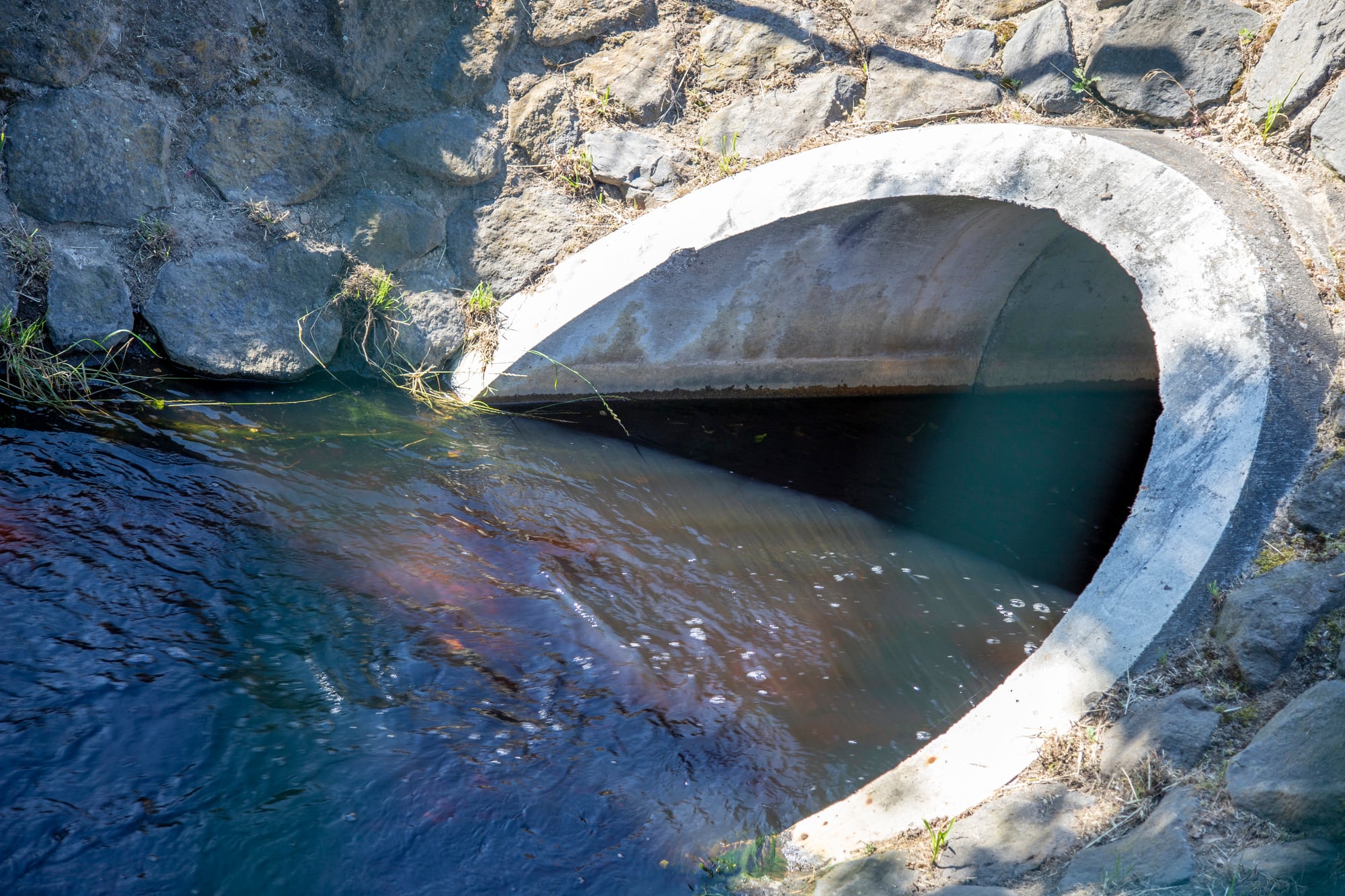
Rain falls on concrete and has nowhere to go but down into a network of tunnels, pumps, and retention basins that most people never see.
This underground system is like a second city built entirely for water, with its own highways, intersections, and traffic management.
The network routes water away from your street corner through calculations that account for rainfall intensity, ground saturation, and downstream capacity.
Heavy storms trigger automated flood gates that can redirect thousands of gallons away from vulnerable areas — often routing water beneath other neighborhoods entirely (which explains why flooding can happen miles from where the rain actually fell).
And in cities with combined sewer systems, storm water management becomes a delicate dance: too much rain overwhelms treatment plants, so excess water gets released directly into rivers and oceans.
The system knows exactly when to make this environmental compromise. Most residents never realize it’s happening.
Air Traffic Coordination
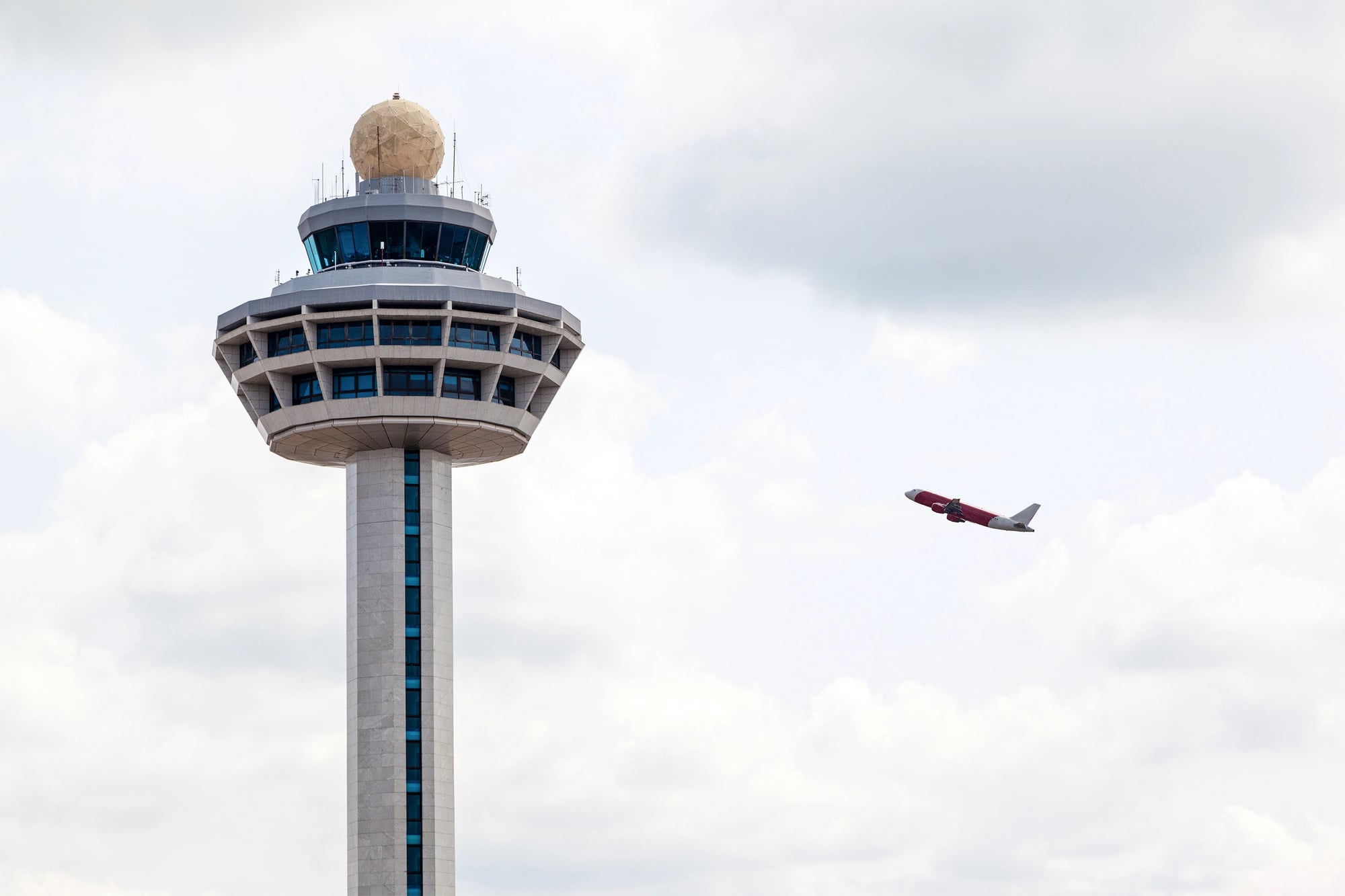
Even if your city doesn’t have a major airport, aircraft cross overhead constantly — commercial flights, cargo planes, helicopters, private jets, military aircraft, all navigating invisible highways in the sky that intersect above your neighborhood.
Air traffic control manages this three-dimensional puzzle using radar systems that track every moving object larger than a bird.
Flight paths get adjusted in real time to maintain safe distances, optimize fuel efficiency, and minimize noise over residential areas.
The coordination extends beyond just aircraft: helicopter emergency medical services get priority routing that can temporarily redirect commercial flights, and presidential visits can shut down entire sections of airspace, forcing dozens of planes into holding patterns that most passengers never understand.
And when weather systems move through, the entire network reshuffles, creating delays that ripple across the country — all to avoid turbulence zones that exist only as data points on computer screens.
Public Transit Timing
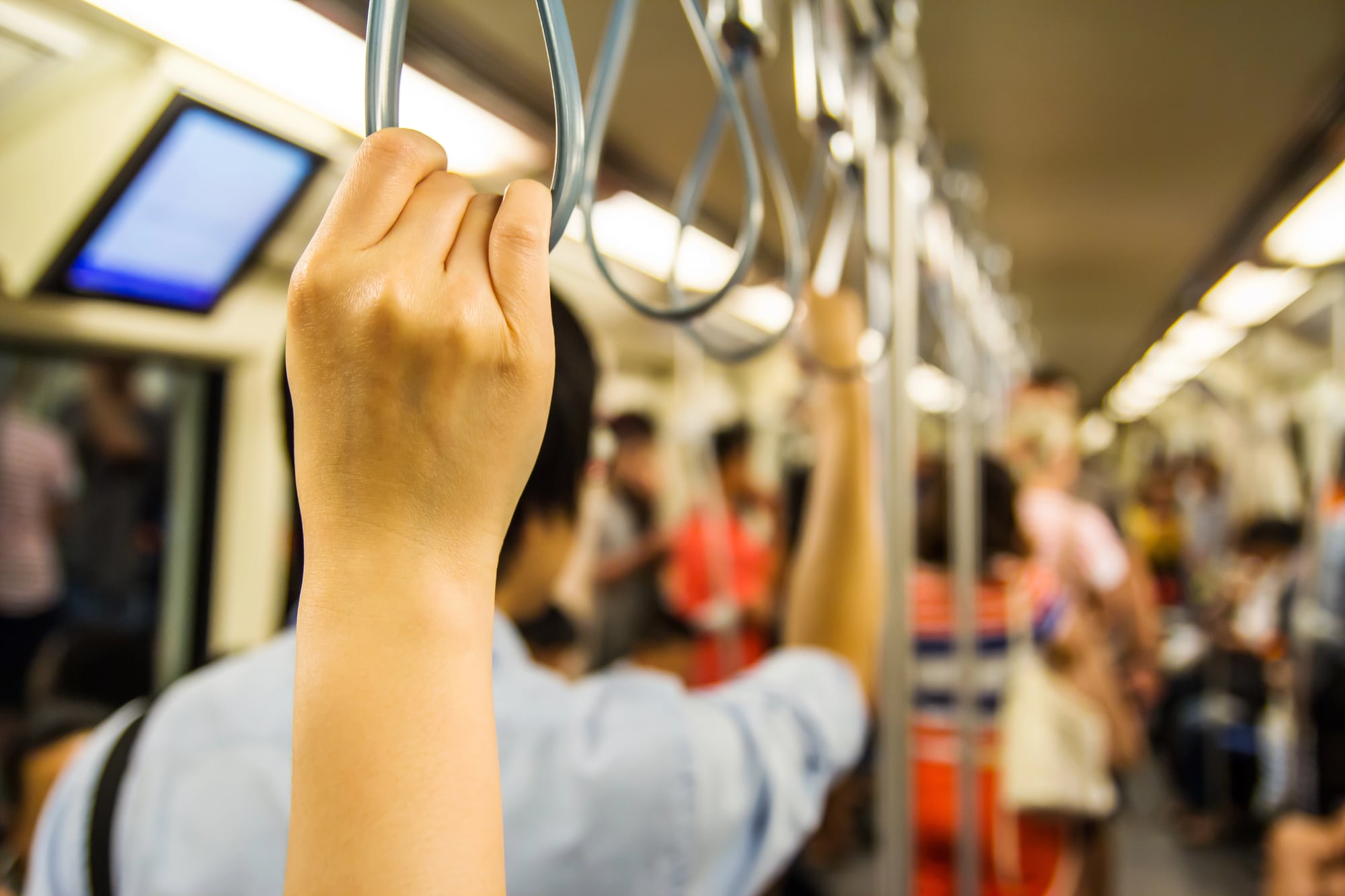
That bus that arrives just as you reach the corner isn’t lucky timing.
Modern transit systems use GPS tracking, passenger counting sensors, and predictive algorithms to optimize schedules in real time.
Buses running ahead of schedule get held at stops to maintain consistent spacing.
Routes with heavy passenger loads automatically trigger additional vehicles from the depot.
And the system learns from daily patterns — which stops consistently run long due to wheelchair access, which routes slow down during school dismissal, which drivers consistently run fast or slow.
The goal isn’t punctuality (though that matters) but rather predictable headways that let passengers plan their day around reliable service intervals.
When the system works correctly, transit feels dependable rather than the complex logistical achievement it actually represents.
Waste Collection Optimization
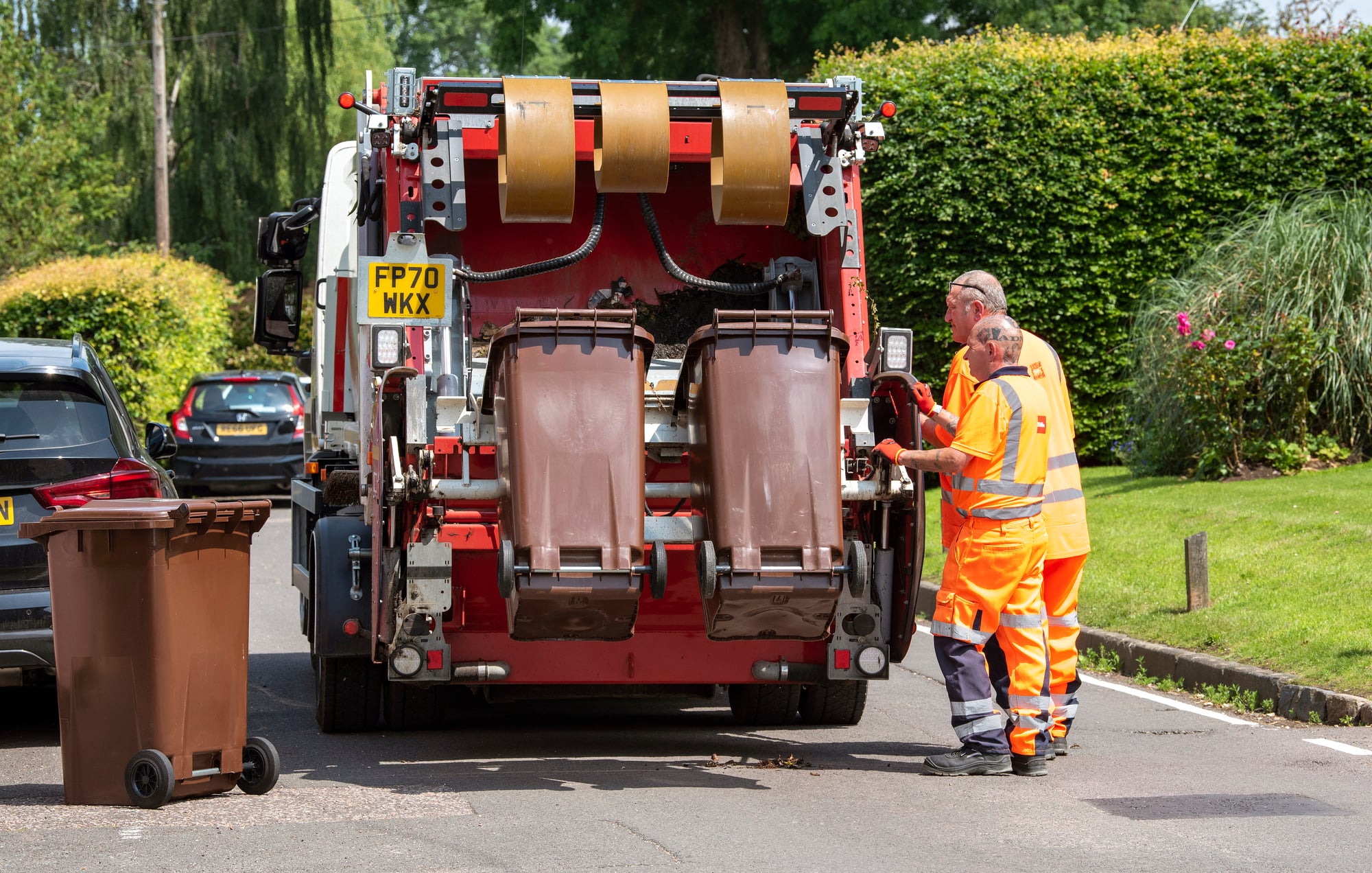
Garbage trucks don’t just drive around randomly collecting trash.
Their routes get optimized using algorithms that consider traffic patterns, truck capacity, fuel efficiency, and neighborhood waste generation patterns — creating paths that can save hundreds of miles per week.
The system tracks which blocks generate more waste, which collection points take longer due to parking constraints, and which routes work better on different days of the week.
Some cities use sensors in dumpsters that report fill levels directly to dispatchers, allowing collection schedules to adjust based on actual need rather than arbitrary timing.
And during holidays or special events, the entire network reschedules to accommodate both increased waste volume and changed traffic patterns.
Residents notice when collection gets disrupted, but the ordinary efficiency of waste removal feels unremarkable despite requiring coordination that rivals military logistics.
Cellular Network Load Management

Your phone connects to cell towers automatically, but the network managing those connections operates like air traffic control for data.
Every call, text, and internet request gets routed through systems that balance load across towers and frequency bands to prevent congestion.
During major events — concerts, sports games, emergencies — cellular networks can become overwhelmed as thousands of people in one area try to use their phones simultaneously.
The system responds by temporarily increasing power to nearby towers, borrowing capacity from adjacent cells, and prioritizing emergency calls over data traffic.
And as you move through the city, your phone gets handed off between towers in a process that happens dozens of times during a typical commute — all managed by algorithms that predict your path and prepare the next tower before your signal weakens.
Building Climate Systems
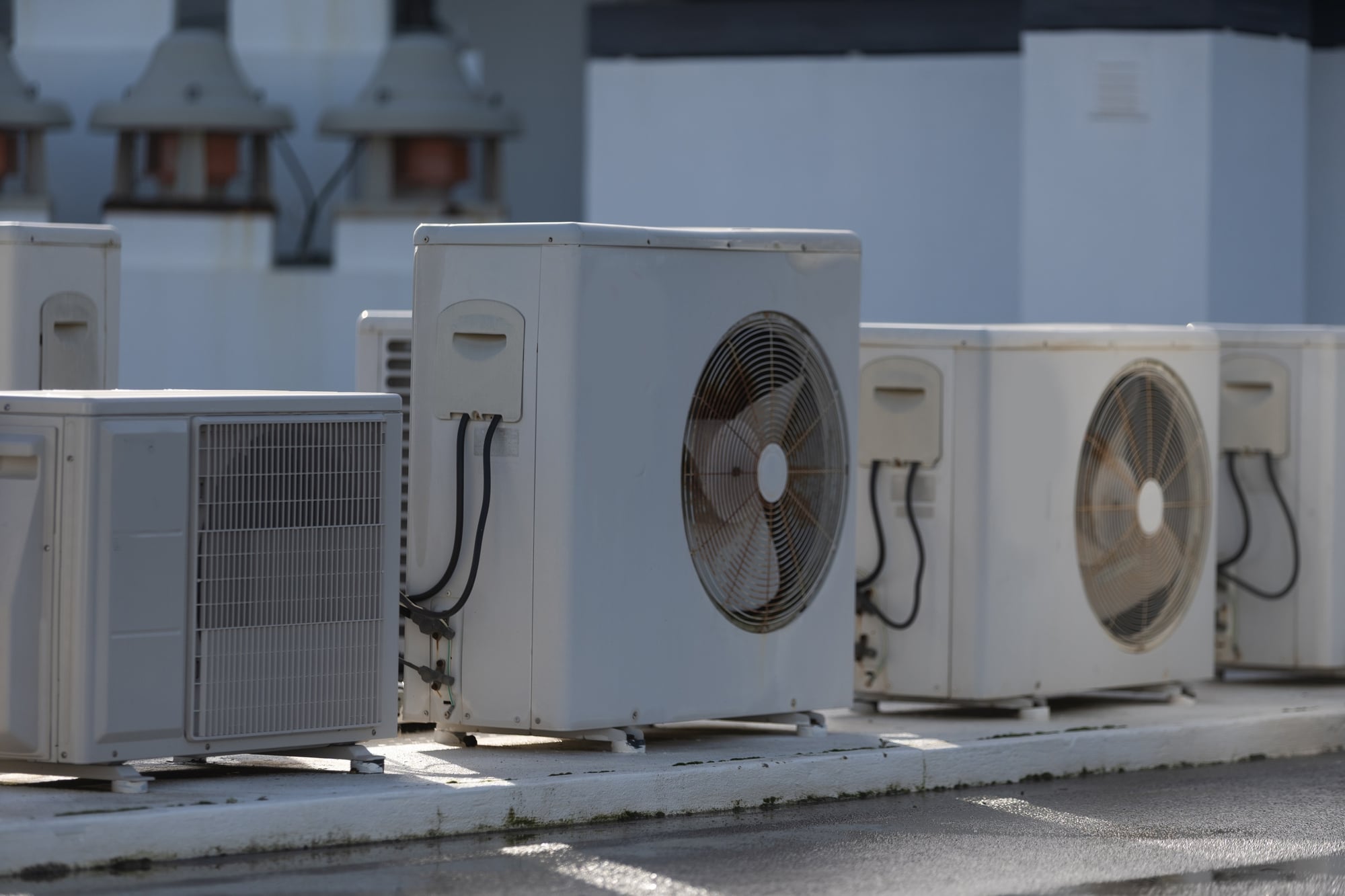
Office buildings and apartment complexes don’t just heat and cool individual units independently.
Modern buildings operate as integrated climate systems that move air, heat, and humidity throughout the structure based on occupancy patterns, outdoor conditions, and energy costs.
The system learns when people arrive at work, which floors get more sunlight, and how outside temperature affects different areas of the building.
Air conditioning doesn’t just turn on when it gets hot — it pre-cools spaces before occupancy, moves cool air from empty areas to crowded ones, and adjusts humidity levels to maximize comfort while minimizing energy consumption.
And during peak electricity demand periods, the system can temporarily reduce cooling in low-priority areas to avoid expensive utility charges, then redistribute climate control once demand drops.
Occupants notice when the system fails, but smooth indoor climate feels like a basic expectation rather than the complex engineering accomplishment it actually is.
Food Supply Distribution

Grocery stores restock shelves based on predictive algorithms that analyze purchasing patterns, seasonal trends, local events, and even weather forecasts.
The system knows that beer sales spike before major sporting events, that soup sells better when rain is forecast, and that certain neighborhoods prefer different brands of the same product.
Behind every well-stocked store sits a distribution network that moves products from warehouses to shelves with timing that prevents both shortages and waste.
Delivery trucks follow optimized routes that consider traffic patterns, loading dock availability, and storage capacity at each location.
And when supply disruptions occur — weather delays, transportation issues, product recalls — the network automatically adjusts to minimize empty shelves.
The system works so effectively that product availability feels guaranteed rather than the result of complex supply chain orchestration happening around the clock.
Digital Infrastructure Management

Every internet search, video stream, and social media post travels through fiber optic cables, data centers, and network switching equipment that most people never see.
This digital infrastructure requires constant management to route traffic efficiently and prevent overloads.
The network monitors data flow in real time, automatically routing traffic around congested or failed connections.
During peak usage periods — evening streaming hours, major news events, viral social media moments — the system redistributes load across multiple pathways to maintain speed and reliability.
And when physical infrastructure fails (cables cut during construction, equipment failure, power outages), backup systems activate immediately to reroute traffic through alternative paths.
Internet access feels instant and unlimited, but maintaining that illusion requires infrastructure management that operates at the speed of light across thousands of miles of cable.
Security Camera Networks
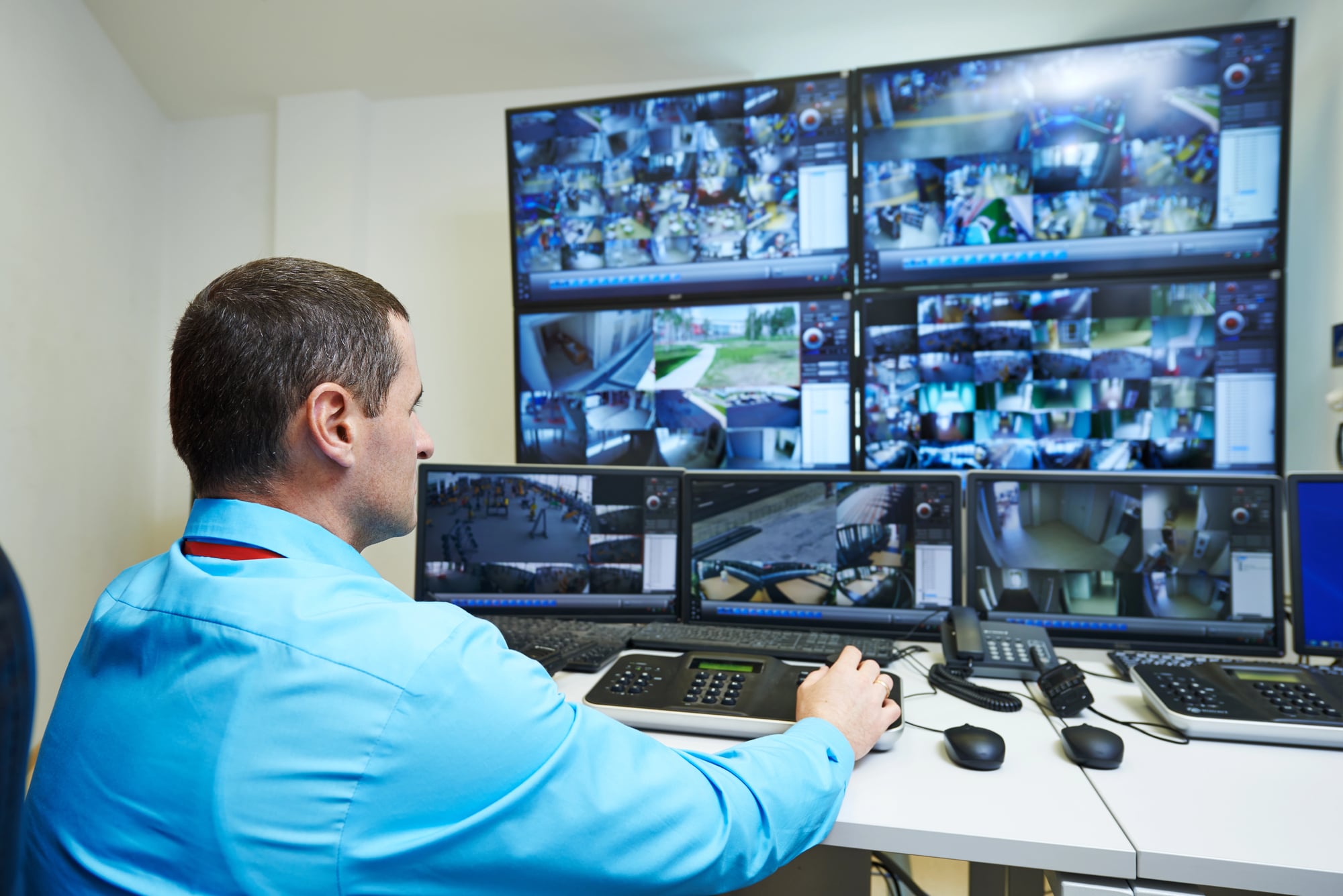
Those security cameras mounted on buildings, traffic poles, and public spaces don’t just record footage — they form an integrated surveillance network that can track movement across entire city blocks.
The system uses facial recognition, license plate readers, and behavioral analysis to identify patterns and potential threats.
Camera networks coordinate with each other to follow subjects from one location to another, automatically alerting operators when predetermined criteria are met.
The system can track a specific vehicle across multiple neighborhoods, identify individuals on watchlists, and detect unusual behavior patterns that might indicate criminal activity.
And during investigations, operators can quickly search recorded footage across dozens of cameras to reconstruct timelines and movement patterns.
Most of this surveillance happens automatically, with human operators only reviewing footage when the system detects something worth attention.
Banking Transaction Processing

Every credit card swipe, ATM withdrawal, and digital payment travels through networks that process millions of transactions per second while checking for fraud, verifying account balances, and updating records across multiple banks and institutions.
The system analyzes spending patterns to detect unusual activity — purchases in unexpected locations, transactions that don’t match historical behavior, rapid-fire purchases that suggest stolen credentials.
When fraud gets detected, accounts can be frozen instantly and cardholders notified within minutes.
And during high-volume periods (holiday shopping, payday, major sales events), the network automatically scales capacity to prevent processing delays.
Financial transactions feel instantaneous and secure, but maintaining that trust requires real-time fraud detection and risk management that operates faster than human decision-making could achieve.
Public Health Monitoring

City health departments track disease outbreaks, air quality, food safety violations, and environmental health threats through data collection systems that most residents never see.
This monitoring network can identify health emergencies before they become visible to the general public.
The system analyzes patterns in emergency room visits, pharmacy purchases, school absence rates, and even social media posts to detect early signs of disease outbreaks.
Air quality sensors throughout the city provide real-time pollution data that triggers alerts when levels become dangerous.
Restaurant inspections, water quality testing, and pest control activities all feed into databases that help prevent public health crises.
And when health emergencies do occur, the system can rapidly identify affected areas, trace contamination sources, and coordinate response efforts across multiple agencies.
Public health feels stable and predictable, but maintaining that safety requires constant monitoring and intervention that operates largely behind the scenes.
The Silent Orchestra

These systems don’t operate in isolation.
They talk to each other, share data, and coordinate responses in ways that create emergent behaviors nobody designed but everyone depends on.
Emergency vehicles trigger traffic light changes that affect transit timing that influences pedestrian patterns that impact air quality measurements.
Power grid load balancing affects building climate systems that influence cellular network demand that changes internet traffic patterns.
The remarkable thing isn’t that these systems exist — it’s that they work together so smoothly that city life feels natural rather than like the miraculous coordination it actually represents.
And when they occasionally fail, the breakdown reminds us how much invisible infrastructure we’ve learned to take for granted.
More from Go2Tutors!

- The Romanov Crown Jewels and Their Tragic Fate
- 13 Historical Mysteries That Science Still Can’t Solve
- Famous Hoaxes That Fooled the World for Years
- 15 Child Stars with Tragic Adult Lives
- 16 Famous Jewelry Pieces in History
Like Go2Tutors’s content? Follow us on MSN.


