Pennies That Collectors Are Hunting for
You probably have a jar of pennies sitting somewhere in your house right now. Most of them are worth exactly one cent.
But some pennies are worth hundreds, thousands, or even millions of dollars. The difference between a regular penny and a valuable one often comes down to small details that most people miss.
Collectors spend years searching through spare change, hoping to find these rare coins. Some dedicate entire weekends to visiting banks and asking for rolls of pennies to examine.
Others buy entire collections just to find a single valuable specimen. The hunt never really ends because you never know when the next treasure will turn up.
The 1943 Copper Penny

During World War II, the U.S. Mint switched from copper to zinc-coated steel for penny production. Copper was needed for ammunition and other military supplies.
But a few copper planchets from 1942 accidentally made it into the 1943 production line. These mistakes created some of the most valuable pennies in existence.
Only about 20 to 40 genuine examples are known to exist across all three mints. One sold for $1.7 million in 2010.
The penny looks bronze instead of silver-gray, making it stand out immediately if you know what to look for.
Counterfeits flood the market because of the high value. Some people coat steel pennies with copper or alter the date on regular copper pennies.
A magnet test helps separate the real from the fake—genuine 1943 copper pennies won’t stick to a magnet, while the common steel versions will.
1955 Doubled Die Obverse
The doubling on this penny is dramatic and visible to the unaided eye. The date and lettering appear twice, slightly offset from each other.
This happened when the die used to stamp the coins was accidentally struck twice at slightly different angles. About 20,000 to 24,000 of these pennies entered circulation.
Most were distributed through cig vending machines in the northeastern United States. The Mint caught the error quickly, but thousands had already reached the public.
Values range from a few hundred dollars for worn specimens to over $100,000 for coins in mint condition. You can spot the doubling without magnification, which makes this one of the easier rare pennies to identify when searching through old coins.
The 1909-S VDB Penny
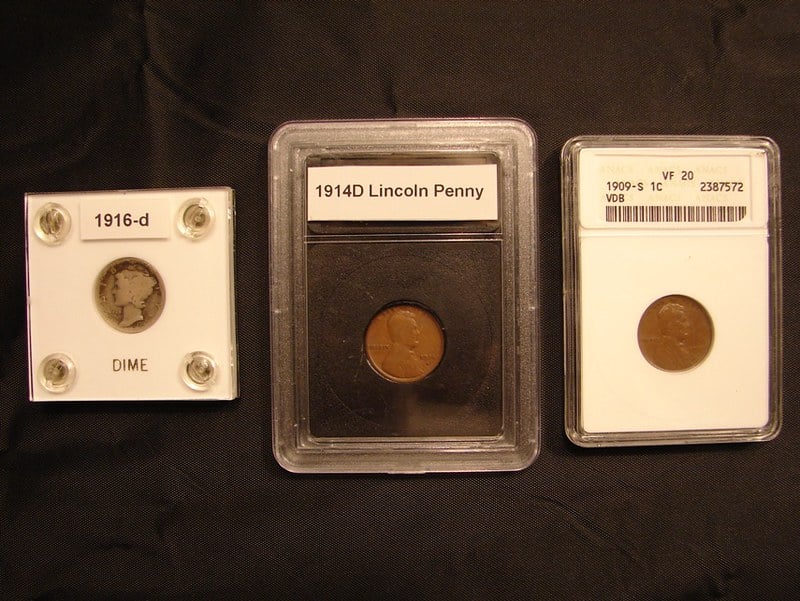
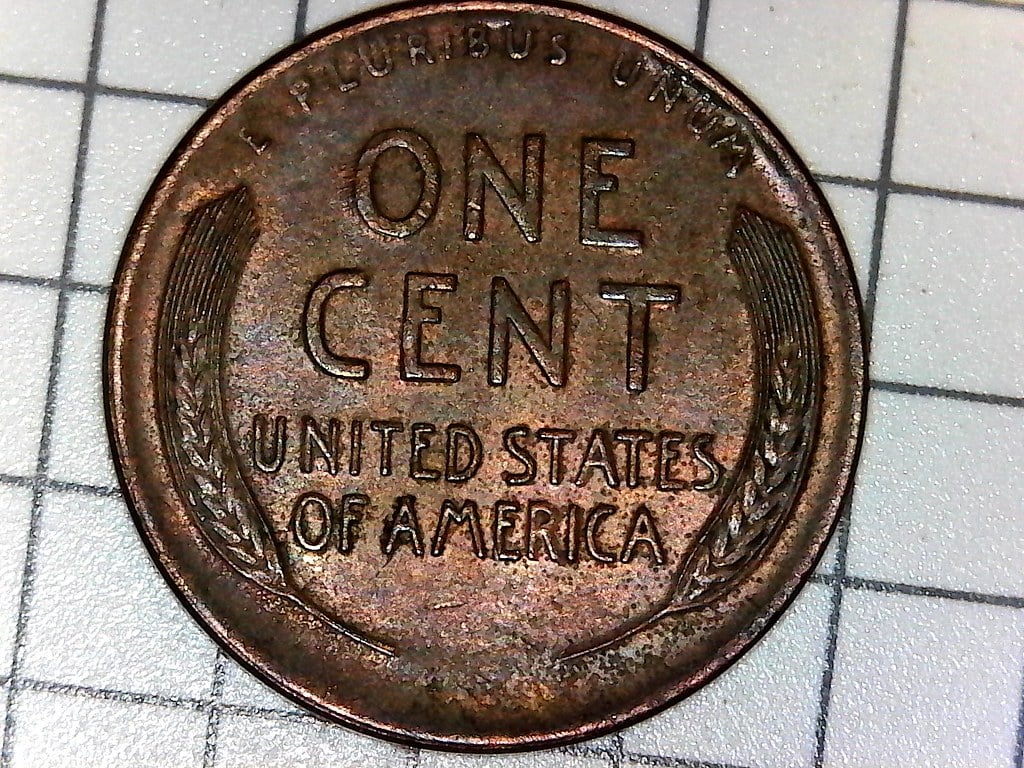
This was the first year of the Lincoln cent design, replacing the Indian Head penny that had been in use for 50 years. Designer Victor David Brenner placed his initials (VDB) prominently on the reverse of the coin, below the wheat stalks.
Public outcry over the prominent initials led the Mint to remove them after producing only 484,000 pennies at the San Francisco mint. The initials would later return in a much smaller size near Lincoln’s shoulder in 1918, but these early versions with the large VDB remain highly sought after.
The coin’s value depends heavily on condition. Circulated examples sell for $700 to $1,500. Uncirculated specimens can fetch $3,000 or more.
The “S” mint mark and VDB initials must both be present for the coin to carry this premium.
1944 Steel Penny
This is the reverse situation of the 1943 copper penny. When the Mint switched back to copper composition in 1944, a few leftover steel planchets from 1943 accidentally got stamped with 1944 dies.
Only about 30 examples are confirmed to exist. These coins are even rarer than their 1943 copper counterparts.
Values typically range from $75,000 to over $100,000 depending on condition. The steel composition makes these pennies magnetic and silver-colored, standing out dramatically among the copper pennies from 1944.
This visual difference helps collectors spot potential finds quickly.
1972 Doubled Die Obverse

The doubling on this penny affects the date and inscriptions on the front. The effect is clear on “LIBERTY” and “IN GOD WE TRUST,” where letters appear doubled.
The date also shows visible doubling on all four digits. The Philadelphia mint produced these error coins.
Estimates suggest thousands entered circulation, though many were removed over the years by collectors and dealers. The doubling varies in strength from one coin to another.
Prices range from $300 for coins in average condition to several thousand dollars for pristine examples. This remains one of the more accessible rare pennies for collectors just starting to build a specialized collection.
The 1914-D Penny
Denver produced only 1,193,000 pennies in 1914, making this the key date for Lincoln wheat cents. The low mintage creates consistent demand among collectors trying to complete their sets.
Counterfeiters often add a “D” mint mark to more common 1914 Philadelphia pennies. Examining the mint mark under magnification helps identify these fakes.
Genuine “D” marks should appear crisp and properly positioned. Even heavily worn examples sell for around $200.
Coins in fine condition command $500 to $1,000. Mint state examples can reach $10,000 or more.
The combination of low mintage and high demand keeps prices stable.
1922 No D Penny
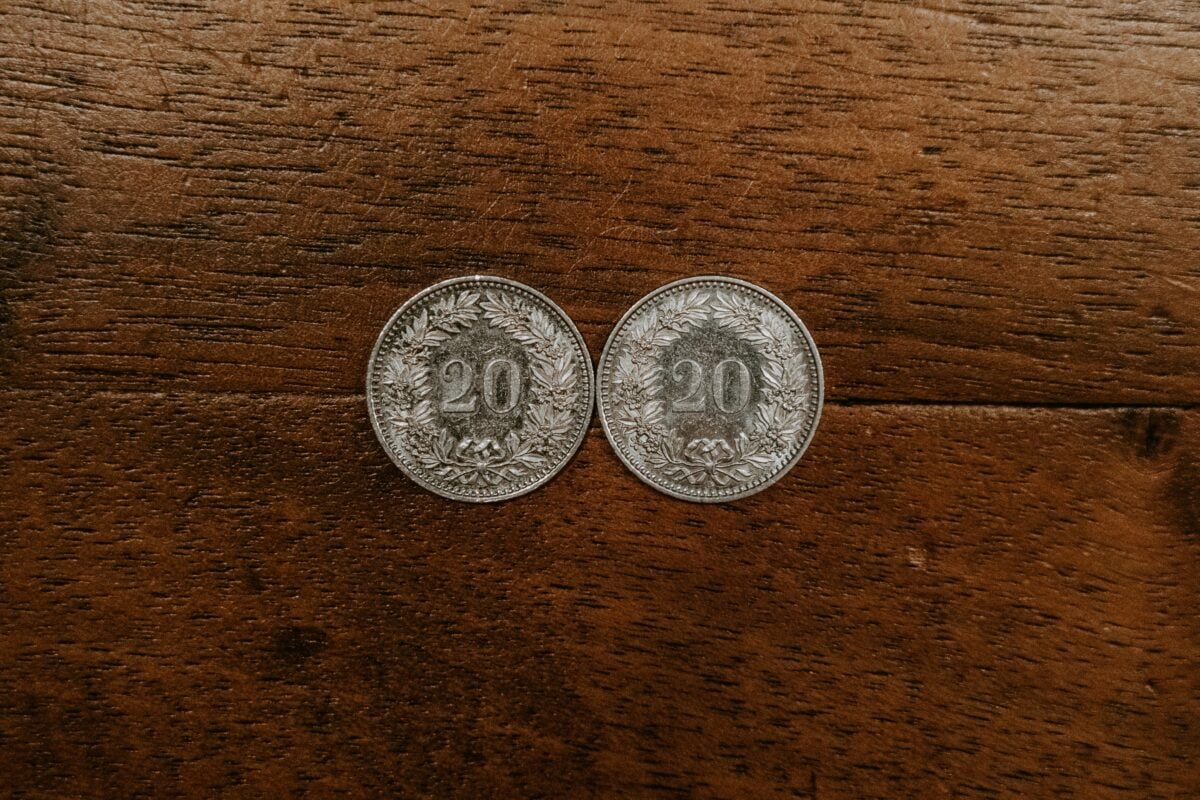
Denver was the only mint producing pennies in 1922. But some coins came out without a visible mint mark due to worn or filled dies.
These “No D” pennies technically shouldn’t exist, since all 1922 pennies should have carried a “D.” Three varieties exist based on how weak or absent the mint mark appears.
The “Strong Reverse” variety is the most valuable, with clear details on the wheat stalks despite the missing mint mark. Values range from $500 to over $20,000.
Weak strike pennies from Denver sometimes show a very faint “D” and get confused with genuine No D varieties. Close examination under magnification helps distinguish between a weak strike and a true No D.
1969-S Doubled Die Obverse

The doubling on this penny appears most prominently on the date and “LIBERTY.” The letters show clear separation between the doubled images. Only about 40 to 50 examples are known to exist.
These coins came from the San Francisco mint. Most were discovered within a few years of production, but new examples occasionally surface.
The rarity keeps values high despite the relatively recent date. Prices start around $10,000 for circulated examples and can exceed $100,000 for coins in pristine condition.
The clear doubling and extreme rarity make this one of the most desirable modern error coins.
1983 Doubled Die Reverse

This penny shows dramatic doubling on the reverse side, affecting “ONE CENT” and “UNITED STATES OF AMERICA.” The doubling is strong enough to see without magnification.
The error occurred at the Philadelphia mint. Thousands likely entered circulation, but most people don’t examine the reverse side of pennies carefully.
Many examples probably remain in circulation or coin jars, overlooked by their owners. Values range from $200 to $400 for typical circulated examples.
Better preserved coins command higher prices. This represents an accessible entry point for collectors interested in doubled die varieties.
The 1856 Flying Eagle Cent

Though not technically a penny in the modern sense, this small cent replaced the large copper cents that preceded it. The 1856 date was a pattern strike, produced in limited quantities to test public reception.
Only about 2,000 were made. These coins feature a flying eagle on the front and a wreath on the reverse.
The design lasted only three years before being replaced by the Indian Head design in 1859. The short production run and limited mintage create strong demand.
Values start around $5,000 for lower grade examples and climb rapidly from there. High-grade specimens can sell for $50,000 or more.
The coin’s age and historical significance add to its appeal beyond simple rarity.
1992 Close AM Penny

Most 1992 pennies show the letters “AM” in “AMERICA” spaced widely apart on the reverse. But a small number of 1992 pennies show the letters close together, nearly touching.
This was the reverse design that would become standard starting in 1993. The error occurred when a 1993-style reverse die was accidentally paired with a 1992-dated obverse die.
Only a few examples are confirmed to exist. Discovery of each new specimen generates excitement in the collecting community. Values range from $10,000 to over $25,000 depending on condition.
The recent discovery of this variety (the error wasn’t widely publicized until the early 2000s) means more examples might still be hiding in circulation.
1995 Doubled Die Obverse

This penny shows clear doubling on “LIBERTY” and the date. The doubling is particularly strong on the “B” and “E” in LIBERTY. The Philadelphia mint produced these coins, and thousands entered circulation.
The variety went largely unnoticed for several years after production. Once collectors identified and publicized it, values increased quickly.
The clear doubling visible to the unaided eye makes identification straightforward. Circulated examples sell for $30 to $50.
Uncirculated specimens can reach several hundred dollars. This remains one of the more affordable modern doubled die varieties for new collectors.
Indian Head Pennies from Key Dates
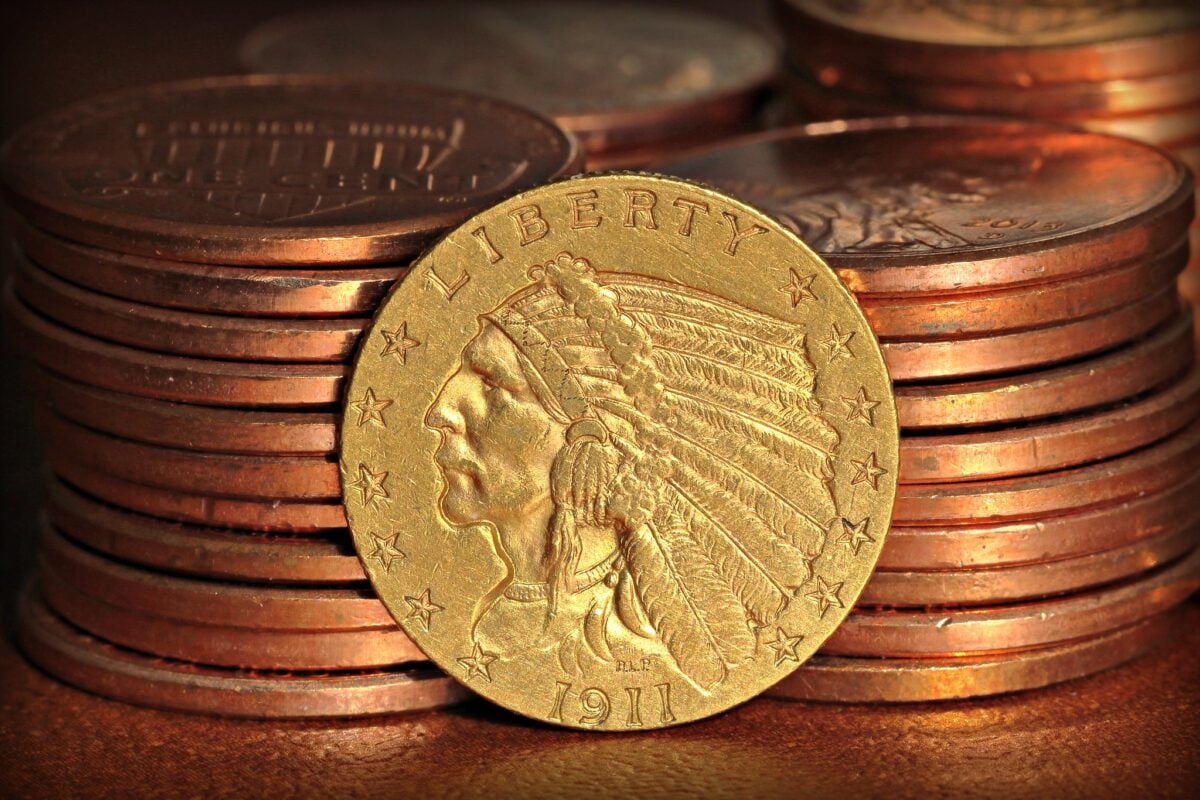
The Indian Head series ran from 1859 to 1909, preceding the Lincoln cent. Several dates stand out as particularly valuable.
The 1877 had the lowest mintage of any year in the series at just 852,500 coins. The 1909-S is another key date, with only 309,000 produced at the San Francisco mint in the final year of the design.
The 1908-S and 1871 also command premiums due to low mintages. Values vary dramatically based on condition.
Common date Indian Head pennies in poor condition might sell for just a few dollars. But key dates in high grades can reach $3,000 to $5,000 or more.
The coins’ age and distinctive design appeal to collectors beyond just those seeking rare dates.
Where These Coins Still Hide
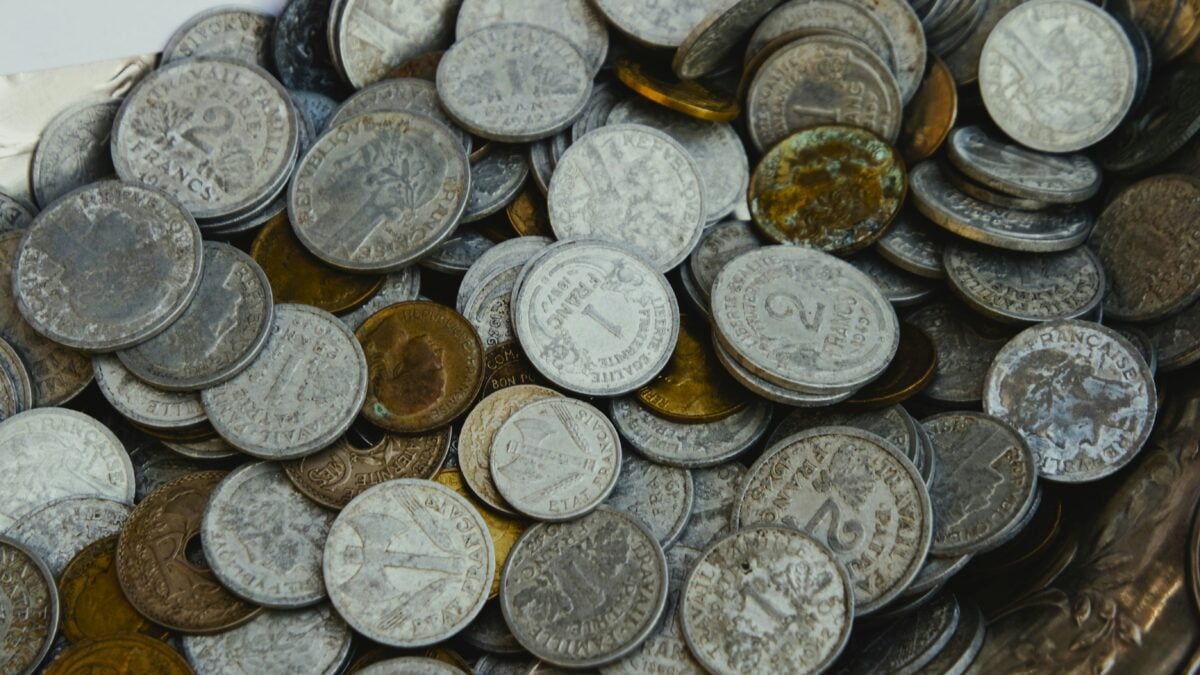
Every day, drawer after drawer at banks holds countless copper cents unseen by hobbyists. Inside those metal trays near checkout counters sit heaps of small change ignored for years.
Old homes put up for sale might carry boxes of coins left unsorted since the last owner died. Sometimes secondhand shops price entire jars of loose money too low – missed chances hidden in plain sight.
Now and then, peeling back wood in aging houses reveals coins tucked where no one could see. Digging around forgotten yards with a detector might bring up copper cents dropped long ago.
Sometimes, just noticing what slips through fingers today leads to something odd and old. A single moment of looking closer changes everything.
Hunting rare coins feels exciting because old valuable pennies are still out there. Each small pile of spare money might hide something special.
Not everyone sorts through loose cents, but some do – others grab coin rolls straight from the bank just to dig. A big find?
It can turn up anywhere. All it takes is someone paying attention.
The Weight of Small Fortune
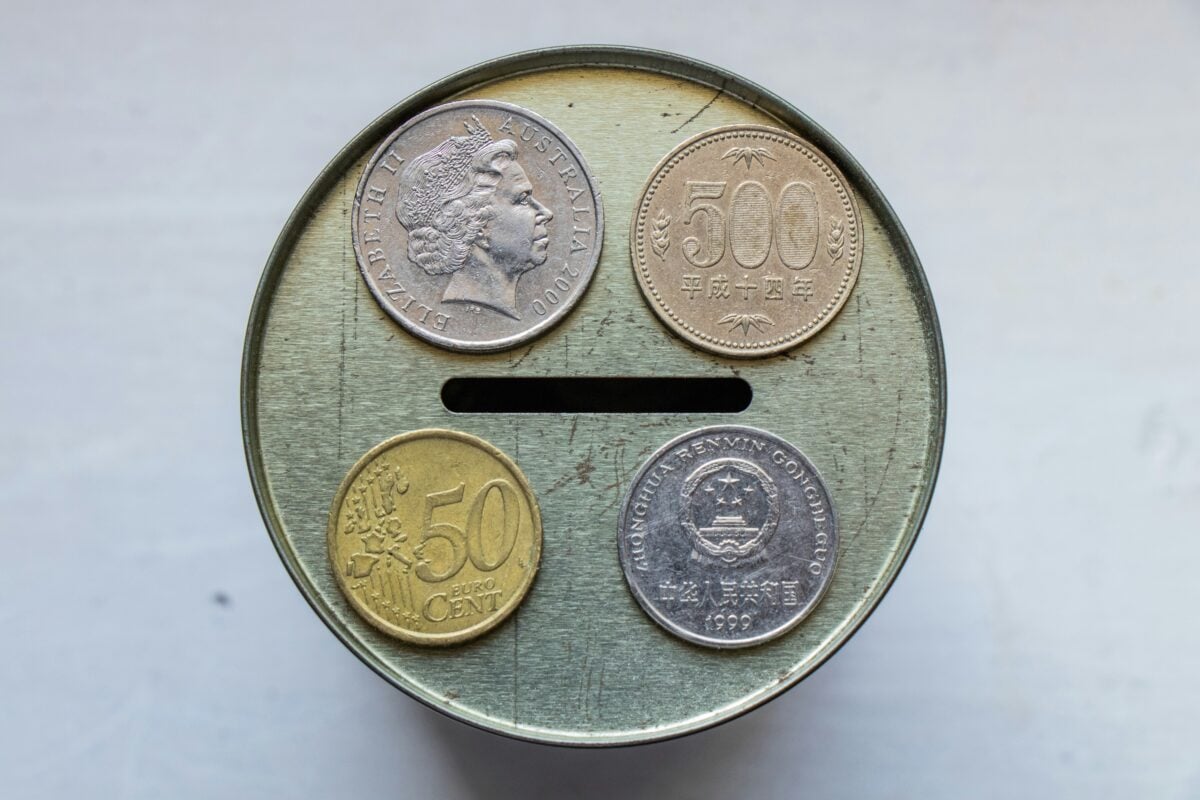
A penny usually tips the scales at around 2.5 grams. Yet certain ones hold more than just mass – stories live inside them, born from mistakes made during production or years of patient hunting by dedicated fans.
What seems common might actually be rare, simply because of a faint extra line, an incorrect alloy mix, or silence where a small stamp should speak. Loose change feels different now.
A coin tucked away might hide something rare. Most folks won’t stumble upon such luck.
Yet that small chance shifts your attention. The pile by your keys?
Worth a second glance. One dull penny could carry years beyond its face.
More from Go2Tutors!

- The Romanov Crown Jewels and Their Tragic Fate
- 13 Historical Mysteries That Science Still Can’t Solve
- Famous Hoaxes That Fooled the World for Years
- 15 Child Stars with Tragic Adult Lives
- 16 Famous Jewelry Pieces in History
Like Go2Tutors’s content? Follow us on MSN.



