Most Popular Radio Shows Before the Age of Television
Radio ruled American living rooms for decades before television ever flickered to life. Families gathered around their sets every evening, captivated by voices that felt like friends, stories that painted pictures in their minds, and entertainment that cost nothing but attention.
The golden age of radio produced shows that weren’t just popular—they were cultural phenomena that stopped the nation in its tracks.
Amos ‘n’ Andy
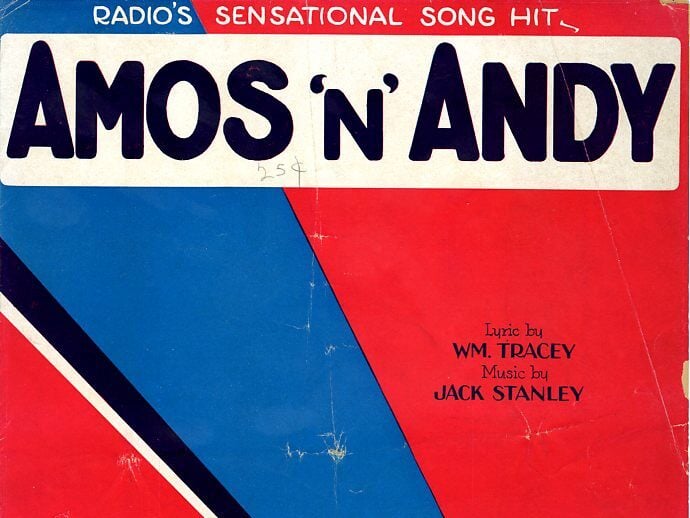
The most controversial hit of early radio dominated the airwaves from 1928 to 1960. Two white performers voiced African American characters in a comedy that drew massive audiences while perpetuating harmful stereotypes.
The show aired every weeknight at 7 PM, and movie theaters would pause films during that time because attendance dropped so dramatically. Phone usage across the country fell during the broadcast.
Restaurants reported empty dining rooms during the show’s time slot—which is saying something for a program that wouldn’t survive five minutes in today’s media landscape.
The Jack Benny Program
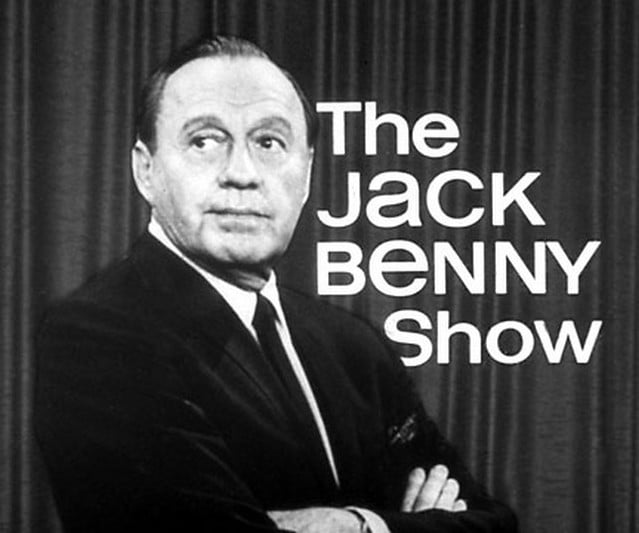
Jack Benny understood something most comedians missed: the funniest person in the room isn’t always the one telling jokes (and sometimes, when you’re dealing with a character as vain and cheap as Benny’s radio persona, the joke tells itself). His show ran from 1932 to 1955, built around a fictional version of himself—a perpetually 39-year-old tightwad whose violin playing could clear a room faster than a fire alarm.
The genius lived in the supporting cast: his long-suffering valet Rochester, his girlfriend Mary Livingstone, and announcer Don Wilson, who turned Jell-O commercials into comedy gold. But Benny’s greatest weapon wasn’t his delivery—it was his timing, particularly those legendary pauses that could stretch for what felt like minutes while the audience dissolved into laughter, waiting for a punchline that somehow never needed to arrive.
The Shadow
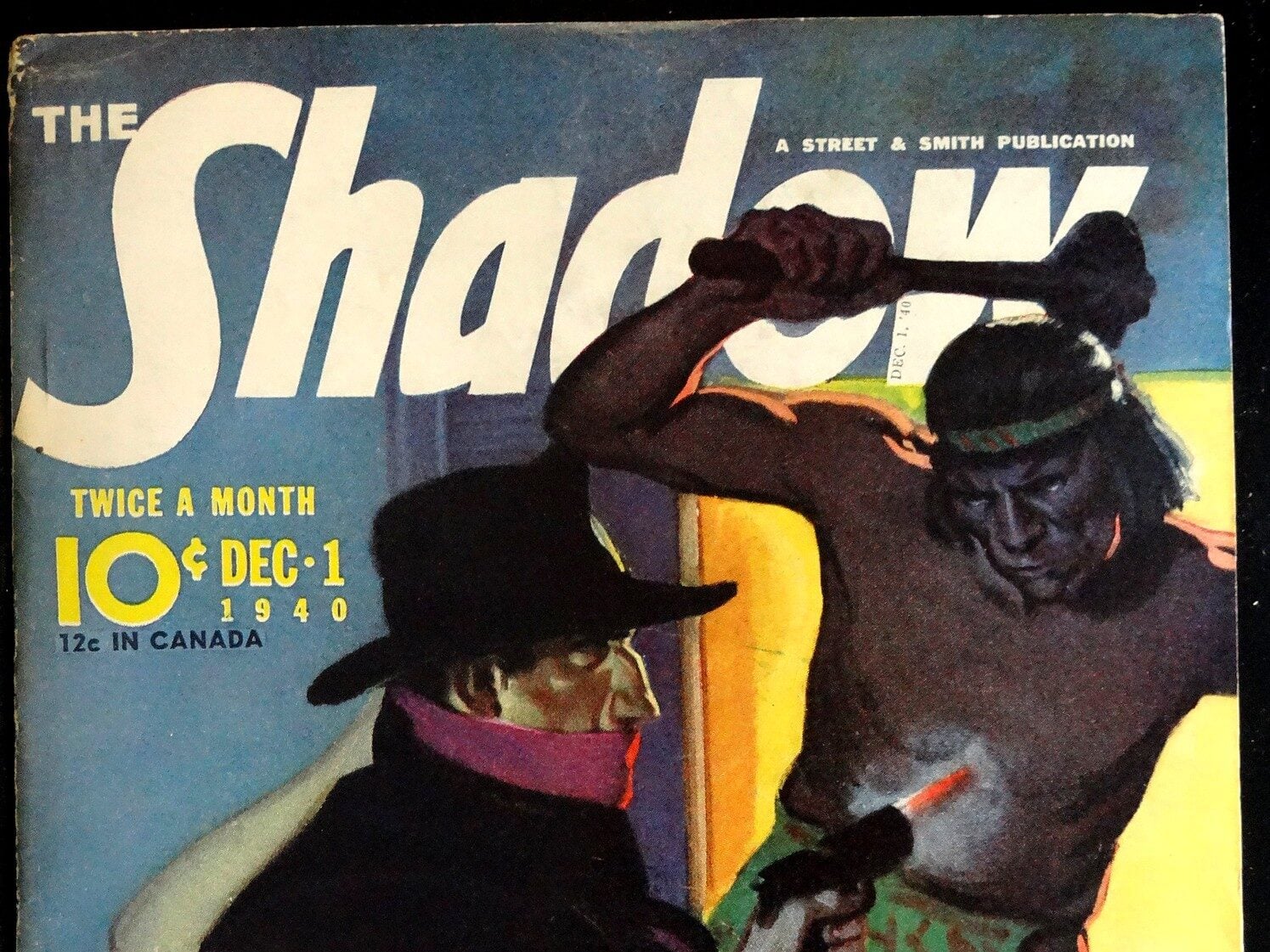
There’s something about a voice emerging from static-filled darkness that makes even the most ordinary story feel dangerous, and The Shadow perfected that alchemy between 1937 and 1954. Lamont Cranston possessed the power to cloud men’s minds, becoming invisible while his sinister laugh echoed through living rooms across America.
Children hid behind sofas. Adults leaned forward in their chairs.
The opening line—”Who knows what evil lurks in the hearts of men? The Shadow knows!”—became part of the national vocabulary, the kind of phrase people quoted decades later without remembering why they knew it.
Fibber McGee and Molly
Fibber McGee was exactly what his name suggested. A chronic exaggerator who lived at 79 Wistful Vista with his patient wife Molly, spinning tall tales that nobody believed and everybody enjoyed.
The show ran from 1935 to 1959, but its most famous element was pure audio genius: Fibber’s overstuffed hall closet that, when opened, would unleash an avalanche of household items that seemed to fall for thirty seconds straight. Audiences would wait for it every episode.
The sound effect became so iconic that “Fibber McGee’s closet” entered American slang as shorthand for any overstuffed, chaotic storage space.
The Lone Ranger
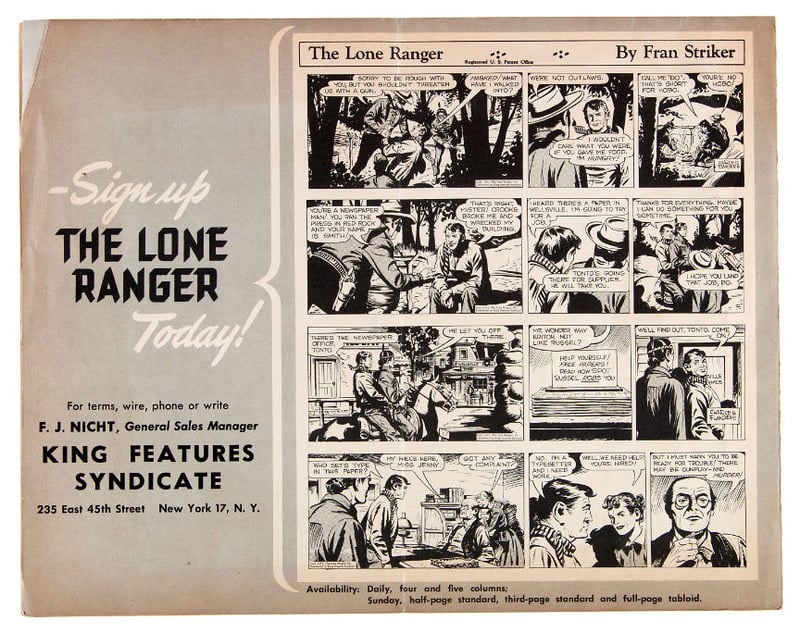
“Hi-yo, Silver! Away!” became the battle cry of American children from 1933 to 1954. The masked man and his faithful companion Tonto rode through the Old West, dispensing justice with silver bullets and moral lessons that felt less preachy than they probably were.
The show’s opening—Rossini’s “William Tell Overture”—is still instantly recognizable today, one of those pieces of music that immediately conjures images of galloping horses and desert landscapes. What made The Lone Ranger work wasn’t just the action, but the mystery.
The hero’s identity remained hidden, making him a figure of pure justice rather than a regular person with flaws and complications.
The War of the Worlds
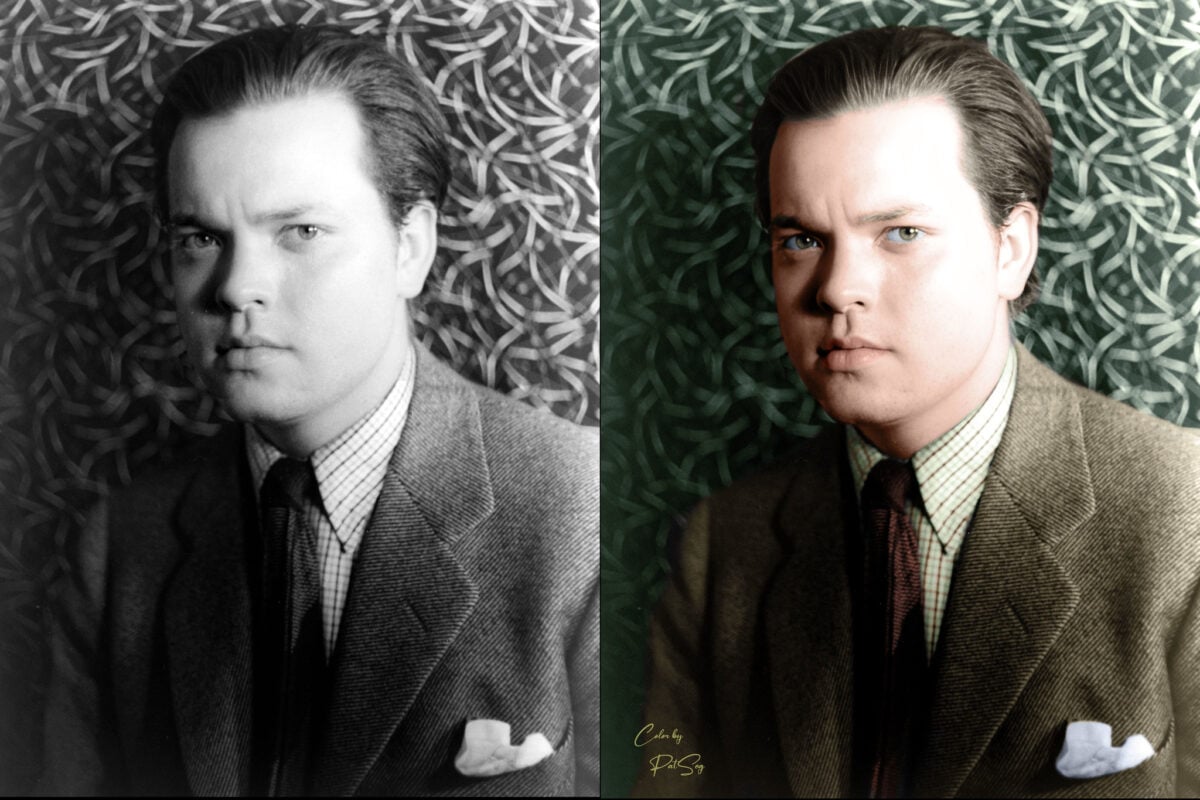
October 30, 1938. One broadcast changed everything.
Orson Welles and his Mercury Theatre adapted H.G. Wells’ novel as a series of fake news bulletins, reporting a Martian invasion in real time (though the panicked phone calls to police stations and the supposed mass hysteria that followed were probably exaggerated by newspapers trying to discredit radio as a news source—but the legend stuck anyway). The broadcast demonstrated radio’s unique power: unlike books or films, radio felt immediate, happening right now in the same world listeners inhabited.
And Welles, barely 23 years old, had managed to blur the line between fiction and reality so effectively that he became a household name overnight, launching a career that would eventually give us “Citizen Kane” and redefining what radio drama could accomplish.
Burns and Allen
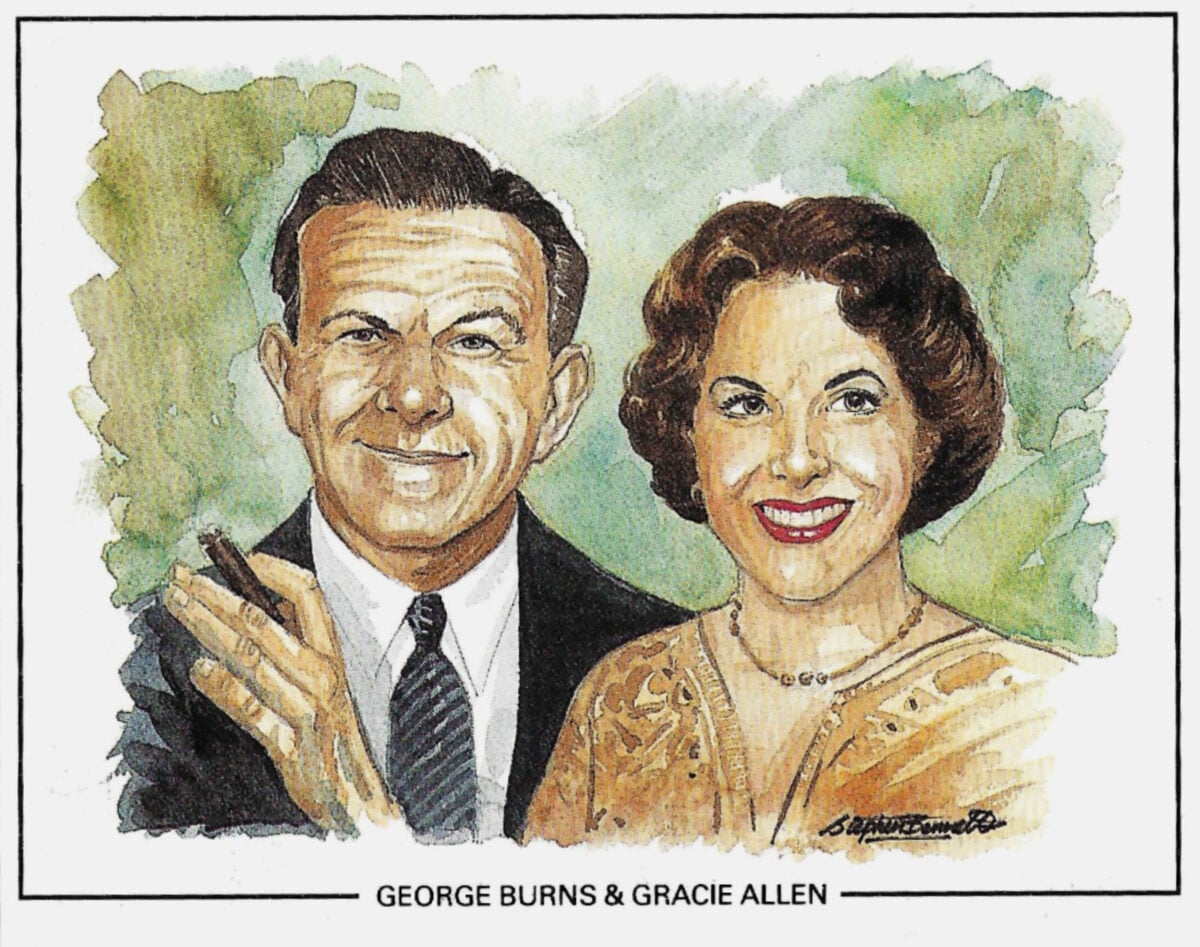
George Burns played the straight man. Gracie Allen played the dizzy wife. The formula sounds tired now, but their chemistry transformed simple domestic comedy into something genuinely surprising.
The show ran from 1932 to 1950, built around Gracie’s cheerful misunderstanding of everything from household tasks to basic logic. George would set up the premise, Gracie would demolish it with innocent precision, and audiences would find themselves laughing at wordplay that was smarter than it pretended to be.
Burns famously said he was successful because he had the good sense to marry a talented woman and then stay out of her way.
Inner Sanctum
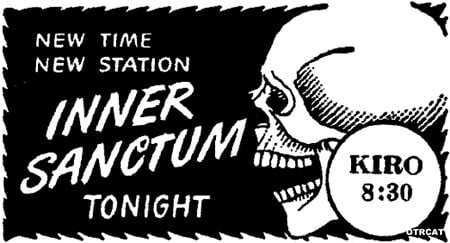
The creaking door that opened each episode of Inner Sanctum became one of radio’s most recognizable sound effects—a long, drawn-out groan that promised something unpleasant was about to unfold in the shadows (and that sound, incidentally, was created by removing the pin from a door hinge and letting it scrape against metal, which explains why it sounded genuinely unsettling rather than theatrical). Running from 1941 to 1952, the show specialized in psychological horror rather than monsters or gore.
Host Raymond Edward Johnson would introduce each tale with macabre wordplay and dark humor, setting up stories that crawled under listeners’ skin and stayed there. The show understood that radio’s limitation—no visuals—was actually its greatest strength for horror, because the mind creates scarier images than any special effect.
The Edgar Bergen and Charlie McCarthy Show
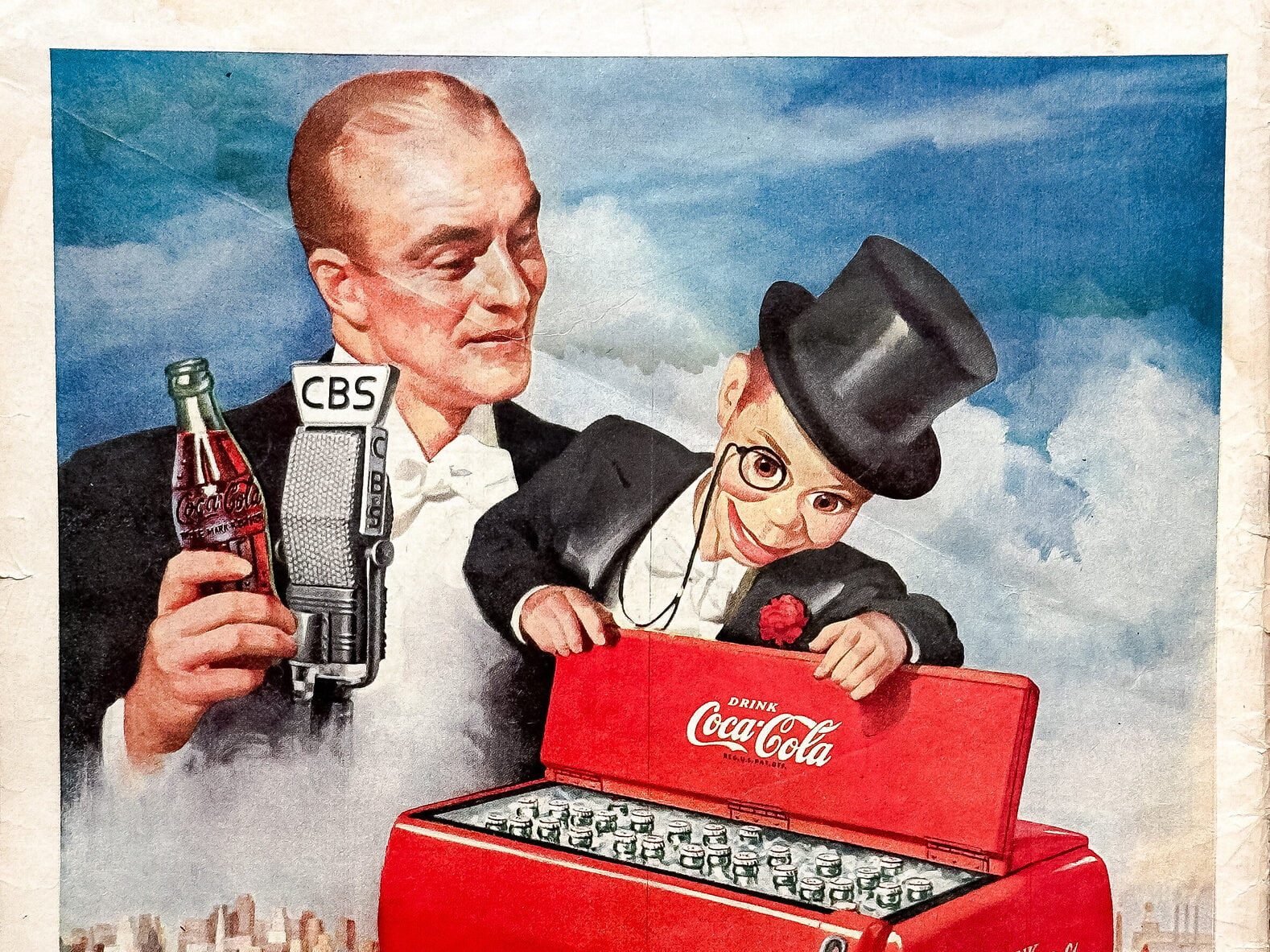
A ventriloquist on radio sounds like a punchline to a joke about missing the point. Edgar Bergen and his wooden dummy Charlie McCarthy proved that star power transcends logic.
The show ran from 1937 to 1956, featuring conversations between Bergen, the wise dummy Charlie, and his dimwitted wooden companion Mortimer Snerd. Listeners couldn’t see Bergen’s lips move, but they didn’t care—Charlie had developed into a personality so distinct that celebrities would appear on the show specifically to trade barbs with the dummy.
W.C. Fields became a regular, engaging in mock feuds with Charlie that felt more genuine than most human interactions on radio.
Superman

“Faster than a speeding bullet! More powerful than a locomotive! Able to leap tall buildings in a single bound!” The radio version of Superman premiered in 1940, bringing comic book adventure to audio with a breathless energy that made every episode feel urgent.
The show introduced elements that became permanent parts of Superman mythology: the Daily Planet (originally the Daily Star in comics), editor Perry White, cub reporter Jimmy Olsen, and the green rock called kryptonite. Radio needed ways to make Superman vulnerable, and kryptonite solved the problem while giving the show dramatic tension.
The series ran until 1951, creating the template for superhero audio drama.
One Man’s Family
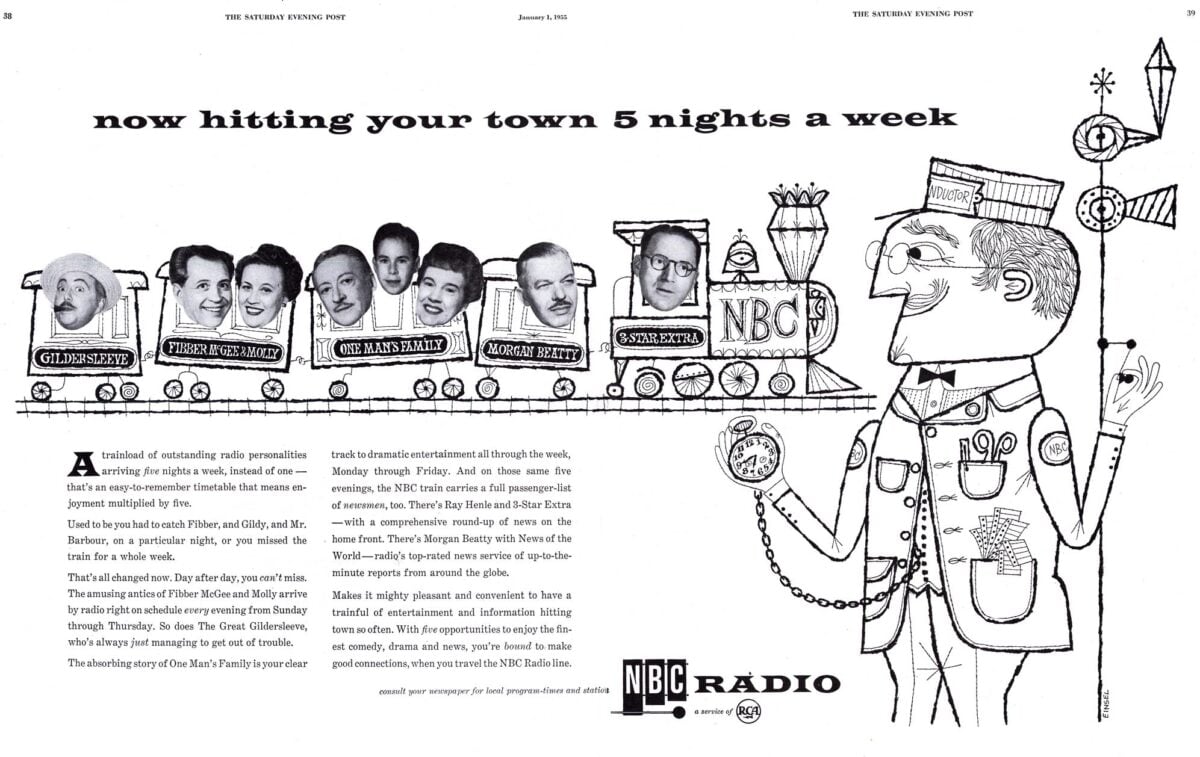
One Man’s Family was radio’s first soap opera, premiering in 1932 and running for an unprecedented 27 years. The show followed the Barbour family of San Francisco through decades of domestic drama: marriages, divorces, births, deaths, and all the ordinary complications that make family life simultaneously exhausting and essential.
What made it revolutionary wasn’t the stories—families had been the subject of entertainment long before radio—but the format. Episodes ended with cliffhangers.
Characters aged in real time. Storylines stretched across months or even years.
The show created the template that television would later adopt for everything from daytime dramas to primetime series.
The Great Gildersleeve
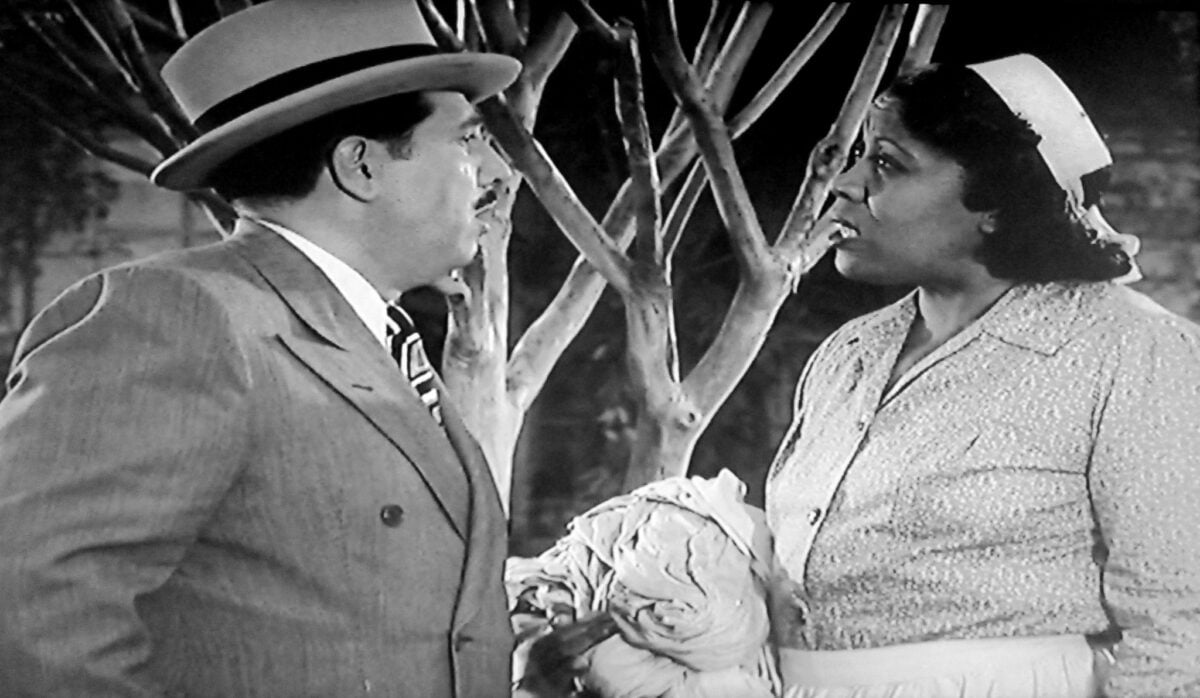
Throckmorton P. Gildersleeve started as a supporting character on Fibber McGee and Molly before getting his own show in 1941—the first radio spin-off in broadcast history. Gildersleeve was a pompous, self-important bachelor who becomes guardian to his orphaned niece and nephew, transforming from blowhard to reluctant family man.
The show’s genius was its willingness to let Gildersleeve be genuinely ridiculous while still making him sympathetic. His signature laugh—a distinctive “heh-heh-heh”—became as recognizable as any catchphrase, and the character’s romantic misadventures provided endless material for writers who understood that nothing deflates pomposity quite like honest affection.
Gang Busters
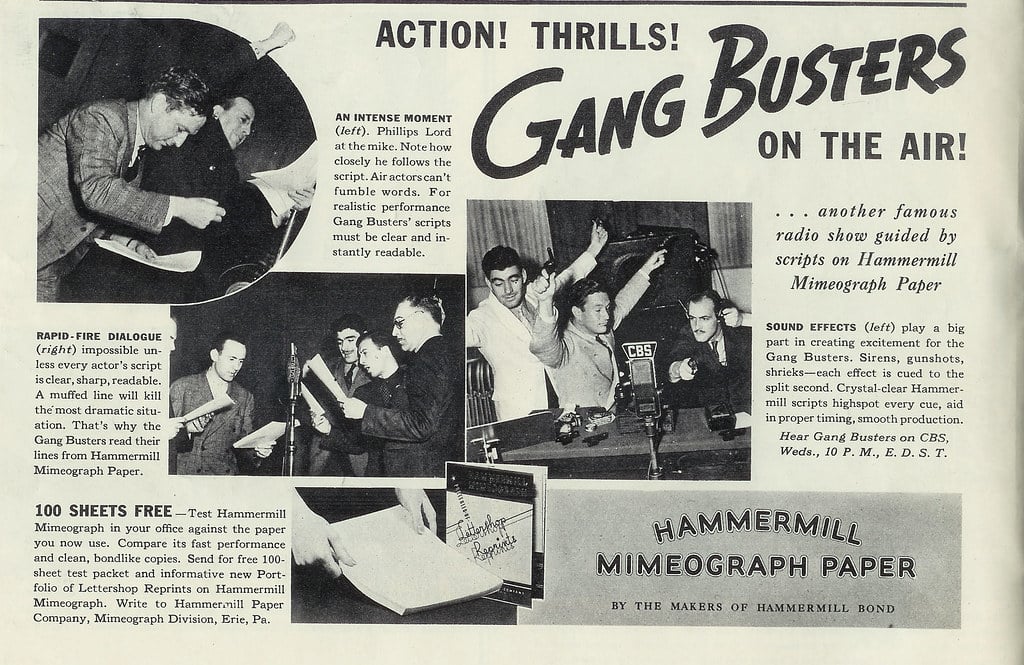
“Gang Busters” became American slang for something loud and dramatic, and the radio show that inspired the phrase earned that reputation. Premiering in 1935, each episode began with a cacophony of sirens, machine guns, and police whistles that was loud enough to wake the neighbors.
The show dramatized real crime cases, often with the cooperation of law enforcement agencies who saw it as good publicity for their work. Episodes ended with descriptions of wanted criminals, and the show claimed credit for several arrests of listeners who recognized the descriptions.
The format was simple: criminals commit crimes, police catch criminals, justice prevails. The execution was anything but subtle, and audiences loved every loud, morally certain minute of it.
You Bet Your Life
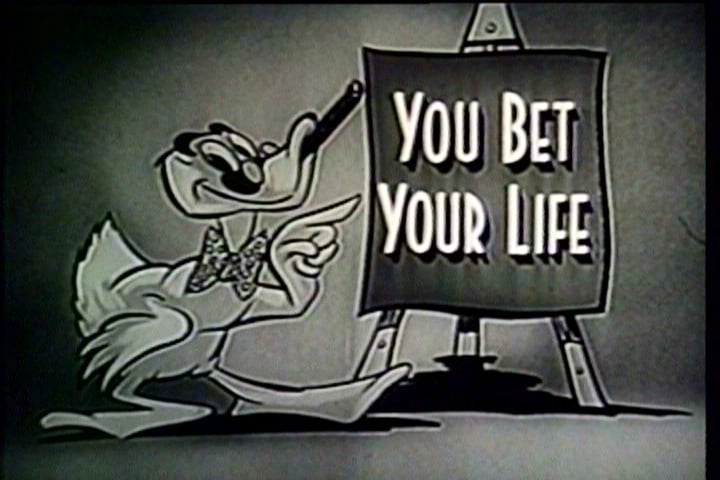
Groucho Marx brought his rapid-fire wit to radio in 1947 with a quiz show that cared more about comedy than correct answers. Contestants would attempt to answer questions for money, but the real entertainment came from Groucho’s improvised conversations with ordinary people who had no idea what they were getting into.
The show’s secret word gimmick—a duck would drop from the ceiling if contestants said the predetermined word—became a running joke, but Groucho’s ability to find humor in everyday situations made each episode unpredictable. When television arrived, the show transferred seamlessly to the new medium, proving that some personalities are bigger than their format.
Looking Back at the Voices
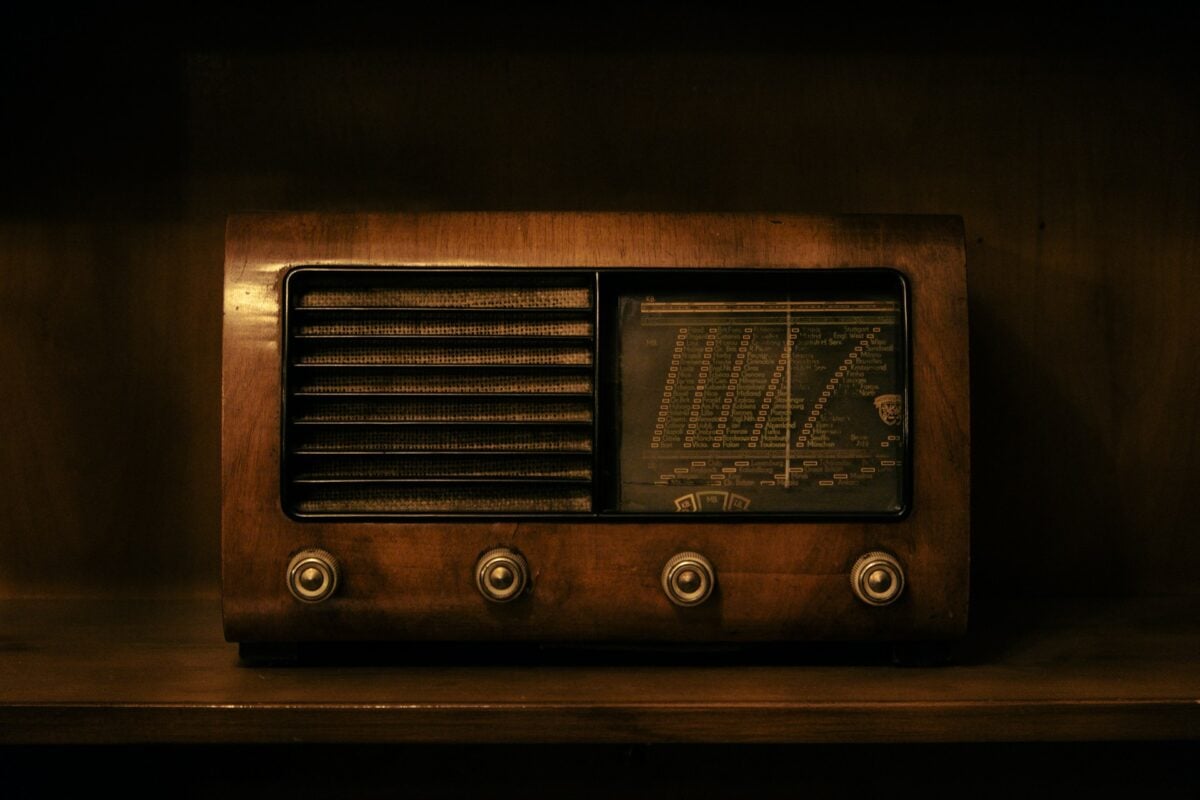
Those radio shows created something television would struggle to replicate: intimacy. Voices speaking directly into your ear from a wooden box in the corner felt more personal than images on a screen ever could.
Radio demanded imagination from its audience, and people responded by investing themselves completely in characters they never saw, places that existed only in sound effects, and stories that painted pictures more vivid than any camera could capture. The medium disappeared when television arrived, but the best of those shows left something behind—proof that sometimes the most powerful images are the ones that never existed anywhere except in the space between a voice and a willing listener.
More from Go2Tutors!

- The Romanov Crown Jewels and Their Tragic Fate
- 13 Historical Mysteries That Science Still Can’t Solve
- Famous Hoaxes That Fooled the World for Years
- 15 Child Stars with Tragic Adult Lives
- 16 Famous Jewelry Pieces in History
Like Go2Tutors’s content? Follow us on MSN.



