Indy 500 Legends and Unforgettable Moments
The Indianapolis 500 doesn’t just crown winners — it creates mythology. Every Memorial Day weekend, 33 drivers chase the same dream that’s captivated racers since 1911, but only a select few transcend the sport itself.
These aren’t just fast drivers who happened to win big races. They’re the ones who did something so spectacular, so impossible, or so perfectly timed that decades later, people still stop talking when their names come up.
The moments they created didn’t just change races — they rewrote what anyone thought was possible on four wheels.
A.J. Foyt
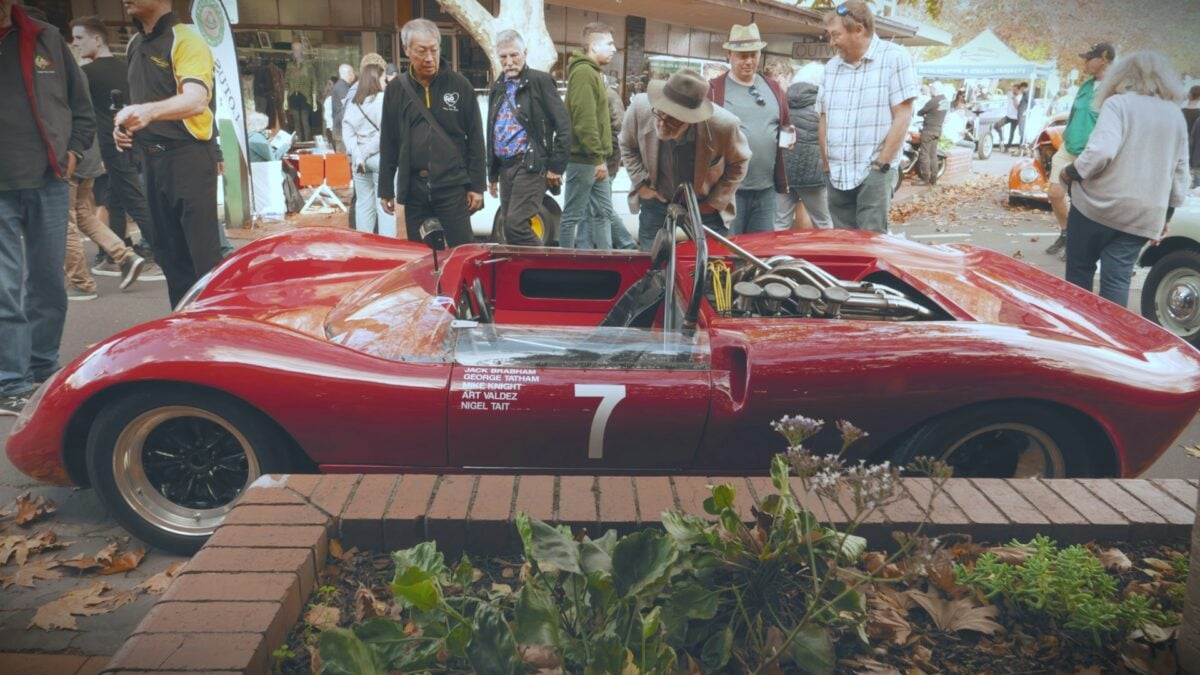
Four wins. No other driver has managed it, and watching modern Indy racing, it’s hard to imagine anyone ever will.
Foyt didn’t just win the Indianapolis 500 four times between 1961 and 1977 — he owned it. His 1967 victory came after leading 163 of 200 laps, which sounds dominant until you realize he did it while nursing a wounded car that shouldn’t have lasted half that distance.
The man simply refused to lose.
The 1982 Battle
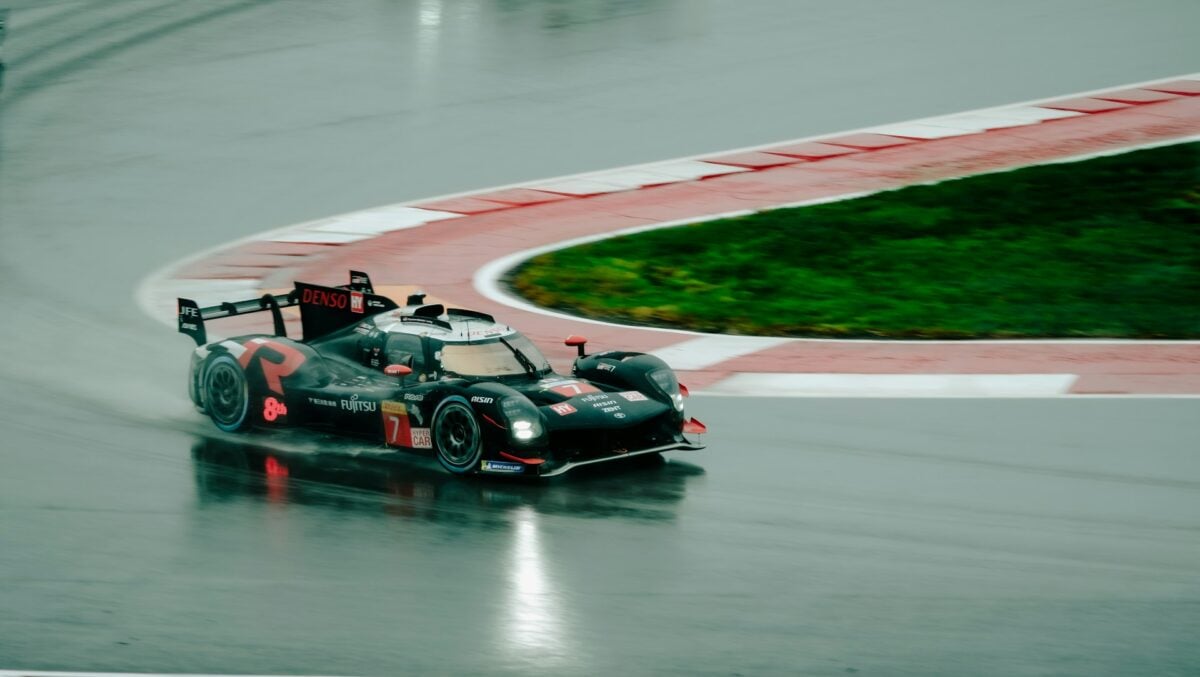
Rain delayed the race until August (which still sounds wrong), and when officials finally got it going, the race was stopped again after 116 laps due to continued rain. Gordon Johncock held the lead when the race was called official, winning by 0.16 seconds over Rick Mears in one of the closest finishes in Indy 500 history.
Sometimes the margin between legend and footnote comes down to weather, or even just a few drops of methanol.
Rick Mears and the Art of Precision
Mears understood something about Indianapolis Motor Speedway that eluded most drivers: it wasn’t about being the fastest (though that helped), it was about being fastest when it mattered while staying alive when it didn’t. And here’s where racing becomes something closer to philosophy than sport — because Mears could read the track the way a pianist reads sheet music, knowing exactly which notes to emphasize and which ones to let breathe.
He won four times, but those victories came wrapped in a kind of calculated patience that felt almost meditative compared to the chaos happening around him. The man could find speed in places other drivers didn’t even know existed, threading his car through impossibly narrow windows of opportunity that opened and closed faster than most people could even register them.
But what made Mears genuinely special wasn’t just the four wins — it was how he seemed to exist in a different temporal space during those races, making decisions three corners ahead while everyone else scrambled to react to what was happening in real time. So when people talk about Mears, they’re really talking about precision as an art form.
Dan Wheldon’s 2011 Triumph
Wheldon hadn’t driven an IndyCar all season. He showed up at Indianapolis without a ride, picked up a one-off deal with Bryan Heron-Tauson Racing, and promptly reminded everyone why you never count out a two-time winner.
Starting 34th — dead last — he carved through the field like he’d been planning this move all year. Maybe he had.
The victory felt like a farewell gift from a driver who understood Indianapolis better than almost anyone. Four months later, Wheldon died in a crash at Las Vegas.
The 2011 Indy 500 became his final masterpiece.
Mario Andretti’s Near Misses
Andretti won Indianapolis once, in 1969. He should have won it five times.
The racing gods seemed to take particular pleasure in finding new ways to break Mario Andretti’s heart at Indianapolis Motor Speedway, each failure more creative than the last. 1987 hurt the most.
Andretti led with three laps remaining when his engine let go, handing the victory to Al Unser Sr. The television cameras caught Andretti’s face as he climbed from the car — pure devastation mixed with the kind of resignation that comes from having your dreams crushed in front of 300,000 people one too many times.
The 1992 Close Finish

Al Unser Jr. and Scott Goodyear put on a clinic in how to finish a 500-mile race. Unser Jr. led by 0.043 seconds — roughly two feet — when they crossed the finish line.
Goodyear actually thought he’d won and started celebrating before officials told him otherwise. The margin remains the closest in Indy 500 history.
Thirty years later, people still argue about whether Goodyear might have gotten there first if he’d moved to the outside line one corner earlier.
Emerson Fittipaldi and Rain
Weather turns the Indianapolis 500 into something resembling controlled chaos, and Fittipaldi seemed to thrive when conditions went sideways — which tells you something important about both his skill level and his particular brand of controlled recklessness. The 1989 race got stopped by rain after 162 laps, and when they called it official, Fittipaldi found himself holding the winner’s trophy (along with milk he’d earned the right to drink, though Formula One champions probably don’t get as excited about dairy products as the rest of us might expect them to).
But here’s the thing about Fittipaldi’s Indianapolis legacy that people forget: he didn’t just win in the rain, he dominated in it, finding grip where other drivers found only frustration and fear. The Brazilian had already conquered Formula One twice before coming to Indianapolis, so he arrived with a different relationship to pressure than most drivers — less desperation, more curiosity about what American open-wheel racing might teach him.
The Andretti Curse
Three generations of Andrettis have tried to add their names to the Indianapolis 500 winner’s list since Mario’s 1969 victory. Michael came close multiple times.
Marco led with 11 laps to go in 2006 before his fuel strategy betrayed him. The curse feels real because it keeps finding new ways to manifest.
Engine failures, fuel mileage miscalculations, crashes while leading — the Indianapolis Motor Speedway seems determined to give the Andretti family just enough hope to make the disappointment sting.
Tony Kanaan’s Emotional Victory

Kanaan spent 12 years knocking on the door at Indianapolis before it finally opened in 2013. When it did, the emotion hit immediately.
This wasn’t just another professional athlete winning another race — this was a guy who’d spent over a decade wondering if he’d ever drink the milk. The victory lap turned into something closer to a parade, with fans throughout the grandstands standing to applaud a driver they’d watched chase this dream for more than a decade.
Sometimes persistence pays off exactly when it’s supposed to.
Hélio Castroneves and the Fence Climb
Castroneves won three Indianapolis 500s, but people remember the celebration more than any specific race. After each victory, he’d climb the catch fence and hang there like a Brazilian spider monkey, arms spread wide, soaking in applause from 300,000 people who couldn’t help but smile watching him.
The fence climb became his signature, copied by other winners but never quite replicated. Castroneves made it look natural, like celebrating any other way would have been strange.
The 1995 Spectacle
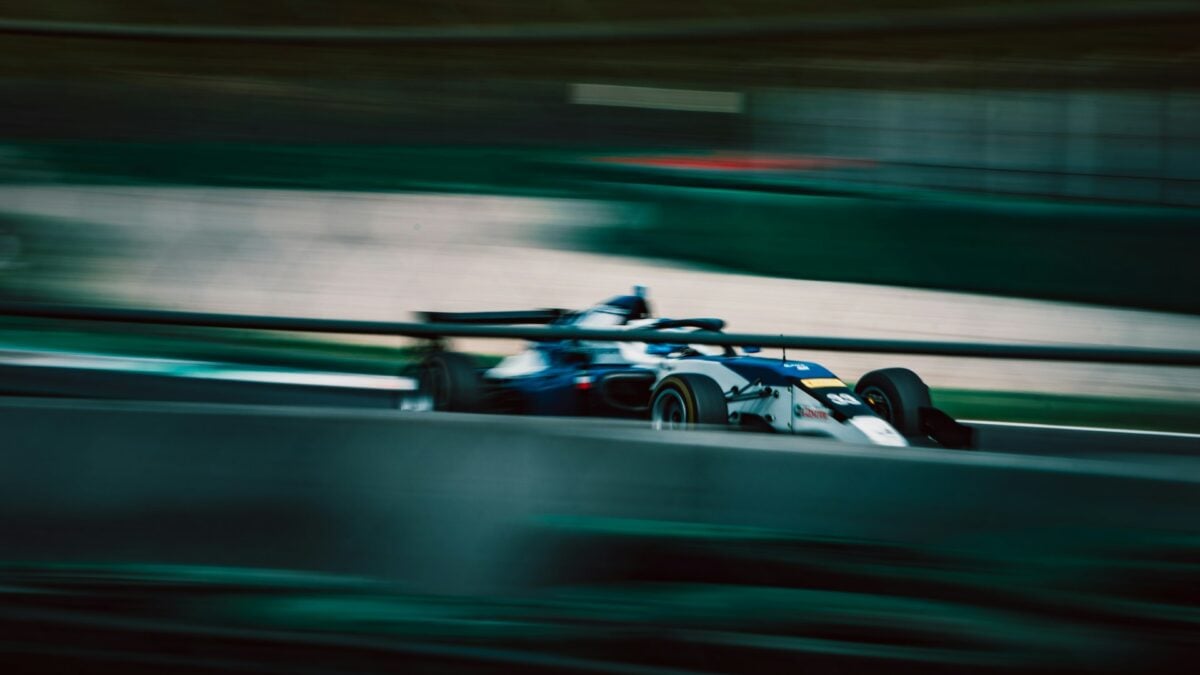
Jacques Villeneuve led 95 laps and looked ready to cruise to victory until a yellow flag bunched up the field with 15 laps remaining. What followed was pure chaos — the kind that makes Indianapolis 500 highlight reels for decades.
Cars scattered across all four lanes, positions changing every few seconds, drivers making moves that looked impossible until they pulled them off. Villeneuve held on to win, but barely.
The final 15 laps contained more drama than some entire races manage to produce.
Takuma Sato’s Historic Win
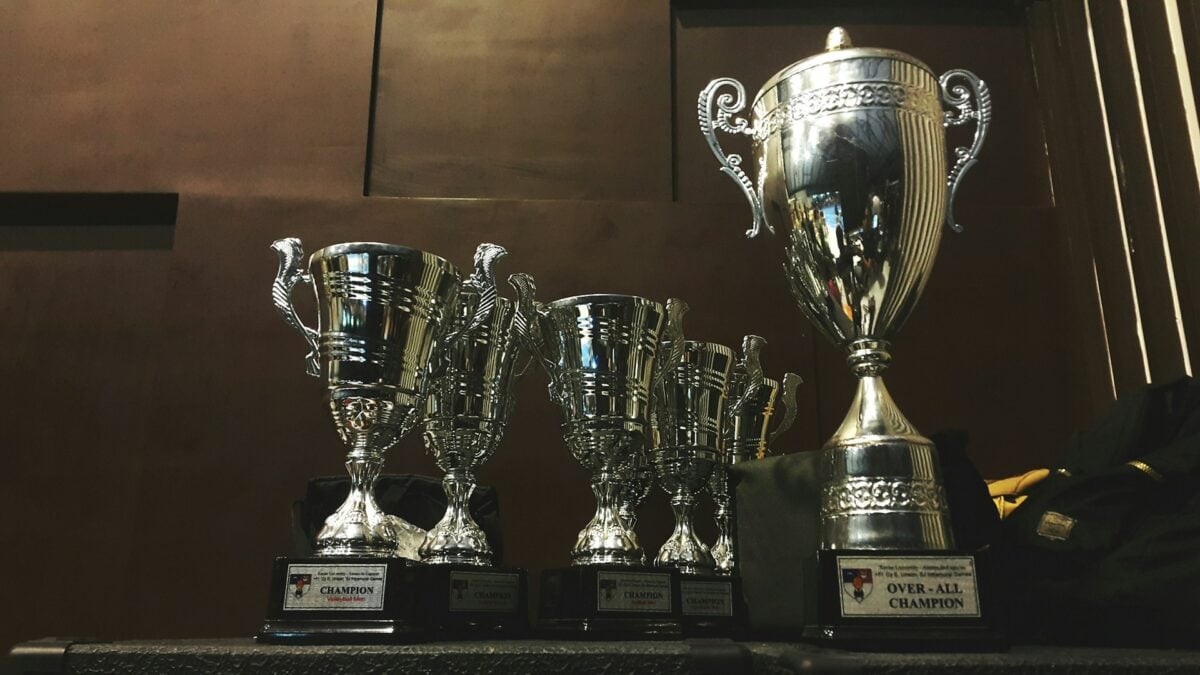
Sato became the first Japanese driver to win the Indianapolis 500 in 2017, but the victory meant more than just personal achievement. Japan had been sending drivers to Indianapolis for decades, and Sato’s triumph felt like validation for an entire racing culture.
His celebration was understated — very Japanese — but the significance wasn’t lost on anyone paying attention. Breaking barriers at Indianapolis carries extra weight because of the race’s global reach and century-long history.
Scott Dixon’s Masterclass
Dixon turned the 2008 Indianapolis 500 into a strategic masterpiece, leading when it mattered while conserving fuel when others burned through theirs too quickly. The New Zealander understood that Indianapolis rewards patience as much as speed.
His victory felt inevitable by the final stint, which is rare at a track famous for last-lap drama. Dixon simply drove a perfect race when perfection was required, which sounds easier than it actually is.
The Checkered Flag That Never Gets Old
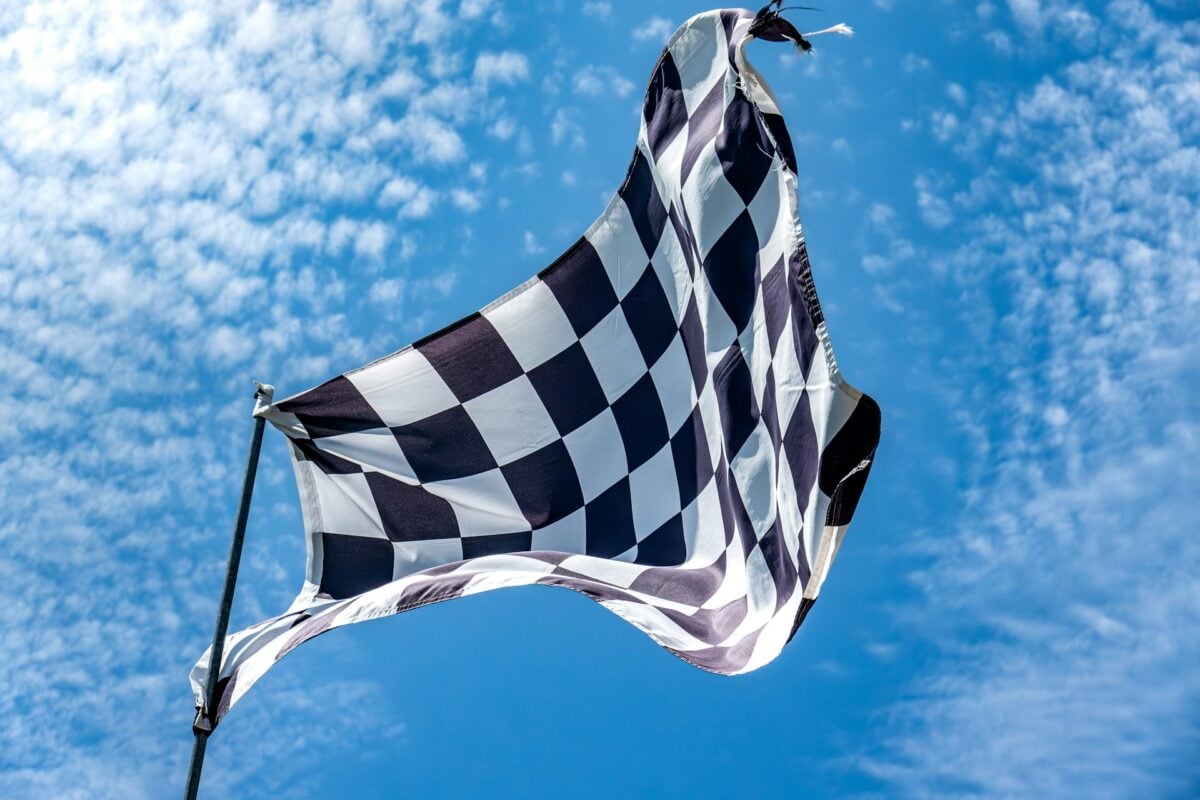
Every Indianapolis 500 ends the same way — with one driver taking a checkered flag that looks identical to every other checkered flag in racing, but somehow carries more weight because of where it’s waved. The winner drinks milk (a tradition that started by accident and stuck around because racing folk are superstitious that way), kisses the bricks, and tries to make sense of what just happened while 300,000 people cheer and millions more watch on television.
But the real magic happens in that moment between seeing the flag and processing what it means — when a driver realizes they’ve just joined a group that includes A.J. Foyt and Rick Mears and Mario Andretti and every other legend who figured out how to be fastest when it mattered most. That’s when the Indianapolis 500 stops being a race and becomes something closer to immortality, which explains why grown men cry when they win it and why the rest of us never get tired of watching.
More from Go2Tutors!

- The Romanov Crown Jewels and Their Tragic Fate
- 13 Historical Mysteries That Science Still Can’t Solve
- Famous Hoaxes That Fooled the World for Years
- 15 Child Stars with Tragic Adult Lives
- 16 Famous Jewelry Pieces in History
Like Go2Tutors’s content? Follow us on MSN.



