16 Business Models That Worked Only in Their Era
Business models that seem ridiculous today once generated enormous profits for savvy entrepreneurs who understood their times. Technology shifts, changing consumer preferences, and regulatory evolution have rendered entire industries obsolete seemingly overnight. What worked brilliantly in one decade becomes a punchline in the next, leaving behind only nostalgic memories and cautionary tales.
These models succeeded not because they were inherently superior, but because they perfectly matched the constraints and opportunities of their specific historical moments. Here is a list of 16 business models that worked only in their era.
Video Rental Stores
— Photo by ColleenMichaels
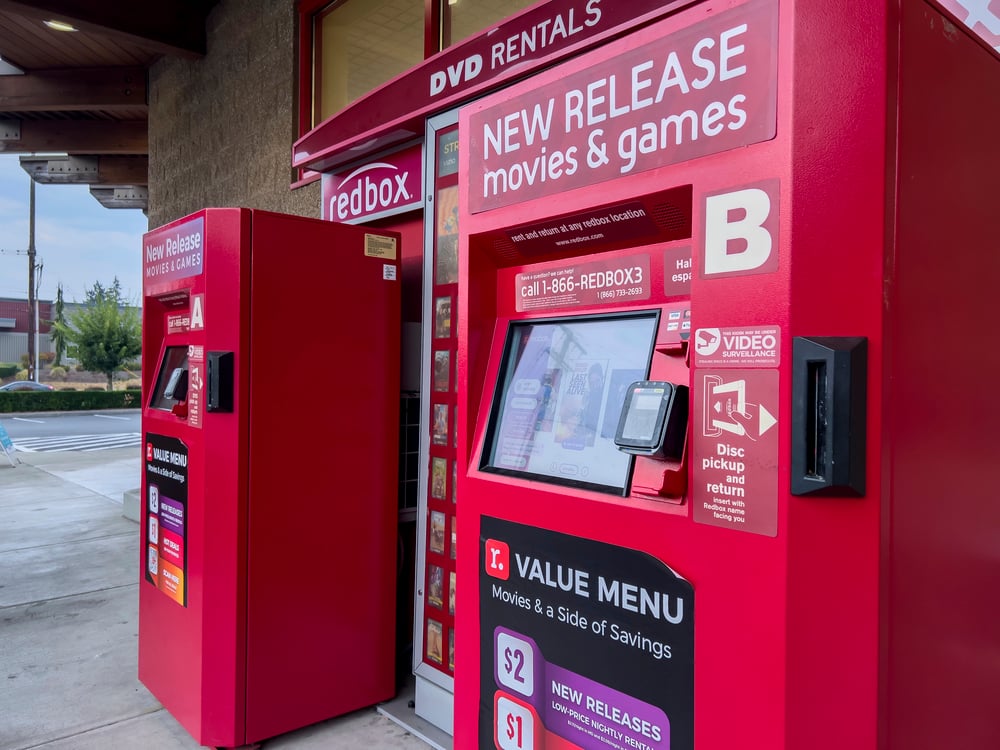
Blockbuster and thousands of independent video stores dominated entertainment for decades — charging late fees and requiring physical trips to browse limited selections on crowded shelves. The model thrived when home video was scarce and internet speeds couldn’t support streaming, making convenience stores with VHS and DVD collections incredibly valuable. Netflix’s mail service and eventual streaming capabilities eliminated the need for physical locations entirely.
Phone Books and Yellow Pages

Massive printed directories generated billions through advertising revenue — since finding businesses required flipping through alphabetized phone listings before search engines existed. Companies paid premium rates for bold listings and display ads because consumers had no alternative method for discovering local services and contact information. Google’s search algorithms and smartphone apps made these heavy paper books instant relics.
Film Processing and Photo Development

Kodak built an empire on film sales and photo processing — creating a razor-and-blade model where cameras were cheap but film and development generated ongoing revenue streams. Every vacation, wedding, and family gathering required purchasing film rolls and paying for professional development services to see the results weeks later. Digital cameras and smartphone photography eliminated the entire chemical processing industry almost overnight.
Travel Agencies

Physical travel agents earned commissions by booking flights, hotels, and vacation packages — providing expertise that consumers couldn’t access independently before online booking platforms existed. Travelers relied on agents’ knowledge of complex airline pricing and their relationships with hotels to secure deals and handle complicated itineraries. Expedia, Priceline, and direct airline websites gave consumers the same tools without paying agency fees.
Encyclopedia Sales

Door-to-door salespeople convinced families to spend thousands on multi-volume encyclopedia sets — positioning them as essential educational investments for children’s academic success. Parents couldn’t easily access comprehensive information otherwise, making these expensive book collections seem like wise long-term purchases despite their massive upfront costs. Wikipedia and search engines provided better, more current information for free.
Music Record Stores
— Photo by ColleenMichaels
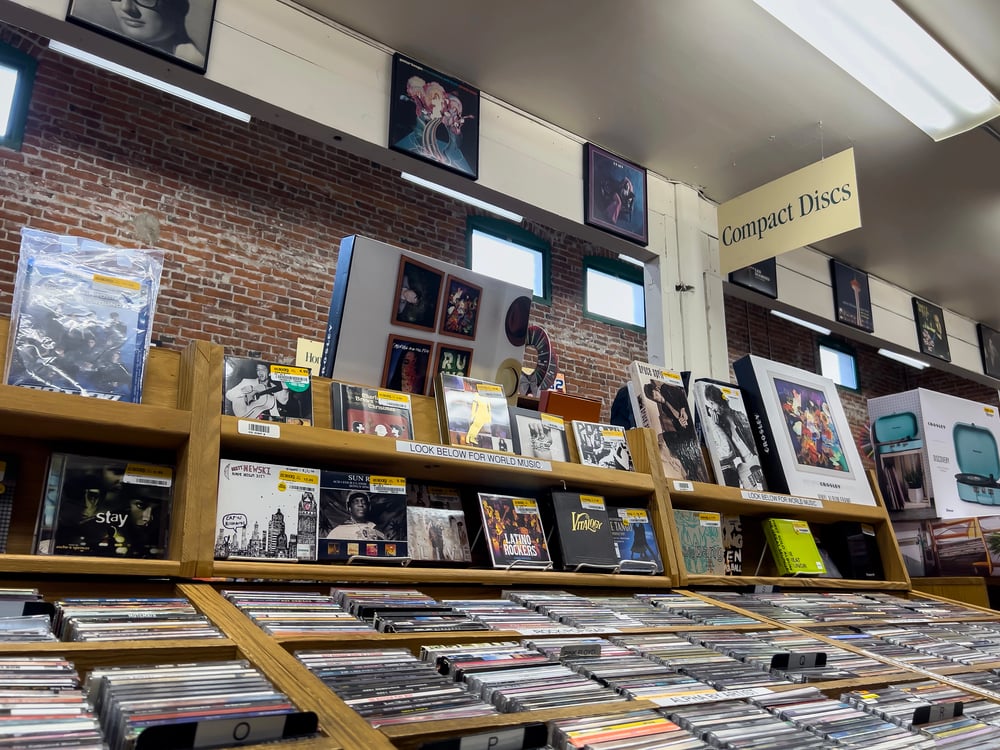
Tower Records and countless independent shops sold physical albums, singles, and music accessories — serving as cultural hubs where music discovery happened through knowledgeable staff recommendations and browsing. Record stores controlled music distribution and profited from album sales when consumers had to buy entire collections to hear specific songs. iTunes, Spotify, and digital downloads eliminated the need for physical music retail entirely.
Newspaper Classified Advertisements

Local newspapers generated substantial revenue from classified sections — where people paid per line to sell cars, find jobs, rent apartments, and advertise personal services. These text-only listings represented the primary marketplace for local transactions before internet platforms provided better search and visual capabilities. Craigslist, eBay, and specialized job sites offered superior functionality without geographic limitations.
Pay Phone Operations

Telecommunications companies installed pay phones everywhere — collecting coins from millions of calls made by people without access to personal phones during travel or emergencies. The model worked when landlines were expensive and mobile phones didn’t exist, making public phones essential infrastructure for communication outside homes and offices. Cell phone adoption eliminated demand for coin-operated communication almost completely.
Pager Services

Motorola and other companies sold pagers and monthly service plans — enabling one-way communication for professionals who needed to stay reachable without carrying expensive mobile phones. Doctors, salespeople, and emergency workers relied on these numeric messaging devices because early cell phones were too bulky and expensive for widespread adoption. Affordable smartphones with text messaging made pagers obsolete within a few years.
Software Retail Boxes

CompUSA and computer stores sold shrink-wrapped software in massive cardboard boxes — charging hundreds of dollars for programs that came on multiple floppy disks or CDs with printed manuals. Software distribution required physical retail presence before broadband internet made downloading practical, and customers expected tangible products for their investment. Digital downloads and Software-as-a-Service models eliminated the need for physical software packaging.
Internet Dial-Up Services

AOL dominated internet access by providing dial-up connections and curated content — charging monthly fees for slow connections that tied up phone lines during usage. The walled-garden approach worked when most people were internet novices who needed guided experiences and simplified interfaces to navigate online content. Broadband connections and open web browsing made AOL’s restrictive model unnecessary and frustrating.
DVD-by-Mail Rental
— Photo by macropixel
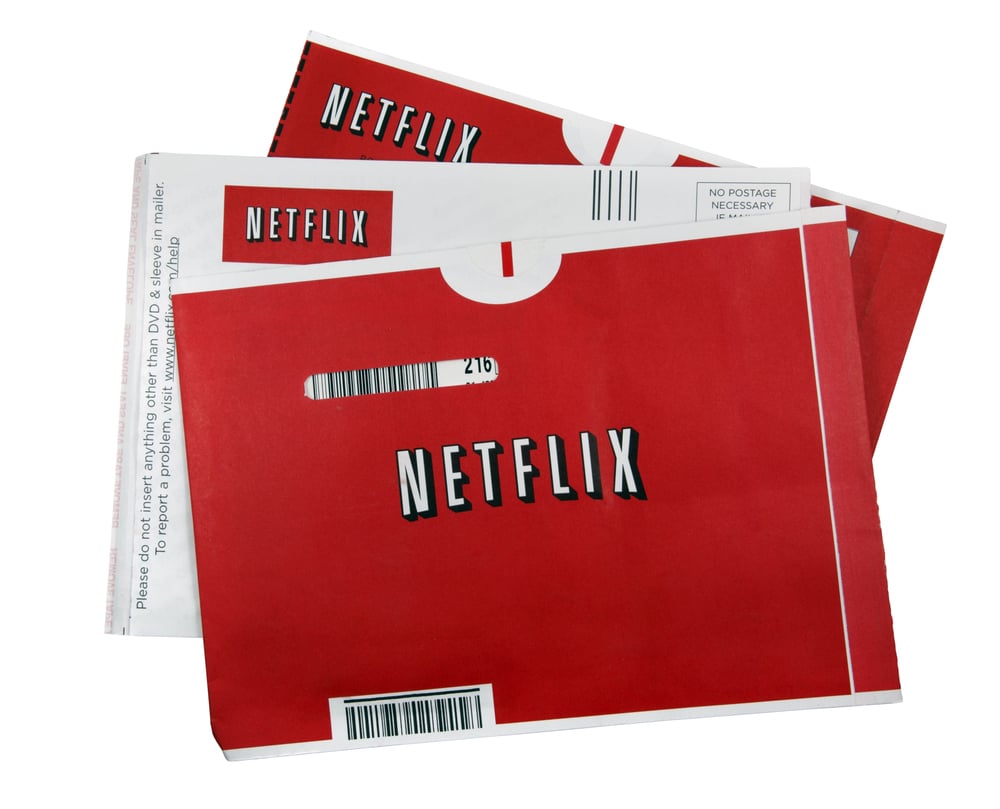
Netflix’s original business model mailed DVDs to subscribers — who kept discs as long as desired without late fees, then returned them in prepaid envelopes for new selections. This system worked brilliantly when broadband speeds couldn’t support video streaming and consumers wanted more selection than local video stores offered. High-speed internet and streaming technology made physical disc delivery seem antiquated and inefficient.
Arcade Gaming Centers

— Photo by debramillet
Chuck E. Cheese and dedicated arcade halls generated revenue from coin-operated games — providing entertainment experiences that couldn’t be replicated at home with early gaming consoles. Arcade machines offered superior graphics and unique games that justified paying per play, while social gaming happened in physical locations with friends and strangers. Home consoles with comparable graphics and online multiplayer eliminated the need for arcade visits.
Fax Machine Services

Kinko’s and office service centers charged for fax transmission — providing document delivery when email attachments weren’t possible and postal mail was too slow for business needs. Businesses relied on fax technology for contracts, orders, and time-sensitive communications because digital alternatives didn’t exist for document transmission. Email with PDF attachments replaced fax communication for most business purposes.
Landline Long-Distance Calling

AT&T and competitors generated enormous profits from long-distance charges — billing customers premium rates for calls between different area codes or international destinations. The model worked when communication technology required expensive infrastructure to connect distant locations, and consumers had no alternatives for reaching people far away. Cell phone plans with unlimited calling and internet-based communication tools eliminated long-distance premium pricing.
Physical Map and Atlas Sales

Rand McNally sold millions of road atlases and folding maps — providing navigation tools that drivers needed before GPS technology existed in affordable consumer devices. Gas stations and bookstores stocked these paper products because travelers had no other way to plan routes or navigate unfamiliar areas during road trips. Smartphone GPS apps and in-car navigation systems made printed maps essentially obsolete for most travelers.
Timing Was Everything

These business models succeeded because they solved real problems during specific technological and social periods, demonstrating how innovation opportunities emerge from temporary gaps between consumer needs and available solutions. Each model dominated its era by matching the constraints and possibilities of its time, only to become obsolete when new technologies eliminated the original problem or provided vastly superior alternatives. Understanding this pattern helps explain why today’s most successful companies must constantly evolve, since the business models generating billions now may seem as antiquated as phone books and pager services within just a few decades.
More from Go2Tutors!

- The Romanov Crown Jewels and Their Tragic Fate
- 13 Historical Mysteries That Science Still Can’t Solve
- Famous Hoaxes That Fooled the World for Years
- 15 Child Stars with Tragic Adult Lives
- 16 Famous Jewelry Pieces in History
Like Go2Tutors’s content? Follow us on MSN.