16 Failed Company Mergers That Cost Billions
Corporate mergers promise synergies, cost savings, and market dominance that look brilliant on PowerPoint presentations. Reality often tells a different story entirely, with culture clashes, integration nightmares, and strategic miscalculations turning dream deals into financial disasters. The business world is filled with ambitious combinations that destroyed shareholder value rather than creating it.
Executive egos and Wall Street pressure frequently override common sense during merger mania, leading to deals that benefit investment bankers more than the companies involved. Here is a list of 16 failed company mergers that cost billions.
AOL and Time Warner

The $165 billion merger in 2001 promised to revolutionize media by combining internet prowess with traditional content creation — yet cultural differences and technological mismatches doomed the partnership from day one. The deal lost over $200 billion in shareholder value and stands as history’s most expensive corporate marriage gone wrong.
Quaker Oats and Snapple

Quaker paid $1.7 billion for Snapple in 1994, believing they could apply the same marketing magic that worked for Gatorade — but Snapple’s quirky brand identity didn’t translate to mass market distribution channels. They sold the brand just 27 months later for $300 million, creating a $1.4 billion loss.
Daimler-Benz and Chrysler

The 1998 “merger of equals” between German engineering precision and American automotive innovation sounded perfect in theory — though reality revealed irreconcilable differences in corporate culture and management philosophy. After burning through $36 billion, Daimler sold Chrysler to private equity firm Cerberus for just $7.4 billion.
Sprint and Nextel
— Photo by Brett Hondow
Sprint’s $35 billion acquisition of Nextel in 2005 aimed to create a wireless powerhouse capable of competing with Verizon and AT&T — but incompatible network technologies and conflicting corporate cultures sabotaged integration efforts. Sprint eventually wrote off most of Nextel’s value, effectively admitting the deal was a $30 billion mistake.
eBay and Skype
eBay’s $2.6 billion purchase of Skype in 2005 bet that voice communication would revolutionize online auctions — yet the synergies never materialized since buyers and sellers preferred text-based messaging. Four years later, eBay sold majority control for just $1.9 billion, acknowledging the strategic mismatch.
Google and Motorola Mobility
— Photo by wolterke
Google paid $12.5 billion for Motorola Mobility in 2011, primarily seeking patent protection for Android devices — while hoping to transform the struggling hardware manufacturer into a premium smartphone competitor. Google sold the division to Lenovo for $2.9 billion, keeping only the patent portfolio and suffering a massive loss.
Microsoft and Nokia
— Photo by jetcityimage2
Microsoft’s $7.2 billion acquisition of Nokia’s phone business in 2013 represented a desperate attempt to compete in mobile markets — but Windows Phone’s fundamental flaws couldn’t be fixed through hardware partnerships alone. Microsoft wrote off nearly the entire investment within two years and exited mobile hardware entirely.
Hewlett-Packard and Autonomy
— Photo by Piter2121
HP’s $11.1 billion purchase of British software company Autonomy in 2011 aimed to transform the hardware giant into a software-focused enterprise — though accounting irregularities and cultural mismatches quickly derailed integration plans. Within a year, HP wrote down $8.8 billion of Autonomy’s value while accusing the acquired company’s management of fraudulent financial reporting.
Bank of America and Countrywide Financial
The $4 billion acquisition of subprime mortgage lender Countrywide in 2008 seemed like a bargain purchase — until toxic loan portfolios generated over $50 billion in legal settlements and regulatory fines. The deal transformed an opportunistic acquisition into a financial nightmare that damaged Bank of America’s reputation and balance sheet.
Pearson and Learning Company
— Photo by wolterke
Publishing giant Pearson paid $4.6 billion for educational software company TLC in 1999 — betting that digital learning would revolutionize traditional textbook publishing models. Pearson sold TLC just one year later for virtually nothing, acknowledging one of the worst timing decisions in publishing history.
JDS Uniphase and SDL

The $41 billion merger between fiber optic equipment manufacturers JDS Uniphase and SDL in 2000 created the largest components supplier during the telecom boom. When the bubble burst, demand for optical networking equipment collapsed, leaving the combined company with massive overcapacity and the stock price fell by over 95%.
Bayer and Monsanto

— Photo by Ale_Mi
Bayer’s $63 billion acquisition of agricultural giant Monsanto in 2018 immediately triggered thousands of lawsuits related to Roundup weedkiller’s alleged cancer risks. The German pharmaceutical company inherited Monsanto’s legal liabilities without adequate protection, facing judgment awards and settlement costs that exceeded the acquisition price.
Valeant and Salix Pharmaceuticals

Valeant’s $11.1 billion purchase of gastrointestinal drug maker Salix in 2015 followed the company’s aggressive acquisition strategy of buying drugmakers and raising prices dramatically. When the strategy collapsed, Valeant filed for bankruptcy protection and was forced to sell assets at fire-sale prices.
Yahoo and Broadcast.com
— Photo by wolterke
Yahoo paid $5.7 billion for Mark Cuban’s internet radio company Broadcast.com in 1999 — representing one of the dot-com era’s most overpriced acquisitions when streaming technology was still primitive. Yahoo shut down Broadcast.com within a few years, with virtually nothing to show for the massive investment.
AT&T and Time Warner

AT&T’s $85 billion acquisition of Time Warner in 2018 aimed to create a vertically integrated media and telecommunications powerhouse — yet cord-cutting trends and streaming competition undermined the strategic rationale. Three years later, AT&T spun off WarnerMedia and merged it with Discovery, essentially admitting the mega-merger had failed.
Xerox and Global Imaging Systems
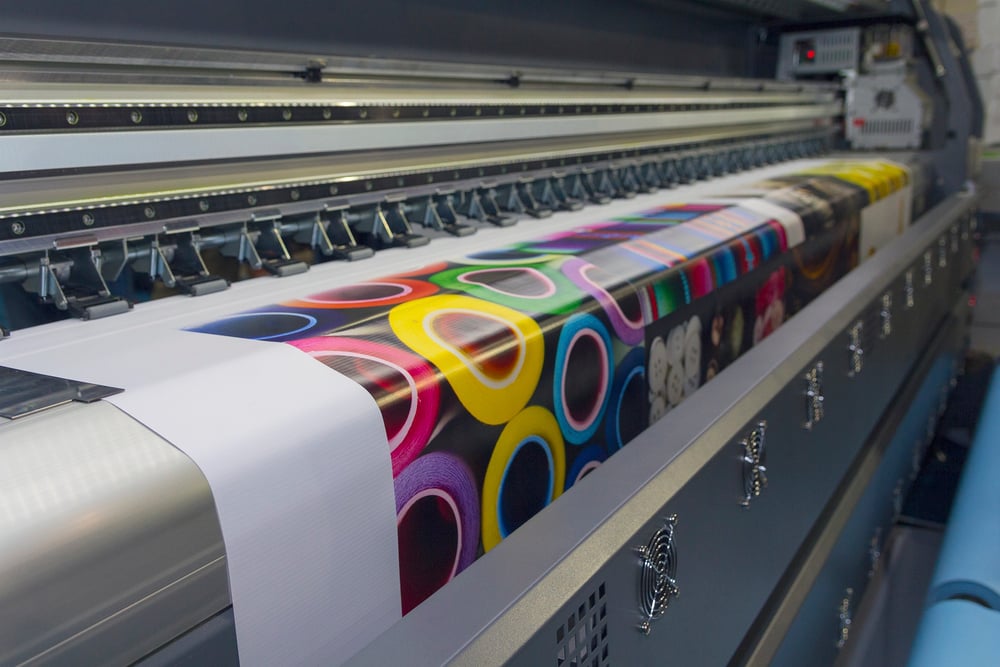
Xerox paid $1.5 billion for office equipment reseller Global Imaging in 2007, seeking to expand its sales channels during a difficult transition to digital printing. The acquisition came at the worst possible time as businesses reduced printing needs and moved toward paperless operations.
When Boardroom Dreams Become Shareholder Nightmares

These merger catastrophes demonstrate how corporate ambition and financial engineering often override fundamental business logic, creating deals that look impressive in press releases but crumble under operational reality. What began as strategic visions for market domination or technological synergy frequently devolved into expensive lessons about cultural integration, due diligence, and market timing that cost investors hundreds of billions in destroyed value. The pattern repeats because merger mania feeds on optimism and ego rather than careful analysis, ensuring that future generations of executives will continue learning these costly lessons despite decades of cautionary examples.
More from Go2Tutors!

- The Romanov Crown Jewels and Their Tragic Fate
- 13 Historical Mysteries That Science Still Can’t Solve
- Famous Hoaxes That Fooled the World for Years
- 15 Child Stars with Tragic Adult Lives
- 16 Famous Jewelry Pieces in History
Like Go2Tutors’s content? Follow us on MSN.



