18 Times Computer Glitches Cost Lives
In our digital age, we trust computers with everything from managing our bank accounts to controlling nuclear power plants. Most of the time, this trust is well-placed—modern software and hardware are remarkably reliable. But when computer systems fail, the consequences can be catastrophic, turning helpful technology into deadly hazards.
The stories that follow serve as sobering reminders of what happens when code goes wrong at the worst possible moment. Here is a list of 18 times computer glitches cost lives.
Therac-25 Radiation Machine
Between 1985 and 1987, the Therac-25 radiation therapy machine killed at least six patients due to software bugs that delivered lethal doses of radiation. The machine’s software had a race condition that occurred when operators typed commands too quickly, causing it to remove the protective shielding while delivering a high-power electron beam. Patients received radiation doses that were 100 times higher than intended, leading to severe radiation burns and death.
Ariane 5 Rocket Explosion

The European Space Agency’s Ariane 5 rocket exploded just 37 seconds after launch in 1996, destroying four expensive satellites worth $500 million. A software error occurred when the rocket’s guidance system tried to convert a 64-bit number into a 16-bit format, causing an overflow that made the computer think the rocket was tilting dangerously. The flight control system automatically destroyed the rocket to prevent it from crashing into populated areas.
Mars Climate Orbiter Navigation Error

NASA’s $125 million Mars Climate Orbiter disappeared in 1999 because one team used metric units while another used imperial measurements in their software. The spacecraft approached Mars at the wrong angle and either burned up in the atmosphere or bounced off into space. This embarrassing mistake cost not only money but also years of scientific research that could have advanced our understanding of Mars.
Denver Airport Baggage System Chaos
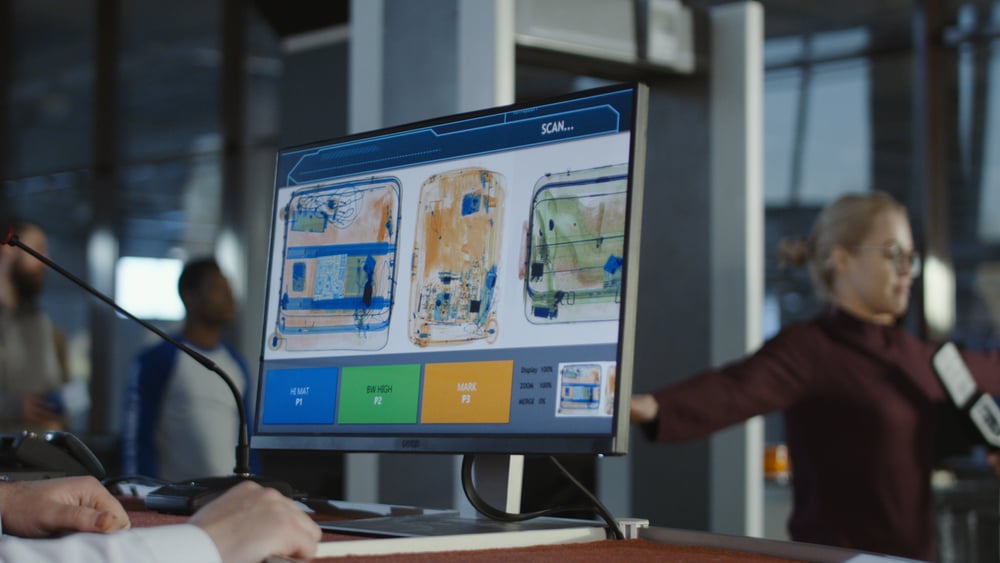
Denver International Airport’s automated baggage system turned into a $250 million disaster when it opened in 1995. The computer-controlled conveyor system was supposed to sort and deliver luggage automatically, but software glitches caused bags to be torn apart, sent to wrong destinations, or dumped in piles. While not directly fatal, the system’s failures contributed to dangerous working conditions and forced delays that affected emergency response capabilities.
Knight Capital Trading Algorithm

In 2012, Knight Capital’s trading algorithm went haywire for 45 minutes, making thousands of unintended stock trades that cost the company $440 million and nearly destroyed it overnight. The glitch occurred when old testing code was accidentally activated in the live trading system, causing it to buy high and sell low repeatedly. Several employees lost their jobs, and the company’s near-collapse affected thousands of families.
Toyota Unintended Acceleration

— Photo by 1markim
Between 2000 and 2010, Toyota vehicles experienced unintended acceleration problems that led to over 80 deaths and hundreds of injuries. NASA investigators found that software glitches in the electronic throttle control system could cause sudden acceleration that drivers couldn’t stop. The problem was so serious that Toyota had to recall millions of vehicles and pay billions in settlements to victims’ families.
Patriot Missile System Failure

— Photo by Mircea Moira
During the Gulf War in 1991, a software bug in the Patriot missile defense system allowed an Iraqi Scud missile to hit a U.S. Army barracks in Saudi Arabia, killing 28 soldiers. The system’s internal clock had a rounding error that accumulated over time, causing it to lose track of incoming missiles. After running continuously for over 100 hours, the system was off by several seconds—enough time for a Scud missile to travel half a mile.
USS Yorktown Computer Crash

In 1997, the USS Yorktown, a billion-dollar Navy cruiser, was dead in the water for nearly three hours after a crew member entered zero into a database field. The Windows NT system couldn’t handle the division by zero error, causing the ship’s propulsion system to shut down completely. The cruiser had to be towed back to port, leaving it vulnerable and its crew in potential danger.
London Ambulance Service Dispatch Failure
— Photo by CeriBreeze
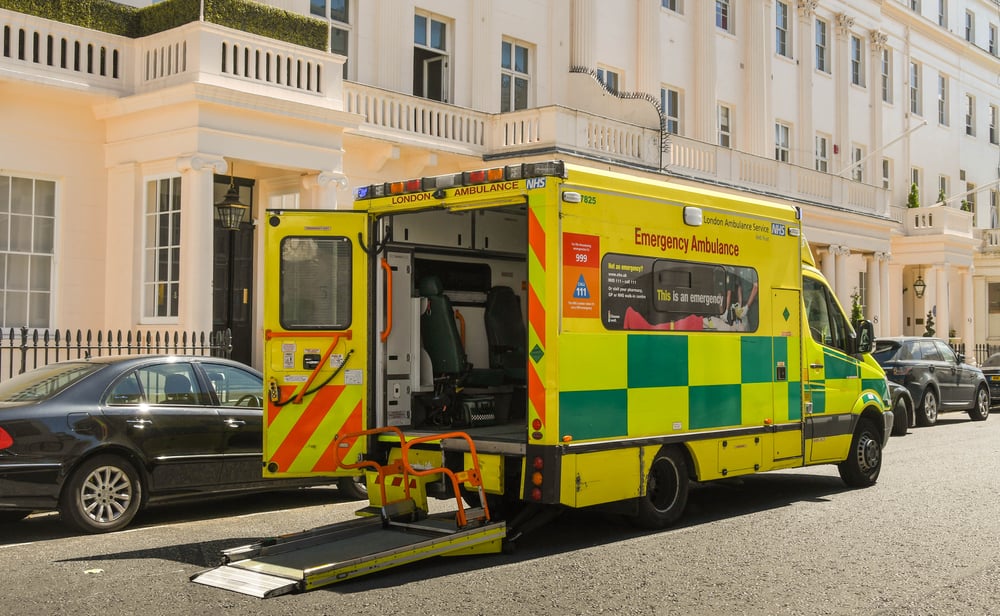
The London Ambulance Service’s new computer dispatch system failed catastrophically on its first day in 1992, contributing to the deaths of several patients. The system couldn’t handle the volume of emergency calls and began assigning multiple ambulances to the same location while leaving other emergencies unattended. Response times increased dramatically, and some patients died waiting for help that never came.
Air Traffic Control System Outages

Multiple air traffic control system failures have endangered thousands of passengers over the years. In 2014, a computer glitch at Chicago’s control center forced the cancellation of over 2,000 flights, stranding passengers and creating dangerous situations as planes had to be rerouted through unfamiliar airspace. These failures put enormous stress on backup systems and human controllers who must make split-second decisions to prevent mid-air collisions.
Medical Device Insulin Pump Errors

Software bugs in insulin pumps have caused diabetic patients to receive incorrect doses of insulin, leading to dangerous blood sugar levels and several deaths. Some pumps delivered too much insulin, causing severe hypoglycemia, while others failed to deliver enough, resulting in diabetic ketoacidosis. These devices are literally life-support systems, making any malfunction potentially fatal.
Nuclear Power Plant Safety Systems
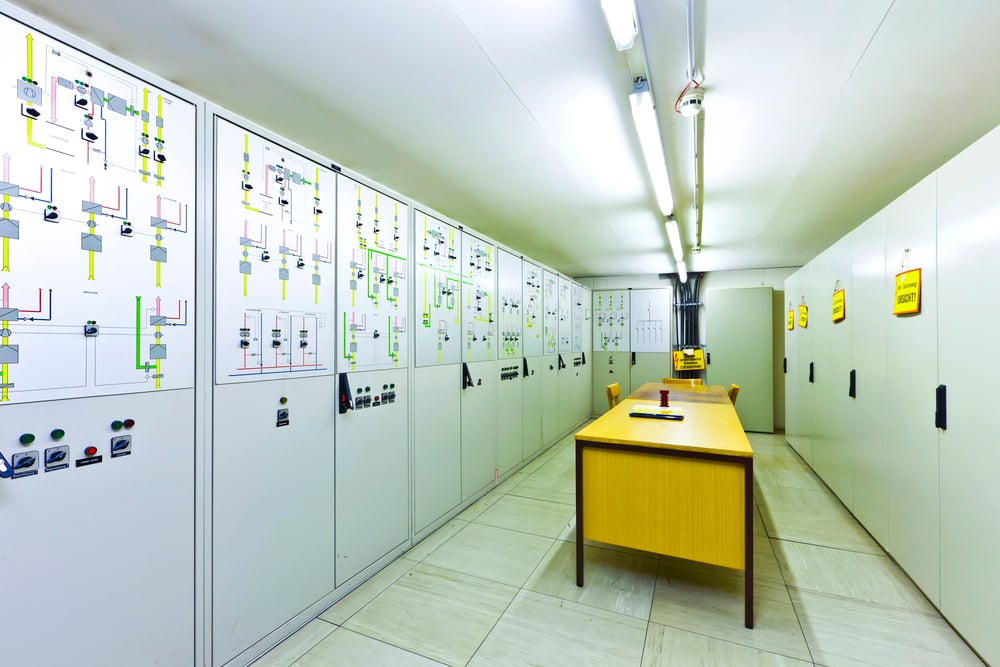
Computer glitches at nuclear facilities have repeatedly disabled safety systems designed to prevent meltdowns. At the Davis-Besse plant in Ohio, software errors prevented operators from detecting an opening in the reactor vessel that could have led to a catastrophic accident. Similar problems at other plants have forced emergency shutdowns and put nearby communities at risk.
Prison Door Control Malfunctions

Maximum-security prisons have experienced computer failures that opened cell doors unexpectedly, leading to riots and violence. In one incident, a software glitch opened over 100 cell doors simultaneously, allowing dangerous inmates to escape their cells and attack guards and other prisoners. These systems are critical for maintaining order and protecting lives in volatile environments.
Hospital Ventilator Software Failures

Life-support ventilators have malfunctioned due to software bugs, failing to provide proper breathing assistance to critically ill patients. Some devices shut down unexpectedly, while others delivered incorrect air pressure or oxygen levels. When these machines fail, patients can suffer brain damage or death within minutes if backup systems don’t activate properly.
Banking System Errors Affecting Emergency Services

Major banking computer failures have prevented people from accessing their money during emergencies, indirectly contributing to deaths. When ATMs and credit card systems go down during natural disasters or medical emergencies, people can’t pay for fuel to evacuate or cover medical expenses. These financial system failures can turn manageable crises into deadly situations.
GPS Navigation System Glitches

Faulty GPS software has led drivers into dangerous situations, including sending them onto closed roads, into bodies of water, or into high-crime areas. Several deaths have been attributed to people blindly following GPS directions that led them off cliffs, into rivers, or into the path of oncoming trains. Emergency responders have also been delayed when GPS systems provided incorrect routes to accident scenes.
Automated Trading Flash Crashes

High-frequency trading algorithms have caused sudden market crashes that wiped out retirement savings and led to financial ruin for some investors. While not directly fatal, these crashes have contributed to stress-related health problems and have driven some people to desperate measures. The 2010 Flash Crash erased nearly $1 trillion in market value in just minutes due to algorithmic trading errors.
Medical Imaging Software Errors

Radiology software has failed to detect life-threatening conditions like cancer, aneurysms, and fractures, leading to delayed treatment and preventable deaths. Some programs have false negatives that miss obvious abnormalities, while others produce false positives that lead to unnecessary procedures. When doctors rely on these systems for diagnosis, software errors can mean the difference between life and death.
The Human Cost of Digital Dependence

These tragedies remind us that behind every computer glitch are real people whose lives were forever changed by a few lines of faulty code. As we continue to automate critical systems, we must remember that software bugs aren’t just technical problems—they’re matters of life and death. The challenge for engineers and policymakers is building systems robust enough to handle the responsibility we’ve placed on them, because when computers fail, humans pay the ultimate price.
More from Go2Tutors!

- The Romanov Crown Jewels and Their Tragic Fate
- 13 Historical Mysteries That Science Still Can’t Solve
- Famous Hoaxes That Fooled the World for Years
- 15 Child Stars with Tragic Adult Lives
- 16 Famous Jewelry Pieces in History
Like Go2Tutors’s content? Follow us on MSN.