15 Historic Photos of the White House Through the Years
The White House has stood as America’s most recognizable residence for over two centuries, weathering wars, renovations, and countless presidential families. Through the lens of history, photographs capture moments that official records could never fully convey — the human stories, the architectural evolution, and the quiet dignity of a building that’s witnessed democracy unfold.
These images tell the story of not just a house, but of a nation growing into itself.
Construction and Early Years
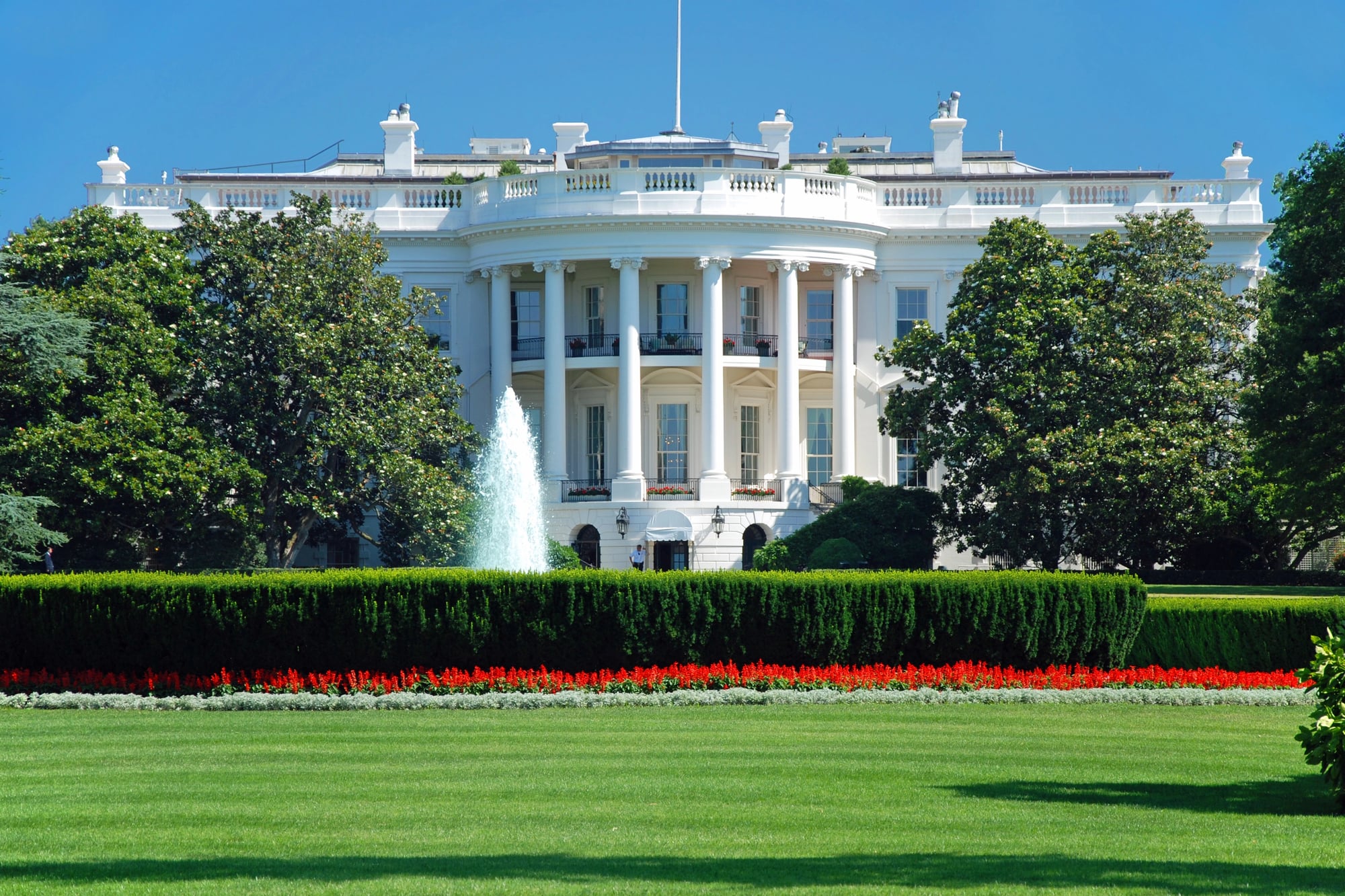
The cornerstone was laid in 1792. No photographer captured that moment — cameras wouldn’t exist for decades.
But the earliest known photograph of the White House, taken around 1846, shows a building that already carried the weight of history on its portico columns.
The daguerreotype reveals details that paintings of the era often missed: the rough texture of the sandstone, the way morning light caught the north facade, the muddy grounds that would later become manicured lawns. Even then, barely fifty years old, the residence looked eternal.
Abraham Lincoln’s White House
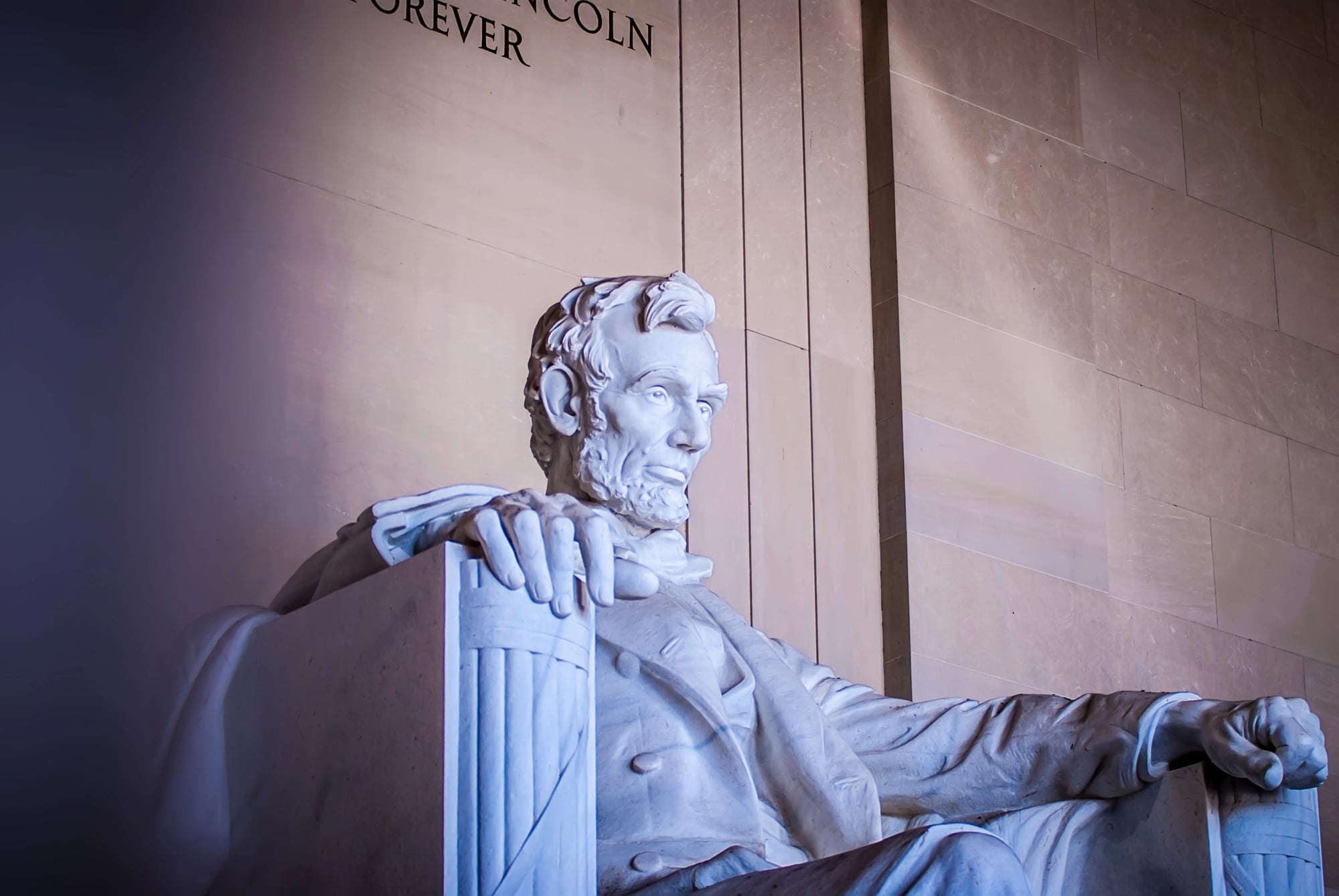
There’s something haunting about seeing Lincoln’s White House through Civil War-era photography — the way shadows fall across windows where sleepless nights were spent reading casualty reports, where Mary Todd Lincoln held séances trying to contact their deceased son Willie, where the weight of a fracturing nation pressed against every door frame. The building itself seems to absorb the gravity of those years, its white walls standing defiant against a backdrop of national crisis.
Photography was still new enough that each image required long exposure times, capturing not just a moment but a meditation. And maybe that’s fitting: this wasn’t a house built for quick decisions but for the slow, deliberate work of holding a democracy together when everything else wanted to fall apart.
The Fire of 1929
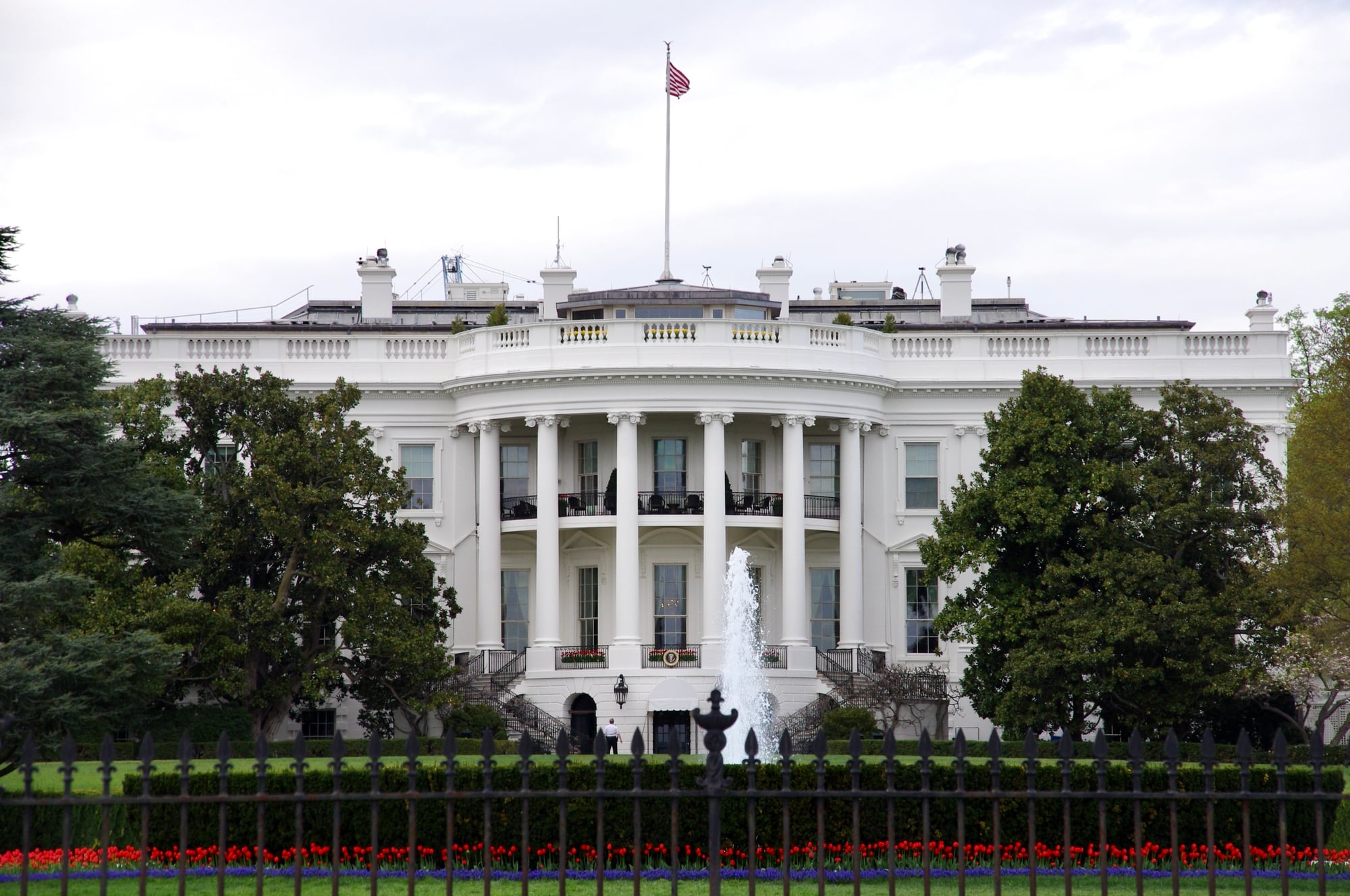
Christmas Eve, 1929. The West Wing burns while Herbert Hoover watches from the South Lawn.
The photograph shows flames licking through windows where presidential decisions had been made just hours before, smoke billowing into a winter sky. But here’s what makes the image remarkable: Hoover’s calm posture as he surveys the damage.
The Great Depression had already begun crushing the country. Stock markets had collapsed.
Unemployment was climbing toward historic highs. And now the seat of executive power was literally on fire.
Yet the photograph captures a president who understood that sometimes you just rebuild. The West Wing was reconstructed within months, stronger than before.
Theodore Roosevelt’s Renovations
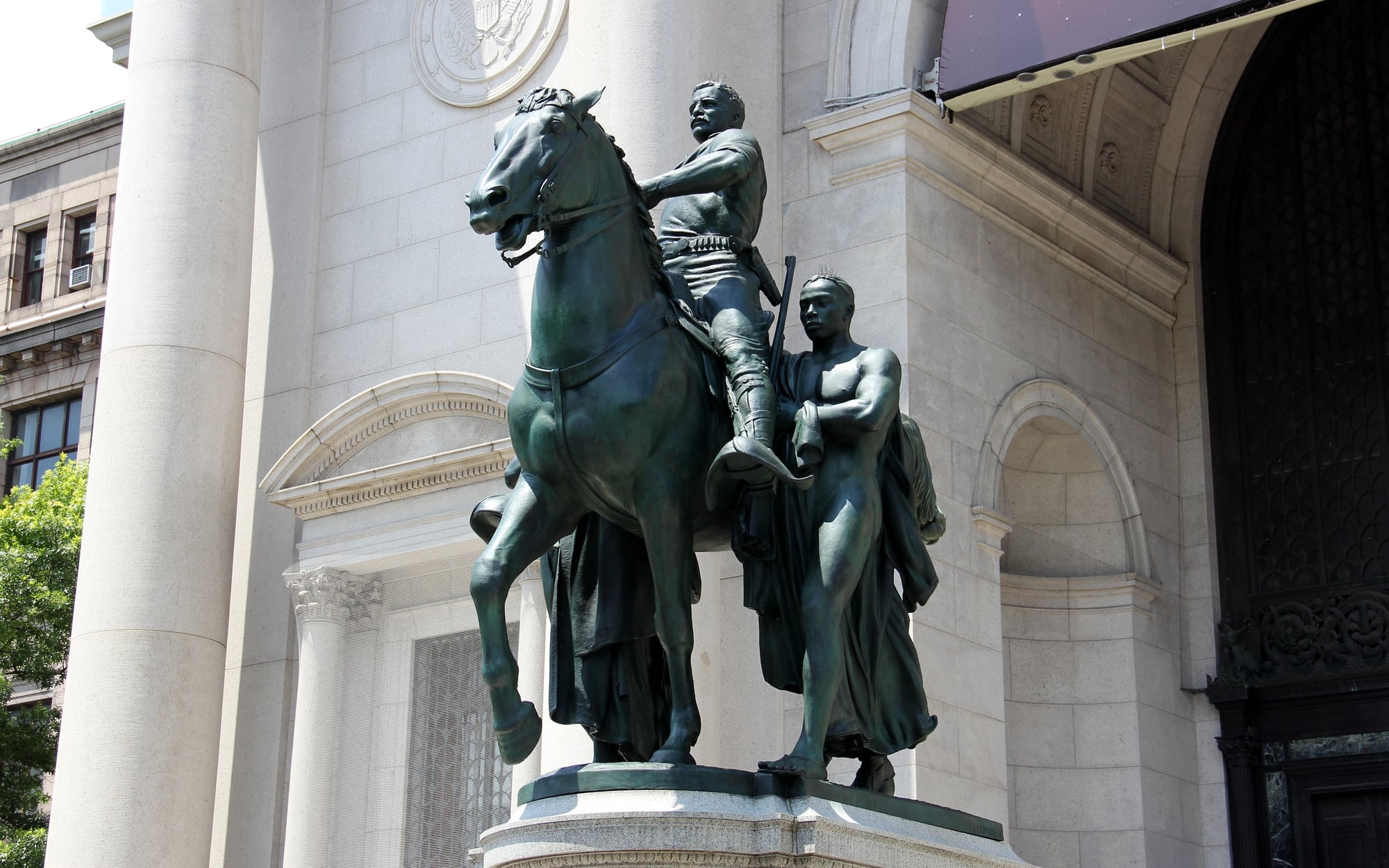
Roosevelt arrived with six children and opinions about everything, including architecture. The 1902 renovation photographs show a president who treated the White House like a family home that happened to host foreign dignitaries.
You can see it in the images: furniture pushed against walls to make room for pillow fights, hallways wide enough for children to race through, a building finally comfortable with the chaos of actual living.
The renovation doubled the size of the State Dining Room, expanded the East Room, and created the first proper presidential office space. But more than that, it transformed the White House from a formal residence into something warmer.
The photographs from this period capture light streaming through enlarged windows — a house learning to breathe.
FDR’s Wartime Leadership
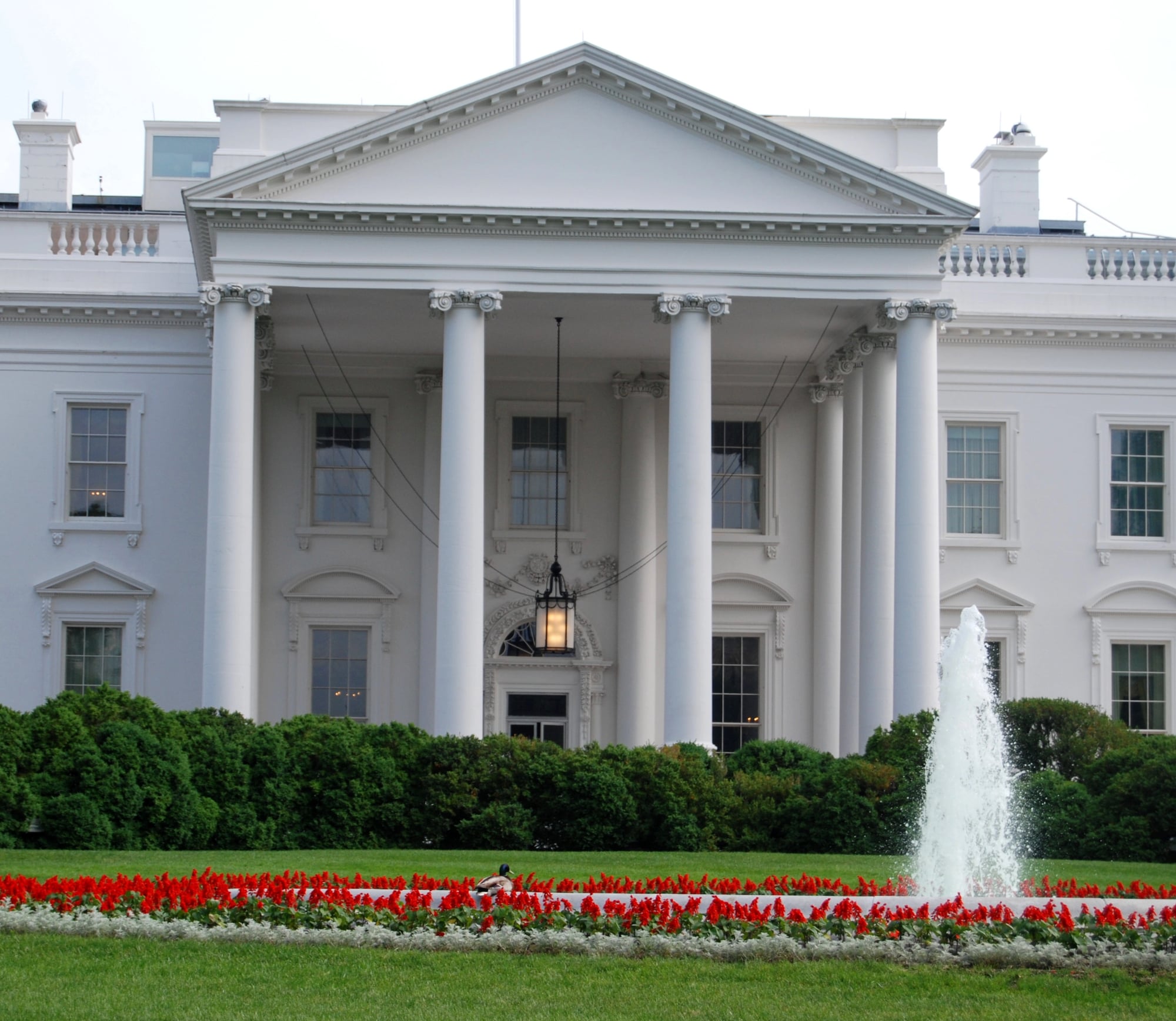
The image that defines FDR’s White House years wasn’t taken inside the building at all (though plenty of important photography happened there, including documentation of his famous fireside chat broadcasts that reached millions of American homes during the darkest days of the Depression and World War II). But there’s one photograph from 1933 that captures everything: Roosevelt sitting behind the Resolute Desk, cig holder clenched between his teeth, papers scattered across the desktop like battle plans.
Because that’s essentially what they were. The New Deal programs, the wartime strategy sessions, the careful orchestration of American morale — it all flowed through that office, and the camera caught a president who understood that leadership sometimes meant making it look easier than it actually was, even when (especially when) the weight of it could crush you.
The Truman Reconstruction
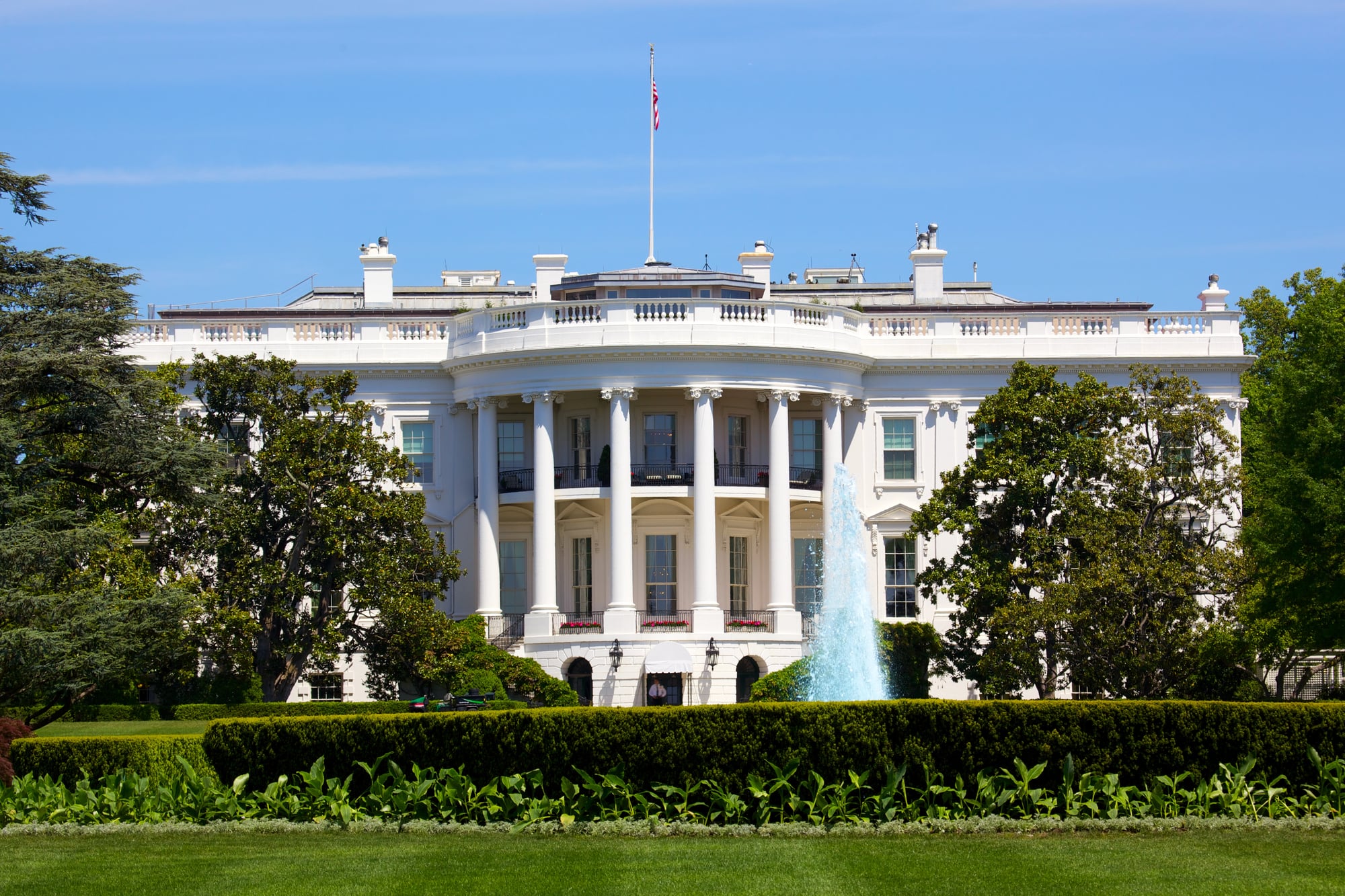
Here’s what most people don’t realize about the White House: by 1948, it was structurally unsound. The building that had housed presidents for over a century was quietly falling apart.
Floors sagged. Ceilings cracked.
A piano leg once broke through floorboards in the family quarters.
Harry Truman moved across the street to Blair House and let architects gut everything except the exterior walls. The photographs from this period show a building reduced to its skeleton — wooden beams, exposed brick, piles of debris where the Blue Room used to be.
It took four years to rebuild, but the result was a White House that could handle another century of history. Sometimes preservation requires starting over completely.
Kennedy’s Camelot
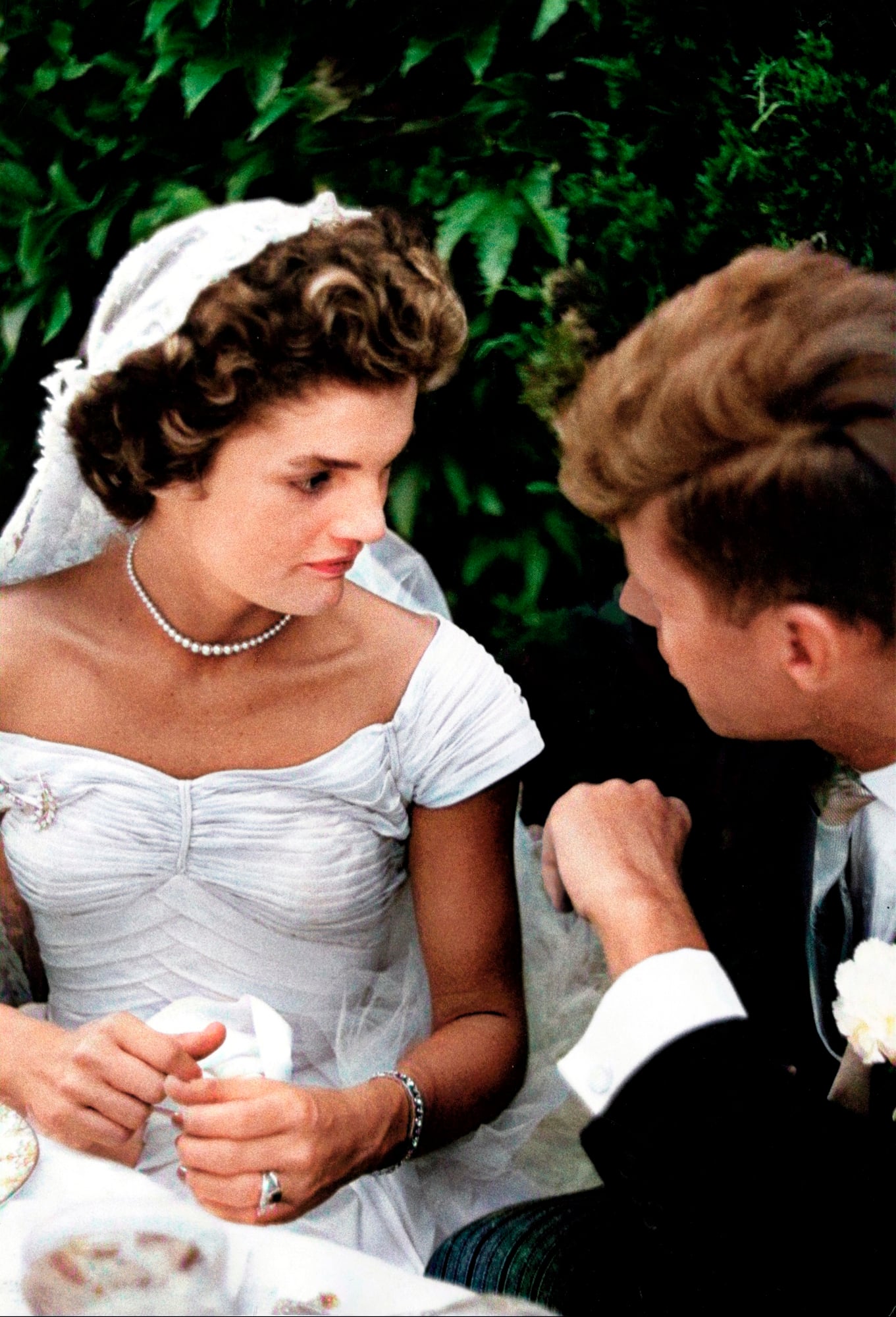
Jackie Kennedy understood something about the White House that previous first ladies had missed: it needed to feel like America’s house, not just the president’s. The 1962 televised tour she gave remains one of the most watched White House programs ever broadcast, but the behind-the-scenes photographs tell a different story — a first lady crawling around on hands and knees, examining furniture upholstery, debating paint colors with decorators, treating each room like a piece of American heritage that deserved proper care.
The famous photograph of John Jr. playing under the Resolute Desk while JFK works captures the Kennedy years perfectly. Power and innocence occupying the same space, a presidency that managed to be both serious and joyful.
The image became iconic not because it was staged, but because it wasn’t — a candid moment that revealed how naturally the Kennedys inhabited a role that had intimidated previous families.
Nixon’s Formal Years
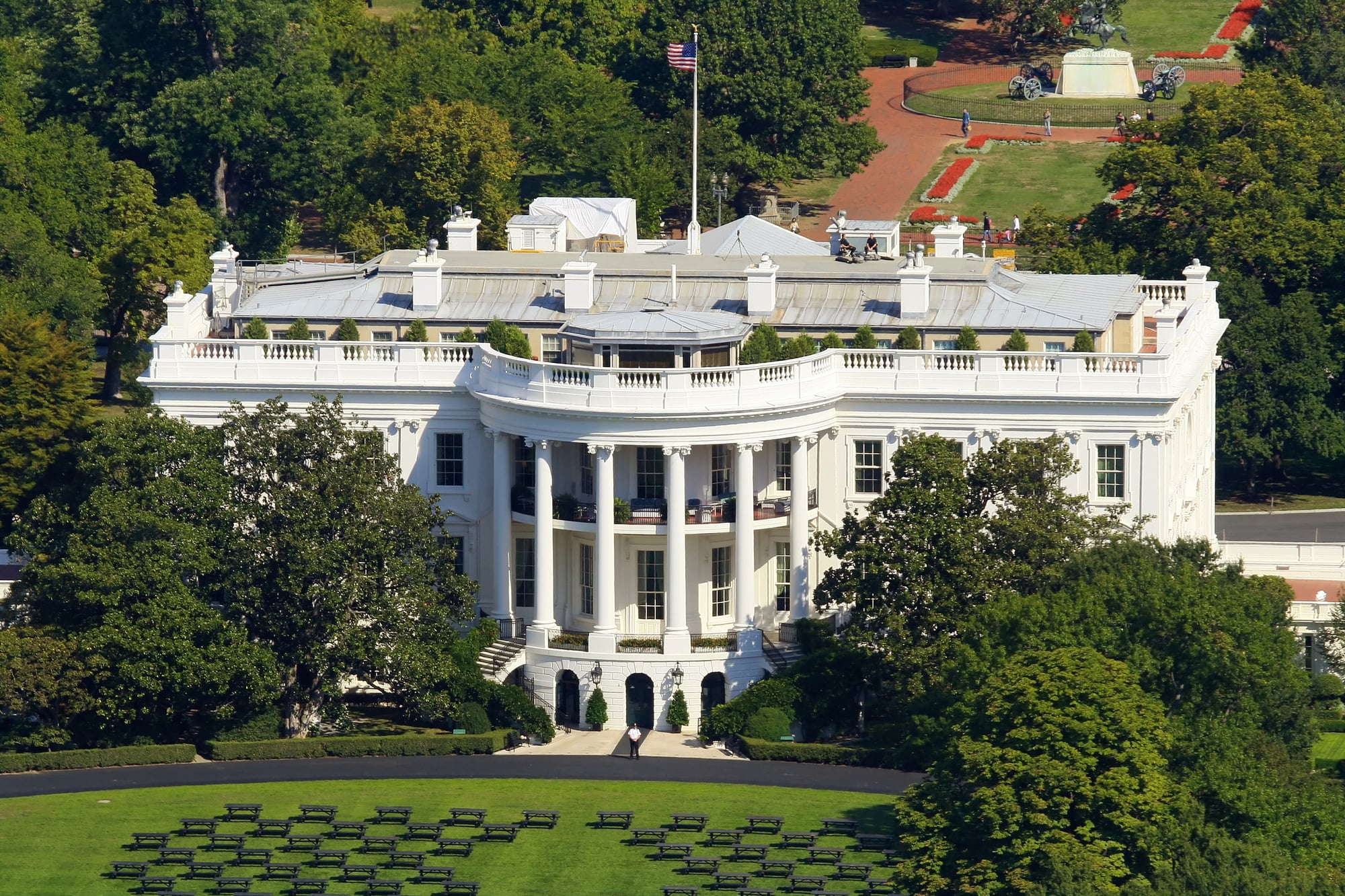
The Nixon White House photographs reveal a presidency obsessed with ceremony and protocol. Every image feels carefully composed — receiving lines perfectly straight, place settings measured with rulers, handshakes timed for maximum photographic impact.
Even the family photographs from this era carry a formal weight, as if everyone understood they were posing for history rather than capturing life.
But there’s something telling about that formality. Nixon understood that the presidency was performance, and he treated the White House like a stage set designed to project authority.
The East Room galas, the State Dinner protocols, the carefully orchestrated photo opportunities — they all served a purpose. Whether that purpose was worth the cost became clear eventually, but the photographs from these years document a presidency that took the theatrical elements of power seriously, perhaps too seriously.
Carter’s Casual Approach
Jimmy Carter carried his own luggage into the White House and held fireside chats wearing cardigan sweaters. The photographs from his presidency show a building that had loosened its tie — children roller-skating through hallways, the president chopping wood on the South Lawn, state dinners that felt more like dinner parties.
Critics called it unpresidential. Carter called it honest.
The truth, captured in countless informal photographs, was probably both. This was a president who believed the White House should reflect American values rather than imperial aspirations.
Whether Americans wanted their president chopping his own wood was another question entirely, but the photographs document a genuine attempt to democratize the most powerful residence in the world.
Reagan’s Hollywood Touch
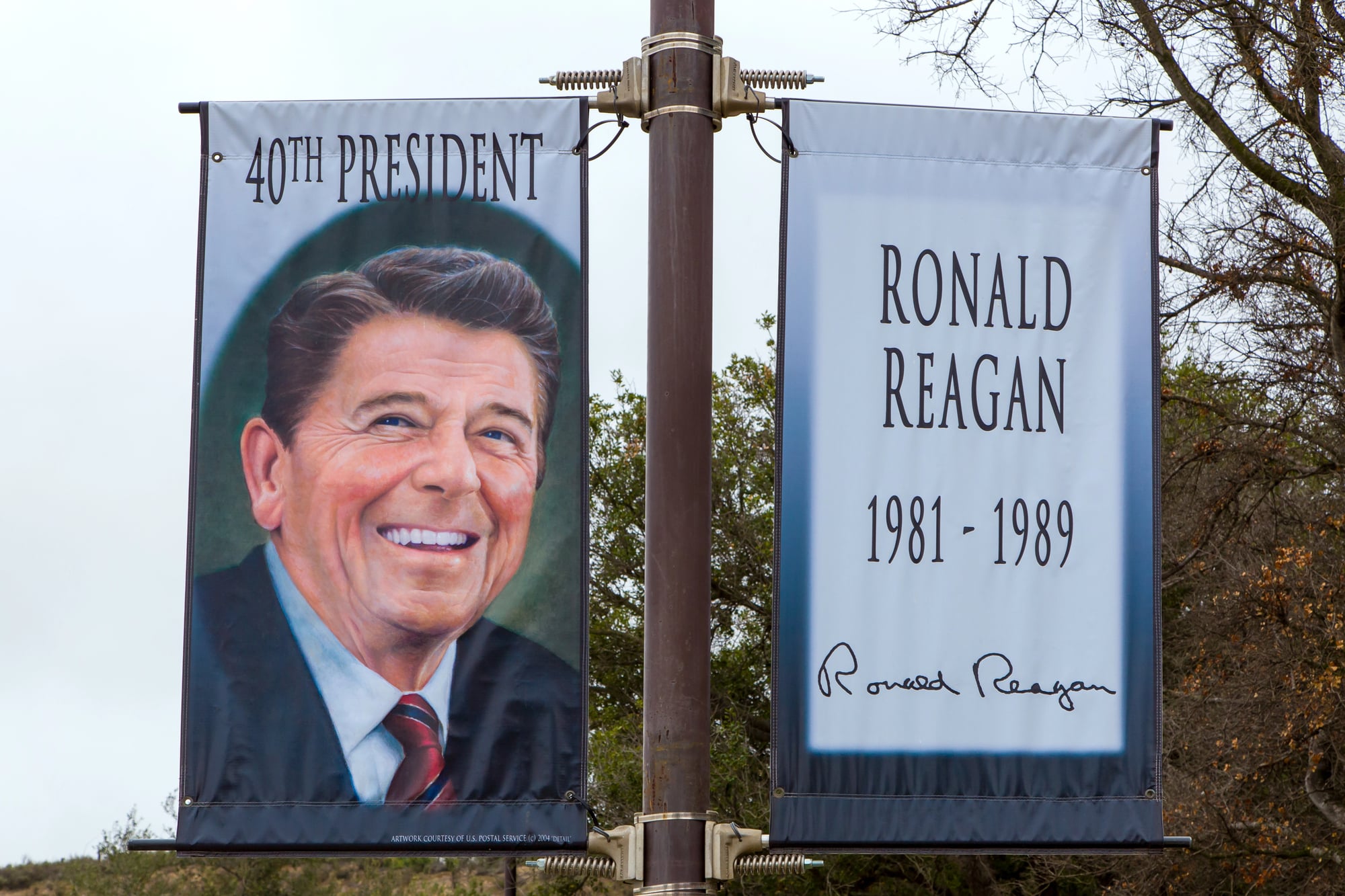
Reagan brought Hollywood production values to the White House, and the photographs show it. Every image from his presidency looks like it was lit by a professional cinematographer — which, given Reagan’s background, might not be coincidental.
The State Dinners gleamed, the Oval Office glowed, even casual moments carried the polish of a well-produced film.
But here’s what the photographs also reveal: Reagan understood that Americans wanted their president to look presidential. The formal portraits, the perfectly staged arrivals, the ceremonial moments that felt both grand and accessible — they all served a purpose that went beyond vanity.
This was a presidency that used visual storytelling to restore confidence in American institutions, and the White House provided the perfect backdrop.
Clinton’s People’s House
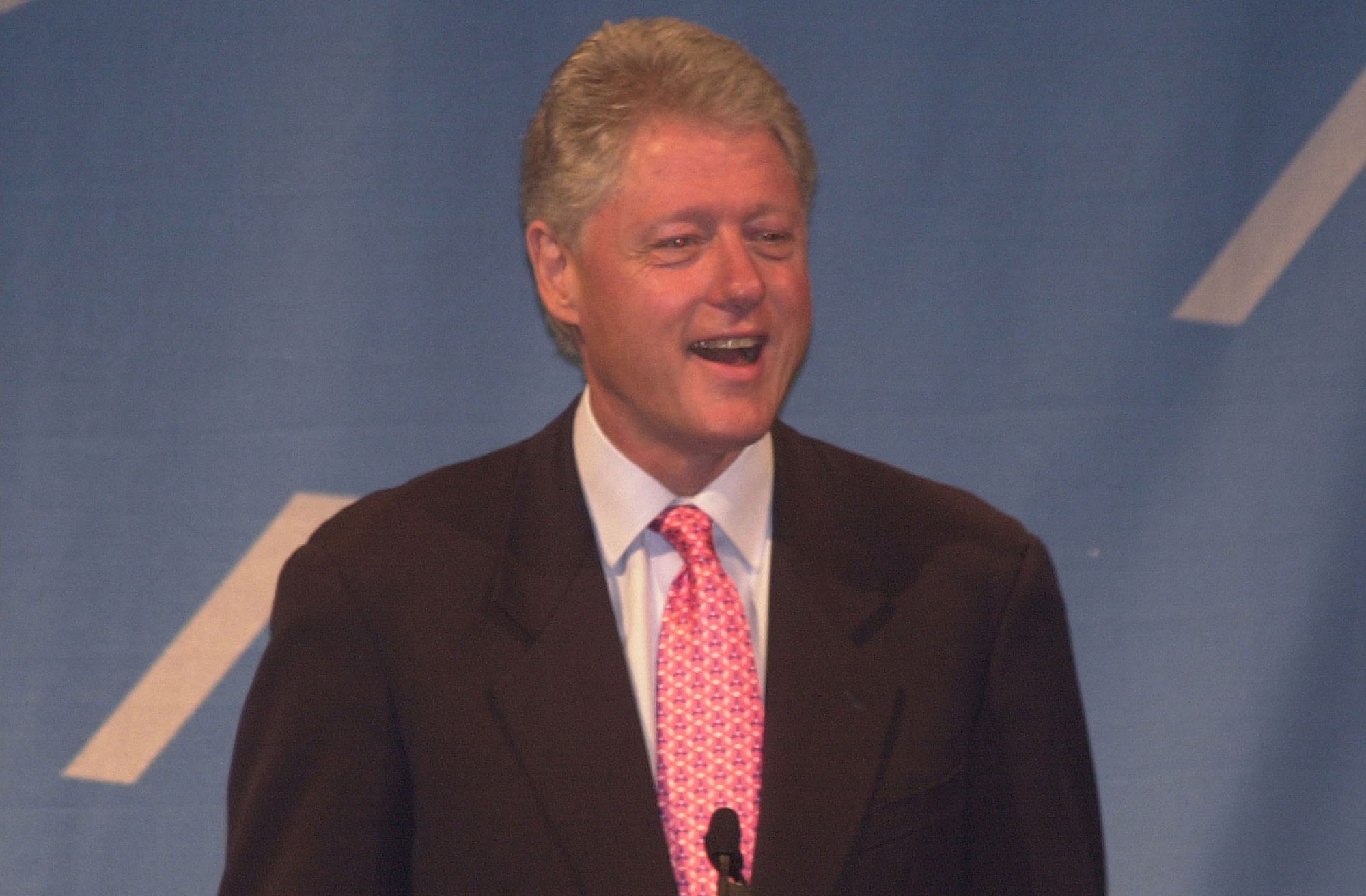
The Clinton years brought tour groups to the White House, and the photographs from this period show a building that welcomed visitors. Children pressed against velvet ropes in the Blue Room, families posed for pictures in the East Room, tourists lined up around the block for the chance to walk through America’s most famous home.
Bill Clinton understood that the White House belonged to the people who paid for it, and the photography from his administration captures that philosophy in action. But the security restrictions that would forever change how Americans could access their president’s house came after his presidency, when tours were suspended indefinitely following the September 11, 2001 attacks during George W. Bush’s administration.
Bush’s Post-9/11 Security
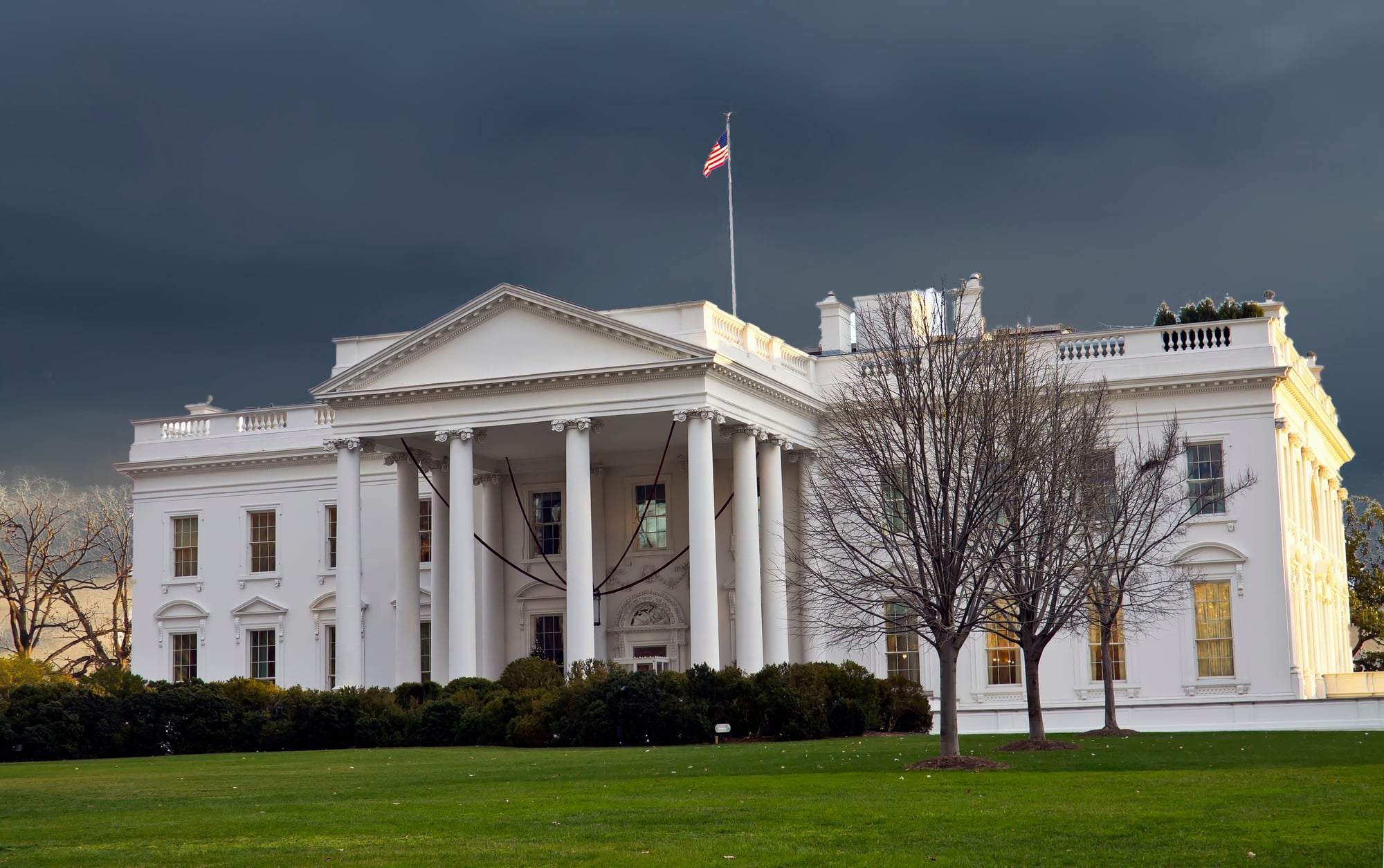
The photographs of George W. Bush’s White House tell the story of a building learning to live under siege. Concrete barriers appeared around the perimeter.
Tours were suspended indefinitely. Secret Service agents became permanent fixtures in shots that once showed only tourists and staff.
The image that defines this era was taken on September 11, 2001: Bush sitting in the Oval Office, phone pressed to his ear, the weight of a changed world visible in his posture. The White House had always been a symbol of American power, but after that day, it became something else — a fortress that needed protecting, a reminder that even presidents could be vulnerable.
Obama’s Historic Moment
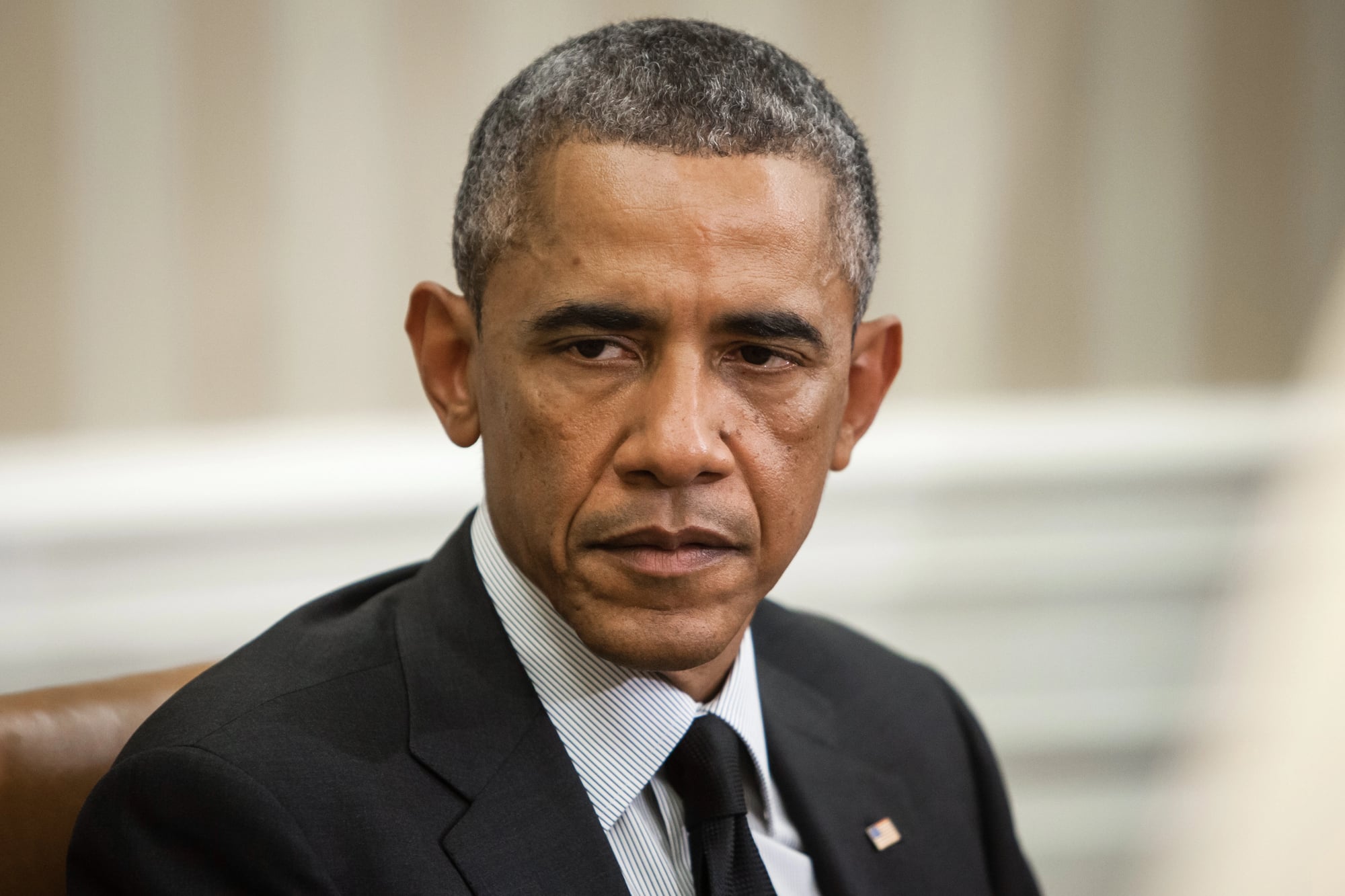
The photographs of Barack Obama’s White House capture a building that had finally fulfilled its founding promise. The Situation Room images, the family portraits, the countless meetings with world leaders — they all document a presidency that changed not just policy but possibility.
The White House had housed 43 previous presidents, but none who looked like Obama.
The image that may endure longest shows Obama bending down so a young boy can touch his hair, confirming that yes, the president’s hair felt just like his own. It’s a small moment captured in the Oval Office, but it represents something larger — a White House that had become, for the first time in its history, a place where any American child could see themselves reflected in the person behind the Resolute Desk.
Trump’s Unconventional Style
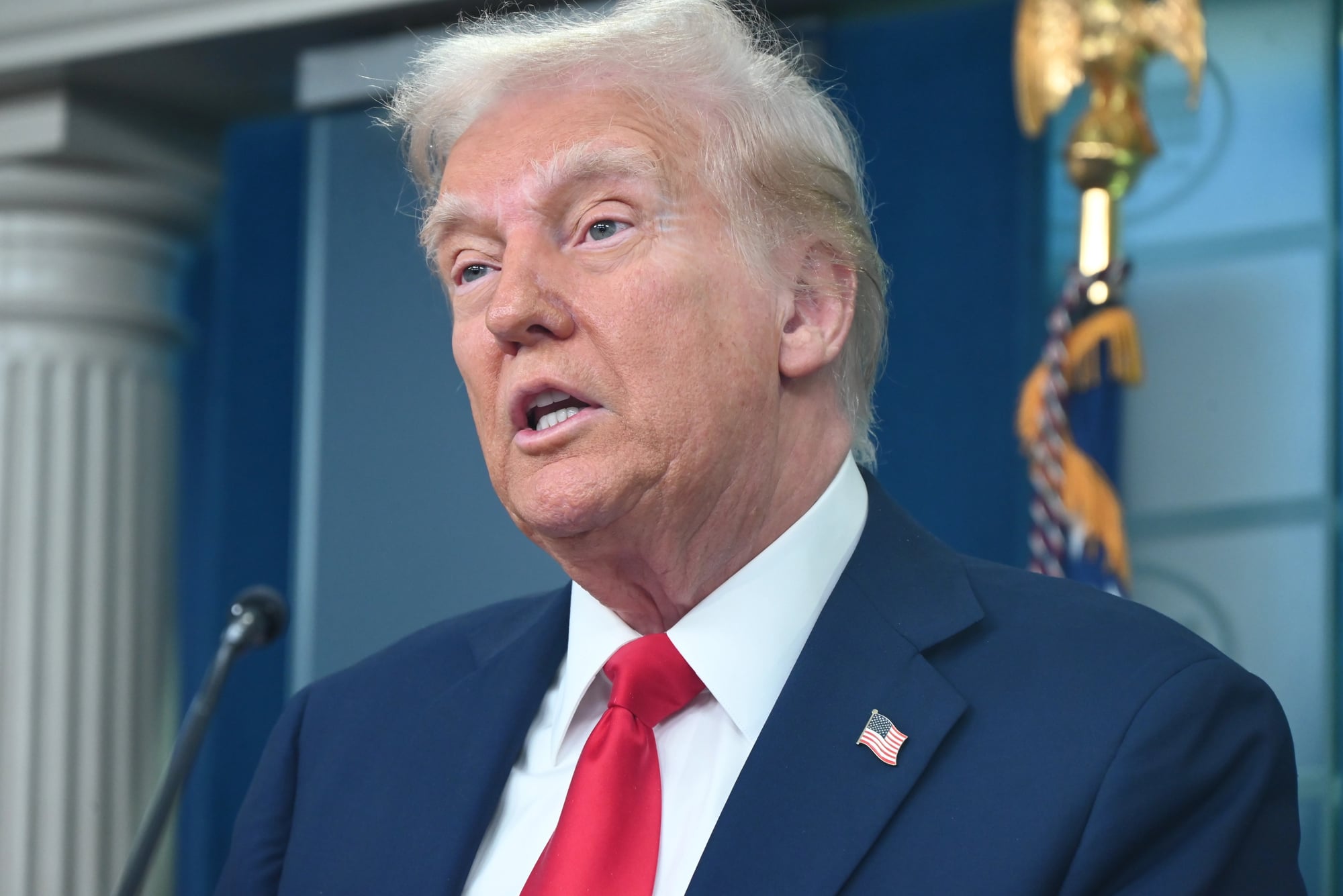
Say what you want about Donald Trump’s presidency, but the photographs from his White House years document a administration unlike any other. The gilded aesthetic, the fast-food dinners served on White House china, the Twitter storms managed from the residence quarters — it all challenged every assumption about how presidents were supposed to inhabit the role.
The images that defined this era weren’t carefully staged portraits but candid shots that leaked out despite attempts to control the narrative: meetings that looked like reality TV auditions, ceremonies that felt like campaign rallies, a president who treated the White House like a television studio.
Whether this represented authentic leadership or dangerous chaos depended entirely on your political perspective, but the photographs don’t lie — this was a presidency that refused to pretend it was anything other than what it was.
Biden’s Return to Tradition
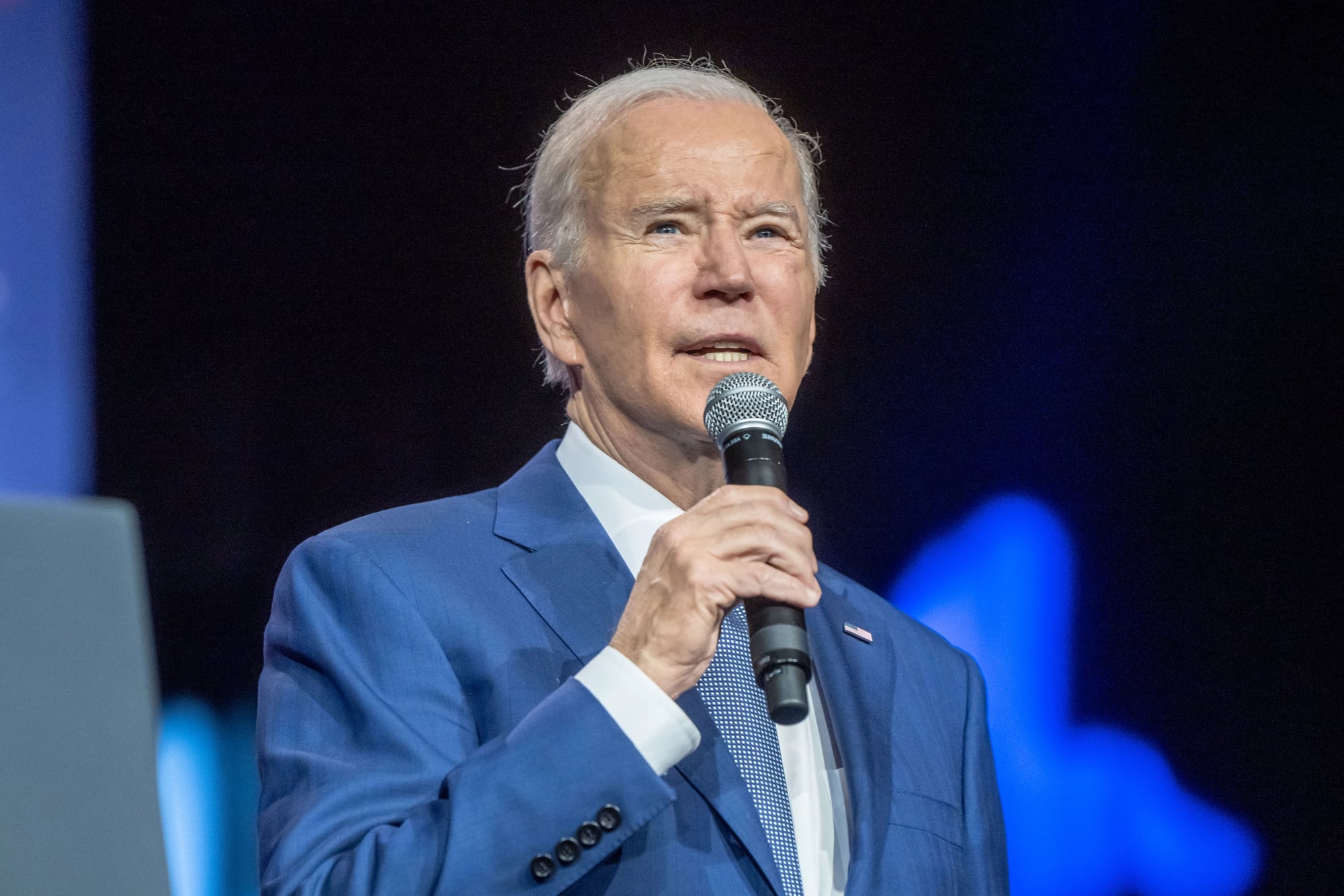
Joe Biden’s White House photographs show a building that has exhaled after holding its breath for four years. The formal portraits are back, the ceremony has returned, the sense of institutional dignity has been restored.
But there’s something else in these images — a weariness that reflects both Biden’s age and the country’s exhaustion.
The photograph that may define his presidency was taken during the Afghanistan withdrawal: Biden alone in the Situation Room, watching decades of American involvement end in chaos and heartbreak. It captures something essential about this administration — the burden of cleaning up messes that previous presidents left behind, the thankless work of restoration that rarely gets remembered by history.
Where Democracy Lives
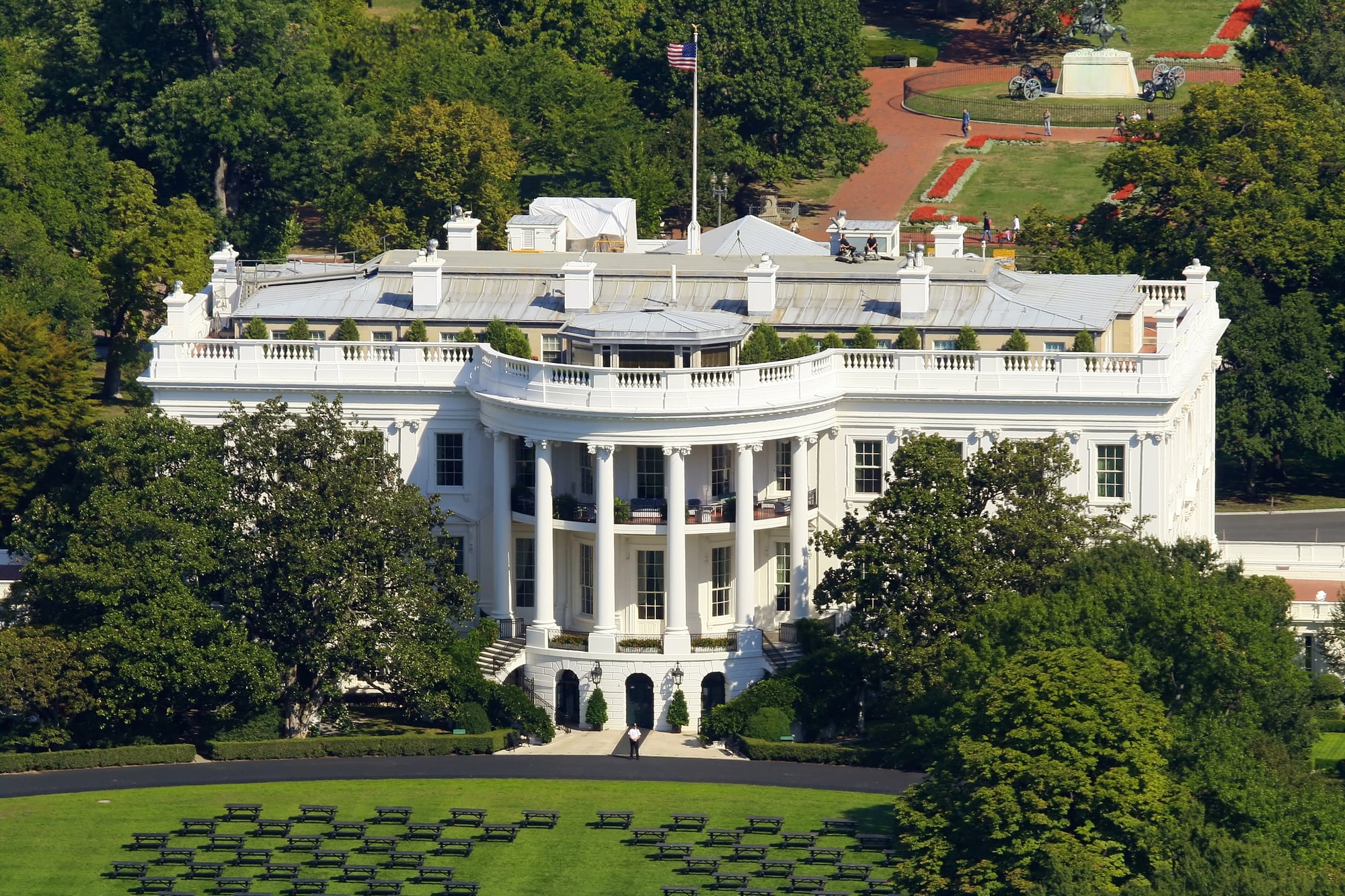
These photographs span nearly two centuries of American history, but they all capture the same essential truth: the White House is just a house until someone fills it with purpose. The building itself hasn’t changed much since Truman’s reconstruction — same rooms, same basic layout, same white-painted exterior that gives the residence its name.
What changes are the people who call it home for a few years, and the way they choose to inhabit a role that’s larger than any individual but somehow still deeply personal. The photographs tell that story better than any official history could — not just what happened, but what it felt like when it was happening, when the outcome was still uncertain and democracy was still figuring itself out, one presidential term at a time.
More from Go2Tutors!

- The Romanov Crown Jewels and Their Tragic Fate
- 13 Historical Mysteries That Science Still Can’t Solve
- Famous Hoaxes That Fooled the World for Years
- 15 Child Stars with Tragic Adult Lives
- 16 Famous Jewelry Pieces in History
Like Go2Tutors’s content? Follow us on MSN.