Rare Photos of Native American Leaders from the 1800s
The faces staring back from these weathered photographs carry stories that textbooks never quite capture. These images, preserved through glass plates and early film, show Native American leaders during one of the most turbulent centuries in their peoples’ histories.
Each portrait represents not just an individual, but entire nations navigating impossible choices between resistance and survival.
Chief Joseph
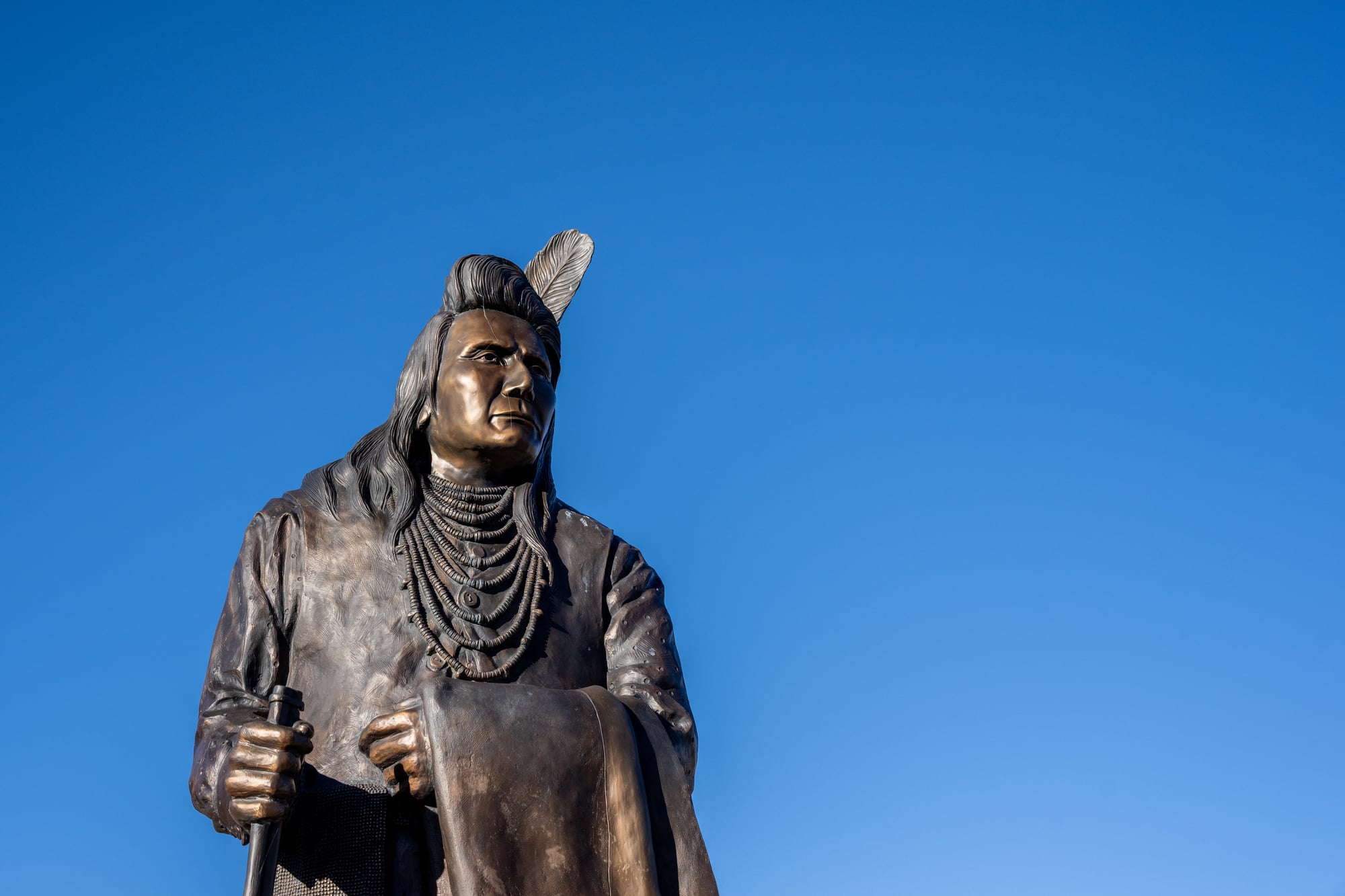
Chief Joseph never wanted to be a war leader. The Nez Perce chief inherited a promise his father made to never sell their ancestral lands in Oregon’s Wallowa Valley, but when gold was discovered there in the 1860s, that promise became a death sentence for his people.
The famous photograph of Chief Joseph shows a man whose eyes seem to hold the weight of an impossible choice. When the U.S. government ordered the Nez Perce to a reservation in Idaho, Joseph led his people on a 1,170-mile fighting retreat toward Canada.
They almost made it.
His surrender speech became legendary: “I will fight no more forever.” But the photograph tells a different story than those famous words suggest.
This wasn’t defeat in his expression — it was the calculated decision of someone who understood that survival sometimes requires laying down arms.
Sitting Bull
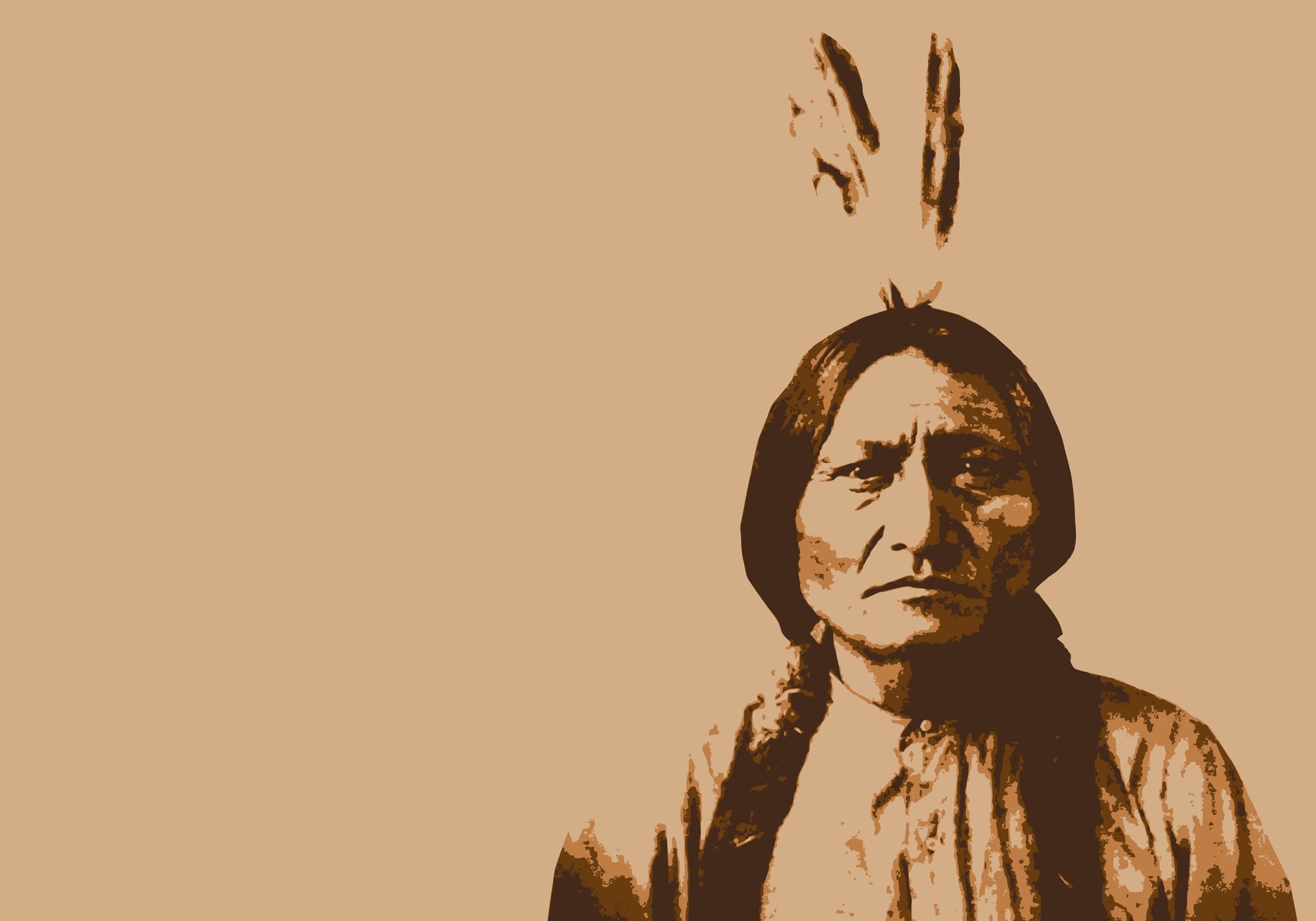
You can see the defiance even in stillness. Sitting Bull’s portraits from the 1880s capture a man who refused to pretend the world hadn’t changed, refused to smile for the camera, refused to perform gratitude for his own destruction.
The Hunkpapa Lakota leader had orchestrated the victory at Little Bighorn in 1876 (and yes, Custer had it coming — charging into a camp of thousands with just over 200 men qualifies as spectacularly poor judgment). But by the time these photos were taken, Sitting Bull was living on a reservation, occasionally performing in Buffalo Bill’s Wild West Show.
The irony wasn’t lost on him. Neither was the paycheck.
His face in these images carries no apology for what he’d done or who he was. Which is saying something, given the circumstances.
Geronimo
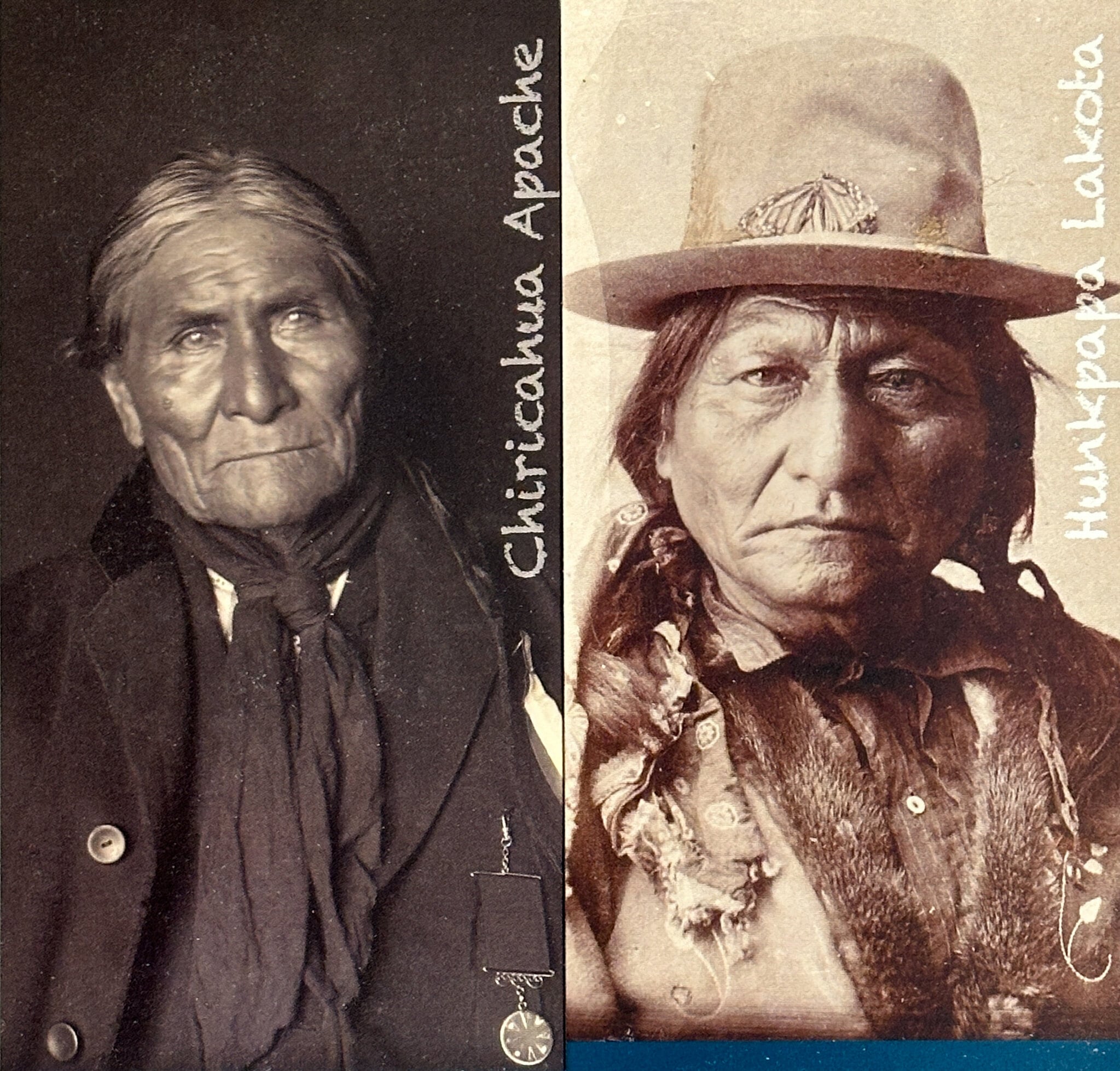
There’s something unsettling about seeing Geronimo in a business suit, which happened more often than most people realize. The Apache leader who spent decades eluding both Mexican and American forces was, by the time of his later photographs, something of a celebrity prisoner.
The man in these images had perfected the art of being impossible to catch — not through luck, but through an almost supernatural understanding of desert warfare and the psychology of his enemies. His small band of followers (never more than a few dozen) tied up thousands of troops for years, striking and vanishing like smoke in the canyons of Arizona and Mexico.
And here he sits in formal wear, selling postcards of himself at the 1904 World’s Fair. The transformation feels like watching a wolf forced to perform tricks, except Geronimo never quite lost that predatory alertness in his eyes.
Even in captivity, he looked like he was calculating distances.
Red Cloud
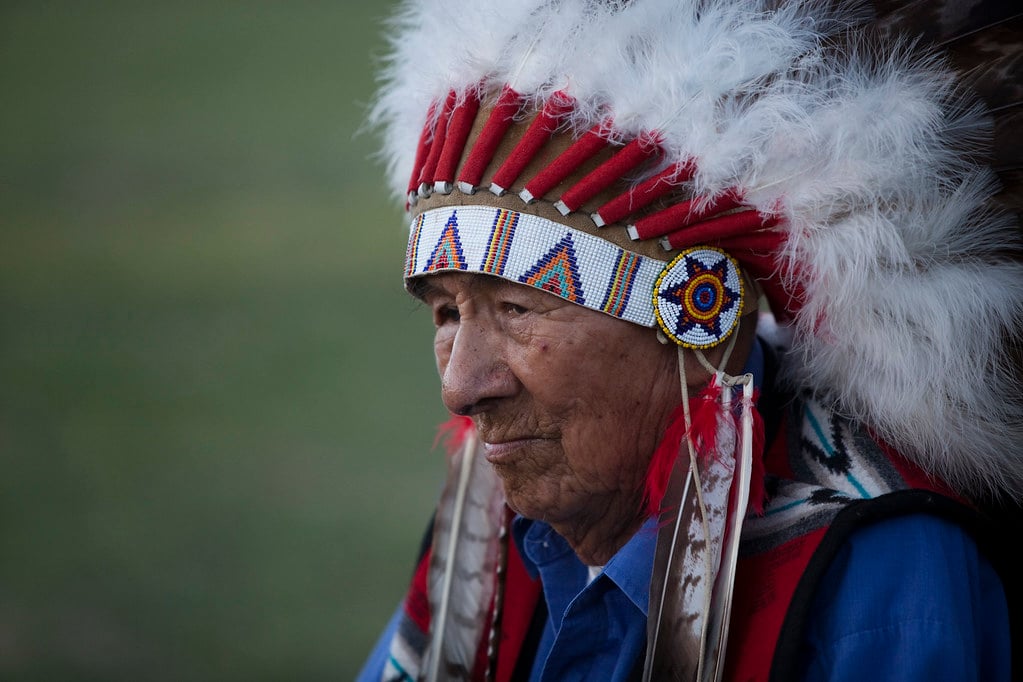
Red Cloud accomplished something almost unthinkable: he fought the United States Army and won. Not just a battle — an entire war.
The Red Cloud’s War of 1866-1868 ended with the U.S. government agreeing to abandon three forts along the Bozeman Trail and guarantee the Lakota exclusive rights to the Black Hills.
The treaty lasted exactly six years, until gold was discovered there (because of course it was). But for those six years, Red Cloud had done what seemed impossible — forced the U.S. to back down through pure military pressure.
His later photographs show a man navigating the aftermath of that victory. By the 1880s, he was living on a reservation, but his bearing in these images suggests someone who never forgot what it felt like to make the most powerful military in the world blink first.
That kind of memory doesn’t fade, even when the world around it collapses.
Chief Seattle
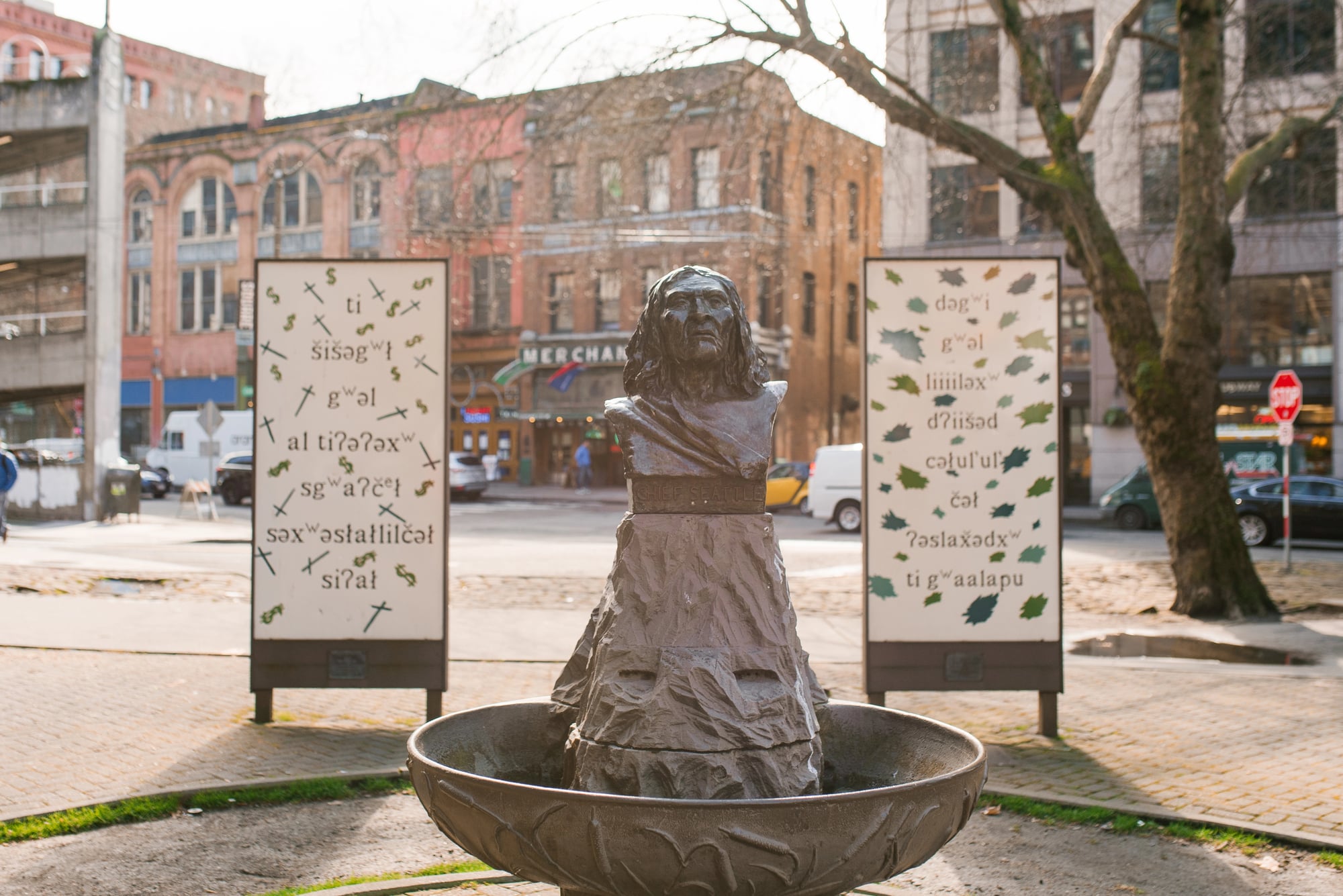
The daguerreotype of Chief Seattle is haunting in its formality — here stands a man who watched his world change completely within a single lifetime, yet managed to steer his people through that transformation with their dignity largely intact.
Seattle (the city named after him, though they mangled the pronunciation) understood something that eluded many of his contemporaries: sometimes the most radical act of resistance is strategic accommodation. When white settlers flooded Puget Sound in the 1850s, Seattle chose negotiation over warfare, treaties over bloodshed.
But don’t mistake pragmatism for submission. The famous speech attributed to him — “If we do not own the freshness of the air and the sparkle of the water, how can you buy them from us?” — may be largely fabricated by later romantics, but the sentiment matches what survives of his actual words.
He was playing a longer game than most people realized.
Cochise
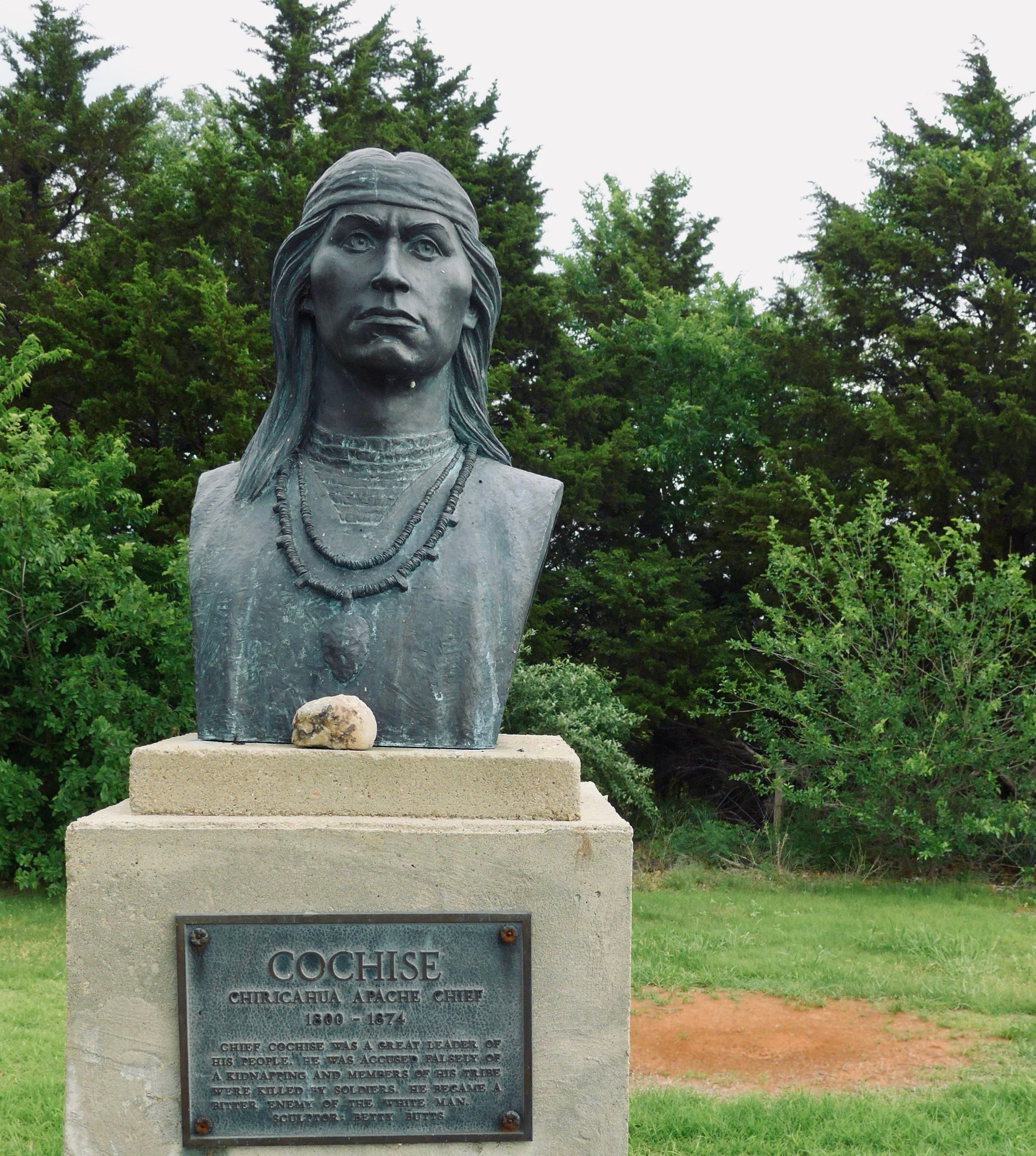
No authenticated photographs of Cochise exist, which feels appropriate for a man who spent most of his life being impossible to pin down. The Apache leader managed to avoid cameras the same way he avoided cavalry patrols — by being somewhere else when they arrived.
What we do have are sketches and written descriptions from the few white men who met him face-to-face and lived to document the encounter. They describe a tall man with an commanding presence, someone who could shift from gracious host to terrifying enemy depending on circumstances.
So when you encounter portraits claiming to show Cochise (and there are several floating around the internet), you’re looking at wishful thinking. The real Cochise was camera-shy for the same reason he was everything-else-shy: survival depended on not being where your enemies expected you to be.
Including, apparently, in front of a lens.
Black Hawk
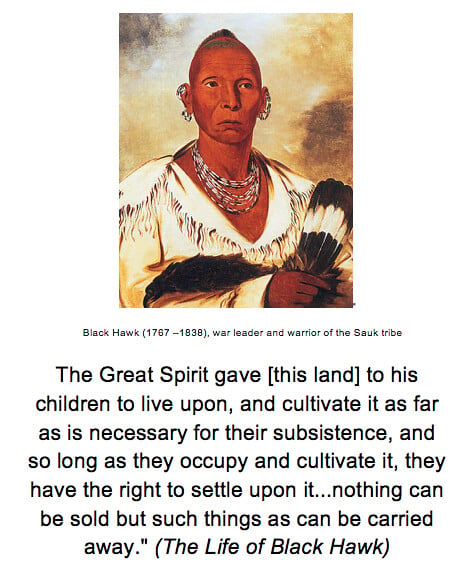
The lithographs of Black Hawk from the 1830s show something unexpected: a man who understood the power of image-making long before the age of photography. After his defeat in the Black Hawk War of 1832, the Sauk leader was paraded through major Eastern cities as both prisoner and curiosity.
But Black Hawk was nobody’s curiosity (he had opinions about his treatment, and they weren’t flattering to his captors). During his forced tour, he sat for several portraits that would later become some of the most widely circulated images of any Native American leader.
He approached these sessions with the same strategic thinking he’d brought to warfare — if he was going to be put on display, he’d control how that display looked.
The resulting images show a man who refused to appear defeated, even in defeat. His expression in these portraits suggests someone taking the measure of his audience as much as they were taking his.
Which, given that he was supposedly the prisoner in this arrangement, represents a fairly sophisticated understanding of who actually held the power in that room.
Tecumseh
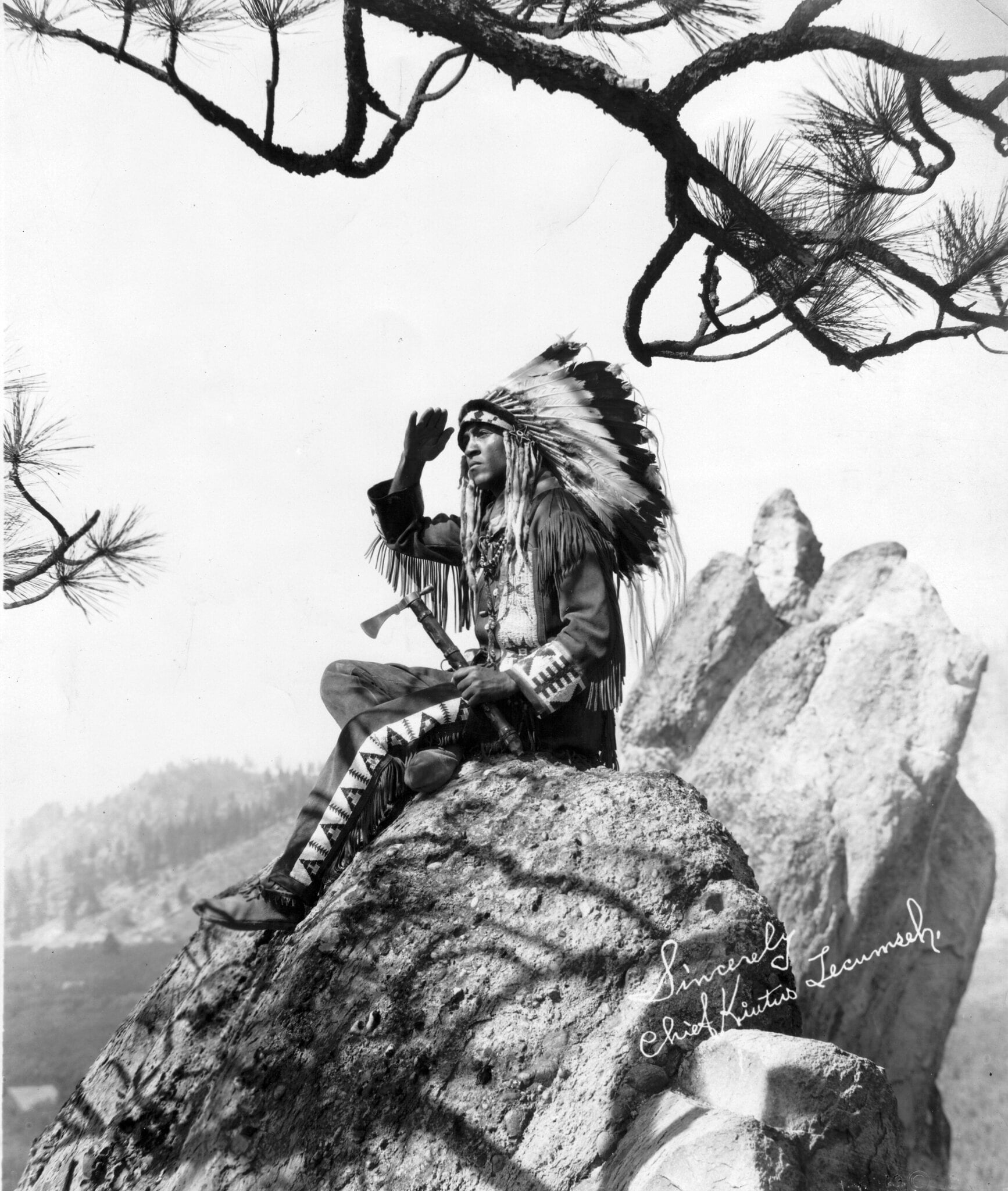
Tecumseh died in 1813, decades before photography became practical, but his absence from the visual record feels like its own kind of presence. Here was a man who came closer than anyone to uniting the tribes east of the Mississippi into a single confederation capable of stopping American expansion.
The few sketches that claim to show him were made by people who never met him, working from secondhand descriptions years after his death. What survives instead are the words of his enemies, who described him as one of the most naturally gifted orators and military strategists they’d ever encountered.
But perhaps it’s fitting that Tecumseh exists mainly in words rather than images. His real monument isn’t a photograph — it’s the fact that American officials were still talking about him decades after his death, still warning each other about the next leader who might unite the tribes the way Tecumseh nearly had.
That kind of lasting nervousness is better than any portrait.
Quanah Parker
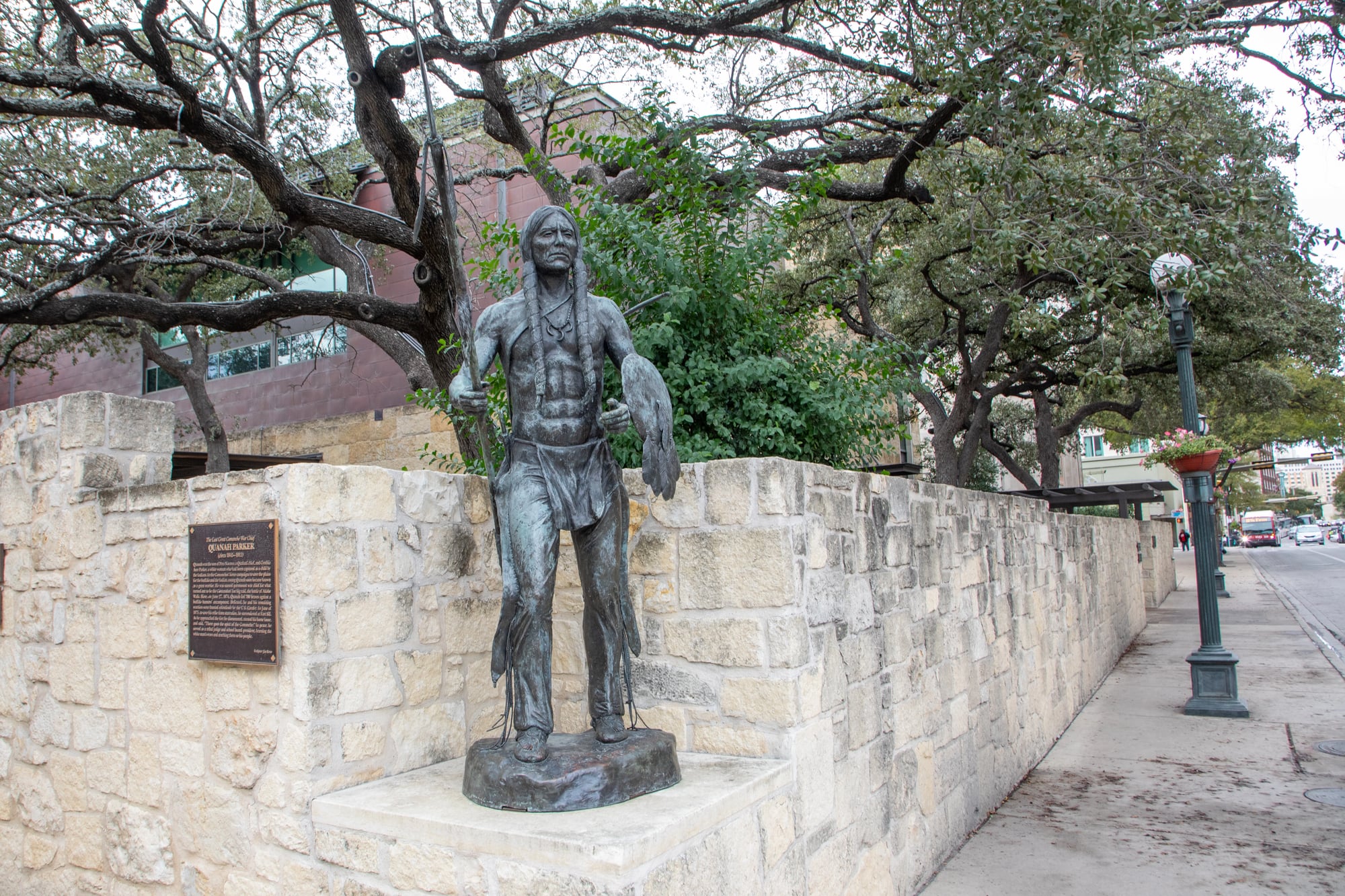
The photographs of Quanah Parker tell the story of two worlds colliding inside a single person. Half-Comanche, half-white, he became the last war chief of the Comanche and then, after surrender, one of their most effective peace leaders.
In his early photos from the 1870s, Parker looks like what he was — a Plains warrior who’d perfected the art of mounted warfare. The Comanche had dominated the Southern Plains for over a century, and Parker represented the final flowering of that military tradition.
But the later photographs show something more complex: a man in a business suit who’d learned to navigate Washington politics, corporate boardrooms, and reservation bureaucracy with the same skill he’d once brought to raiding. Parker accumulated considerable wealth and influence in his later years, which annoyed people who preferred their former enemies to remain properly defeated.
He didn’t cooperate with their preferences.
Chief Standing Bear
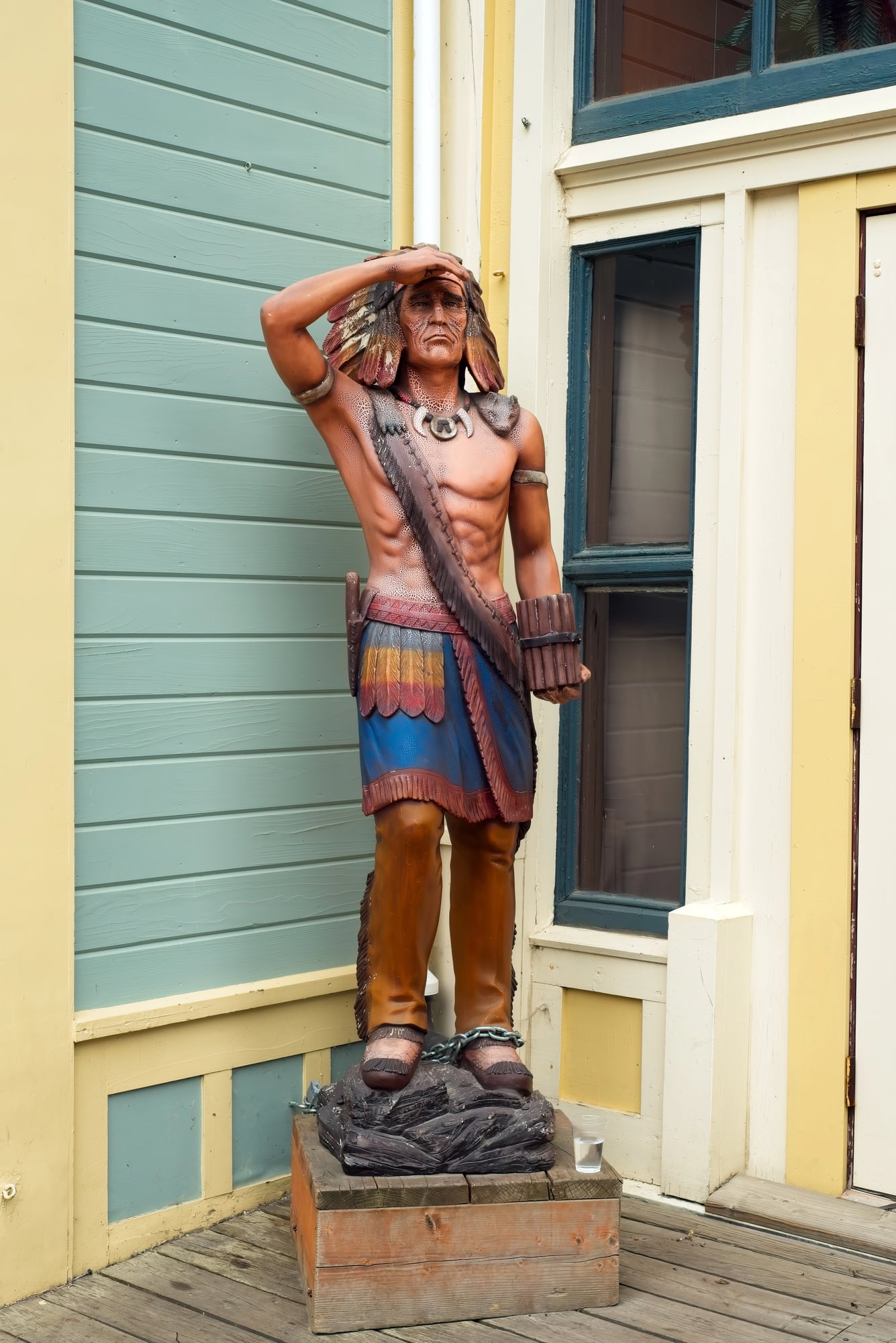
Standing Bear accomplished something unprecedented in 1879: he convinced a federal court that Native Americans were human beings under the law. This sounds like it should have been obvious, but legal systems specialize in making the obvious complicated.
The Ponca chief had been forcibly relocated from Nebraska to Oklahoma, where disease and starvation killed a third of his people, including Standing Bear’s son. When he tried to return north to bury his son in their ancestral burial grounds, he was arrested for leaving the reservation without permission.
The resulting trial, Standing Bear v. Crook, produced the first judicial ruling that Native Americans were “persons within the meaning of the law.” The photographs of Standing Bear from this period show a man who’d just forced the legal system to acknowledge his humanity through sheer persistence.
His expression suggests he found the whole exercise somewhat absurd — which, to be fair, it was.
Crazy Horse
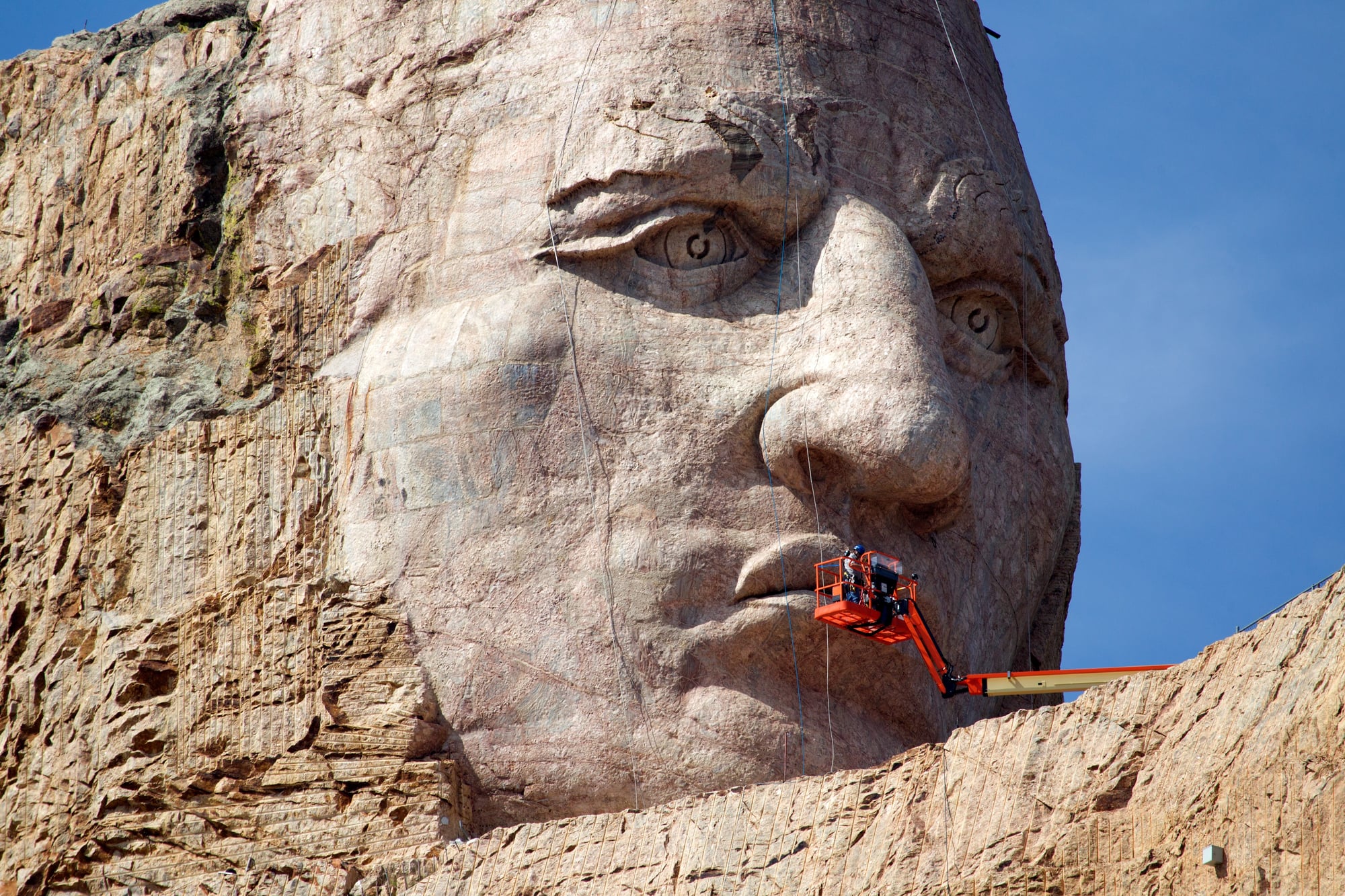
Crazy Horse never allowed himself to be photographed, which means every image claiming to show him is either wishful thinking or outright fraud. The Oglala Lakota leader believed that photographs captured part of the soul, and he wasn’t interested in having his soul captured by anyone.
This photographic absence has created a cottage industry of fake Crazy Horse images, each more dubious than the last. But his refusal to be photographed was just another form of resistance — the same impulse that led him to never sleep in the same place twice and never follow the same route to the same destination.
The irony is that Crazy Horse’s absence from the photographic record has made him more famous, not less. His face became whatever people needed it to be, which turned out to be more powerful than any actual photograph could have been.
Chief Joseph (Nez Perce)
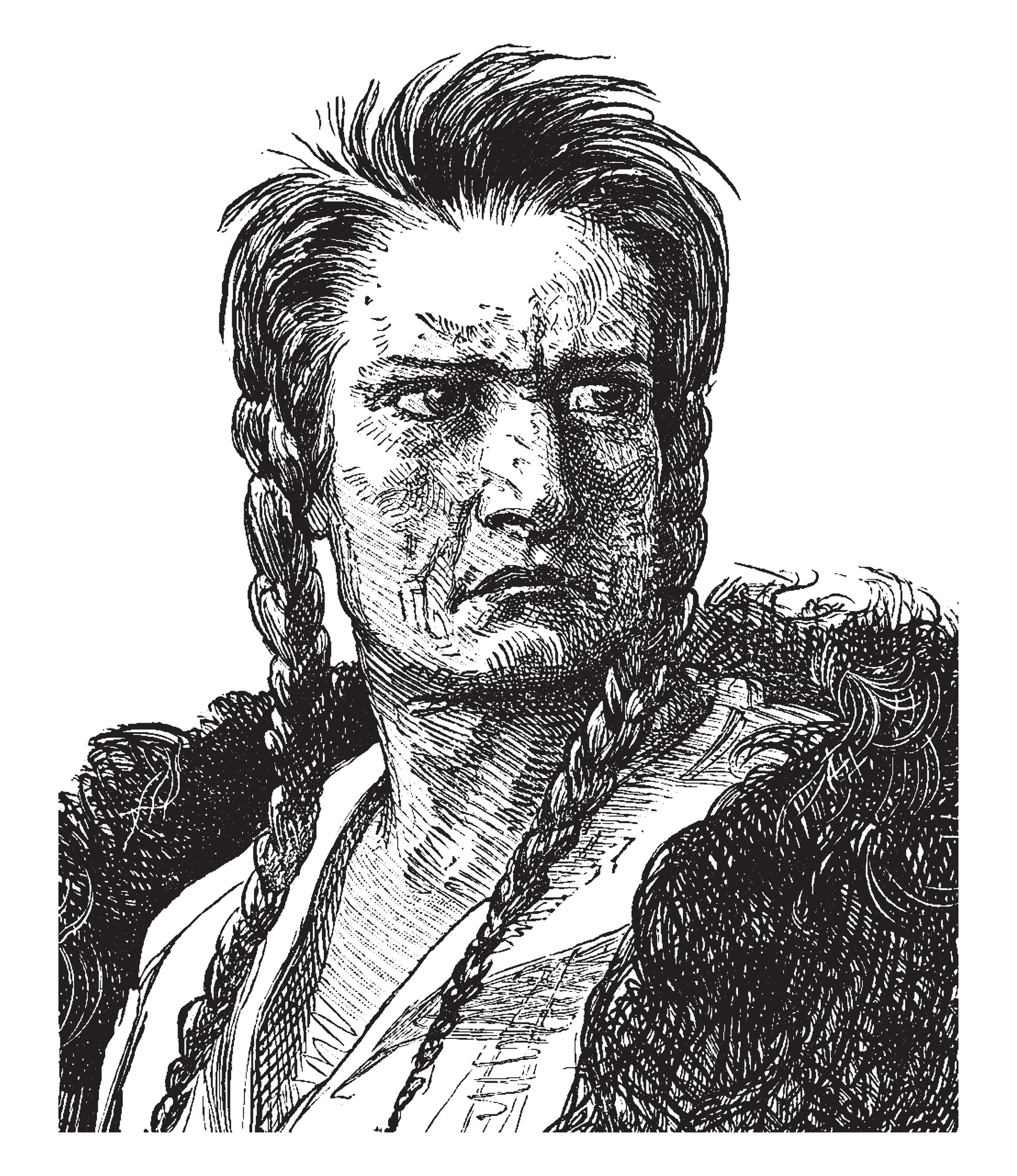
The second Chief Joseph — son of the first and the one most people think of when they hear the name — inherited a war he didn’t want to fight. The younger Joseph’s photographs from the 1870s and 1880s reveal someone processing the impossible mathematics of resistance against overwhelming odds.
But those famous surrender photographs don’t tell the complete story. Joseph lived for another 25 years after his surrender, spending them lobbying Congress, giving speeches, and generally making himself a persistent nuisance to officials who’d hoped surrender meant silence.
His later photographs show a man who’d figured out that the war had simply moved to different terrain. Instead of fighting cavalry, he was fighting bureaucrats.
Instead of leading warriors, he was leading congressional testimony. The tactics were different, but the objective remained the same: survival of his people.
Pocahontas
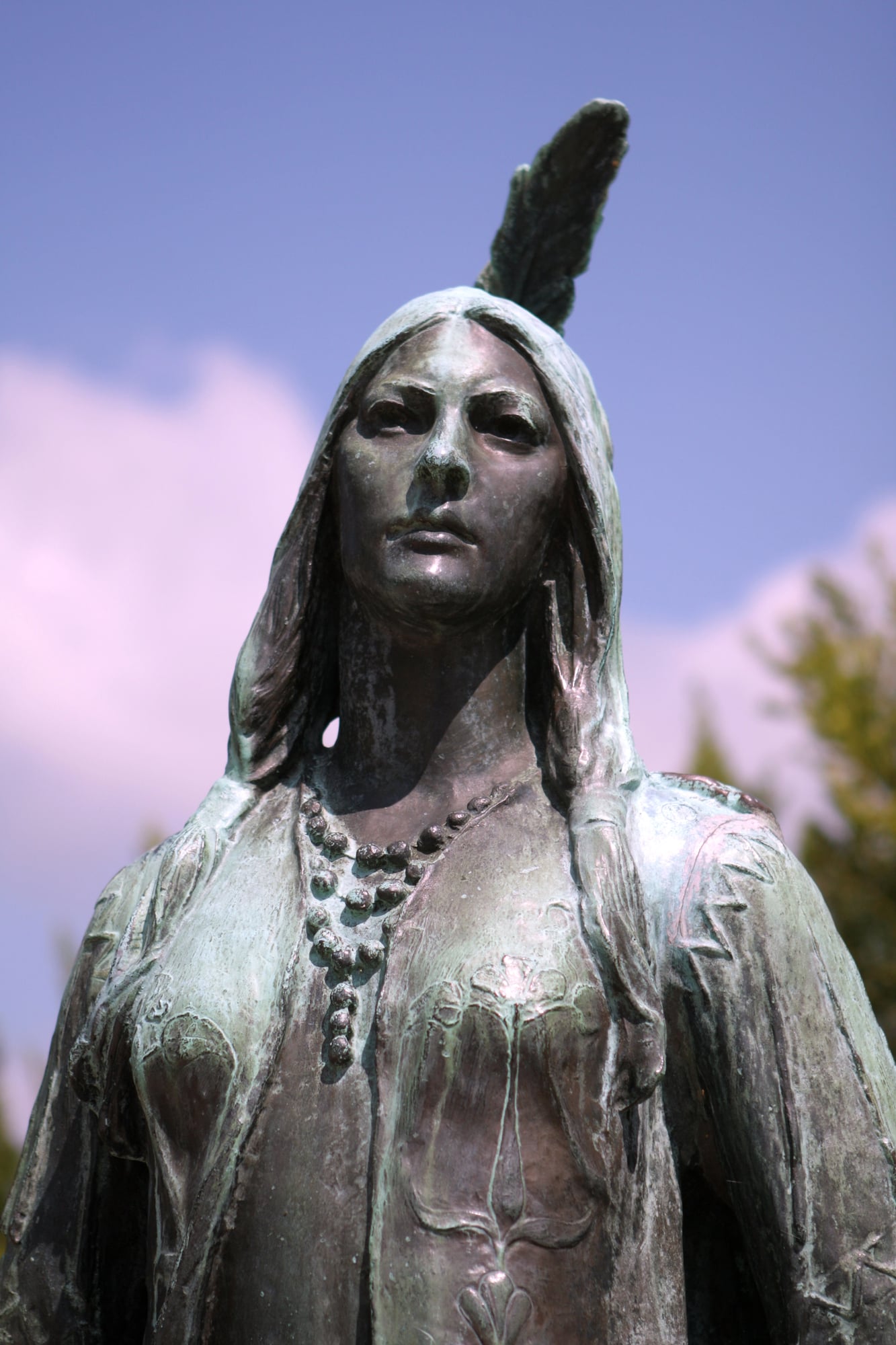
The only known portrait of Pocahontas was created in London in 1616, during her visit to the English court as the wife of John Rolfe. The engraving shows a woman dressed in English fashion, complete with ruff collar and elaborate hat — the visual embodiment of successful cultural conversion, at least from the English perspective.
But that formal English costume tells its own story about the pressure to perform civilization for European audiences. Pocahontas had become a walking advertisement for the colonial project, proof that indigenous people could be transformed into proper English subjects.
She died in England a year later, at age 21, before she could return to Virginia. The portrait remains, frozen in its careful respectability, a young woman caught between worlds that never quite learned how to coexist.
Lessons from the Lens
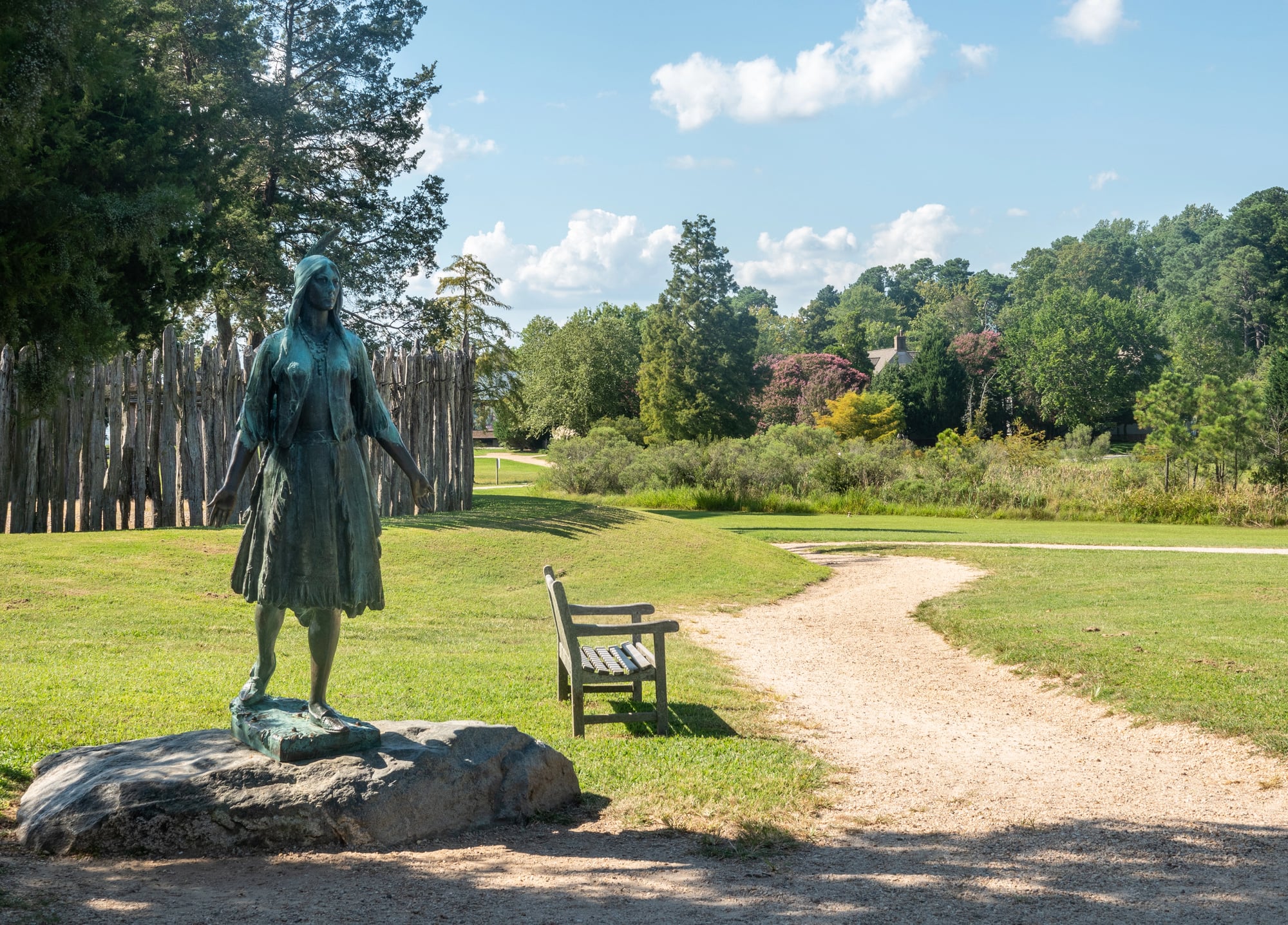
These photographs function as accidental archaeology, preserving moments that nobody expected would become historically significant. The camera operators were usually documenting curiosities or prisoners, not creating portraits of resistance and survival.
But that’s what makes these images powerful. They capture people navigating impossible circumstances with whatever dignity they could salvage.
Some chose accommodation, others chose defiance, most chose some combination of both. None of them had good options.
The real story isn’t in any single photograph, but in the collection as a whole — faces that refused to disappear, even when everything around them was disappearing. Which, as it turns out, might be the most human thing of all.
More from Go2Tutors!

- The Romanov Crown Jewels and Their Tragic Fate
- 13 Historical Mysteries That Science Still Can’t Solve
- Famous Hoaxes That Fooled the World for Years
- 15 Child Stars with Tragic Adult Lives
- 16 Famous Jewelry Pieces in History
Like Go2Tutors’s content? Follow us on MSN.



