Harry Potter Day Trivia and Lore
Every year on September 1st, fans around the world celebrate Harry Potter Day, marking the anniversary of Harry’s first journey to Hogwarts aboard the Hogwarts Express. It’s a day when the wizarding world feels just a little closer to reality, and devoted fans dust off their robes, reread favorite passages, and share obscure trivia that would make even Hermione Granger proud.
The celebration has grown from a small fan tradition into a global phenomenon, bringing together Potterheads of all ages who find comfort in returning to the magical world that shaped their childhoods and continues to enchant new generations.
The Real Platform 9¾

King’s Cross Station installed an official Platform 9¾ trolley display in 2012. Half a luggage cart disappears into the wall.
Fans line up for hours to take photos. The original filming location wasn’t actually between platforms 9 and 10 — it was shot at platforms 4 and 5.
The real platforms 9 and 10 are separated by tracks, making the trolley-through-the-wall effect impossible.
Dumbledore’s Password Collection
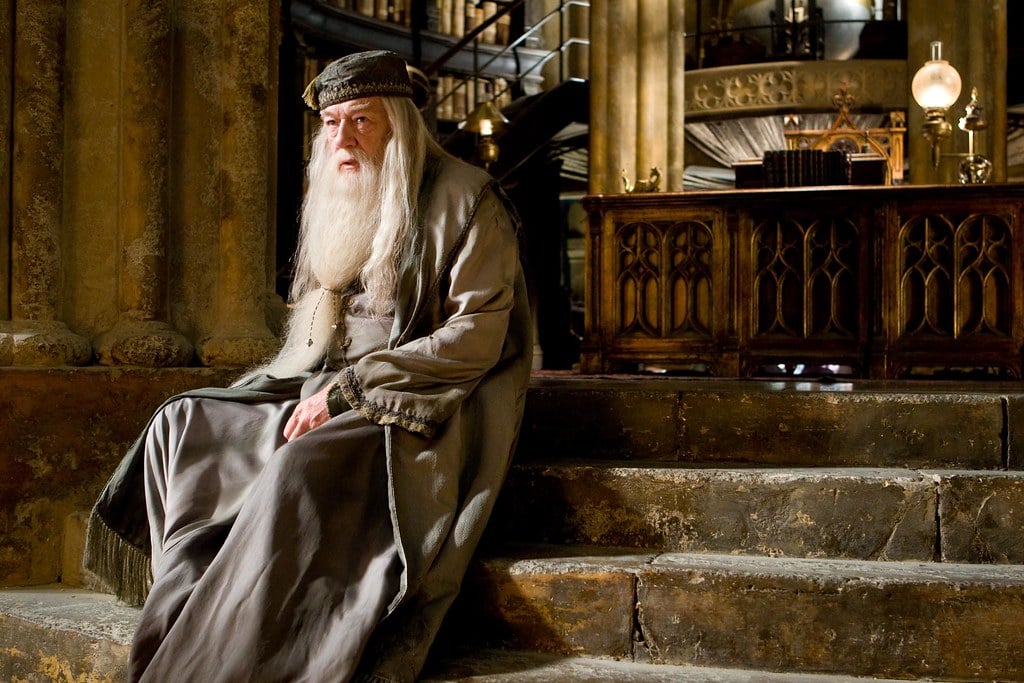
Albus Dumbledore has a documented preference for candy-related passwords (though calling them “preferences” might be understating his outright obsession with confectionery, given that nearly every password protecting his office relates to sweets of some variety, which says something rather telling about a man who’s supposed to be protecting some of the wizarding world’s most sensitive information). His gargoyle guardian responds to “Acid Pops,” “Sherbet Lemon,” “Fizzing Whizzbees,” and “Cockroach Clusters” — because apparently even the most powerful wizard of his generation can’t resist organizing his security system around his sweet tooth.
And honestly, if you’re going to pick passwords that everyone in the castle will eventually figure out, you might as well make them memorable. So when Harry needed to reach Dumbledore urgently and started rattling off candy names, he wasn’t making wild guesses: he was following a pattern that any student paying attention would have noticed.
But then again, most students probably weren’t paying attention to their headmaster’s snack-based security protocol.
The Meaning Behind Character Names
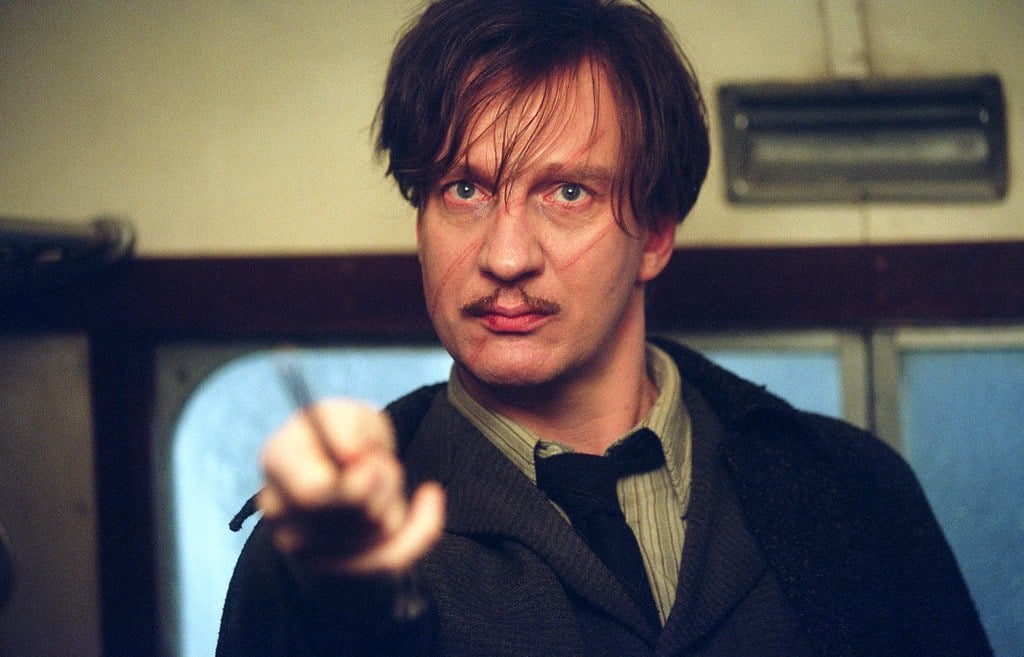
There’s poetry hidden in what J.K. Rowling chose to call her characters, the way certain names seem to carry their own gravitational pull toward meaning. Sirius Black bears the name of the brightest star in the night sky — the Dog Star — and transforms into a great black dog, as if the cosmos had been waiting centuries for someone to make that connection.
Remus Lupin carries the weight of Roman mythology (Remus, raised by wolves) and the Latin word “lupus” (wolf) in his surname, marking him as a werewolf before readers even meet him. Severus Snape’s name cuts with the same sharpness as his personality — “Severus” suggesting severity, harshness, while “Snape” itself feels like something that bites.
Even Professor Sprout tends the greenhouse with a name that could have sprouted from the soil itself. It’s as if Rowling was weaving fate into nomenclature, letting the names whisper secrets about their bearers long before the story revealed them.
Hermione’s Time-Turner Logic Flaw
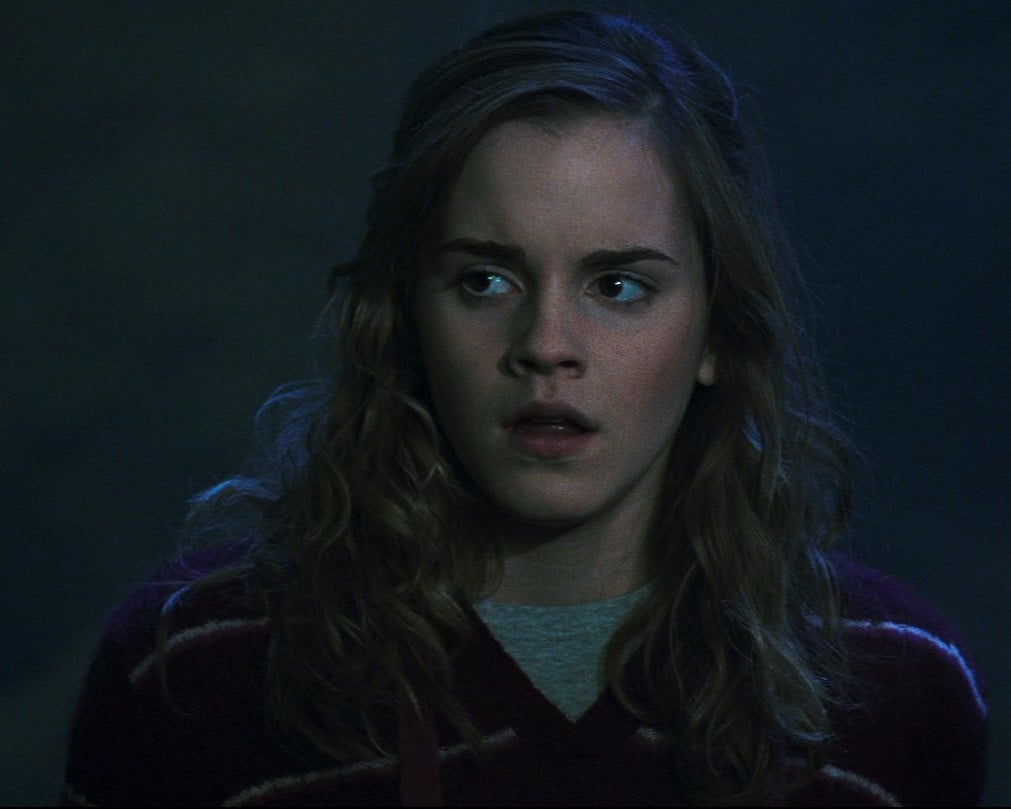
The Time-Turner creates the biggest loophole in the entire series. Hermione uses it to attend multiple classes, but apparently nobody considered using it to prevent Voldemort’s return.
Or to save James and Lily Potter. Or to stop any number of tragic events.
Rowling admitted she wrote herself into a corner with time travel. The entire stock of Time-Turners conveniently gets destroyed in the Department of Mysteries fight, eliminating the problem permanently.
Smart move, considering how many storylines would have been solved instantly with a bit of temporal manipulation.
The Hogwarts House System’s Hidden Bias
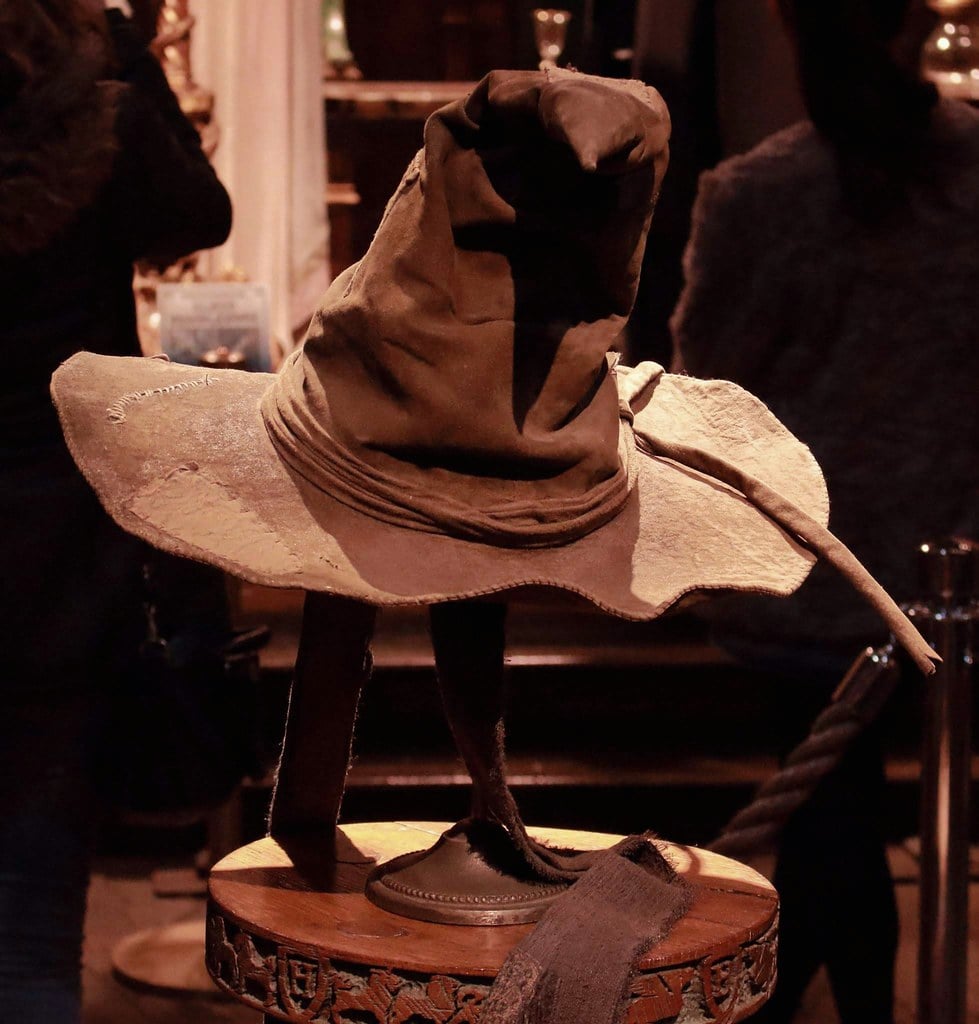
Sorting eleven-year-olds into houses based on personality traits is fundamentally flawed. Slytherin gets labeled as the “evil” house, yet produces students like Regulus Black, who died trying to destroy Horcruxes.
Gryffindor claims bravery but houses Peter Pettigrew, who spent thirteen years as a rat to avoid consequences. The Hat’s decision often reflects what children value at eleven, not who they’ll become.
Hermione nearly went to Ravenclaw — imagine how different the story would have been if Harry’s brilliant best friend had been sorted elsewhere. The system creates artificial divisions that last a lifetime, turning childhood preferences into permanent identity markers.
Quidditch Rules Make No Sense
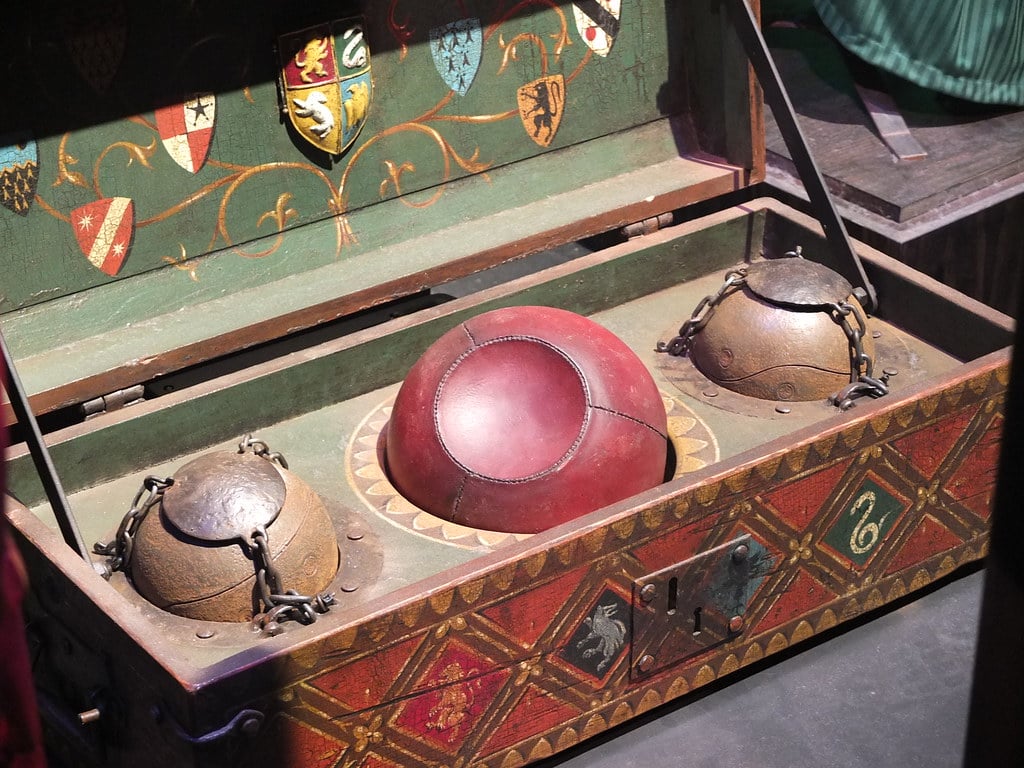
The Golden Snitch ruins Quidditch as a coherent sport (and honestly, it’s hard to imagine how this game survived centuries of wizarding culture without someone pointing out that having one player whose single action can override everything the other six players accomplish makes about as much strategic sense as deciding football games with a coin flip). Catching the Snitch ends the game and awards 150 points, which means the Chasers’ scoring becomes almost meaningless unless the match stretches long enough for a significant point differential to develop — which rarely happens because Seekers usually catch the Snitch within an hour or two.
Harry wins his first match by catching the Snitch in roughly five minutes, meaning his teammates barely had time to break a sweat before the game ended. And yet Quidditch is treated as this deeply strategic, intensely competitive sport when the outcome depends almost entirely on two players chasing a tiny flying walnut.
The Quidditch World Cup final in Goblet of Fire demonstrates the absurdity perfectly: Bulgaria’s Seeker Viktor Krum catches the Snitch but Ireland still wins because they had built up a 160-point lead through actual gameplay. So Krum essentially decided his team should lose with style rather than risk losing by even more.
The Unbreakable Vow’s Rarity
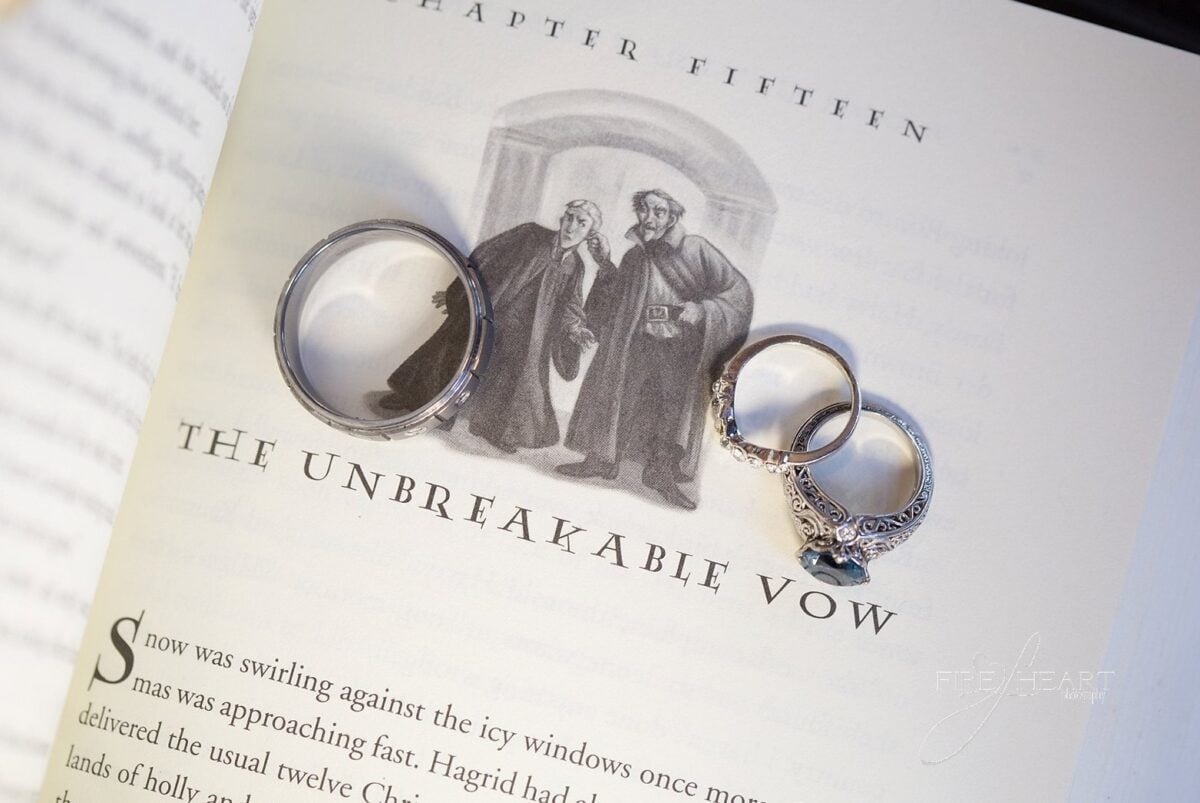
Most wizards treat Unbreakable Vows like magical self-harm pacts. Break the vow, die instantly.
No second chances, no loopholes, no magical healing. Narcissa Malfoy convinces Severus Snape to make one, binding him to protect Draco or face death.
The vow’s language matters completely — Snape survives because he follows the letter of the agreement, not necessarily its spirit. Few wizards risk making them because magical contracts tend to be literal-minded and unforgiving.
Harry’s Parseltongue Ability Explained
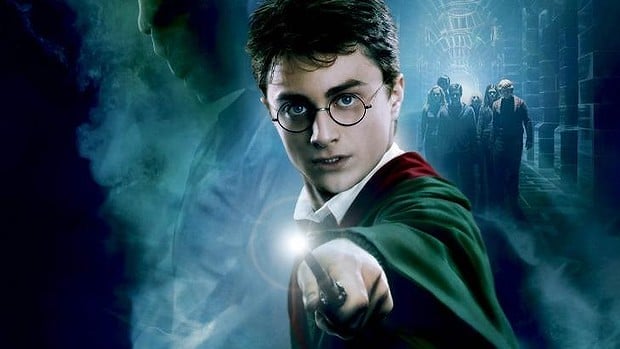
Harry speaks Parseltongue because he carries a piece of Voldemort’s soul (though the explanation for this particular magical inheritance gets complicated quickly, since soul fragments don’t typically transfer specific learned abilities, and Parseltongue is generally considered an inherited magical gift rather than an acquired skill, which raises questions about how exactly Horcrux magic interacts with genetic magical traits). The ability disappears after Voldemort destroys the Horcrux within Harry during their final confrontation — proving the connection was never truly Harry’s own.
Before learning the truth, Harry worries he’s becoming dark because he can communicate with serpents. But Parseltongue itself isn’t inherently evil — it’s simply rare. Salazar Slytherin’s ability to speak with snakes became associated with dark magic through historical reputation, not because the gift itself corrupts those who possess it.
So when Harry loses his Parseltongue ability, he’s not losing a part of himself — he’s finally becoming fully himself, free from Voldemort’s influence for the first time since that night in Godric’s Hollow.
Hagrid’s Dangerous Teaching Methods
Picture a half-giant who thinks dragons make suitable pets trying to design a curriculum for children. That’s Hagrid’s Care of Magical Creatures class in miniature — equal parts genuine love for magical beasts and complete inability to gauge appropriate risk levels for thirteen-year-olds.
His first lesson involves Hippogriffs, creatures that can disembowel students who forget to bow properly, because apparently Hagrid figured if you’re going to teach magical creature interaction, you might as well start with something that could kill you for rudeness. Blast-Ended Skrewts follow in his fourth-year curriculum — hybrid creatures that don’t exist in nature, shoot fire from their rears, and have no visible purpose beyond keeping students alert through constant danger.
It’s teaching through controlled chaos, the educational equivalent of learning to swim by jumping into shark-infested waters. But there’s something beautifully earnest about Hagrid’s faith in these creatures, his certainty that students will develop the same appreciation he feels if they just get close enough.
He never quite grasps that most people prefer their magical education with slightly lower mortality rates.
The Marauder’s Map Creation Mystery
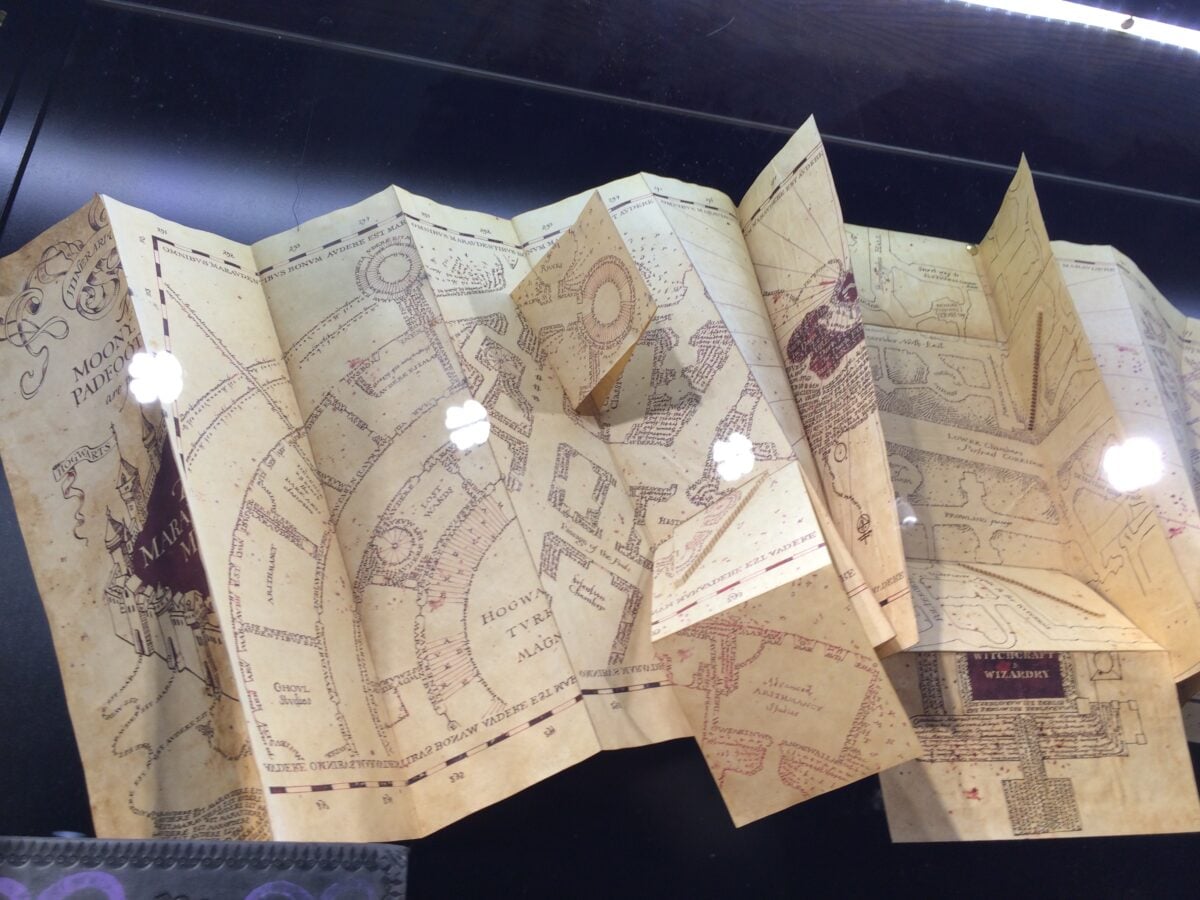
The Marauders created the most sophisticated piece of magic ever produced by Hogwarts students. The Map tracks every person in the castle, knows secret passages that even Dumbledore might have forgotten, and somehow distinguishes between identical twins.
Four teenagers — James Potter, Sirius Black, Remus Lupin, and Peter Pettigrew — managed to map an entire magical castle that changes its layout regularly. They programmed it to insult Severus Snape specifically.
The Map’s magic surpasses most adult wizards’ capabilities, yet it was created as a student prank project.
Molly Weasley’s Howler Expertise
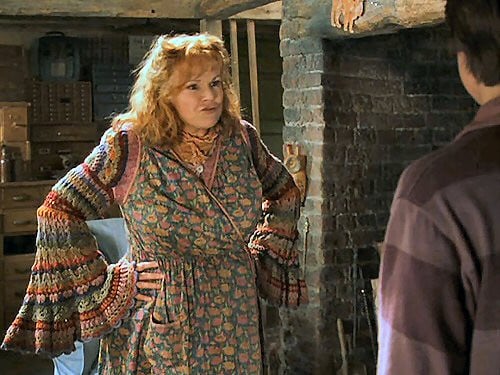
Howlers require specific magical skills to create properly. Too little emotion and they arrive as regular letters.
Too much and they explode before delivery. Molly Weasley has perfected the art.
Her Howler to Ron in his second year demonstrates masterful control — loud enough to humiliate him publicly, angry enough to convey serious disappointment, but measured enough to avoid permanent hearing damage. The letter burns itself after delivering its message, leaving only smoke and shame.
Chocolate’s Magical Properties

Chocolate serves as the primary remedy for Dementor encounters. Lupin carries it constantly, Madam Pomfrey stocks it in the hospital wing, and it appears whenever someone needs emotional healing.
The choice isn’t accidental — chocolate releases endorphins, providing natural mood improvement that apparently helps counteract magical despair. Muggle science supports magical practice: chocolate actually does make people feel better.
Sometimes the simplest solutions work across both worlds.
The Knight Bus’s Traffic Laws
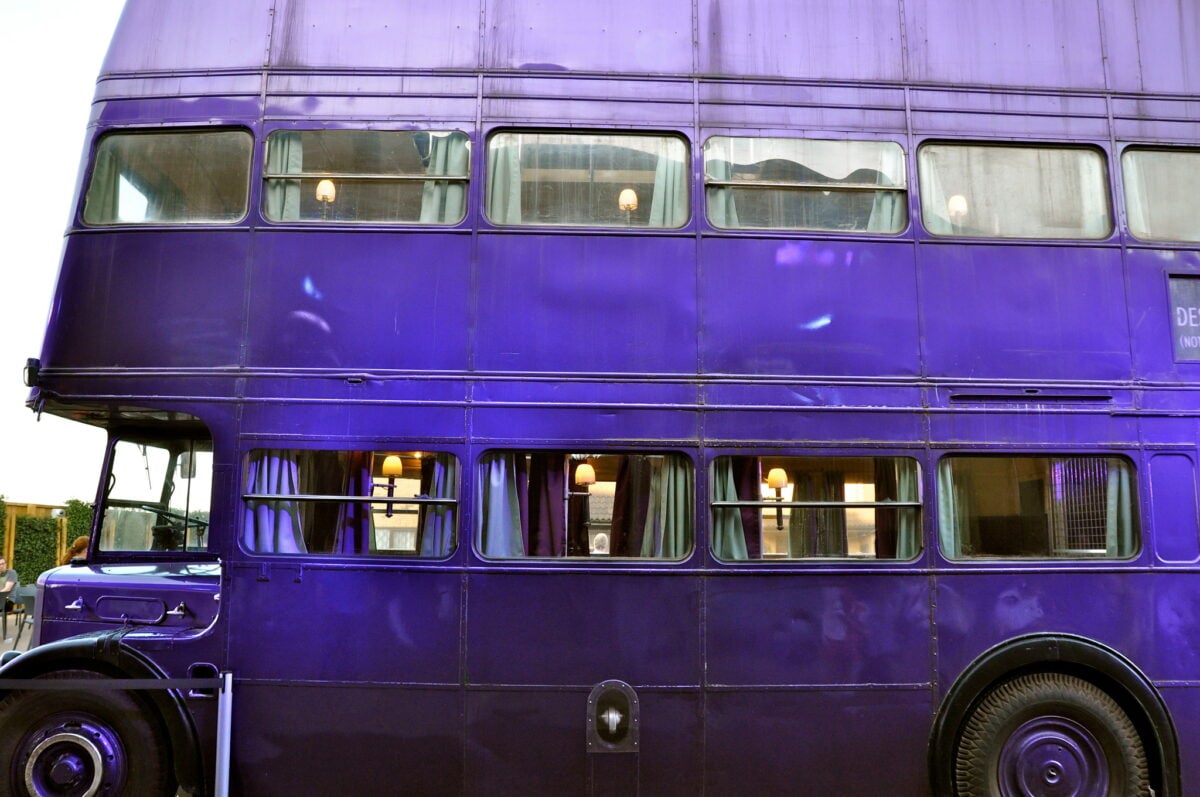
The Knight Bus operates outside normal transportation rules (and considering that it routinely squeezes between cars, hops onto sidewalks, and generally treats the concept of road safety as more of a loose suggestion than an actual requirement, it’s somewhat miraculous that the Ministry of Magic hasn’t shut it down for violating every possible traffic regulation that exists in either the magical or Muggle worlds). Stan Shunpike cheerfully explains that wizards don’t follow Muggle traffic laws because Muggles can’t see the bus anyway — a form of magical diplomatic immunity that probably causes more near-accidents than anyone wants to count.
The bus shrinks to fit through impossible spaces, beds slide around during sharp turns, and passengers regularly get flung against windows during emergency stops. But it gets you where you need to go, and in the wizarding world, that apparently matters more than following conventional rules about vehicle operation and passenger safety.
And honestly, given how rarely wizards interact with Muggle transportation, the Knight Bus probably represents their best attempt at understanding how buses are supposed to work — which is to say, they’ve grasped the basic concept but missed most of the practical details that keep people alive during the journey.
Where Magic Meets Memory
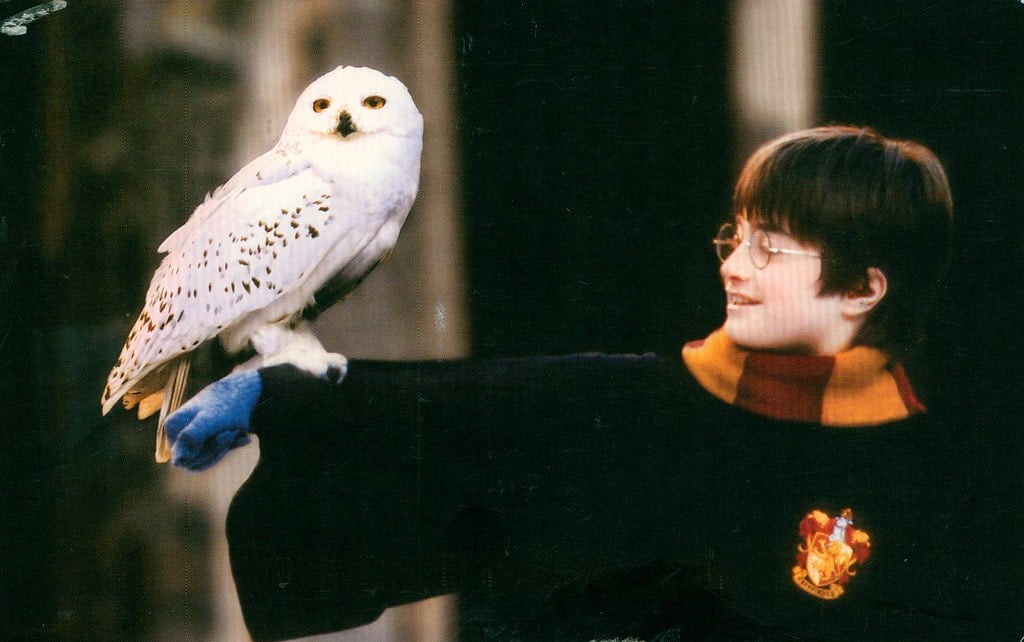
The deepest magic in Harry’s world isn’t found in spell books or potion recipes — it lives in the spaces between what characters remember and what they choose to forget. Severus Snape’s memories, preserved in silvery threads and shared through a Pensieve, reveal that love can persist long after its object has died, becoming both salvation and torment.
Harry’s memories of his parents shift and change as he grows, shaped by fragments of truth, stories from friends, and glimpses caught through other people’s eyes. Even Voldemort’s quest for immortality stems from his inability to accept the one thing every other character eventually must: that memory outlasts the body, that being remembered with love matters more than existing forever without it.
Magic, it turns out, works best when it serves memory rather than trying to replace it.
More from Go2Tutors!

- The Romanov Crown Jewels and Their Tragic Fate
- 13 Historical Mysteries That Science Still Can’t Solve
- Famous Hoaxes That Fooled the World for Years
- 15 Child Stars with Tragic Adult Lives
- 16 Famous Jewelry Pieces in History
Like Go2Tutors’s content? Follow us on MSN.