26 Symbols on Everyday Products Almost Nobody Notices
There’s a small universe of symbols printed on the things you use every day — on shampoo bottles, clothing tags, food packaging, electronics, and kitchen appliances — and most people walk right past them without a second glance. That’s not carelessness; it’s just how the brain works.
When something appears often enough without demanding attention, it becomes invisible. But these symbols aren’t decoration.
They carry instructions, warnings, certifications, and occasionally, information that changes how you use or dispose of a product entirely. Some of them could save you money.
A few of them could save your clothes. At least one of them involves the actual recycling of a mattress, which is a more complicated process than most people expect.
Here’s what you’ve been ignoring.
The Open Jar Symbol
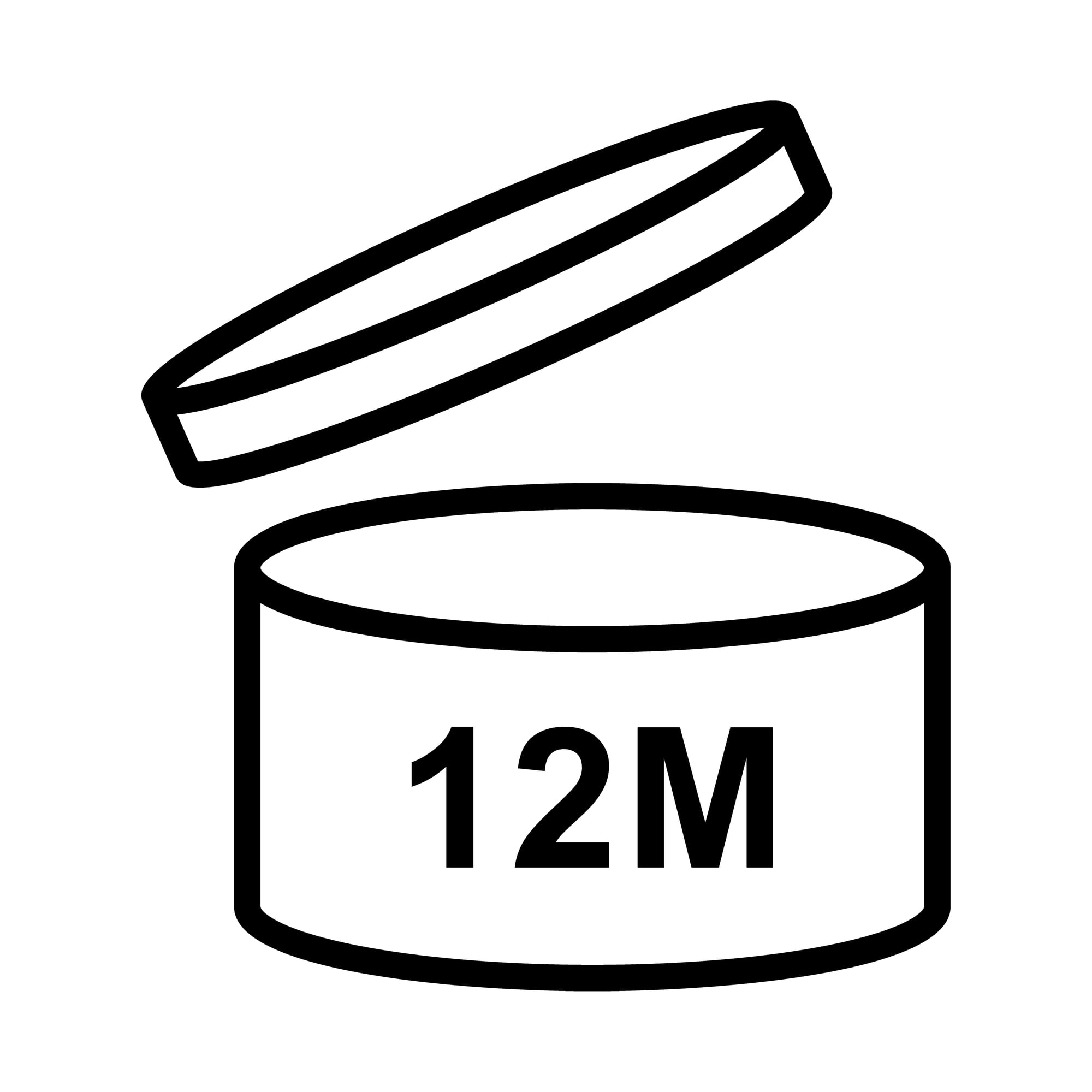
That little drawing of an open jar with a number inside it — usually found on moisturizers, foundations, and skincare products — tells you how many months the product is safe to use after opening. It’s a Period After Opening label, and “12M” means twelve months, full stop.
Most people ignore it entirely and use the product until it’s gone, which is a reasonable instinct but occasionally a bad idea.
The Mobius Loop

The three chasing arrows that form a triangle — technically called the Möbius loop — do not mean a product is recyclable. It means the product is made with recyclable materials, or that it can be recycled somewhere under the right conditions.
So when you toss the packaging into the blue bin feeling virtuous, it’s worth knowing that “can be recycled” and “will be recycled” are two very different statements.
The Resin Identification Code
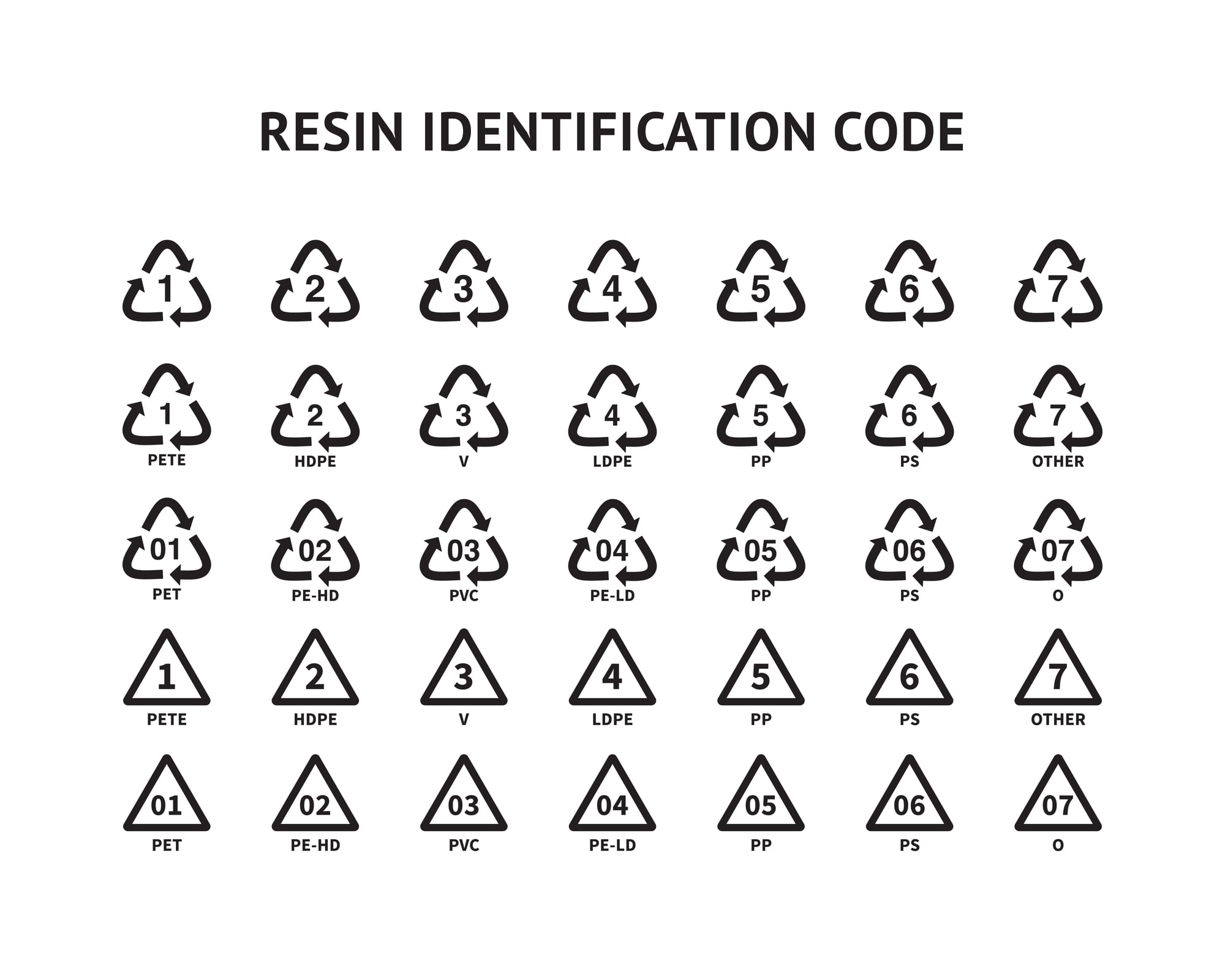
Inside or beneath that Möbius loop, there’s often a number between 1 and 7, and that number identifies the type of plastic the container is made from. Number 1 is PET — the standard water bottle plastic — and is accepted almost everywhere.
Number 7 is a catch-all for plastics that don’t fit cleanly into the other six categories, and most municipal recycling programs want nothing to do with it.
The CE Mark
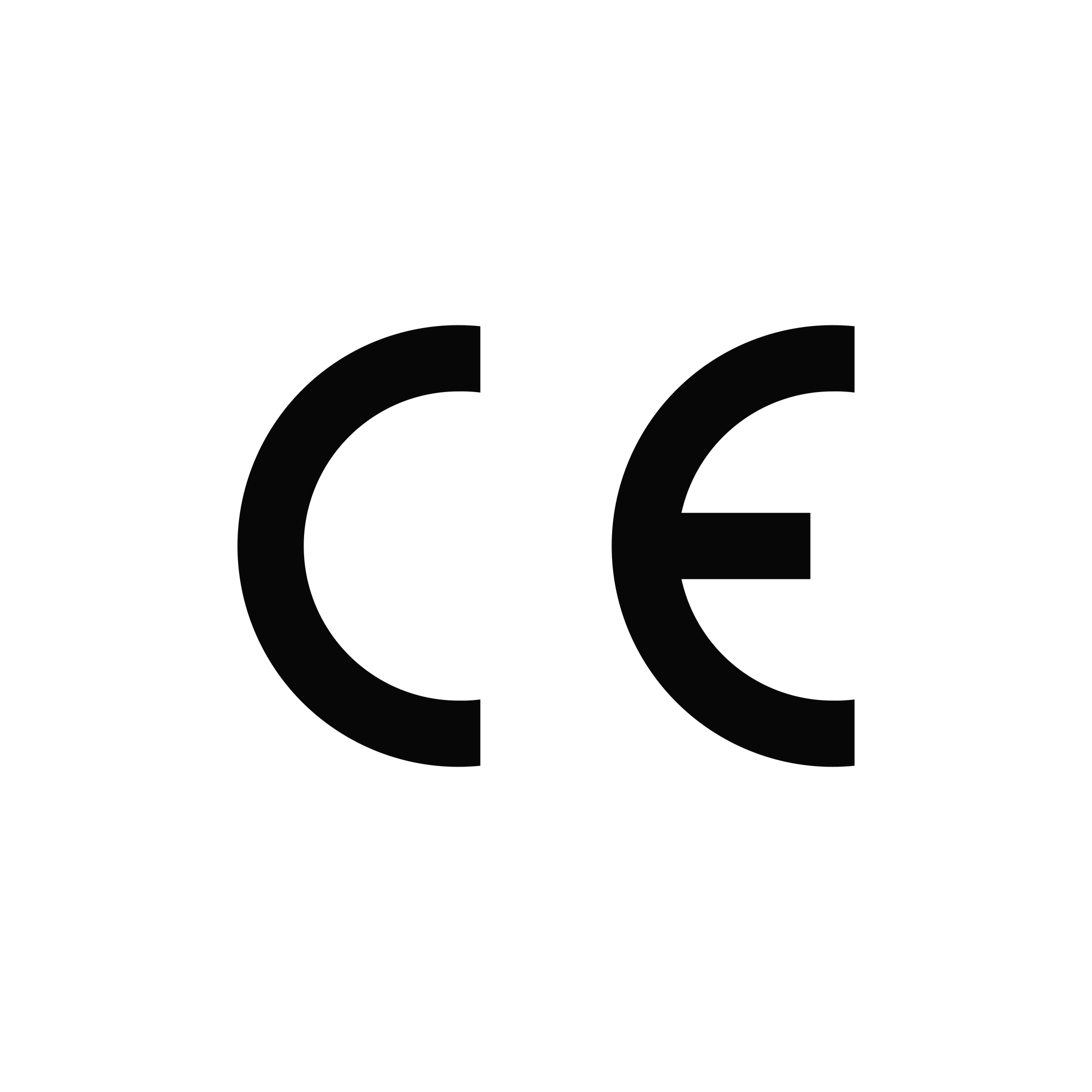
The CE mark — two letters that look almost like a stylized logo — appears on electronics, toys, medical devices, and tools sold in Europe, and it signals that the product meets EU safety, health, and environmental standards. What it does not mean is that the product was independently tested or verified by a third party.
The manufacturer self-certifies. To be fair, most manufacturers do this honestly — but it’s not the ironclad guarantee the clean typography implies.
The Green Dot

The Green Dot symbol — two interlocking arrows forming a circle — appears on packaging across Europe and is widely mistaken for a recycling instruction. It isn’t.
It means the manufacturer has financially contributed to a packaging recovery and recycling scheme. The packaging itself may or may not be recyclable.
Two different things wearing the same visual language.
The Crossed-Out Wheelie Bin
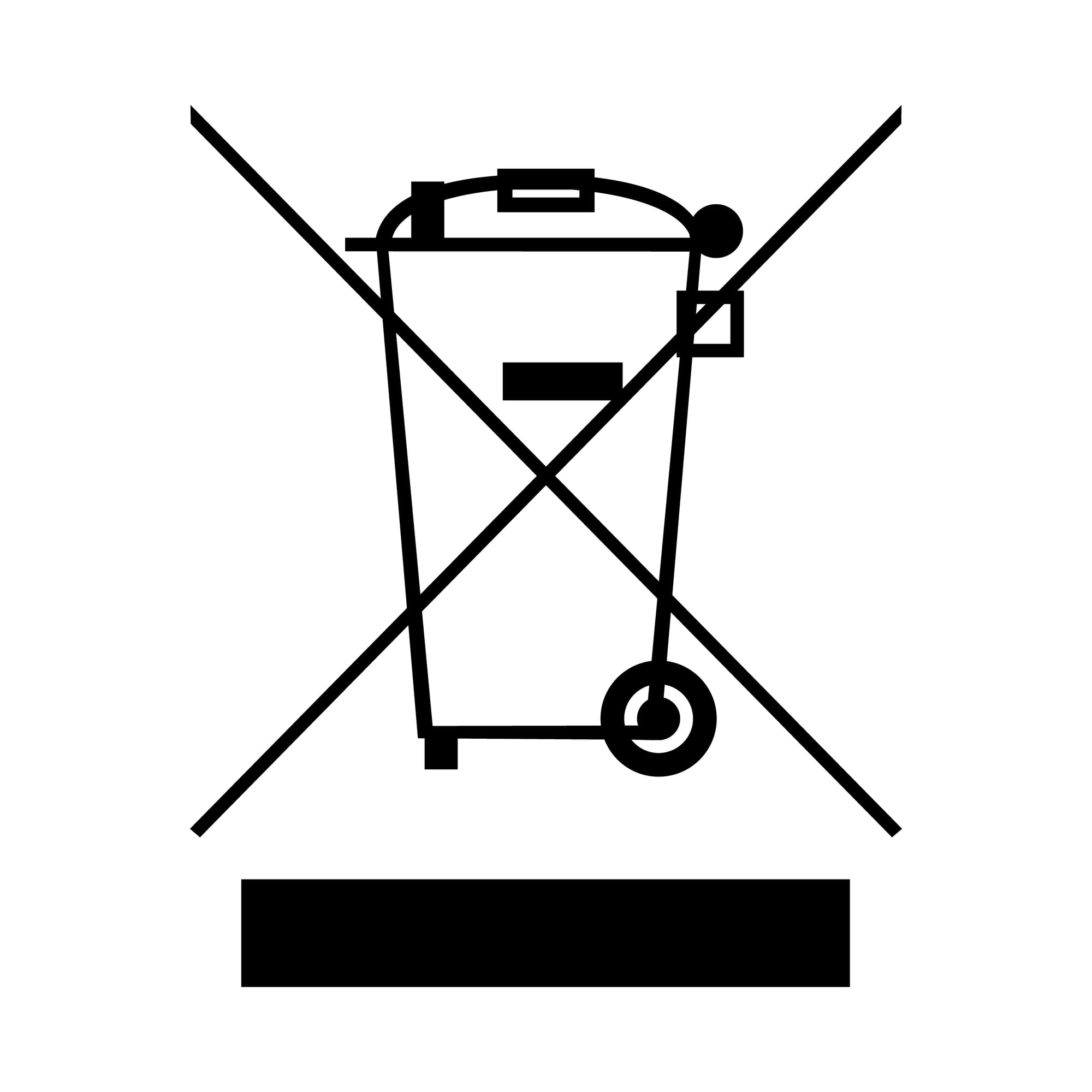
This one shows a wheeled trash bin with an X through it, and it appears on electronics, batteries, and certain appliances. It means: do not throw this in the household rubbish.
Products marked this way contain materials — lithium, cadmium, mercury — that require separate disposal at a designated facility. Most people ignore it, which is how those materials end up in landfills doing things nobody wants them to do.
The Flame Symbol
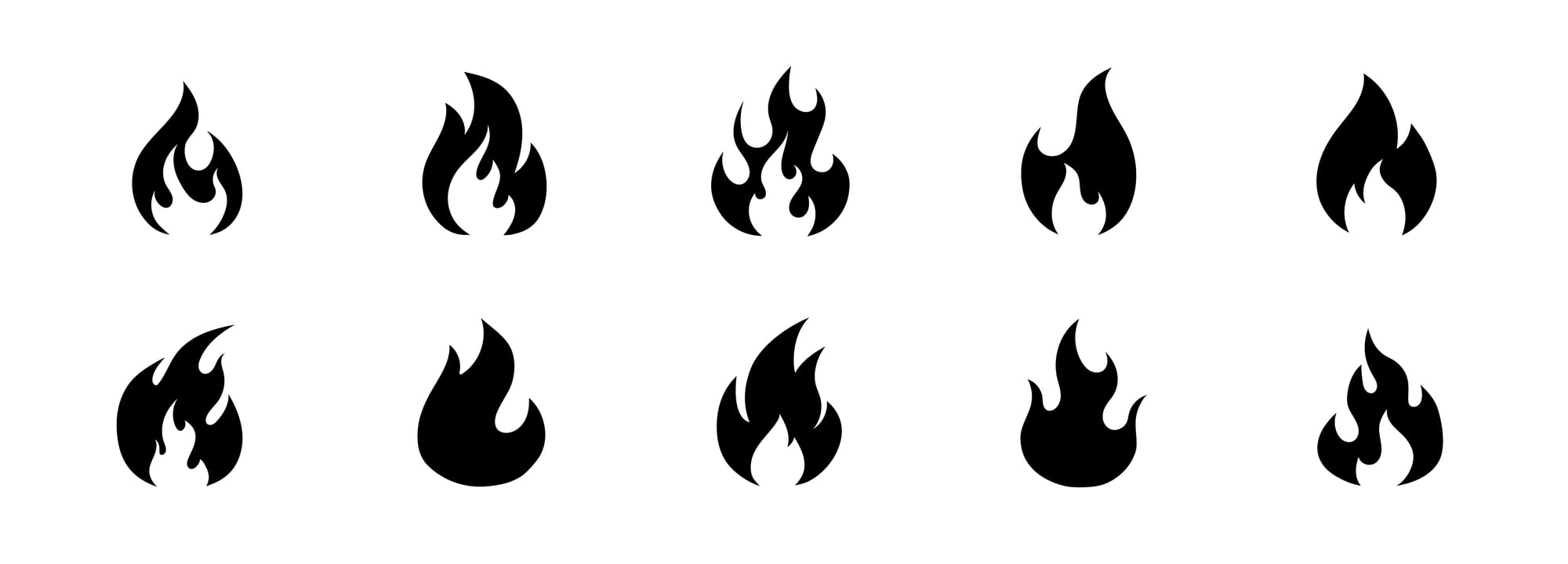
Found on aerosols and certain cleaning products, the flame symbol is a simple warning: flammable. It sounds obvious, and yet hairspray has been stored next to radiators in bathrooms for decades.
The symbol doesn’t ask you to be a chemist — it just asks you to keep the product away from open flames, sparks, and heat sources that exceed what a bathroom cabinet provides.
The Laundry Care Tub Symbol

That small tub filled with water on a clothing label is a washing instruction, and the number inside it — 30, 40, 60 — is the maximum wash temperature in Celsius. Most people either ignore it or can’t remember what the various lines underneath it mean.
One line under the tub means a gentle cycle. Two lines means extra gentle.
No lines means you can wash it normally, which is the good news almost nobody notices.
The Triangle With an Exclamation Mark
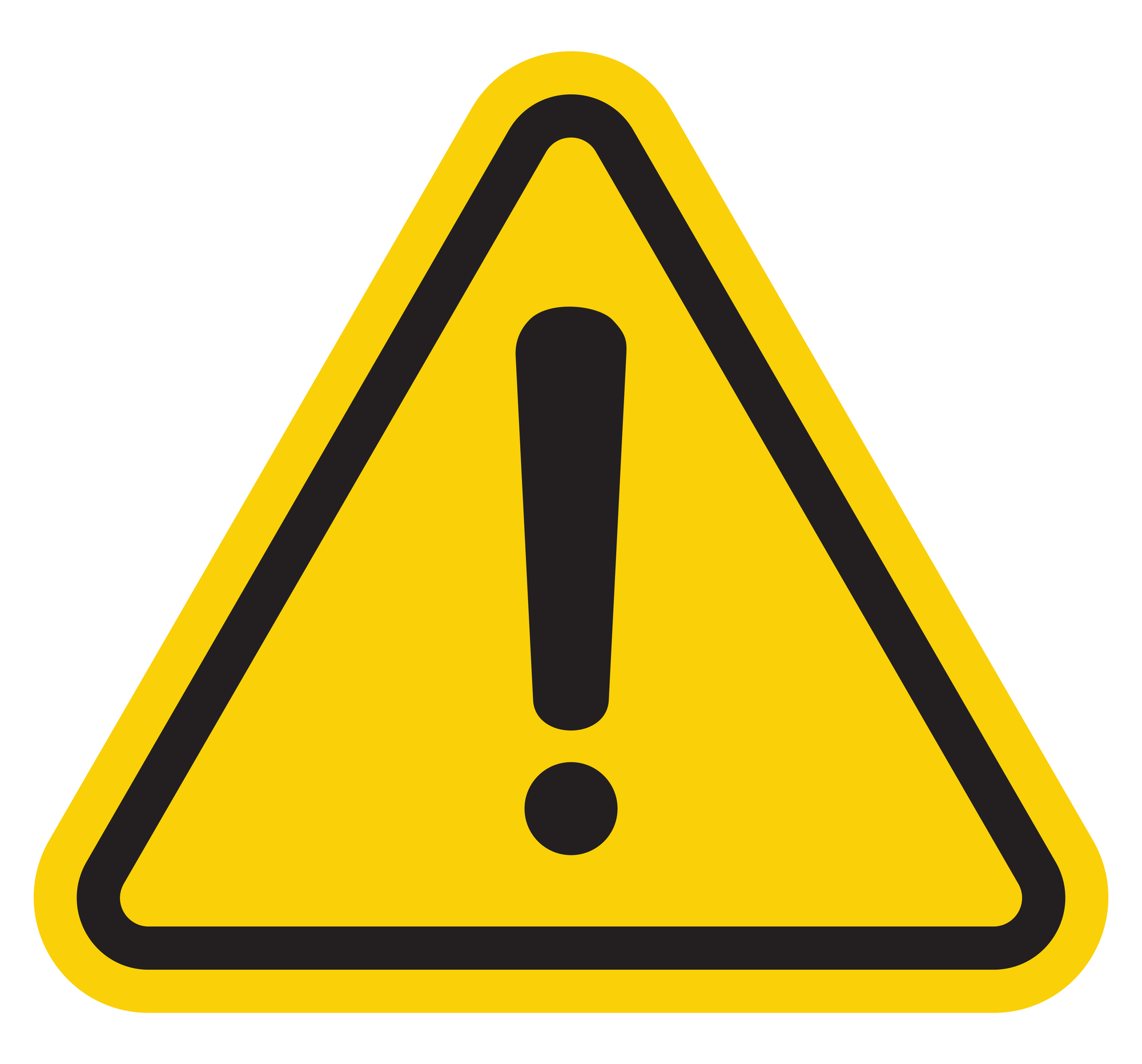
This appears on everything from power tools to supplements, and it is doing exactly what it looks like: flagging a general hazard or caution that requires the user to read the accompanying documentation. It’s the symbol equivalent of someone saying “hold on a second” — and like that person, it is most useful when you don’t dismiss it immediately.
The UV Protection Symbol
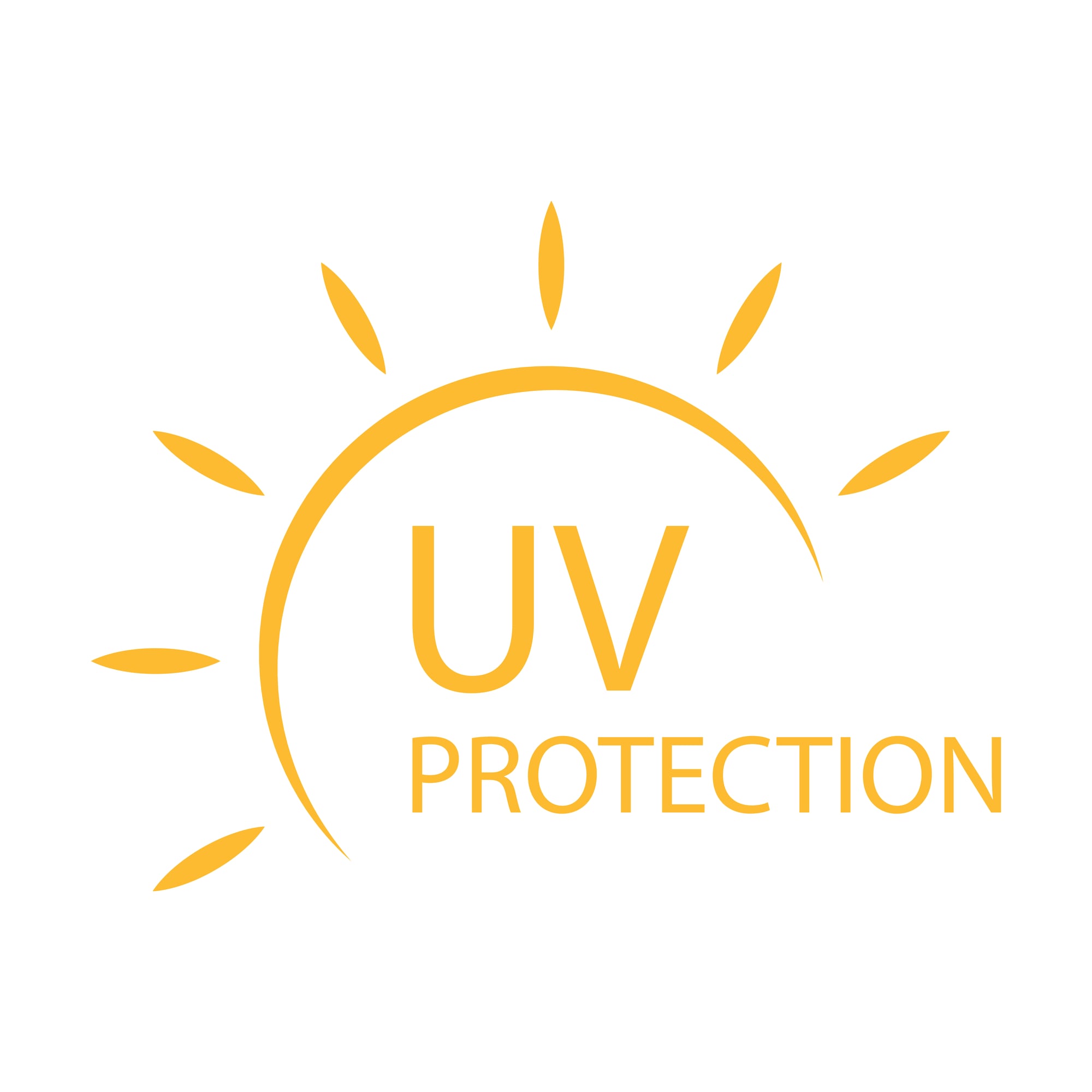
On sunscreen and some UV-blocking clothing, a small circle with “UV” inside it — sometimes accompanied by a rating like UPF 50 — tells you the degree of ultraviolet radiation the product filters out. A UPF of 50 means roughly 98% of UV rays are blocked.
The absence of this symbol on clothing doesn’t mean it offers no protection, but the presence of it means the claim has actually been tested and verified.
The Do Not Iron Symbol
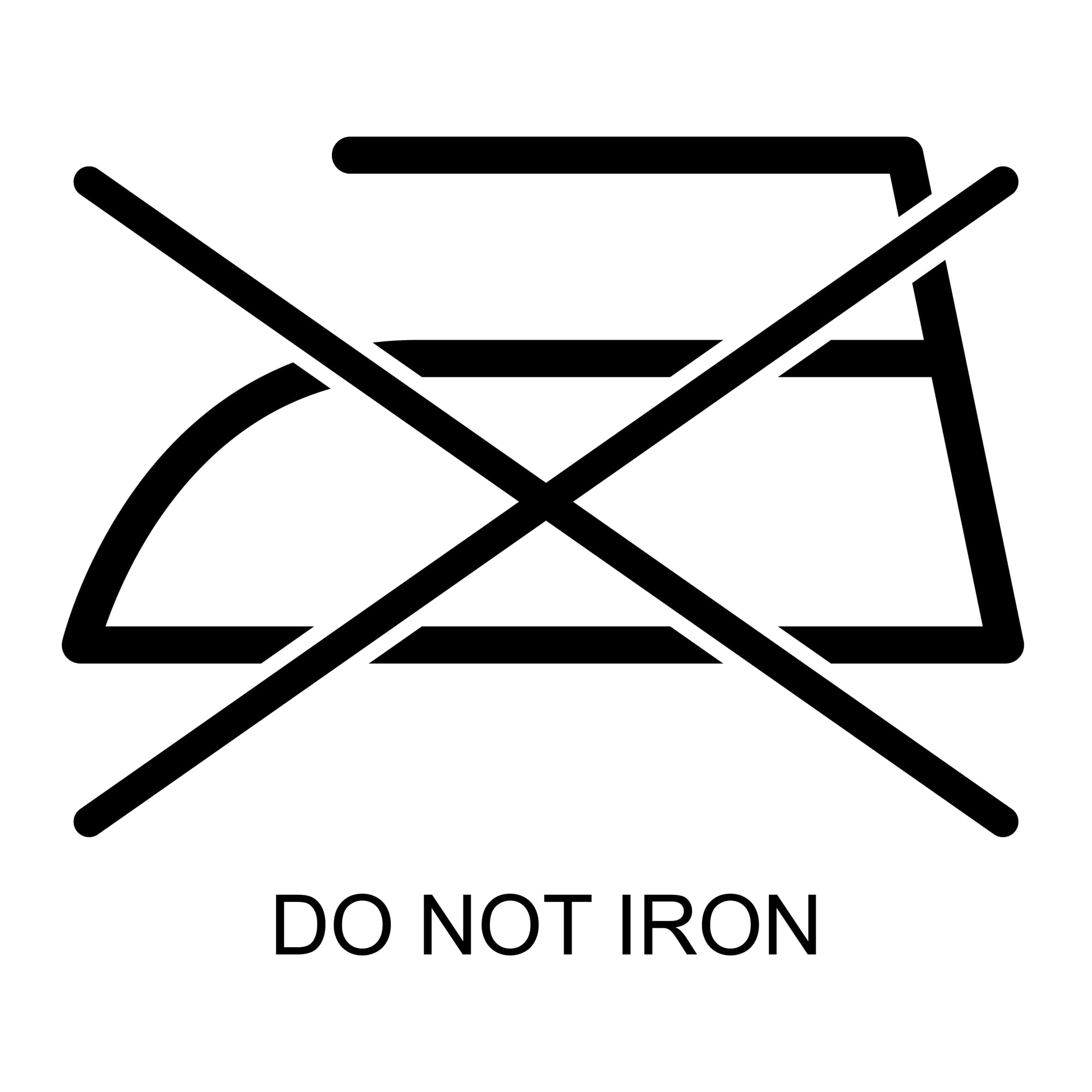
An iron with an X through it appears on synthetic fabrics, sequined garments, and heat-sensitive materials, and it is precisely as literal as it sounds. The iron itself is not the danger — the temperature is.
What the symbol is really saying is that the fiber composition of this fabric will melt, distort, or permanently mark if exposed to direct heat. People learn this the hard way, usually once.
The FSC Label
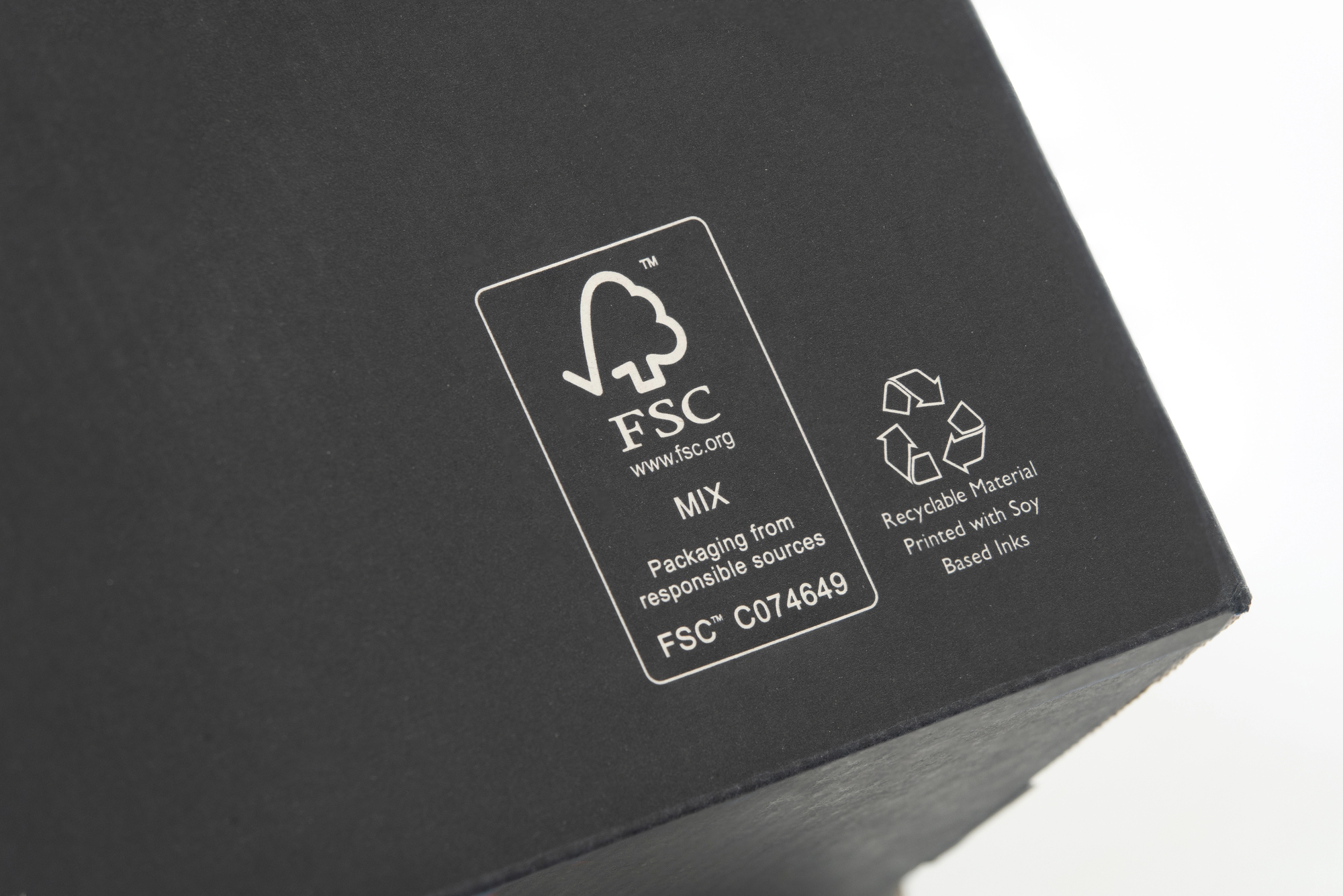
The Forest Stewardship Council logo — a small tree with a checkmark — appears on paper products, wooden furniture, and certain packaging, and it certifies that the materials came from responsibly managed forests. It’s one of the more credible environmental certifications because it involves third-party auditing.
Not all sustainable-looking labels on packaging can say that.
The Leaping Bunny

A small silhouette of a leaping rabbit appears on cosmetics and household products to indicate that no animal testing was conducted during the product’s development or production — by the brand or any of its ingredient suppliers. It’s a certification run by Cruelty Free International, not a self-declaration.
The distinction is one that animal welfare advocates consider significant, and to be fair, it’s a reasonable distinction to make.
The Seedling Symbol

The seedling symbol — a small sprout, usually green — appears on packaging certified as compostable under EU standards, which means the product breaks down in industrial composting conditions within a specific timeframe. This is not the same as home compostable.
Industrial composting operates at much higher temperatures, and packaging that qualifies for one process frequently doesn’t qualify for the other.
The Tidyman Symbol

The Tidyman is that stick figure dropping something into a bin — and it’s a litter-prevention symbol, nothing more. It does not indicate recyclability.
It does not indicate environmental certification of any kind. It is simply asking you to dispose of the packaging properly, which is either a charming piece of civic nudging or a profound underestimation of the actual problem, depending on your patience.
The Double Insulated Symbol
Two squares, one inside the other, appear on the labels of power tools and some small appliances, and they indicate double insulation — meaning the device has two layers of electrical insulation rather than relying on a grounded connection for safety. A double-insulated drill or hairdryer doesn’t require a three-prong grounded outlet to be safe.
That’s genuinely useful information if you’re working in an older building with two-slot outlets.
The Medical Device Symbol

A small rod with a snake coiled around it — the Rod of Asclepius — appears on certain medical devices and indicates clinical or therapeutic purpose. It’s distinct from the caduceus, which has two snakes and wings and is technically a symbol of commerce, not medicine, despite its widespread use in American healthcare branding.
The single snake is the medically correct one. Go figure.
The IP Rating
An IP code — Ingress Protection — appears on smartphones, outdoor speakers, and watches, and it consists of the letters “IP” followed by two digits. The first digit rates protection against dust on a scale of zero to six.
The second rates protection against water on a scale of zero to nine. An IP68 rating, which appears on many flagship phones, means complete dust-tightness and protection against sustained submersion.
Those are different levels of protection, and the distinction matters the moment you drop your phone in a pool.
The Halal Symbol
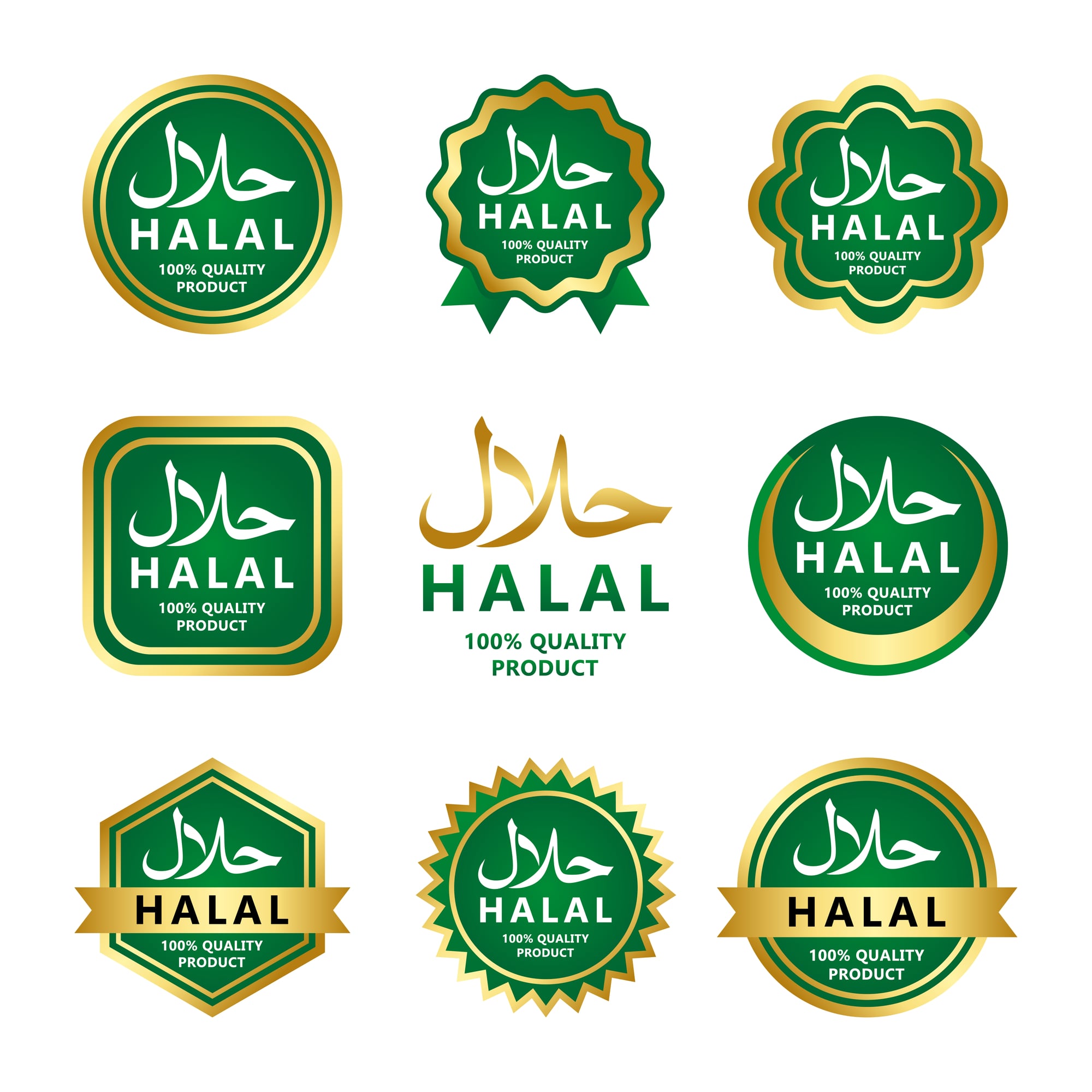
A stylized Arabic script symbol — often accompanied by the word “Halal” in English — certifies that a food product complies with Islamic dietary law, including restrictions on certain ingredients and the method of slaughter for meat products. Different certifying bodies use different versions of the symbol, and not all are recognized equally by Islamic scholars or communities.
The presence of any halal marking on packaging is not always interchangeable.
The Kosher Symbol
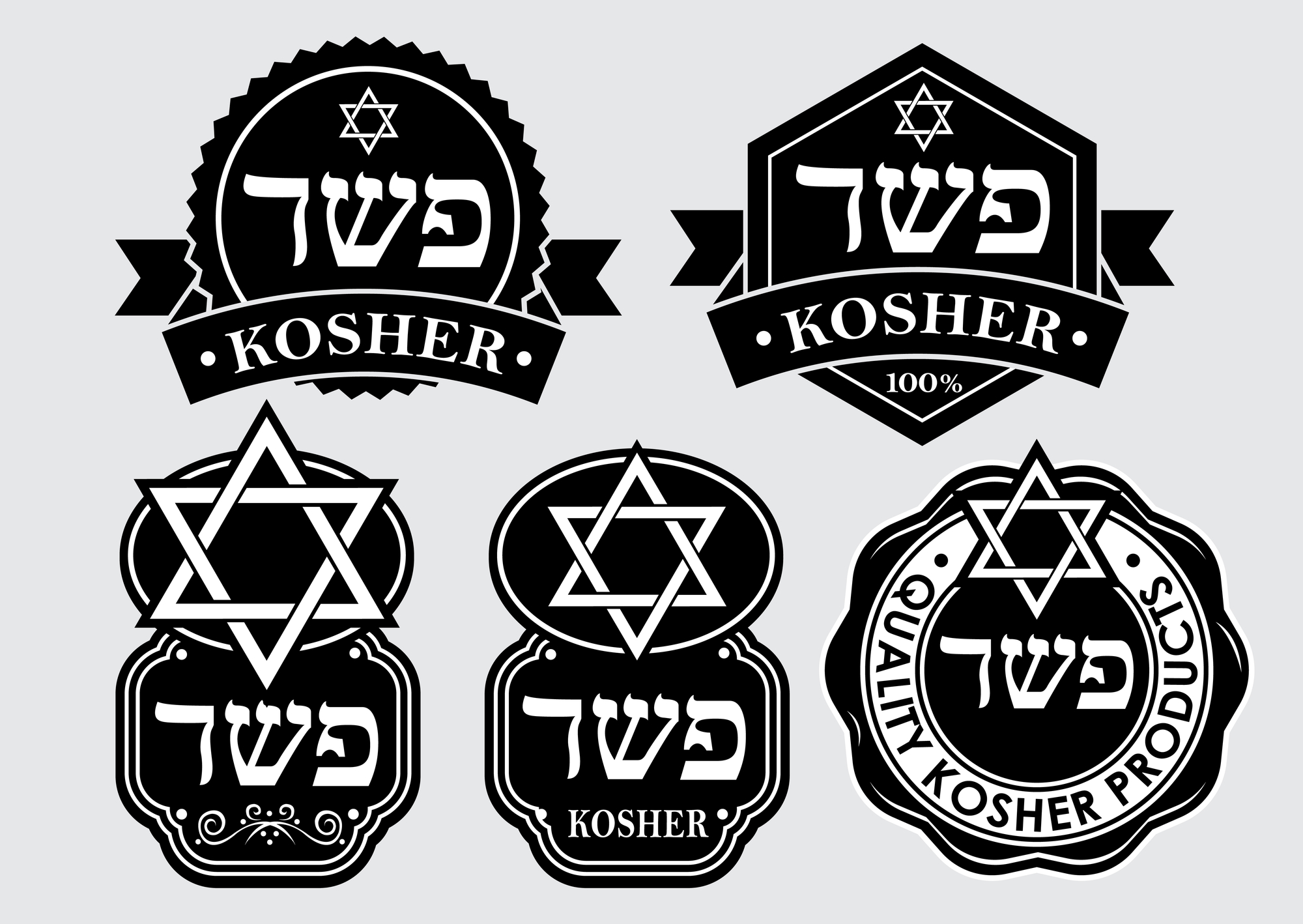
A small “K” or “U” inside a circle — or the letter “K” alone — indicates a product has been certified kosher, meaning it meets Jewish dietary requirements. The circled “U” belongs to the Orthodox Union, one of the most widely recognized kosher certifying bodies in the United States.
A “D” next to the symbol means the product contains dairy. A “P” means it’s kosher for Passover.
The alphabet is working harder on that label than most people realize.
The Care Symbol for Dry Clean Only
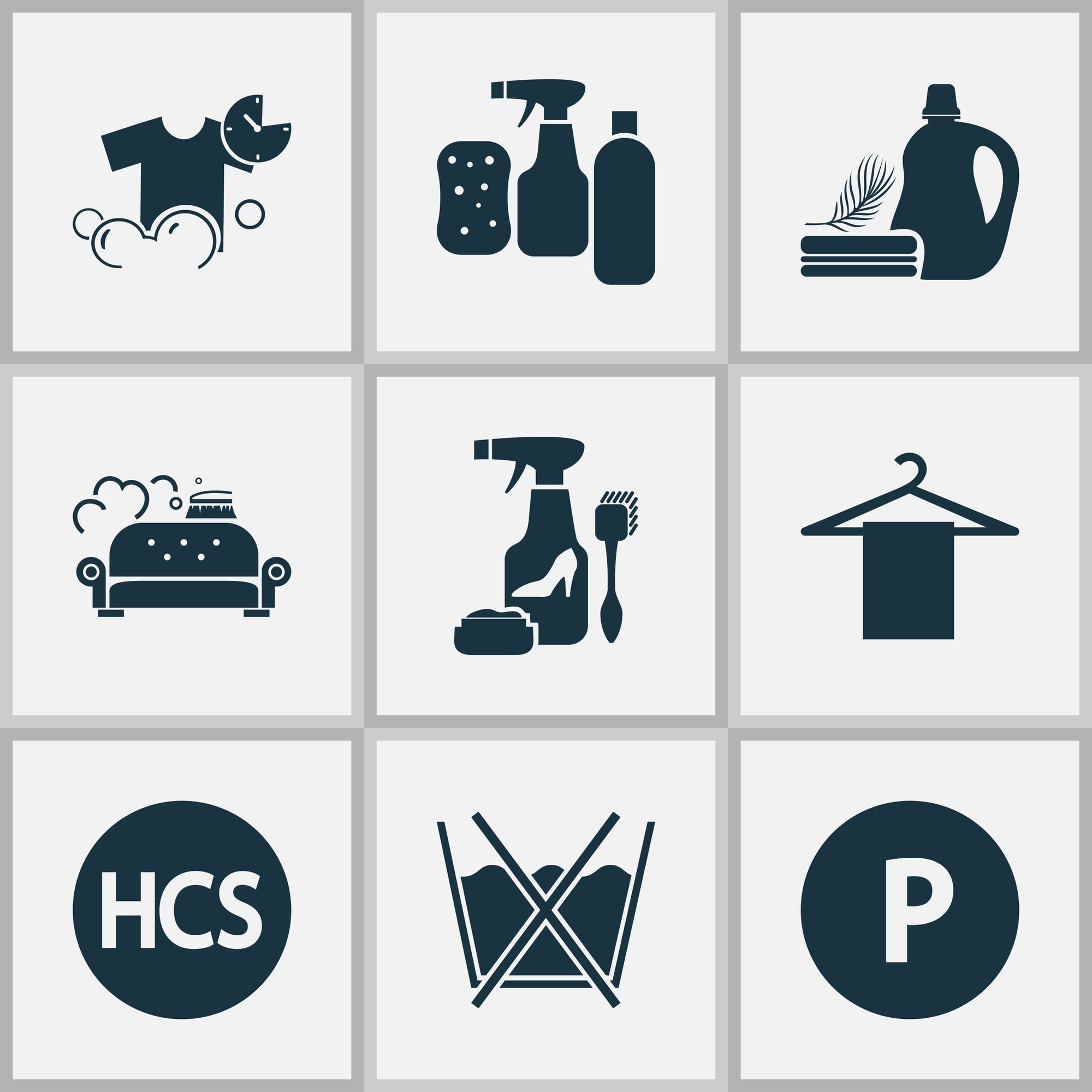
A simple circle on a clothing label — nothing inside it, nothing crossed out — means the garment should be dry cleaned. Not washed gently.
Not spot cleaned. Dry cleaned.
It’s one of the most consistently ignored laundry symbols in existence, and it’s responsible for more shrunken blazers and ruined wedding attire than any other single character in the history of textile care.
The Made for iPhone Symbol
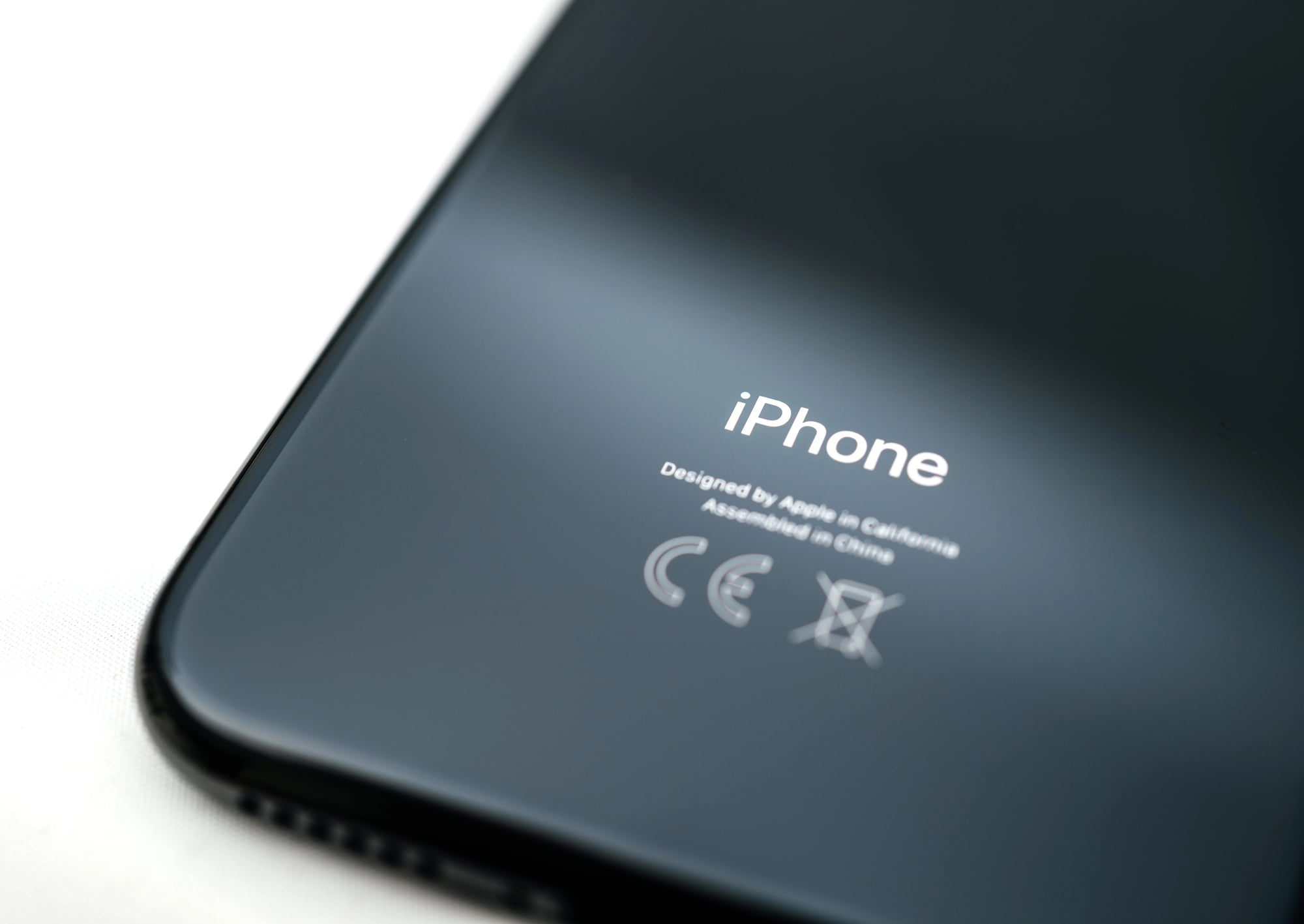
The “Made for iPhone” badge — a small logo that Apple licenses to accessory manufacturers — signals that a third-party product has been certified by Apple to work correctly with its devices. Products without this certification may still work, but they haven’t been tested to Apple’s specifications.
Which is part of why uncertified charging cables occasionally produce that annoying “accessory not supported” notification at the worst possible moment.
The Bluetooth Symbol
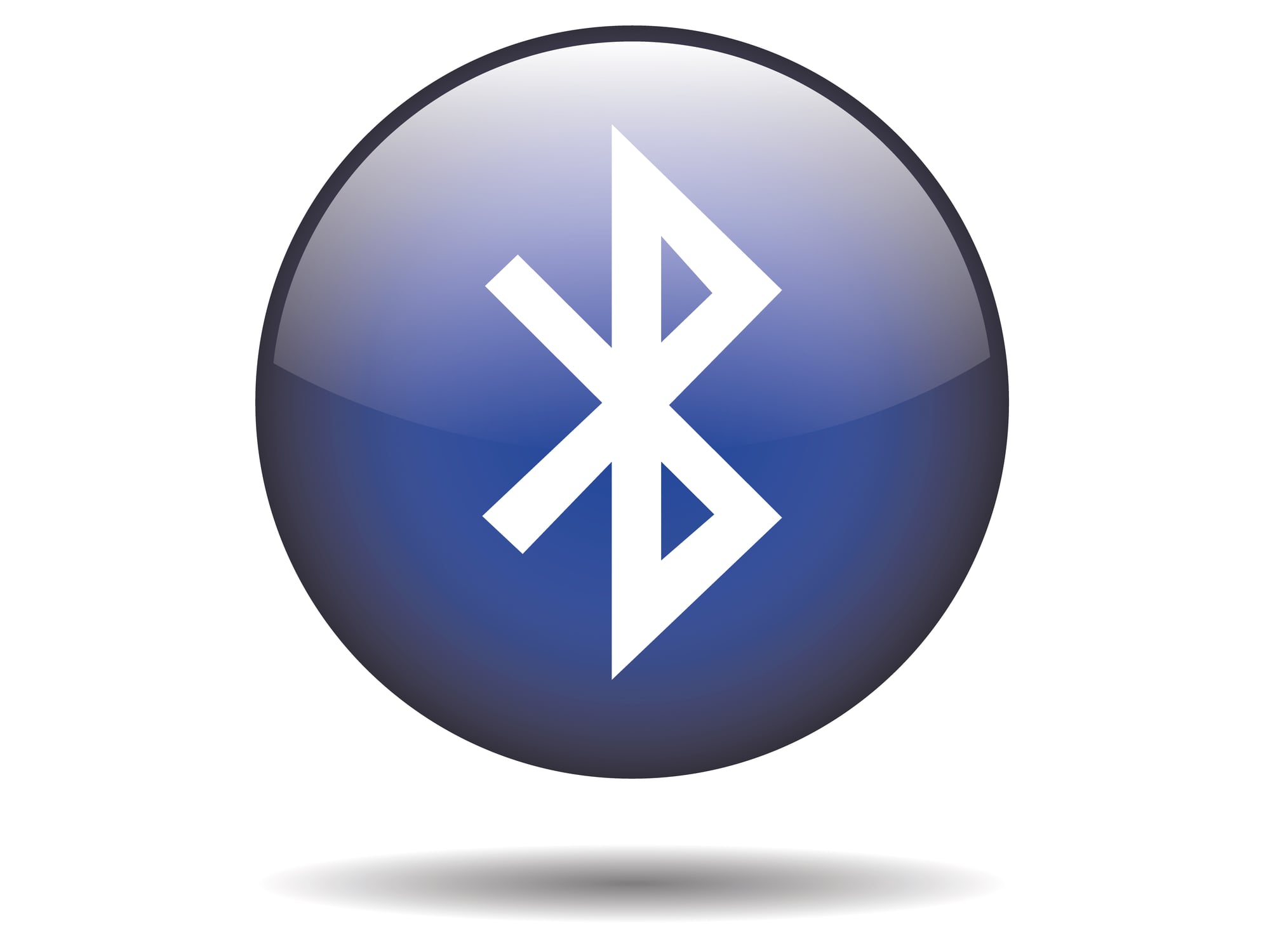
The Bluetooth symbol — a runic-looking character that is actually a binding of the initials of Harald Bluetooth, a tenth-century Danish king who united warring tribes — appears on wireless devices to indicate Bluetooth connectivity capability. Most people recognize it without knowing its origin, which is a small piece of history hiding in plain sight on every wireless speaker, keyboard, and car stereo panel you’ve ever owned.
The Energy Star Logo
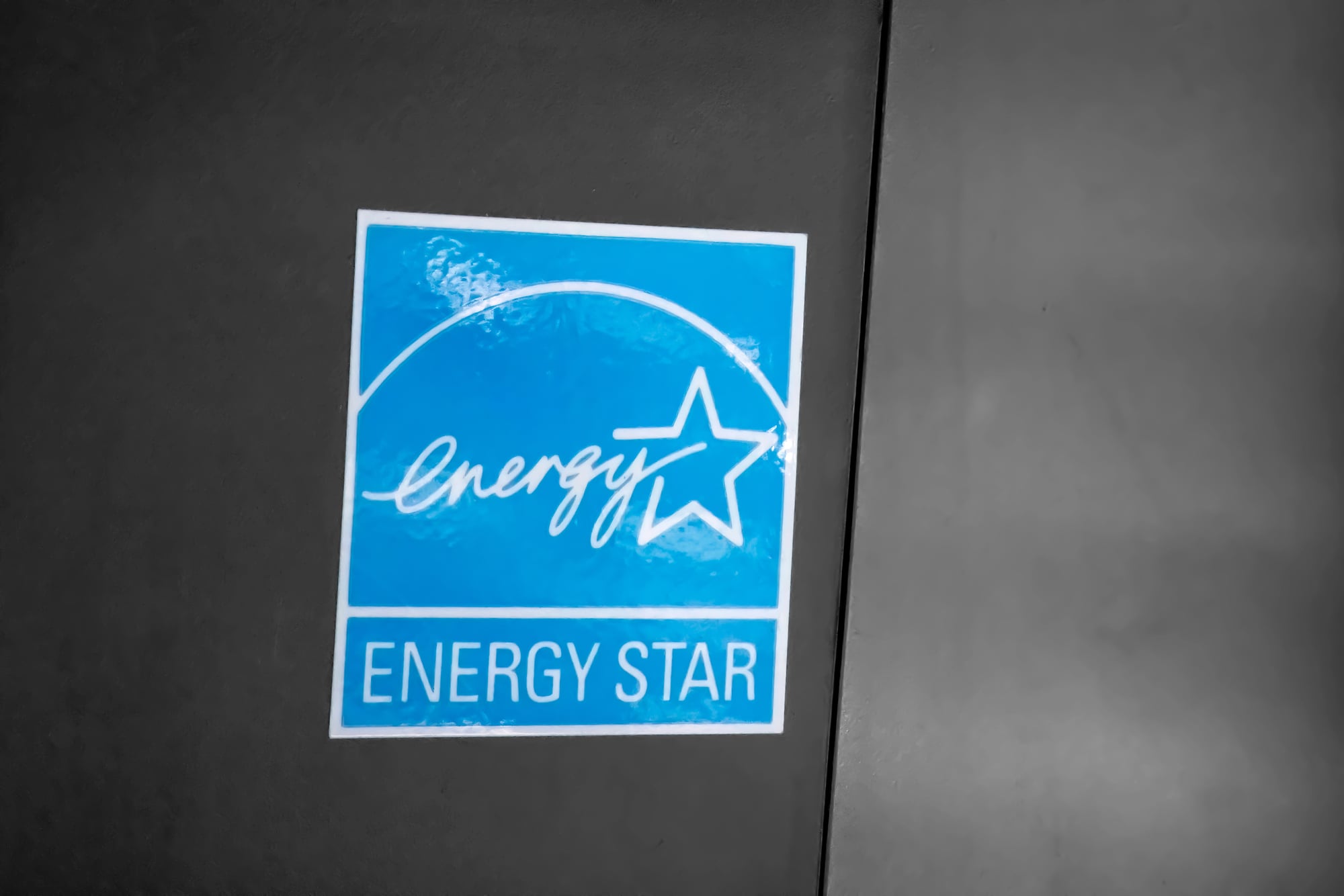
A small blue star with “Energy Star” beneath it appears on appliances, electronics, and HVAC systems certified to meet efficiency standards set by the U.S. Environmental Protection Agency. Products earn the designation by consuming significantly less energy than the minimum federal standard.
An Energy Star-certified refrigerator, for instance, uses at least 15% less energy than the baseline — which sounds modest until it’s multiplied across a decade of electricity bills.
The Estimated Sign

A small italic “e” — the Estimated Sign — appears on packaged goods sold in the European Union, placed next to the stated net weight or volume. It indicates that the quantity was measured using approved statistical methods rather than checked individually, and that the average across a batch meets the labeled amount.
The individual package you’re holding may be slightly over or slightly under. The “e” is, essentially, a polite admission that precision has limits.
The Tare Weight Indicator
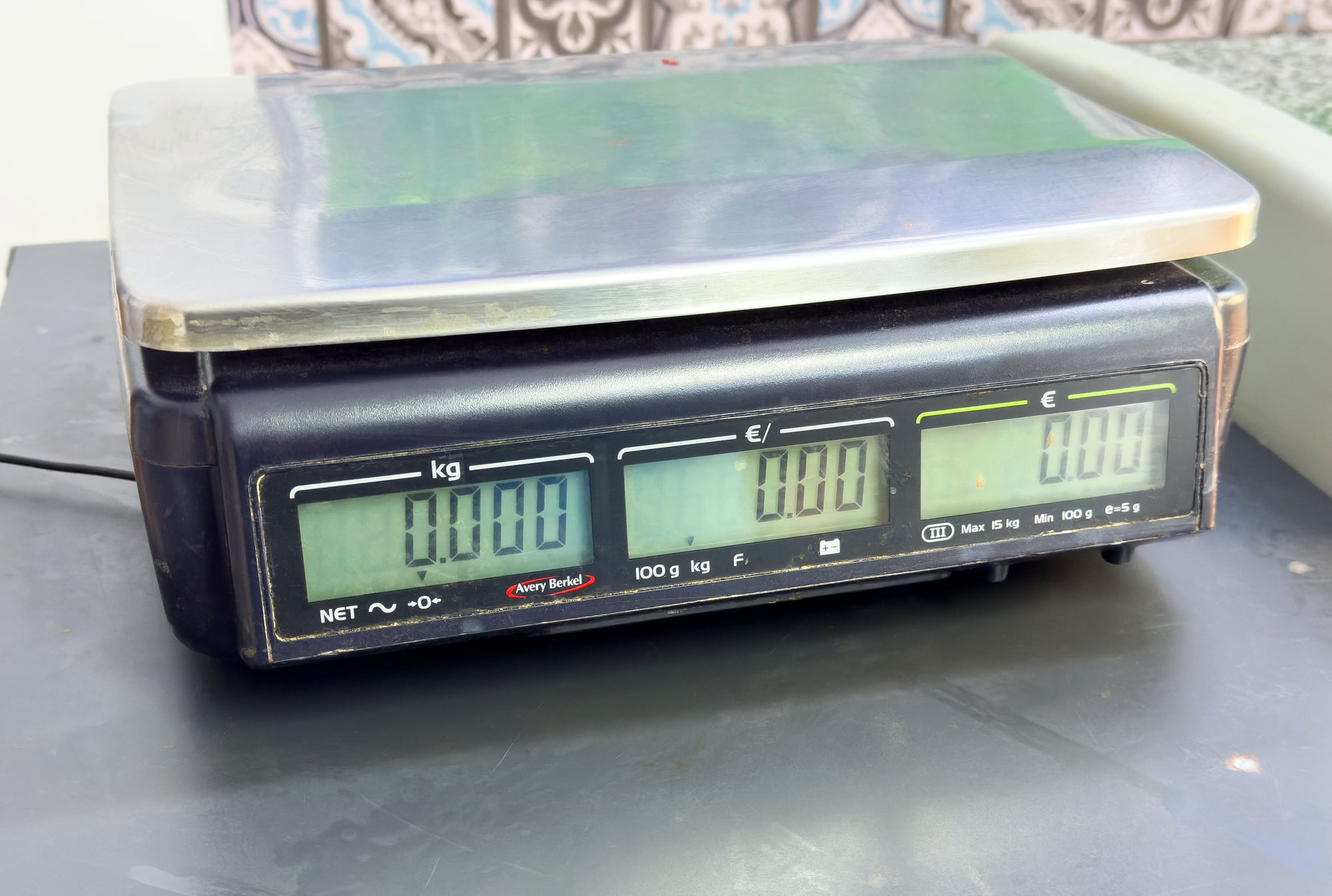
A small “T” or “Tare” marking on food packaging or postal products indicates the weight of the container itself — the packaging, not the contents. This is the number subtracted to arrive at the net weight of the actual product.
It’s a symbol that matters enormously in industrial commerce and almost not at all in a grocery aisle, which is exactly why it sits there quietly, doing its job without anyone thanking it.The Weight of Small Things

There’s something quietly satisfying about learning that the world has already tried to communicate with you — that all along, the packaging was covered in instructions you never asked to receive. These symbols don’t ask for attention.
They sit there on the label, on the tag, on the back of the charger, doing their jobs indifferently, whether or not anyone reads them. Once you start noticing them, it’s genuinely difficult to stop.
The jar with the number in it. The little sprout.
The crossed-out bin. A whole vocabulary of small things, printed on the objects you already own.
More from Go2Tutors!

- The Romanov Crown Jewels and Their Tragic Fate
- 13 Historical Mysteries That Science Still Can’t Solve
- Famous Hoaxes That Fooled the World for Years
- 15 Child Stars with Tragic Adult Lives
- 16 Famous Jewelry Pieces in History
Like Go2Tutors’s content? Follow us on MSN.



