Household Smells That Instantly Teleport You Back to Childhood
There’s a particular cruelty to smell — it doesn’t ask permission. You’re standing in a hardware store, or walking past a neighbor’s yard, or opening a old box in a storage unit, and then you’re eight years old again, standing somewhere specific, feeling something you thought you’d forgotten.
Scientists have a name for this — the Proustian memory response, tied to how the olfactory bulb connects directly to the brain’s memory and emotion centers — but the name doesn’t quite capture what it actually feels like. It feels like being pulled through a door you didn’t know was still there. These are the smells that do it.
Playdough
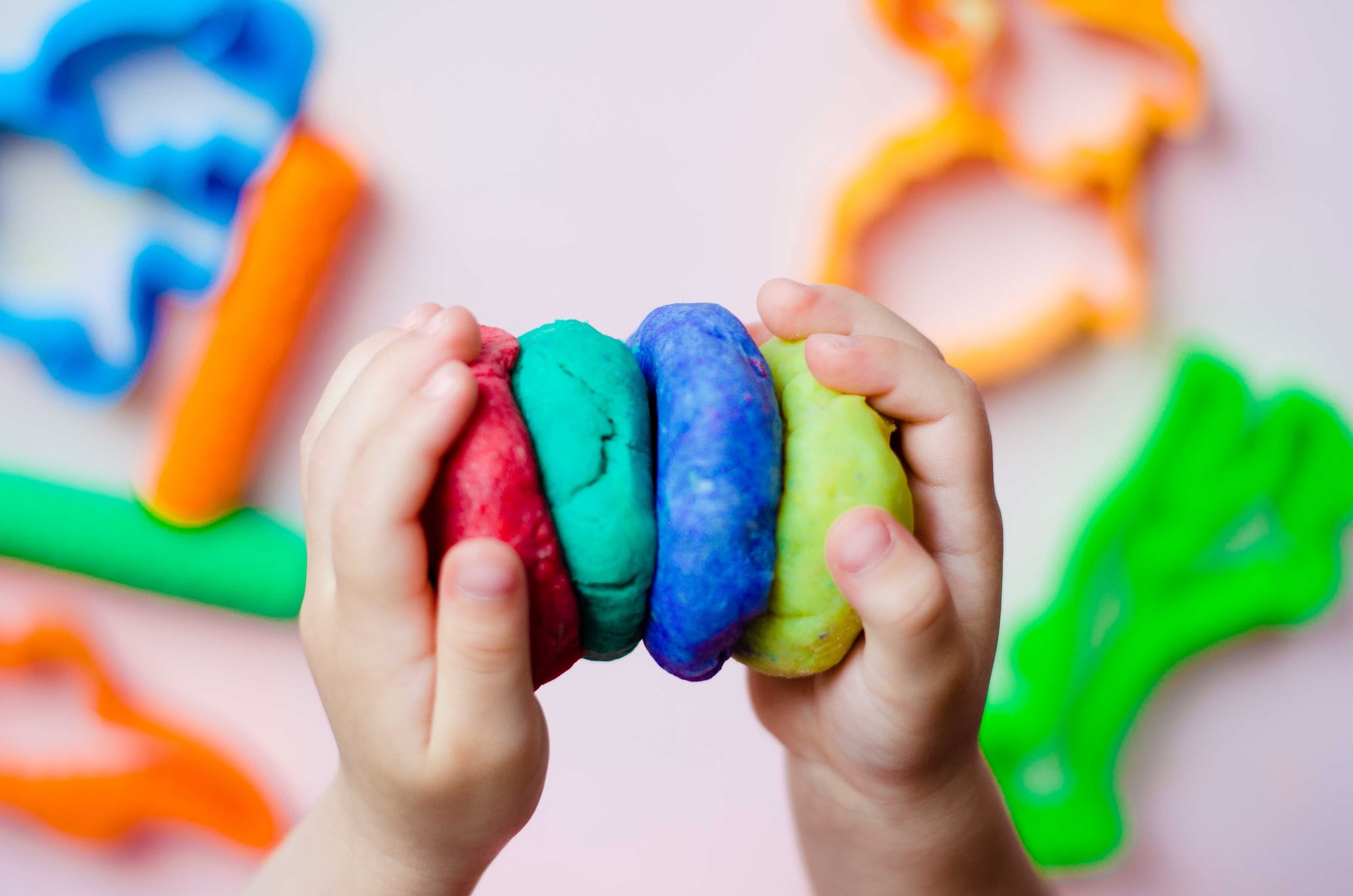
Playdough’s smell is engineered nostalgia, whether anyone intended it that way or not. That sharp, salty, faintly chemical scent — almost like a wheat-based clay crossed with something you’d find in a school supply closet — is so specific that most adults can identify it without seeing the can.
Hasbro has actually trademarked the scent, which is saying something about how singular it is.
Crayons
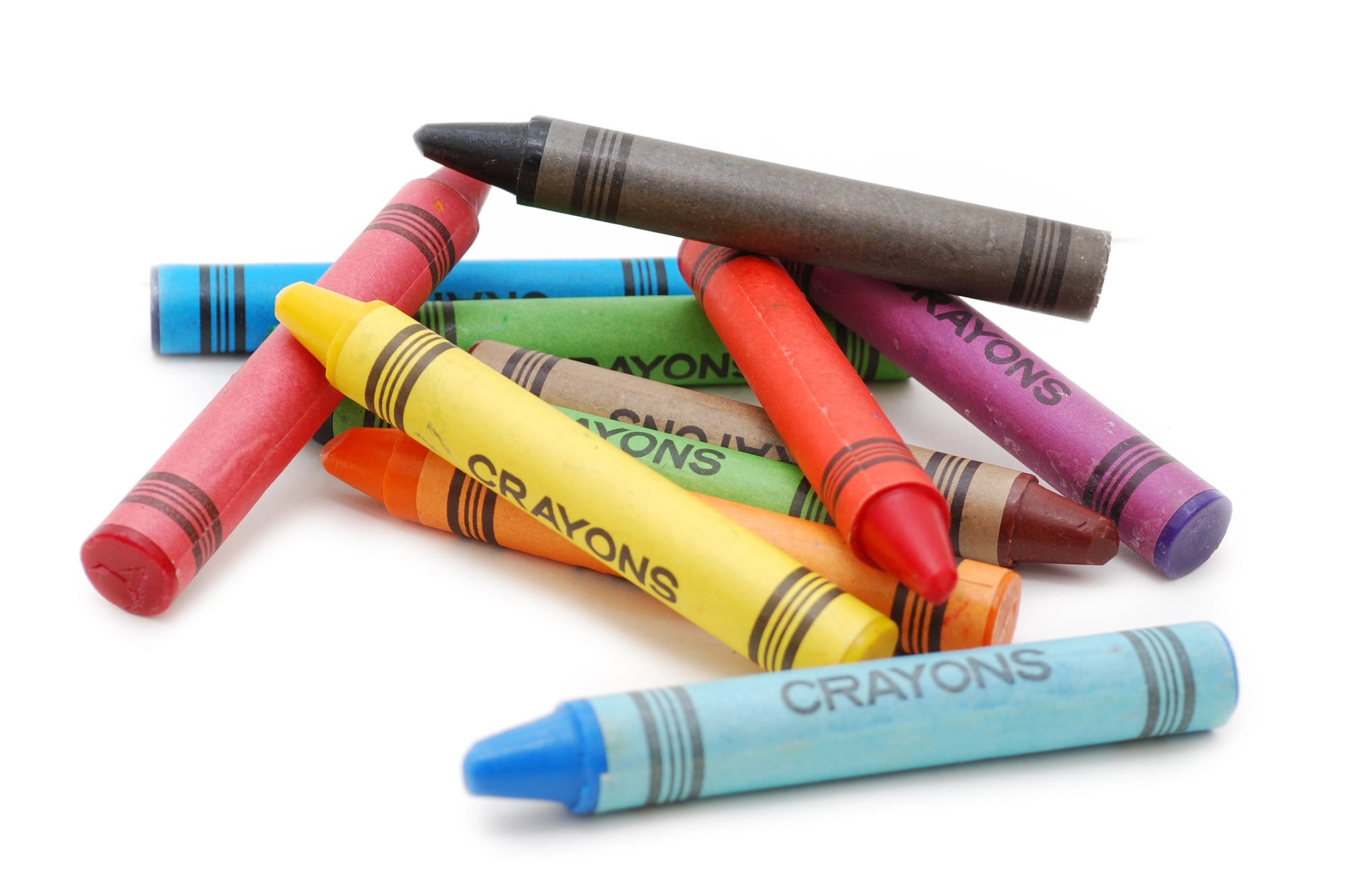
There’s something almost pharmaceutical about the smell of a fresh box of Crayola crayons — that waxy, slightly sweet odor sitting somewhere between a candle shop and an art supply store, carrying with it the particular weight of a new school year and the quiet optimism of an unmarked coloring page. The smell comes from stearic acid, a beef tallow derivative used in the wax, which is a fact that will either ruin it for you or make it stranger and more interesting.
And yet, knowing the chemistry never seems to dull the reflex — you smell it and you’re back at a low table, picking between “Cornflower” and “Periwinkle” like it’s the most consequential decision of the day.
Sunscreen

Sunscreen smells like the hour before something good happens. That coconut-and-chemical combination — most associated with the original Coppertone formula — lands somewhere between tropical and artificial, which is exactly right for childhood summers that felt both endless and invented.
The smell doesn’t just recall the beach; it recalls the anticipation of it.
Chlorine
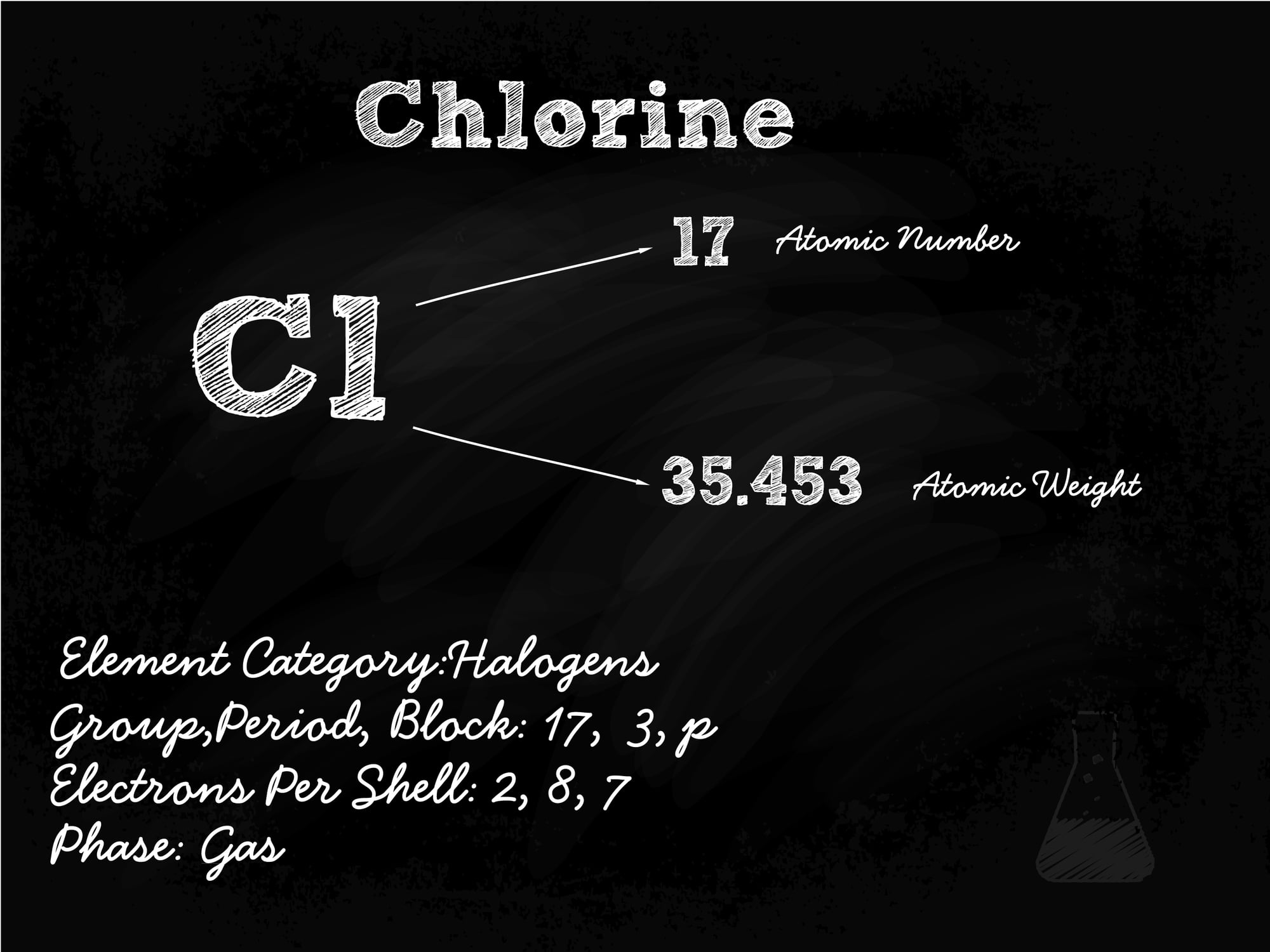
Chlorine from a backyard or public pool is one of those smells that does double duty: it’s immediately pleasant and mildly unpleasant at the same time, which is a neat trick. Turns out the smell most people associate with “chlorine” isn’t chlorine itself — it’s chloramine, the compound formed when chlorine reacts with sweat and other organics in the water.
What you’re actually smelling is a record of everyone who swam there before you, which is either poetic or deeply off-putting depending on your mood.
Mothballs
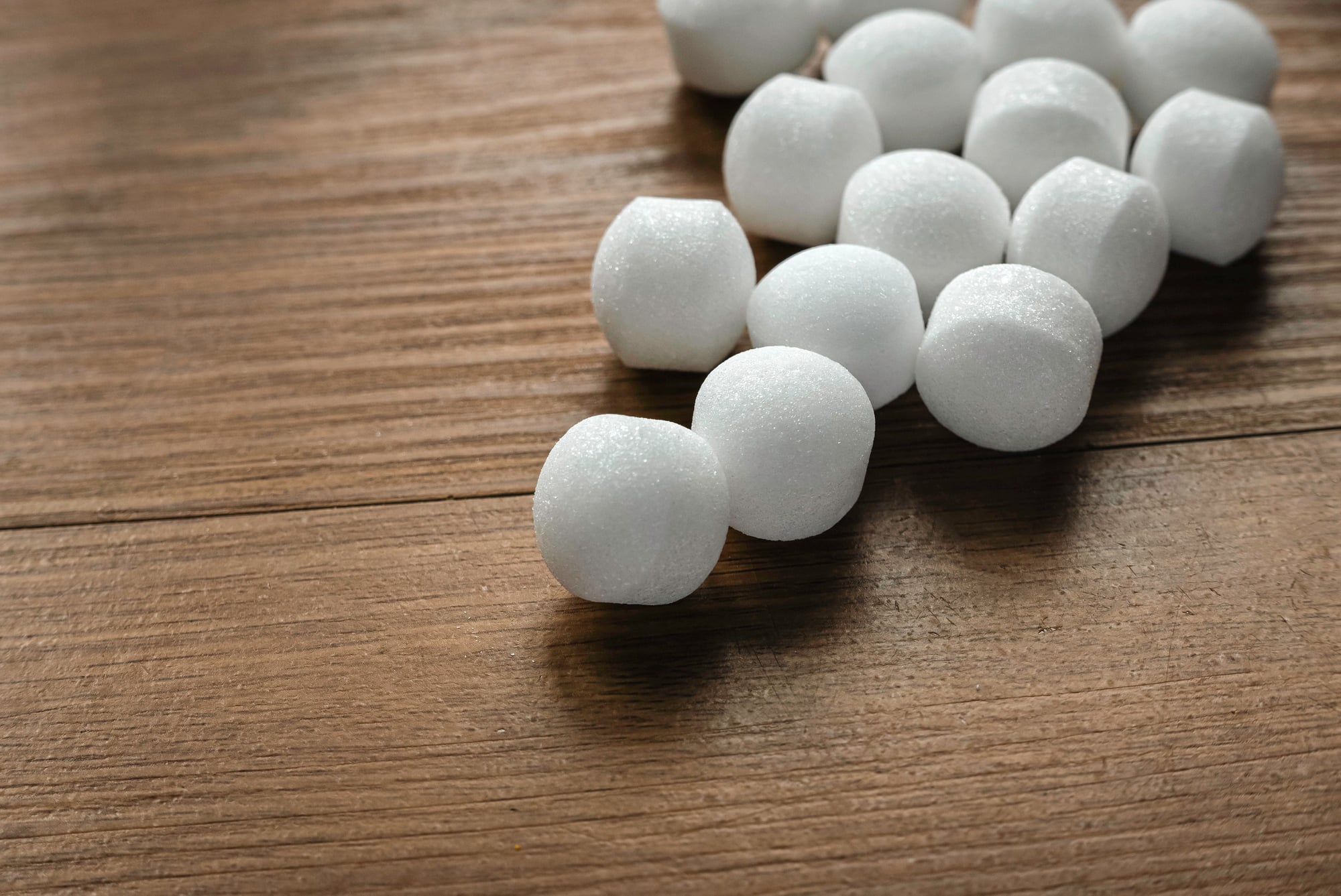
A grandmother’s closet had its own atmosphere. The smell of mothballs — that dense, camphor-heavy odor that seemed to belong to another era even when you were living in it — clung to wool coats and linen closets and spare bedrooms in a way that felt ancient, like the smell itself had been stored there for decades.
It didn’t smell good, exactly, but it smelled like safety: like the particular stillness of a house where someone older than you had arranged everything carefully.
Freshly Cut Grass
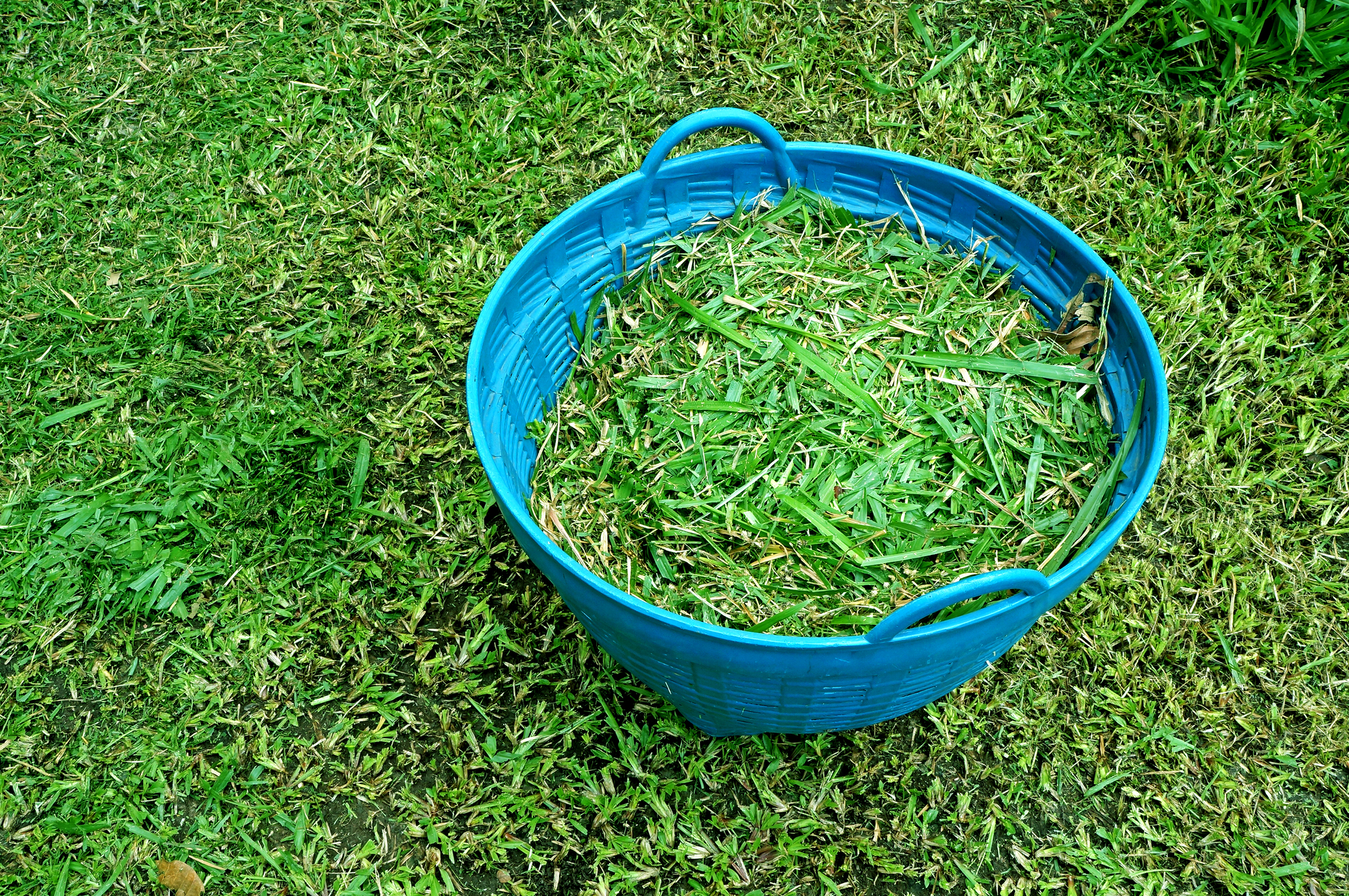
Freshly cut grass is the smell of Saturday morning before any obligations arrived. That green, slightly sharp scent — which is actually a distress signal emitted by the grass plant, a chemical called hexenyl acetate — is one of the most universally recognized memory triggers in existence, and it works on almost everyone who grew up in a place with a yard.
So the lawn was panicking, and you were happy. Summer is strange like that.
Gasoline

Gasoline shouldn’t be nostalgic, and yet it stubbornly is. The smell of a gas station — that dense, hydrocarbon-heavy vapor that hits you when you’re standing next to a pump in the heat — is tied, for most people who grew up in the ’80s or ’90s, to the passenger seat of a parent’s car: windows down, feet up on the dashboard, going somewhere.
It’s the smell of being driven somewhere rather than driving, which is a specific kind of freedom that doesn’t come back.
Cinnamon and Cloves

The spice drawer in a parent’s or grandparent’s kitchen had a gravitational pull that was hard to explain — pulling open those small, labeled containers and inhaling the dry, woody heat of cinnamon and cloves felt like holding something old and important, the way certain kitchen smells accumulate decade by decade until the house itself seems to exhale them. The smell arrives every autumn now, in candle aisles and coffee shops, deployed deliberately to create a feeling of warmth, and it works every time, even when you know it’s working.
That’s the stubborn loyalty of a scent memory: it doesn’t care that you’ve identified the trick.
Old Books

Old books smell like the inside of a different century. The vanilla-and-almond scent — produced by the breakdown of lignin in paper over time, a process called “bibliosmia” among enthusiasts — is the smell of a library on a rainy afternoon, of a grandparent’s bookshelf, of a paperback found at a garage sale with someone else’s name written inside the front cover.
It’s the smell of a story that existed before you arrived.
Rain on Hot Pavement
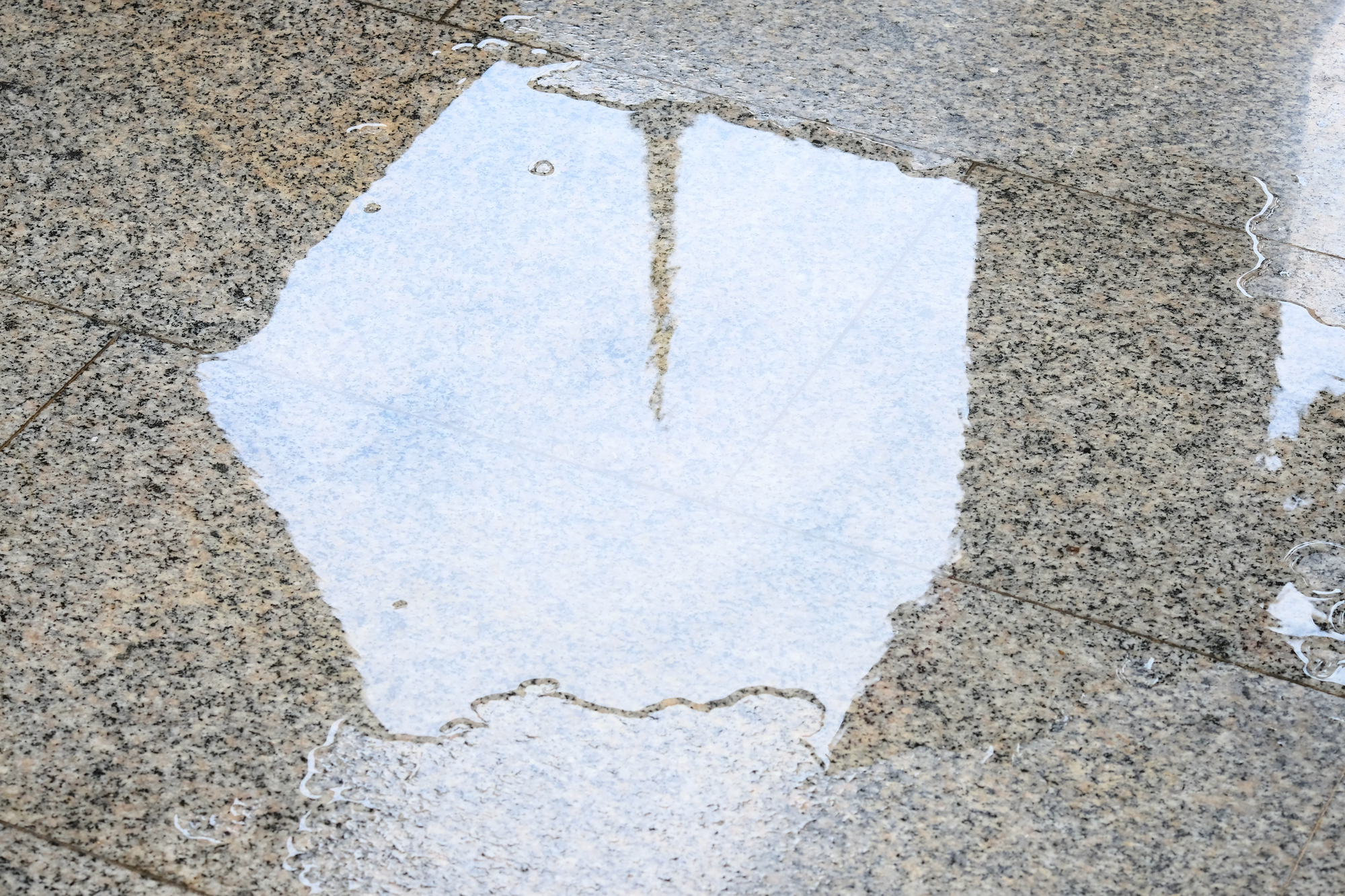
Petrichor — the name given to the smell of rain hitting dry earth — is technically the result of geosmin, a compound produced by soil bacteria, mixing with aromatic plant oils. But that explanation arrives too late.
By the time you know the word, you’ve already been standing in a driveway at age nine, watching the first drops hit the concrete and feeling something enormous about to begin.
Baking Bread
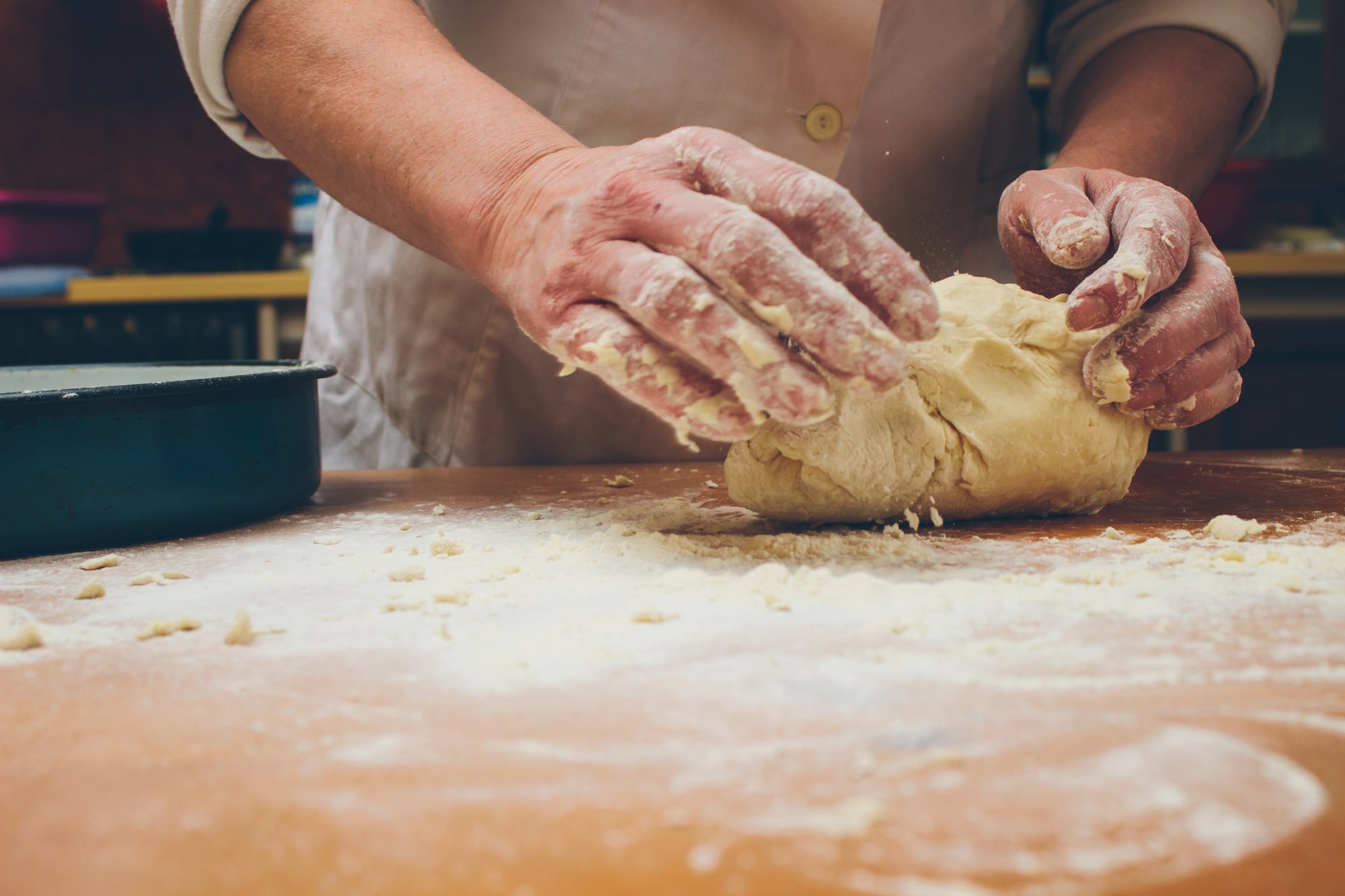
Baking bread is the smell equivalent of a hug from someone taller than you. The Maillard reaction — the chemical process that browns the crust and releases those warm, caramel-forward compounds — produces an aroma so universally associated with comfort that real estate agents have used it deliberately for decades to make houses feel like homes during showings.
It’s manipulative, and it works, and nobody’s angry about it.
Burning Leaves
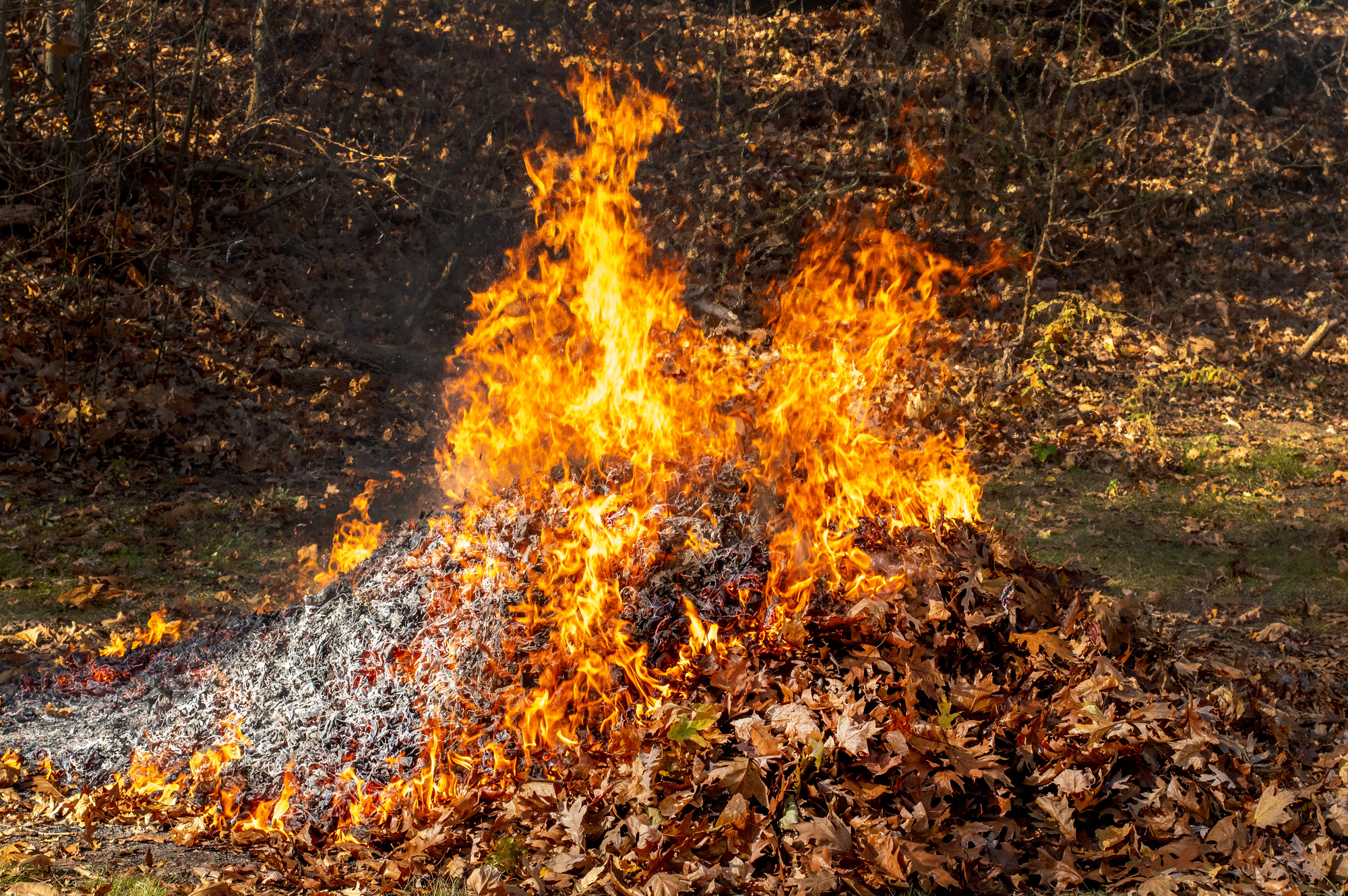
Burning leaves is a smell that barely exists anymore — most municipalities have banned open burning — which is part of why it hits so hard when you catch it. That thick, sweet, slightly acrid smoke carries autumn in a way that no candle has ever successfully reproduced, and on the rare occasion you encounter it now, it doesn’t just smell like fall: it smells like a version of fall that no longer exists, which is a different and heavier thing.
Pine Sap
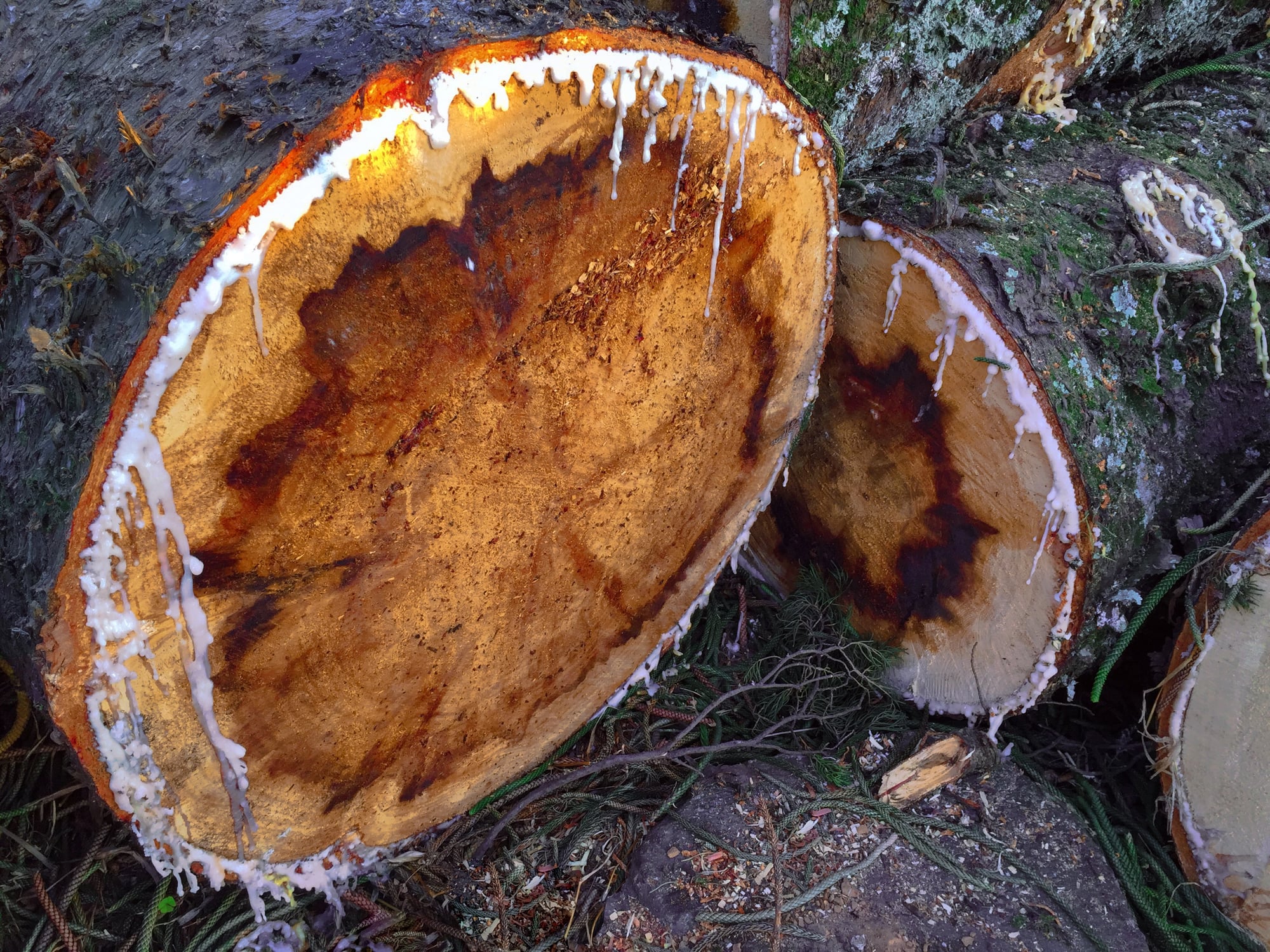
Pine sap has a sharpness that could almost be called aggressive — resinous and green and insistently alive, clinging to your hands in a way that soap barely touches. For anyone who spent summers near a forest, or had a real Christmas tree brought into the house every December, the smell is inseparable from the feeling of anticipation: the tree going up, the ornaments coming out of boxes, the particular silence of a house the night before something important.
WD-40
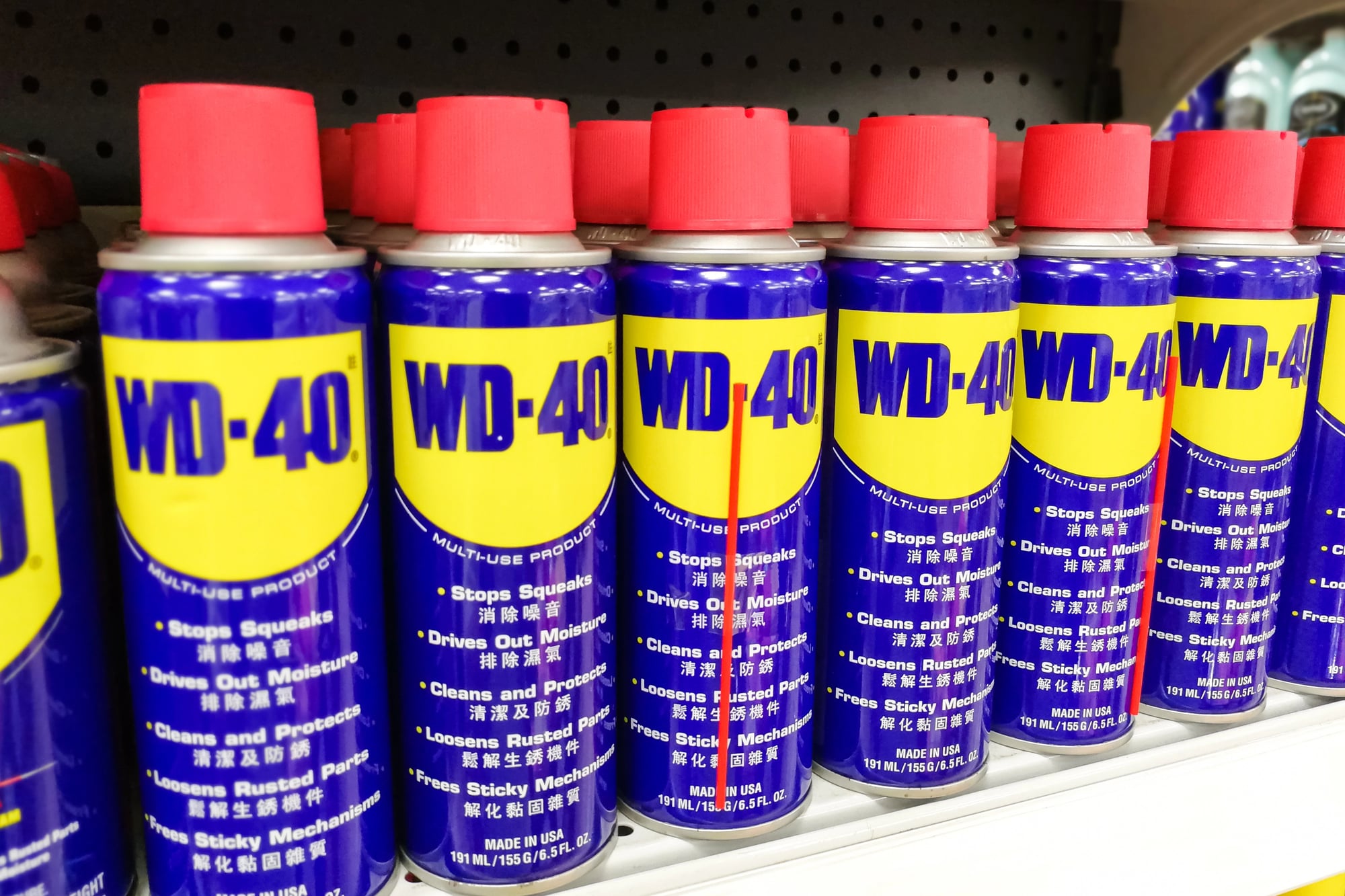
WD-40 is the smell of a garage on a Sunday, which is as specific a memory address as any smell can have. That petroleum-based, faintly sweet odor belongs to a workbench covered in tools you didn’t know the names of, a dad or grandad fixing something with focused patience, the particular sound of a ratchet.
It’s not a glamorous memory — it’s a small one — but small memories are often the ones that hold the most weight.
Vanilla Extract
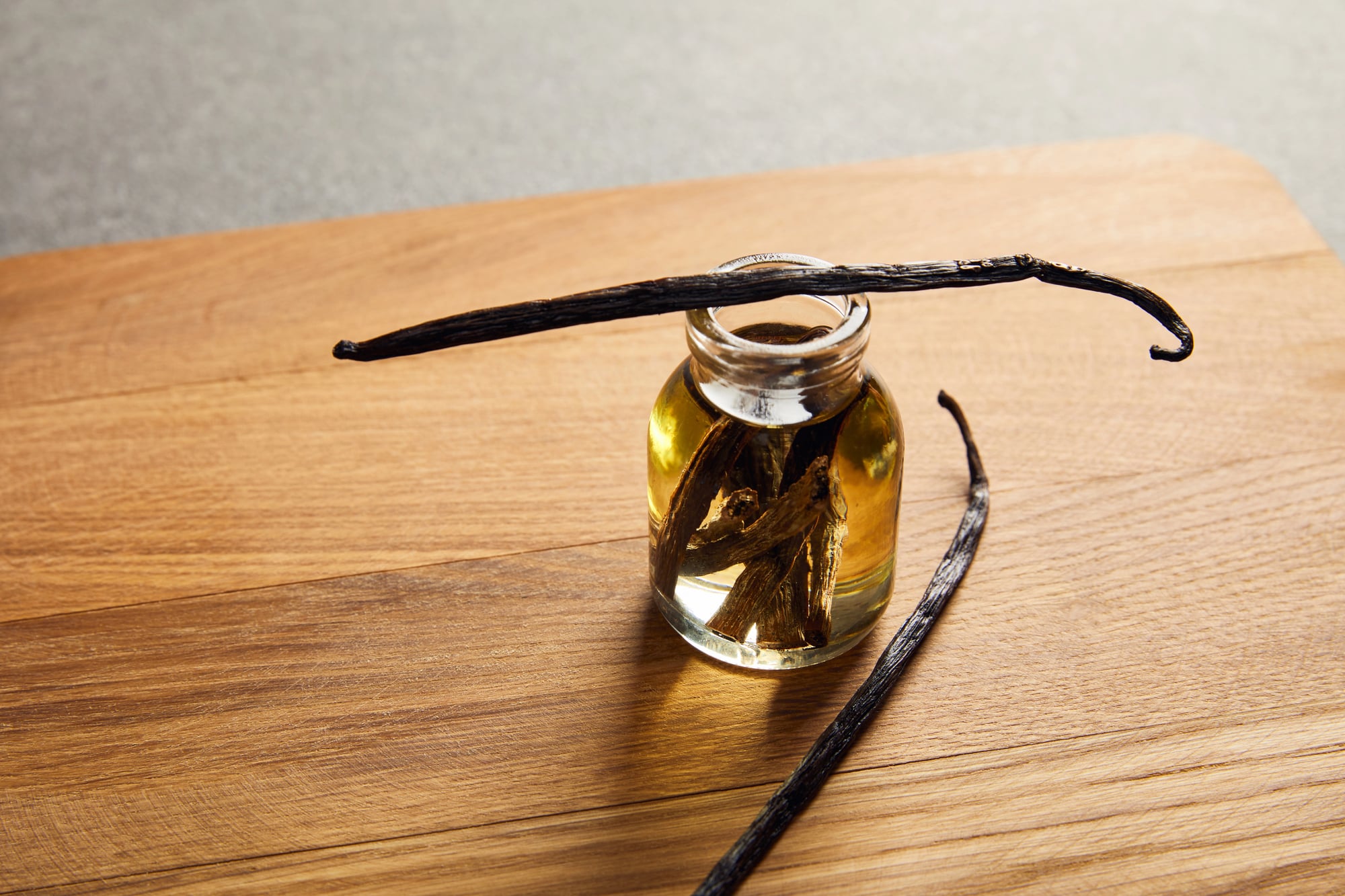
Vanilla extract smells far better than it tastes straight from the bottle, which every curious child discovers exactly once and never forgets. The warm, almost creamy scent drifting from a baking kitchen on a weekend afternoon is the smell of something good being made for you, of being small in a kitchen where someone older was in charge and everything was going to be fine.
That smell doesn’t just recall a place. It recalls a feeling of being taken care of.
Vicks VapoRub
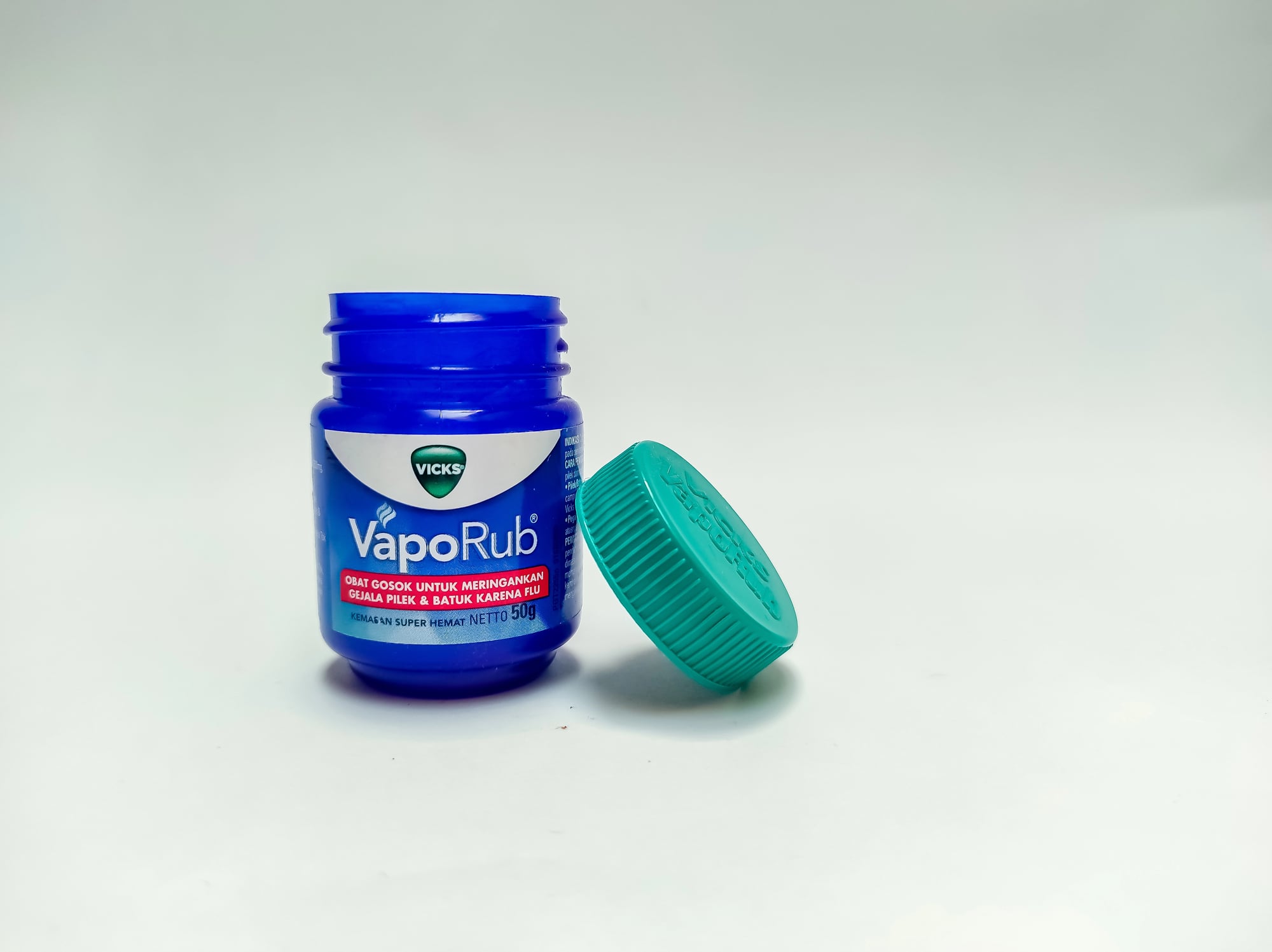
Vicks VapoRub is what being sick as a child smelled like — and somehow, it’s not an unpleasant memory. That menthol-and-camphor combination, rubbed onto the chest by a parent while you lay under extra blankets watching daytime television, is the smell of being excused from the ordinary demands of the day, of soup arriving on a tray, of a thermometer being checked with genuine concern.
Illness, repackaged by scent, becomes something almost tender.
A Freshly Opened Box of Cereal
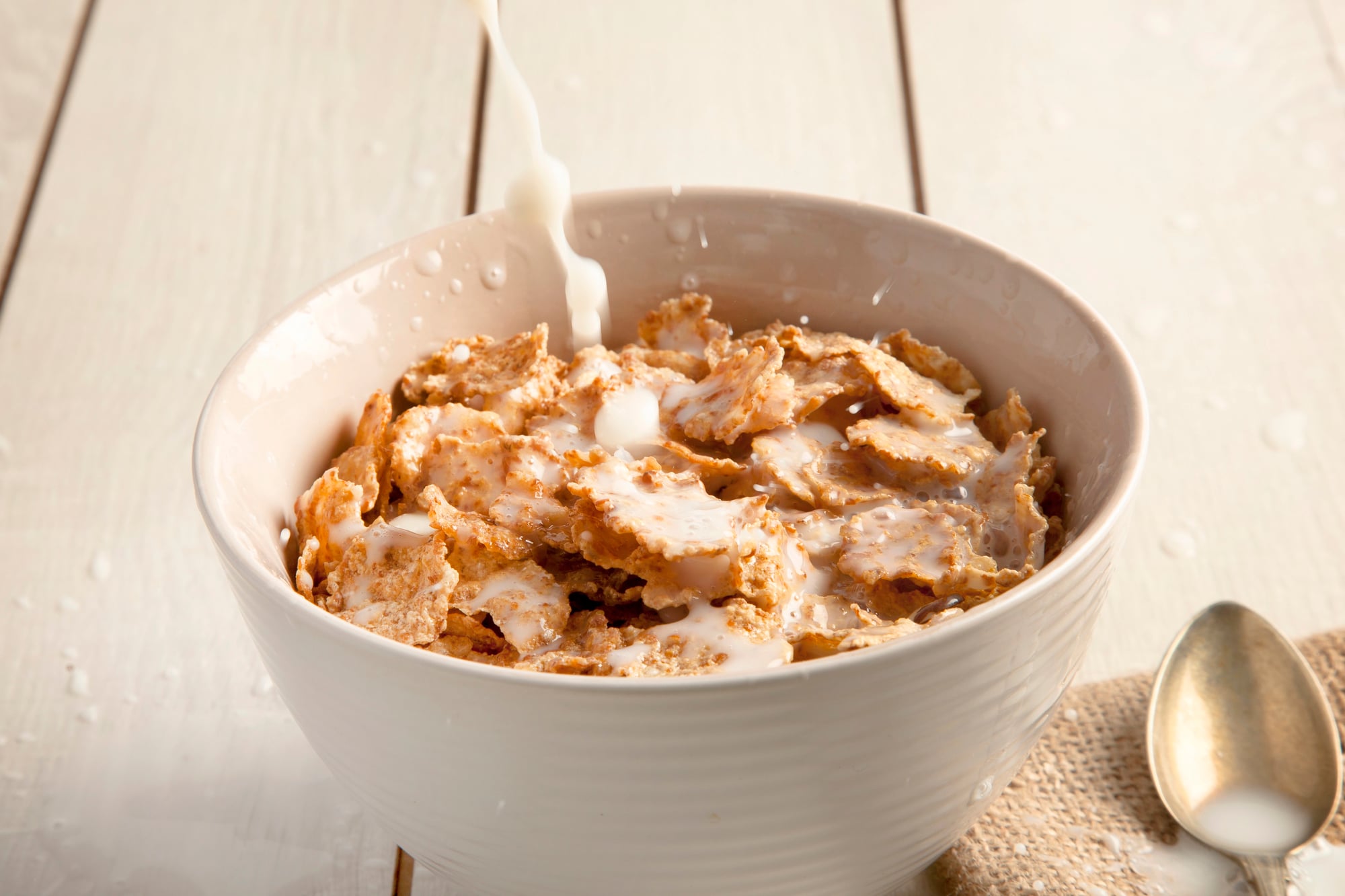
The smell of a freshly opened cereal box — particularly the sugary ones, the ones with cartoon characters on the front — is the smell of 7 a.m. on a Saturday, which is its own distinct category of morning. It’s slightly grainy, slightly sweet, with a faint cardboard undertone from the inner bag that somehow adds to it rather than detracts.
Nobody romanticizes cereal. But the smell, opened in the right moment, is quietly enormous.
Where the Nose Always Leads

Smell is the one sense that bypasses the thinking brain entirely — it routes directly to emotion before logic has a chance to intervene, which is why a particular scent can move you before you’ve even identified what it is. The others — sight, sound, touch — pass through a filter first.
Smell does not. So when something in the air stops you mid-step and returns you, without warning, to a kitchen or a car or a bedroom that no longer exists in the form you remember it: that’s not sentimentality. That’s your brain doing something it was always built to do — holding the past somewhere it can reach.
More from Go2Tutors!

- The Romanov Crown Jewels and Their Tragic Fate
- 13 Historical Mysteries That Science Still Can’t Solve
- Famous Hoaxes That Fooled the World for Years
- 15 Child Stars with Tragic Adult Lives
- 16 Famous Jewelry Pieces in History
Like Go2Tutors’s content? Follow us on MSN.



