20 Historical Superlatives About Iconic Bridges
Built not only to cross gaps, bridges often carry stories of bold thinking. Moments in time show them standing for progress, shaped by daring ideas that stretched limits. Whenever one reached higher or spanned farther, it whispered what humans dared dream then. A leap in structure meant more than steel – it mirrored belief.
It’s not only how big they are that grabs attention, yet when exactly they rose matters more. Some didn’t merely set new marks – instead, they changed the very idea of what a bridge might do.
A few famous bridges stand out when it comes to record-breaking traits through time.
The Iron Bridge
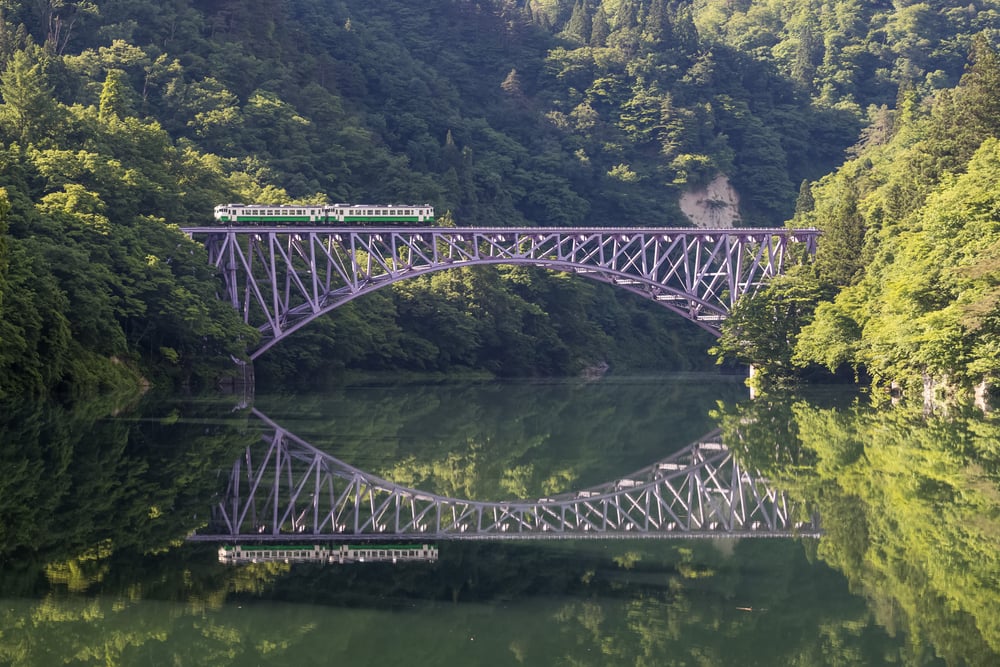
Completed in 1779, The Iron Bridge in England is often recognized as the first major bridge made entirely of cast iron. At the time, this was a bold shift away from traditional materials like wood and stone.
It marked a turning point in construction methods, showing that new materials could handle large-scale structures. Even now, it stands as a reminder of how experimentation can lead to lasting change.
Brooklyn Bridge
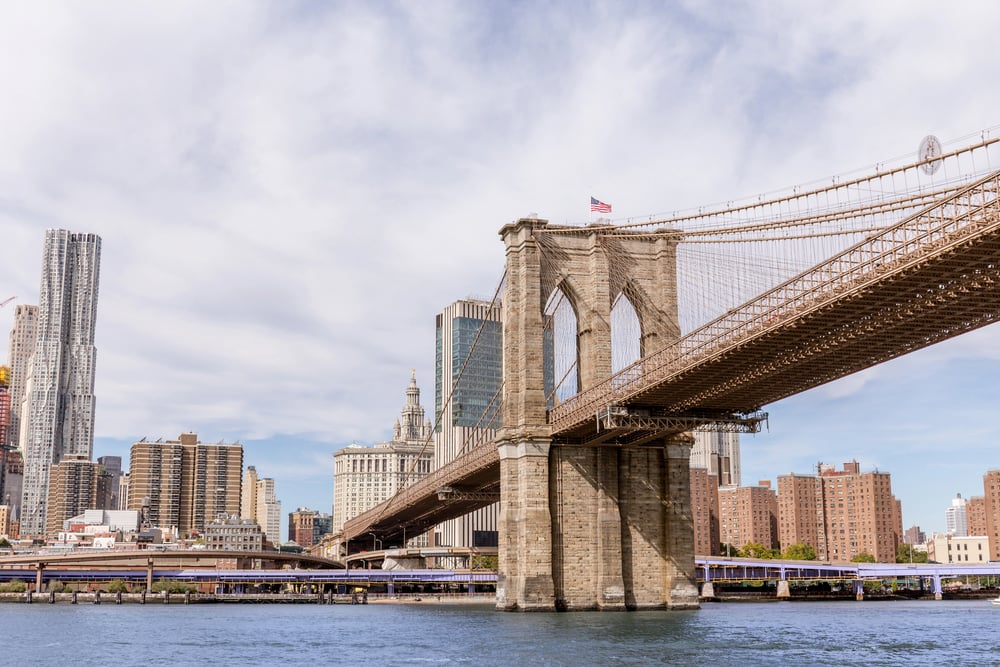
When the Brooklyn Bridge opened in 1883, it was the longest suspension bridge in the world. Its span stretched further than anything built before it, connecting Manhattan and Brooklyn in a way that transformed the city.
The project also introduced new engineering techniques, many of which became standard later on. Still, its impact went beyond design—it reshaped how people moved through urban spaces.
Golden Gate Bridge

At the time of its completion in 1937, the Golden Gate Bridge held the record for the longest suspension bridge span. Its bold design and striking color made it instantly recognizable.
What set it apart wasn’t just its size, but how it blended engineering with visual identity. It quickly became both a functional structure and a cultural symbol.
Akashi Kaikyō Bridge
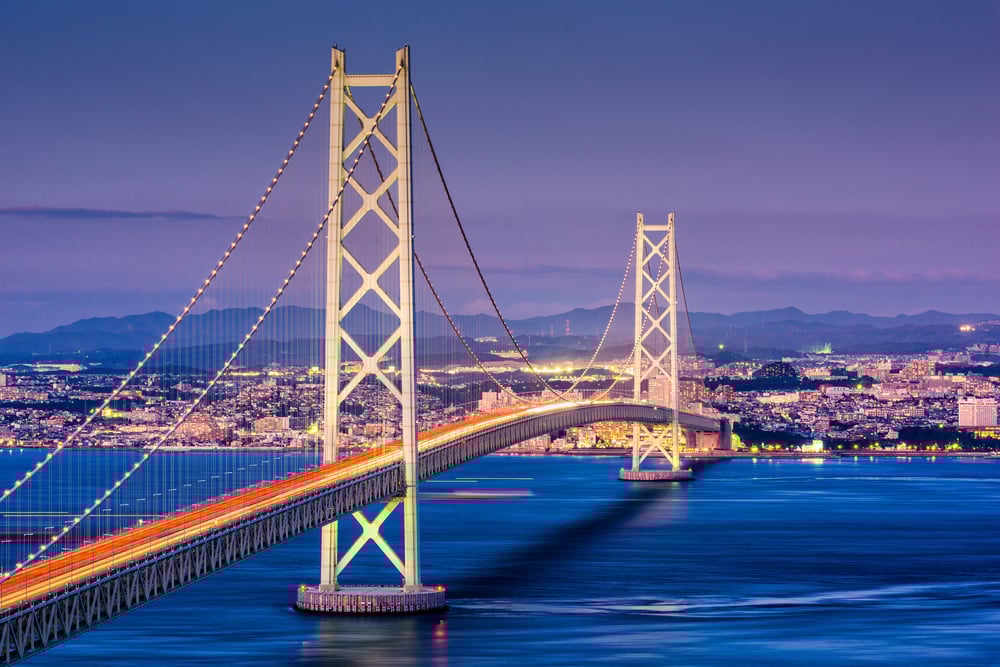
The Akashi Kaikyō Bridge in Japan currently holds the record for the longest central span of any suspension bridge. When it was completed in 1998, it pushed engineering limits even further.
Designed to withstand earthquakes and strong winds, it reflects how modern bridges are built with both scale and resilience in mind. That balance is what makes it stand out.
Millau Viaduct

The Millau Viaduct in France is one of the tallest bridges ever constructed, with its highest point rising above the surrounding landscape. Completed in 2004, it redefined what vertical scale could look like in bridge design.
Its slender structure gives it a light, almost floating appearance. Even so, it’s built to handle significant traffic, combining elegance with strength.
Pont du Gard

Built by the Romans in the first century, the Pont du Gard is one of the highest surviving Roman aqueduct bridges. Its multi-level design carried water across a wide valley with remarkable precision.
What’s striking is how well it has endured over time. It continues to demonstrate the advanced engineering skills of its era.
Sydney Harbour Bridge
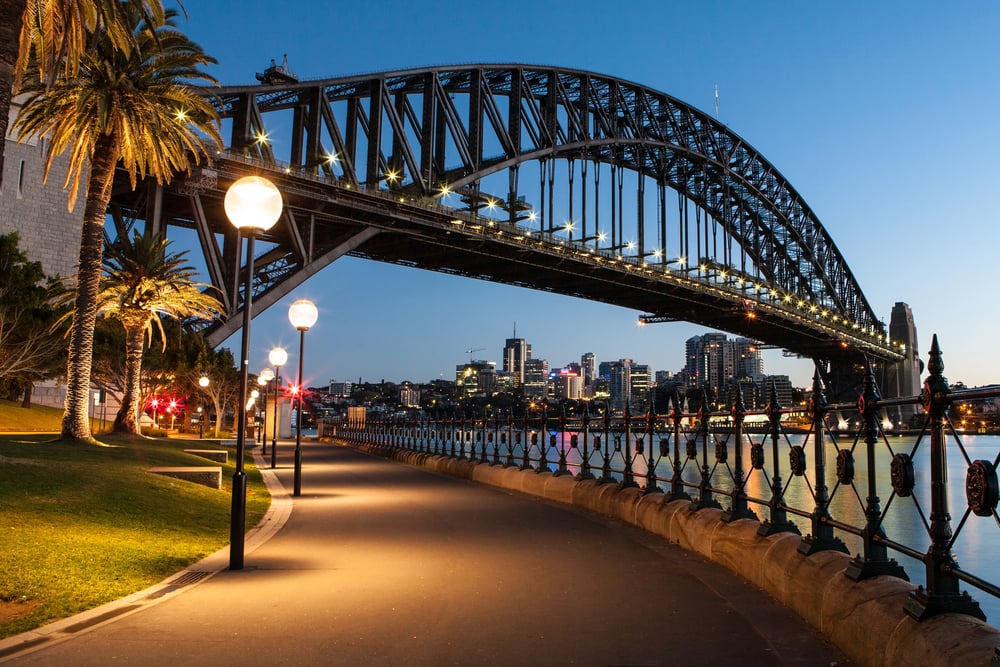
When it opened in 1932, the Sydney Harbour Bridge was among the widest long-span bridges in the world. Its massive steel arch became a defining feature of the city.
The scale of the project required significant coordination and planning. Still, its design has remained both functional and visually distinctive.
Tower Bridge

Tower Bridge in London stands out for its bascule design, allowing sections of the bridge to lift for passing ships. Completed in 1894, it combined practicality with a distinctive appearance.
At the time, it was one of the most recognizable movable bridges. Its design continues to influence similar structures today.
Forth Bridge
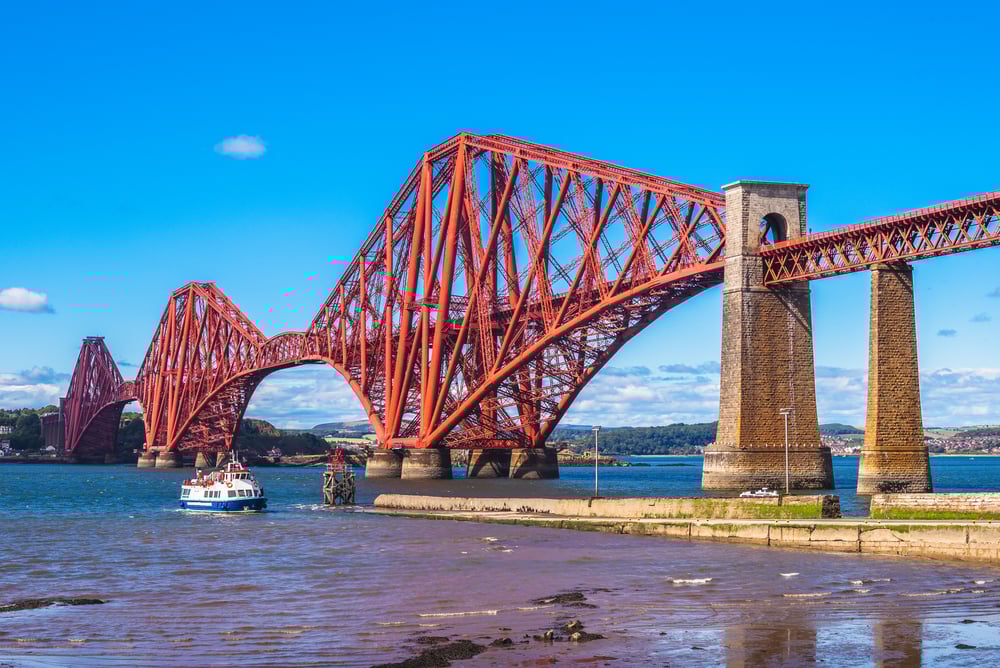
The Forth Bridge in Scotland was one of the first major cantilever railway bridges. Completed in 1890, it demonstrated a new approach to handling heavy loads.
Its design allowed it to span large distances without traditional supports. Even now, it remains a key example of early steel engineering.
Hoover Dam Bypass Bridge

The Mike O’Callaghan–Pat Tillman Memorial Bridge, often associated with the Hoover Dam, is one of the highest concrete arch bridges. Completed in 2010, it reflects modern construction capabilities.
Its height and design required precise engineering. Still, it shows how bridge construction continues to evolve.
Rialto Bridge

The Rialto Bridge in Venice was once the only permanent bridge across the Grand Canal. Completed in the late 16th century, it became a central part of the city’s layout.
Its design combined function with commerce, housing shops along its span. That integration made it unique for its time.
Charles Bridge
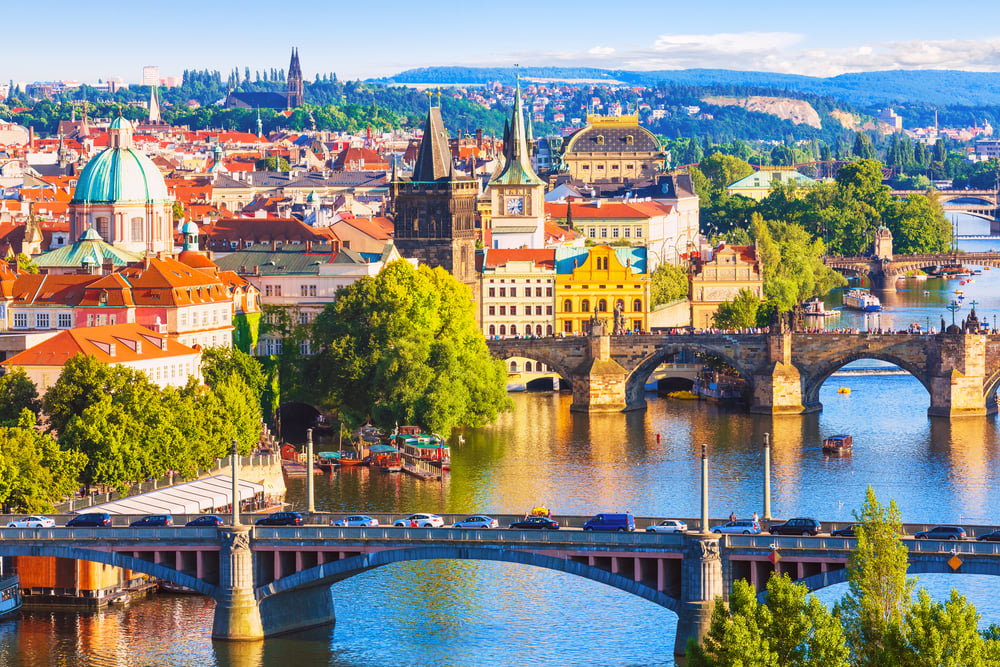
Charles Bridge in Prague, completed in the 15th century, was one of the longest bridges in medieval Europe. It connected key parts of the city and supported both trade and movement.
Its stone construction has helped it endure for centuries. Even so, it remains an active part of the city today.
Hangzhou Bay Bridge

When it opened in 2008, the Hangzhou Bay Bridge in China became one of the longest trans-oceanic bridges in the world. Its length alone set it apart.
The project required careful planning to handle environmental conditions. That said, it highlights the scale of modern infrastructure.
Ponte Vecchio

The Ponte Vecchio in Florence is one of the oldest segmental arch bridges still in use. Its structure has supported shops along its length for centuries.
Unlike many other bridges, it blends daily life with historical design. That continuity is part of its appeal.
Confederation Bridge

The Confederation Bridge in Canada is one of the longest bridges over ice-covered water. Completed in 1997, it required specialized design to handle harsh conditions.
Its construction reflects how the environment shapes engineering decisions. Even so, it remains a key transportation link.
Vasco da Gama Bridge
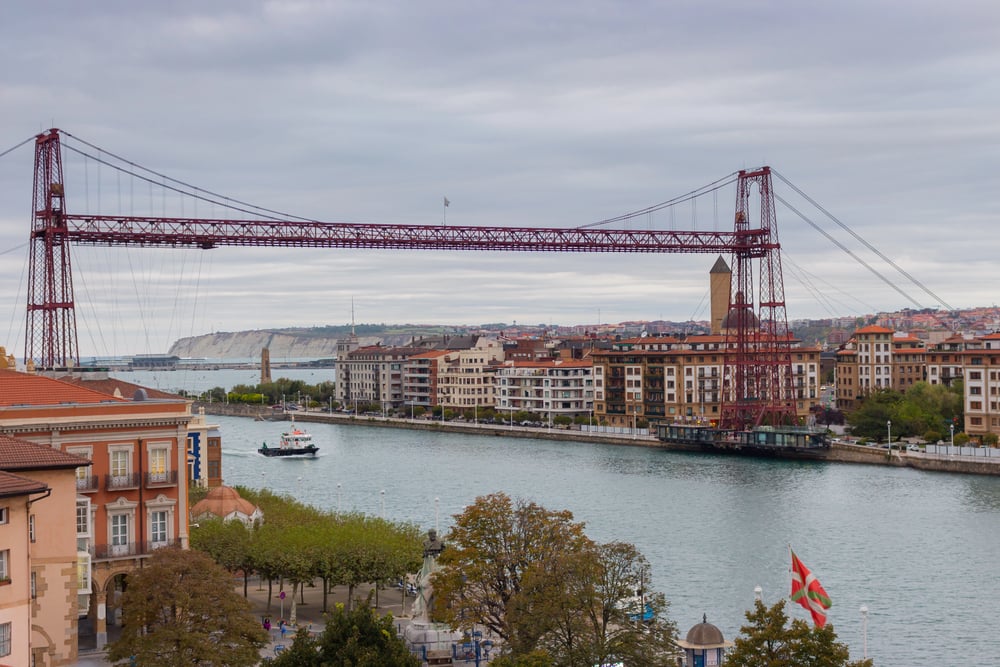
The Vasco da Gama Bridge in Portugal was the longest bridge in Europe at the time of its completion in 1998. Its length stretches across a wide expanse of water.
The project required careful consideration of both distance and stability. That combination defines its significance.
Helix Bridge
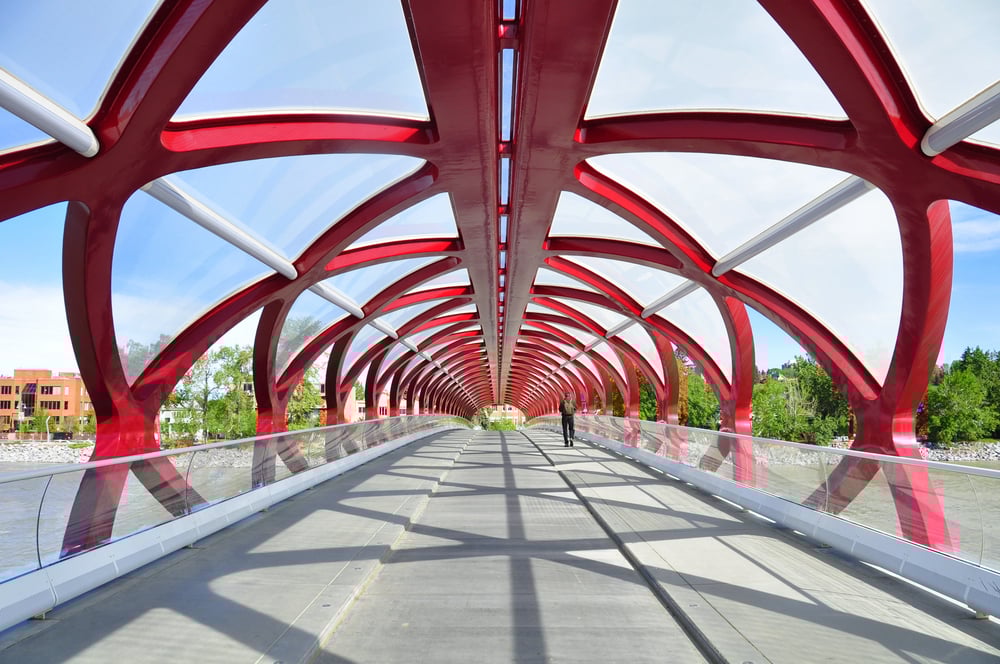
Singapore’s Helix Bridge is known for its distinctive double-helix structure. While not the longest or tallest, its design sets it apart visually.
Completed in 2010, it represents a shift toward more experimental forms. Still, it maintains full functionality as a pedestrian bridge.
Bixby Creek Bridge

The Bixby Creek Bridge in California is one of the tallest single-span concrete arch bridges. Completed in 1932, it stands along a dramatic coastal route.
Its location adds to its impact, blending natural scenery with engineered form. That balance is part of what makes it memorable.
Öresund Bridge
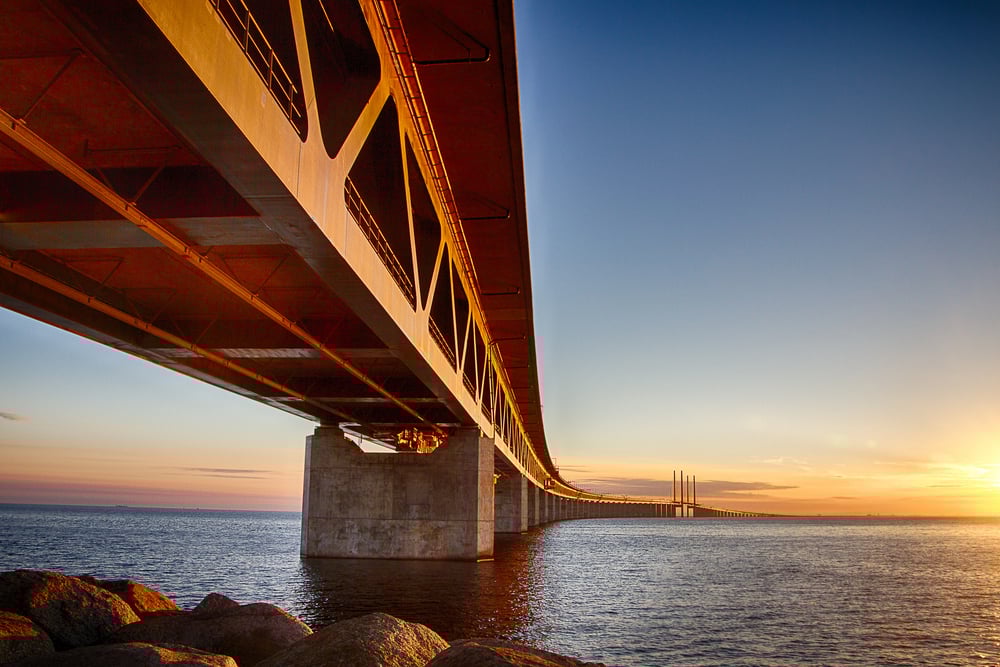
Connecting Denmark and Sweden, the Öresund Bridge is notable for combining a bridge and tunnel in one continuous route. Completed in 2000, it introduced a hybrid design approach.
This combination allows it to adapt to different conditions along its path. Even so, there remains a seamless connection between two countries.
Danyang–Kunshan Grand Bridge

Part of China’s high-speed rail network, the Danyang–Kunshan Grand Bridge is one of the longest bridges ever built. Completed in 2010, it stretches across a vast distance.
Its scale reflects the demands of modern transportation systems. Still, it shows how infrastructure continues to expand in scope.
Where Records Meet Reality

From where we stand, seeing all these bridges lined up, one truth stands out – ledgers capture just fragments. Every span marks a time edges got pushed, sometimes bent, usually when odds stacked high.
Years pass, yet the firsts still matter even when newer spans take the lead. What was done before quietly guides the way things grow, nudging design and daring in steps that follow.
Finally, those big praises mean more than digits on a page – they show movement. Each crossing, different yet alike, stands as proof of how folks link differently now with what surrounds them.
More from Go2Tutors!

- The Romanov Crown Jewels and Their Tragic Fate
- 13 Historical Mysteries That Science Still Can’t Solve
- Famous Hoaxes That Fooled the World for Years
- 15 Child Stars with Tragic Adult Lives
- 16 Famous Jewelry Pieces in History
Like Go2Tutors’s content? Follow us on MSN.