Star Wars Day Facts Fans Love
Every May 4th, the internet transforms into a celebration of lightsabers, droids, and that galaxy far, far away. The phrase “May the Fourth be with you” has become more than just a clever pun — it’s turned into a genuine holiday for millions of fans worldwide.
What started as a simple play on words has evolved into an annual tradition that brings together everyone from casual viewers to die-hard collectors. The day offers a perfect excuse to revisit favorite moments, discover hidden details, and share the kind of behind-the-scenes trivia that makes the Star Wars universe feel even more magical.
Some facts are well-known, others buried deep in production notes and cast interviews. All of them remind you why this story has captivated audiences for nearly five decades.
The Holiday’s Unexpected Origins
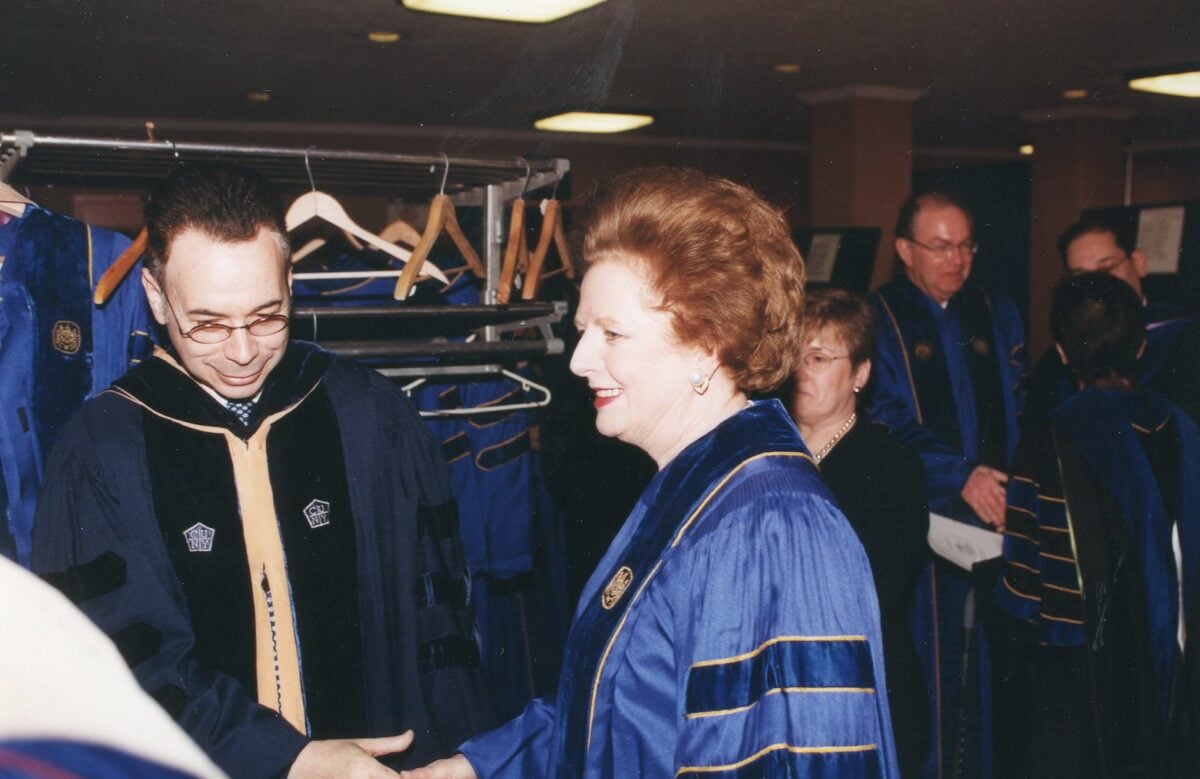
Margaret Thatcher became Britain’s Prime Minister on May 4th, 1979. Her Conservative Party took out a newspaper ad that day reading “May the Fourth Be with You, Maggie.
Congratulations.” This was the first recorded use of the pun that would later become a global phenomenon.
The joke sat dormant for decades until fans rediscovered it online. No corporate marketing team planned Star Wars Day — it grew organically as people started using the phrase every May 4th.
Darth Vader’s Voice Had Competition
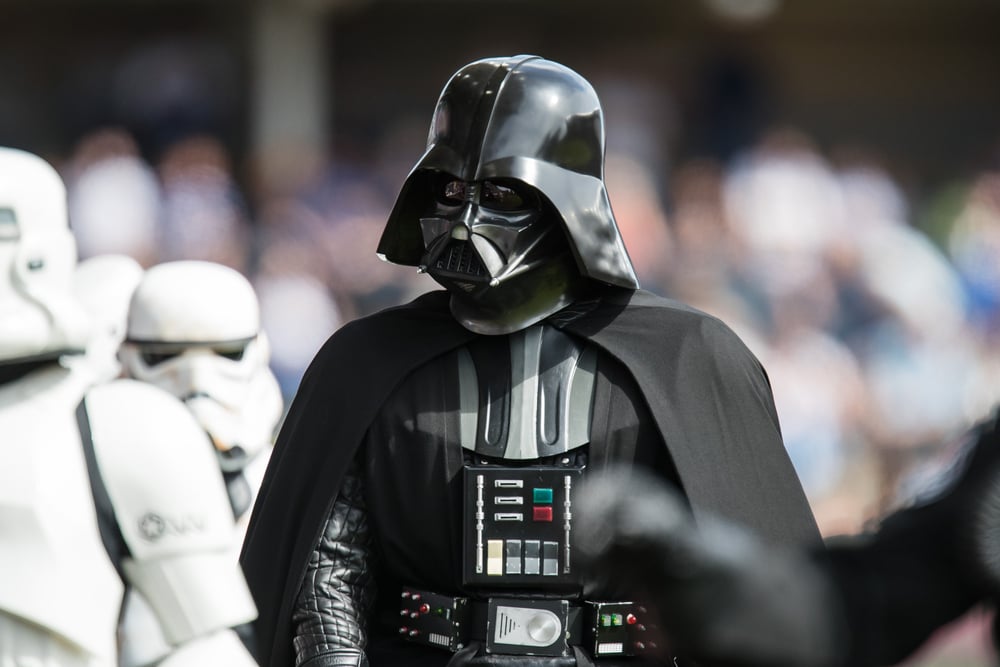
James Earl Jones wasn’t the only actor considered for Darth Vader’s voice. Orson Welles was George Lucas’s first choice, but Lucas worried that Welles’s voice was too recognizable and would distract audiences.
They needed menace without the baggage of fame. Jones initially didn’t want credit for the role, feeling that his contribution was too small compared to David Prowse’s physical performance.
He changed his mind after the character became iconic, but that early hesitation shows how unpredictable the road to legend can be.
The Lightsaber Sound’s Strange Recipe

Ben Burtt created the lightsaber sound by recording the hum of an old television set and the buzz of a film projector motor (the kind that was already becoming obsolete when he recorded it in the mid-1970s). But the real magic happened when he moved the microphone past the speaker while the sounds played back — that movement created the swooshing effect that everyone associates with lightsaber battles.
And yet there’s something almost accidentally perfect about the fact that this futuristic weapon’s signature sound came from aging, everyday electronics that most people barely noticed. The mundane transformed into the mythic through nothing more than creative microphone technique and a willingness to experiment with whatever happened to be lying around the sound studio.
Princess Leia’s Hair Inspiration
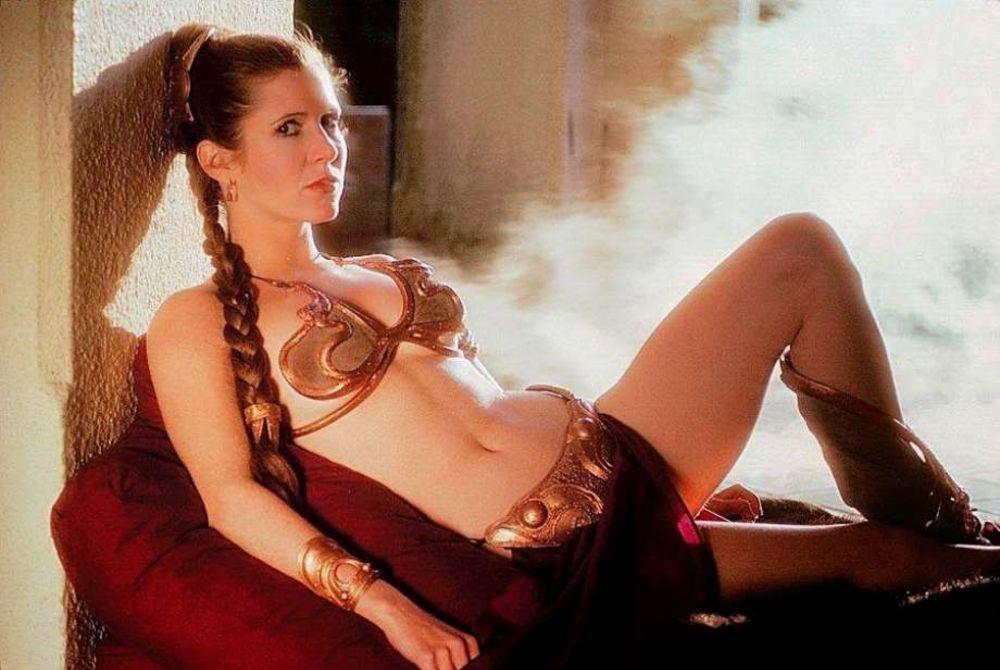
The cinnamon bun hairstyle came from Mexican revolutionary women. Lucas found photographs of female soldiers from the early 1900s and was struck by how their elaborate braided styles suggested both elegance and rebellion.
Carrie Fisher spent hours in makeup getting those buns attached to her head. She joked that the weight gave her headaches, but the look became so iconic that it’s still instantly recognizable decades later.
Han Solo’s Famous Line Was Improvised
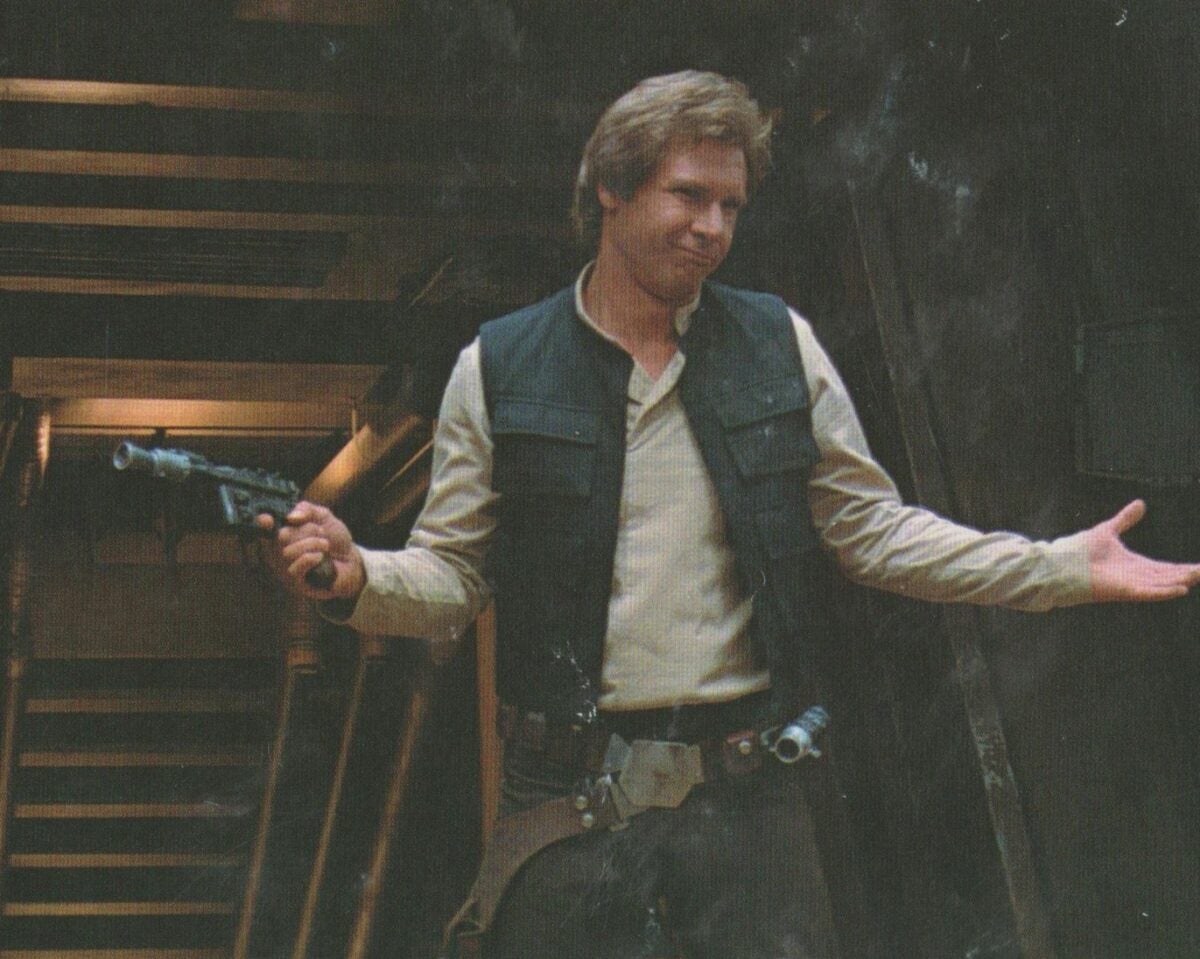
“I love you.” “I know.” That exchange wasn’t in the script.
The original line had Han responding “I love you too” — standard romantic dialogue that would have landed with a thud. Harrison Ford suggested the change during filming, arguing that Han would never be that straightforward or sentimental.
One small improvisation turned a forgettable moment into one of cinema’s most quoted exchanges. Ford understood something about Han Solo that the script hadn’t quite captured yet.
Yoda’s Species Remains a Mystery
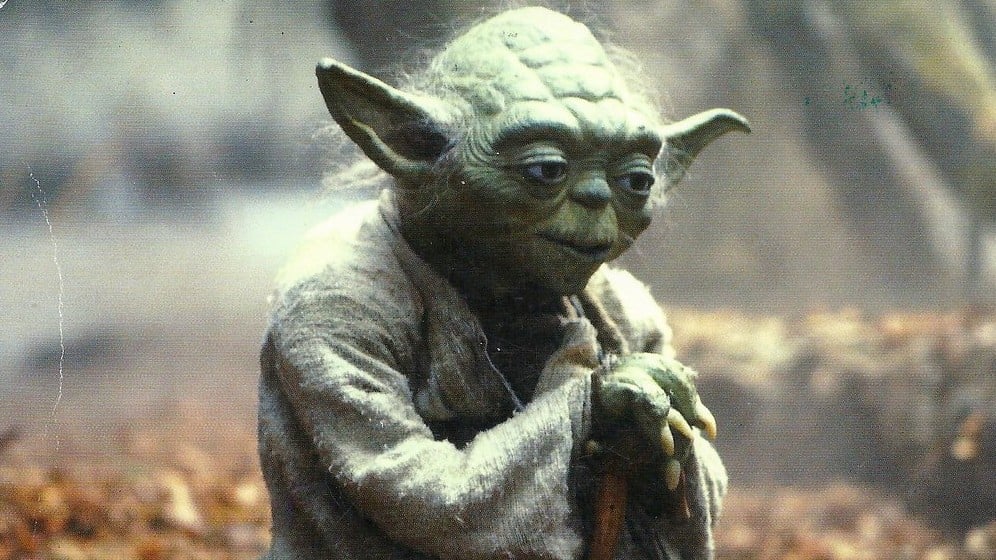
After eight decades of Star Wars content, nobody knows what species Yoda belongs to. This isn’t an oversight — it’s completely intentional.
Lucas decided early on that Yoda’s origins would remain unknown, forcing audiences to focus on his wisdom rather than his biology. Even The Mandalorian’s introduction of Grogu (Baby Yoda) maintained this tradition (though it did give fans a few more clues to obsess over).
Sometimes the best world-building means knowing exactly what not to explain.
The Millennium Falcon Started as a Hamburger
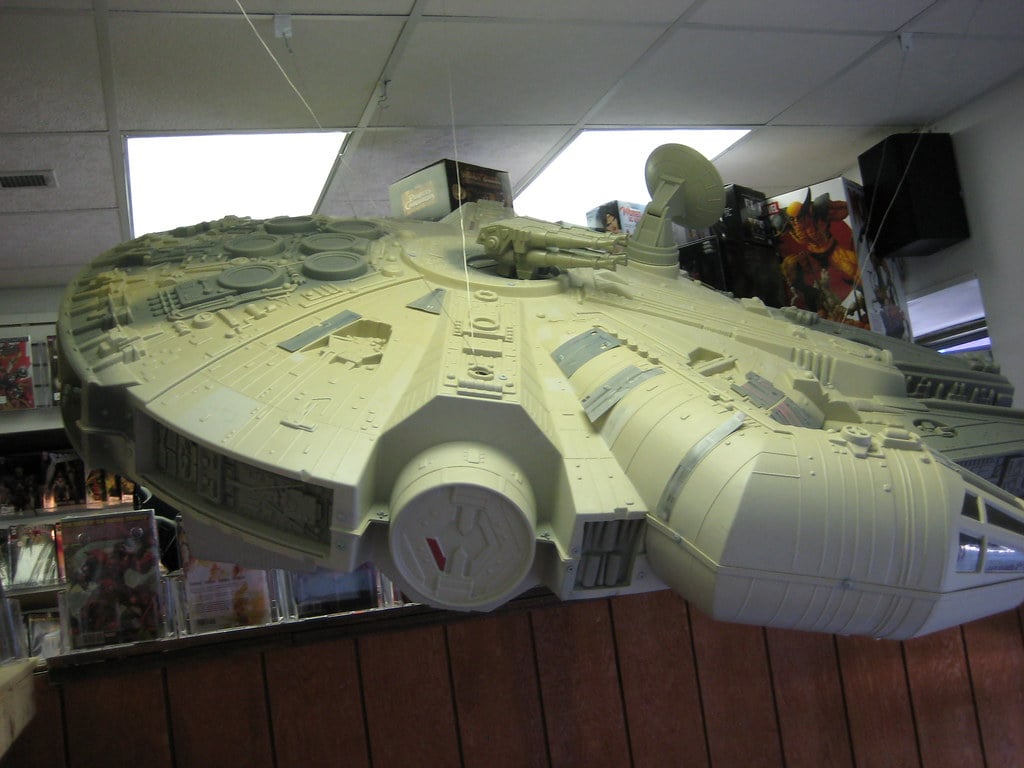
The ship’s design evolved from a simple sketch that looked like a hamburger with an olive on the side. Ralph McQuarrie took that basic shape and refined it into the asymmetrical freighter that became Han Solo’s ride, but you can still see the original inspiration if you look at the Falcon from the right angle — round main body with a smaller circular cockpit attached to one side.
The fact that one of science fiction’s most beloved ships started as lunch tells you everything about how creativity actually works: take whatever’s in front of you and push it somewhere unexpected. Most great designs have equally humble beginnings, though few designers admit to drawing inspiration from fast food.
Storm Troopers Can’t Aim for a Reason
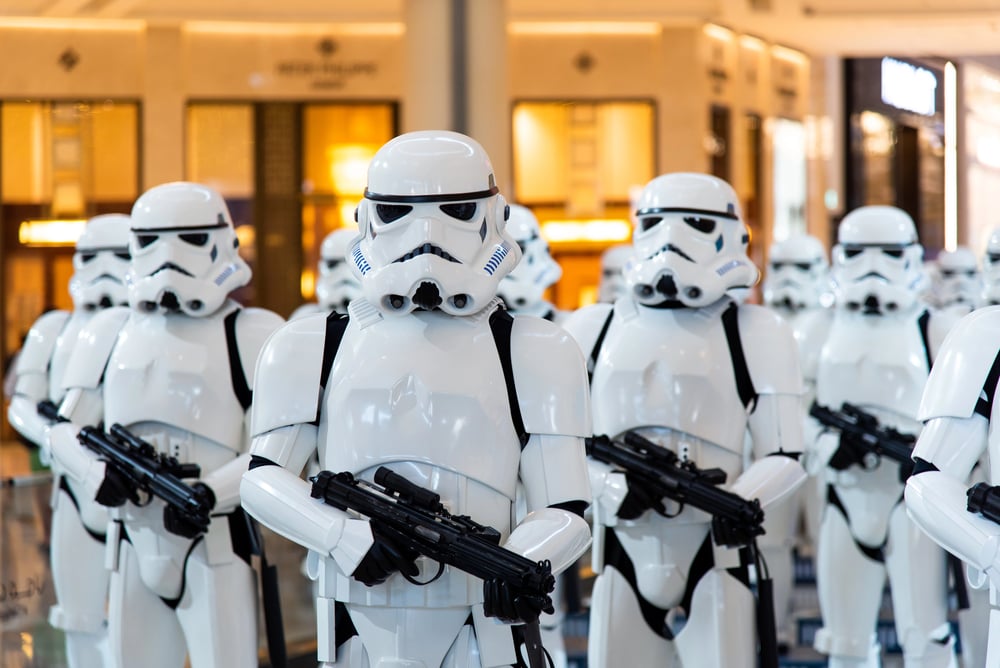
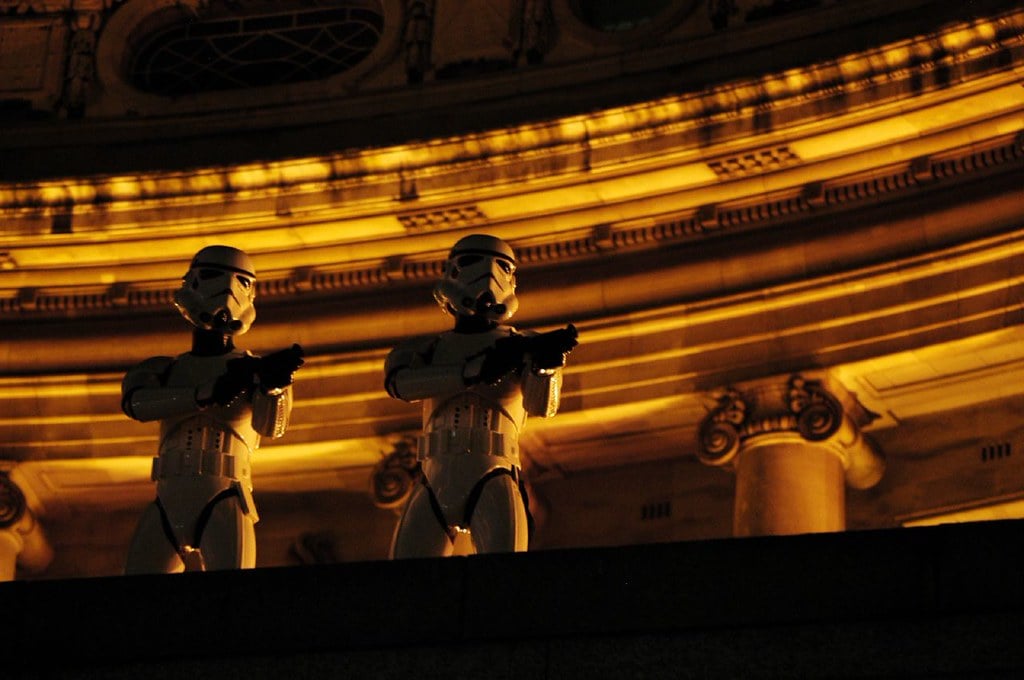
The terrible marksmanship wasn’t an accident or oversight. In A New Hope, the Storm Troopers deliberately let the heroes escape so they could track the Millennium Falcon back to the rebel base.
Grand Moff Tarkin explicitly mentions placing a tracking device on the ship. Fans have spent decades mocking Storm Trooper accuracy without realizing they were watching a tactical decision, not incompetence.
The joke became bigger than the plot point it was mocking.
C-3PO’s Body Was Actually Gold Plated
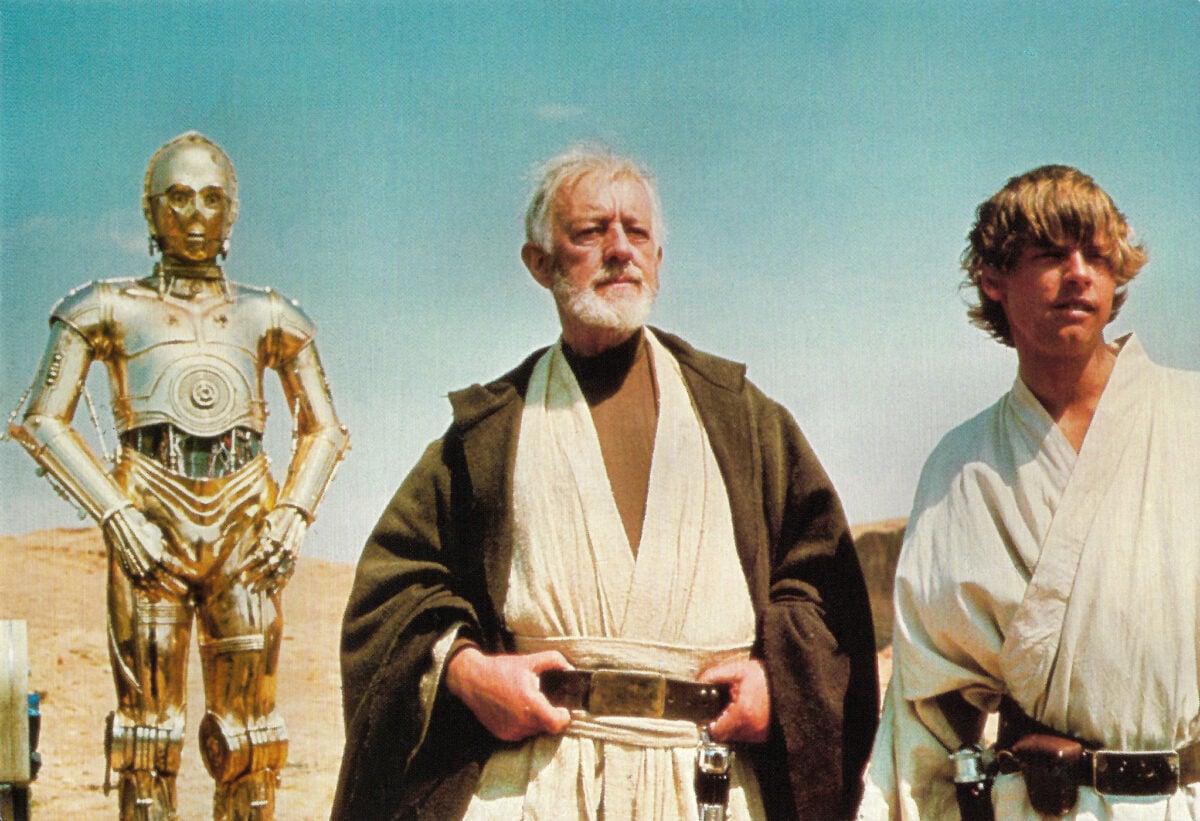
The costume wasn’t painted or made from gold-colored plastic. Anthony Daniels wore actual gold-plated armor that cost more than most people’s cars.
The reflective surface created lighting problems during filming, but it also gave the droid a presence that paint never could have achieved. Daniels couldn’t sit down in the costume.
Between takes, he had to lean against a specially designed board to rest.
Ewoks Speak a Real Language
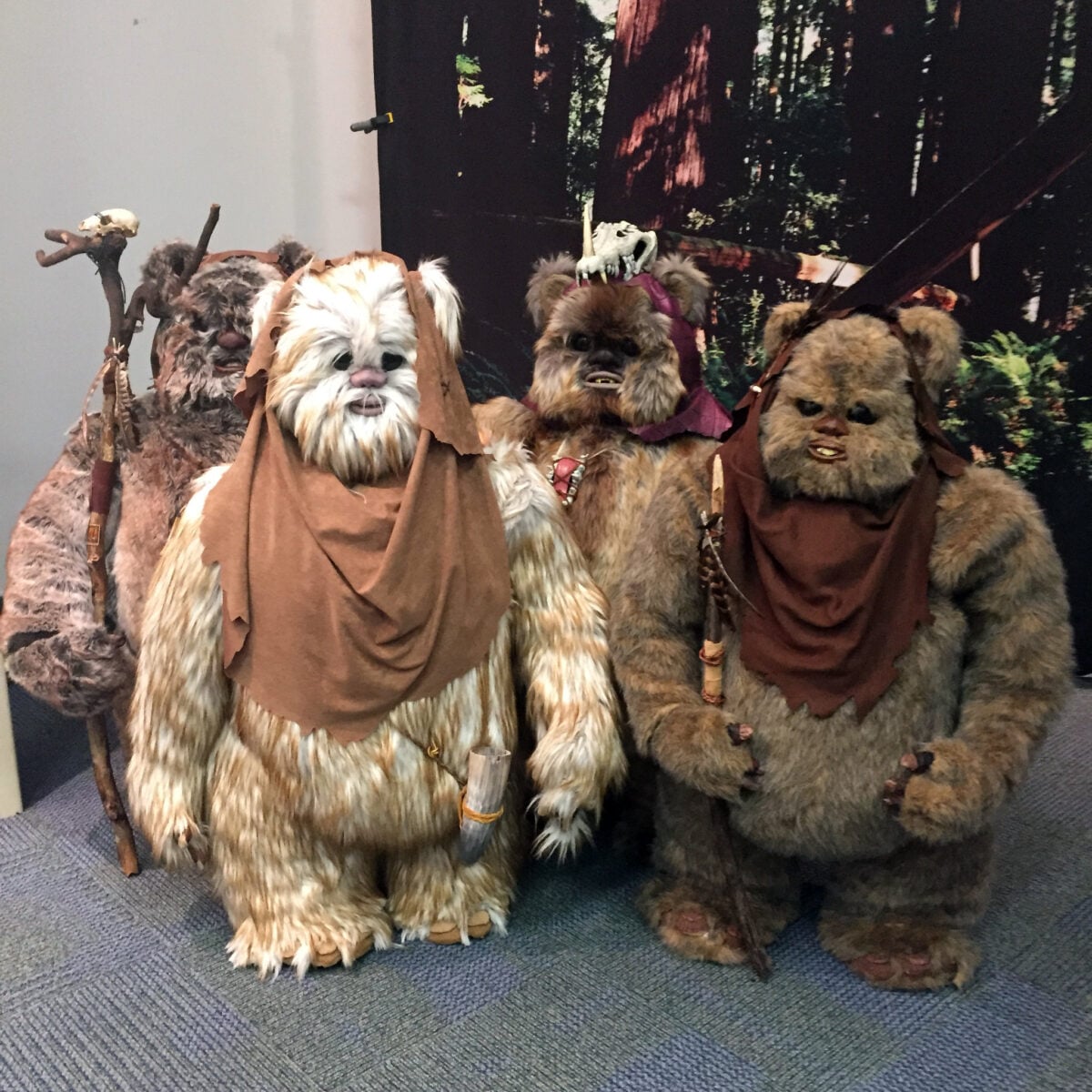
Ben Burtt didn’t just make up sounds for the Ewoks — he based their dialogue on Tibetan and Kalmyk, a language spoken by nomadic people in Russia and Mongolia. The actors learned phonetic versions of actual phrases, which is why Ewok conversations have a linguistic consistency that pure gibberish would lack.
The attention to detail extended even to background Ewoks who only appeared for seconds. Lucas wanted every element of his universe to feel authentic, even when audiences wouldn’t consciously notice the effort.
The Empire Strikes Back Almost Had a Different Title
“Chapter II: The Empire Strikes Back” was a last-minute change. Earlier drafts called it “Star Wars Chapter II” with no subtitle, while other versions used “The Adventure Continues.”
The final title didn’t get locked in until just months before release, and some early promotional materials still used the working titles. Marketing teams were scrambling to update everything when Lucas finally settled on the name that would define the sequel.
The title that seems so inevitable now was actually one of many possibilities that almost didn’t happen.
Jabba the Hutt Required 7 Operators
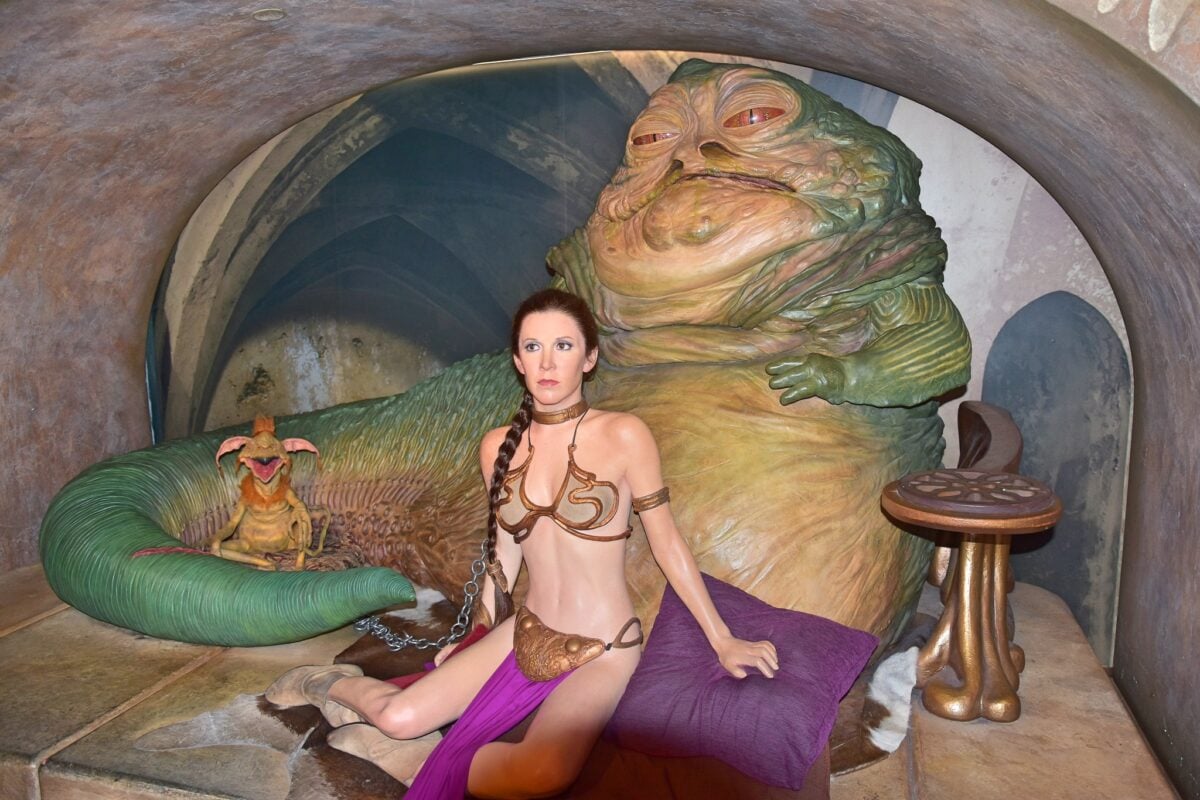
The Return of the Jedi version of Jabba wasn’t a single puppet — he was a complex mechanical creation that needed multiple people working in coordination. One operator controlled the eyes, another handled the mouth and tongue, others managed the arms and tail movements.
The coordination required was so complex that they filmed Jabba’s scenes like elaborate dance numbers, with the operators rehearsing their movements until they could work together seamlessly.
The Forest Moon of Endor Was Northern California

Those towering trees in Return of the Jedi were real redwoods in Humboldt County. The speeder bike chase scenes used a combination of location shooting and green screen work, but the forest environments were authentic.
Lucas wanted the Ewok planet to feel genuinely wild and ancient. No studio backlot could replicate the scale and atmosphere of old-growth forests, so the crew packed up and headed north from Los Angeles to find trees that had been growing since before the Roman Empire.
May the Fourth Lives On
What began as a political pun has evolved into something George Lucas never anticipated — an annual celebration that brings together fans across generations and continents. The holiday succeeds because it captures something essential about Star Wars: the ability to find joy and meaning in shared stories, no matter how far-fetched they might seem to outsiders.
These facts represent just a fraction of the details that make Star Wars endlessly fascinating to explore. The real magic isn’t in any single behind-the-scenes story, but in how they add up to something larger — a universe built with enough care and attention that fans are still discovering new layers nearly fifty years later.
More from Go2Tutors!

- The Romanov Crown Jewels and Their Tragic Fate
- 13 Historical Mysteries That Science Still Can’t Solve
- Famous Hoaxes That Fooled the World for Years
- 15 Child Stars with Tragic Adult Lives
- 16 Famous Jewelry Pieces in History
Like Go2Tutors’s content? Follow us on MSN.