Why So Many Medieval Castles Were Abandoned Seemingly Overnight
There’s something quietly unsettling about a ruined castle. Not the dramatic, story-book kind of unsettling — not ghosts or curses — but the stranger kind, where you’re standing in front of a structure that took decades and thousands of human hands to build, and nobody’s home.
The great hall is open to the sky. The gatehouse is a stump.
Whatever fires burned in those hearths went cold centuries ago, and nobody came back to relight them. It happens more often than most people realize, and the reasons behind it are stranger, more human, and more instructive than the ruins themselves let on.
The Gunpowder Problem

Castles were engineered for a specific threat, and gunpowder retired that threat almost overnight. Stone walls that had held off armies for weeks crumbled under cannon fire in hours — Château Gaillard, once Richard I’s supposedly impregnable fortress above the Seine, fell in a matter of months under a siege that would have failed completely a century earlier.
When the walls stop working, the logic of the whole structure collapses with them.
The Inheritance Tangle

Medieval inheritance law was a slow disaster waiting to happen, and it caught up with a staggering number of castle-owning families. When a lord died without a clear heir — or with too many of them, each claiming a piece — estates fractured, disputed, and drained away through litigation that lasted generations, and the castle sitting at the center of it all simply went unmaintained while lawyers argued and cousins feuded and the roof quietly gave way.
So the building didn’t fall because anyone decided to leave: it fell because no one could agree on who had to stay.
Plague’s Sudden Arithmetic

The Black Death didn’t just kill people — it vaporized the labor economy that kept castles functioning. A lord could own the grandest fortress in the county and still find himself unable to staff it, maintain it, or justify the staggering cost of heating and feeding a structure built for a household that no longer existed at its former scale.
The math changed. The castle didn’t.
The Garrison That Never Came Back

Some castles were abandoned because the soldiers stationed there simply weren’t recalled. Like a forgotten shipment left on a dock, these fortifications were garrisoned during a specific campaign or conflict and then, when the emergency passed, the administrative machinery of the kingdom moved on to other problems without ever formally closing the chapter.
The garrison dwindled, the provisions stopped arriving, and the structure joined the landscape — not through any dramatic decision, but through the quiet, bureaucratic failure of nobody ever writing the order to stay.
The Rise of the Country House
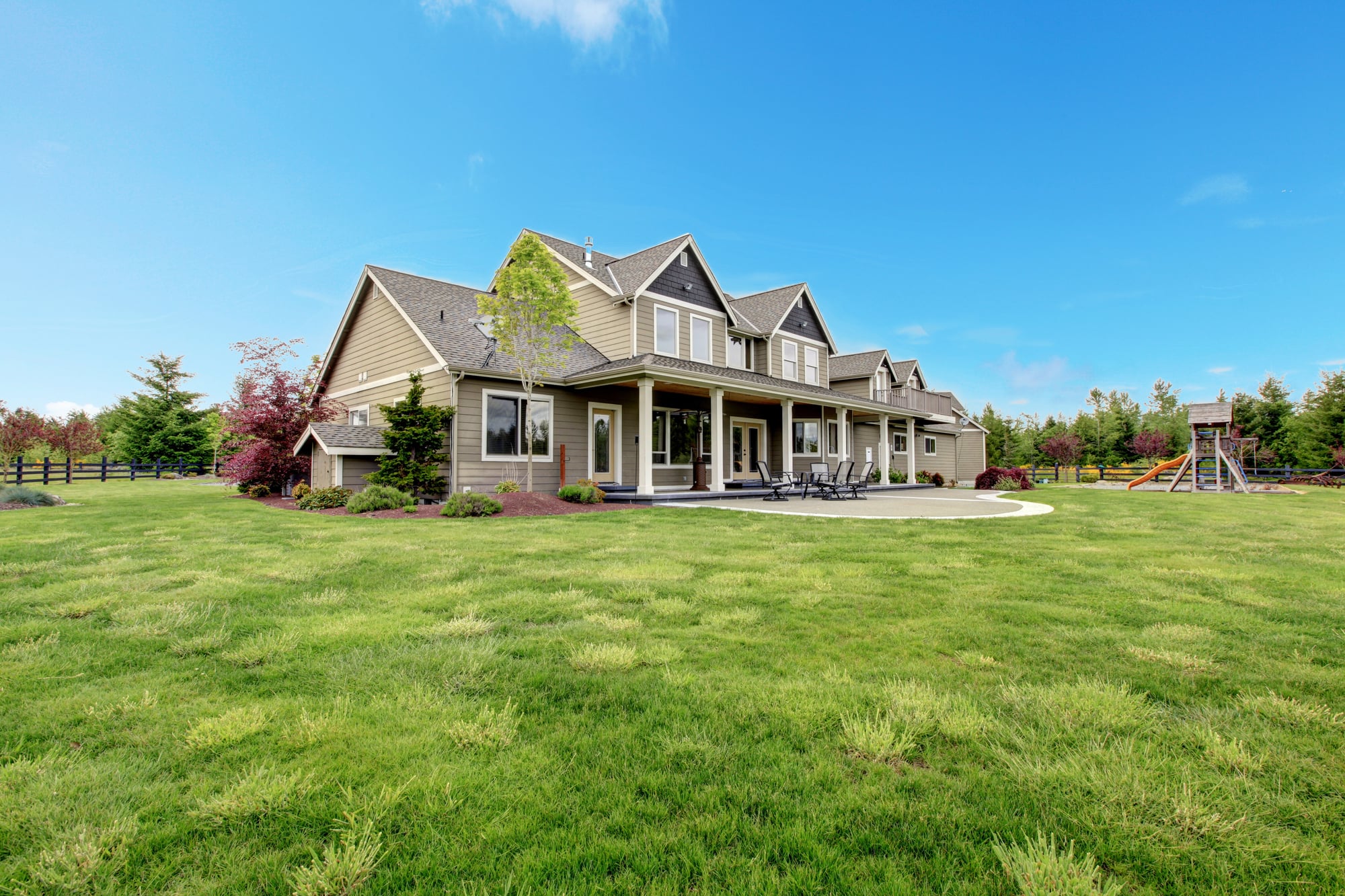
Comfort is a powerful argument, and by the late medieval period it was winning decisively. The English aristocracy, in particular, began migrating away from cold, damp, defensively-minded castles and toward the manor house and eventually the country house — buildings designed not to repel an army but to accommodate a dinner party, a library, a garden.
Hardwick Hall in Derbyshire, built in the 1590s, was famously described as “more glass than wall,” which tells you everything about what the English gentry now considered a priority.
Shifting Trade Routes

Some castles didn’t lose a war or an heir — they just lost relevance when the road moved. A fortress built to control a river crossing or a mountain pass became worthless the moment merchants found a better route, a safer path, or a more convenient bridge a few miles away.
The town that had grown up around the castle’s protection withered with it, and within a generation or two the whole complex sat empty at the edge of a landscape that had quietly reorganized itself around something newer.
The Tudor Dissolution
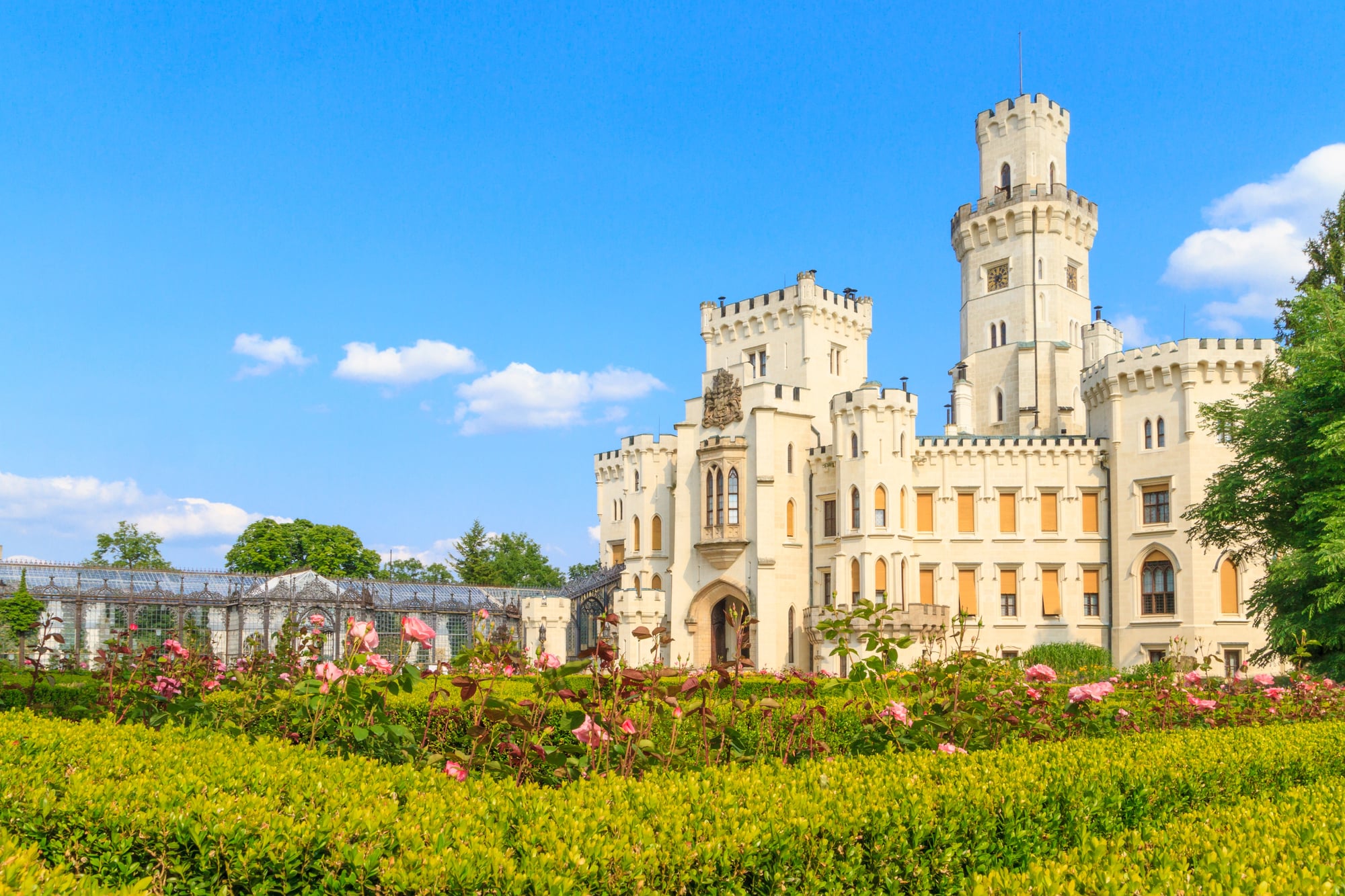
Henry VIII’s dissolution of the monasteries between 1536 and 1541 had a ripple effect that reached castles too, partly because many fortifications were administratively tangled with religious institutions, and partly because the wholesale redistribution of land that followed created a chaotic real estate environment where old properties were acquired, stripped for materials, and left to deteriorate.
A building that lost its institutional sponsor in that period often had no natural successor — just a new owner who wanted the land and had no particular use for the stones.
Deliberate Slighting
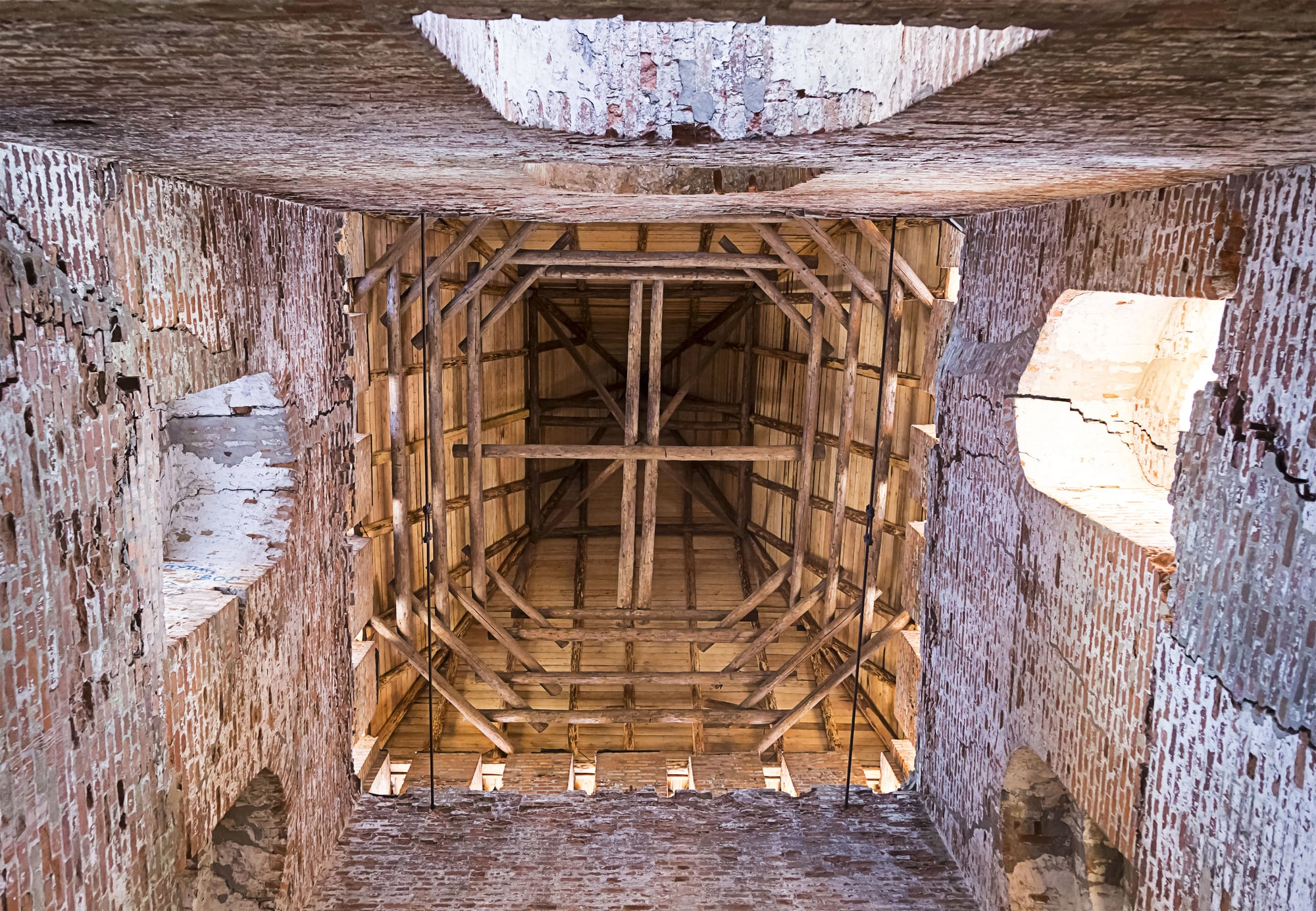
After the English Civil War, Parliament made a systematic policy out of destroying Royalist castles — not accidentally, not through neglect, but on purpose. “Slighting” meant rendering a fortification militarily useless: collapsing towers, breaching walls, pulling out the structural keystones until the whole thing listed and fell.
Corfe Castle in Dorset is probably the most famous example, reduced from one of England’s great medieval strongholds to a theatrical ruin in 1646, in what amounted to the architectural equivalent of canceling someone’s license to operate.
The Cost of Stone
Abandoned castles became quarries almost immediately. This is one of those facts that sounds mercenary until you realize it was just practical: dressed stone was expensive, time-consuming to cut, and sitting right there.
Local villages, churches, roads, and bridges across Britain and France were quietly built with recycled castle masonry over centuries, which is part of why so many ruins look so thoroughly picked over.
The castle didn’t crumble — it was disassembled, piece by useful piece, by the very communities that once sheltered behind it.
Wars That Changed The Map

Some castles were abandoned not because their owners left voluntarily, but because the political entity that built them ceased to exist. The castles of the Cathar lords in southern France were stripped of their garrisons after the Albigensian Crusade ended the independent culture that had built them.
The Crusader fortresses in the Holy Land were simply left behind when the last Latin kingdoms collapsed in the late thirteenth century. You can’t maintain a castle in a country you no longer control.
The Problem of Distance

Managing a distant castle was a logistical burden that often outweighed any strategic benefit. A magnate with a dozen properties spread across several counties faced a near-impossible maintenance challenge.
The castles that sat farthest from his primary seat of power tended to receive the least attention, decay the fastest, and get quietly written off when the estate accounts were totaled. Distance corrected for ambition, in the end.
Flood and Erosion
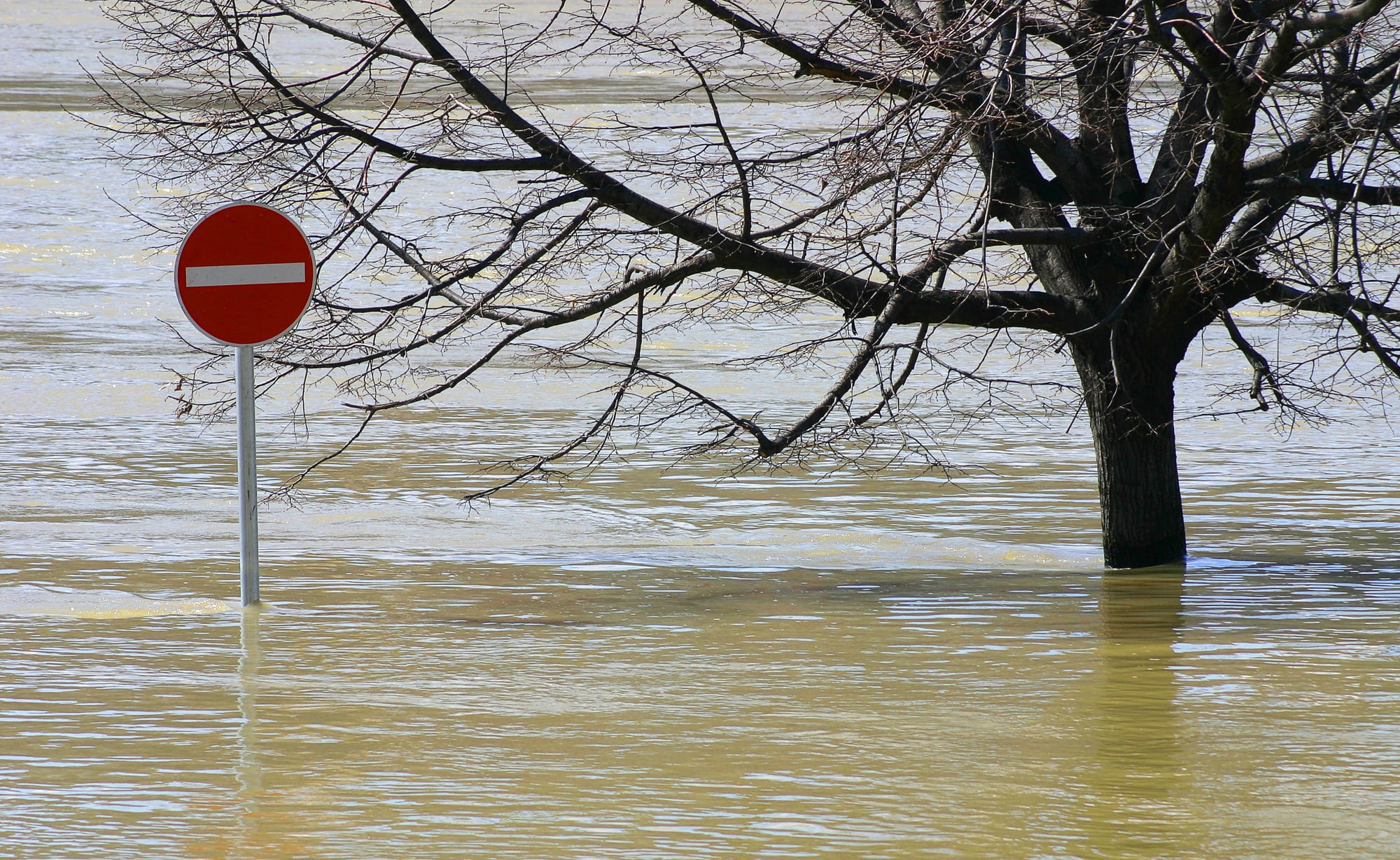
Geography is patient in a way that lords are not. Some castles were simply lost to the physical environment — coastal erosion swallowed fortifications along the English coastline over centuries.
Others were undermined by rivers that changed course, water tables that shifted, or flooding that made the site intermittently uninhabitable and eventually not worth returning to. Dunwich once had multiple fortifications; most of it is under the North Sea now.
The Abandonment of Marcher Lordships
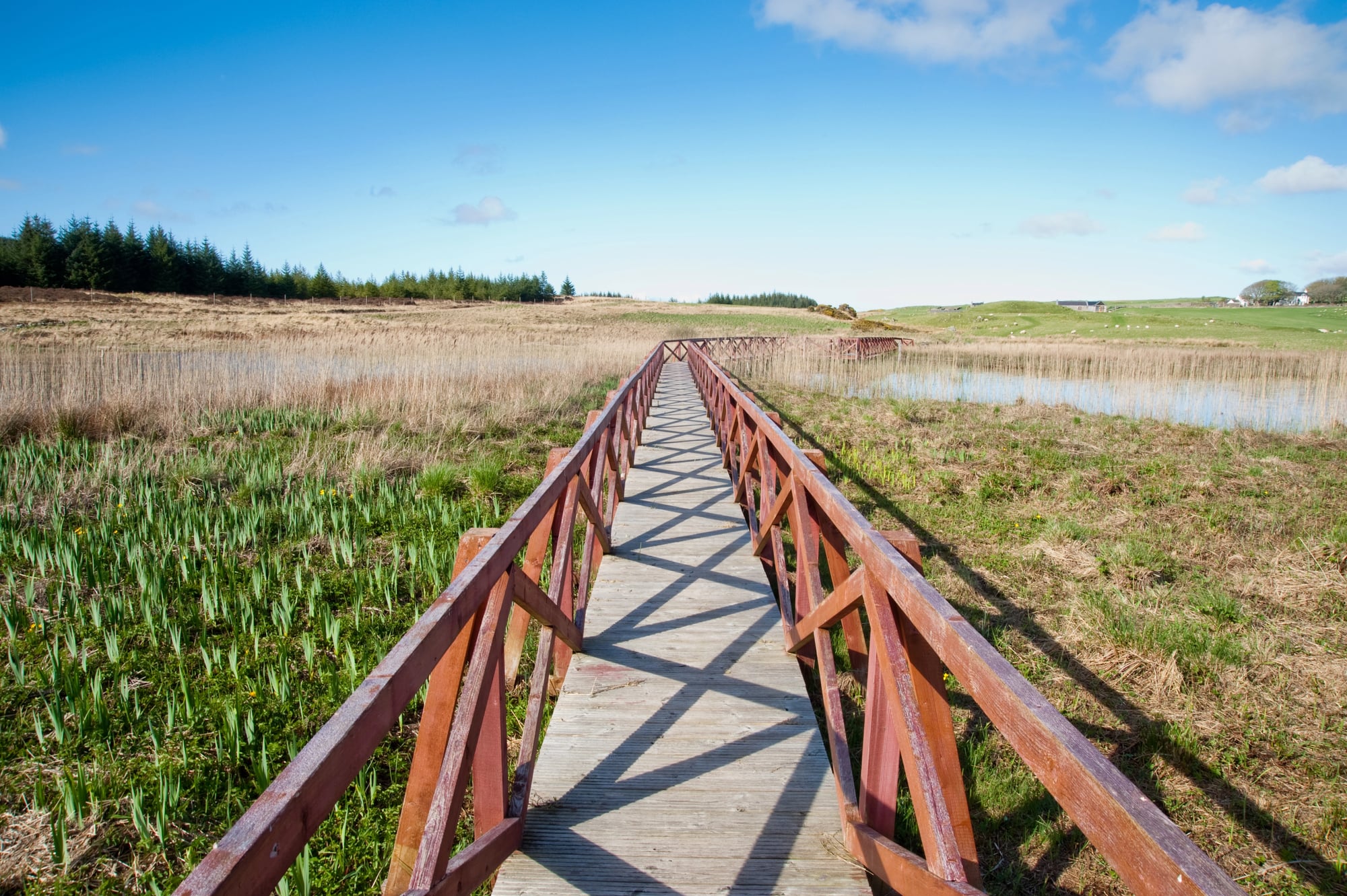
The Welsh and Scottish marches — the borderlands between England and its neighbors — were thick with castles during the height of medieval conflict. When those frontiers stabilized, the strategic justification for dozens of fortifications evaporated.
Marcher lordships were abolished, the threat receded, and the castles that had been built to manage a war found themselves stranded in a peace they hadn’t been designed for.
Dynastic Extinction
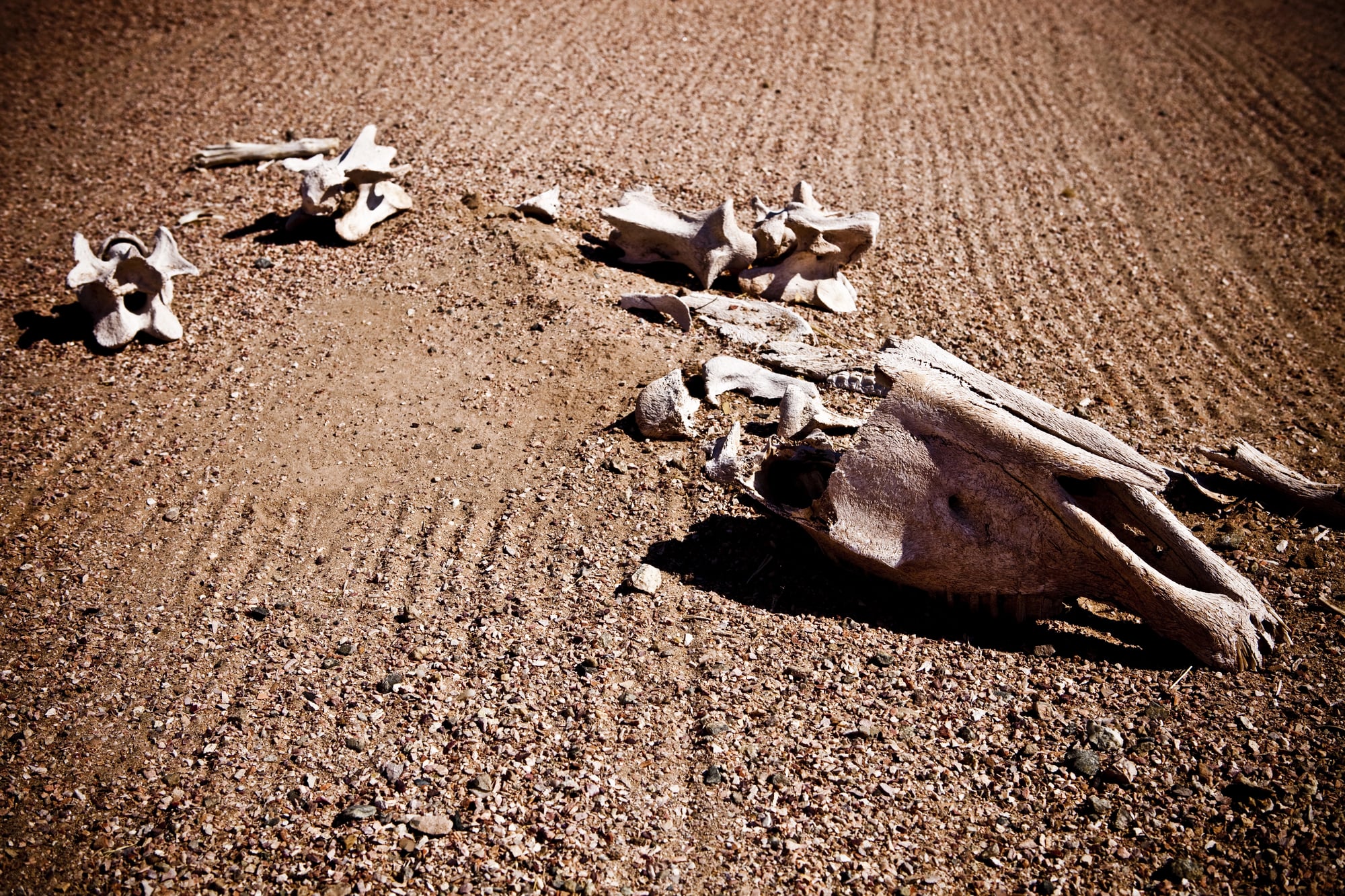
Some noble families simply died out — not dramatically, not through execution or scandal, but through the quiet biological failure of running out of sons. When a lineage ended, its castle often had no natural inheritor.
Even when a distant cousin or a connected family absorbed the estate, the old fortress was rarely a priority. They’d build something new, somewhere more convenient, in a style that actually suited the century they were living in.
The Psychological Shift

There’s a point, somewhere in the fifteenth century, where the castle stops being aspirational. The thing that once announced power, security, and permanence began to read instead as old-fashioned.
Building a manor house said something that a castle no longer could: that you were secure enough not to need the walls.
Sieges That Left Nothing Worth Keeping
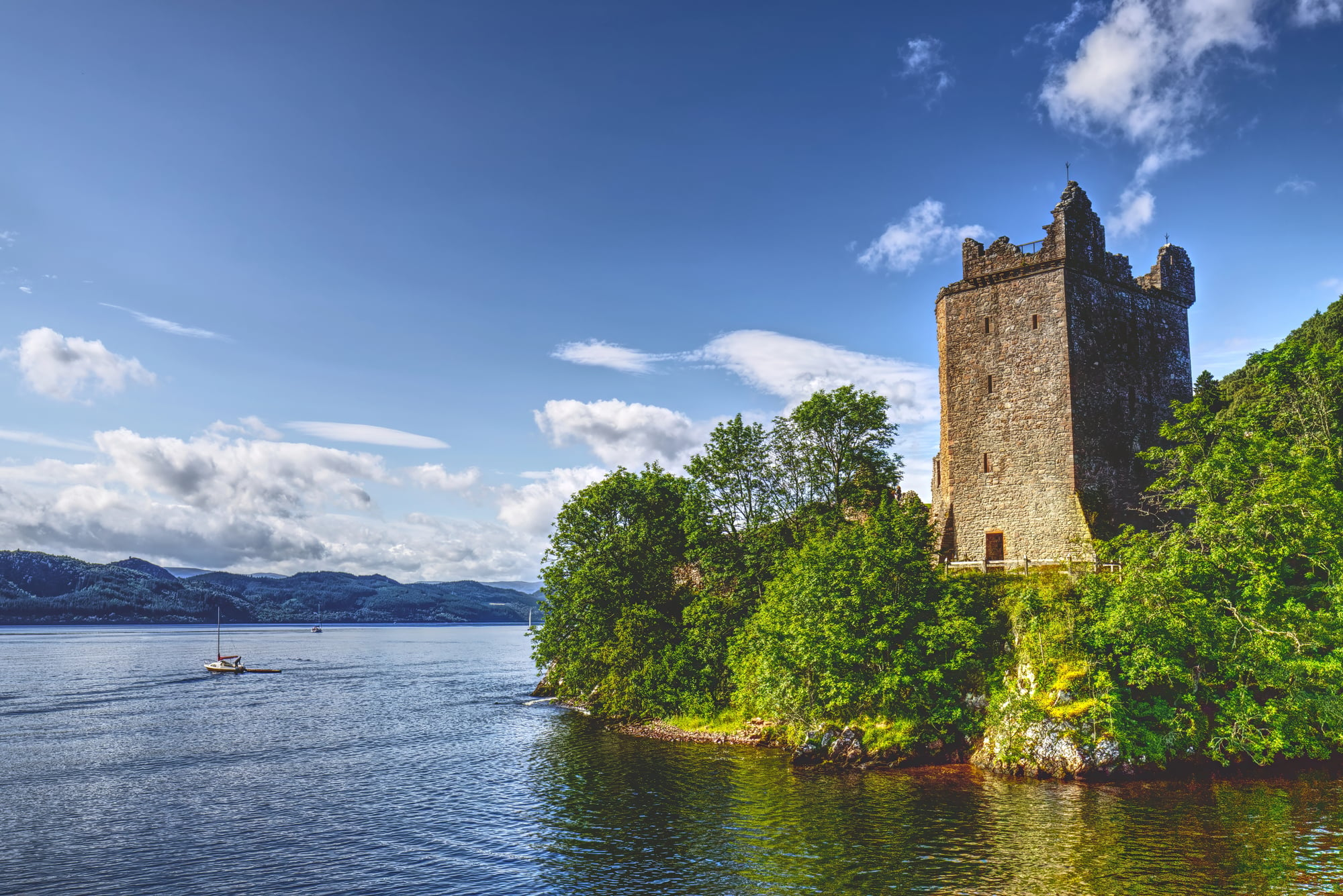
Some castles were abandoned simply because the siege that took them left them structurally compromised and their new owners uninterested in repair. Château Gaillard and dozens of lesser-known fortifications across France and England were taken through prolonged sieges that involved mining foundations, battering walls, and systematic structural destruction.
The victor, having won the position rather than the building, often found the ruins more trouble than they were worth and moved on to somewhere intact.
When The Town Left
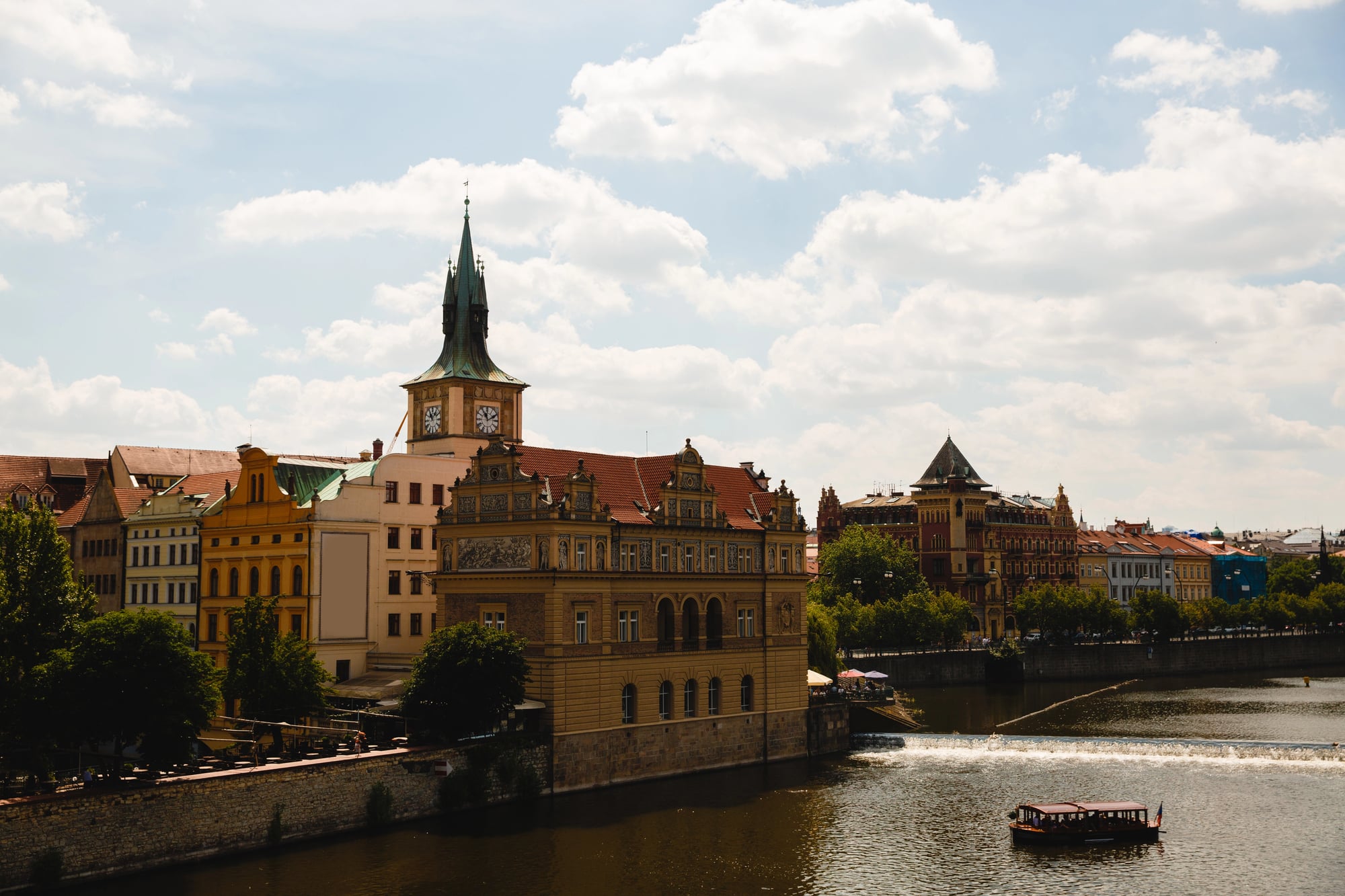
A castle without a town nearby is just an expensive building in a field — and sometimes the town left first. Medieval settlements relocated for all kinds of reasons: disease, soil exhaustion, enclosure of common land, flood.
When the community dissolved or migrated, the castle that had stood at its center lost its supply chain, its labor pool, and its reason to function. Eynsford Castle is a relatively modest example; across France, the phenomenon of the village déserté left dozens of fortifications standing in empty landscapes.
The Economics of Upkeep

Maintaining a castle required permanent investment — lead for roofing, timber for floors, mortar for walls, and skilled labor on retainer. When estate income dropped through bad harvests, war, or market collapse, maintenance was usually the first thing cut.
The roof went first. Then the floors. Then the walls.
Political Disgrace

Attainder — the legal process by which a convicted traitor forfeited all property to the crown — stripped castle ownership from families with brutal efficiency. The crown often had no interest in maintaining what it seized.
Dozens of English castles passed into this limbo state and decayed into unmanaged deterioration that eventually became accepted ruin.
What The Ruins Are Actually Saying
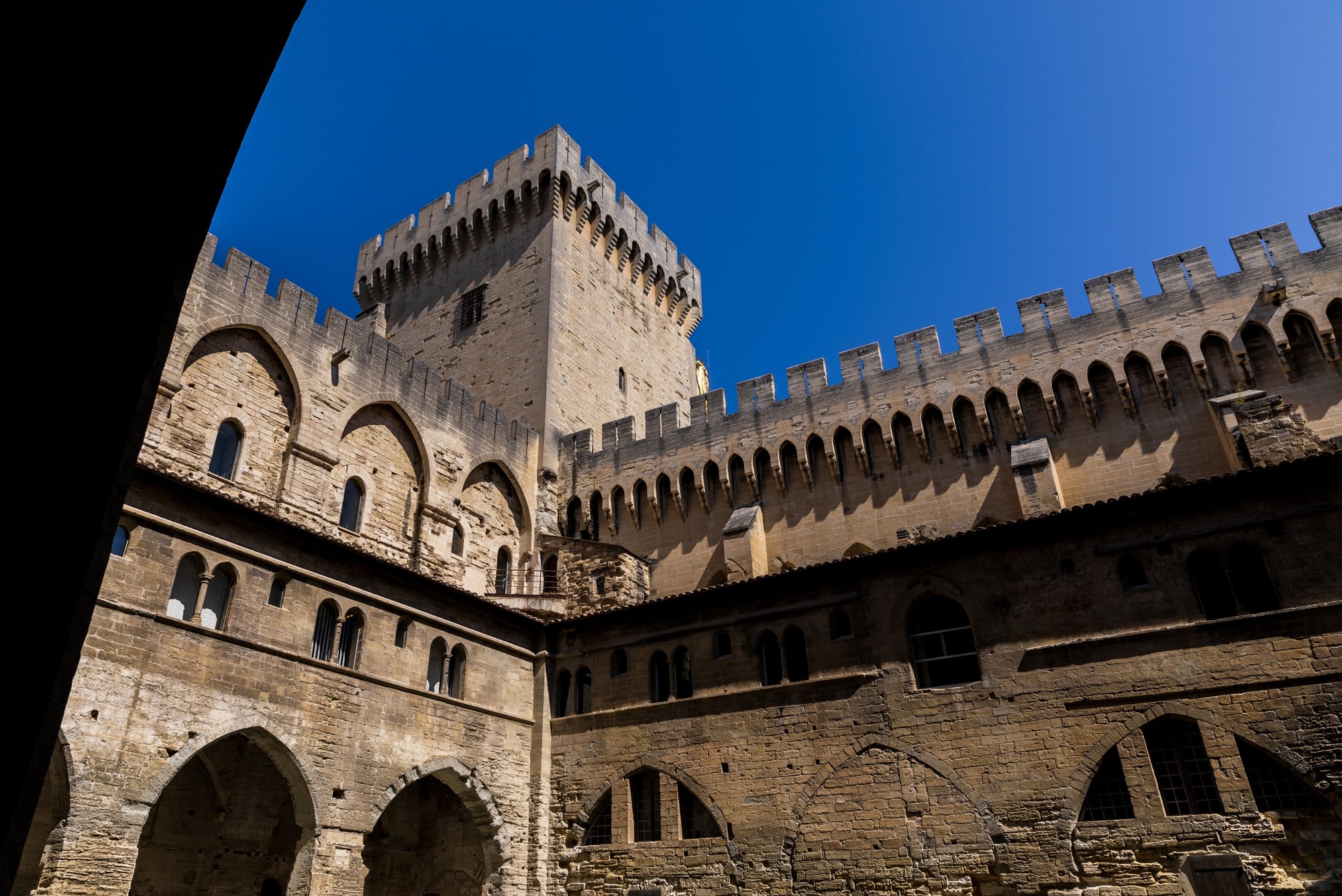
There’s a kind of honesty in a ruin that a restored building can’t quite match. The broken towers and collapsed halls are a record of decisions not made, repairs not funded, and priorities that shifted elsewhere.
A ruin is the accumulated weight of a hundred small abandonments rather than one dramatic departure. And when you stand in one, you’re not looking at a catastrophe — you’re looking at centuries of people quietly deciding that something else mattered more.
More from Go2Tutors!

- The Romanov Crown Jewels and Their Tragic Fate
- 13 Historical Mysteries That Science Still Can’t Solve
- Famous Hoaxes That Fooled the World for Years
- 15 Child Stars with Tragic Adult Lives
- 16 Famous Jewelry Pieces in History
Like Go2Tutors’s content? Follow us on MSN.