Chemical Reactions That Changed History
A few chemical changes slip by without notice. Hidden in labs, back rooms, war zones, or plants – they begin almost silent. Still, certain shifts have redirected entire societies, redrawn trade paths, changed daily survival. What once sparked wars now fuels hospitals.
Ten shifts in matter rewrote futures nobody saw coming. A flash in a lab became empires. Smoke turned into medicines. One mixture cracked open cities.
Another stitched them back together. Fire birthed flight. Dust gave rise to digital minds. Heat forged tools stronger than steel.
Cold preserved lives once lost. Gas lit up darkness before powering voices across oceans. Each change started small – then refused to stay quiet.
The Combustion of Gunpowder

Gunpowder began as an accidental discovery in 9th-century China, where alchemists searching for an elixir of immortality mixed sulfur, charcoal, and potassium nitrate. The resulting combustion reaction produced heat, gas, and explosive force.
What started as curiosity quickly became a military revolution. As gunpowder technology spread across Asia, the Middle East, and Europe, it transformed warfare.
Castles designed to withstand arrows and swords proved vulnerable to cannons. Armies reorganized around firearms and artillery.
The chemical reaction that ignites gunpowder shifted global power structures and influenced centuries of political expansion.
The Haber-Bosch Process

In the early 20th century, chemists Fritz Haber and Carl Bosch developed a method to synthesize ammonia by reacting nitrogen from the air with hydrogen under high pressure and temperature. This reaction made it possible to produce fertilizer on an industrial scale.
Before this breakthrough, agriculture depended heavily on natural sources of nitrogen, such as guano deposits. The Haber-Bosch process dramatically increased food production worldwide.
It is estimated that nearly half of the global population today relies on crops grown using synthetic fertilizers. A reaction inside steel chambers helped sustain billions of lives.
The Discovery of Penicillin

In 1928, Alexander Fleming noticed that a mold growing on a petri dish had killed nearby bacteria. The underlying chemical interaction between penicillin and bacterial cell walls prevented microbes from building protective structures, effectively destroying them.
Mass production during World War II turned penicillin into the first widely available antibiotic. Infections that once proved fatal became treatable.
The reaction between penicillin molecules and bacterial enzymes reshaped medicine, extended life expectancy, and changed the outcome of countless surgeries and battles.
The Polymerization of Plastic

The development of synthetic plastics in the early 20th century began with polymerization reactions — processes in which small molecules bond together to form long chains. Leo Baekeland’s creation of Bakelite in 1907 marked one of the first fully synthetic plastics.
Polymer chemistry revolutionized manufacturing. Plastics became essential in packaging, electronics, medicine, transportation, and consumer goods.
The same reaction that creates flexible materials for everyday use also introduced long-term environmental challenges. A single chemical process reshaped both industry and ecological debates.
The Splitting of the Atom
Nuclear fission occurs when a heavy atomic nucleus splits into smaller nuclei, releasing enormous amounts of energy. In 1938, scientists Otto Hahn and Fritz Strassmann identified this reaction in uranium.
The implications became clear almost immediately. Controlled fission led to nuclear power plants capable of generating vast electricity.
Uncontrolled fission produced atomic weapons that altered global politics. The reaction that splits atoms redefined warfare, energy production, and international diplomacy in the 20th century.
The Rusting of Iron

Rust may seem mundane, but the oxidation of iron has influenced history in practical ways. When iron reacts with oxygen and moisture, it forms iron oxide, weakening structures over time.
This reaction has affected ships, bridges, railways, and military equipment for centuries. Efforts to prevent corrosion spurred innovations in metallurgy and protective coatings.
Understanding oxidation led to the development of stainless steel and modern construction methods. A slow, persistent chemical reaction shaped infrastructure and engineering priorities worldwide.
The Fermentation of Yeast

Fermentation is a biochemical reaction in which yeast converts sugars into alcohol and carbon dioxide. This process has been used for thousands of years in brewing, baking, and food preservation.
Beyond culinary impact, fermentation influenced social and economic development. In many ancient societies, fermented beverages were safer to drink than untreated water.
Brewing and baking became central to trade and taxation systems. The simple reaction inside a vat or oven contributed to urban growth and cultural traditions that still endure.
The Vulcanization of Rubber

In the 19th century, Charles Goodyear discovered that heating natural rubber with sulfur improved its durability. The chemical reaction, known as vulcanization, created cross-links between polymer chains, making rubber more resistant to heat and cold.
This breakthrough transformed transportation and industry. Durable rubber made reliable tires possible, fueling the growth of automobiles and aviation.
It also expanded manufacturing capabilities in countless fields. A controlled reaction between sulfur and rubber reshaped mobility itself.
The Chlorination of Water

The reaction between chlorine and water produces compounds that kill harmful bacteria. In the early 20th century, cities began adding chlorine to public water supplies to prevent waterborne diseases.
The impact on public health was immediate and dramatic. Rates of cholera and typhoid dropped significantly in regions that adopted chlorination.
Clean drinking water became a cornerstone of urban development. The chemistry behind water treatment quietly saved millions of lives and remains one of the most important public health interventions in history.
The Development of Synthetic Dyes
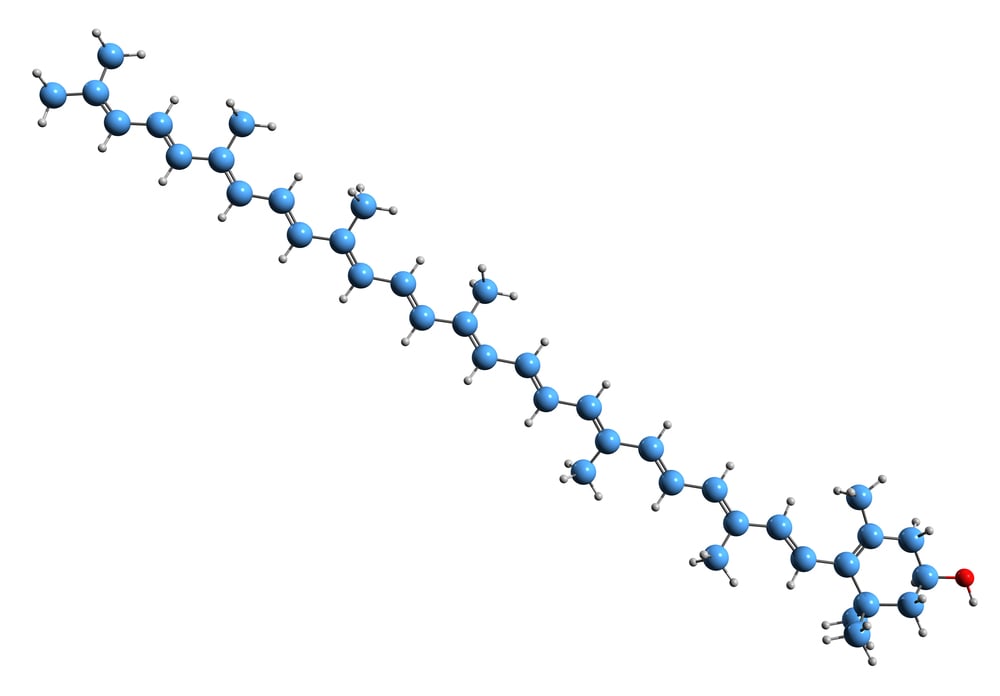
In 1856, teenager William Henry Perkin accidentally synthesized the first aniline dye while attempting to create a malaria treatment. The chemical reaction produced a vivid purple compound known as mauveine.
Its commercial success launched the modern chemical industry. Before synthetic dyes, vibrant colors were rare and expensive.
Perkin’s discovery opened the door to mass-produced pigments, transforming fashion, textiles, and manufacturing. The dye industry also laid groundwork for pharmaceutical research, linking chemistry to medicine in unexpected ways.
Why Chemistry Continues to Shape Our World

Something sparked each reaction – maybe a test, maybe just luck. Still, what happened next spilled out of labs into the real world.
Wars shifted because of them. So did farming, healing, roads, and how people live day to day.
Though you cannot see them, chemical changes shape everything around. Engines run because of unseen shifts in matter.
Food lasts longer thanks to silent processes at the core of substances. Clean water comes from hidden steps deep within compounds.
The things people use every day emerge from quiet rearrangements. Stories may praise famous names, still key moments hinge on tiny movements between particles.
Shifts among atoms can tilt the course of nations.
More from Go2Tutors!

- The Romanov Crown Jewels and Their Tragic Fate
- 13 Historical Mysteries That Science Still Can’t Solve
- Famous Hoaxes That Fooled the World for Years
- 15 Child Stars with Tragic Adult Lives
- 16 Famous Jewelry Pieces in History
Like Go2Tutors’s content? Follow us on MSN.



