Popular Foods Completely Banned Across Europe
When you think about European food culture, images of French cheese, Italian pasta, and German sausages probably come to mind. But behind the culinary sophistication lies a surprisingly strict regulatory framework that has banned numerous foods Americans consider perfectly normal.
Some of these restrictions stem from legitimate health concerns, while others reflect cultural values about animal welfare and food production methods that simply don’t align with practices elsewhere in the world.
American Bread

Most bread found in American grocery stores contains ingredients that European regulators decided were unnecessary risks to public health. Potassium bromate, a dough conditioner that makes bread fluffier and whiter, has been banned across the European Union since the 1990s.
The chemical has been linked to cancer in laboratory studies, but American manufacturers continue using it because the FDA considers it safe when properly used.
Azodicarbonamide, another common American bread ingredient, is also prohibited. This chemical serves as a bleaching agent and dough conditioner but breaks down into compounds that may cause respiratory issues and have been linked to cancer in animal studies.
Chlorinated Chicken
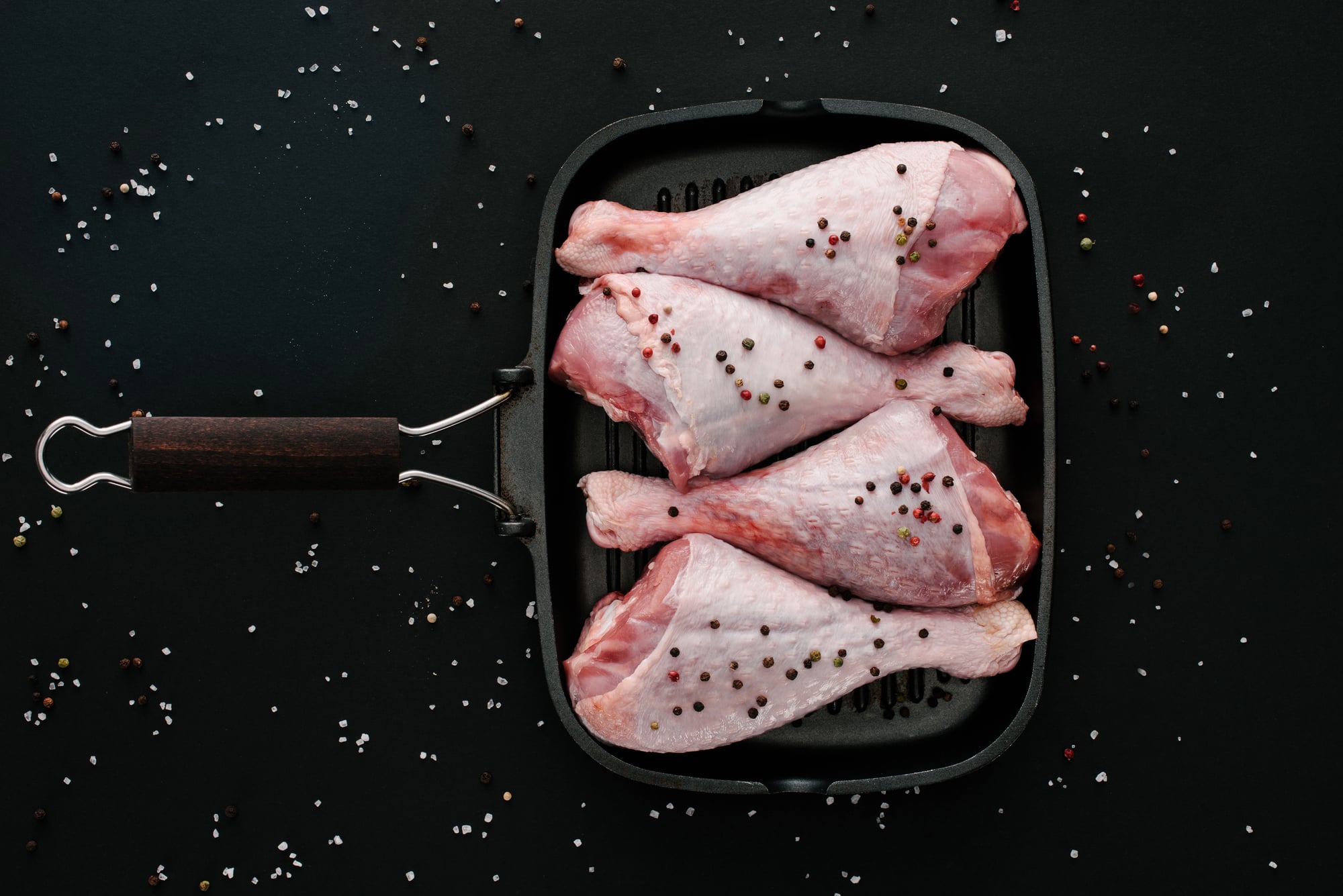
American poultry processing relies heavily on chlorine washes to eliminate bacteria, a practice that European authorities have rejected entirely. The issue isn’t necessarily that chlorinated chicken poses immediate health risks, but rather that the chlorine wash represents a fundamentally different approach to food safety.
European regulators argue that preventing contamination throughout the production process is superior to trying to clean it up at the end. They’ve maintained this position despite significant trade pressure, making chlorinated chicken one of the most contentious issues in transatlantic trade negotiations.
Hormone-Treated Beef
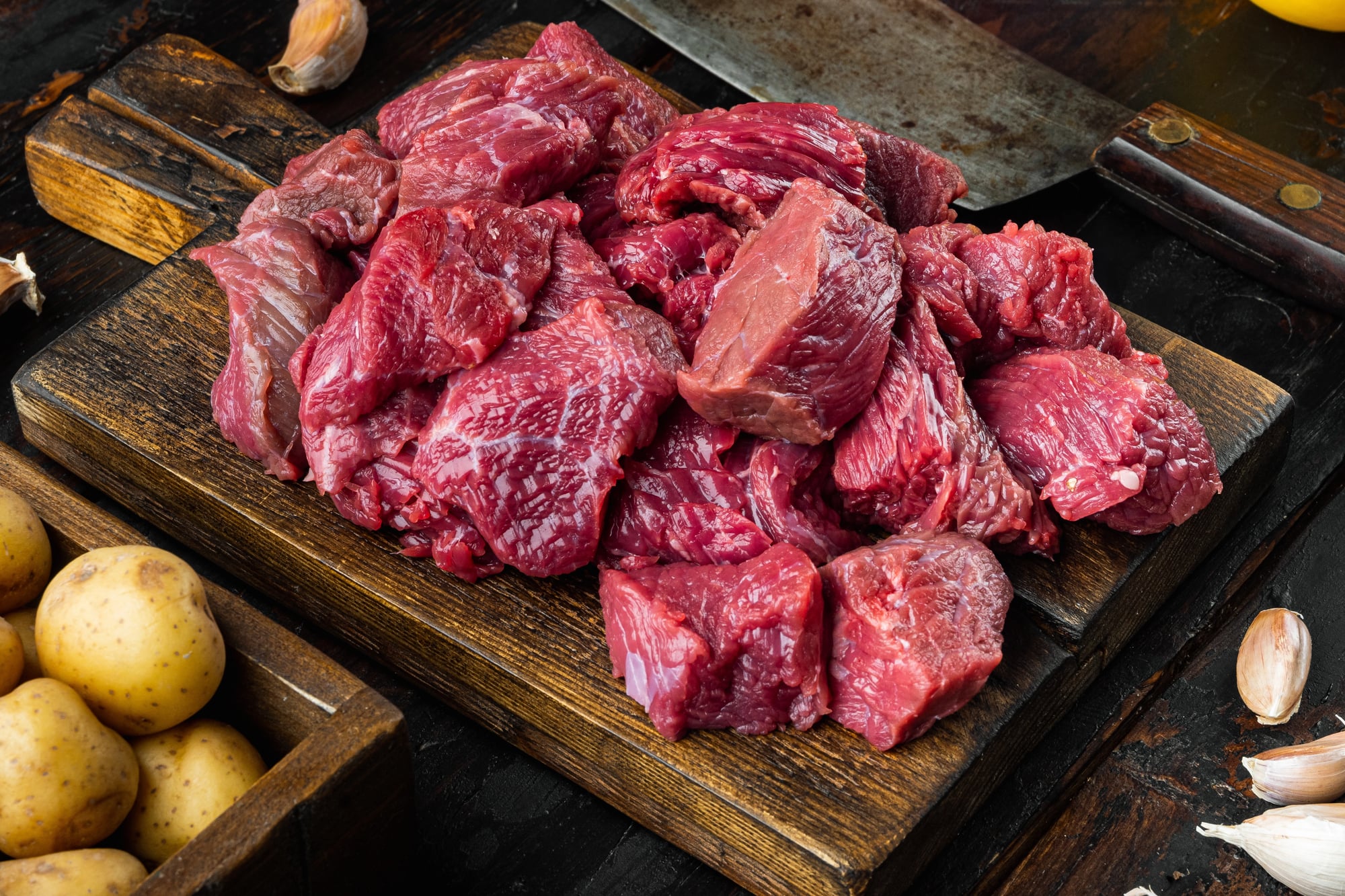
The European Union has maintained a strict ban on hormone-treated beef since 1989, a decision that continues to create trade disputes with major beef-producing countries. Six hormones commonly used in American cattle production—three naturally occurring and three synthetic—are prohibited in European livestock operations.
European authorities point to studies suggesting links between hormone residues in meat and increased cancer risks, particularly for hormone-sensitive cancers like breast and prostate cancer. The ban extends beyond domestic production; imported beef must be certified hormone-free to enter European markets.
GMO Foods Without Labeling
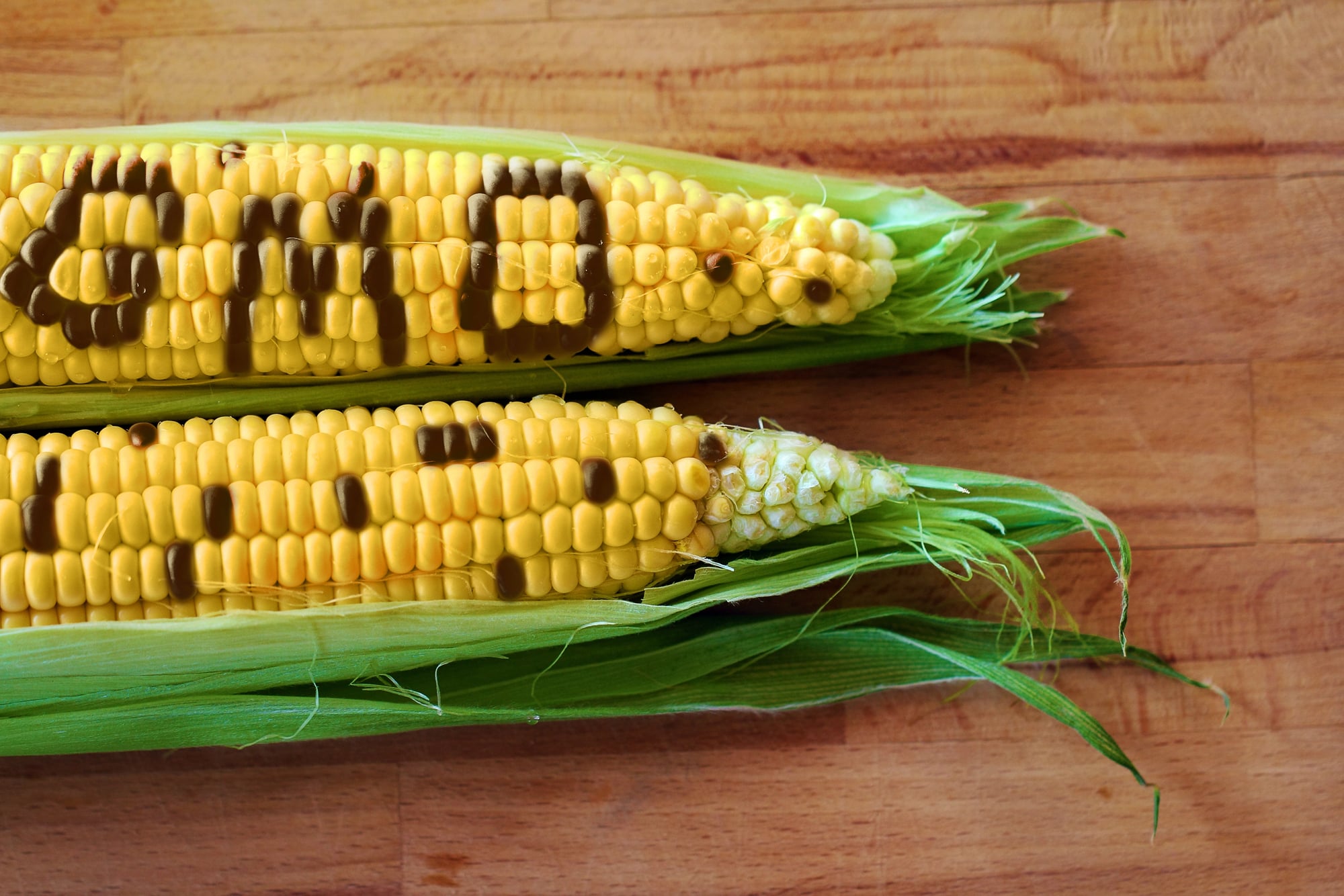
Genetically modified foods face a labeling requirement so stringent in Europe that most companies simply avoid using GMO ingredients altogether. Any food containing more than 0.9% genetically modified ingredients must be clearly labeled, and consumer resistance to these products is so strong that they’re effectively banned from store shelves.
This approach reflects a precautionary principle that prioritizes long-term safety over technological innovation. While American regulators focus on whether GMO foods are substantially equivalent to conventional varieties, European authorities demand extensive testing and public transparency about genetic modifications.
Farm-Raised Salmon
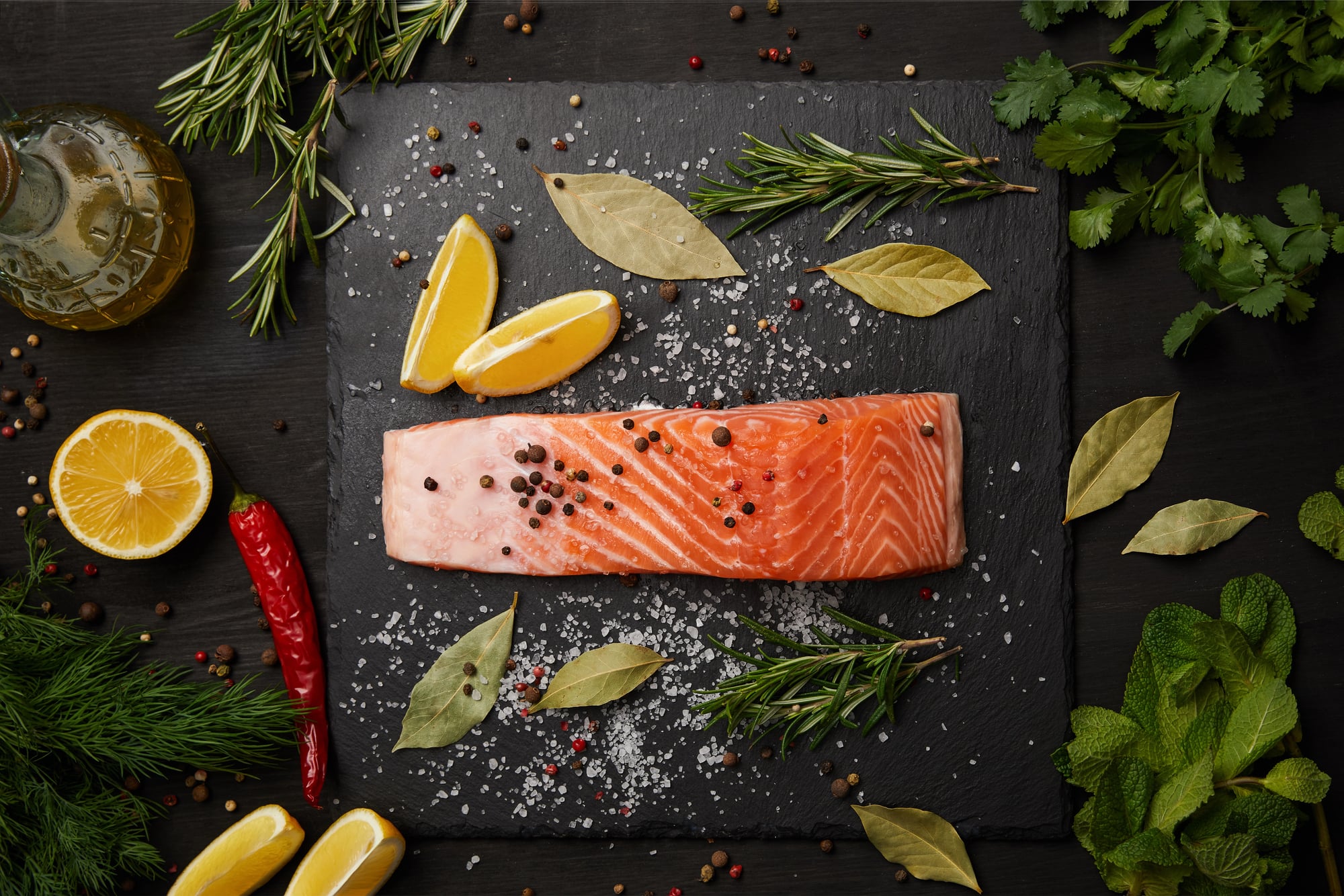
Astaxanthin, the synthetic compound that gives farm-raised salmon its distinctive pink color, is banned in European aquaculture. Without this additive, farmed salmon appears gray—an unappetizing reality that the industry typically conceals through artificial coloring.
European fish farms must use natural sources of astaxanthin, typically derived from algae or krill, which is significantly more expensive but avoids the potential health risks associated with synthetic versions. The ban reflects broader European skepticism about artificial additives in food production.
American Dairy Products

rBST (recombinant bovine somatotropin), a synthetic growth hormone administered to dairy cows to increase milk production, has been banned in European dairy operations since 1999. The hormone, widely used in American dairy farming, increases milk yields by roughly 10-15% but comes with welfare concerns for cattle and potential health implications for consumers.
European authorities cited evidence that rBST increases mastitis rates in cows, leading to higher antibiotic use, and expressed concern about elevated levels of insulin-like growth factor-1 (IGF-1) in milk from treated cows. Some studies have suggested links between elevated IGF-1 levels and increased cancer risk, though the evidence remains contested.
Ractopamine-Fed Pork
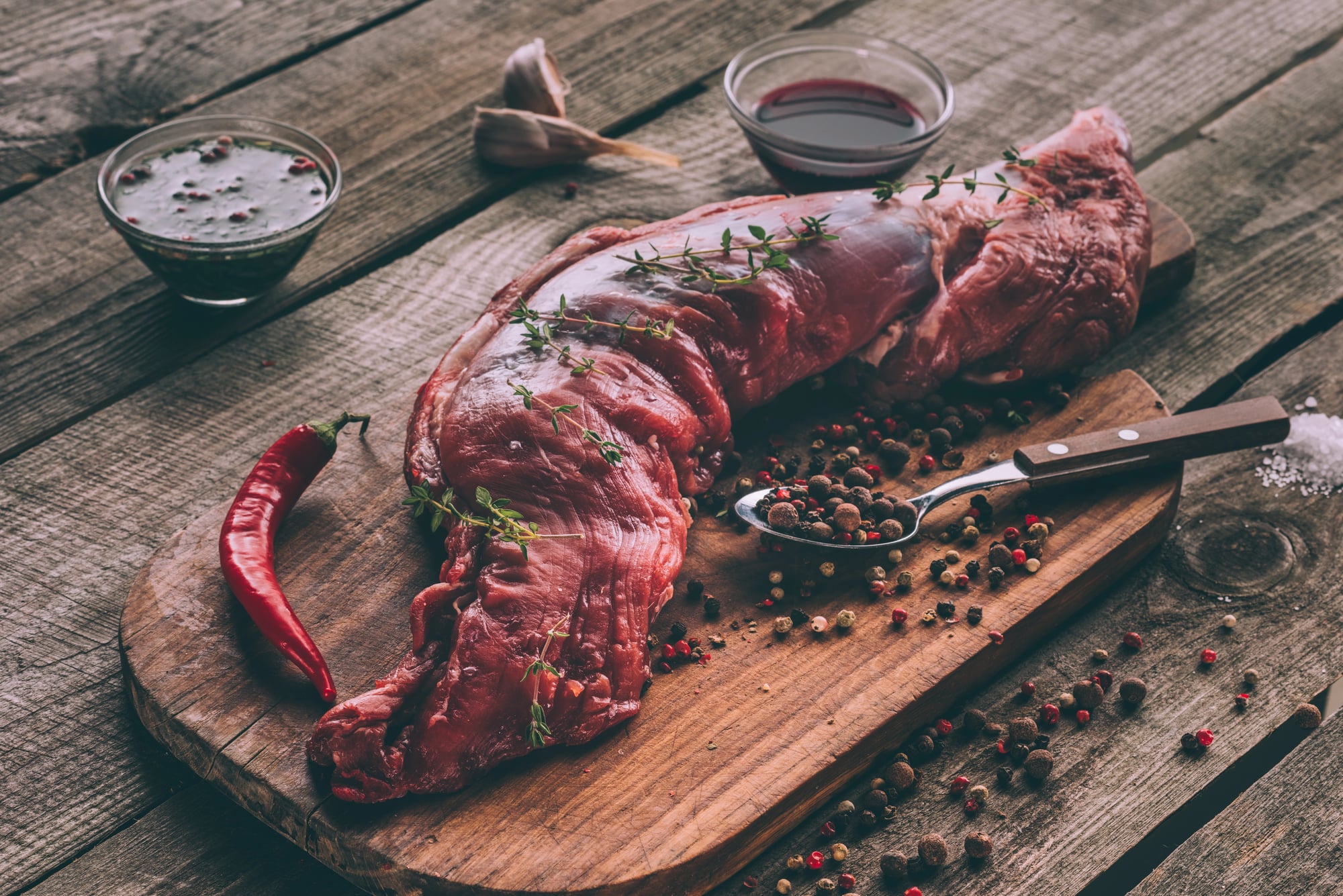
Ractopamine, a beta-agonist feed additive that promotes lean muscle growth in pigs, is prohibited throughout the European Union despite being used in approximately 60-80% of American pork production. The drug reduces fat content and increases feed efficiency, making it economically attractive to producers.
European regulators banned ractopamine due to concerns about residues in meat and the drug’s effects on animal welfare. Studies have shown that ractopamine can cause cardiovascular stress in pigs, and residues can persist in meat even after the required withdrawal periods before slaughter.
BHA And BHT Preservatives
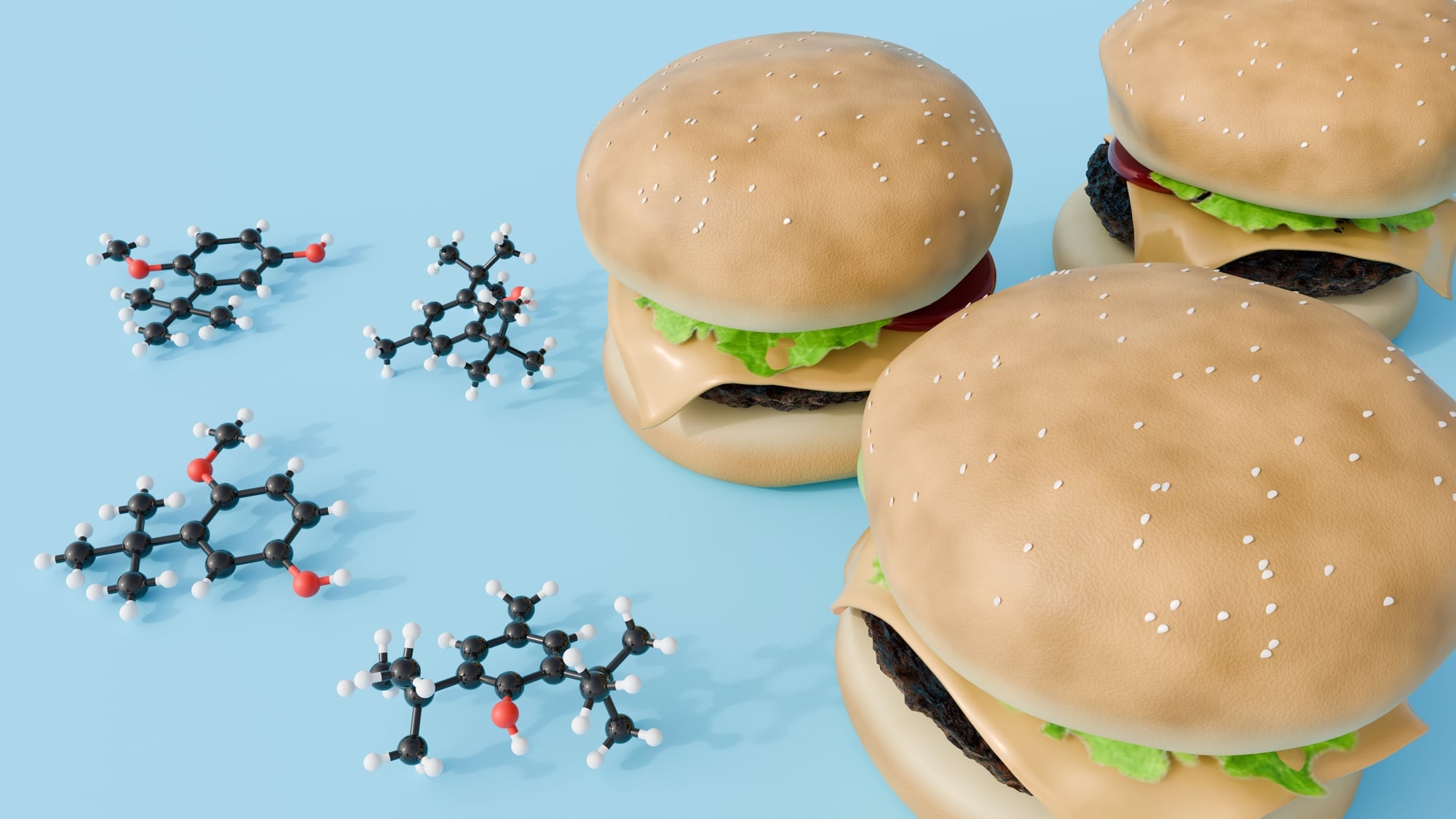
Butylated hydroxyanisole (BHA) and butylated hydroxytoluene (BHT), two preservatives commonly found in American processed foods, face severe restrictions across Europe. These synthetic antioxidants prevent rancidity in oils and fats, extending shelf life significantly, but have been classified as possible human carcinogens.
While not completely banned, BHA and BHT are prohibited in infant foods and face strict limits in other products. Most European food manufacturers have switched to natural alternatives like vitamin E (tocopherols) or rosemary extract, which provide similar preservation effects without the potential health risks.
Olestra

The fat substitute olestra, marketed under the brand name Olean, never gained approval in European markets despite years of lobbying by its manufacturer. This synthetic compound passes through the human digestive system without being absorbed, theoretically allowing people to enjoy fatty foods without the calories.
European authorities rejected olestra based on evidence that it interferes with the absorption of fat-soluble vitamins and carotenoids, potentially leading to nutritional deficiencies. The compound also causes gastrointestinal distress in many people, leading to the infamous warning labels required on American products containing olestra.
American-Style Processed Cheese
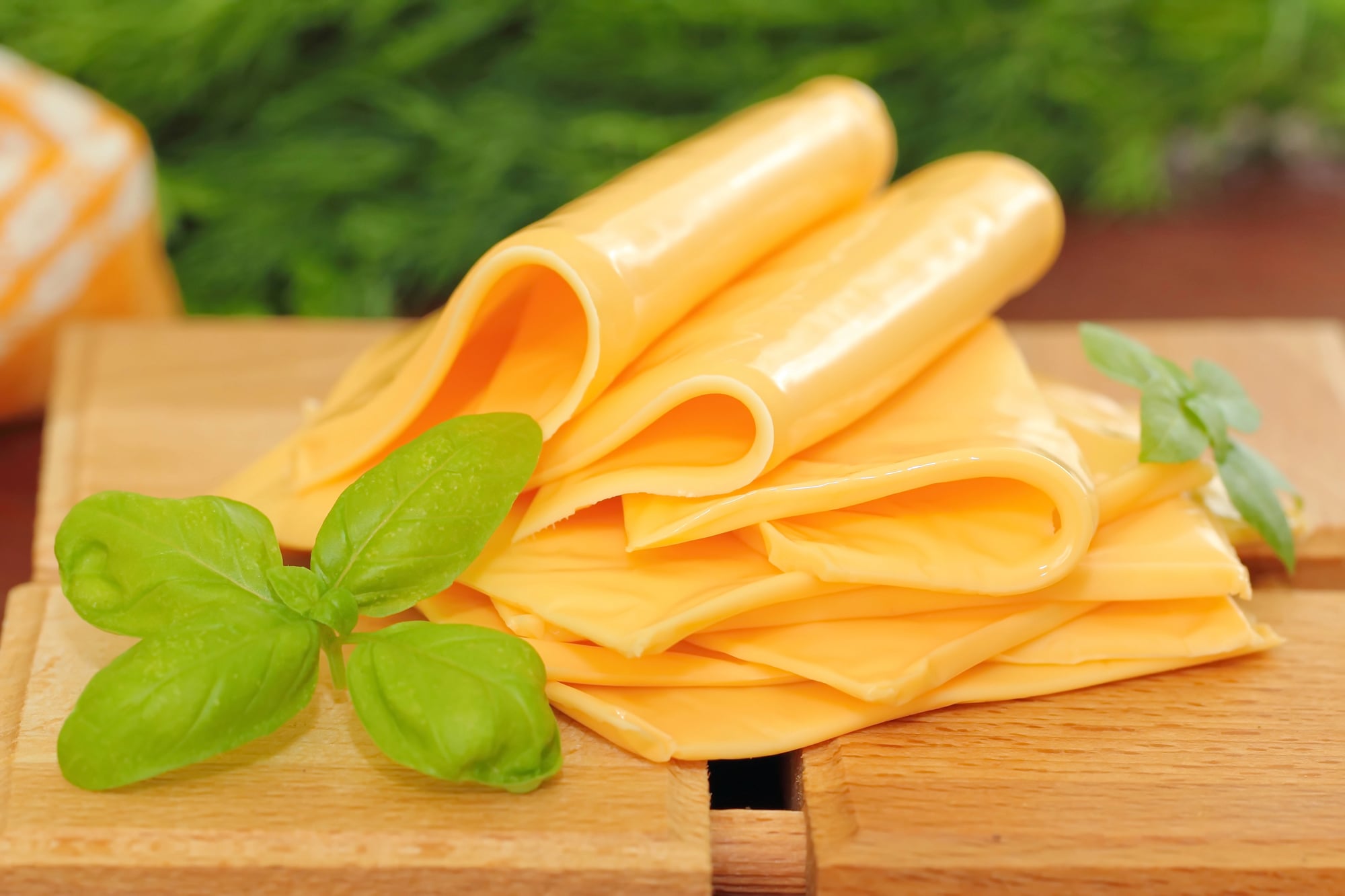
Many American processed cheese products contain sodium phosphates and other emulsifiers that exceed European limits or are banned entirely. These additives create the smooth, uniform texture that characterizes products like American cheese slices, but European regulators have determined that the levels used pose potential health risks.
High phosphate intake has been linked to cardiovascular disease and kidney problems, leading European authorities to restrict these additives to much lower levels than those commonly used in American food manufacturing. As a result, most American processed cheese products cannot be sold in European markets.
High Fructose Corn Syrup Products
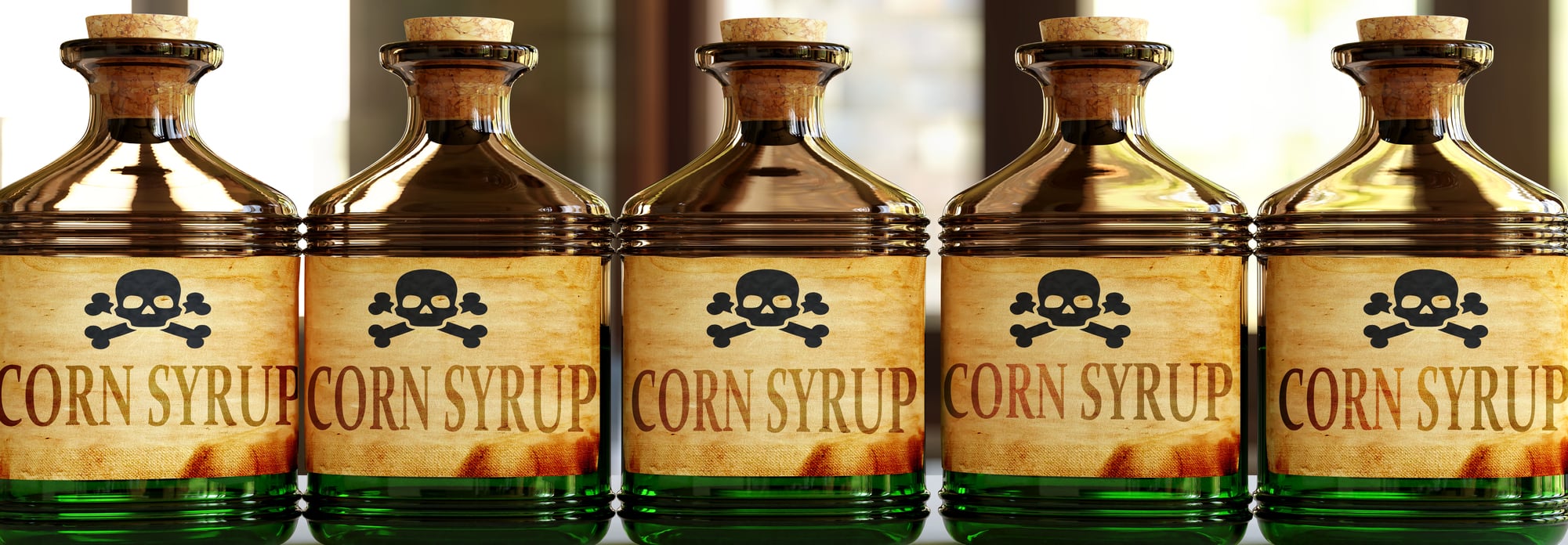
While not technically banned, high fructose corn syrup faces such heavy restrictions and consumer resistance in Europe that products containing it are essentially unmarketable. European food manufacturers typically use cane sugar, beet sugar, or other sweeteners instead.
European health authorities have expressed particular concern about the metabolic effects of high fructose corn syrup, citing studies that suggest it may contribute to obesity, diabetes, and fatty liver disease more than other sweeteners. The European approach emphasizes traditional sweeteners with longer safety records.
Brominated Vegetable Oil
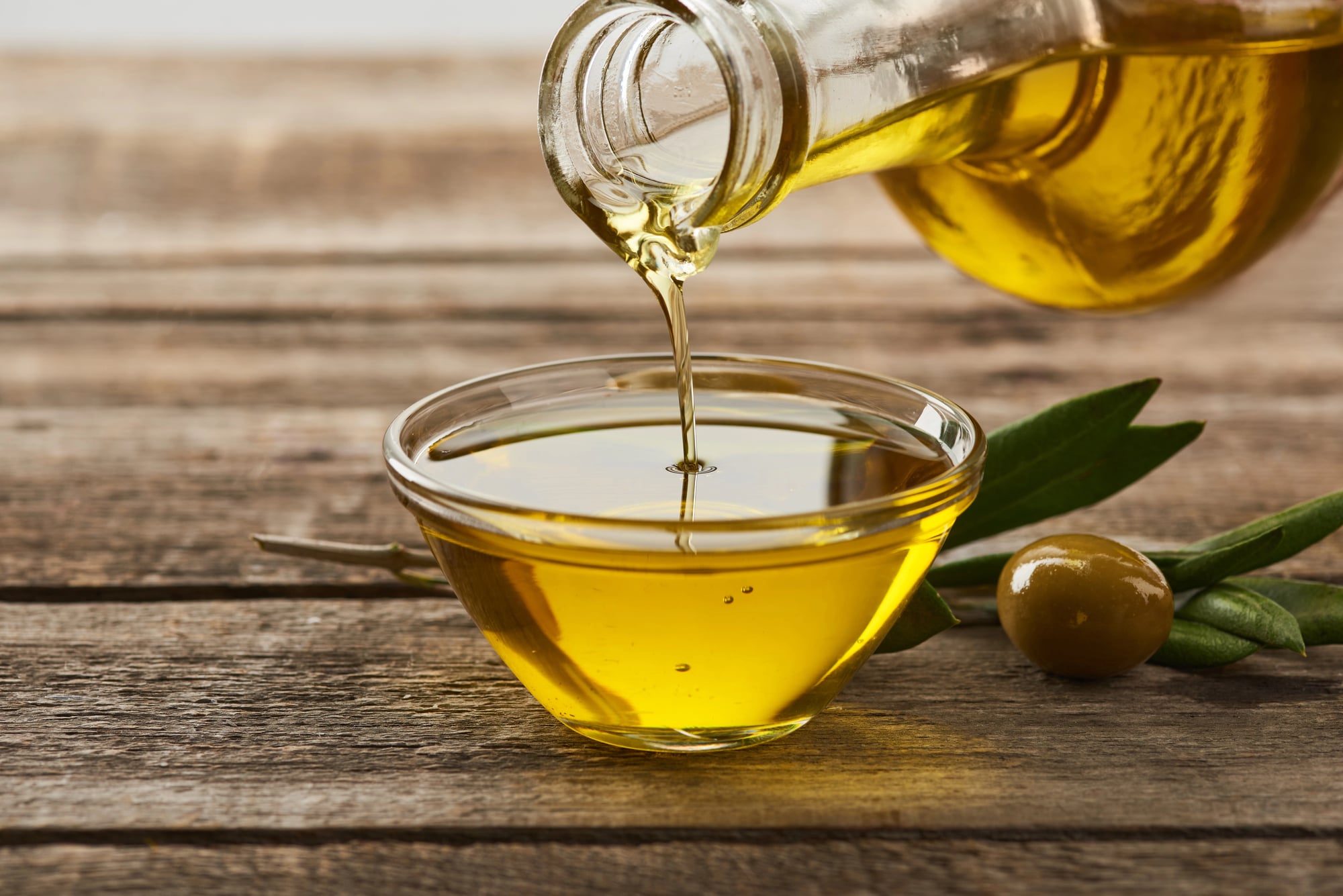
Brominated vegetable oil (BVO), used in some American soft drinks and sports beverages to prevent citrus flavoring from separating, is banned throughout Europe. This additive contains bromine, a chemical element also found in flame retardants and pesticides.
European regulators prohibited BVO after studies showed that bromine can accumulate in human tissue and potentially cause memory loss, skin lesions, and nerve problems. The ban has forced beverage manufacturers to reformulate their products for European markets, typically using alternative emulsifiers to achieve the same effect.
American Breakfast Cereals

Many popular American breakfast cereals contain artificial colors, particularly Yellow 5, Yellow 6, and Red 40, that face strict restrictions in Europe. While not completely banned, foods containing these dyes must carry warning labels stating that they “may have an adverse effect on activity and attention in children.”
This labeling requirement, based on studies linking artificial colors to hyperactivity in children, has led most European cereal manufacturers to use natural colorings instead. The result is that many iconic American cereals either aren’t available in Europe or appear in significantly different formulations with more muted colors.
Considering The Bigger Picture
The contrast between American and European food regulations reveals fundamentally different philosophies about risk, precaution, and the role of government in protecting public health. While American regulators generally allow additives and practices unless proven harmful, European authorities often prohibit them unless proven safe—a subtle but significant difference in approach.
These restrictions aren’t necessarily about European superiority or American recklessness. They reflect different cultural values, economic priorities, and interpretations of scientific evidence.
But they do raise interesting questions about what we’re willing to accept in our food supply and whether convenience and cost should always take precedence over caution.
More from Go2Tutors!

- The Romanov Crown Jewels and Their Tragic Fate
- 13 Historical Mysteries That Science Still Can’t Solve
- Famous Hoaxes That Fooled the World for Years
- 15 Child Stars with Tragic Adult Lives
- 16 Famous Jewelry Pieces in History
Like Go2Tutors’s content? Follow us on MSN.