Things That Are Slowly Dying Off Or Disappearing
The world moves forward with relentless efficiency, and in its wake, certain traditions, technologies, and experiences quietly fade into memory. Some disappear so gradually that we barely notice until they’re gone entirely.
Others hang on in stubborn pockets, maintained by the devoted few who refuse to let go. These vanishing elements of daily life tell the story of how we’ve changed as a culture — what we’ve gained, what we’ve sacrificed, and what we’re still deciding whether to keep.
Physical Newspapers

Newsprint stains your fingers black. The paper crinkles when you fold it back on itself to read the sports section on a crowded train.
That ritual is becoming extinct.
Daily newspaper circulation has collapsed from its peak, and most of what remains exists online. The few physical papers still printed feel thinner each year, their pages reduced, their newsrooms gutted.
Even the survivors know they’re living on borrowed time.
Handwritten Letters
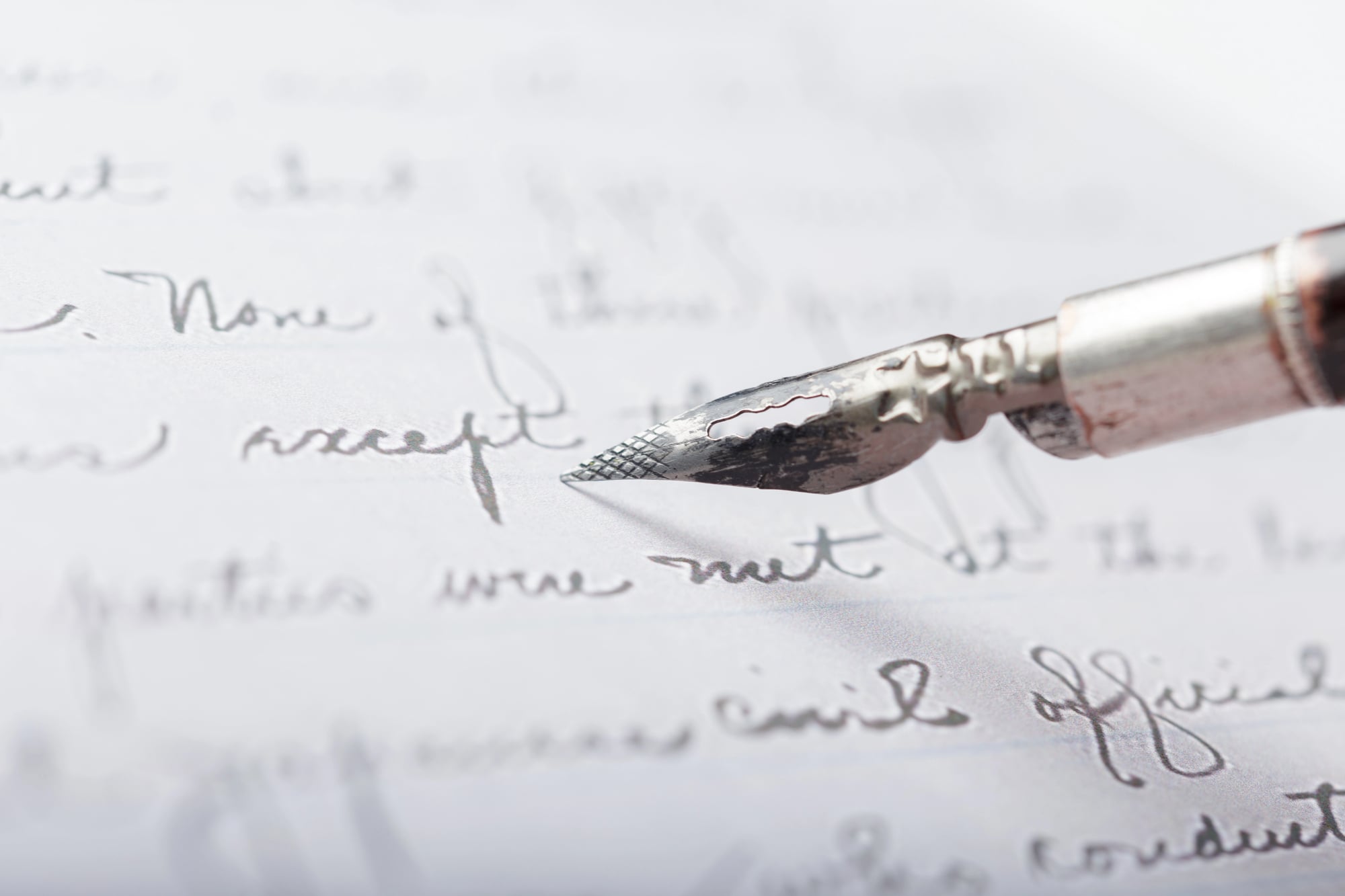
There’s something stubborn about a handwritten letter that an email will never match — the weight of the paper, the particular slant of someone’s handwriting, the way thoughts slow down when you’re forced to think before you write.
Because crossing out a paragraph in blue ink is so much more dramatic than hitting backspace.
And yet we’ve trained ourselves to find this inconvenient, choosing the speed of digital communication over the intimacy of something that required effort to create and days to arrive.
The death of letter-writing means we’ve lost the art of sustained thought on paper, the discipline of crafting sentences that can’t be edited after sending, and the strange anticipation of waiting for a response that might take a week to come.
So we get immediacy instead.
Fair enough, but something got traded away in that bargain — something we didn’t fully appreciate until it was mostly gone.
Phone Calls

Nobody calls anymore. Texting replaced the random phone call, which turns out to have been a particular kind of social connection that we didn’t realize we’d miss.
A phone call was spontaneous, unplanned, requiring both people to exist in the same moment.
Now everything is scheduled or asynchronous. We’ve gained efficiency and lost the small surprise of hearing someone’s voice unexpectedly in the middle of an ordinary Tuesday.
The phone became a device for everything except the thing it was originally designed to do.
Cash Payments

The crinkled twenty-dollar bill in your wallet is becoming decorative. Most transactions happen with a tap of plastic or phone, turning purchases into abstract digital transfers rather than the physical exchange of something tangible.
Cash had a weight to it that made spending feel real — you could see your money leaving your possession, count what remained, understand the transaction in a way that transcended numbers on a screen.
Credit cards promised convenience, which they delivered.
What they didn’t mention was how completely they would rewire our relationship with the concept of spending money at all.
Digital payments are frictionless, which is exactly the problem.
Cursive Handwriting
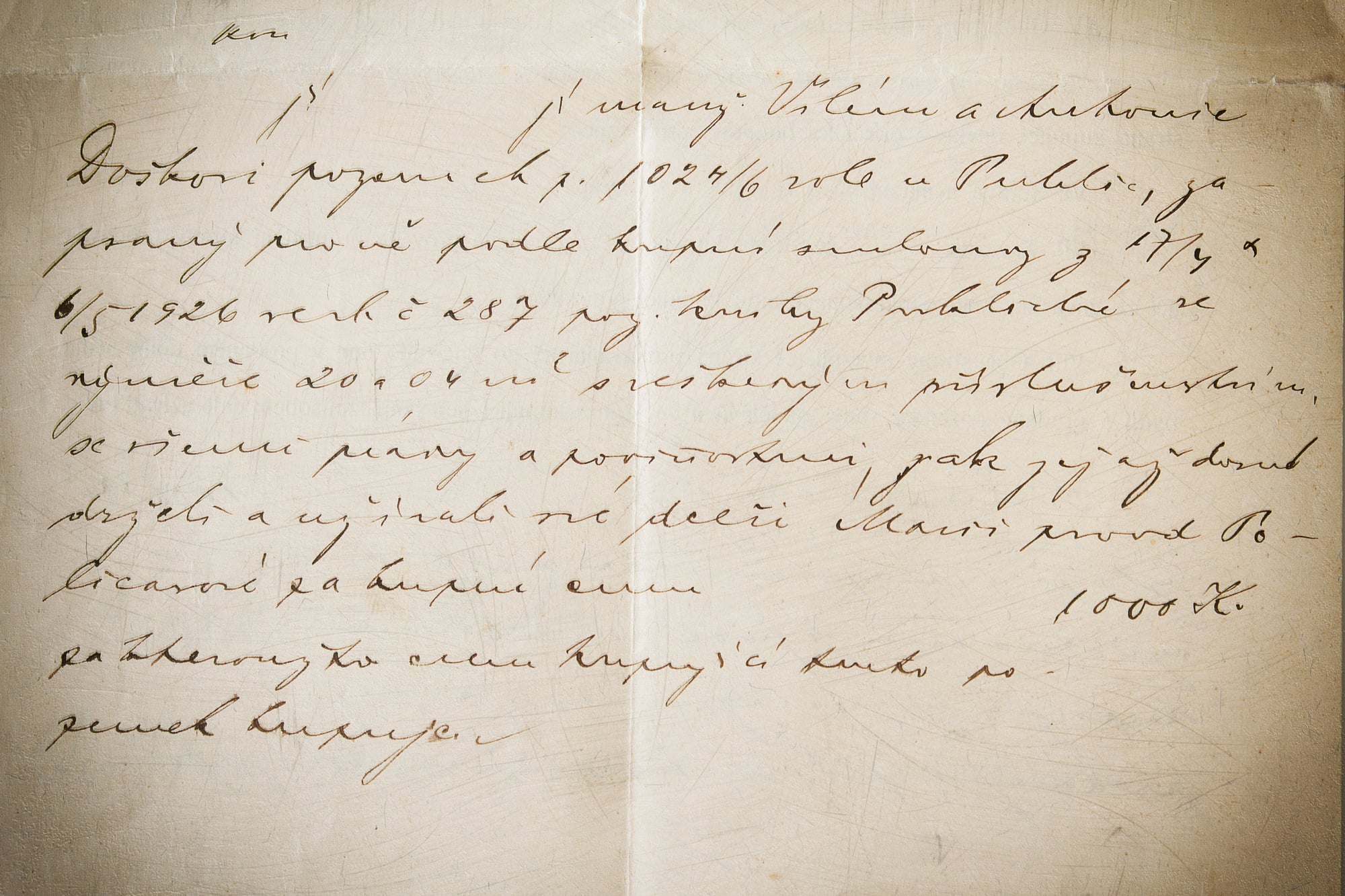
Schools stopped teaching cursive because typing seemed more practical, which makes perfect sense until you realize that cursive wasn’t just about writing — it was about a particular kind of thinking that happens when your hand moves in flowing, connected strokes across paper.
The rhythm of cursive writing, the way letters linked into words without lifting the pen, created a different relationship between thought and expression than the start-stop motion of print letters or the mechanical tap-tap of keyboards.
And yet cursive feels like an artifact from another era, a skill that was beautiful but ultimately disposable. Most young people can’t read it, which means they can’t read their grandparents’ letters or historical documents written in flowing script.
We chose functionality over beauty, speed over craft. The choice made sense, but something was lost that we can’t easily quantify or replace.
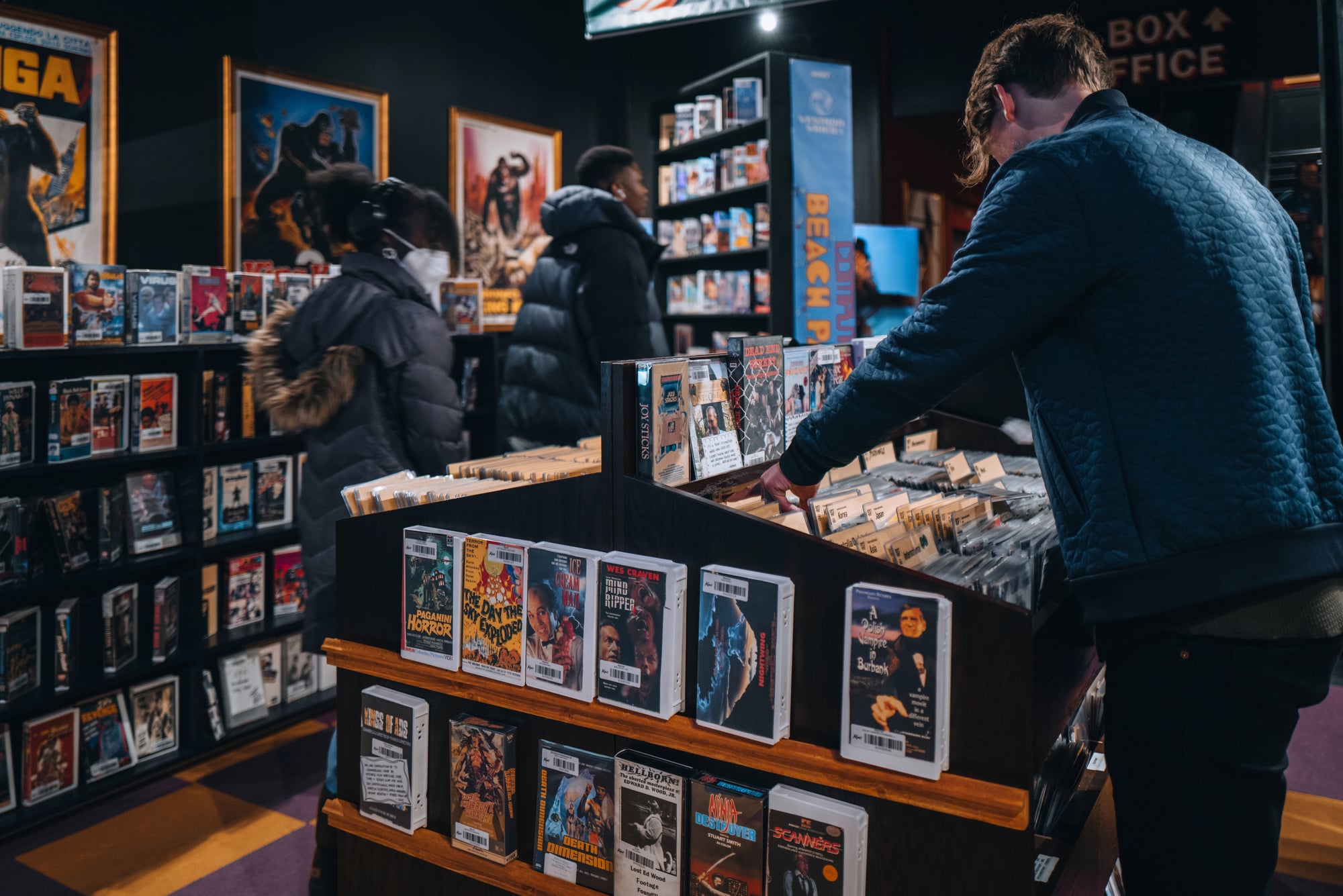
Video Rental Stores
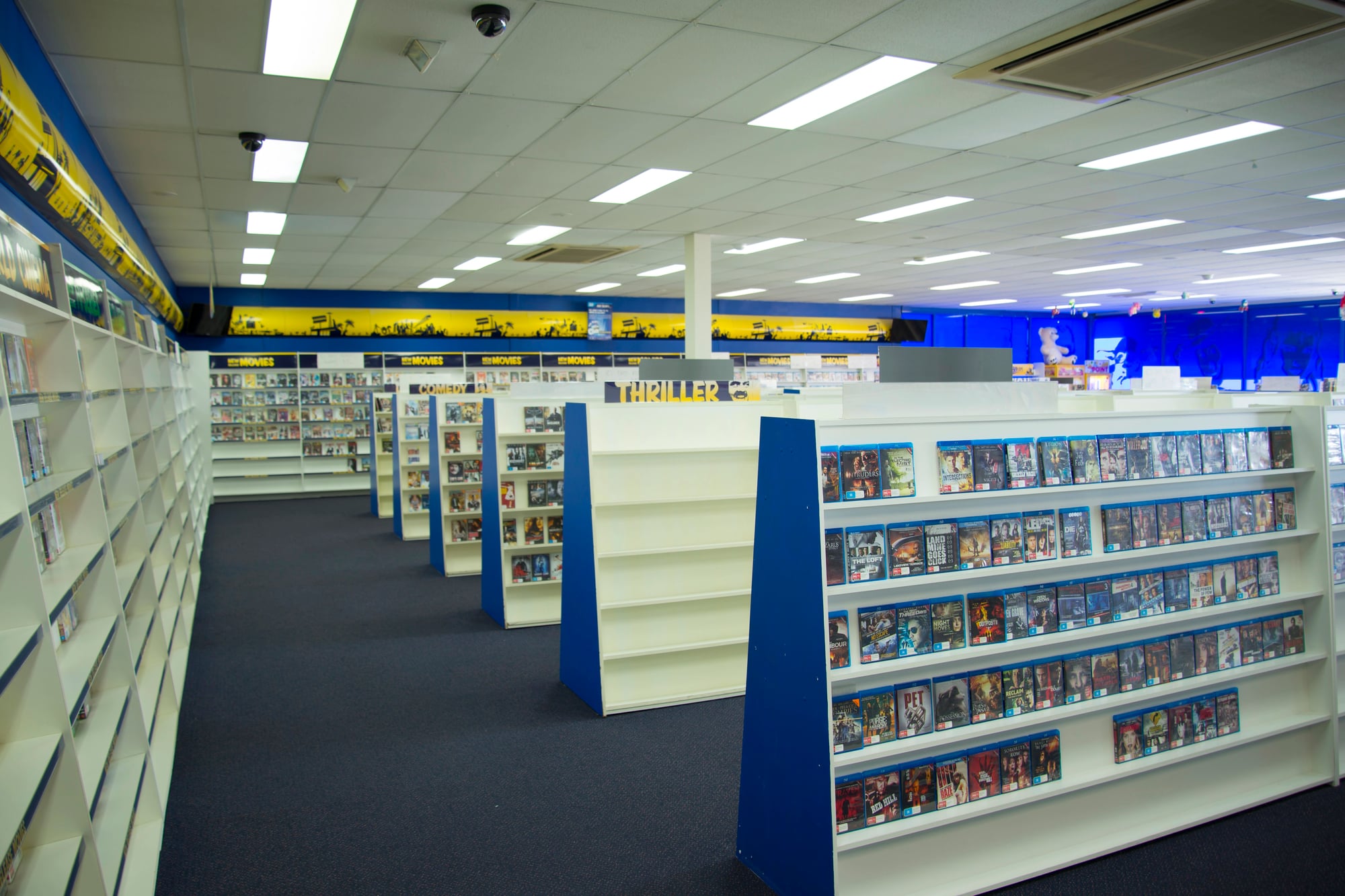
Blockbuster died because streaming was more convenient. Obviously.
But video stores were never just about convenience — they were about the browse, the accidental discovery, the commitment of choosing something and taking it home for three days.
Streaming gives you endless options and paradoxically makes choosing harder. Video stores forced decisions.
You walked the aisles, read the back of boxes, committed to watching something whether it turned out to be brilliant or terrible.
The physical act of returning a movie created a natural ending to the experience that clicking to the next episode doesn’t provide.
Physical Maps

GPS killed the folding road map, and with it, a particular relationship to geography and navigation. Maps required planning, spatial reasoning, and acceptance that getting slightly lost was part of traveling.
You had to understand where you were in relation to where you wanted to go.
Now we follow blue lines on screens without learning the landscape. We arrive at destinations without understanding the route we took to get there.
GPS is unquestionably better at getting you from point A to point B, but it eliminated the skill of navigation and the satisfaction of figuring out your own way through unfamiliar territory.
Printed Photographs

Digital photography is superior in every measurable way except one — physical photographs existed in the world as objects you could hold, arrange on surfaces, stick to refrigerators with magnets.
They lived in albums, shoeboxes, and frames, requiring no electricity to access and no technology to view.
Digital photos exist in vast quantities on devices we rarely look through. We take more pictures than ever and see them less than ever.
The abundance made each individual photo less precious.
Physical photographs were limited, which made them important in a way that the ten thousand photos on your phone are not.
Bookstores

Amazon didn’t kill bookstores, but it wounded them badly enough that most couldn’t survive. Independent bookstores are making a modest comeback, but nothing like the browseable abundance that used to exist in every mall and on every main street.
Bookstores were spaces for accidental discovery in a way that online algorithms, despite their sophistication, can’t replicate.
Walking through shelves of books meant encountering ideas and authors you wouldn’t have searched for.
The randomness was the point.
Online recommendations are efficient but narrow, leading you toward more of what you already know you like rather than exposing you to what you didn’t know existed.
Manual Transmissions

Learning to drive stick was once a rite of passage that connected you directly to the mechanical reality of how cars work — the clutch, the gear changes, the small skill required to coordinate your hands and feet to make forward motion happen smoothly.
Automatic transmissions are objectively better at shifting gears than humans are, which makes manual transmissions an anachronism that some people defend with religious fervor and most people ignore entirely.
Driving stick required attention and involvement that automatic transmissions eliminated, turning driving from an active skill into a mostly passive experience.
But few people mourn the loss of something they never learned to do in the first place.
And yet there was something satisfying about the mechanical connection between driver and machine that paddle shifters and CVTs can’t duplicate.
So it goes.
Library Card Catalogs

The wooden drawers full of typed index cards represented a particular kind of information architecture that made research feel like detective work. Finding a book required understanding how libraries organized knowledge, working through cross-references, following paper trails from one card to another.
Digital catalogs are faster and more comprehensive, but they removed the serendipity of flipping through cards and finding unexpected connections.
The physicality of the search process made discoveries feel earned in a way that typing keywords into a search box doesn’t match.
Pay Phones
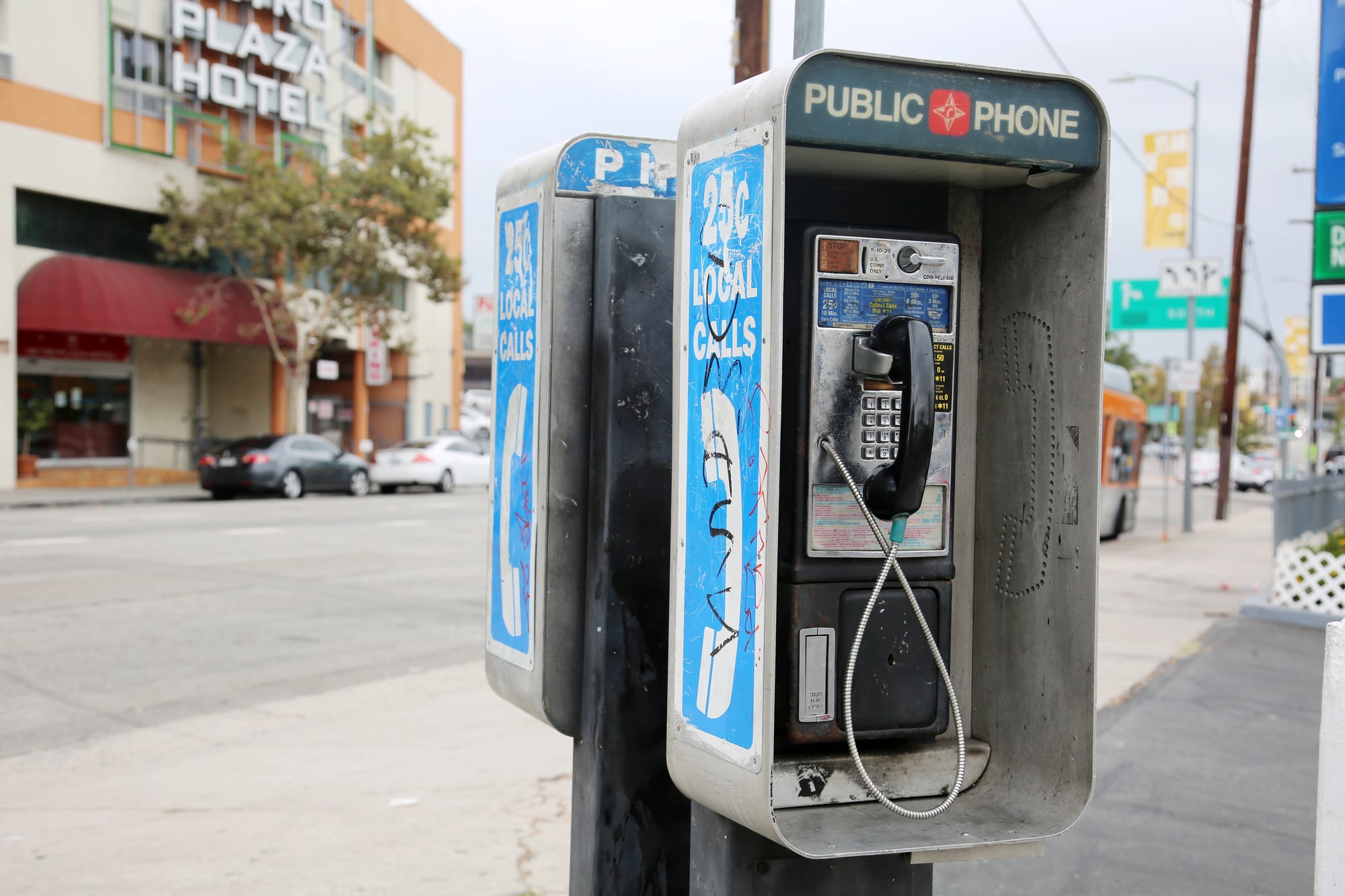
Cell phones killed pay phones so thoroughly that people under thirty have never used one. Pay phones were public infrastructure for communication — democratic, available to anyone with a quarter, impossible to trace or monitor in the way personal devices can be tracked.
They also represented a different relationship to communication itself. Making a call from a pay phone required intention and planning.
You couldn’t be reached everywhere you went, which meant some parts of life remained private and uninterrupted.
The death of pay phones marked the end of true disconnection as an option rather than a deliberate choice.
Printed Encyclopedias

Wikipedia destroyed the market for printed encyclopedias by being more comprehensive, more current, and completely free. The Encyclopedia Britannica stopped printing in 2012 after 244 years, which should have felt like a bigger cultural moment than it did.
But encyclopedias were never just about information access — they were about the weight of knowledge as physical objects, the authority of printed expertise, and the particular pleasure of falling down rabbit pits by flipping randomly through volumes.
Wikipedia is better for research and worse for browsing.
The tradeoff made sense, but something was lost in translation from physical to digital: the sense that knowledge was substantial, permanent, and carefully curated rather than fluid, crowdsourced, and endlessly editable.
What Remains In The Space Between
These disappearing things share something beyond their common fate — they all required more effort, more time, more deliberate choice than their replacements. The convenience that replaced them came with hidden costs that become visible only in retrospect.
Speed and efficiency won, as they usually do, but the slower, more cumbersome alternatives offered different kinds of value that we’re still learning to measure and mourn.
More from Go2Tutors!

- The Romanov Crown Jewels and Their Tragic Fate
- 13 Historical Mysteries That Science Still Can’t Solve
- Famous Hoaxes That Fooled the World for Years
- 15 Child Stars with Tragic Adult Lives
- 16 Famous Jewelry Pieces in History
Like Go2Tutors’s content? Follow us on MSN.