18 Castles Never Meant to House Royalty
When people think of castles, they usually picture kings and queens living the high life. But actually, lots of castles weren’t built for royalty at all. Some were more like tough forts, prisons, or simple lookout spots. They weren’t about fancy dinners or silk curtains—they were about keeping people safe, keeping watch, or holding stuff. Not exactly royal living, right?
Here’s a list of 18 castles that weren’t royal palaces but still played big roles in history.
Military Fortresses
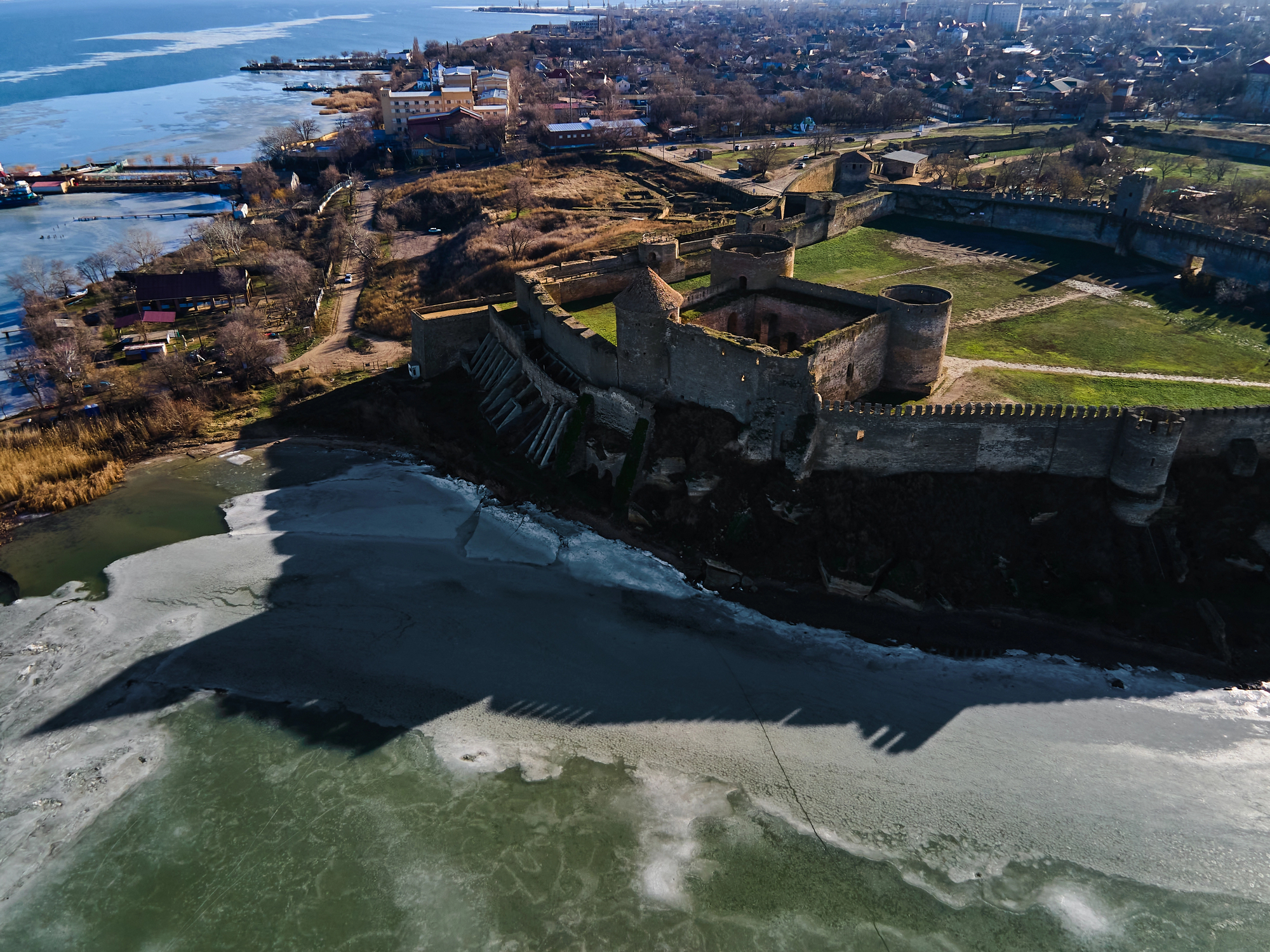
Military fortresses were all about defense. They had thick stone walls built to stop arrows, battering rams, and even early cannons.
Inside, space was tight and practical. No plush furniture, just soldiers, weapons, and maybe a fire pit or two.
These castles often sat on hills or borders, ready to fight off enemies at a moment’s notice. They were less about looking pretty and more about looking tough—think of them as medieval bunkers where comfort was a luxury nobody had time for.
Prison Castles
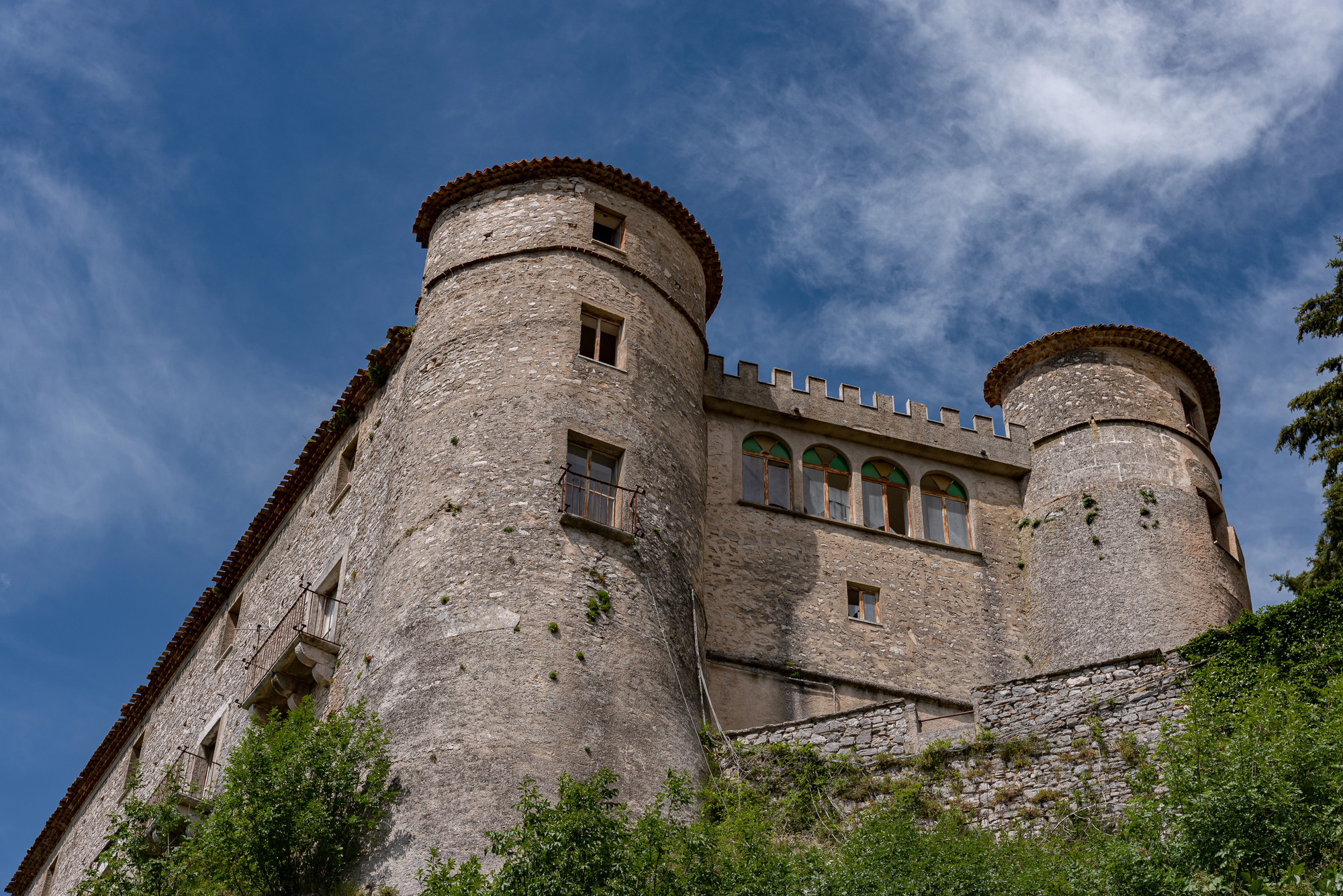
Some castles doubled as prisons, and not the kind with cushy cells. These had dark, damp dungeons deep underground, where prisoners could be kept for years in grim conditions.
The thick walls and iron bars made sure no one escaped. These castles weren’t tourist attractions—they were places people feared.
Sometimes political enemies or rebels were locked up here, so these castles had a reputation for being cold, harsh, and unforgiving.
Trading Posts
Trade was big business back then, and castles near trade routes made sure merchants paid their taxes. These castles kept watch over markets and river crossings, acting as gatekeepers.
They collected tolls and protected goods from thieves or rival armies. Instead of royal feasts, these castles buzzed with traders, guards, and paperwork.
They were more about money moving smoothly than kings lounging on thrones.
Border Outposts
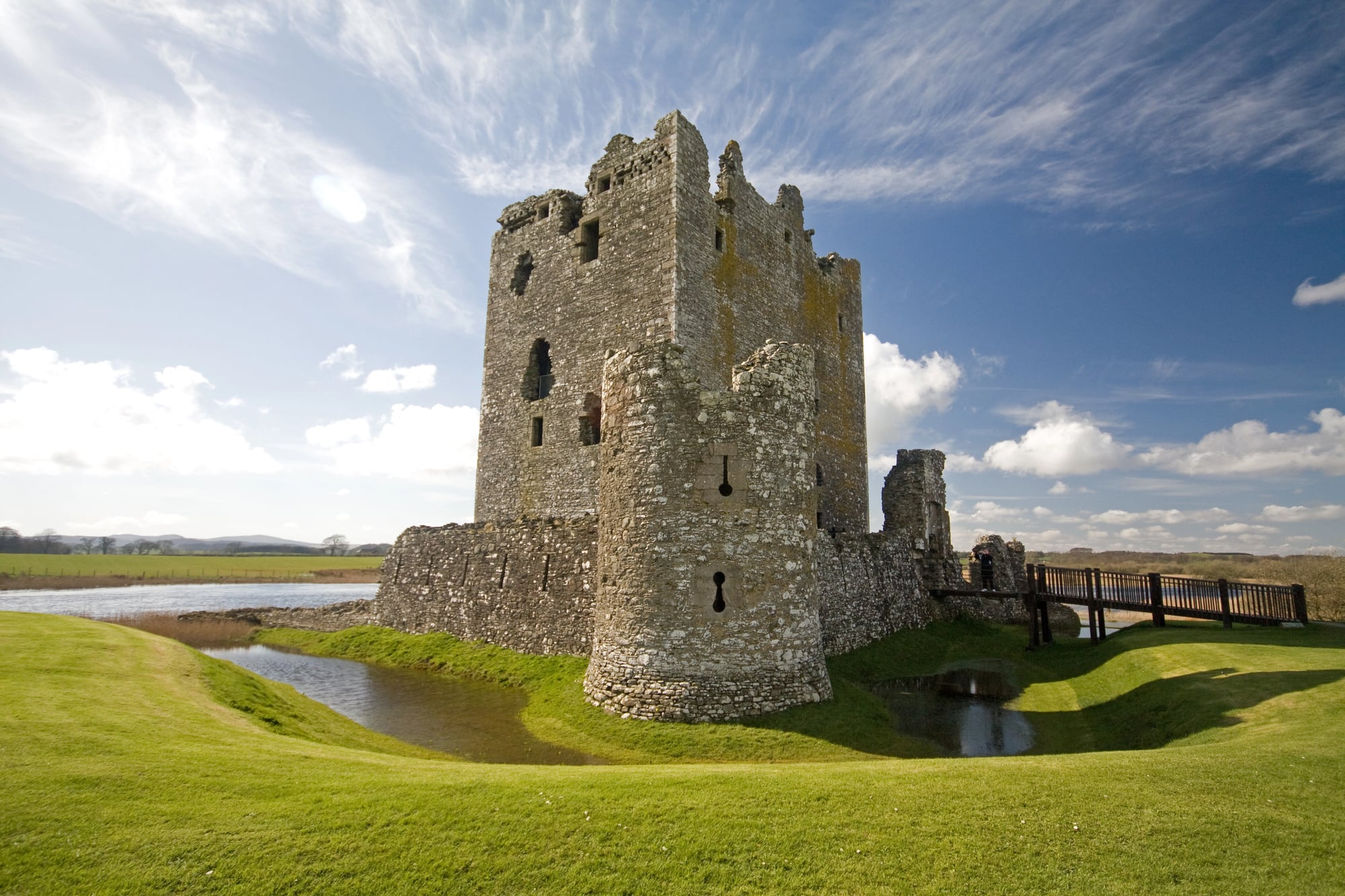
Border castles were often the first warning sign of danger. Placed on the edges of kingdoms, they kept an eye on neighbors—whether friends or foes.
The soldiers stationed there lived simple lives, always alert for raids or invasions. Life could be lonely and rough, with little in the way of comfort, but their job was crucial: keep the kingdom’s edge safe.
These castles were the original border patrol stations, built tough and ready for action.
Monastic Strongholds
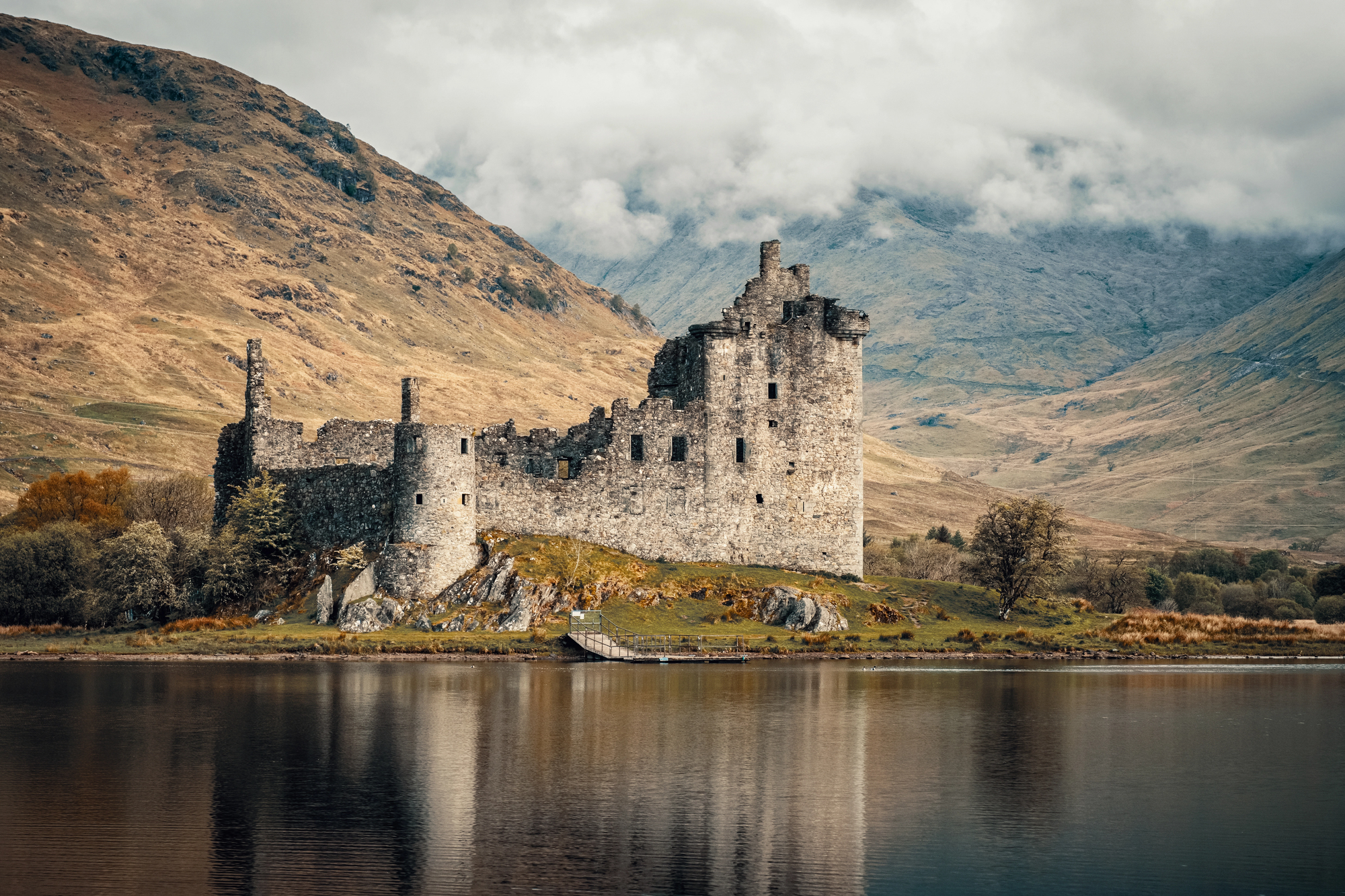
Monks and nuns didn’t just pray—they needed protection too. Some castles were built to keep religious communities safe from bandits or war.
These castles combined peaceful living with strong defenses. Inside, you’d find chapels and simple quarters instead of royal luxury.
The idea was to create a safe space where spirituality could flourish, even during rough times. It’s like a monastery with a serious security system.
Watchtowers
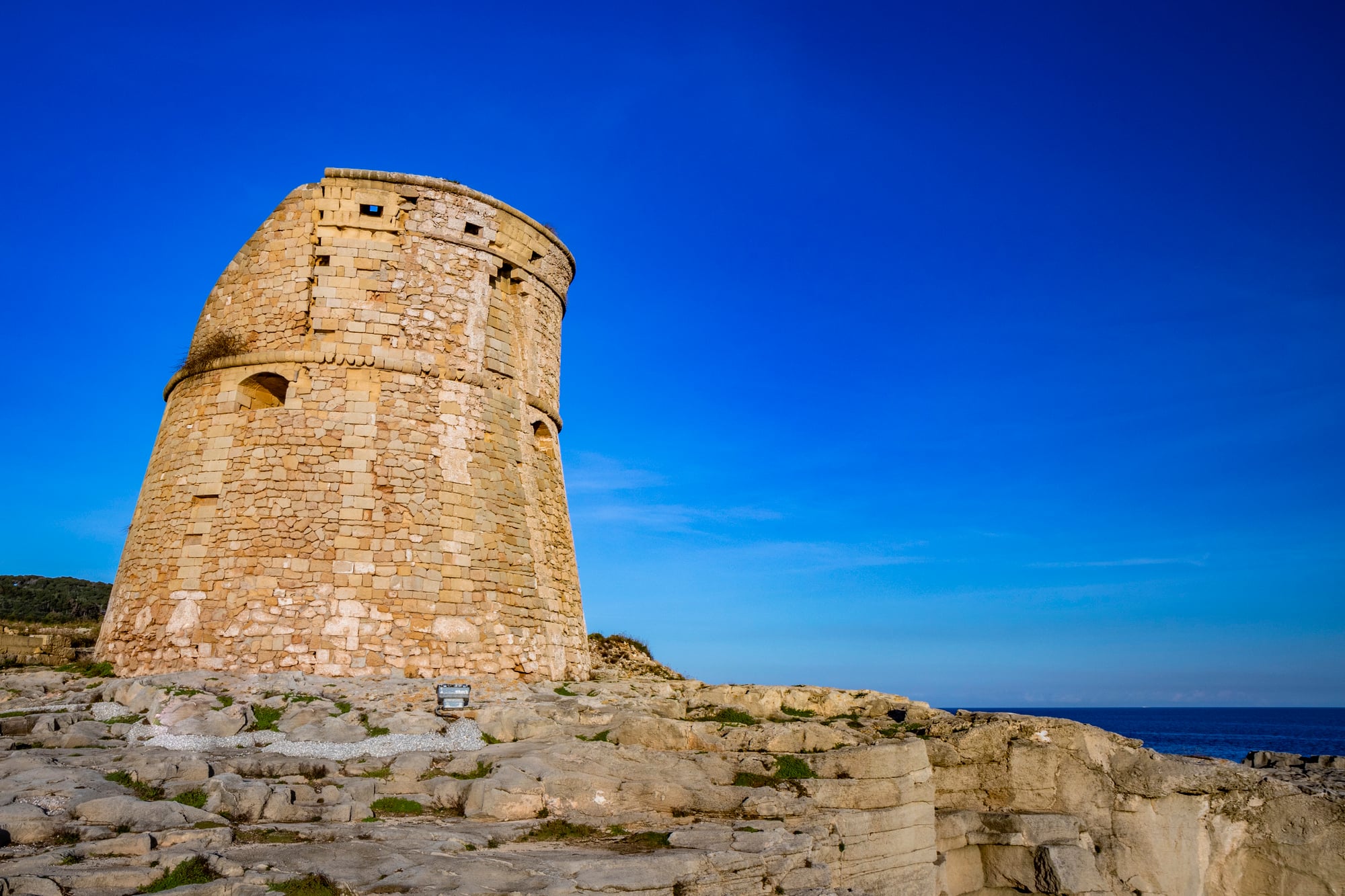
Watchtowers were the eyes on the horizon. Usually small and perched high, they gave early warnings of approaching enemies or raiders.
A couple of guards could keep watch for miles around, sending signals by fire or smoke to alert nearby castles or towns. These towers weren’t made for living—they were more like lookout posts or security cameras.
Their job was quick spotting and quick alerts, which could save entire regions from surprise attacks.
Administrative Centers
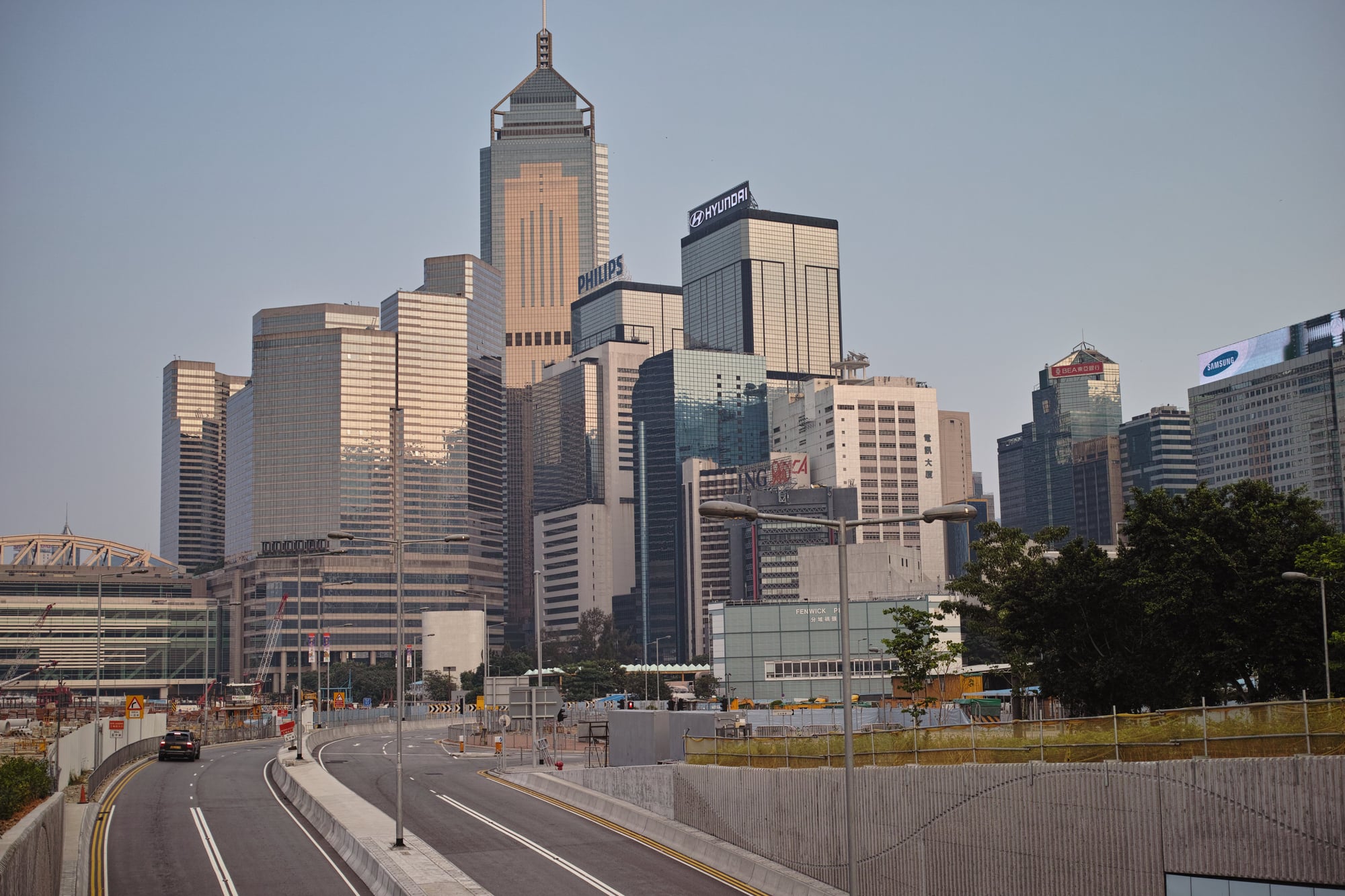
Some castles were basically government offices in stone form. Local officials worked inside managing taxes, laws, and disputes.
Instead of royal banquets, these castles had meeting rooms, record-keeping spaces, and courts. They kept order in the kingdom’s lands, making sure rules were followed and taxes collected.
The people who worked here didn’t need throne rooms, but they did need strong walls to keep their work safe and uninterrupted.
Hunting Lodges
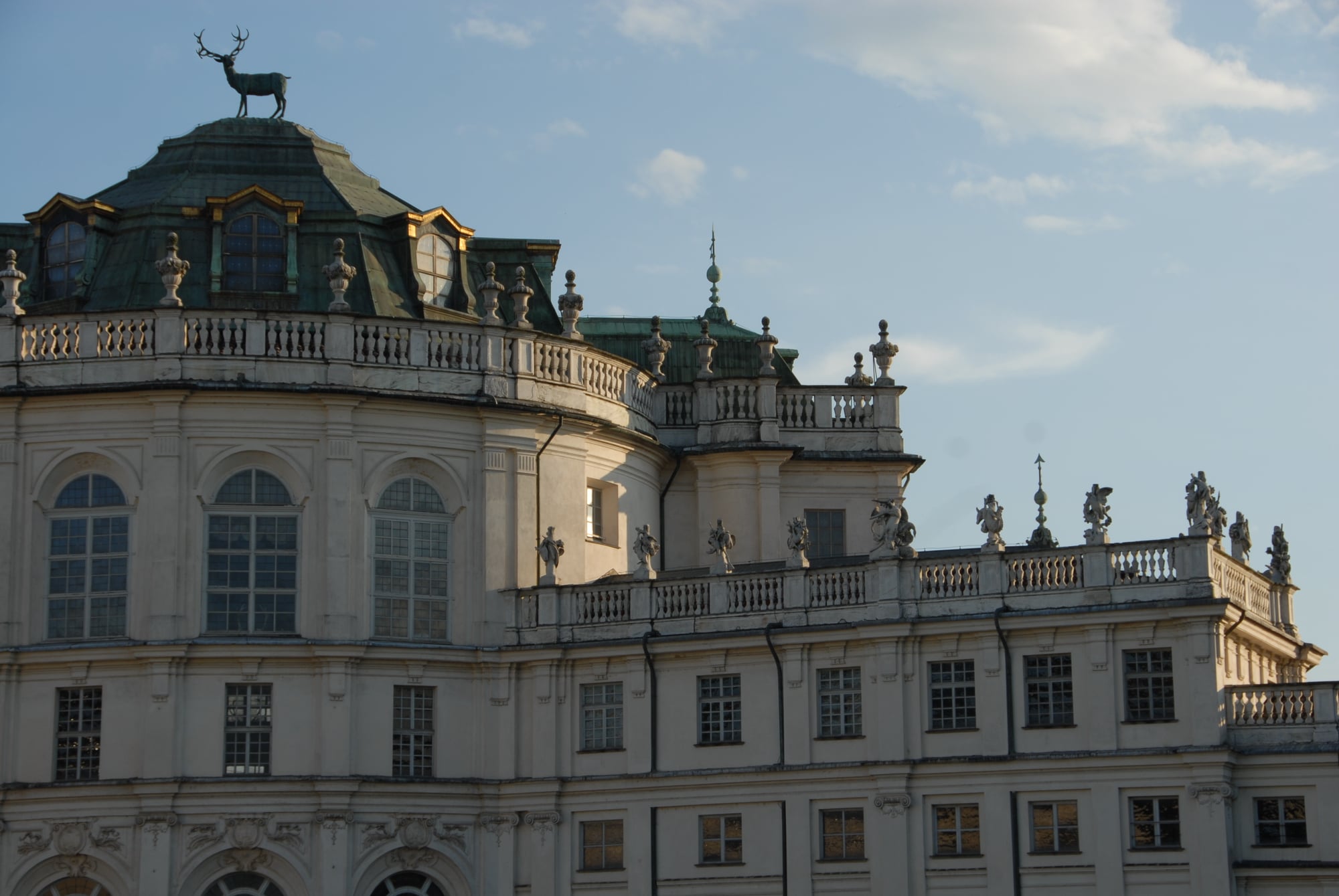
Nobles loved hunting, but sometimes the woods weren’t the safest place to crash overnight. Hunting lodges were castles built to offer shelter during trips into wild areas.
They were fortified enough to keep out wild animals or thieves but simple enough to focus on the hunt. These castles were temporary homes for hunters, nothing fancy but comfortable enough to rest before chasing deer or boar the next day.
Storage Facilities
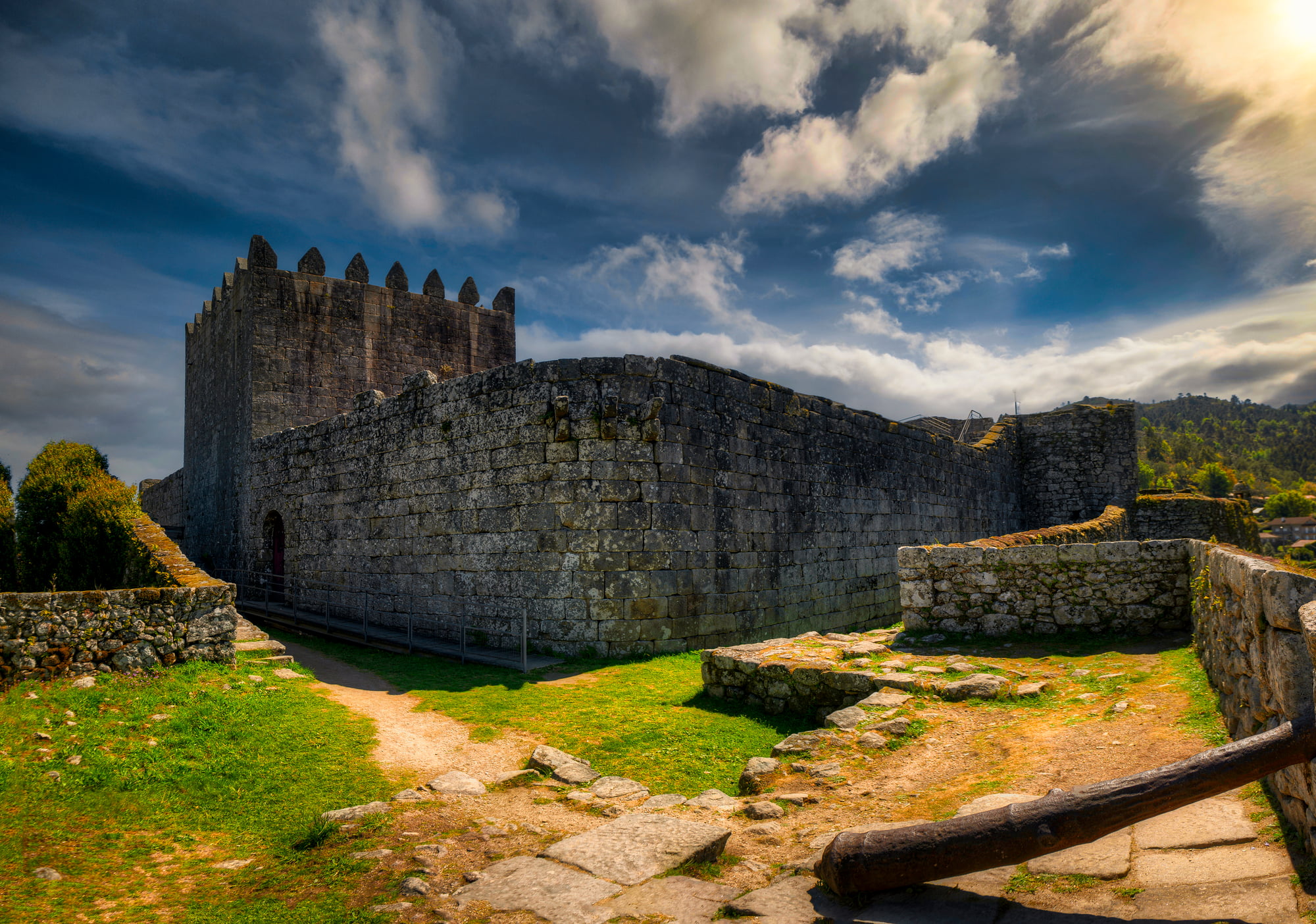
Castles also doubled as giant medieval storage units. Some were built mainly to keep food, weapons, or treasure safe.
Their thick walls protected against thieves and weather. These castles often had massive cellars and vaults but weren’t designed for long-term living.
Without a steady supply, armies and towns could starve or lose battles, so these castles were quietly essential to survival.
Siege Camps
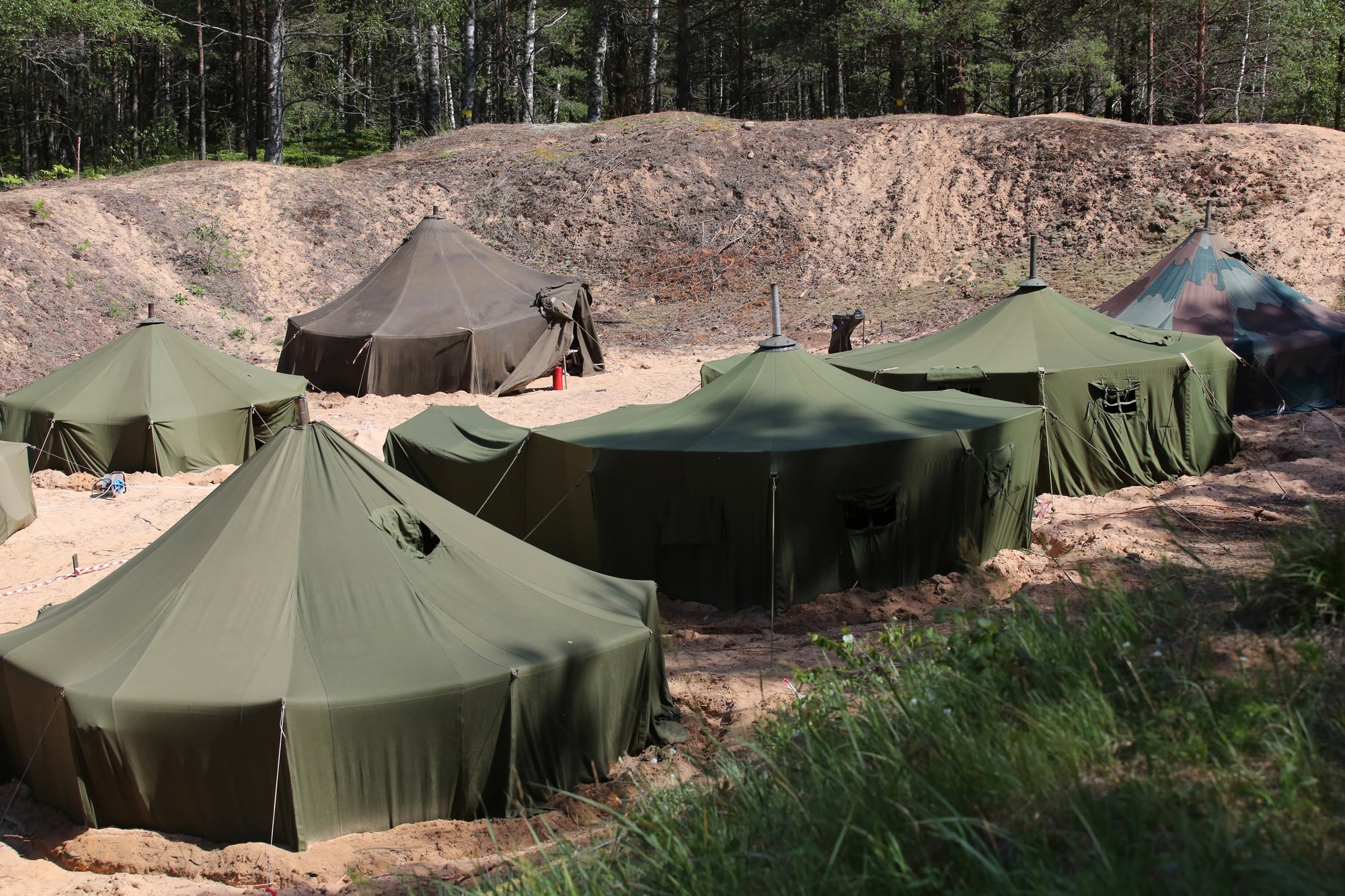
When armies were on the move, they sometimes built quick and temporary castles called siege camps. These weren’t permanent homes but were constructed fast to protect troops during a battle or siege.
After the fight, they were abandoned or dismantled. Think of them like pop-up tents, but made of wood and earthworks instead of fabric.
They helped armies stay safe during rough campaigns but were never meant to impress guests.
Naval Fortresses
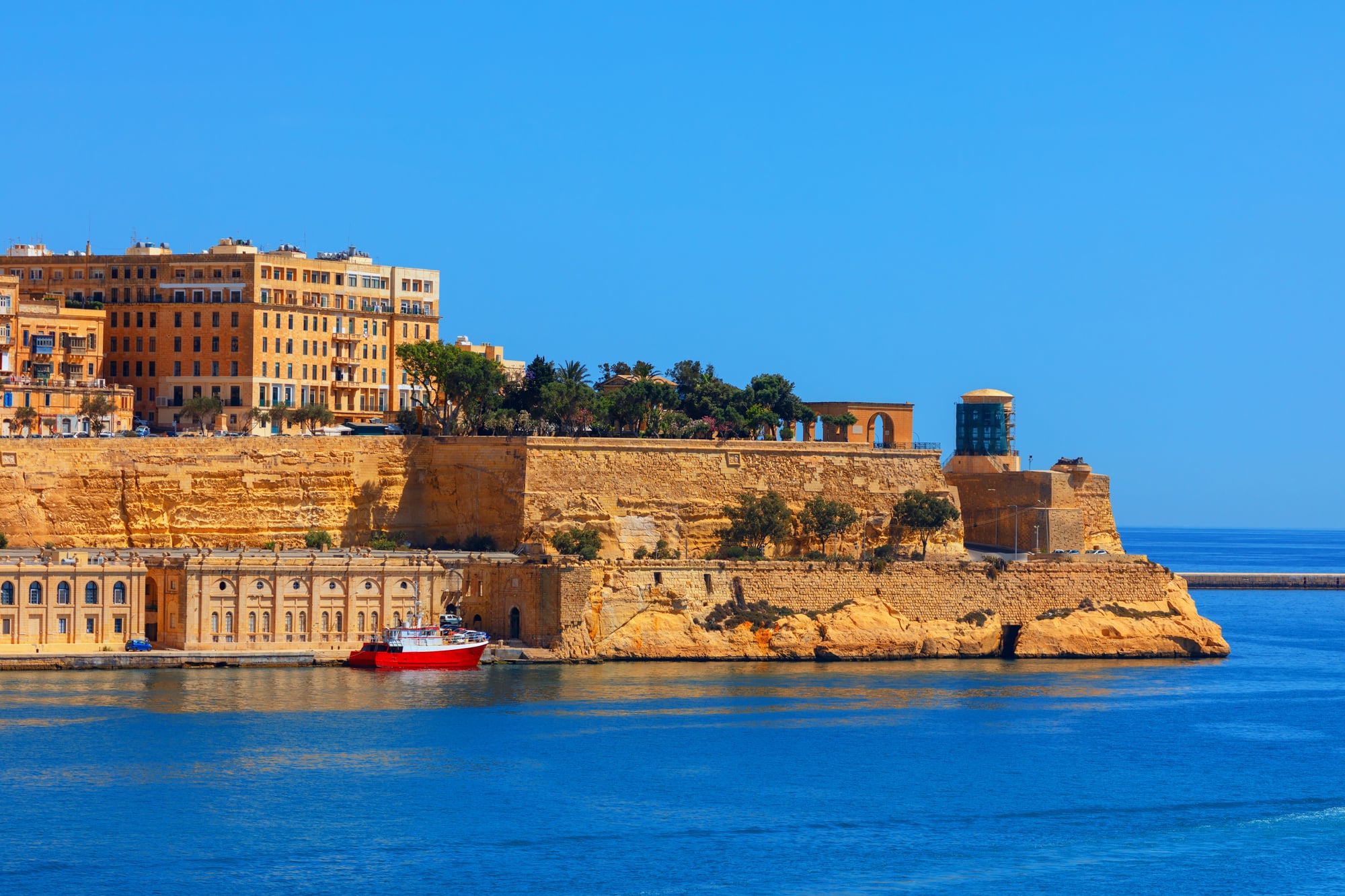
Castles by the water had their own unique role. These naval fortresses protected harbors, docks, and shipping lanes from pirates or enemy navies.
Built with thick walls facing the sea, they often had platforms for cannons or catapults. Protecting a kingdom’s water access was critical for trade and defense, so these castles were as much about the sea as the land.
Refuge Castles
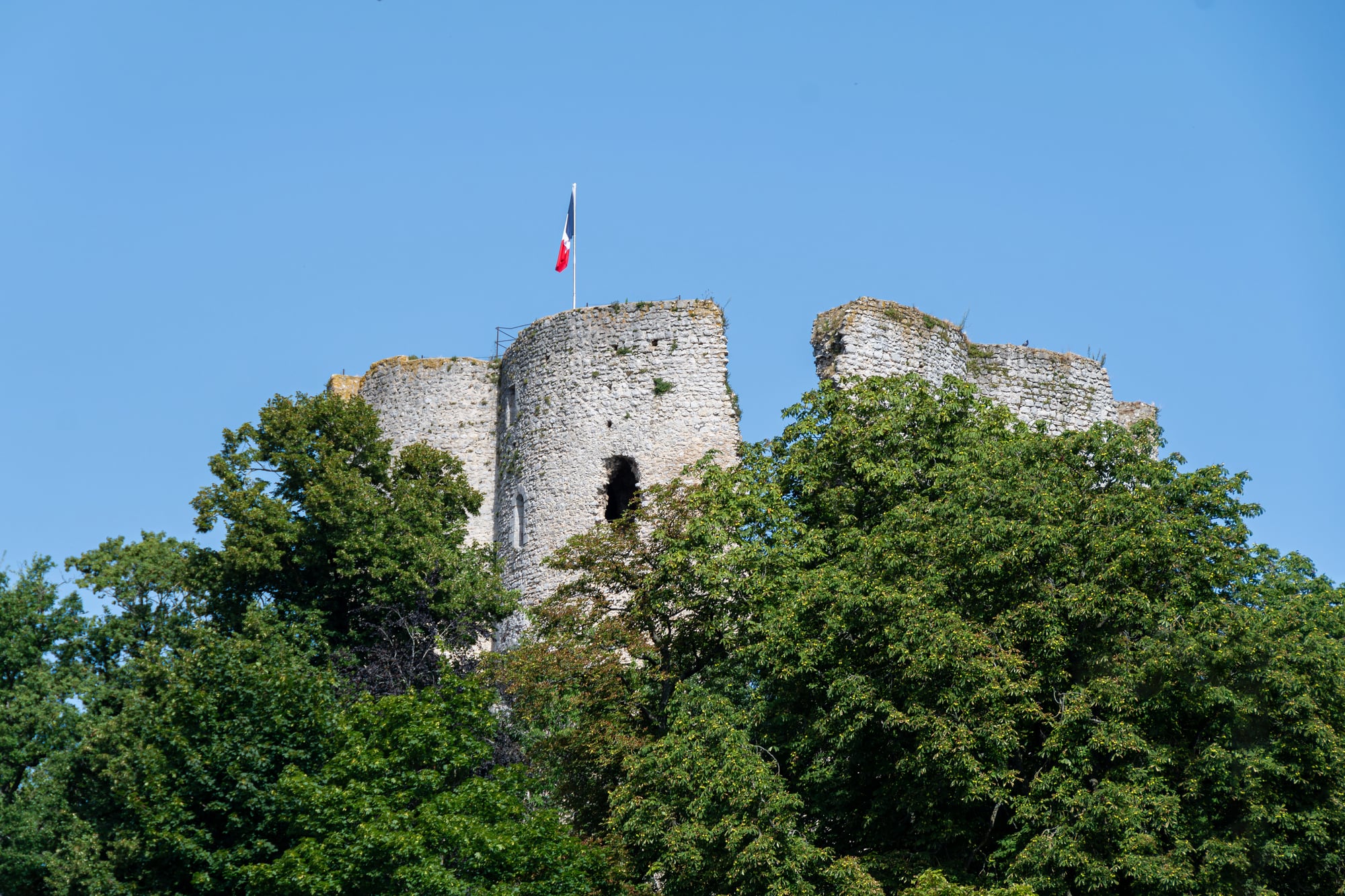
During wars or disasters, villagers needed somewhere safe to run—and that’s where refuge castles came in. These castles were built to protect large groups of people temporarily.
Inside, space was tight, and comfort was minimal, but they offered protection when danger loomed. Think of them like emergency shelters, made of stone and designed to hold out during the worst times.
Trade Route Controls
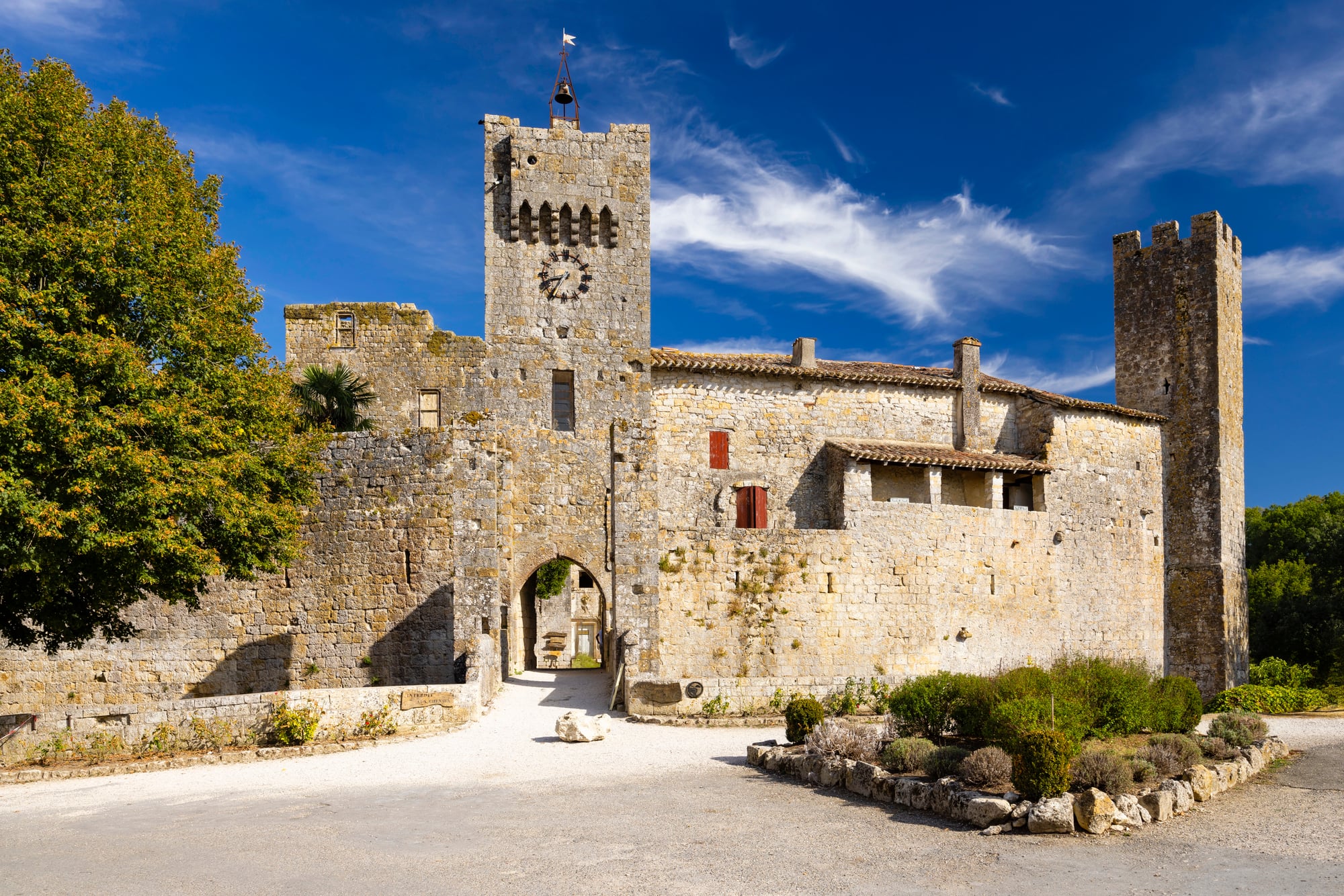
Along major roads and trade routes, castles acted like traffic controllers. They kept watch, collected tolls, and stopped illegal smuggling.
These castles helped rulers keep tabs on who and what moved through their lands, often making good money from taxes. Their job was to regulate commerce, not to entertain kings.
Customs Posts
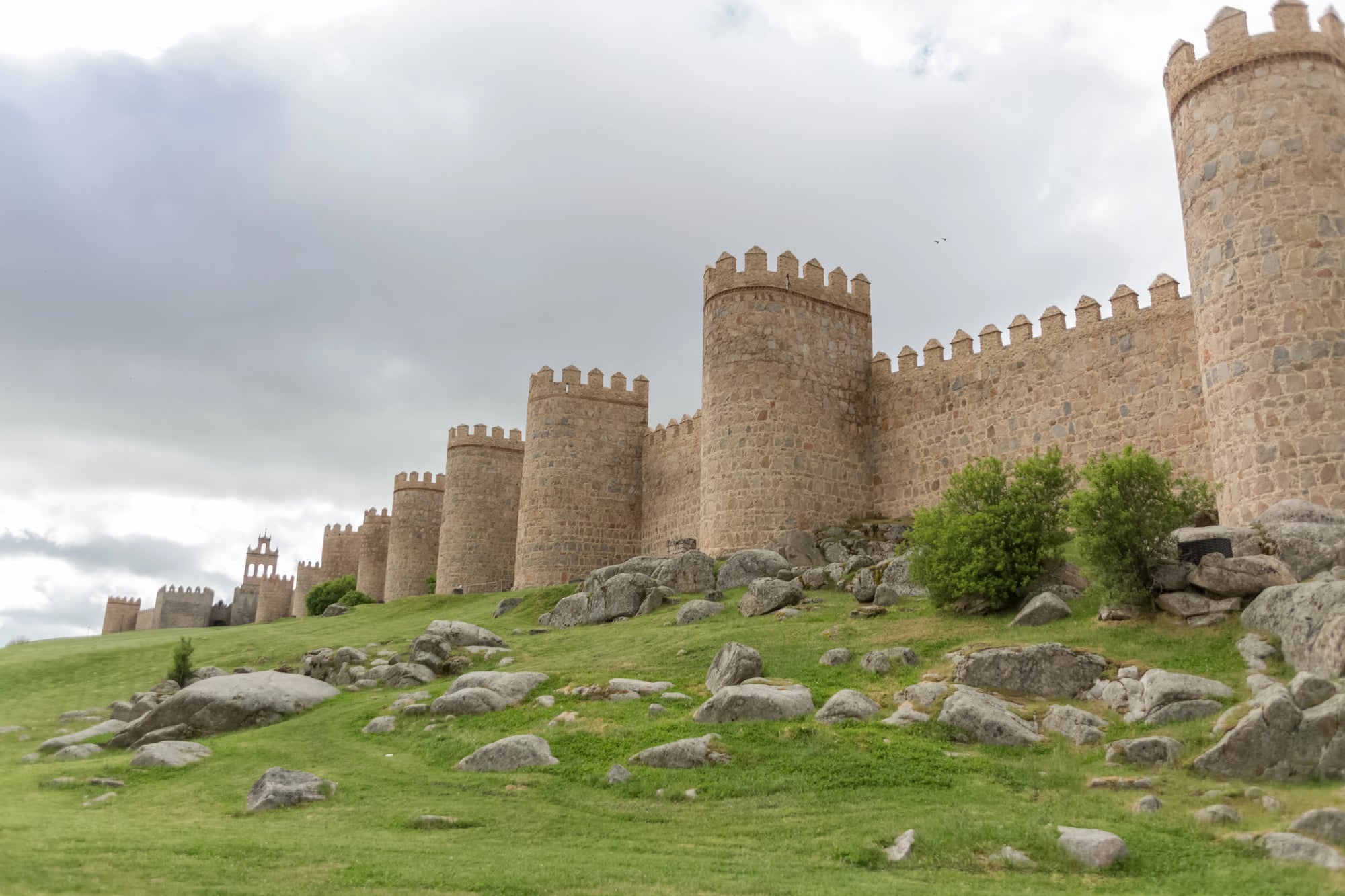
Closely related to trade control castles, customs posts were where goods were inspected, and taxes were collected. Officials monitored what went in and out, making sure tariffs were paid.
These castles helped fund the kingdom and kept the economy running smoothly. They were like medieval border checkpoints with stone walls.
Signal Castles
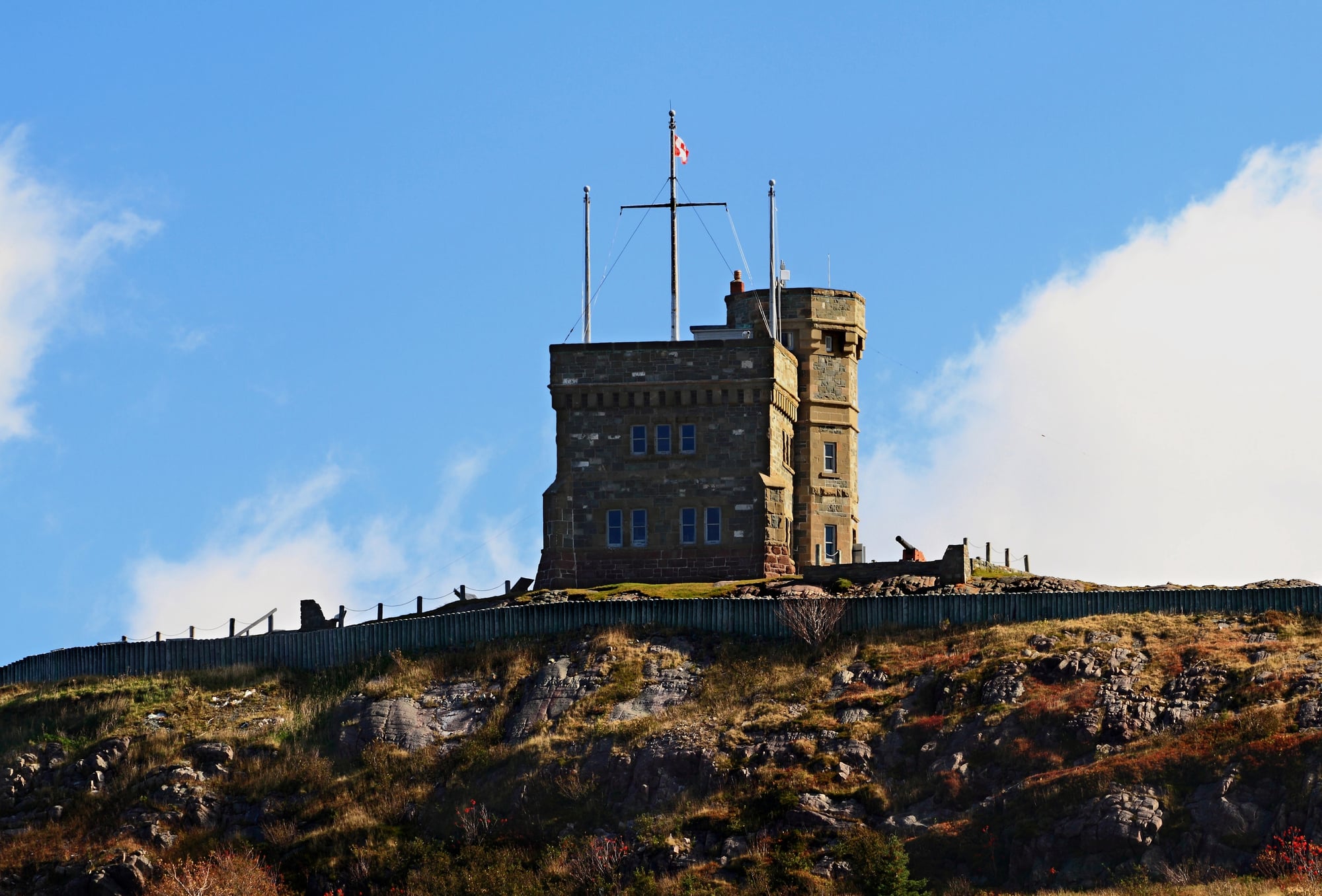
Before phones or radios, communication over distance was tricky. Signal castles solved this with smoke or fire signals from hilltops.
They passed messages quickly across vast areas, warning of invasions or relaying orders. These castles were built for communication, not comfort.
They were the medieval version of emergency broadcast towers.
Toll Castles
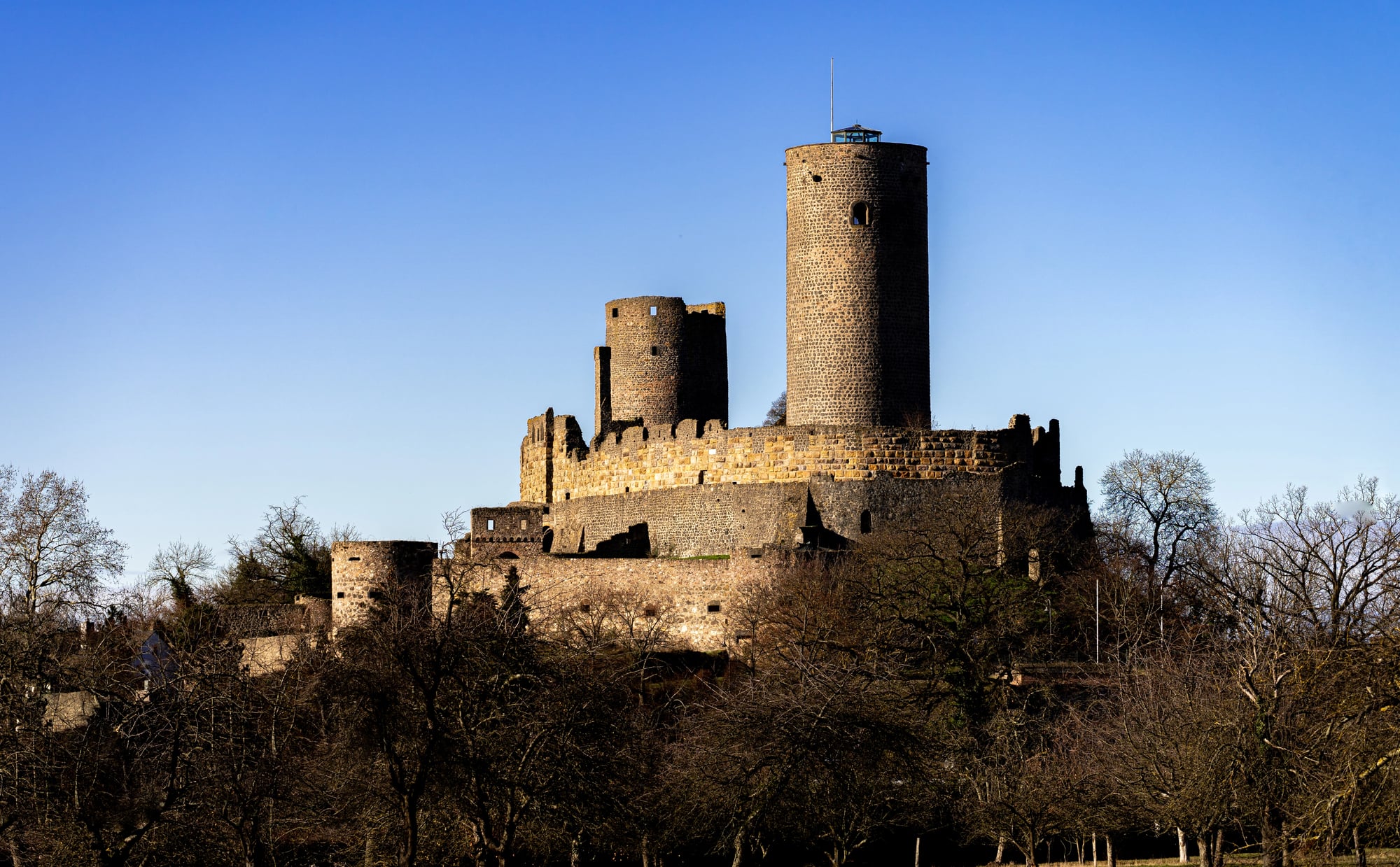
Castles near bridges or key roads collected tolls from travelers and merchants. These toll castles were essential for rulers wanting to make money off the constant movement of goods and people.
They often had gates or barriers to stop those trying to sneak by. A toll castle was the ultimate “pay up or else” spot on medieval highways.
Supply Depots
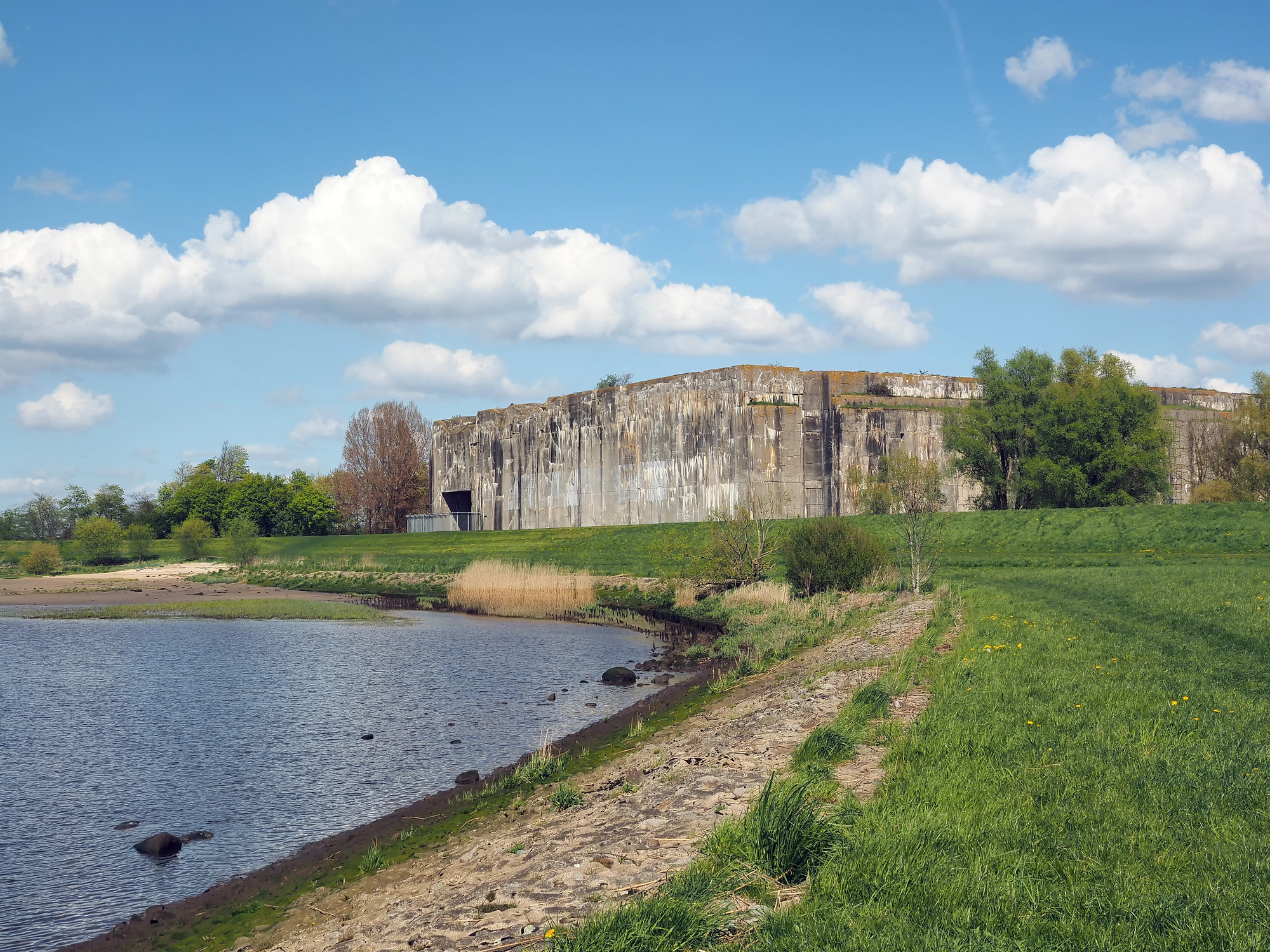
Some castles were built mainly to store supplies for armies on the move. Food, weapons, armor—everything soldiers might need was stockpiled here.
These castles kept the logistics running, which is half the battle in any war. They weren’t designed for luxury or comfort, just to hold essentials safe and dry.
Penal Colonies
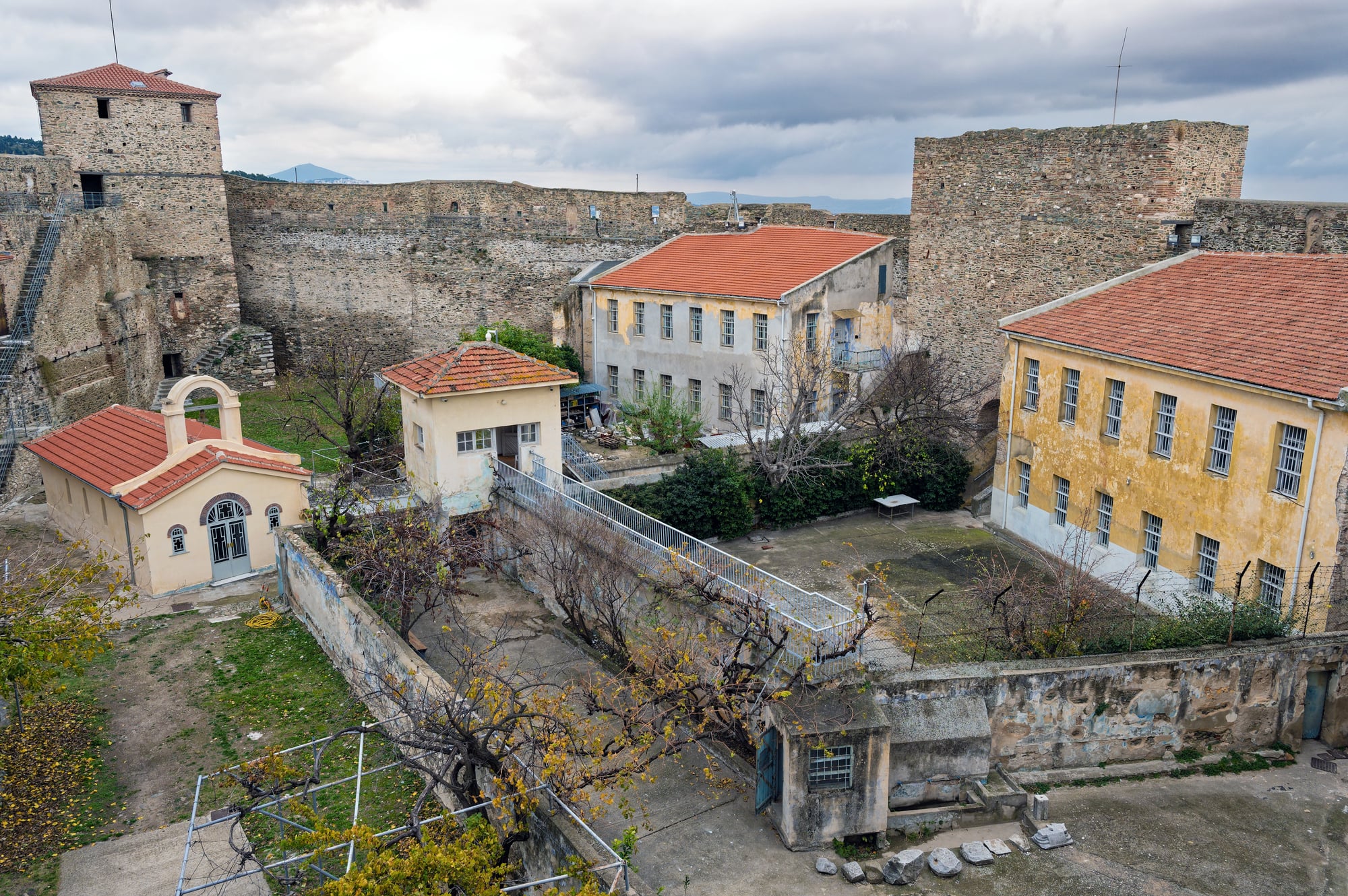
Far away from cities, some castles were used as prisons or penal colonies. They housed convicts or political prisoners in harsh conditions, keeping them isolated from the public.
These castles were grim places where freedom was stripped away, and the focus was on control and punishment. Not the kind of place anyone wanted to call home.
Castles Without Crowns
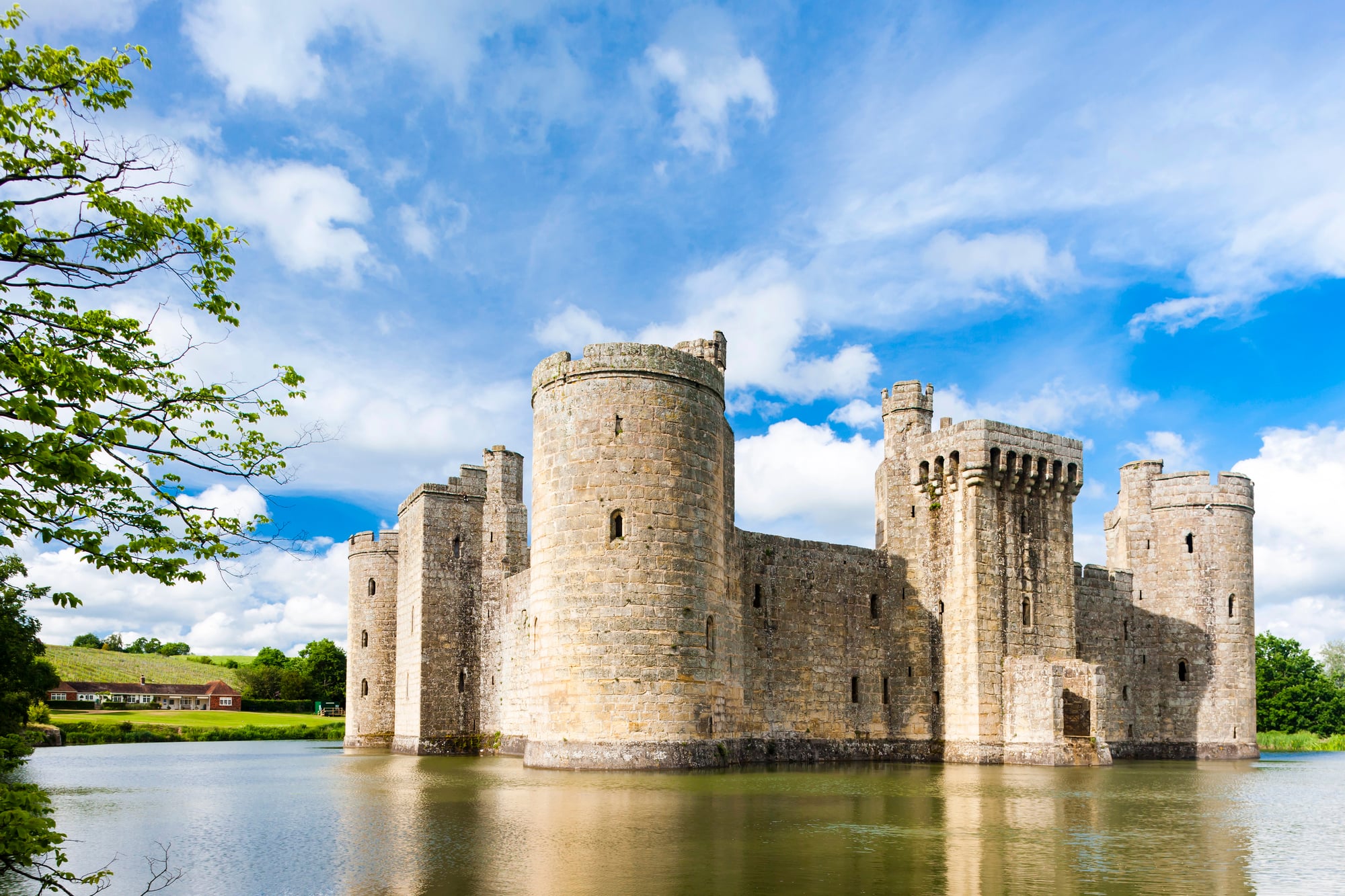
These 18 castles prove that not all stone fortresses were about kings and queens. Many had down-to-earth jobs—guarding borders, protecting communities, or managing trade.
They weren’t built for luxury, but they shaped history in their own hard-working way. So next time a castle pops up on your feed or in a movie, remember: not all castles were royal palaces.
Some were just tough, practical, and quietly crucial.
More from Go2Tutors!

- The Romanov Crown Jewels and Their Tragic Fate
- 13 Historical Mysteries That Science Still Can’t Solve
- Famous Hoaxes That Fooled the World for Years
- 15 Child Stars with Tragic Adult Lives
- 16 Famous Jewelry Pieces in History
Like Go2Tutors’s content? Follow us on MSN.