15 Surprising Historical Lasts by US State
History books tend to focus on firsts — first settlements, first battles, first discoveries. But there’s something quietly haunting about lasts that makes them stick in your memory differently.
The final time something happened carries a weight that beginnings don’t, like watching the last light fade from a window you’ll never see again. Every state holds these moments tucked away in their past, often forgotten until someone stumbles across them in an old newspaper or dusty archive.
These aren’t the lasts you’d expect to find in textbooks. They’re stranger than that, more specific, the kind of historical footnotes that make you pause and wonder what it must have felt like to live through that particular ending.
Maine
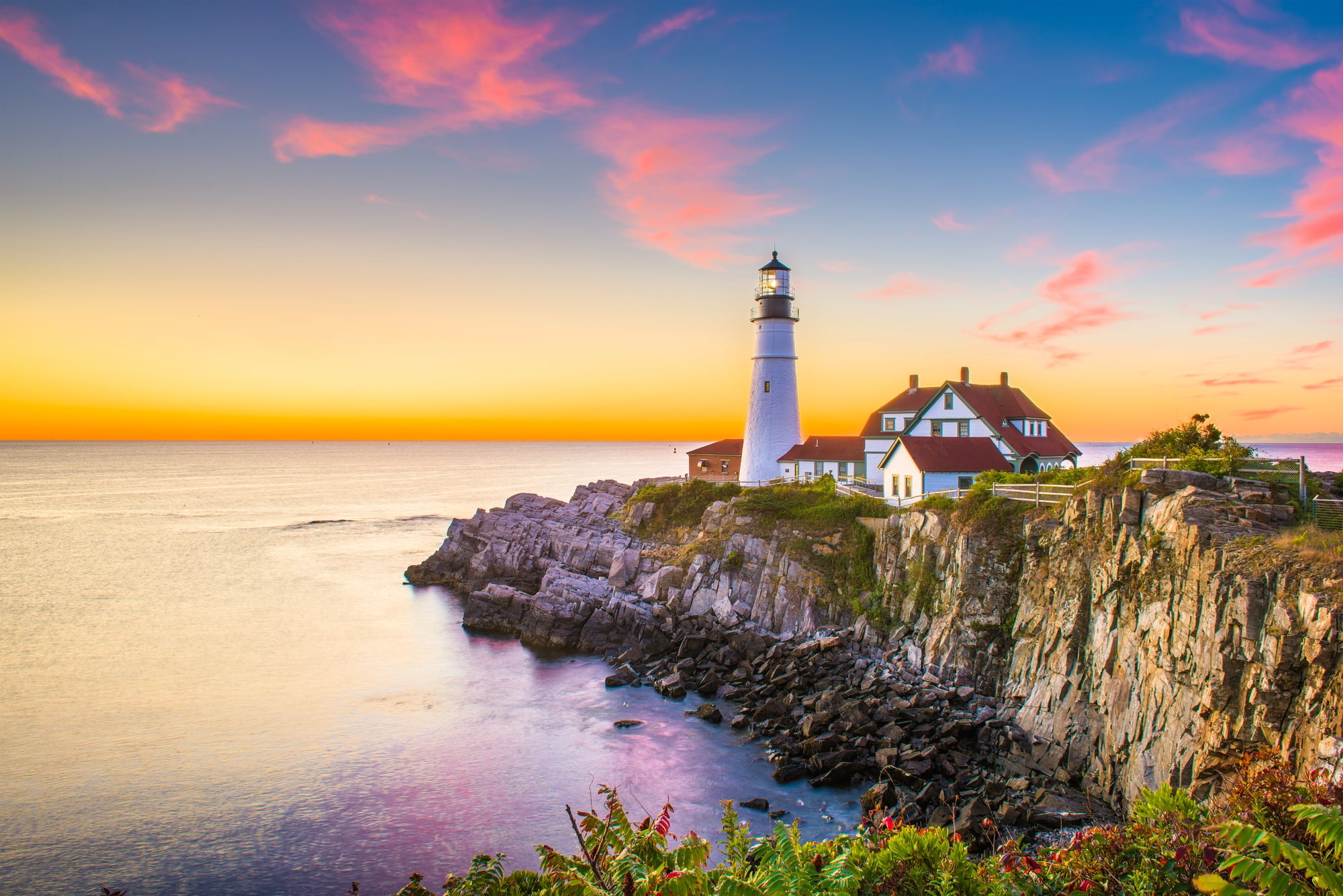
Maine executed its last person in 1885. Philip Hubert was hanged for murder in what would become the state’s final use of capital punishment.
The state abolished the death penalty just two years later, making it one of the earliest to do so permanently. No dramatic political movement drove the change — Maine simply decided it was done with executions and never looked back.
Vermont
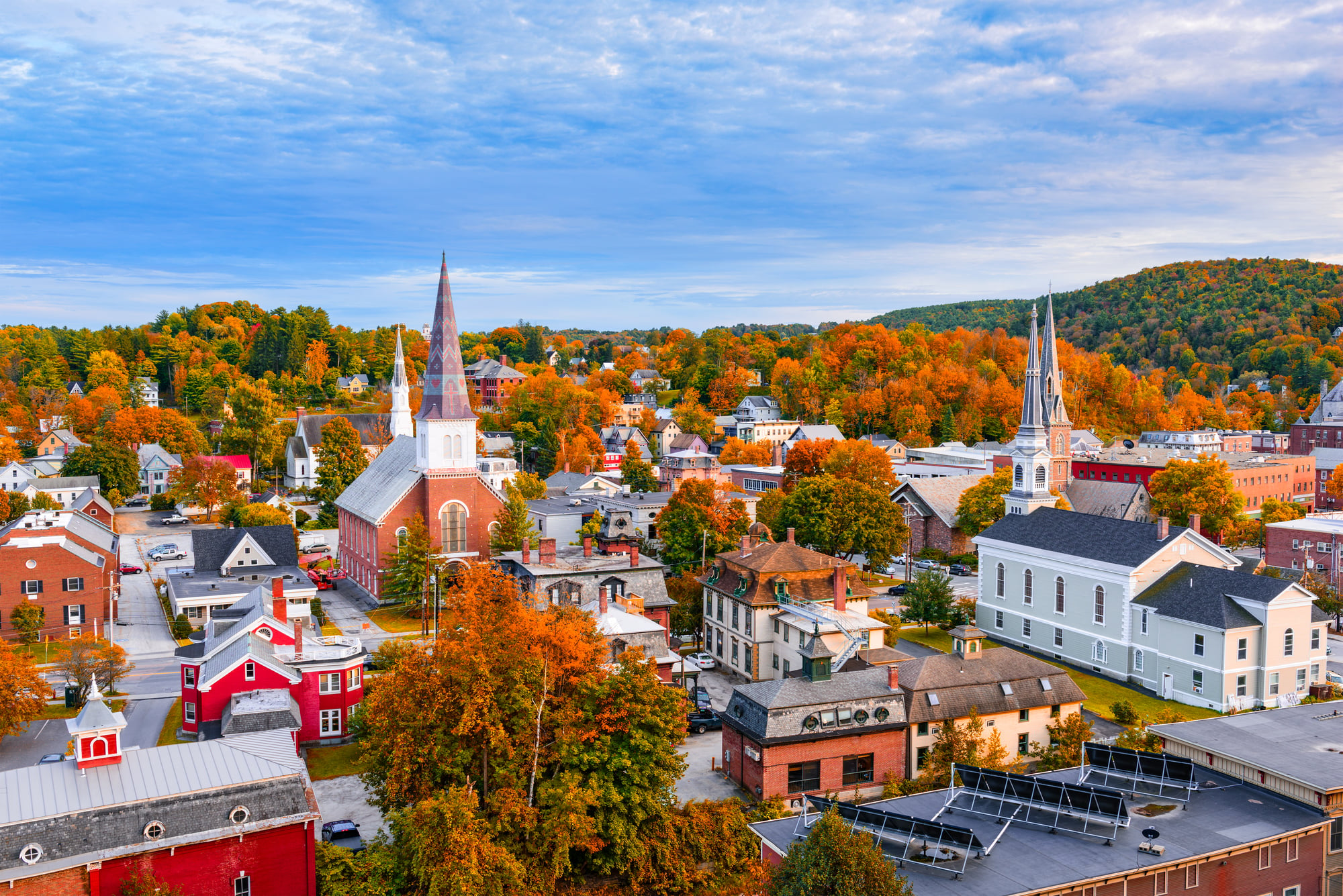
The last person born into slavery in Vermont died in 1952. While Vermont was the first state to abolish slavery in 1777, some children born before that date remained enslaved for years afterward (the law wasn’t retroactive).
And so Violet Bentley, who lived to be 104, carried that distinction into the middle of the 20th century — a living bridge between two different Americas.
Texas
You might think Texas would hang onto traditions longer than most states, but here’s where assumptions get corrected by facts (and Texas has never been predictable in the ways people expect). The last cattle drive along the famous Chisholm Trail ended in 1884, not because of any grand decision or ceremony, but because railroads had finally made the whole enterprise obsolete.
So the cowboys simply loaded their cattle onto train cars instead, and an era that had defined the American West for barely two decades just quietly ended on a Tuesday afternoon in Kansas. And yet the mythology of those drives outlasted the actual practice by more than a century — which says something about how stories can be more durable than the things that inspired them.
California
The last speaker of Yana died in 1916, and his story reads like something too sad to be true. Ishi, as he became known, emerged from the wilderness after his entire tribe had been wiped out.
He spent his final years living at the University of California, working with anthropologists who were trying to preserve what remained of his language and culture. When he died of tuberculosis, a whole way of understanding the world died with him.
Florida
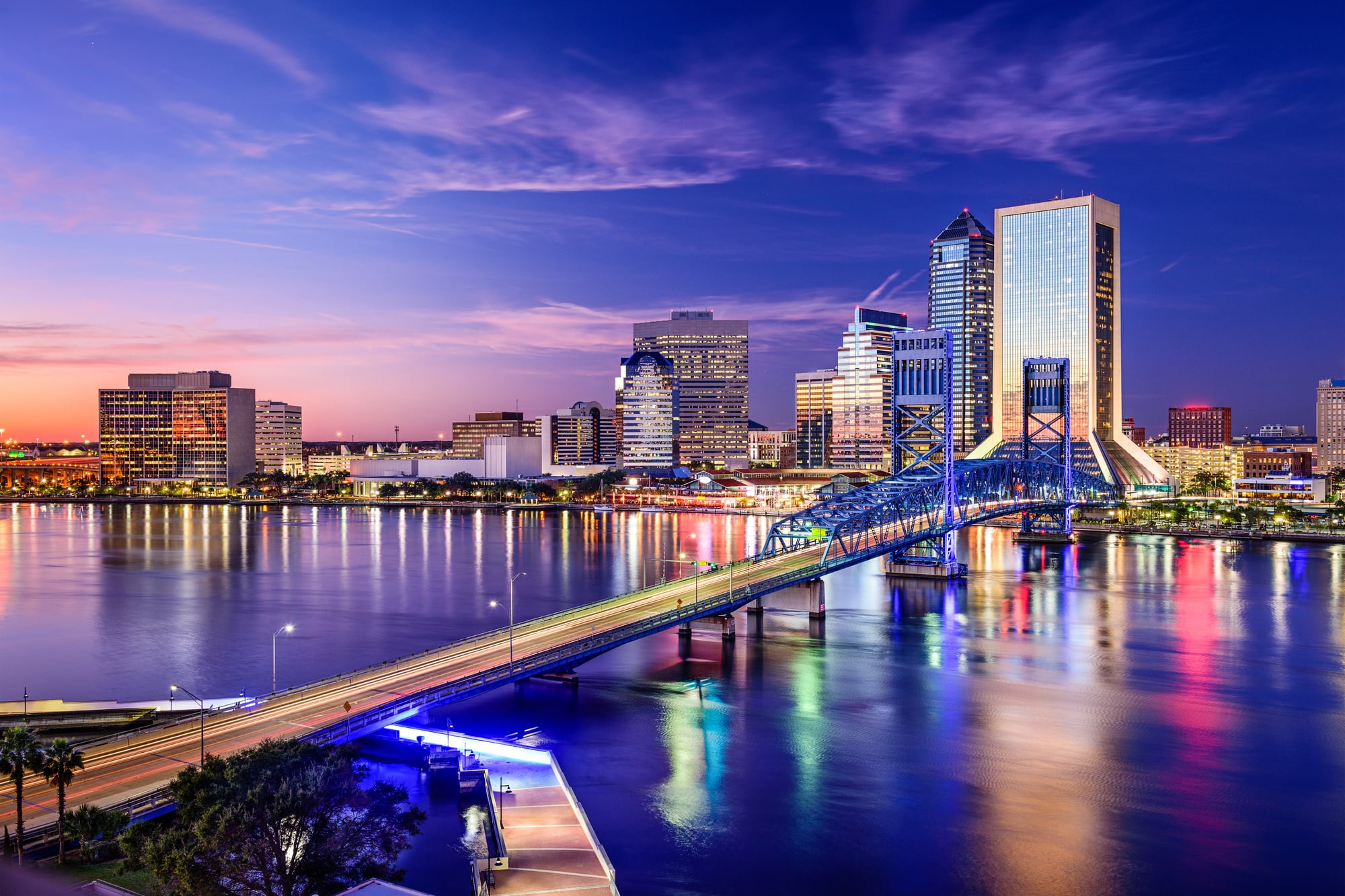
Florida’s last Civil War pension was paid in 2016. Irene Triplett received monthly payments as the daughter of a Confederate veteran who had married a much younger woman late in life.
She lived in a nursing home in North Carolina, drawing $73.13 every month from a war that ended 151 years earlier. The checks stopped coming when she died at 90, finally closing the books on America’s bloodiest conflict.
Alaska
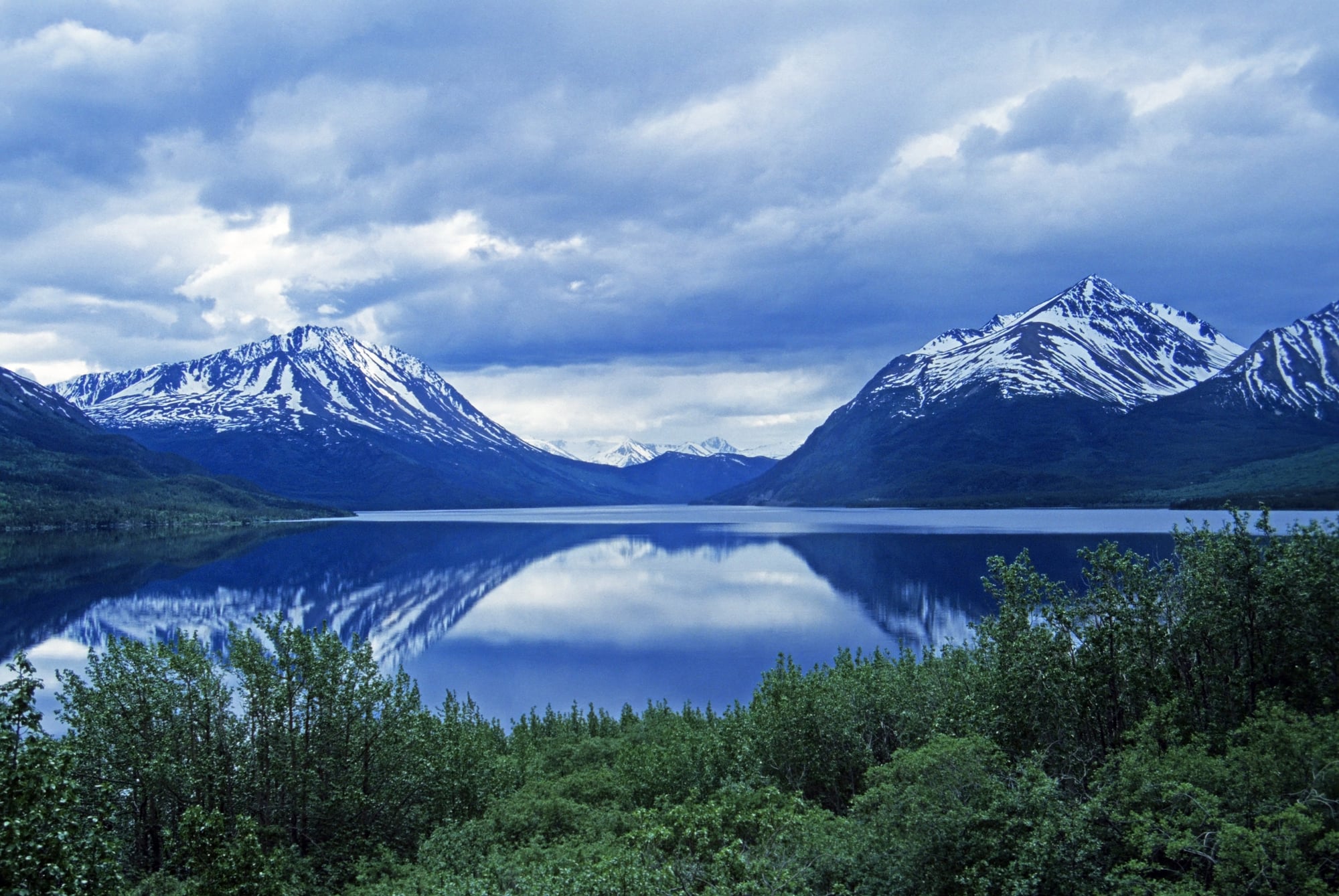
The final gold rush prospector didn’t pack up and leave Alaska until 1995. Sort of makes you reconsider what you thought you knew about American history ending in neat chapters.
Proenneke had been living alone in the wilderness near Twin Lakes since 1968, building his cabin by hand and documenting everything on film, but he was also the last person mining for gold the old way — with a pan and endless patience. When he finally flew out at age 82, he closed a chapter that had been running since the 1890s.
The footage he shot became a PBS documentary that still makes people want to disappear into the woods with nothing but hand tools and determination.
New York
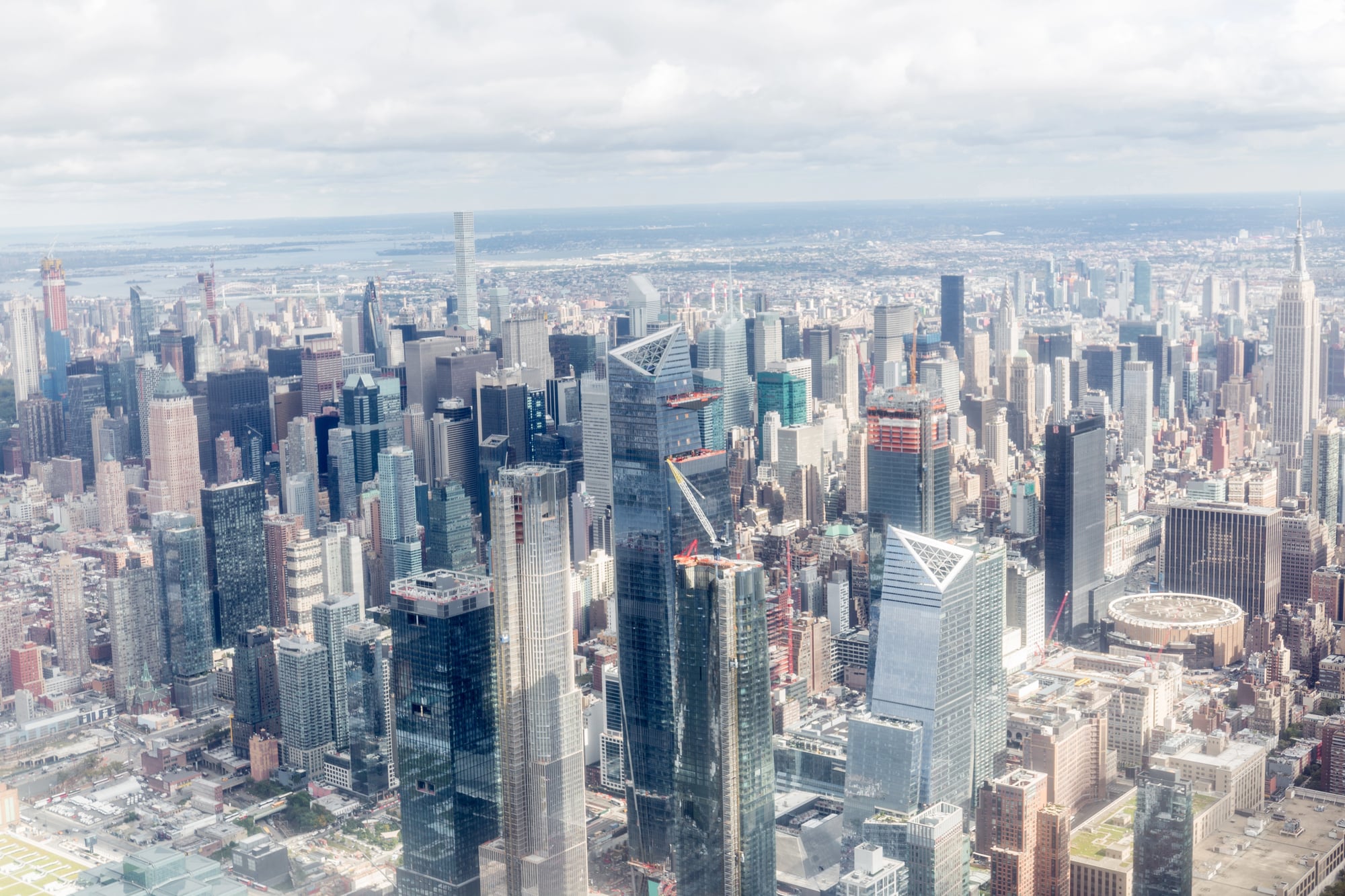
There’s something almost mythical about the way the last passenger pigeon died — not in some remote wilderness where you’d expect such endings to happen, but in the Cincinnati Zoo, in a cage, with a name (Martha) and a date (September 1, 1914) and witnesses. But New York holds a different kind of last: the final American chestnut tree killed by blight was felled in the Bronx Zoo in 1956.
Once, these trees made up a quarter of all hardwood forests in the eastern United States. Now they exist mainly in photographs and the memories of very old people who remember when the woods sounded different in autumn, when chestnuts fell like rain and fed entire ecosystems that no longer exist.
Montana
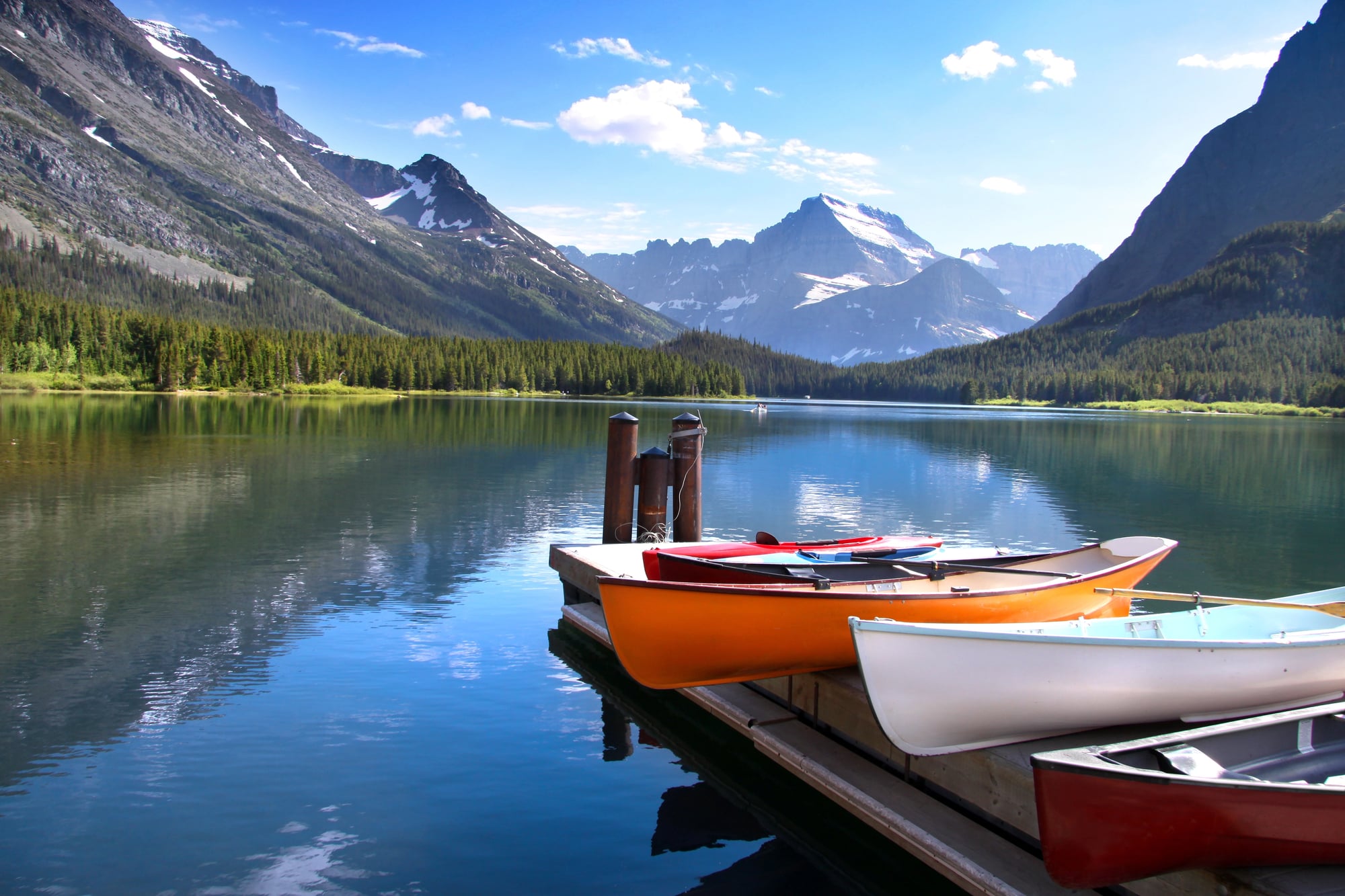
Montana’s last homesteader proved up his claim in 1976. Kenneth Deardorff filed under the Federal Land Policy and Management Act, which had quietly kept a version of the Homestead Act alive long after most people assumed it had ended.
He got his 80 acres near the town of Stony Point, making him probably the last person in American history to get free land just for promising to improve it. The whole frontier mythology of claiming your piece of the West technically lasted until Jimmy Carter was president.
Kansas
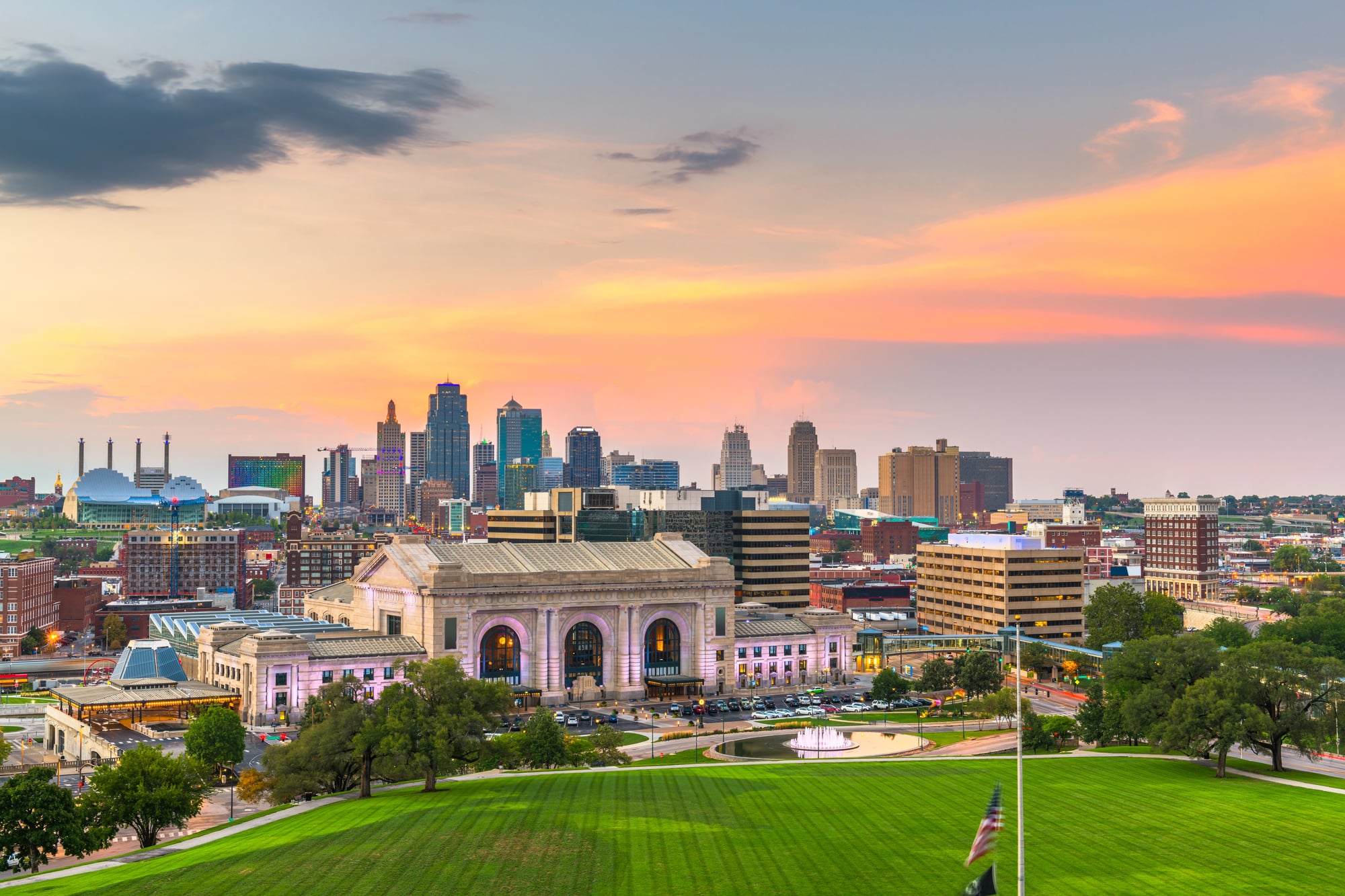
The last Buffalo Soldier retired from active duty in 1971. This isn’t about some ceremonial figure or honorary position — Sergeant Major Edward A. Carter Jr. had served continuously since World War II, through Korea and into Vietnam, representing the final direct link to the African American cavalry units that had patrolled the frontier in the 1870s.
When he hung up his uniform at Fort Knox, it ended a 104-year military tradition that had started with freed slaves who headed west to fight Indian wars and protect railroad crews.
Louisiana
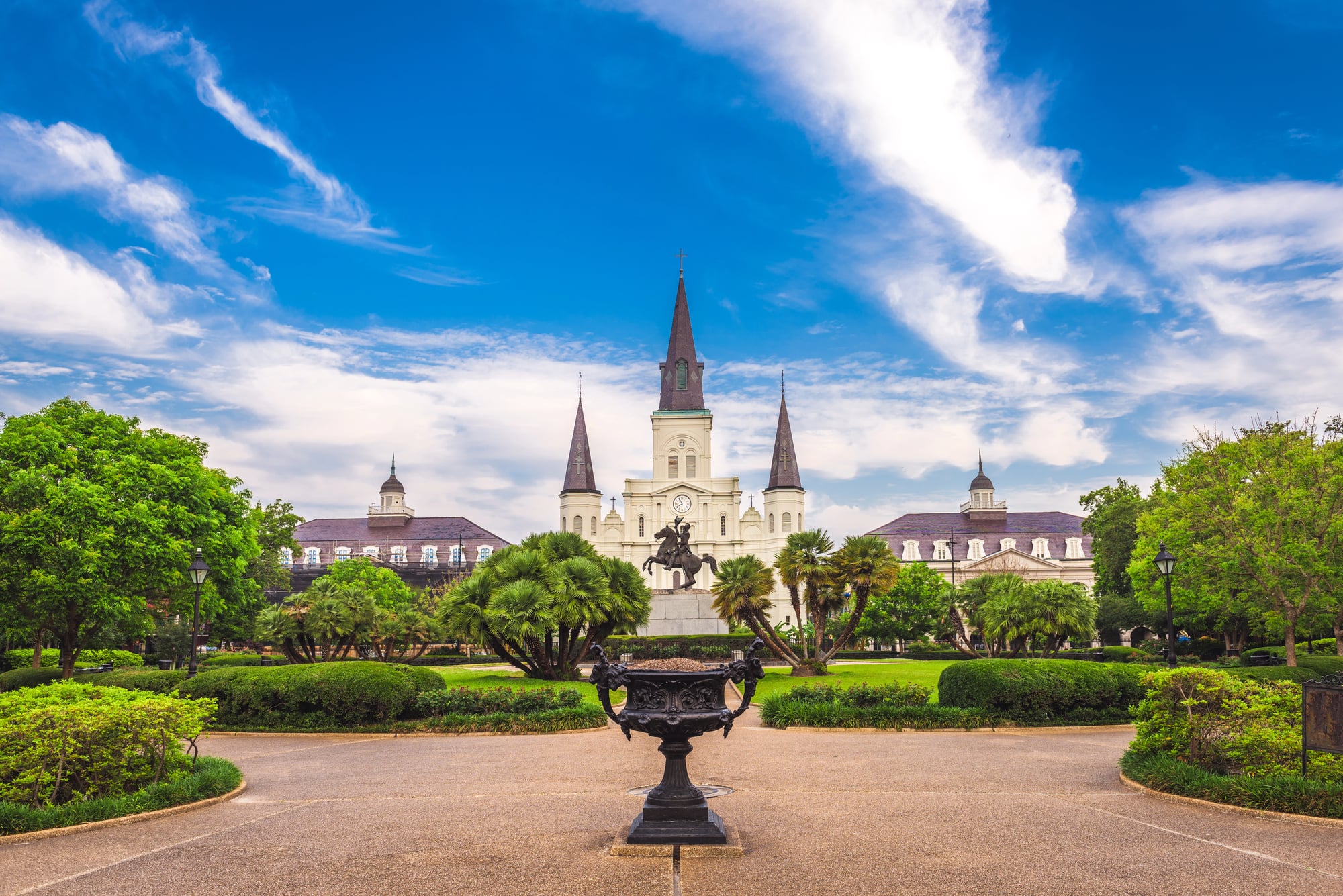
Louisiana’s last yellow fever epidemic ended in 1905, but not because medicine had finally conquered the disease (though Walter Reed’s work in Cuba had helped). What really ended it was a man named Joseph Henry White, who spent months tracking down every mosquito breeding ground in New Orleans and eliminating them one by one.
He drained cisterns, emptied flower pots, and convinced an entire city to declare war on standing water. The fever never came back, making New Orleans the first major American city to prove that mosquito control could stop disease transmission.
Arizona
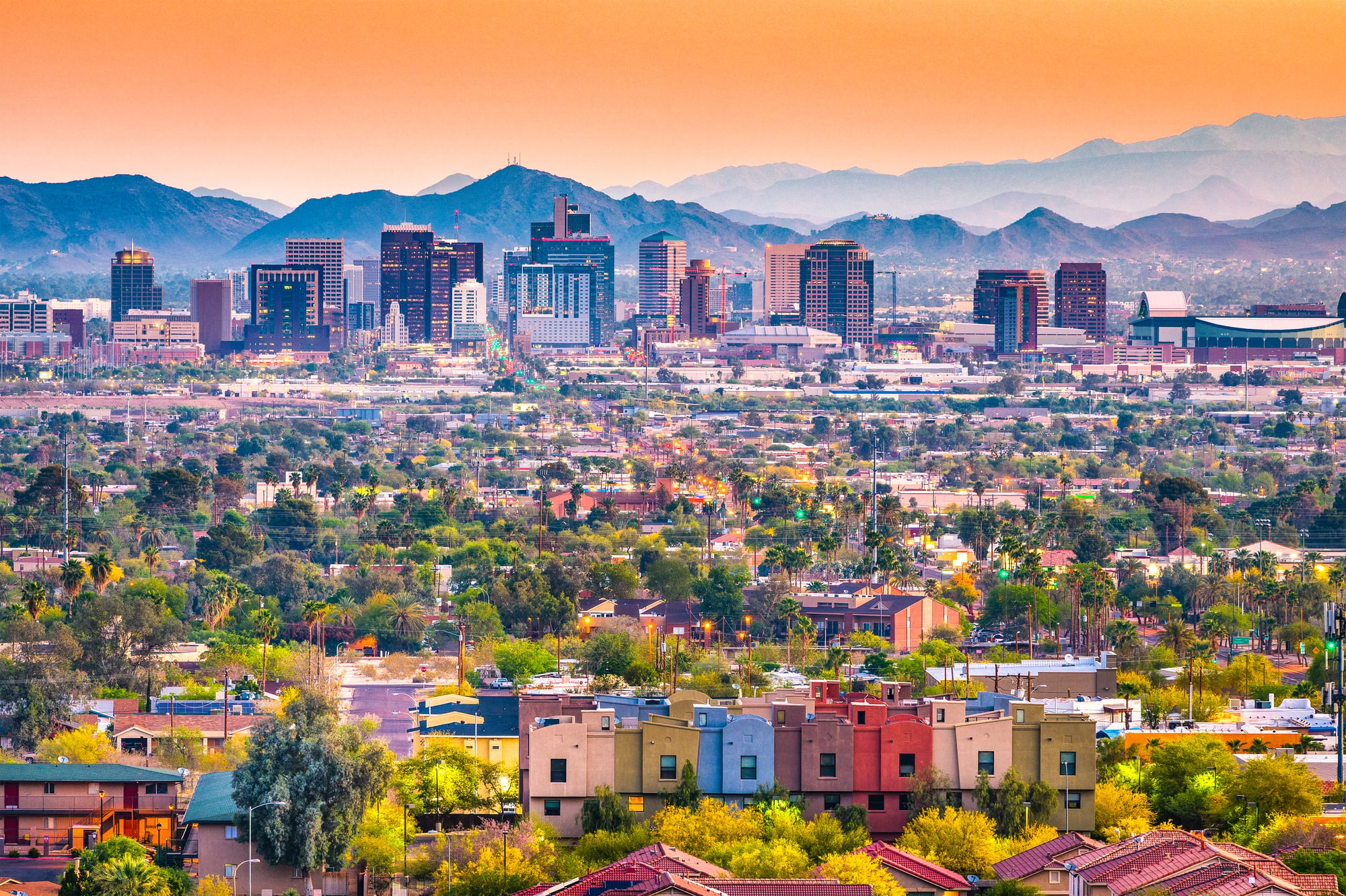
Here’s the thing about the last gunfight in the Old West: it didn’t happen in Tombstone or Dodge City or any of the places that built tourist industries around their violent pasts. It happened in Arizona, all right, but in 1931, when most people thought that kind of frontier justice had been buried with the 19th century.
Two copper miners named Frank Bailey and Claude Holman got into a dispute over mining claims near the town of Superior. They met at high noon (because apparently some clichés exist for a reason), drew their weapons, and shot each other.
Bailey died; Holman lived long enough to be tried for murder. The whole thing felt like a performance of something that should have been over decades earlier — except it wasn’t a performance, and somebody actually died.
Oregon
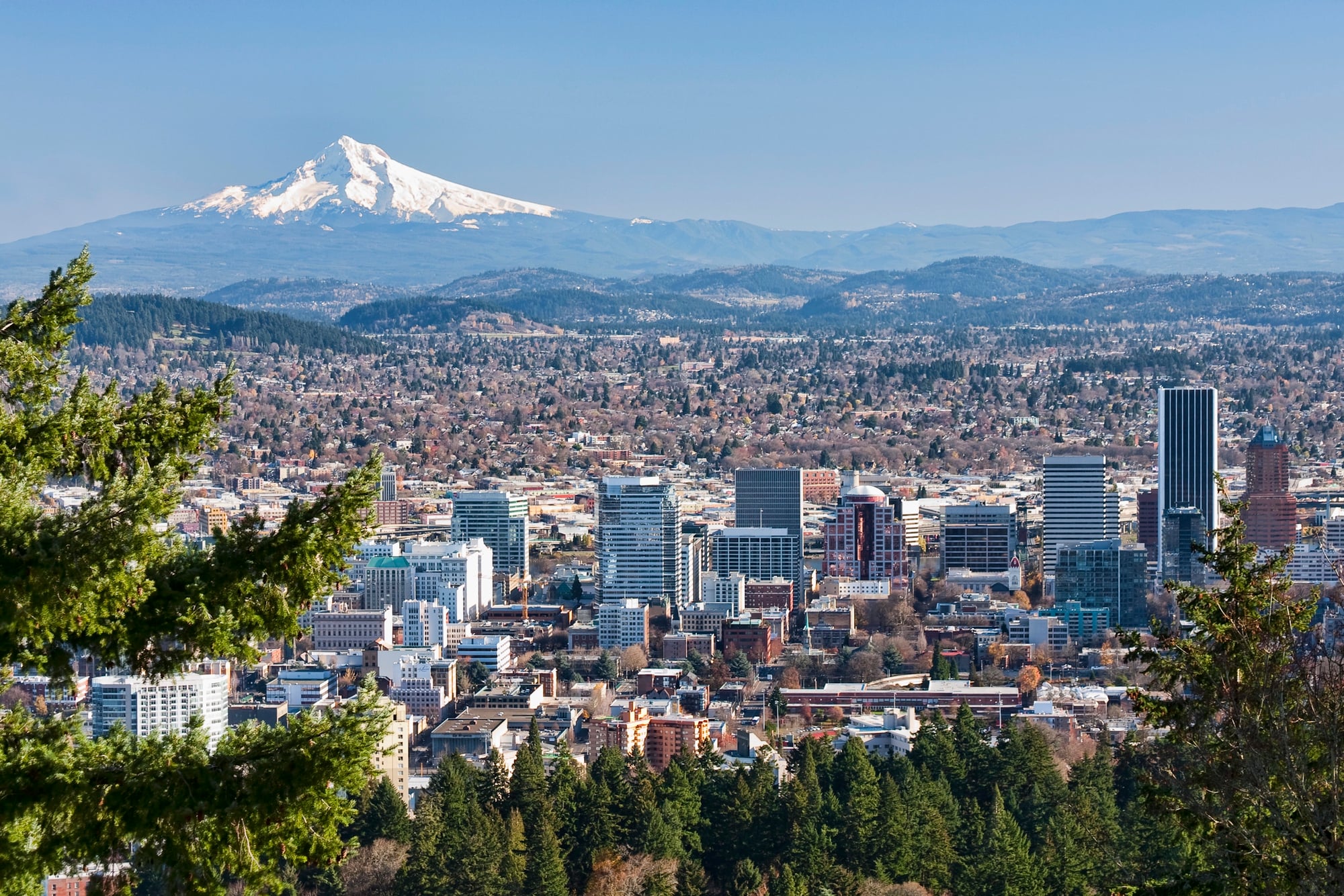
The last covered wagon train crossed into Oregon in 1906, decades after the transcontinental railroad had made such journeys completely unnecessary. But Ezra Meeker, who had originally made the trip in 1852, decided to retrace the Oregon Trail in reverse to remind people what the journey had actually been like.
At age 76, he loaded up his wagon and headed east, stopping in towns along the way to tell stories about the real pioneers. He made it all the way to New York, proving that stubbornness and nostalgia can be more powerful than progress.
Pennsylvania
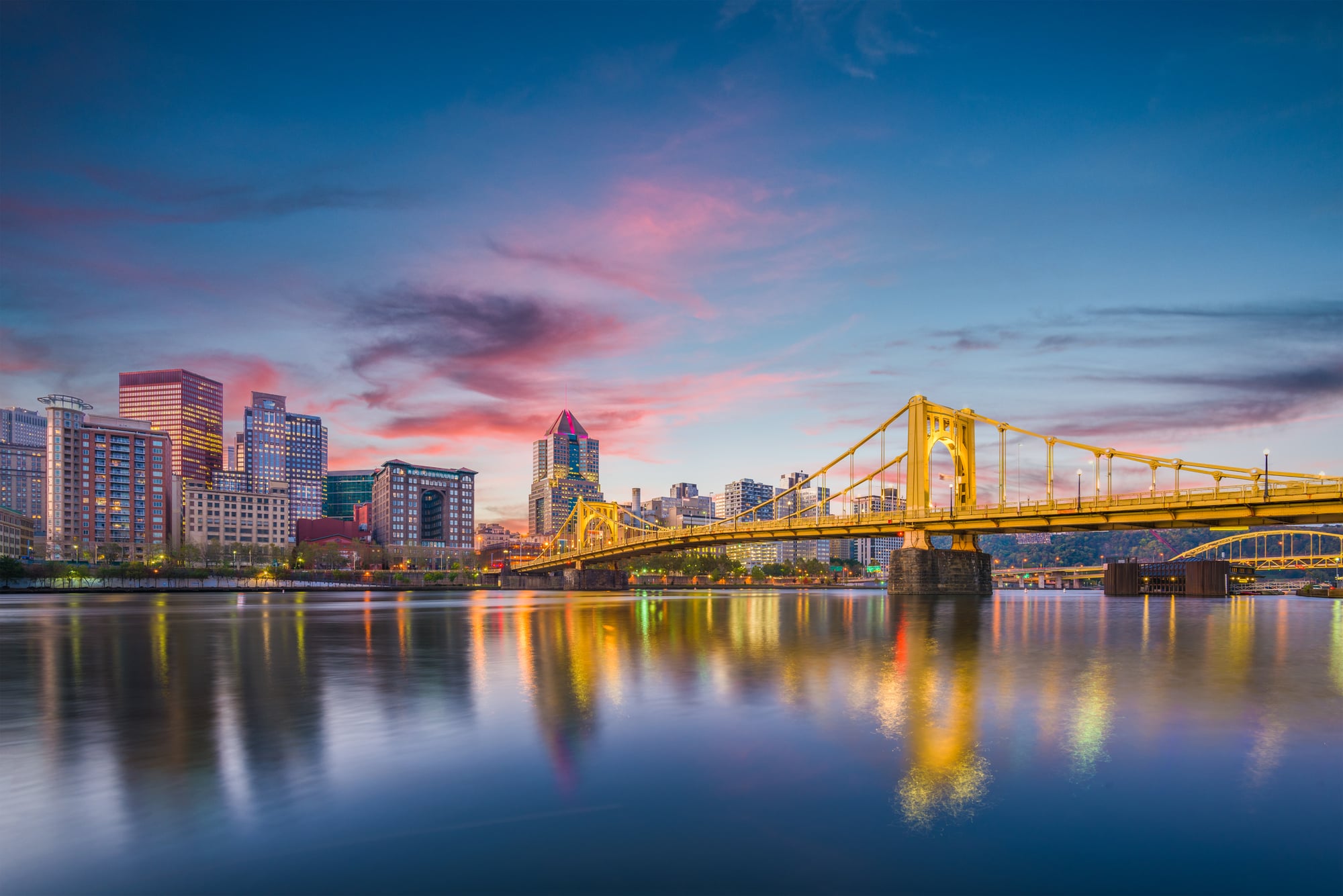
Pennsylvania’s last covered bridge wasn’t destroyed by progress or weather or simple neglect — it was murdered by arsonists in 2016. The Barronvale Bridge had stood since 1902, surviving floods and ice storms and the general indifference that kills most old things, only to be deliberately burned by someone who apparently found its existence personally offensive.
The state rebuilt it exactly as it had been, but something about that act of random destruction feels like a particularly modern way for history to end.
Wisconsin
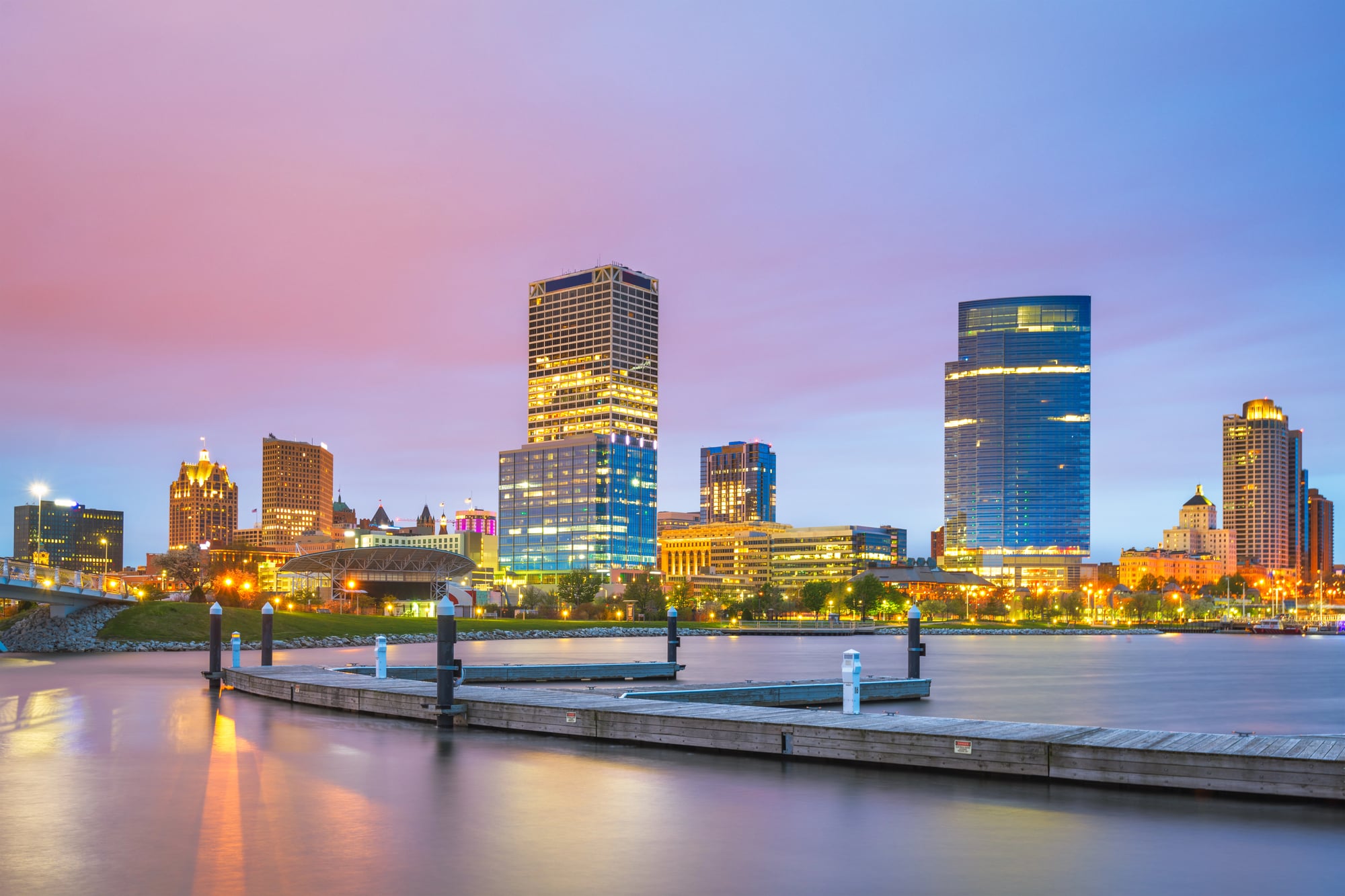
The last log drive down the Chippewa River ended in 1991, making Wisconsin the final state to officially close the books on an industry that had defined much of the northern Midwest for over a century. The Wisconsin Valley Improvement Company had been floating logs downstream since the 1870s, and even as sawmills disappeared and paper companies switched to trucks, they kept the tradition alive partly for historical reasons and partly because it still made economic sense.
When the last logs reached their destination at Wausau, a crowd gathered to watch something their great-grandparents would have considered completely ordinary.
Idaho
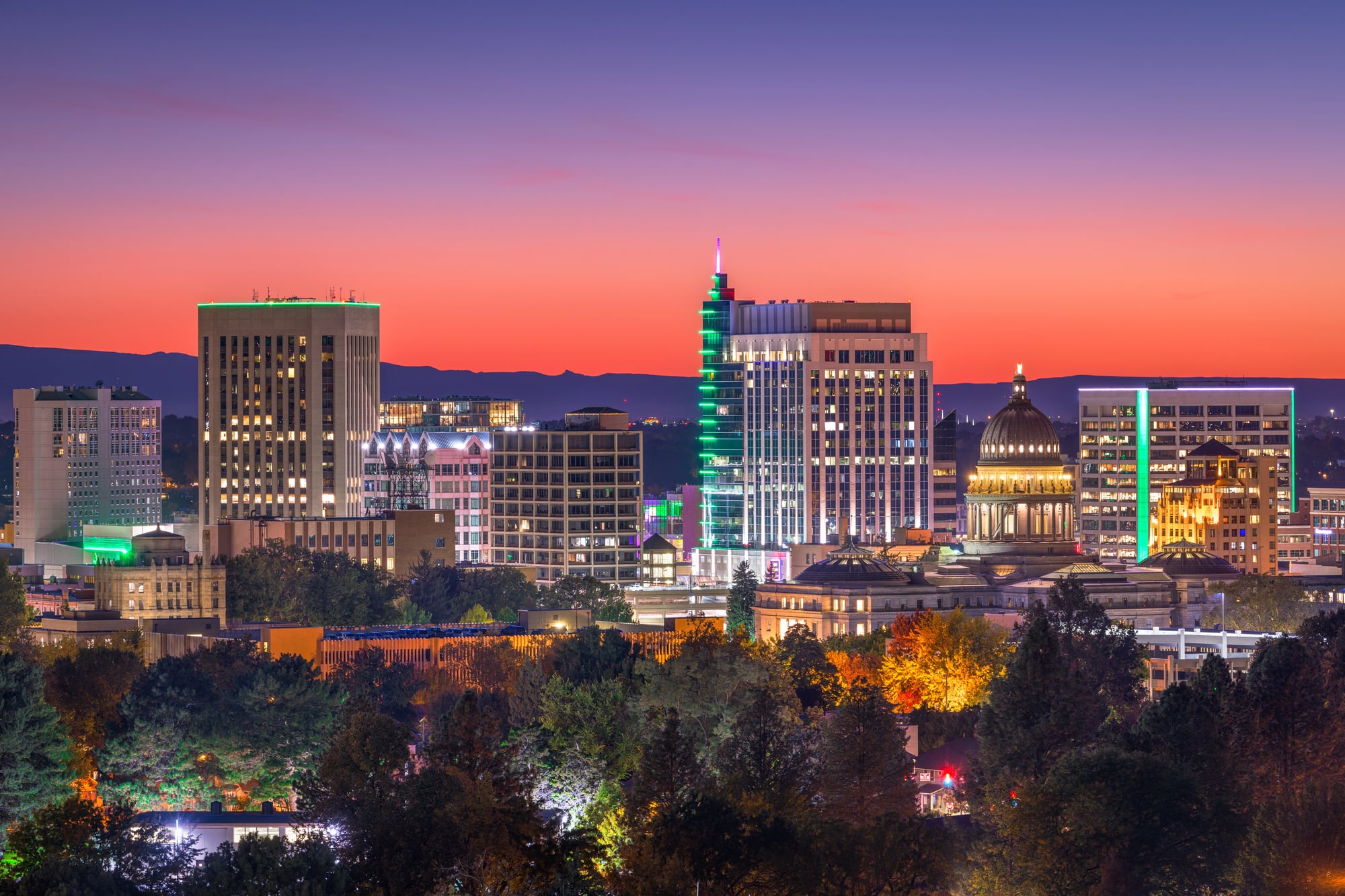
Idaho’s last one-room schoolhouse closed in 2009, which sounds recent enough to make you wonder what took so long. The Meadowbrook School near Salmon served exactly two students in its final year — siblings whose parents fought to keep it open rather than bus them 45 minutes each way to the consolidated district school.
When enrollment dropped to zero the following year, 142 years of frontier education finally ended with a locked door and a “For Sale” sign.
When the Last Light Goes Out
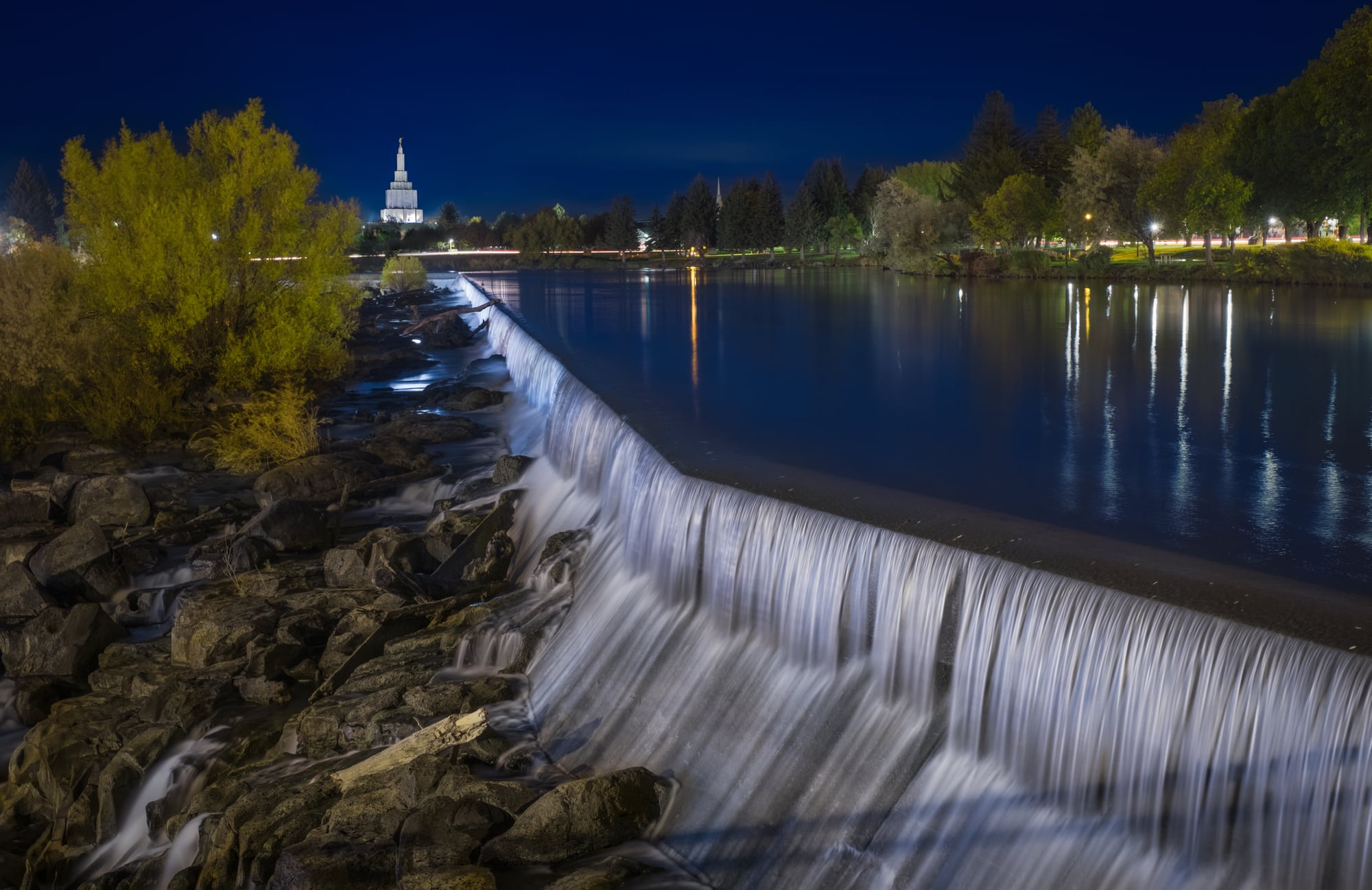
These endings rarely announced themselves as they happened. Most of the time, nobody knew they were witnessing a final act until years later, when someone realized the thing that had always been there simply wasn’t anymore.
That’s how history actually works — not with grand declarations or ceremonial closures, but with quiet fade-outs that only become significant in retrospect. Every state carries dozens of these forgotten lasts tucked away in their past, small endings that once meant everything to someone and now exist mainly as curiosities for people who collect historical trivia.
But maybe that’s exactly why they matter — because they remind us that the things we take for granted today are just as temporary as everything that came before.
More from Go2Tutors!

- The Romanov Crown Jewels and Their Tragic Fate
- 13 Historical Mysteries That Science Still Can’t Solve
- Famous Hoaxes That Fooled the World for Years
- 15 Child Stars with Tragic Adult Lives
- 16 Famous Jewelry Pieces in History
Like Go2Tutors’s content? Follow us on MSN.