Strangest Medical Beliefs People Once Had About Themselves
People throughout history held some truly bizarre ideas about how their own bodies worked. These weren’t just wild guesses either.
Doctors, scholars, and ordinary folks genuinely believed these theories and lived their lives according to them. Many of these beliefs sound ridiculous today, but they made perfect sense given what people knew at the time.
From thinking certain emotions could literally poison the body to believing wandering organs caused illness, humans have come up with some creative explanations for their health problems. Let’s look at the wildest medical beliefs people once accepted as absolute truth about their own bodies.
Wandering wombs caused hysteria
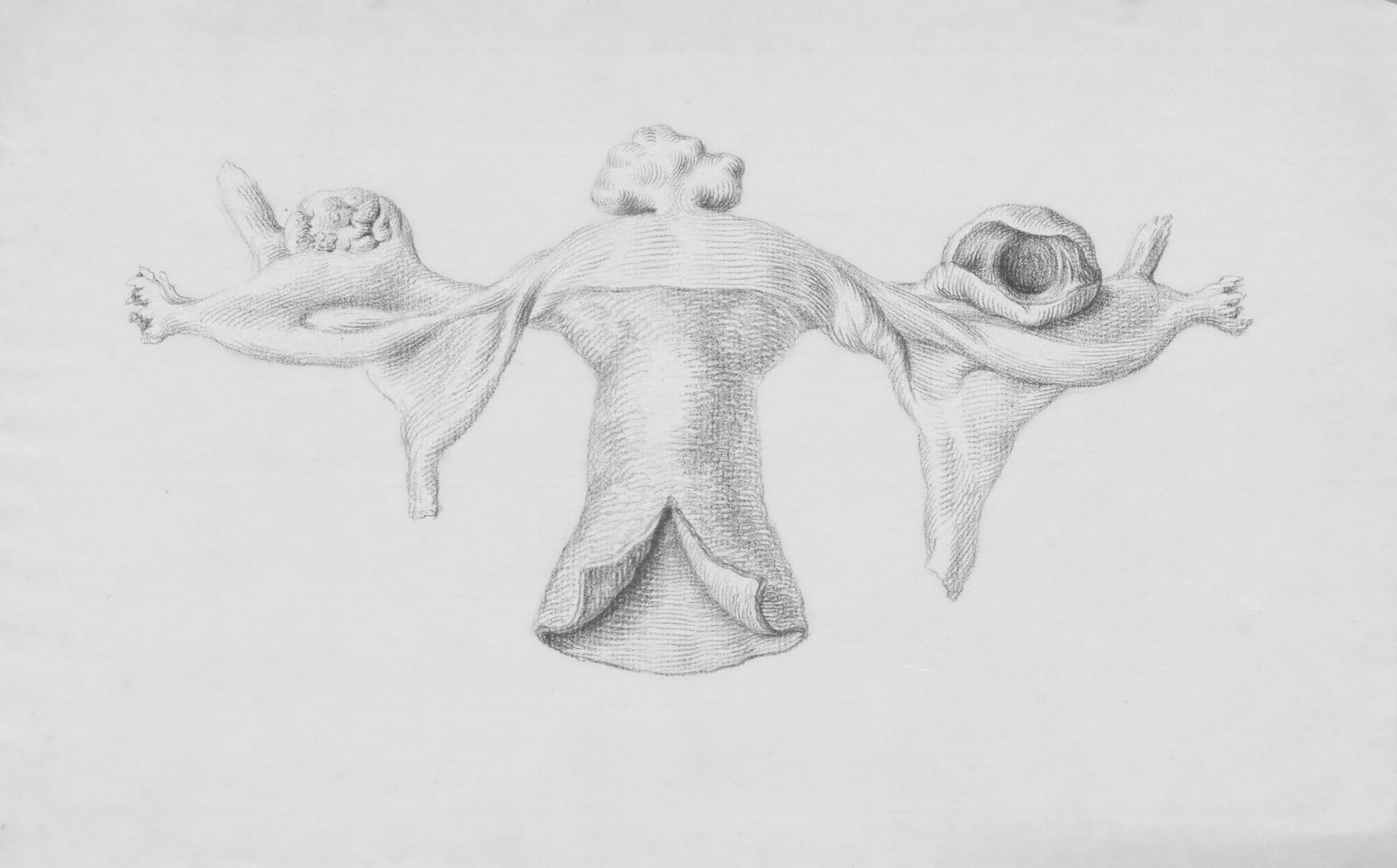
Ancient Greek physicians believed the uterus could travel around inside a woman’s body like a lost animal looking for its home. They thought this wandering organ caused all sorts of problems including anxiety, fainting spells, and irrational behavior.
Doctors prescribed marriage and pregnancy as cures because they believed these would anchor the uterus in place. The word hysteria itself comes from the Greek word for uterus, showing how deeply this idea influenced medical thinking.
This belief persisted for centuries and shaped how society treated women’s health complaints well into the 1900s.
Bad air from swamps made you sick

People believed miasma, or bad air rising from swamps and rotting matter, caused most diseases. They thought breathing this foul air would make them ill with everything from cholera to the plague.
Wealthy people carried flowers or perfumed handkerchiefs to their noses when walking through poor neighborhoods because they believed the smell itself carried disease. Doctors wore those famous bird-beak masks stuffed with herbs and flowers to filter the dangerous air.
This theory actually had some truth since mosquitoes from swamps did spread disease, but people had the mechanism completely wrong.
Your personality came from four body fluids
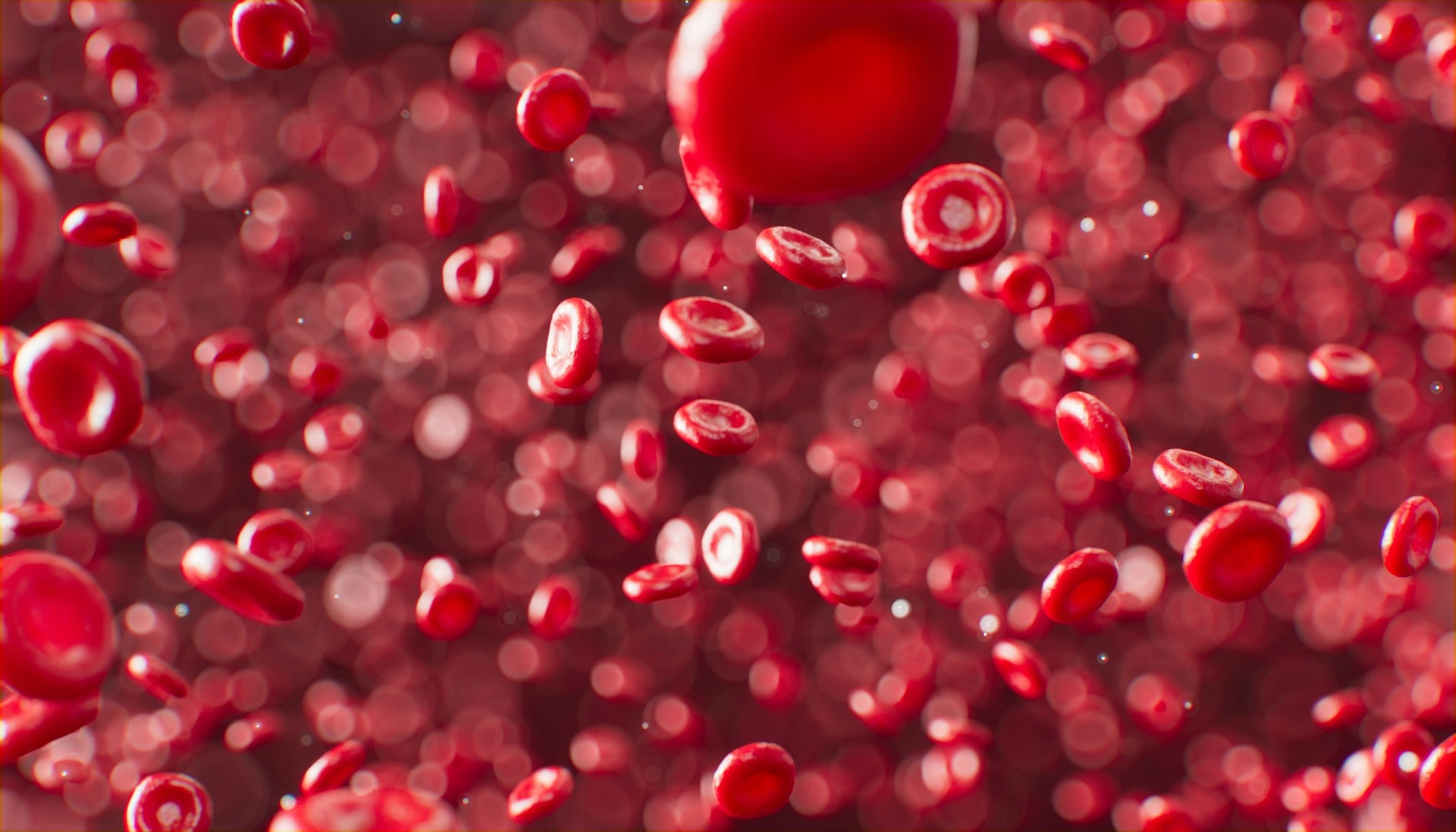
Medieval medicine taught that four fluids controlled both health and personality: blood, phlegm, yellow bile, and black bile. Having too much of any fluid would make someone sick and change their temperament.
Too much blood made people overly cheerful and energetic. Excess phlegm created sluggish, calm personalities.
Yellow bile caused angry, irritable behavior, while black bile led to sadness and depression. Doctors treated illness by trying to balance these fluids through bloodletting, special diets, and purgatives that would drain whichever fluid seemed excessive.
Looking at ugly things harmed unborn babies
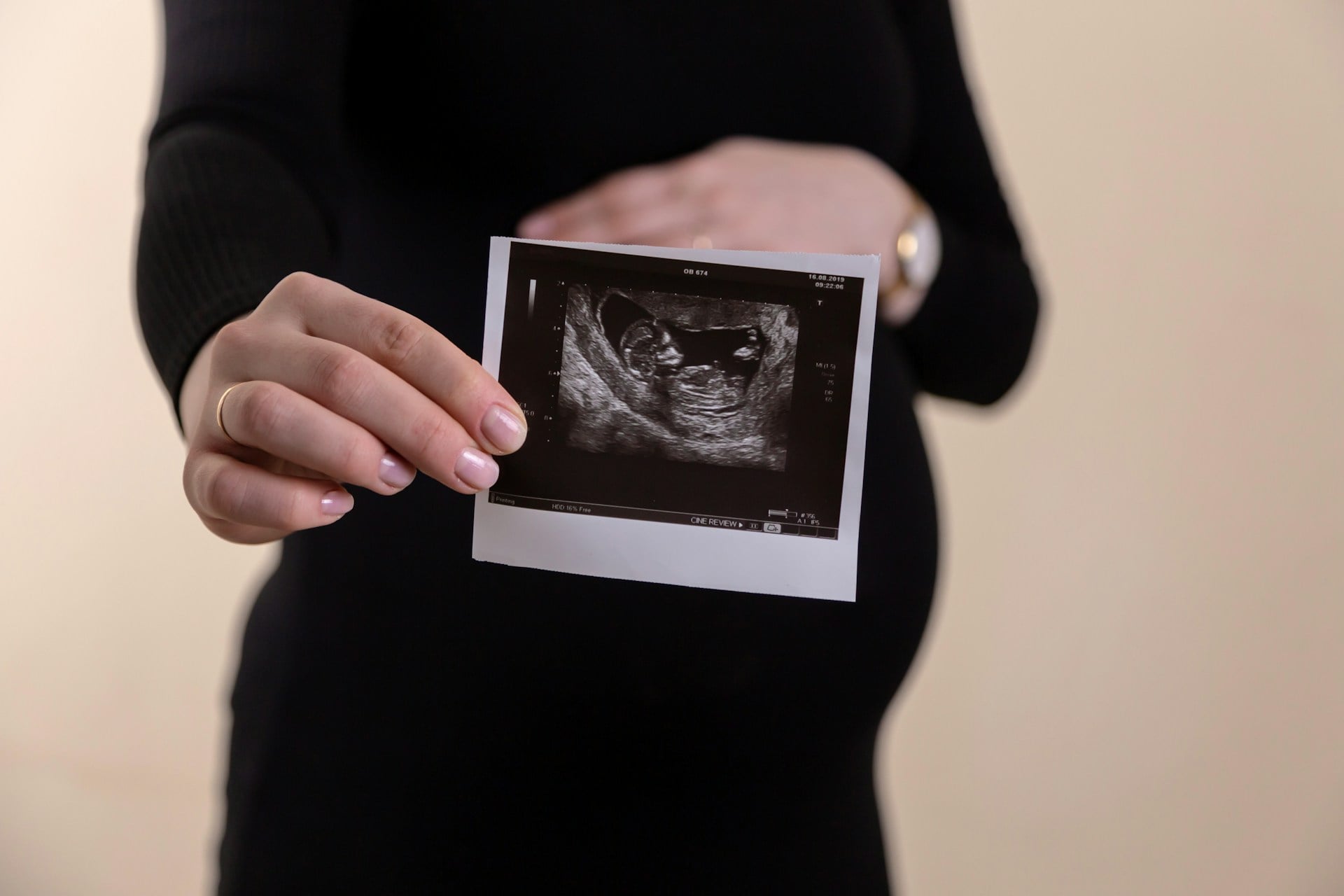
Pregnant women heard constant warnings about what they looked at because people believed visual images could physically mark their babies. If a woman saw someone with a birthmark or deformity, her child might develop the same feature.
Even looking at animals could supposedly cause problems, with one belief claiming that viewing rabbits during pregnancy would give the baby a cleft lip. Some cultures required pregnant women to surround themselves only with beautiful art and pleasant sights.
This belief was so strong that people blamed mothers for any birth differences their children had.
Holding in sneezes could kill you
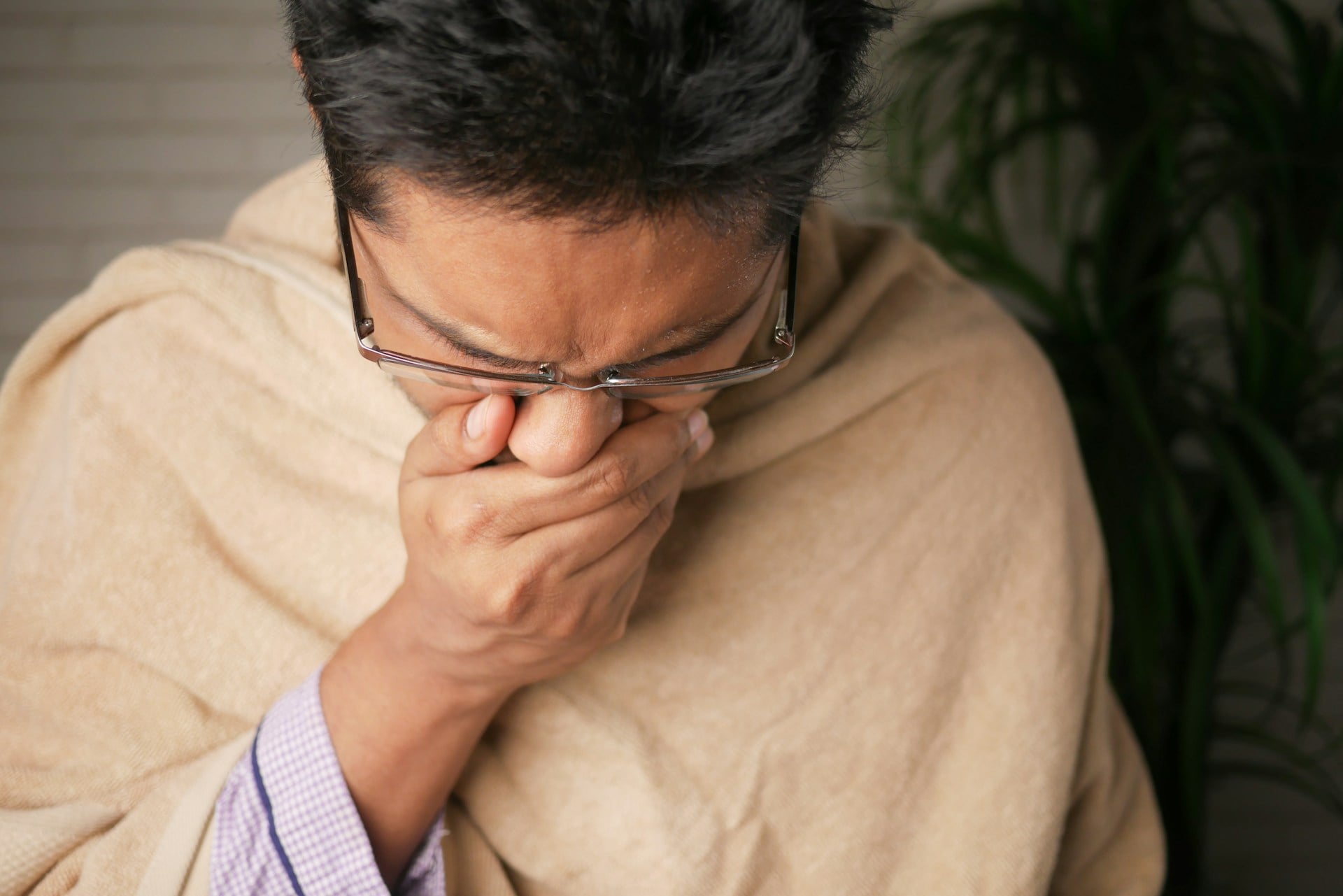
Many cultures believed sneezes expelled evil spirits or bad humors from the body. Stopping a sneeze meant trapping these dangerous forces inside where they could cause serious harm or even death.
The soul supposedly left the body momentarily during a sneeze, which is why people started saying ‘bless you’ to protect the sneezer from evil spirits entering while the soul was absent. Some folks thought holding in a sneeze could make the trapped force shoot into the brain and cause an aneurysm.
This belief made people very serious about not suppressing their sneezes.
Red-haired people had hot tempers built in

Society believed redheads had fundamentally different internal chemistry that made them naturally more aggressive and quick to anger. This idea came from the theory that red hair indicated an excess of yellow bile, the humor associated with fire and rage.
People thought this biological difference was permanent and unchangeable. Redheads faced discrimination based on this supposed innate aggression.
The belief was so widespread that it influenced everything from job prospects to marriage arrangements, with some families avoiding matches with red-haired individuals.
Sitting on cold surfaces made women infertile

Generations of mothers warned daughters never to sit on cold stone, concrete, or even chilly chairs because the cold would travel up through the body and freeze the reproductive organs. People believed this cold could permanently damage fertility or cause painful menstrual problems.
Women in many cultures still hear this warning today despite no medical evidence supporting it. The belief likely arose from the general idea that cold caused stiffness and dysfunction in the body.
Some versions of this belief extended to men as well, claiming cold surfaces could harm their reproductive health too.
Drinking wine mixed with ground pearls cured everything

Wealthy people in various cultures believed consuming crushed pearls mixed into wine could cure diseases and extend life. They thought pearls contained special properties because they came from the sea and had such a perfect, lustrous appearance.
Rich families spent fortunes grinding up valuable pearls for this supposed medicine. Some believed the calcium in pearls could strengthen bones and teeth when eaten.
Others thought pearls contained a life essence that would transfer to whoever consumed them. This expensive practice did absolutely nothing except waste beautiful gems and a lot of money.
Mastodons explained giant human ancestors
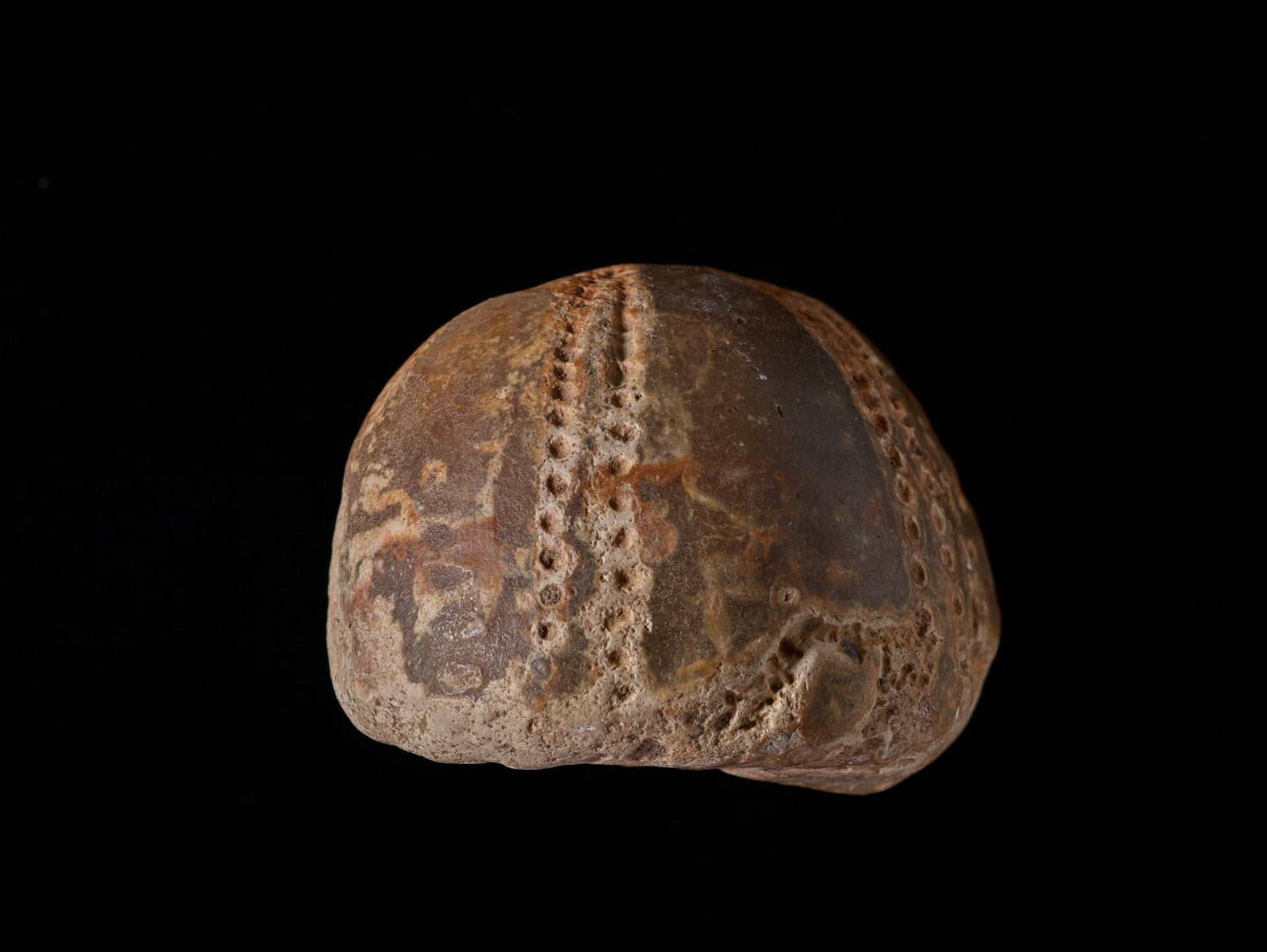
When people found huge fossil bones, they believed these came from a race of giant humans who lived before regular-sized people. They thought their own ancestors used to be enormous but shrank over generations due to sin or changing conditions.
Communities displayed these giant bones in churches and town squares as proof of biblical stories about giants. Some people worried they might still be shrinking and their descendants would become even smaller.
The idea that these bones came from extinct animals didn’t gain acceptance until much later, and even then many folks resisted the explanation.
Left-handed people had devil connections
Society considered left-handedness a sign of evil or demonic influence living inside the person. The word ‘sinister’ literally means left in Latin, showing how deeply this belief ran.
Parents and teachers forced left-handed children to use their right hands through punishment and restraints. People thought the devil entered the body through the left side and could be controlled by suppressing left-handed tendencies.
Some cultures believed left-handed people had been touched by evil spirits in the womb. This prejudice against left-handed individuals continued well into the twentieth century in many places.
Freckles showed where toads touched you
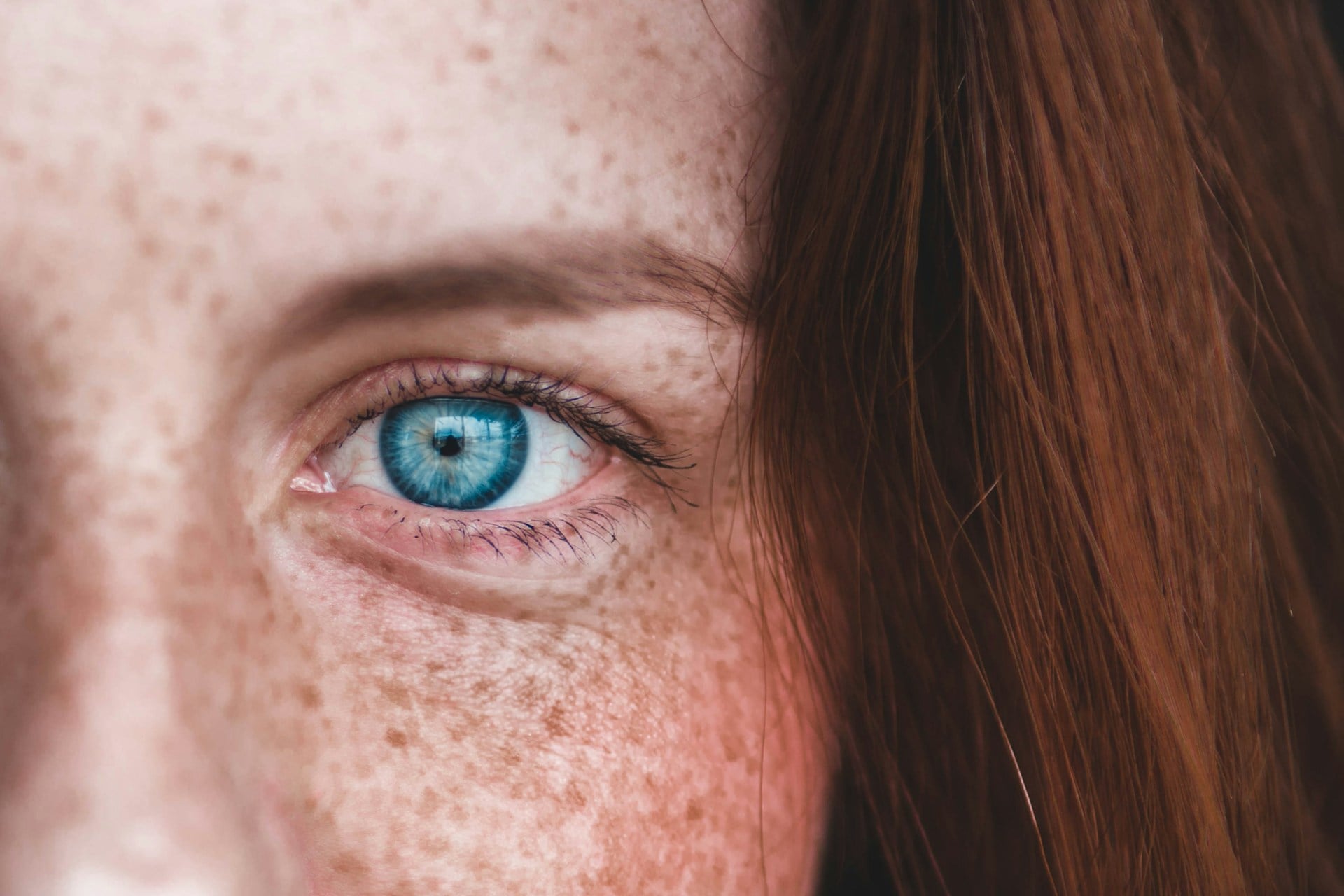
Various European cultures believed freckles appeared on skin where toads had touched or breathed on someone. People thought toads carried special properties that marked human skin permanently.
Parents warned children to avoid toads or they’d be covered in spots forever. Some versions claimed only toads seen during certain moon phases could cause freckles.
Others believed the toad’s magic penetrated the skin and left these permanent marks as a brand. Redheads with many freckles supposedly had encountered whole groups of toads at once.
Eating particular foods shaped your features

People believed consuming certain foods would make their body parts resemble those foods. Eating walnuts would improve the brain because walnuts look like tiny brains.
Carrots helped vision because sliced carrots resemble eyes. Kidney beans supposedly strengthened actual kidneys due to their shape.
This ‘doctrine of signatures’ influenced diets across many cultures. While some of these foods do provide health benefits, the reasoning was completely wrong.
The belief persisted because coincidental improvements after eating these foods seemed to confirm the theory.
Bathing opened pores to disease

For centuries, people avoided bathing because they thought water and soap opened skin pores, allowing disease to enter the body. They believed a layer of dirt actually protected them from illness.
Wealthy individuals went months or years without full baths. Instead, they changed their undergarments frequently and used dry clothes to wipe their skin.
Some rubbed themselves with oils and perfumes to mask odors rather than wash. The rare baths people did take used special herbs meant to keep pores closed.
This belief contributed to many disease outbreaks since actual cleanliness did prevent infections.
Birthmarks revealed past life deaths
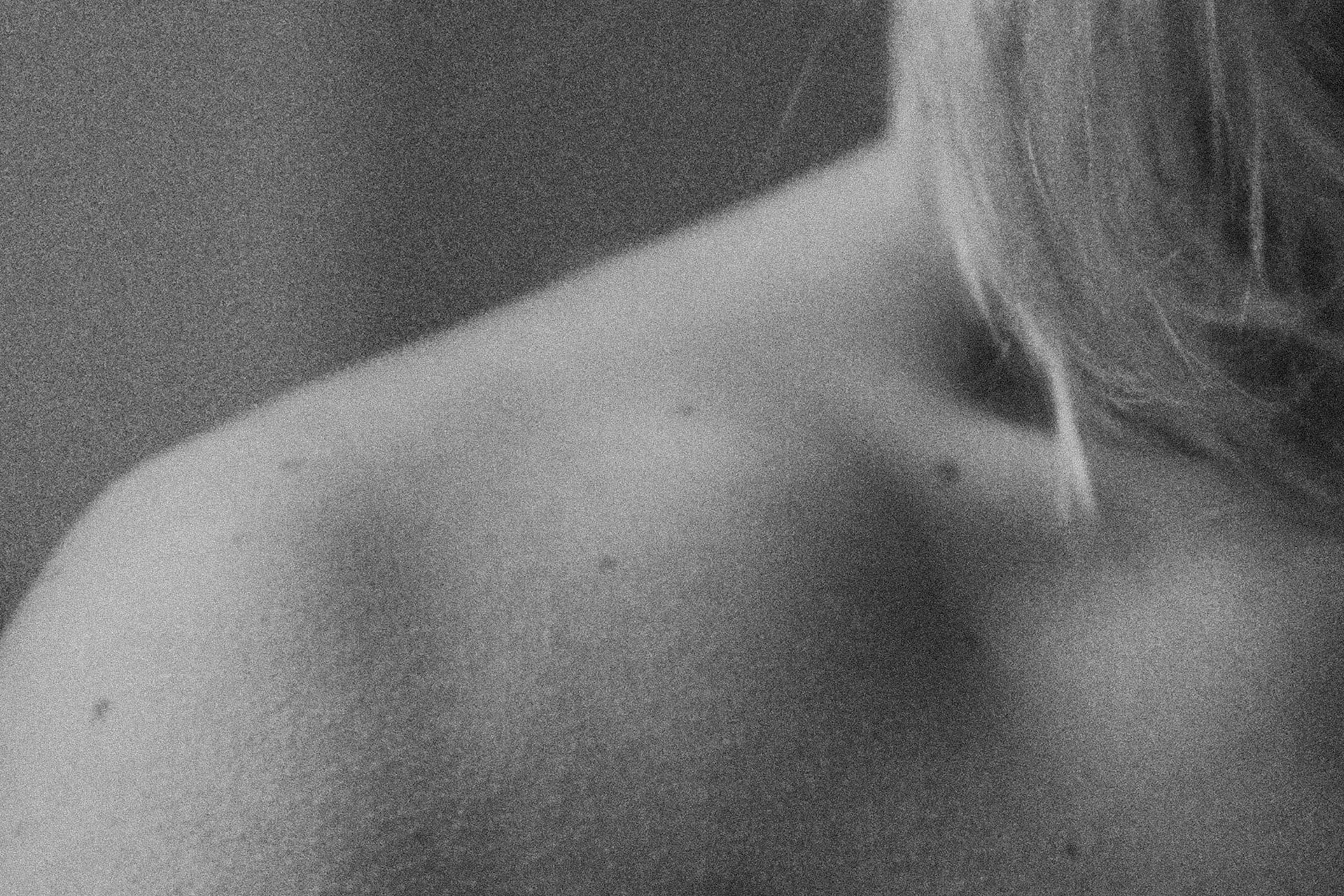
Many cultures taught that birthmarks showed how someone died in a previous life. A birthmark on the head meant death from a head injury.
Marks on the chest indicated stabbing or shooting. People examined their birthmarks trying to uncover their past life stories.
Parents studied their children’s marks to understand their supposed previous existences. Some believed large birthmarks indicated particularly violent or traumatic past deaths.
This belief made birthmarks sources of fascination and sometimes fear rather than just random skin variations.
Tight lacing shifted organs permanently

Women who wore extremely tight corsets believed this practice could permanently rearrange their internal organs into a more compressed shape. Some thought their ribs would actually soften and reshape around the corset structure.
Medical texts warned about displaced livers, compressed stomachs, and crushed intestines from corseting. Women accepted these supposed changes as necessary for beauty and proper appearance.
Doctors blamed all sorts of female health problems on corset wearing and organ displacement. While tight corsets did cause real health issues, the permanent organ rearrangement was exaggerated.
Lunar phases controlled body fluids
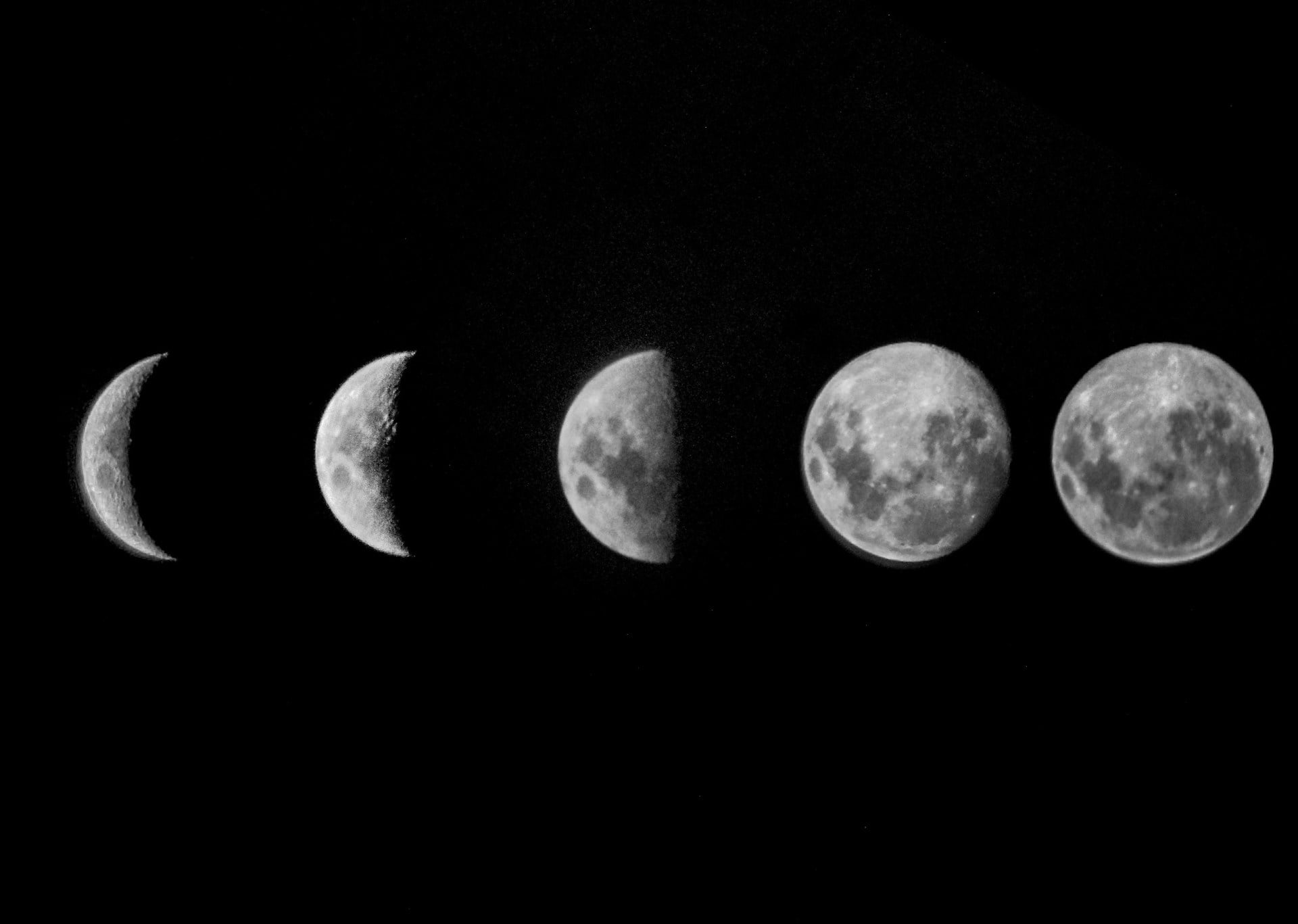
People organized medical treatments around moon phases because they believed the moon controlled all liquids including those inside the human body. Just as the moon affected ocean tides, they thought it pulled on blood and other bodily fluids.
Doctors scheduled bloodletting during specific moon phases for better results. Some believed wounds bled more during full moons.
Surgery got planned around lunar calendars to avoid times when body fluids would supposedly surge. Farmers even timed the slaughter of animals based on moon phases, thinking the meat quality depended on fluid levels.
This belief connected human biology directly to celestial movements.
Why these strange ideas felt so real
These bizarre medical beliefs thrived because people lacked tools to see inside their bodies or understand how things actually worked. The theories made logical sense given what folks could observe with their own eyes and the cultural stories passed down through generations.
When someone tried a treatment based on these beliefs and happened to feel better, it seemed like proof the theory was correct
More from Go2Tutors!

- The Romanov Crown Jewels and Their Tragic Fate
- 13 Historical Mysteries That Science Still Can’t Solve
- Famous Hoaxes That Fooled the World for Years
- 15 Child Stars with Tragic Adult Lives
- 16 Famous Jewelry Pieces in History
Like Go2Tutors’s content? Follow us on MSN.



