15 Things Found in Every 1970s Garage
Most garages tell stories, but the ones from the 1970s practically shout them. They weren’t just places to park cars — they were workshops, storage units, and time capsules all rolled into one.
The decade left its fingerprints on everything from the tools hanging on pegboards to the mysterious cans of liquid sitting on dusty shelves. Walk into any garage that’s been untouched since Carter was president, and these items will greet you like old friends who never got the memo that times had changed.
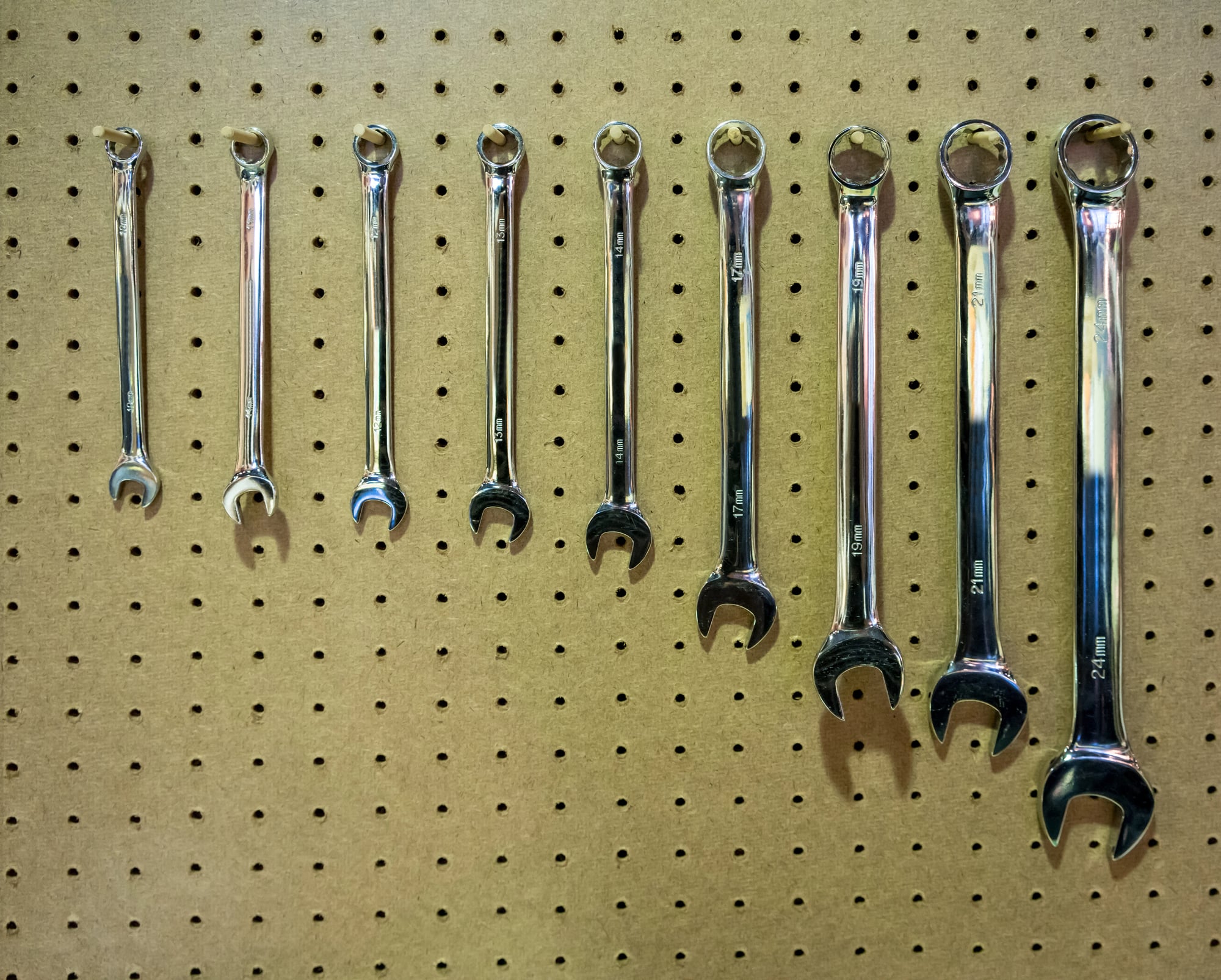
Pegboard Tool Organization System
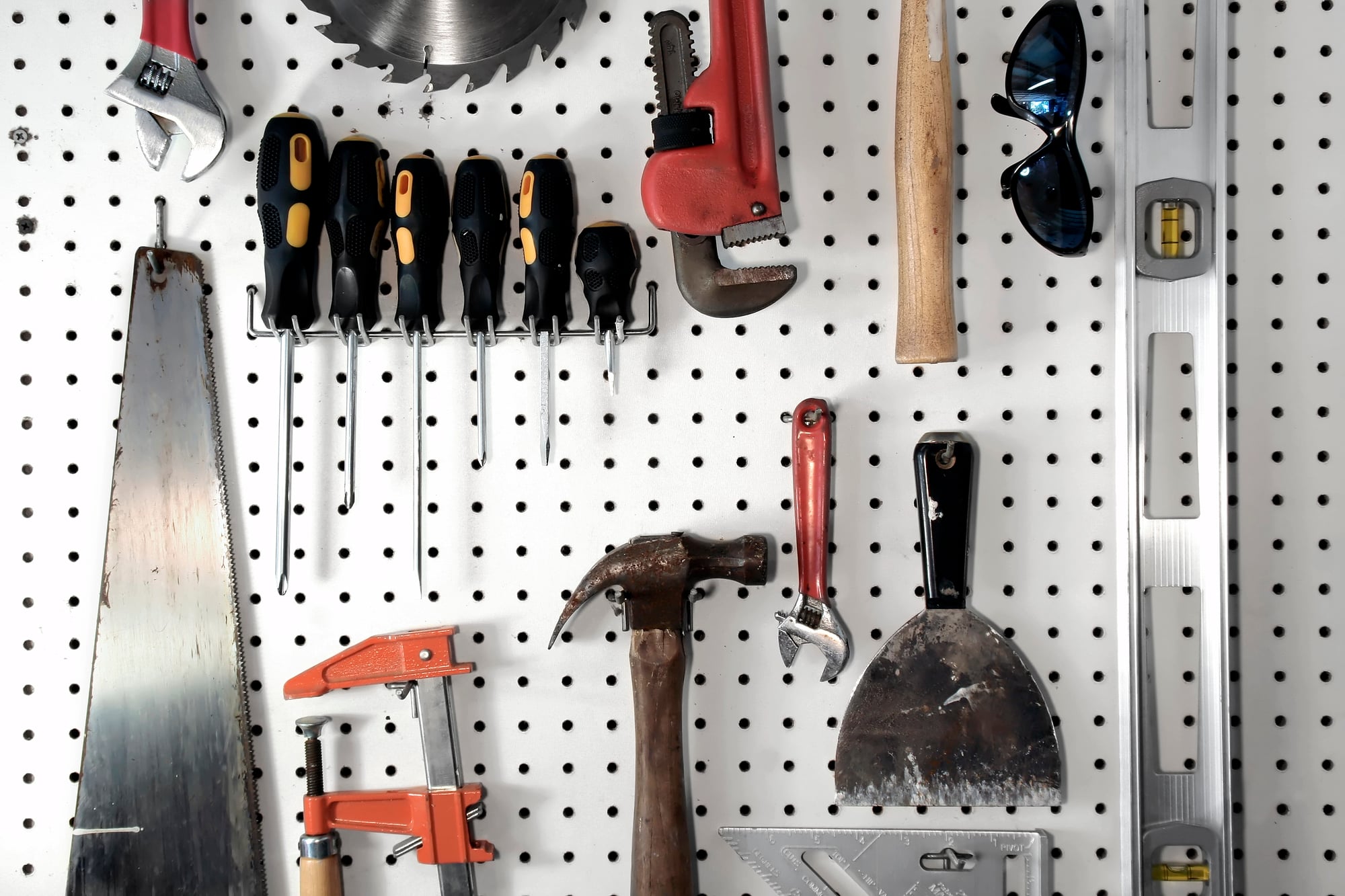
Pegboard was everywhere. Every serious garage owner had at least one wall covered in the stuff, with those little metal hooks holding everything from screwdrivers to levels.
The tools had their designated spots, outlined in black marker so you’d know exactly where the Phillips head belonged.
Most of these setups are still hanging there today, gathering dust but holding strong. The pegboard itself has usually turned a shade of institutional beige that screams 1970s louder than a leisure suit.
Coffee Cans Full Of Hardware

Walk into any 1970s garage and you’d find rows of coffee cans — Folgers, Maxwell House, Hills Bros — lined up on shelves like caffeinated soldiers. But instead of coffee grounds, they held the most random collection of screws, nuts, bolts, washers, and widgets known to humanity.
Some of these fasteners had been floating around since the Eisenhower administration (and probably came from appliances that had been junked years earlier), yet there they sat, because you never knew when you might need a 1/4-inch carriage bolt with a wing nut that fit nothing currently in the house.
And the beautiful thing about this system — if you could call the complete absence of organization a system — was that it actually worked, sort of, in the same way that throwing everything into a junk drawer works until you desperately need something specific and spend forty minutes digging through coffee cans making noise like a one-man marching band.
So these cans accumulated, multiplied really, because throwing away a perfectly good container felt wasteful, and besides, what if you needed to sort screws by thread pitch someday?
Motor Oil Display

There’s something almost reverent about the way motor oil was stored in 1970s garages. Cans of Valvoline, Quaker State, and Castrol GTX lined up like amber soldiers on metal shelving.
Not the plastic bottles we know today, but proper metal cans with that satisfying pop when you punctured them with a can opener.
These weren’t just functional items — they were badges of automotive loyalty. A man’s choice of motor oil said something about his relationship with his car, his truck, his riding mower.
The cans themselves became part of the garage’s architecture, their labels fading to pastels but never quite disappearing.
Most garages had at least a case worth, because buying in bulk made sense and because running out of oil felt like a personal failing. The empties got repurposed into paint can storage or plant pots, because throwing away a perfectly good metal container was practically criminal.
WD-40 And 3-in-1 Oil
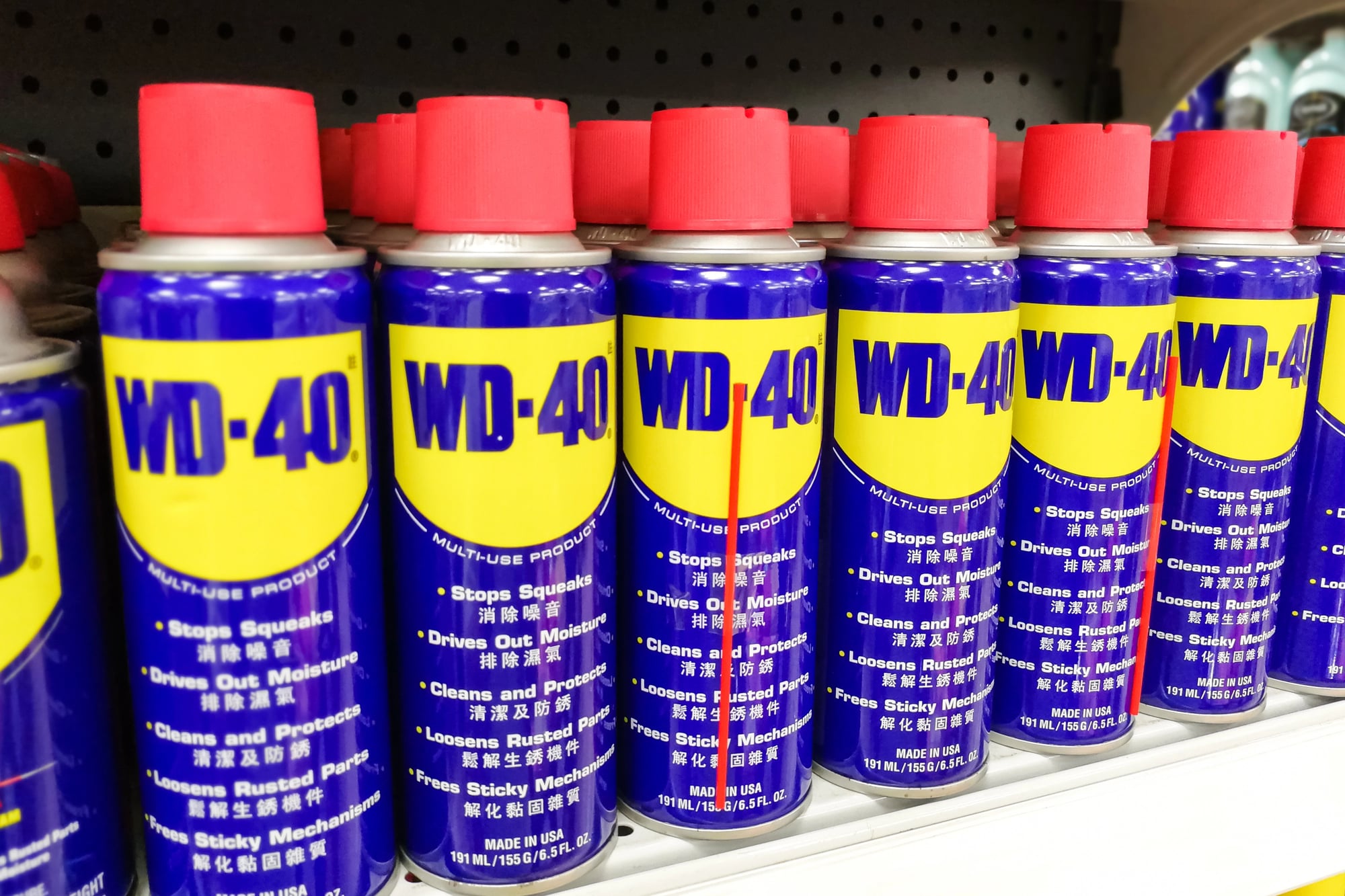
WD-40 wasn’t just a product in the 1970s garage. It was a religion.
The blue and red can sat in a place of honor, usually within arm’s reach of the main workbench, because everything that squeaked, stuck, or refused to move got the WD-40 treatment first.
Right next to it lived the 3-in-1 oil with its distinctive red cap and flip-up spout. Between these two products, most garage philosophers believed, you could fix about 60% of the world’s mechanical problems.
The other 40% required either duct tape or a bigger hammer.
Workmate Portable Workbench
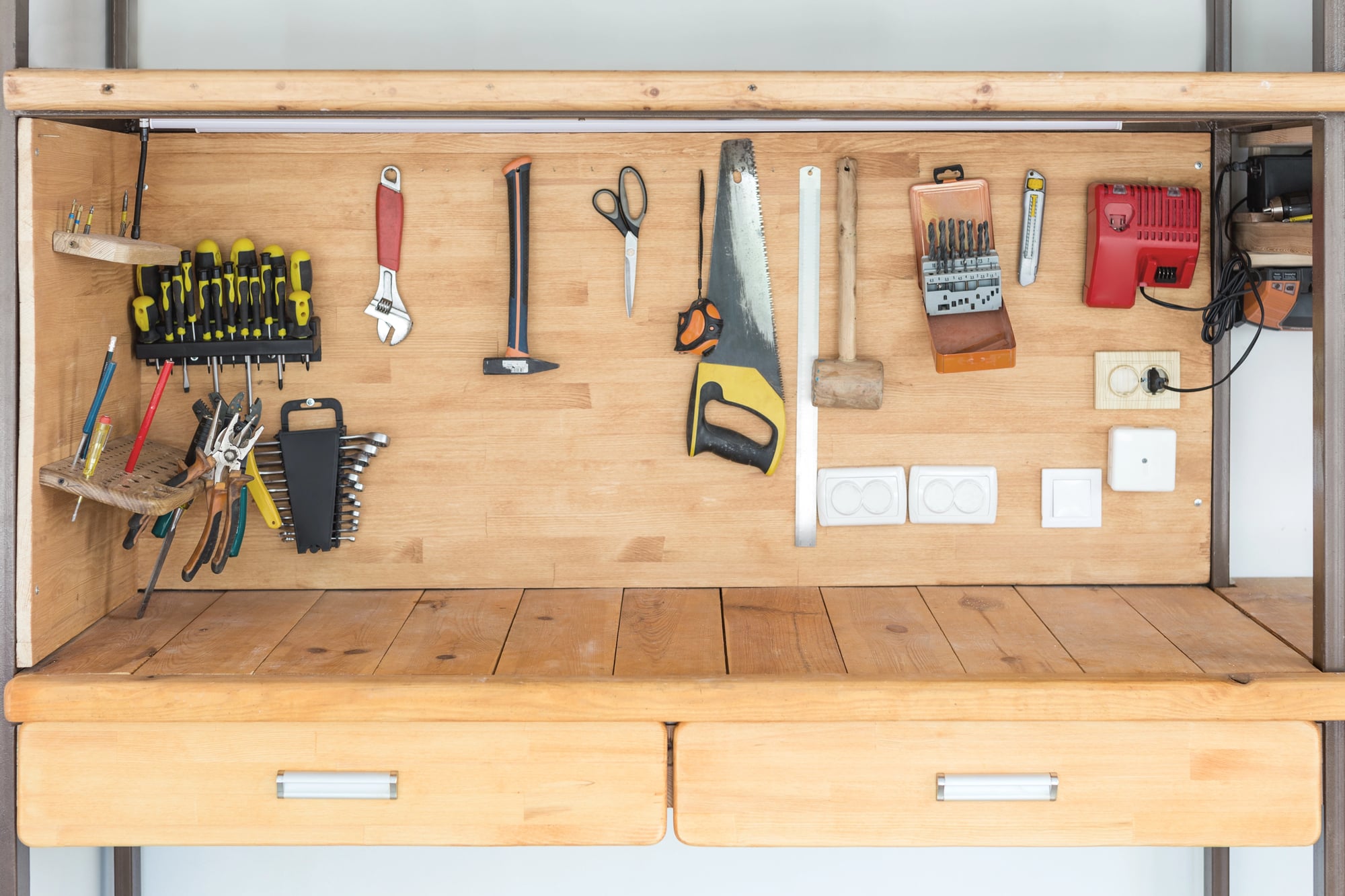
Black & Decker’s Workmate was the folding miracle every garage needed. Those distinctive orange and black jaws could clamp anything while the whole contraption folded up flat when not in use.
It wasn’t the prettiest tool in the garage, but it earned its keep every weekend.
The Workmate represented a shift toward portable, adaptable tools. You could drag it into the driveway for bigger projects, then fold it up and slide it behind the water heater.
Most of them are probably still working today — those things were built like tanks with hinges.
CB Radio Equipment

Citizens Band radio turned ordinary garage tinkerers into highway philosophers with handles like “Smokey Joe” and “Road Dog.” Base station setups dominated corner workbenches — big chrome microphones, external speakers, and antennas that looked like they could contact Mars if properly calibrated.
These weren’t toys; they represented serious communication networks that connected truck drivers, emergency responders, and anyone else who wanted to know where the speed traps were hiding on Interstate 80 (though half the conversations seemed to revolve around weather, coffee quality at various truck stops, and elaborate theories about government conspiracies that felt both paranoid and oddly prescient).
And the ritual of tuning in each evening to check in with your regular crew became as habitual as watching the news, except more interactive and considerably more profane.
But the real magic happened during emergencies — when phone lines went down or roads got blocked, CB radio networks kept communities connected.
Vice Grip Pliers Collection
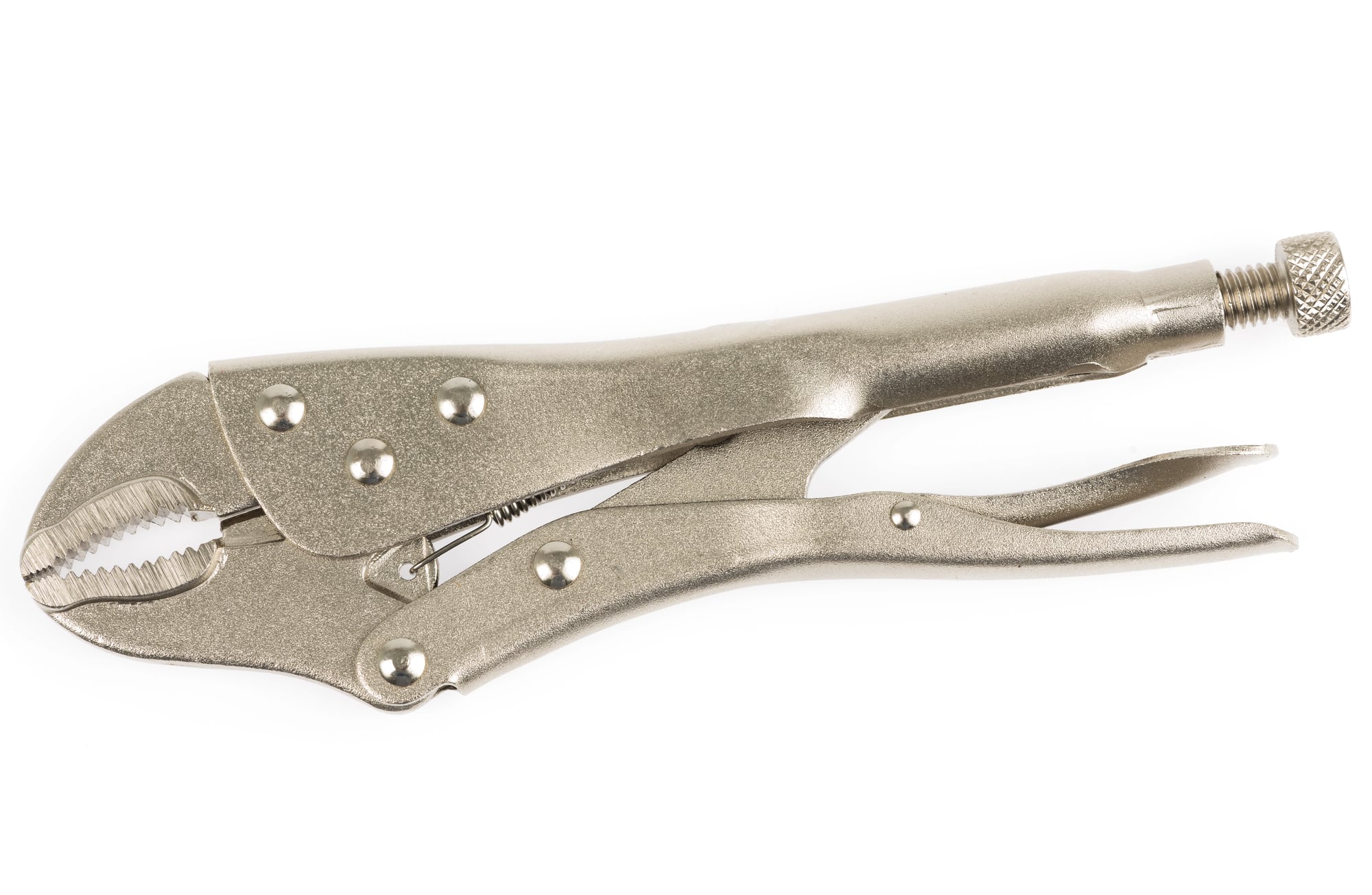
Every 1970s garage had at least three pairs of Vise-Grips, and usually more. The original locking pliers had found their way into every corner of American mechanical life.
Small ones for delicate work, medium ones for general grabbing, and the big bruisers for when something absolutely had to be held tight.
These weren’t precision instruments — they were automotive brute force disguised as finesse. They could be pliers, clamps, temporary handles, or emergency wrenches depending on what broke that day.
Most garage veterans swore by them with an enthusiasm usually reserved for family members.
Haynes Repair Manuals
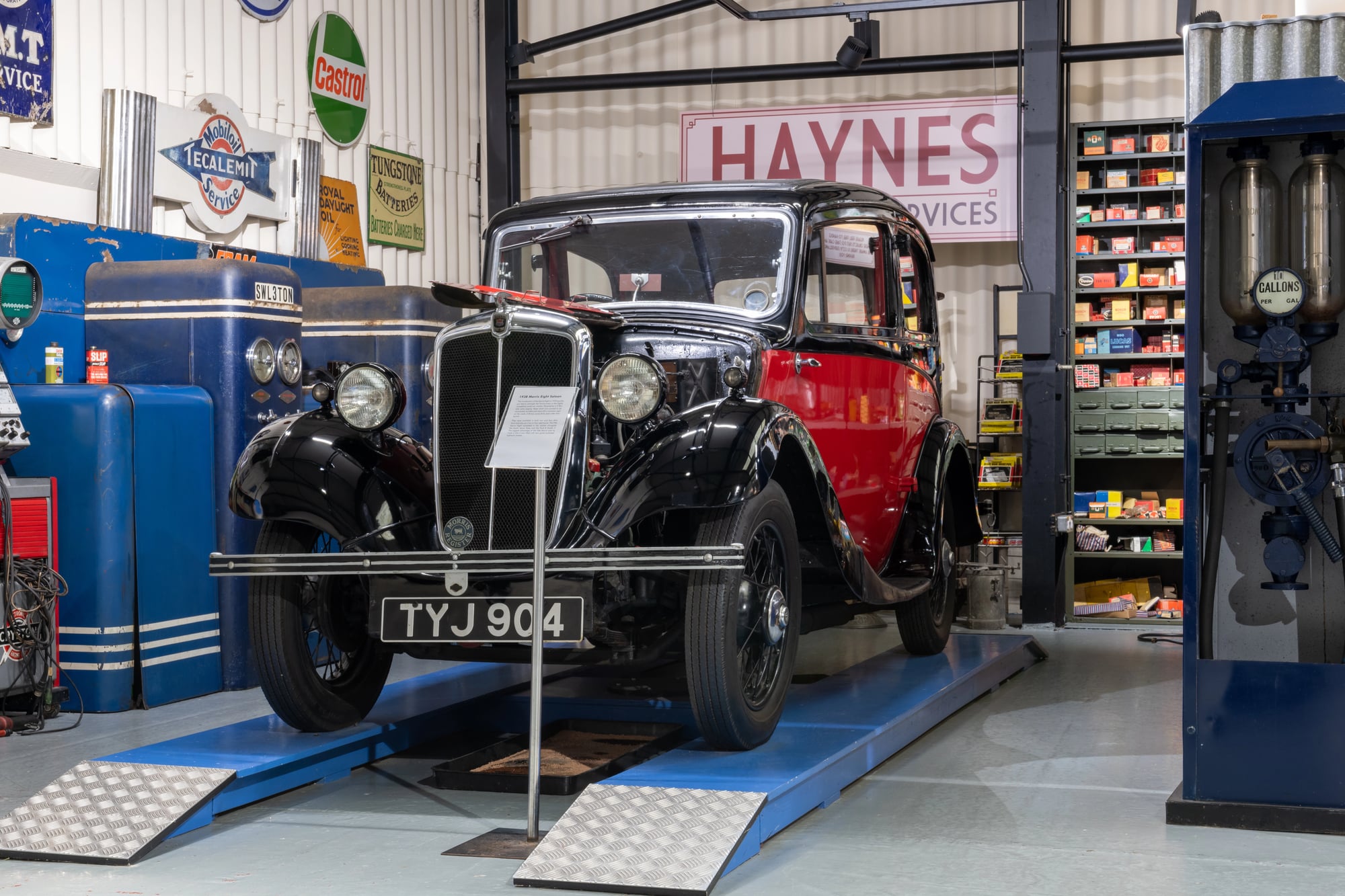
Before YouTube tutorials and online forums, there were Haynes manuals. These yellow-spined books lined garage shelves like automotive encyclopedias, each one dedicated to a specific make and model.
The photography was black and white, the diagrams looked like they’d been drawn by engineering students, but the information was gold.
Every manual showed the same optimistic progression — here’s how to remove this part, here’s what it looks like when it’s broken, here’s how to put it back together. The reality was usually messier, involving more profanity and additional trips to the parts store, but the manuals provided hope.
Opening one felt like having a conversation with someone who’d actually done this repair before and lived to tell about it. The pages were usually stained with various automotive fluids, which somehow made them more trustworthy.
Shop Light On Extension Cord

The classic trouble light — a metal cage around an incandescent bulb, connected to what seemed like fifty feet of extension cord — lived in every serious garage. These things generated more heat than a space heater and attracted every bug within a three-block radius, but they put light exactly where you needed it.
The cord was always too short for the job at hand, which meant daisy-chaining multiple extensions until you had enough wire to reach the International Space Station. Safety wasn’t really a consideration back then.
If it worked, it was good enough.
Most of these lights bore the scars of their service — dented cages from being dropped, cracked handles from being grabbed while hot, and cords that had been repaired with electrical tape more times than anyone wanted to count.
Oil Dry And Kitty Litter

Oil stains were facts of life in 1970s garages, and the solution was usually a bag of Oil Dry or plain clay kitty litter dumped on the mess. The stuff worked by soaking up whatever had leaked, dripped, or been spilled during the latest automotive adventure.
Most garages kept a push broom nearby specifically for spreading the absorbent around and sweeping up the results. It wasn’t glamorous work, but it kept the concrete from becoming a skating rink of automotive fluids.
The kitty litter served double duty — it was cheaper than the official Oil Dry and worked just as well, which appealed to the practical mindset that governed most garage operations.
Bench Grinder
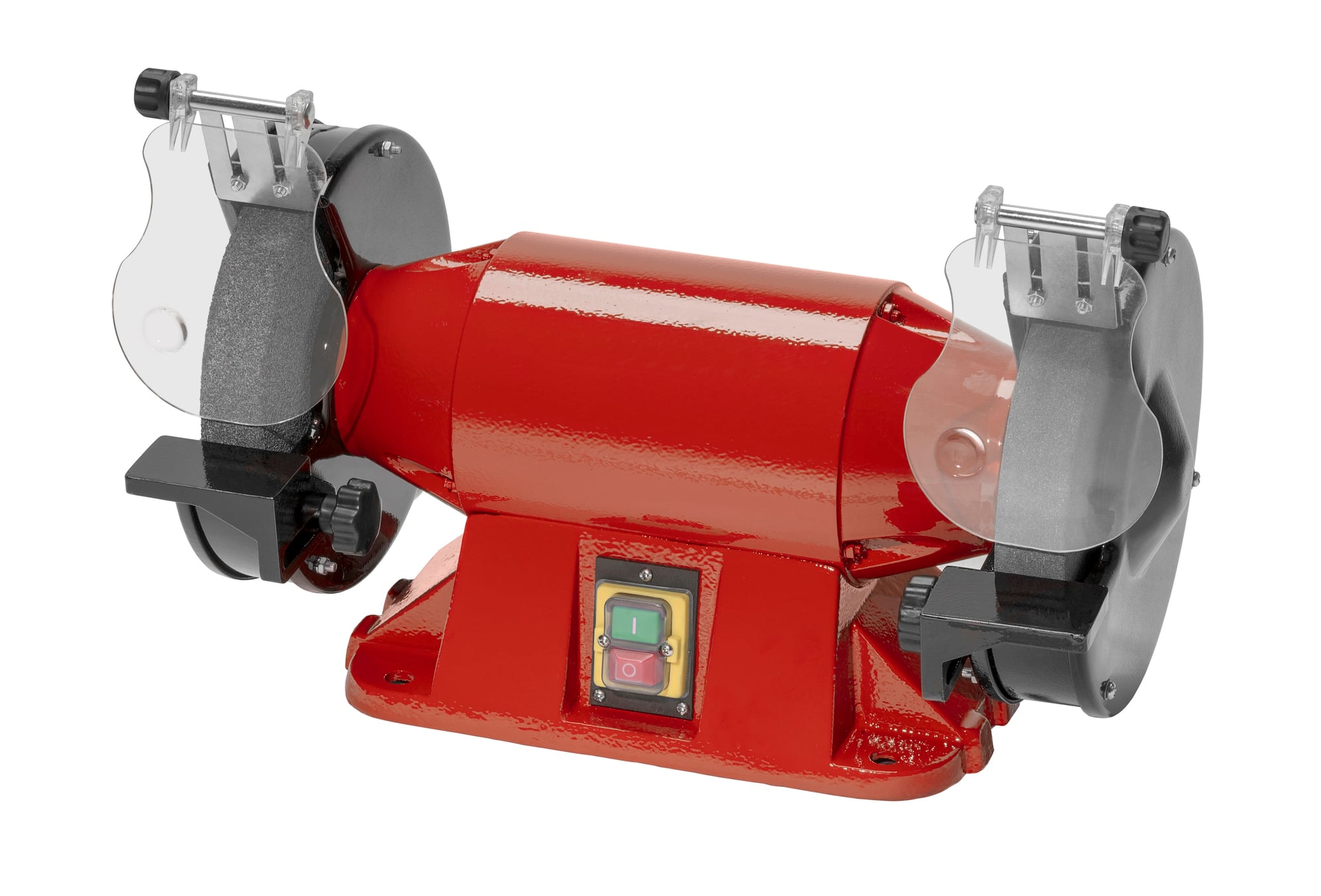
The bench grinder occupied a place of honor on most garage workbenches, bolted down solid and ready to sharpen anything with an edge. These weren’t delicate precision instruments — they were designed to remove metal quickly and efficiently, whether you were sharpening a lawnmower blade or cleaning up a piece of steel stock.
The grinding wheels accumulated their own geography over time — grooves from sharpening specific tools, flat spots from improper technique, and that slightly out-of-round wobble that developed after years of hard use. But they kept spinning and kept grinding, because stopping to replace a wheel felt like admitting defeat.
Safety equipment was mostly theoretical in those days. Eye protection meant squinting really hard and turning your head slightly to one side.
Creeper For Under-Car Work

The garage creeper was pure function over form (which described most things in 1970s garages, when aesthetic considerations ranked somewhere below practical utility and miles below simple durability). These rolling platforms consisted of a padded board mounted on casters, designed to let you slide under cars without doing permanent damage to your spine or collecting every piece of gravel in the driveway on your back.
The padding was usually vinyl in a color that had probably been red or blue originally but had faded to something that matched no known pigment, and the casters were inevitably gunked up with enough hair, string, and mysterious debris to qualify as modern art.
But they rolled when you needed them to roll, mostly, and they supported your weight while you wrestled with drain plugs and oil filters and tried to identify which of those dangling components was supposed to be hanging loose and which ones represented expensive problems waiting to happen.
Jumper Cables
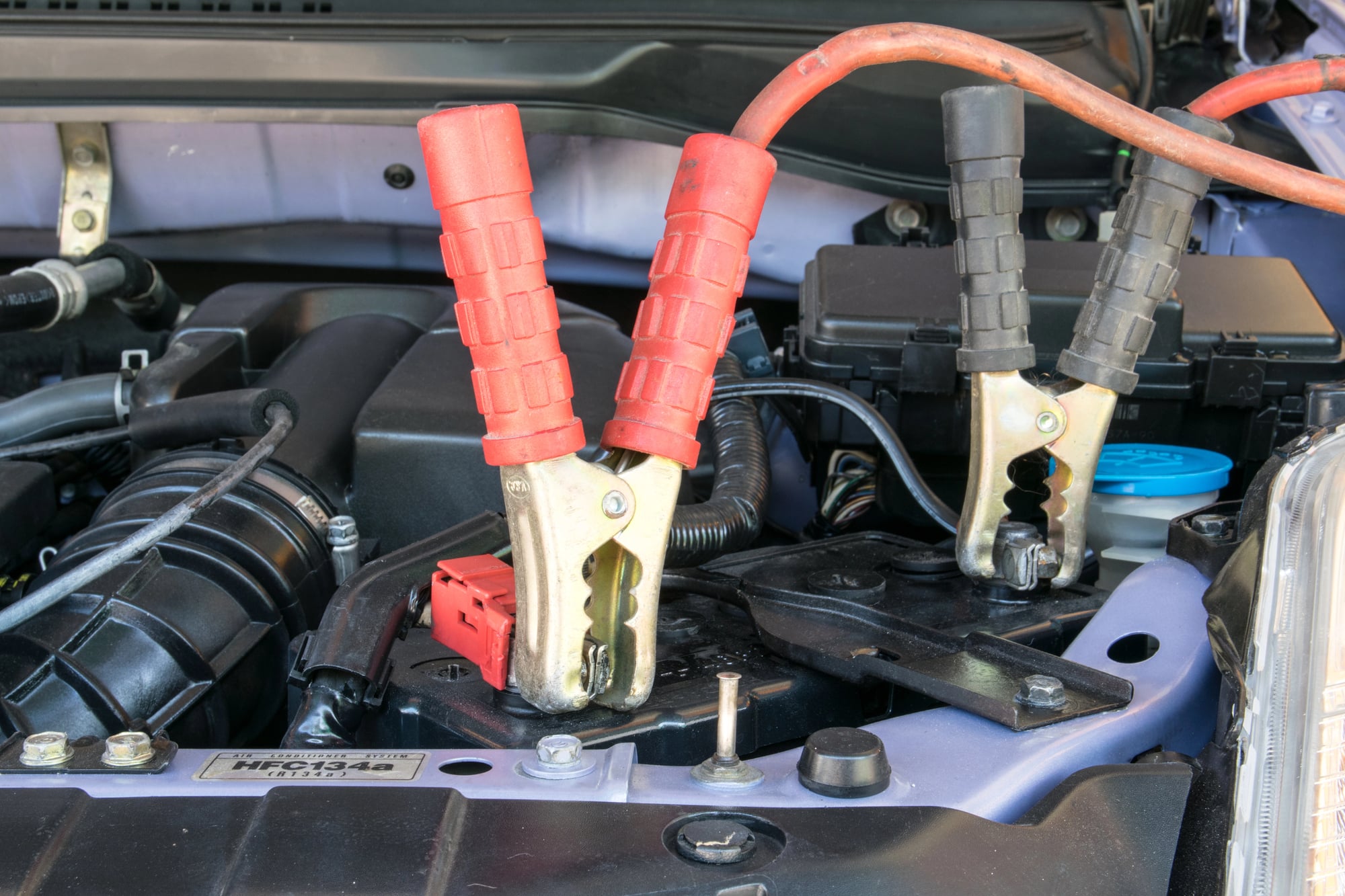
Heavy-duty jumper cables hung on their designated hook in every responsible garage, coiled like automotive lifelines ready for action. These weren’t the lightweight emergency cables you might find today — they were serious pieces of equipment with thick copper wire and clamps that could bite through a layer of battery terminal corrosion without breaking a sweat.
Most sets had been used to resurrect everything from dead car batteries to lawnmowers that had sat too long over winter. The cables bore the evidence of their service — acid burns on the insulation, teeth marks in the clamps from grabbing stubborn terminals, and that slightly greenish tint that battery acid leaves on everything it touches.
They represented automotive neighborliness. If someone needed a jump, you had the equipment to help.
No questions asked, no favors expected in return.
Air Compressor
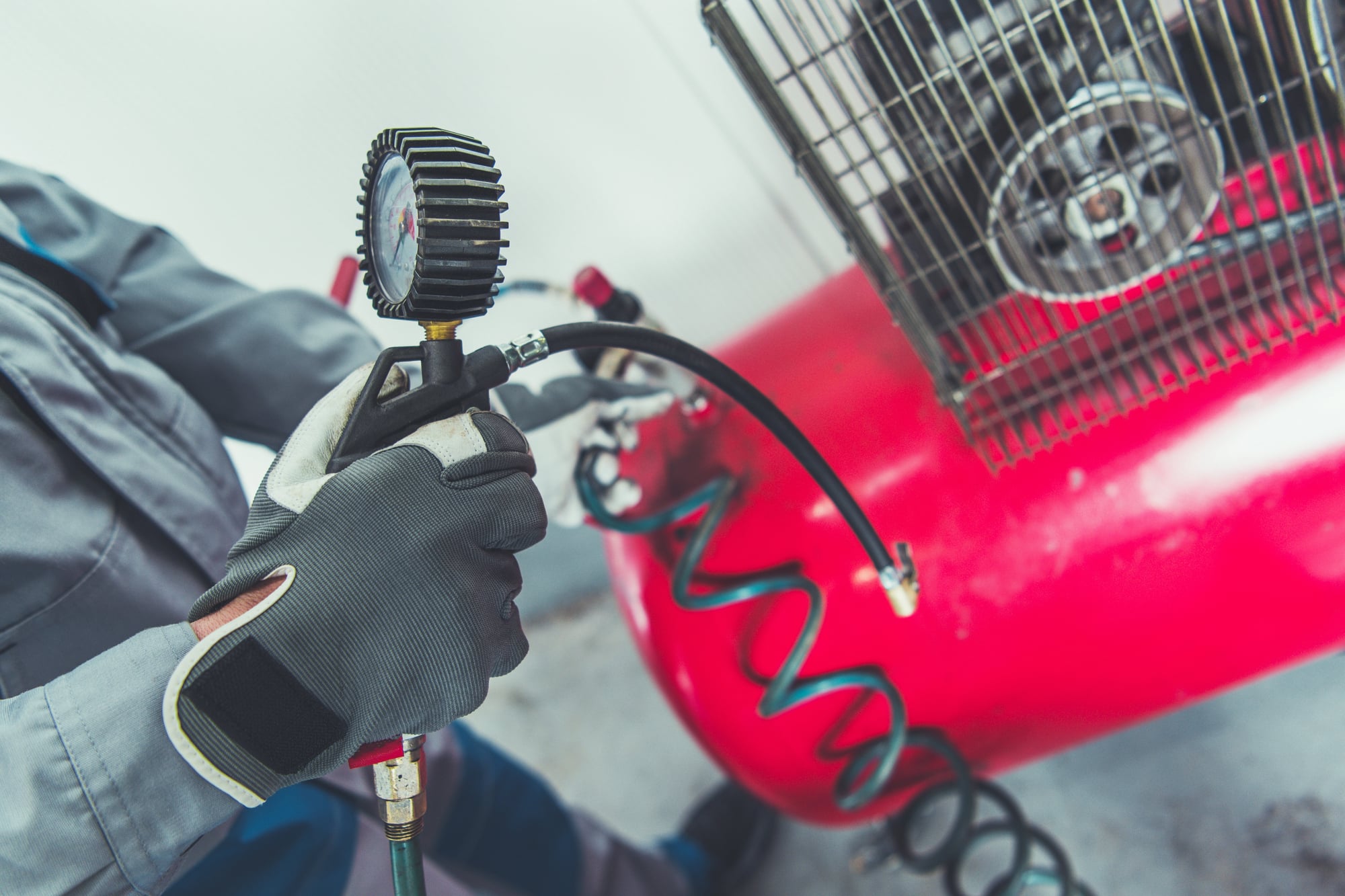
The garage air compressor was usually a horizontal tank model that looked like it had been designed by someone who prioritized function over noise reduction. These machines could fill tires, power air tools, and blow dust off workbenches with equal enthusiasm, though they announced every operation to the entire neighborhood.
Most ran on single-phase power and took their sweet time building pressure, which gave you plenty of opportunity to contemplate your next move while the motor chugged away. The pressure gauges were usually optimistic rather than accurate, but close enough for garage work.
The air hose itself was typically too short, too kinked, or too eager to whip around when you disconnected it under pressure. But compressed air solved enough problems to make the compressor indispensable, even if using it felt like negotiating with a mechanical dragon.
Magnetic Parts Tray

Small parts have a way of disappearing into parallel dimensions the moment you set them down, which is why the magnetic parts tray earned its place as an essential garage tool. These shallow metal dishes used magnets to hold screws, bolts, washers, and other critical components while you worked on whatever had been disassembled.
The magnetism wasn’t strong enough to hold really heavy parts, but it kept the small stuff from rolling off the workbench and vanishing into the garage equivalent of the Bermuda Triangle — that space between the workbench and the wall where every lost part eventually ended up.
Most garages had several of these trays in different sizes, because organization was an aspirational goal even if it wasn’t always achieved. They represented hope that this time, just this once, you’d be able to find all the parts when it came time for reassembly.
A Place For Everything
These garages were more than storage spaces — they were temples to self-reliance and weekend ambition. Every tool had its purpose, every can of mysterious liquid had its story, and every repair manual represented optimism in the face of mechanical uncertainty.
The 1970s garage understood something we’ve maybe forgotten: that fixing things yourself wasn’t just about saving money, it was about maintaining a conversation with the physical world.
More from Go2Tutors!

- The Romanov Crown Jewels and Their Tragic Fate
- 13 Historical Mysteries That Science Still Can’t Solve
- Famous Hoaxes That Fooled the World for Years
- 15 Child Stars with Tragic Adult Lives
- 16 Famous Jewelry Pieces in History
Like Go2Tutors’s content? Follow us on MSN.