15 Famous Historical Artifacts That Turned Out to Be Fakes
History is full of mysteries, and sometimes people get a little too creative when trying to fill in the gaps. Throughout the centuries, clever forgers have fooled museums, collectors, and even entire academic communities with their fake artifacts. These deceptions have ranged from simple hoaxes to elaborate schemes that took years to uncover.
Here is a list of 15 famous historical artifacts that turned out to be complete fabrications, each one teaching us valuable lessons about the importance of scientific verification and healthy skepticism.
The Piltdown Man
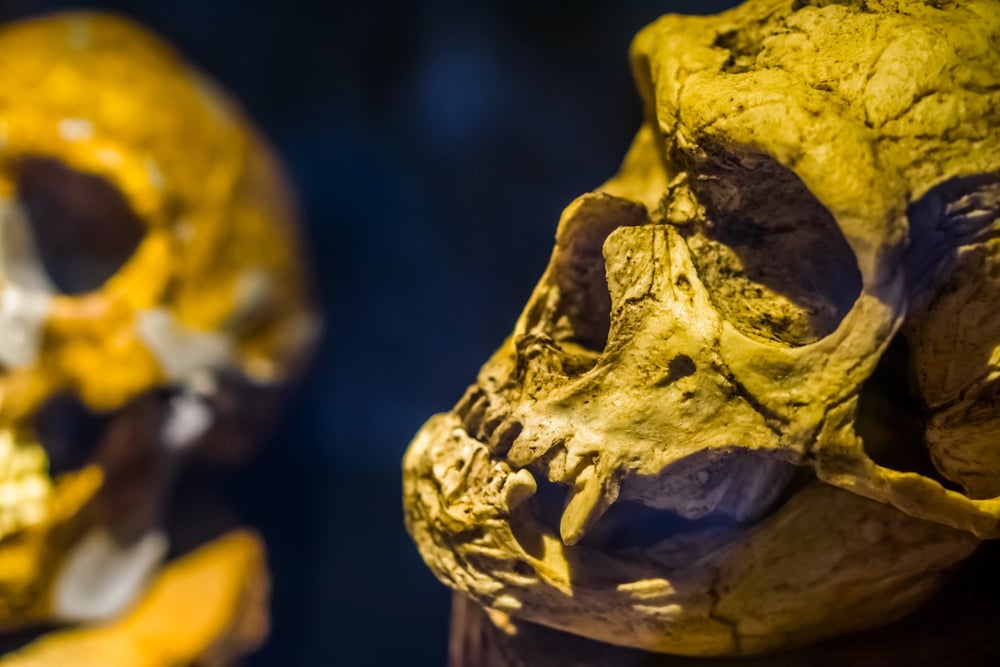
In 1912, amateur archaeologist Charles Dawson claimed to have discovered the ‘missing link’ between humans and apes in a gravel pit near Piltdown, England. For over 40 years, this discovery was celebrated as one of the most important finds in human evolution.
However, in 1953, advanced dating techniques revealed the skull was actually from a modern human, while the jawbone belonged to an orangutan that had been artificially aged and stained.
The Hitler Diaries

In 1983, the German magazine Stern paid nearly $4 million for what they believed were Adolf Hitler’s personal diaries, supposedly discovered in a plane crash in East Germany. The 60 volumes contained daily entries spanning from 1932 to 1945, and experts were convinced they had the historical finds of the century.
Within weeks, forensic analysis revealed that the paper contained chemicals not available until after World War II, and the handwriting didn’t match Hitler’s authentic samples.
Like Go2Tutors’s content? Follow us on MSN.
The Donation of Constantine

This document supposedly gave the Pope supreme power over Western Europe and was accepted as genuine for nearly 700 years. According to the text, Roman Emperor Constantine granted the Catholic Church vast territorial and political authority in the 4th century.
Renaissance scholars finally exposed the fraud in the 15th century, discovering that Latin contained phrases and terminology that didn’t exist during Constantine’s time.
The Vinland Map

In 1965, Yale University announced the discovery of a 15th-century map that appeared to show Viking settlements in North America, predating Columbus by 500 years. The map seemed to provide concrete evidence of early Norse exploration and was valued at over $25 million.
Modern analysis using particle accelerators revealed that the ink contained titanium dioxide, a pigment not available until the 1920s.
The Etruscan Warriors

The Metropolitan Museum of Art in New York proudly displayed three magnificent Etruscan terracotta warriors for nearly 50 years, considering these 8-foot-tall sculptures masterpieces of ancient art from the 6th century BCE. They drew millions of visitors and were featured in countless art history books.
In 1961, the museum’s own investigation revealed the warriors had been crafted in the 1930s by skilled Italian forgers using completely wrong clay composition and firing techniques.
Like Go2Tutors’s content? Follow us on MSN.
The Shroud of Turin

The Shroud of Turin has been claimed to be the burial cloth of Jesus Christ, with the 14-foot linen cloth bearing the faint image of a crucified man. Many believers considered it the most important relic in Christianity, and it has been venerated for centuries.
Radiocarbon dating performed in 1988 by three independent laboratories placed the cloth’s creation between 1260 and 1390 CE, well into the medieval period.
The Kensington Runestone

In 1898, Swedish-American farmer Olof Ohman claimed to have found a stone covered in runic inscriptions while clearing his land in Minnesota. The translated message told of a Viking expedition to North America in 1362, which would have rewritten the history of European exploration.
Linguistic experts quickly identified problems with the runic alphabet used, including symbols that didn’t exist in the 14th century and grammar inconsistent with medieval Norse language.
The Archaeology of Glozel

Between 1924 and 1930, thousands of artifacts were discovered near the French village of Glozel, including tablets with unknown scripts that suggested an advanced prehistoric civilization. The discovery sparked intense international debate among archaeologists and made headlines worldwide.
Scientific analysis revealed that the artifacts were made from modern materials and showed signs of artificial aging, with the ‘ancient’ pottery containing fragments of modern glass.
Like Go2Tutors’s content? Follow us on MSN.
The Protocols of the Elders of Zion

This fabricated document, created by the Russian secret police around 1903, claimed to expose a Jewish conspiracy for world domination and was presented as the minutes of secret meetings. It was used to justify persecution and violence against Jewish communities worldwide, spreading rapidly across Europe and beyond.
Scholars proved the text was largely plagiarized from earlier fictional works, including a 19th-century French novel and German political satire.
The Beringer Stones

In the 1720s, German professor Johann Beringer began collecting unusual fossils that seemed to show everything from Hebrew letters to images of the sun and moon. Beringer was so excited by his discoveries that he published a book about them in 1726, believing these ‘lying stones’ were divine messages preserved in rock.
The truth was that his colleagues had been carving fake fossils and planting them in his favorite collecting spots as an elaborate practical joke.
The Tasaday Tribe

In 1971, Philippine officials announced the discovery of the Tasaday, a Stone Age tribe supposedly living in complete isolation in the rainforest with no knowledge of the outside world. The 26 members of this ‘lost’ tribe appeared to use only stone tools and live in caves, captivating the world and earning a National Geographic cover story.
Investigations in the 1980s revealed the entire story was fabricated, with the ‘Tasaday’ actually being local farmers who had been paid to act primitive for cameras.
Like Go2Tutors’s content? Follow us on MSN.
The Amarna Princess

This beautiful ancient Egyptian sculpture was purchased by the Bolton Museum in England in 1922 for what would be millions in today’s money, supposedly depicting a princess from the court of Akhenaten. The limestone bust was considered one of the finest examples of Amarna period art, drawing visitors from around the world.
Modern analysis revealed that the sculpture was created using 20th-century tools and materials, with limestone from a quarry that wasn’t used in ancient times.
The Archaeoraptor
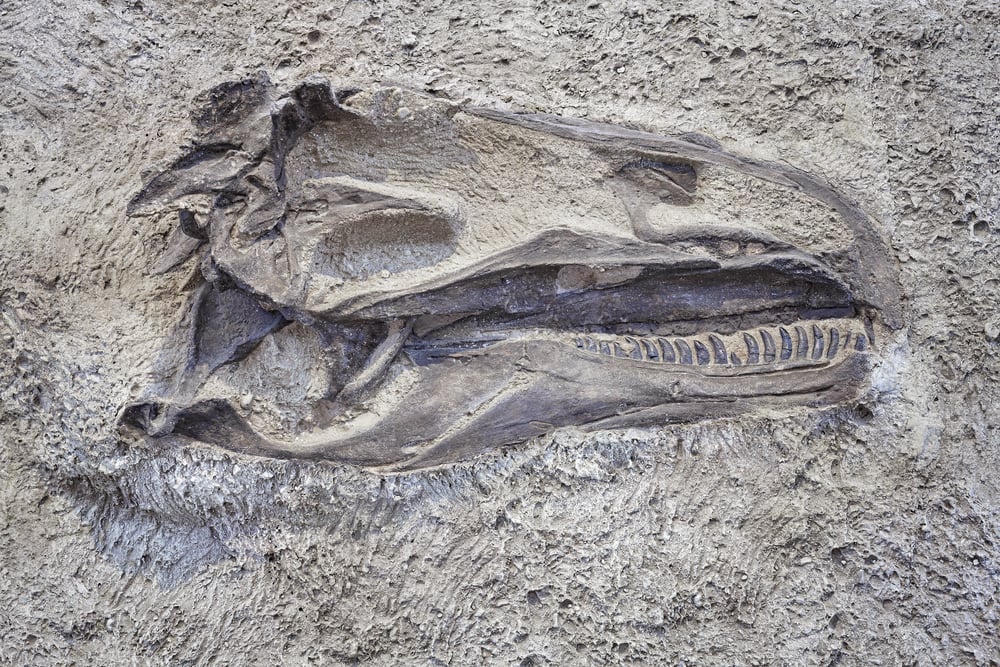
In 1999, National Geographic announced the discovery of a fossil that appeared to be the missing link between dinosaurs and birds. The Archaeoraptor seemed to have characteristics of both species and was hailed as one of the most important paleontological discoveries of the century.
Closer examination revealed that the fossil was actually composed of parts from different animals that had been glued together by Chinese fossil dealers.
The Mexican Crystal Skulls

Several museums acquired what they believed were pre-Columbian crystal skulls, supposedly crafted by ancient Mesoamerican civilizations and said to possess mystical properties. These skulls, made from solid quartz crystal, were considered masterpieces of ancient craftsmanship and inspired countless books, movies, and New Age theories.
Scientific analysis using electron microscopy revealed that the skulls had been carved using rotary tools not available to pre-Columbian cultures, with crystals that came from Brazil rather than Mexico.
Like Go2Tutors’s content? Follow us on MSN.
The Ossian Manuscripts

In the 1760s, Scottish poet James Macpherson claimed to have discovered and translated ancient Gaelic manuscripts telling the epic tales of Ossian, a legendary 3rd-century bard. These ‘translations’ became hugely popular across Europe, inspiring the Romantic movement and influencing writers like Goethe and Byron.
Contemporary scholars suspected the truth since Macpherson could never produce the original manuscripts, and the language contained modern elements that didn’t exist in ancient Gaelic.
The Genuine Legacy of Fake History

These elaborate deceptions remind us that human nature hasn’t changed much over the centuries, with people always willing to believe in discoveries that confirm their existing beliefs or satisfy their desire for mystery. The difference today is that we have better tools for verification and a more rigorous scientific approach to authentication.
Each of these fakes taught valuable lessons about the importance of skepticism and peer review, ultimately strengthening our understanding of how to distinguish authentic artifacts from clever imitations. The legacy of these forgeries isn’t embarrassment, but rather a reminder that extraordinary claims require extraordinary evidence.
More from Go2Tutors!

- 16 Historical Figures Who Were Nothing Like You Think
- 12 Things Sold in the 80s That Are Now Illegal
- 15 VHS Tapes That Could Be Worth Thousands
- 17 Historical “What Ifs” That Would Have Changed Everything
- 18 TV Shows That Vanished Without a Finale
Like Go2Tutors’s content? Follow us on MSN.