Most Ambitious Experimental or Retired Vehicles
The automotive world has always been driven by dreamers who push boundaries, test limits, and imagine what transportation could become. Some vehicles never made it past the prototype stage, while others enjoyed brief production runs before disappearing into history.
These machines represent the boldest attempts to reimagine how we move through the world — sometimes brilliantly, sometimes catastrophically, but always with ambition that exceeded convention.
BMW GINA Light Visionary Model
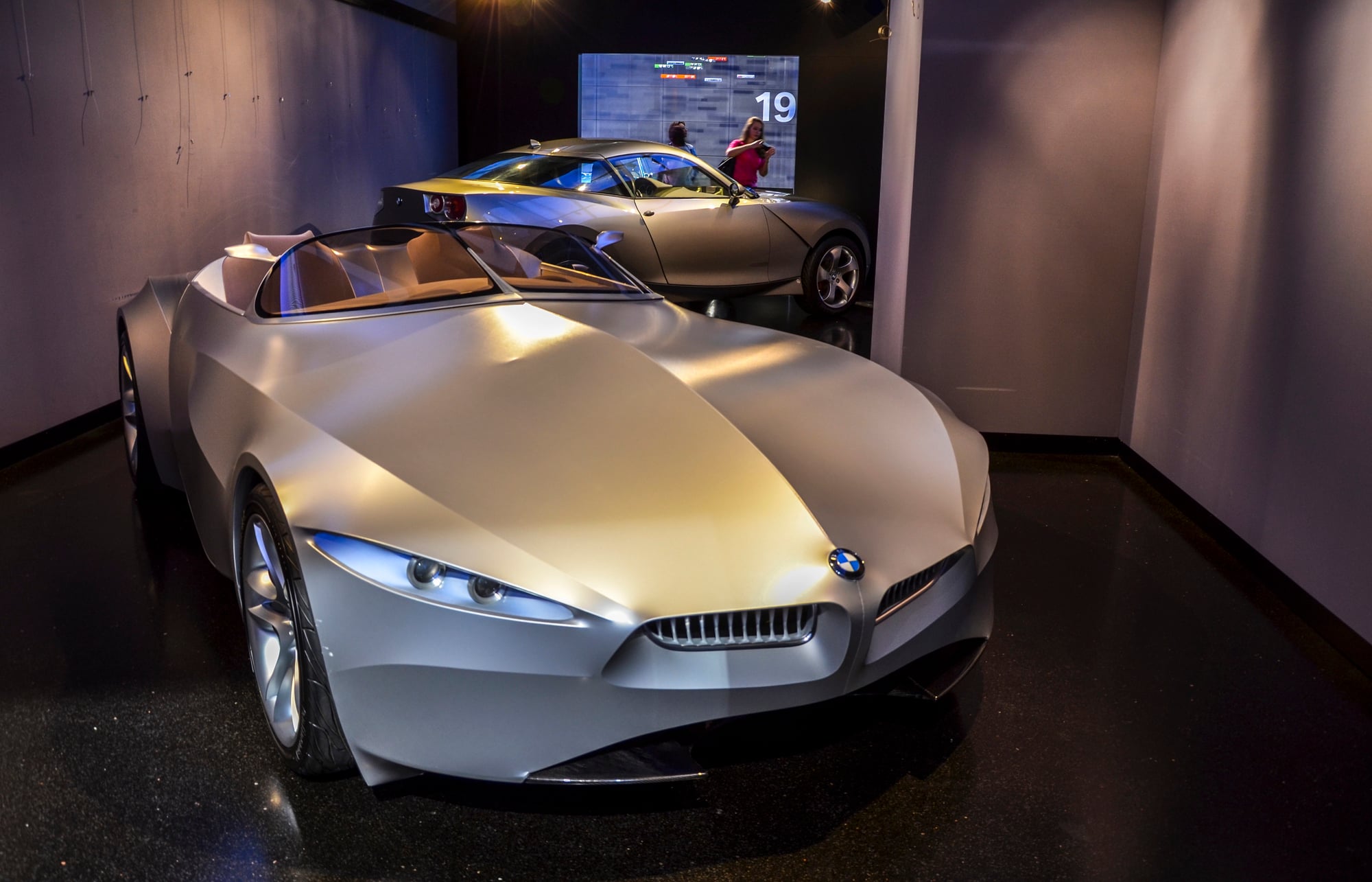
The skin moves. That’s what you notice first about BMW’s GINA concept — fabric stretched over an aluminum frame that shifts and changes like something alive. The headlights emerge by having the material simply pull back, revealing the lights underneath like opening eyes.
BMW built this thing in 2008 as an exploration of what cars could become when freed from traditional manufacturing constraints. The entire body was fabric — weatherproof, flexible, and capable of changing shape depending on driving conditions. Need better aerodynamics? The rear spoiler would form itself. Want access to the engine? The hood would split open along a seam that appeared only when needed.
Chrysler Turbine Car
Chrysler handed the keys to regular people for this one. Between 1963 and 1966, the company built 55 turbine-powered cars and let ordinary drivers take them home for months at a time.
The engine could run on anything that burned — diesel, kerosene, tequila, Chanel No. 5. (They actually tested perfume.)
The turbine spun at 44,600 rpm and made a distinctive whine that sounded like a jet aircraft taxiing. Most test drivers adapted to the sound, though some neighbors complained.
The cars required almost no maintenance, started instantly in any weather, and produced virtually no emissions. Chrysler killed the program anyway — the engines were expensive to manufacture and fuel economy wasn’t impressive enough for mass production.
General Motors Firebird Series
Picture this: General Motors in the 1950s, flush with postwar optimism and convinced that gas turbine engines would power the cars of tomorrow, decides to build not one but four concept vehicles that look like they fell out of a science fiction movie (which, let’s be honest, they probably did in terms of inspiration).
The Firebird I, unveiled in 1953, was essentially a jet fighter with wheels — single-seat, bubble canopy, tail fin that actually served an aerodynamic purpose rather than just looking dramatic. It hit 100 mph during testing and probably scared the test driver senseless.
The later Firebirds — II, III, and IV — became progressively more civilized but never lost that essential weirdness that made them special. And yet each one represented serious engineering thought about what personal transportation might become in an age of atomic energy and space travel.
Tucker 48
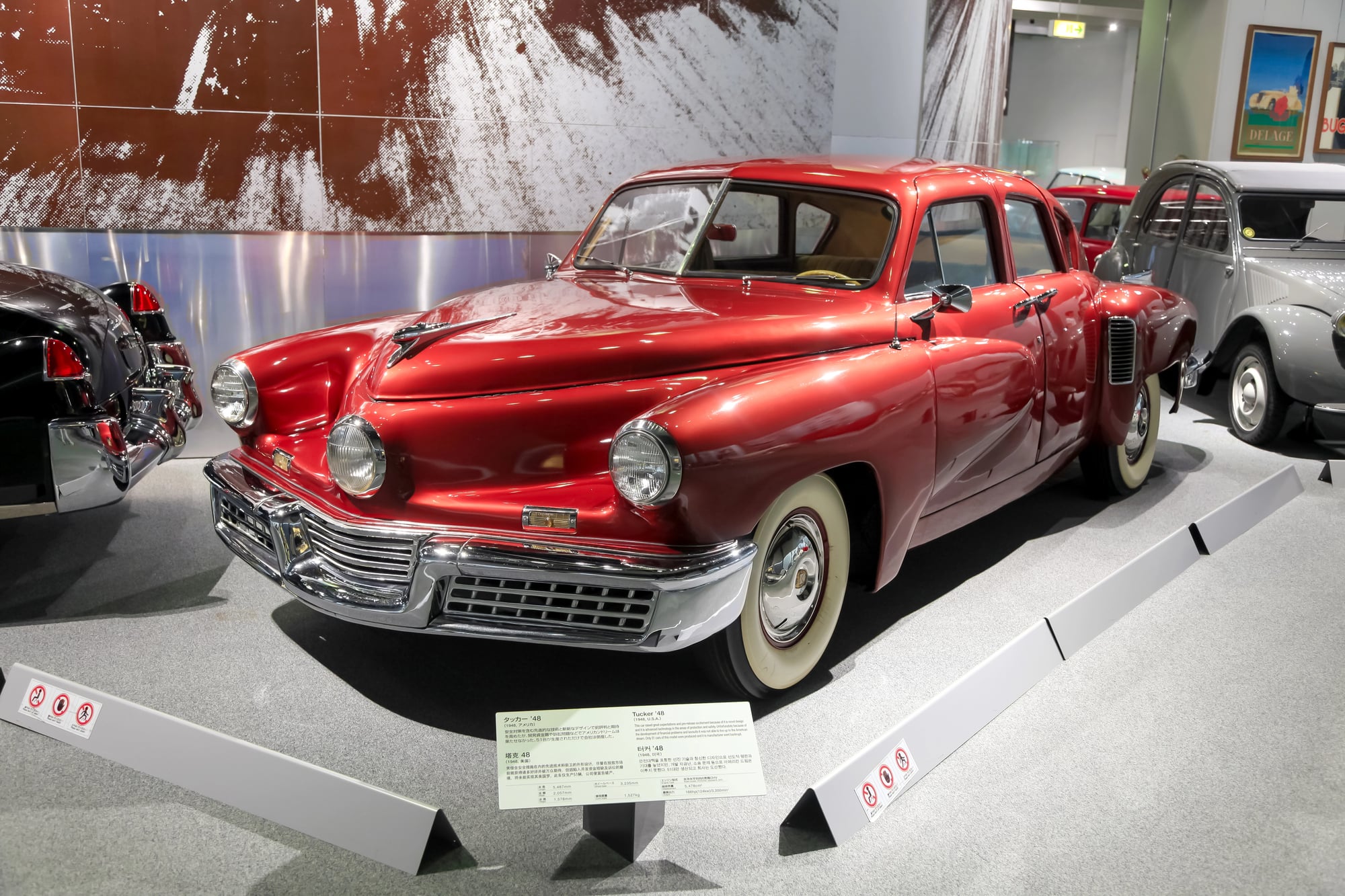
Preston Tucker built 51 cars before the government and Detroit’s big three shut him down. The Tucker 48 had a rear-mounted engine, disc brakes, fuel injection, and a padded dashboard when other manufacturers were still figuring out how to install seatbelts properly.
The center headlight turned with the steering wheel. The engine came from a helicopter. The doors wrapped up into the roof for easier entry.
Tucker was 20 years ahead of his time, which turned out to be exactly the problem. Nobody wanted to be shown up by an upstart from Chicago, least of all the established automakers who had spent decades perfecting the art of planned obsolescence.
Ford Nucleon

Ford genuinely believed nuclear-powered cars would dominate American roads by the 1970s. The Nucleon concept, unveiled in 1958, featured a small nuclear reactor mounted in the rear where you’d normally find the engine.
The car would theoretically run for 5,000 miles between refueling stops at specially equipped service stations.
The reactor would heat water into steam (because steam engines were apparently the future in 1958), and the whole contraption would propel families to their vacation destinations without ever stopping for gas. Ford never built a working prototype — something about radiation shielding and the minor inconvenience of what happens when a nuclear-powered vehicle gets into a fender bender.
The concept drawings still look optimistic, though, like someone’s best guess about what progress should look like.
Volkswagen XL1
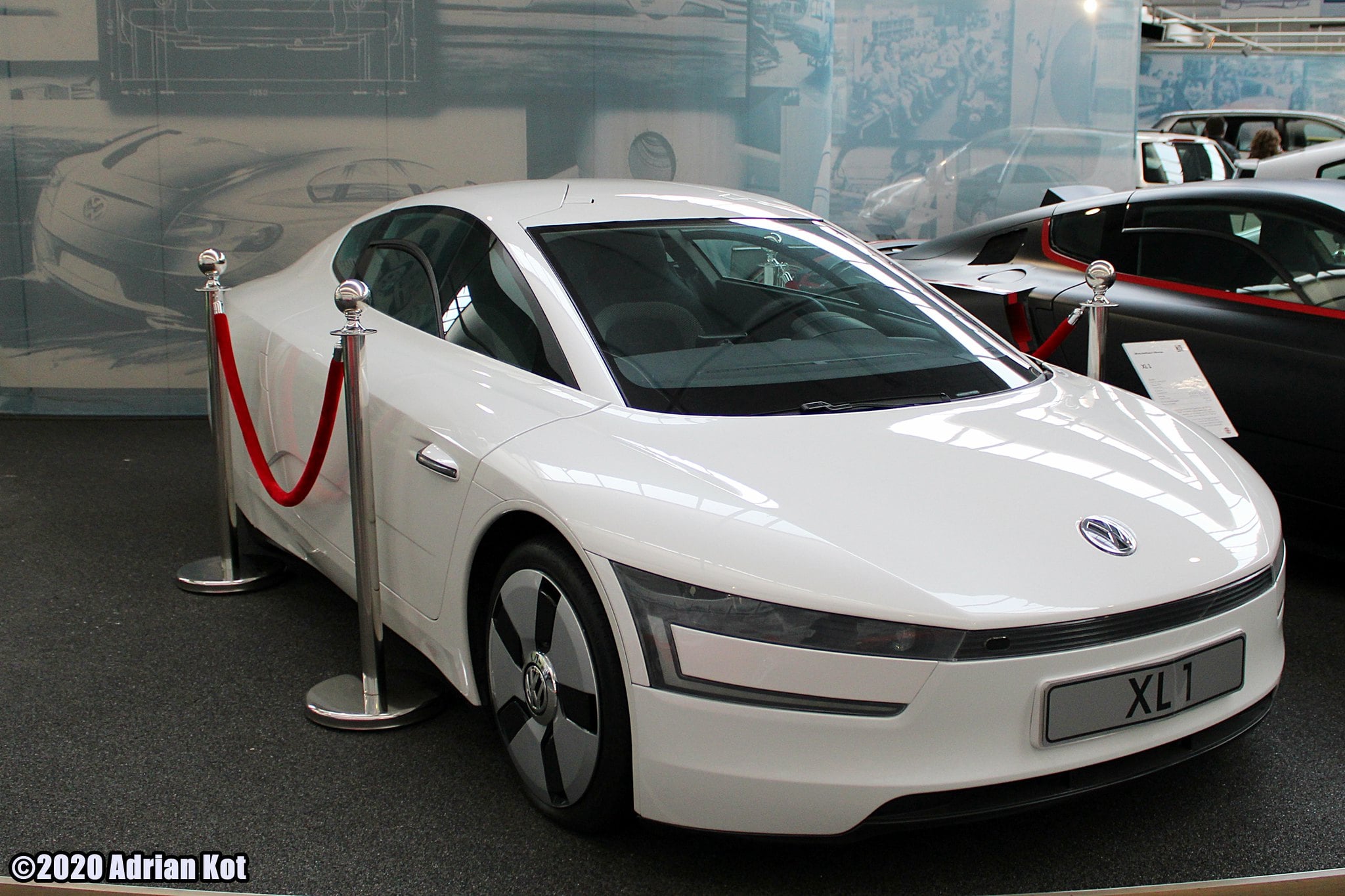
Sometimes ambition wears the disguise of restraint, and the XL1 understood this better than most automotive experiments of the past decade. This wasn’t about how fast or how powerful — it was about how little fuel a car could consume while still being recognizably a car, still being something you’d actually want to drive to work on Tuesday morning instead of just admiring in a museum.
Volkswagen achieved 261 miles per gallon in real-world testing, not through wishful thinking or laboratory conditions but through obsessive attention to every detail that affects efficiency. The mirrors were cameras. The tires were narrower than bicycle wheels.
The doors opened upward like a supercar, though this supercar’s superpower was using almost no energy to transport two people across considerable distances.
The company built 250 examples and sold them mostly in Europe, where they disappeared into private collections almost immediately. Which makes sense — the XL1 was less a production car than a demonstration of what becomes possible when engineering priorities flip completely upside down.
General Motors EV1
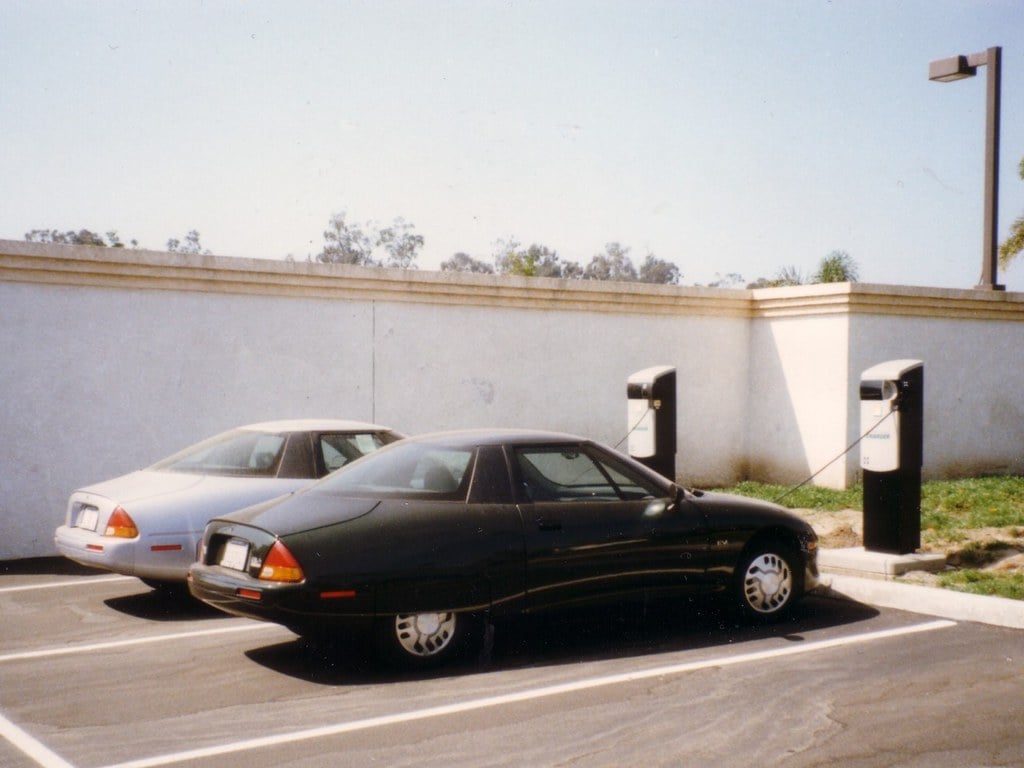
The EV1 was too good for its own survival. General Motors built an electric car in 1996 that could travel 160 miles on a charge, accelerate faster than most gasoline engines, and required virtually no maintenance.
Then they systematically destroyed nearly every example.
The cars were never sold, only leased, which gave GM complete control over their fate when the program ended in 2003. Most EV1s were crushed despite protests from drivers who wanted to buy them.
A few survived in museums with their electrical systems disabled. GM spent more money killing the EV1 than many companies spend developing new models.
Citroën DS
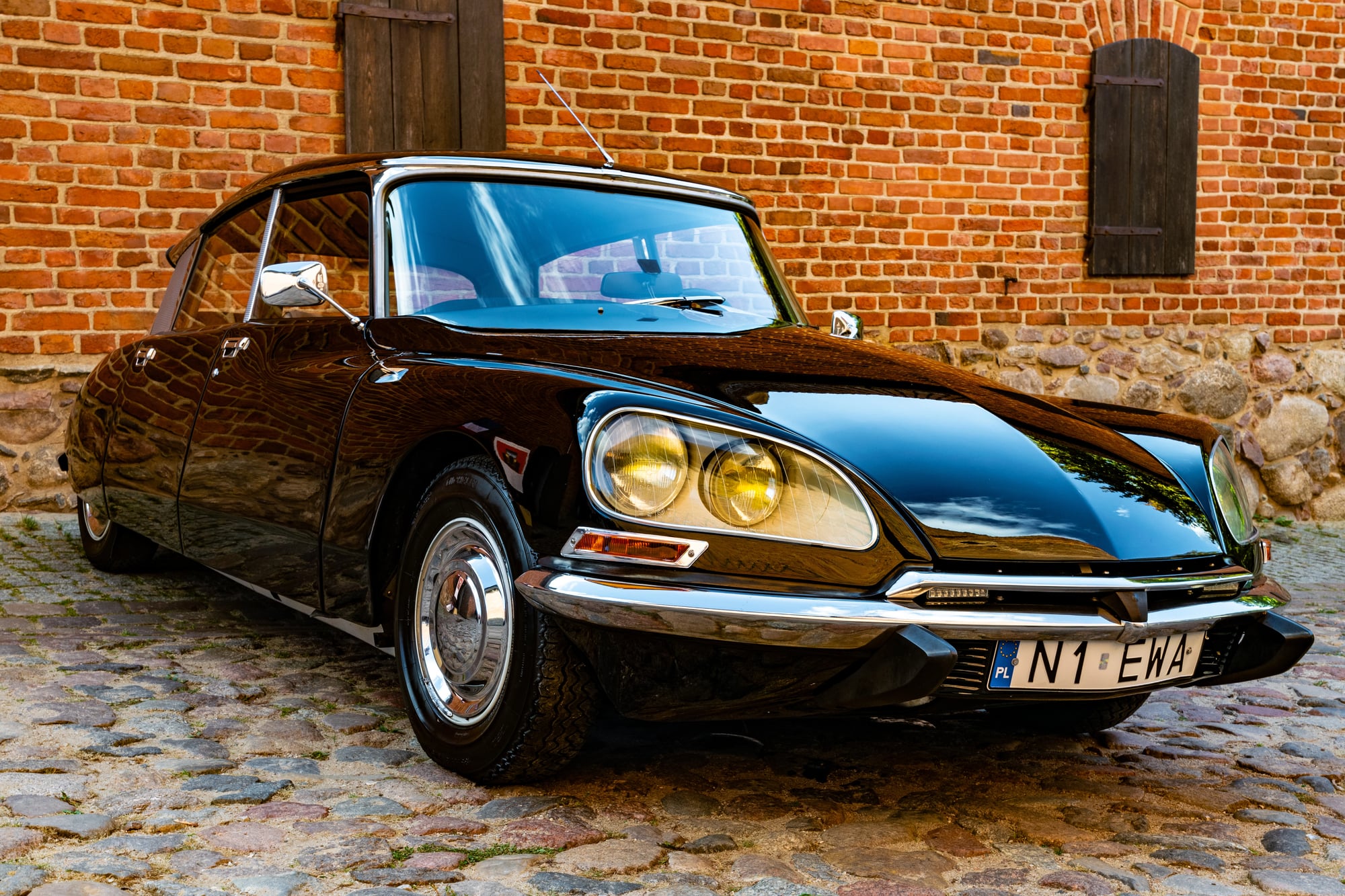
The DS landed in Paris like a visitor from 2020. Self-leveling suspension kept the car perfectly level regardless of load. The steering required one finger.
The brakes worked even if the engine died. French police bought them specifically because they could drive on three wheels after taking gunfire.
Citroën unveiled the DS at the 1955 Paris Motor Show and collected 12,000 orders on the first day. Production continued for 20 years, but the car never stopped looking like it had arrived ahead of schedule.
The hydraulic system that powered everything from the suspension to the steering was so complex that most mechanics refused to work on it, which probably contributed to its mystique.
Convair Model 118 ConvAirCar
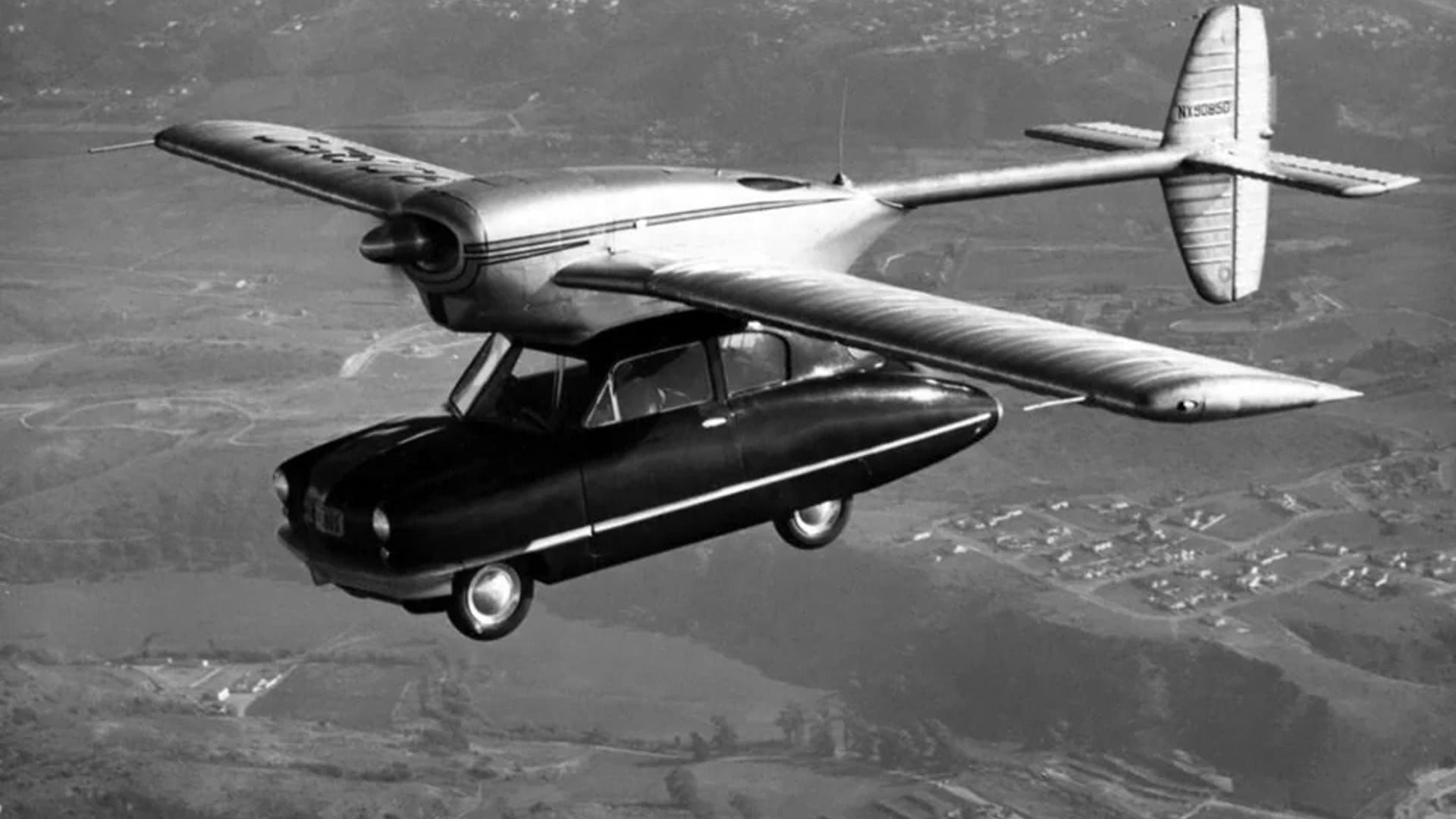
The ConvAirCar succeeded at being both an airplane and a car, which turned out to be precisely the problem — it wasn’t particularly good at either role, and the combination created complications that nobody had fully anticipated when the whole “flying car” concept seemed like an obviously brilliant idea.
The car portion handled adequately on roads, though the aerodynamic requirements made it look odd parked next to conventional vehicles, while the aircraft portion could achieve flight but with all the grace and efficiency of a compromise that had been forced to satisfy too many competing demands.
Convair built two prototypes in the late 1940s. The first one crashed during testing when it ran out of fuel, which highlighted another issue with flying cars: they use a lot more gas in the air than on the ground, and pilots accustomed to ground-based fuel consumption might not adjust their planning accordingly.
The second prototype survived but never found a market willing to pay airplane prices for a vehicle that couldn’t quite match the convenience of either airplanes or cars.
Ford Gyron
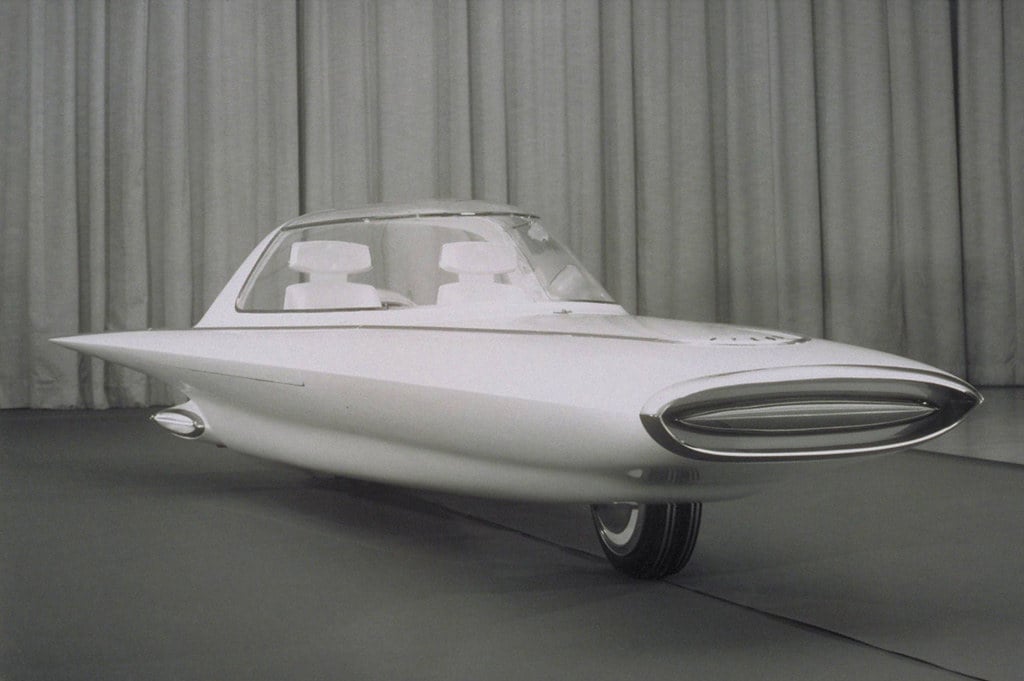
Ford built a two-wheeled car that balanced itself using gyroscopic stabilization. The Gyron concept from 1961 looked like a motorcycle crossed with a spacecraft, complete with a bubble canopy and outrigger wheels that deployed at low speeds.
The gyroscope spun at 13,000 rpm and kept the vehicle upright even when parked.
Ford envisioned families piloting these through city traffic, threading between conventional cars while using half the road space. The concept never progressed beyond the show circuit, partly because gyroscopic stabilization requires enormous amounts of energy and partly because most people weren’t ready to trust their safety to a spinning wheel.
Lancia Stratos HF Zero
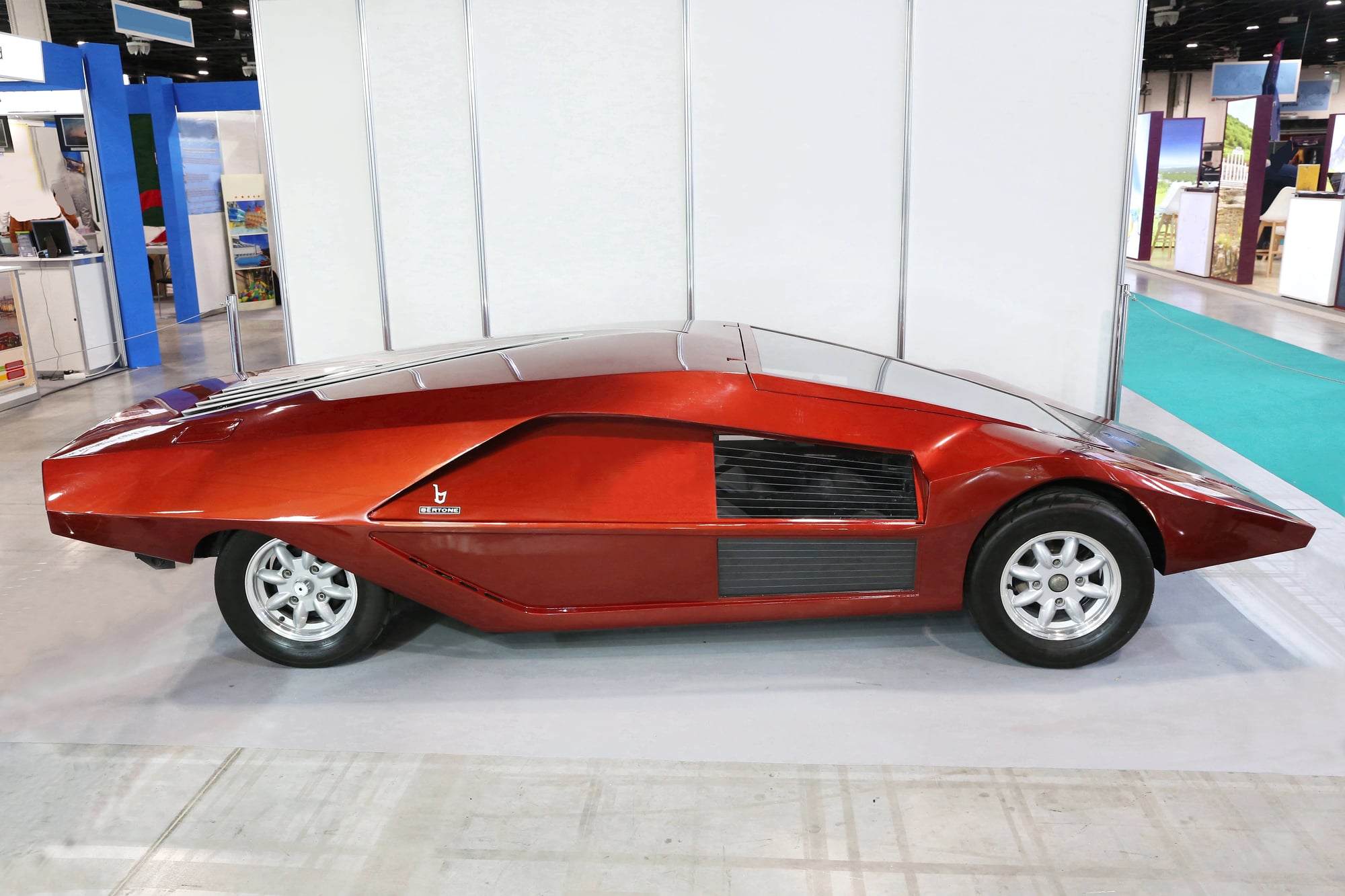
Bertone built the Stratos Zero as a pure exercise in minimalism. The car stood 33 inches tall — shorter than the hood of most pickup trucks.
The windshield was a narrow slit. Entry required opening the front windshield and climbing down into the cabin like descending into a submarine.
The Zero was fully functional despite looking like a triangular sculpture. Lancia used it as inspiration for the production Stratos rally car, though they raised the roof enough that drivers could actually see where they were going.
The original Zero still exists and still runs, though driving it requires a level of commitment that borders on performance art.
Mercedes-Benz F 015 Luxury in Motion
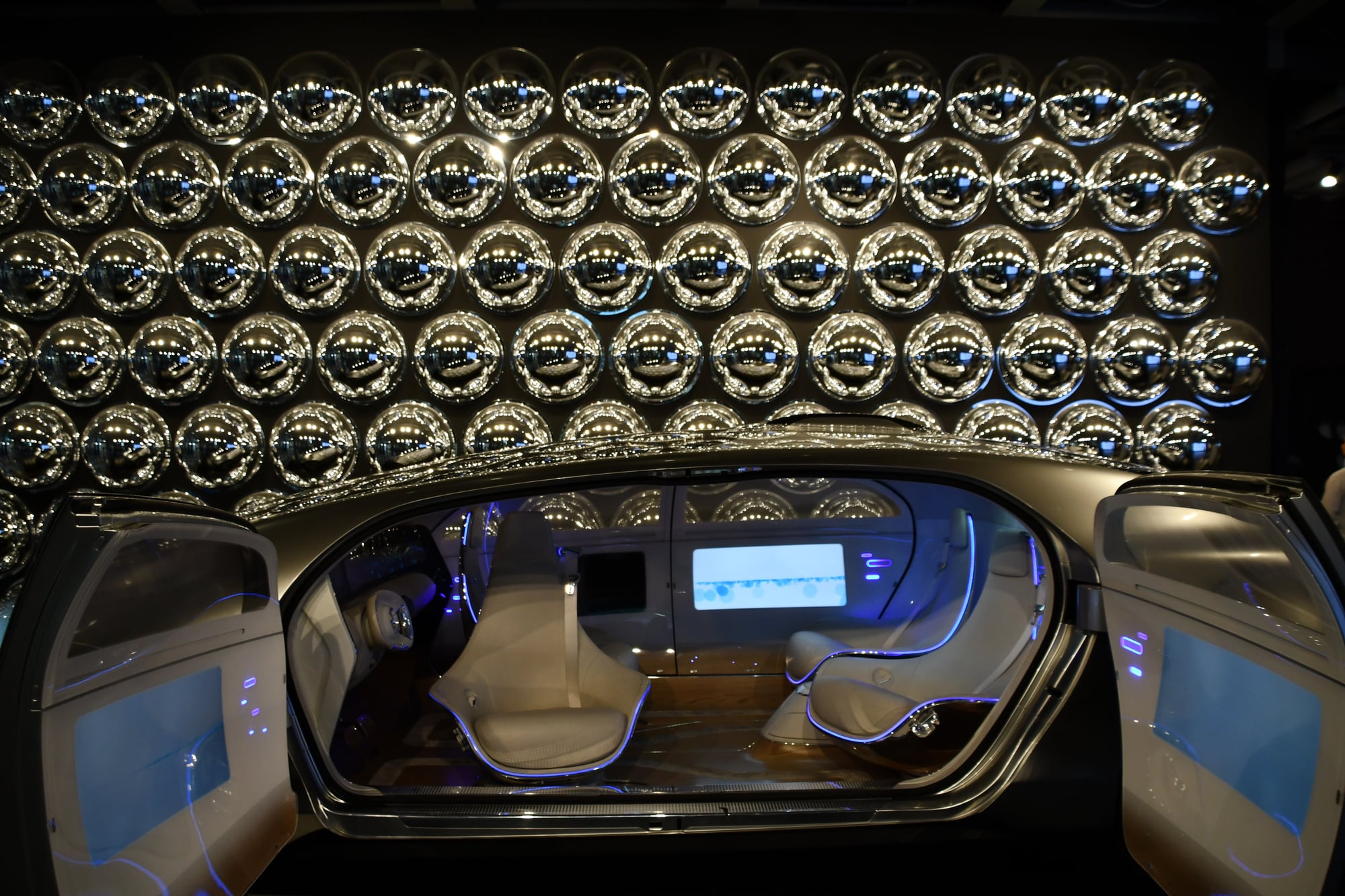
Mercedes built a living room on wheels and called it the future of transportation. The F 015 concept featured four rotating seats, screens covering every interior surface, and autonomous driving capability that would theoretically allow passengers to conduct meetings while traveling between cities.
The doors opened like French doors on a house — both front and rear hinged at opposite ends.
The interior felt more like a high-end hotel suite than a vehicle. Mercedes demonstrated the car extensively but never committed to production, perhaps recognizing that most people weren’t ready to give up driving entirely in exchange for mobile office space.
Saab Aero X
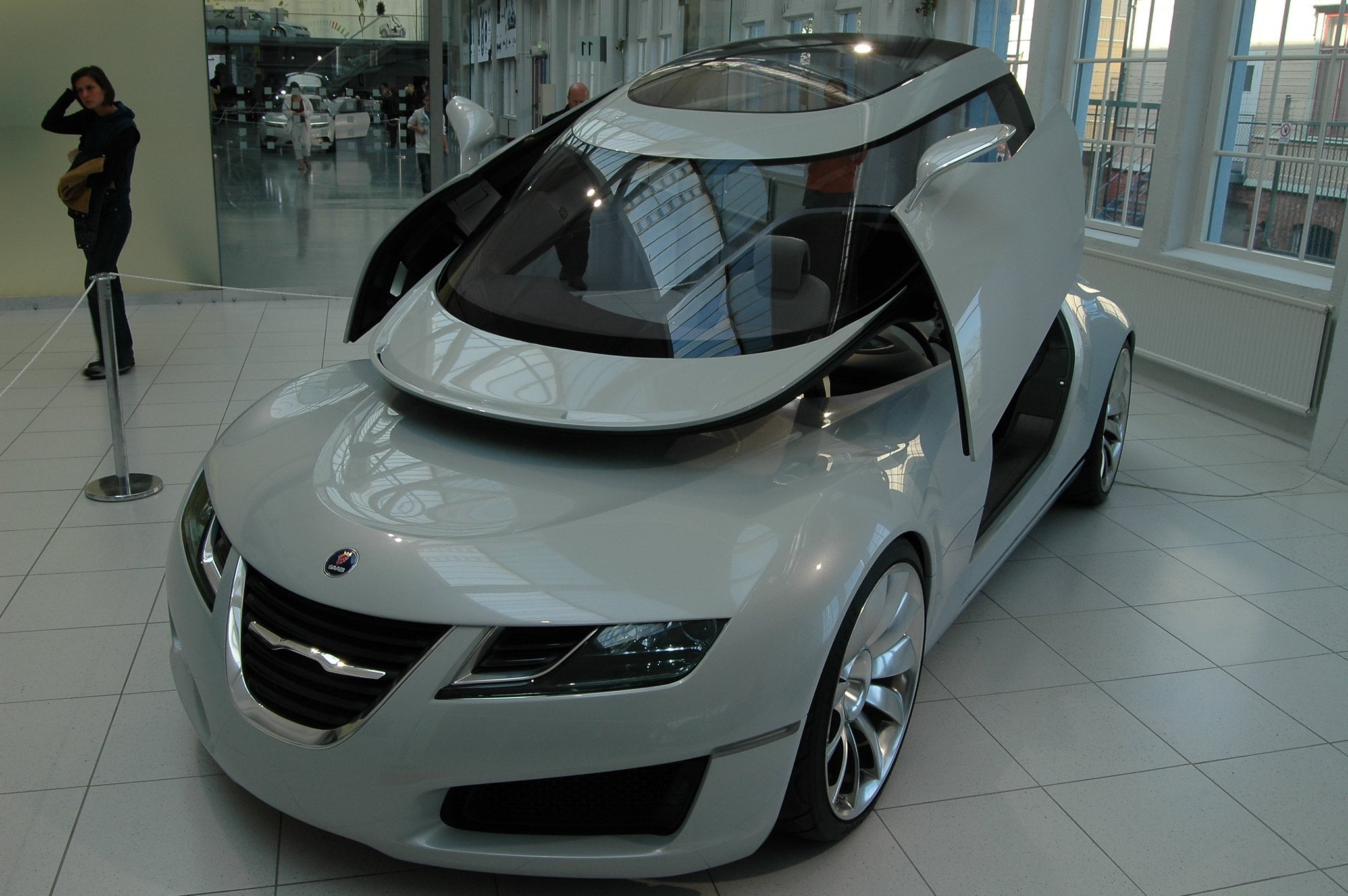
Saab’s final concept car opened like a fighter jet. The entire glass canopy hinged forward, providing access to both front seats simultaneously.
The interior featured no traditional dashboard — just a clear display screen that showed essential information while maintaining forward visibility.
The Aero X ran on ethanol and produced 400 horsepower from a twin-turbo V6. Saab built it in 2006 as a statement about the brand’s aviation heritage and commitment to alternative fuels.
Three years later, General Motors sold Saab to a Dutch company, and the brand disappeared entirely by 2016. The Aero X remains the last glimpse of what Saab might have become with more time and different circumstances.
BMW Lovos
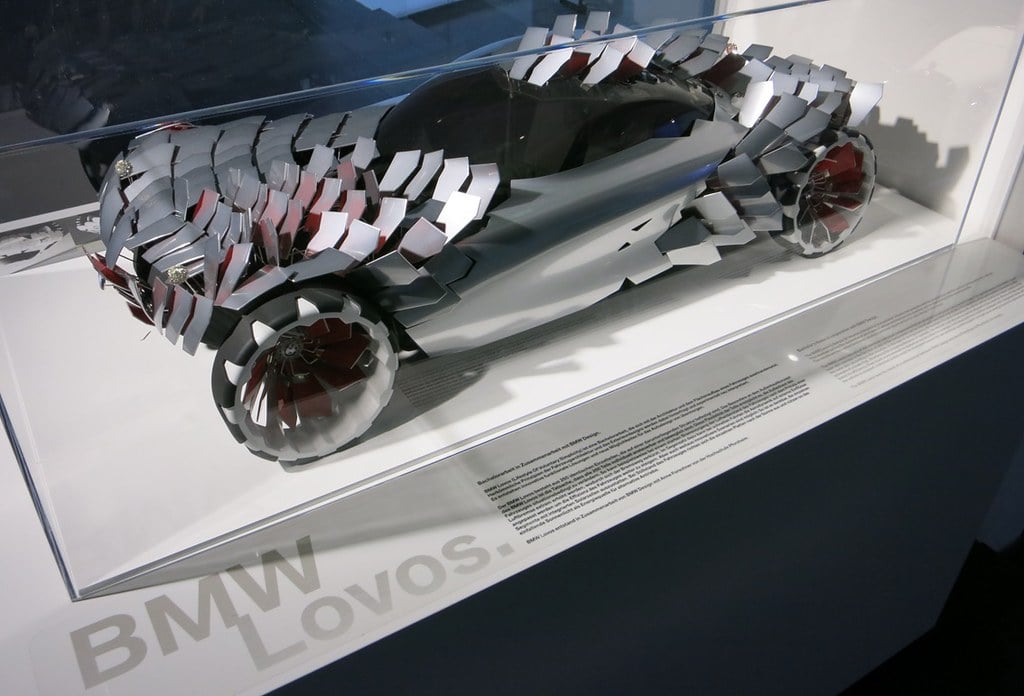
Sometimes the most ambitious experiments hide their complexity behind apparent simplicity, and the Lovos concept embodied this principle by proposing something that sounded almost mundane until you considered the implications — a car designed to completely biodegrade at the end of its useful life, leaving behind nothing more than harmless organic matter and a few recyclable components that could be cleanly separated and reused.
BMW developed the Lovos (short for Life on Visible Operating System) as a response to growing concerns about automotive waste, but the technical challenges were staggering. The body panels were grown rather than manufactured — literally cultivated from organic materials that would decompose on command when treated with specific enzymes.
The interior fabrics were designed to last exactly as long as the projected vehicle lifespan, then break down into soil nutrients.
But perhaps the most ambitious element wasn’t the biodegradable construction — it was the embedded sensors that would monitor the car’s own decomposition process, sending data about the breakdown rates and environmental impact back to BMW for analysis. The car was designed to teach its makers how to build better disposable vehicles.
Looking Forward, Looking Back
These machines remind us that automotive progress isn’t always linear. Sometimes the most ambitious ideas arrive too early, sometimes too late, and sometimes exactly when they should but in a world not quite ready to embrace them.
Each represents someone’s best guess about what transportation could become, freed from the constraints of conventional thinking but bound by the realities of physics, economics, and human nature.
The vehicles that succeeded often did so by solving problems people didn’t know they had. The ones that failed usually fell victim to problems their creators didn’t know existed.
Either way, they pushed the boundaries of what seemed possible, and in doing so, they changed how the entire industry thought about the future.
More from Go2Tutors!

- The Romanov Crown Jewels and Their Tragic Fate
- 13 Historical Mysteries That Science Still Can’t Solve
- Famous Hoaxes That Fooled the World for Years
- 15 Child Stars with Tragic Adult Lives
- 16 Famous Jewelry Pieces in History
Like Go2Tutors’s content? Follow us on MSN.