Revolutionary Passenger Planes Ranked
Flying used to be simple. Climb aboard, buckle up, hope the engines kept running.
Then something changed. Engineers started pushing boundaries that hadn’t been pushed before, airlines began chasing records that seemed impossible to break, and suddenly the sky became a testing ground for ideas that would reshape how we think about distance, time, and what it means to travel.
These aircraft didn’t just move people from one place to another — they rewrote the rules entirely.
Boeing 707
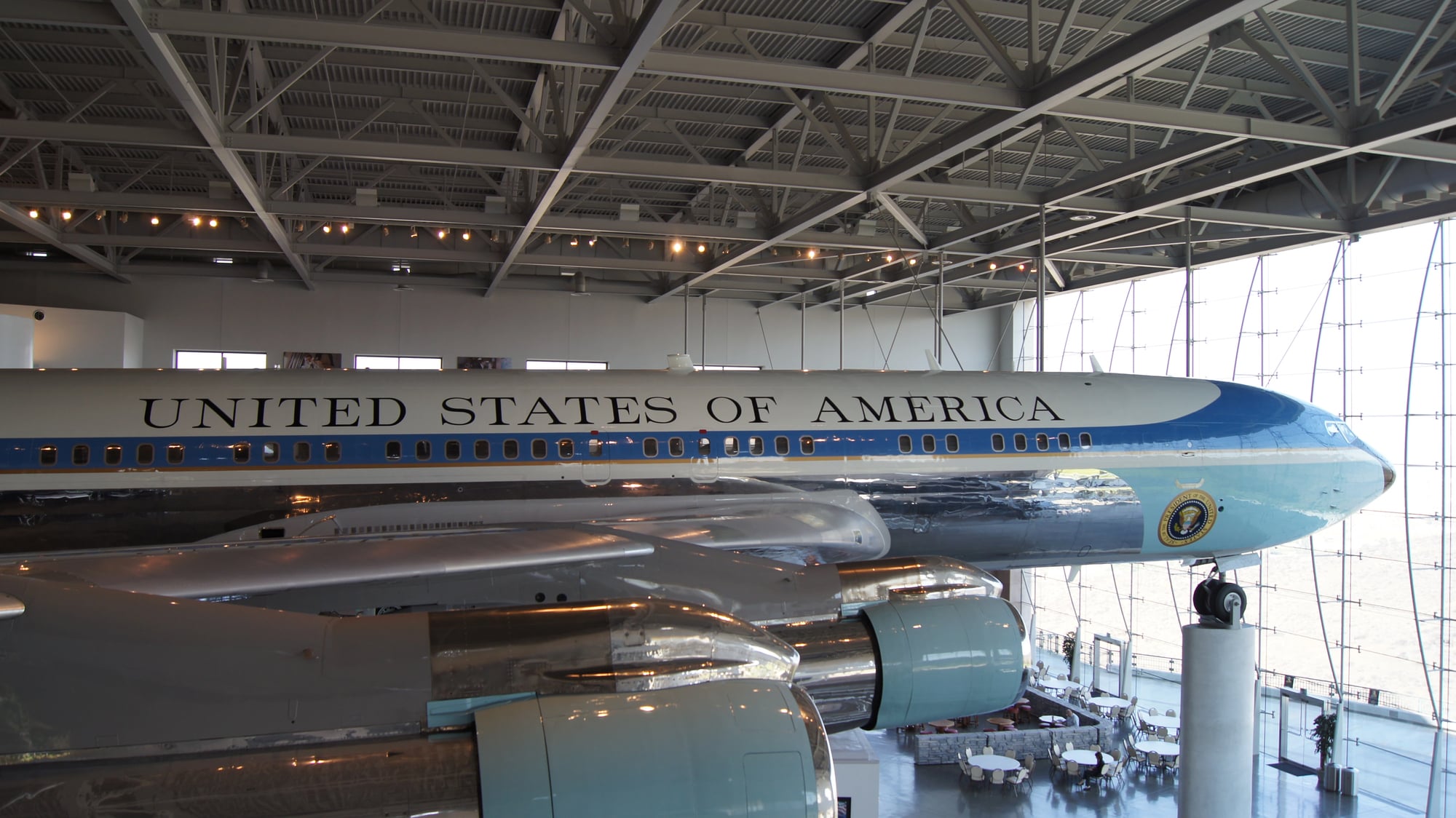
The 707 turned commercial aviation from a luxury into a necessity. Four engines, swept wings, and the stubborn confidence to prove that jets could work for regular passengers, not just military pilots.
Before 1958, crossing the Atlantic meant planning your life around the trip. The 707 cut flight times in half and made “jet lag” a household term.
Pan Am ordered them first, and every other airline scrambled to catch up.
Concorde
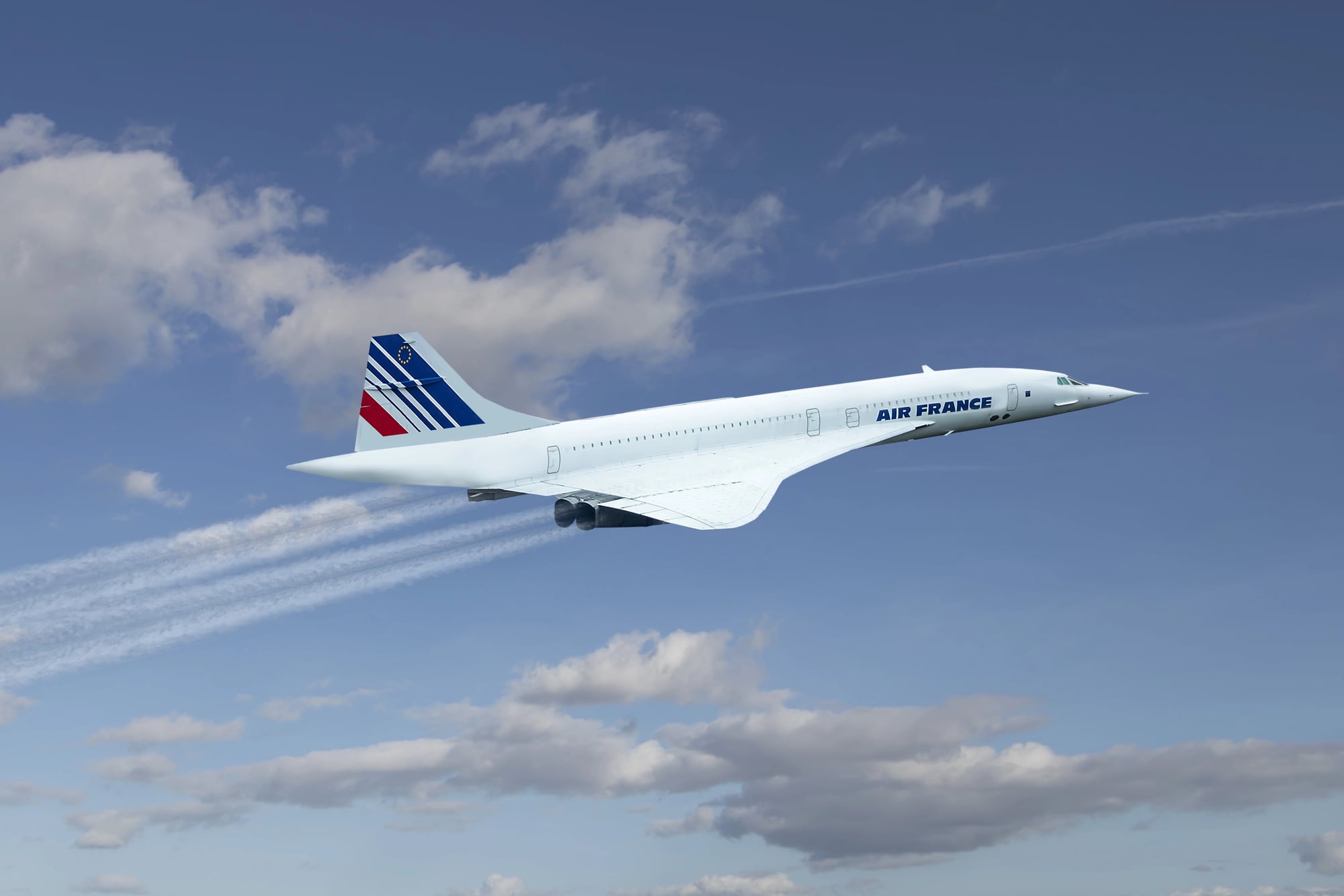
Concorde broke the sound barrier twice daily for 27 years, which (when you consider how airlines typically treat anything that costs money to maintain) is something close to a miracle. Mach 2.04 cruising speed, three and a half hours from New York to London, and a passenger list that read like a celebrity magazine masthead.
The fuel costs alone should have killed it in the first year, but Concorde had something most aircraft lack: genuine mystique. People paid premium prices not just for speed, but for the experience of traveling faster than a rifle bullet.
And yet, for all its technical brilliance, only 20 were ever built — which tells you everything about the difference between engineering achievement and business sense. But here’s the thing about Concorde that matters more than the economics: it proved that the impossible was just expensive, not actually impossible.
Douglas DC-3
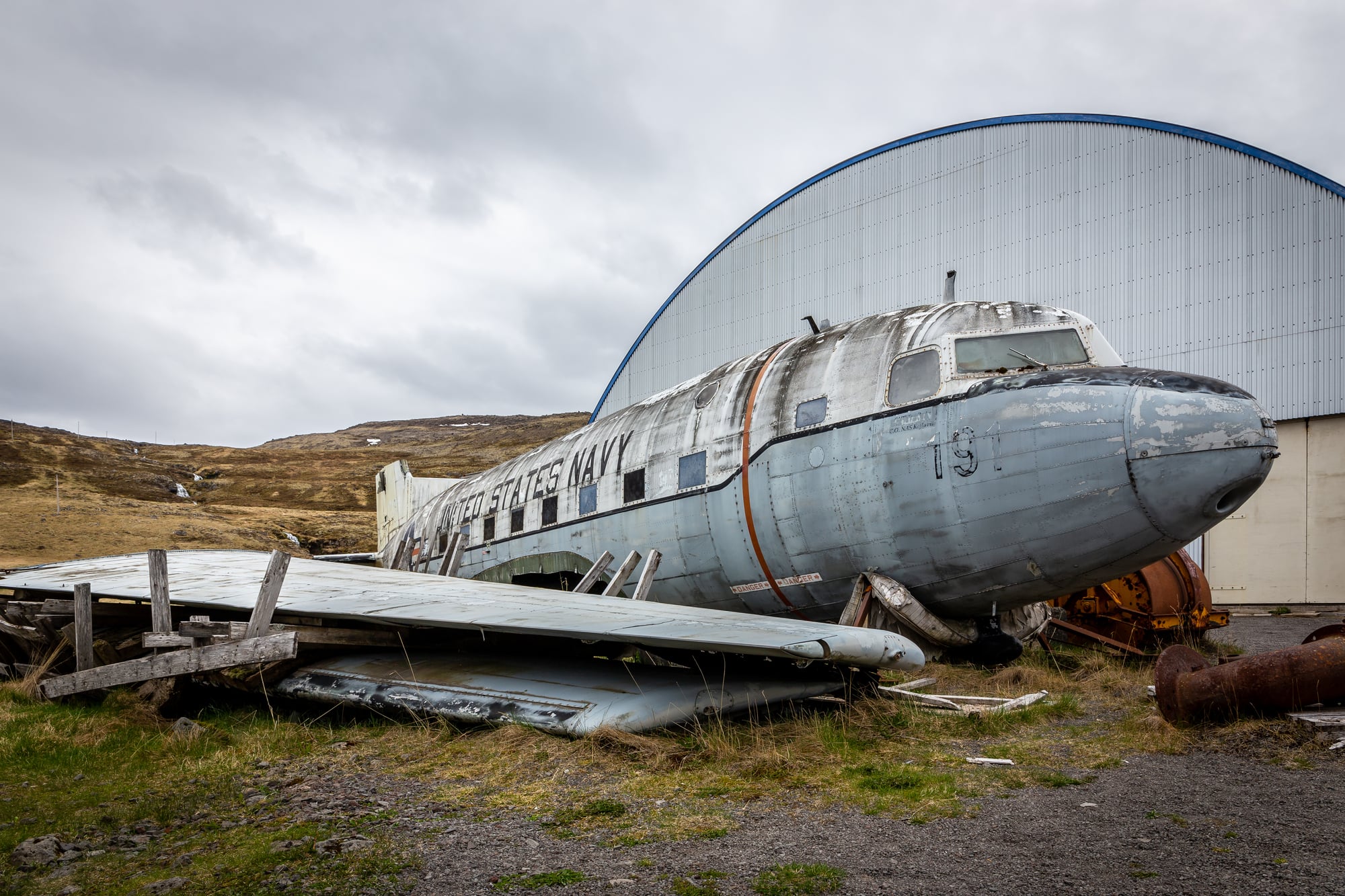
Every modern airliner owes something to the DC-3. Twin engines, retractable landing gear, and the kind of reliability that made scheduled airline service possible in the first place.
The DC-3 didn’t just revolutionize passenger travel — it invented it. Before this aircraft, flying commercially was more like catching a bus that might or might not show up, depending on weather, mechanical problems, or the pilot’s mood.
The DC-3 changed that by actually arriving on schedule most of the time.
Boeing 747
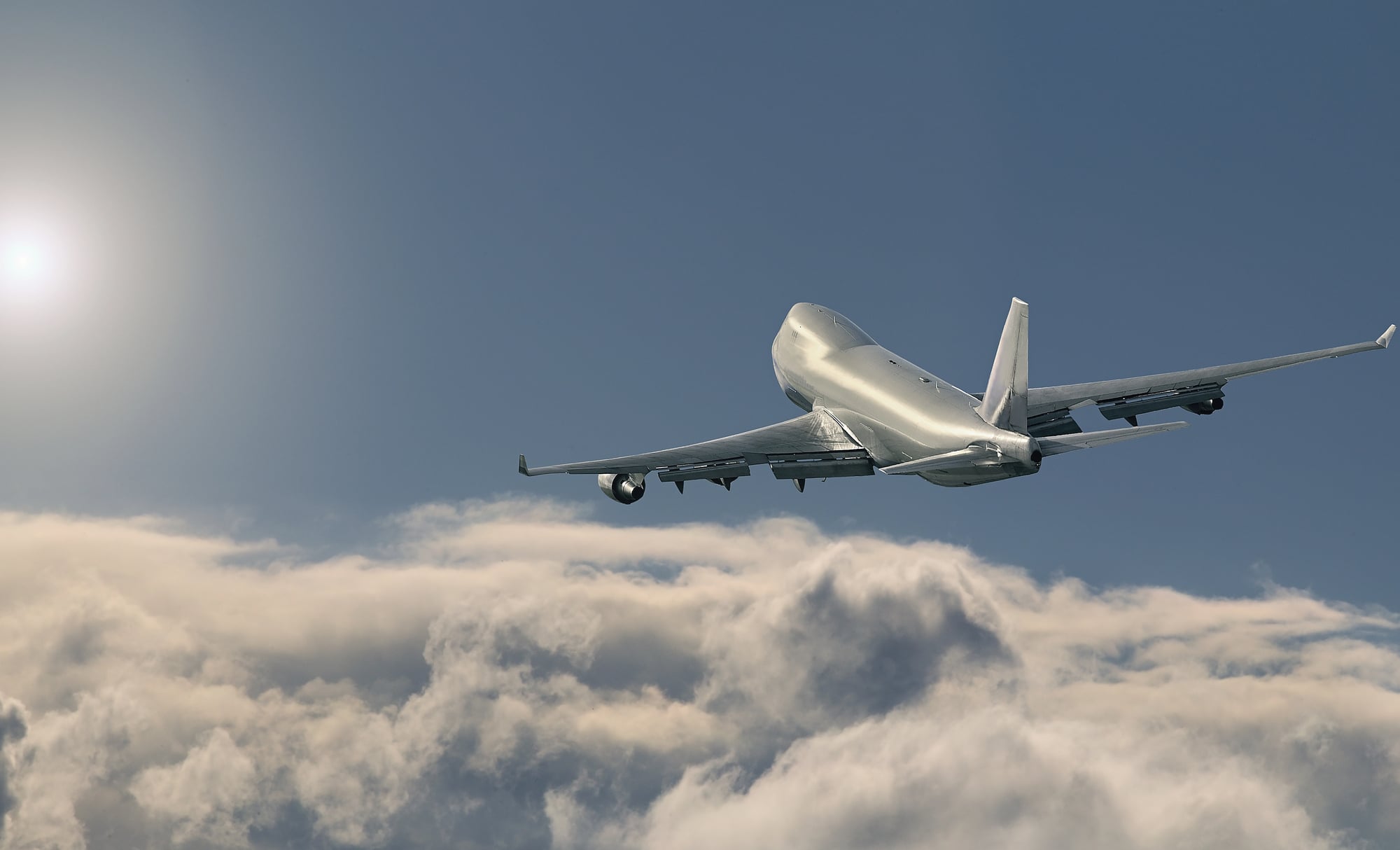
Flying fortresses used to be bombers. The 747 turned the phrase into something peaceful — a double-decker giant that made international travel accessible to people who weren’t wealthy enough to consider it before.
Carrying 400 passengers at once seemed reckless until it became routine.
The upper deck was supposed to be a lounge where passengers could socialize during long flights (because apparently, someone thought people wanted to mingle at 35,000 feet), but airlines quickly realized they could cram more seats up there instead. So much for the romance of air travel.
Even so, the 747 democratized flying in a way that no aircraft before it had managed — turning intercontinental trips from rare adventures into regular occurrences that people planned around vacation days rather than life savings.
de Havilland Comet
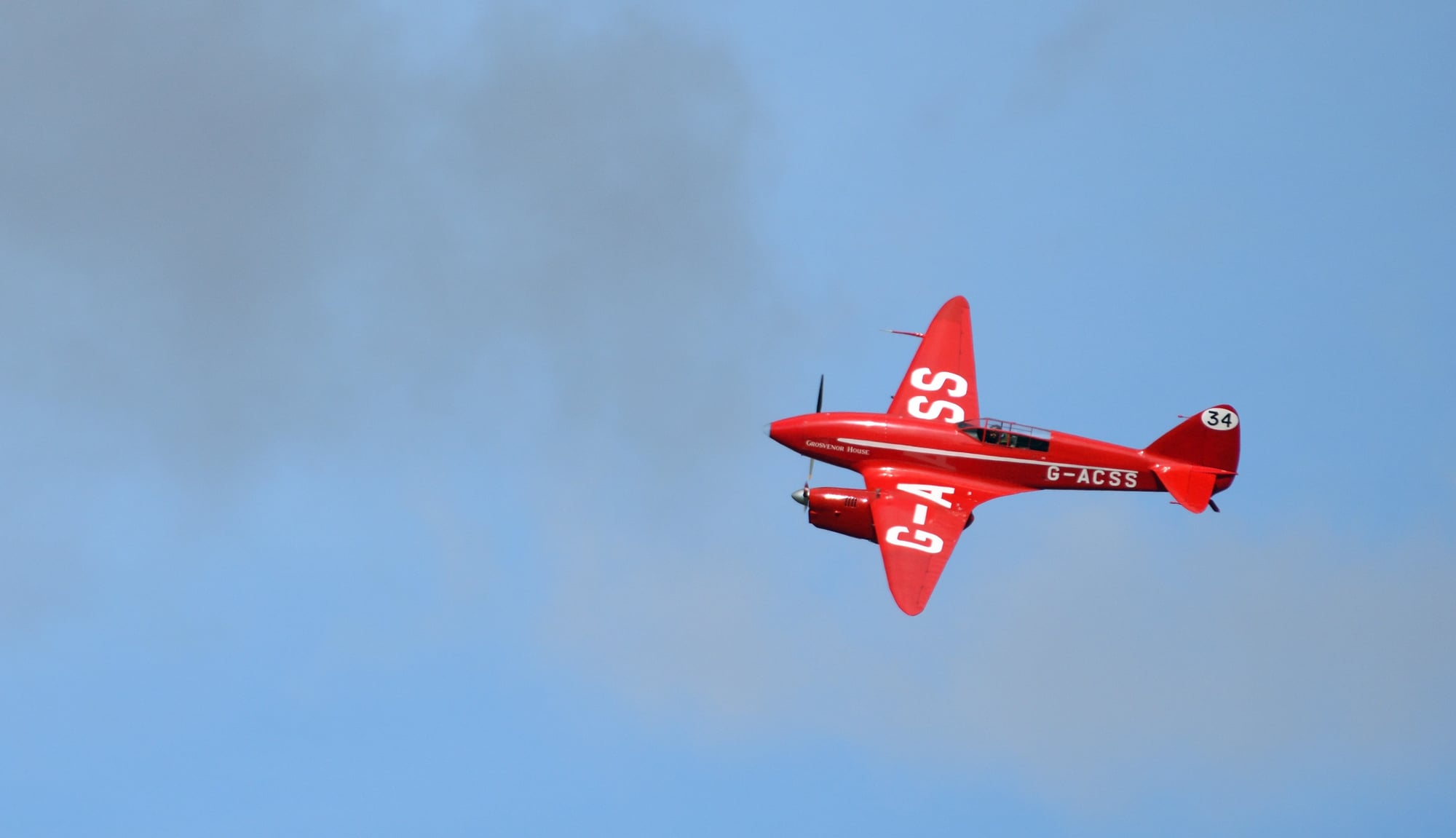
The Comet arrives in aviation history like a cautionary tale wrapped in genuine innovation. Square windows, pressurized cabin, and the elegance of being first — until the fuselage started coming apart mid-flight, which tends to complicate passenger confidence.
Metal fatigue was a concept that engineers understood in theory but hadn’t fully reckoned with in practice, especially at the stress points around those perfectly rectangular windows. The crashes were devastating, but the lessons learned from the Comet’s failures probably saved more lives than any other single advancement in aviation safety.
Sometimes revolution comes through spectacular success, sometimes through equally spectacular failure that teaches everyone what not to do.
Airbus A380
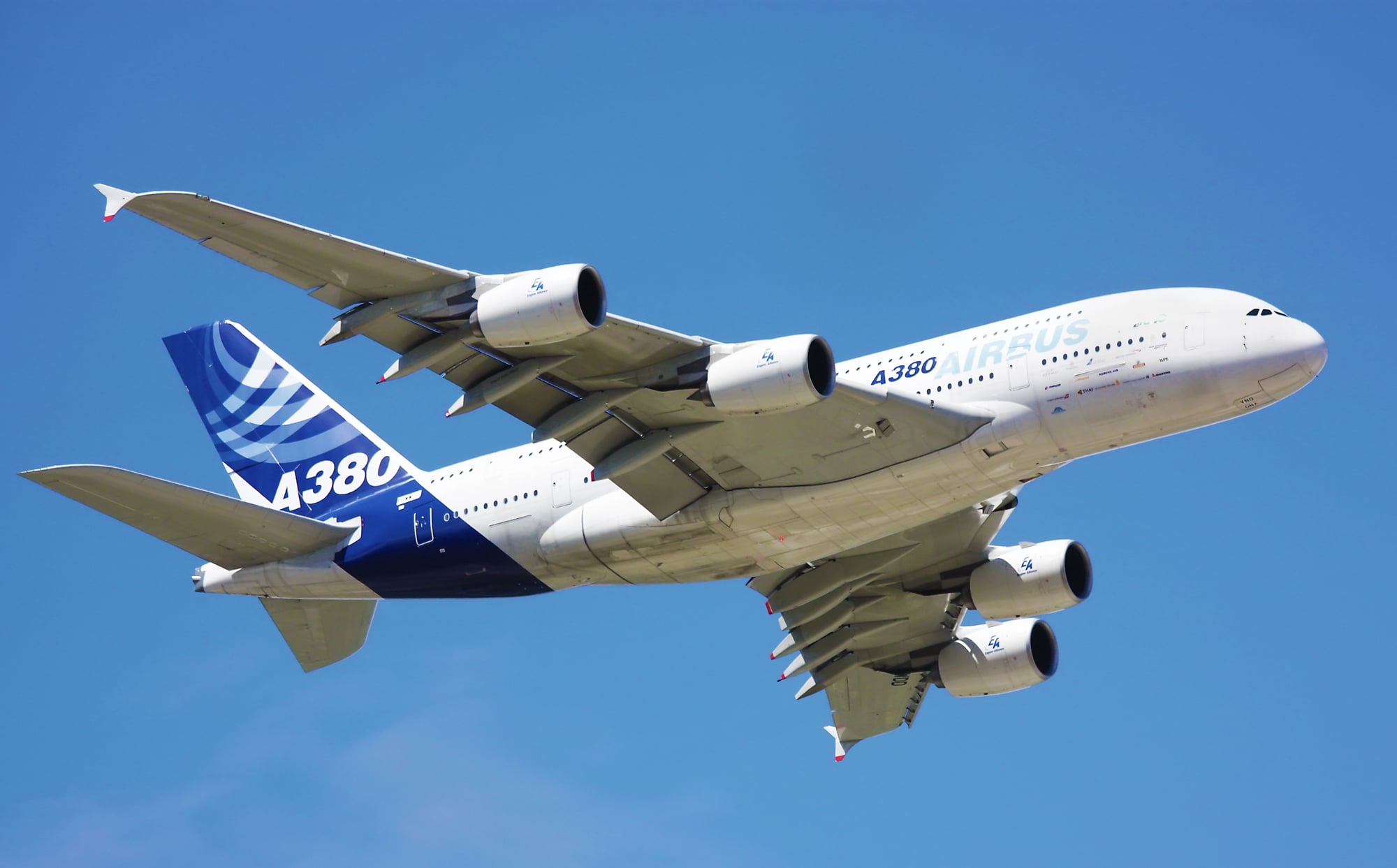
The A380 is aviation’s equivalent of building a cathedral in an age of strip malls. Double-decker throughout, 850 passengers if you really pack them in, and the kind of ambition that ignores practical concerns like airport infrastructure and fuel costs.
Airlines wanted efficiency. Airbus delivered spectacle.
The A380 can carry more people than some small towns, but it can only land at airports that spent millions upgrading their runways and gates to accommodate it. Only 251 were ever built before production stopped, making it simultaneously one of the most impressive and most commercially unsuccessful aircraft ever designed.
Boeing 737
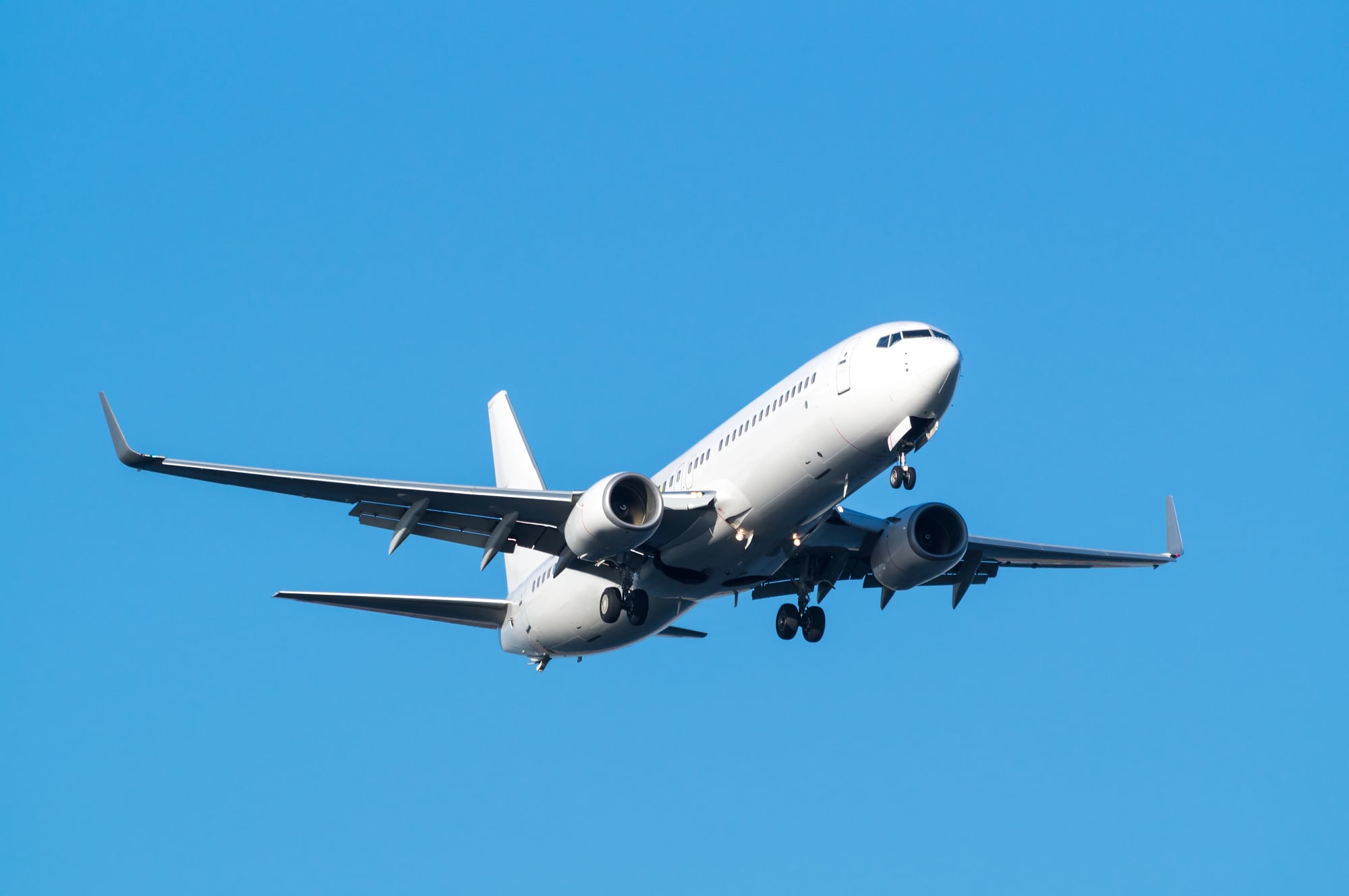
The 737 revolutionized air travel by making it boring. Short to medium routes, reliable service, and the kind of operational efficiency that lets airlines run multiple flights daily without drama.
This aircraft didn’t break speed records or capture headlines, but it did something more valuable: it made flying routine. The 737 family has been in continuous production since 1967, with over 11,000 built.
You’ve probably flown on one without noticing, which is exactly the point.
Lockheed L-1011 TriStar
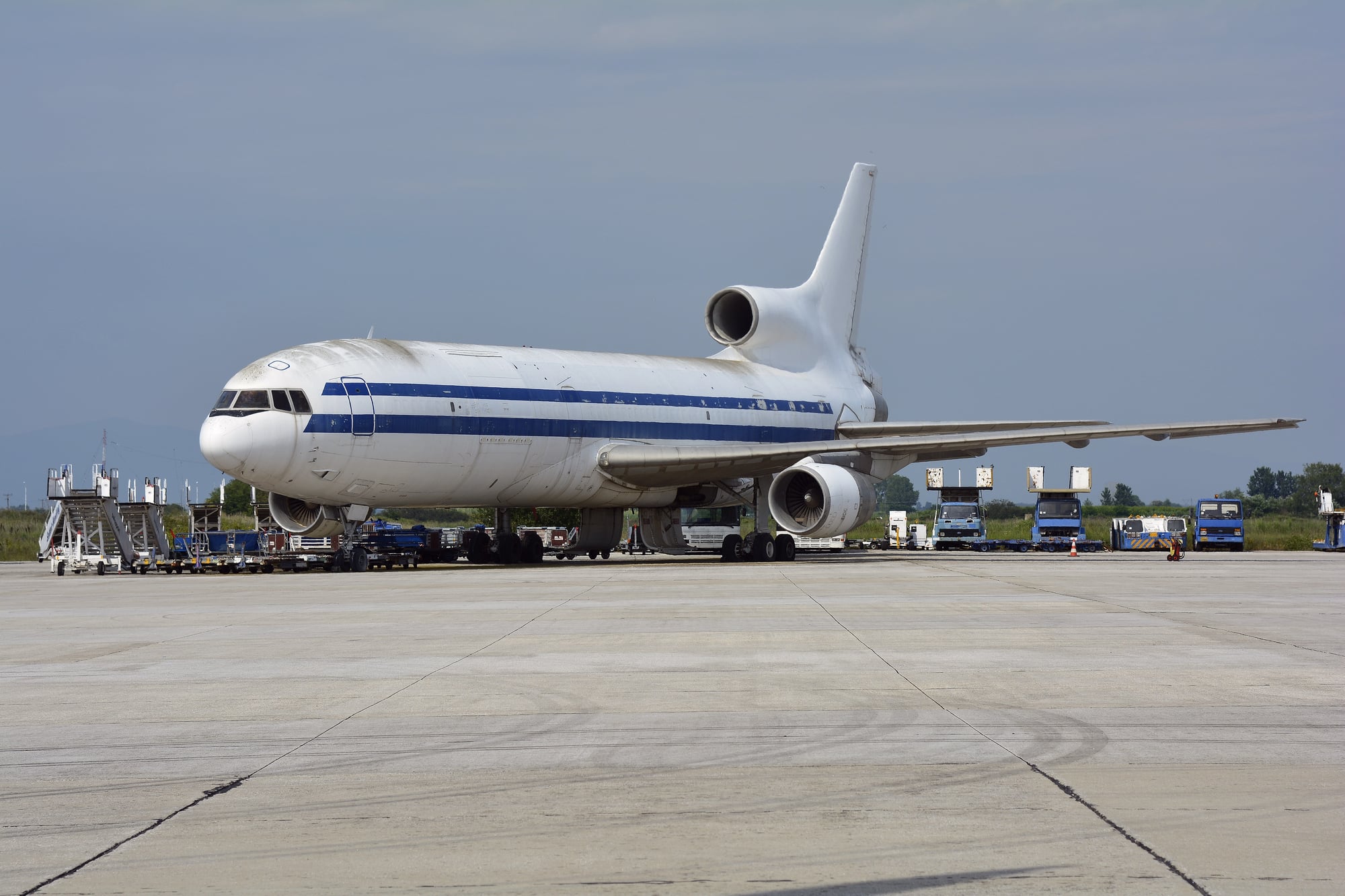
Three engines, advanced avionics, and the misfortune of being excellent at a time when being excellent wasn’t enough to guarantee success. The L-1011 was arguably the most sophisticated airliner of its era, but it arrived late to a market that had already chosen its winners.
The center engine mounted in the tail was an engineering marvel that required completely redesigning how air flowed into the intake. The autoland system could touch down in weather that grounded other aircraft.
But Lockheed was competing against the DC-10, which looked similar and arrived first, and in commercial aviation, timing matters more than technical superiority. The L-1011 was revolutionary in ways that passengers never saw and airlines couldn’t justify paying extra for.
Boeing 777
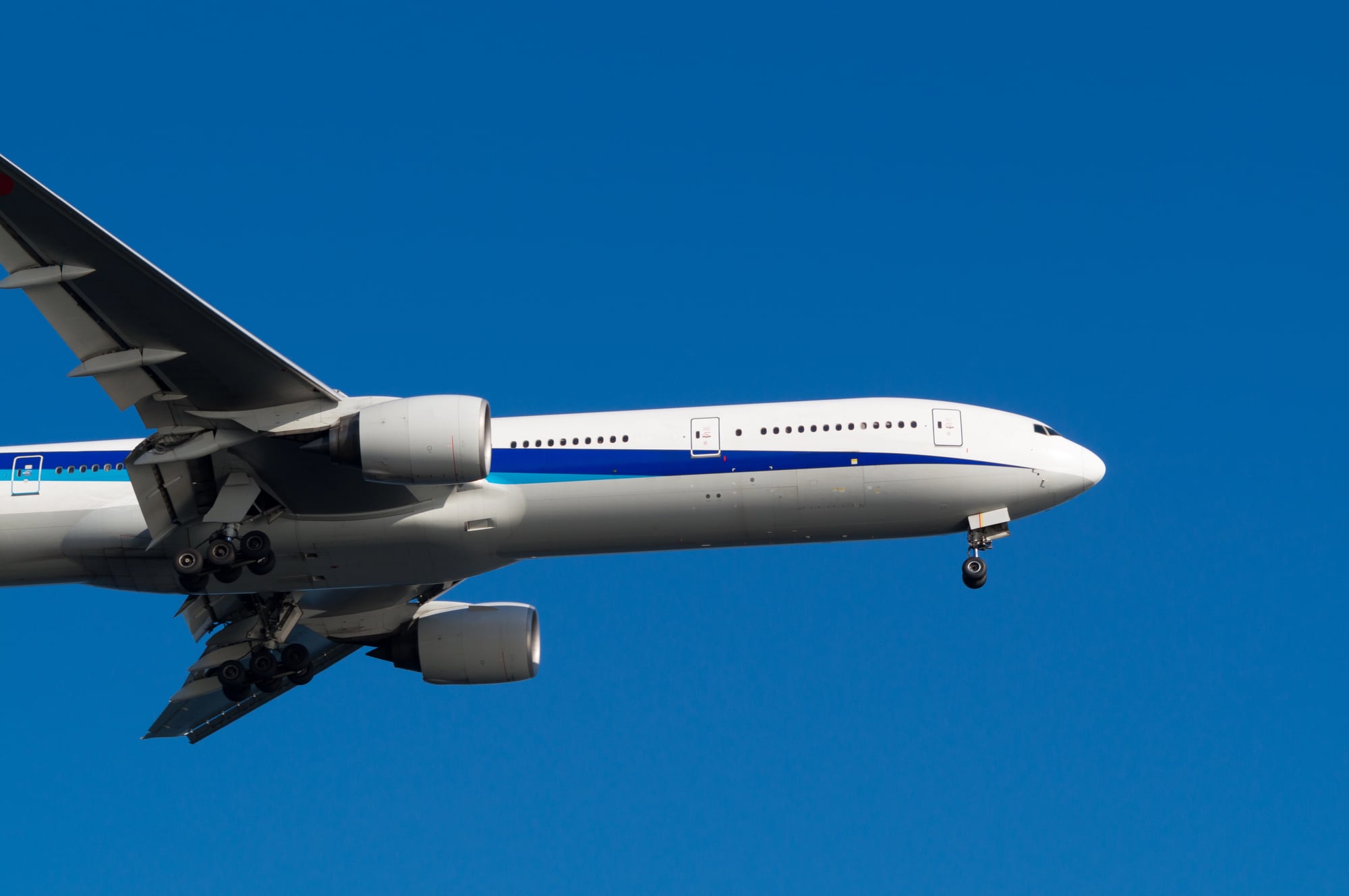
The 777 emerged from the realization that sometimes the best revolution is simply doing everything right the first time. Twin engines powerful enough to cross oceans, fly-by-wire controls that feel natural to pilots, and the kind of reliability that makes airlines forget they own other aircraft types.
Boeing designed this aircraft in partnership with the airlines that would actually fly it, which seems obvious in retrospect but was revolutionary at the time. Instead of building what engineers thought airlines needed, they built what airlines said they wanted.
The result was an aircraft so well-suited to long-haul routes that it became the backbone of international travel almost immediately. No drama, no headlines, just the quiet satisfaction of solving problems that airlines didn’t even realize they had.
Airbus A320
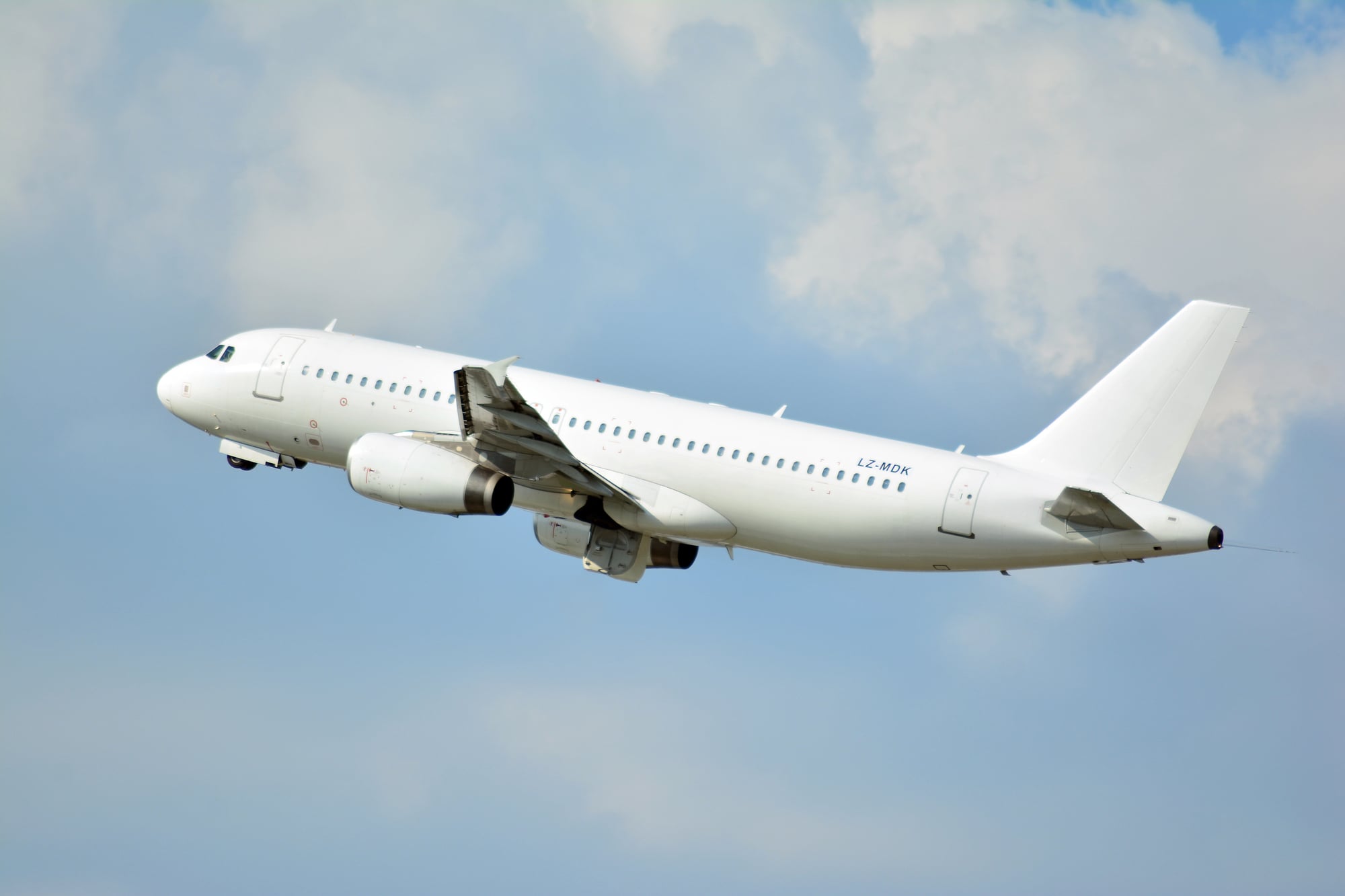
The A320 introduced fly-by-wire controls to commercial aviation, which means the computer interprets what the pilot wants to do rather than directly connecting their hands to the control surfaces. Pilots either loved this or hated it, depending on how much they trusted computers with their lives.
The side-stick controls looked like something from a fighter jet, because that’s essentially what they were. Traditional control yokes disappeared, replaced by joysticks that barely moved when you pushed them.
This wasn’t just a technological change — it was a philosophical one about the relationship between human skill and computer assistance in keeping airplanes aloft.
McDonnell Douglas DC-10
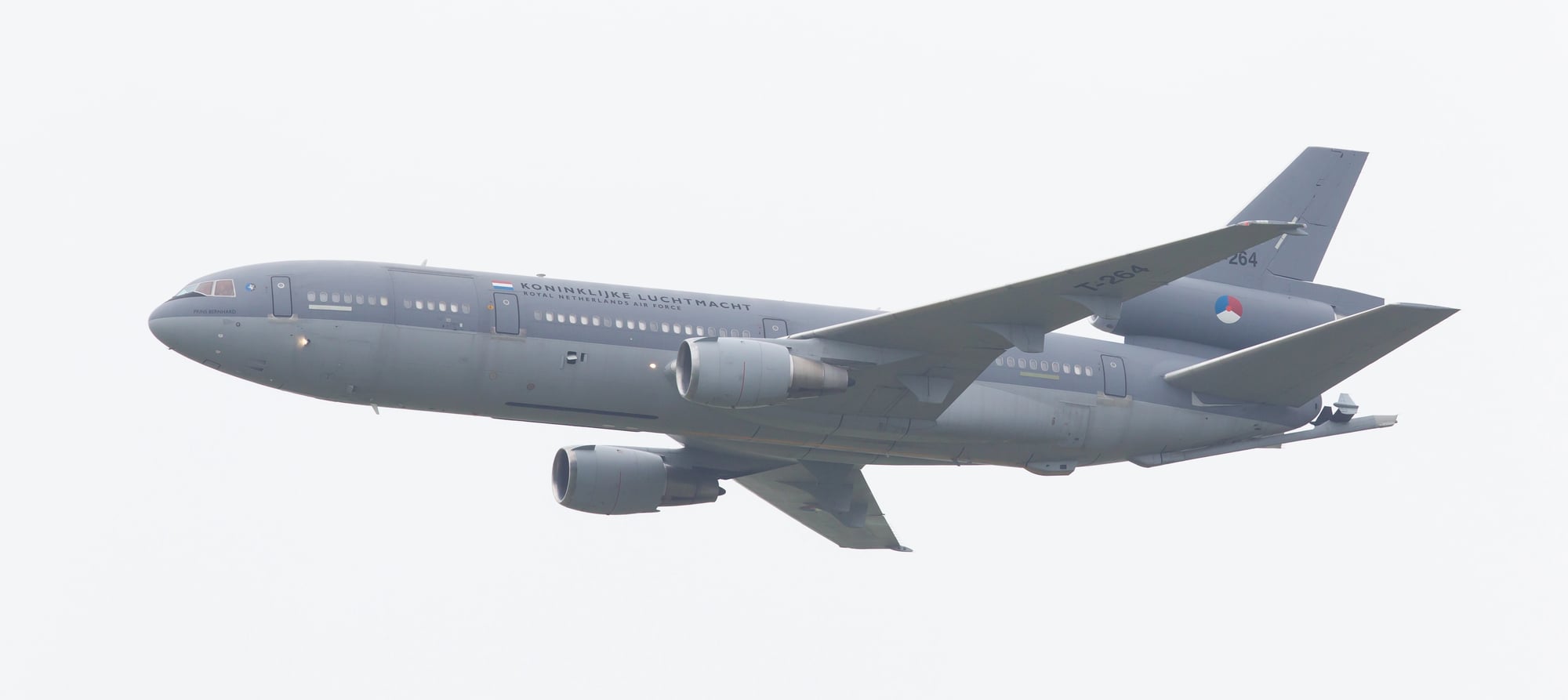
Wide-body aircraft with three engines positioned in a way that made perfect sense until things went wrong. The DC-10 could carry 380 passengers across continents efficiently, but a series of high-profile accidents gave it a reputation that overshadowed its technical achievements.
The cargo door design had a fatal flaw that took multiple disasters to fully understand and correct. But here’s what matters about the DC-10: the lessons learned from its problems led to fundamental improvements in aircraft design and maintenance procedures that made all subsequent aircraft safer.
Sometimes revolution comes through tragedy that forces the industry to confront weaknesses it didn’t know existed.
Sud Aviation Caravelle
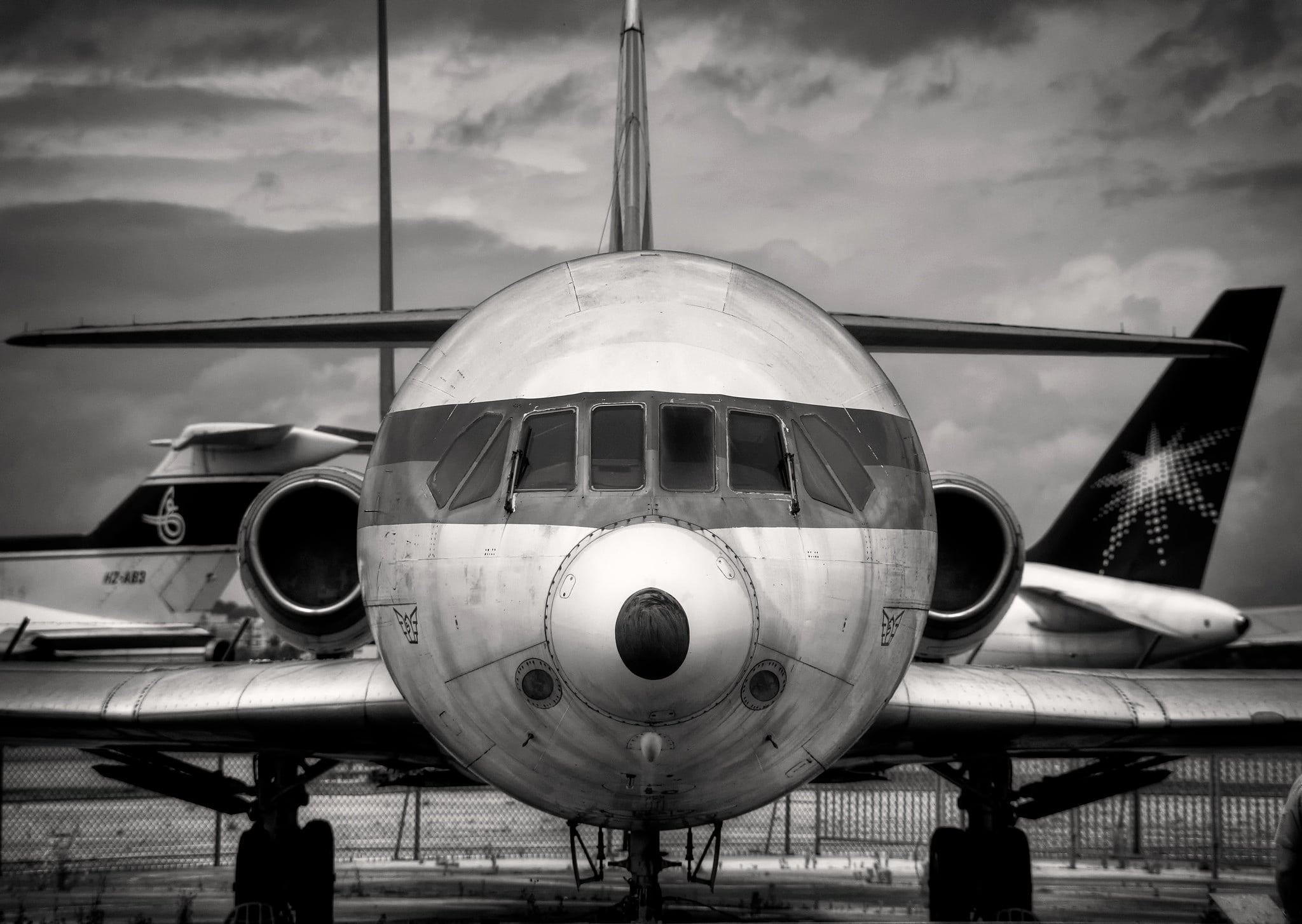
Rear-mounted engines, clean wing design, and the elegant solution of putting the noise behind the passengers instead of beside them. The Caravelle pioneered the configuration that would later appear on aircraft like the MD-80 and regional jets worldwide.
French engineering at its most practical — solving the problem of engine placement not through brute force, but through clever positioning that improved both performance and passenger comfort. The short-range jet market didn’t exist before the Caravelle created it.
Boeing 787 Dreamliner
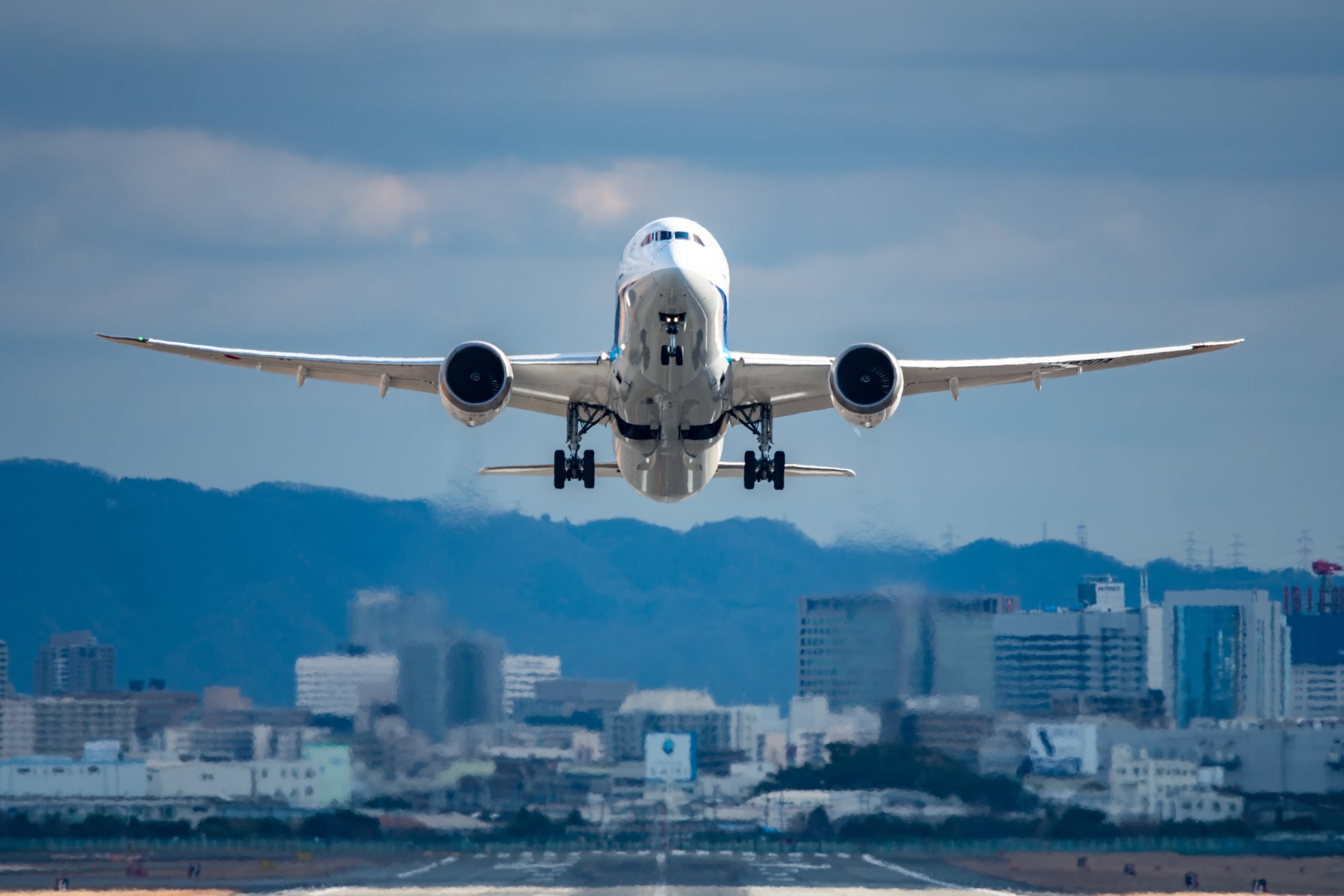
Composite materials, electric systems instead of hydraulic ones, and windows that dim electronically rather than requiring pull-down shades. The 787 represents the most significant rethinking of airliner design since the introduction of jets themselves.
The development process was a nightmare of delays, budget overruns, and technical problems that Boeing is still paying for. But the finished aircraft delivers fuel efficiency improvements that airlines actually notice on their balance sheets, along with passenger comfort features that make long flights genuinely more tolerable.
Revolutionary aircraft often arrive late and over budget — the question is whether the revolution was worth the wait.
Taking Flight Into Tomorrow
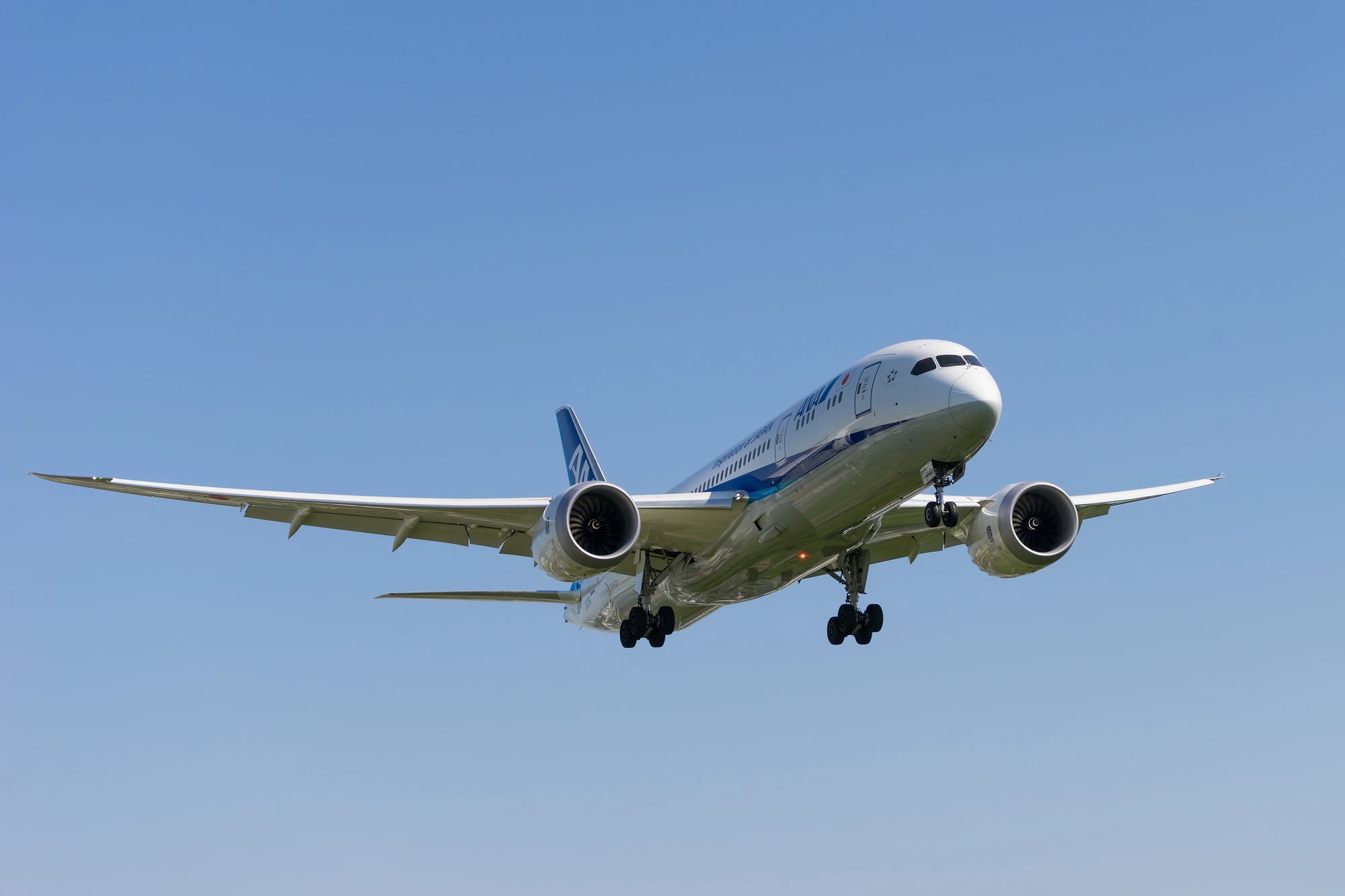
These aircraft didn’t just change how we travel — they changed how we think about distance, time, and the possibility of being somewhere else entirely within hours rather than days. Each one solved problems that seemed insurmountable until someone decided to mount engines, wings, and human ambition in a slightly different configuration.
The revolutionary nature wasn’t always obvious at first flight, but became clear only when looking back at how completely they had rewritten the rules of what seemed possible.
More from Go2Tutors!

- The Romanov Crown Jewels and Their Tragic Fate
- 13 Historical Mysteries That Science Still Can’t Solve
- Famous Hoaxes That Fooled the World for Years
- 15 Child Stars with Tragic Adult Lives
- 16 Famous Jewelry Pieces in History
Like Go2Tutors’s content? Follow us on MSN.