25 Vintage Pocket Knives With Maker’s Marks Dealers Actively Hunt
There’s a certain kind of collector who can pick up a folding knife at an estate sale, flip it over, squint at the tang stamp for about three seconds, and immediately know whether it’s worth twenty dollars or two hundred. That knowledge doesn’t come from a book — it comes from years of handling blades, chasing marks, and developing a gut sense for which names mean something.
If you’re newer to the hunt, the maker’s mark is your starting point: that small stamped or etched identifier on the blade’s tang that tells you who made the knife, when, and sometimes where. Some marks are common.
Others send dealers reaching for their phones to call a buyer they’ve had on a list for months. These are the ones that do exactly that.
Case XX (Pre-1970 Tang Stamps)
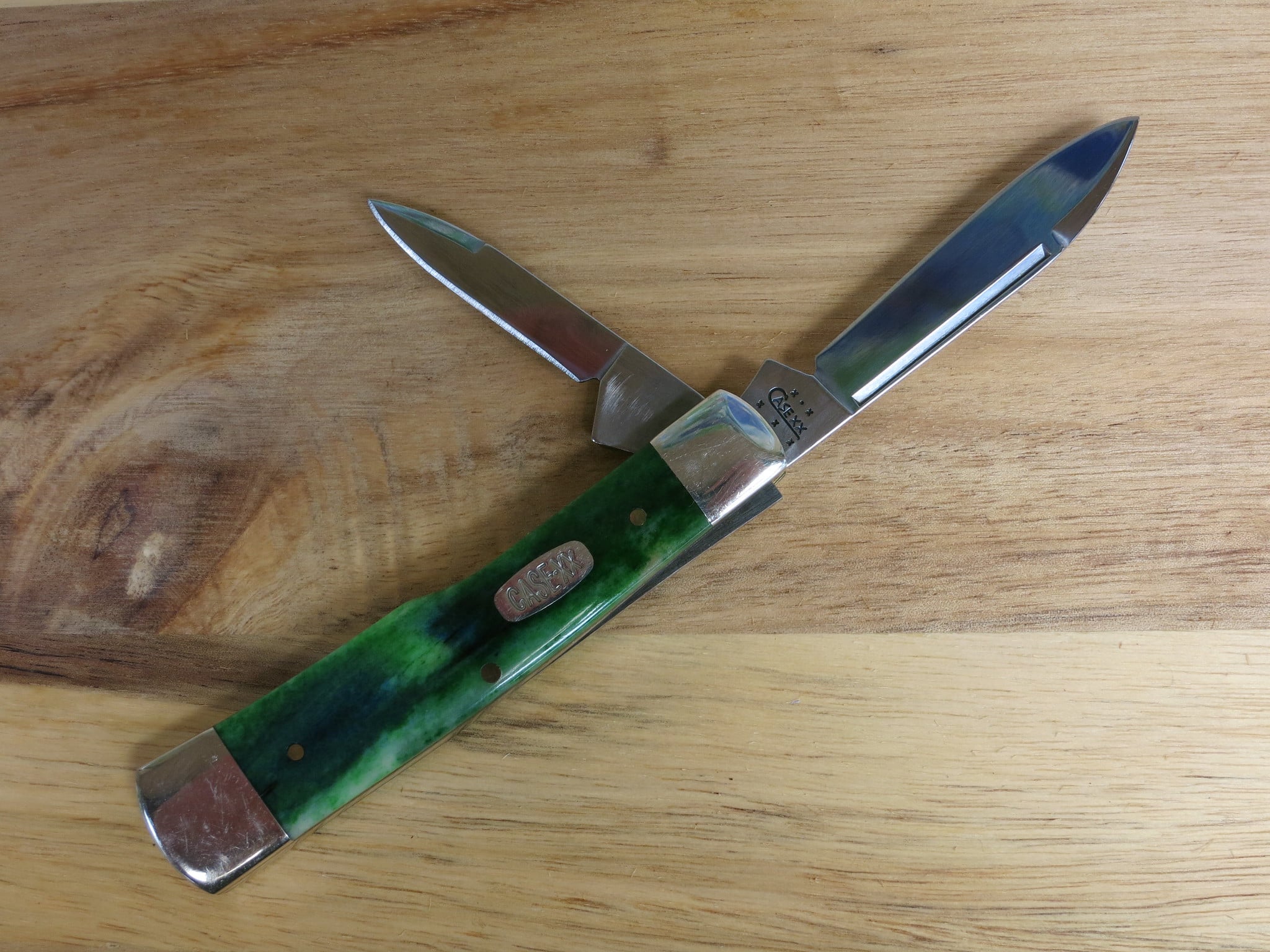
W.R. Case & Sons produced knives across multiple eras, each distinguished by a different tang stamp configuration, and the pre-1970 examples — particularly those stamped with “Case XX” featuring a stacked X pattern — are the ones dealers sort for first. The double X originally indicated the blade had been double-tested for hardness, but what it signals now is age, and age is everything in this market.
A clean bone-handle trapper with that early XX stamp can move faster than almost anything else on a dealer’s table.
Schrade Walden
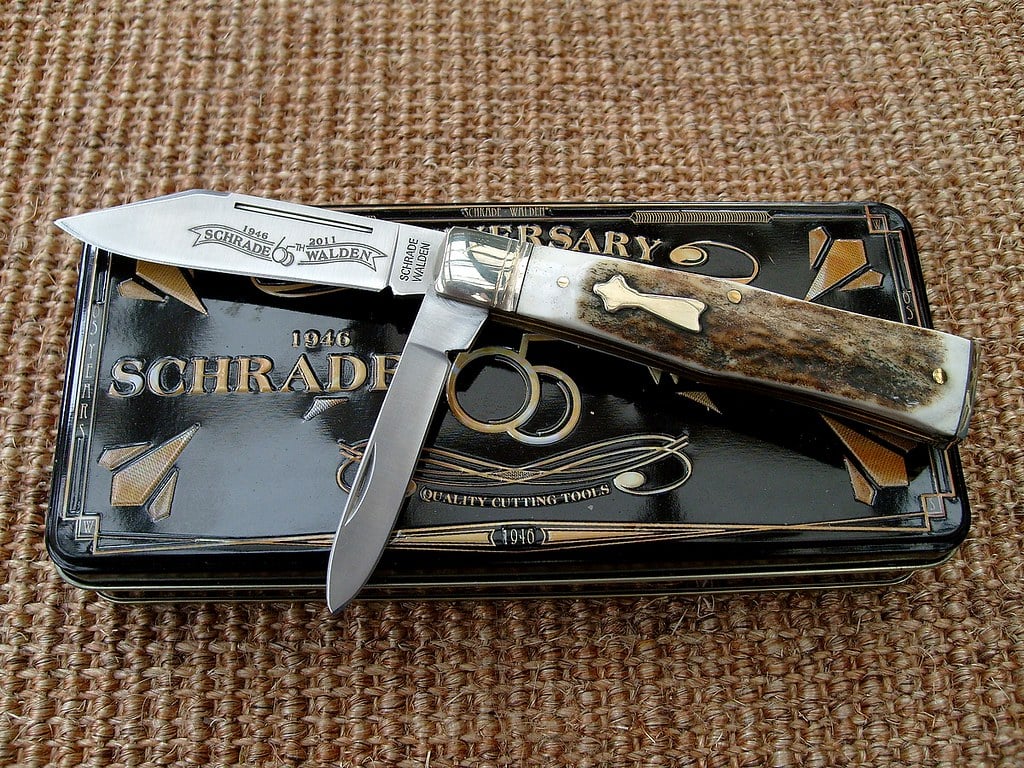
Schrade Walden knives carry a tang stamp that immediately separates the serious collector from the casual browser, because knowing that “Schrade Walden” means the knife predates the company’s 1958 consolidation into Schrade Cutlery Company is the kind of detail that changes a sale. These knives — made in Walden, New York, during the 1940s and early 1950s — are tight, well-finished, and increasingly hard to find in honest condition.
So when one surfaces at a flea market priced as a generic old folding knife, a prepared dealer cleans up.
Remington UMC
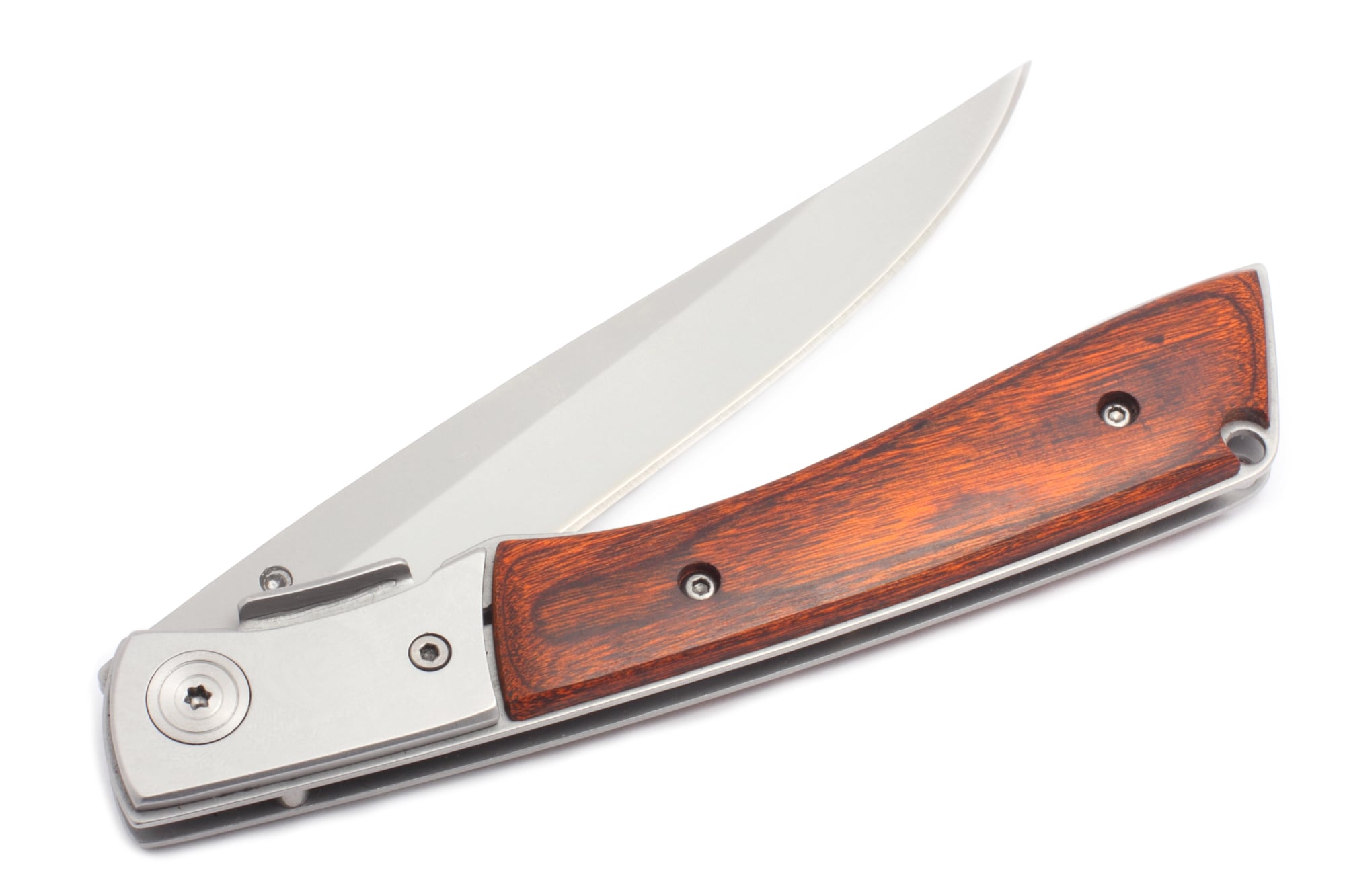
Remington made pocket knives during a specific window — roughly 1920 to 1940 — and the “UMC” tang stamp (from Union Metallic Cartridge, a predecessor company) marks some of the earliest and most collectible examples. Like a door left slightly ajar, the UMC stamp opens onto a whole chapter of American manufacturing history that most people walk past without noticing.
The bullet shield handle pattern paired with that stamp is the combination dealers are really chasing.
Ka-Bar Union Cutlery
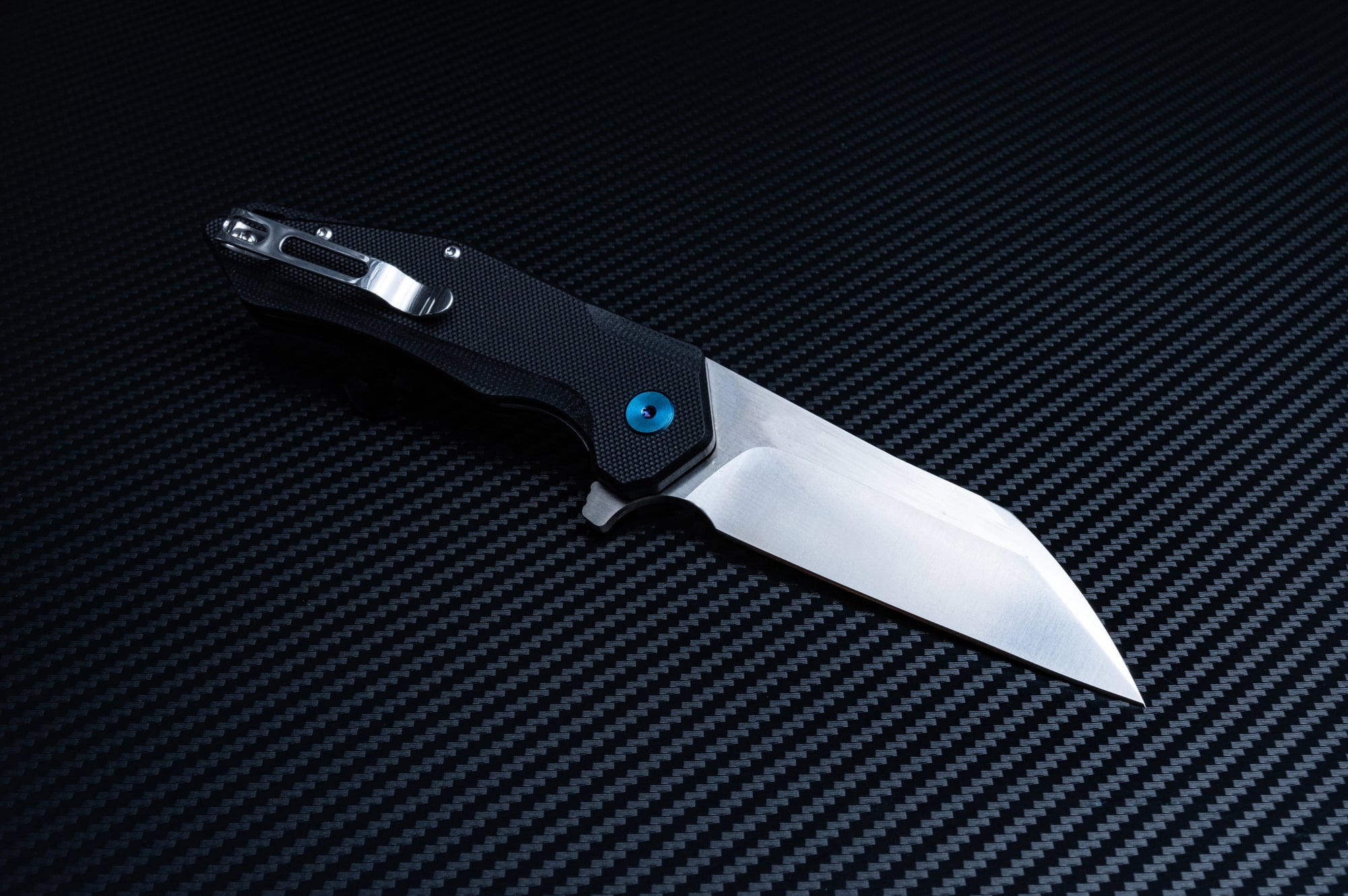
Ka-Bar before it was Ka-Bar — when it still stamped blades as “Union Cutlery Co.” out of Olean, New York — is a different animal from the military-era knives that made the name famous. The pre-WWII Union Cutlery tang stamp is rarer, quieter, and carries the kind of authenticity that dealers who specialize in American-made cutlery genuinely get excited about.
Turns out the name everybody knows is less collectible than the name that came before it.
Cattaraugus Cutlery
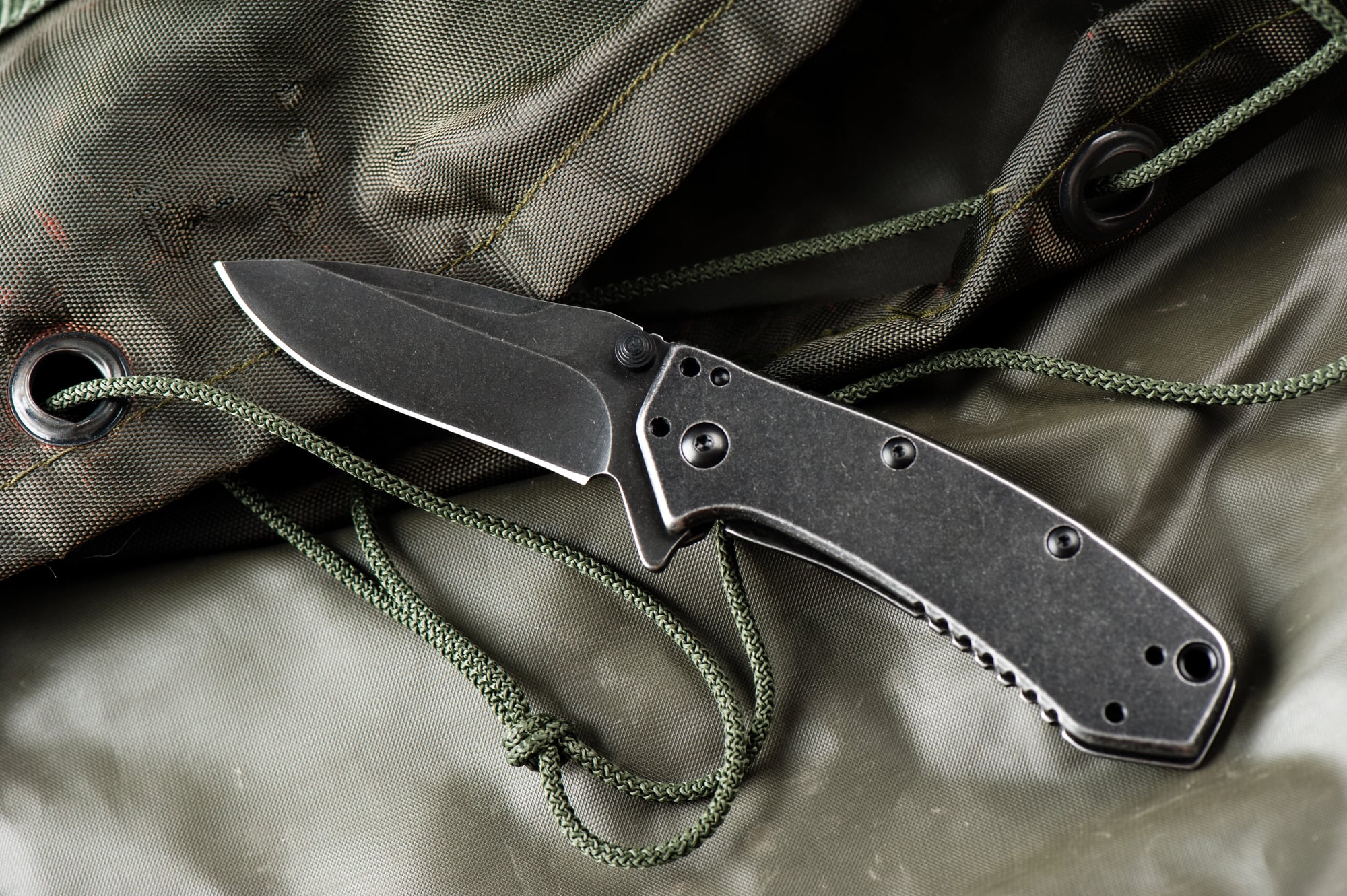
Cattaraugus ran out of Little Valley, New York from 1882 to 1963, and the knives they produced during the first half of that run — particularly those with the full “Cattaraugus Cutlery Co.” stamp — are among the more undervalued finds in the folding knife world. The company made an enormous variety of patterns, and dealers who know their catalog can spot a rare configuration in a mixed lot of junk blades with the calm efficiency of someone who has done it a thousand times.
The stag-handle variations are especially sought.
Napanoch Knife Co.
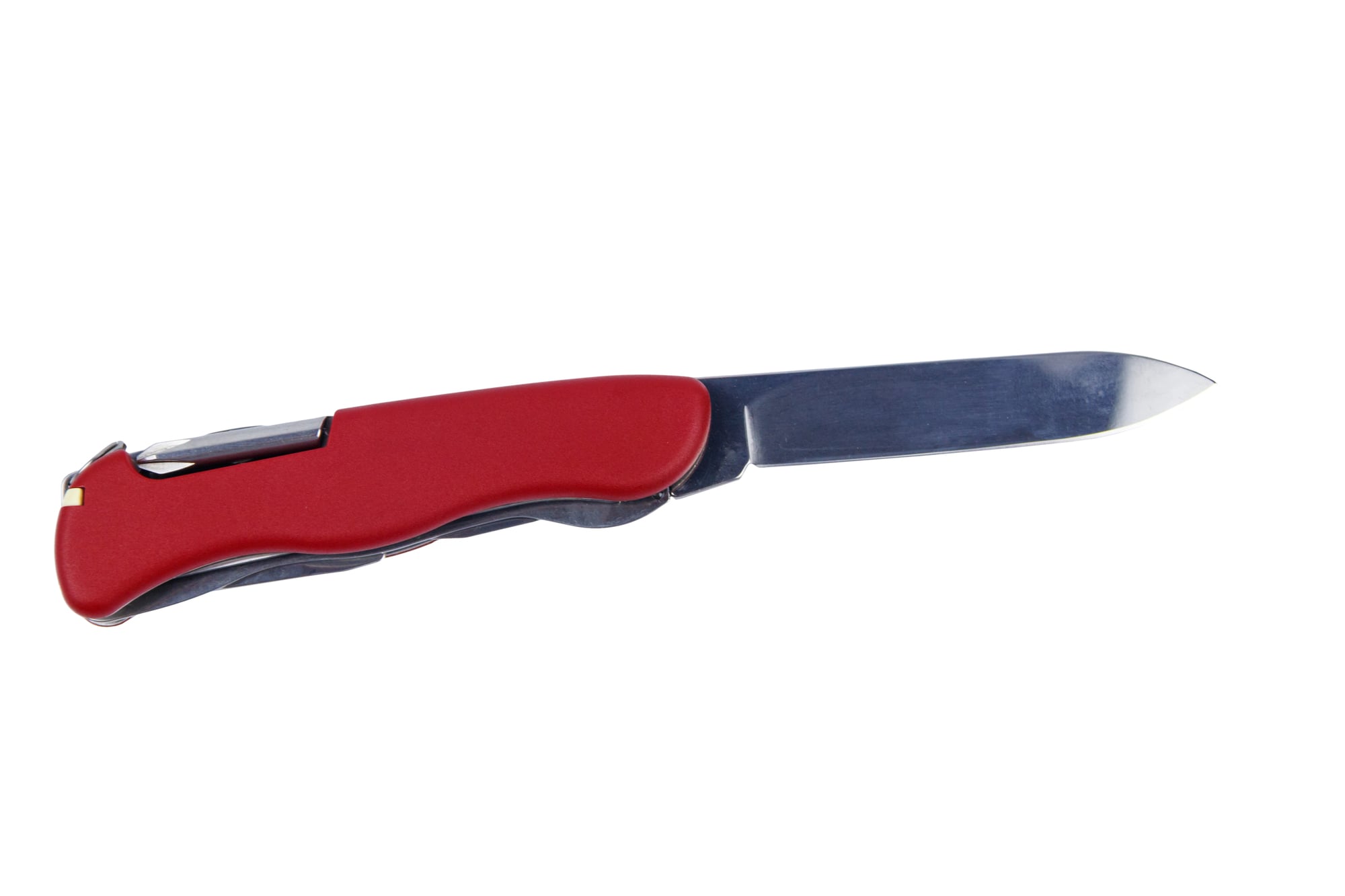
Napanoch is a name that stops experienced dealers cold, partly because it’s genuinely uncommon and partly because the knives themselves — made in Napanoch, New York in the early twentieth century — were built to a quality standard that holds up even now. Finding one with a legible, clean tang stamp is a small event.
Most that surface have been carried hard, sharpened past their original geometry, and loved into near-anonymity, which makes a clean example feel almost unfair to the person who priced it at three dollars.
Robeson Shuredge
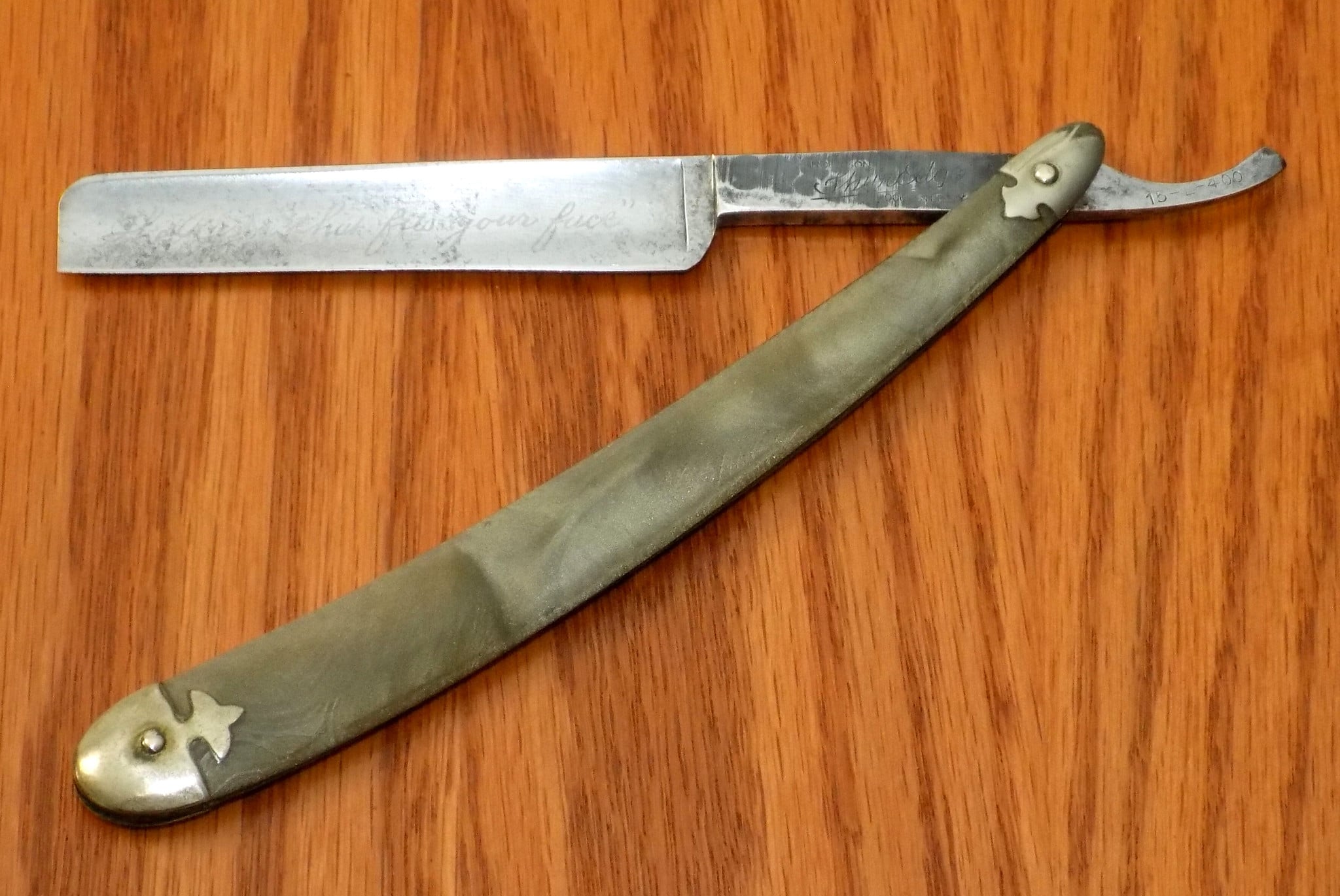
Robeson’s “Shuredge” line, stamped clearly on the tang, represents a sweet spot in American cutlery history — quality commercial production that was never quite elevated to premium status during its time, which means it wasn’t always preserved with the care it deserved. The knives came out of Rochester, New York, and the pre-WWII examples in particular have a fit and finish that quiets skeptics.
Dealers who specialize in New York-state cutlery put Robeson Shuredge high on their want lists.
Winchester (Pre-1942)
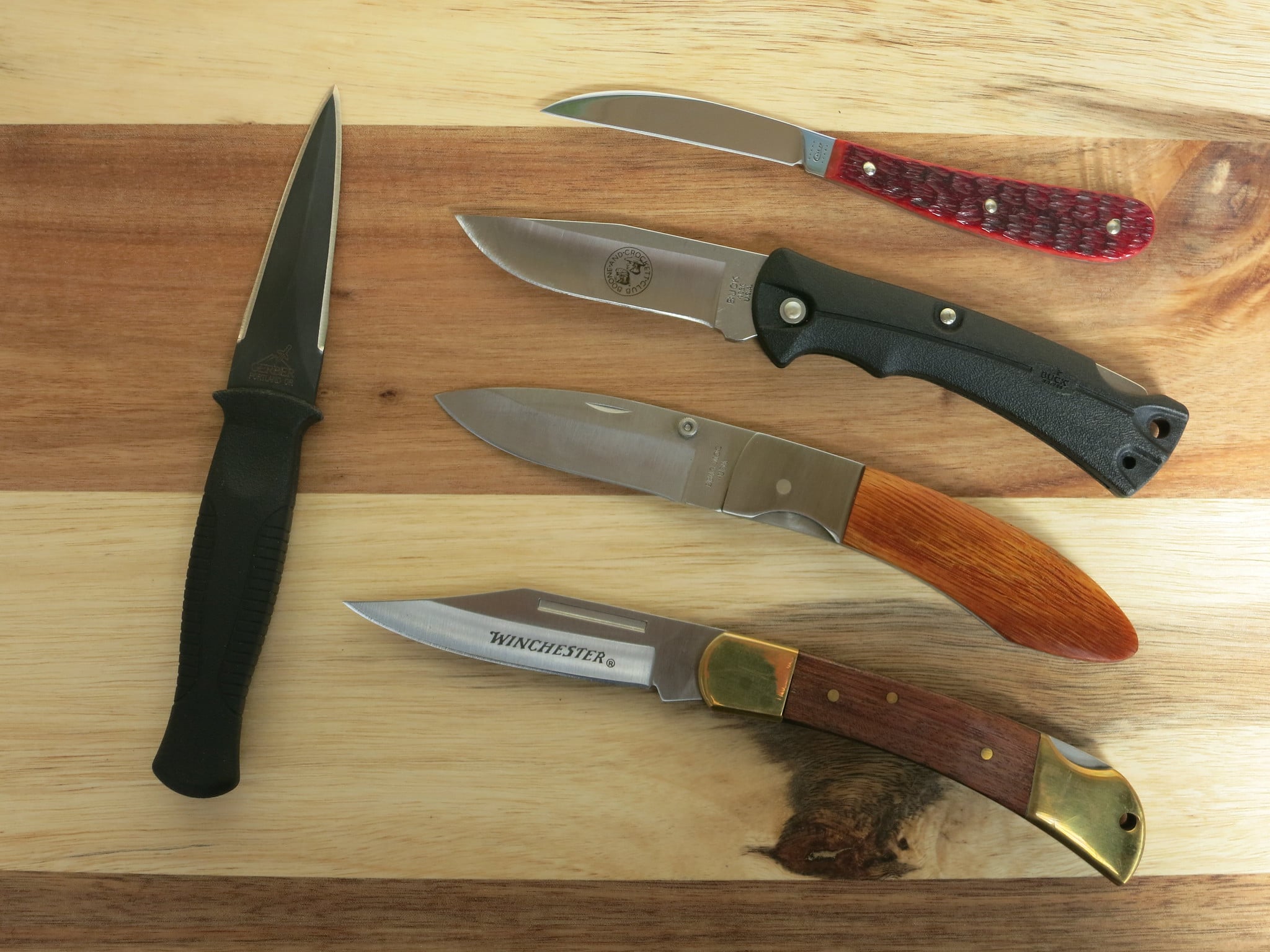
Winchester made pocket knives from 1919 to 1942, and the tang stamp from that era — clean, bold, unmistakably Winchester — is one of the most recognized marks in the American folding knife market. What makes these knives stubbornly valuable is the combination of brand recognition and genuine scarcity: production stopped when WWII retooled the factory, and it never fully resumed in the same form.
A two-blade stockman in jigged bone with a clean Winchester stamp is the kind of knife that disappears from a dealer’s inventory before it’s properly priced.
Primble (Belknap Hardware)
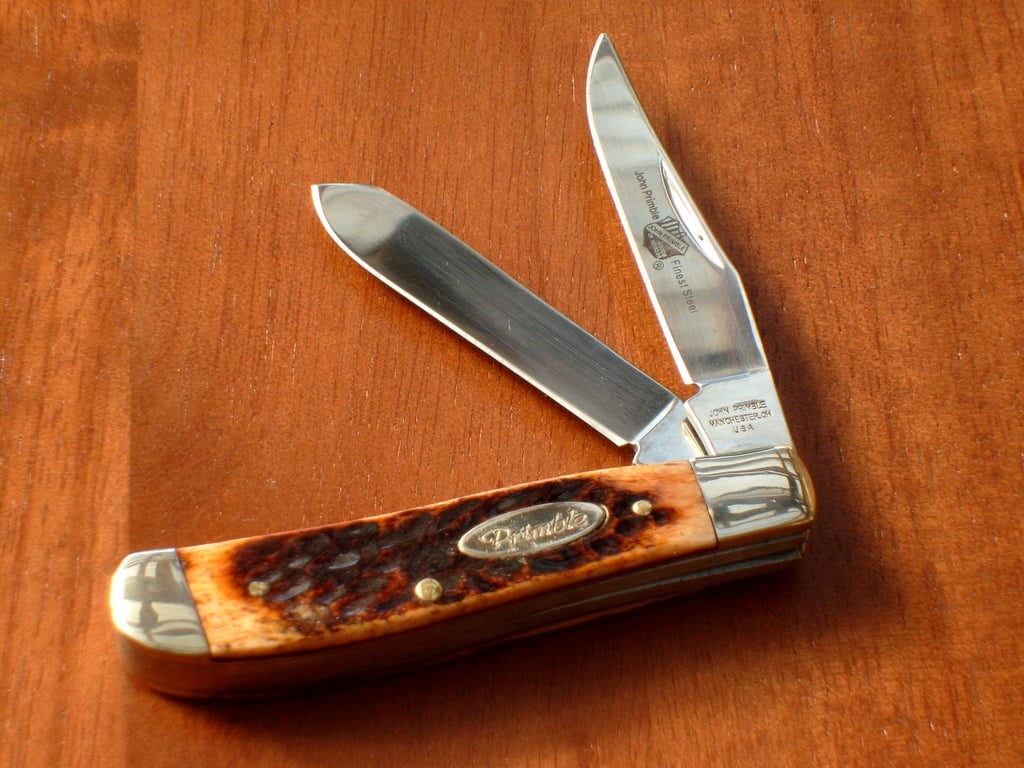
Belknap Hardware out of Louisville, Kentucky sold knives under the “Primble” name, and the tang stamp — which sometimes reads “Belknap” and sometimes just “Primble” depending on the era — marks a line of blades that were contracted from quality American cutlery manufacturers. These knives carry the slightly overlooked quality of a supporting character who turns out to be the most interesting person in the room.
Dealers in Southern antique markets find them more often, but they move everywhere.
E.C. Simmons Keen Kutter
The Keen Kutter name under E.C. Simmons Hardware was applied to some genuinely well-made folding knives produced from the late 1800s into the early twentieth century, and the full “E.C. Simmons Keen Kutter” tang stamp is the one collectors want rather than the later Winchester-era Keen Kutter versions. It’s a mark with real age behind it.
Hardware-store knives don’t usually command serious money — these are the exception that corrects that assumption.
Ulster Knife Co.
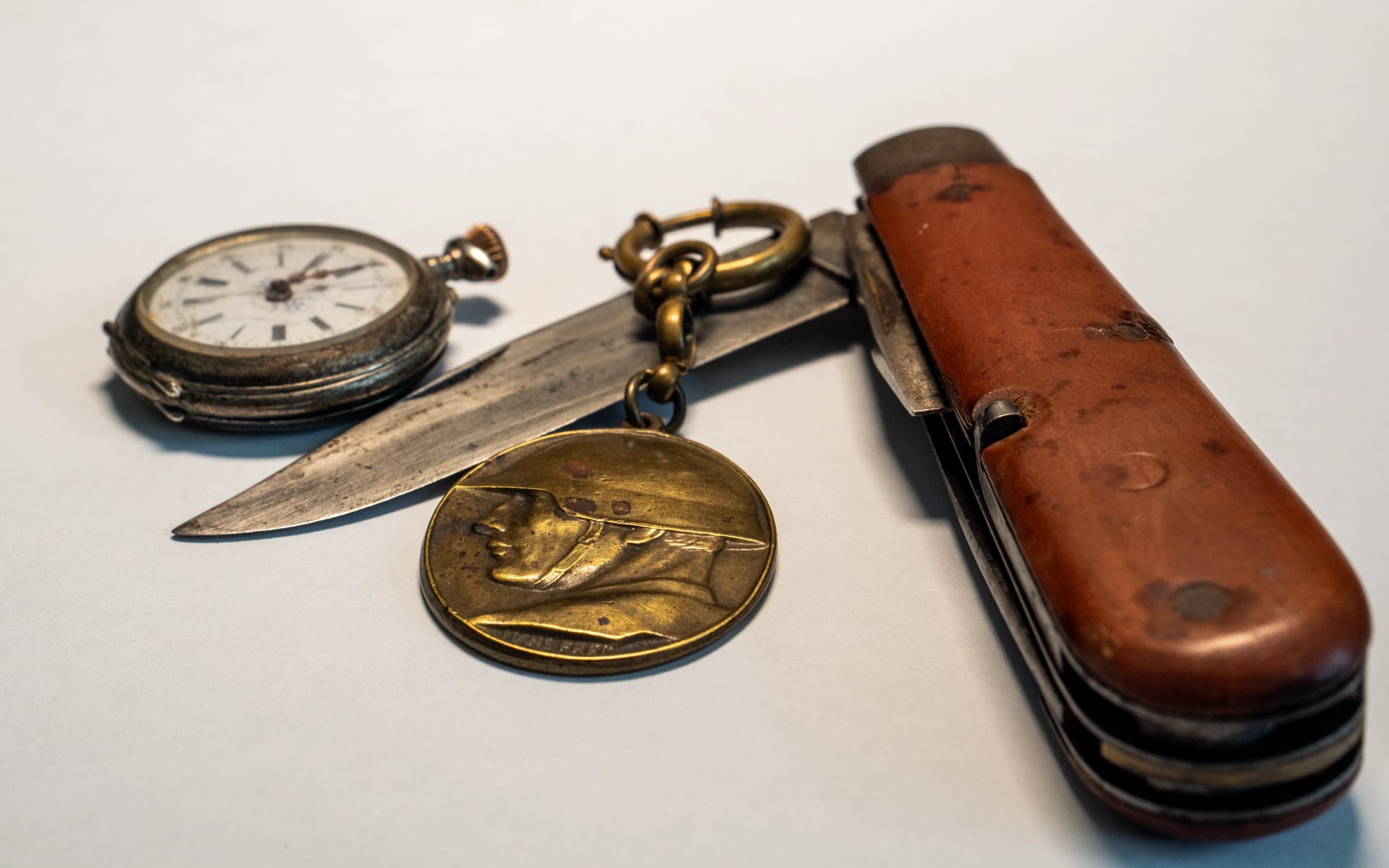
Ulster, out of Ellenville, New York, made knives for a huge chunk of the twentieth century, and the full “Ulster Knife Co.” stamp — as opposed to the abbreviated later marks — signals earlier production that dealers treat differently. These aren’t the most glamorous knives on a dealer’s table, but Ulster’s quality was consistent in a way that makes clean early examples quietly reliable finds.
The boys’ knife patterns from the pre-WWII years are particularly collectible.
Northfield Knife Co.
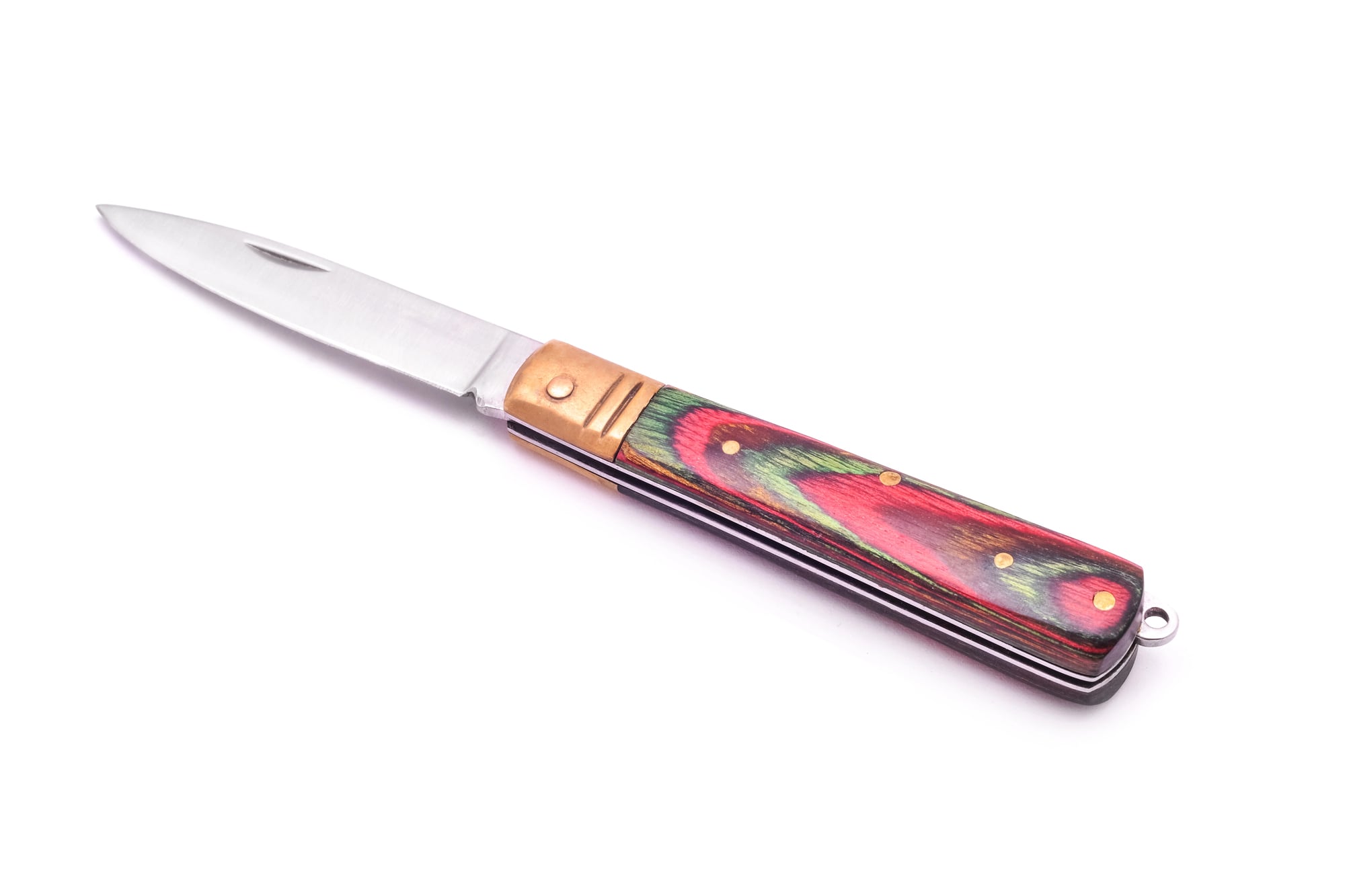
Northfield Un-X-LD knives, made in Northfield, Connecticut, occupy a rarefied corner of the American pocketknife market — the kind where a single knife in exceptional condition attracts multiple serious buyers rather than casual interest. The tang stamp is distinctive, and the knives themselves (particularly multi-blade configurations with genuine stag or early celluloid handles) are objects that reward careful handling rather than rushed inspection.
Finding one priced without full knowledge of what it is happens less often now than it used to, but it still happens.
Camillus (Pre-1950s Stamps)
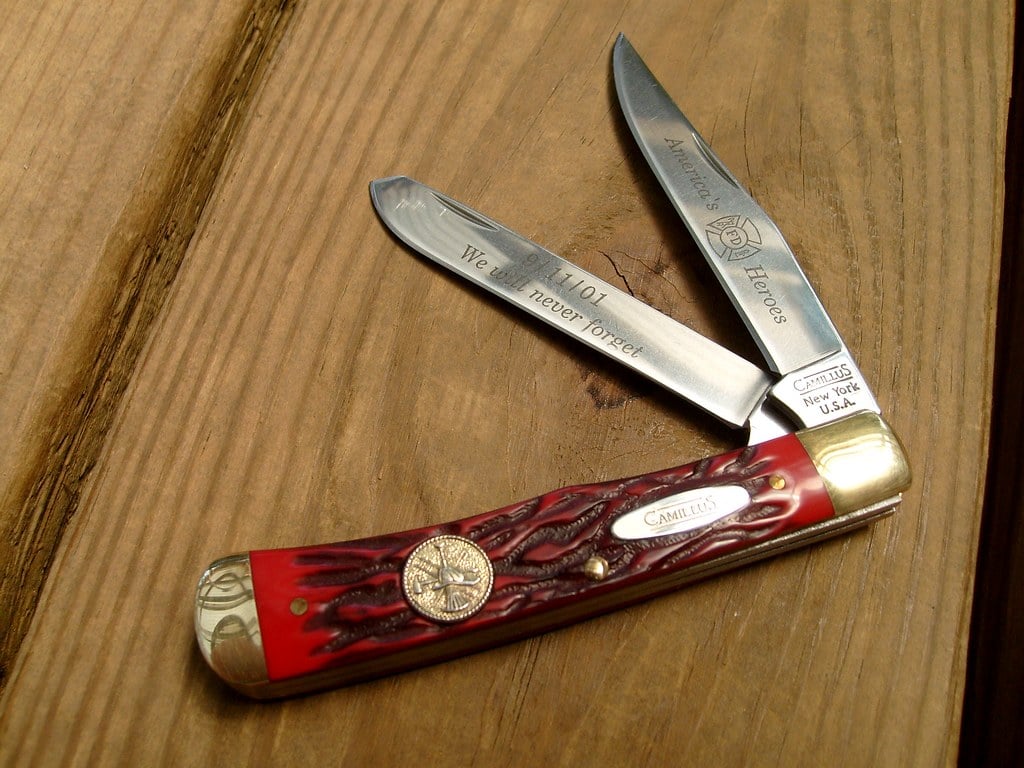
Camillus Cutlery out of Camillus, New York made knives across most of the twentieth century, but the early tang stamps — particularly those predating WWII — are what dealers single out from later production. The company’s wartime military contracts lifted its profile considerably, but the pre-war civilian patterns in bone or cellulery handles carry a charm that military collectors sometimes miss entirely.
So early Camillus often gets underpriced by sellers who know the name but not the period.
Queen Cutlery
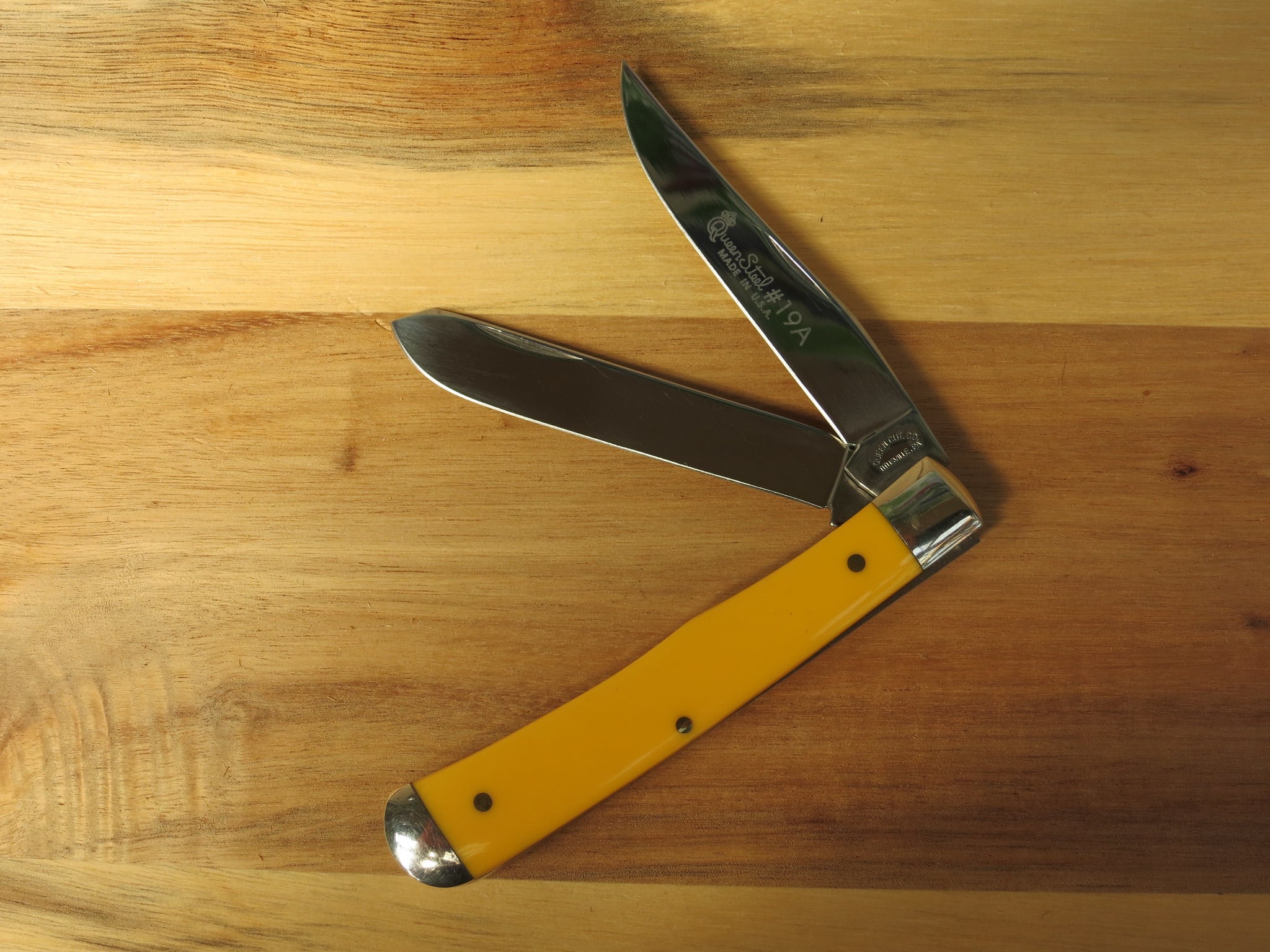
Queen Cutlery, operating out of Titusville, Pennsylvania, built a reputation on quality folding knives that sat just below the top tier of the American market in price but not necessarily in craft, and the early tang stamps — especially those reading “Queen Steel” — are the ones that signal genuine age and collectibility. The company changed ownership and stamp configurations multiple times, which makes the mark itself a dating tool.
Dealers who know Queen’s history can read those stamps like a timeline.
Western States Cutlery
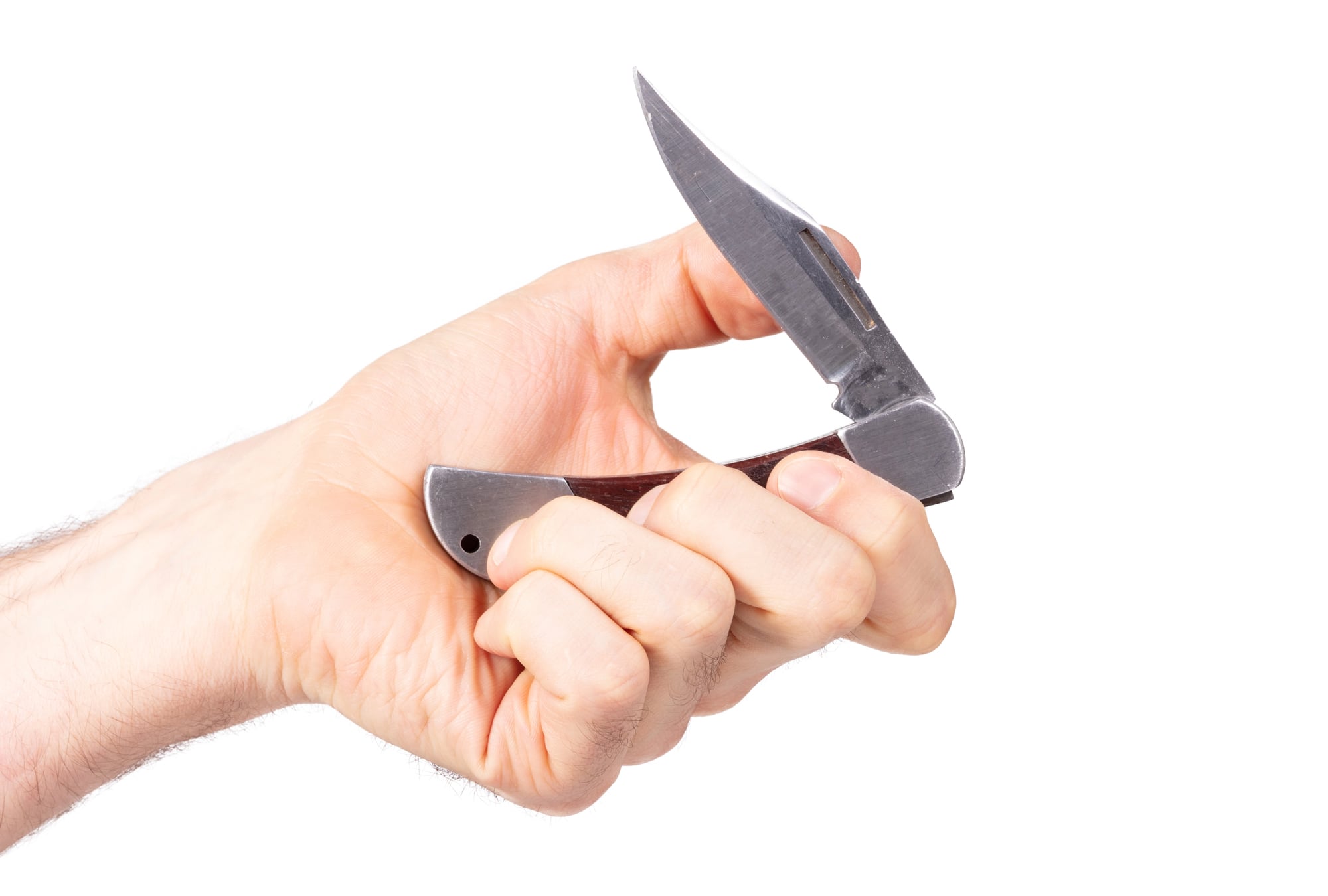
Western States, out of Boulder, Colorado, is one of those American cutlery names that carries regional identity alongside genuine collectible value — the combination of a Western city of origin and honest pre-WWII production quality makes these knives stand out from the general American folding knife pool. The tang stamps from the 1930s and early 1940s are clean and confident, the way marks tend to be when a company is at the height of its output.
Dealers in Rocky Mountain antique markets find them with some regularity, but interest is national.
Imperial Knife Co. (Early Providence Stamps)
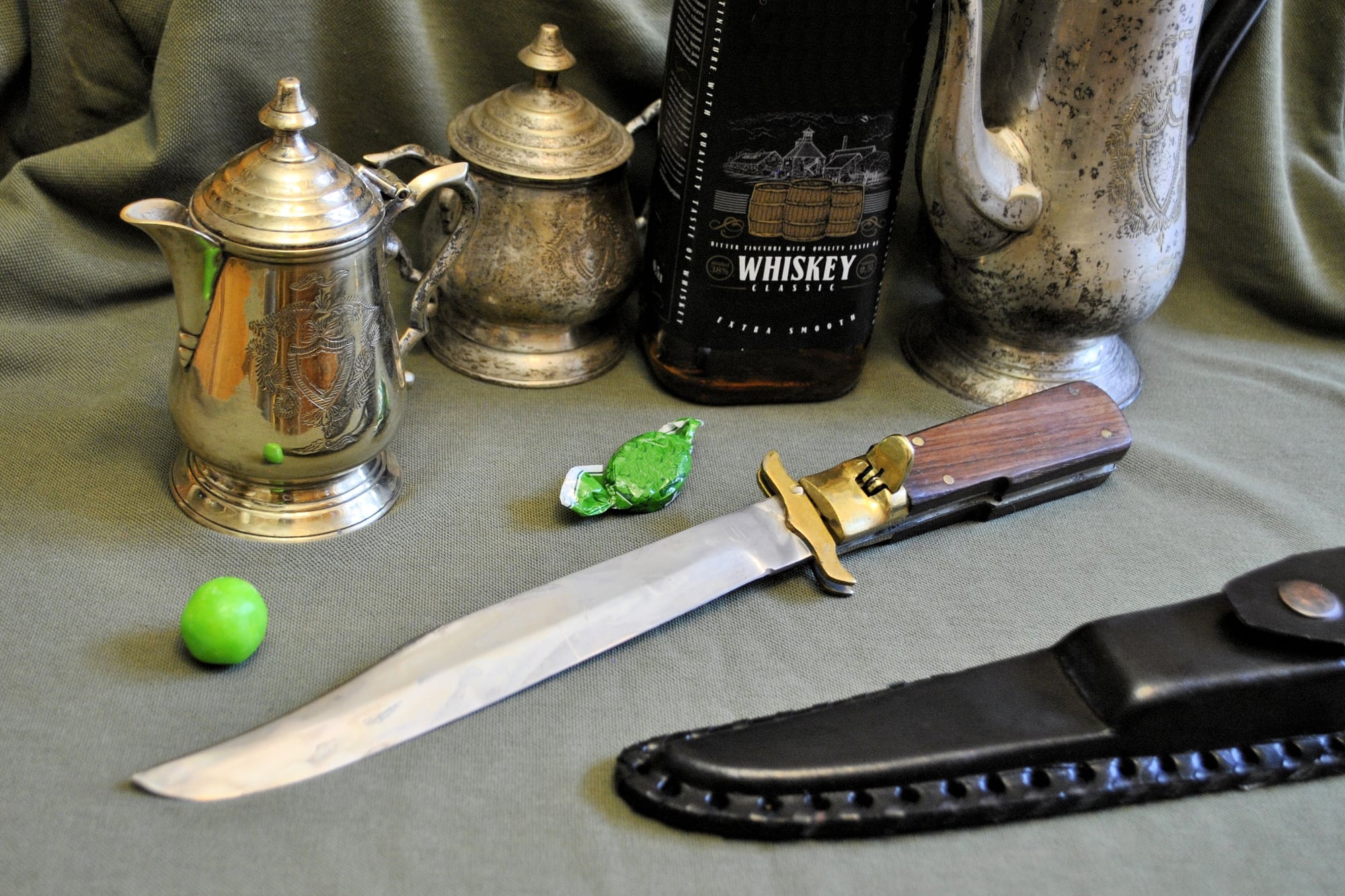
Imperial’s early Providence, Rhode Island stamps — the ones predating the company’s absorption into the larger Imperial Schrade group — carry the appeal of a company still operating under its original identity, and the knives from that period have a character that later production largely abandoned. The workmanship was straightforward rather than exceptional, but age and the specific stamp configuration turn ordinary into desirable at roughly the same pace.
Early Imperial is an underdog in the folding knife market, which means patient dealers find it priced too low more often than not.
New York Knife Co. (Walden)
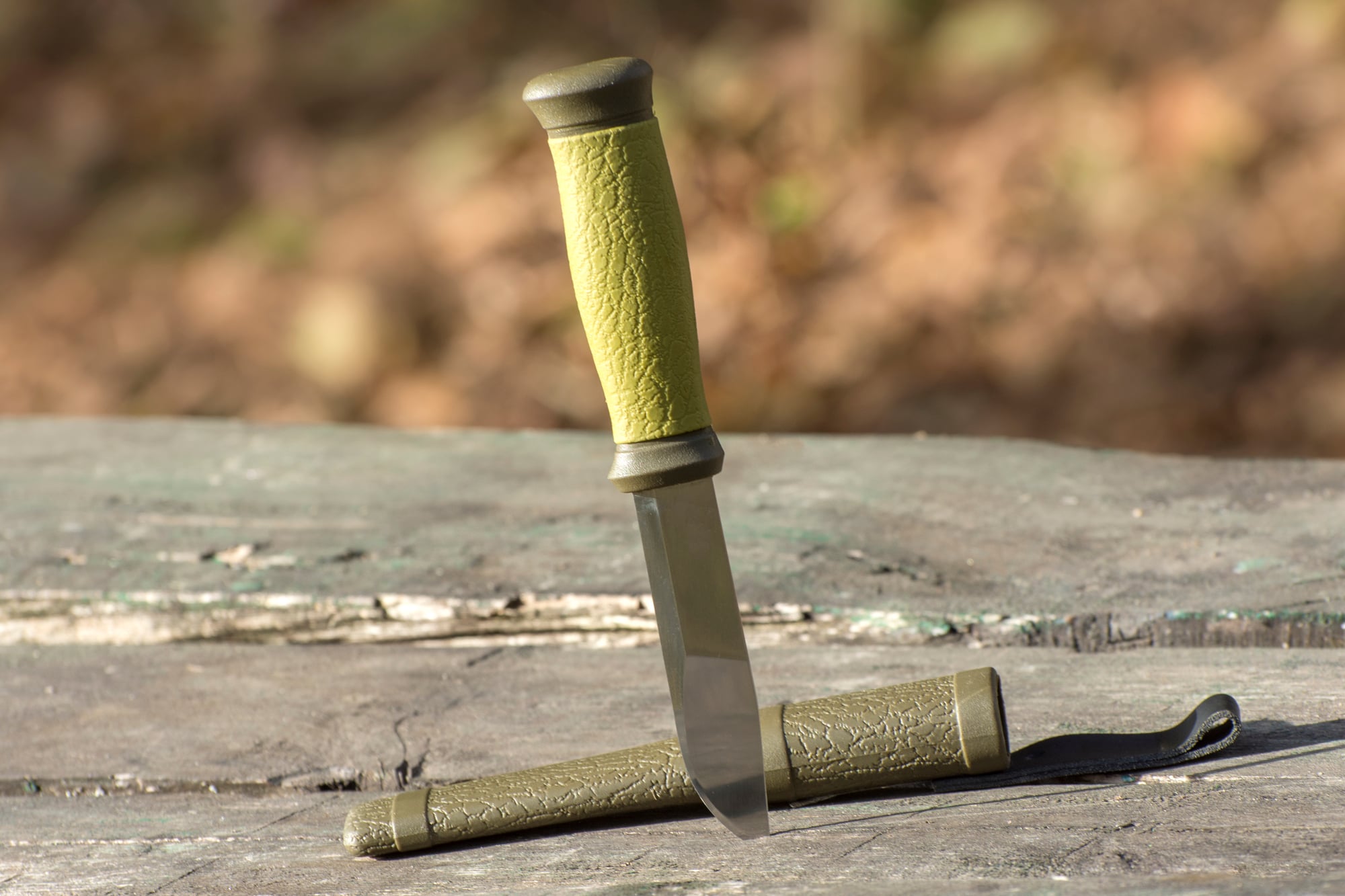
The New York Knife Company operated in Walden, New York from 1852 until the early twentieth century, and blades stamped with that full name — occasionally also marked “Walden NY” — are among the older American tang stamps that turn up in estate sales without being recognized for what they are. The company produced an enormous range of patterns over its long run, and the earlier examples with clear, undamaged stamps are the ones that collectors in the American vintage cutlery community have been chasing for years.
Age alone doesn’t make a knife valuable, but age plus legible provenance is something else entirely.
Morley Bros. (Saginaw)
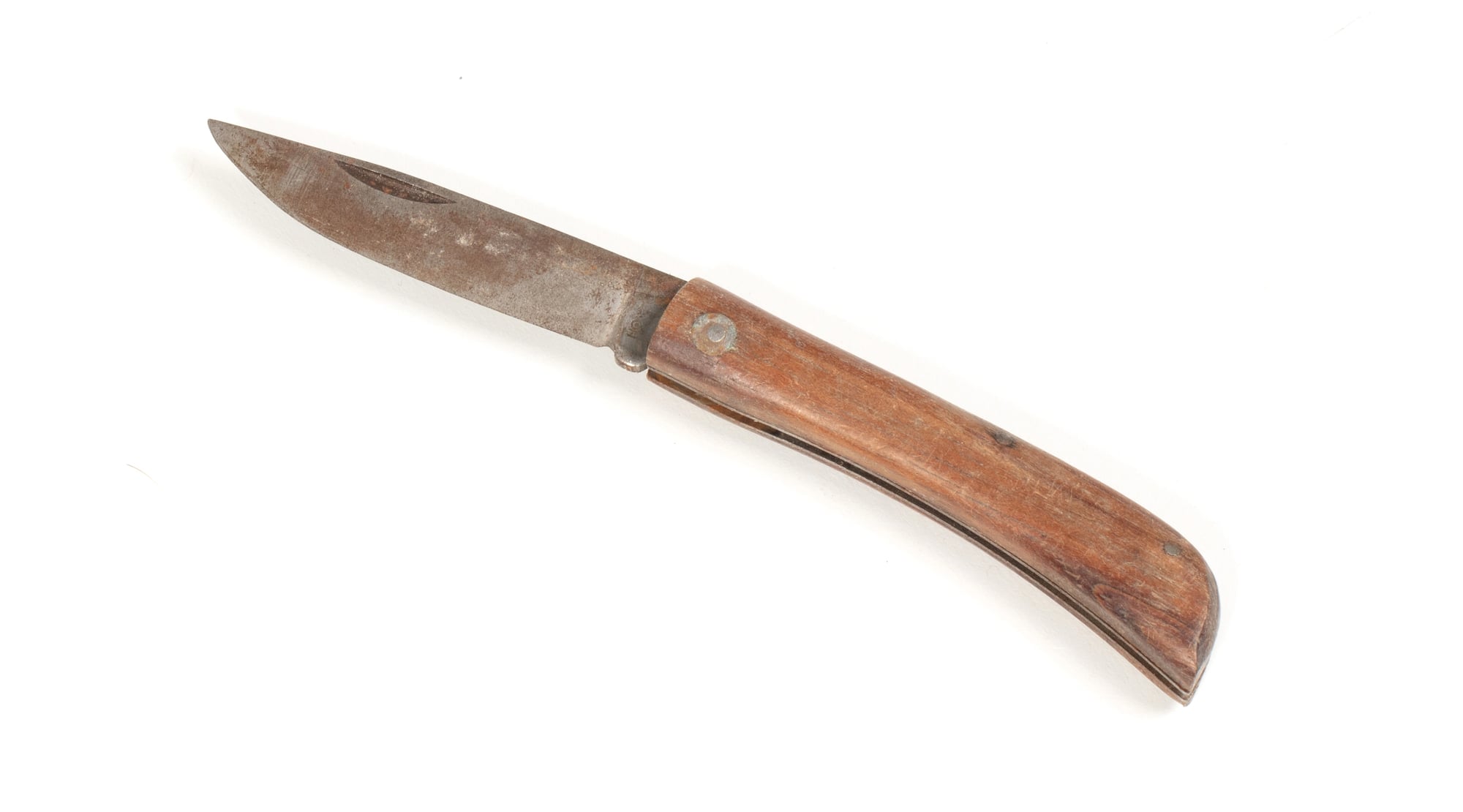
Morley Brothers out of Saginaw, Michigan distributed hardware-store knives under their own name, and the tang stamp carries the specific appeal of a regional American merchant mark that didn’t survive long enough to become well-known — which, in collecting terms, translates directly to rarity. These knives surface most often in Michigan and the broader Great Lakes region, usually in mixed lots or general estate contents, priced without any particular thought.
A dealer who knows the Morley name moves quickly.
Aerial Cutlery
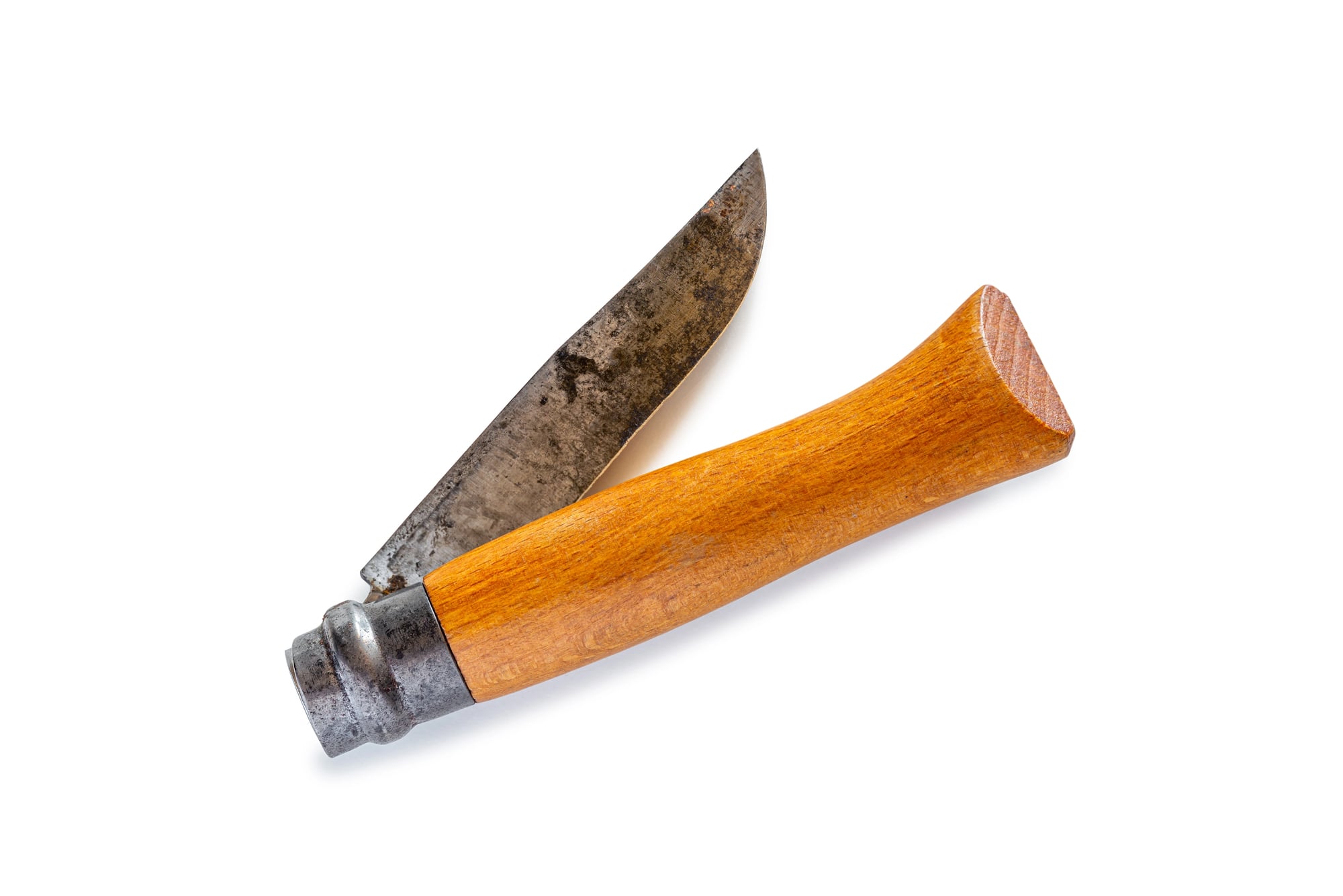
Aerial Cutlery out of Marinette, Wisconsin is genuinely obscure, which is a different thing from being genuinely rare — but in this case it’s both, and the combination makes tang stamps from this manufacturer objects of real interest to American folding knife specialists. The company operated in the early twentieth century and produced a limited range of patterns, some of which show up with surprising quality for a name that most people outside the hobby have never heard.
Obscurity has a way of keeping prices honest until it doesn’t.
Thornton & Kleinhenz
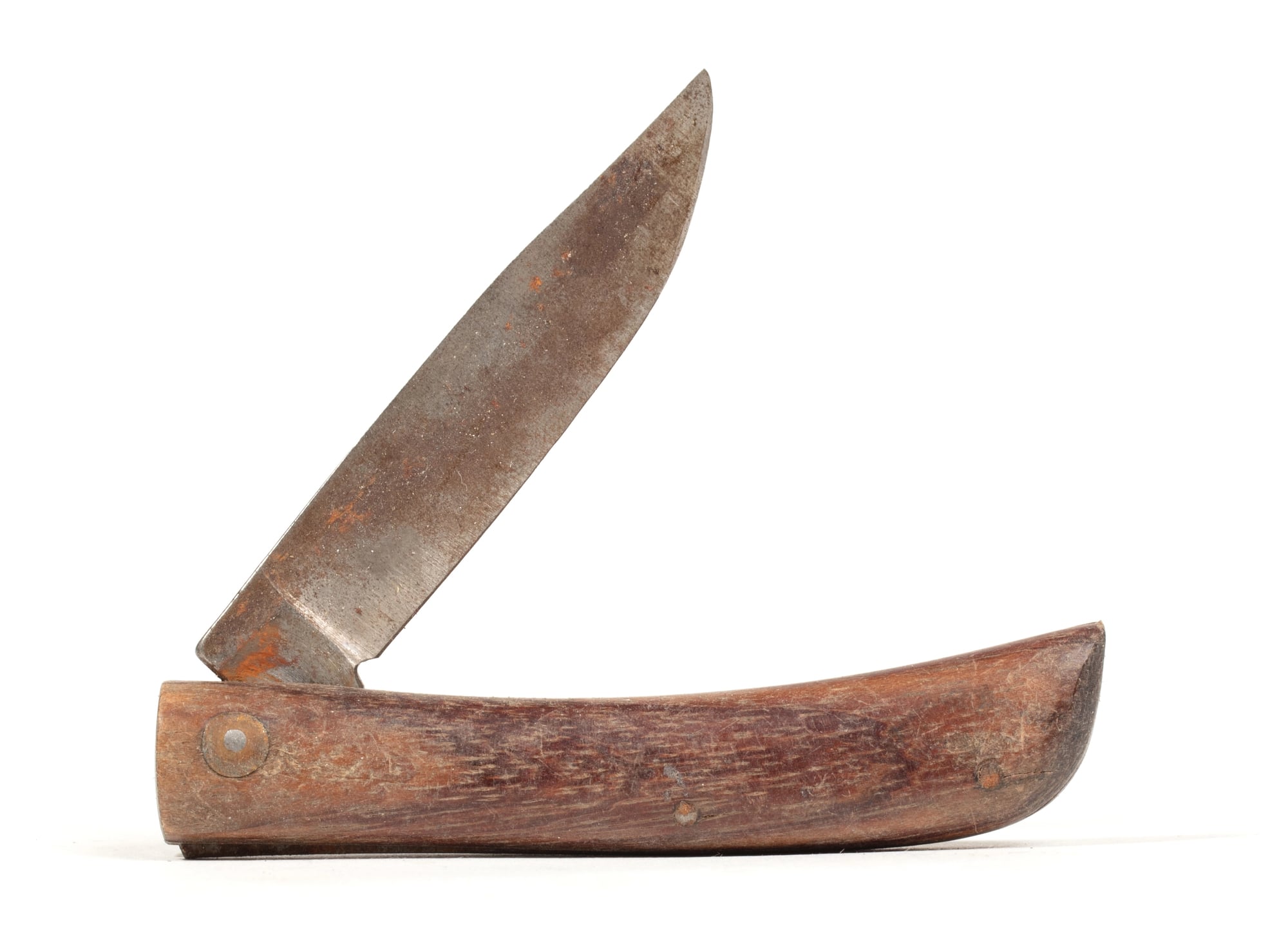
Small regional manufacturers like Thornton & Kleinhenz occupy the edges of the American pocket knife collecting world, and their tang stamps function almost like artifacts in themselves — documentation of a manufacturing tradition that existed in dozens of small American cities before consolidation erased most of them. When one of these knives surfaces with a clean, identifiable mark and honest handle material, it carries a specificity that mass-produced blades simply can’t replicate.
Dealers who lean toward the research side of the hobby find these most rewarding.
George Wostenholm IXL (Sheffield, American-Market)
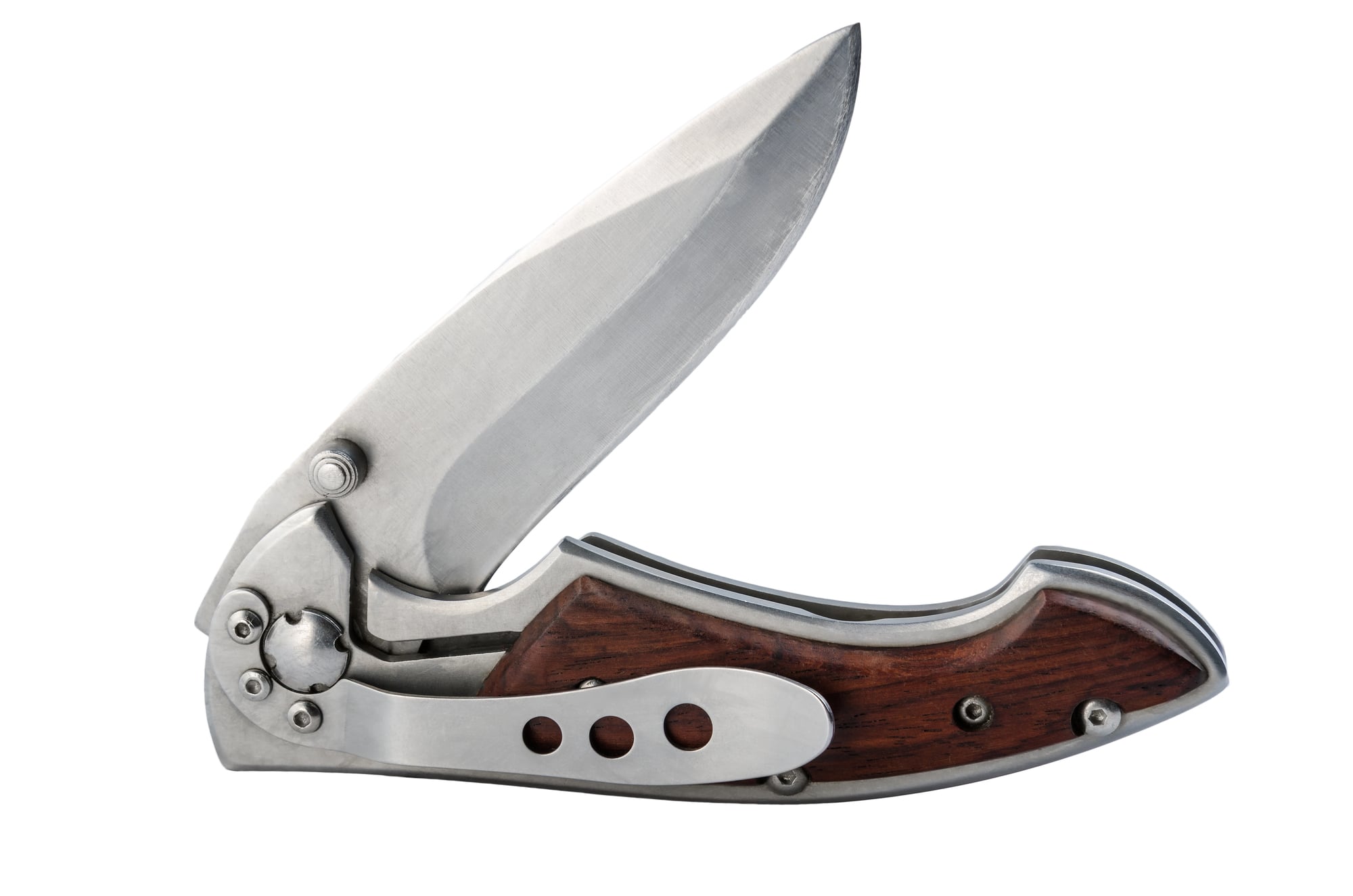
George Wostenholm’s IXL brand out of Sheffield, England produced knives specifically marketed and imported to American consumers through much of the nineteenth and early twentieth centuries, and the tang stamp — particularly in its earlier configurations featuring the full “Geo. Wostenholm & Son IXL” text — is one of the more recognized marks among collectors of English-made blades sold in the American market. These knives were quality goods then and they’re quality goods now, which is a consistency that dealers find reliable.
Utica Cutlery
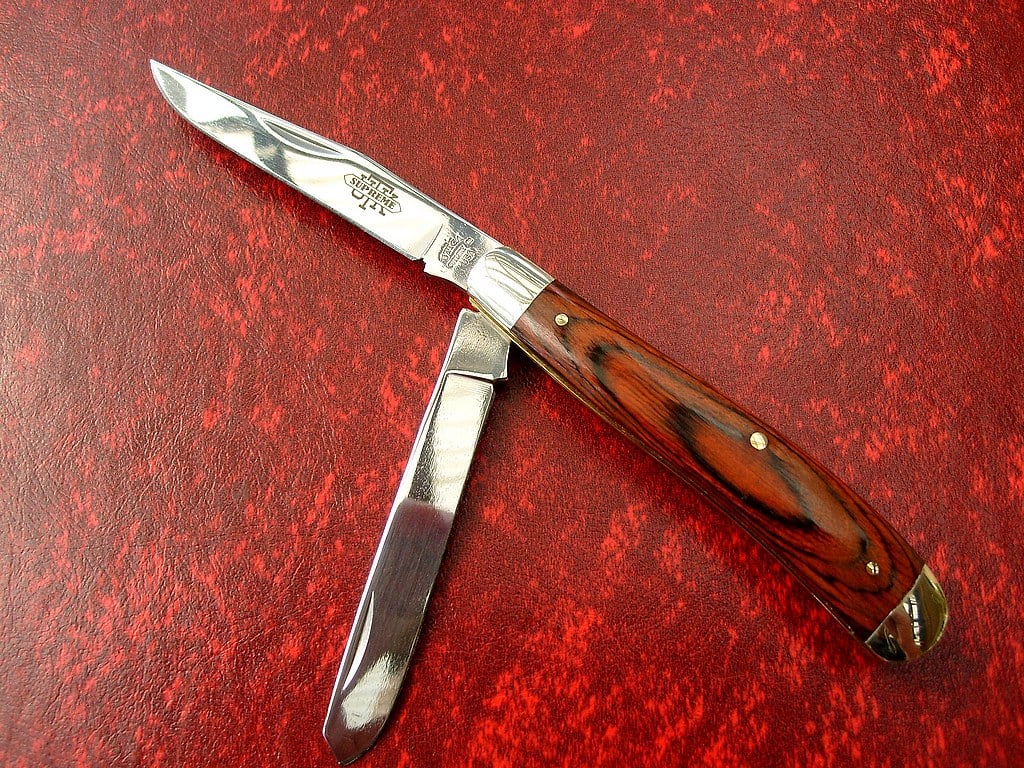
Utica Cutlery out of Utica, New York ran a long production history, and the pre-WWII tang stamps from the company’s earlier decades are the ones that separate a passing find from a genuine score. The company made knives under its own name and also produced blades for hardware distributors, which means the Utica stamp on a knife is confirmation of American origin and approximate age simultaneously.
Clean examples in genuine stag or early synthetic handle material move without sitting on a dealer’s table very long.
Boker Tree Brand (American-Stamped)
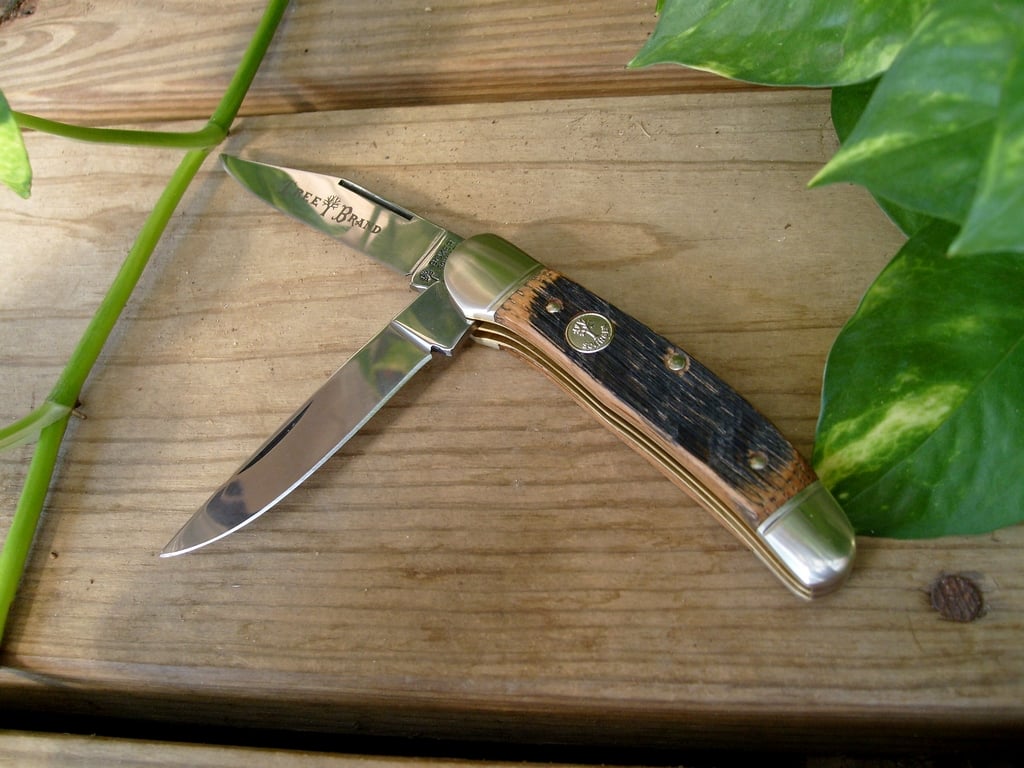
Boker has a complicated history split between German production and American operations, and the specific tang stamps indicating American manufacture — rather than the German Solingen-marked examples — are what dealers in the vintage American cutlery niche prioritize. The “Tree Brand” trademark combined with American-origin markings creates a knife that carries both brand recognition and genuine collecting interest.
Turns out the American Boker story is less told than the German one, which keeps prices more interesting for buyers who know the difference.
Challenge Cutlery (Bridgeport)
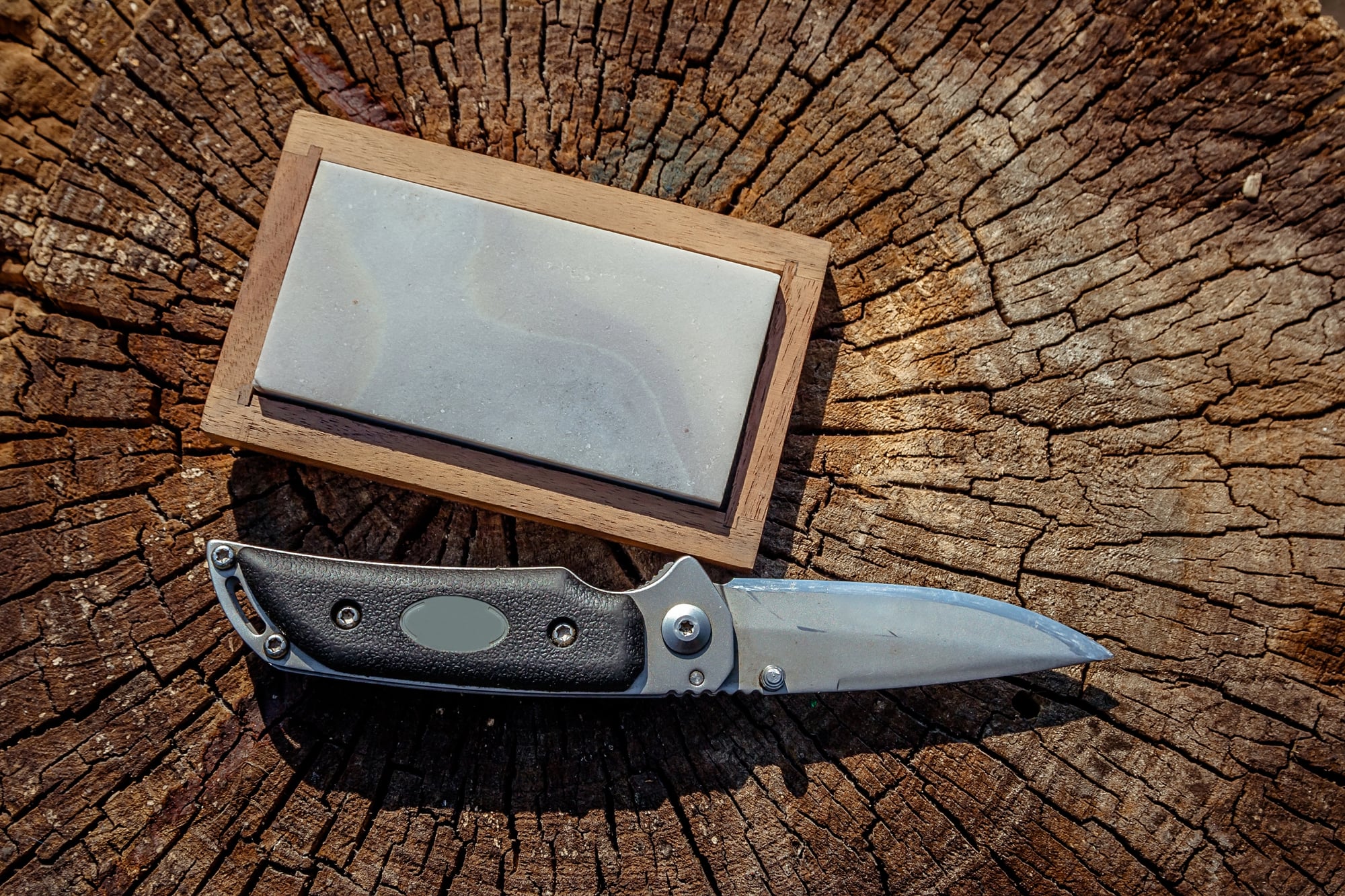
Challenge Cutlery out of Bridgeport, Connecticut operated during the late nineteenth and early twentieth centuries, and the knives bearing that tang stamp have the particular quality of American cutlery made before the major consolidations — when individual companies were still developing distinct house styles rather than converging on standard patterns. The mark itself is not widely recognized outside the hobby, which means knives from this manufacturer regularly surface in antique markets priced as generic old folders.
That gap between what dealers know and what sellers know is exactly where the good finds live.
Pal Blade Co.
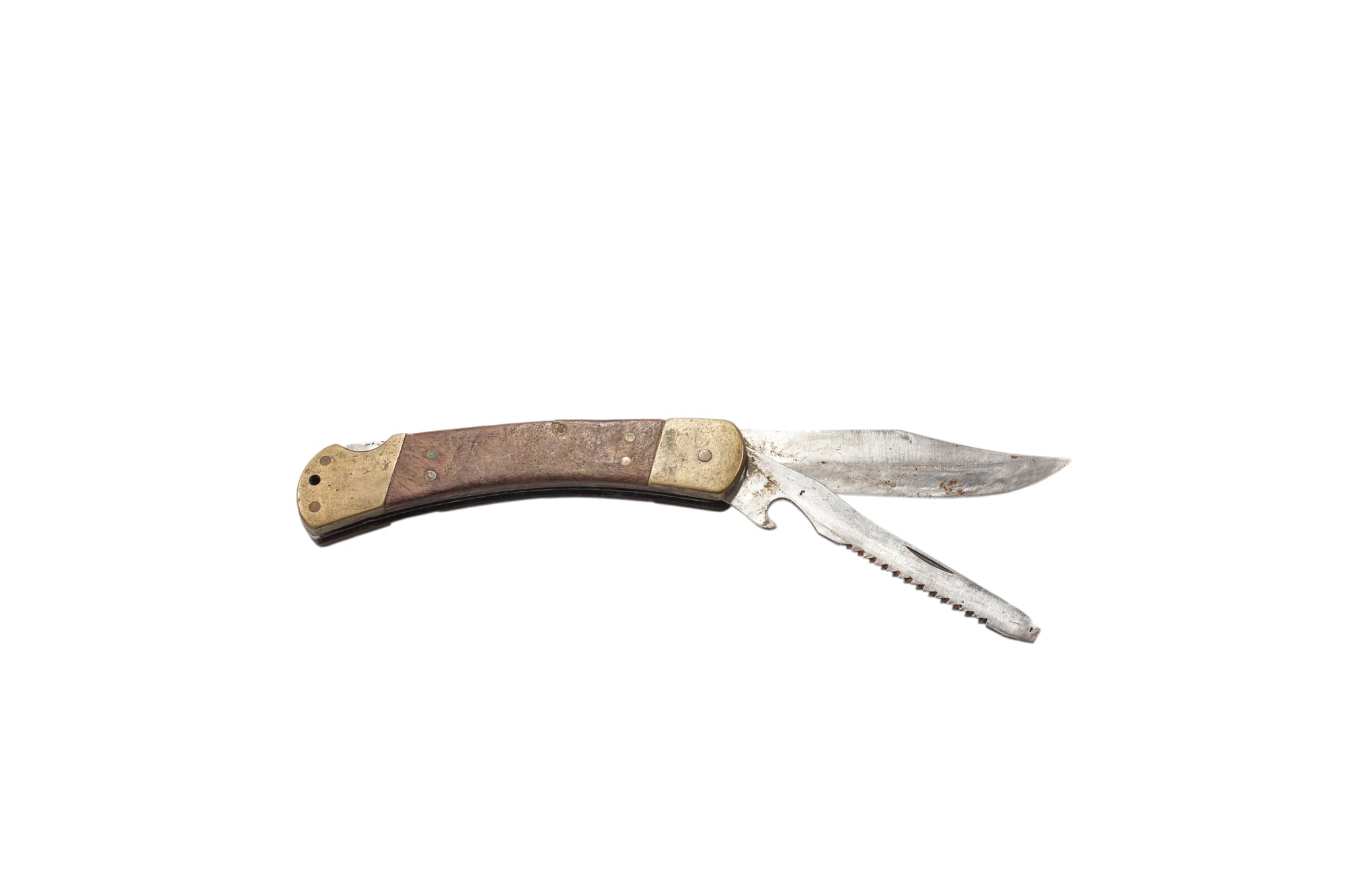
Pal Blade, operating under various configurations out of Plattsburg, New York, made folding knives that appear in estate sales with enough regularity that experienced dealers have a considered opinion about them rather than just a vague memory. The tang stamps from the pre-WWII and wartime periods are the most collectible, and the knives themselves have a functional directness that feels like the company was more focused on building something useful than something showy.
That lack of showiness — combined with age and regional origin — is precisely why they keep ending up in dealers’ hands rather than staying in shoeboxes.
The Hunt Never Really Ends
What makes vintage pocket knife collecting genuinely different from collecting most other objects is the way the knowledge compounds. Every knife handled, every tang stamp researched, every maker tracked back through its city and decade — it all builds into a reference library carried around in the collector’s head, available at the exact moment it’s needed.
The marks listed here aren’t exhaustive; there are regional distributors, short-lived manufacturers, and hardware-store house brands still being properly cataloged by the people who love this stuff most. So if you’re just starting to pay attention to the bottom of the blade rather than just the edge, you’ve picked an excellent time: the knives are still out there, the knowledge is still learnable, and the next estate sale table is always just a few miles down the road.
More from Go2Tutors!

- The Romanov Crown Jewels and Their Tragic Fate
- 13 Historical Mysteries That Science Still Can’t Solve
- Famous Hoaxes That Fooled the World for Years
- 15 Child Stars with Tragic Adult Lives
- 16 Famous Jewelry Pieces in History
Like Go2Tutors’s content? Follow us on MSN.



