Athletes Stripped of Medals
Winning an Olympic medal represents the pinnacle of athletic achievement. Years of training, sacrifice, and dedication culminate in that brief moment on the podium.
But sometimes, that glory gets taken away. The reasons vary—doping scandals, rule violations, age falsification—but the result remains the same.
The medal disappears from the record books, and the athlete’s legacy changes forever.
The Doping Era That Changed Everything
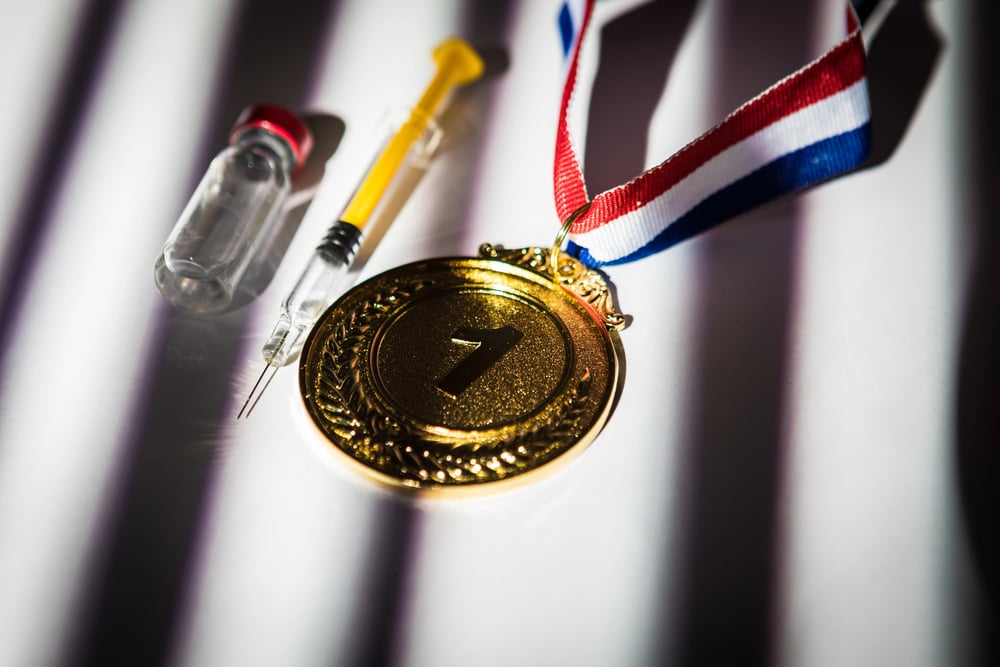
Performance-enhancing drugs have plagued sports for decades, but the systematic doping programs of the 1970s and 1980s revealed just how widespread the problem had become. East Germany’s state-sponsored doping program affected hundreds of athletes who competed believing they were taking vitamins.
When the truth emerged after German reunification, medals started vanishing from record books. The International Olympic Committee had to grapple with an uncomfortable question: how do you punish athletes who were often victims themselves? Some knowingly took banned substances.
Others had no idea what their coaches and doctors were administering. The fallout continues to this day, with athletes still fighting to clear their names or accept responsibility for actions taken under pressure from their governments.
Marion Jones and the Fall from Grace

Few athletes symbolize the cost of cheating more than Marion Jones. She dominated track and field at the 2000 Sydney Olympics, winning five medals including three golds.
Her performances captivated audiences worldwide. Then the BALCO scandal broke, revealing a sophisticated doping operation that supplied performance-enhancing drugs to elite athletes.
Jones initially denied everything. She testified before Congress.
She threatened lawsuits against anyone who questioned her integrity. But the evidence mounted. In 2007, she finally admitted to using steroids before the Sydney Games.
She returned all five medals and served six months in federal prison for lying to investigators. Her teammates suffered too.
The women’s 4×400 meter relay team had to return their gold medals because Jones ran the opening leg. Athletes who finished fourth and fifth in individual races suddenly found themselves awarded medals years after the competitions ended.
Lance Armstrong’s Seven-Year Lie

Though not technically Olympic medals, Armstrong’s seven Tour de France titles represent perhaps the most elaborate deception in sports history. His story matters because it showed how far athletes will go to maintain a false image.
Armstrong didn’t just dope—he built an entire system to avoid detection and destroy anyone who threatened to expose him. When the truth finally emerged, Armstrong lost everything.
Titles, endorsements, and his carefully constructed reputation all vanished. The impact rippled through cycling, forcing the sport to confront systemic problems that went far beyond one rider.
The 1988 Seoul Olympics Scandal

Ben Johnson crossed the finish line first in the 100-meter sprint at the 1988 Seoul Olympics. His time of 9.79 seconds shattered the world record.
Three days later, his gold medal was gone. Testing revealed stanozolol, an anabolic steroid, in his system.
The Johnson case changed everything. It demonstrated that even the most high-profile victories weren’t safe from scrutiny.
Carl Lewis, who finished second, received the gold medal. But questions lingered.
How many other athletes were doping and just didn’t get caught? The Seoul Games became synonymous with drug-fueled performances. Johnson’s fall hit particularly hard because of how dominant he appeared.
The race wasn’t close. He destroyed the field.
That level of performance under the influence of banned substances made people question what they were really watching when elite athletes competed.
Russian State-Sponsored Doping

The 2014 Sochi Olympics should have been Russia’s moment to shine on home soil. Instead, they became the epicenter of the largest doping scandal in Olympic history.
A whistleblower revealed that Russian officials had developed a system to swap urine samples through a concealed opening in the wall of the anti-doping laboratory. The scheme involved hundreds of athletes across multiple sports.
Russian authorities didn’t just look the other way—they actively participated in helping athletes cheat. The revelation led to widespread bans, stripped medals, and Russia’s exclusion from major competitions.
Athletes competed under the neutral flag “Olympic Athletes from Russia” at subsequent games. Some Russian athletes who had never doped found their careers damaged by association.
The scandal demonstrated that doping could become institutionalized at the highest levels of government.
Age Falsification in Gymnastics

Gymnastics has strict age requirements to protect young athletes from competing before their bodies are ready. But some countries have falsified birth certificates to field younger competitors who might have physical advantages.
The 2000 Sydney Olympics saw China’s gymnastics team stripped of a bronze medal after evidence emerged that one team member was only 14 years old. Dong Fangxiao’s case revealed how easily official documents could be manipulated.
She competed successfully, helped her team win bronze, then disappeared from competitive gymnastics. Years later, investigations uncovered discrepancies in her age documentation.
The IOC stripped the team’s medal in 2010, a full decade after the competition.
Weightlifting’s Persistent Problem

Weightlifting struggles with doping more than almost any other Olympic sport. The sport tests strength and power in their purest forms, making performance-enhancing drugs particularly effective.
Multiple Olympic weightlifting medalists have lost their medals after failing drug tests. The 2008 Beijing Olympics proved especially problematic.
Years of retesting stored samples revealed widespread doping among weightlifters. Athletes from multiple countries lost medals.
Some had already retired by the time the results came back. The delayed consequences meant that clean athletes received their rightful medals years after they should have stood on the podium.
Kazakhstan’s weightlifting program lost numerous medals from Beijing. The country’s dominance in the sport turned out to be chemically enhanced.
Clean competitors moved up in the rankings, but the delay in justice meant they never experienced the immediate glory of their achievements.
Technology-Based Cheating

Not all stripped medals involve drugs. Sometimes athletes use unauthorized equipment or technology to gain advantages.
Swimming has seen several controversies over body suits that provided too much buoyancy or reduced drag. While not always resulting in stripped medals, these cases highlight how far competitors will go for an edge.
The line between innovation and cheating gets blurry. Every sport constantly updates its rules to address new technologies.
What’s legal one year becomes banned the next. Athletes and their teams push boundaries, sometimes crossing lines they claim they didn’t know existed.
Team Penalties for Individual Actions

One particularly harsh aspect of medal stripping involves relay teams. When one member of a relay team gets caught doping, the entire team loses their medal.
Innocent teammates who trained clean suffer consequences for someone else’s choices. This collective punishment serves a purpose—it creates social pressure within teams to police themselves.
But it also creates heartbreaking situations. Athletes who competed fairly, who never took banned substances, watch their Olympic medals disappear because of a teammate’s decision.
The 2000 Sydney Olympics saw several relay teams lose medals years after the competition. Some team members had already retired. Others were still competing when they learned they had to return their medals.
The delayed justice meant these athletes lived with their achievements for years before having them stripped away.
The Testing Technology Arms Race

As testing technology improves, the IOC retests stored samples from past Olympics. This has led to medals being stripped a decade or more after competitions ended.
The system stores samples for ten years, allowing them to be retested as new detection methods emerge. Substances that were undetectable in 2008 can now be identified with precision.
This means athletes who thought they got away with doping face consequences years later. Some argue this delayed justice is unfair. Others say it proves the system works—eventually cheaters get caught.
The retesting program has stripped dozens of medals from past Olympics. Athletes who retired thinking their victories were secure suddenly face investigations.
The uncertainty creates a lasting shadow over past achievements.
Financial Consequences Beyond the Medal
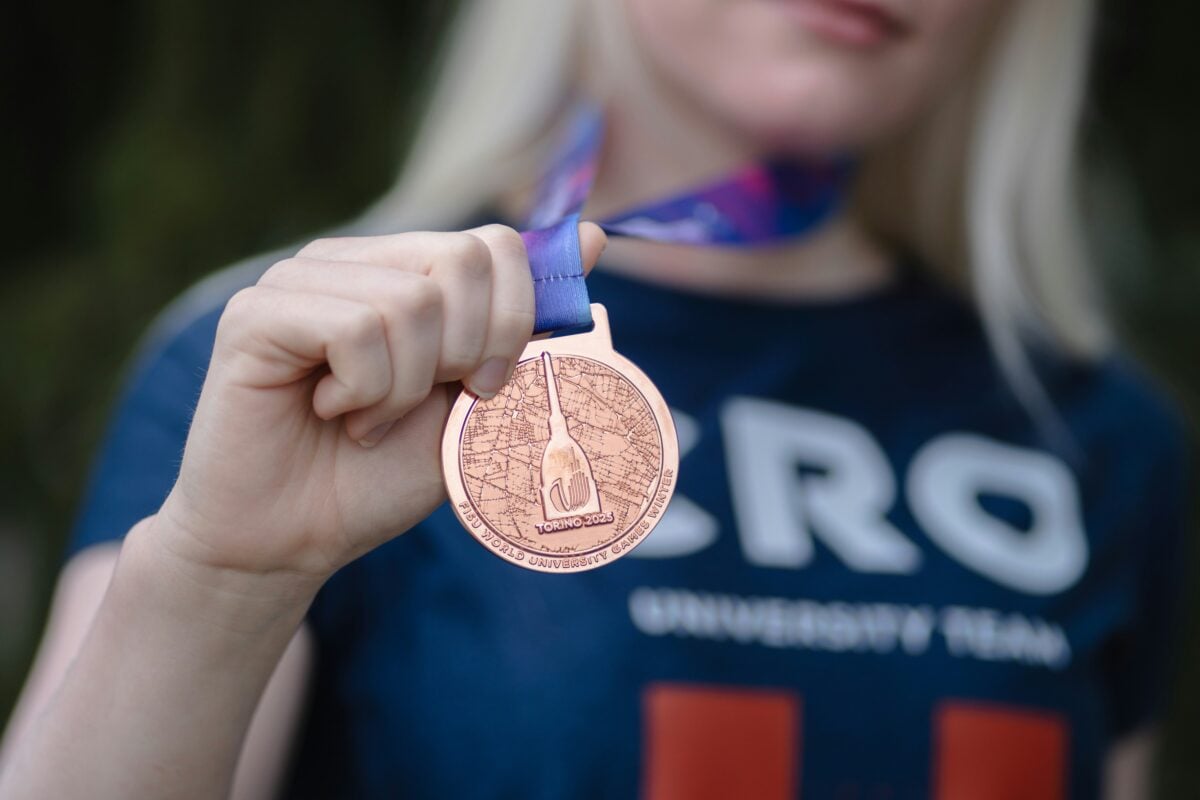
Losing an Olympic medal destroys more than just an athlete’s legacy. Sponsors demand money back. National sporting bodies withdraw funding.
Future earning potential disappears. The financial devastation can be complete.
Some athletes face lawsuits from their own countries seeking repayment of training costs and bonuses paid for medal achievements. The legal battles can drag on for years, leaving athletes financially ruined even after serving suspensions.
Endorsement deals evaporate immediately when doping scandals break. Companies don’t want their brands associated with cheaters.
Athletes who earned millions from their Olympic success find themselves unemployable in their sport and unmarketable outside it.
The Human Cost of Stripped Medals

Behind every stripped medal is a human story. Some athletes made calculated decisions to cheat. Others were coerced by coaches or national programs.
Some genuinely believed they were taking legal supplements. The variety of circumstances makes blanket judgments difficult.
Athletes who competed clean but finished just off the podium have mixed feelings when they receive medals years later. Joy at finally being recognized as medalists mixes with anger at being denied the moment.
Standing on the podium at the actual Olympics creates memories and opportunities that a medal ceremony years later can never replace. Families of athletes suffer too.
Parents who mortgaged homes to fund their children’s training watch those sacrifices tainted by scandal. Siblings and spouses face public scrutiny and judgment.
The shame extends beyond the athlete to everyone connected to them.
Proving Innocence After Accusation

Some athletes stripped of medals maintain their innocence. They argue contaminated supplements, faulty testing procedures, or sabotage by rivals.
Fighting back against stripped medals requires lawyers, money, and years of effort with no guarantee of success. The burden of proof often falls on athletes to prove testing errors occurred.
But challenging scientific test results requires expert witnesses and resources many athletes don’t have. The appeals process can take years, during which the athlete’s reputation remains damaged.
A few athletes have successfully overturned medal stripping decisions. These rare victories show that the system isn’t infallible.
But for every successful appeal, dozens of athletes exhaust their resources trying to clear their names without success.
Redemption and Second Chances
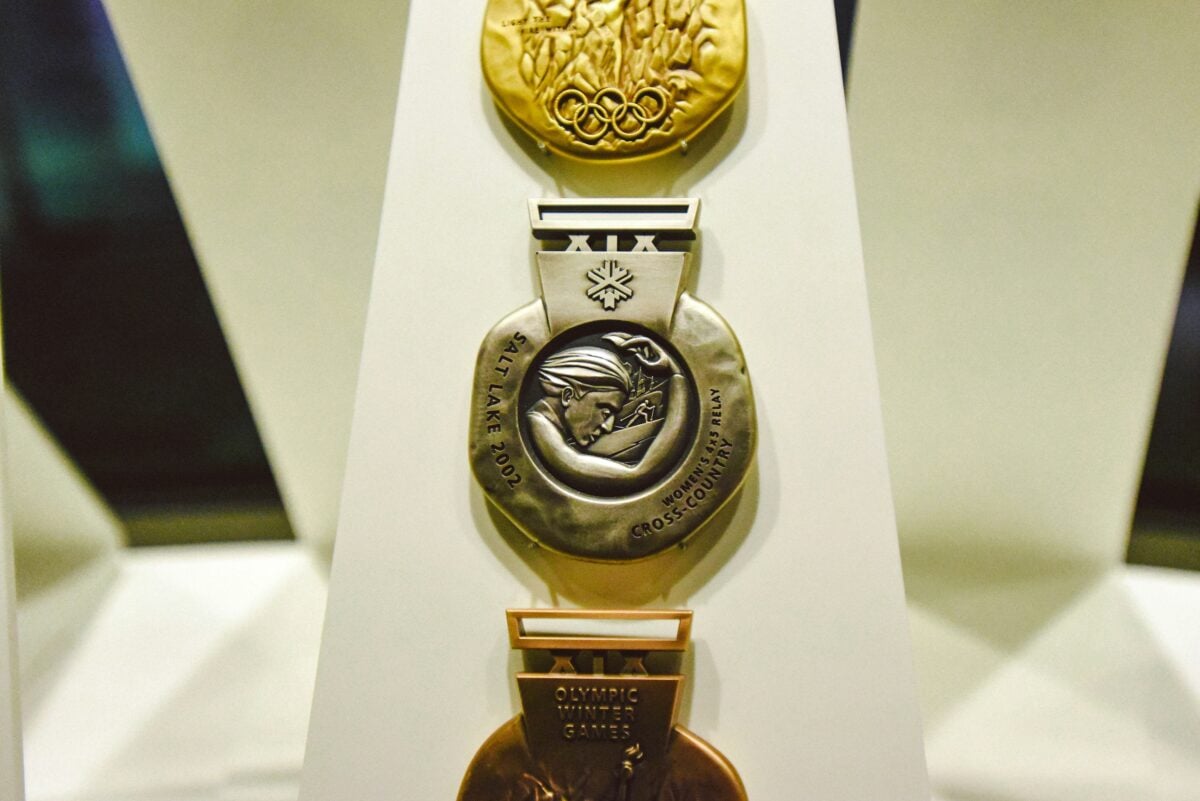
Some stripped medalists eventually find redemption. They admit wrongdoing, serve their suspensions, and return to competition with new perspectives.
These comeback stories offer hope that mistakes don’t have to define a person forever. Justin Gatlin lost his 2004 Olympic sprint medals but returned to win silver in 2012 and 2016.
His journey from disgrace to redemption wasn’t easy. Many fans never forgave him.
But his willingness to accept consequences and compete clean afterward showed that second chances are possible. Other athletes never return to competition.
They rebuild their lives outside sports, using their experiences to educate young athletes about the dangers of performance-enhancing drugs. Some become anti-doping advocates, speaking at schools and sporting events about the consequences of cheating.
What Victory Really Means

The stripped medal phenomenon forces us to reconsider what Olympic glory represents. Is the moment of victory enough, even if the medal eventually disappears?
Or does the achievement only matter if it stands the test of time and scrutiny? For clean athletes, stripped medals from rivals offer belated justice.
But the glory of the moment has passed. They missed standing on the podium with crowds cheering.
They missed the immediate media attention and sponsorship opportunities. A replacement ceremony in a conference room years later can’t recreate that experience.
The next generation of athletes grows up knowing that no victory is final. Even standing on the podium with a medal around your neck doesn’t guarantee anything.
Samples remain stored for years. New testing methods emerge.
The past never quite stays in the past. That uncertainty changes how we think about achievement itself—not just in sports, but in any field where legacy matters.
More from Go2Tutors!

- The Romanov Crown Jewels and Their Tragic Fate
- 13 Historical Mysteries That Science Still Can’t Solve
- Famous Hoaxes That Fooled the World for Years
- 15 Child Stars with Tragic Adult Lives
- 16 Famous Jewelry Pieces in History
Like Go2Tutors’s content? Follow us on MSN.