Countries That Are Very Difficult to Move To
Moving to a new country sounds exciting until reality hits. The paperwork, the requirements, the waiting, and the constant uncertainty can turn dreams into stress.
Some nations have built walls of red tape so high that getting in feels almost impossible. These aren’t just places with strict rules—they’re countries that have designed their immigration systems to keep most people out.
So which countries make it hardest for outsiders to settle down? Let’s look at the places where moving in requires more than just desire and a plane ticket.
Switzerland
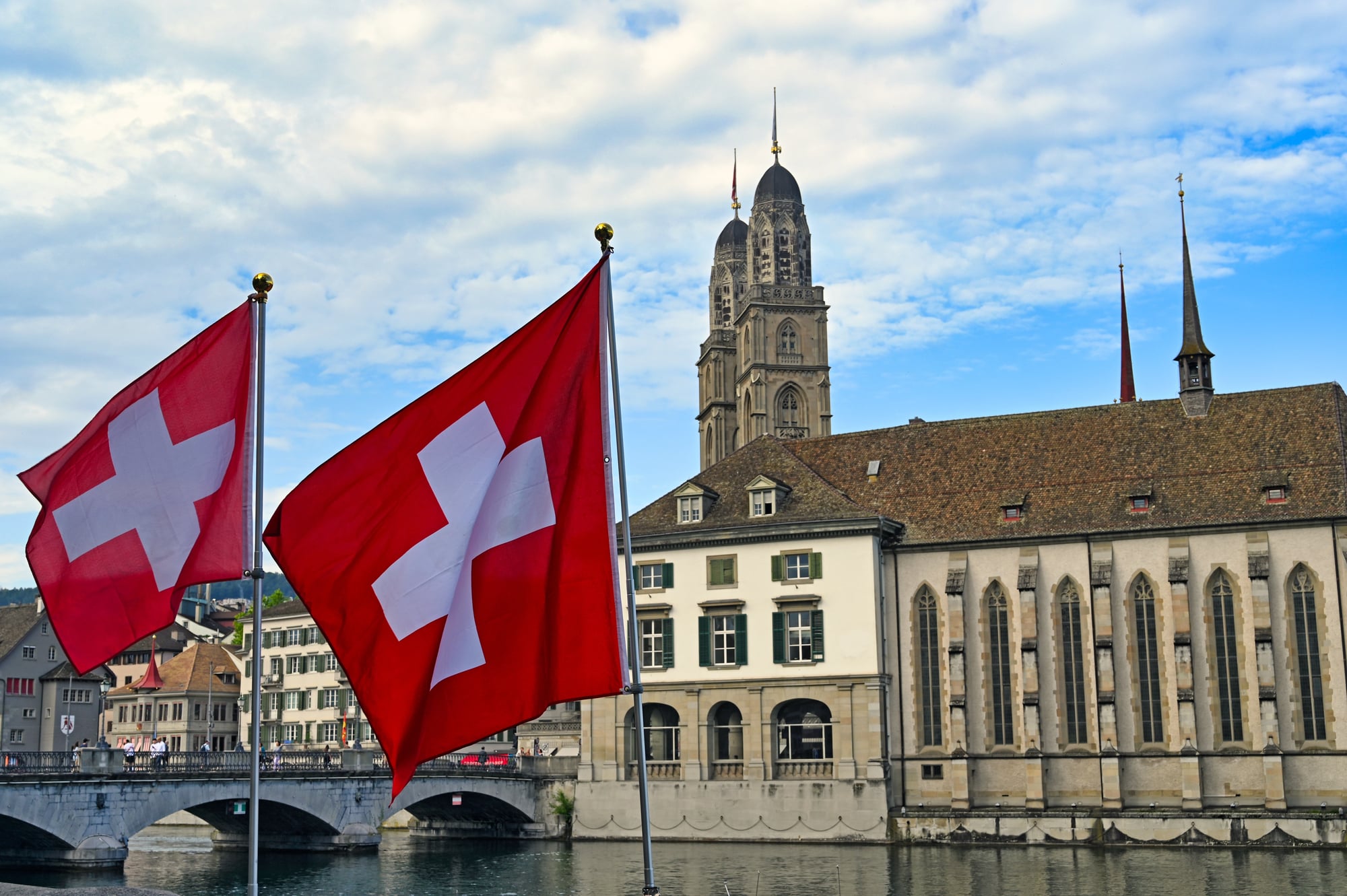
Switzerland doesn’t hand out residence permits like party favors. The country operates on a quota system that limits how many non-EU citizens can move there each year.
Even if someone lands a job, they’ll need their employer to prove no Swiss citizen or EU national could fill that position. The country also expects newcomers to integrate fully, which means learning one of the national languages and adapting to local customs isn’t optional—it’s required.
Getting permanent residence takes at least ten years. Citizenship can take even longer.
Japan
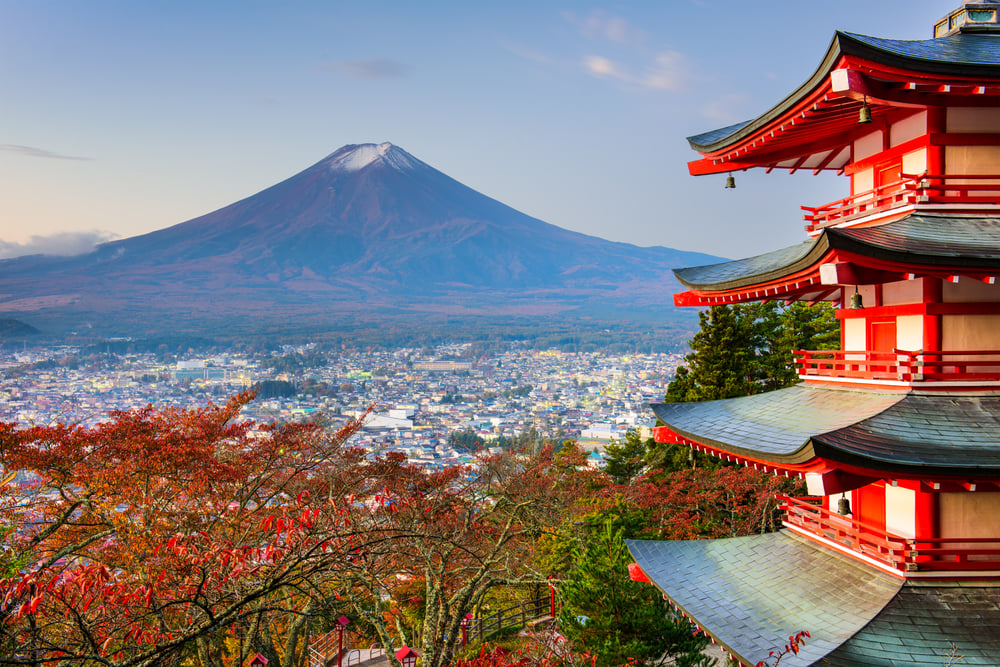
Japan wants workers but makes becoming a permanent resident incredibly challenging. The country maintains strict immigration policies that favor temporary workers over long-term settlers.
Language barriers add another layer of difficulty since most official processes happen entirely in Japanese. The country has specific visa categories with narrow requirements, and switching between them can feel like starting over.
Even after living there for years, many foreigners find themselves stuck in a cycle of visa renewals. There’s no clear path to permanence.
Singapore
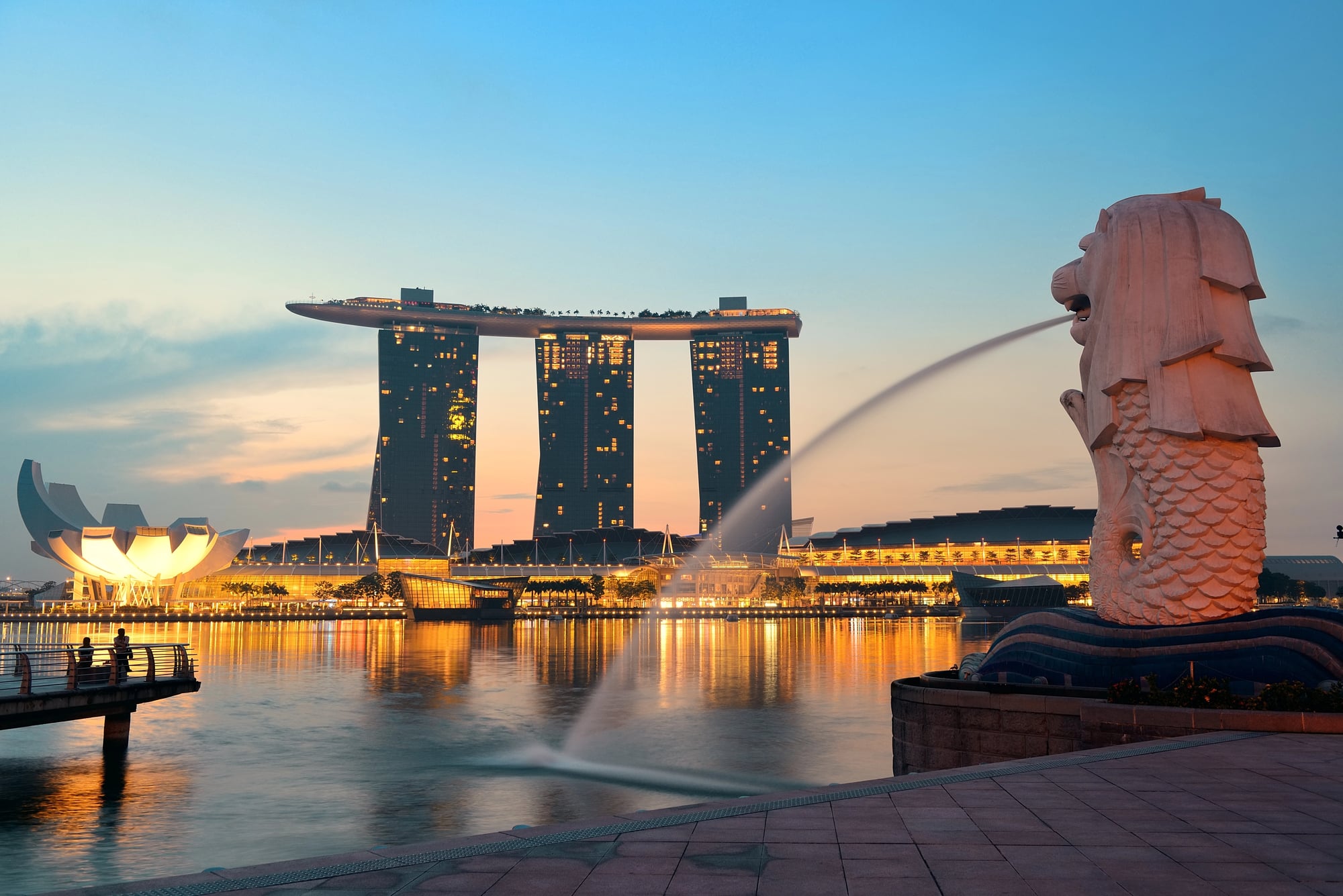
Singapore runs one of the most selective immigration systems in the world. The country uses a points-based system that heavily favors high earners, advanced degree holders, and people in specific professions.
Even with a job offer, applicants must meet salary thresholds that increase regularly. The government can reject applications without explanation, and there’s no appeal process.
Family members of work permit holders often can’t join them. This forces difficult choices between career opportunities and staying together.
Denmark

Denmark has tightened its immigration rules dramatically over the past decade. The country now requires applicants to score points across categories like education, language skills, and work experience, with the bar set frustratingly high.
Even spouses of Danish citizens face tough requirements, including passing language tests and meeting financial criteria. The country also has a cap on certain types of residence permits, meaning qualified applicants can still get turned away.
Housing requirements add yet another obstacle. Applicants must prove they have a place to live that meets specific size standards.
United Arab Emirates

The UAE built its economy on foreign workers but offers them almost no path to permanent residence. Most people live there on employer-sponsored visas that expire the moment their job ends.
The country introduced a golden visa program, but it’s only accessible to investors, exceptional talents, and wealthy individuals. Laws heavily favor Emirati citizens, and foreign residents have limited rights.
Starting a business requires a local sponsor who maintains majority ownership. The entire system is designed to keep foreigners temporary.
Saudi Arabia
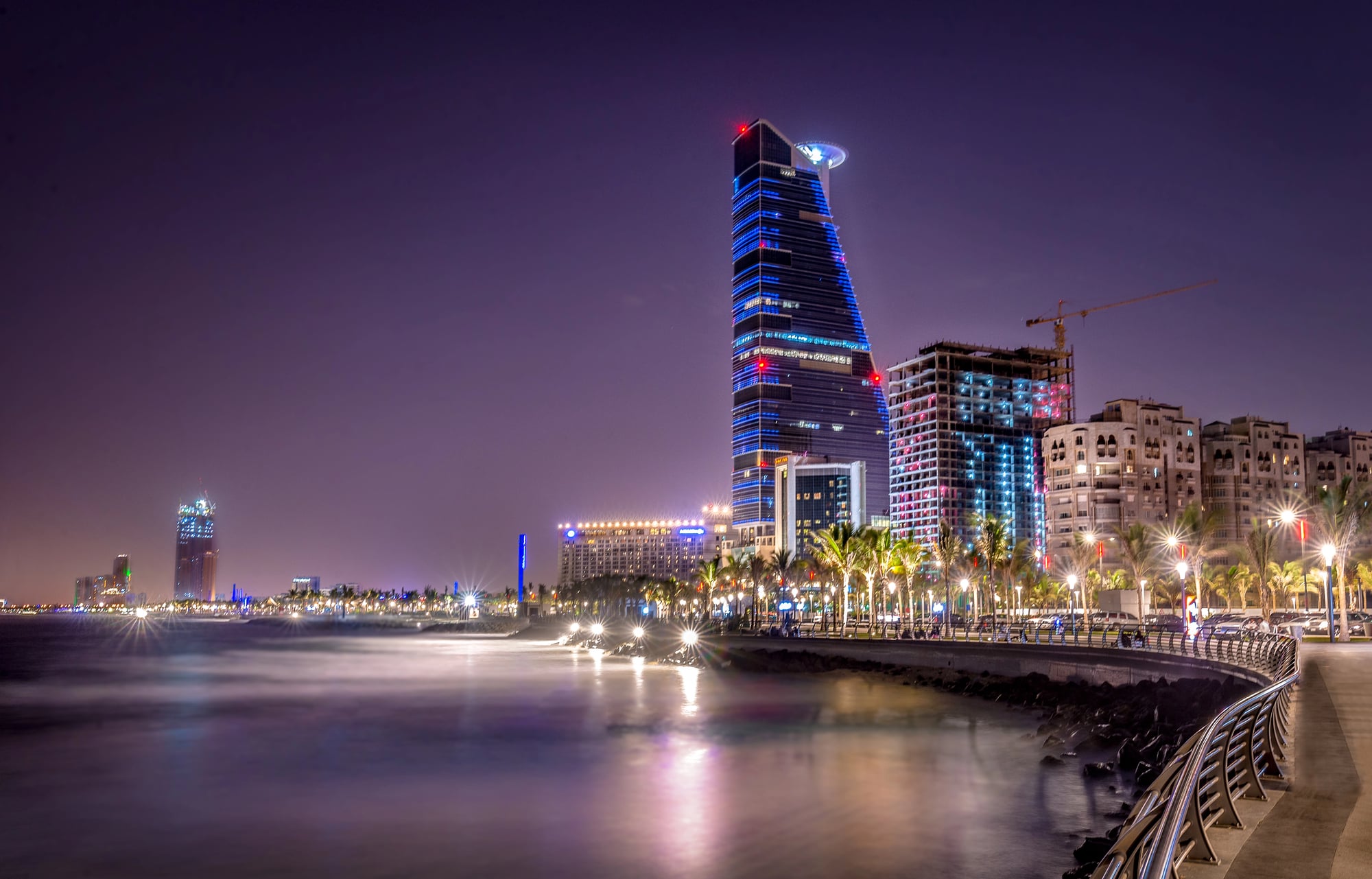
Saudi Arabia needs foreign workers but treats immigration as a temporary arrangement. The kafala sponsorship system ties workers to their employers, giving companies enormous control over their ability to stay in the country.
Switching jobs requires permission from the current employer, who can refuse for any reason. The country has quotas encouraging companies to hire Saudi nationals, making job security uncertain for foreigners.
Permanent residence barely exists as a concept. Citizenship is nearly impossible for anyone not married to a Saudi citizen.
China

China’s immigration system creates hurdles at every turn. The country issues different visa types for work, business, and study, each with strict requirements and frequent renewals.
Getting a work visa requires a bachelor’s degree, two years of work experience, and a job offer from an approved company. The country also requires criminal background checks from every country where an applicant has lived.
Permanent residence is so rare that only a few thousand foreigners hold one despite millions living there. Cities also have their own residency systems that limit access to services even for Chinese citizens moving from other provinces.
Austria
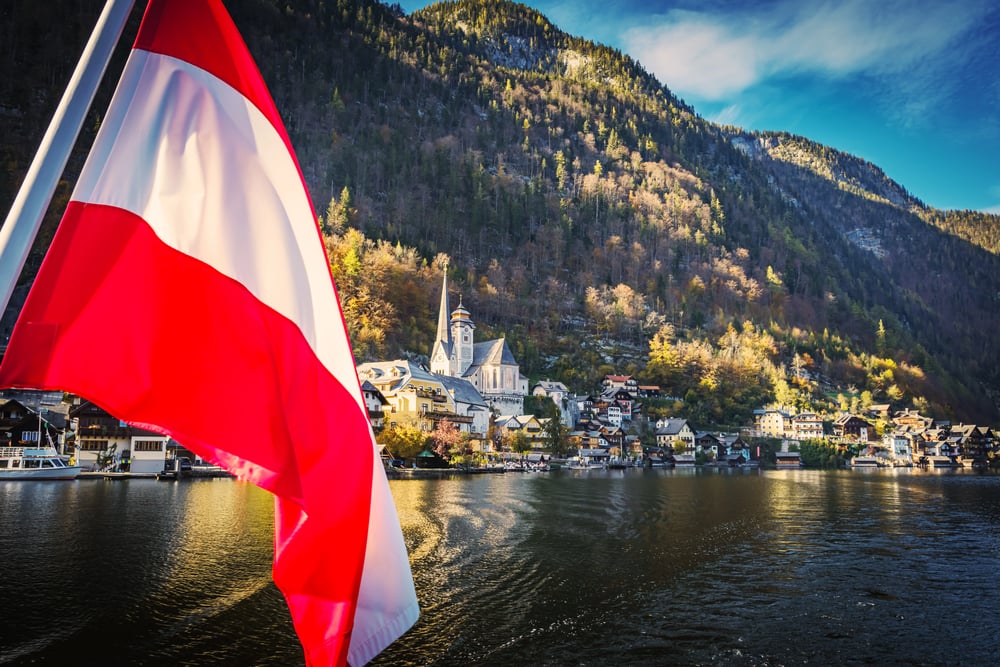
Austria makes immigration difficult through a combination of strict rules and limited spots. The country has an annual quota for residence permits, and once it’s filled, applicants must wait until the next year.
Even EU citizens who want to bring non-EU family members face complicated requirements. The country demands proof of income, health insurance, and adequate housing before granting residence.
Learning German is mandatory for most long-term residence applications. The process involves multiple appointments at different government offices.
Kuwait
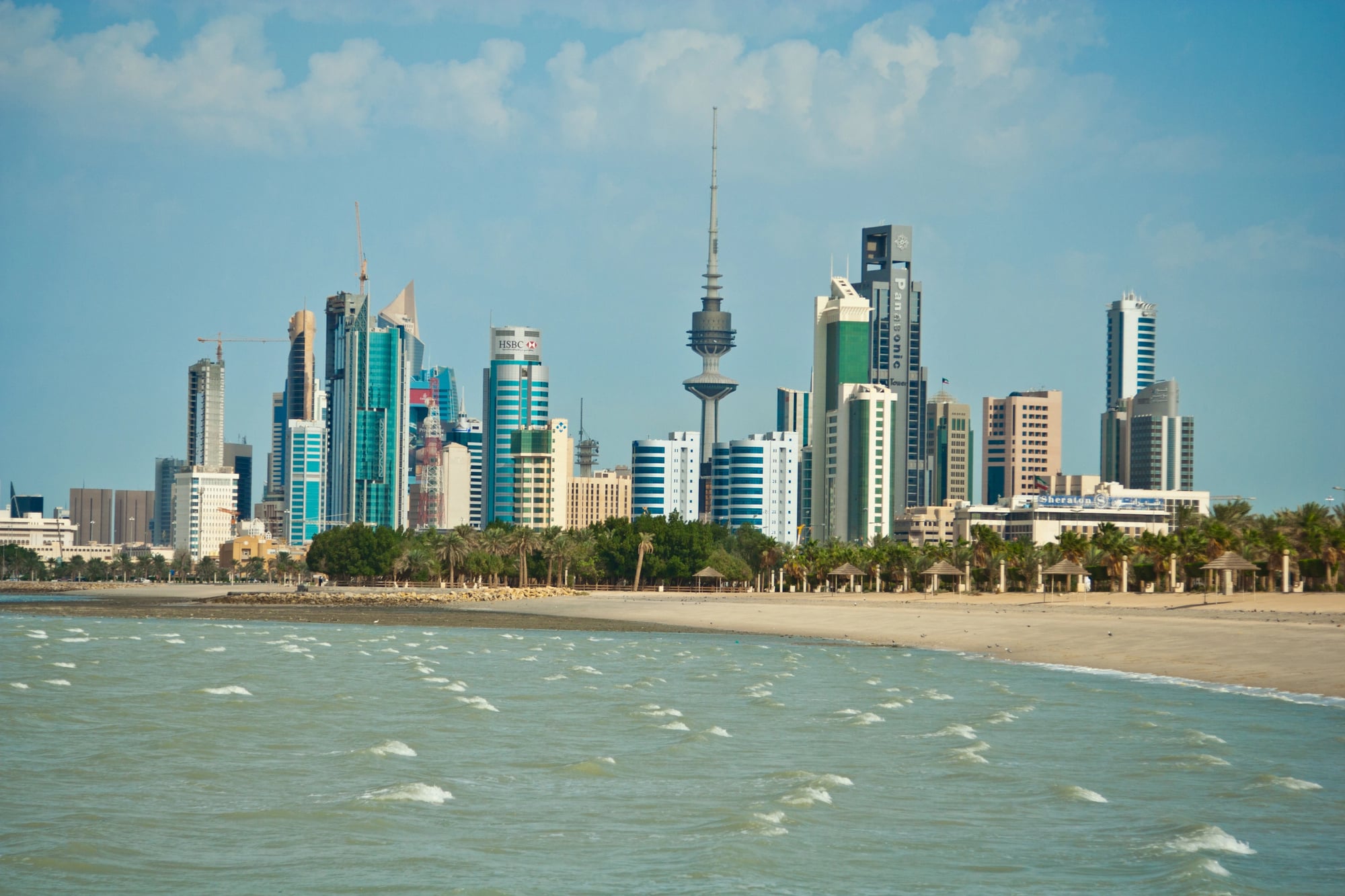
Kuwait relies heavily on foreign workers but offers them almost nothing in terms of permanent settlement. The country’s immigration system centers on temporary work permits tied to specific employers.
Workers can’t change jobs without permission, and losing employment means losing the right to stay. The country has no pathway to citizenship for most foreigners, even those born and raised there.
Certain professions are reserved exclusively for Kuwaiti citizens. Family reunification rules are strict and require high income thresholds.
Iceland
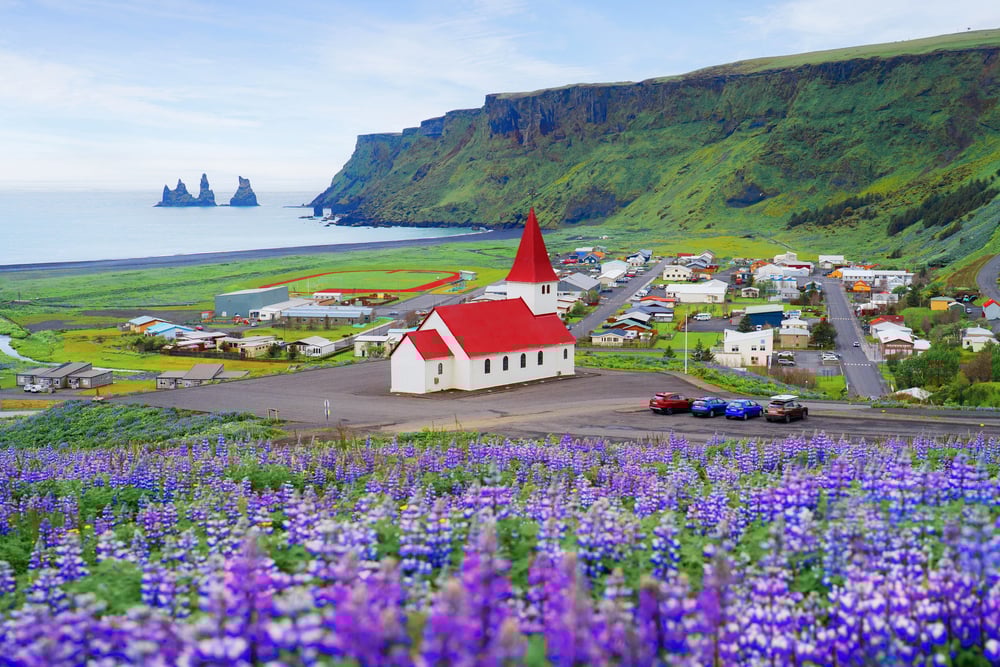
Iceland’s small population and island geography make it naturally protective of its immigration system. The country requires work permits for most foreigners, and employers must prove they couldn’t find suitable Icelandic or EU candidates.
Housing shortages in Reykjavik make finding accommodation difficult. Without a housing contract, residence applications get rejected.
The country also expects immigrants to learn Icelandic, one of Europe’s most challenging languages. Permanent residence requires four years of continuous legal residence, and the country scrutinizes every detail of an application.
Norway

Norway operates a points-based skilled worker system that sets high standards. Applicants need job offers in specific fields, and the positions must meet minimum salary requirements that increase annually.
The country also requires documentation translated into Norwegian by approved translators, adding expense and delay. Even with approval, the first permit is temporary.
Maintaining it requires continuous employment. Family reunification rules often exclude adult children and extended family.
Language requirements for permanent residence are challenging. The country tests cultural knowledge too.
Liechtenstein
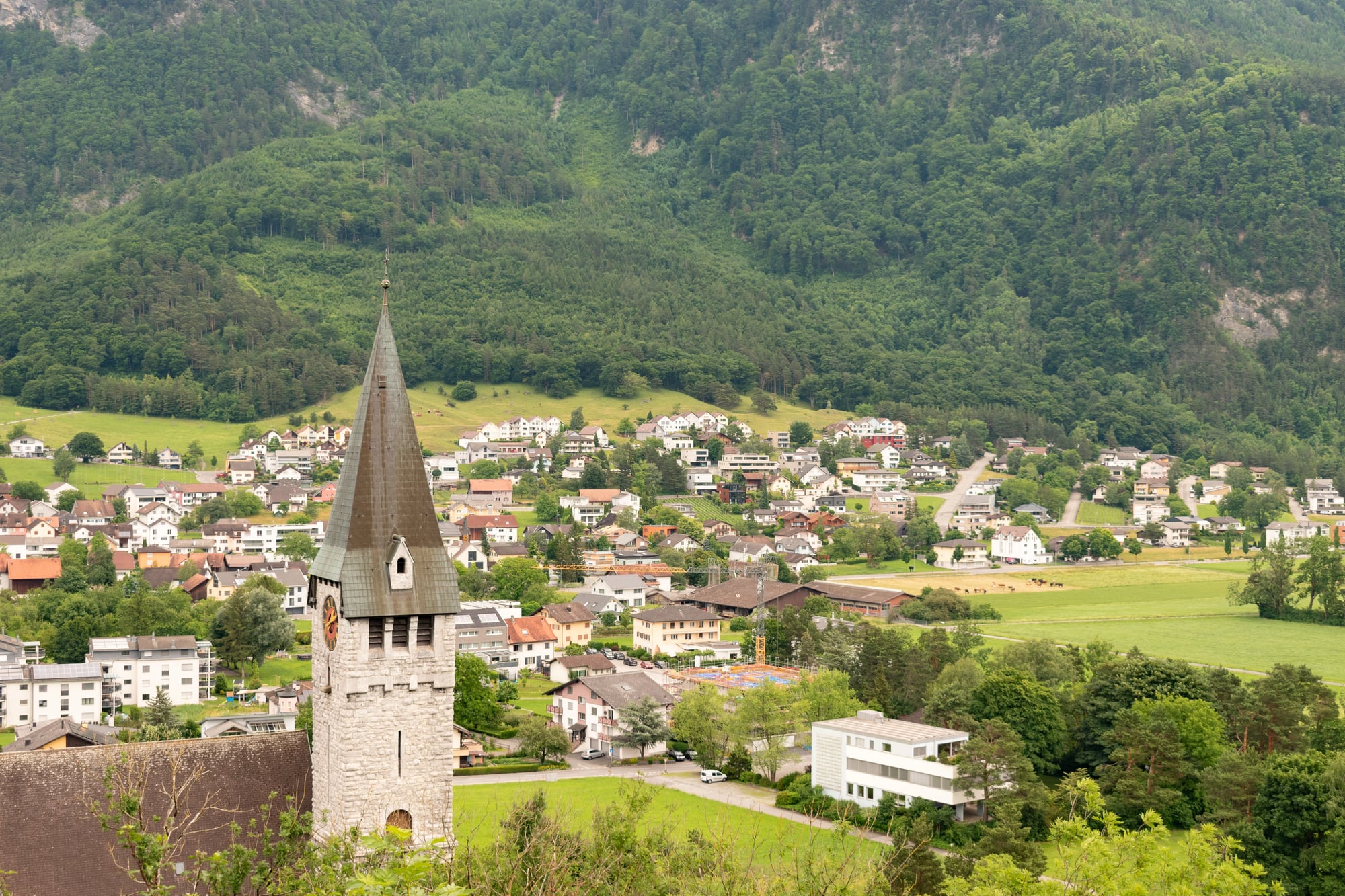
Liechtenstein takes immigration restriction to an extreme level. The tiny country issues only a handful of residence permits each year, often fewer than 100.
Permits are allocated through a quota system, with preference given to people who already have strong ties to the country. The waiting list for permits can stretch for years.
There’s no guarantee of approval even after waiting. Housing is expensive and limited, adding another barrier for potential immigrants.
Bhutan

Bhutan controls immigration as part of its policy to preserve cultural identity and environmental balance. The country doesn’t offer standard immigration pathways for foreigners who want to settle permanently.
Work permits are rare and typically go to people with specialized skills the country lacks. Tourism is carefully controlled through daily fees.
Visiting doesn’t create opportunities for residence. Even marriage to a Bhutanese citizen doesn’t guarantee residence or citizenship rights.
Qatar
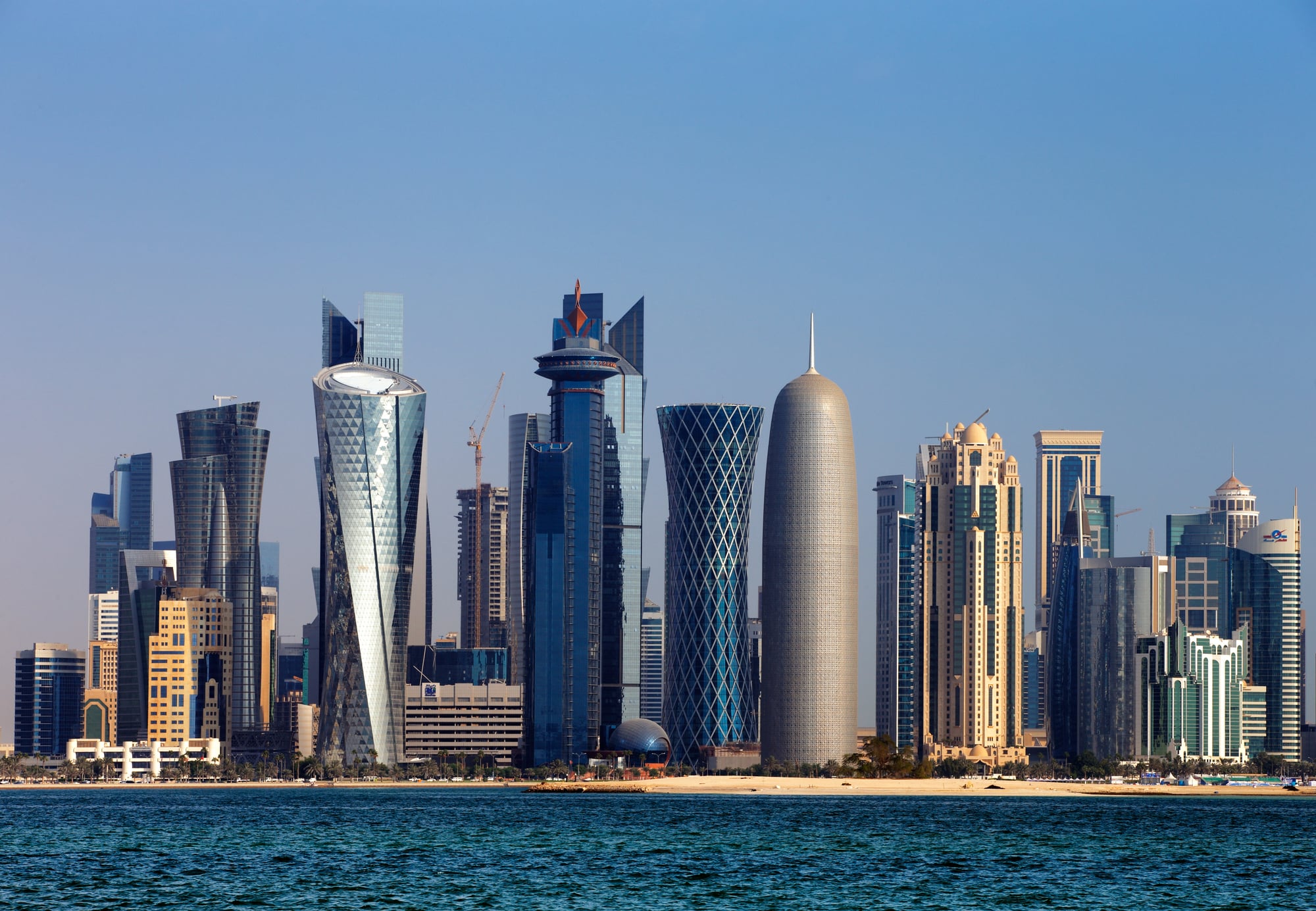
Qatar built its modern infrastructure using foreign labor but keeps those workers in a permanent temporary status. The kafala system gives employers control over workers’ ability to change jobs or leave the country.
Work permits are tied to specific positions, and losing a job means leaving Qatar within days. The country introduced some labor reforms recently, but the fundamental system remains unchanged.
Permanent residence permits exist but are available only to a select few. Most residents have no path to permanent settlement.
Australia
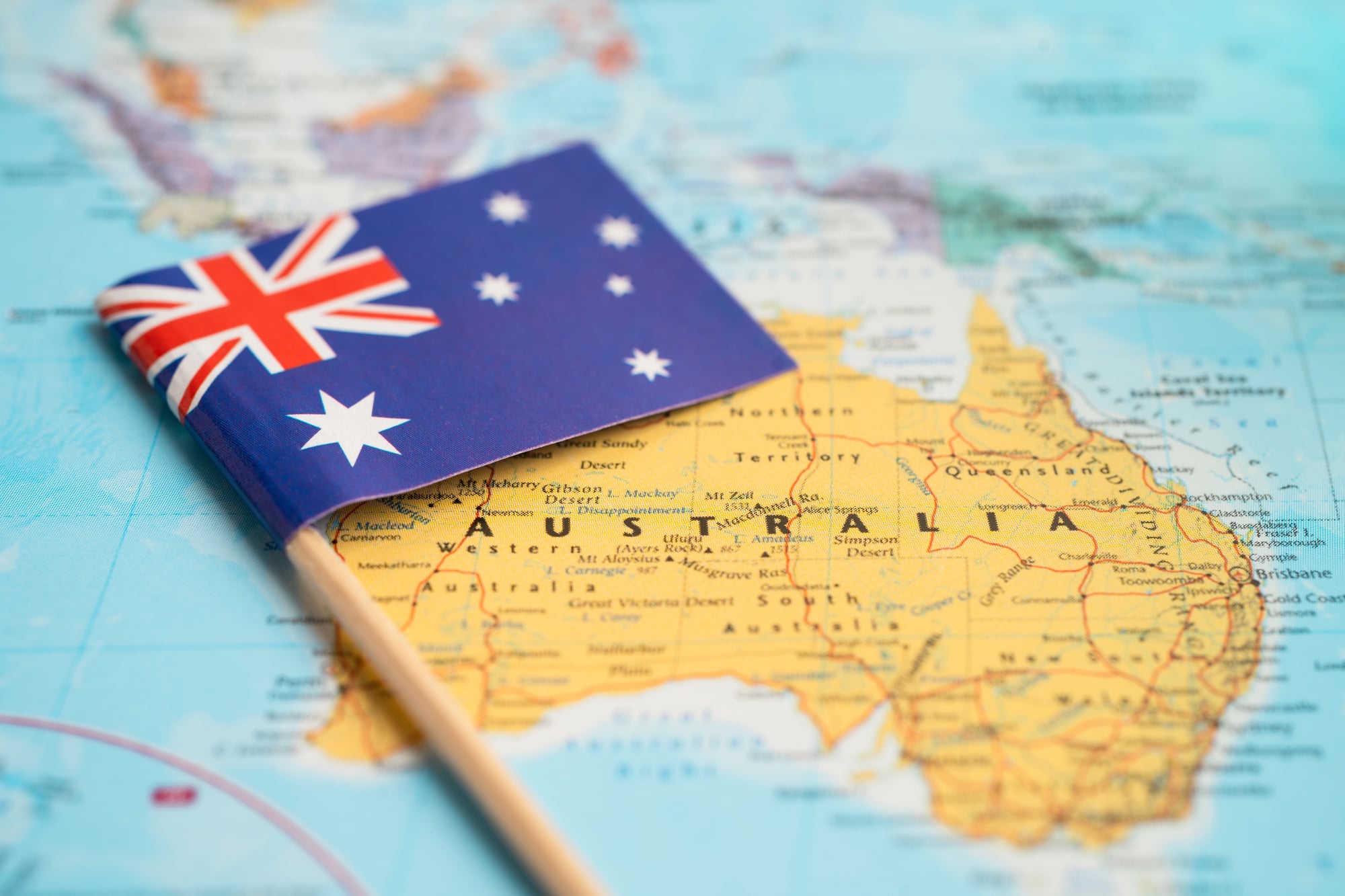
Australia advertises itself as immigration-friendly, but recent years have seen tightening restrictions across many visa categories. The points-based skilled migration system requires high scores that favor young applicants with advanced degrees and years of work experience.
Processing times have stretched considerably, with some applicants waiting years for decisions. The country also caps numbers for most visa categories.
Regional visa requirements force some immigrants to live in specific areas for years before accessing permanent residence. Health requirements are strict, and certain medical conditions can lead to automatic rejection.
New Zealand

New Zealand’s immigration system looks straightforward until applicants dive into the details. The country uses a points system for skilled migrants, but the threshold for selection keeps rising.
Many visa categories have been temporarily closed or restructured, creating uncertainty. Processing times have increased significantly.
The country requires job offers in specific skill shortage areas, and the list changes frequently. Even after gaining residence, there’s a two-year waiting period before accessing permanent residence.
Monaco

Monaco operates one of the world’s most exclusive immigration systems. The tiny principality requires would-be residents to prove they can support themselves without working, which means substantial investments or passive income.
Applicants must deposit a significant sum in a Monaco bank and rent or buy property in one of the world’s most expensive real estate markets. The country conducts extensive background checks.
Applications can be rejected for undisclosed reasons. Residence permits require annual renewal for the first few years.
Citizenship is practically impossible unless someone marries a Monacan citizen. Even then it takes years.
South Korea

South Korea has specific visa categories with narrow requirements. Work visas require employer sponsorship, and companies must prove the position requires a foreigner’s specific skills.
The country’s F-series visas lead to permanent residence, but qualifying requires years of continuous legal residence and strict criteria. Language requirements are challenging since Korean is essential for most immigration pathways.
Even after getting permanent residence, naturalization requires renouncing previous citizenship. Korea doesn’t recognize dual nationality for most people.
The country also has specific rules about which jobs foreigners can hold. Many positions are reserved for Korean citizens.
Where borders stay firm

These countries maintain their strict immigration policies for different reasons—protecting job markets, preserving culture, managing population size, or maintaining specific economic models. The difficulty of moving to these places reminds us that borders aren’t just lines on maps but real barriers backed by laws and bureaucracies.
For anyone dreaming of making one of these countries home, understanding just how challenging the process will be is the first step toward deciding if it’s worth pursuing.
More from Go2Tutors!

- The Romanov Crown Jewels and Their Tragic Fate
- 13 Historical Mysteries That Science Still Can’t Solve
- Famous Hoaxes That Fooled the World for Years
- 15 Child Stars with Tragic Adult Lives
- 16 Famous Jewelry Pieces in History
Like Go2Tutors’s content? Follow us on MSN.