Incredible Artificial Reefs Saving Fragile Ocean Life
Standing on a pier watching fishing boats disappear into the horizon, it’s easy to forget how much life thrives beneath the surface — and how much of it has vanished.
Coral bleaching, overfishing, and rising ocean temperatures have left underwater ecosystems struggling to survive.
But an unexpected solution is taking root on ocean floors around the world, built from everything from decommissioned ships to carefully designed concrete structures.
Artificial reefs are becoming lifelines for marine species, creating new homes where natural habitats have failed.
Sunken Naval Vessels
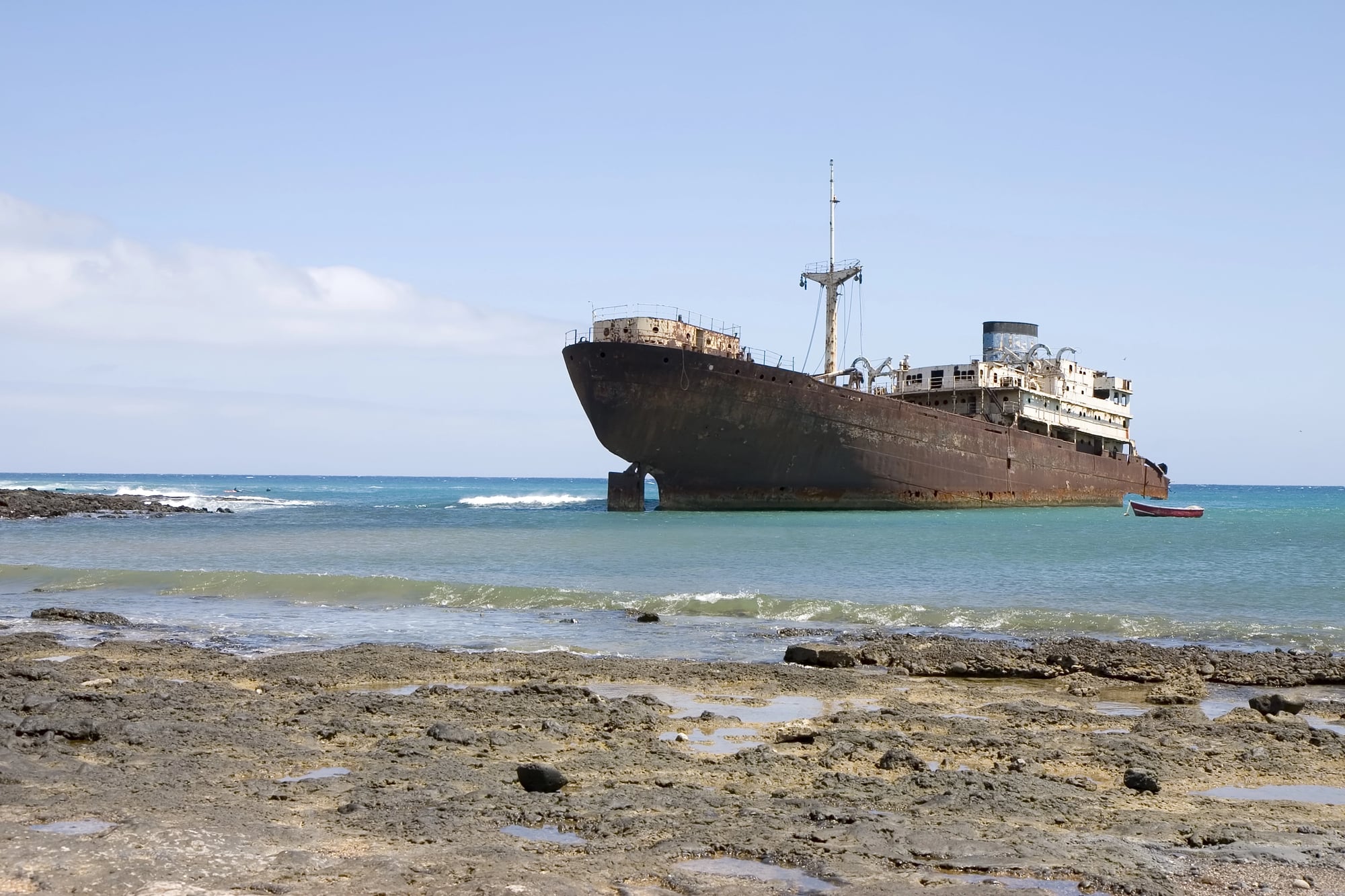
Retired warships make exceptional underwater cities. The USS Oriskany sits 212 feet below the Gulf of Mexico, transformed from aircraft carrier to marine apartment complex.
Fish move through former crew quarters while coral grows along steel corridors that once echoed with military commands.
The structure provides exactly what marine life needs: vertical surfaces, nooks, and complex spaces that mirror natural reef systems.
Snapper, grouper, and amberjack treat these giants like high-rise condominiums.
Decommissioned Oil Platforms
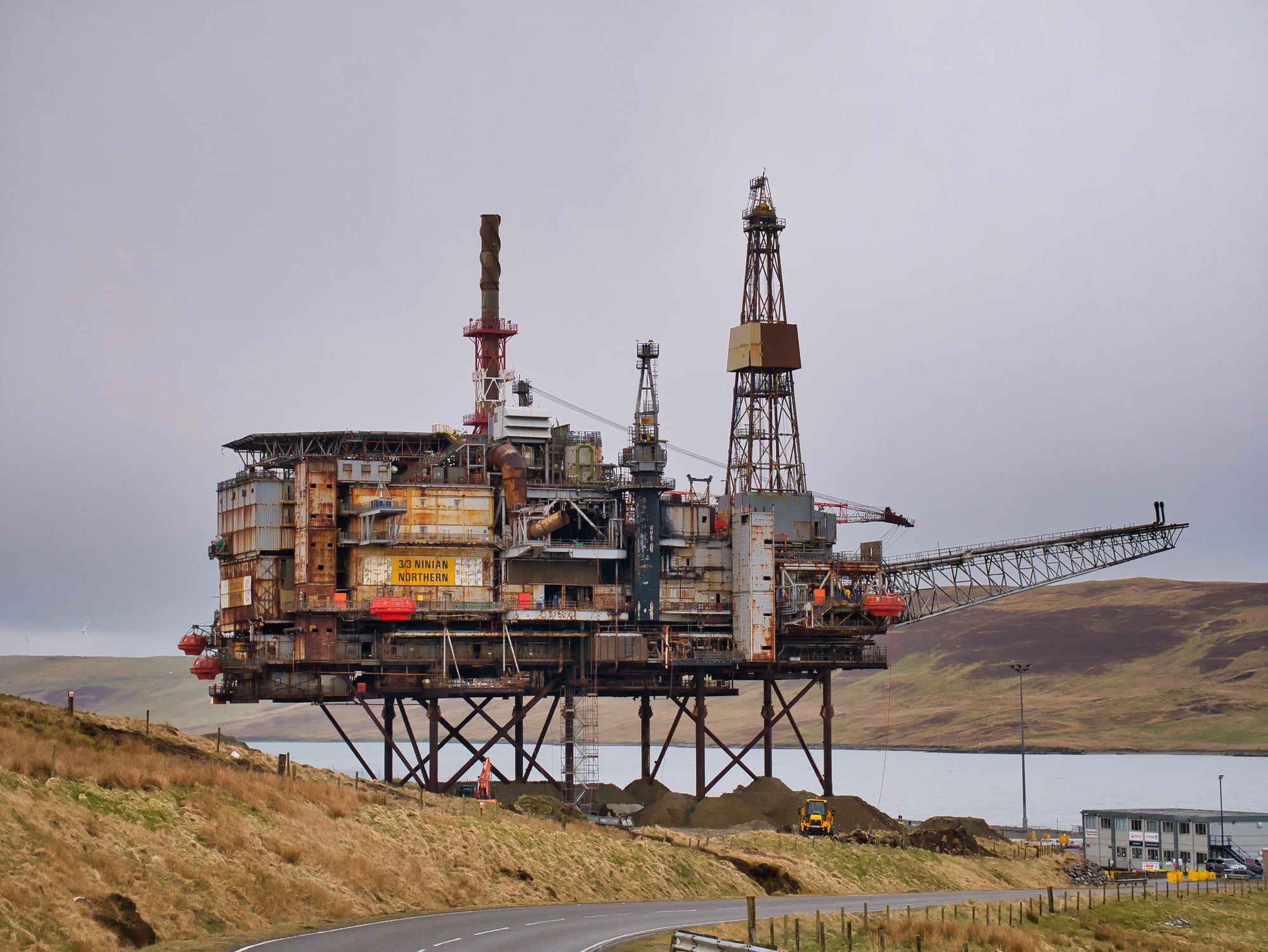
So it turns out that the same structures environmentalists fought to remove have become accidental sanctuaries — and removing them might actually be the bigger ecological mistake.
These platforms, standing like underwater skyscrapers for decades, have developed into some of the most productive marine habitats in the ocean: fish populations that dwarf those around natural reefs, coral communities that took forty years to establish themselves along every beam and crossbeam.
But here’s the thing that nobody saw coming (or maybe they did, but the optics were too complicated to admit publicly) — the fish don’t care about the politics of oil extraction; they just know a good neighborhood when they find one.
And yet the regulatory framework still treats these platforms like industrial waste rather than accidental masterpieces of marine engineering, which means the debate over “rigs-to-reefs” programs continues to pit environmental ideology against ecological reality in ways that would be funny if there weren’t so many actual fish lives hanging in the balance.
Concrete Reef Modules
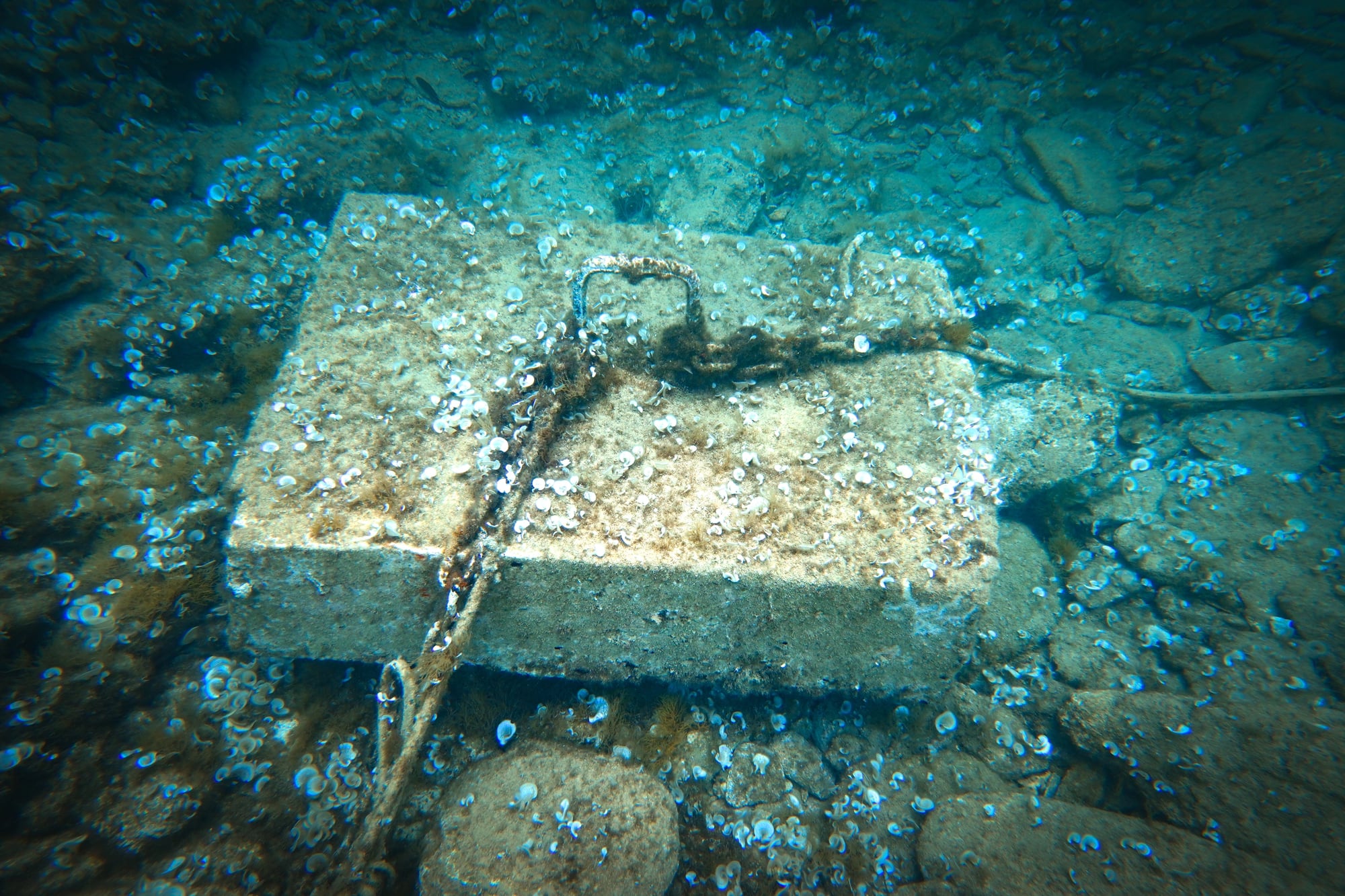
There’s something almost architectural about the way marine life claims space — not unlike how ivy finds every crack in an old building’s facade, or how weeds push through sidewalks with patient determination.
These purpose-built concrete structures arrive on the ocean floor as blank canvases, their surfaces rough and porous by design, waiting.
Within weeks, the first pioneers arrive: algae that wouldn’t catch your eye in a tide pool but form the foundation of everything that follows.
Then come the small creatures that graze and hide, followed by the fish that hunt them, until what started as geometric concrete shapes becomes something that breathes and pulses with its own rhythm.
The transformation happens faster than anyone expected, as if the ocean had been waiting for exactly these kinds of opportunities to rebuild what it lost.
Subway Cars and Buses
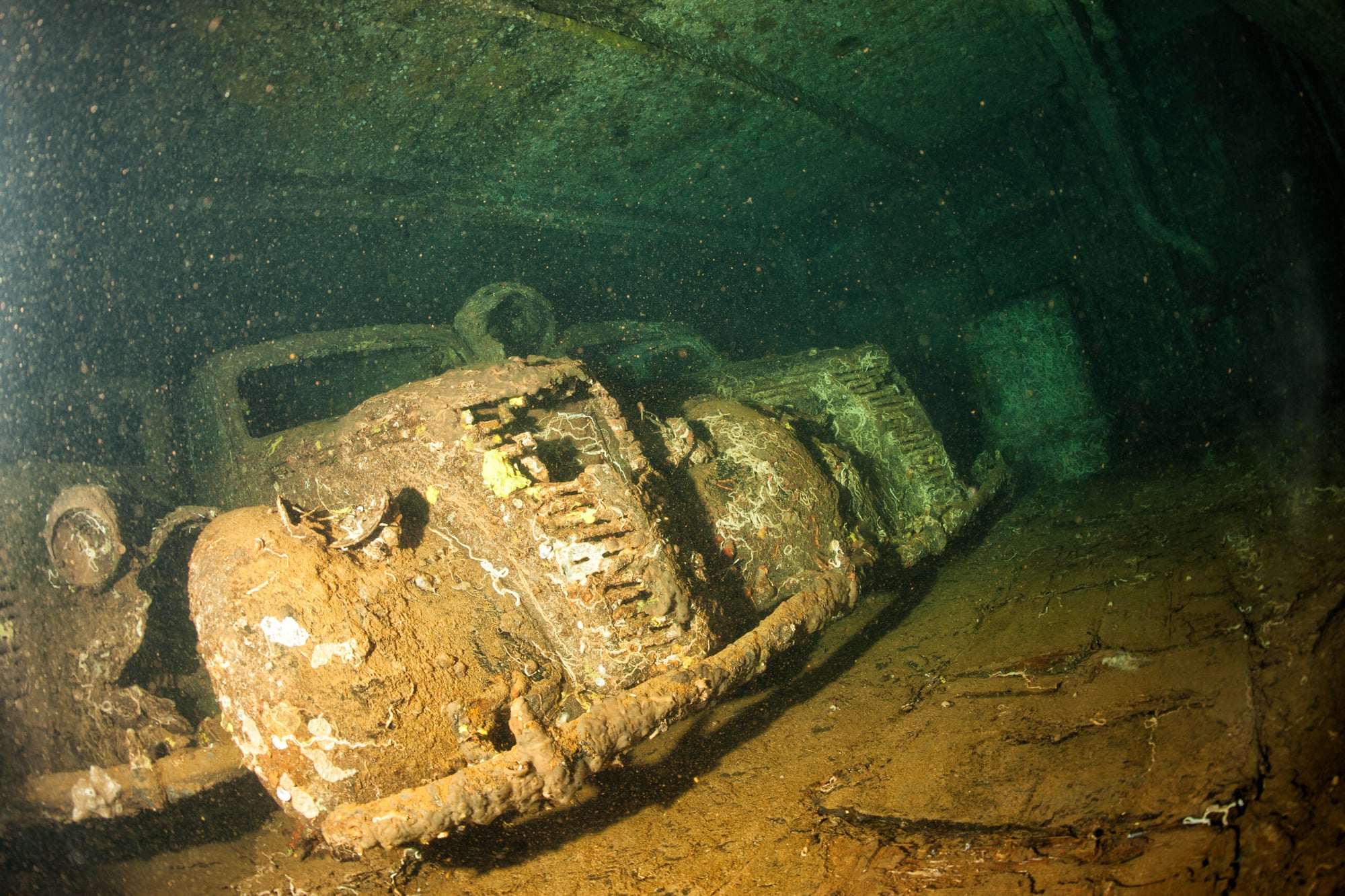
New York’s retired subway cars have found second careers as fish condos. The city strips them of wheels, windows, and anything that might leach toxins, then drops them precisely onto sandy ocean bottoms.
Doors that once opened for commuters now frame swimming schools of fish.
This program has been running for decades, creating underwater transit systems that actually improve with age.
The metal provides structure while marine growth turns industrial rectangles into living reefs that would make any urban planner jealous.
Artificial Reef Rounds

The engineering here is surprisingly elegant — hollow concrete spheres riddled with rings of different sizes, like three-dimensional Swiss cheese designed by someone who actually understood what fish want.
These aren’t random structures dropped into the ocean and hoped for the best; they’re calculated solutions to specific problems: how to create maximum surface area for coral growth, how to generate the right water flow patterns, how to provide shelter for everything from tiny juvenile fish to larger predators.
The rings aren’t decorative — they’re fish highways, nursing areas, and hunting blinds all rolled into one.
What makes this approach particularly clever is that it doesn’t try to mimic natural reefs exactly; it improves on them.
Shipwrecks as Research Labs
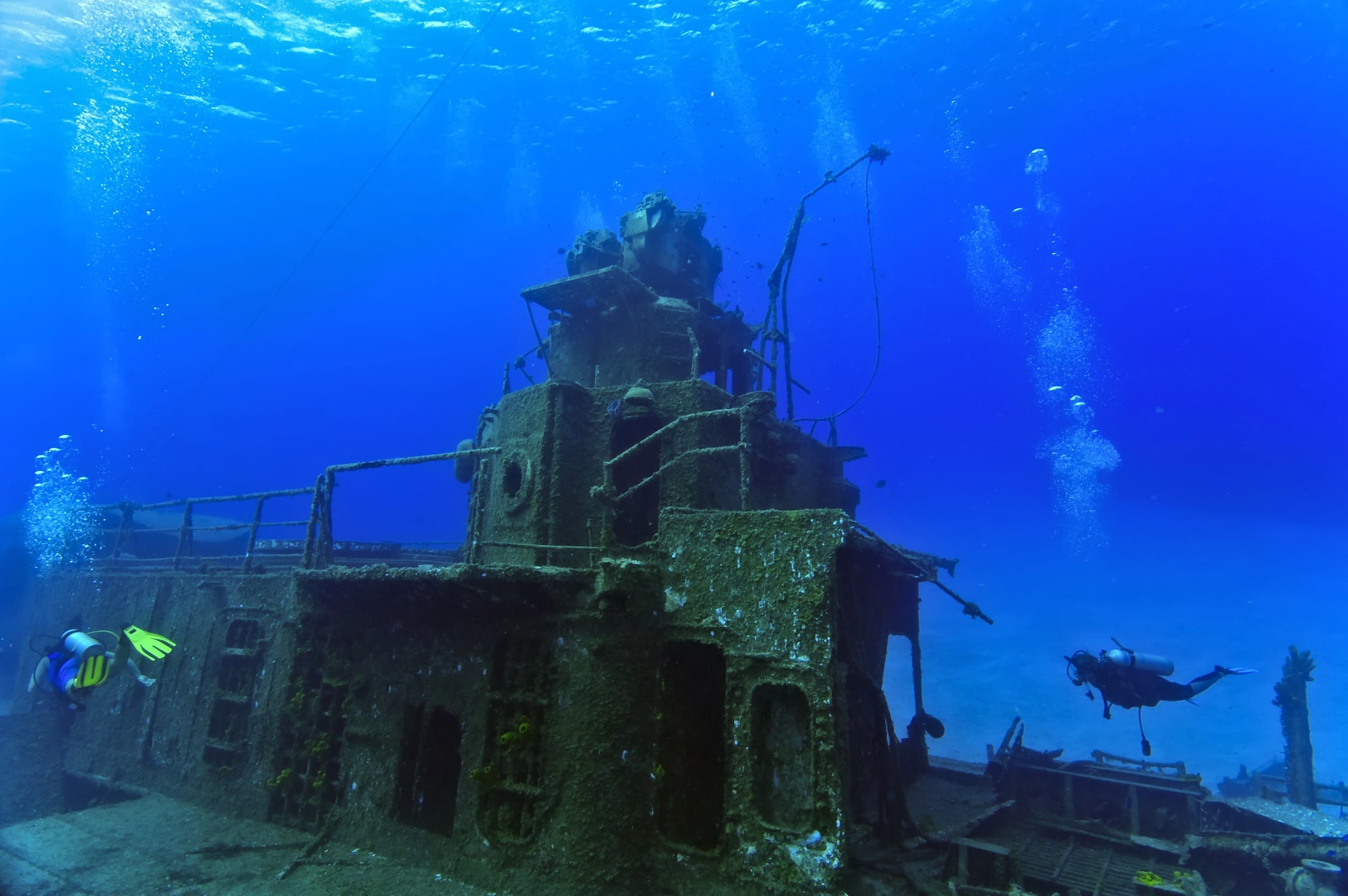
When marine biologists want to understand how ecosystems develop from scratch, shipwrecks become their time machines.
Each wreck represents a known starting point — the exact date when bare metal met ocean floor — which allows researchers to track colonization patterns with unusual precision.
The bow section might host different species than the stern, creating natural control groups within a single structure.
Some wrecks become nurseries for commercially important fish species, others transform into feeding stations for migrating animals, and a few develop into spawning grounds that support reproduction cycles scientists are still mapping.
What emerges from this research isn’t just academic curiosity; it’s actionable intelligence about how to design artificial reefs that work faster and support more diverse communities than trial-and-error approaches ever could.
Living Seawalls
The old approach to coastal protection was simple: build bigger walls.
Concrete barriers, steel bulkheads, rock revetments — all designed to stop waves through brute force alone.
But engineers started noticing something interesting about natural shorelines: the most stable ones weren’t the hardest, they were the most alive.
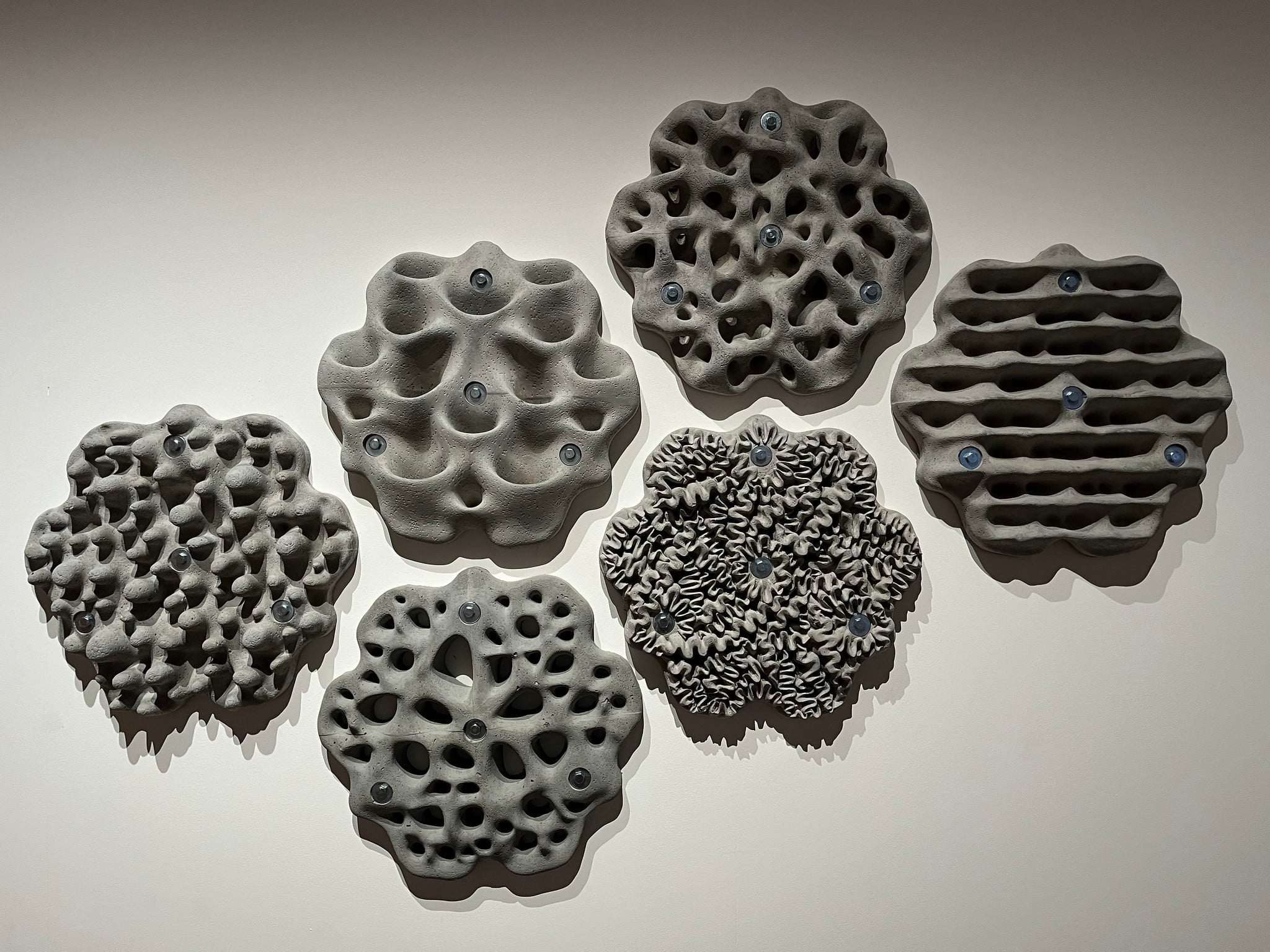
Living seawalls integrate marine-friendly materials directly into coastal infrastructure.
Textured surfaces encourage oyster growth. Tidal pools form in designed depressions.
Fish find shelter between engineered rocks that double as wave breaks.
These hybrid structures protect coastlines while creating habitat.
The engineering works better because biology helps with the heavy lifting.
Abandoned Quarries
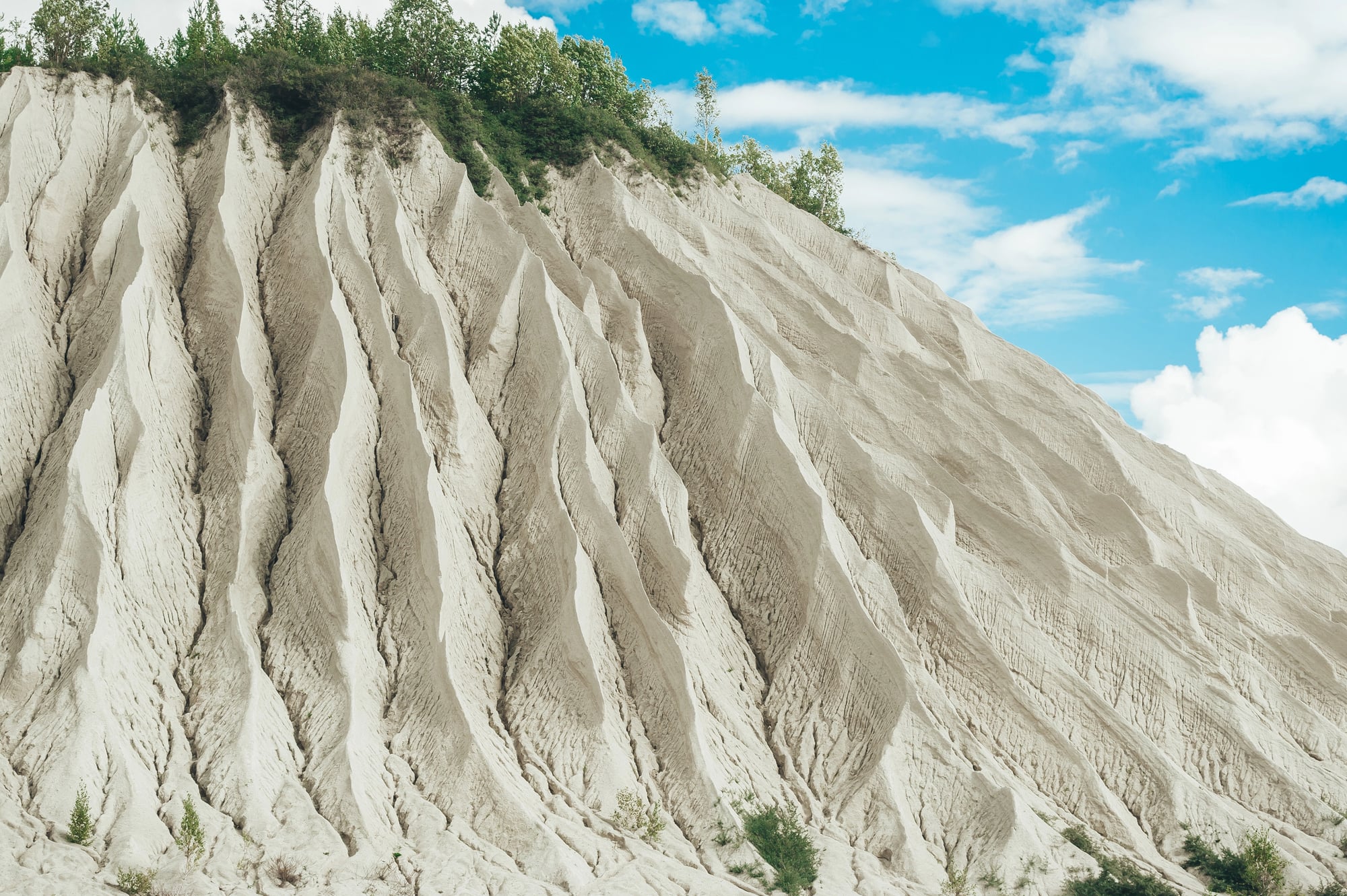
Picture a limestone quarry that spent decades carving away hillsides, leaving behind geometric wounds in the landscape that filled with groundwater once the machinery moved on — places too deep and stark for most terrestrial life, but perfect for a different kind of resurrection.
When these flooded quarries connect to coastal waters, they become blank slates for marine colonization, their sheer walls and variable depths creating microclimates that support different species at different levels.
The water stays cooler in summer, providing refuge for temperature-sensitive species when natural reefs become too warm.
The mineral-rich limestone walls offer ideal surfaces for filter-feeding organisms that form the base of new food webs.
What makes quarry reefs particularly valuable is their depth range — shallow areas for light-loving corals, deeper zones for species that prefer dimmer conditions, and the kind of vertical relief that turns any underwater space into prime real estate.
Tire Reefs Gone Wrong
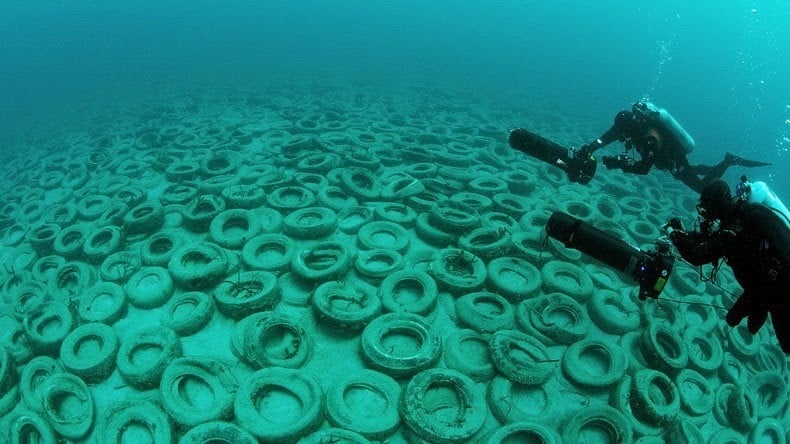
The Osborne Reef off Fort Lauderdale stands as a monument to good intentions and terrible execution.
Two million tires bound with steel clips, dropped into the ocean in 1972 as an artificial reef that would rival natural coral formations.
The tires broke free, scattered across the ocean floor, and started grinding against actual coral reefs during storms.This disaster taught reef builders everything about what not to do. Materials matter.
Ocean forces are stronger than anyone imagines.Sometimes the cure becomes worse than the problem.
Cleanup crews are still retrieving tires forty years later.The lesson stuck: artificial reefs work, but only when they’re built to last longer than the ecosystems they’re meant to support.
3D-Printed Reef Structures

The technology sounds like science fiction, but it’s already rebuilding coral reefs in the Maldives and Philippines.
Giant 3D printers create calcium carbonate structures that match the exact chemical composition of natural coral skeletons.
The artificial bases provide attachment points for coral fragments transplanted from healthy reefs.These printed reefs can be designed with mathematical precision — optimizing water flow, creating ideal surface textures, and incorporating features that natural reefs develop over centuries.
The printer essentially fast-forwards geological processes that normally take millennia.Early results show coral growth rates that exceed what researchers expected.
Fish communities establish themselves within months rather than years.
Artificial Oyster Reefs
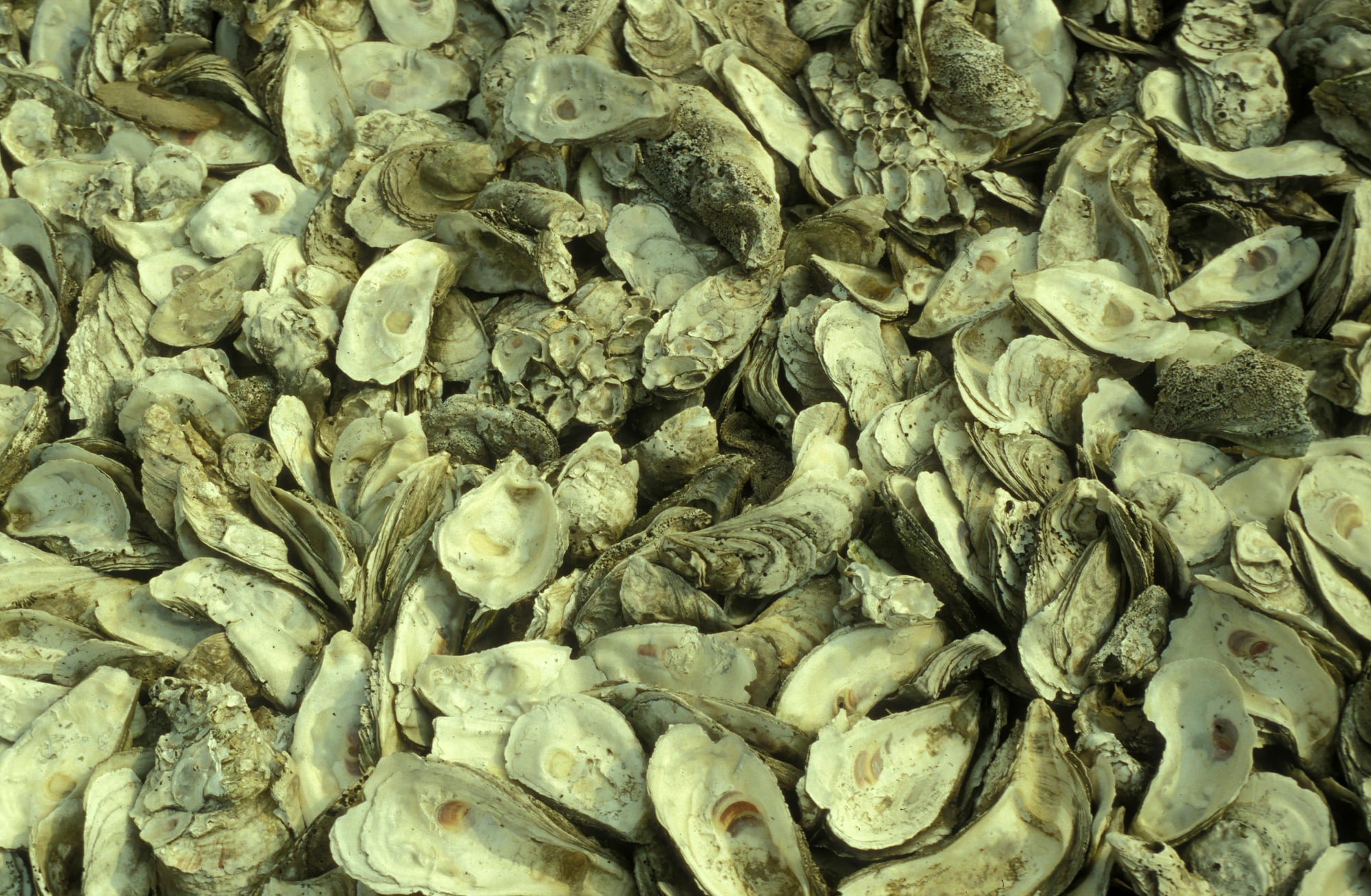
There’s something almost prehistoric about oyster reefs — the way they build themselves into underwater mountain ranges, shell upon shell, generation after generation, until what started as scattered individuals becomes geological structure that reshapes entire coastlines.
When disease and overharvesting collapsed these natural reef systems, the consequences rippled through coastal ecosystems in ways that took decades to fully understand: water quality declined without millions of filter-feeding oysters cleaning the water, fish populations crashed without the complex habitat that oyster reefs provided, and shorelines became vulnerable to erosion without the wave-breaking protection that these reefs had provided for centuries.
But artificial oyster reefs are bringing this back faster than natural recovery ever could, using everything from recycled concrete to crushed porcelain toilets as the foundation material that gives new oysters something to grab onto and grow.
Kelp Forest Restoration Platforms
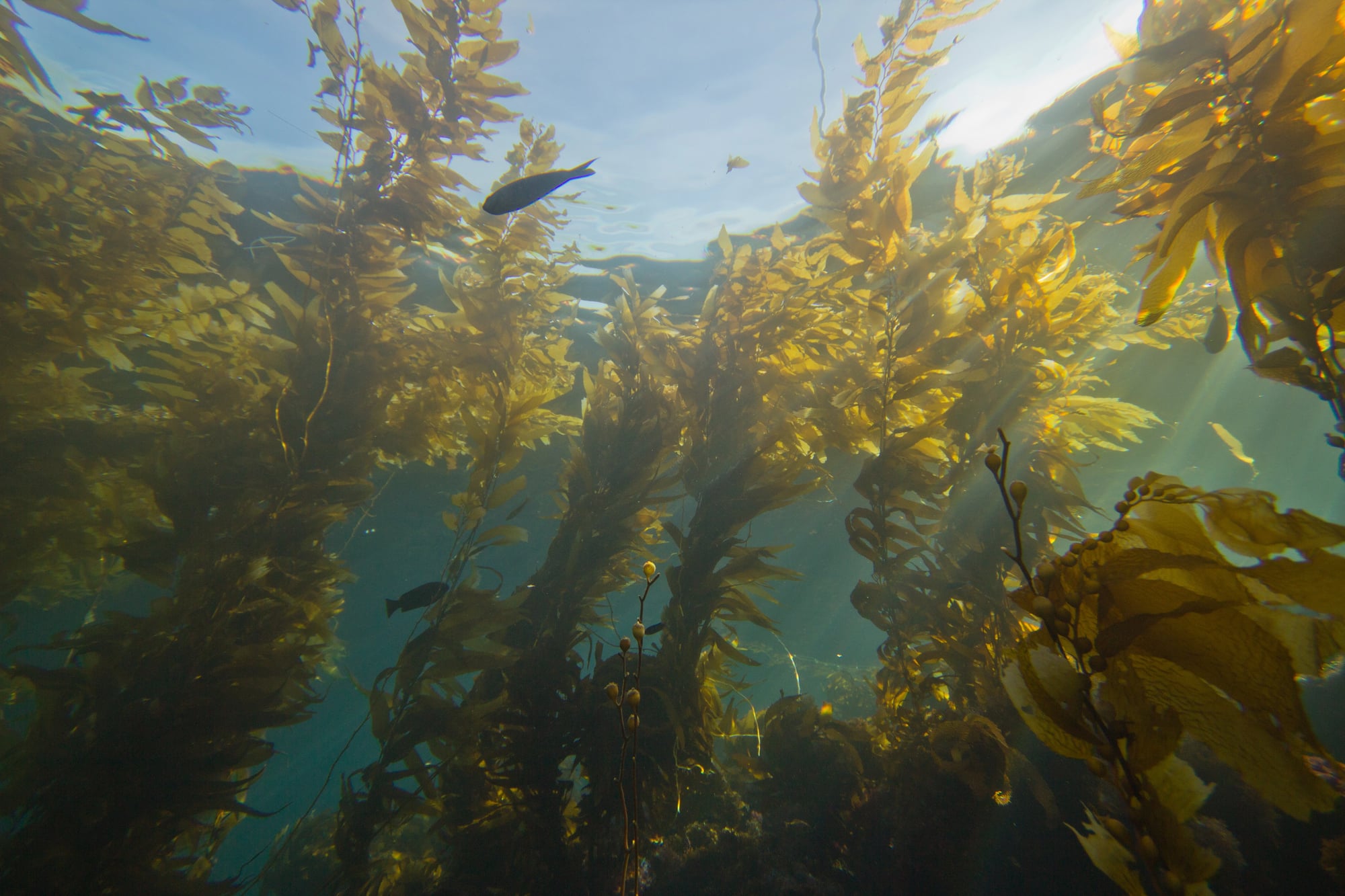
Kelp forests are the redwood groves of the ocean — towering, productive ecosystems that support everything from sea otters to commercial fish species.
But warming waters and sea urchin explosions have clear-cut underwater forests along thousands of miles of coastline.
Restoration platforms provide artificial anchor points where kelp can reestablish itself in areas where natural rocky substrate has been overwhelmed.
These platforms work like underwater trellises, giving kelp holdfasts something to grip while the plants reach toward surface light.
Once established, the kelp creates its own ecosystem — shade, shelter, and food for dozens of species.
The platforms also serve as urchin removal stations, where divers can systematically clear the spiny grazers that prevent kelp recovery.
It’s ecosystem management that combines engineering with hands-on intervention.
Fish Aggregating Devices
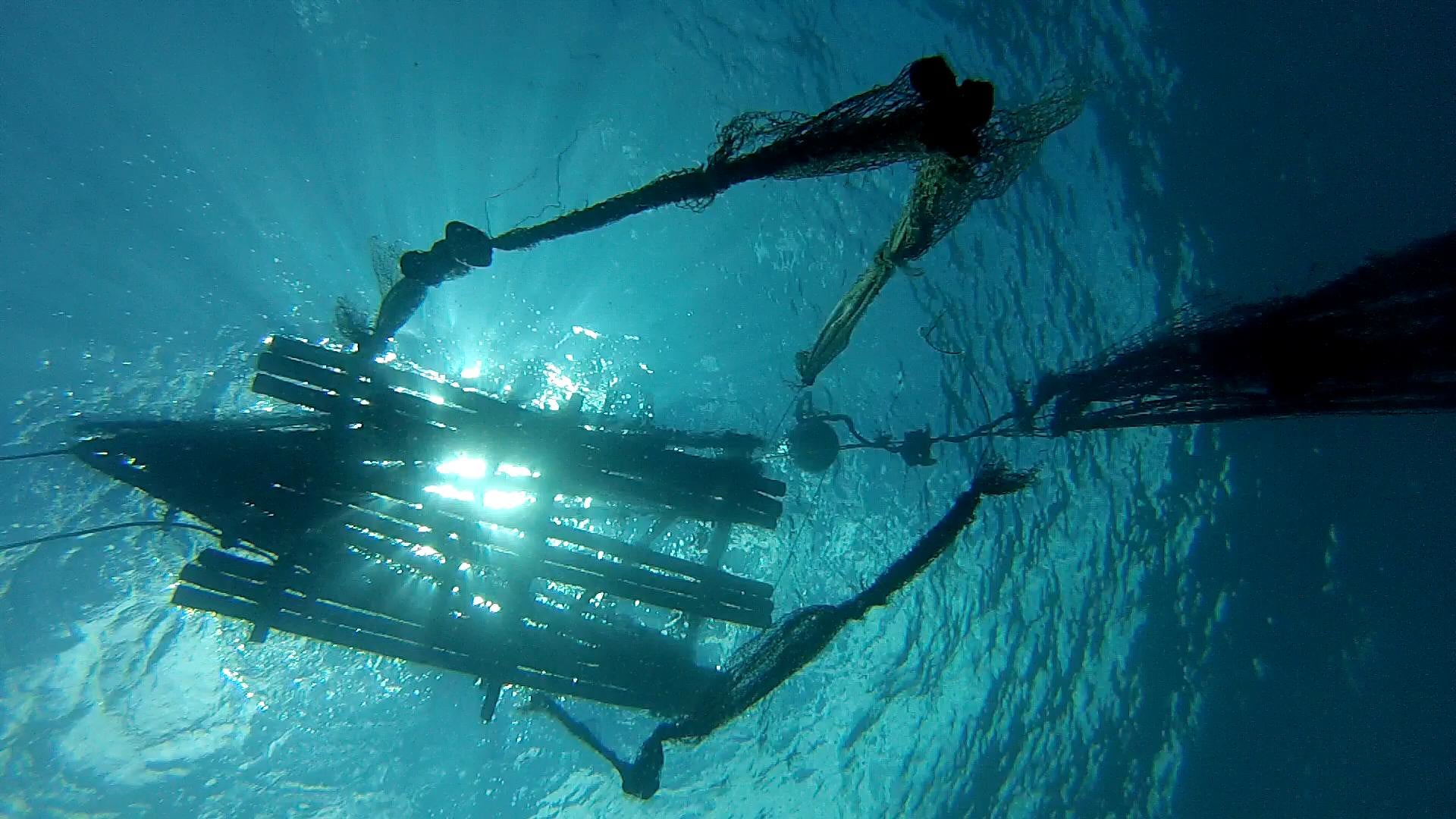
FADs don’t try to replicate natural reefs — they exploit fish behavior instead.
These floating or anchored structures create vertical relief in open ocean areas where fish have few reference points.
Pelagic species like tuna, mahi-mahi, and marlin gather around FADs for reasons that marine biologists still debate, but the effect is undeniable.
Commercial and recreational fishing operations have used FADs for decades, but newer applications focus on research and conservation.
Scientists can monitor fish populations, track migration patterns, and study species interactions around these artificial gathering points.
Some FADs incorporate technology that broadcasts data about fish activity, water temperature, and ocean conditions.
They become research stations that happen to attract fish rather than fishing tools that generate data as a side effect.
Coral Nursery Structures
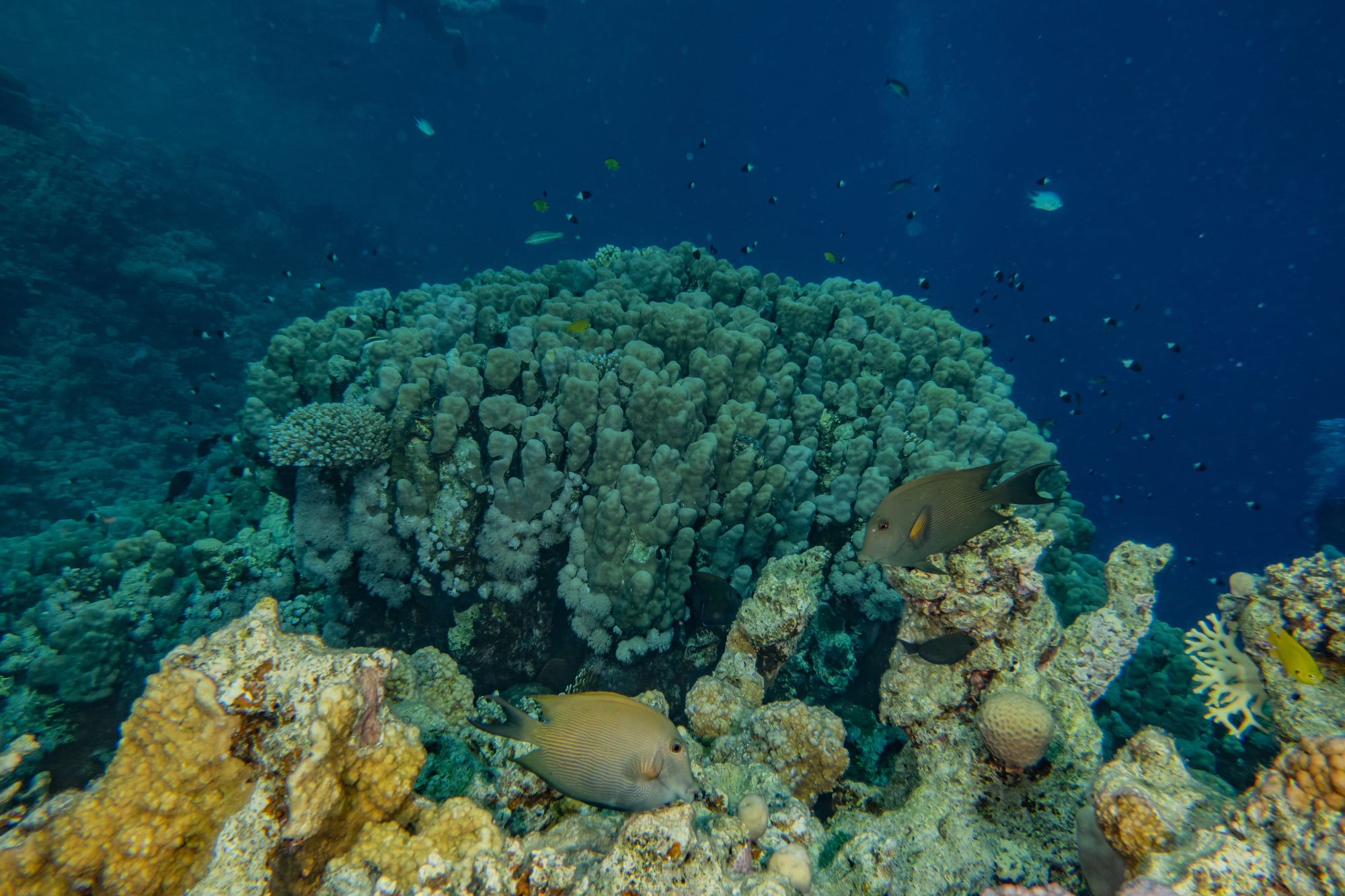
Growing coral in underwater nurseries requires infrastructure that can withstand storms while providing the precise conditions that coral fragments need to develop.
Artificial nursery structures use everything from PVC trees to mesh tables that hold coral fragments at optimal depths and spacing.
These nurseries serve as coral farms where fragments can grow large enough to survive transplantation to degraded reefs.
The process takes patience — coral grows slowly even under ideal conditions — but nursery programs are scaling up coral restoration from small research projects to reef-wide rehabilitation efforts.
The structures themselves become temporary reefs that support fish communities while the coral develops.
When fragments are harvested for outplanting, new ones take their place, creating continuous production cycles that can supply restoration projects for decades.
A New Foundation
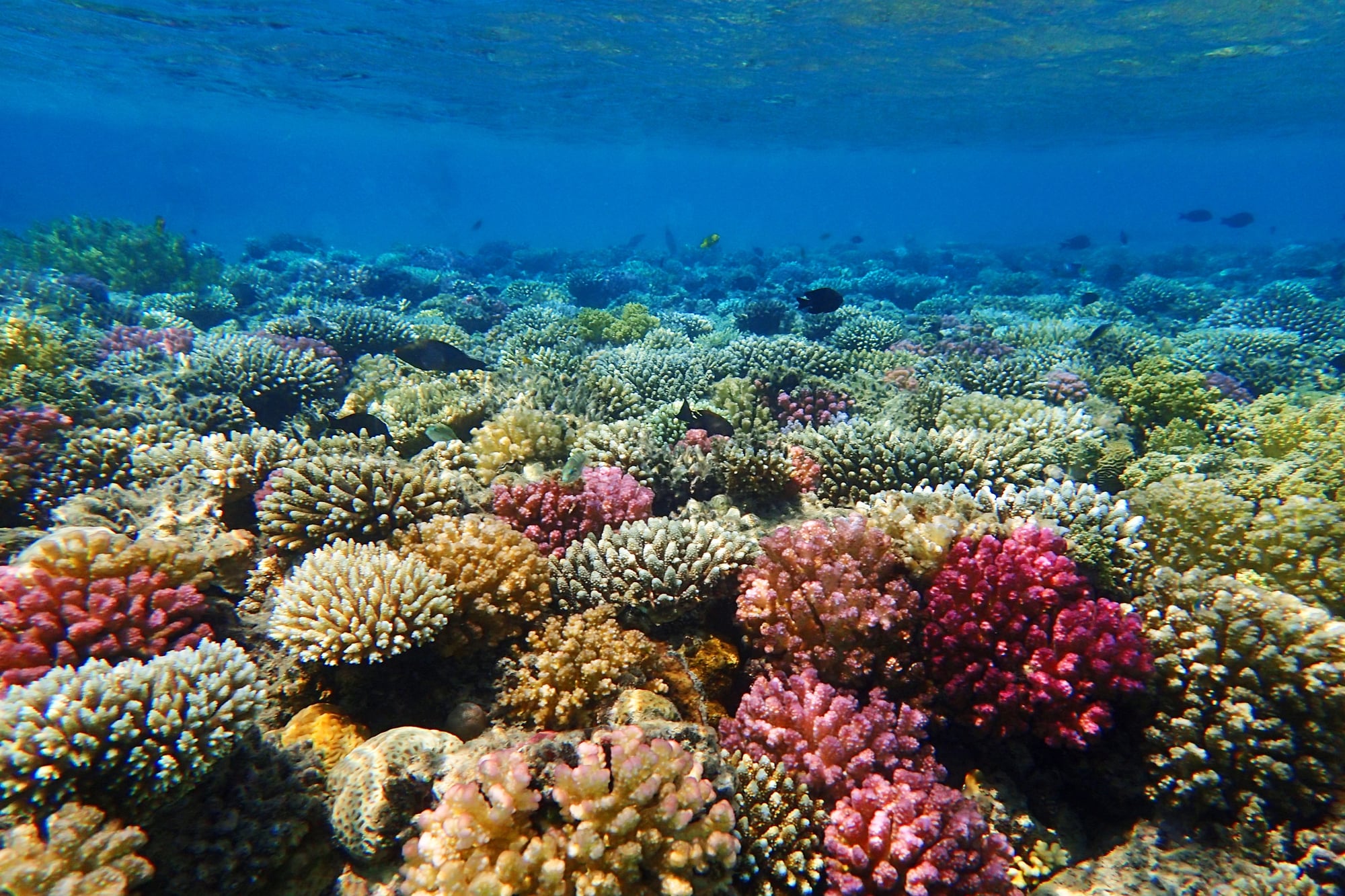
The ocean doesn’t care whether a reef started as a coral polyp or a subway car — it only recognizes opportunity.
These artificial structures have become proof that marine ecosystems are more resilient and adaptable than anyone imagined, capable of transforming human debris into thriving underwater cities faster than natural processes could replace what we’ve lost.
As coastal development continues and climate change pushes marine life toward new survival strategies, artificial reefs offer something that traditional conservation approaches often can’t: the ability to create habitat rather than just protect what remains.
More from Go2Tutors!

- The Romanov Crown Jewels and Their Tragic Fate
- 13 Historical Mysteries That Science Still Can’t Solve
- Famous Hoaxes That Fooled the World for Years
- 15 Child Stars with Tragic Adult Lives
- 16 Famous Jewelry Pieces in History
Like Go2Tutors’s content? Follow us on MSN.