30 Things Kids Knew by Heart Before the Internet Existed
There was a time when knowing things meant actually knowing them — stored in your head, not in a device in your pocket. Kids growing up before the internet had no choice but to memorize, practice, and internalize a surprising amount of information just to get through an ordinary day.
Phone numbers, directions, lyrics, rules — all of it lived in the brain, not on a screen. Looking back, it’s a little staggering how much mental real estate children casually occupied with practical knowledge that most people today couldn’t recall without a search bar.
Friends’ and Family Members’ Phone Numbers

Phone numbers didn’t live in a contacts list. They lived in your head, and if you blanked on one, you were genuinely stuck — standing at a payphone outside a gas station with a quarter in your hand and no way forward.
Most kids could rattle off eight to ten numbers without pausing.
Their Home Address

Every kid knew this one cold. Not just the street name — the full address, zip code included, because a school field trip permission slip or a friend’s birthday party invitation demanded it without warning.
You’d written it so many times on so many forms that it became automatic.
How to Read a Paper Map

Reading a paper map is a skill that corrects you in real time — unfold it wrong and the whole thing becomes a hostile, accordion-style argument that you’re losing. Kids who grew up on road trips learned to trace routes with a finger, understand scale, and identify the difference between an interstate and a county road before they were ten.
There was no recalculating.
TV Schedules
Missing your show meant waiting an entire week, so kids memorized TV schedules the way some people memorize poetry. Saturday morning cartoons started at a specific time on a specific channel, and you knew it — you’d known it since September.
The schedule was printed in the newspaper’s TV guide section, studied on Friday night, and committed to memory with the kind of focus rarely applied to actual schoolwork.
Multiplication Tables
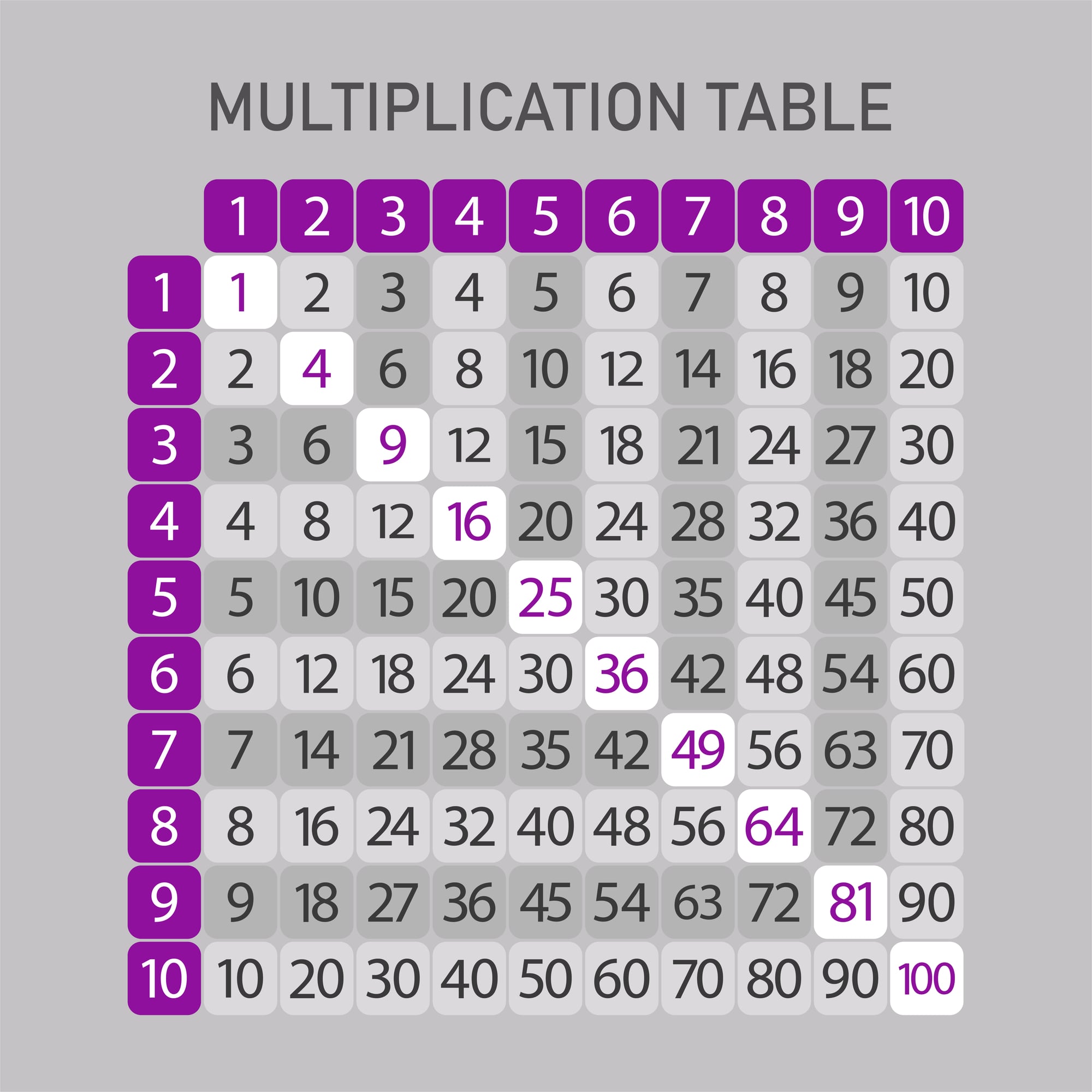
The multiplication table was drilled until it stopped requiring thought — until 7×8 produced 56 the way a sneeze produces a sneeze. Flash cards, timed tests, chanting in rows.
Teachers understood that some things just needed to be automatic, and arithmetic without a calculator requires a foundation that flashy reasoning can’t replace if the bedrock isn’t there.
The Alphabet in Order
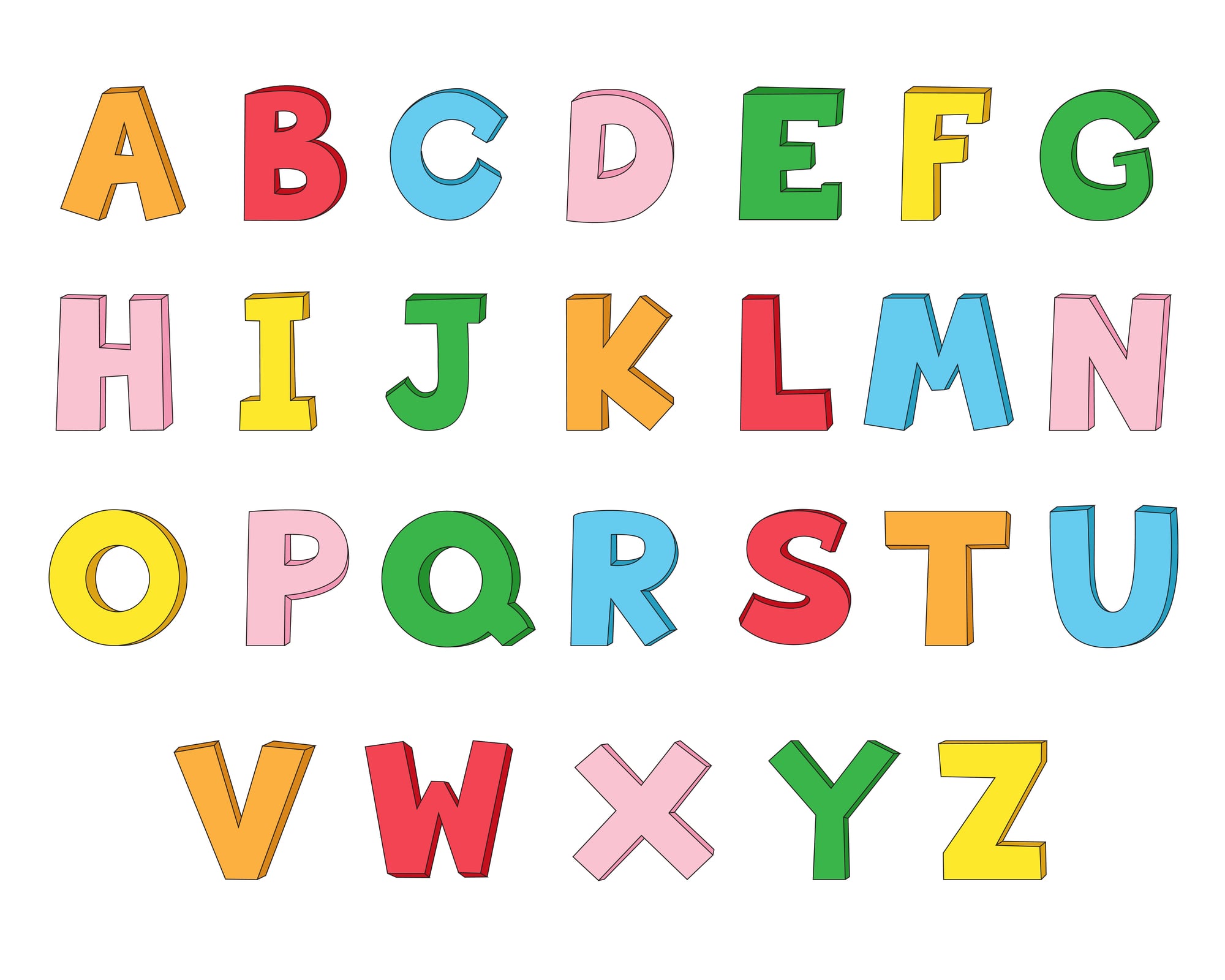
This one sounds trivial until you remember that every library card catalog, every dictionary, every encyclopedia required you to know not just that G came before H, but that among all the G words, “gra” came before “gre.” Alphabetizing wasn’t a party trick — it was a survival skill for anyone trying to find anything in a reference section.
How to Give Directions

Giving directions was once a genuine act of spatial intelligence: you had to hold a mental map, translate it into language, and communicate it accurately to someone else who would then navigate by it alone. Kids grew up hearing their parents do this constantly, absorbed the grammar of it — “go past the old hardware store,” “turn left at the water tower” — and eventually got asked to do it themselves.
It’s a skill that lived in the body, not the cloud.
Lyrics to Dozens of Songs
Songs, before streaming playlists and lyric websites, were learned the slow way — through repetition, through getting the words slightly wrong for months until you finally heard them clearly enough to correct yourself. Kids carried entire albums in their heads, word for word, melody for melody.
The radio wasn’t interactive, which meant listening was.
The Rules of Every Neighborhood Game
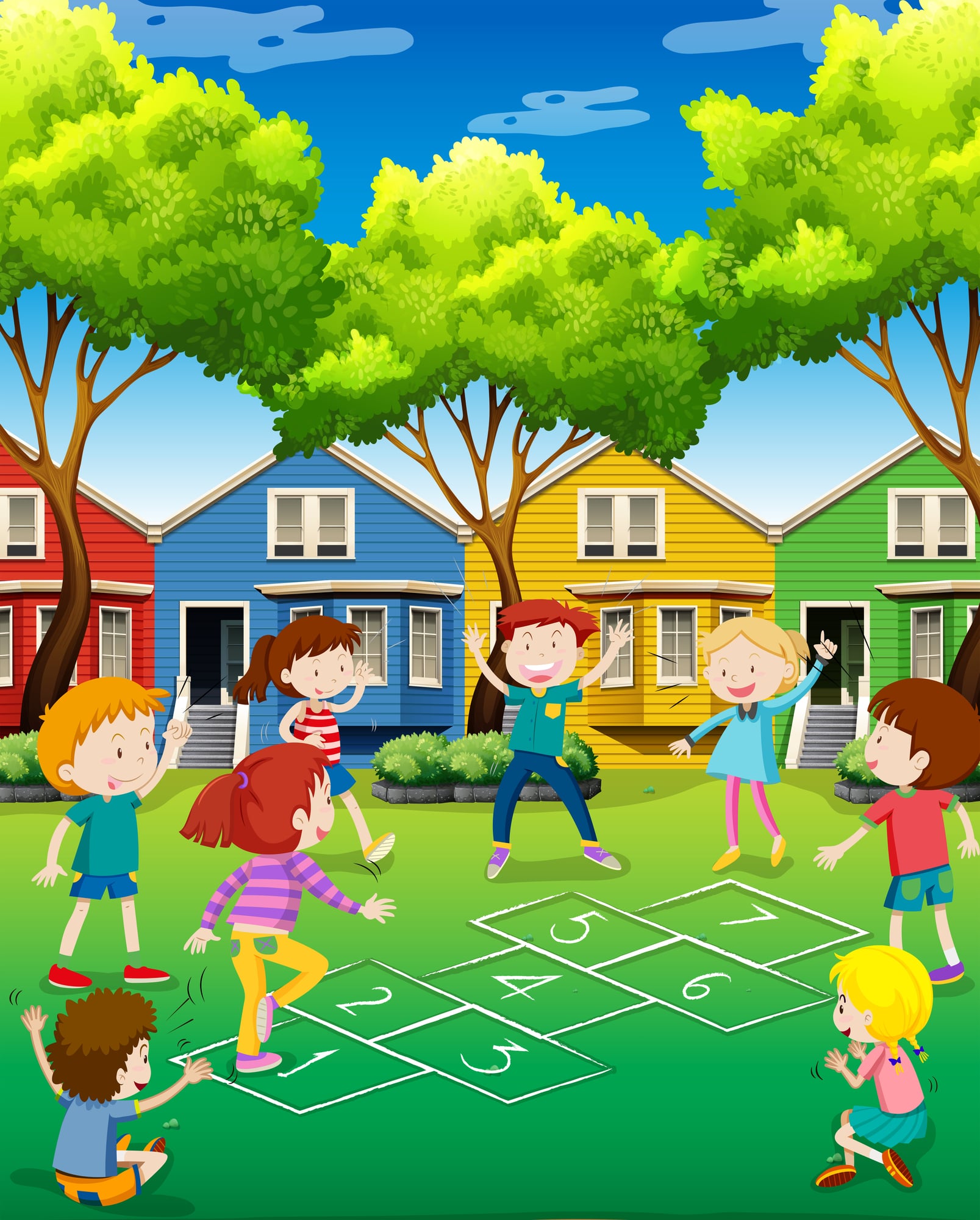
Four square. Freeze tag. Capture the flag. Ghost in the graveyard. None of these came with instruction manuals, and yet every kid on a given block knew the rules — including all the regional variations and the fine-print disputes that got relitigated every single summer.
The rules were passed down person to person, kid to kid, like folklore.
How to Use a Library Card Catalog
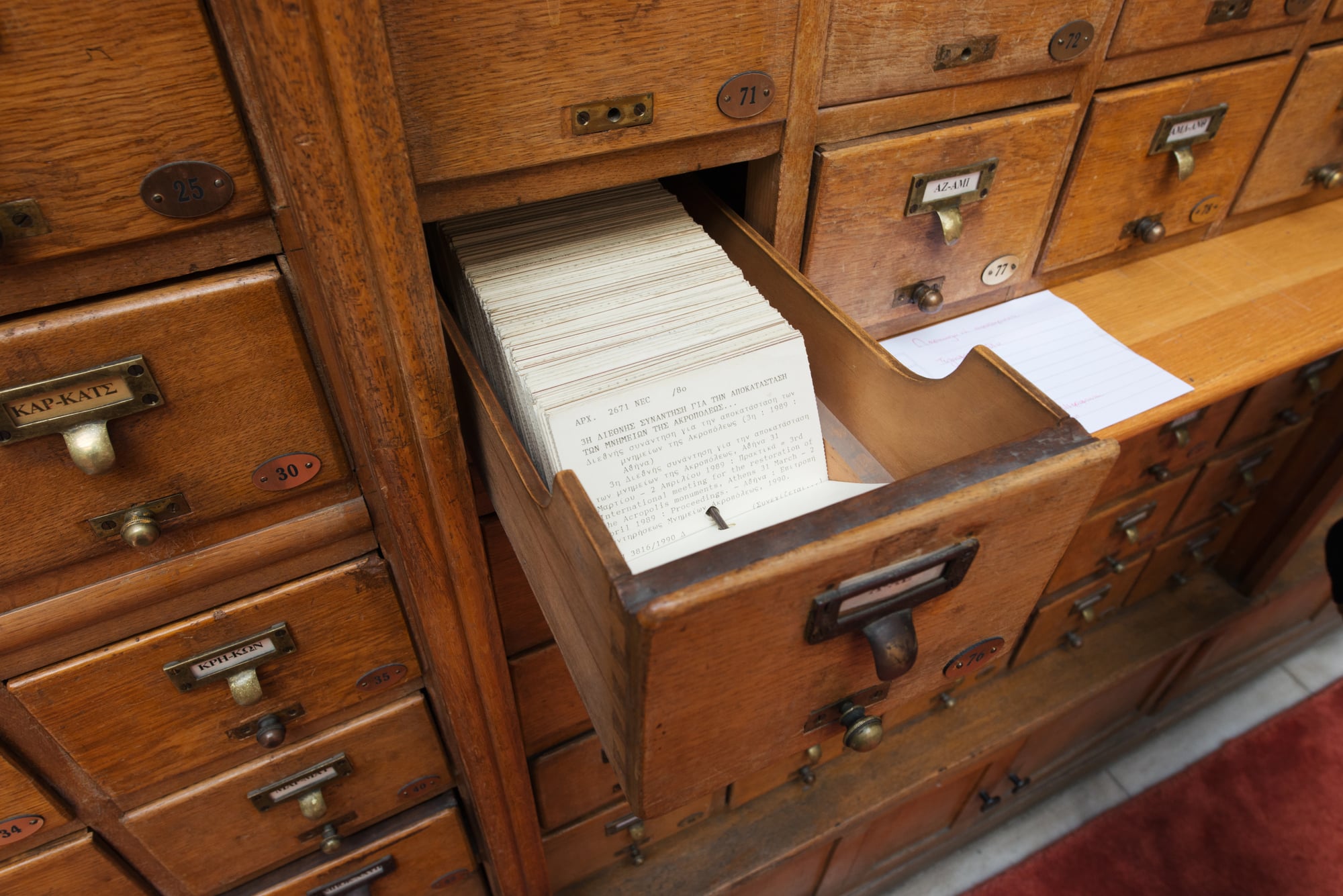
The card catalog was the original search engine — slower, colder, and entirely dependent on the user’s ability to spell. Every entry lived on a small index card inside a long wooden drawer, and finding what you needed required knowing whether to search by author, subject, or title.
Kids who learned to use it well had access to an enormous amount of information; kids who didn’t were genuinely lost.
Locker Combinations
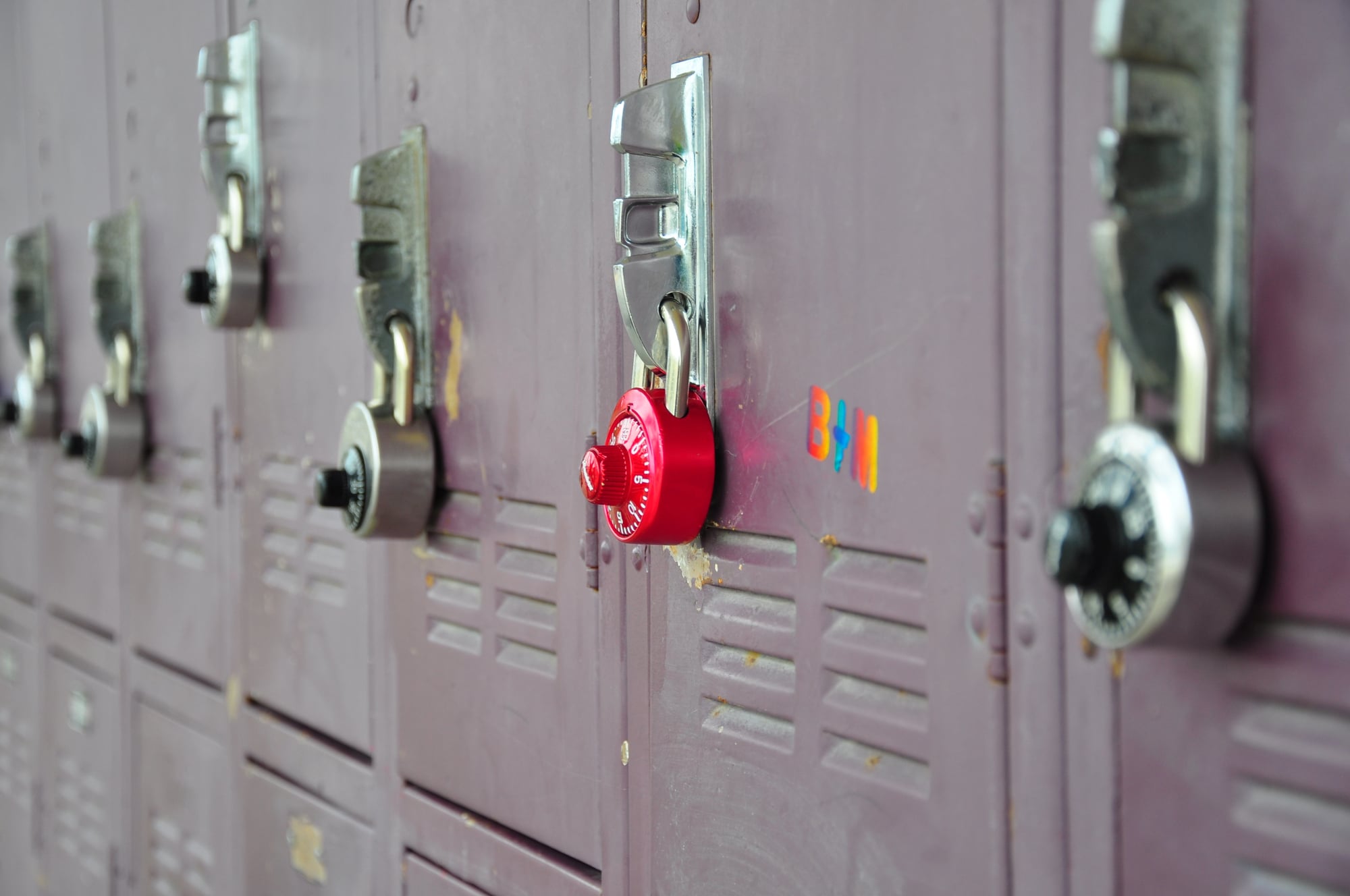
A three-number locker combination, practiced every morning for nine months of the school year, became as automatic as signing your own name. The sequence of right-left-right, the exact number of full rotations before landing on the first digit — it was muscle memory as much as memorized knowledge.
Forget it once in front of people, and you’d never forget it again.
The Pledge of Allegiance

Recited every school morning, standing, facing the flag, hand on chest — the Pledge of Allegiance was so thoroughly rehearsed that most Americans who grew up before the internet can still produce it verbatim without a single moment of hesitation. It’s lodged somewhere below conscious memory, in the same place where song choruses live.
How to Tell Time on an Analog Clock
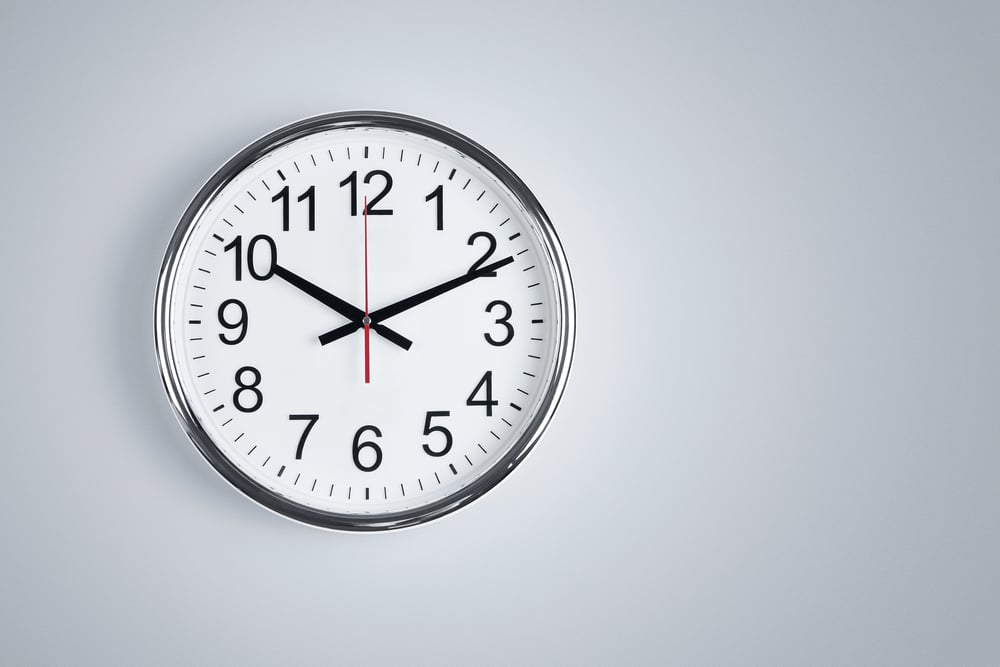
Reading an analog clock is not intuitive — the short hand tells hours, the long hand tells minutes, and “quarter to” means something completely different from what a child’s brain initially assumes it means. Kids were taught this early, practiced it constantly, and became genuinely fluent in a system of communication that required no battery and no signal.
Turns out that matters more than it sounds.
Their Teacher’s Full Name

Not just “Mr. K” or “Mrs. B” — the full name, spelled correctly, because it went on every assignment header, every thank-you card, every form that went home in the Wednesday folder. A child who misspelled the teacher’s name on a paper found out about that mistake in red pen.
So you learned it right the first time.
How to Count Back Change
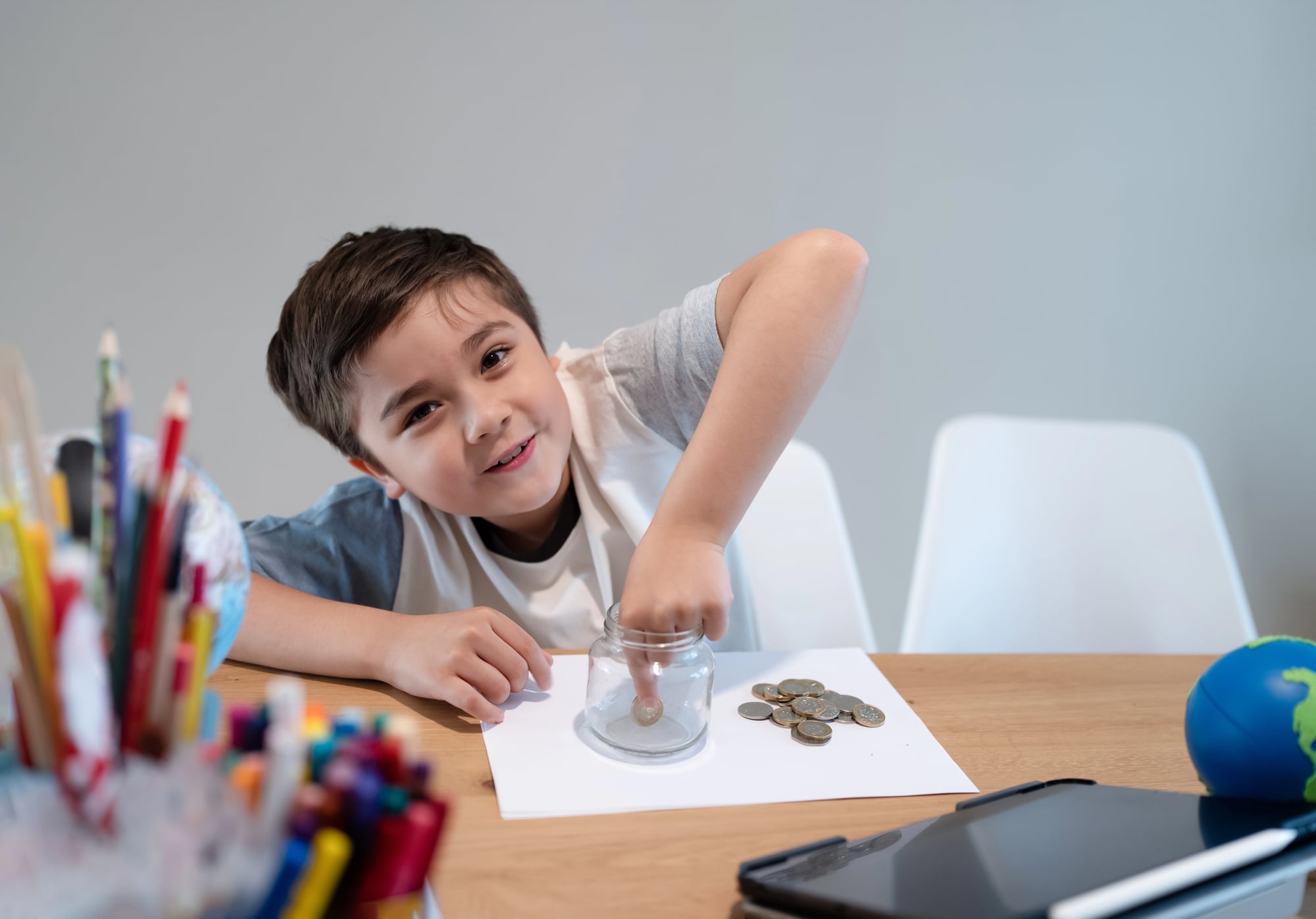
Before cash registers calculated the exact return, store clerks — and kids who worked at them — counted change back by starting at the sale price and working upward. A $6.37 purchase paid with a $10 bill got counted back: “three cents makes six-forty, a dime makes six-fifty, two quarters make seven, and three dollars makes ten.”
It’s a method that requires arithmetic to be genuinely internalized, not merely touched.
The National Anthem
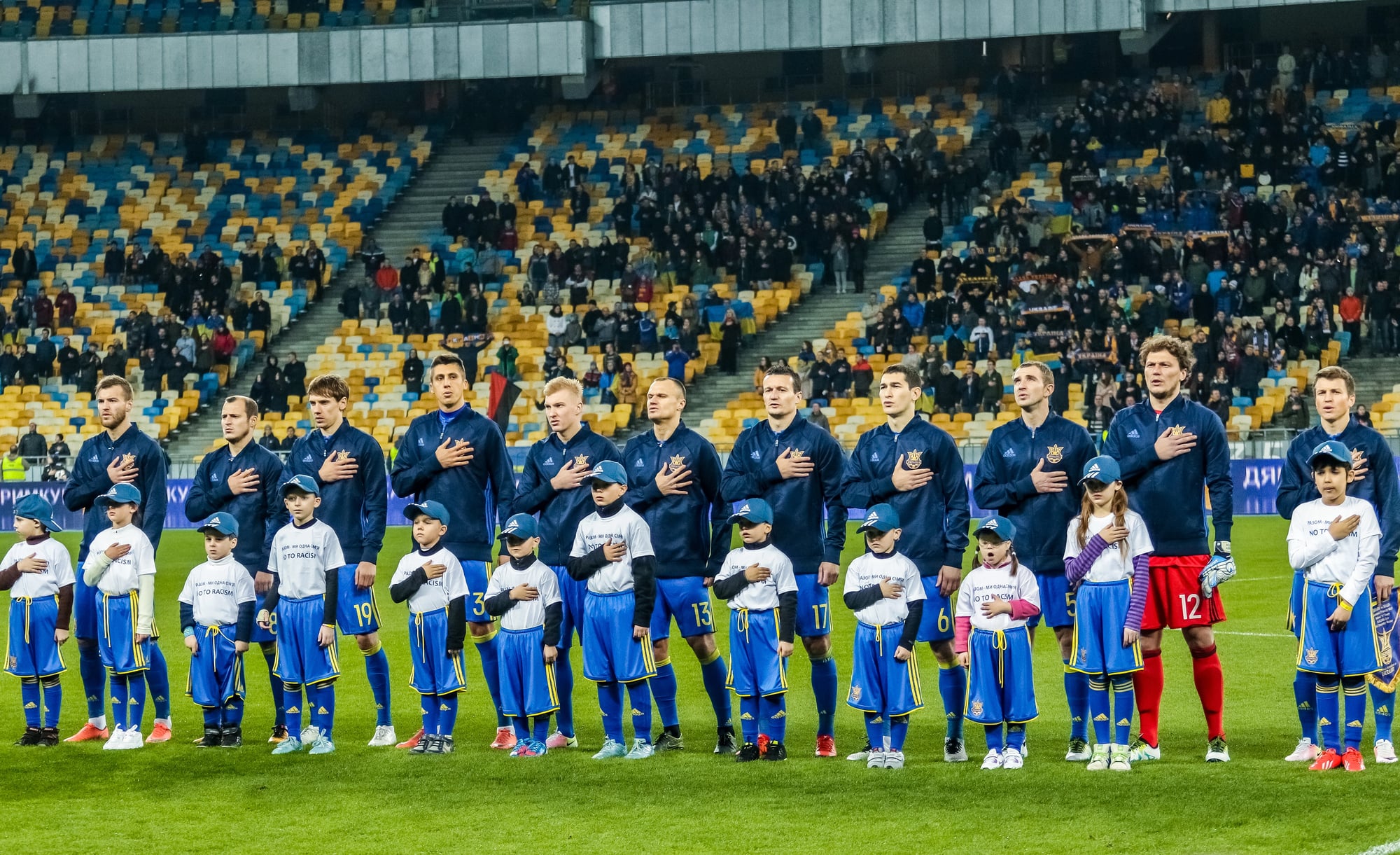
Two verses deep, some kids could sing the national anthem — the verse everyone knows and the one almost nobody remembers — because school events, sports games, and patriotic holidays demanded participation, not observation. Standing in bleachers and meaning the words is a specific kind of rote knowledge that feels different from anything learned at a desk.
Basic First Aid

Before WebMD existed, kids were taught by parents, Scout leaders, and gym teachers what to do when something went wrong: stop wounding with pressure, treat a burn with cool water, never move someone who might have a neck injury. This knowledge wasn’t theoretical — it was practical and expected, because there was no alternative of looking it up in thirty seconds.
The Lord’s Prayer or Another Memorized Religious Text
For kids raised in religious households, certain texts were committed to memory as a matter of course — the Lord’s Prayer, specific psalms, blessings before meals, holiday liturgy. Repetition wasn’t considered a limitation; it was considered a form of respect.
Knowing something by heart was proof that it mattered to you.
How to Read a Bus or Train Schedule
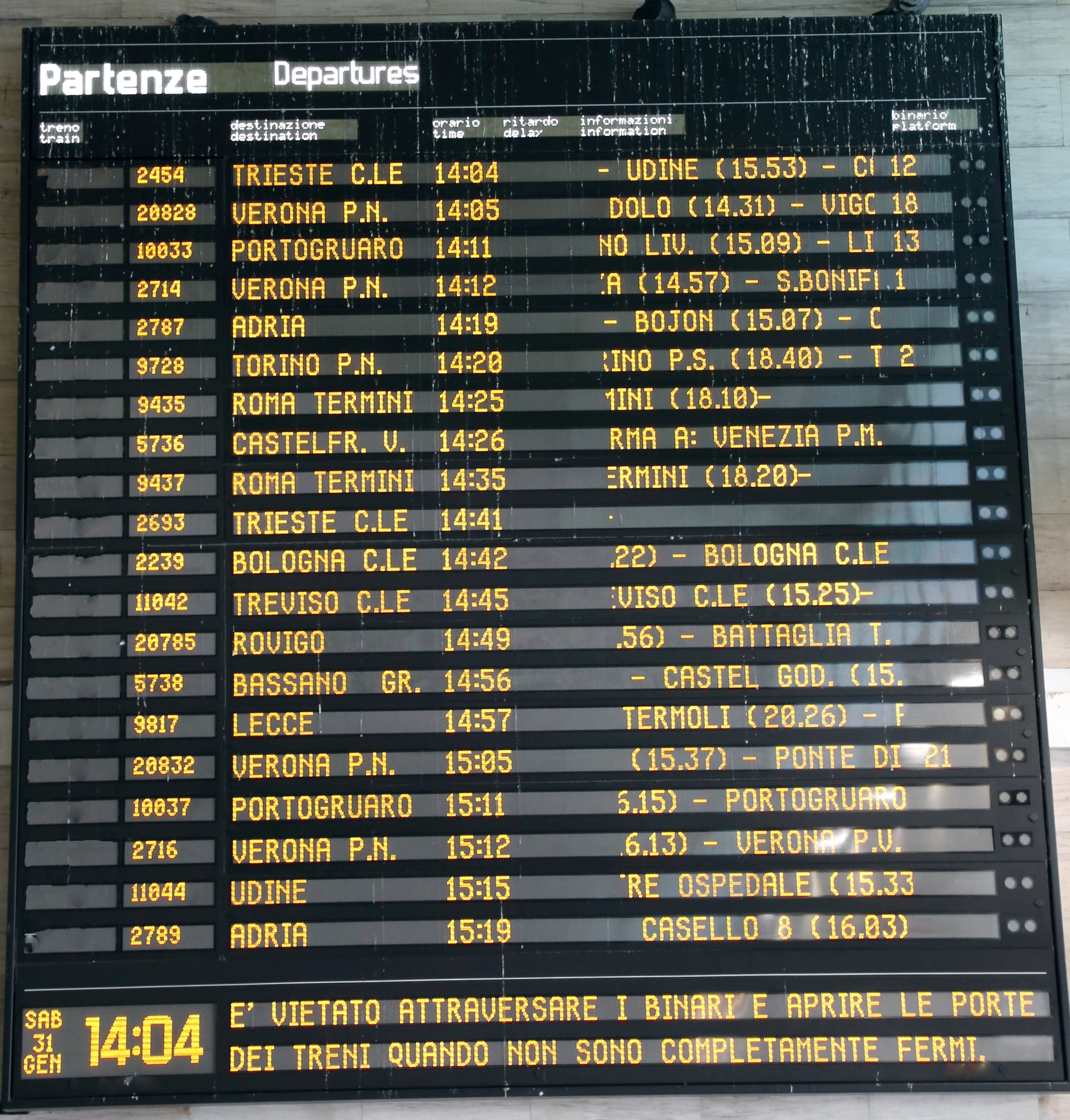
A printed transit schedule is a document that rewards patience and punishes overconfidence — the columns don’t always mean what you think, and the footnotes matter more than they appear to. Kids who relied on public transit to get to school, a job, or a friend’s neighborhood learned to read them fluently, including understanding the difference between weekday and weekend service.
Spelling
Spell-check didn’t exist for most kids before the internet era, and autocorrect certainly didn’t — so spelling was simply something you were expected to know. Spelling bees were treated as genuine competitions worth preparing for, and getting a word wrong on a test had consequences.
You either knew how to spell “necessary” or you learned it by getting it marked wrong often enough.
How to Write in Cursive
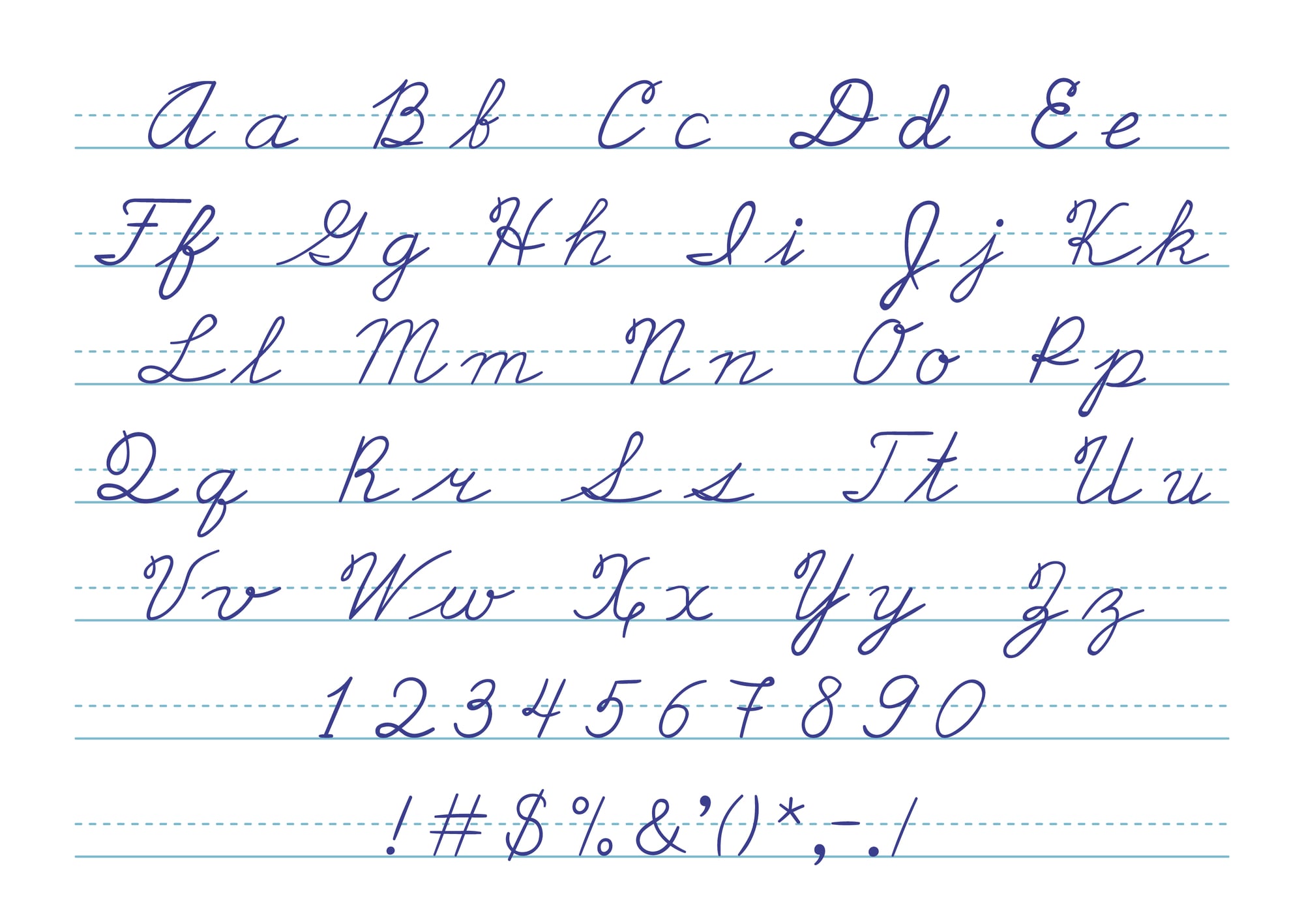
Cursive was taught in third grade, drilled through fourth, and expected to be a child’s default handwriting by fifth. The loops, the connections, the proper slant — all of it was practiced until it became natural.
Most adults who learned it can still produce it today, even if they rarely do, which is its own strange testament to how deep that particular groove runs.
The Dewey Decimal System
Every public library organized its collection by Dewey Decimal numbers, and kids who used libraries regularly absorbed the general categories: 500s for science, 800s for literature, 900s for history and geography. You didn’t need to memorize every subcategory — just enough to know which aisle to start in without asking for help every single time.
Emergency Numbers

Before 911 was universally established across the U.S. — and before it was reliably connected to the right dispatch center in every county — many kids knew specific local numbers for police, fire, and poison control. Parents wrote them on index cards taped near the kitchen phone.
Kids memorized them because they were told to and because the stakes of forgetting were clear.
Metric and Standard Conversions

Twelve inches to a foot, three feet to a yard, 5,280 feet to a mile — these weren’t abstract facts, they were daily tools. Kids working on science class labs also had to know that a liter wasn’t a quart and that a kilogram wasn’t a pound.
There was no unit converter in anyone’s pocket, so the conversions just had to live somewhere accessible.
How to Use an Encyclopedia
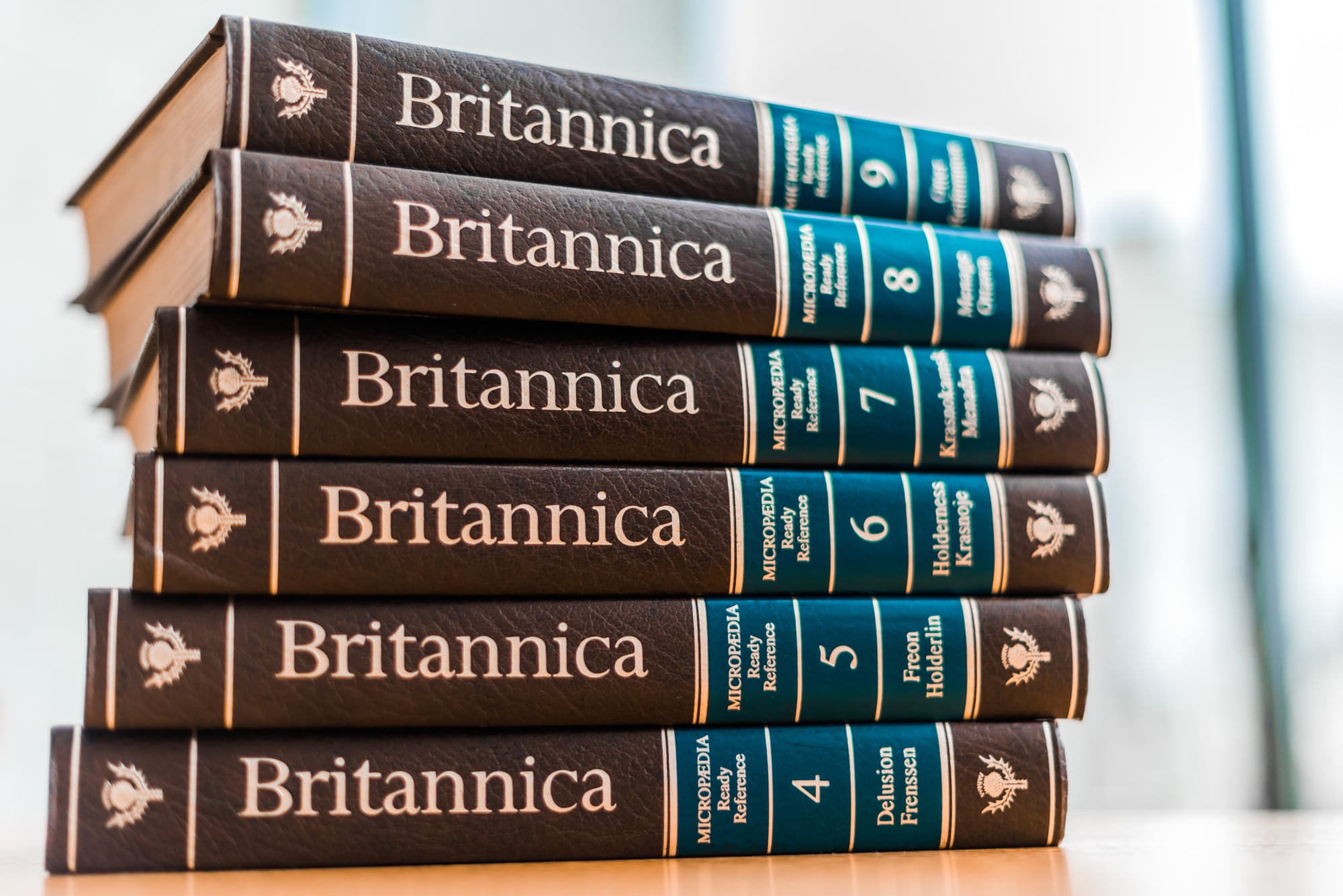
An encyclopedia required a specific kind of literacy — understanding that topics were organized alphabetically across multiple volumes, that cross-references meant you needed a different book from the shelf, and that the index volume at the end was often more useful than going straight to the letter you wanted. Kids who wrote research papers before the internet spent real hours with these books.
You read around the thing you needed before you found it.
The Months of the Year in Order and Their Days
Thirty days hath September, April, June, and November — the poem existed because the information was genuinely needed and not always accessible. Kids memorized month order, day counts, and the knuckle trick (knuckles and valleys alternating for long and short months) as practical tools, not party tricks.
A calendar wasn’t always on the wall.
Their Social Security Number

By the time kids became teenagers, many had their Social Security numbers memorized — required for job applications, school enrollment forms, and a bewildering number of other documents that didn’t bother explaining why they needed it. Nine digits, no spaces.
You said it so often it just became part of the internal directory of who you were.
How to Read a Newspaper
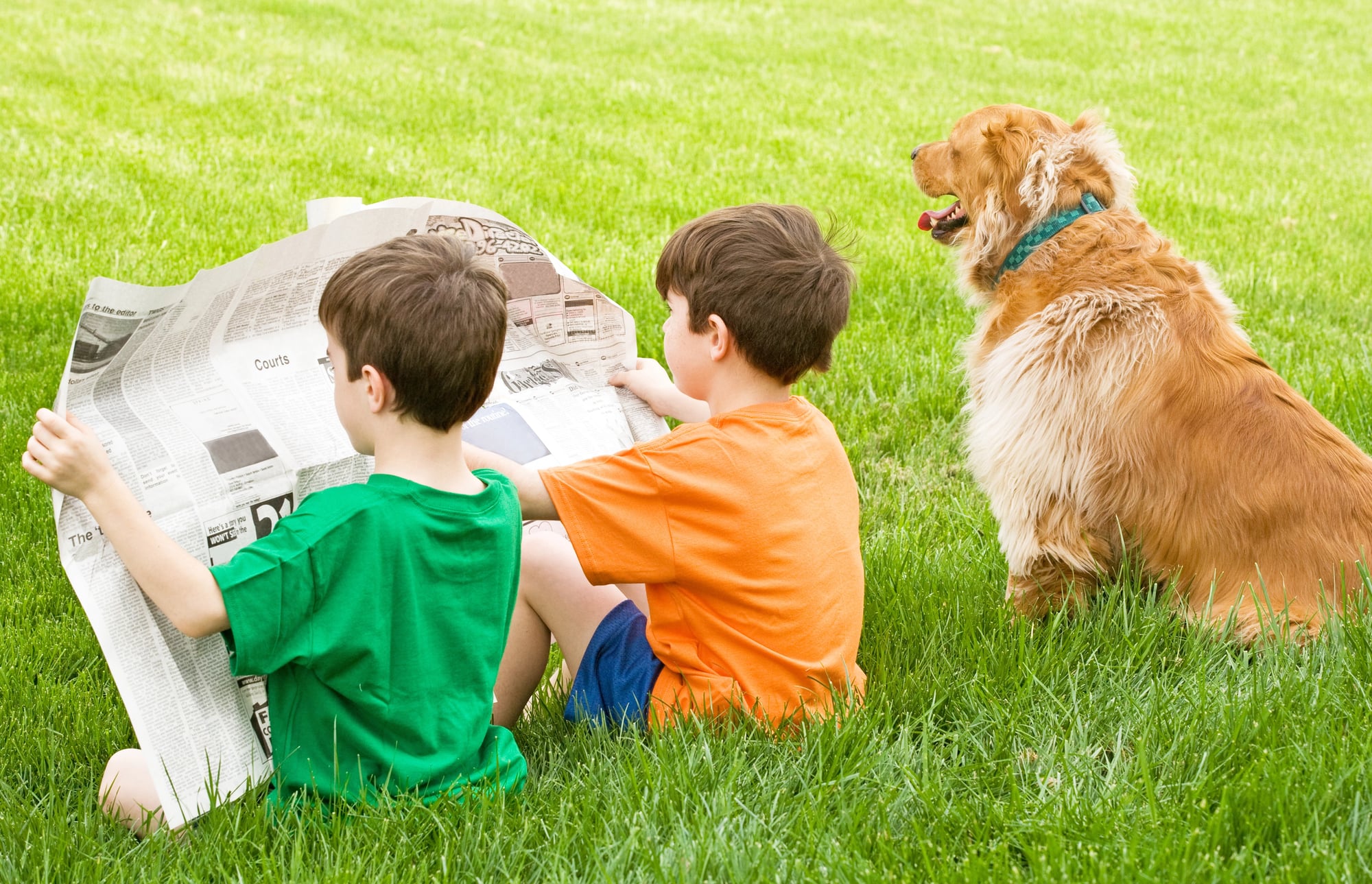
Reading a newspaper required navigation skills — understanding that the front page teased stories continued on page A14, that sections were folded inside each other, that the index was essential and rarely where you first looked. Kids who grew up in newspaper households learned to find the comics, the box scores, and eventually the actual news without assistance.
The paper didn’t care if you were confused.
Knot-Tying
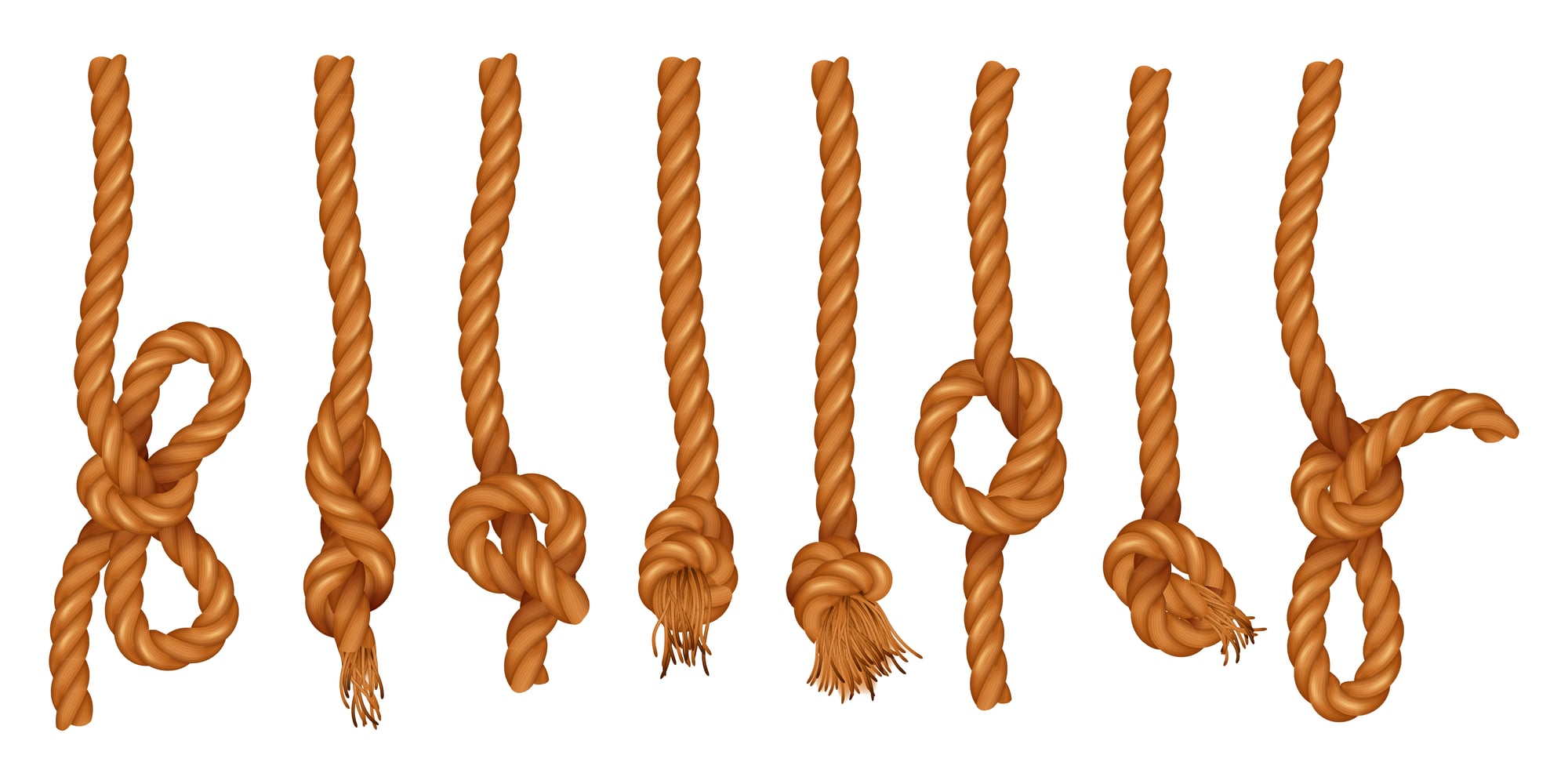
Square knots, bowlines, slip knots — Scout manuals covered these in detail and expected kids to produce them from memory during merit badge tests. But beyond formal programs, knot knowledge was absorbed through camping, sailing, helping parents move furniture, and tying things to roof racks.
A knot that holds is a knot you learned correctly; one that slips teaches the same lesson, faster.
The Capitals of All 50 States
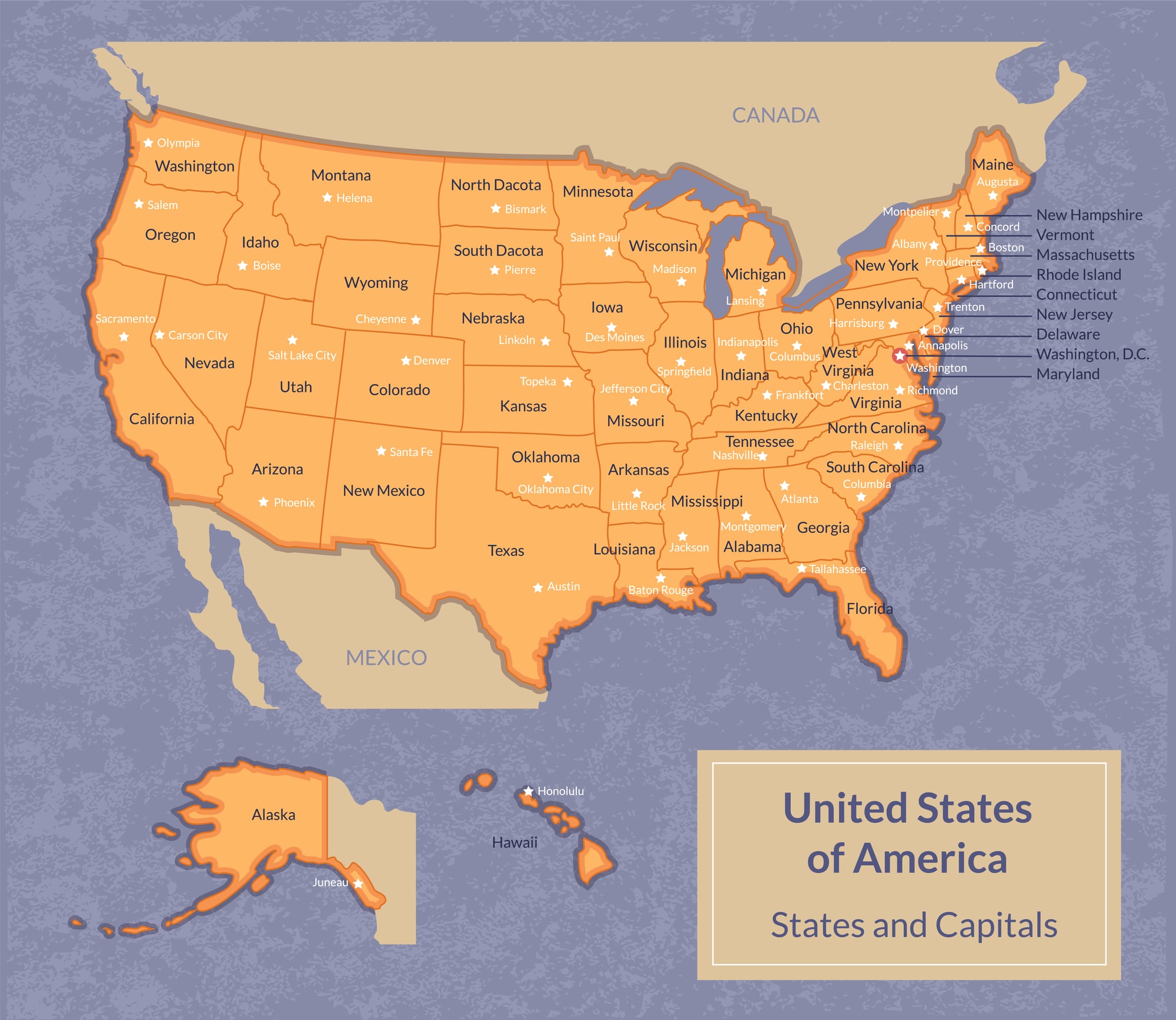
State capitals were a staple of American geography class, tested repeatedly in elementary and middle school — not just the obvious ones like Sacramento and Austin, but the genuinely tricky ones like Montpelier, Vermont and Frankfort, Kentucky that nobody guesses right the first time. Most kids who went through the American school system before the internet can still produce most of them, even decades later, even when they haven’t thought about Olympia, Washington in years.
What Memory Actually Cost
There’s something worth sitting with in all of this — not nostalgia exactly, but recognition. Kids who grew up before the internet weren’t smarter, and they weren’t more disciplined.
They were just operating in a world that required certain things to be internal rather than external, stored in the brain rather than retrievable on demand. The knowledge was load-bearing.
It had to be there when the moment came, because nothing else was going to provide it. What gets lost when nothing needs to be memorized isn’t just the information itself — it’s the particular confidence that comes from knowing that you know something, without having to check.
More from Go2Tutors!

- The Romanov Crown Jewels and Their Tragic Fate
- 13 Historical Mysteries That Science Still Can’t Solve
- Famous Hoaxes That Fooled the World for Years
- 15 Child Stars with Tragic Adult Lives
- 16 Famous Jewelry Pieces in History
Like Go2Tutors’s content? Follow us on MSN.