Bizarre Phobias You Didn’t Know Actually Existed
Fear is universal, but the things that trigger it can be surprisingly specific. Most people know about common phobias like heights or spiders, but the human mind has found ways to develop intense, paralyzing fear around the most unexpected objects and situations.
These aren’t just mild dislikes or preferences — they’re genuine phobias that can disrupt daily life and cause real distress for those who experience them.
The brain doesn’t discriminate when it comes to what deserves terror. A fear of clowns makes sense to most people, but a fear of buttons? That seems absurd until you meet someone who can’t handle touching them.
These unusual phobias reveal just how mysterious and unpredictable our psychological responses can be.
Pogonophobia
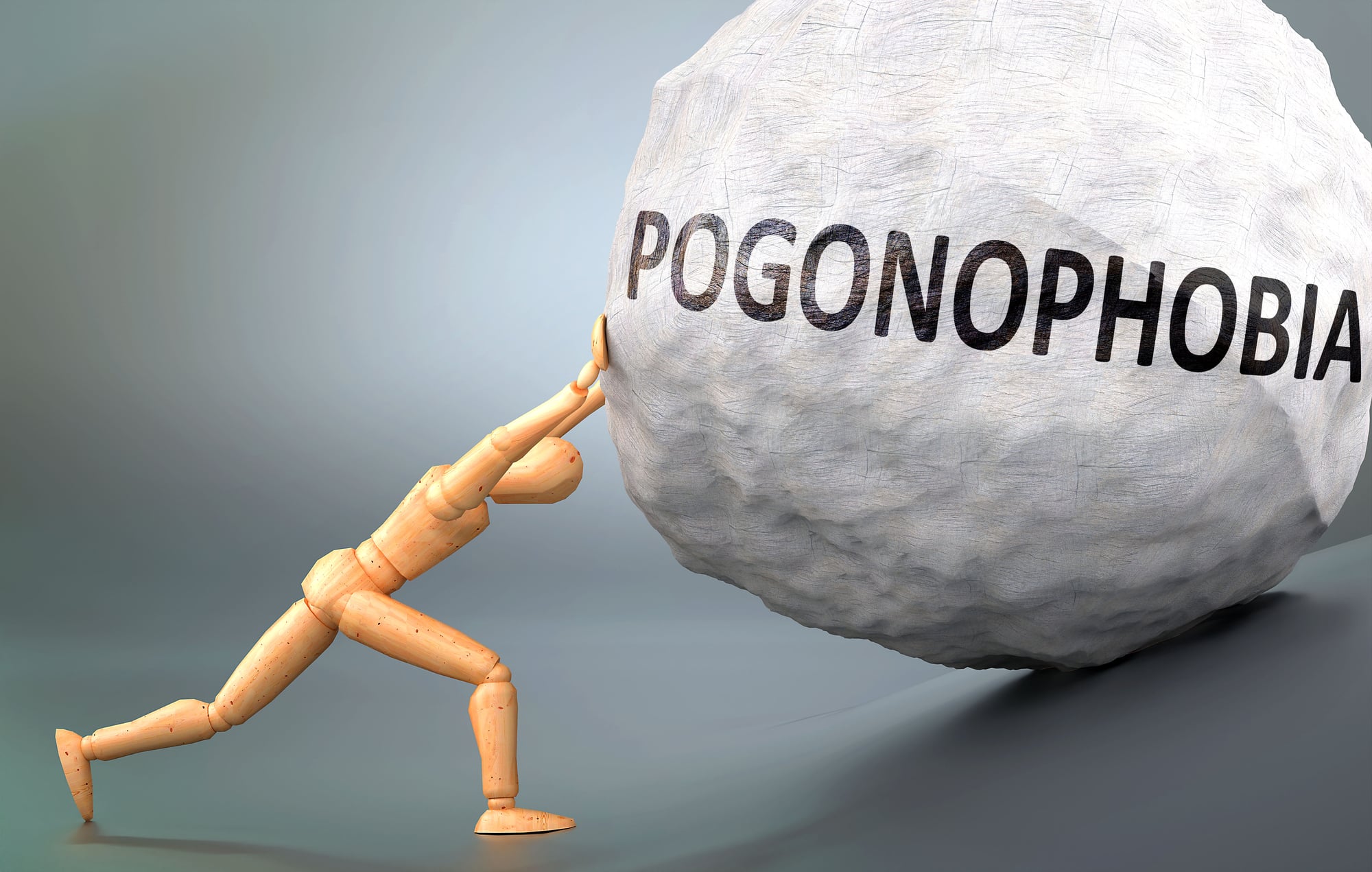
Fear of beards sounds like a joke until someone with pogonophobia walks into a room full of hipsters. The texture bothers them. The way facial hair moves when people talk.
Some can’t even look at pictures of bearded men without feeling nauseated.
Chirophobia
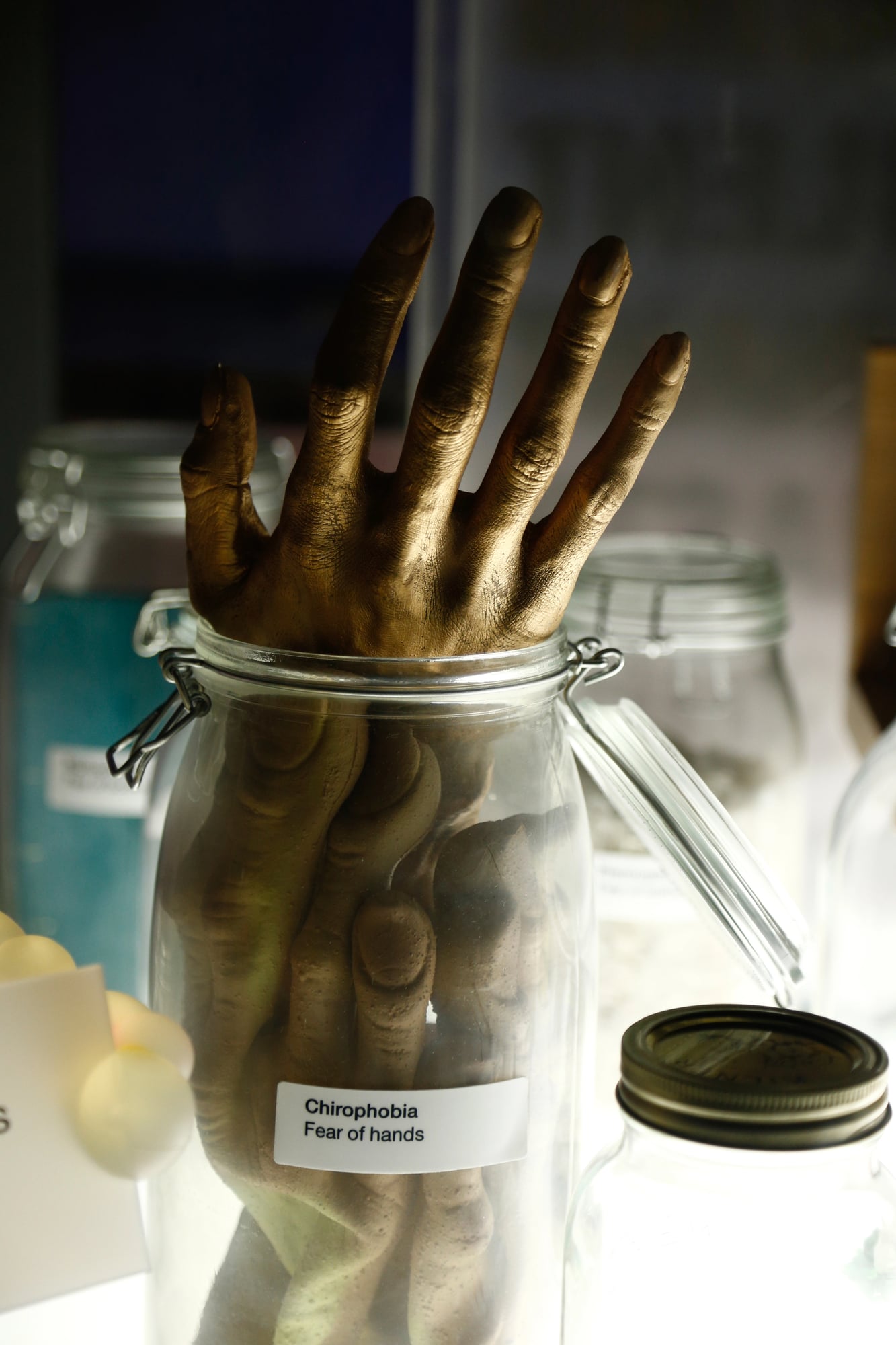
Hands are everywhere, which makes chirophobia particularly difficult to manage. People with this condition fear their own hands as well as others’ — the way fingers bend (those joints that shouldn’t move that way), how hands look when they’re wet, the thought of what hands have touched throughout the day.
And yet hands are unavoidable, attached as they are to nearly everyone you meet, which creates a constant state of low-level anxiety that can spike without warning when someone gestures too enthusiastically or reaches for something nearby.
But the worst part isn’t the fear itself. It’s explaining to people why you flinched when they tried to shake your hand.
Submechanophobia

Like looking down into dark water and knowing something man-made waits below, submechanophobia wraps around you before you can name it. The fear isn’t really about drowning or deep water — it’s about the wrongness of human objects existing where they don’t belong.
A sunken ship hull appearing through murky lake water. Pool drains that seem too large, too dark. Partially submerged playground equipment after a flood.
There’s something fundamentally unsettling about the boundary between our world and the underwater one, especially when pieces of our world cross over and stay there, growing algae and providing shelter for things that were never meant to live inside a school bus.
Automatonophobia
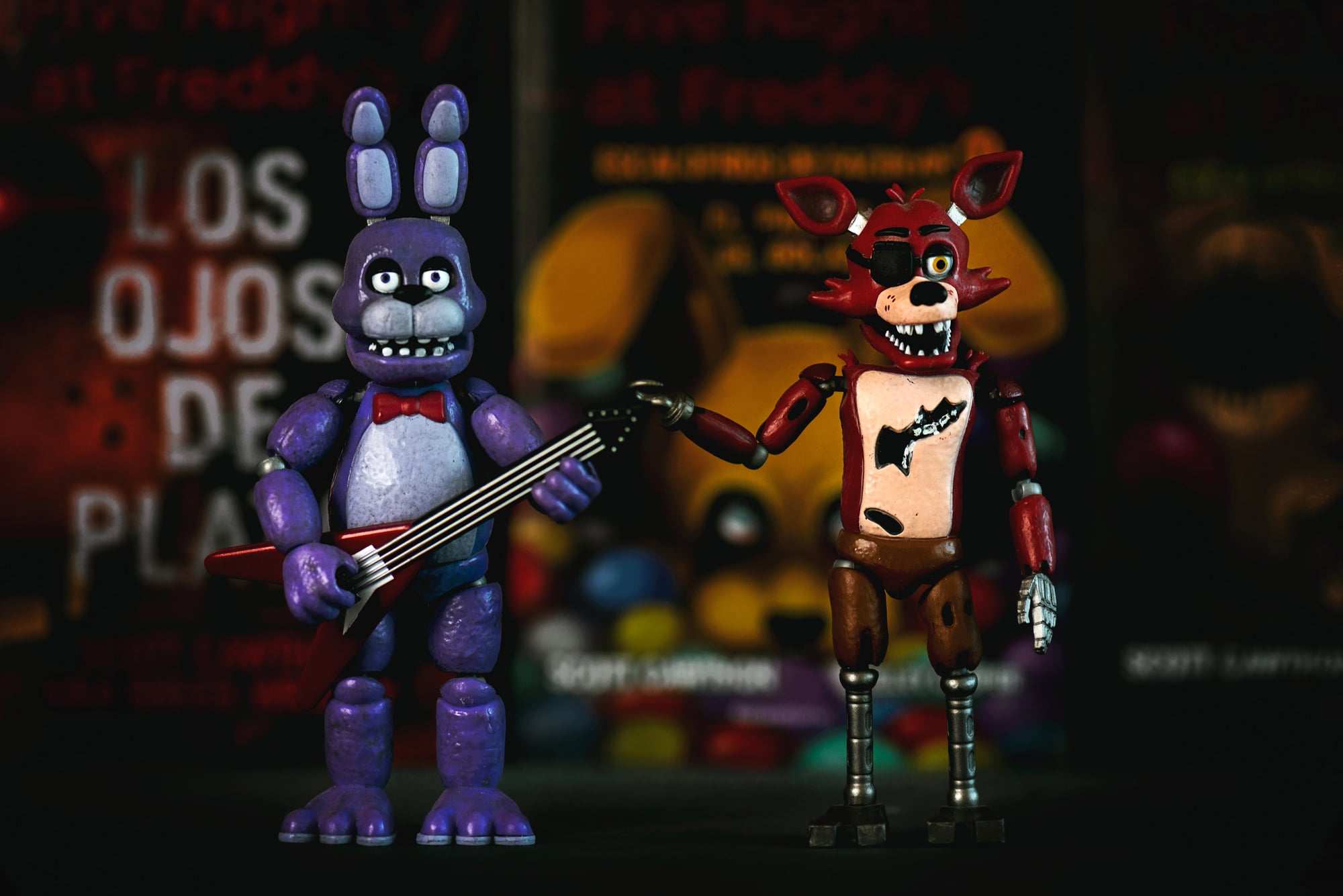
Mannequins, ventriloquist dummies, and animatronics deserve to be feared. They occupy the uncanny valley between human and not-human with their glassy eyes and frozen expressions that seem to track your movement.
People with automatonophobia aren’t being dramatic — they’re responding to something genuinely disturbing about objects designed to mimic us but failing in subtle, unsettling ways.
The fear makes perfect sense when you consider how these figures are used. Horror movies figured this out decades ago.
Megalophobia

Standing next to something truly massive — a blue whale skeleton, a dam, a cruise ship in dry dock — can trigger megalophobia so intensely that people hyperventilate or faint (which is inconvenient when you’re trying to appreciate human engineering achievements, but the amygdala doesn’t care about your intellectual curiosity). The fear isn’t just about size, it’s about scale and the way enormous objects make humans feel like insects, fragile and temporary in comparison to these monuments of metal and concrete that will outlast everyone currently alive.
So the next time someone refuses to visit Mount Rushmore or walk under a highway overpass, consider that they might not be difficult. They might be responding to something genuinely overwhelming about confronting the limits of human scale.
Trypophobia
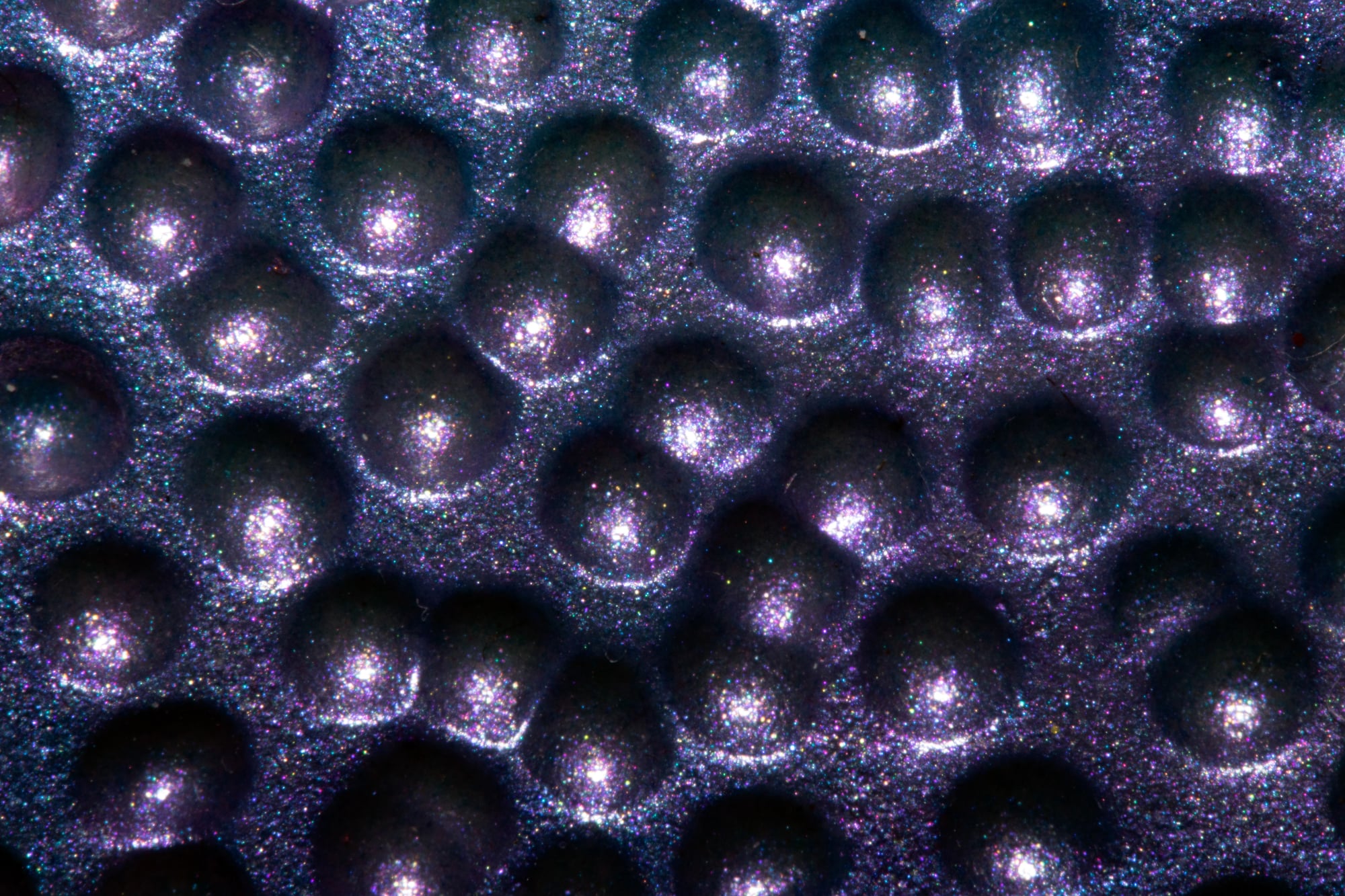
Clusters of small rings shouldn’t be terrifying, but trypophobia proves that the mind finds patterns where it expects smoothness deeply disturbing. Lotus seed pods. Honeycomb. The rings in a crumpet.
Even thinking about these images can make someone with trypophobia feel nauseous or break out in a cold sweat.
Scientists think this might be an evolutionary response — many poisonous animals and plants display clustered patterns as a warning. The brain sees the rings and thinks “danger” before the conscious mind can override the reaction.
Koumpounophobia
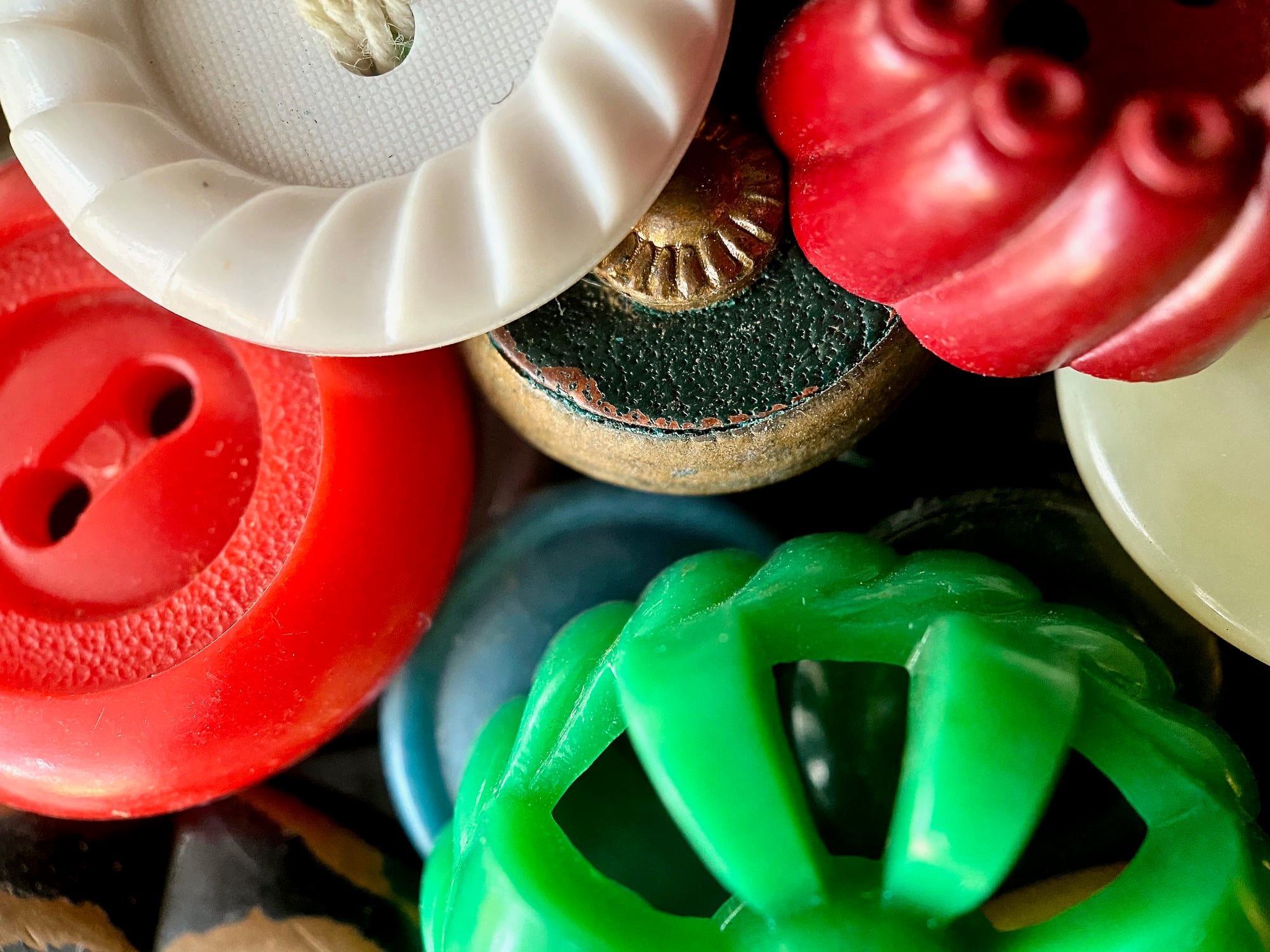
Buttons are functional, harmless, ubiquitous parts of clothing. They’re also the source of intense fear for people with koumpounophobia, who can’t stand the texture, the way buttons feel between their fingers, or even the clicking sound they make when they hit each other in a drawer.
Some people with this phobia cut buttons off their clothes and replace them with velcro or snaps, which works until they encounter other people’s buttons (and buttons are everywhere once you start noticing them, attached to coats and shirts and bags, waiting to brush against your hand when you least expect it).
The fear often starts in childhood with a particular button — maybe one that felt wrong or looked strange — and expands from there until all buttons become problematic.
Globophobia

Balloons pop unexpectedly, which makes globophobia somewhat logical compared to other entries on this list. The anticipation of that sudden, loud noise creates constant tension around these inflated rubber sacks that children inexplicably love.
Birthday parties become minefields. Grocery stores with their helium displays turn into obstacle courses.
But it’s not just the popping. The squeaky sound when balloons rub together bothers people with globophobia, as does the static electricity and the way balloons seem to follow you around a room.
Nomophobia
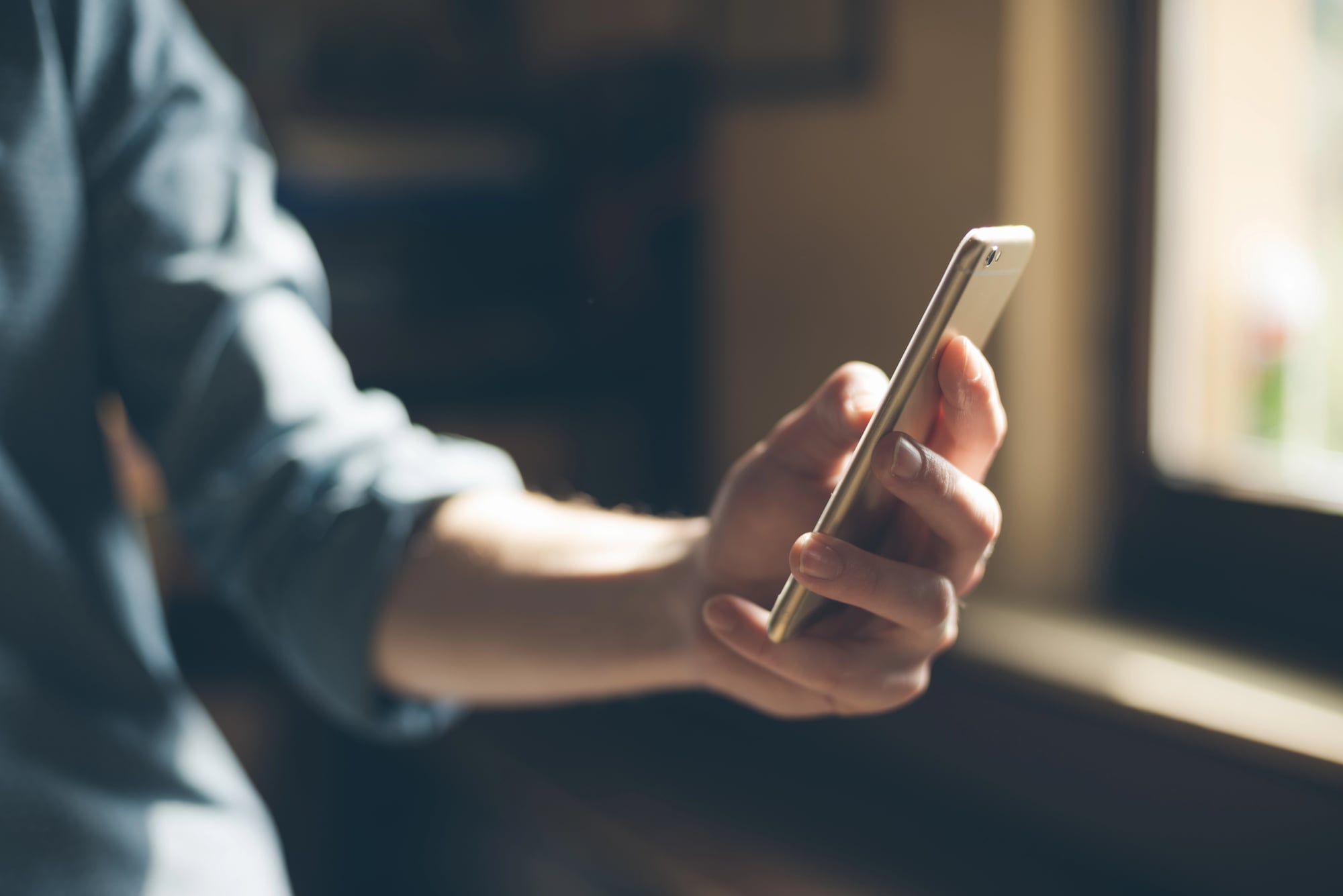
The terror of being without your mobile phone has a name now, which says something about how quickly this fear developed and spread through the population (considering that smartphones have only been ubiquitous for about fifteen years, but nomophobia is already recognized as a legitimate psychological condition). People with severe nomophobia experience panic attacks when their battery dies or when they can’t find a signal, and the fear isn’t just about missing calls or messages — it’s about being disconnected from the digital world that has become as essential as electricity or running water.
And yet our grandparents somehow managed to leave the house without carrying a computer in their pocket. Go figure.
Xanthophobia
Yellow is supposed to be cheerful — the color of sunshine and daffodils and smiley faces. But people with xanthophobia find yellow overwhelming, anxiety-inducing, even nauseating to look at.
They avoid yellow clothing, yellow cars, yellow flowers. Some can’t eat bananas or corn or anything else that comes in that particular shade.
The fear often connects to a traumatic memory involving something yellow, but sometimes it develops without any clear trigger. The brain just decides that this wavelength of light represents danger.
Ombrophobia
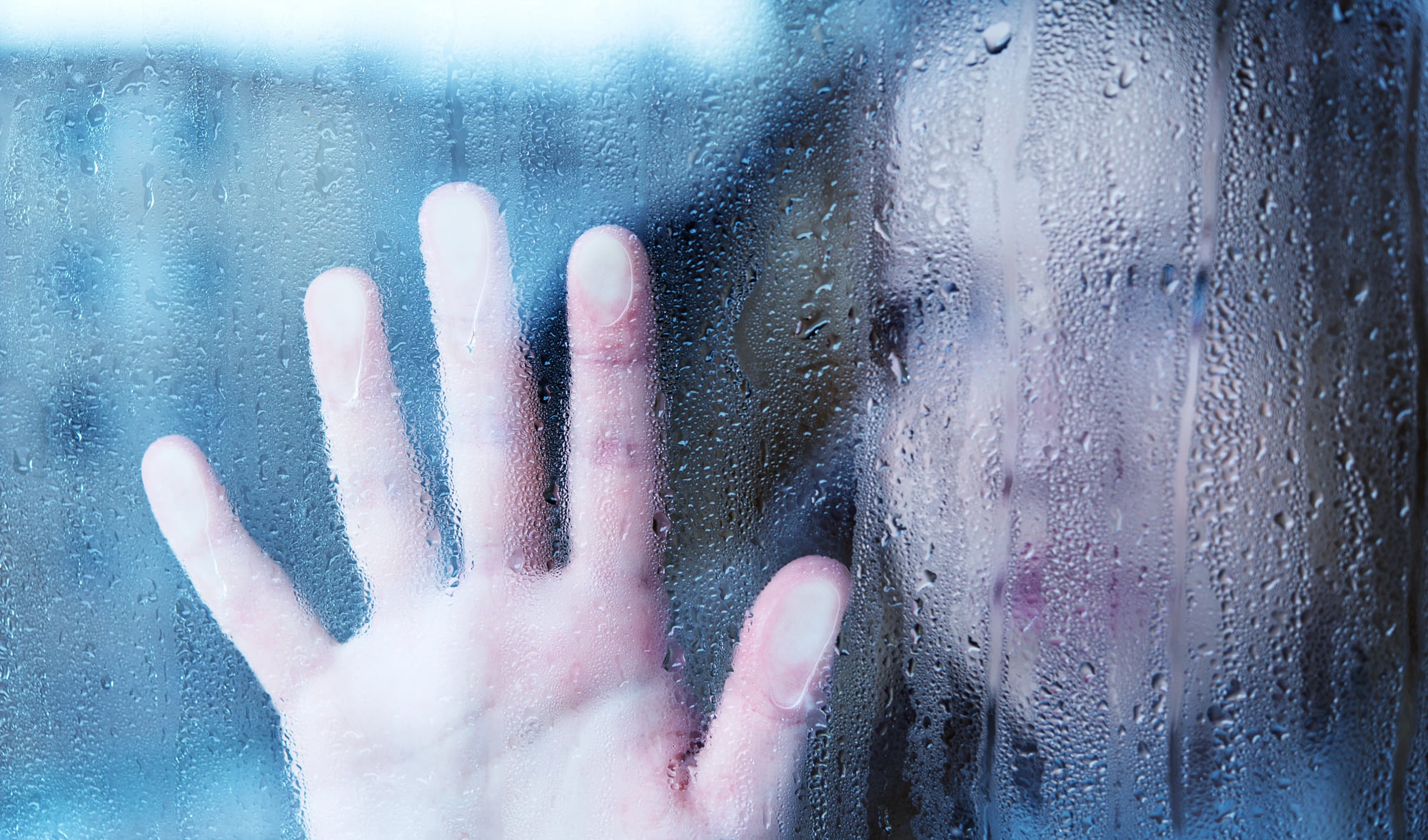
Rain might seem like an odd thing to fear beyond getting wet, but ombrophobia goes deeper than disliking soggy clothes. The sound of rain hitting windows. The way it changes the light and makes everything gray. The unpredictability of storms and the feeling of being trapped indoors while water falls from the sky.
For people with severe ombrophobia, weather forecasts become sources of dread rather than helpful planning tools.
They check radar obsessively and change plans based on precipitation probability.
Papyrophobia

Paper cuts explain part of papyrophobia, but the fear extends beyond the risk of minor injury. The texture of paper bothers some people — especially newspaper or construction paper with their rough surfaces.
Others hate the sound of paper tearing or the way paper feels when it gets wet. Some can’t handle the thought of paper dust or fibers getting under their fingernails.
In a world that still runs on paperwork despite promises of going digital, papyrophobia creates genuine obstacles to normal life.
Eisoptrophobia
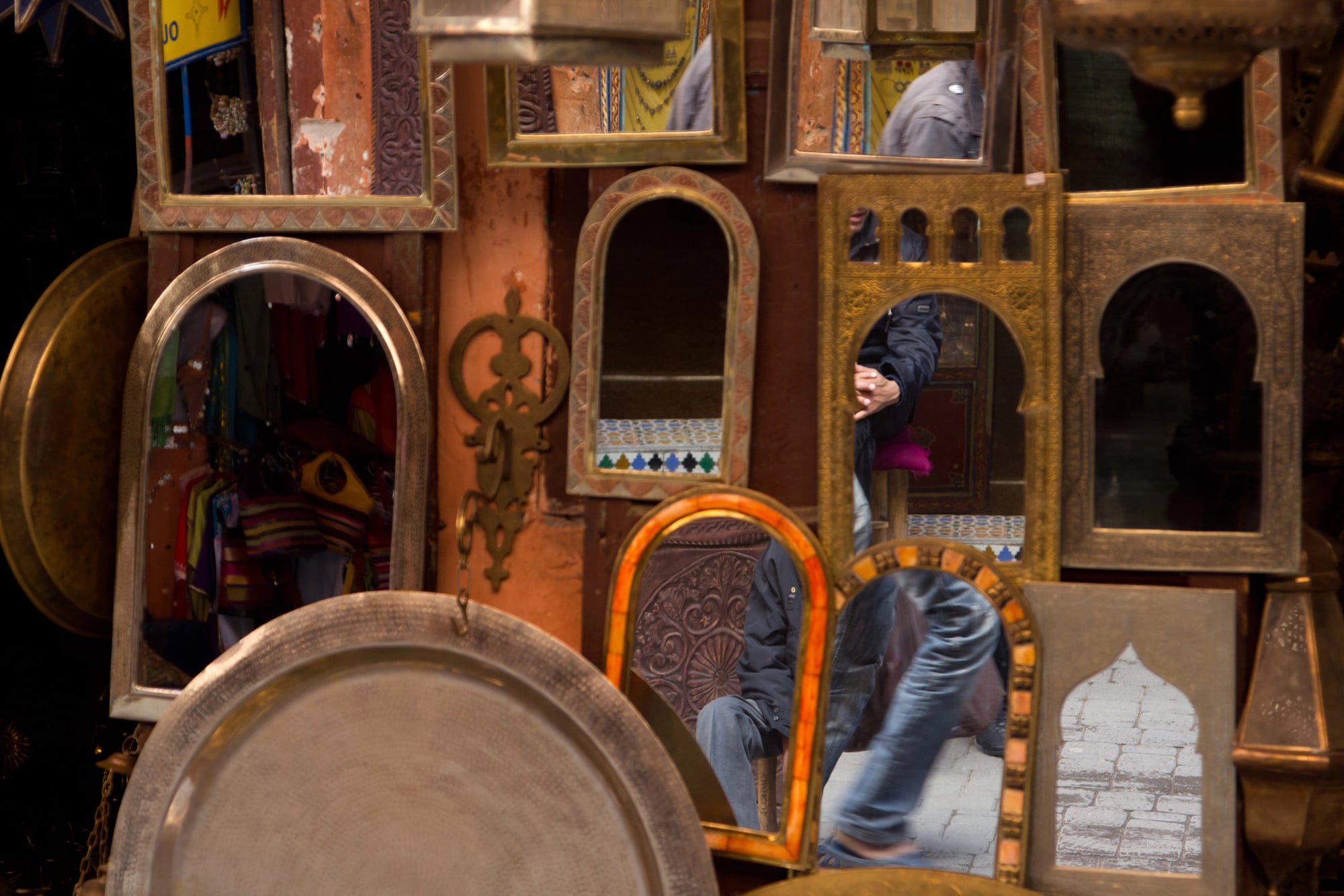
Mirrors reflect more than just your appearance if you have eisoptrophobia — they reflect fears about the self, about reality, about what might be looking back from the other side of that silvered glass (which sounds like superstition until you consider how mirrors function in horror movies and folklore, always serving as portals or revealing things that shouldn’t be there). The fear often connects to deeper anxieties about identity and self-perception, but sometimes it’s purely about the physical properties of mirrors — the way they seem to extend space beyond the wall, creating depth where there should be none.
But mirrors are everywhere in modern life, built into bathrooms and elevators and stores, making this particular fear difficult to avoid without significant lifestyle adjustments.
Genuphobia

Knees bend in ways that can seem disturbing if you think about them too hard. The joint itself, the way the kneecap moves, the sounds knees make when they crack or pop — all of this can trigger genuphobia.
Some people with this condition can’t look at their own knees, while others are bothered specifically by other people’s knees.
The fear often develops after a knee injury or surgery, when someone becomes hyper-aware of how fragile and complex these joints actually are. Once you start thinking about everything that can go wrong with a knee, it’s hard to stop.
When Fear Finds You
These phobias might sound strange or amusing until they knock on your own door. Fear doesn’t ask permission or follow logical rules — it simply arrives and makes itself at home in whatever corner of your mind it chooses.
The people who live with these conditions aren’t weak or dramatic. They’re dealing with genuine psychological responses that can be as intense and debilitating as any recognized anxiety disorder.
Understanding that fear comes in unexpected forms makes the world a little more compassionate. The next time someone reacts strongly to something that seems harmless, remember that their brain might be responding to a threat that yours simply doesn’t recognize.
More from Go2Tutors!

- The Romanov Crown Jewels and Their Tragic Fate
- 13 Historical Mysteries That Science Still Can’t Solve
- Famous Hoaxes That Fooled the World for Years
- 15 Child Stars with Tragic Adult Lives
- 16 Famous Jewelry Pieces in History
Like Go2Tutors’s content? Follow us on MSN.