The Evolution Of Bicycles Through History
Most people see a bicycle and think it’s always been this way. Two wheels, pedals, handlebars—simple enough.
But the bicycle you ride today took nearly 200 years to develop, and the path from then to now includes some truly strange designs, heated debates, and machines that look more like torture devices than transportation.
The Draisine – Early Walking Machines
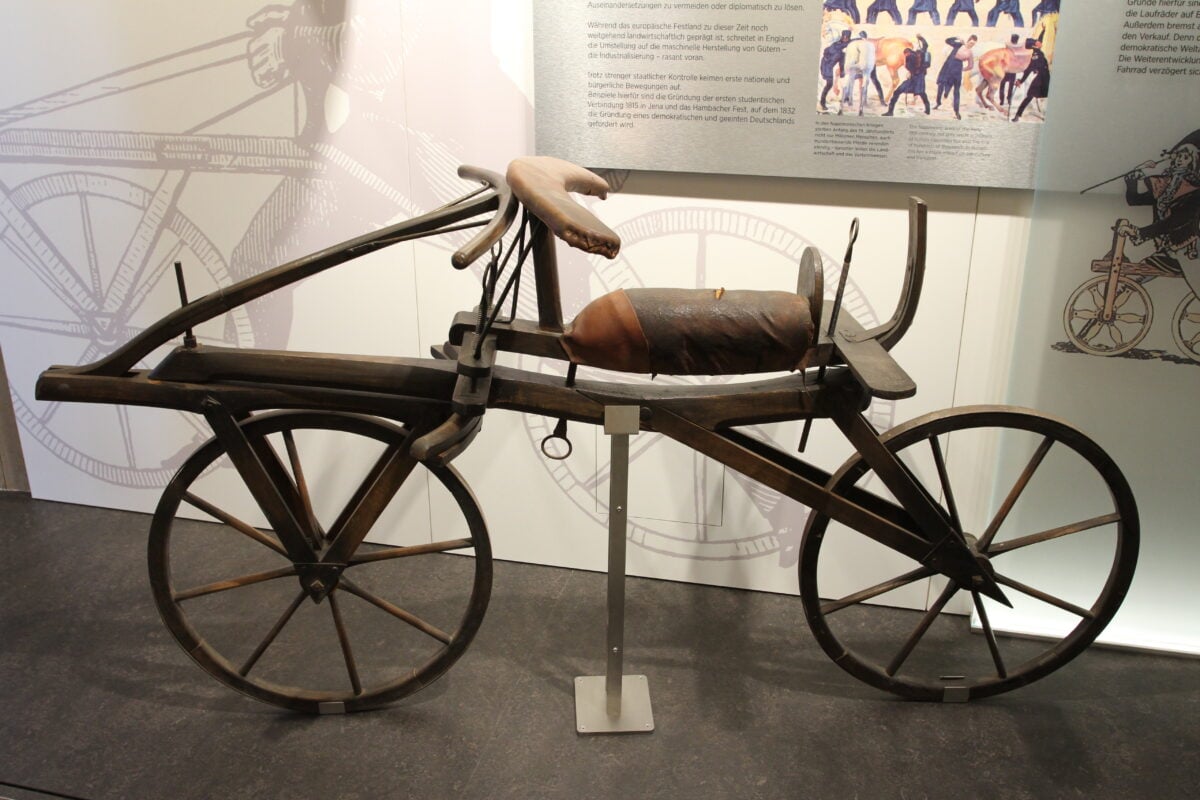
In 1817, a German baron named Karl von Drais invented something called the Laufmaschine, which translates roughly to “running machine.” You sat on a wooden beam, gripped the handlebars, and pushed yourself forward with your feet on the ground.
No pedals, no chains, just you and gravity doing the work. People called it the draisine, or sometimes the “hobby horse.”
It caught on briefly among wealthy Europeans who had time to scoot around parks. But the roads back then destroyed these wooden contraptions pretty quickly.
Rain warped the wood, stones cracked the wheels, and most people decided walking made more sense.
Pedals Change Everything
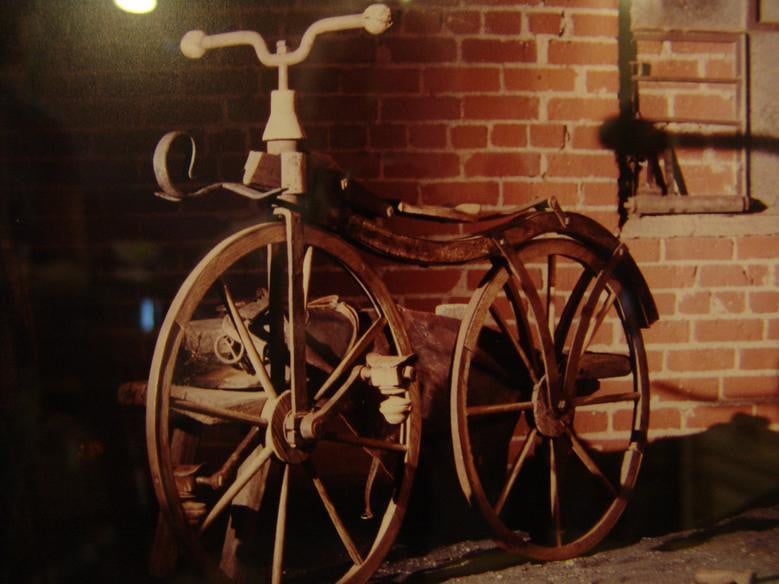
The big shift came in the 1860s when French inventors added pedals to the front wheel. Pierre Lallement usually gets credit, though Pierre Michaux and his son Ernest also claimed they thought of it first.
The arguments about who invented what continue even now. These early pedal bicycles looked awkward.
You pedaled directly on the front wheel axle, so each revolution moved you forward only as far as the wheel’s circumference. The ride felt jerky and unnatural.
The wooden wheels and iron tires made every bump in the road shoot straight up your spine. People called them “boneshakers” for obvious reasons, and the nickname stuck.
The Penny-Farthing Era
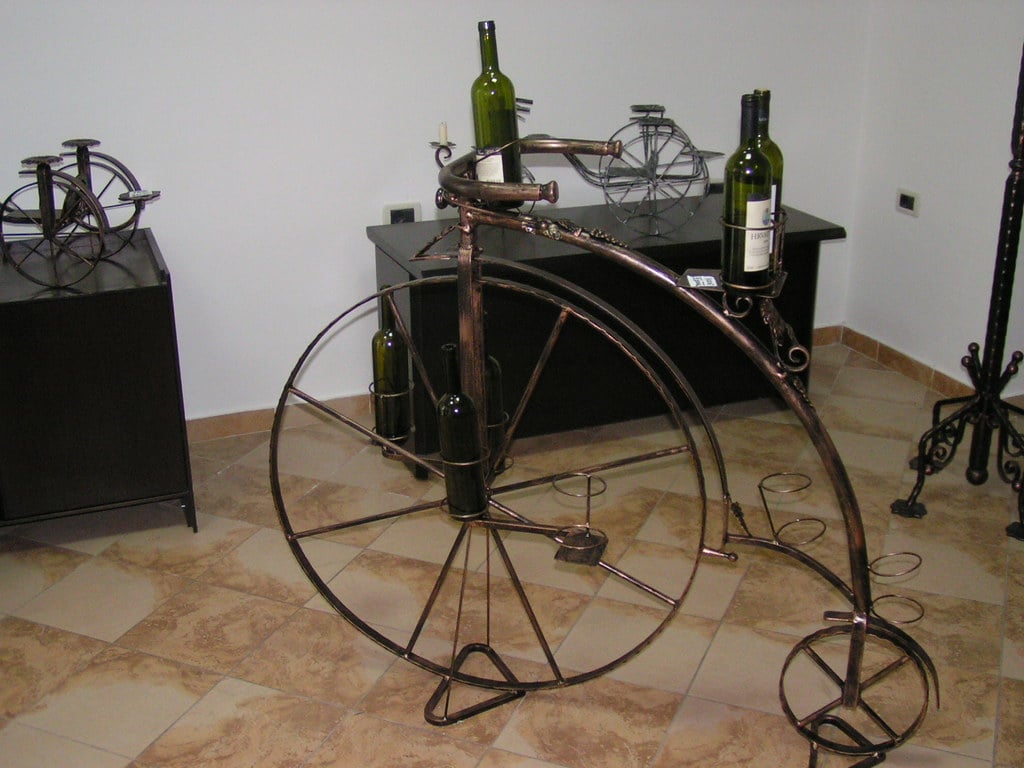
Someone eventually realized that making the front wheel enormous would solve the distance problem. If you can’t add gears, just make the wheel bigger.
The penny-farthing was born—that iconic bicycle with a front wheel as tall as a person and a tiny back wheel. Riding one required real skill.
You climbed up using a small step on the back, swung your leg over, and hoped you didn’t fall forward. Going downhill meant leaning back hard or risking a header—a fall that sent you tumbling over the handlebars.
Deaths and serious injuries happened regularly. Young men loved them anyway, treating them like status symbols and racing machines.
Women rarely rode penny-farthings. The height, the required athleticism, and Victorian clothing made it nearly impossible.
This design created an early divide between who could access fast transportation and who couldn’t.
The Safety Bicycle Revolution
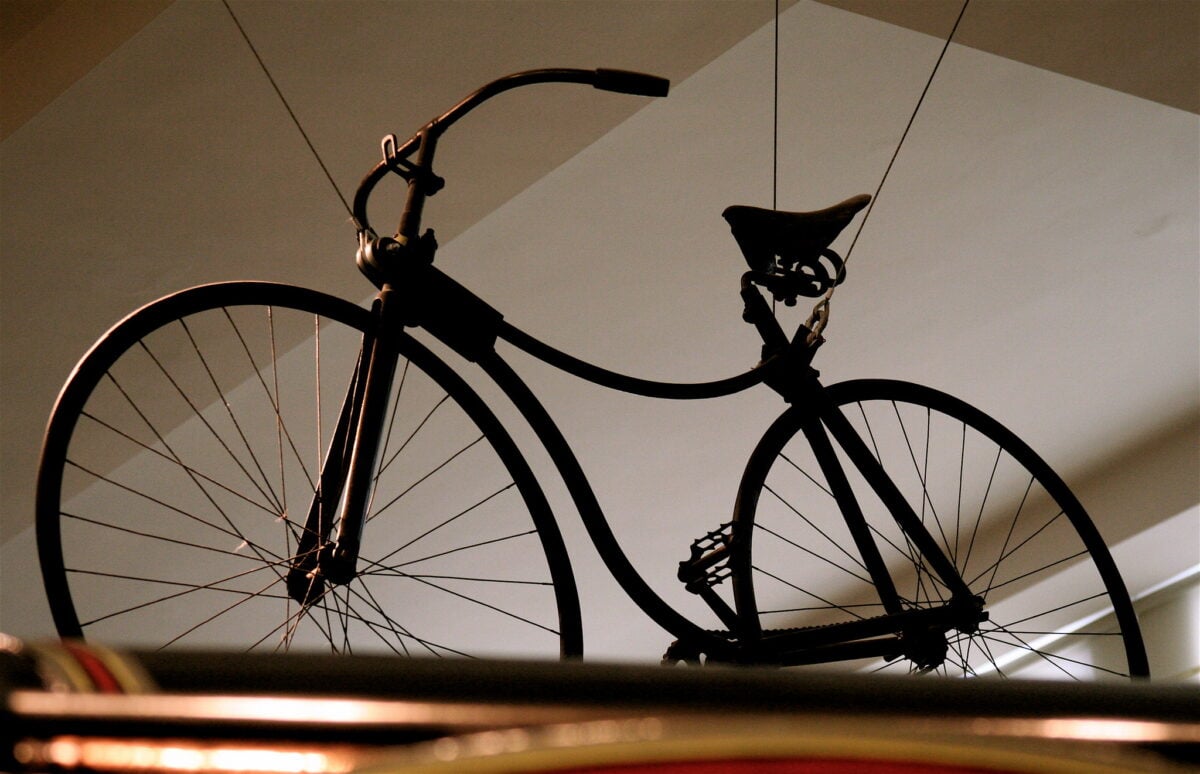
John Kemp Starley changed everything in 1885 with the Rover Safety Bicycle. Both wheels became the same size.
The pedals connected to the rear wheel through a chain and gear system. You sat lower to the ground, making falls less dangerous.
The name “safety bicycle” came from the obvious contrast with penny-farthings. You could actually stop without flying forward.
You could reach the ground with your feet. Older adults, women, and cautious riders suddenly found bicycles accessible.
This design became the template for modern bicycles. Nearly every bicycle made today follows the same basic structure Starley created.
The innovation wasn’t just mechanical—it democratized cycling.
Pneumatic Tires Transform Riding
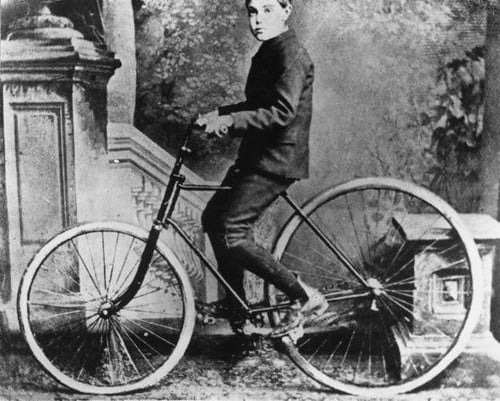
John Boyd Dunlop, a Scottish veterinarian, invented the pneumatic tire in 1888 because his son complained about headaches from riding on solid rubber tires. Dunlop wrapped rubber tubes around wooden wheels and filled them with air.
The difference was immediate. Air-filled tires absorbed shock, made riding comfortable, and rolled faster.
Within a few years, every serious cyclist demanded pneumatic tires. The boneshaker era finally ended.
Bicycles became pleasant to ride for hours at a time, not just for short trips around the neighborhood.
Women’s Liberation on Two Wheels
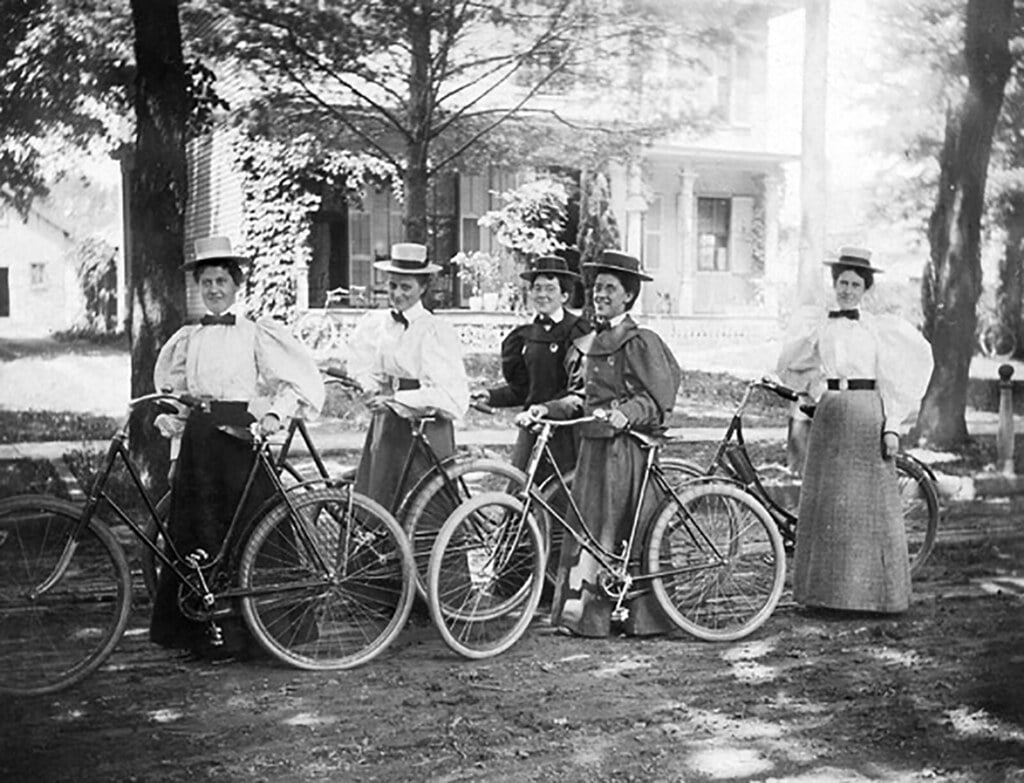
The 1890s brought what people called the “bicycle craze,” and women drove much of it. Bicycles offered freedom—you could travel alone, without a chaperone, covering real distances.
Susan B. Anthony famously said the bicycle had done more for women’s emancipation than anything else. The clothing changed too.
Women couldn’t ride in long skirts and corsets, so bloomers became popular. Conservative critics called this scandalous.
They claimed bicycles would damage women’s reproductive health, make them immoral, or give them a “bicycle face”—a fake medical condition supposedly caused by the strain of cycling.
Women ignored them. Cycling clubs formed, races happened, and bicycles became symbols of independence and modern femininity.
Mass Production and Accessibility
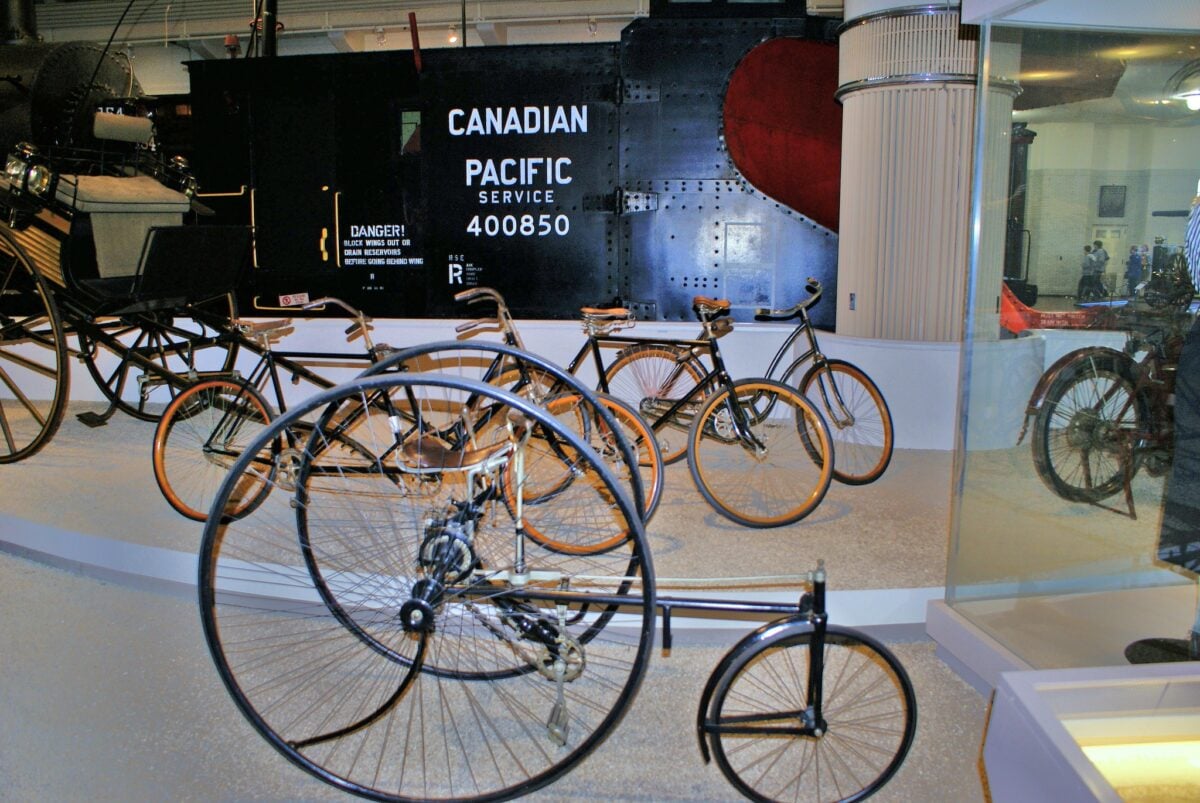
Henry Ford applied assembly line principles to bicycles before he tackled automobiles. By the early 1900s, American factories cranked out thousands of bicycles per day.
Prices dropped dramatically. Working-class families could finally afford them.
The bicycle changed how people thought about distance. You could live farther from work, visit friends across town, or escape the city on weekends.
Rural postal workers switched to bicycles, covering routes faster than on foot or horseback. In many ways, the bicycle created the infrastructure and mindset that made automobiles possible.
People got used to individual transportation, better roads appeared, and the idea of traveling alone at your own pace became normal.
Racing and Speed Records
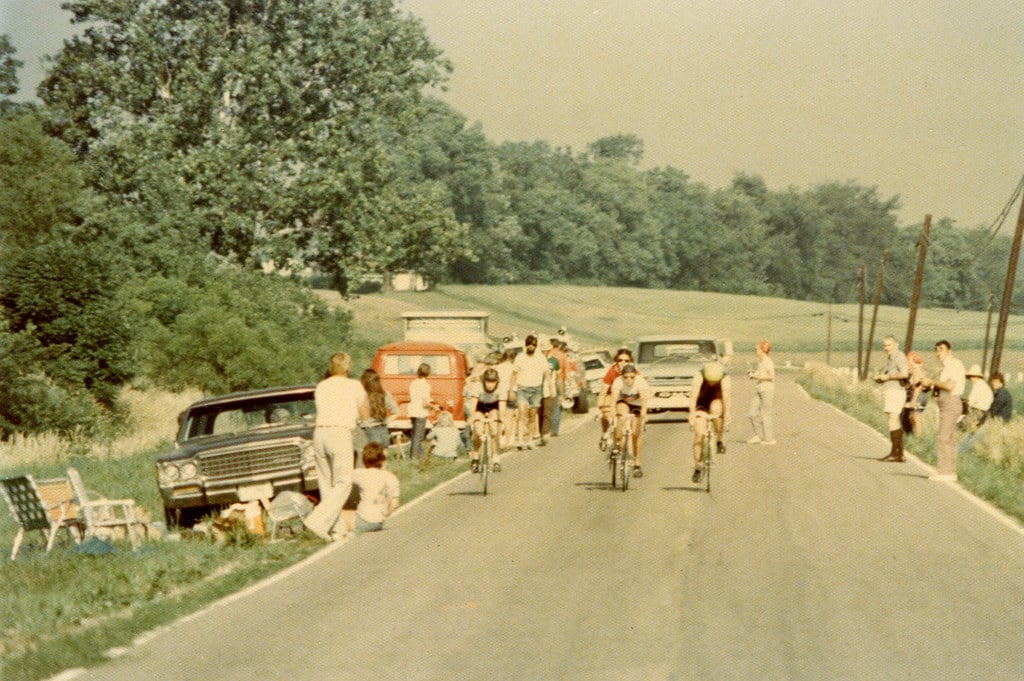
Competitive cycling emerged almost immediately after the bicycle became practical. The first recorded bicycle race happened in 1868 in Paris, covering 1,200 meters.
Within decades, multi-day road races like the Tour de France began testing human endurance. Track cycling took a different path.
Velodromes with banked turns let riders reach incredible speeds. Records fell regularly as bicycle designs improved and riders pushed their bodies harder.
The pursuit of speed drove innovation in materials, aerodynamics, and training methods. Professional cycling became a spectator sport, with riders achieving celebrity status.
The bicycle went from a novelty to a serious athletic tool.
Mountain Bikes and Off-Road Adventure
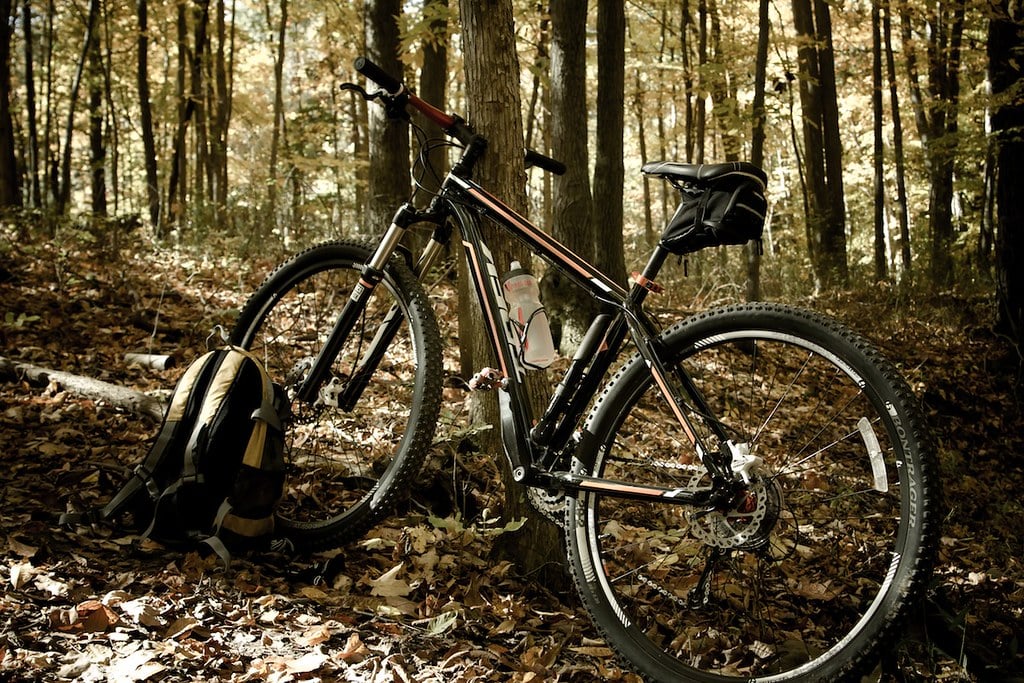
In the 1970s, a group of riders in Marin County, California started racing down mountain trails on modified cruiser bikes. They added gears, better brakes, and tougher frames.
The mountain bike emerged from these experiments. Joe Breeze built the first purpose-designed mountain bike frame in 1977.
Other builders followed, and within a decade, mountain bikes became a huge market segment. Suddenly you could ride trails, climb hills, and go places that road bikes couldn’t handle.
This wasn’t just a new product—it created an entire culture. Mountain biking spawned magazines, competitions, and a whole industry of specialized gear and clothing.
BMX and Youth Culture
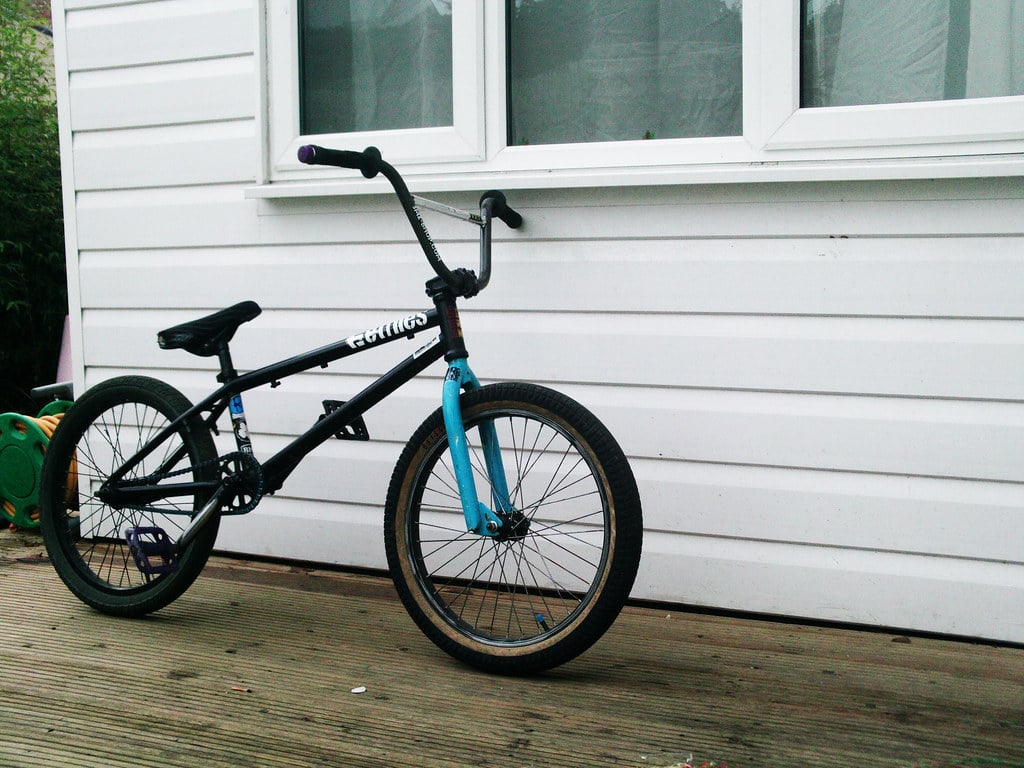
While mountain bikes conquered trails, BMX bikes took over neighborhoods and skateparks. Starting in the 1970s, kids modified small bikes to mimic motocross riders.
They built dirt jumps, raced on makeshift tracks, and invented tricks that looked impossible. BMX became a complete subculture.
Brands like Mongoose and Haro became legendary. Kids saved money for months to buy the right bike. The 1983 movie “BMX Bandits” (starring a young Nicole Kidman) captured how deeply BMX had penetrated youth culture.
Freestyle BMX evolved into an art form. Riders developed flatland tricks on smooth surfaces, vert tricks on half-pipes, and street riding that turned cities into obstacle courses.
The X Games added BMX to their lineup, and the sport achieved mainstream recognition.
Road Bikes and Professional Cycling

Road bikes became increasingly specialized machines. Carbon fiber replaced steel and aluminum, making frames incredibly light.
Gear systems expanded from 5 speeds to 10, 11, or 12. Aerodynamics became an obsession, with wind tunnel testing shaping every tube and angle.
Professional cycling pushed these innovations. Tour de France winners rode bikes that cost more than cars.
Every gram mattered, every watt of power got measured, and marginal gains meant the difference between winning and losing. The technology trickled down to recreational riders.
You can now buy bikes with disc brakes, electronic shifting, and power meters that were science fiction two decades ago.
Electric Bikes Enter the Scene
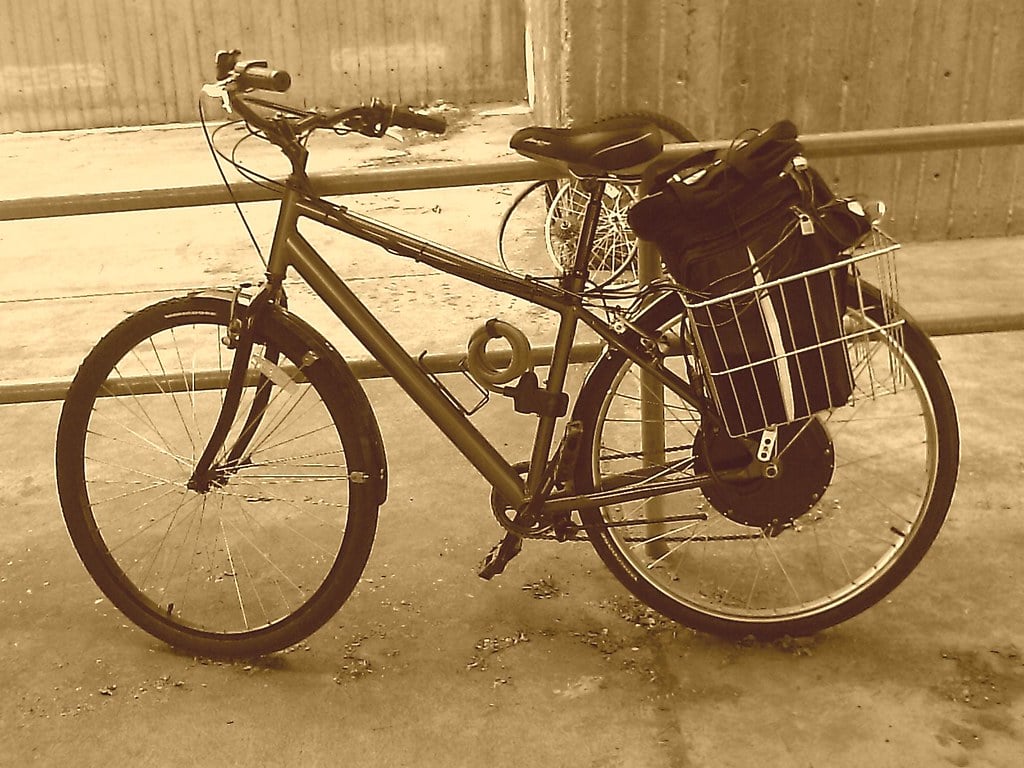
Electric bikes seemed like cheating at first. Traditional cyclists dismissed them as motorcycles disguised as bicycles.
But e-bikes carved out their own space, especially in Europe and Asia. The motor assistance made cycling accessible to older riders, people with disabilities, or anyone who wanted to arrive without sweating.
Commuters discovered they could cover longer distances. Hilly cities became bike-friendly overnight.
Modern e-bikes look almost identical to regular bikes. The battery hides in the frame, the motor sits in the hub or crank, and you still pedal—the motor just helps.
This subtle assistance changed transportation patterns in cities worldwide.
Cargo Bikes and Urban Transportation
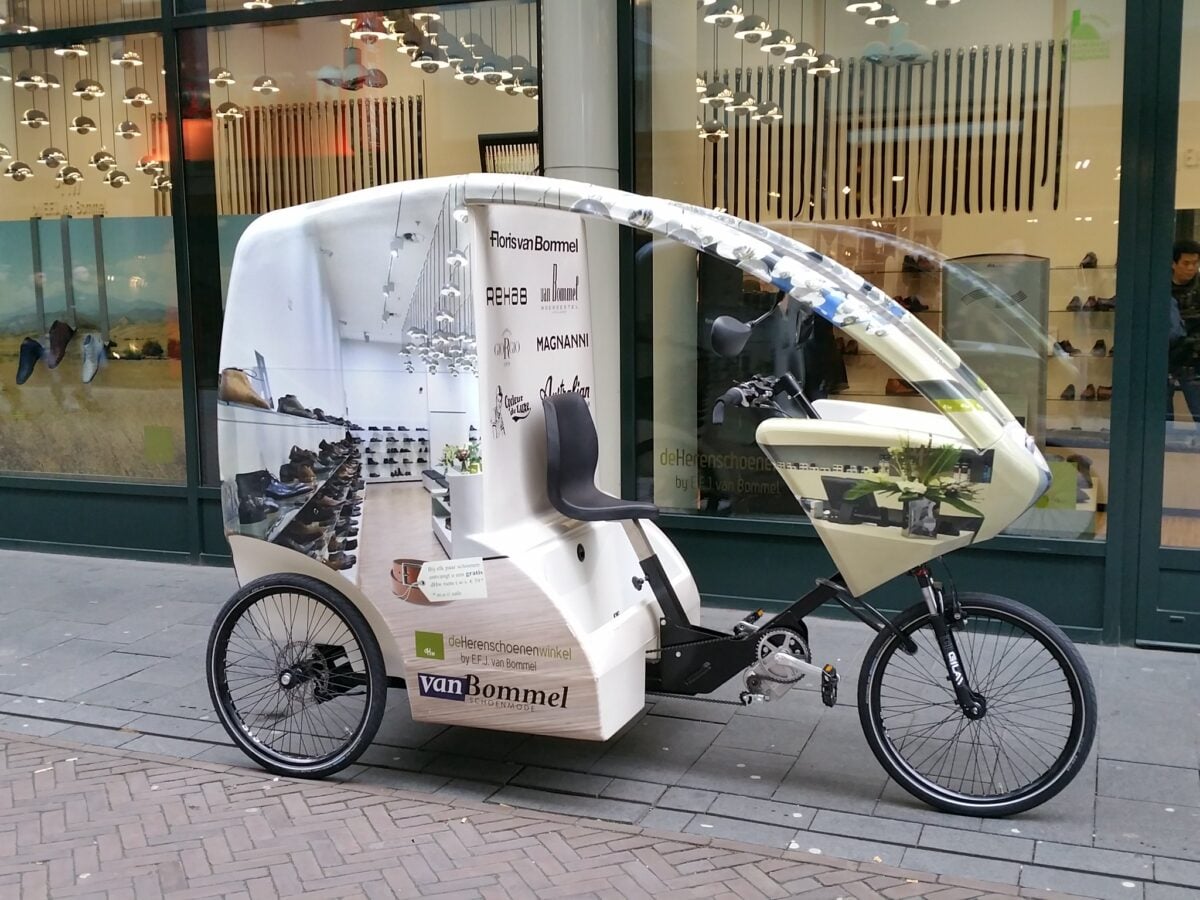
Cargo bikes date back to the early 1900s, but they’ve seen a huge resurgence recently. Parents use them to haul kids.
Businesses make deliveries. Urban dwellers transport groceries, furniture, or whatever needs moving.
Dutch bakfiets designs put the cargo box in front, making loading and unloading easy. Long-tail designs extend the rear of the bike.
Some cargo bikes have electric motors to handle heavy loads. In cities trying to reduce car traffic, cargo bikes offer a practical alternative.
During the pandemic, delivery services exploded, and cargo bikes flooded cities. They’re faster than vans in dense traffic, cheaper to operate, and don’t need parking spaces.
What once seemed like a novelty became essential infrastructure.
Looking Back from Two Wheels
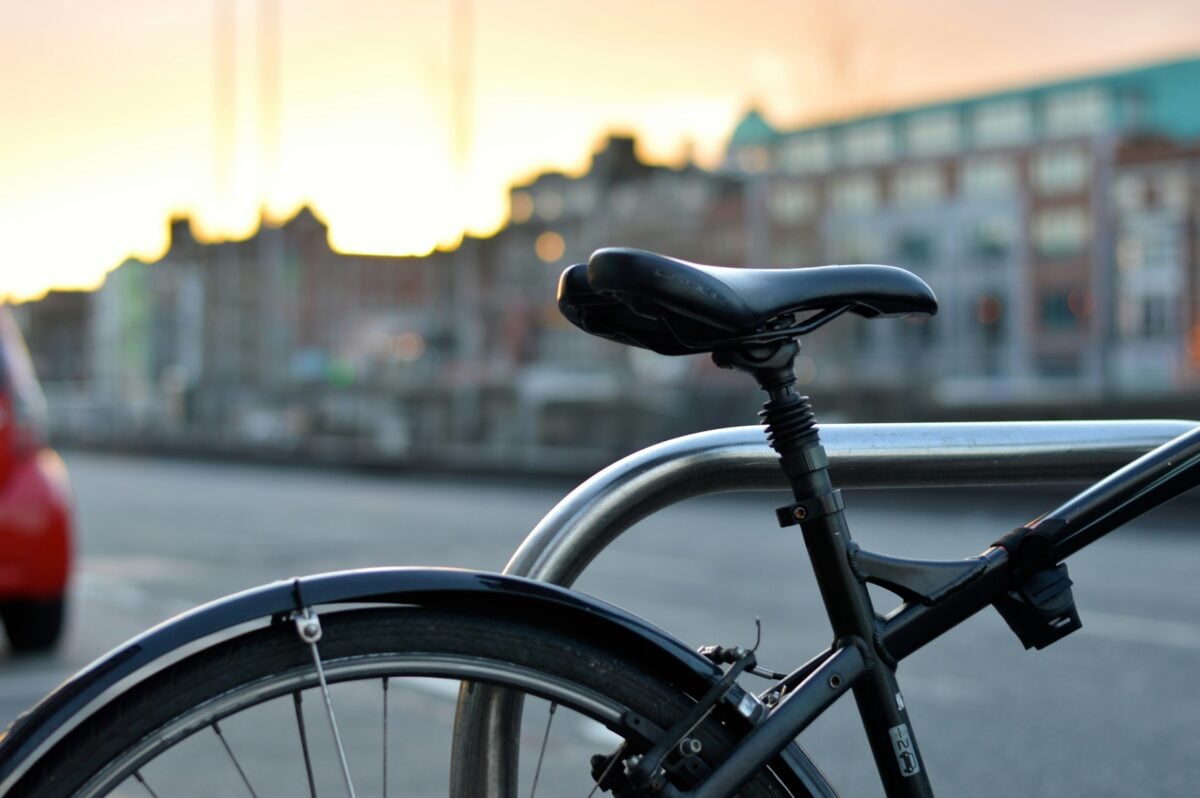
Next to each other, today’s bike and an 1817 draisine look nothing alike. Made of high-tech parts, the first feels like something from another planet.
The second? Just wood on wheels, really. Yet both carry the same thought – someone going somewhere, using only themselves.
Despite appearances, that idea never changed. Starting with a thought – what if the wheel grew taller – that sparked change.
Tires filled with air came later, not first. Off-road rides began by accident, then turned into a purpose.
New shapes followed every doubt, each one pushing motion forward. Some shifts stuck, altering how bodies travel across land.
Every time you pedal, history moves with you. From the 1880s came chains, then air-filled tires two years later, each piece arriving slowly over decades.
By the 1930s, gears began shifting across sprockets – another step forward. What seems basic now took lifetimes to shape.
Changes keep coming; what lies ahead might look nothing like today’s bikes.
More from Go2Tutors!

- 16 Historical Figures Who Were Nothing Like You Think
- 12 Things Sold in the 80s That Are Now Illegal
- 15 VHS Tapes That Could Be Worth Thousands
- 17 Historical “What Ifs” That Would Have Changed Everything
- 18 TV Shows That Vanished Without a Finale
Like Go2Tutors’s content? Follow us on MSN.



