Most Iconic Fashion Moments of the Eighties
The eighties weren’t just a decade of fashion — they were a decade that redefined what fashion could be. Bold shoulders, neon colors, and the birth of the power suit all collided into a visual language that still speaks louder than most trends today.
These weren’t just clothes people wore; they were statements, declarations, and sometimes outright rebellions wrapped in fabric and attitude.
Madonna’s “Like a Virgin” Performance at the 1984 MTV VMAs
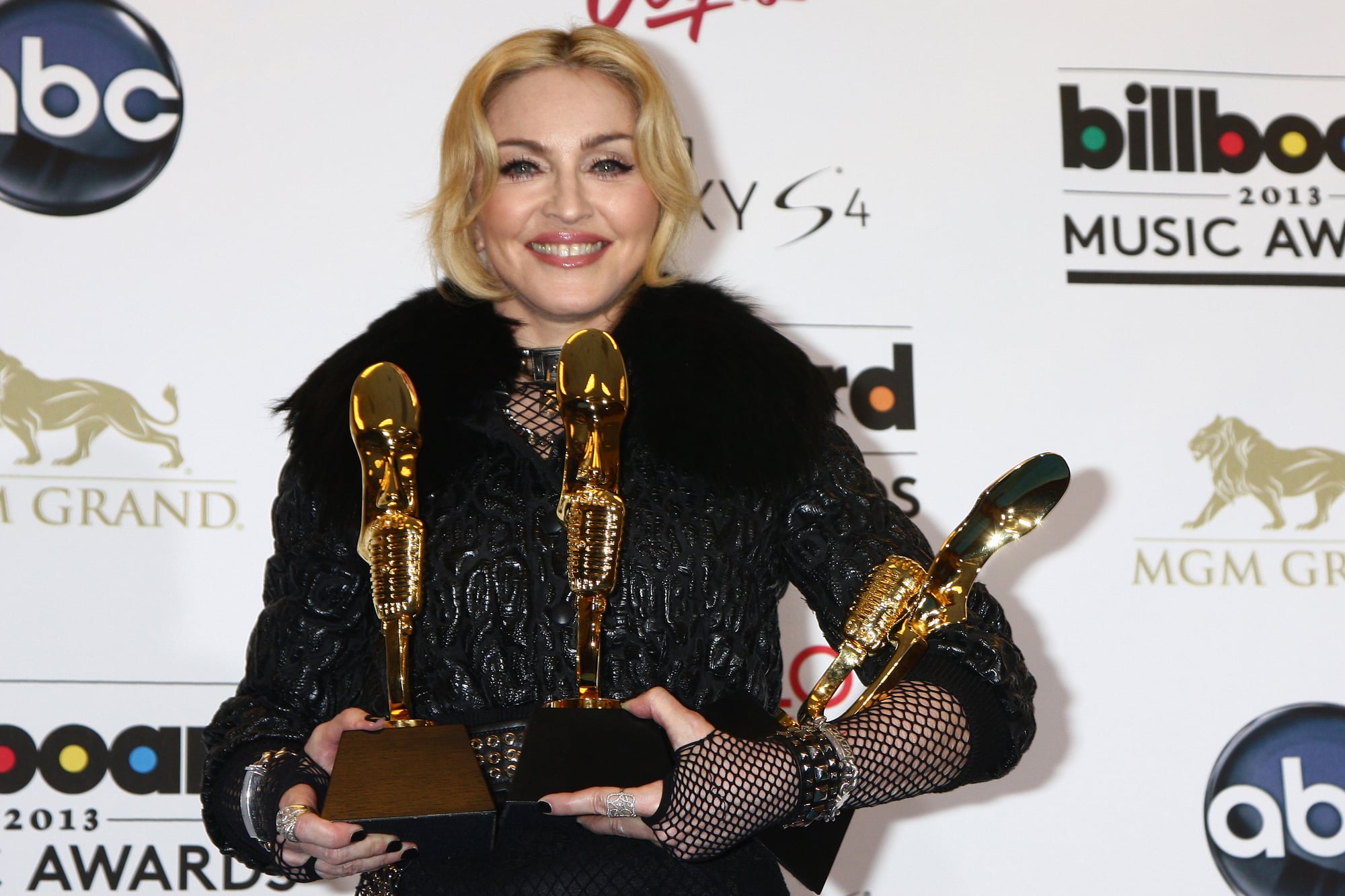
Madonna crawled across the stage in a wedding dress and “Boy Toy” belt buckle. The performance lasted four minutes. Nobody forgot it.
The dress itself was pure contradiction — bridal white paired with fishnet stockings and crucifixes. She turned innocence into theater, and theater into a career-defining moment that set the template for every intriguing pop star who followed.
Princess Diana’s Revenge Dress
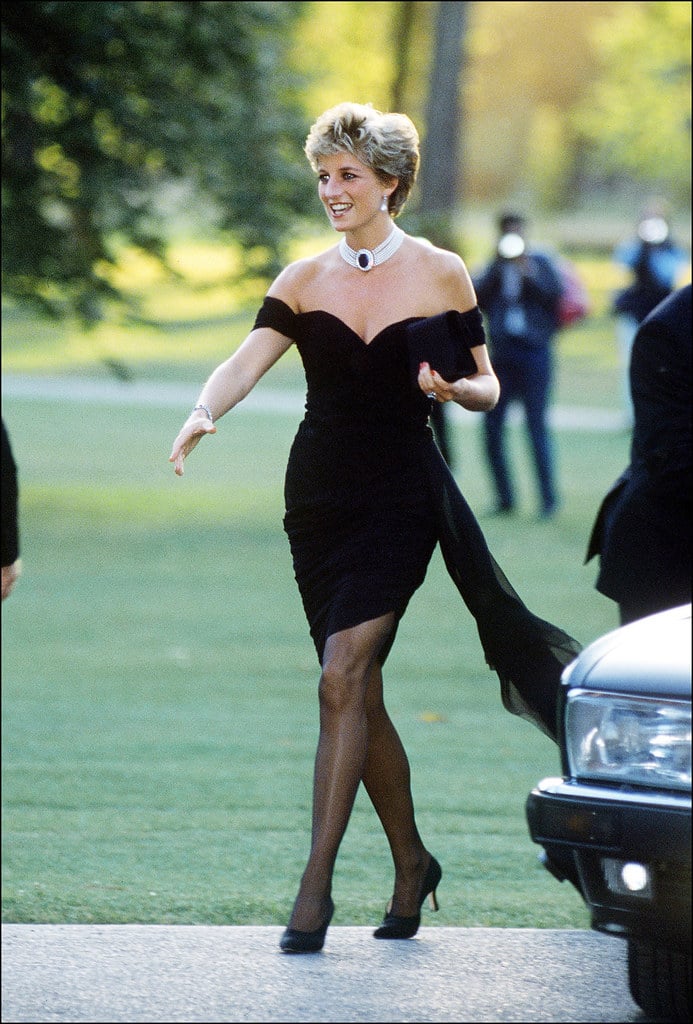
The little black dress Diana wore to the Serpentine Gallery party in 1994 technically belongs to the nineties, but her eighties evolution into a fashion icon set the stage for that moment. Her transformation from shy kindergarten teacher to the most photographed woman in the world happened through clothes as much as headlines.
The off-the-shoulder Christina Stambolian dress she wore the night Charles admitted his affair wasn’t just fashion — it was warfare conducted through silk and confidence. And yet, it was her eighties journey from pie-crust collars to power dressing that taught her how to wield clothes as weapons.
Even so, the real revenge had been brewing since her first royal appearances, when she learned that every outfit was a statement whether she intended it or not.
Grace Jones’ Geometric Suits
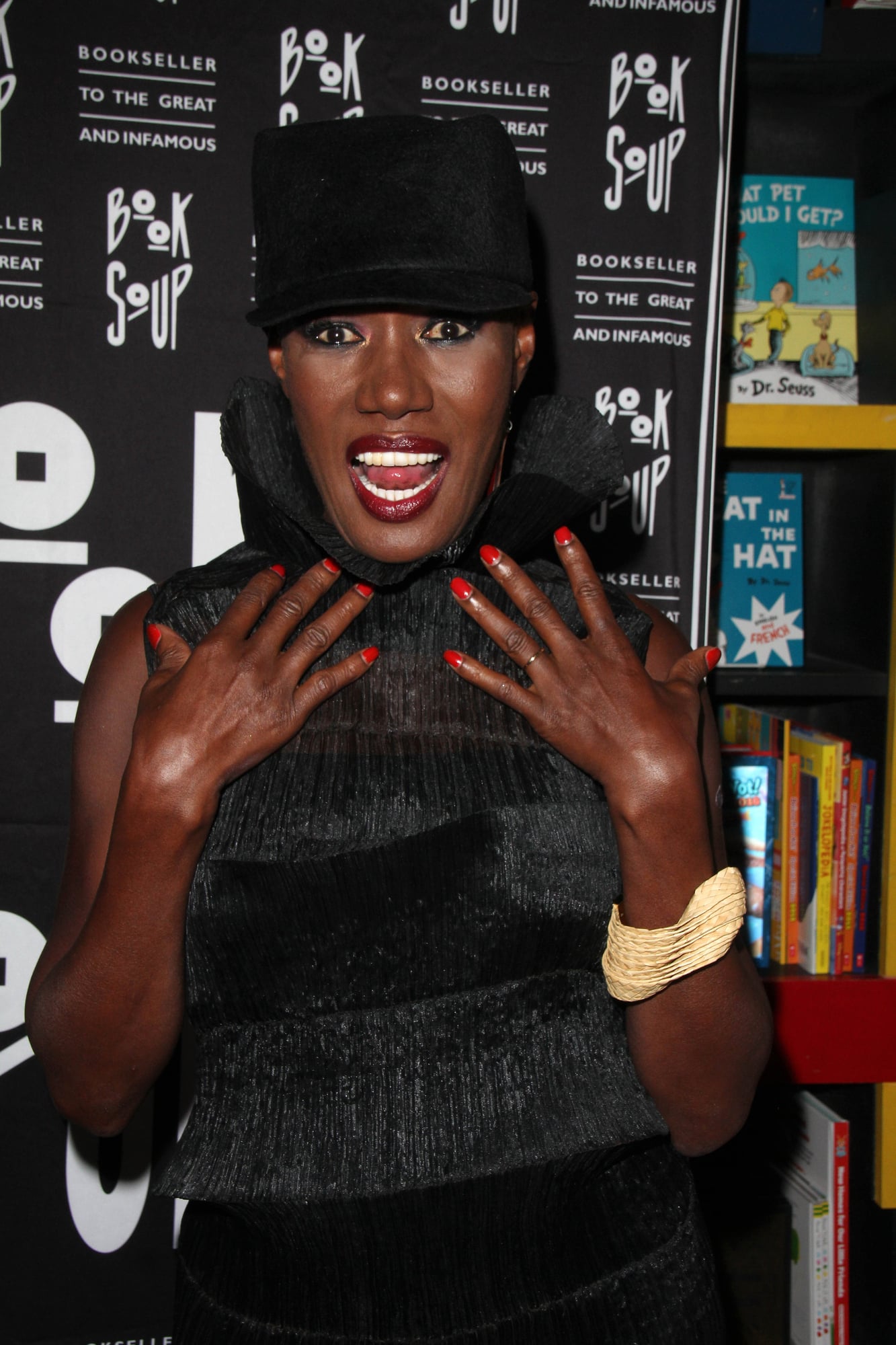
Grace Jones treated fashion like architecture, and her body like the foundation for impossible angles. The suits she wore — sharp-shouldered, dramatically structured pieces that seemed to defy both gravity and gender — turned the human form into living sculpture.
There’s something almost violent about the way Jones wore clothes, as if fabric was meant to be conquered rather than simply worn. Her collaborations with designers like Jean Paul Gaultier created looks that were less about beauty in any traditional sense and more about the raw power of geometric precision.
She didn’t dress to blend in or even stand out — she dressed to occupy space differently than anyone else dared to.
The effect was transformative not just for her, but for everyone watching. Here was proof that clothes could be confrontational, that fashion could be as much about challenging expectations as meeting them.
Boy George’s Gender-Bending Makeup and Costumes
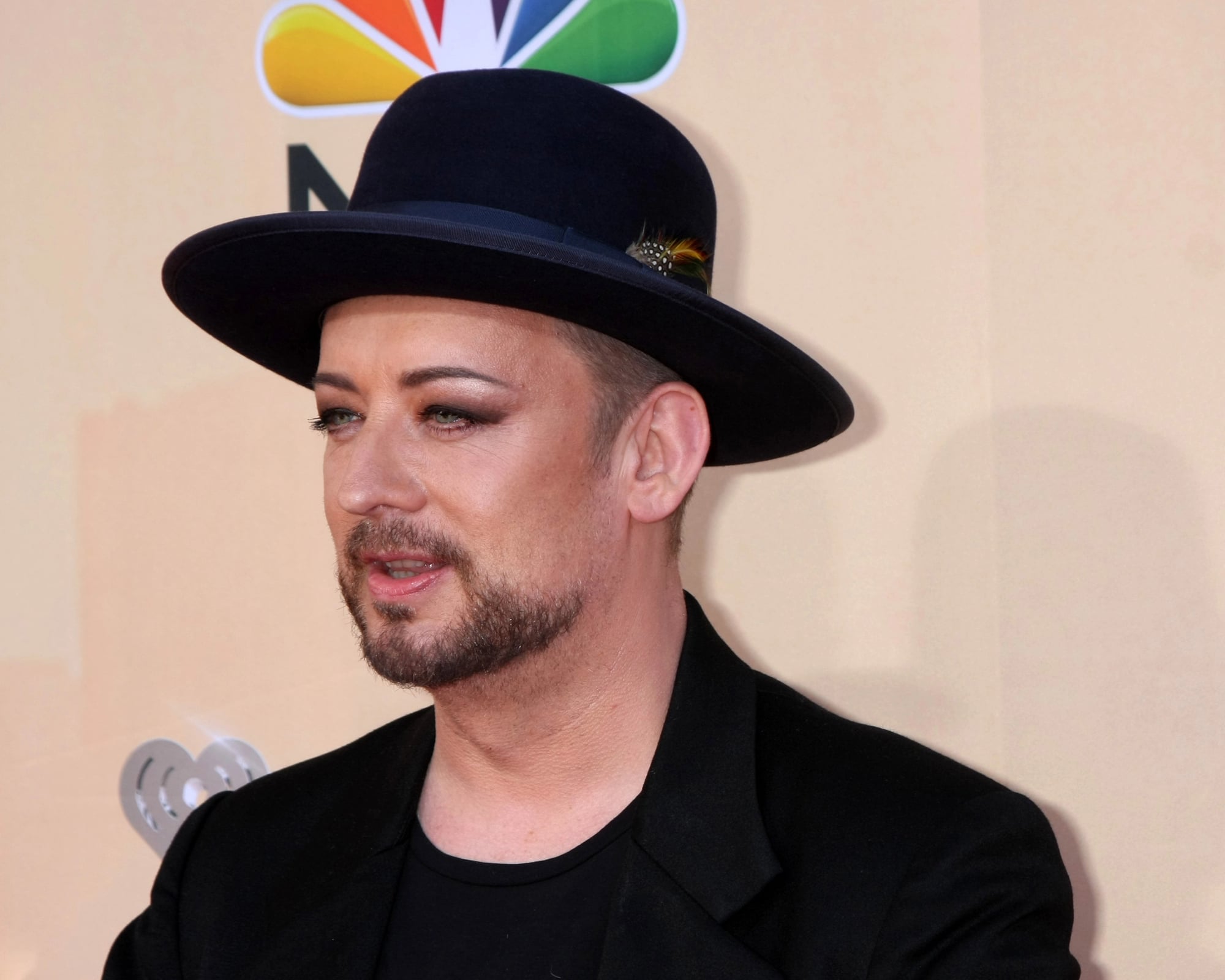
Boy George made androgyny mainstream, which is saying something when your idea of subtle is rainbow eyeshadow and a top hat.
The real genius wasn’t just the makeup or the elaborate costumes — it was the complete commitment to a look that confused and delighted in equal measure. He turned getting dressed into performance art, and performance art into pop stardom.
To be fair, it helped that Culture Club could actually sing, but the visual impact came first and asked questions later.
Cyndi Lauper’s Colorful, Eclectic Style
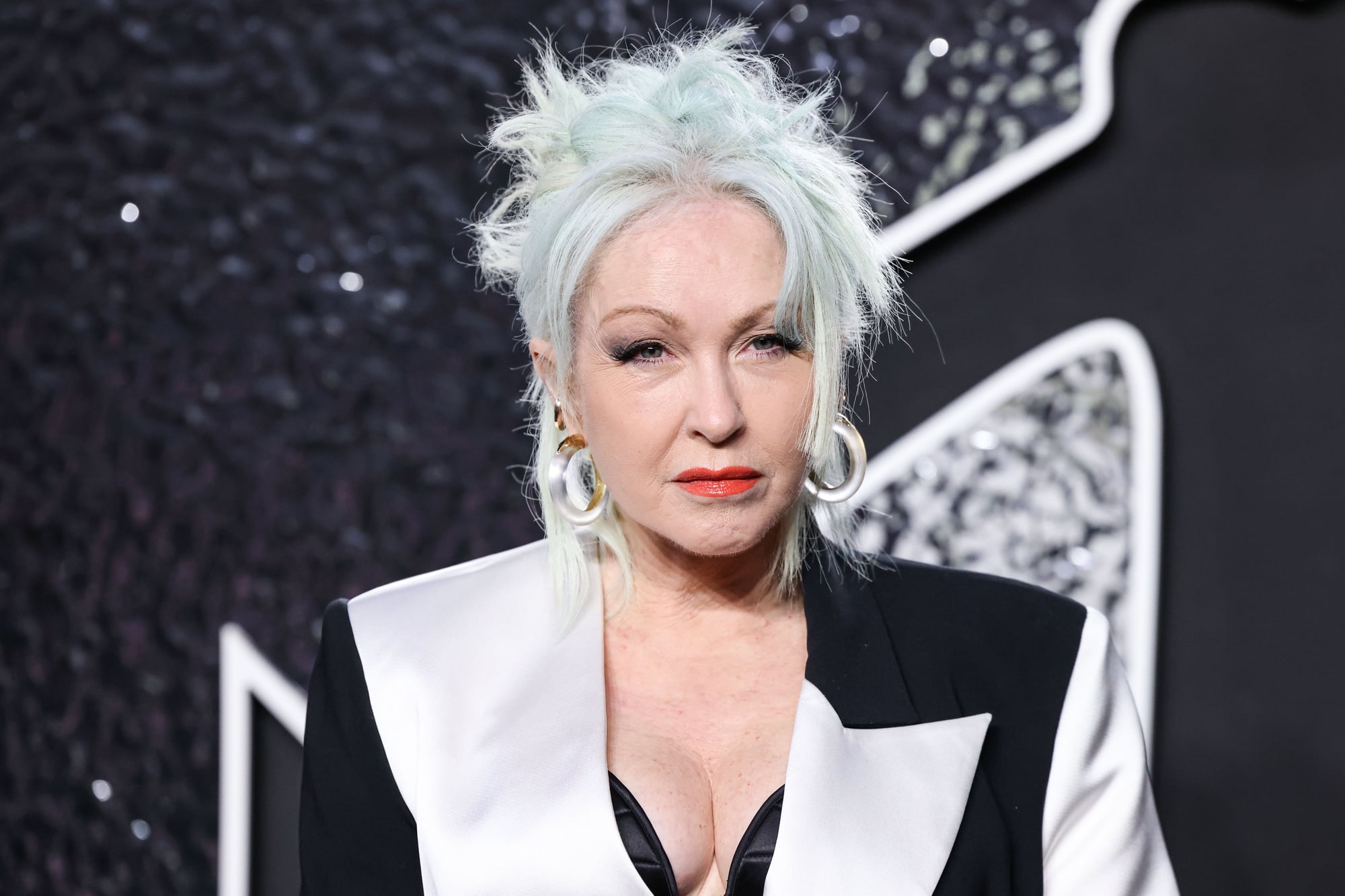
Cyndi Lauper dressed like a cartoon character who’d raided a vintage store during an earthquake. Neon tutus, mismatched jewelry, and hair colors that didn’t exist in nature — all of it somehow worked because she wore chaos with complete confidence.
The genius lay in how deliberately constructed her “random” look actually was (every safety pin and feather placed with the precision of someone who understood that looking accidentally fabulous requires serious planning). But the feeling it gave off was pure spontaneity, as if she’d gotten dressed in the dark and emerged looking exactly like herself.
Which, turns out, was exactly the point — authenticity performed so convincingly that it became authentic.
Her style gave permission for everyone else to stop taking fashion so seriously, to treat their closet like a playground rather than a courtroom where every choice would be judged and found wanting.
Michael Jackson’s Military-Inspired Jackets
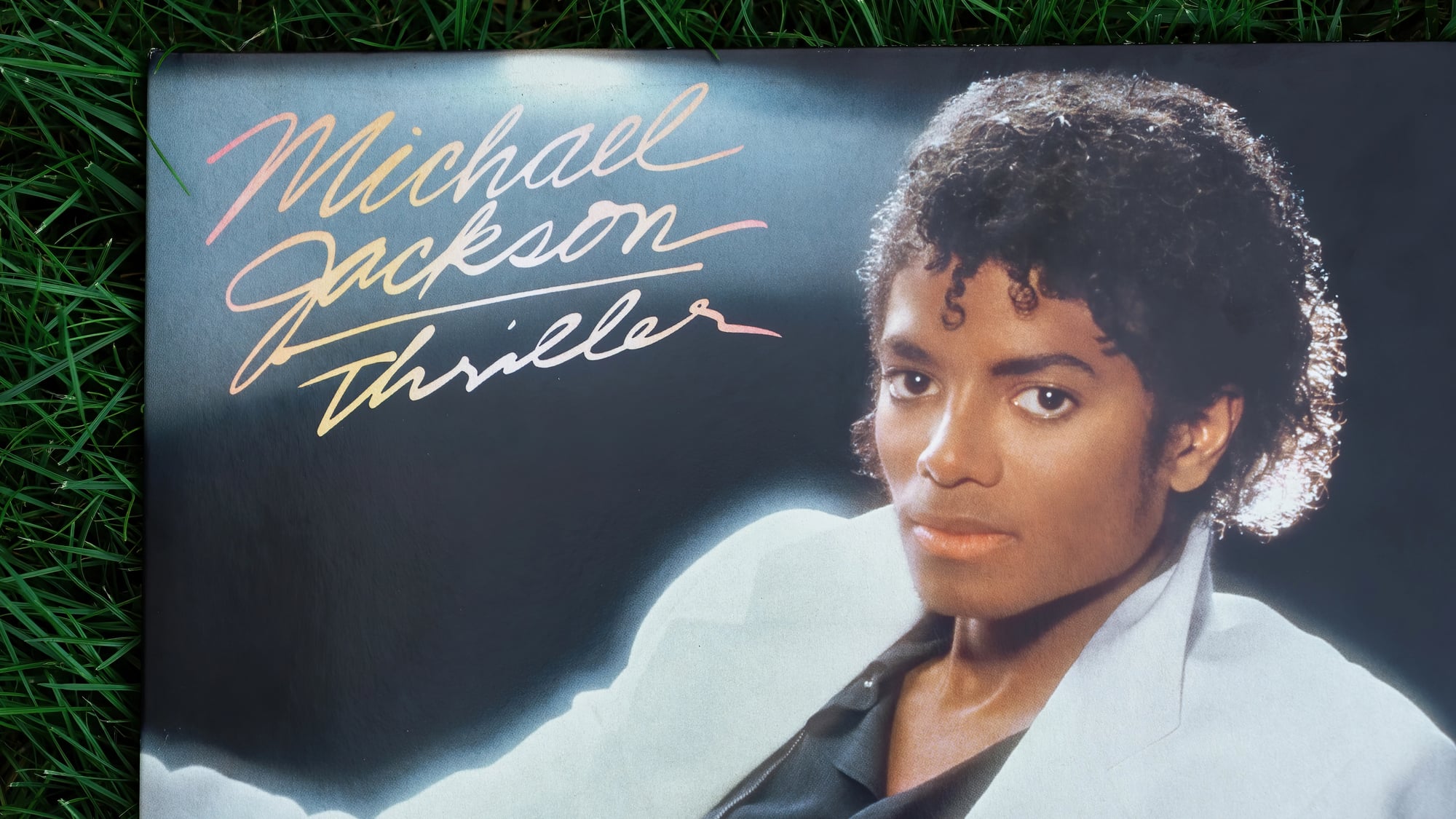
Michael Jackson turned military surplus into pop royalty uniforms. The jackets — heavily embellished, impossibly structured, adorned with gold braiding and epaulettes — transformed him into a one-man army of entertainment.
These weren’t costumes borrowed from any real military. They were fantasy uniforms for a war fought entirely on dance floors and stages, where the only casualties were the audience members who couldn’t keep up with the footwork.
The shoulder pads alone could have launched aircraft, but instead they launched a thousand imitators who never quite understood that the jacket was only as powerful as the person wearing it.
Jackson’s military jackets became the template for pop star armor — protective, commanding, and just theatrical enough to signal that the person inside was operating by different rules than everyone else.
Annie Lennox’s Androgynous Suits

Annie Lennox wore men’s suits better than most men ever have. The severe tailoring, combined with her cropped orange hair and stark makeup, created a look that was both completely feminine and utterly androgynous — a combination that shouldn’t have worked but felt inevitable once she stepped on stage.
The suits weren’t trying to hide her femininity or announce her masculinity; they were doing something more interesting than either. They were creating a third option, a space where gender became less important than presence, where power dressing meant something beyond shoulder pads and statement jewelry.
Watching Lennox perform in those suits was like watching someone rewrite the rules of what commanding presence could look like. She didn’t borrow male authority — she created her own.
Duran Duran’s New Romantic Frilly Shirts
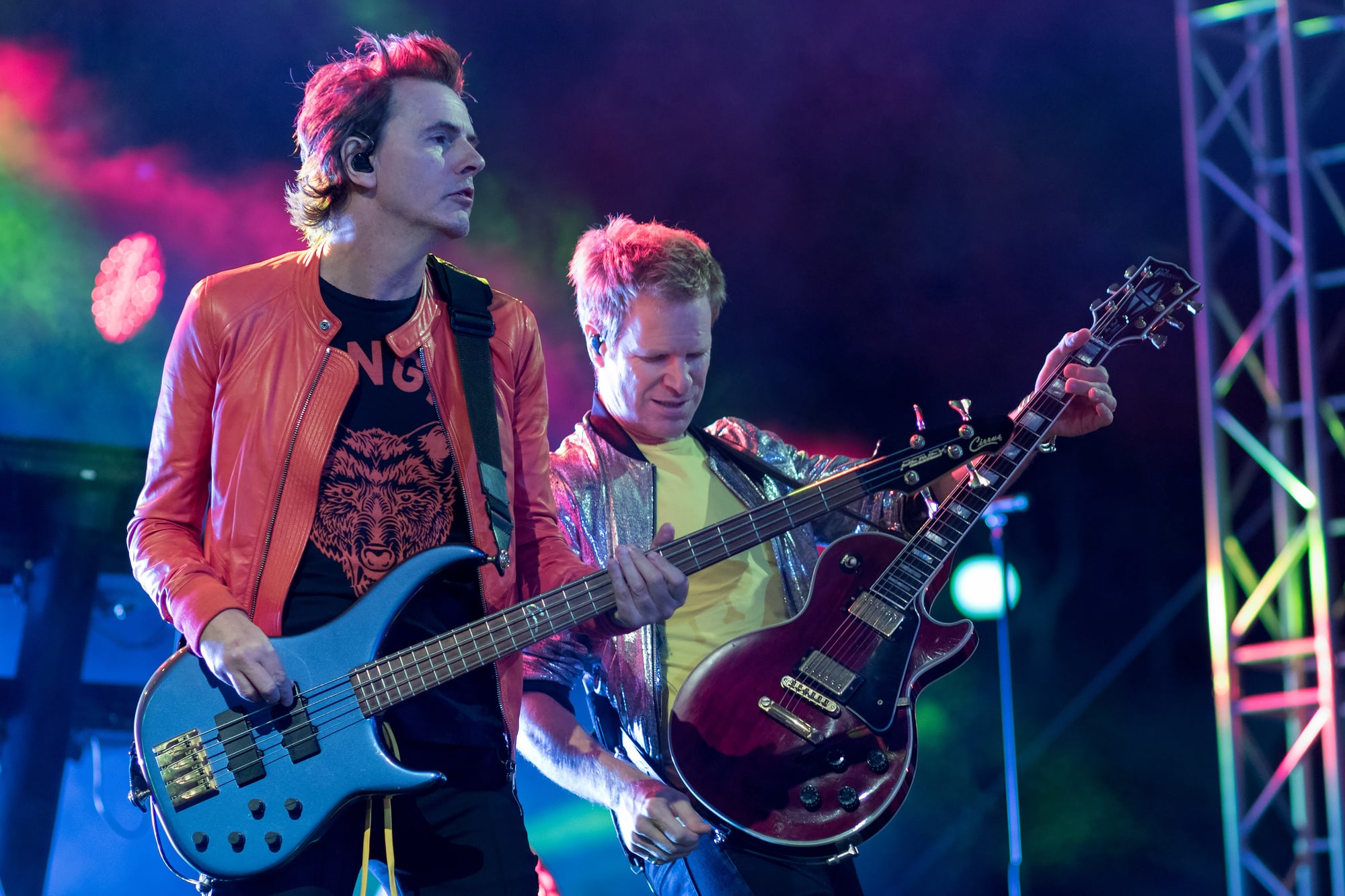
Duran Duran made frilly shirts acceptable for straight men, at least temporarily. The New Romantic movement they helped popularize brought ruffles, velvet, and an attention to male fashion that hadn’t been seen since the eighteenth century.
The look required commitment — you couldn’t halfway a puffy shirt or tentatively approach eyeliner. Either you embraced the full romantic poet aesthetic, complete with perfectly tousled hair and cheekbones that could cut glass, or you looked like you were wearing a costume to the wrong party.
Their fashion influence lasted longer than some of their songs, which is saying something considering how many weddings still play “Hungry Like the Wolf.”
Olivia Newton-John’s “Physical” Workout Gear
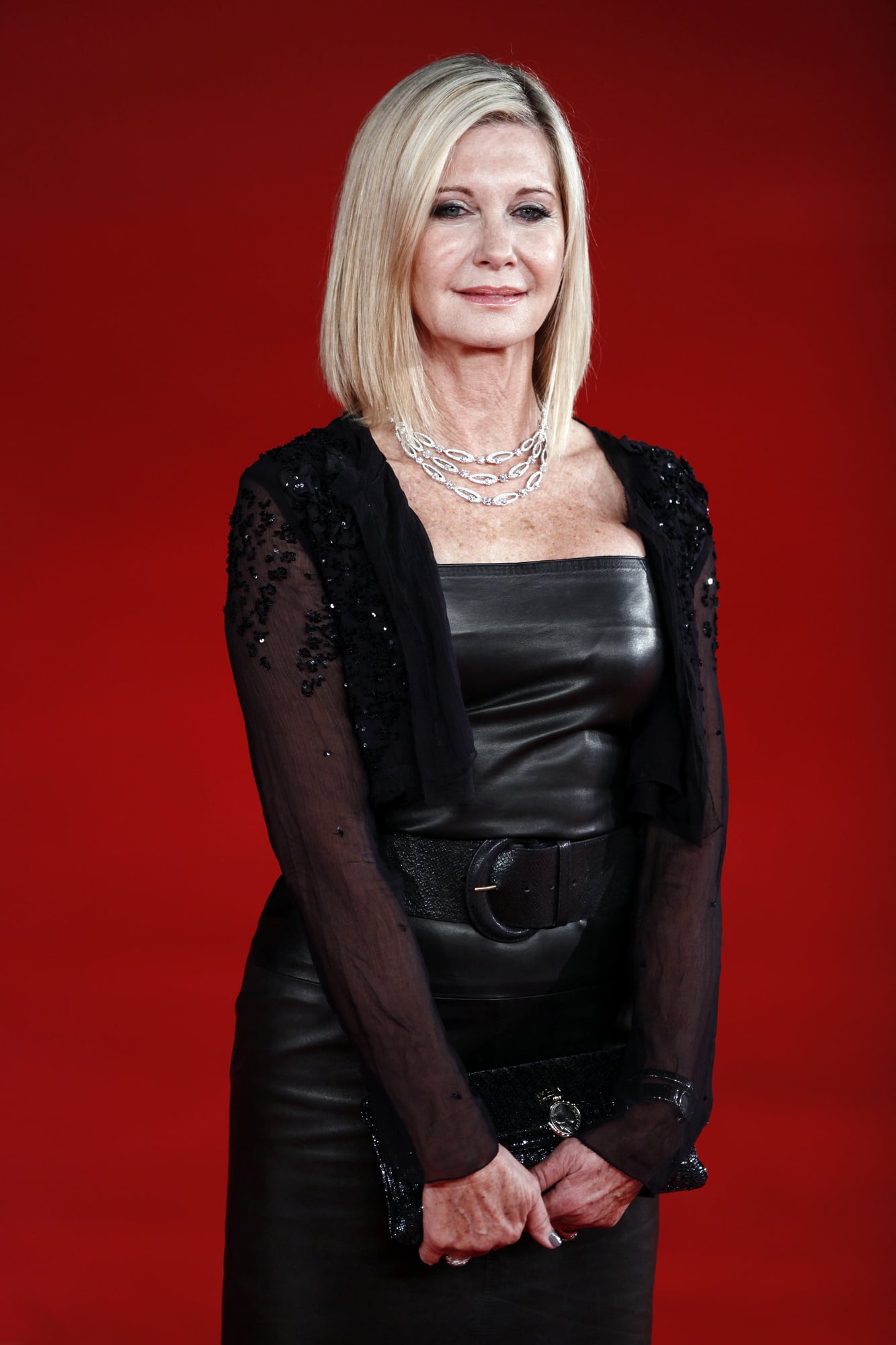
Olivia Newton-John turned exercise clothes into evening wear with the “Physical” music video, and suddenly everyone wanted to look like they’d just stepped out of an aerobics class. The headbands, leg warmers, and spandex weren’t just workout gear — they were a uniform for a very specific kind of eighties optimism.
The video’s transformation sequence, where Newton-John goes from sweet girl-next-door to leather-clad fitness instructor, captured the decade’s obsession with reinvention through wardrobe. But the real cultural impact was making athletic wear acceptable outside the gym, paving the way for decades of athleisure that followed.
What seemed like a simple workout video was actually a master class in how clothes could signal transformation. The message was clear: change your outfit, change your life.
Debbie Harry’s Punk-Glam Fusion
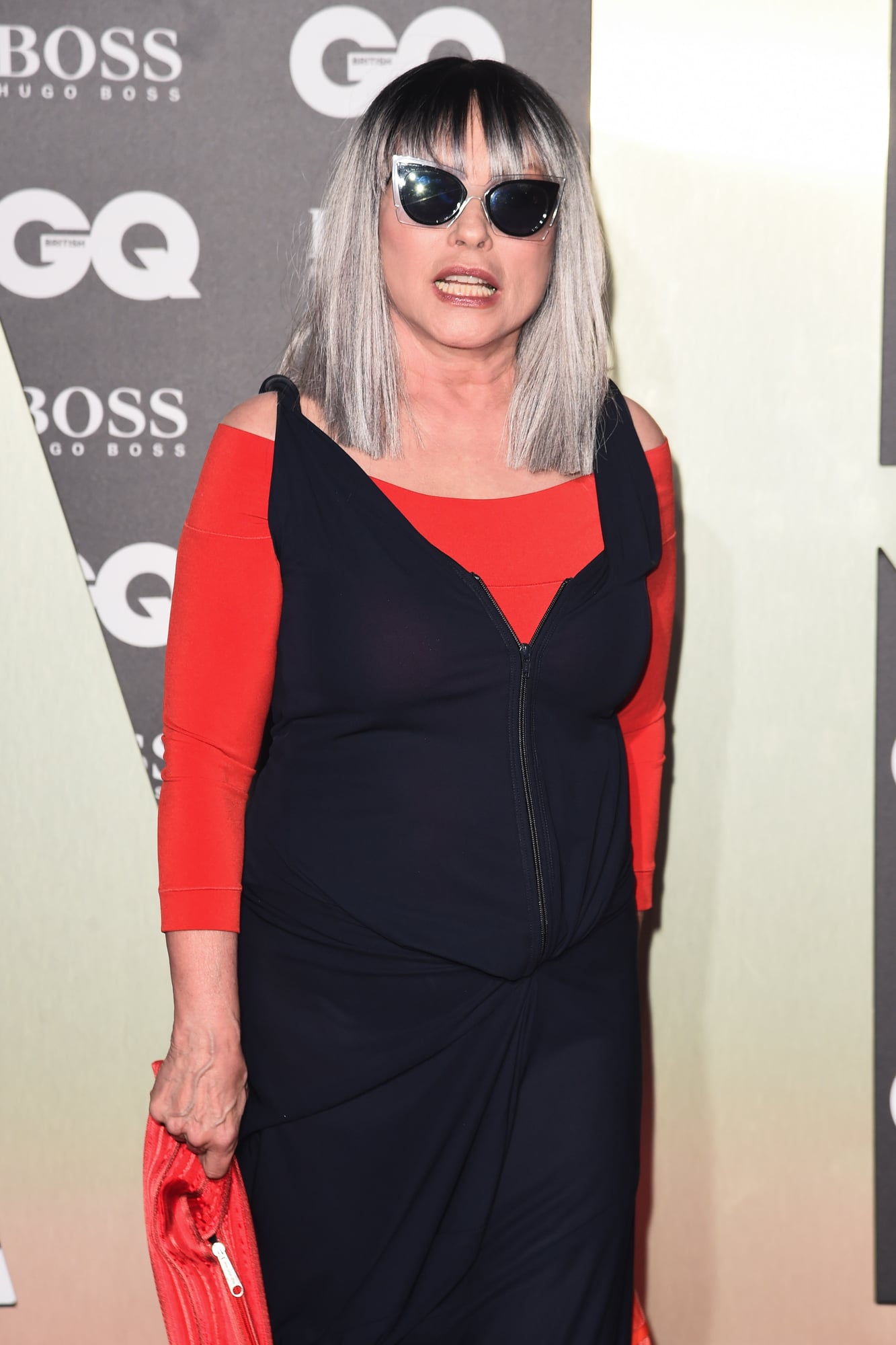
Debbie Harry took punk’s rebellion and glam’s sparkle, then created something entirely new from the collision. Her look — platinum blonde hair, dark eye makeup, and clothes that mixed leather with sequins — became the template for every rock star who wanted to be both dangerous and glamorous.
She understood that punk’s power came not from looking unwashed or accidentally cool, but from the deliberate choice to reject conventional beauty standards while creating new ones. Her influence shows up in everyone from Gwen Stefani to Lady Gaga, proof that the combination of edge and glamour never really goes out of style.
The real genius was how effortless she made it look, as if waking up as a punk goddess was just another Tuesday morning routine rather than a carefully constructed persona that required both attitude and precision.
David Bowie’s Serious Moonlight Tour Suits
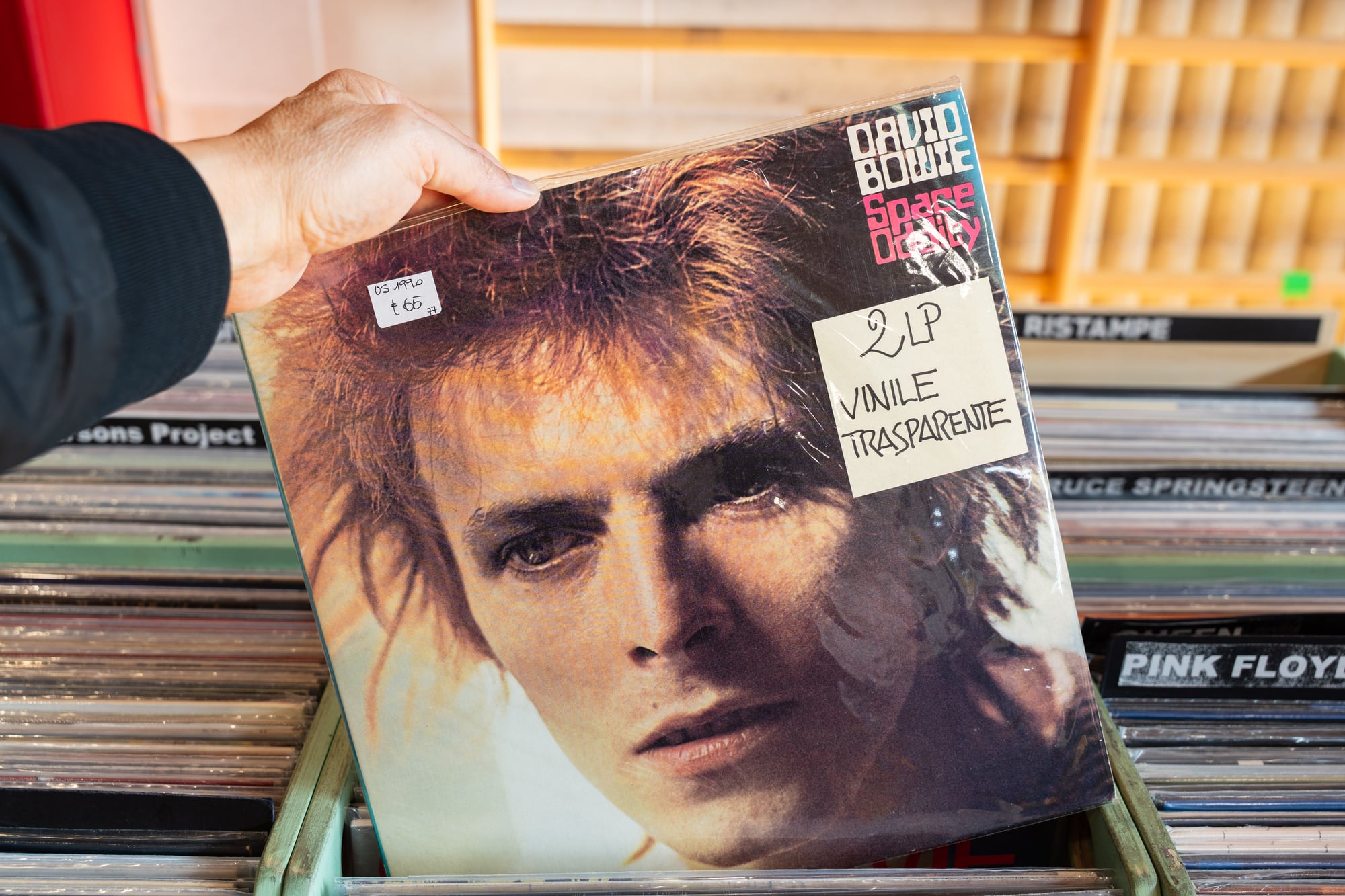
David Bowie entered the eighties by trading his glam rock costumes for sharp suits, and somehow made conformity feel revolutionary. The “Let’s Dance” era Bowie wore tailored jackets and crisp shirts like armor, proving that sometimes the most radical thing you can do is look completely normal.
After years of zigzag makeup and elaborate stage personas, seeing Bowie in a simple suit felt almost shocking (which was probably exactly the reaction he was hoping for). The clothes were classic, but the man wearing them carried decades of shape-shifting that made even conservative tailoring feel loaded with possibility.
But the transition wasn’t really about abandoning his theatrical past — it was about proving that David Bowie could reinvent normalcy just as convincingly as he’d reinvented everything else.
Molly Ringwald’s Prom Dress in “Pretty in Pink”
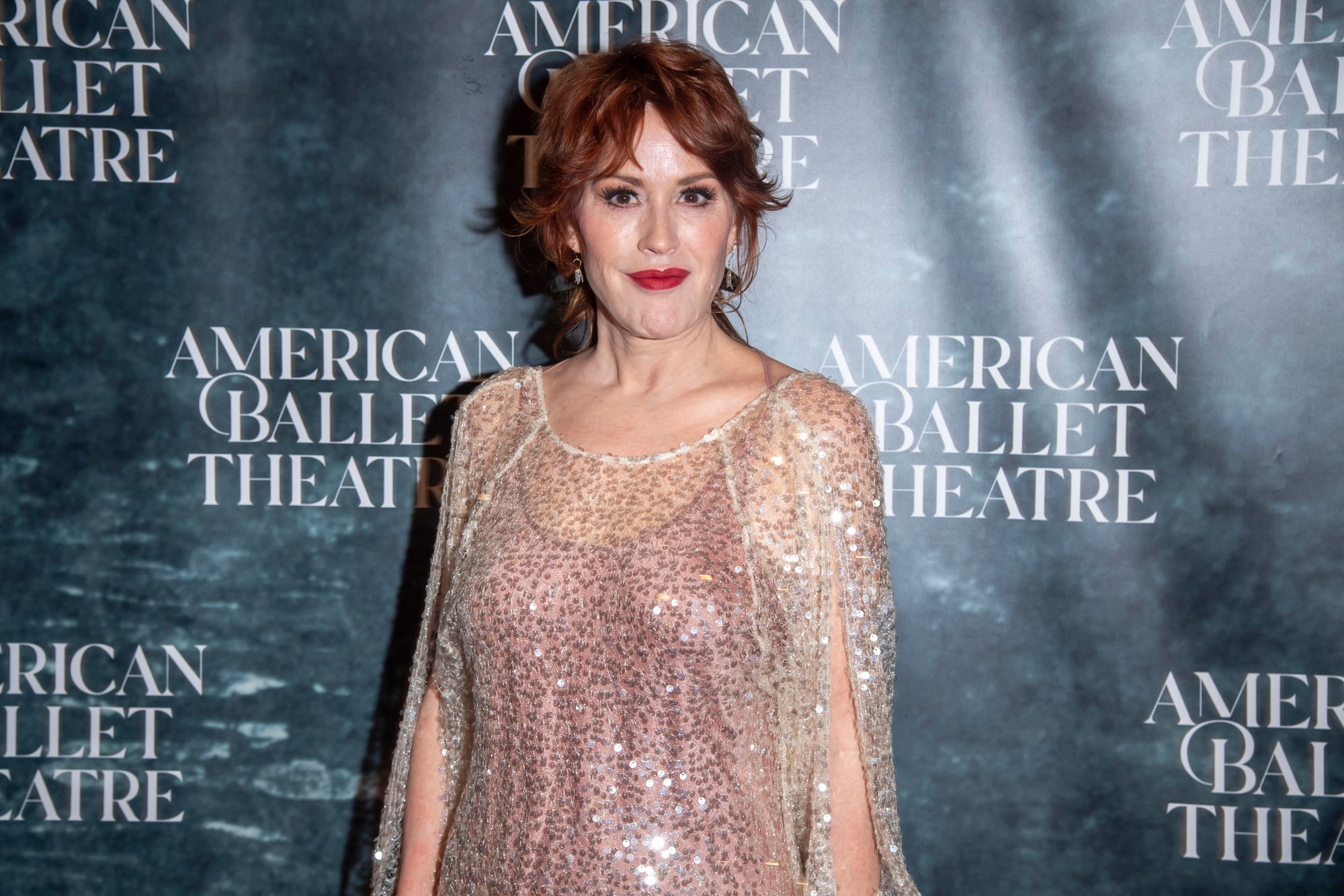
Molly Ringwald’s handmade prom dress in “Pretty in Pink” became the ultimate symbol of eighties DIY fashion. The pink creation — part vintage, part craft project, entirely sincere — represented every teenager who couldn’t afford designer clothes but refused to let that stop them from making a statement.
The dress divided audiences then and still sparks debates now, but that’s exactly what made it perfect for the character and the era. It wasn’t trying to be beautiful in any conventional sense; it was trying to be authentic, creative, and true to someone who had to make their own magic from whatever materials they could find.
The real impact wasn’t the dress itself but what it represented: the idea that fashion could be personal, handmade, and meaningful rather than expensive and store-bought.
Tina Turner’s Leather Mini Dresses
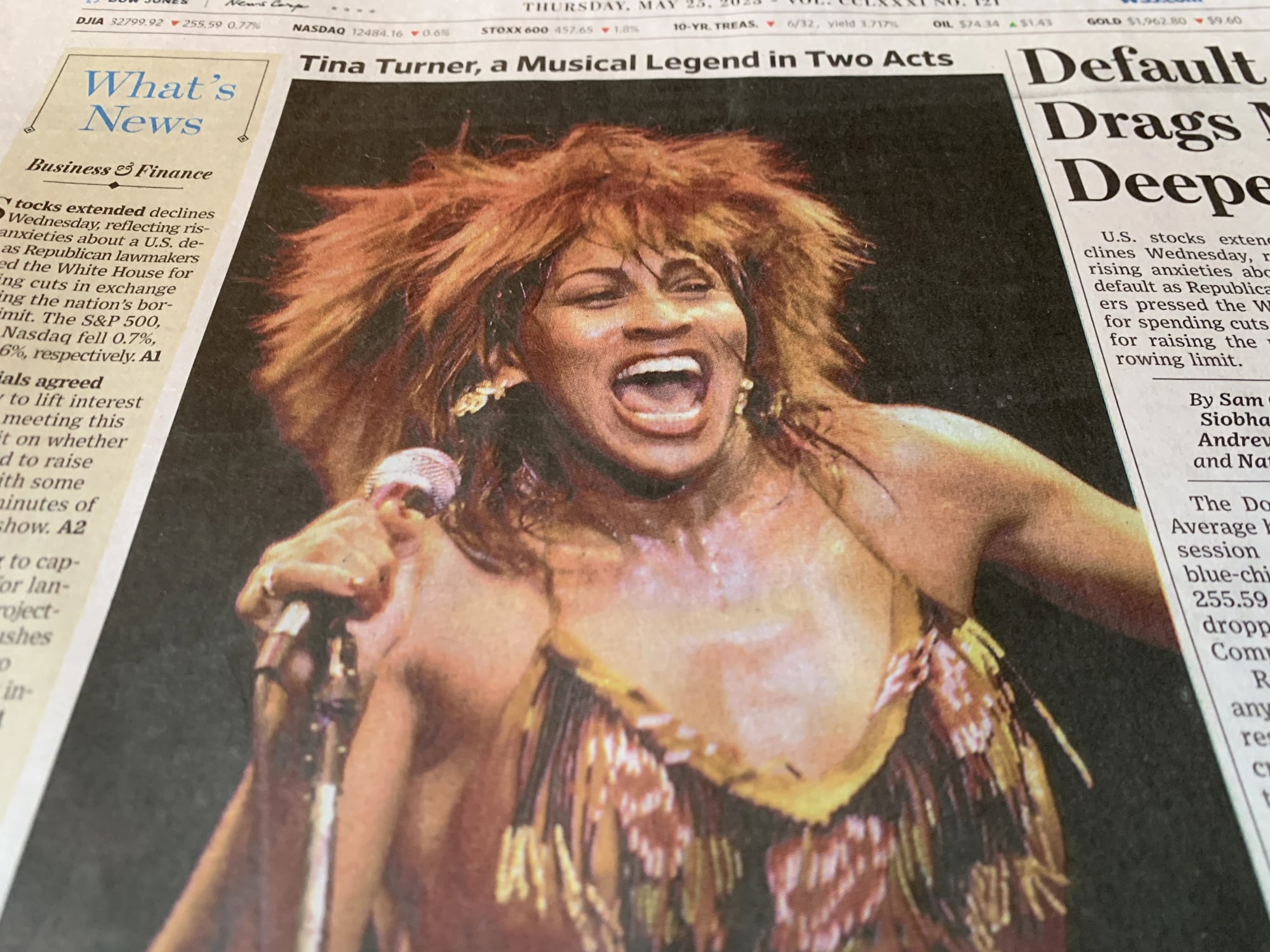
Tina Turner proved that leather mini dresses weren’t just for twenty-somethings when she launched her comeback tour in her mid-forties. The Azzedine Alaïa dresses she wore — skin-tight, impossibly short, paired with towering heels — became her uniform for reclaiming her career and her life.
The dresses were powerful precisely because they were worn by someone who had every reason to play it safe but chose to play it dangerous instead. Turner’s leather minis weren’t just fashion choices; they were declarations of independence, statements that she would define her own image rather than let age or industry expectations do it for her.
The Power Suit
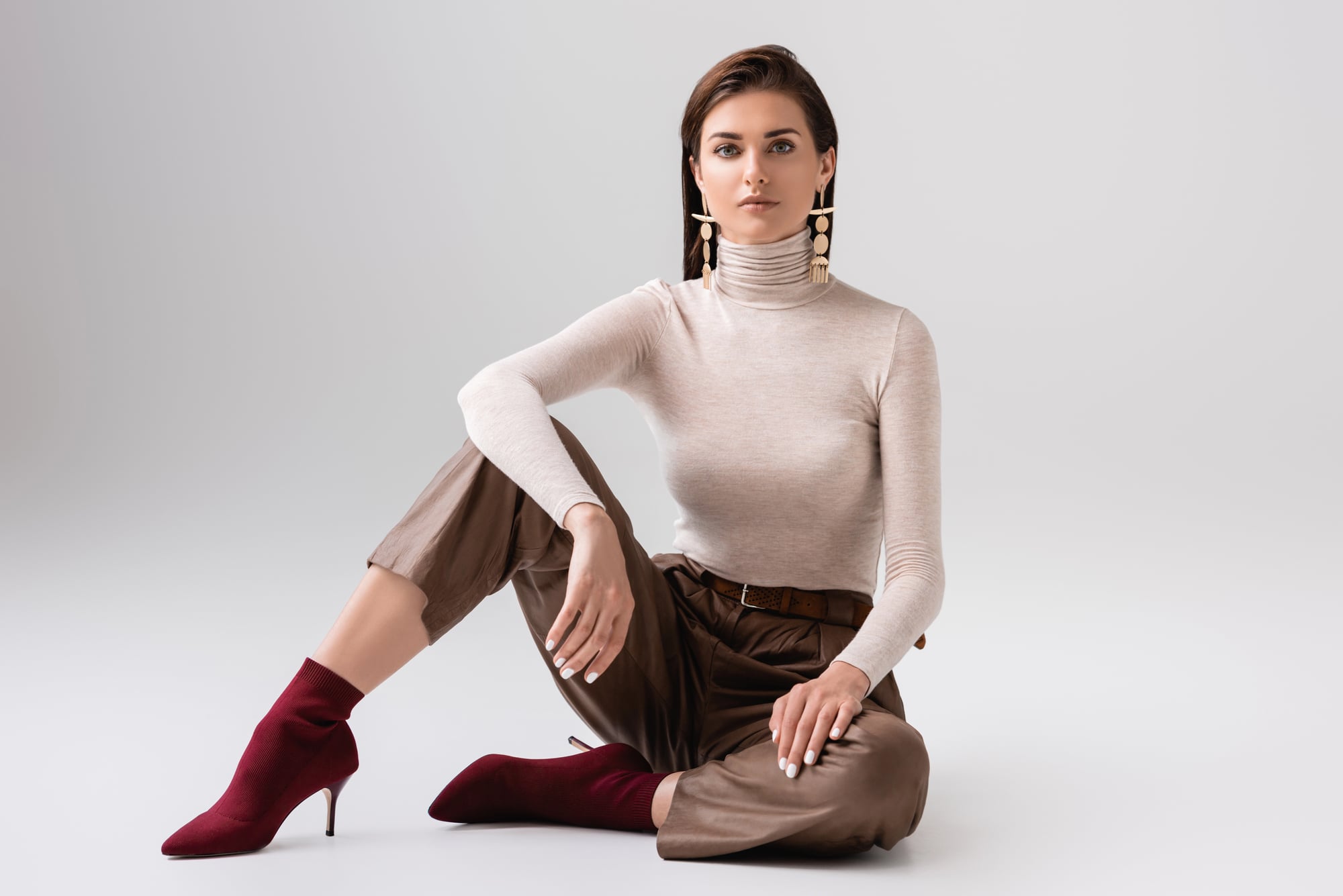
The eighties power suit wasn’t just clothing — it was architecture for ambition. Shoulder pads that could double as aircraft wings, sharp lapels, and a silhouette that took up serious space in any boardroom.
Women embraced the power suit as both armor and announcement, a way to claim authority in spaces that hadn’t always welcomed them. The exaggerated proportions weren’t accidents; they were deliberate choices to command attention and respect in equal measure.
The suit said: I belong here, I’m ready for whatever you’ve got, and I’m not apologizing for taking up space.
Neon Everything
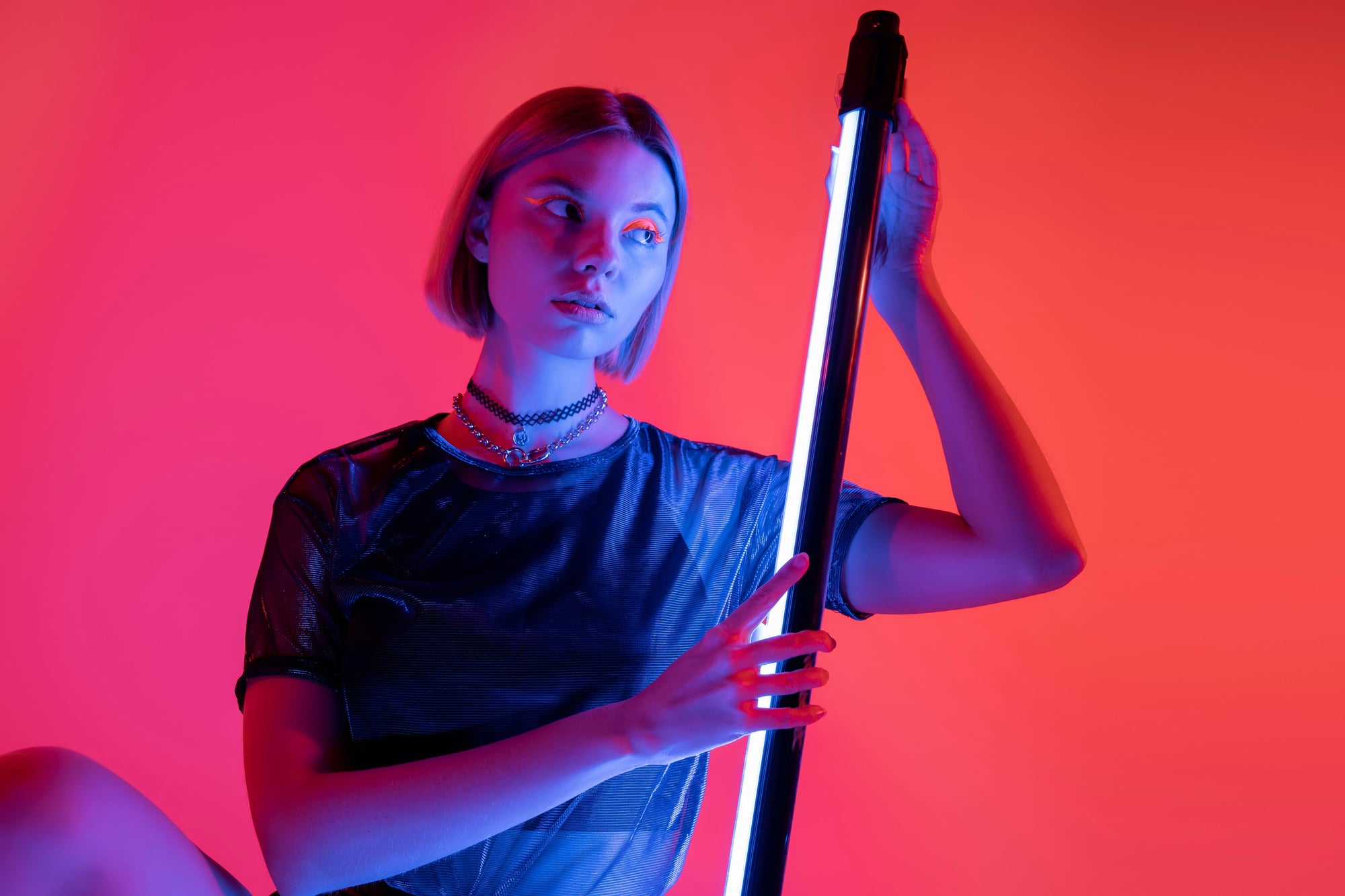
The eighties decided that if some color was good, fluorescent color was better. Neon pink, electric blue, lime green — colors that seemed designed to be visible from space became everyday wardrobe choices.
The neon trend represented pure optimism made visible, a refusal to blend into the background when you could glow instead. Whether it appeared in workout clothes, club wear, or street fashion, neon announced that subtlety was overrated and visibility was everything.
Looking back, the commitment to such aggressive brightness seems almost brave — a entire decade deciding that more was more, and that if you weren’t hurting people’s eyes, you probably weren’t trying hard enough.
Forever Bold
Fashion moved differently in the eighties. Without social media or instant global communication, trends had time to develop, to become statements rather than fleeting moments.
The decade’s most iconic looks weren’t just clothes — they were manifestos written in fabric and worn with the kind of conviction that’s harder to find today.
These moments endure because they were never really about the clothes themselves. They were about people using fashion to announce who they were, who they wanted to become, or who they refused to be.
The shoulder pads may have deflated and the neon may have faded, but the boldness that created these moments remains as relevant as ever.
More from Go2Tutors!

- The Romanov Crown Jewels and Their Tragic Fate
- 13 Historical Mysteries That Science Still Can’t Solve
- Famous Hoaxes That Fooled the World for Years
- 15 Child Stars with Tragic Adult Lives
- 16 Famous Jewelry Pieces in History
Like Go2Tutors’s content? Follow us on MSN.