Bizarre Modern Cults that Started as Internet Memes
The internet has always been a breeding ground for strange communities, but some have evolved far beyond their humble meme origins. What began as jokes, parody religions, or satirical movements have occasionally transformed into something more serious — groups with genuine followers, real-world meetups, and belief systems that blur the line between irony and sincerity.
These digital-age phenomena reveal how quickly online culture can spiral from harmless fun into something unexpectedly profound, or at least persistently weird.
Church of the Flying Spaghetti Monster
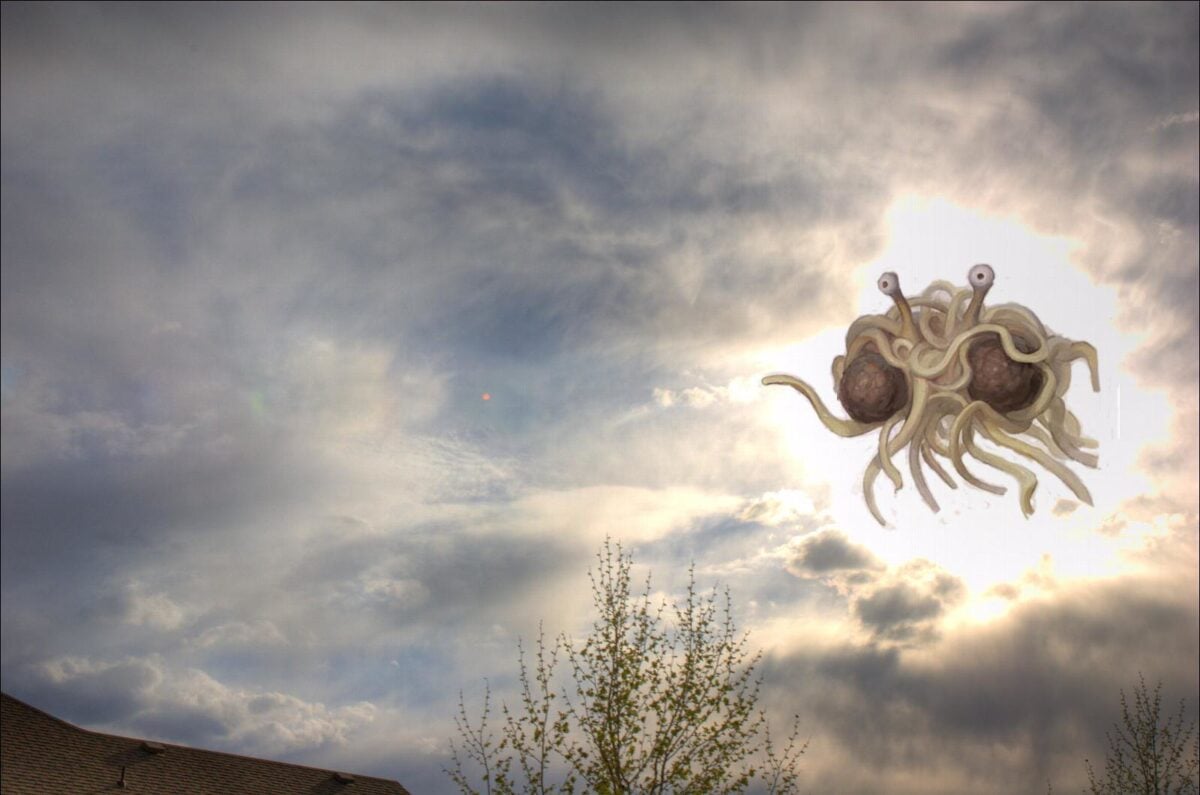
Pastafarianism started as a clever protest against teaching intelligent design in schools. Bobby Henderson created the Flying Spaghetti Monster in 2005 to make a point about religious dogma in education.
The joke stuck.
Now there are actual Pastafarian weddings. People wear colanders on their heads for driver’s license photos, claiming religious exemption.
The church has ordained ministers and holds regular services where members genuinely gather to discuss philosophy while maintaining the pasta-based metaphors. Sometimes satire becomes the thing it was mocking.
QAnon
What began as cryptic posts on 4chan claiming insider knowledge of government operations transformed into something far more substantial and troubling. The anonymous “Q” drops started as elaborate political fan fiction that mixed conspiracy theories with puzzle-solving elements that kept online communities engaged and theorizing.
The movement grew beyond internet forums into real-world political influence, with believers running for office and organizing rallies. The gamification of conspiracy theories proved remarkably effective at building devoted followings.
Anonymous message board culture had found its way into mainstream political discourse, demonstrating how quickly fringe internet content could reshape actual political landscapes.
Kekistan

Born from the chaos of meme culture and online gaming, Kekistan emerged as a fictional nation created by users who spent too much time in certain corners of the internet. The green frog deity Kek (derived from World of Warcraft’s orcish translation of “lol”) became the centerpiece of an elaborate mythology that mixed ancient Egyptian references with modern internet humor.
What started as jokes about creating a meme ethnostate eventually attracted people who seemed to take the concept seriously, or at least seriously enough to print flags and hold meetups. The line between ironic nationalism and actual nationalism became uncomfortably thin — which might have been the point all along, though it’s hard to tell when everything is supposedly a joke until it isn’t.
And that ambiguity became the most unsettling aspect: nobody could definitively say where the performance ended and genuine belief began.
Harambe Cult
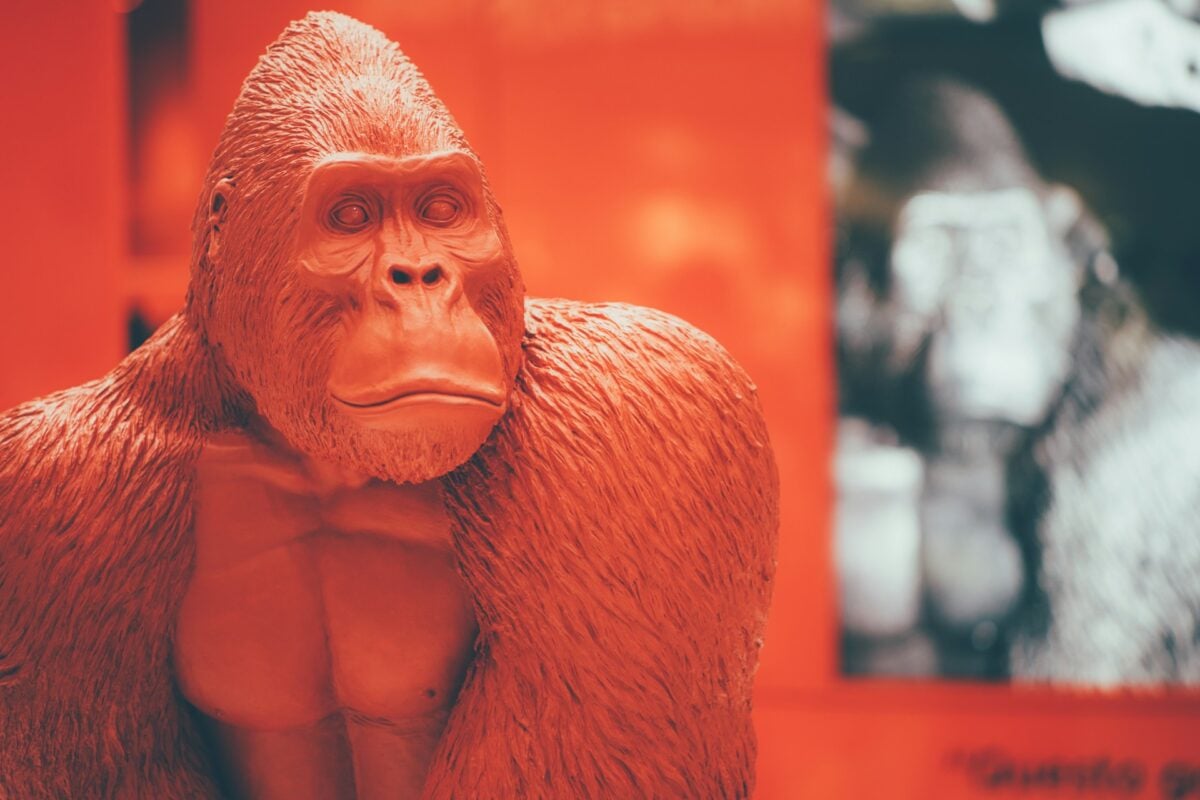
The death of a gorilla at the Cincinnati Zoo in 2016 sparked an unexpected wave of online mourning that evolved into something resembling actual religious devotion. Harambe memes initially served as dark humor about media cycles and public outrage, but some communities began treating the deceased gorilla as a genuine martyr figure.
Prayer circles formed online. Shrines appeared in public spaces.
People started referring to Harambe’s death as a pivotal moment when reality shifted into a darker timeline. The absurdity was the point, yet the emotional investment felt real.
Grief, even performative grief, has a way of becoming authentic when enough people participate simultaneously. Communities built around shared loss, even imaginary loss, create genuine connections between strangers.
Dogecoin Community
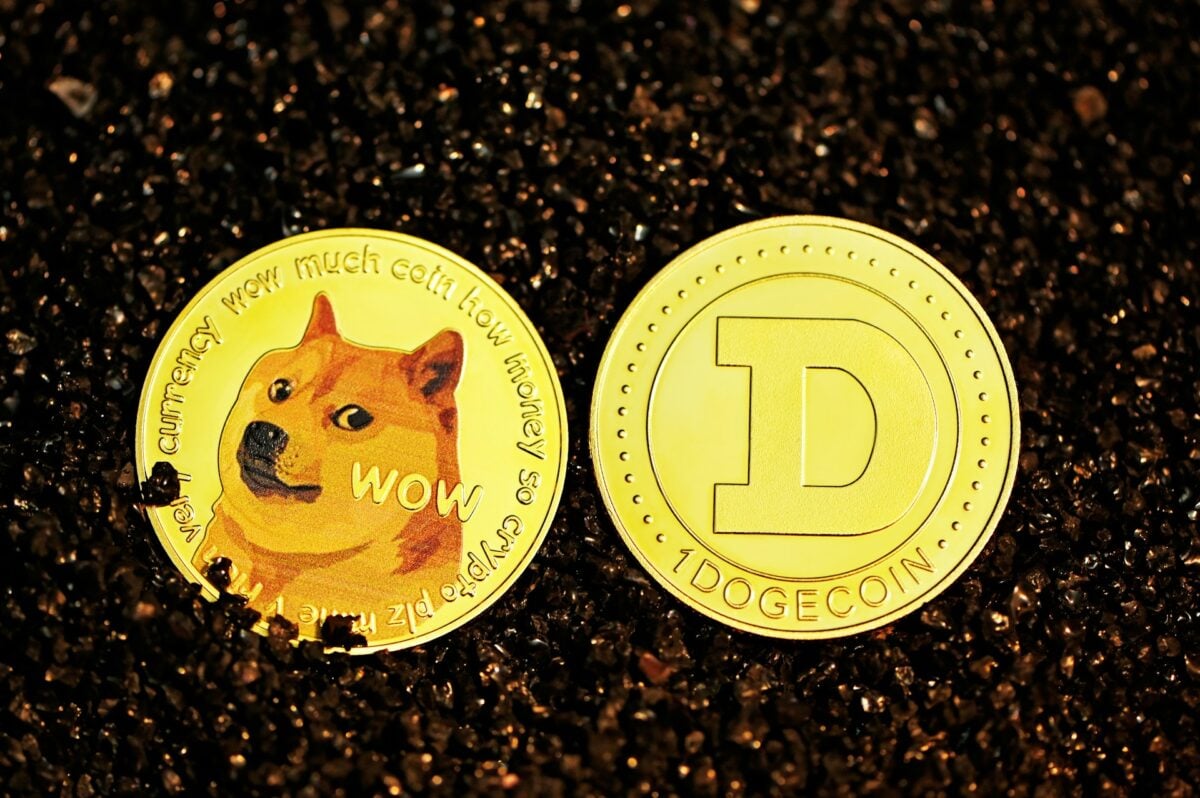
Dogecoin started as a joke cryptocurrency featuring the Shiba Inu dog from the “Doge” meme, created to satirize the speculative cryptocurrency craze of 2013. The Shiba Inu’s internal monologue of broken English phrases like “much wow” and “very currency” perfectly captured the absurdity of digital money fever.
The community that formed around this joke currency developed its own culture of charitable giving, funding everything from clean water projects to NASCAR sponsorships. Members genuinely believe in the power of meme-based economics and community-driven financial systems.
The joke became a billion-dollar market phenomenon, proving that sincerity and irony can coexist in ways that traditional finance never anticipated.
Area 51 Raiders
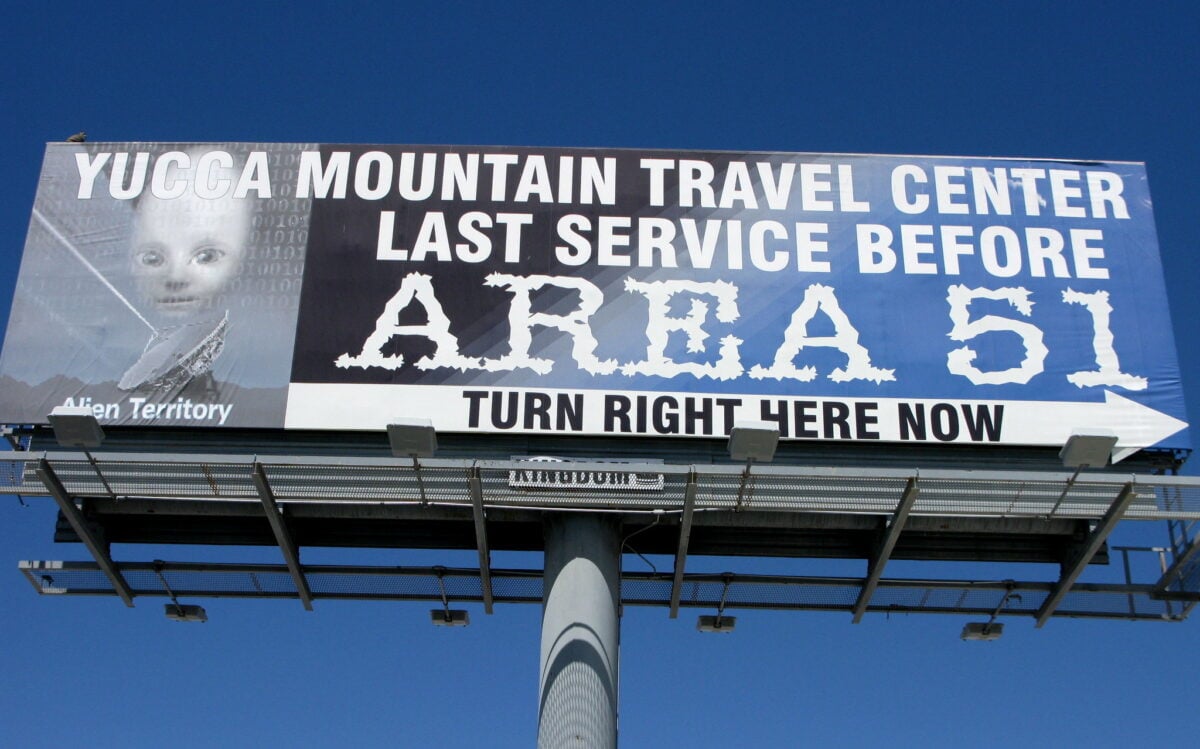
A Facebook event titled “Storm Area 51, They Can’t Stop All of Us” began as obvious satire about government secrecy and alien conspiracy theories. The creator intended it as harmless fun, mixing UFO mythology with Naruto running jokes and energy drink references that perfectly captured internet absurdism.
But over two million people marked themselves as “attending,” and the joke took on a life beyond anyone’s control (and certainly beyond what the event organizer had intended when they posted it as a throwaway gag). Local businesses started preparing for an actual invasion of tourists, the military issued warnings, and people genuinely showed up in the Nevada desert.
So a meme forced the real world to respond to something that was never supposed to exist outside of social media feeds.
Cult of Trump

The online communities that formed around political support transformed traditional campaign culture into something resembling religious devotion. Memes, rallies, and social media engagement created a feedback loop where political support became identity, and identity became unshakeable faith in a figure who actively cultivated that dynamic.
The merger of internet culture with political organizing produced new forms of collective behavior that political scientists are still trying to understand. Devotional language replaced policy discussions.
Conspiracy theories filled gaps where traditional political explanations fell short. The internet had provided new tools for building movements that functioned more like religious communities than political coalitions, complete with sacred texts, martyrdom narratives, and unquestionable central figures.
SCP Foundation

Starting as collaborative horror fiction on 4chan, the SCP Foundation created an elaborate fictional universe of paranormal objects contained by a secret organization. Writers contributed “Special Containment Procedures” for various supernatural entities, building a shared mythology through clinical, bureaucratic language that made the impossible sound mundane.
The foundation now operates like an actual organization, with hierarchies, internal politics, and thousands of contributors worldwide who treat the fictional universe with scholarly seriousness. Writers follow strict formatting guidelines and editorial processes.
The community has developed its own academic conferences and extensive peer review systems for fictional content.
Creative writing had organized itself into something resembling a legitimate research institution dedicated to imaginary phenomena.
Flat Earth Society
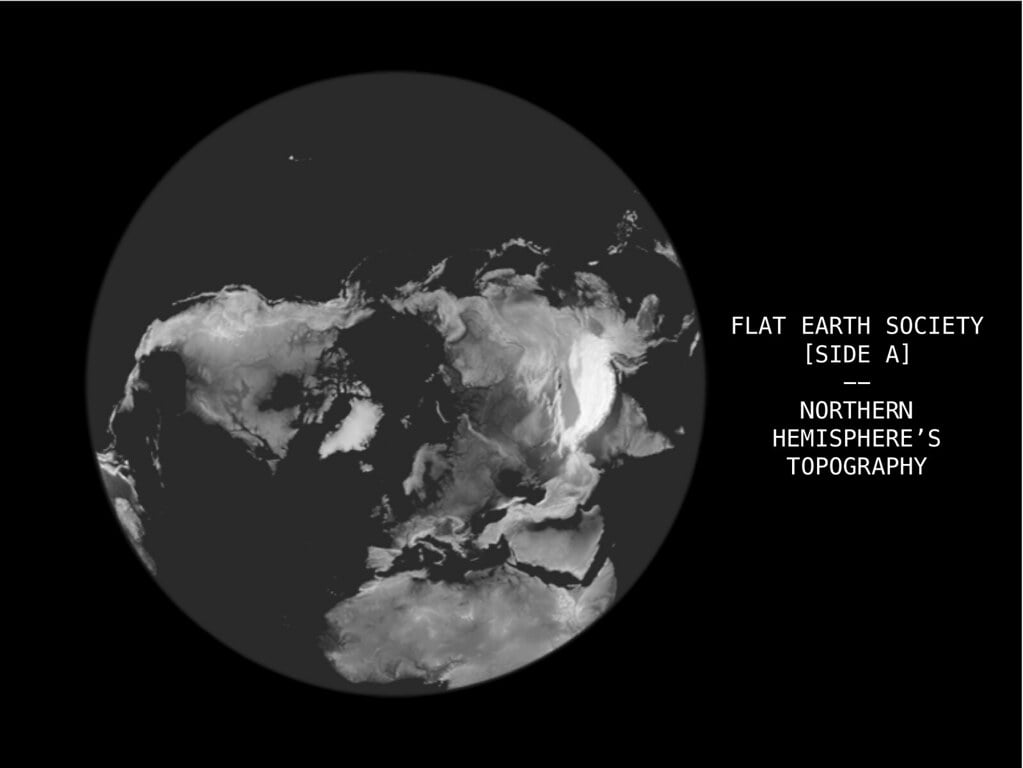
While flat earth beliefs predate the internet, the modern Flat Earth Society gained momentum through online communities that treated the concept as an intellectual exercise in questioning accepted knowledge. The movement attracted people who enjoyed contrarian thinking and elaborate theory crafting about government conspiracies and scientific deception.
What began as philosophical skepticism evolved into genuine conviction for many participants. The community provided social connection and purpose for people who felt disconnected from mainstream scientific consensus.
Online forums became echo chambers where increasingly elaborate explanations for observable phenomena reinforced group beliefs and created deeper commitment to ideas that started as thought experiments.
Gorilla Glue Girl Followers
When Tessica Brown accidentally used Gorilla Glue in her hair and shared her experience online, the incident spawned a community of supporters who treated her ordeal as a form of martyrdom. The initial reaction was mockery, but sympathy followers emerged who saw her as a victim of corporate irresponsibility and social media cruelty.
Fundraising efforts raised tens of thousands of dollars. Fan art appeared.
Support groups formed around the idea that everyday people deserve compassion when their mistakes become public entertainment.
The community developed its own narrative about dignity, empathy, and the cruelty of viral fame that transformed a personal mishap into a broader commentary on internet culture.
Ligma Brotherhood

Built around the “Ligma” joke format designed to trick people into asking “what’s ligma”, this community elevated juvenile humor into an elaborate mythology. Members created fictional diseases, fake news stories, and elaborate backstories for what started as a simple play on words.
The brotherhood treats the preservation and evolution of the Ligma meme as a sacred duty. They’ve created academic-style papers analyzing the joke’s cultural impact and developed increasingly sophisticated variations that require extensive knowledge of internet culture to understand.
Juvenile humor had been elevated to the status of cultural preservation, complete with historians and theologians dedicated to maintaining the purity of the original format.
Pepe the Frog Worshippers
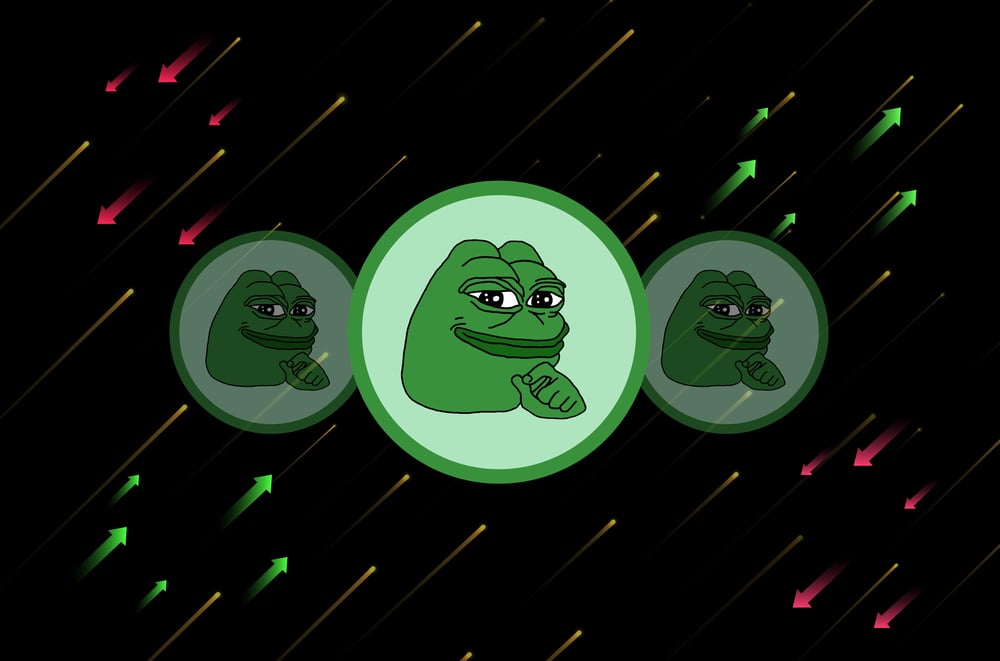
Matt Furie’s innocent cartoon frog became a religious symbol for certain internet communities who adopted Pepe as a deity representing chaos, transformation, and meme magic. The character’s evolution from harmless comic relief to political symbol to religious icon demonstrates how quickly internet culture can repurpose existing imagery.
Worshippers believe in the power of memes to influence reality through collective belief and ritual posting. They’ve created elaborate mythologies connecting Pepe to ancient Egyptian gods and chaos magic traditions.
Art, politics, and spirituality merged in ways that made traditional religious categories inadequate for describing what was happening in these digital spaces.
OnlyFans Simps United

Communities formed around the shared experience of financial devotion to online content creators evolved into support groups that function like religious organizations. Members provide emotional support, financial advice, and philosophical justification for spending significant money on parasocial relationships with internet personalities.
The groups developed their own terminology, ranking systems, and moral codes around appropriate behavior toward content creators. What started as consumer enthusiasm became a lifestyle philosophy about supporting independent creators and rejecting traditional relationship models.
Economic transactions had been reframed as spiritual practice, complete with community guidelines and moral imperatives about proper devotion.
The Eternal Meme Cycle
These movements reveal something fundamental about human nature in digital spaces: the need for community and meaning-making doesn’t disappear when communication moves online, it just finds new forms. Irony and sincerity blend together until distinguishing between them becomes impossible, and maybe that distinction was never as important as the connections people forge while pretending to believe in something that started as a joke.
The internet has simply provided new venues for the same impulses that have always driven people to gather around shared symbols and stories, no matter how absurd they might appear to outsiders.
More from Go2Tutors!

- The Romanov Crown Jewels and Their Tragic Fate
- 13 Historical Mysteries That Science Still Can’t Solve
- Famous Hoaxes That Fooled the World for Years
- 15 Child Stars with Tragic Adult Lives
- 16 Famous Jewelry Pieces in History
Like Go2Tutors’s content? Follow us on MSN.



