27 Animal Species That Behave in Ways Scientists Still Can’t Fully Explain
There’s a particular kind of humility that comes from watching an animal do something that no lab, no camera, no team of researchers with decades of funding has managed to fully explain. It happens more often than you’d think.
Somewhere between the tidy diagrams in textbooks and the actual, messy behavior of living things, there’s a gap — and that gap is where the strangest stories live. What follows isn’t a list of animals doing weird tricks for attention. It’s a list of animals doing exactly what they’ve always done, while the people studying them quietly admit they’re still not sure why.
Octopuses
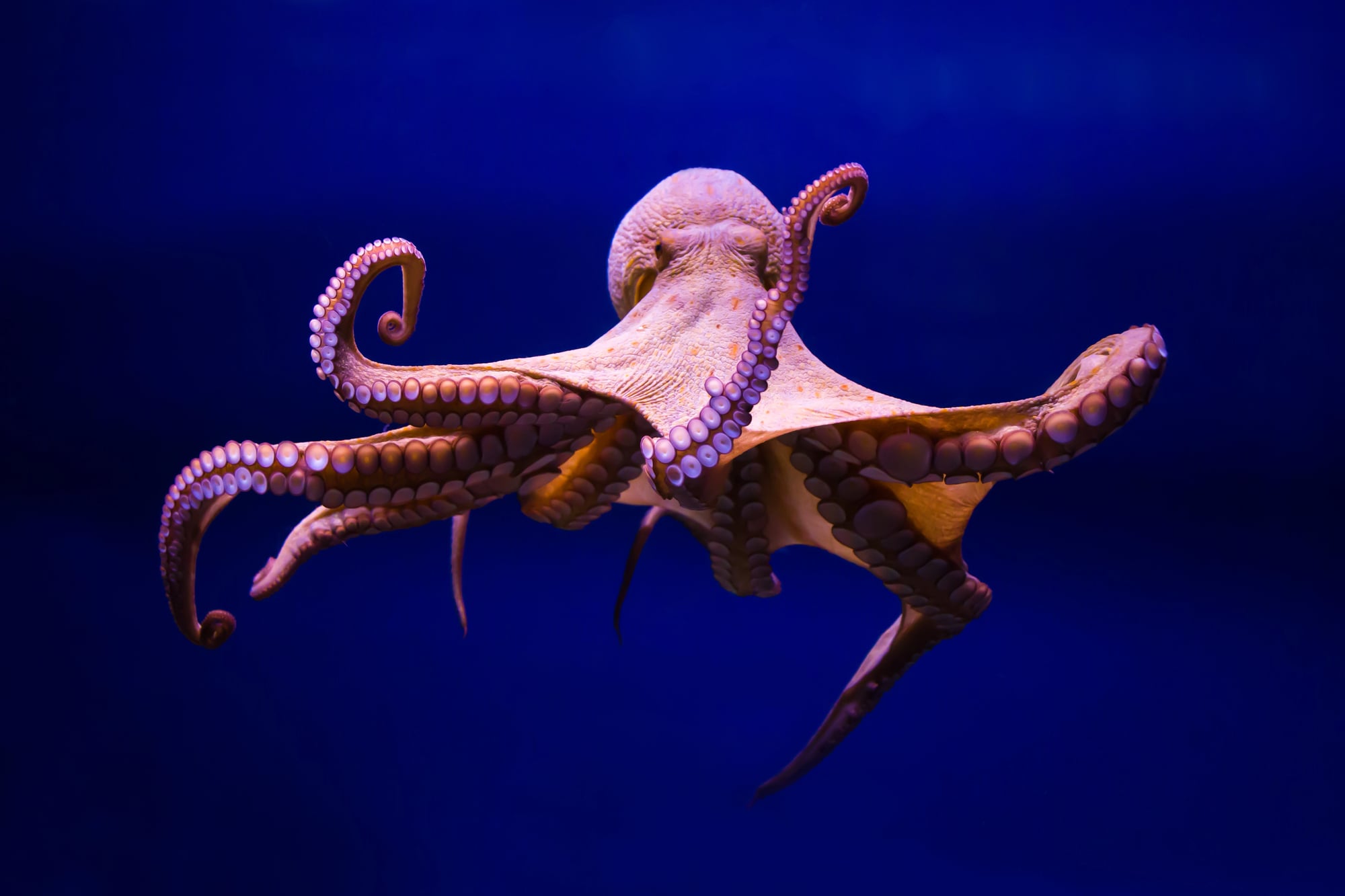
Octopuses are colorblind. Yet they change color and texture in a fraction of a second, matching coral, sand, even divers’ wetsuits.
Scientists still don’t know how an animal that can’t see color pulls this off. Something in their skin appears to sense light directly, and nobody has fully cracked it.
Cicadas
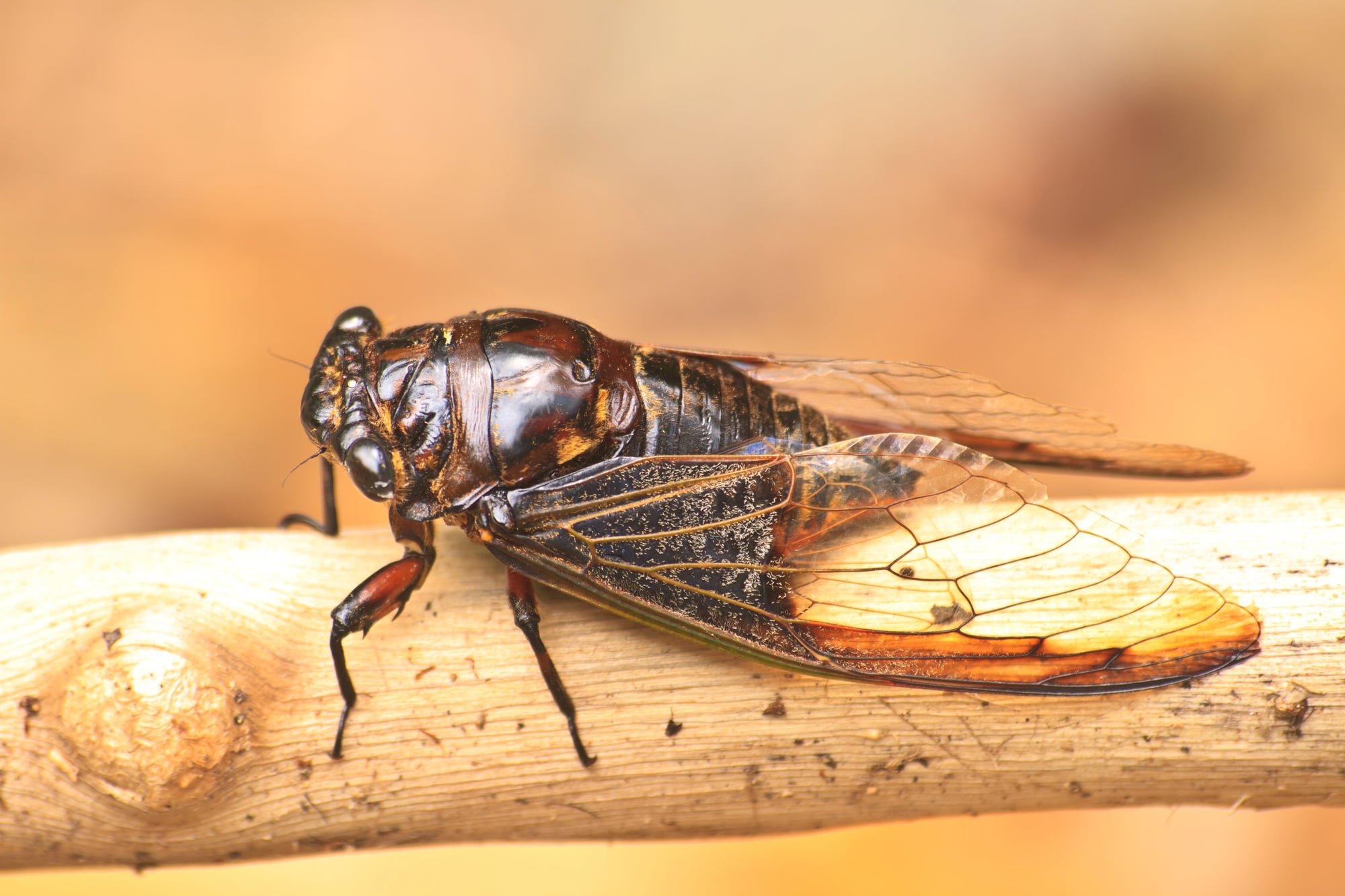
Periodical cicadas spend thirteen or seventeen years underground before emerging all at once, and both numbers happen to be prime — a detail that either means nothing or means everything, depending on who you ask. Researchers have floated the theory that a prime-numbered cycle keeps cicadas from ever syncing up with shorter predator cycles (a possum that breeds every four years, say, or a bird every six), so the two never quite meet.
And the deeper mystery isn’t even the math: it’s how an insect buried for seventeen years knows, down to the season, when to climb out. So the current best guess involves tracking the changing sap chemistry of tree roots year over year, but that’s a guess wearing the costume of a fact.
American Eels
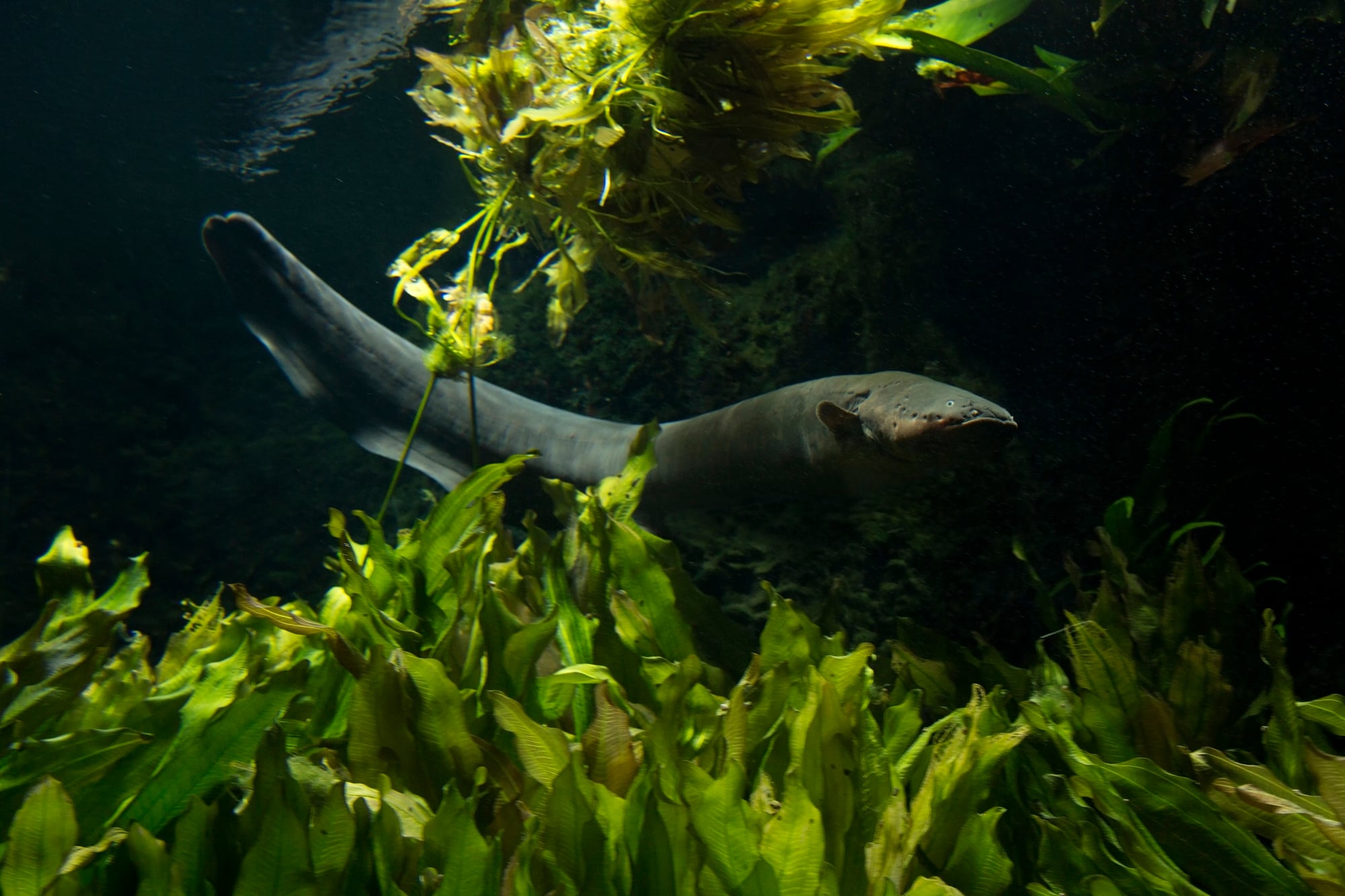
American eels spend most of their lives in ponds and rivers across the eastern US, then one day, decades in, they simply leave. They swim to the Sargasso Sea, a patch of ocean defined by nothing but seaweed and currents, to spawn and die — and no scientist has ever witnessed it happening, not once, not directly.
It’s less a migration than a disappearance: the eels go in, and only their offspring come back out, drifting toward shore as glass-clear larvae with no memory of the journey that made them. Something in that blank, wordless return feels less like biology and more like inheritance.
Narwhals
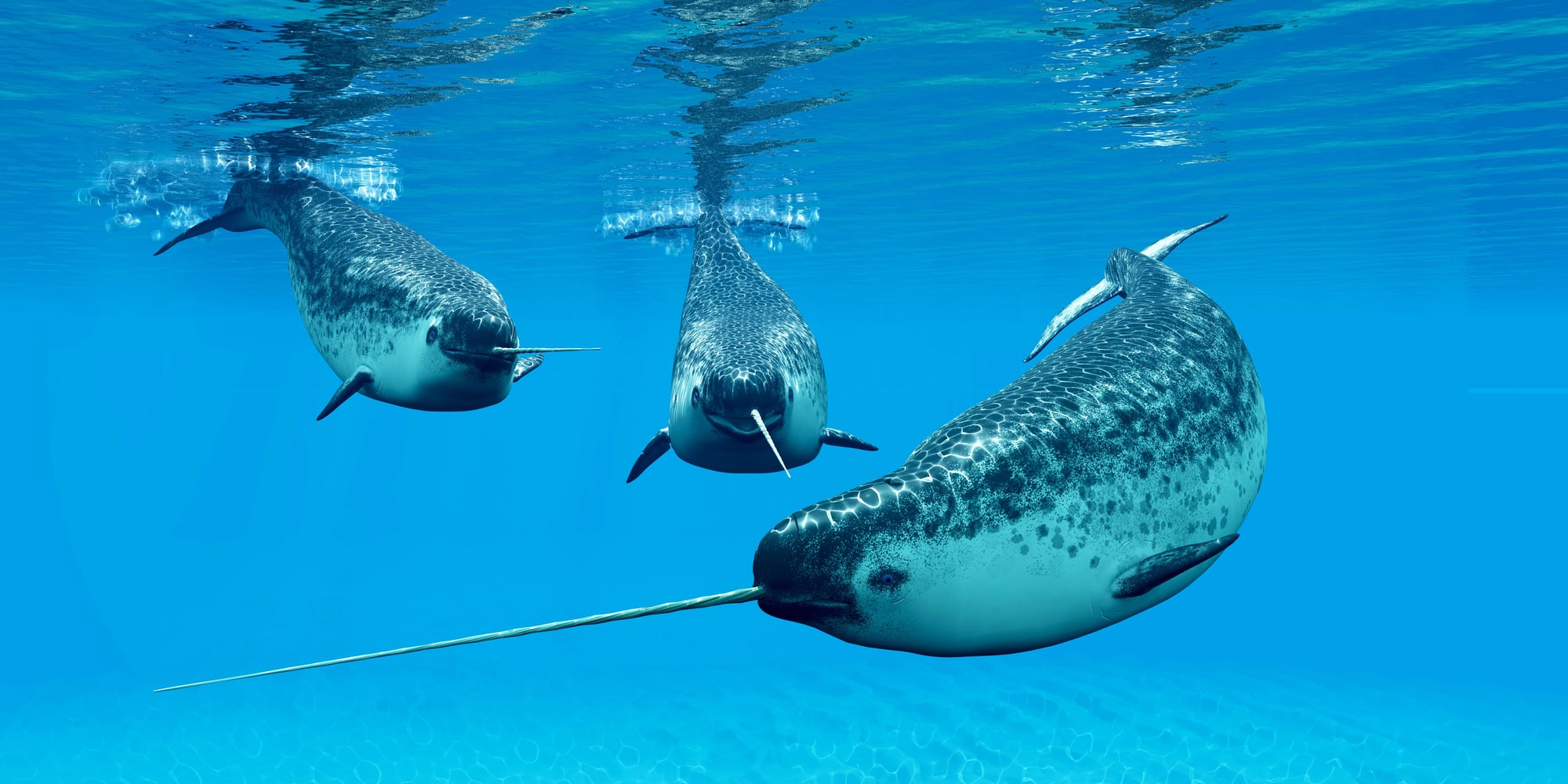
The narwhal tusk is not just a curiosity, it is one of the more absurd unresolved questions in marine biology, and pretending otherwise doesn’t help anyone. For decades the standing theory was that it’s a status symbol, something like antlers, used mostly by males to spar or impress.
Newer research suggests the tusk is riddled with nerve endings and appears to sense water temperature, salinity, even chemical shifts in real time, which would make it one of the strangest sensory organs on the planet. Nobody has settled it, and any documentary claiming certainty is, frankly, overselling itself.
Platypuses
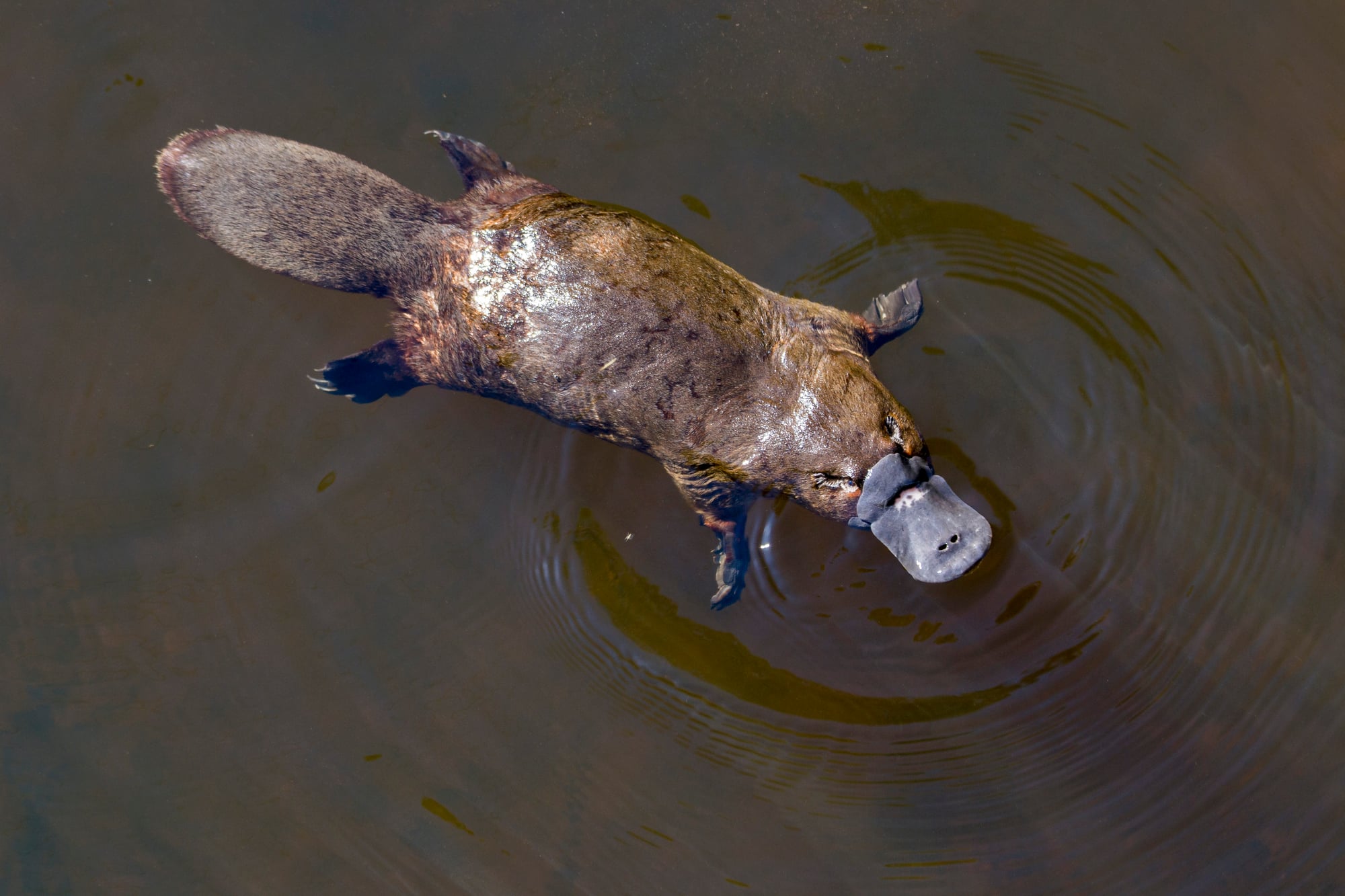
Platypuses lay eggs. They also make venom, glow under UV light, and detect electrical signals from prey using their bill.
Nobody has a tidy explanation for why one mammal ended up with all of that at once. It looks less like evolution and more like a rough draft nobody bothered to finish.
Elephants
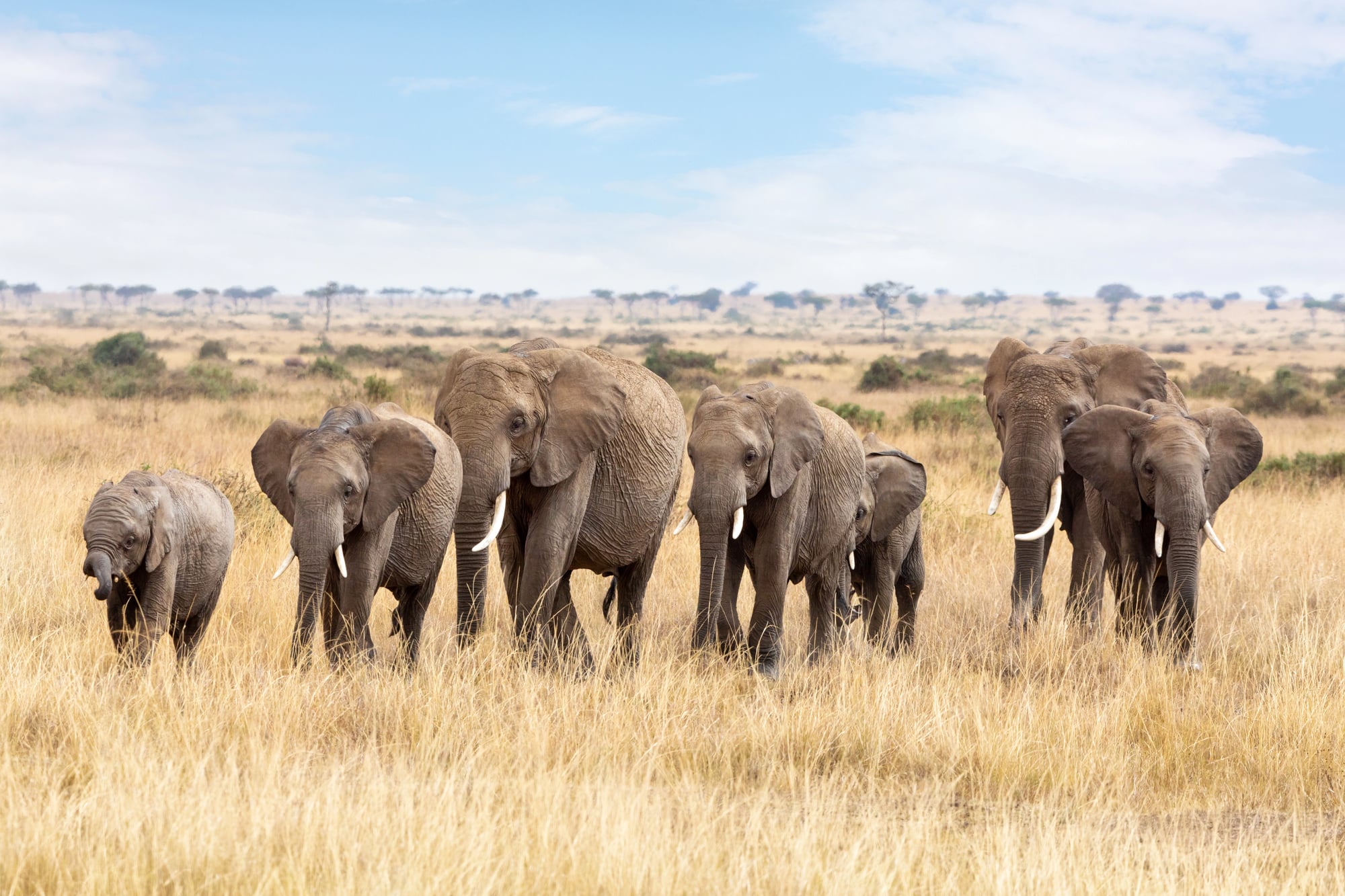
Elephants return to the bones of dead herd members years later, running trunks over skulls and tusks in a way that looks — and there’s no softer way to put this — like grief. Researchers have documented elephants standing over a dying matriarch for hours, other herds altering their route to pass a specific set of bones, calves that go quiet for days after a death nearby: patterns that keep showing up across separate populations on separate continents.
So the behavior itself isn’t in question, what’s still unresolved is what’s happening inside an elephant’s head when it does this, and whether grief is even the right word or just the closest human one available. And that gap is the actual mystery.
Monarch Butterflies
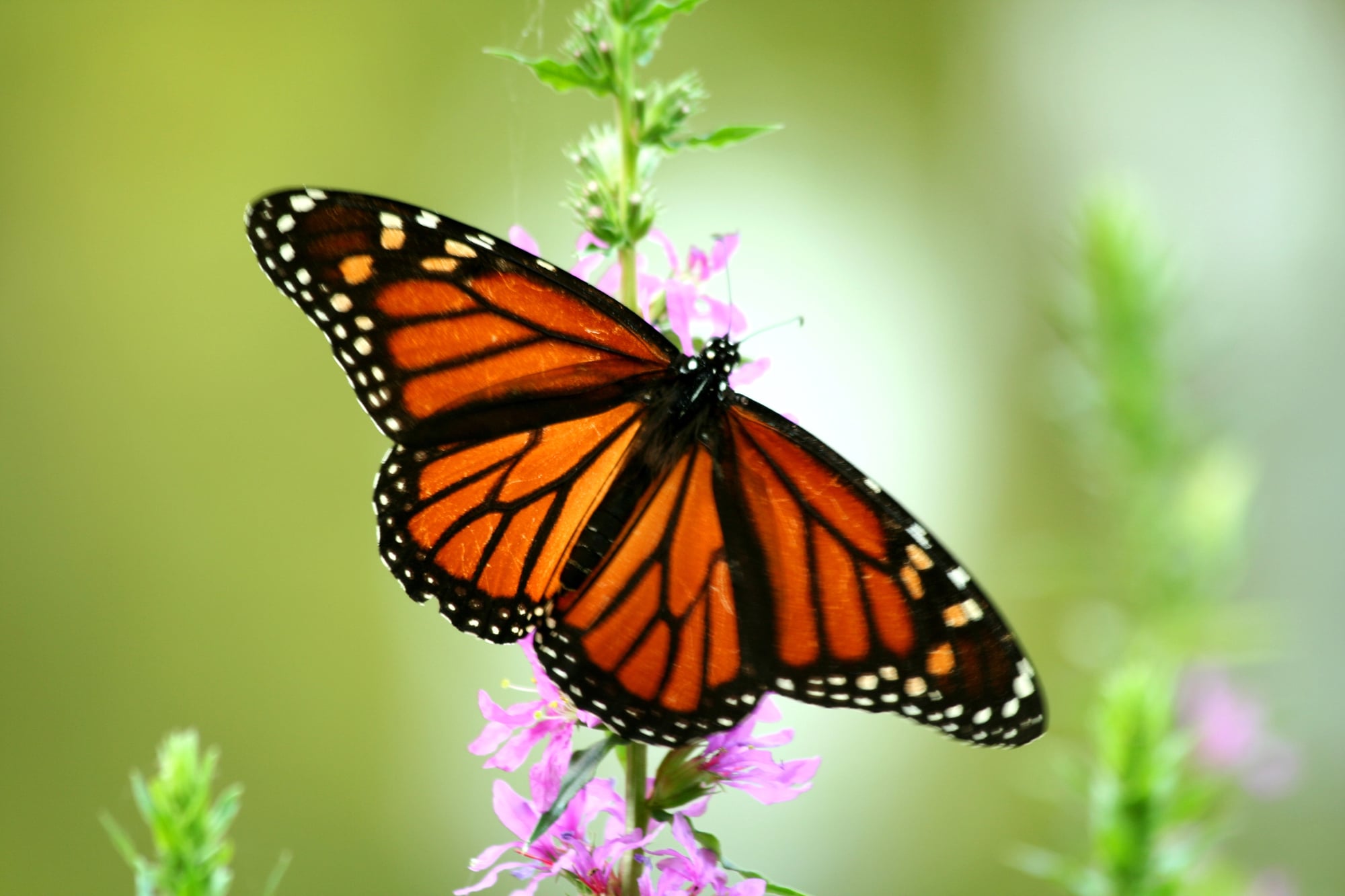
No monarch butterfly alive today has ever made the full migration before. It takes four or five generations to fly from Canada down to a mountainside in central Mexico, and the ones that finally arrive are the great-great-grandchildren of the ones that left.
Somehow the route survives anyway, passed along like a story told without words, encoded in wings that have never once seen the destination. Call it instinct if that word feels safe, but it behaves like memory that skipped a body.
Sea Turtles
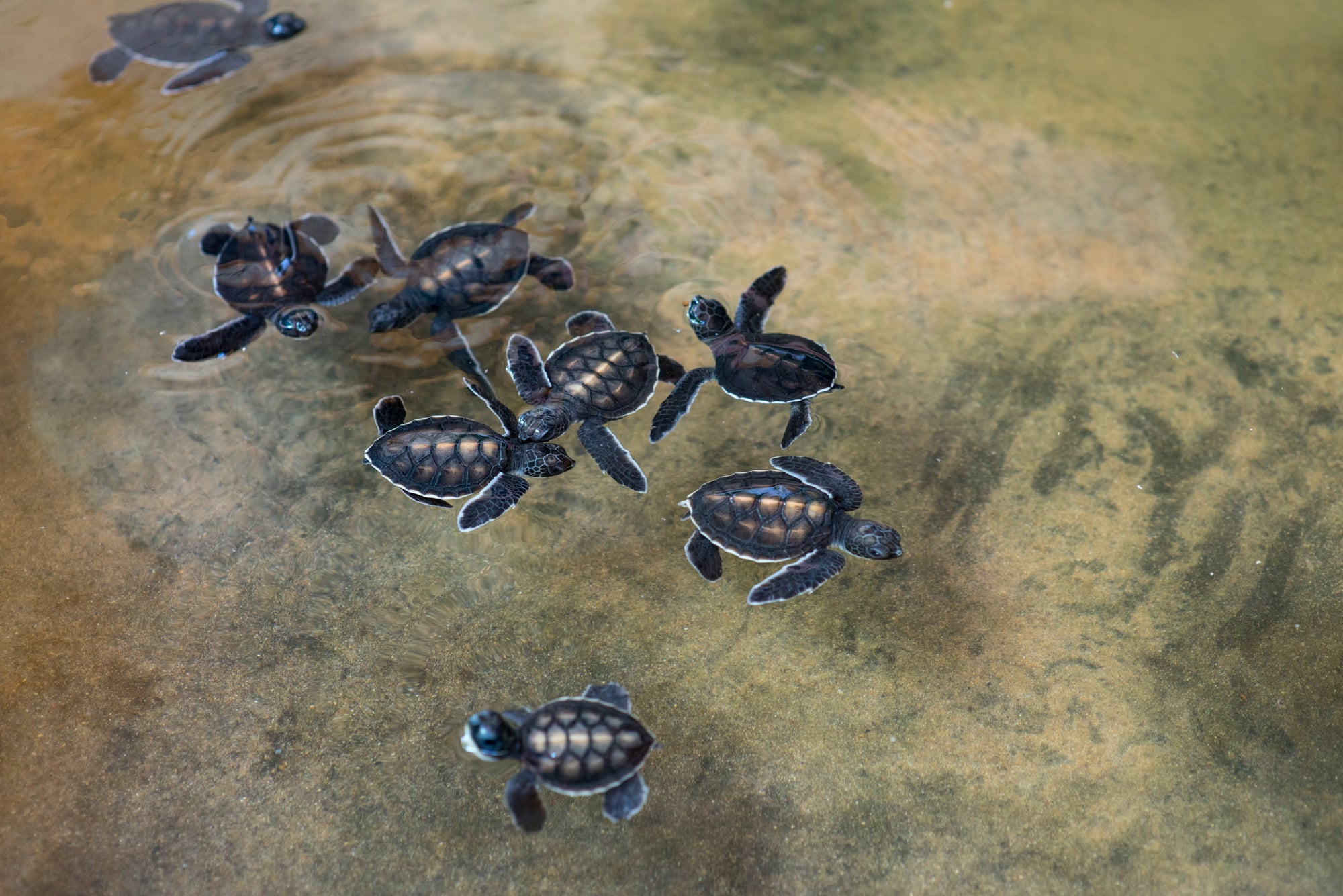
Sea turtles finding the exact beach where they hatched, sometimes after journeys of thousands of miles, is one of the more genuinely impressive tricks in the animal kingdom, and the mechanism behind it is still only half-understood. The going theory is that turtles imprint on the unique magnetic signature of their home beach as hatchlings and use it like a return address decades later.
That’s a tidy explanation right up until you remember magnetic fields shift over time, slowly rearranging the coastline’s signature, and turtles somehow still find their way home anyway. Nature clearly didn’t feel obligated to make this easy to study.
Starlings
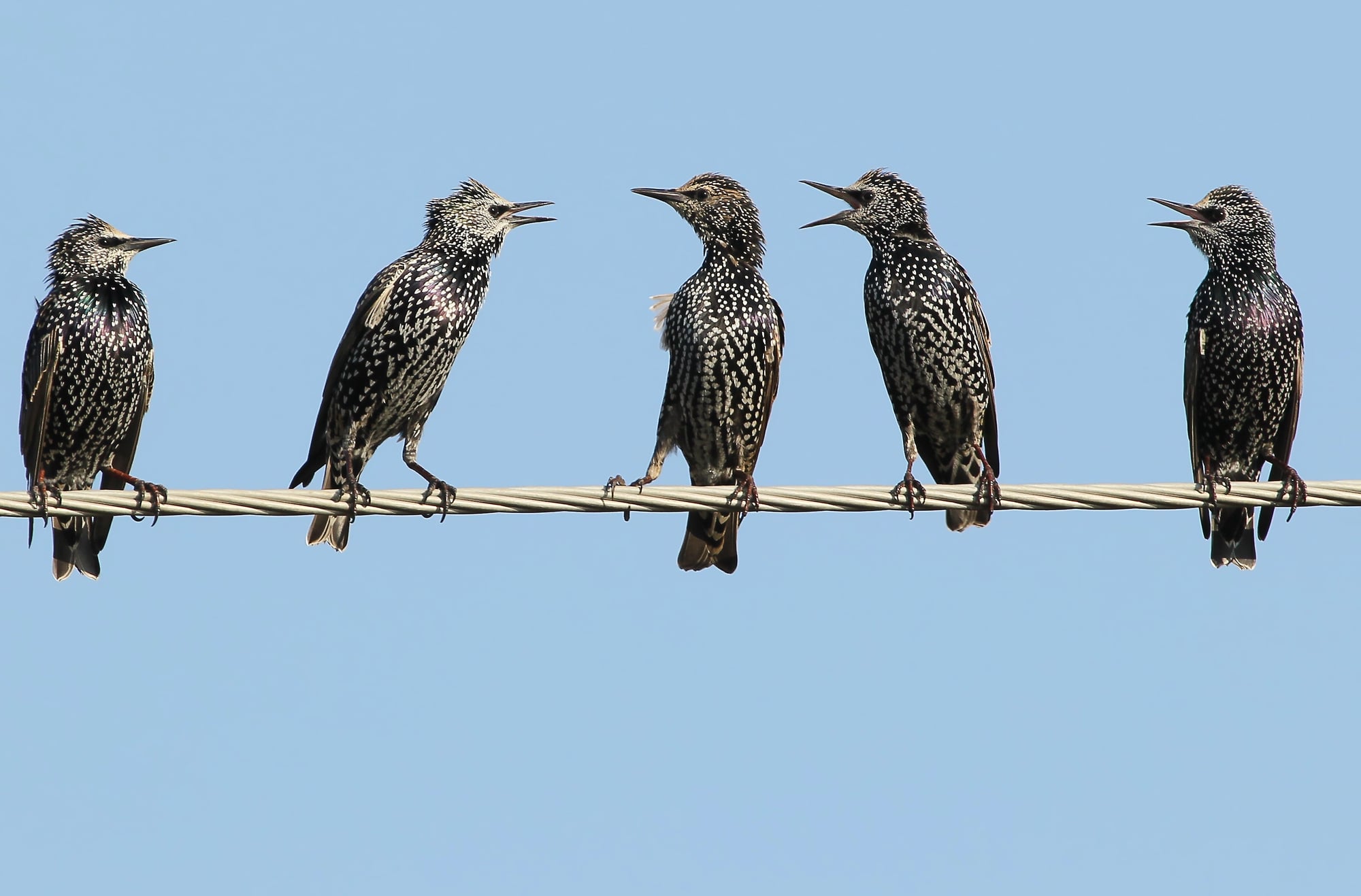
Starling murmurations move like one animal instead of thousands. No leader, no signal anyone can point to.
Each bird reacts to roughly seven neighbors, and that simple rule produces shapes that twist across the sky like smoke. Physicists still argue about why seven, specifically, is the number that works.
Bowerbirds
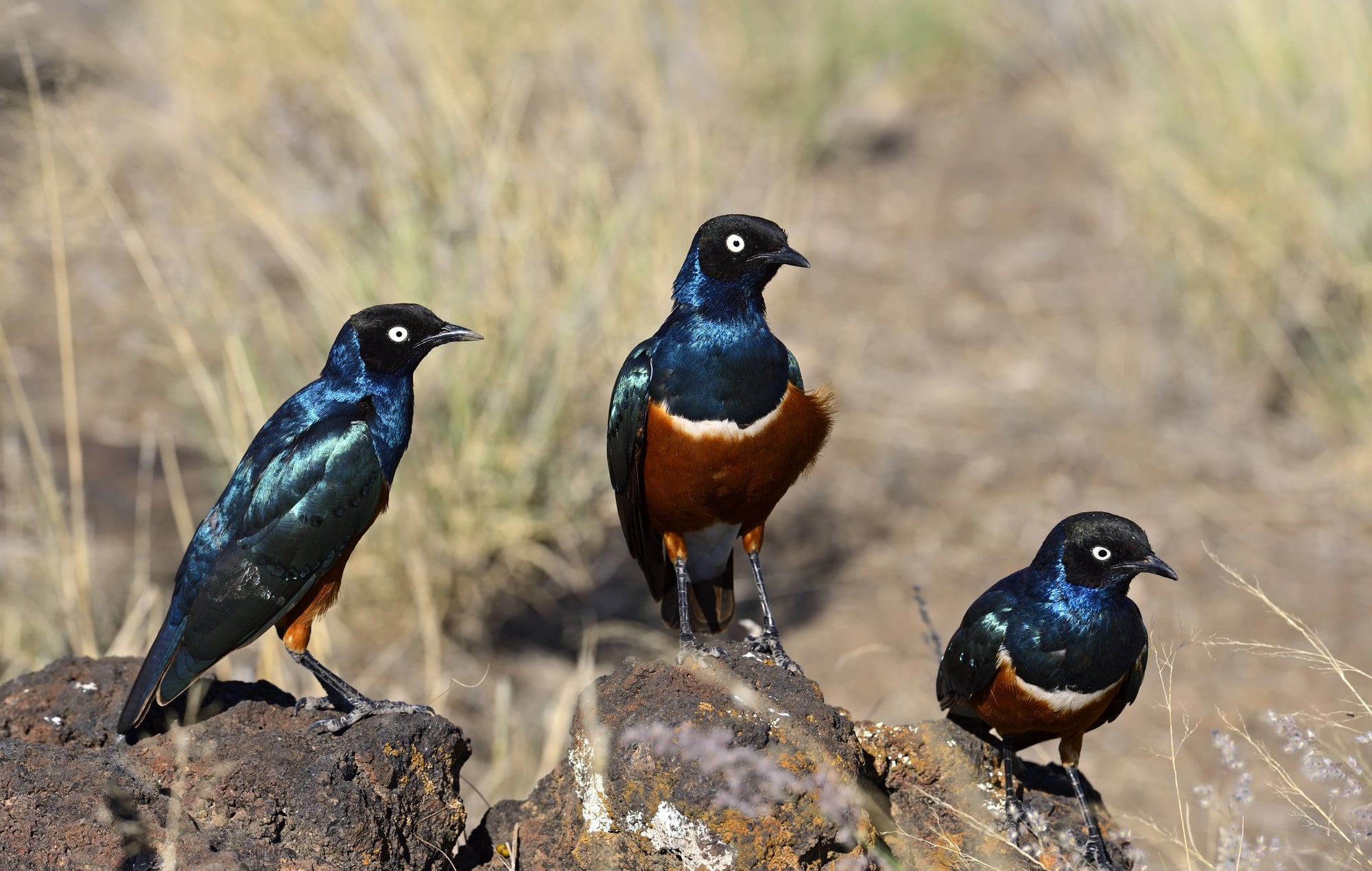
Male bowerbirds build elaborate structures out of twigs, then decorate them with color-sorted objects — blue bottle caps, shells, berries, once even a scattering of bullet casings a researcher found near a mining town — arranged by size so the whole thing tricks the eye into looking bigger from a distance. So this isn’t nest-building, the bower is never lived in, it exists purely to be looked at by a female bird deciding whether to nest nearby.
And the forced perspective trick, arranging objects smallest to largest to create a false sense of depth, is something humans didn’t formalize in art until the Renaissance: a bird figured it out first. Nobody fully knows how the preference for that illusion got wired into a bird’s brain in the first place.
Wombats
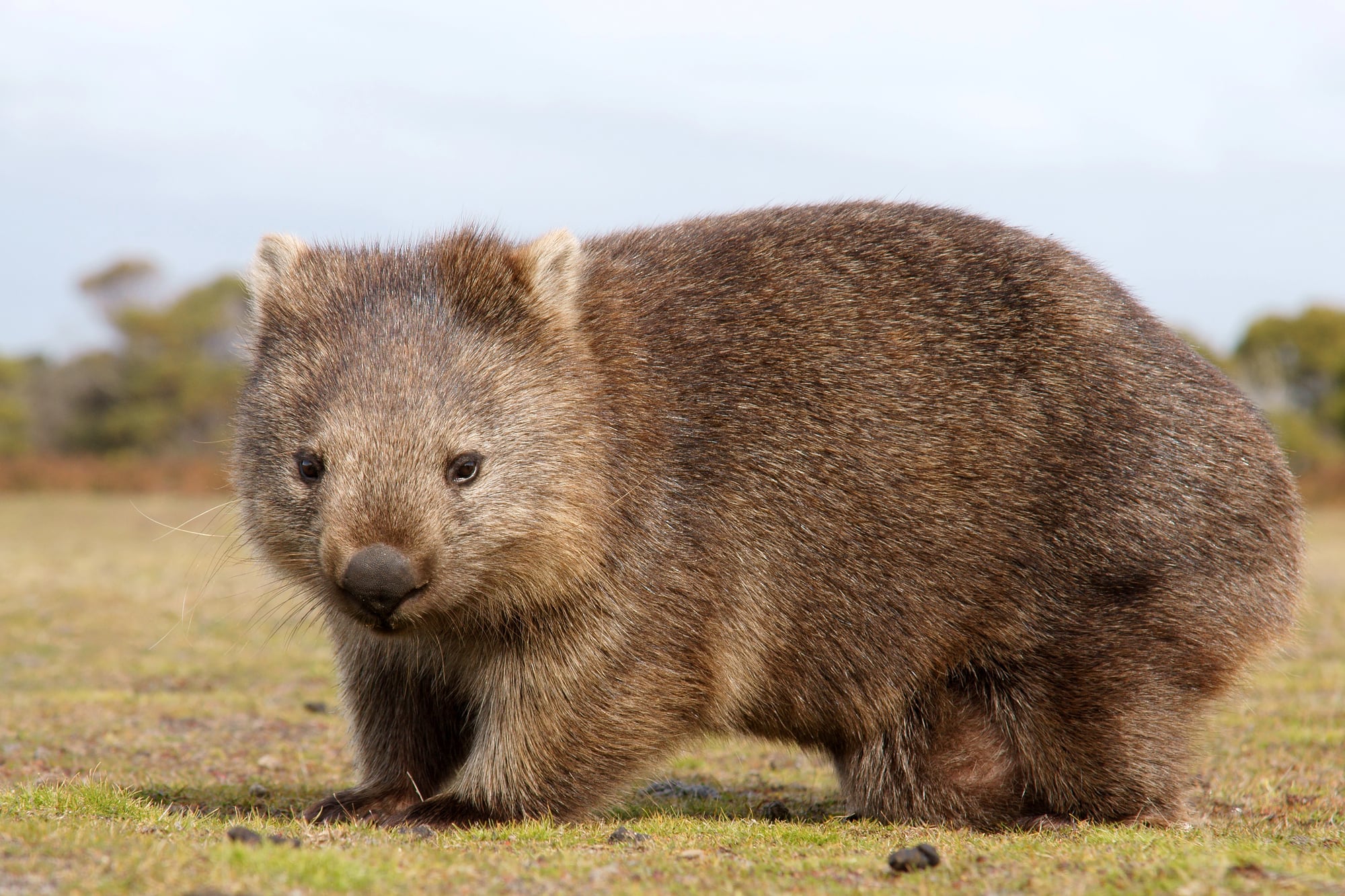
Wombat droppings come out in cubes, stacked neatly on logs and rocks like tiny bricks left by something with very particular taste. For years the assumption was a square opening somewhere inside the wombat, which turned out to be wrong — the shaping happens in the final stretch of the intestine, where sections of muscle contract unevenly and squeeze waste into corners instead of curves.
Researchers studying it seriously enough to publish on stool elasticity is its own small miracle. Why a burrowing marsupial needed right angles at all, when round would mark territory just fine, is still anyone’s guess.
Orcas
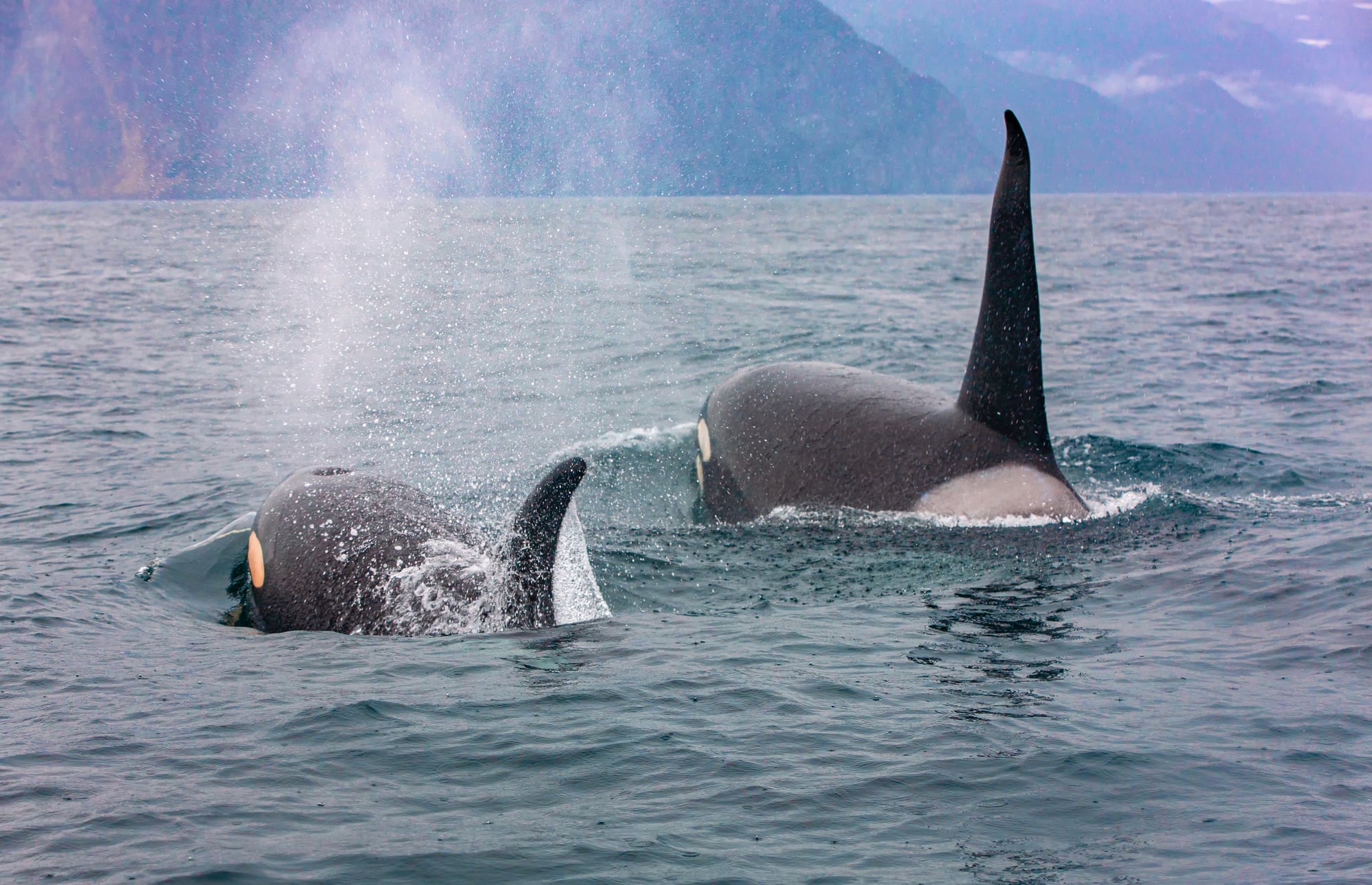
Orcas are one of exactly two species on Earth, alongside humans, where females go through menopause and then live for decades afterward, and that fact alone should get more attention than it does. The leading explanation is that older, non-breeding females become the pod’s memory bank, leading the group to food during lean years based on decades of accumulated knowledge.
That’s a solid theory, but it doesn’t explain everything else orcas do that looks suspiciously like culture — distinct hunting styles, dialects, even fads that spread through a pod and then vanish. Comparing orca pods to human families isn’t as much of a stretch as it sounds, which, to be fair, is a little unsettling.
Giraffes
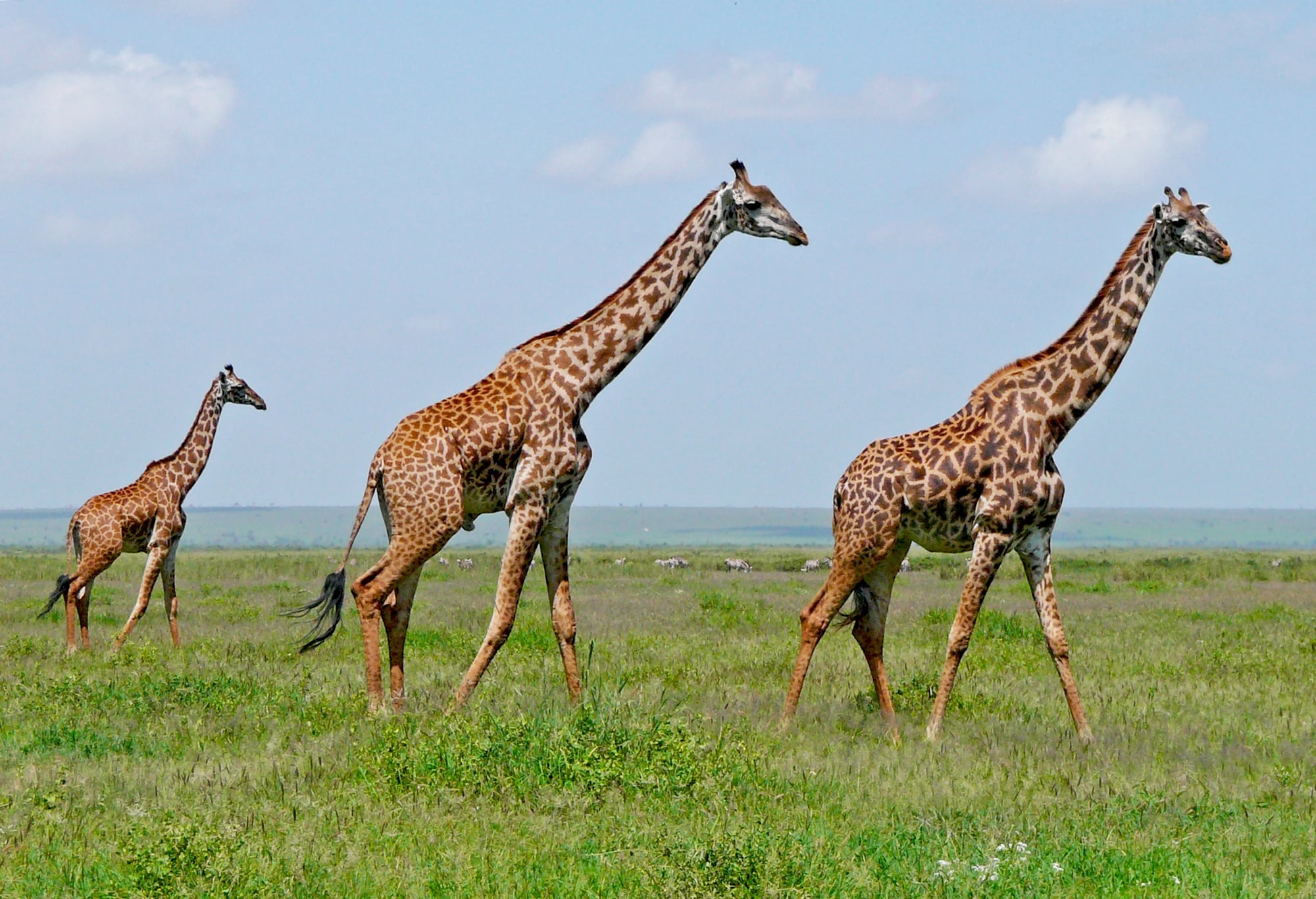
Giraffes hum at night. The sound sits below what most human ears can register, low and steady, mostly after dark.
Nobody has confirmed why. Communication is the leading guess, but nobody has matched specific hums to specific meanings yet.
Axolotls
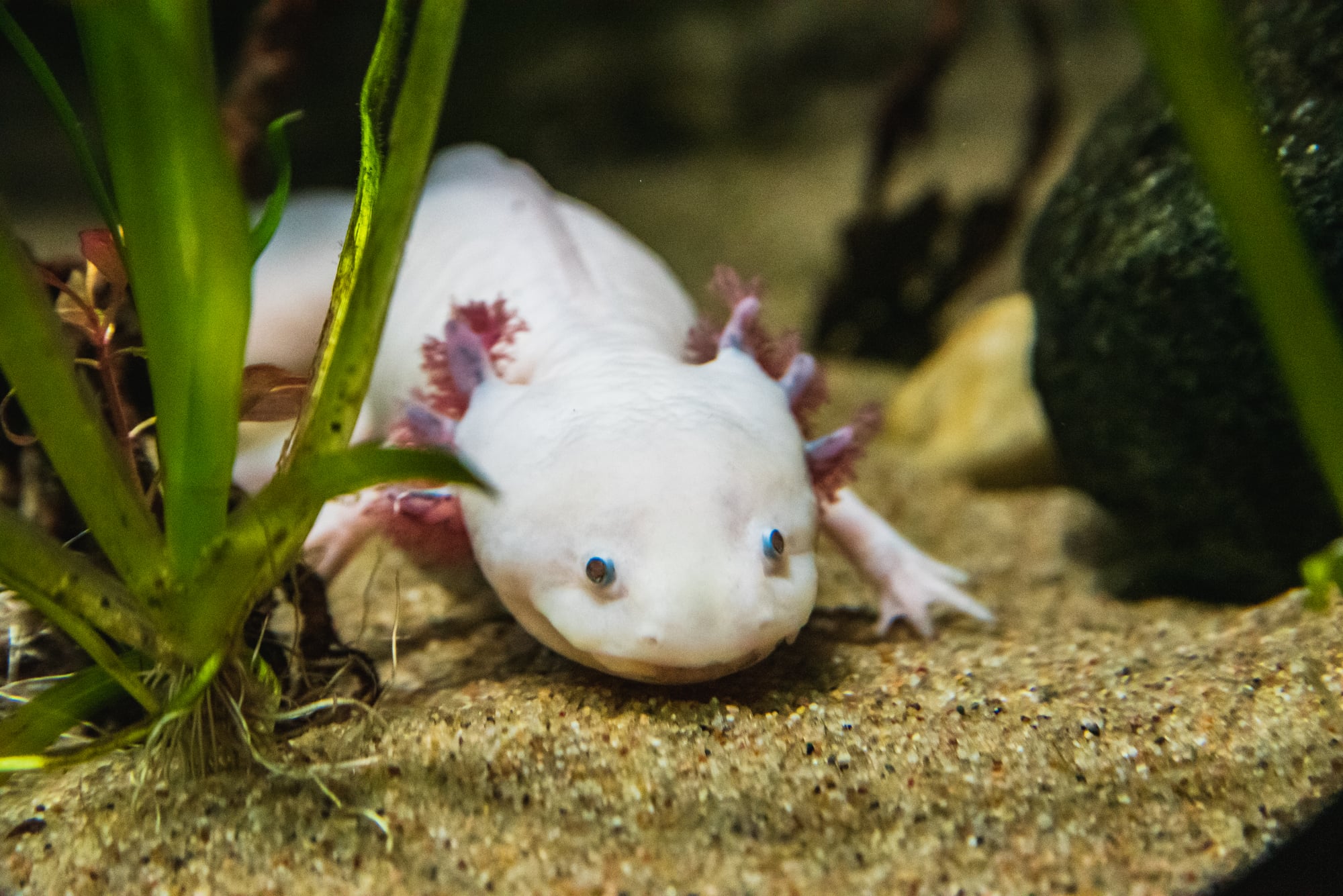
Axolotls can regrow a limb, a section of spinal cord, even part of the heart or brain, and do it without scarring — which is the part that actually stumps researchers, since most animals, humans very much included, replace damaged tissue with scar tissue instead of the original structure. So the cells at the injury site seem to sort of forget what they are, reverting to something like a blank state before rebuilding the exact structure that was lost, tendon becoming tendon again, bone becoming bone: no confusion, no scrambled parts.
And decades of studying this in labs still hasn’t produced a clear answer for why human cells, given similar injuries, default to the sloppier, scarred repair instead. It’s one of the more frustrating gaps in regenerative medicine, mostly because the creature holding the answer is sitting right there in a tank.
Salmon
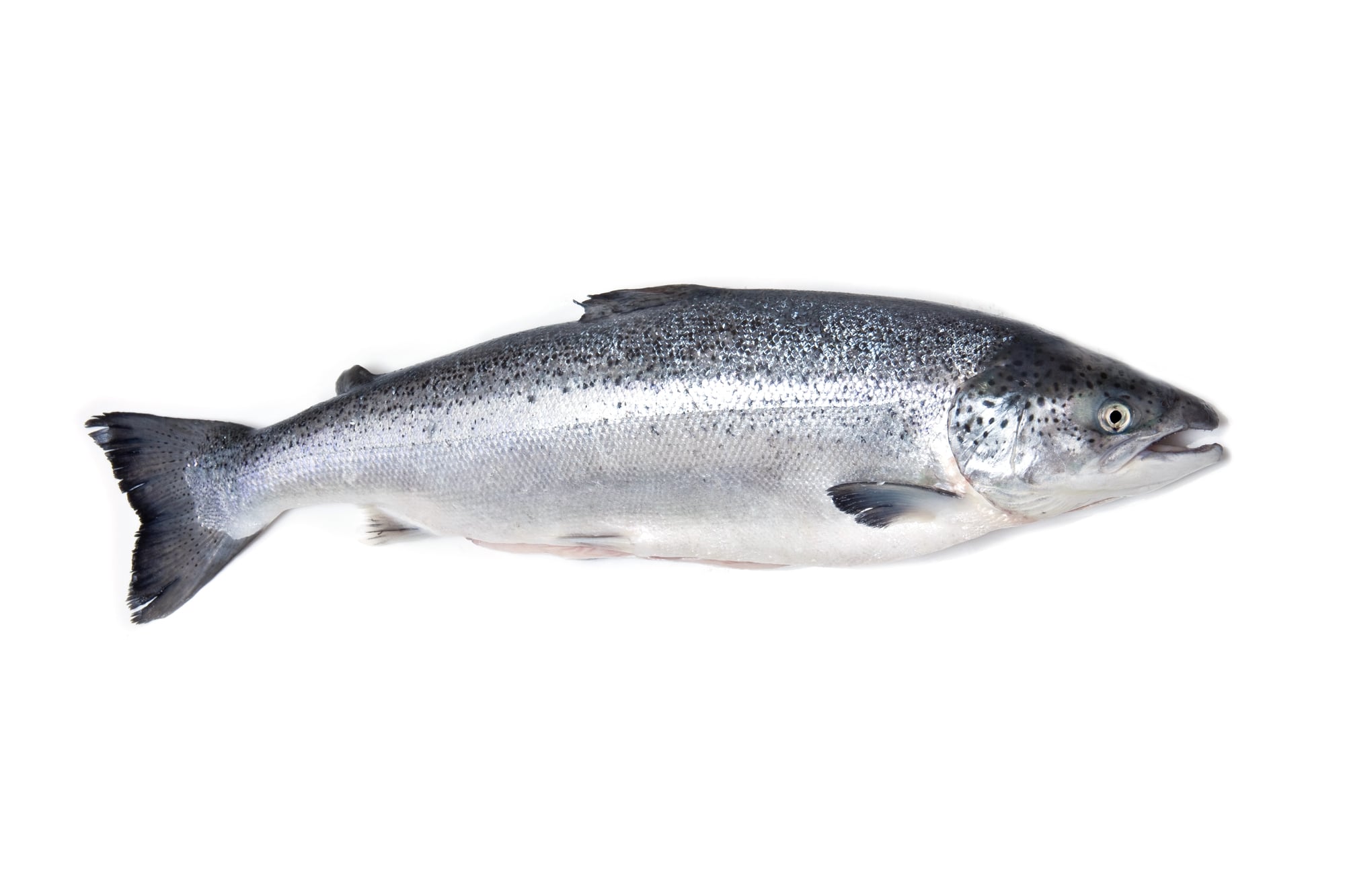
Salmon leave the river where they hatched, spend years in open ocean covering vast distances, and then return to that exact same stretch of water to spawn, passing thousands of other rivers that smell, to any human standing there, identical. The leading theory involves imprinting on the particular chemical signature of home water as juveniles, carrying that scent memory through years at sea like a key kept in a pocket nobody remembers putting there.
What’s odd is the precision of it, not just the right river but often the right tributary, the right gravel bed. It behaves less like memory and more like homesickness with a coordinate attached.
Ravens
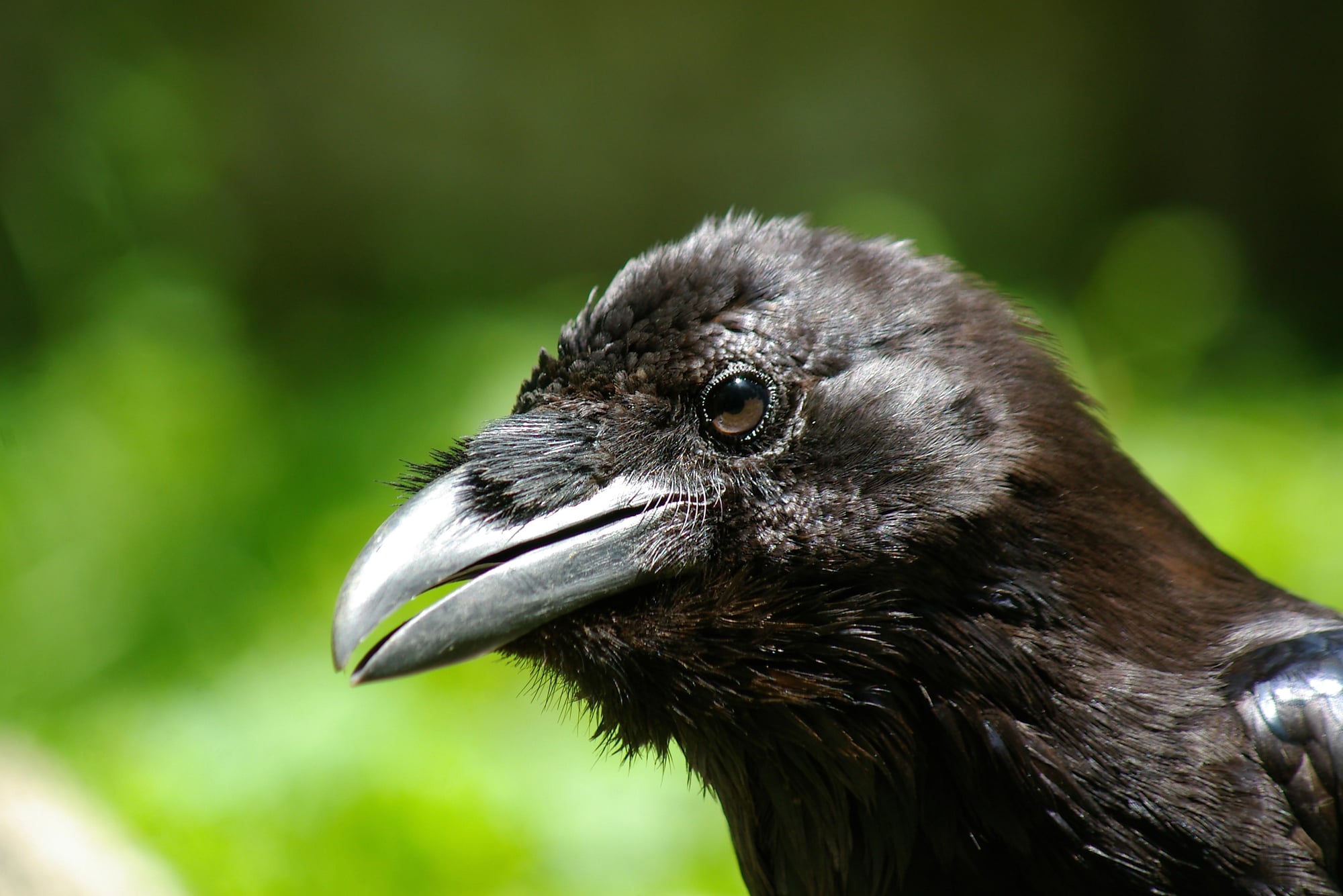
Ravens hold something like funerals, and calling it anything less sells the behavior short. Groups gather around a dead raven, go quiet, sometimes avoid the area where the death happened for days afterward, which looks a lot like risk assessment dressed up as mourning.
They also give gifts, dropping shiny objects or food near humans who’ve been kind to them, without any obvious reward for doing it. Anyone still calling birds “bird-brained” clearly hasn’t met a raven.
Cuttlefish
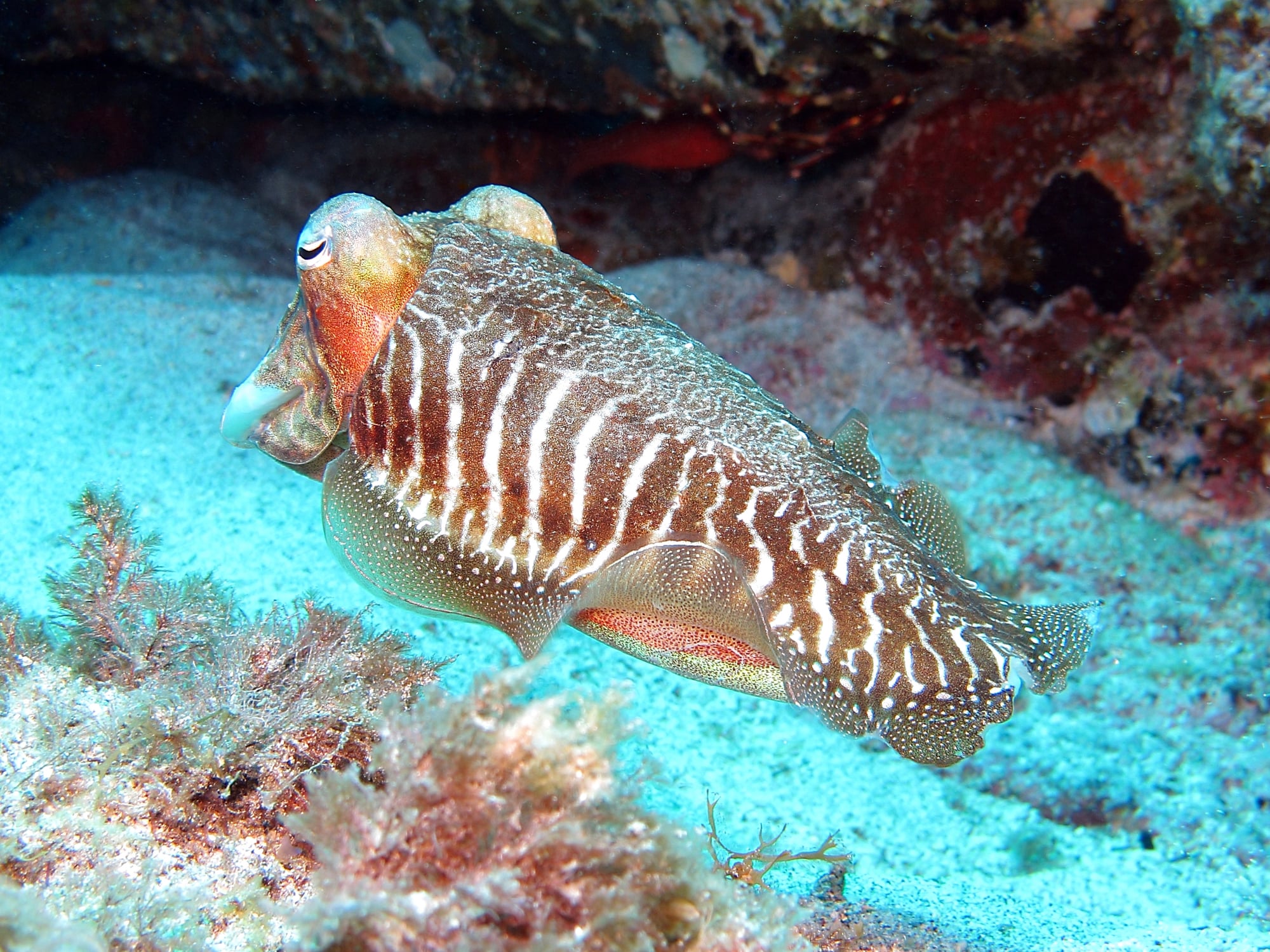
Cuttlefish are colorblind, same as octopuses, and yet they pull off camouflage so precise it fools other cuttlefish. Their skin holds structures that may sense light directly, bypassing the eyes altogether.
Males have also been filmed splitting their color pattern in half, showing calm colors to a rival male on one side and courtship colors to a female on the other, at the same time. Nobody has explained how one animal runs two different visual displays on a single body without either side leaking into the other.
Dogs

Some dogs detect seizures before they happen, sometimes minutes in advance, nudging their owner or pacing anxiously in a way that’s consistent enough that specific dogs get trained around a behavior nobody planned or taught them. Nobody knows exactly what they’re picking up on — a change in scent from shifting body chemistry is the leading guess, though some researchers think subtle changes in movement or breathing play a role too — and no training program has ever managed to reliably produce the skill from scratch, it either shows up in a dog or it doesn’t.
So the dogs that can do it are, in a sense, better diagnosticians than most equipment built for the same purpose. And that’s a strange thing to sit with: an animal noticing a medical event before the machines do.
Lemmings
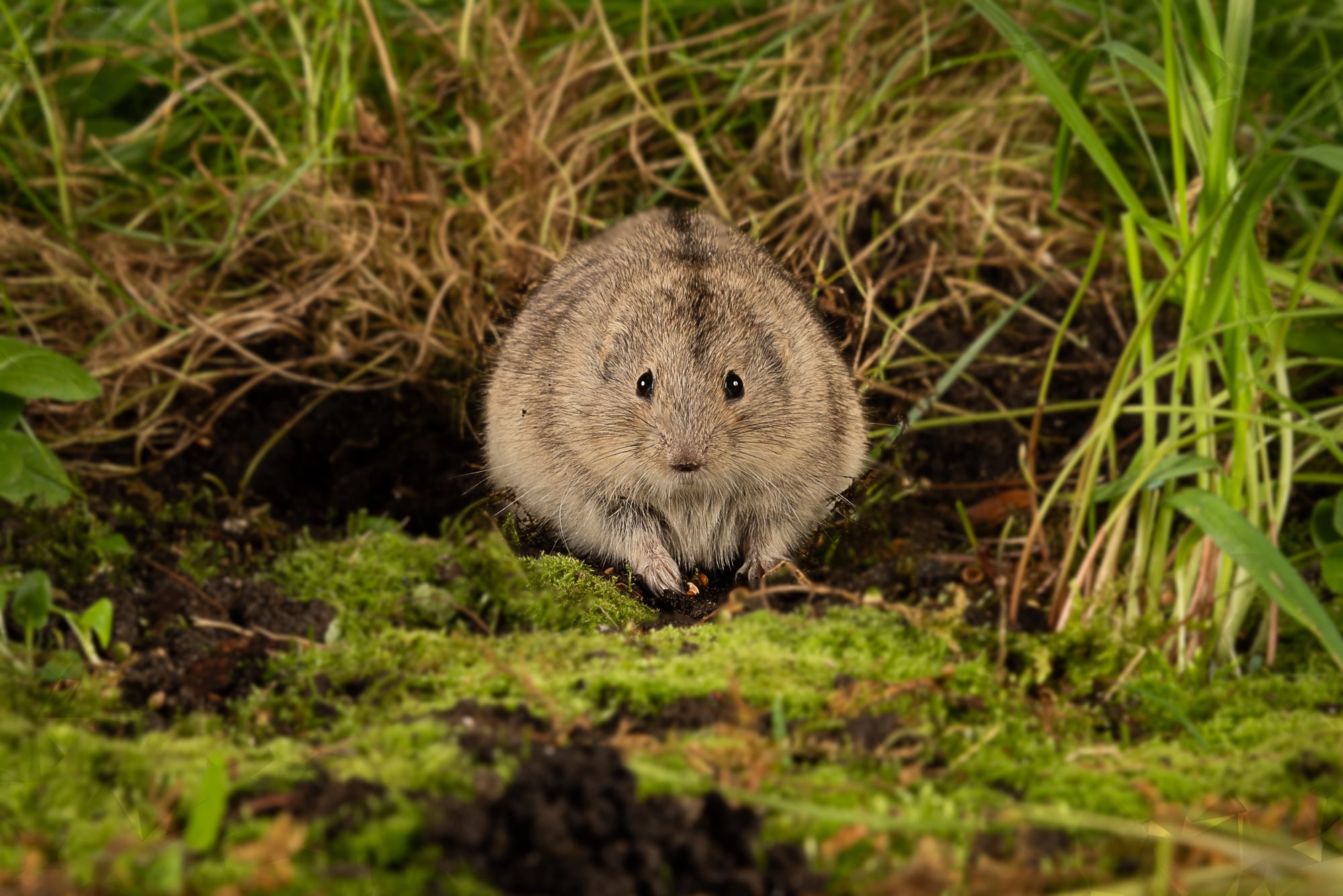
The myth says lemmings march off cliffs on purpose, in a mass die-off, a story so persistent it got embedded into cartoons and became shorthand for mindless conformity, and none of it is true — the cliff scene was staged for a 1958 nature documentary, animals pushed off camera-side rocks for the shot. What actually happens is real but far less dramatic: lemming populations swell in cycles, and when food runs out, they migrate in large groups, sometimes crossing rivers or coastlines where some don’t make it across.
The mystery that remains isn’t the drowning, it’s the population cycle itself, the boom-and-bust rhythm that repeats every few years without a fully agreed-upon cause. Reality, as usual, turned out to be quieter than the legend.
Greenland Sharks
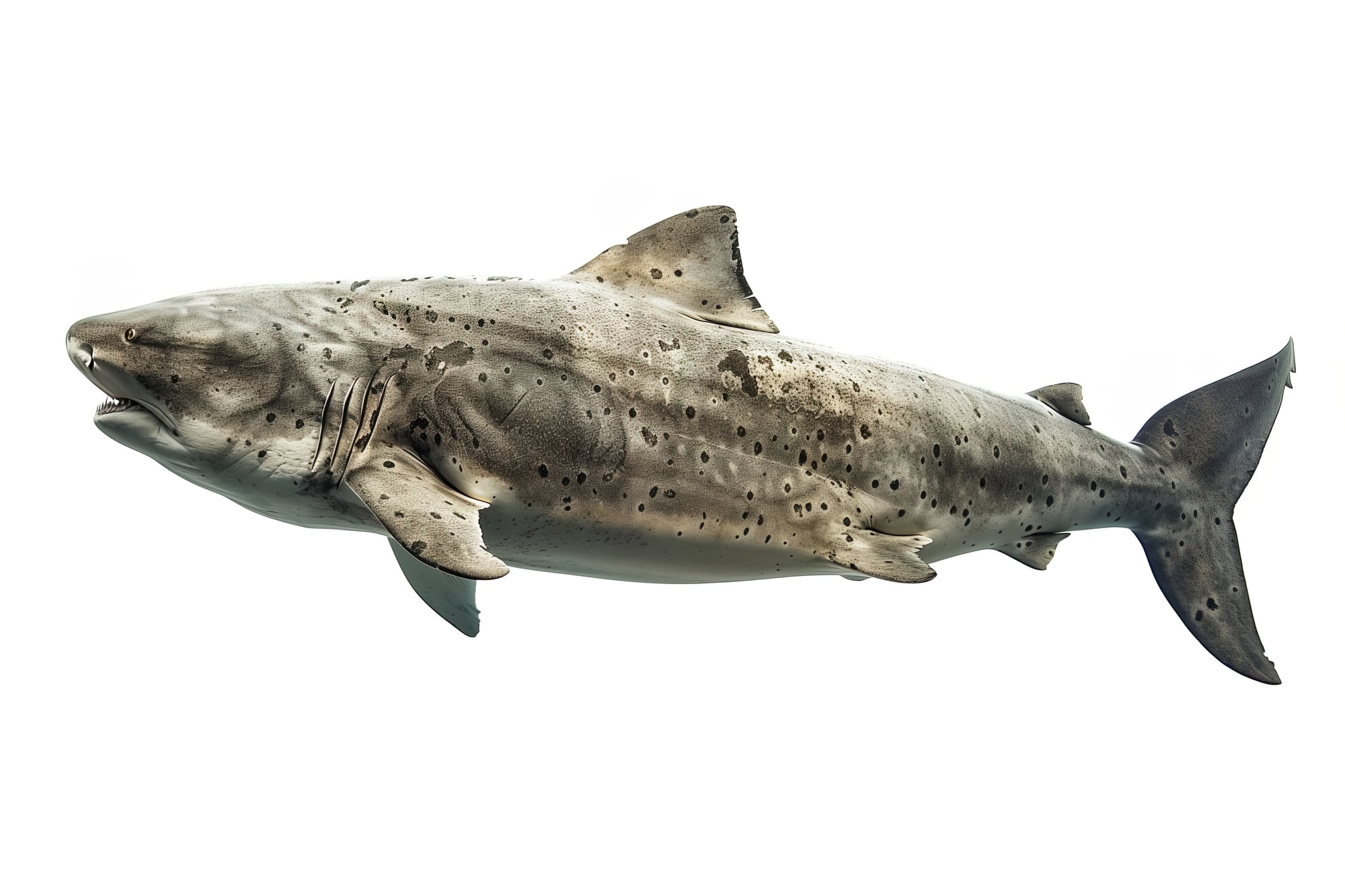
Greenland sharks living for three hundred years, possibly longer, is not a mild curiosity, it’s one of the strangest facts in all of vertebrate biology and it deserves more attention than a single viral headline every few years. Growth rings in the eye lens, dated using carbon from nuclear testing decades ago, suggest some individuals swimming around right now were alive before the United States existed as a country.
Nobody has a confirmed explanation for the longevity itself, though extremely slow metabolism and frigid, stable deep water seem to be part of the picture. A shark older than most nations is not a detail anyone should be casual about.
Hammerhead Sharks
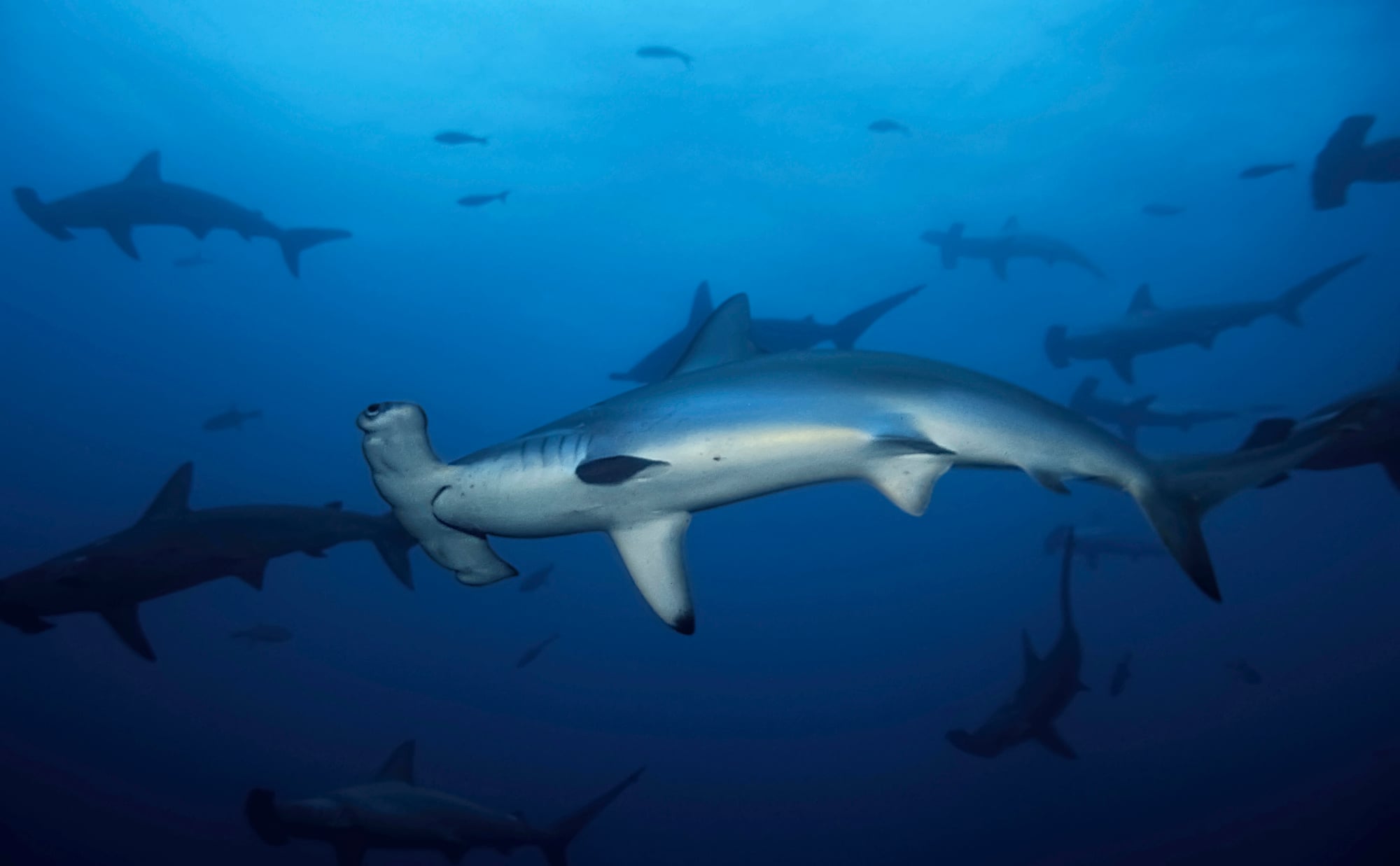
Hammerhead sharks gather in schools of hundreds near seamounts, then peel off alone at night to hunt. Nobody knows exactly why they group up in daylight at all, since hammerheads aren’t especially social otherwise.
Some researchers think it’s about mating access, others about safety in numbers during a vulnerable resting period. Either way, the schools form at the same seamounts year after year, like a meeting nobody sent invitations for.
Anglerfish
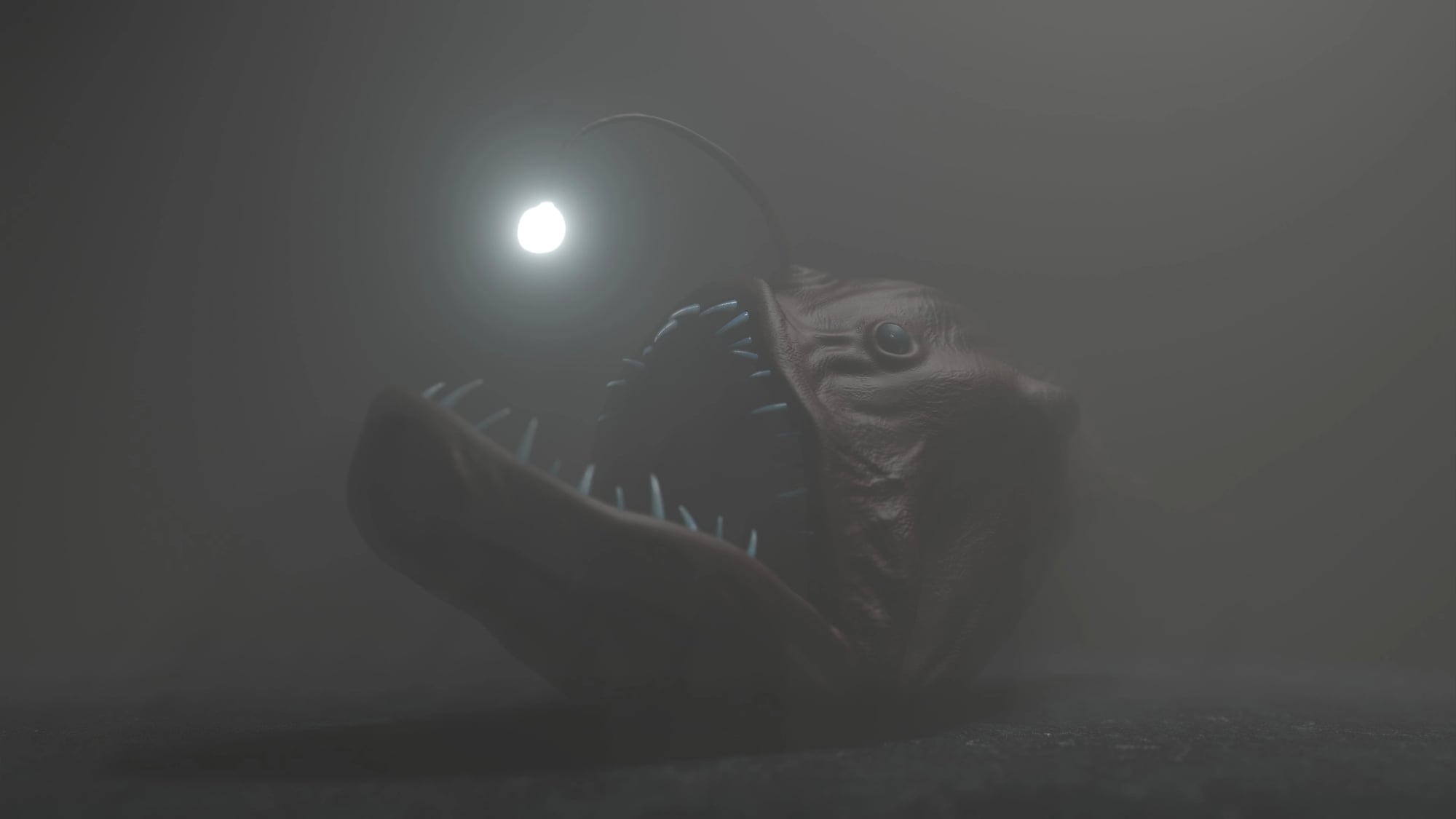
In several anglerfish species, the male is tiny compared to the female, and rather than living independently, he bites into her body and stays there — his tissue eventually fusing with hers, their blood vessels connecting, until he’s less an individual and more a permanent, attached partner. So this isn’t rare or occasional, it’s the standard reproductive strategy for these species, and the female can carry several fused males at once like a strange, living collection.
What’s still debated is how her body avoids treating that foreign tissue as a threat, since fusing with another individual’s cells should trigger a fairly aggressive response: something in anglerfish biology suppresses that reaction, and nobody has fully mapped out how. And in the deep, cold dark where finding a mate at all is already a long shot, evolution apparently decided permanence solved the problem.
Tardigrades
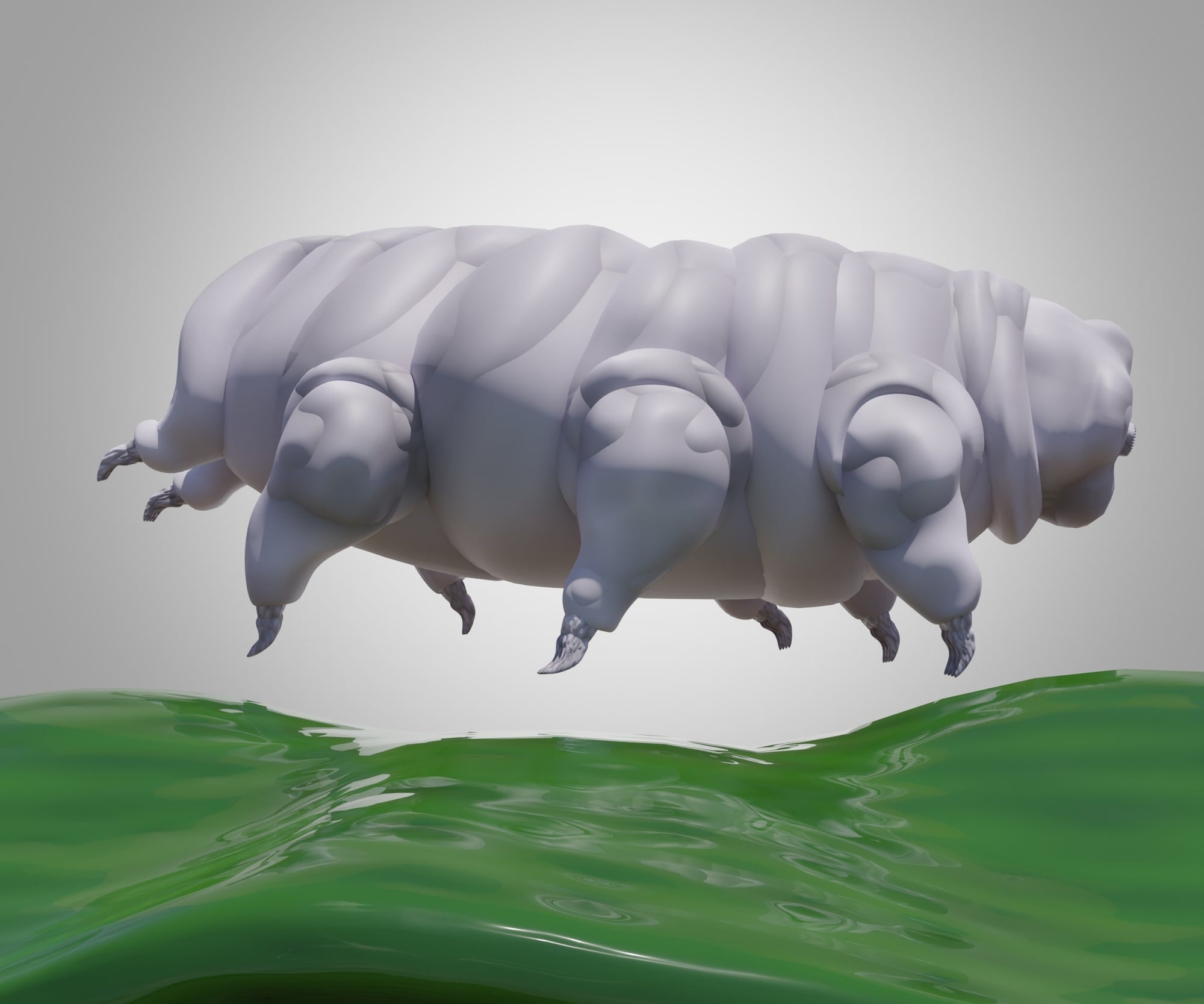
Tardigrades survive conditions that kill nearly everything else: the vacuum of space, temperatures near absolute zero, radiation doses that would be lethal many times over, decades spent completely dried out with almost no water in their bodies at all. They do it by curling into a barrel-shaped husk called a tun, replacing water in their cells with a kind of internal glass that holds their structure together while everything slows to something barely distinguishable from off.
Reviving from that state, sometimes after ten years or more, isn’t fully understood at the molecular level, even though it’s been documented in laboratories repeatedly. A creature the size of a period at the end of a sentence turns out to be more durable than almost anything built by anyone.
Wood Frogs
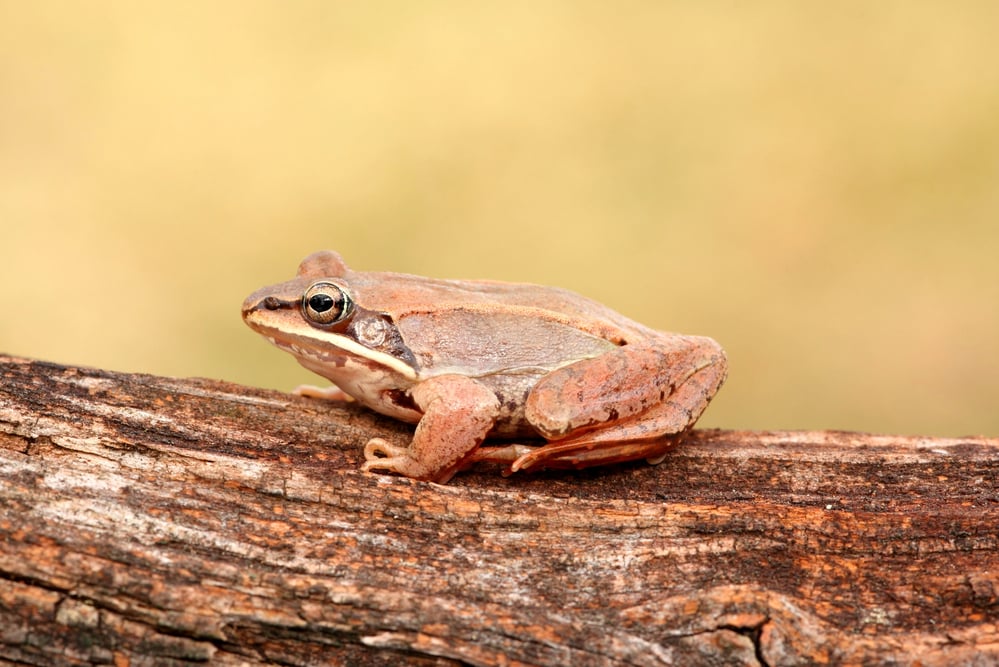
Wood frogs freezing solid every winter and thawing back into a living, hopping animal every spring is the kind of fact that sounds invented but isn’t. Up to sixty percent of the water in the frog’s body turns to ice, its heart stops, its breathing stops, and by any conventional measure it would be reasonable to call the frog dead for months at a time.
High concentrations of glucose in vital organs act as a kind of internal antifreeze, protecting cells from the damage ice crystals usually cause, though the exact mechanics of that protection are still being worked out in labs. Frankly, “hibernation” feels like too small a word for what’s actually happening.
Honeybees
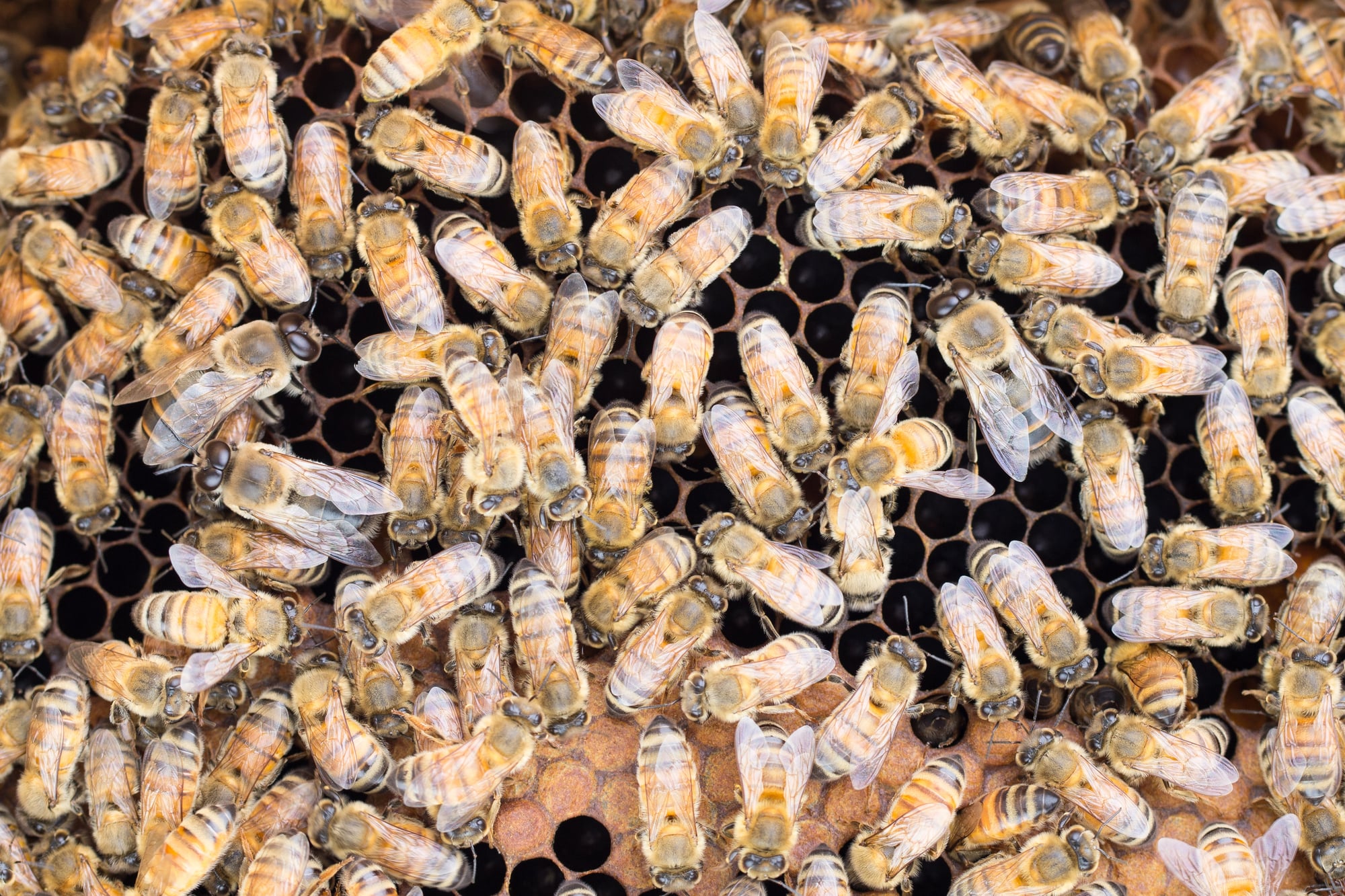
Honeybees dance to share directions. The angle and duration of the waggle tell other bees exactly where food is, sometimes miles away.
It’s precise enough that scientists have decoded much of the “vocabulary.” What’s still unclear is how a brain the size of a grass seed does that kind of spatial math at all.
Whales
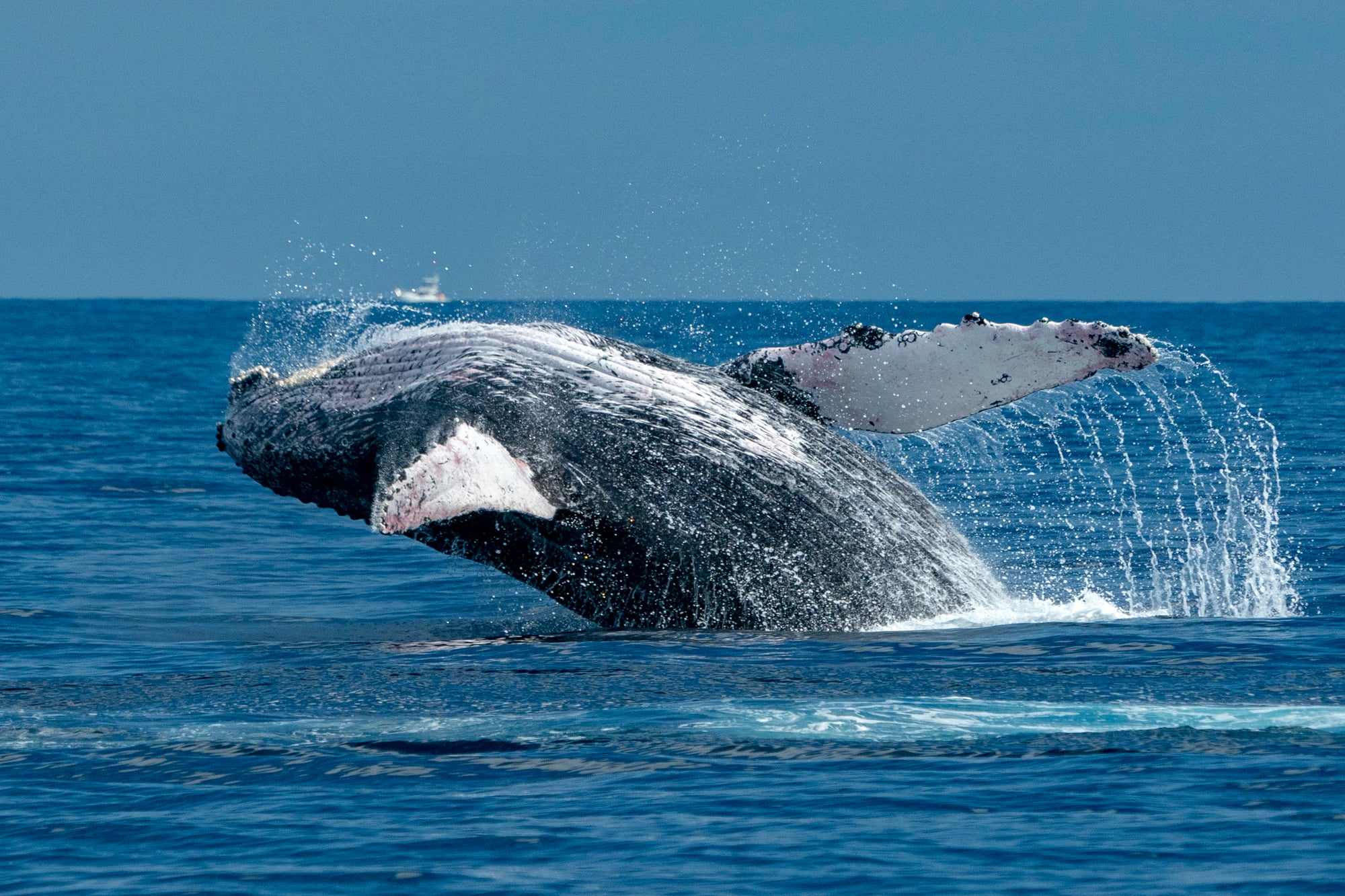
Whales sometimes strand themselves on beaches in groups, entire pods beaching together even when the water nearby is perfectly fine, healthy animals included among the ones that clearly aren’t — and this happens often enough, across enough species, that it can’t just be written off as accident every time. So one theory points to loud sonar or seismic testing disorienting the whales’ navigation, another points to a sick or confused leader that the rest of the pod simply follows onto the sand out of loyalty, refusing to leave: a kind of collective decision that turns out to be fatal.
And neither explanation covers every stranding on record, which is the part that keeps this genuinely unresolved instead of just sad. Rescuers who’ve spent hours pushing a healthy whale back into open water, only to watch it return to the beach on its own, know this better than anyone.
Mantis Shrimp
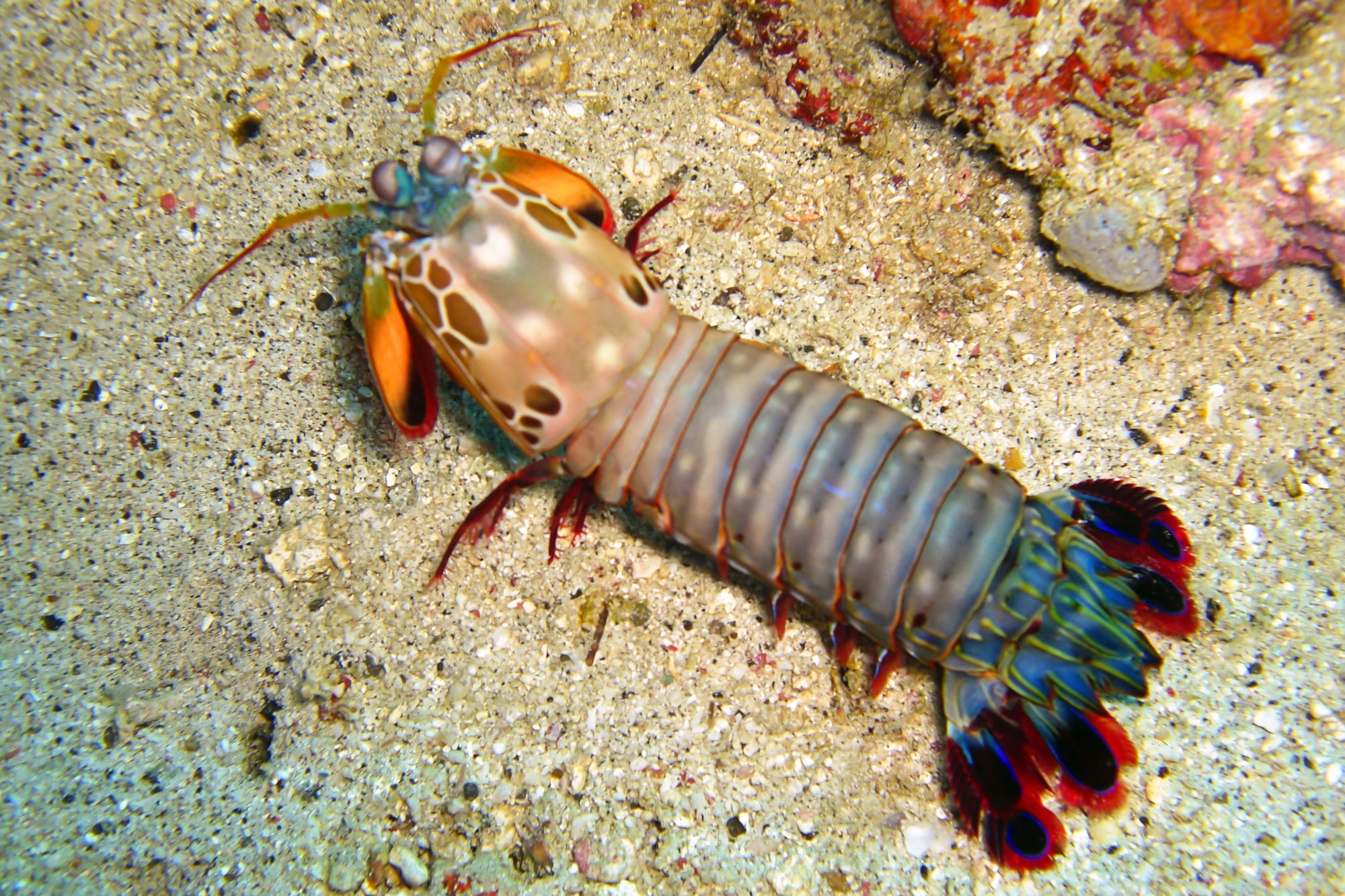
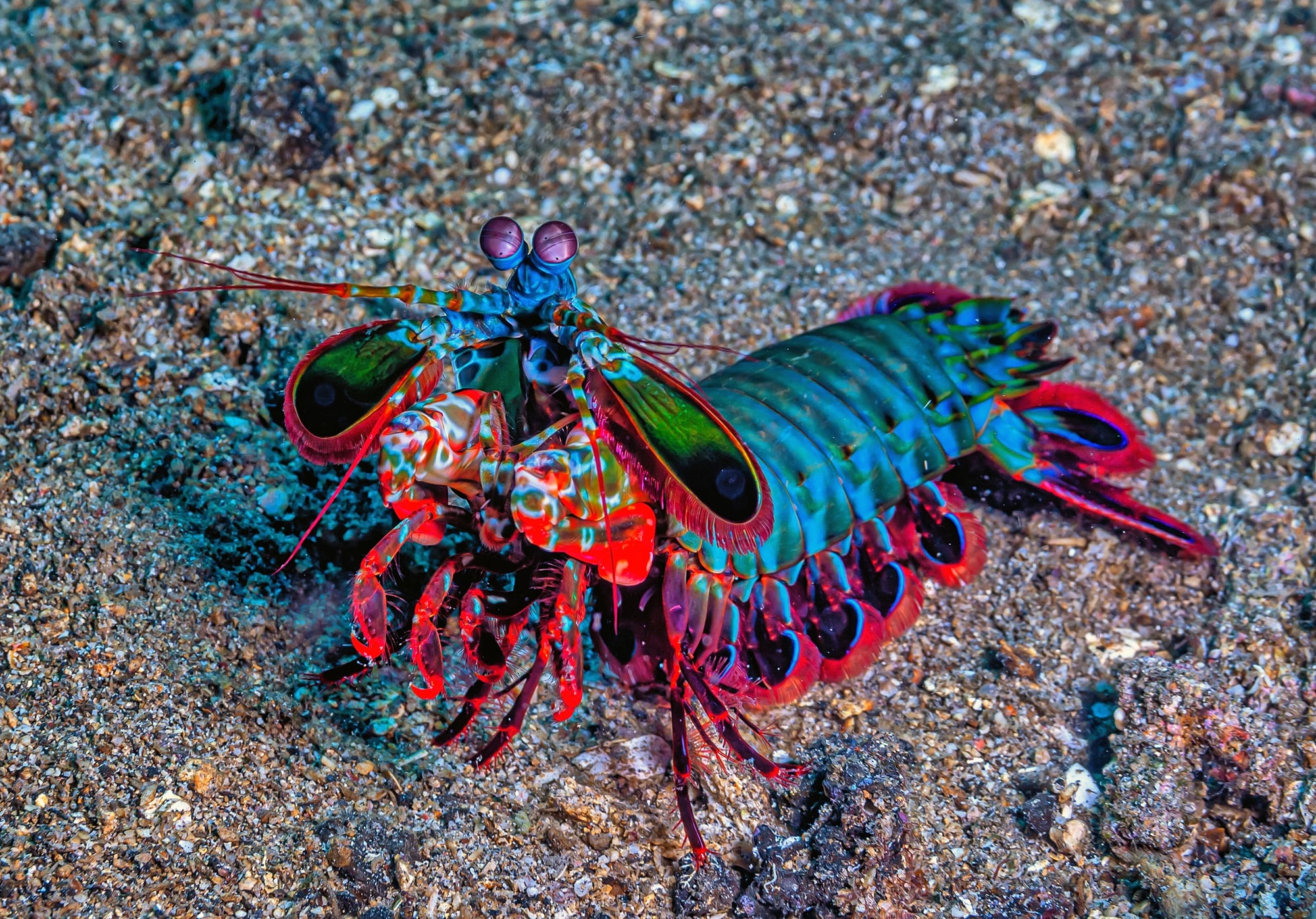
Mantis shrimp have among the most elaborate eyes in the animal kingdom, up to sixteen types of color receptors compared to a human’s three, and by every expectation that should make them extraordinary at telling colors apart. Tests show the opposite: mantis shrimp are actually slower and less accurate at distinguishing similar colors than humans are, which makes no obvious sense given the hardware involved.
One theory suggests they process color more like a fast lookup than a comparison, naming a color instead of measuring it, trading precision for speed in a world where a predator isn’t going to wait around. Evolution, it turns out, doesn’t always build the tool anyone would have expected from the blueprint.
What the Gaps Are Actually Telling You
None of this is a failure of science, whatever it might look like on the surface. It’s more like a map with a few blank patches deliberately left unfilled, honest about where the edges of current knowledge actually sit.
Every one of these animals is being watched closely, studied seriously, argued about in journals by people who’ve spent careers on a single tusk or a single dance — and the not-knowing hasn’t stopped, it’s just gotten more specific. That’s probably the most reassuring part.
The mystery isn’t a wall. It’s just further out than anyone’s gotten yet.
More from Go2Tutors!

- The Romanov Crown Jewels and Their Tragic Fate
- 13 Historical Mysteries That Science Still Can’t Solve
- Famous Hoaxes That Fooled the World for Years
- 15 Child Stars with Tragic Adult Lives
- 16 Famous Jewelry Pieces in History
Like Go2Tutors’s content? Follow us on MSN.