Bizarre Modern Legends That Are Happening
Stories used to take decades to become legends. Ghost sightings, cryptid encounters, and unexplained phenomena would pass through generations before settling into local folklore.
Now they spread in real time, documented with shaky phone footage and debated in comment threads before the day ends. Some dismiss these as hoaxes or misunderstandings, but others insist something genuinely strange is unfolding in plain sight.
The Backrooms

Yellow walls stretch endlessly in every direction. Fluorescent lights hum overhead, casting that familiar office building glow across miles of empty carpet.
This isn’t a place anyone was meant to find, yet thousands claim they’ve been there. The legend spreads through gaming forums and social media platforms.
People describe “no-clipping” through reality—slipping through cracks in the normal world into this infinite maze of corporate monotony. No windows, no exits, just the sound of those lights and the occasional wet footstep that isn’t yours.
The Siren Head
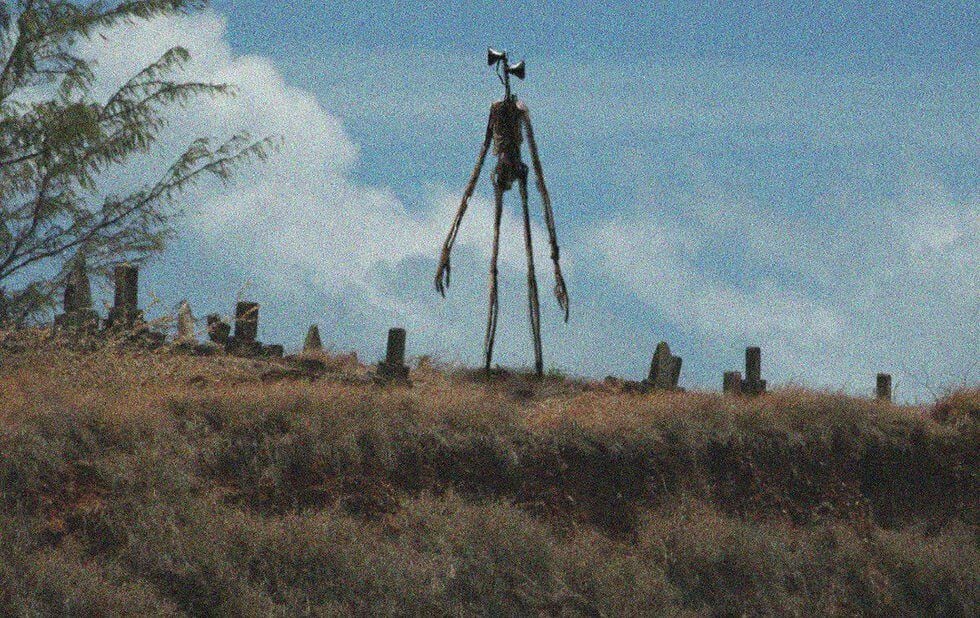
Standing forty feet tall among the trees, this creature shouldn’t exist. Its body resembles rusted metal, thin as a telephone pole, topped with air raid sirens where a head should be.
The sounds it makes aren’t random—emergency broadcasts from decades past, voices of missing hikers calling for help, tornado warnings for towns that were evacuated years ago. Trevor Henderson created the original artwork, but the sightings that followed weren’t his doing.
Grainy photographs surface regularly, showing something tall and wrong lurking at forest edges. Each image raises the same question: are people staging elaborate hoaxes, or has fiction somehow stepped into the real world?
The Smiling Man

Late-night walks used to be simple affairs—headphones in, thoughts elsewhere, feet moving automatically along familiar sidewalks. Then the stories started spreading about him.
Always the same details: tall figure in outdated clothing, moving with an unnatural gait, wearing a smile that doesn’t belong on any human face. The encounters follow a pattern.
He appears at the edge of vision first, keeping pace from across the street. Then closer.
The smile never changes, but the walk becomes more pronounced—joints bending in directions that make observers’ skin crawl. Most people run.
The smart ones don’t look back. And yet the reports keep coming from cities across the globe, describing the exact same figure wearing the exact same impossible grin.
Black-Eyed Children

They show up at front doors after midnight. Kids, maybe ten or twelve years old, asking to use the phone or come inside.
Normal request from normal children, except for their eyes—completely black, no iris, no white, just endless dark that reflects nothing. The encounters share disturbing similarities.
The children speak in flat, emotionless voices. They become increasingly insistent about being invited in, but they never force their way past a threshold.
Something prevents them from entering uninvited, which makes the whole thing feel less like a prank and more like something following rules that predate modern understanding. Parents who’ve experienced these visits describe an overwhelming sense of dread, as if some primitive part of their brain recognized danger their conscious mind couldn’t process.
The Hat Man
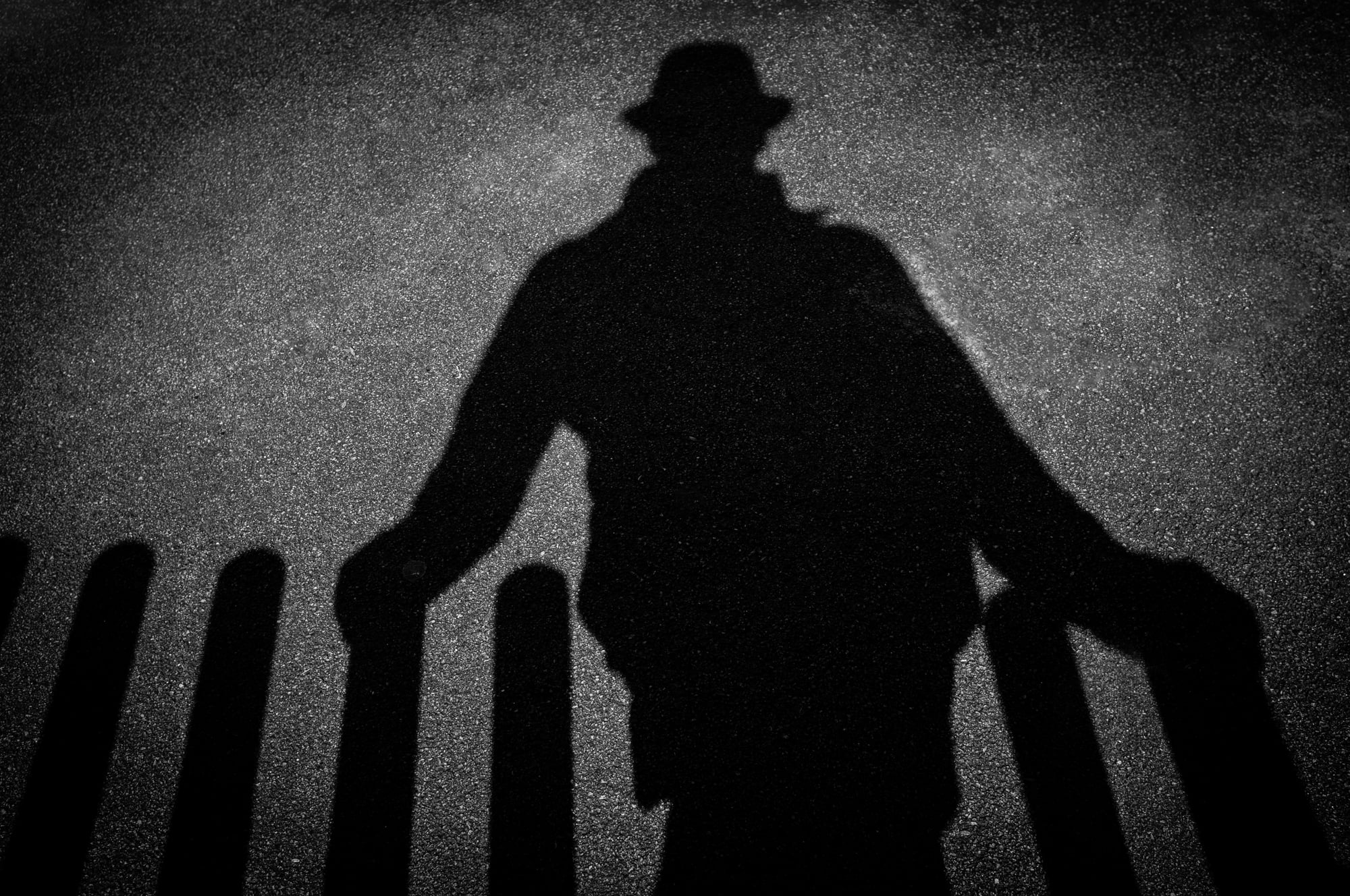
Sleep paralysis has a new mascot. Countless people report seeing the same figure during episodes—a tall shadow wearing what appears to be an old-fashioned hat, standing motionless in bedroom doorways or beside beds.
He doesn’t speak, doesn’t move, just watches with an attention that feels ancient and patient. Medical professionals explain sleep paralysis as a neurological hiccup where consciousness returns before the body can move again, often accompanied by hallucinations.
Fair enough, but that doesn’t explain why the same specific figure appears across different cultures, countries, and generations. The Hat Man predates internet forums where people could coordinate their stories, yet the descriptions remain remarkably consistent: tall, dark, wearing that distinctive silhouette, radiating a presence that feels far more substantial than any dream.
Dogmen

Werewolf legends got an upgrade. Instead of full transformations tied to lunar cycles, witnesses describe encounters with creatures that seem permanently caught between human and canine forms.
Seven feet tall, walking upright on legs that still remember how to run on four, with intelligence gleaming behind distinctly non-human eyes. The Beast of Bray Road in Wisconsin launched modern Dogman mythology, but reports now surface from Michigan forests, rural Pennsylvania roads, and backwoods areas across the continent.
These aren’t brief glimpses of something that might have been a bear walking upright—witnesses describe prolonged encounters with creatures that display problem-solving abilities, use tools, and seem to understand human behavior well enough to avoid most contact. The few photographs that exist show something that doesn’t fit neatly into known animal categories, which is either evidence of an undiscovered species or proof that people have gotten very good at costume design.
The Fresno Nightcrawlers

Security cameras captured something impossible walking across a Fresno lawn in 2007. Two pale figures, seemingly nothing but legs topped with small heads, moving with an otherworldly gait that no known animal could replicate.
The footage looks ridiculous and terrifying at the same time—like someone’s fever dream of what aliens might look like. Similar creatures have appeared in security footage from other locations, always at night, always with that same bizarre method of locomotion.
Skeptics point to obvious hoax potential—white sheets, clever puppetry, digital manipulation. But the original Fresno footage came from a homeowner’s motion-activated camera, with no apparent motive for creating an elaborate fake.
And if it is a hoax, someone has maintained remarkable consistency across multiple sightings over more than a decade.
Pale Crawlers
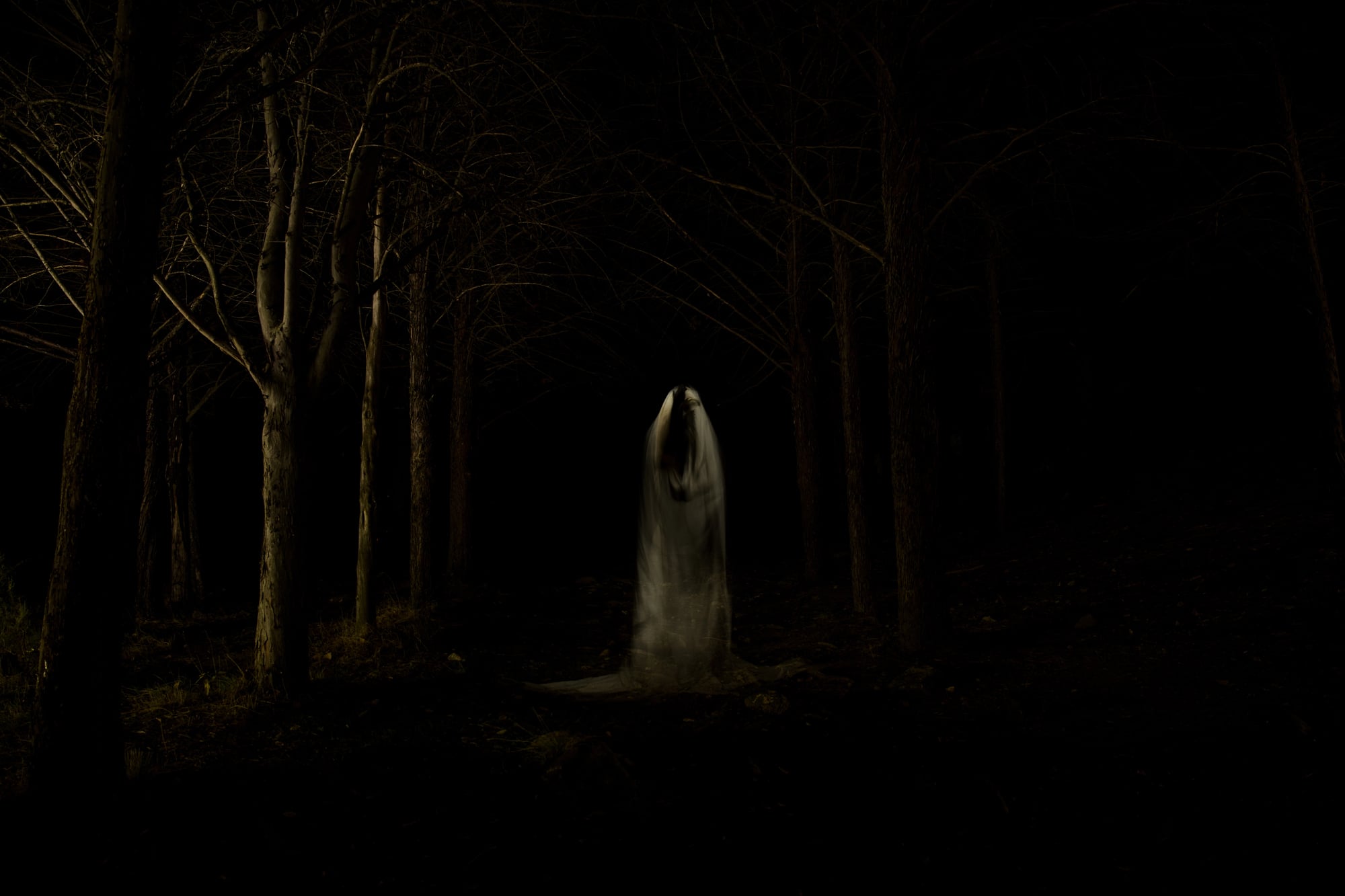
Forest hikers report encounters with humanoid figures that move wrong. Extremely thin, unnaturally pale, these creatures travel on all fours despite having human proportions.
They move through trees with spider-like agility, often following hikers from a distance before disappearing entirely. The descriptions vary in details but share core elements: elongated limbs, complete lack of pigmentation, behavior that suggests intelligence without humanity.
Some witnesses describe brief eye contact, noting intelligence behind the gaze that feels uncomfortably aware. Others report finding unusual scratch marks on trees afterward—too high for any normal animal, arranged in patterns that suggest deliberate marking rather than random damage.
These encounters cluster around specific wilderness areas, creating informal no-go zones among local hiking communities.
The Expressionless

Hospital workers have their own urban legend now. She appears in emergency rooms during night shifts—a young woman in a blood-stained gown, speaking in monotone about needing help.
Her face never changes expression, hence the name. No emotion, no animation, just flat affect that makes seasoned nurses uncomfortable in ways they can’t articulate.
What makes this legend particularly unsettling is how it spreads through healthcare networks. Doctors and nurses share similar stories across different hospitals, describing encounters with a patient who doesn’t quite seem human despite appearing normal at first glance.
The details remain consistent: she asks questions that don’t make sense, her injuries don’t match normal wound patterns, and she vanishes from rooms without using the door. Medical professionals aren’t typically prone to supernatural thinking, which makes their shared experiences harder to dismiss.
The Slide-Rock Bolter

Colorado mining towns whisper about something living in the deep caves—a massive creature with hooks for feet that can extend itself across canyon gaps to catch prey. Unlike traditional cryptid sightings, the Slide-Rock Bolter legend comes with specific geographical claims and witness accounts from people whose livelihoods depend on accurate observation of their environment.
Modern spelunkers and rock climbers report finding anchor points in cave systems that don’t match any known geological formation or mining equipment. Deep scratches in rock faces suggest something large using them for grip, but the spacing and depth don’t correspond to any catalogued animal.
The creature’s reported behavior—remaining motionless for extended periods before explosive movement—fits with successful ambush predators, which makes the whole legend feel less like folklore and more like field notes for something that actually exists.
Shadow People

They exist in peripheral vision, always just out of direct sight. Dark figures that move independently of any light source that could cast them, slipping along walls and around corners with purpose that suggests intelligence.
Unlike the Hat Man, these shadows appear during waking hours, often in broad daylight, preferring indoor spaces where they can use architecture to their advantage. The phenomenon predates modern technology, but contemporary reporting has revealed patterns that earlier generations couldn’t track.
Shadow People gravitate toward locations with high stress or emotional turmoil—hospitals, courthouses, homes dealing with crisis. They seem drawn to human distress without directly causing it, like scavengers of negative emotion.
Most witnesses report feeling watched rather than threatened, as if these entities are more interested in observation than interaction.
The Michigan Dogman
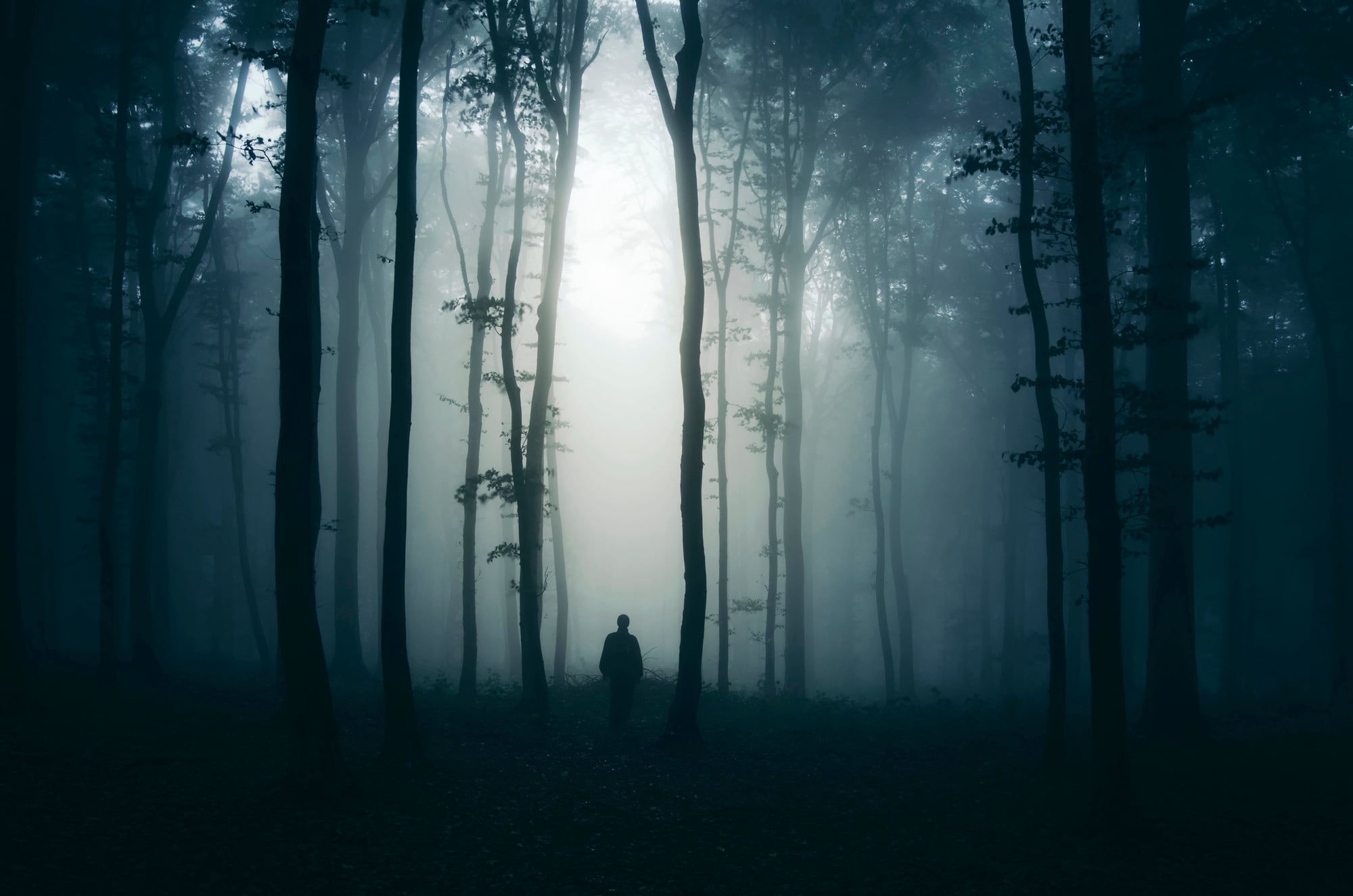
Every seven years, something howls in the forests of northwestern Michigan. The cycle has held since the 1930s, marking decades with sightings of a creature that walks upright like a man but possesses the head and instincts of a predator.
Local radio DJ Steve Cook originally created the Michigan Dogman legend as entertainment, but the fiction attracted real encounters that followed the pattern he’d invented. The seven-year cycle wasn’t part of Cook’s original story, yet witness reports consistently cluster around 1987, 1994, 2001, 2008, and 2015.
Something about the Michigan wilderness seems to follow rules that nobody wrote down. Hunters find tracks that start on four legs and transition to two.
Night hikers report being followed by something that keeps pace through dense forest without making typical animal sounds. The creature appears to understand human behavior well enough to avoid most contact, which suggests intelligence that extends beyond animal instinct.
Living In The Space Between
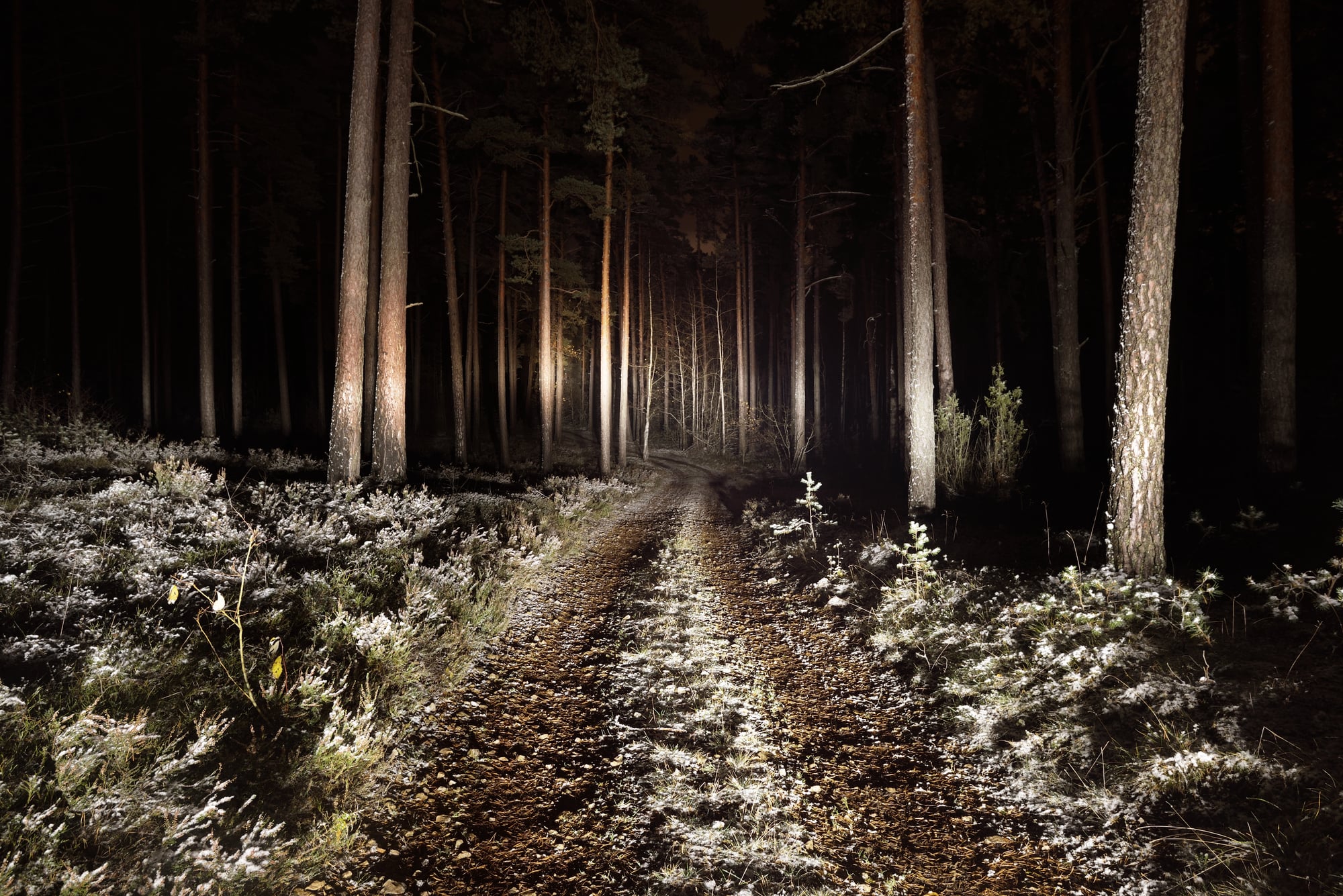
These legends share something beyond their recent origins—they all exist in the spaces between what we understand and what we experience. Security footage captures impossible creatures.
Multiple witnesses describe identical encounters. Physical evidence appears in places where hoaxes would be difficult to stage.
Perhaps the strangest aspect isn’t whether these stories are real, but how quickly they’ve woven themselves into the fabric of modern mythology. A generation ago, unexplained encounters remained local.
Now they spread globally within hours, connecting experiences across continents and creating shared narratives around phenomena that official channels won’t acknowledge. Whether that represents mass delusion or mass awakening depends entirely on which side of the encounter you’re standing on.
More from Go2Tutors!

- The Romanov Crown Jewels and Their Tragic Fate
- 13 Historical Mysteries That Science Still Can’t Solve
- Famous Hoaxes That Fooled the World for Years
- 15 Child Stars with Tragic Adult Lives
- 16 Famous Jewelry Pieces in History
Like Go2Tutors’s content? Follow us on MSN.