16 Trees That Can Survive Nuclear Explosions
When we think about nuclear explosions, images of total devastation usually come to mind. Yet nature has a remarkable ability to bounce back from even the most catastrophic events.
Some trees possess an almost supernatural resilience that allows them to withstand radiation levels that would kill most living things. These botanical survivors aren’t just tough—they’re living proof that life finds a way to persist even in the most hostile conditions.
Here is a list of 16 trees that have demonstrated the ability to survive nuclear explosions and their aftermath.
Ginkgo Trees
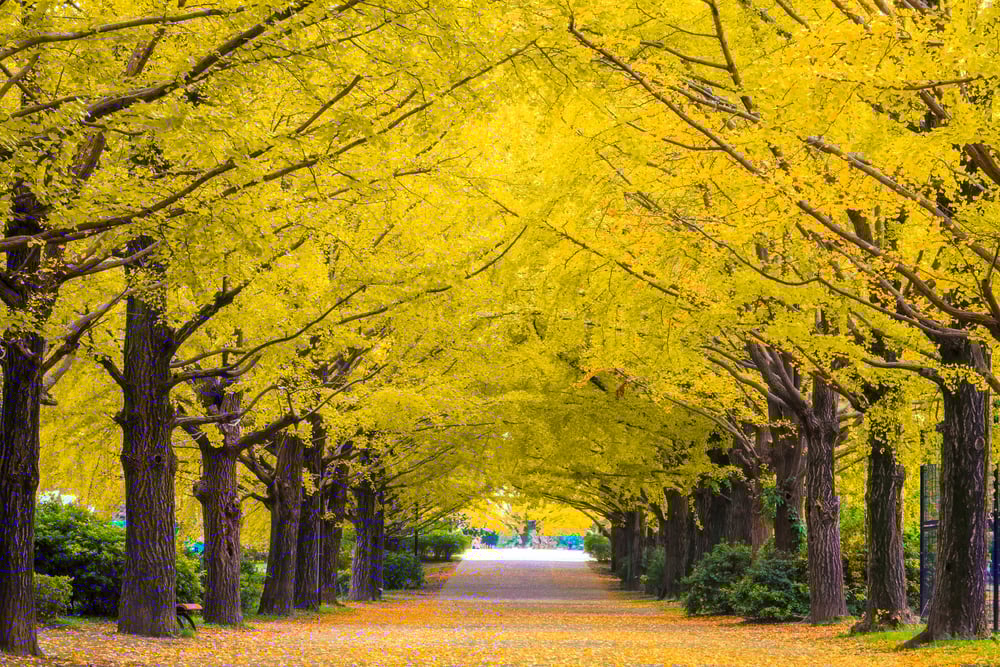
Ginkgo trees earned their reputation as nuclear survivors in the most dramatic way possible. Six ginkgo trees survived the atomic bombing of Hiroshima in 1945, standing within a mile of ground zero.
These ancient trees, which haven’t changed much for millions of years, simply regrew from their charred stumps. Their cellular structure seems uniquely equipped to handle extreme radiation exposure, making them living monuments to resilience.
Japanese Zelkova
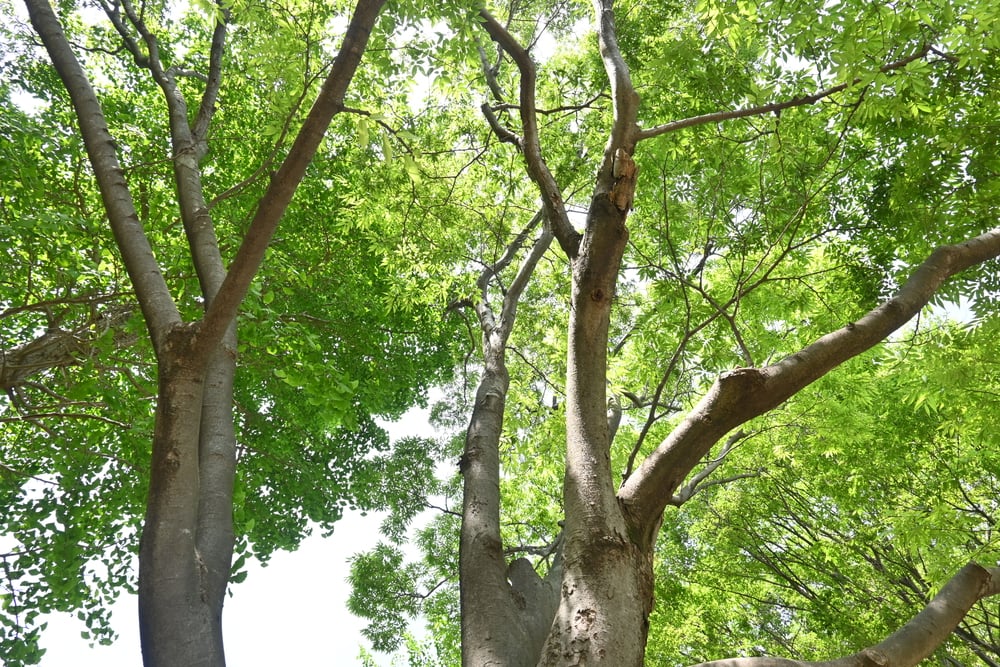
The Japanese zelkova proved its mettle alongside the ginkgo trees in Hiroshima. Several specimens survived the blast and continue growing today—their trunks bearing scars from that August morning.
These trees belong to the elm family, though they possess dense wood that apparently provides some protection against radiation damage. They’ve become symbols of hope and renewal in post-war Japan.
Like Go2Tutors’s content? Follow us on MSN.
Weeping Willow
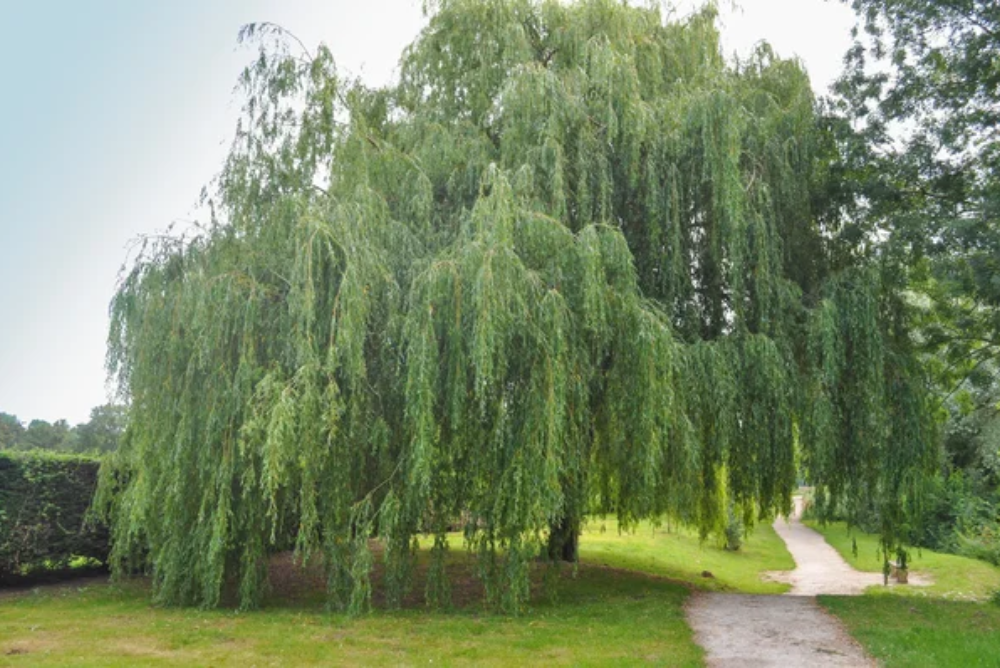
Weeping willows have shown remarkable recovery abilities after nuclear incidents. Their fast growth rate and flexible branches help them bounce back quickly from radiation damage, essentially shedding damaged parts while regrowing healthy tissue at an impressive pace.
This adaptability makes them particularly suited for contaminated environments where other species struggle to survive.
Camphor Trees
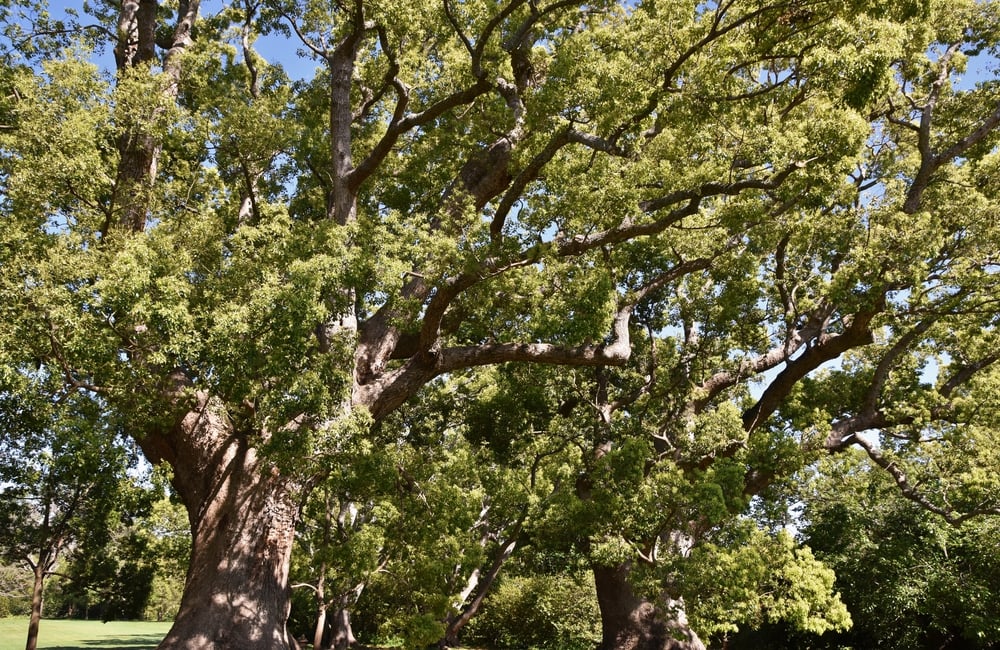
Camphor trees demonstrated their nuclear resistance during the Nagasaki bombing. Their thick, aromatic bark seems to offer natural protection against radiation, though scientists still aren’t entirely sure why.
These evergreen giants can live for hundreds of years under normal conditions, yet their longevity appears to extend even into radioactive zones. The natural oils in their wood may play a role in their radiation resistance.
Japanese Black Pine
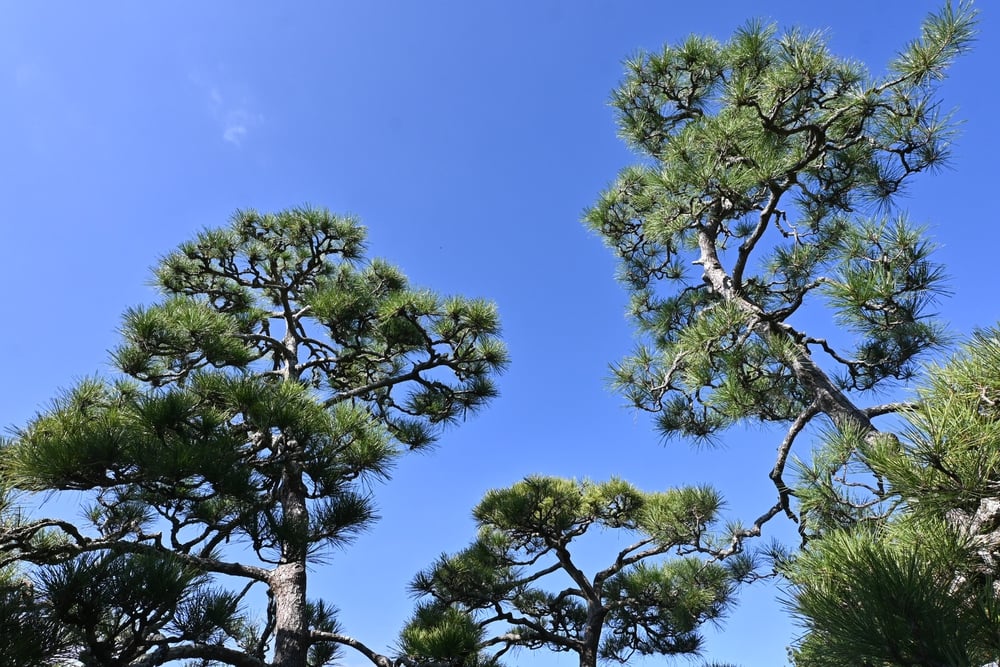
Japanese black pines survived both Hiroshima and Nagasaki, earning them a special place in nuclear botany. These hardy conifers naturally grow in harsh coastal conditions, which may have prepared them for extreme environmental stress.
Their needle-like leaves can be shed and regrown if damaged by radiation, though some specimens showed unusual growth patterns afterward.
Like Go2Tutors’s content? Follow us on MSN.
Birch Trees

Birch trees have thrived in the Chernobyl exclusion zone—sometimes growing to unusual sizes in the absence of human interference. Their paper-thin bark peels away naturally, potentially helping remove contaminated outer layers.
These fast-growing deciduous trees can quickly colonize disturbed areas, while the birch forests around Chernobyl have become some of the most studied examples of plant adaptation to radiation.
Oak Trees
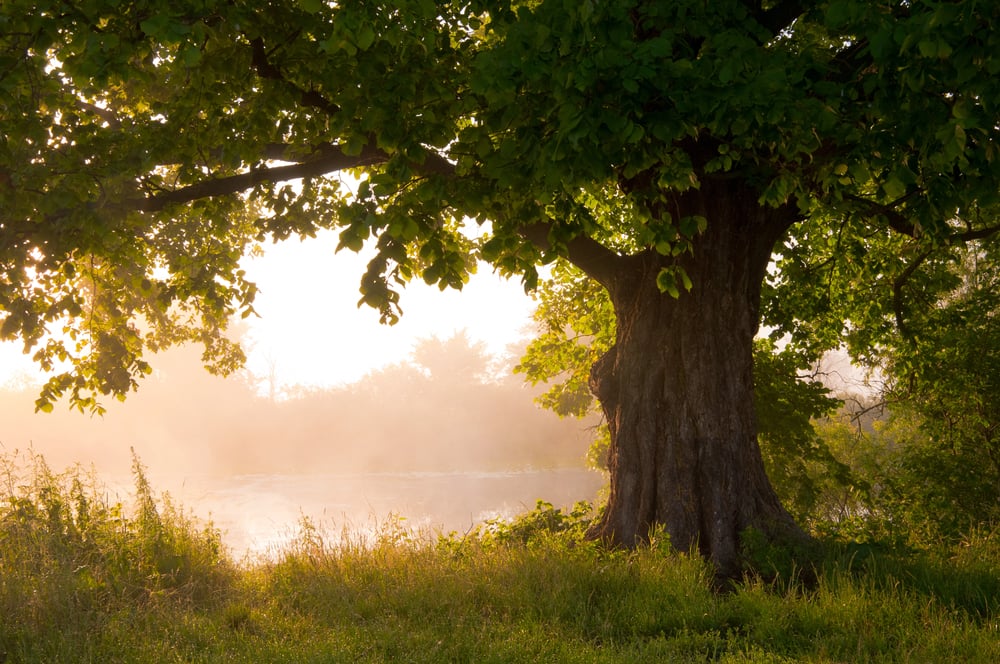
Impressive survival rates have been shown by various oak species under radioactive conditions. These deep-rooted trees can reach uncontaminated groundwater and nutrients; however, certain species show abnormal formations of foliage only a few years after this exposure.
The root system of the oak trees is deep, allowing them to retrieve pure groundwater and nutrients without exposing their foliage to produce weird leaf formations over time. These oak species, being long-lived and slow-growing by nature, may also be able to cope better with the cellular damage inflicted by radiation.
Some oaks near nuclear test sites have lived for decades in conditions that would kill most plants.
Pine Trees
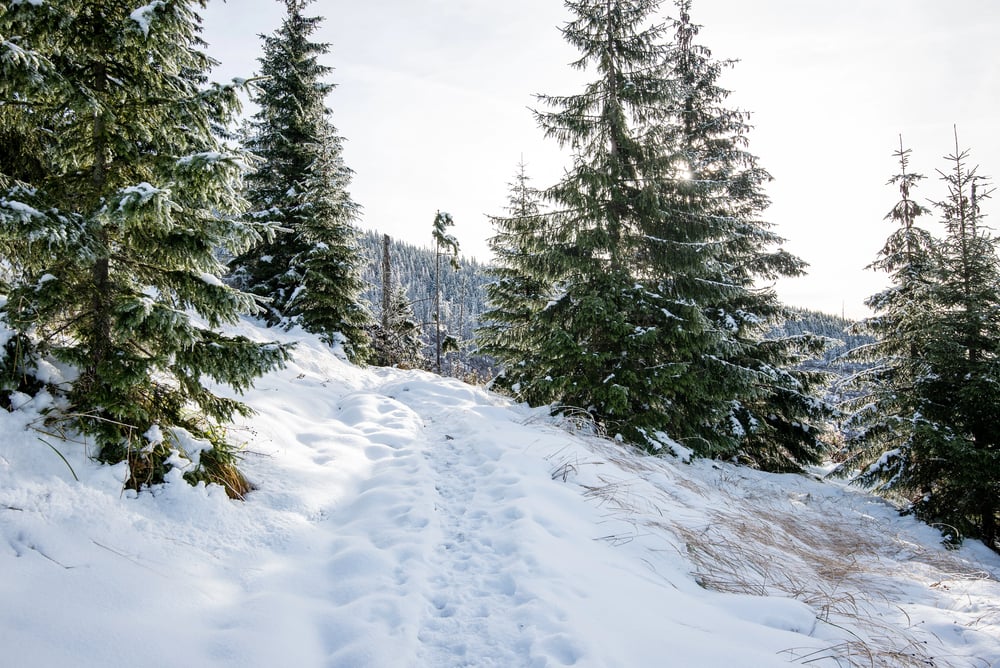
Beyond the Japanese black pine, other pine species have also demonstrated nuclear resistance. Their resinous wood contains compounds that may help protect against radiation damage, acting like a natural shield.
Pine trees can survive in poor soil conditions, making them well-suited for post-nuclear landscapes. The Scots pine, in particular, has flourished in areas around Chernobyl despite initial die-offs.
Like Go2Tutors’s content? Follow us on MSN.
Poplar Trees
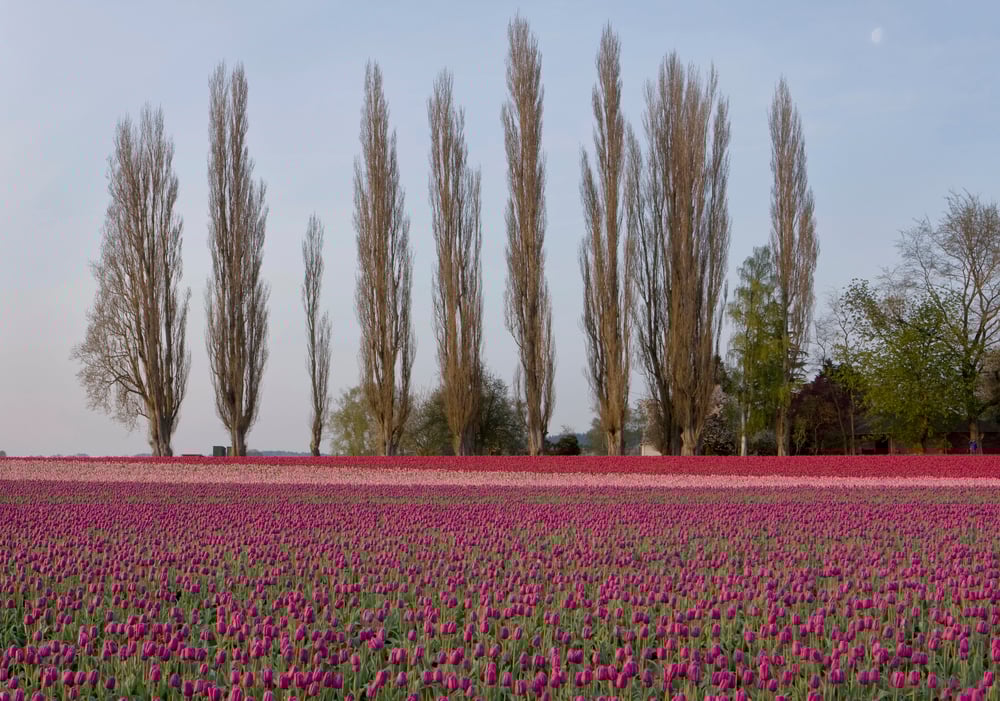
Poplar trees have become a common sight in areas recovering from nuclear contamination. They grow incredibly fast, sometimes reaching 10 feet in a single year, which helps them quickly replace damaged tissue.
Their extensive root systems can actually help clean contaminated soil through phytoremediation. These trees essentially act as living vacuum cleaners for radioactive particles.
Aspen Trees
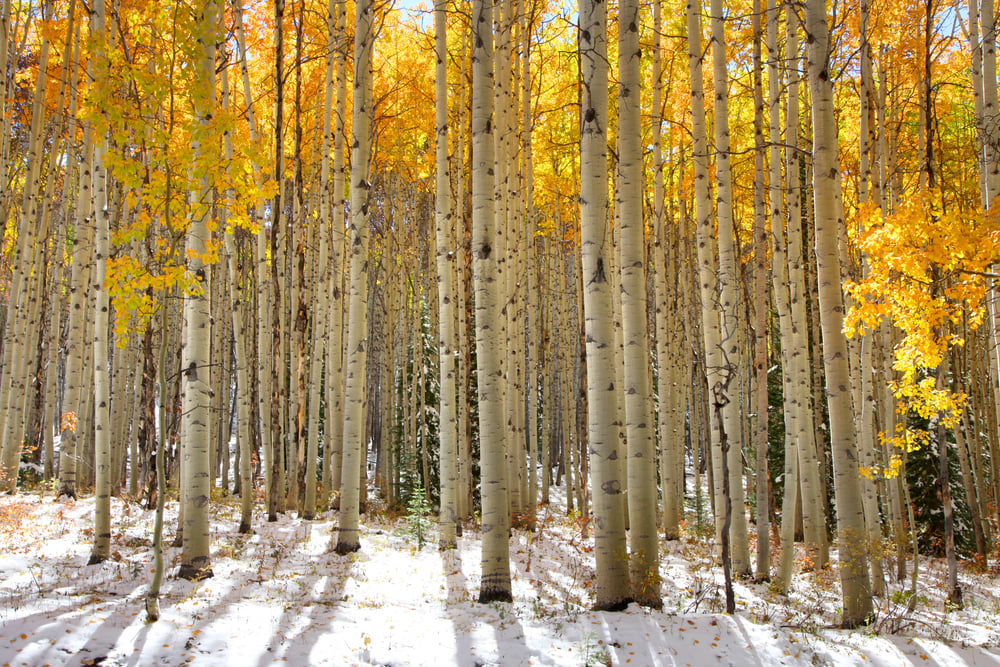
Aspen trees share many characteristics with poplars, yet show even more remarkable nuclear resistance. They reproduce through underground root systems, creating entire groves from a single parent tree. This clonal reproduction method helps them spread rapidly through contaminated areas.
If the above-ground portions die from radiation, new shoots can emerge from the surviving root network.
Maple Trees
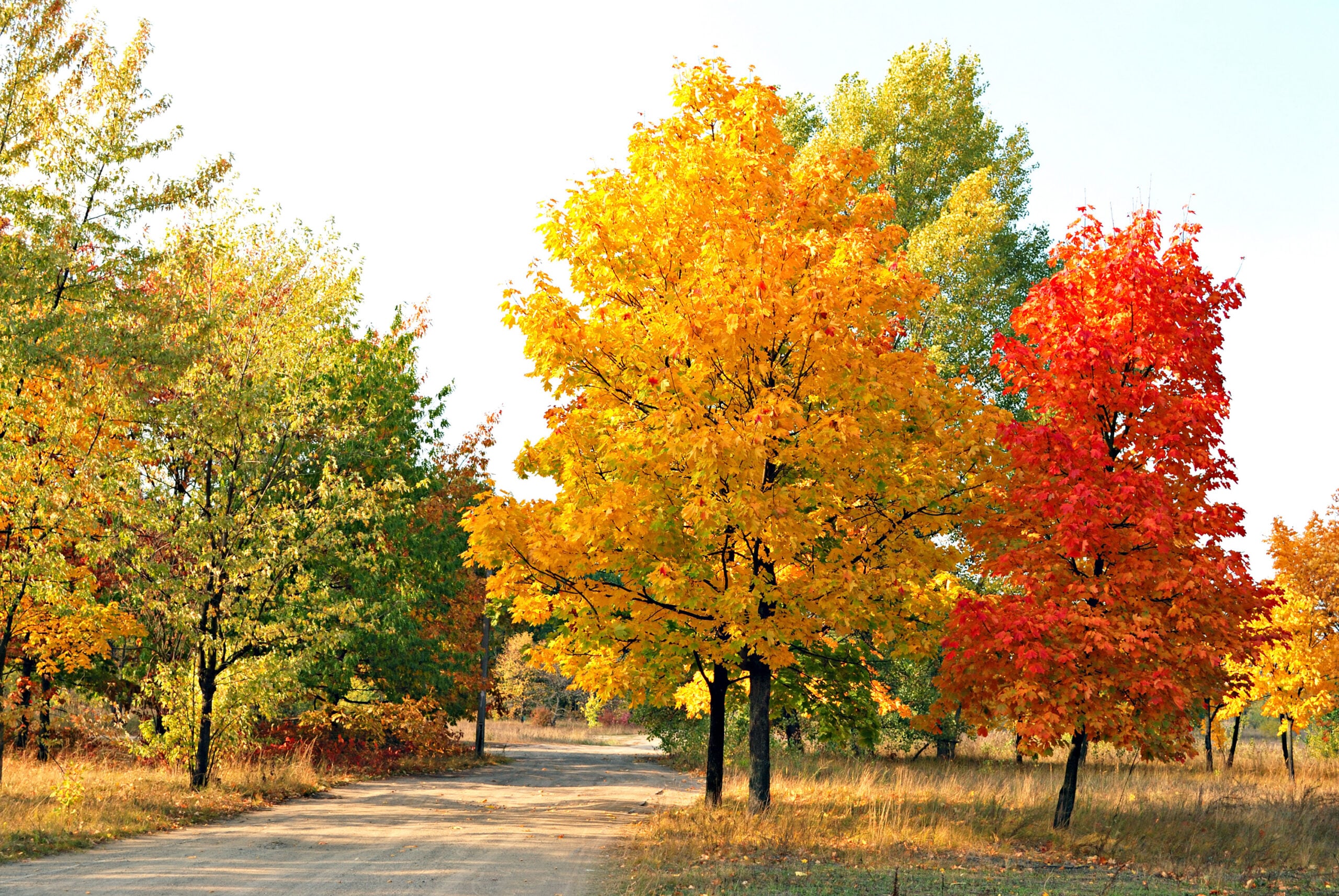
Several maple species have survived in radioactive zones, though they often show visible mutations in their famous leaves. Their ability to shed leaves annually helps them dispose of contaminated tissue regularly.
Maples can live for centuries under normal conditions, and this longevity translates into surprising radiation tolerance. The sugar maple, common in North America, has shown particular resilience in laboratory radiation studies.
Like Go2Tutors’s content? Follow us on MSN.
Elm Trees
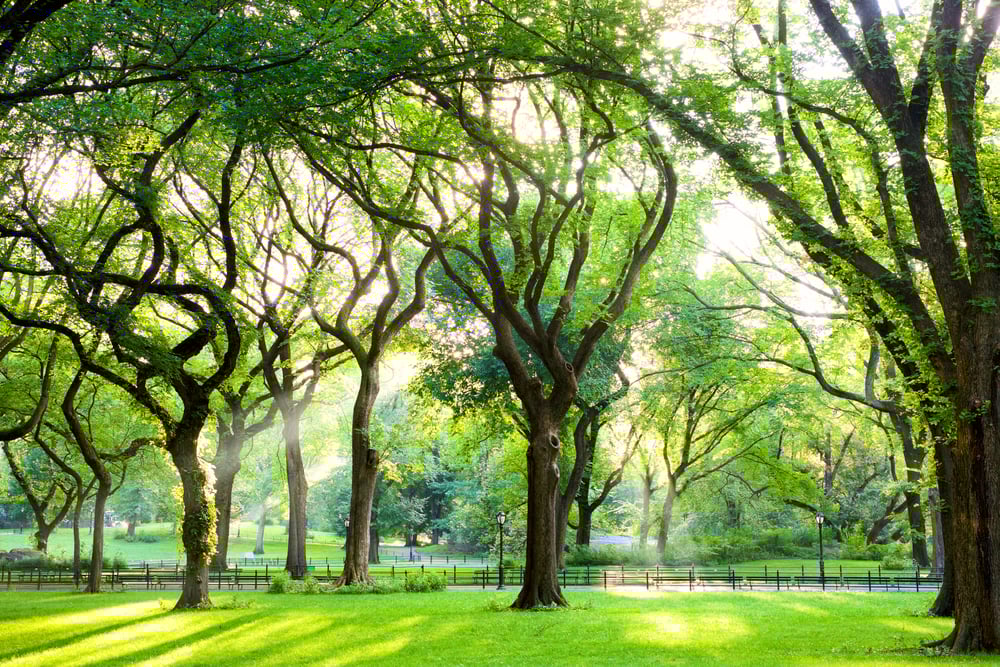
Despite being devastated by Dutch elm disease in many parts of the world, elm trees have shown surprising resistance to radiation. Their vase-like shape may help distribute radiation exposure across a larger surface area.
Some elm varieties near nuclear facilities have actually grown larger than expected, possibly benefiting from reduced competition. The Chinese elm has been particularly successful in contaminated environments, establishing robust populations.
Mulberry Trees
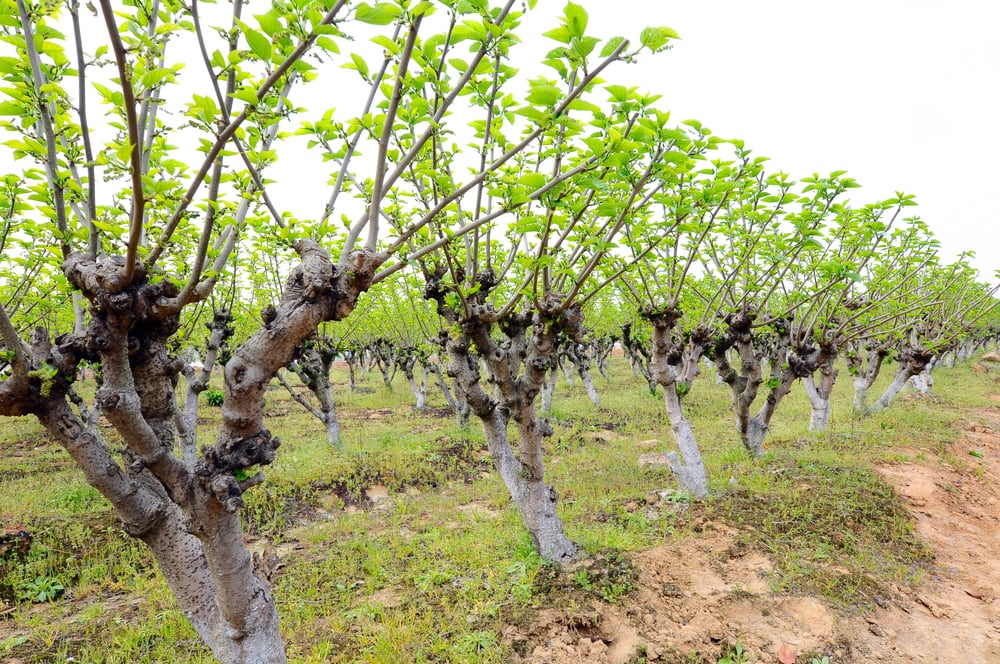
Mulberry trees have established themselves in several nuclear exclusion zones. Their fast growth and prolific fruit production continue even in radioactive soil, though consumption isn’t recommended.
These trees can tolerate poor growing conditions and various environmental stresses with remarkable adaptability. The white mulberry has been observed growing wild around former nuclear test sites in Nevada and New Mexico.
Apple Trees
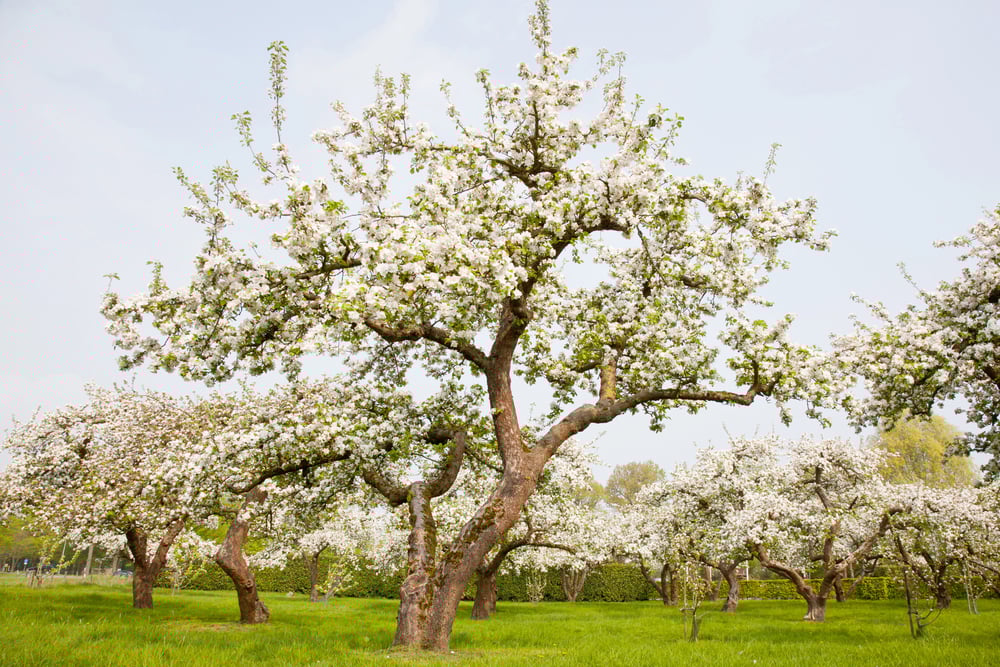
Wild apple trees have been spotted growing in abandoned areas around Chernobyl and other nuclear sites. While their fruit may be contaminated, the trees themselves continue to bloom and reproduce successfully.
Apple trees are naturally hardy and can survive in a wide range of climates and soil conditions. Some varieties have even been used in experiments to study how radiation affects fruit production over multiple generations.
Like Go2Tutors’s content? Follow us on MSN.
Linden Trees
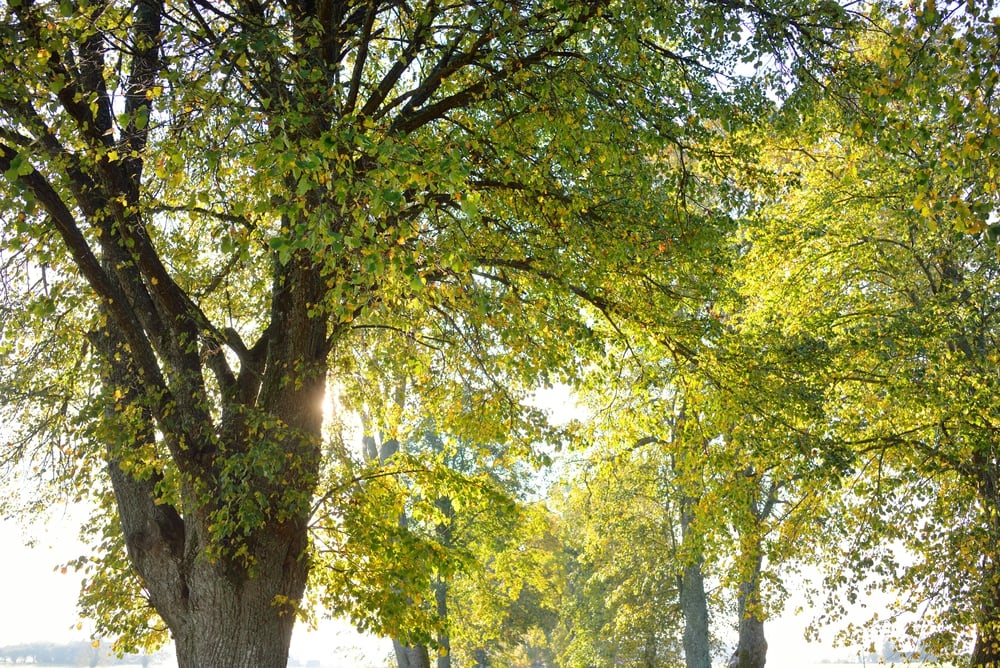
Linden trees, also known as basswood, have shown up in studies of radiation-resistant plants. Their heart-shaped leaves and fragrant flowers persist even in contaminated environments, creating an almost surreal beauty.
These trees are naturally stress-tolerant and can handle urban pollution, which may translate to radiation resistance. European lindens have been documented growing in areas with elevated radiation levels for decades.
Honey Locust
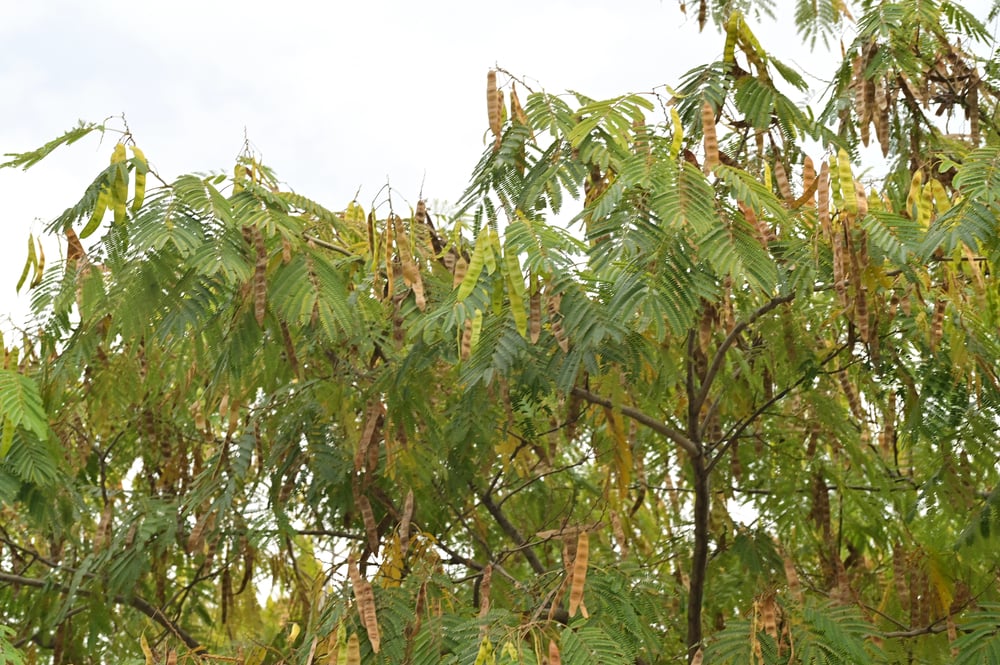
Honey locust trees have established populations near several nuclear facilities. Their thorny branches and compound leaves continue to develop normally despite radiation exposure, showing few visible effects.
These trees are naturally drought-resistant and can fix nitrogen in poor soils, making them valuable for ecosystem recovery. The honey locust’s ability to thrive in harsh conditions makes it a natural candidate for post-nuclear environments.
Nature’s Nuclear Testament
The survival of these trees in the face of humanity’s most destructive force offers a profound lesson about the resilience of life itself. While nuclear explosions represent our species’ darkest technological achievement, these botanical survivors remind us that nature possesses an almost limitless capacity for renewal.
Today, forests flourish where bombs once fell, and these hardy trees stand as living proof that even in our worst moments, life endures and eventually prevails.
Like Go2Tutors’s content? Follow us on MSN.
More from Go2Tutors!

- 16 Restaurant Chains That Went Too Fast
- 12 Things Sold in the 80s That Are Now Illegal
- 15 VHS Tapes That Could Be Worth Thousands
- 17 Historical “What Ifs” That Would Have Changed Everything
- 18 TV Shows That Vanished Without a Finale
Like Go2Tutors’s content? Follow us on MSN.