15 Vintage Toy Store Aisles That Defined Childhood
Walking into a toy store in the 1980s and 1990s wasn’t just shopping — it was entering a universe where every aisle promised a different adventure. The fluorescent lights buzzed overhead, the carpet was that particular shade of commercial blue, and the smell of new plastic mixed with possibility hung in the air.
Each section had its own gravitational pull, its own tribe of kids who knew exactly where they belonged. These aisles weren’t just organized merchandise.
They were kingdoms, each with their own rules, their own heroes, and their own way of making eight-year-olds spend their allowance faster than they could count it. Before online shopping flattened the world into search bars and shipping boxes, toy stores were physical spaces that shaped how children saw themselves and what they wanted to become.
Action Figures
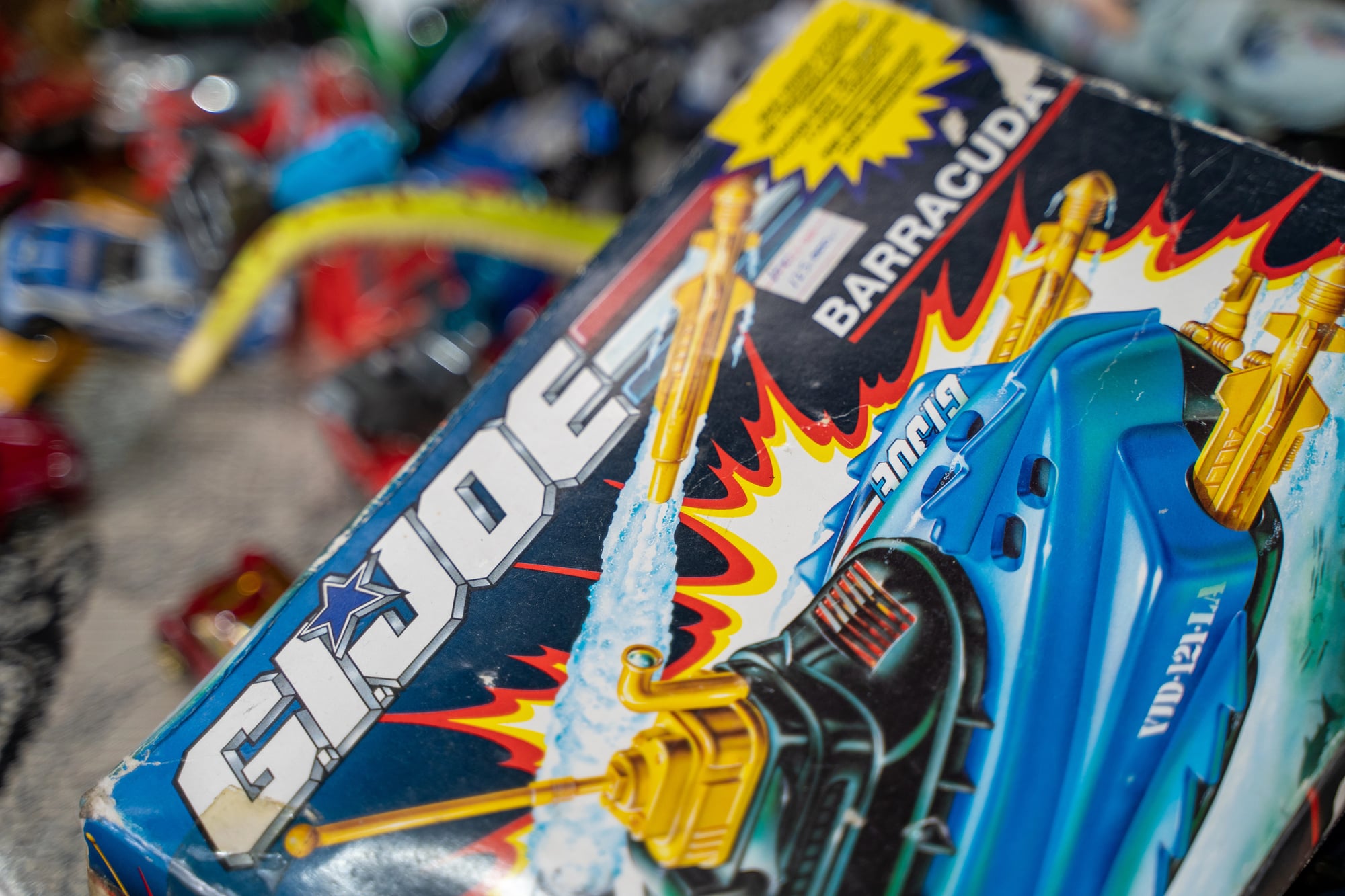
Boys gravitated here like moths to flame. Rows of plastic warriors hung on pegs, each promising epic battles that would unfold on bedroom floors.
G.I. Joe fought Transformers while He-Man watched from the sidelines.
Barbie And Fashion Dolls
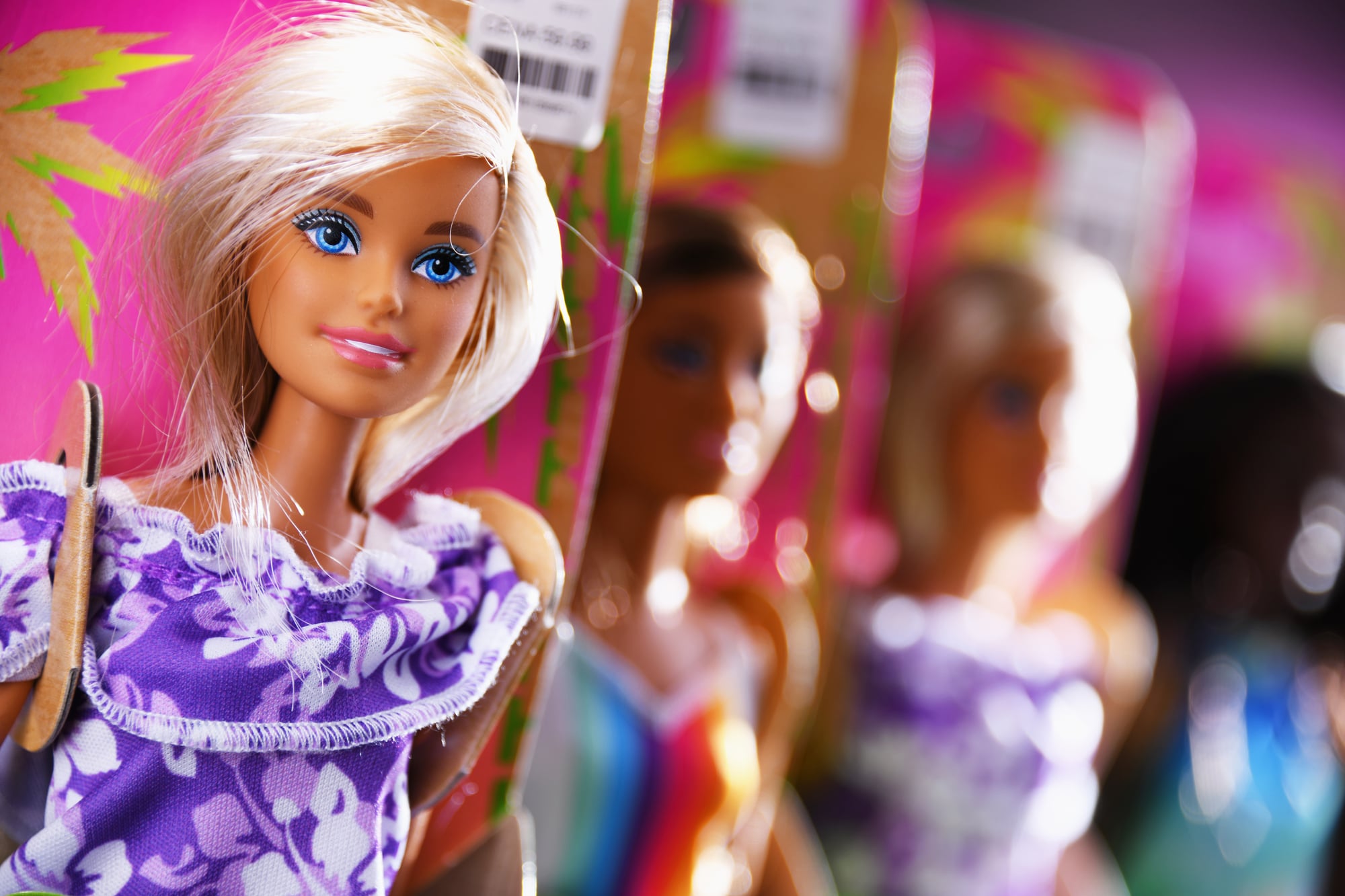
The pink aisle radiated its own energy, drawing girls into worlds of glamour and endless outfit changes. Barbie wasn’t just a doll — she was an entire lifestyle packaged in cardboard and cellophane.
Dream houses, sports cars, and enough tiny shoes to outfit a small army of plastic feet filled every shelf, and the promise that you could be anything (as long as you looked fabulous doing it) hung thick in the air.
Building Blocks And Construction Sets
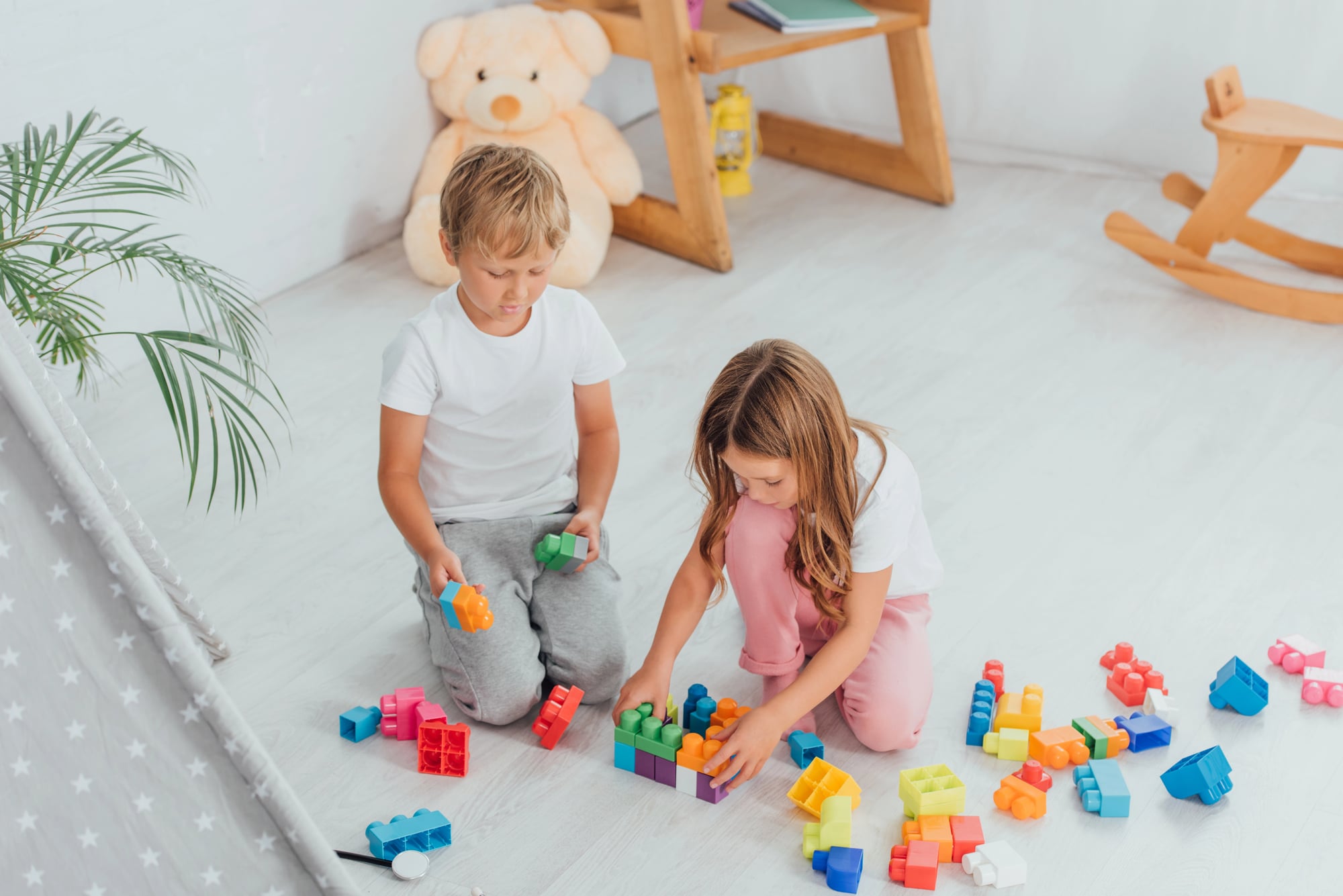
And so we arrive at the realm of the methodical child, the one who read instruction manuals like scripture and saved every tiny piece in organized containers (or at least tried to before younger siblings got involved). LEGO sets sat next to Lincoln Logs, Erector Sets competed with K’NEX, and somewhere in the back, a kid was probably already calculating how many lawn-mowing sessions it would take to afford that castle set.
But here’s the thing about construction toys that separated them from everything else in the store: they required patience in an environment designed around instant gratification, and the kids who lingered here the longest usually ended up becoming engineers — or at least really good at following directions.
Board Games And Puzzles
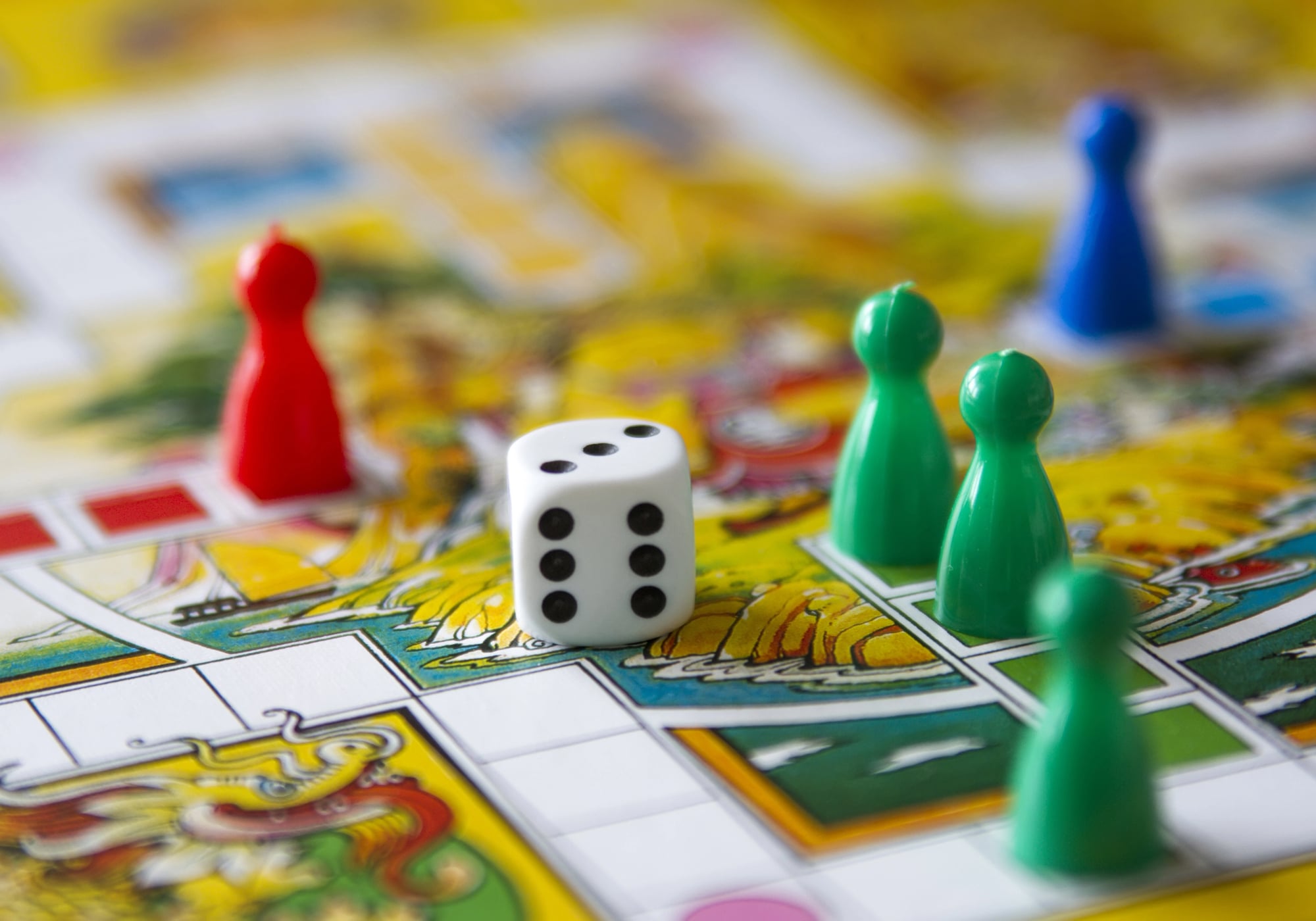
Monopoly dominated the top shelf like a capitalist overlord. Below it, puzzles promised hours of kitchen table frustration.
The board game aisle was where families went to pretend they enjoyed spending time together.
Stuffed Animals And Plush Toys
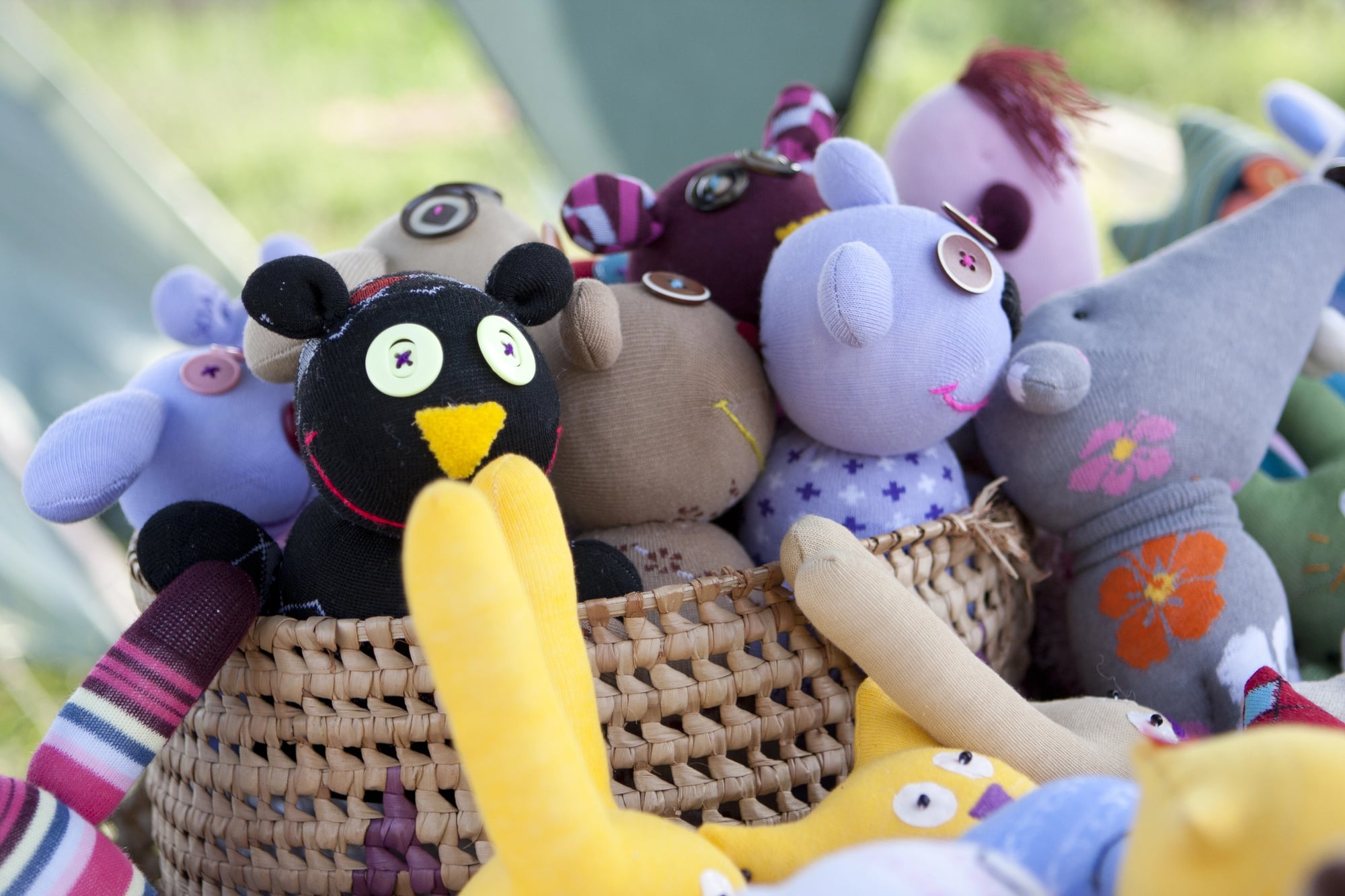
There’s something deeply honest about a seven-year-old clutching a stuffed elephant, whispering promises about proper care and permanent companionship. The plush aisle operated on pure emotional currency — no batteries required, no assembly needed, just the simple transaction between loneliness and comfort.
Teddy bears sat next to cartoon characters, each one radiating the kind of uncomplicated affection that adults spend decades trying to recapture, and every child who wandered through here was essentially shopping for a best friend who would never judge them for talking to themselves or needing something soft to hold during thunderstorms.
Model Cars And Trains
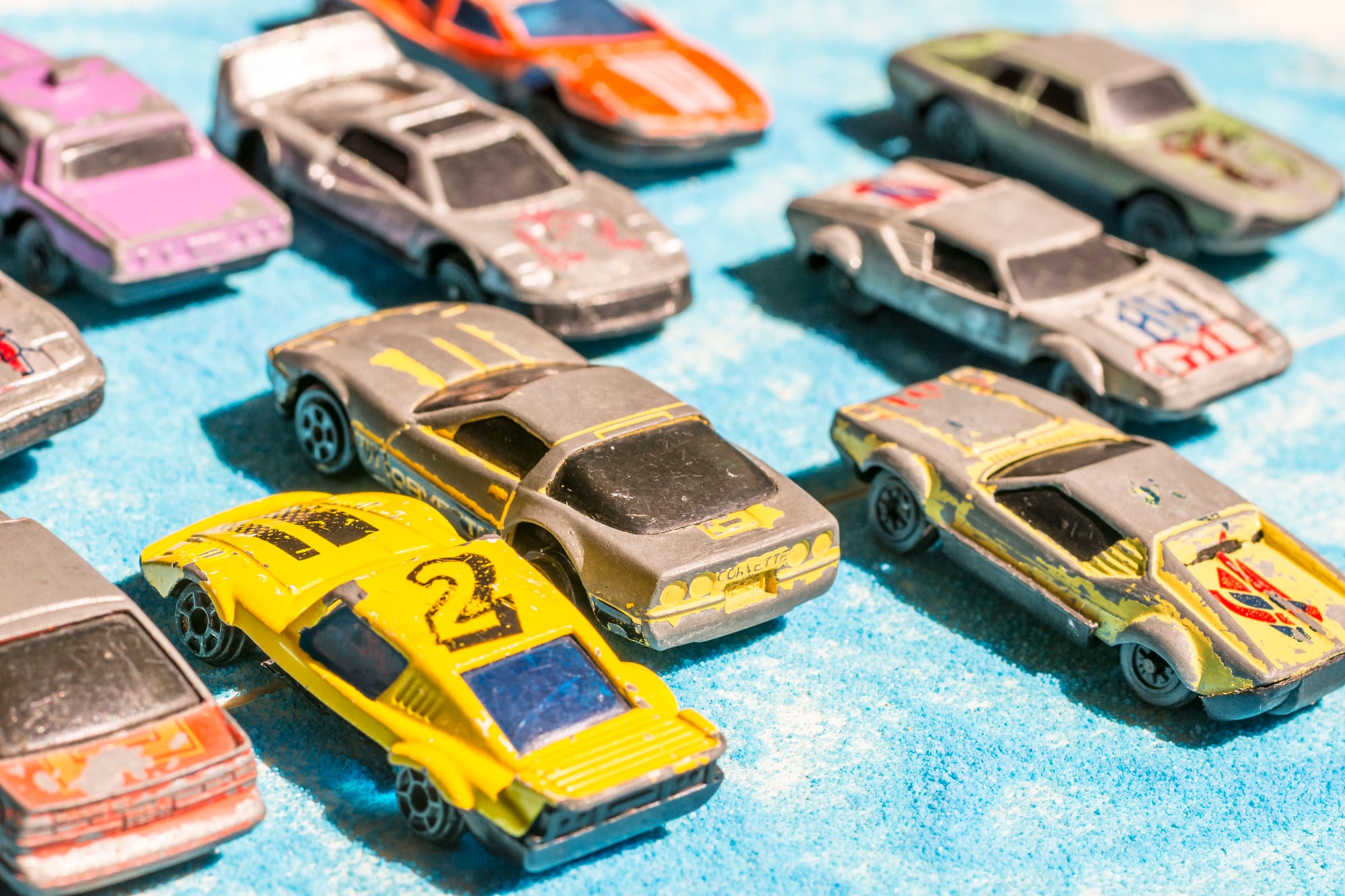
Hot Wheels tracks snaked around display cases filled with die-cast perfection. This was the aisle of precision and obsession, where eight-year-olds learned the difference between a Mustang and a Camaro before they could ride a bike without training wheels.
Arts And Crafts
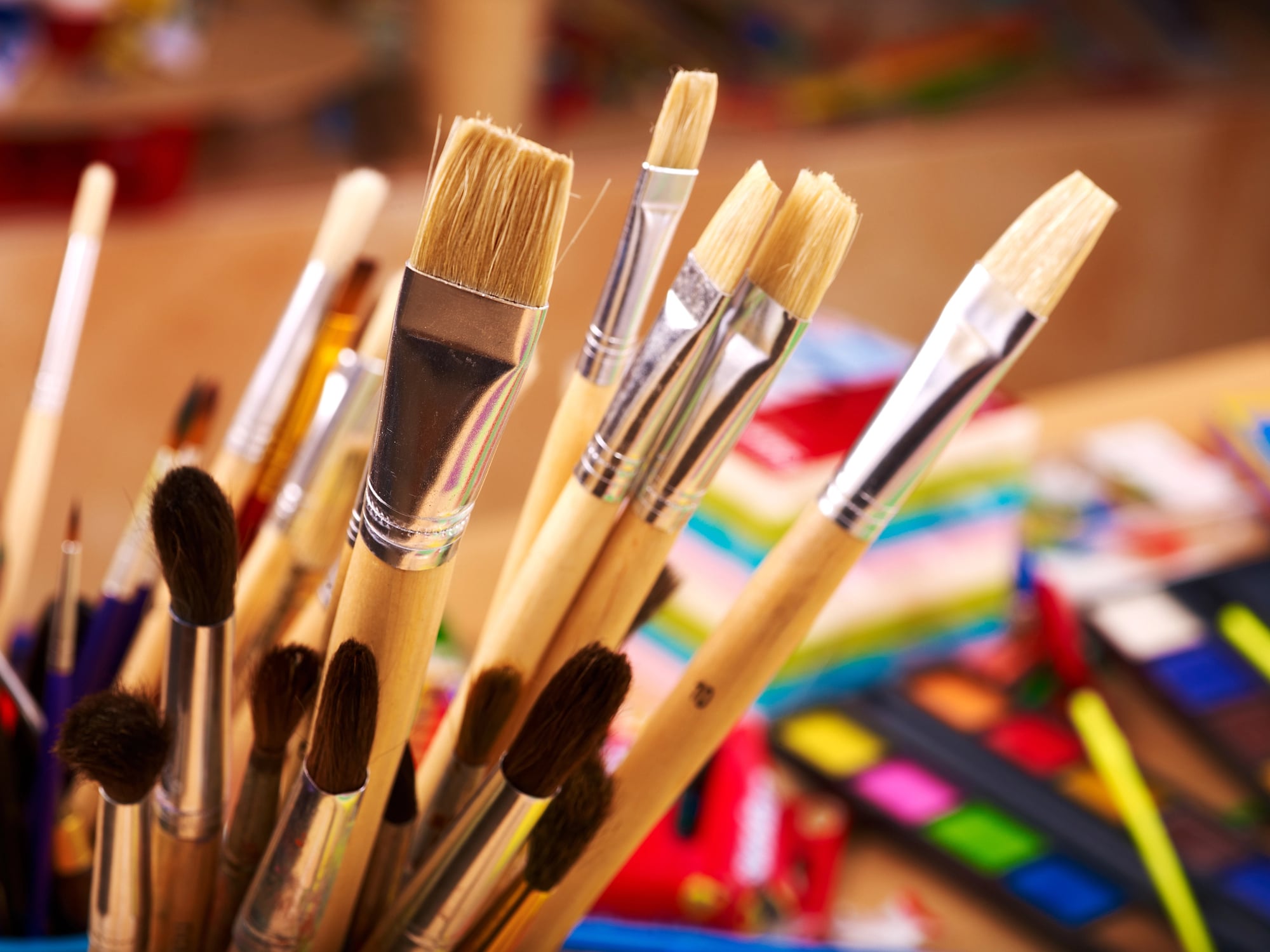
Crayons, markers, construction paper, and glue sticks created a rainbow explosion of creative possibility (though let’s be honest, most projects ended up looking like abstract interpretations of what the box promised, and parents’ refrigerators became galleries of ambitious attempts). The arts and crafts aisle attracted the dreamers, the kids who believed they could recreate the masterpiece on the package if they just had the right supplies, and every purchase here came with the unspoken understanding that someone would be finding glitter in the carpet for the next six months.
So craft stores learned to position this section near the cleaning supplies — which, as it turns out, was just good business sense.
Electronic And Video Games
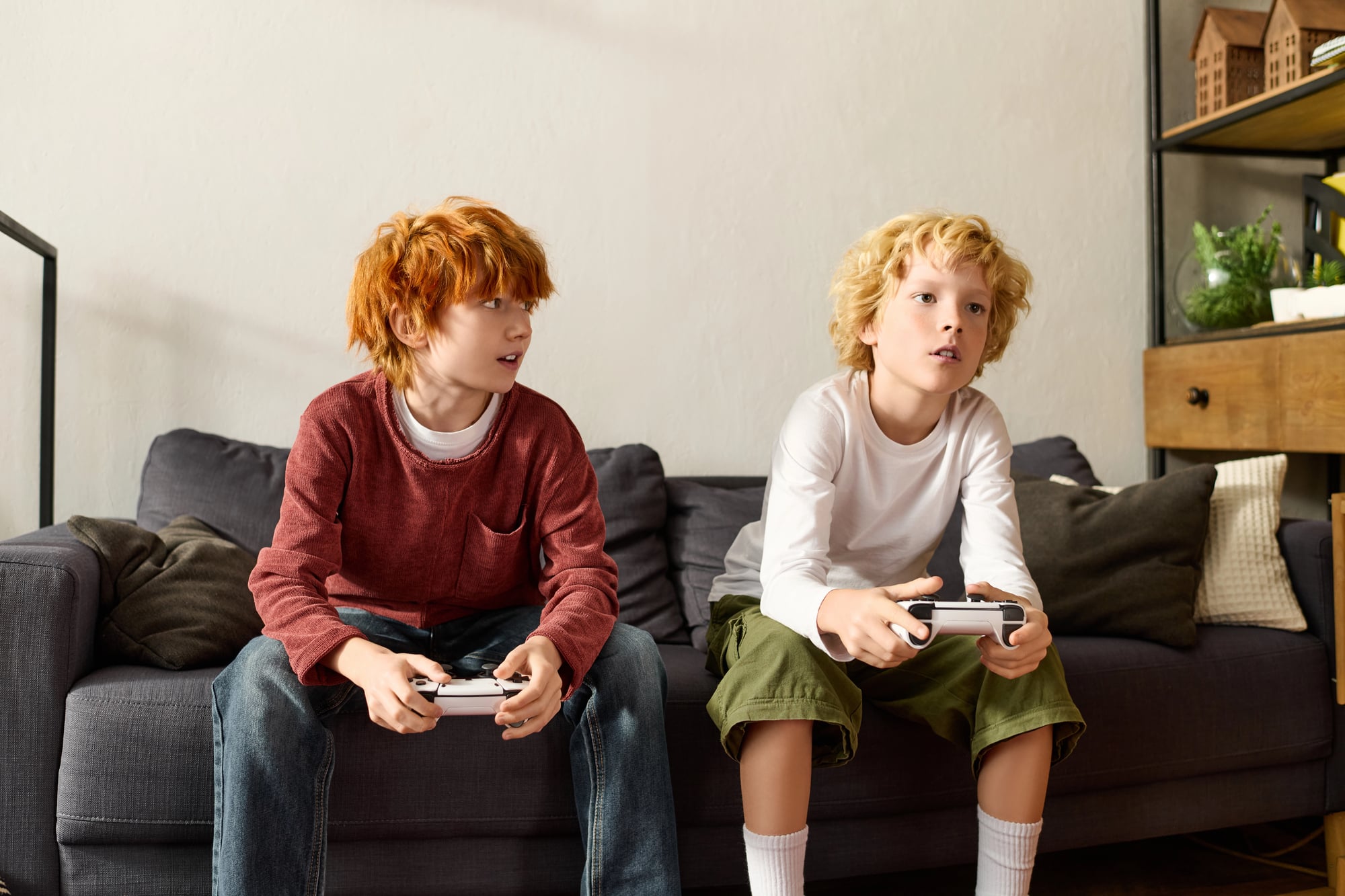
The glass cases here hummed with possibility and the quiet desperation of kids doing mental math with their birthday money. Game cartridges sat like precious gems, each one representing weeks of after-school obsession.
The electronics aisle was where childhood dreams went to negotiate with harsh financial reality.
Outdoor And Sports Toys

Bikes gleamed under the fluorescent lights like mechanical horses waiting for their riders. This aisle smelled like rubber and summer freedom, even in the dead of winter.
Frisbees, jump ropes, and soccer equipment promised fresh air and scraped knees in equal measure.
Musical Instruments And Karaoke
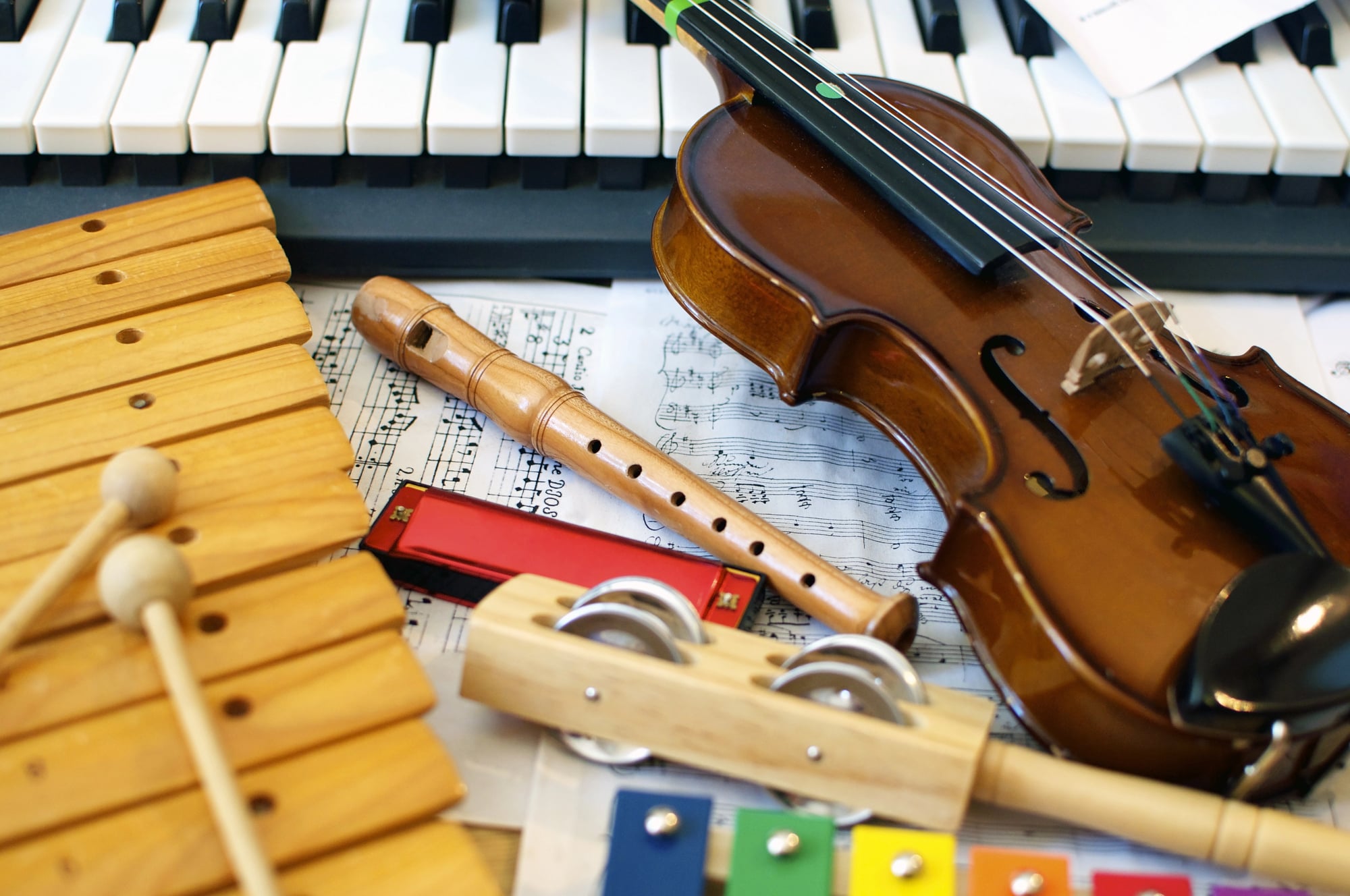
Plastic keyboards that sounded like dying cats shared shelf space with karaoke machines that would torture families for generations (though nobody knew it at the time, least of all the enthusiastic eight-year-old convinced they were the next Madonna). The musical aisle was where parents’ patience went to die, one off-key rendition at a time, but it was also where some kids first discovered they could make something beautiful out of nothing but breath and rhythm.
And so toy manufacturers kept making smaller, cheaper, louder versions of real instruments, banking on the fact that for every hundred kids who would abandon their plastic saxophone after a week, one might stick with it long enough to fill concert halls — or at least middle school talent shows.
Science And Educational Toys
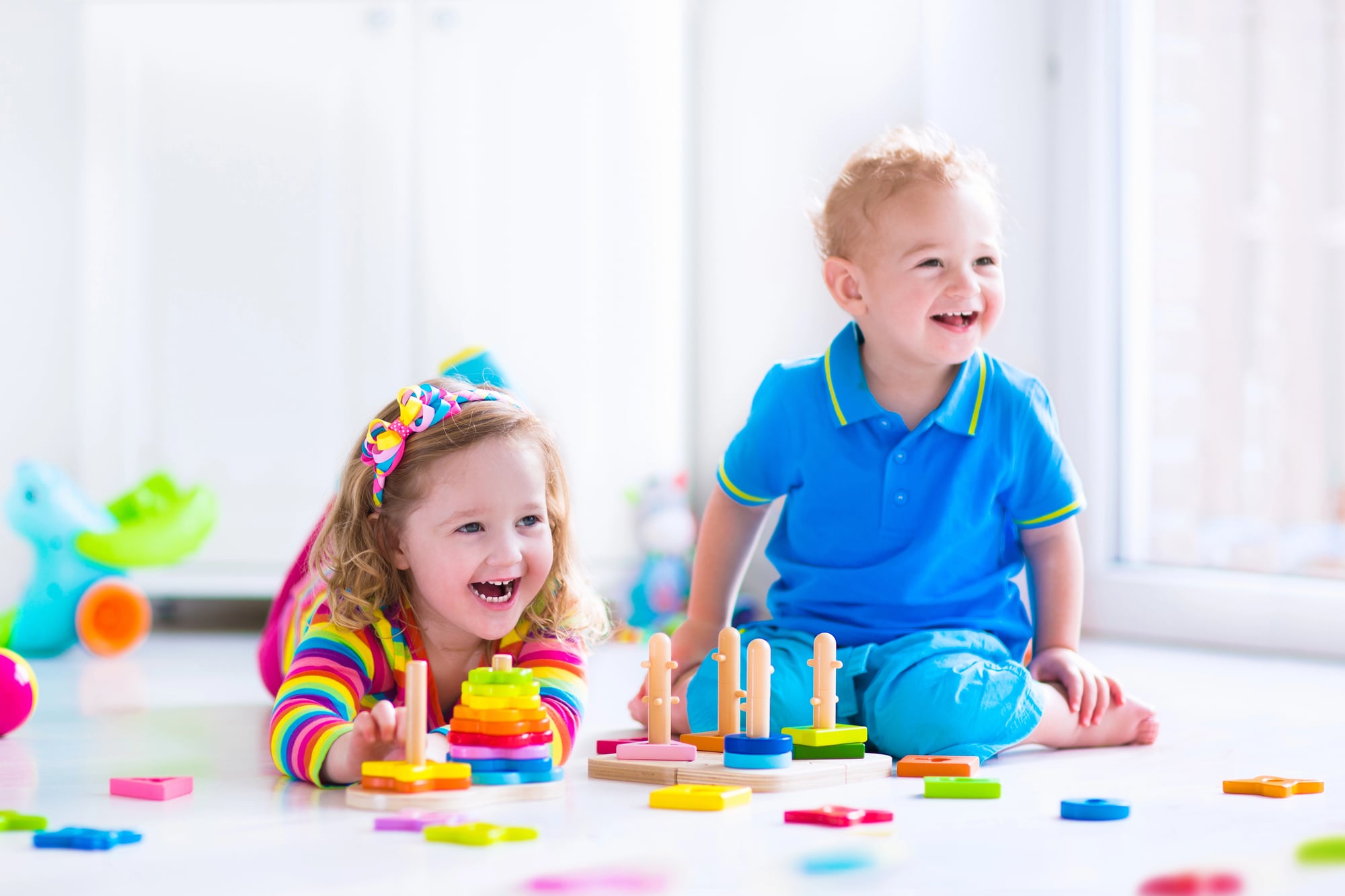
Chemistry sets promised explosions but delivered disappointment. Microscopes revealed a world too small to hold attention for long.
The educational toy section was where good intentions collided with the reality that learning is hard work, even when it comes disguised as fun.
Baby And Toddler Section

The soft aisle, where everything was rounded edges and primary colors. Older kids walked through here with the superiority of those who had graduated beyond safety scissors and choking hazards.
Parents lingered, calculating the cost of keeping tiny humans entertained.
Seasonal And Holiday Toys
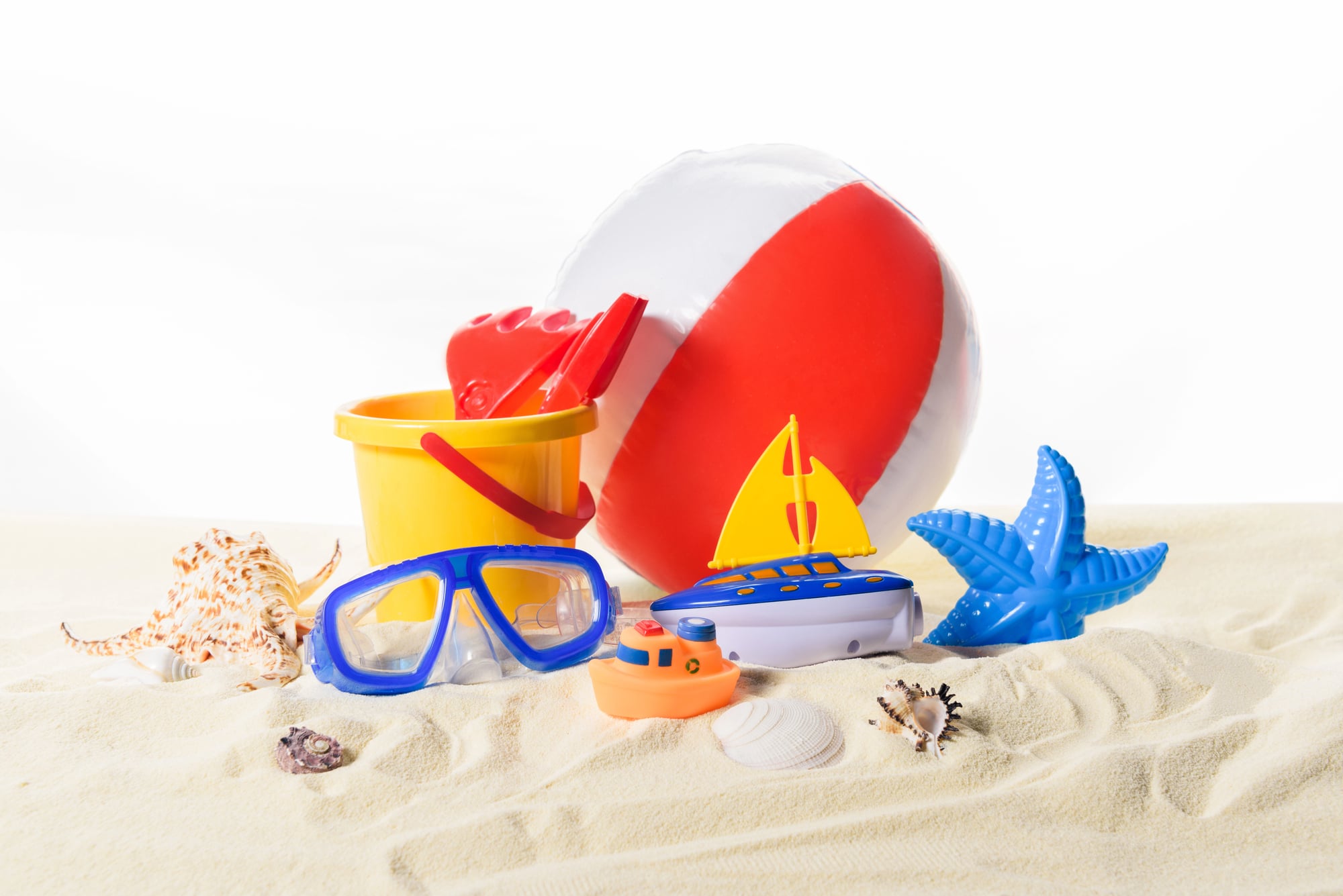
Halloween costumes in September, Christmas magic in November, summer toys gathering dust in February — this aisle operated on artificial urgency (buy now or wait eleven months) and the retail wisdom that scarcity creates desire. Kids learned early that some magic only comes around once a year, which made it more precious even when the vampire costume fell apart before trick-or-treating ended and the Easter basket toys broke before the candy was gone.
But there was something wonderful about the rotation, the way the store transformed itself like a theatrical set change, promising that childhood would always have something new to anticipate just around the corner.
Remote Control And Radio Control
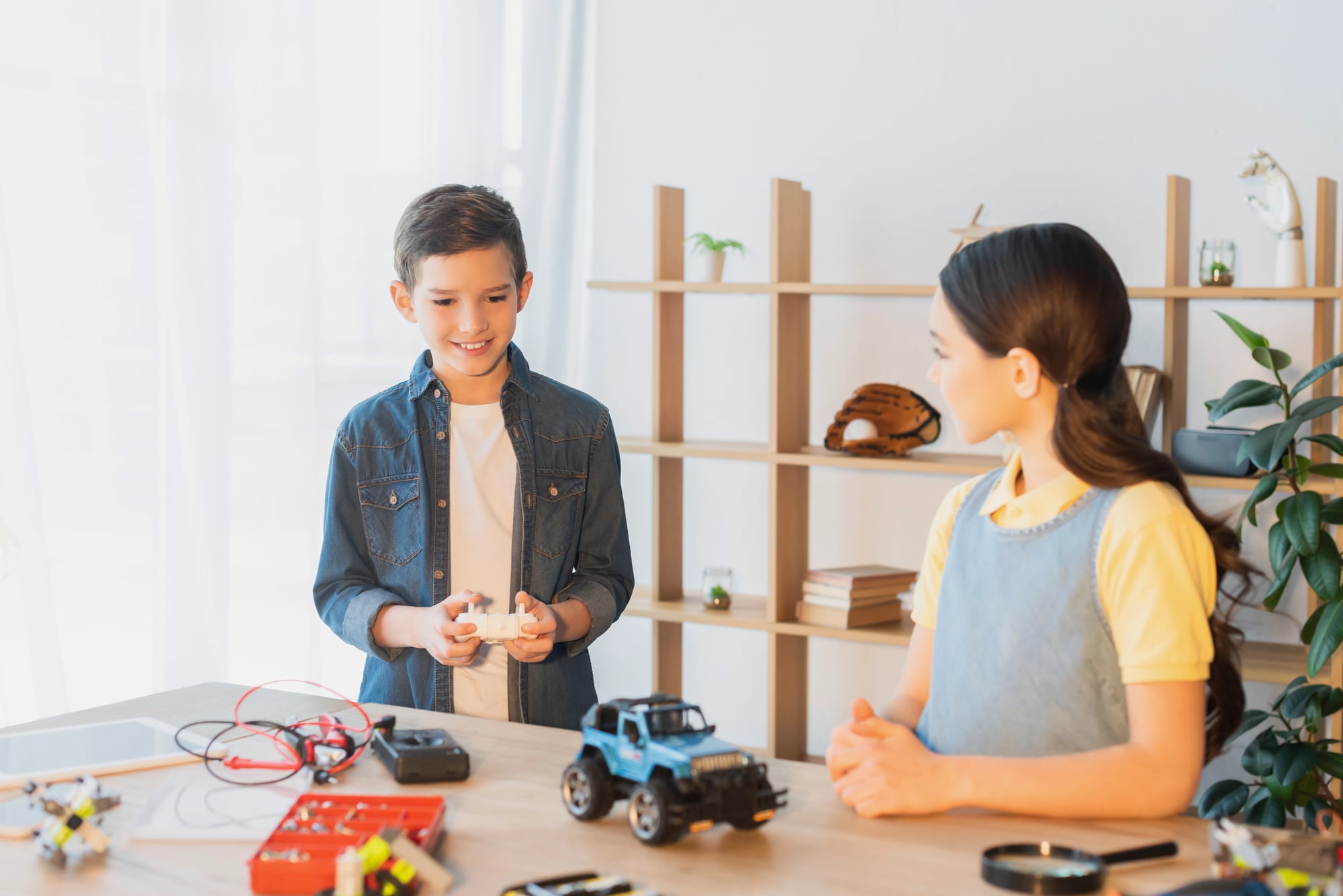
RC cars buzzed around demonstration tracks while helicopters crashed into ceiling displays. This was engineering made accessible to ten-year-olds, even if most of them spent more time replacing broken parts than actually controlling anything remotely.
Collectibles And Trading Cards
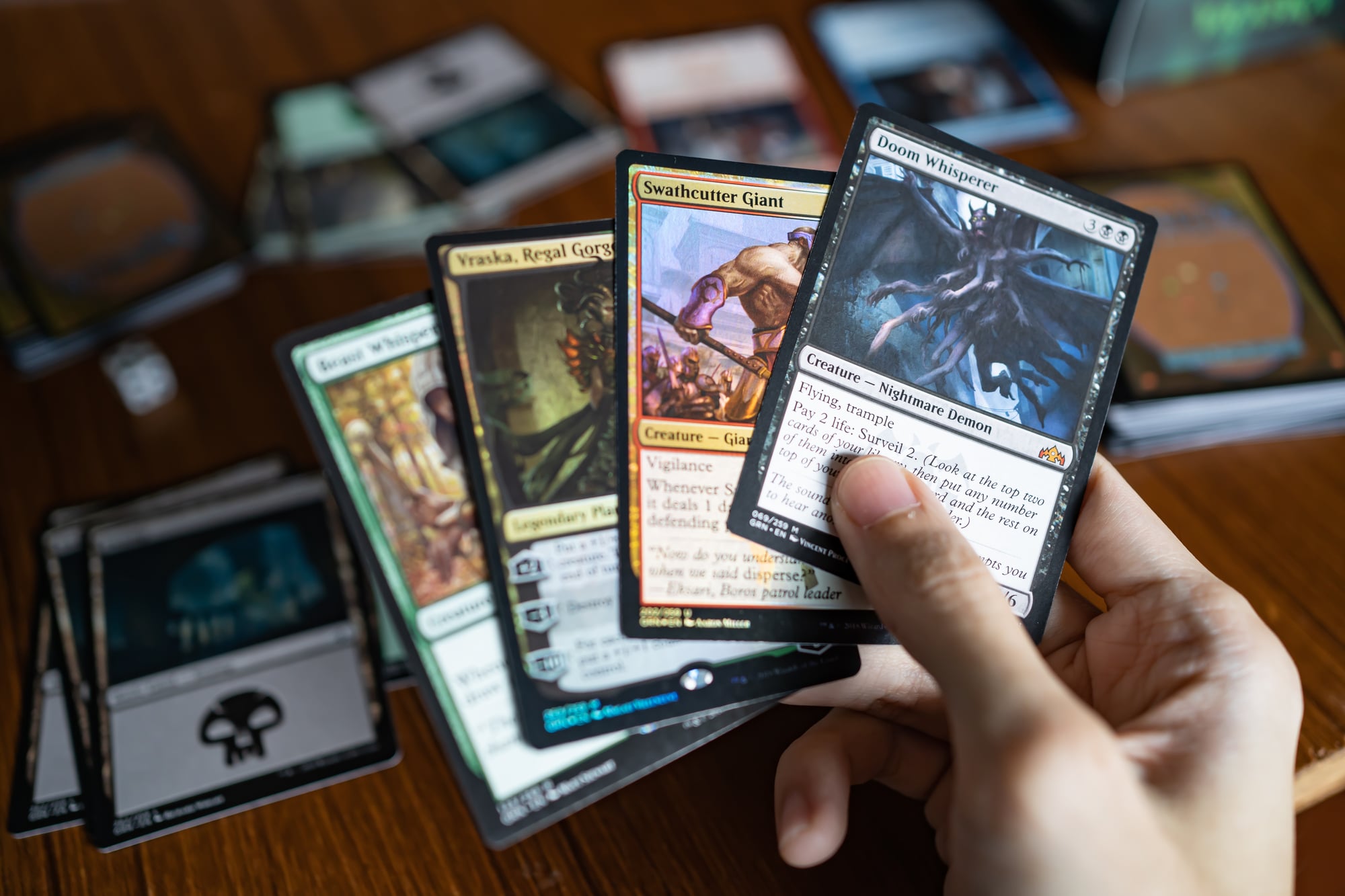
Baseball cards, stickers, and whatever collectible craze was sweeping through elementary schools that month created their own miniature economies. Kids became traders, negotiators, and heartbroken victims of playground commerce.
The collectibles aisle was capitalism’s first lesson, taught through cardboard and disappointment.
Where Wonder Went To Live
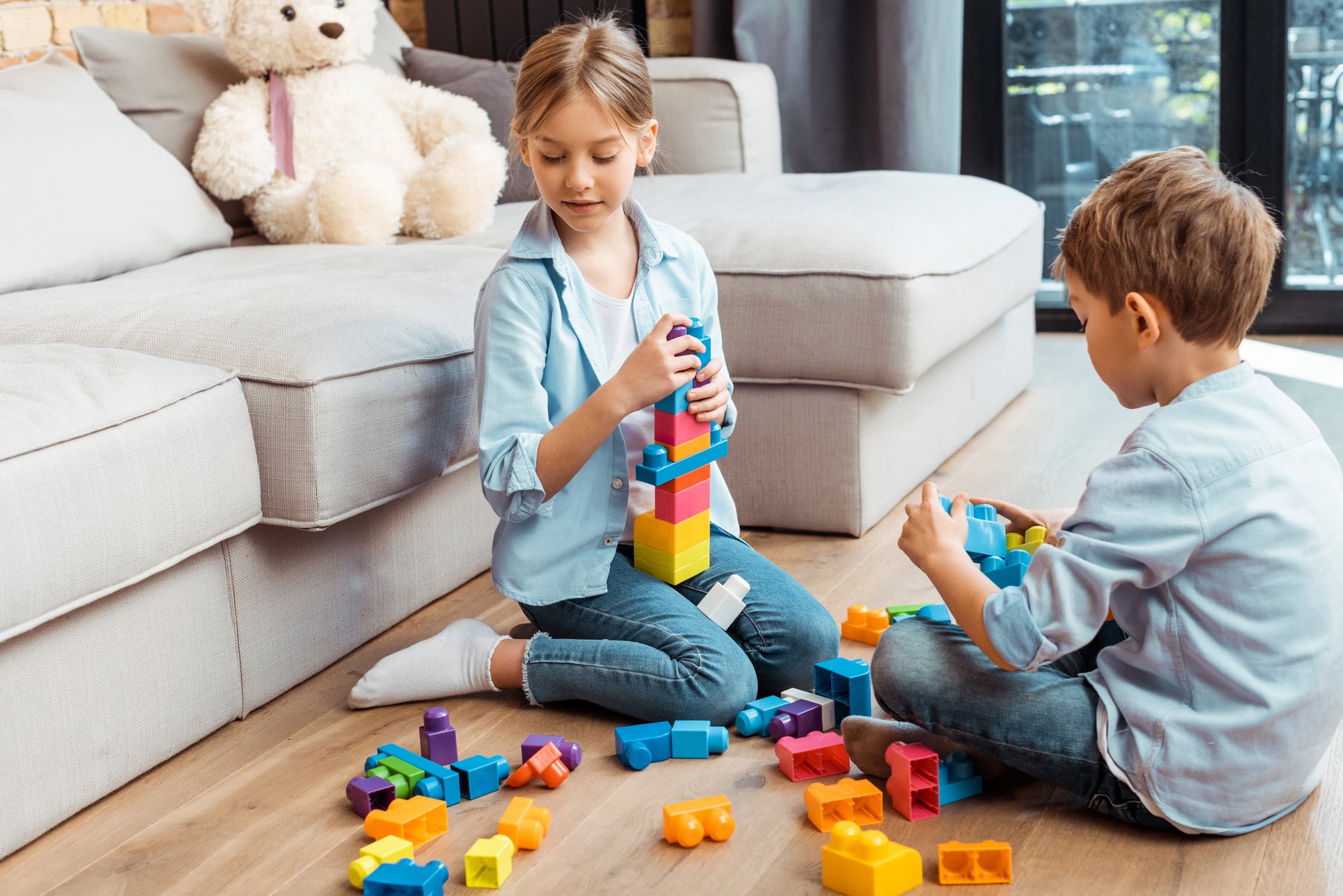
Those aisles existed in a time before children became customers and toys became content. Each section was a physical space you had to walk through, touch, and experience with your whole body rather than scroll past on a screen.
The weight of a toy in your hands, the way it felt to run from the action figures to the art supplies and back again — that geography of desire shaped not just what kids wanted, but how they learned to want things. The vintage toy store was never really about the toys themselves.
It was about the possibility that the right purchase could transform you into whoever you wanted to become, at least until next Saturday’s allowance ran out.
More from Go2Tutors!

- The Romanov Crown Jewels and Their Tragic Fate
- 13 Historical Mysteries That Science Still Can’t Solve
- Famous Hoaxes That Fooled the World for Years
- 15 Child Stars with Tragic Adult Lives
- 16 Famous Jewelry Pieces in History
Like Go2Tutors’s content? Follow us on MSN.